

- Details
- Written by: Jérôme Brahy
- Category: 2024
- Hits: 13918










At the inaugural International Armament Congress, held from October 21 to 25, 2024, in Kraków, Poland, defense company Pit-Radwar presented a new 35mm self-propelled artillery system equipped with programmable ammunition. Designed to integrate into the evolving air defense architecture of the Polish Armed Forces, this system aims to enhance very short-range air defense (VSHORAD) capabilities against modern aerial threats, including drones, aircraft, and cruise missiles.
Follow Army Recognition on Google News at this link
The SA-35MM achieves a 97% hit probability using programmable ABM ammunition, with just seven projectiles releasing over 50 subprojectiles each. (Picture source: Pit-Radwar)
The newly unveiled system, named the SA-35MM, combines the AM-35mm automatic cannon with a programmable munition system. It features an independent optoelectronic target-tracking system called ZGS-35, a hybrid fire control system with the TUGA radar, and optoelectronic sensors. Mounted on a third-generation Jelcz 6x6 platform, the system is developed to engage a wide spectrum of air targets performing maneuvers in course, speed, and altitude within the fire zone, enabling effective short-term anti-aircraft defense of stationary strategic assets, troop concentrations, and mobile units.
The SA-35MM is particularly effective against low-cost, small, and very small targets, such as unmanned aerial vehicles (including kamikaze drones). The system is compatible with Polish air defense systems and is capable of autonomous target engagement, offering a high level of automation and remote control capabilities. Its design allows for fast mission readiness and deployment without manual alignment.
The AM-35mm automatic cannon has a rate of fire of 550 rounds per minute and features a two-sided, chained ammunition feeding system with a magazine capacity of 2 x 100 rounds. It can immediately switch between two types of ammunition, typically sub-caliber FAPDS-T (Frangible Armour Piercing Discarding Sabot with Tracer) and programmable Air Burst Munition (ABM), allowing it to effectively combat various airborne and ground threats. The cannon is reduced in size and weight by utilizing carbon fiber technology, and it can operate autonomously via its own remote-control console or integrated with a combat management system.
The ZGS-35 optoelectronic tracking system includes an infrared thermal imaging camera, a daylight camera, a high-repetition laser rangefinder, a video tracker, and a short-range interrogator. These components enable accuracy in dynamic object tracking, allowing the system to perform combat operations in various weather conditions, both day and night. The tracking head has an operational range in elevation from -10° to 85° and can perform continuous 360° rotation in azimuth. It provides range readout limits from a minimum of 200 meters to a maximum of 30,000 meters, with a ranging rate of 30 Hz.
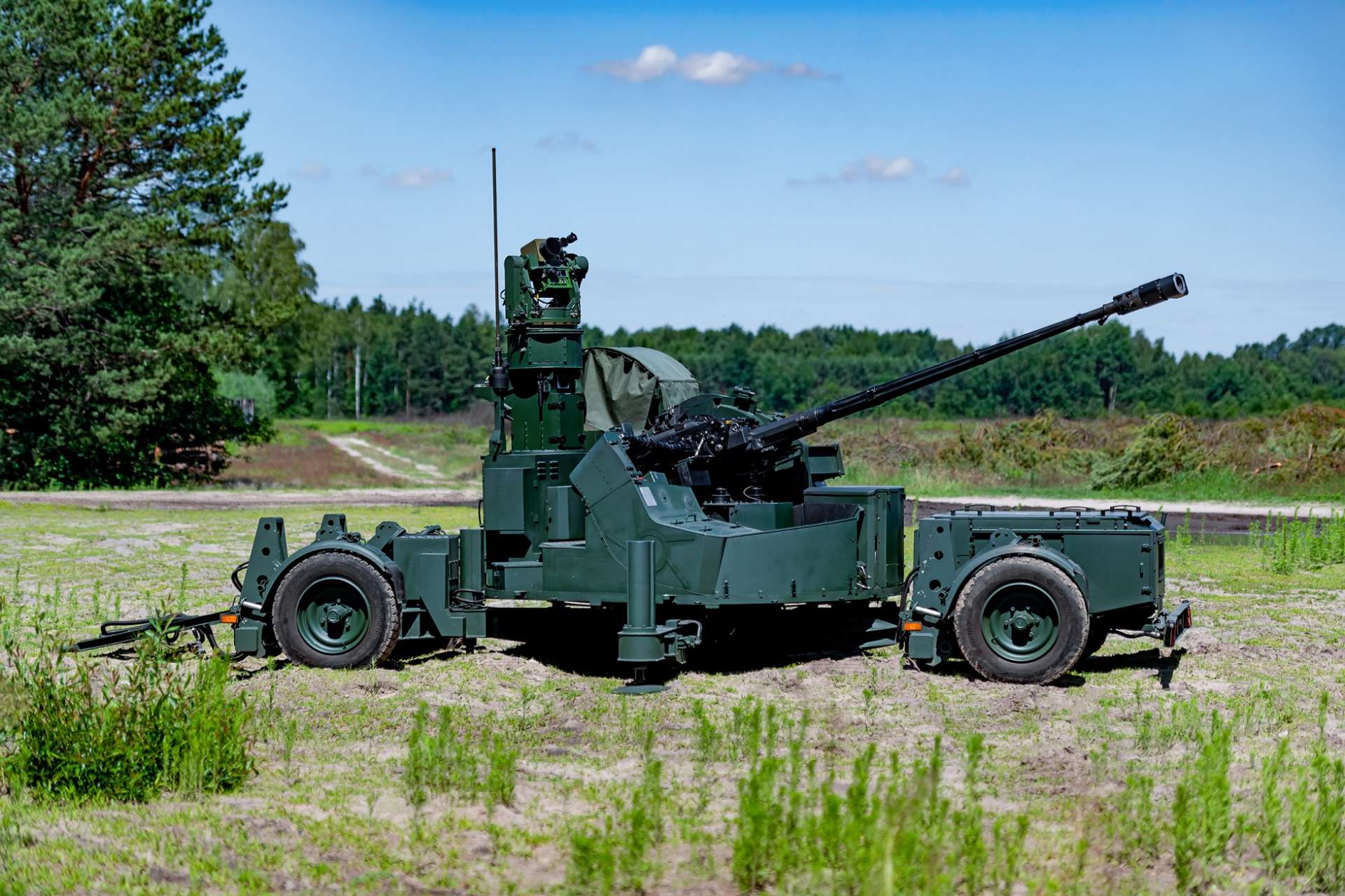
The SA-35MM combines the AM-35mm automatic cannon with a programmable munition system and a third-generation Jelcz 6x6 platform. (Picture source: Pit-Radwar)
The TUGA radar, part of the hybrid fire control system, operates on continuous wave modulation by frequency (FMCW) with an active electronically scanned array (AESA) antenna in the X-band. This radar technology uses low transmitted signal power, making it difficult to detect by enemy reconnaissance devices, thus increasing operational security. Despite its low power and compact size, the TUGA radar has a detection range from 50 meters to 50 kilometers and can detect small drones at distances up to 5 kilometers.
The development of this artillery system is a collaborative effort involving Pit-Radwar, the Military University of Technology, and the defense company Mesko. The project is co-financed by Poland's National Centre for Research and Development (NCBiR), as part of Competition no. 12/2022 for projects in development works for state defense and security. The Tactical and Technical Assumptions have been approved by the AU Chief, with the objective to deliver nine prototypes after qualification tests, integrated with the OSU-35K naval gun system. The implementation period spans from December 20, 2022, to June 20, 2025.
During the congress, Pit-Radwar conducted demonstrations showcasing the system's capabilities. One test involved targeting a small unmanned aerial vehicle located 1,000 meters away, with an angular size of 0.5x2.0 milliradians. The AG-35 cannon achieved a dispersion of no more than 0.5 milliradians, closely matching the dimensions of the drone, demonstrating the system's precision.
Field test results indicated that achieving a 99% probability of hitting the target with at least one projectile required firing 24 rounds of typical TP-T/FAPDS-T ammunition. In contrast, using programmable ABM ammunition, firing only seven projectiles achieved a probability of hitting at the level of 97%, with each projectile releasing over 50 subprojectiles. This represents a significant reduction in ammunition consumption while maintaining a high probability of target destruction.
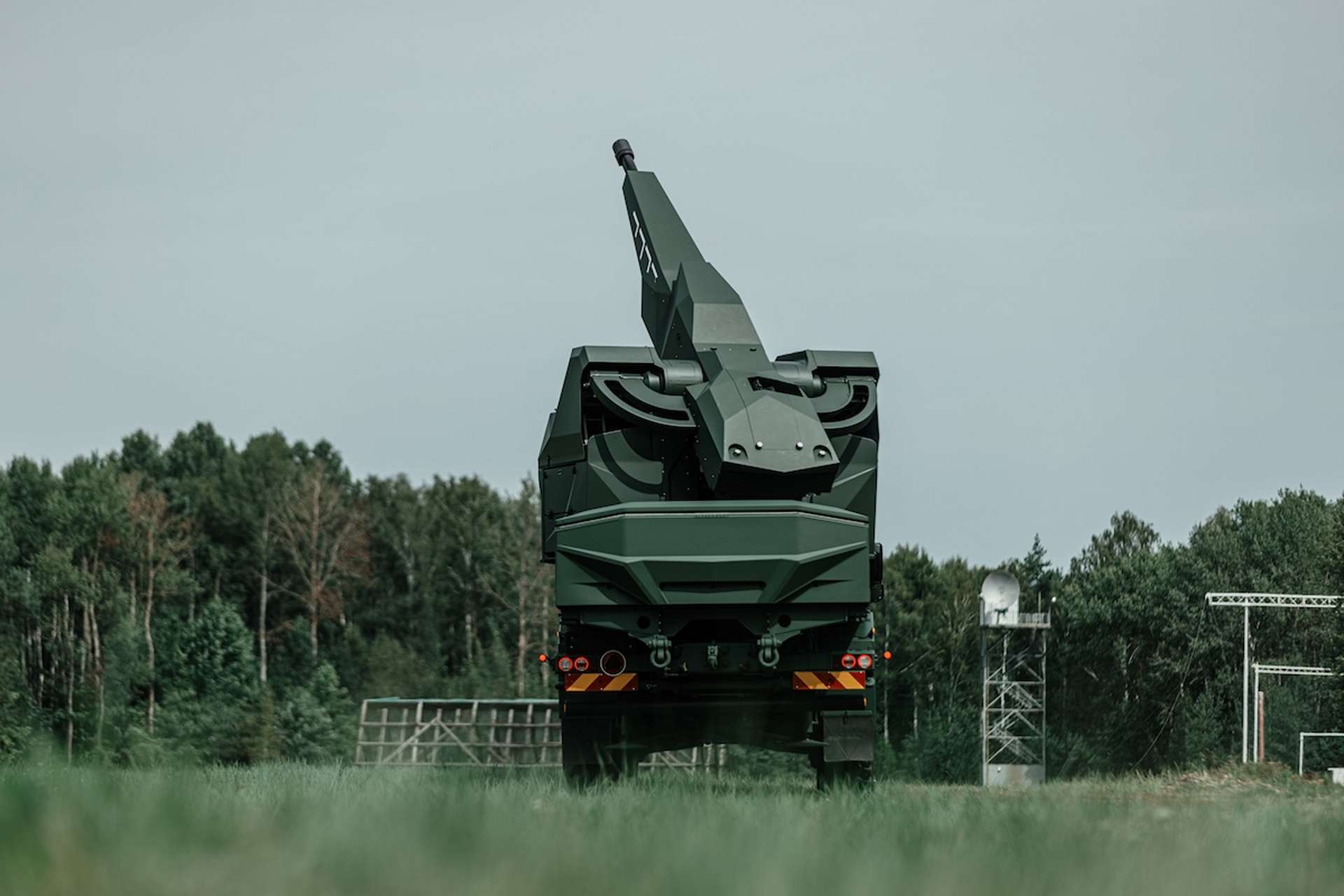
The objective is to deliver nine prototypes after qualification tests, integrated with the OSU-35K naval gun system, before June 20, 2025. (Picture source: Pit-Radwar)
Pit-Radwar proposed integrating the 35mm cannon into self-propelled artillery systems mounted on the AS-35 wheeled chassis. Two configurations for very short-range air defense (VSHORAD) batteries were suggested. The first, an artillery battery, would consist of four self-propelled SA-35 guns, a WG-35 fire control vehicle, a command vehicle, and a preliminary detection radar such as the Soła or Bystra systems. The second, a rocket-artillery battery, would include self-propelled Poprad missile systems enhanced with anti-drone technologies and a K-band tracking radar, in addition to the artillery components.
The SA-35MM system operates autonomously, equipped with its own fire control system based on the ZGS-35 optoelectronic tracking and aiming head. The integrated optoelectronic tracking head ensures accuracy in dynamic object tracking through its sensors, which include thermal imaging and daylight cameras, a laser rangefinder, and a video tracker. The system also features a communication and data transmission subsystem, enabling radio and cable communication with the battery command and control system and the WG-35 fire control vehicle, allowing for remote control from a portable terminal.
The drive subsystems of the gun and the optoelectronic tracking head are designed with advanced drive units and dedicated electronic controllers, providing high dynamics and precision of movement. An inertial navigation subsystem, including GPS, ensures accurate positioning and continuous measurement of azimuth angle, inclination, and tilt. The system also includes a non-kinetic UAV neutralization system and emphasizes cost-efficiency by reducing logistics and personnel requirements, thereby lowering life-cycle costs.
Public and expert reactions at the congress reflected interest in the potential implementation of the system. The presentation of this new 35mm air defense system underscored its significant advantage in reducing ammunition consumption while maintaining effectiveness, especially when compared to 23mm caliber systems. This efficiency is largely attributed to the use of programmable ammunition in the 35mm system, enhancing precision and operational capability.
Observers expressed hope that the program would be carried out consistently, with some anticipating the first batteries to be operational by 2026. Others highlighted the necessity for mass production to ensure the security of key facilities and troops, especially given the increasing use of drones in modern conflicts, such as in Ukraine, Gaza, or Lebanon.
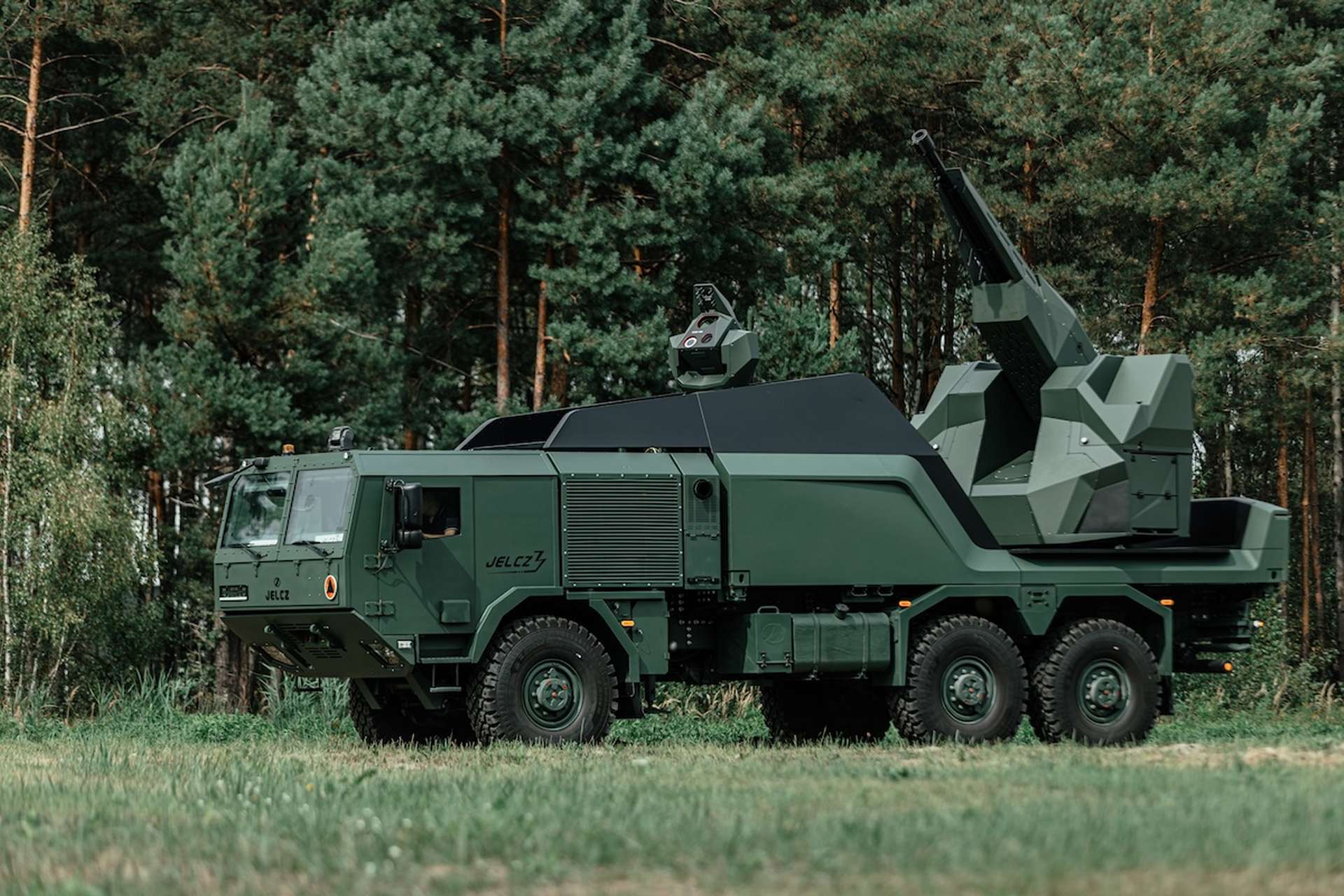
An inertial navigation subsystem, including GPS, ensures accurate positioning and continuous measurement of azimuth angle, inclination, and tilt. (Picture source: Pit-Radwar)
Read more: Poland introduces SA-35MM counter-drone air defense system using programmable ammunition
- Details
- Written by: Jérôme Brahy
- Category: 2024
- Hits: 5355
At the SAHA 2024 exhibition, Turkish company Makina ve Kimya Endüstrisi (MKE) presented its new Gürhan 155 mm self-propelled howitzer (SPH), previously referred to as E-Firtina. This new version was developed to address the export limitations faced by the T-155 Firtina howitzers in the Turkish Armed Forces (TAF) inventory due to engine and transmission embargoes. To overcome these restrictions, MKE integrated a hybrid powerpack into the Firtina and has now completed firing tests for the Gürhan, which features a combination of a diesel engine and electric motor, supported by advanced domestic software and systems.
Follow Army Recognition on Google News at this link
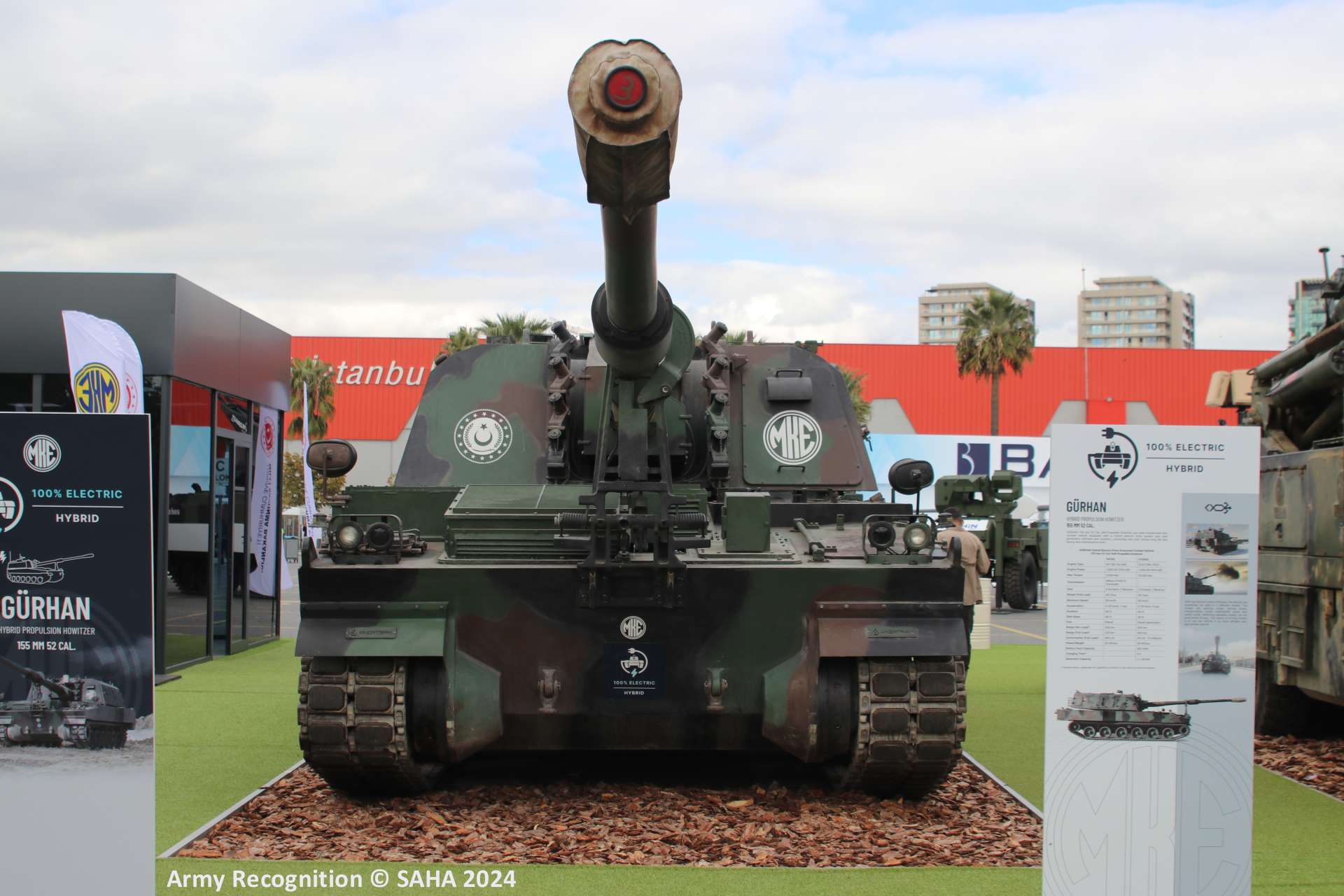
The Gürhan’s hybrid system incorporates an electric engine powered by batteries that can be charged either by a diesel generator or independently in four hours. (Picture source: Army Recognition)
The Gürhan’s hybrid system incorporates an electric engine powered by batteries that can be charged either by a diesel generator or independently in four hours. The electric engine provides 1,300 horsepower, compared to the 1,000 horsepower generated by the diesel engine. This hybrid propulsion setup is similar to diesel-electric systems used in submarines, where the diesel engine functions as a generator for the electric drive. This configuration allows the Gürhan to achieve operational flexibility and improves overall system performance, while maintaining the same key specifications as the baseline Firtina.
In July 2024, the Gürhan underwent firing tests between July 23 and July 25 in Konya Karapınar, including high-pressure and maximum-range scenarios. These tests followed the completion of design verification and confirmed the operational readiness of the system. This development allows the Gürhan to overcome the export limitations previously caused by dependence on foreign engine and transmission components, making the platform ready for international sales.
The hybrid propulsion system offers advantages in fuel efficiency, reduced maintenance costs, and extended operational life. It also provides an improved power-to-weight ratio of 28 hp/ton, compared to the diesel system’s 21 hp/ton, allowing the vehicle to accelerate from 0 to 30 km/h in six seconds—one second faster than the conventional version. The vehicle weighs 48.4 tons, slightly heavier than the diesel-powered Firtina’s 47 tons. In terms of range, the hybrid system extends the operational distance to 500 km, significantly more than the diesel variant’s 226 km, and the maximum speed of the Gürhan is 60 km/h.
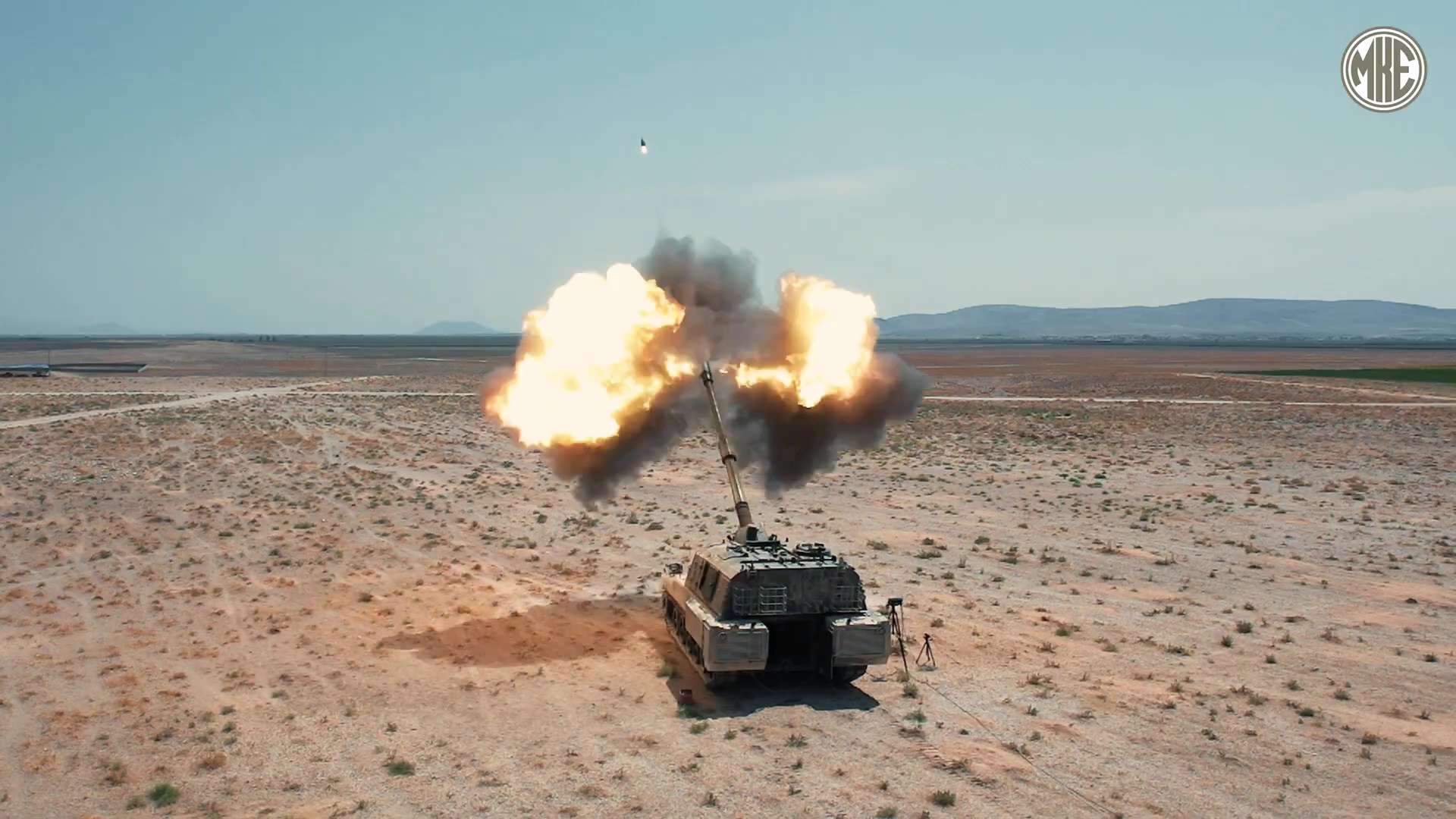
The Gürhan howitzer is capable of firing precision-guided munitions equipped with Roketsan's inertial guidance kit (MDK), featuring brake-based correction and a multi-mode fuse, which was tested from the platform earlier in 2024. (Picture source: MKE)
The Gürhan’s hybrid system is also designed to address operational challenges by reducing logistical requirements, lowering noise levels, and decreasing its thermal signature, making it less likely to be targeted by heat-seeking weapons. Furthermore, the hybrid system enables easier maintenance, with longer intervals between services and shorter times required for engine and transmission replacements. The batteries have a capacity of 357.12 kWh, and the diesel generator has a fuel tank capacity of 250 liters.
In terms of fire control capabilities, the Gürhan retains key features from the Firtina, including the updated fire control system and a mast-mounted remote-controlled weapon station (RCWS), which also functions as an optic. This system was first introduced with the Firtina-NG variant and has now been integrated into the Gürhan. Additionally, the howitzer is capable of firing precision-guided munitions equipped with Roketsan's inertial guidance kit (MDK), featuring brake-based correction and a multi-mode fuse, which was tested from the platform earlier in 2024.
The transition from diesel to hybrid propulsion was also facilitated by MKE’s own resources, with no external dependencies. The Gürhan now offers a platform with reduced operational costs and enhanced performance. It has been designed to ensure sustainability, reduce logistical challenges, and provide ease of use. The system also incorporates a range of features that improve standardization and safety while contributing to battlefield deterrence. Additionally, it offers an updated self-propelled howitzer platform with extended operational capabilities and reduced reliance on foreign components.
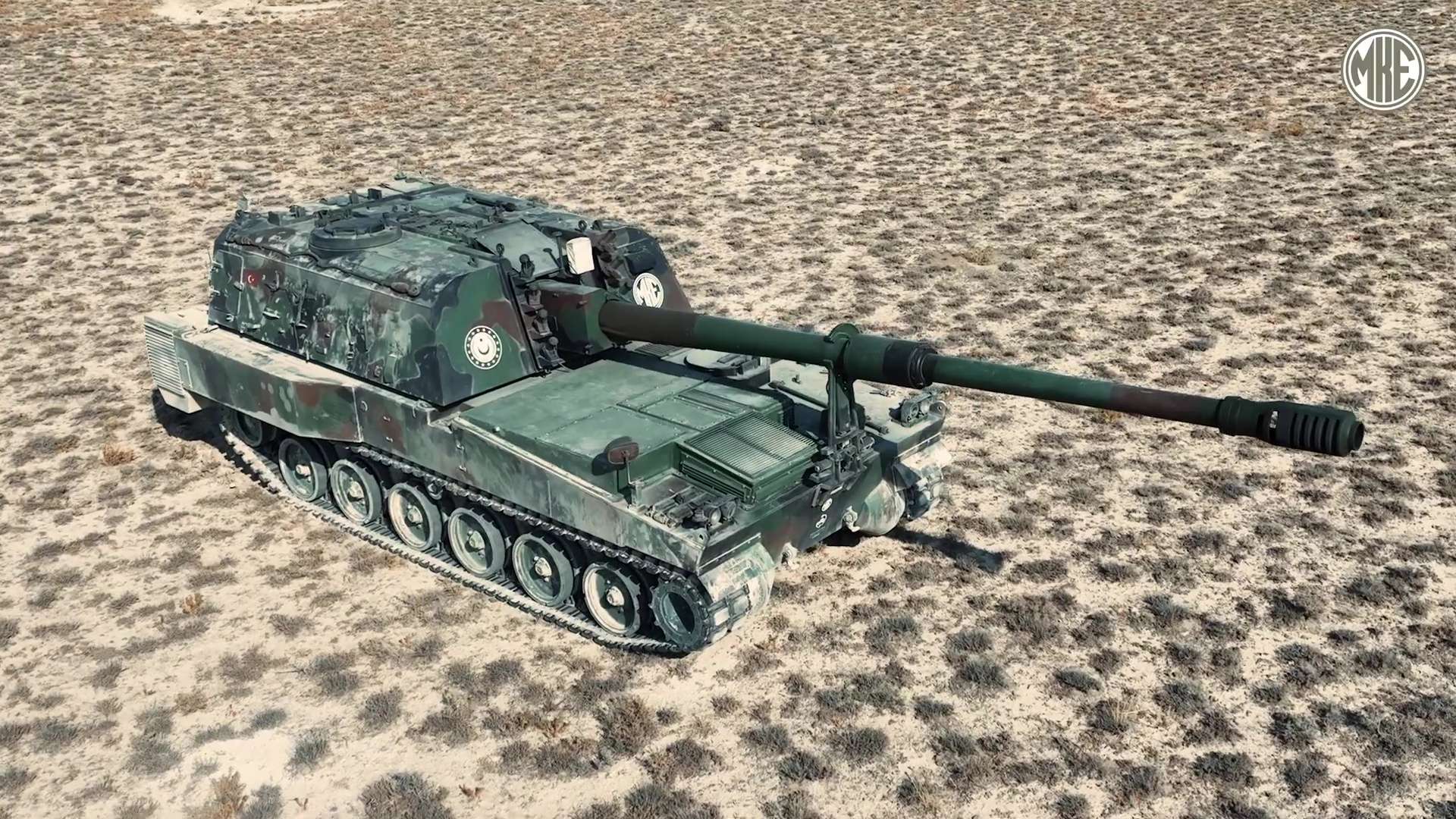
The Gürhan, previously referred to as E-Firtina, was developed to address the export limitations faced by the T-155 Firtina howitzers due to engine and transmission embargoes. (Picture source: MKE)
Read more: Türkiye introduces Gürhan hybrid 155mm self-propelled howitzer for export market

- Details
- Written by: Jérôme Brahy
- Category: 2024
- Hits: 9383
Based on information found online, China is preparing to showcase at least three new variants of the VN-22 8x8 armored vehicle at the Zhuhai Airshow 2024. These variants include a 6x6 model equipped with a laser system for counter-drone operations, along with two 8x8 self-propelled howitzers. One of the howitzers is reported to be armed with a 125mm gun, while the other, possibly named SH-16A, features a modular turret designed for a 155mm wheeled self-propelled howitzer, which appears to be based on the SH-16 model, as it includes the same single equilibrator seen on that system.
Follow Army Recognition on Google News at this link
This new variant of the VN-22 features a modular turret designed for a 155mm wheeled self-propelled howitzer, which appears to be based on the SH-16 model, as it includes the same single equilibrator seen on that system. (Picture source: Chinese social media)
The integration of various weapon systems for these new VN-22 variants demonstrates China's ongoing development of modular and adaptable military platforms, as they allow for rapid reconfiguration, enabling these vehicles to fulfill diverse roles such as troop transport, reconnaissance, anti-tank, and air defense. This flexibility improves operational efficiency and logistics by minimizing the need for specialized vehicles. Additionally, modularity simplifies maintenance and upgrades since weapon systems can be swapped out without extensive vehicle modifications, ensuring that these platforms can evolve to meet emerging threats.
Examples include the Turkish FNSS Pars Alpha 8x8, which accommodates different turrets and missile systems, and the Otokar Arma in both 6x6 and 8x8 versions, which can integrate anti-tank missiles and remote-controlled turrets. The Boxer 8x8, used by several nations, utilizes over 20 mission modules for roles such as infantry fighting vehicle (IFV), command vehicle, or ambulance. Other platforms like the Czech Pandur II 8x8, Swiss Piranha, and China’s Mengshi 6x6 are similarly modular, supporting various operational needs. The VN-22 from Norinco is noted for rapid deployment capabilities, while the U.S. Stryker and LAV (Light Armored Vehicle) platforms are modular enough to handle tasks ranging from anti-aircraft systems to medical evacuation.
The VN-22 was introduced in 2021 by the Norinco Group as a 6x6 wheeled armored fighting vehicle (AFV), aimed at export markets. It offers modular configurations that allow different weapon systems to be mounted depending on the needs of the customer. The vehicle operates with a crew of three and can carry up to eight infantry soldiers. It is equipped with a remotely operated turret that includes a 30mm autocannon, two HJ-12 anti-tank guided missiles, and other secondary armaments. Both the commander and gunner have independent panoramic sights and thermal imaging capabilities.
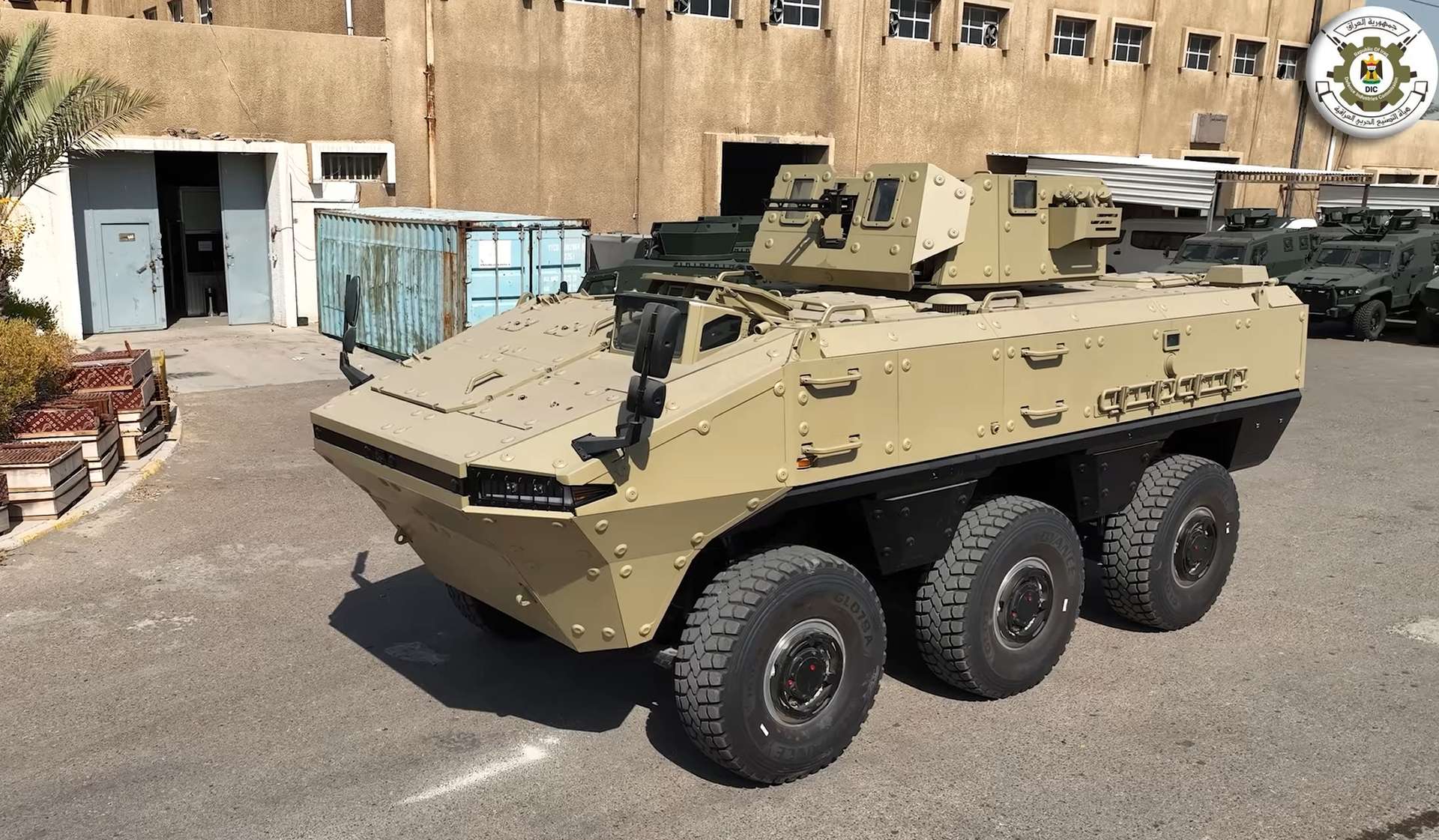
Iraq has made modifications to the VN-22, including replacing the turret with a manually operated machine gun system, which reflects different operational needs and localized production arrangements. (Picture source: Iraq MoD)
In terms of protection, the VN-22 complies with STANAG 4569 Level 4 standards, which means it is capable of withstanding 14.5mm armor-piercing rounds from all directions. The vehicle's V-shaped hull is designed to provide enhanced protection against landmines and improvised explosive devices (IEDs). It also includes the GL6 active protection system (APS), which is intended to counter incoming anti-tank missiles. The VN-22 features an adjustable suspension system to allow for mobility across various types of terrain.
Several versions of the VN-22 exist, including the VN22B, which is equipped with a 105mm cannon that is compatible with NATO-standard ammunition. Other versions include an armored recovery vehicle and an armored ambulance. The VN-22 has been exported to countries such as Iraq, Ivory Coast, and Senegal. Iraq has made modifications to the VN-22, including replacing the turret with a manually operated machine gun system, which reflects different operational needs and localized production arrangements.
The SH-16, which may be the basis for the 155mm howitzer-equipped VN-22 variant which could be named SH-16A, is a 6x6 wheeled self-propelled howitzer. It is designed to offer greater strategic mobility while maintaining similar ballistic performance to its tracked counterparts. The SH-16 is mounted on a wheeled off-road chassis and weighs 32 tons. Its turret, which weighs 14 tons, is equipped with a 52-caliber 155mm howitzer. The system requires a two-person crew, consisting of a driver and a gunner.
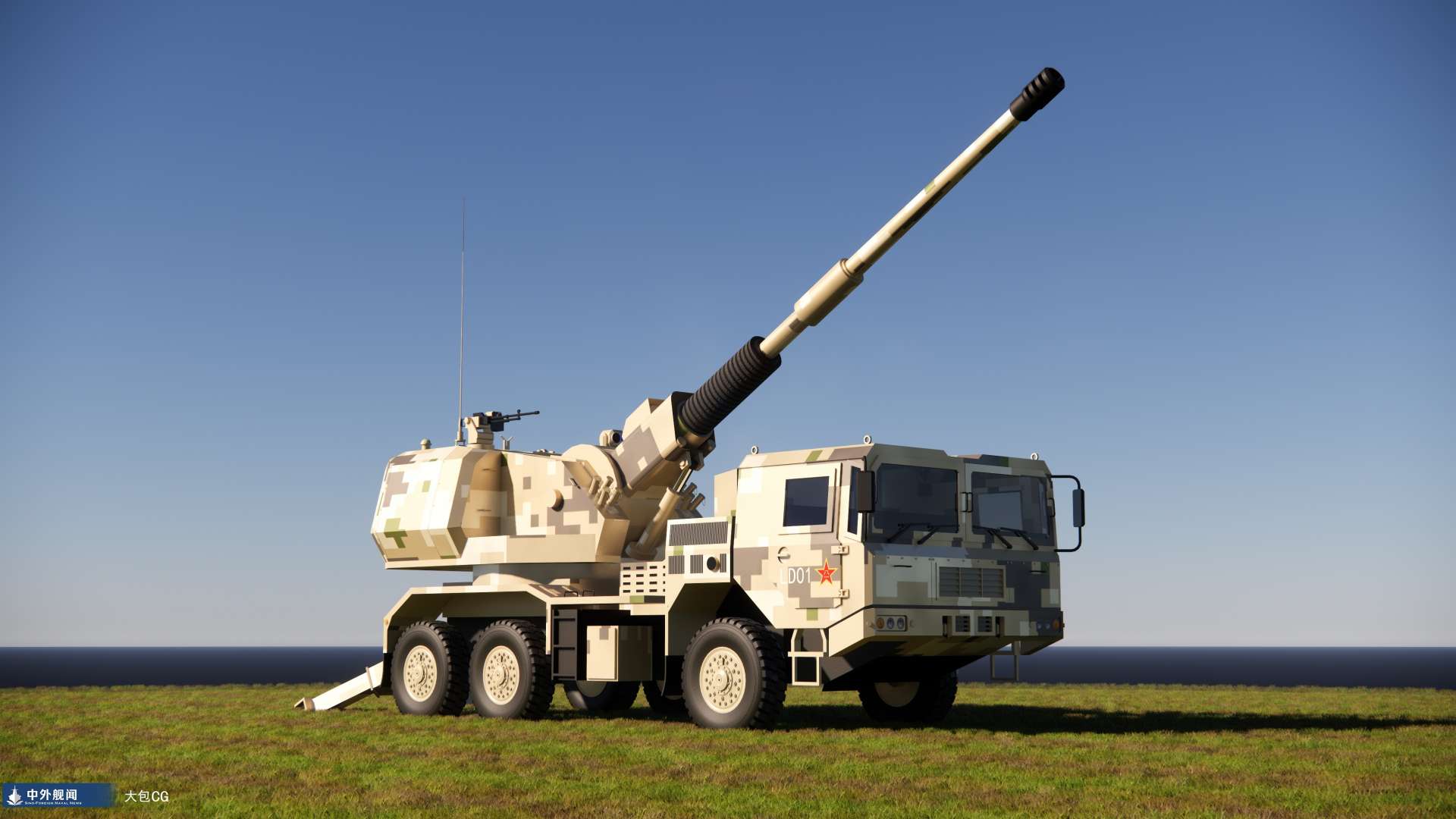
The SH-16 is mounted on a 6x6 off-road chassis and weighs 32 tons. Its turret, which weighs 14 tons, is equipped with a 52-caliber 155mm howitzer. (Picture source: Weibo/大包CG)
The SH-16's fire control system automates key processes, including gun adjustment, fuse binding, projectile loading, and propellant handling, minimizing the need for manual input. This automation is intended to streamline operations and improve performance in combat situations. The SH-16's modular design allows it to be mounted on different types of platforms, such as tracked, wheeled, and truck-based chassis, which may reduce development time and procurement costs.
The SH-16 incorporates advanced technologies, including laser ignition, modular charges, automatic loading, and intelligent control systems. It is made up of several systems, including a firepower system, task management and control system, chassis system, and auxiliary systems. The SH-16 also features an air-pressure-type equilibrator, recuperators, recoil cylinders, and a rear door for loading modular propellant charges. These features support the system's mobility and operational capacity in various environments.
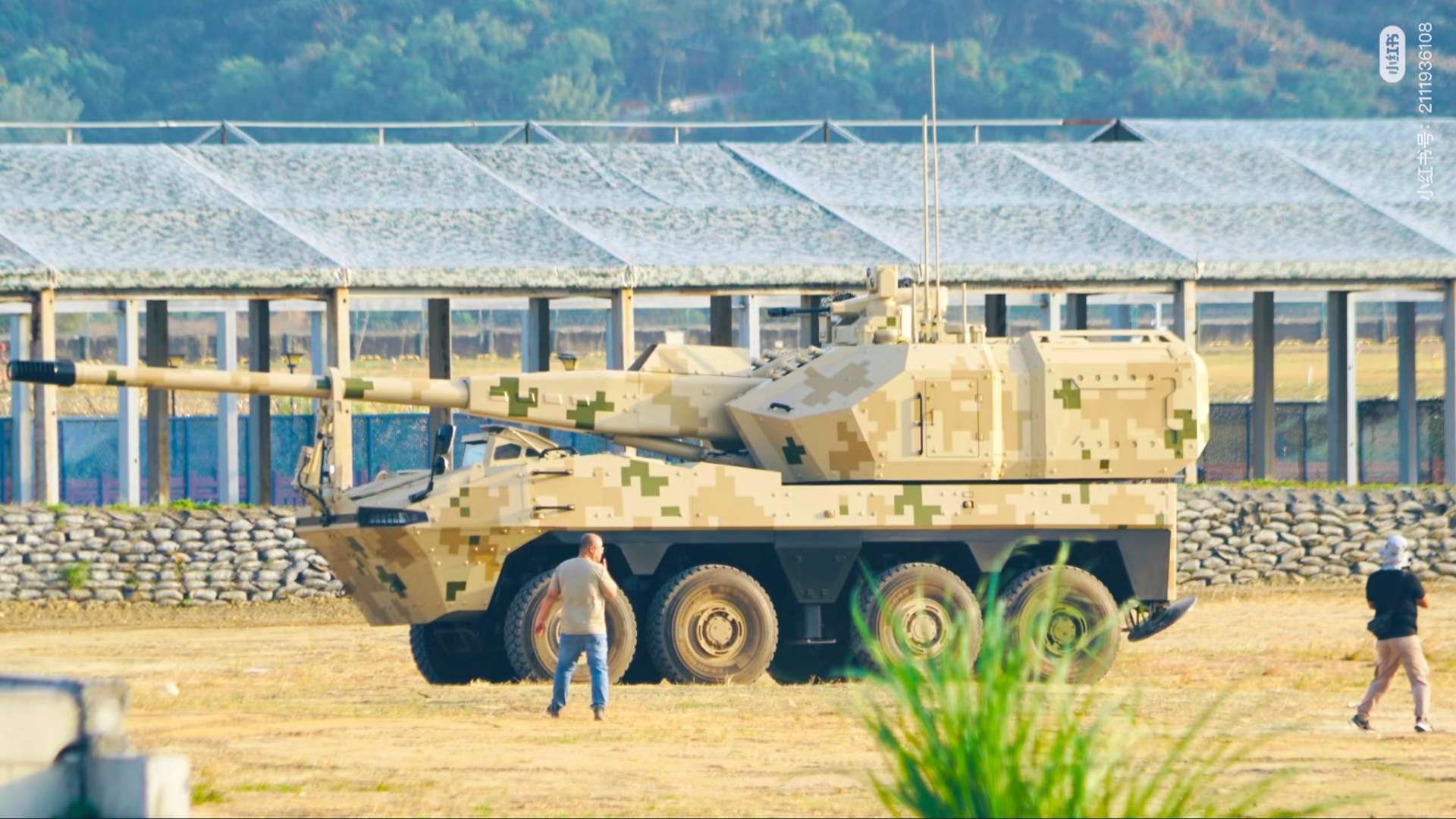
Norinco's new VN-22-based 155mm self-propelled howitzer, rumored as the SH-16A, could feature the world’s first artillery laser ignition system and is expected to be unveiled at Zhuhai Airshow 2024. (Picture source: Twitter/David Wang)
Read more: China develops new 155mm self-propelled howitzer based on VN-22 8x8 armored vehicle

- Details
- Written by: Halna du Fretay
- Category: 2024
- Hits: 4420
On October 23, 2024, IDDEA (International Digital Defense Equipment Agency) announced a significant update to its MEGA (Military Equipment Guide App), offering users a free, unrestricted one-day trial. This initiative allows everyone to fully explore the app's military equipment identification and analysis features for 24 hours. The trial period will be available to all users starting October 23, 2024, at 10:00 AM GMT. The app is available on the Apple Store and Google Play Store.
By uploading an image of military equipment, users instantly receive detailed information, such as the vehicle's name, weaponry, propulsion system, protection, and onboard electronic systems (Picture source: IDDEA)
With this update, IDDEA allows all users, including those who have already downloaded the app and created an account without a subscription, to access MEGA's complete features.
This app, initially launched at Eurosatory 2024, is available on iOS and Android and uses artificial intelligence to identify and analyze over 1,500 types of land vehicles. By uploading an image of military equipment, users instantly receive detailed information, such as the vehicle's name, weaponry, propulsion system, protection, and onboard electronic systems.
IDDEA also plans to expand the app's database to include aircraft, naval vessels, and light weapons. This expansion will enhance MEGA's utility for military operations and strategic planning.
Based in Belgium, IDDEA is a key player in the development of defense technologies using artificial intelligence. The organization is committed to improving global security through innovation, and developing solutions that enable smarter, faster, and more efficient defense operations. The MEGA app update aligns with this commitment by providing advanced and accessible tools that support international security efforts.
The recognition capabilities are limited to the equipment listed in the database. Currently, this identification is accurate only for full-sized vehicle views. However, in the future, it will be able to identify equipment based on a single component or an isolated part of the product.
For more information, visit our website: https://militaryequipmentguide.com
The app is available on the Apple Store and Google Play Store.
Contacts:
+32 85 76 06 22
+32 455 10 40 56
- Details
- Written by: Administrator
- Category: 2024
- Hits: 4493
According to information published by the French newspaper “La Tribune” on October 23, 2024, France is set to deliver three Mirage 2000-5 fighter jets to Ukraine in the first quarter of 2025, a move that had not been previously disclosed. This decision represents France's latest support for Ukraine’s defense, as the country continues to face the ongoing conflict with Russia.
Follow Army Recognition on Google News at this link
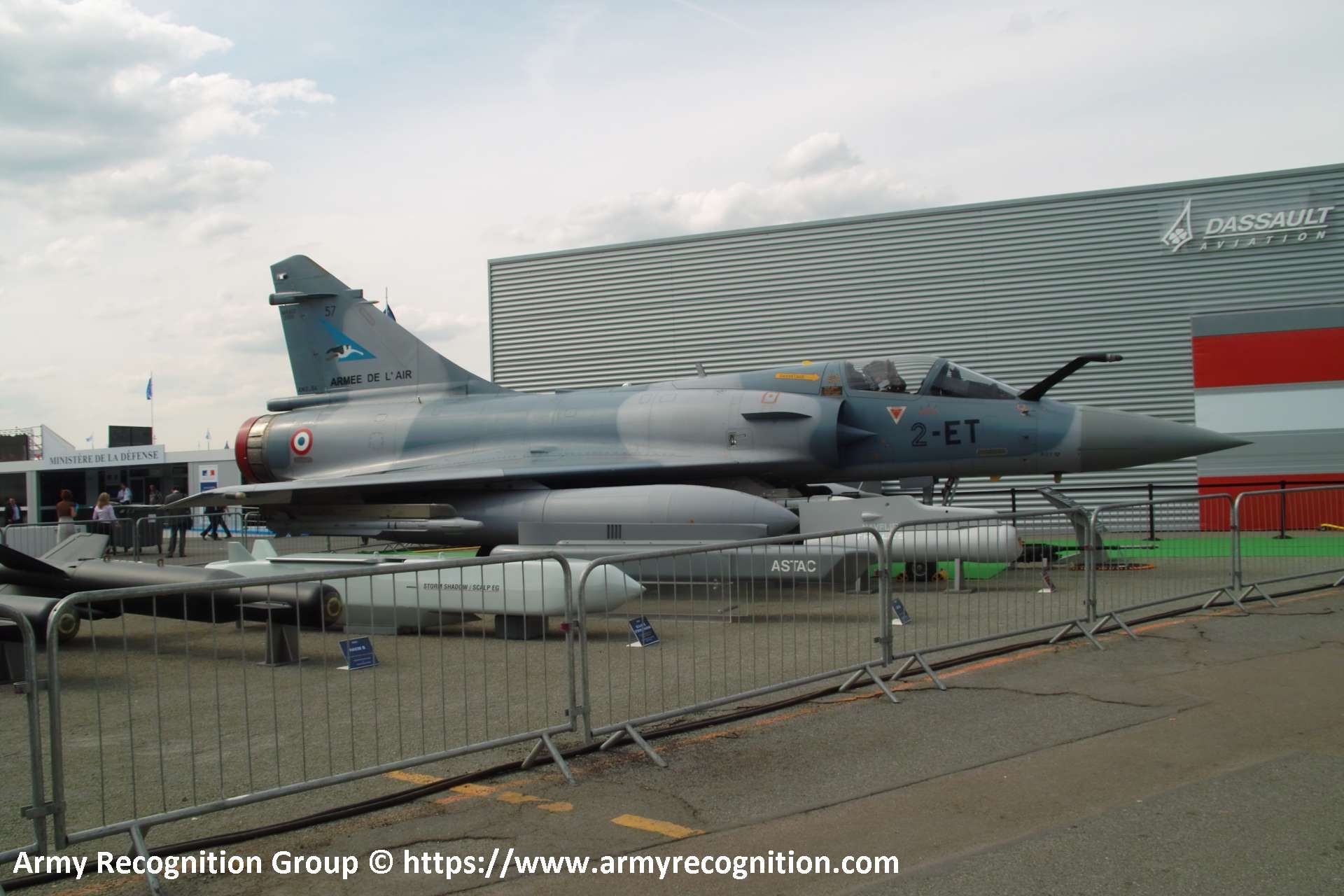
Mirage 2000-5 on display at Le Bourget Air Show in 2007, showcasing its advanced capabilities in air combat and multirole missions. (Picture source: Army Recognition Group)
As explained by France's Minister of Armed Forces, Sébastien Lecornu, the Mirage 2000-5 fighter jets will undergo necessary modifications and will not be ready for delivery until early next year. In a statement made on October 8, Lecornu highlighted that in addition to adapting the aircraft, extensive training will also be provided for Ukrainian pilots and mechanics, ensuring they are fully prepared to operate and maintain the sophisticated fighter jets.
These Mirage 2000-5 jets will also be armed with Mica air-to-air missiles, AASM bombs produced by Safran, and Scalp cruise missiles, significantly boosting Ukraine’s air combat capabilities.
The Mirage 2000-5 is a multirole fighter jet developed by Dassault Aviation, known for its versatility and advanced avionics. Originally introduced in the 1980s, the aircraft has seen various upgrades over the years, making the 2000-5 variant one of the most capable in the Mirage series. The jet is designed for air superiority missions, but it can also perform ground attack roles, offering a well-rounded capability for modern warfare. Equipped with a powerful radar system and advanced electronic warfare capabilities, the Mirage 2000-5 can operate effectively in both offensive and defensive roles, with enhanced precision in target acquisition.
Mica Air-to-Air Missiles: The Mica (Missile d’Interception et de Combat Aérien) is a highly advanced air-to-air missile developed by MBDA, designed for both short- and medium-range engagements. It comes in two versions: one guided by active radar (Mica RF) and another by infrared homing (Mica IR). This dual-capability makes the Mica missile versatile in various combat situations, including beyond-visual-range (BVR) engagements. It provides the Mirage 2000-5 with the ability to target enemy aircraft with high accuracy, even in challenging environments, making it a critical part of the jet’s air superiority arsenal.
AASM Bombs and Scalp Cruise Missile: The AASM (Armement Air-Sol Modulaire), developed by Safran, is a modular air-to-ground weapon system that allows precision targeting over long distances. It can be equipped with various guidance kits, including GPS and infrared, enabling it to strike stationary or moving targets with high precision. The Scalp cruise missile, on the other hand, is a long-range, stealthy missile designed for deep strikes. With a range of over 250 km, the Scalp can penetrate heavily defended areas, targeting key infrastructure with minimal risk to the launch platform. These weapons enhance the Mirage 2000-5’s strike capabilities, making it highly effective in both air-to-air and air-to-ground operations.
While the French government has been actively supporting Ukraine, both the Élysée and the Ministry of Armed Forces had previously remained tight-lipped about specific military aid in the form of these jets. When questioned by La Tribune, the Ministry of Armed Forces declined to comment further on the deal's details.
This delivery of Mirage 2000-5 jets underscores France's continued commitment to Ukraine, but also raises questions about the broader implications for the conflict and Europe's defense strategy. Adding advanced weaponry to these jets will give Ukraine a stronger strategic edge, further intensifying the evolving dynamics in the region.

- Details
- Written by: Halna du Fretay
- Category: 2024
- Hits: 2068
The first International Mountain Troops Summit (SITM) will be held on February 12-13, 2025, in Grenoble, bringing together decision-makers and experts from around the world to address the complex challenges of military operations in mountainous and extremely cold environments. Organized by COGES Events in partnership with the French Army's 27th Mountain Infantry Brigade (27e BIM), this international event will gather over 1,000 participants from the public and private sectors to exchange on technological advancements, best training practices, and opportunities for international cooperation.
The International Mountain Troops Summit (SITM) is the meeting place for armies from all over the world who operate in extreme conditions, in mountainous environments and in freezing temperatures (Picture source: SITM)
Against the backdrop of rapidly evolving geopolitical and climatic conditions, SITM aims to anticipate the future needs of mountain troops. The focus will be on advanced technologies, innovative logistics solutions, and ensuring the protection of soldiers operating in harsh climates and challenging terrains. The event will bring together industry representatives, start-ups, military experts, researchers, and government officials to foster in-depth dialogue on strategies to enable armed forces to meet future challenges while ensuring the safety and well-being of their personnel.
The summit’s program will cover several strategic themes crucial to preparing the armed forces for mountain operations. Discussions will include the impact of climate change on mountain environments, with phenomena such as accelerated glacier melting and more frequent snowstorms requiring military forces to adjust their operational and preparedness strategies.
Adapted equipment, including all-terrain vehicles, reconnaissance drones, and communication systems capable of functioning in extreme conditions, will be at the forefront of discussions. Participants will also explore logistical solutions aimed at improving the supply of equipment and provisions in often isolated mountainous areas, a major challenge for military operations in such environments.
Specialized training for mountain combat, covering skills like climbing, survival in hostile environments, and terrain-specific tactics, will be another key topic. These competencies are essential for preparing soldiers to operate effectively in demanding conditions. Additionally, the summit will address the adaptation of forces to asymmetrical threats, such as terrorism or guerrilla warfare, which can present unique challenges in mountainous regions.
International cooperation will also be highlighted, as many mountainous areas are located along borders, making collaboration between nations crucial for ensuring security and stability. SITM will provide an ideal platform for fostering such cooperation.
SITM 2025 promises to be a significant event for the global mountain troops community. The discussions and innovations presented during this summit will have a direct impact on the future strategies of armed forces operating in extreme environments, helping improve operational efficiency while safeguarding soldier welfare.
Read more: International Mountain Troops Summit A Strategic Event for Tomorrow’s Armed Forces
- Details
- Written by: Halna du Fretay
- Category: 2024
- Hits: 3957
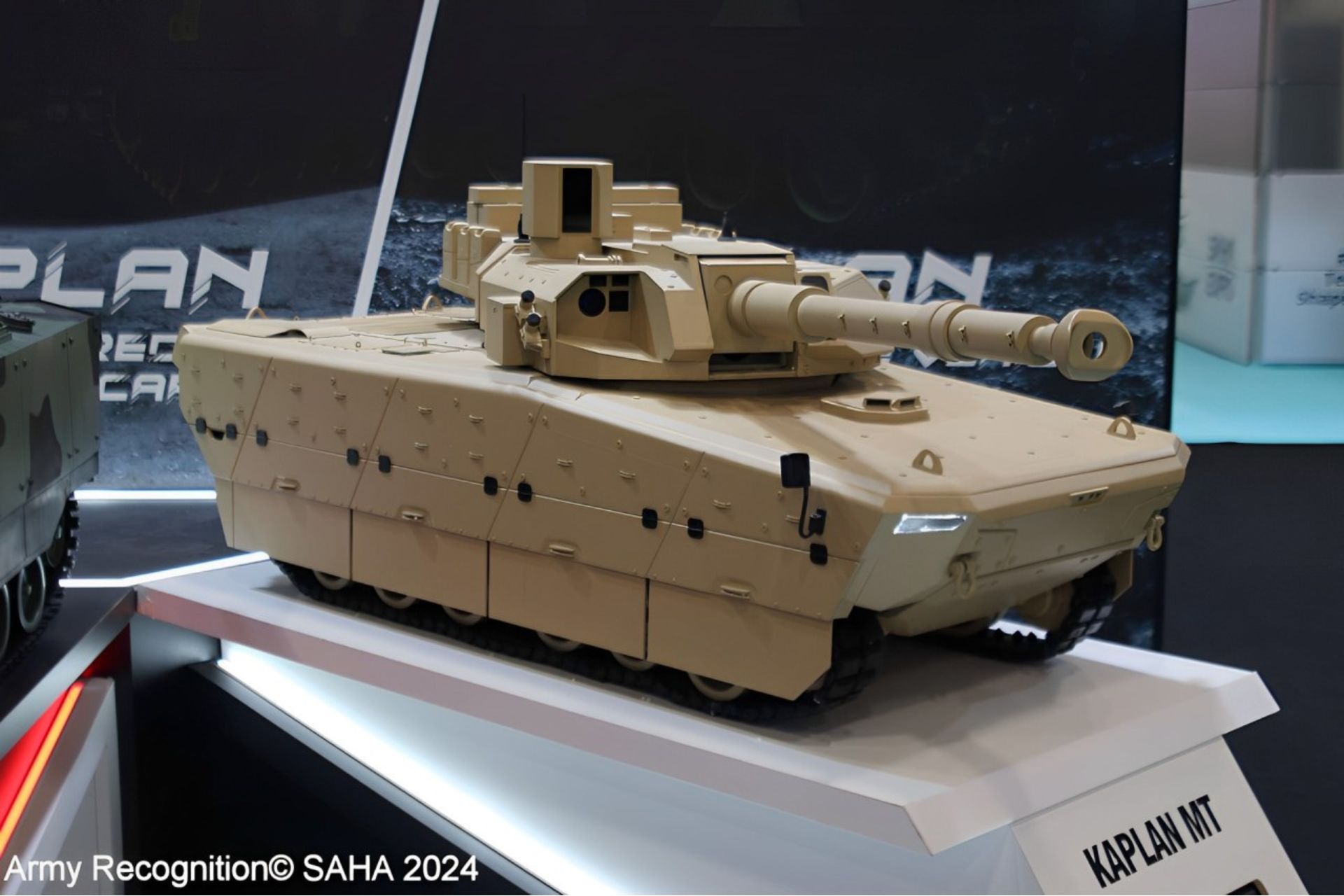
At the SAHA 2024 exhibition in Istanbul, FNSS presented its Kaplan MT medium tank, designed to meet the increasing demands of modern military operations. This armored vehicle represents a strategic solution combining firepower, mobility, and protection, bridging the gap between main battle tanks and light armored vehicles. Already in service with the Indonesian army, the Kaplan MT is notable for its ability to adapt to a wide range of combat scenarios, providing a balanced solution for both conventional and unconventional operations.
The Kaplan MT design allows for a lighter version with 12 rounds for air deployment, a crucial requirement for rapid deployment operations (Picture source: Army Recognition)
The Kaplan MT is equipped with a two-man turret featuring a John Cockerill 105mm NATO-standard rifled gun. This main weapon system allows for the use of different types of ammunition, including armor-piercing and explosive shells, offering flexibility to engage a broad range of targets.
The automatic loading system ensures a rapid firing rate while reducing the crew's workload, with a capacity of 16 rounds in the standard configuration. Additionally, the tank’s design allows for a lighter version with 12 rounds for air deployment, a crucial requirement for rapid deployment operations.
The Kaplan MT offers ballistic protection in line with STANAG 4569 Level 4 standards, with armor capable of withstanding 14.5mm armor-piercing rounds and 155mm artillery shell fragments. It is also designed to resist a 10kg TNT explosion under its tracks and hull, protecting the crew and internal systems.
This protection can be enhanced with additional armor modules, elevating it to STANAG Level 5, which increases resistance to 25mm armor-piercing rounds. The Kaplan MT also features smoke grenade launchers, a CBRN (Chemical, Biological, Radiological, Nuclear) protection system, and a laser warning system, boosting its defensive capabilities against both asymmetric and conventional threats.

The Kaplan MT embodies FNSS’s vision for modern armored vehicle design (Picture source: FNSS)
Powered by a diesel engine paired with a fully automatic transmission, the Kaplan MT delivers 20 horsepower per ton, ensuring optimal mobility and agility based on operational needs. It reaches a maximum speed of 70 km/h and has an operational range of 450 km, allowing for rapid deployment and extended mobility across varied terrains. Its performance includes the ability to climb slopes of up to 60% and overcome vertical obstacles of 0.9 meters, demonstrating its capability to operate in challenging environments and meet the demands of modern battlefields.
On March 29, 2024, the first Kaplan MT medium tanks, also known as Harimau, entered service with the Indonesian army. This deployment marked a strategic milestone for Indonesia, making it the second country in Asia, after the Philippines with its Sabra light tanks produced by Elbit Systems, to equip its forces with a modern medium tank.
The Kaplan MT embodies FNSS’s vision for modern armored vehicle design. Its modular structure, combined with advanced electronic components and a battlefield management system, significantly enhances tactical awareness and survivability on the battlefield. Already exported to Indonesia, this medium tank could see increased adoption by other armies worldwide, further solidifying FNSS’s position as a leading producer of next-generation armored vehicles.
Read more: Kaplan MT A Key Asset for Indonesian Armed Forces at SAHA 2024
- Details
- Written by: Jérôme Brahy
- Category: 2024
- Hits: 4911
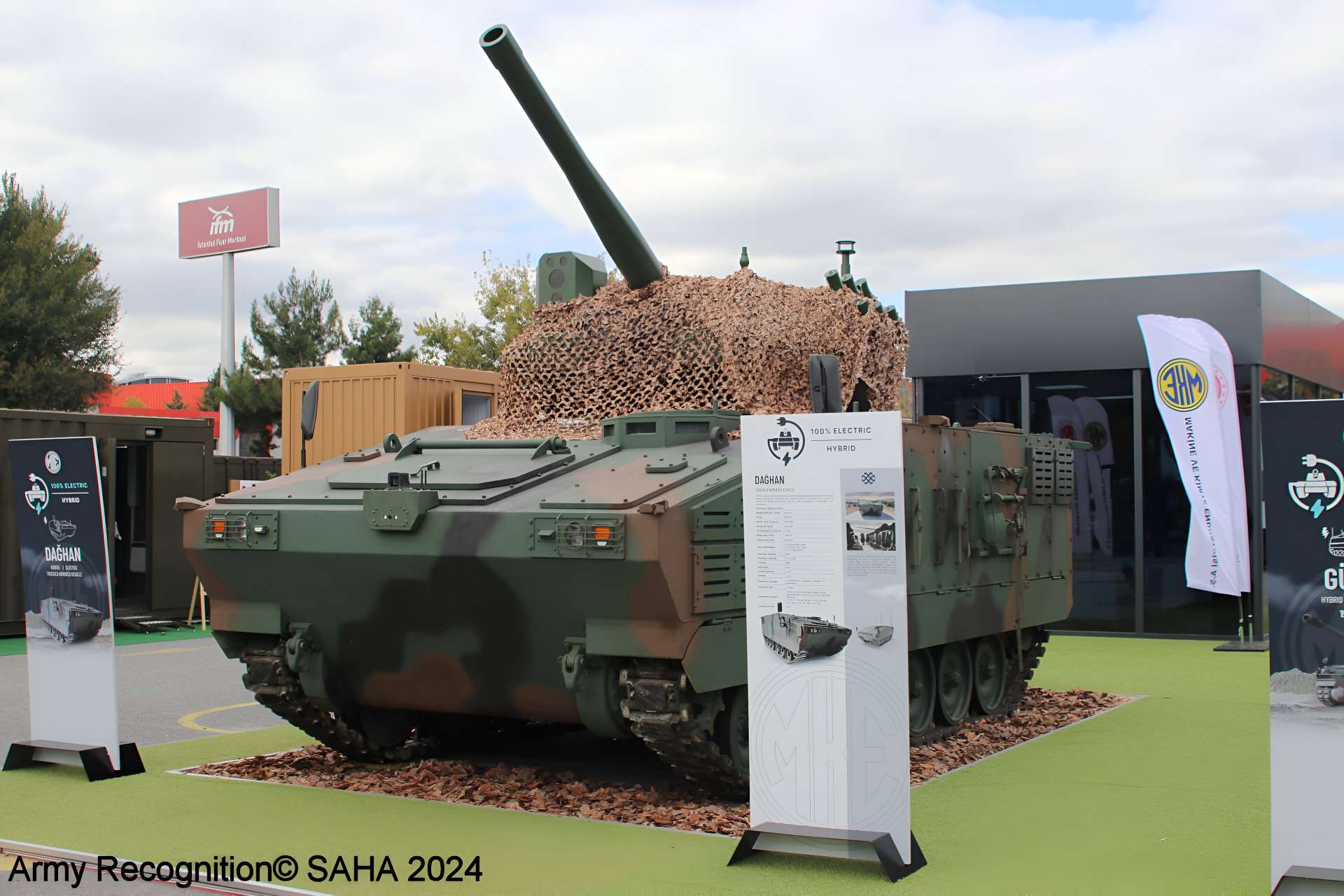
At the SAHA 2024 exhibition, the Turkish company MKE (Makina ve Kimya Endüstrisi) introduced the Dağhan, a hybrid tracked armored vehicle equipped with a 120mm gun-mortar system. This system is capable of firing both 120mm smoothbore mortar grenades and 120mm tank shells, providing different options for battlefield engagements.
Follow Army Recognition on Google News at this link
This new gun-mortar system can fire 120mm tank shells at a range of 2-3 kilometers using line-of-sight (LoS) targeting and can deliver indirect fire with 120mm mortar grenades at a range of 7-8 kilometers. (Picture source: Army Recognition)
The gun-mortar system can fire 120mm tank shells at a range of 2-3 kilometers using line-of-sight (LoS) targeting and can deliver indirect fire with 120mm mortar grenades at a range of 7-8 kilometers. This combination of direct and indirect fire capabilities enables flexibility in various combat scenarios.
Produced by Anzatsan, the Dağhan tracked armored vehicle was first shown publicly during the Efes-2024 exercise. MKE developed this hybrid system to meet the needs of contemporary militaries, including the Turkish Armed Forces, by integrating technologies aimed at addressing current and future combat requirements. The vehicle operates with a hybrid propulsion system that includes a fully electric engine, reducing its detection by thermal imaging systems. It features a battery pack with a capacity of 258 kWh and is powered by a 630 horsepower engine, allowing it to reach a maximum speed of 50 km/h.
The Dağhan variant presented has a maximum road range of 860 kilometers when operating without a load and 830 kilometers when fully loaded. It can accelerate from a standstill to 30 km/h in four seconds. The vehicle consumes fuel at a rate of 2.3 kW/km when unloaded and 2.4 kW/km when fully loaded. It is equipped with a 600-liter fuel tank and a generator with a combined capacity of 2 x 20 kW.
In terms of mobility, the Dağhan can climb gradients of up to 60% and cross side slopes of 30%. It is also capable of fording water obstacles up to 1.5 meters in depth. The vehicle's dimensions include a length of less than 6 meters, a width of under 3 meters, and a height of less than 2.2 meters. It has a combat-loaded weight of 20 tons and can reach a top speed of 50 km/h.

The base model, the Dağhan H620 hybrid armored personnel carrier, uses an electric engine that provides a range of up to 500 kilometers in silent mode, allowing for stealth operations. (Picture source: Anzatsan)
The base model, the Dağhan H620 hybrid armored personnel carrier, uses an electric engine that provides a range of up to 500 kilometers in silent mode, allowing for stealth operations. It can cross vertical obstacles of up to 600mm and trenches up to 1.6 meters wide. The vehicle’s turning radius is zero due to its pivot turn capability, which allows for enhanced maneuverability in confined spaces.
The Dağhan is equipped with a control system that allows the crew to switch between five operational modes: parking, driving, transportation, training/drill, and battle mode. These modes can be activated while the vehicle is in motion. The vehicle is operated by a crew of one commander, one gunner, one driver, and nine additional personnel.
Without its turret, the Dağhan weighs 18 tons and can support various armament configurations. It can be fitted with medium-caliber turret systems between 20mm and 40mm, and auxiliary weapons like 7.62mm or 12.7mm machine guns. It is also compatible with mortar turret systems, including 81mm or 120mm mortars, or light tank guns with calibers of 105mm or 120mm, providing a range of options for different mission profiles.
Hybrid systems, like those developed for the Dağhan vehicle, are designed to reduce thermal and acoustic signatures, which contributes to lower detection rates in combat environments. The electric propulsion system is intended to improve fuel efficiency and maneuverability, both of which are relevant in demanding combat situations where sustained mobility and reduced energy consumption are important. The 120mm gun-mortar system provides the ability to fire both tank shells and mortar rounds, facilitating a range of battlefield applications from direct fire to indirect support.
- Details
- Written by: Tkuhn
- Category: 2024
- Hits: 2897
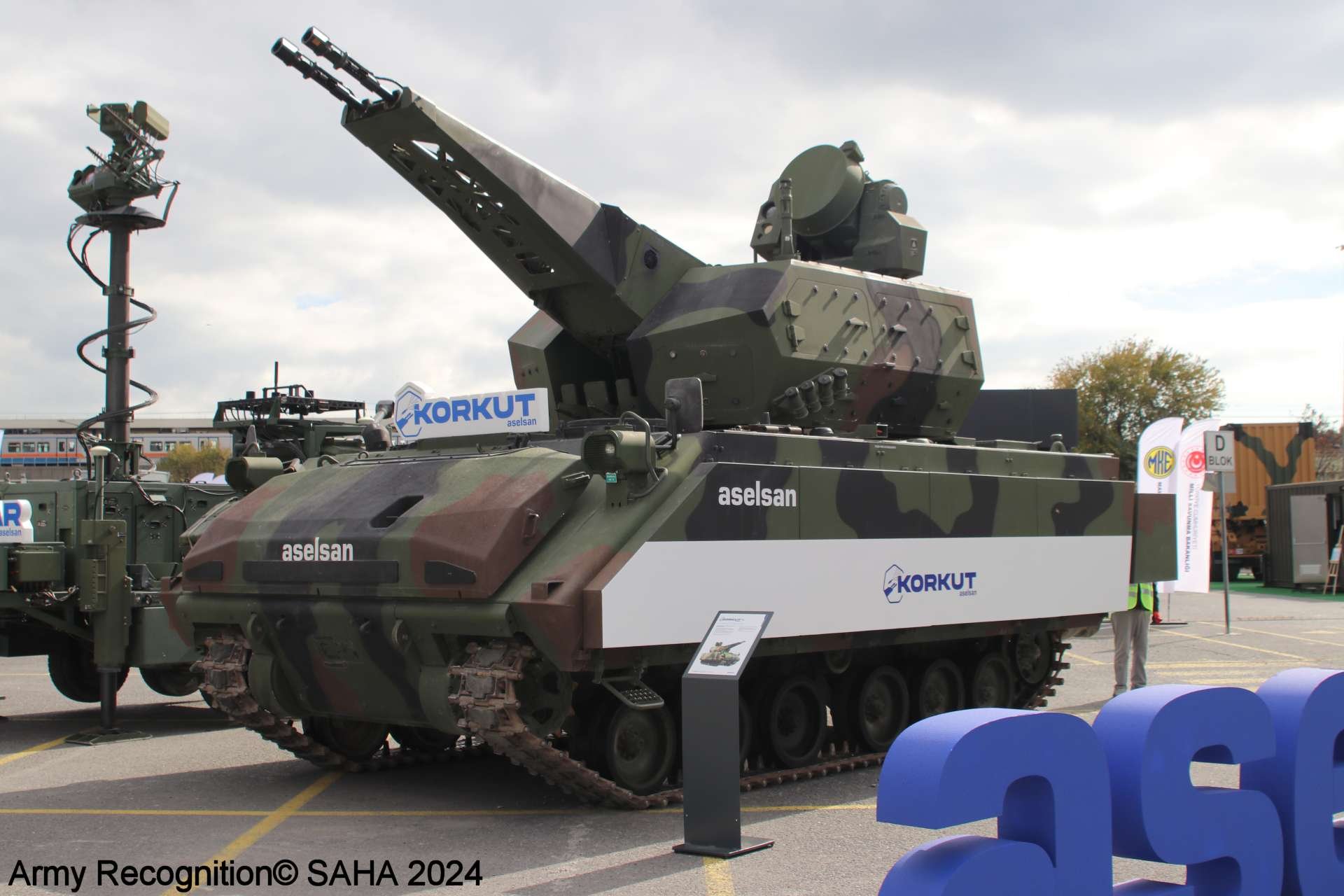
At SAHA EXPO 2024, Aselsan has unveiled the Korkut self-propelled anti-aircraft gun, a highlight in the realm of modern air defense systems. As one of Turkey's leading defense companies, Aselsan continues to push boundaries with advanced solutions for airspace protection, and the Korkut system exemplifies this commitment to innovation.
Follow Army Recognition on Google News at this link
Turkish all-weather-capable 35 mm self-propelled anti-aircraft gun at SAHA EXPO 2024, Türkiye. (Picture source: Army Recognition)
The KORKUT system is a mobile, self-propelled platform equipped with dual 35mm Oerlikon cannons capable of firing airburst ammunition. These cannons are designed to counter aerial targets with precision and efficiency, offering a high rate of fire that is especially effective against fast-moving and hard-to-detect threats like UAVs. The use of airburst rounds provides the system with an edge in neutralizing smaller and more elusive targets by detonating at a precise point in the air, increasing the likelihood of a successful hit. This capability is essential in modern conflicts where drones and other unmanned systems are often deployed in swarms or operate in hard-to-reach areas.
One of the key strengths of the KORKUT system is its integration of advanced radar and electro-optical sensors, which enable automatic target detection, tracking, and engagement. The system’s radar can identify multiple threats simultaneously, while the electro-optical system enhances accuracy in various environmental conditions, ensuring that KORKUT can operate effectively in both day and night settings. This combination of technologies allows for a fully autonomous engagement process, making KORKUT a highly capable and reliable air defense system even in the most demanding combat scenarios.
KORKUT’s mobility is another critical asset. Mounted on a tracked, armored vehicle, the system is designed to operate across a variety of terrains, from open fields to urban environments, making it versatile for both defensive and offensive operations. Its ability to move quickly and provide immediate protection to advancing or retreating ground forces is a significant advantage. This mobility ensures that the system can maintain constant protection over key areas or convoys, keeping pace with fast-evolving ground operations.
The system is also part of a broader, networked air defense strategy, designed to work in concert with other systems, including missile defense platforms and short-range anti-aircraft systems. This layered approach to air defense provides robust coverage against a wide spectrum of aerial threats, from larger aircraft to smaller, more agile drones. The networked capability ensures that KORKUT is not operating in isolation but as part of an integrated defense network, enhancing its situational awareness and effectiveness.
ASELSAN’s presentation of the KORKUT at SAHA EXPO 2024 not only showcases the advanced technological capabilities of the Turkish defense industry but also highlights the increasing importance of systems like KORKUT in modern warfare. As drone technology continues to proliferate and evolve, the need for reliable, mobile air defense systems has never been more critical. KORKUT is well-positioned to address this gap, providing militaries with a flexible, effective solution for countering both traditional and emerging aerial threats.
SAHA EXPO 2024 has provided an ideal platform for ASELSAN to demonstrate its latest innovations, and the KORKUT system is a prime example of how Turkish defense companies are meeting the challenges of modern warfare with forward-thinking, highly capable solutions.
Read more: KORKUT anti-aircraft system by Aselsan takes center stage at SAHA EXPO 2024
- Details
- Written by: Administrator
- Category: 2024
- Hits: 5113
According to a report published by the British Ministry of Defense (MoD) Intelligence Service on September 23, 2024, Russia launched over 1,300 One-Way Attack Uncrewed Aerial Vehicles (OWA-UAVs) into Ukraine during September alone. This marks the highest number of such drone strikes in a single month since the beginning of the conflict, signaling a significant escalation in the use of these unmanned aerial systems. The British MoD warns that, based on the current rate of operations, it is almost certain that Russia will surpass this figure in October 2024, reflecting a growing trend of intensified aerial assaults against Ukrainian targets.
Follow Army Recognition on Google News at this link
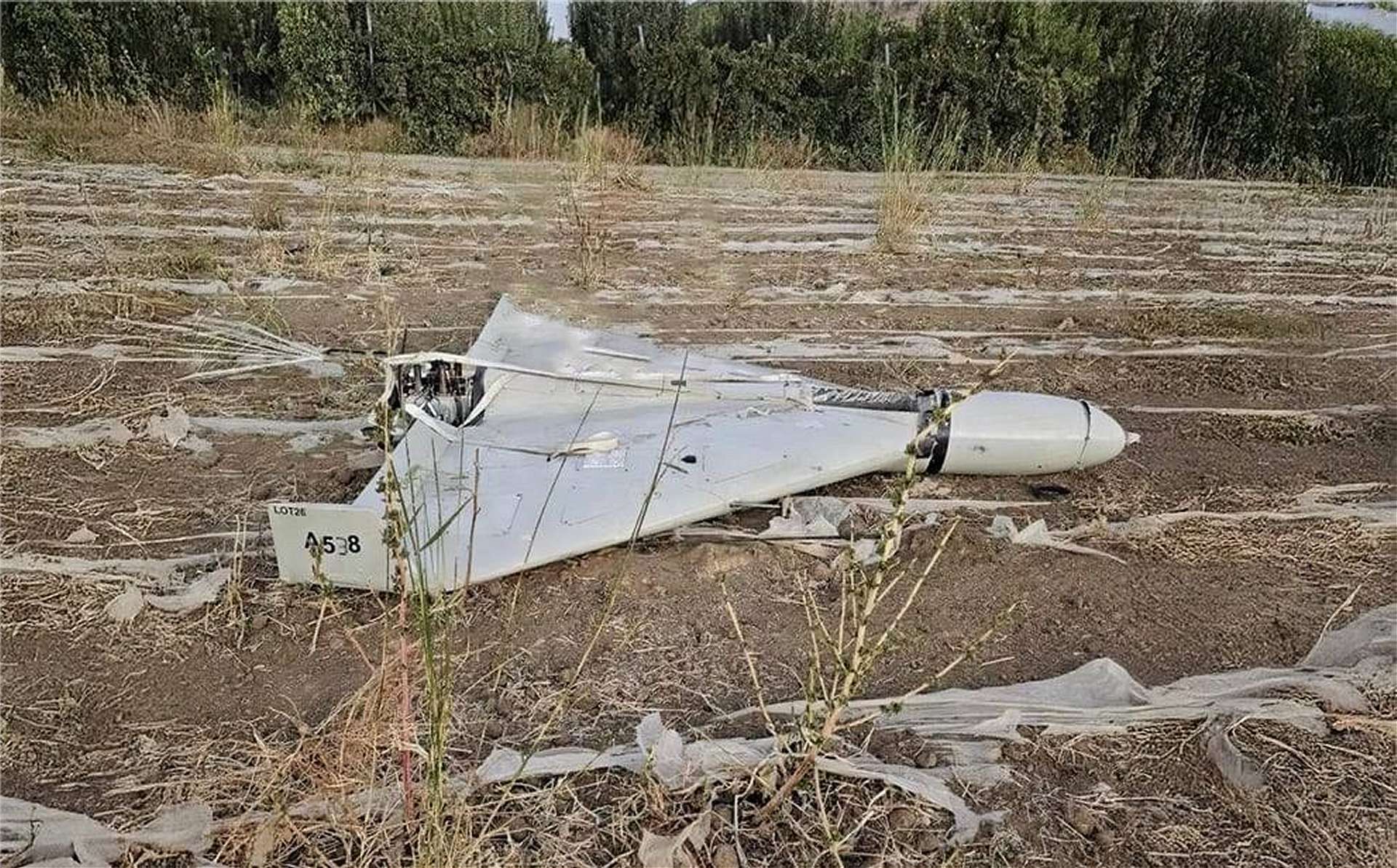
Debris of a Russian Shahed-136 (Geran-2) drone scattered across a Ukrainian field. (Picture source: Russian Social Network)
While it remains unclear whether Russia can sustain this aggressive rate of OWA-UAV (One-Way Attack Uncrewed Aerial Vehicles ) strikes throughout the year, intelligence reports suggest that Moscow is likely expanding its capacity to produce these drones domestically. Previously reliant on Iranian-supplied UAVs, Russia is believed to be increasing its production capabilities to maintain and even amplify its ability to carry out large-scale attacks on Ukraine. This shift in supply lines is seen as part of a broader strategy to mitigate the risks of sanctions and supply chain disruptions, giving Moscow a more resilient capability to sustain its drone warfare efforts.
OWA-UAVs, often colloquially referred to as "kamikaze drones," are primarily employed to strike critical Ukrainian infrastructure, particularly energy facilities. These drones, due to their low cost and ability to penetrate deep into Ukrainian territory, have proven effective in disrupting energy supplies and damaging critical civilian infrastructure, particularly ahead of the harsh winter months. This has put enormous pressure on Ukraine's air defense systems, which are tasked with countering both conventional missile strikes and these swarming UAVs.
In the conflict between Russia and Ukraine, several Russian One-Way Attack (OWA) drones, or loitering munitions, have been deployed, each with specific technical features.
The Shahed-136 (Russian designation: Geran-2), developed by Iran, is one of the most frequently used OWA drones. It is known for its delta-wing design, giving it a distinctive appearance. The Shahed-136 is powered by a small engine, typically the MD-550, and has a range of about 2,500 kilometers. It carries a warhead of approximately 40-50 kilograms and is designed to strike static targets such as infrastructure and supply depots. While its speed is relatively low (about 185 km/h), its main strength lies in the ability to be deployed in large numbers, making it difficult for defense systems to intercept all of them.
The Shahed-131 (Russian designation: Geran-1) is a smaller version of the Shahed-136 and shares much of the same design, though with a smaller payload and range. It has a range of about 900 kilometers and carries a warhead weighing around 10-15 kilograms. It also features a delta-wing design and is primarily used for shorter-range attacks on military targets.
Russia’s domestically produced Lancet drone, developed by ZALA Aero, features more advanced targeting capabilities compared to the Shahed drones. The Lancet is equipped with electro-optical systems for greater precision and can carry a payload of up to 3 kilograms, depending on the model. It has a range of up to 40 kilometers and a speed of about 110 km/h. It is designed for tactical strikes on specific targets such as artillery, vehicles, and air defense systems. The Lancet’s modular design allows it to be used for both surveillance and attack missions.
Each of these drones plays a crucial role in Russia’s strategy in Ukraine, especially in targeting rear positions and forcing Ukraine to expend significant resources on air defense. Despite their widespread use, many of these drones have been intercepted by Ukrainian defense systems, but their low cost and mass deployment make them a persistent threat.
The increased tempo of drone attacks is likely aimed at exhausting Ukrainian air defense resources, compelling Ukraine to divert attention from other threats, such as ballistic and cruise missile strikes. In addition, these drone assaults are part of Russia's broader strategy to weaken Ukraine’s economic resilience, particularly by targeting its energy grid.
The surge in drone attacks is raising significant concerns in Kyiv and among Ukraine's Western allies. Ukrainian officials have warned that the continuous targeting of energy infrastructure could lead to widespread blackouts, severely impacting both civilian life and military operations. As winter approaches, such attacks on power stations, substations, and other critical utilities could lead to further humanitarian challenges, especially in regions already hard-hit by the war.
Ukraine has requested additional Western support, particularly in the form of advanced air defense systems capable of intercepting these UAVs. Meanwhile, Ukrainian forces are working to adapt their tactics to counter the evolving drone threat, employing electronic warfare and anti-drone systems to mitigate the impact.
As Russia escalates its OWA-UAV campaign, Ukraine faces increasing pressure on multiple fronts. The British MoD’s report highlights not only the unprecedented scale of these drone attacks but also the potential for further intensification as Russia builds up its domestic production capabilities. With winter looming and infrastructure already under strain, the coming months could prove to be a critical period in the ongoing conflict, with both sides seeking to gain the upper hand in a war of attrition.
- Details
- Written by: Halna du Fretay
- Category: 2024
- Hits: 8743
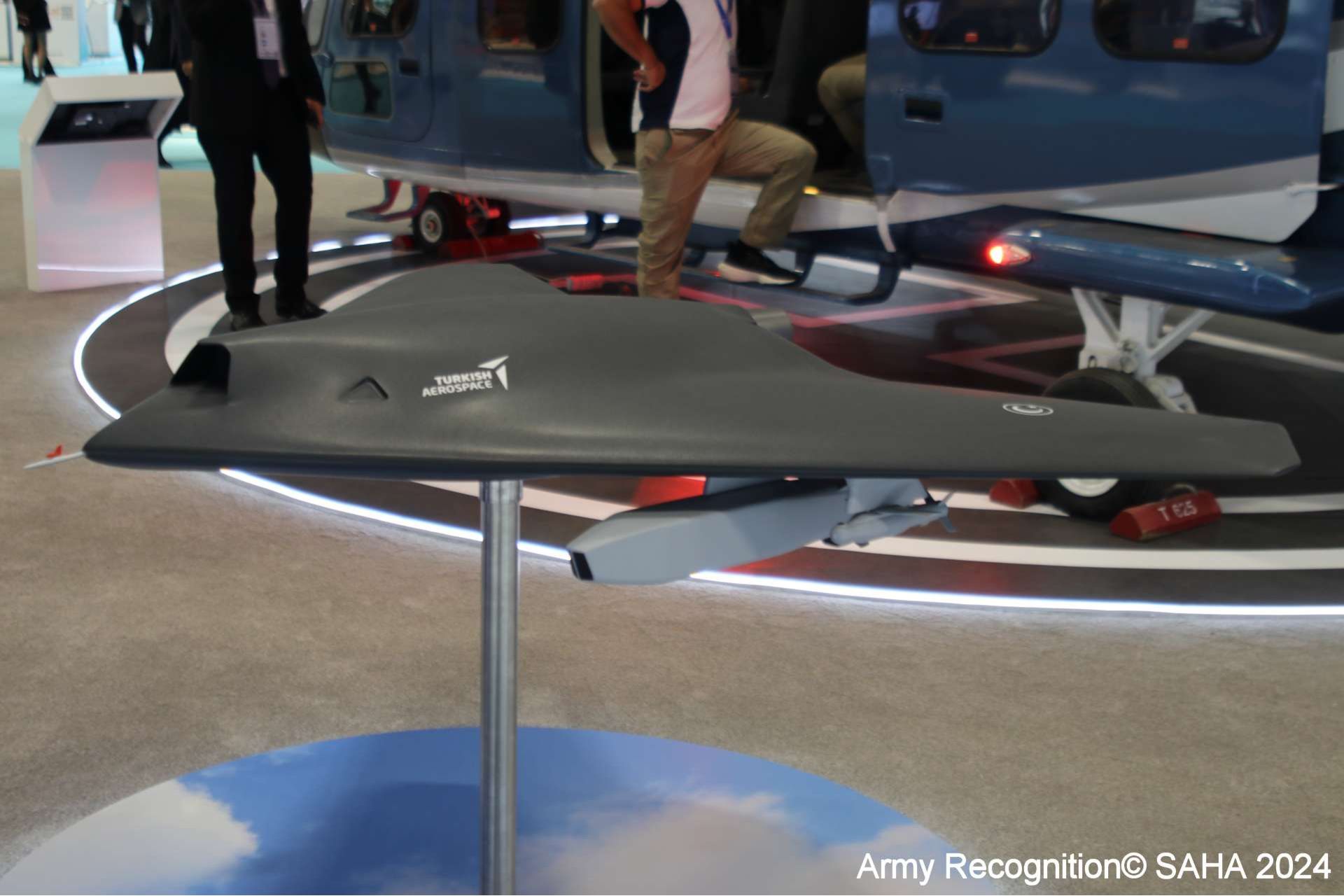
At the SAHA 2024 exhibition in Istanbul, Turkish Aerospace Industries (TAI) presents its latest development in unmanned aerial vehicles (UAVs), the ANKA III. This stealth drone is designed to fulfill a variety of military missions, including reconnaissance, air-to-ground assaults, strategic missions, electronic warfare, and the suppression of air defense systems. Developed to enhance Turkey's technological autonomy in defense, the ANKA III features a tailless design that improves stealth and a jet engine that enhances speed and operational efficiency.
The ANKA III is armed with advanced munitions, including the SOM-J, MK-82 bombs, and small diameter bombs (Picture source: Army Recognition)
The development of the ANKA III began in 2022, and it successfully completed its first flight on December 28, 2023. This UAV has a maximum takeoff weight of 6,500 kg, can carry up to 1,200 kg of payload, and operates at altitudes reaching 40,000 feet. Its endurance allows it to conduct missions lasting up to 10 hours at speeds of 0.7 Mach. The ANKA III is armed with advanced munitions, including the SOM-J, MK-82 bombs, and small diameter bombs (SDBs), and is equipped with both internal and external stations for flexible payload configurations. This makes it adaptable to a wide range of military operations, addressing offensive and defensive needs.
The drone shares a software foundation with its predecessors, the ANKA and AKSUNGUR, benefiting from the lessons learned across over 200,000 flight hours. Designed for both line-of-sight and beyond-line-of-sight missions via satellite control, the ANKA III operates with high transit speed and low radar visibility, further strengthening its versatility for Türkiye’s defense industry.
On August 19, 2024, TAI announced that ANKA III successfully retracted its landing gear during a test flight, marking another milestone in its development. This achievement highlights Türkiye’s growing expertise in UAV technology and its commitment to reducing reliance on foreign defense imports. The ANKA III is part of Türkiye’s broader strategy to modernize its military forces and foster local innovation, with close collaboration between the government, industry, and research institutions.
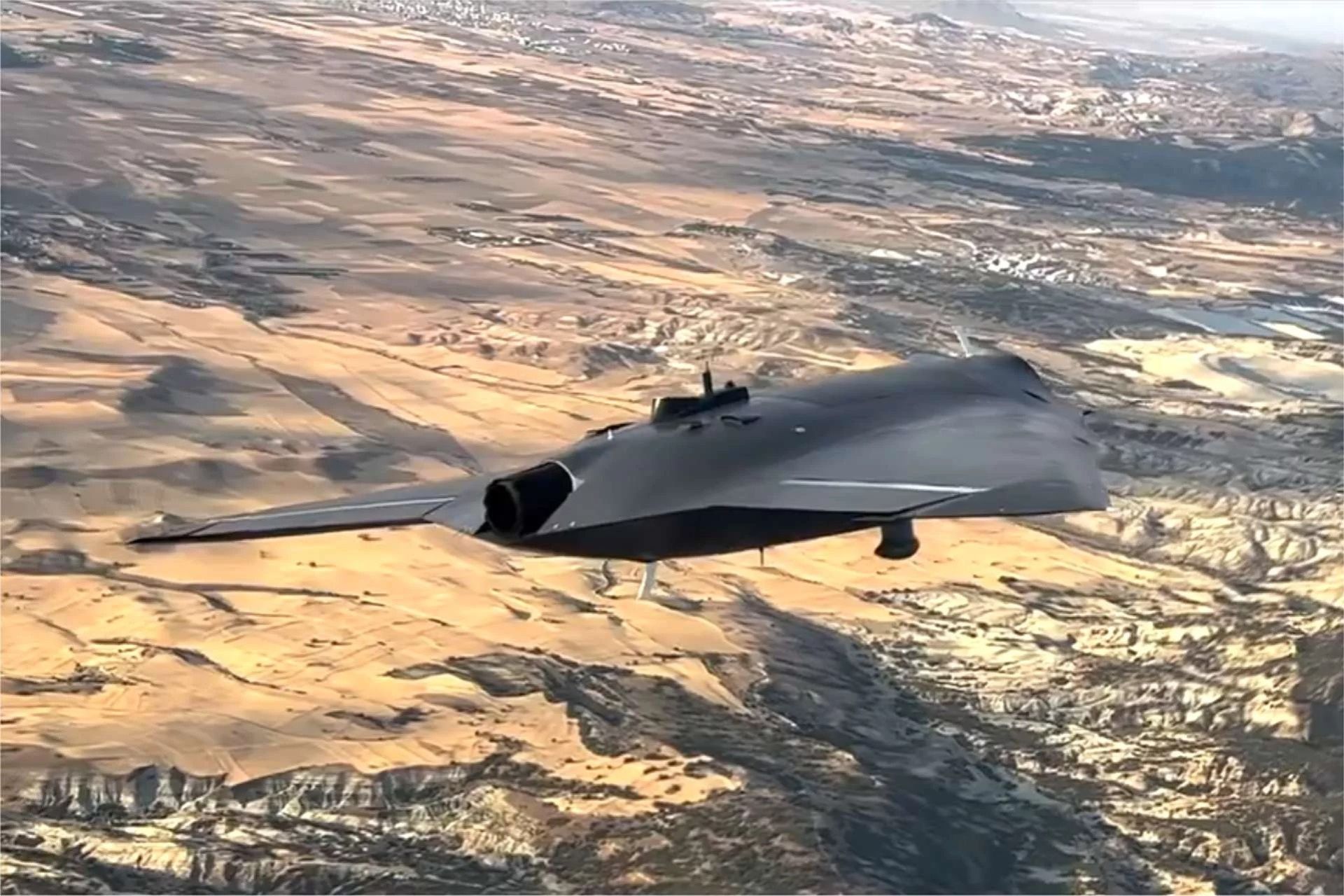
On August 19, 2024, TAI announced that ANKA III successfully retracted its landing gear during a test flight, marking another milestone in its development (Picture source: Türk Havacılık Uzay Sanayii )
Early this year, Turkish Aerospace Industries (TAI) CEO Temel Kotil announced that Turkey's ANKA-3 combat drone (UCAV) is set to achieve new milestones with the development of a supersonic twin-engine version, according to reports from Turkiye newspapers. The upgraded ANKA-3 will be capable of flying at supersonic speeds, significantly boosting its operational capabilities.
The first prototype, featuring a flying wing design, completed its inaugural flight on December 28, 2023. Kotil revealed that one unit has already been produced, with eight more currently in production, and plans for 20 additional units by the end of 2028. The final unit in this series will be equipped with a Turkish-made engine, and the twin-engine supersonic variant is being developed to operate alongside the KAAN.
The success of the ANKA III represents the dynamism of Türkiye’s defense industry, which continues to expand both technically and globally. This UAV is expected to bolster Türkiye’s position as a regional leader in defense technology, while its potential proliferation in international markets underscores its significance in the global defense landscape.
Read more: TAI Presents ANKA III Stealth Drone at SAHA 2024 Following its Successful First Flight
- Details
- Written by: Jérôme Brahy
- Category: 2024
- Hits: 21151
On October 22, 2024, the Saudi Ministry of Defense, through an official publication, officially revealed the introduction of six advanced air defense systems into the Saudi Armed Forces. This significant development reflects the country's efforts to strengthen its air defense capabilities by incorporating a variety of systems from different nations, each tailored to counter specific modern threats, including ballistic missiles, drones, and precision-guided weapons.
Follow Army Recognition on Google News at this link
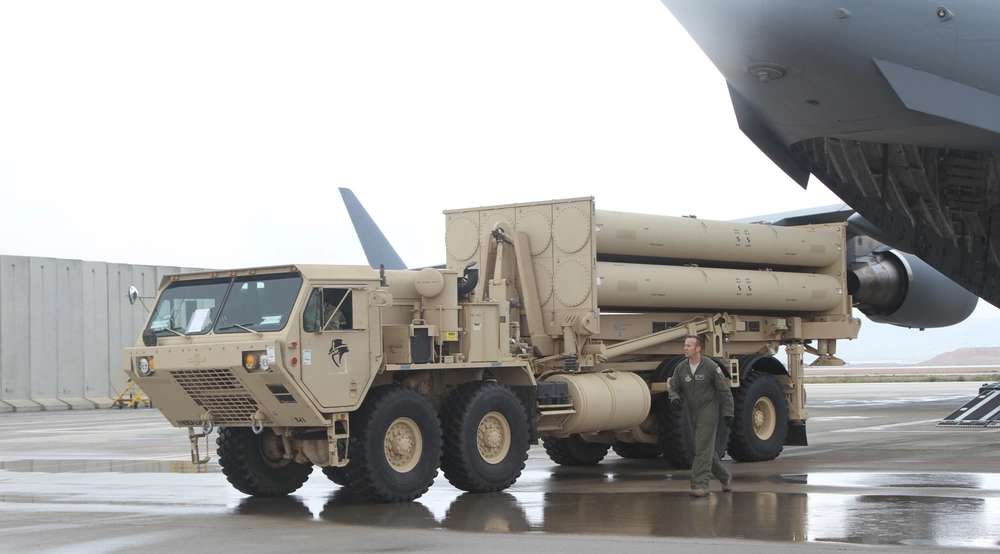
The Terminal High Altitude Area Defense (THAAD) system was developed by Lockheed Martin for the U.S. Army to intercept and destroy short-, medium-, and intermediate-range ballistic missiles during their terminal phase of flight. (Picture source: US DoD)
The newly acquired systems include the American THAAD, which is designed to intercept and neutralize ballistic missiles at high altitudes during their terminal phase. THAAD’s precision tracking and advanced missile interception make it a critical part of Saudi Arabia’s missile defense architecture. From Russia, Saudi Arabia has added the Pantsir-S1M, a versatile platform that combines surface-to-air missiles and anti-aircraft artillery to counter drones, cruise missiles, and other aerial threats over short to medium ranges.
In addition to these, the Chinese Silent Hunter has been integrated into the defense network. This system uses laser technology to neutralize small, low-flying targets such as drones, offering a novel, ammunition-free solution to deal with the growing drone threat. The Saudi Armed Forces will also benefit from the Singaporean Orion-H9, an advanced radar system capable of detecting and tracking multiple targets over long distances, providing crucial surveillance and early warning capabilities.
Rounding out the list of newly acquired systems are the Italian ADRIAN (Anti-Drone Interception Acquisition Neutralisation) and the French Crotale NG. ADRIAN is specifically designed to detect, intercept, and neutralize drones, adding to Saudi Arabia’s counter-drone efforts, while the Crotale NG offers medium-range air defense capabilities against aircraft, helicopters, and missiles.
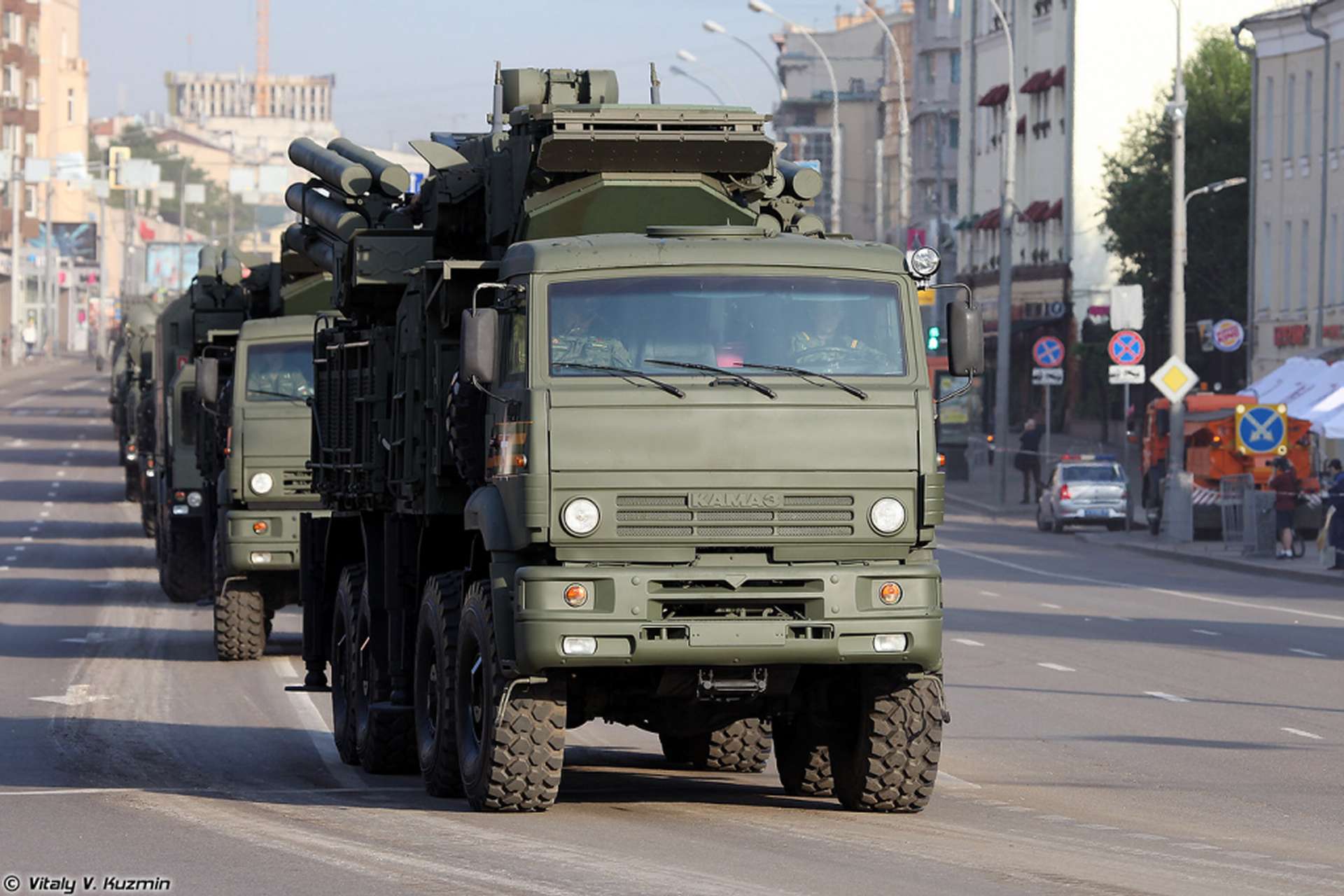
The Pantsir system, developed by KBP Instrument Design Bureau in the 1990s, is recognized for its dual capability, combining surface-to-air missiles and anti-aircraft guns, designed to engage multiple types of aerial threats at various ranges and altitudes. (Picture source: Army Recognition)
Developed by Lockheed Martin, the THAAD (Terminal High Altitude Area Defense) is a U.S. anti-ballistic missile system designed to intercept short-, medium-, and intermediate-range ballistic missiles during their terminal phase. It includes truck-mounted launchers, interceptor missiles, and the AN/TPY-2 radar, which can integrate with other missile defense platforms for layered defense. The system has a 200-kilometer range and intercept speeds of up to Mach 8.2. THAAD has been deployed in multiple countries, including Saudi Arabia, as part of broader missile defense measures, and saw its first combat use in 2022.
Saudi Arabia’s acquisition of the Russian Pantsir-S1 system represents a shift in its air defense strategy, moving beyond traditional suppliers. The Pantsir-S1 provides point defense using a combination of surface-to-air missiles and anti-aircraft guns to counter aerial threats. The cost per unit is approximately $15 million, and while specific quantities for Saudi Arabia are not disclosed, the system is intended to protect critical infrastructure. Several variants of the Pantsir system, including the S2, SM, and Arctic-specific SA, offer expanded operational capabilities.
Saudi Arabia procured China's Silent Hunter laser defense system to address low-flying drone threats. By February 2024, eight units were in service, including during the World Defense Show in Riyadh. The Silent Hunter uses electricity to neutralize drones at distances of up to 1,000 meters. Its operations focus on intercepting drones with low-altitude capabilities, and it has been reported to intercept 13 drones in recent operations, offering an economical alternative to traditional anti-missile systems.
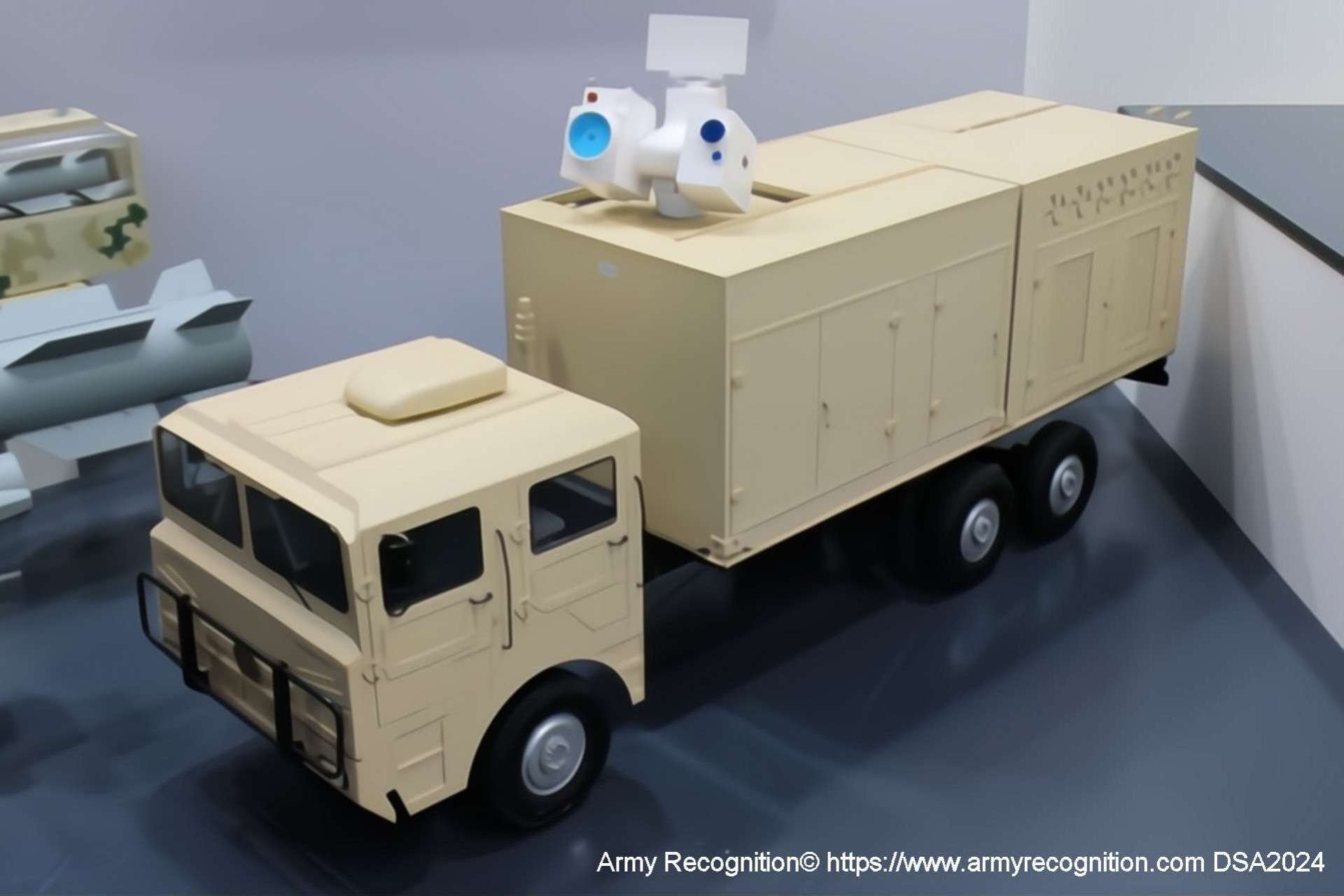
The Silent Hunter has demonstrated the ability to target low-flying drones moving at speeds of less than 60 m/s. It can penetrate up to five 2-millimeter steel plates at a range of 800 meters or a single 5-millimeter plate at 1,000 meters. (Picture source: Army Recognition)
Saudi Arabia partnered with Singapore’s TRD Systems to launch a joint venture, "TRD Middle East Industry Co.," for localized production of anti-drone technology. The Lightning Shield System, introduced in early 2024, is a man-portable anti-drone system capable of operating across multiple RF bands and GNSS systems. Based on the Orion-H9, it offers a range of 1-2 kilometers and is tailored for use in regional environmental conditions. The system includes a range of operational features, such as an OLED display and digital compass, with integration options for larger security systems.
Developed by Elettronica Group, the Italian ADRIAN (Anti-Drone Interception Acquisition Neutralisation) is a counter-drone system focused on detecting and neutralizing mini and micro UAVs in complex environments. The system integrates radar, electro-optical/infrared (EO/IR) sensors, and radio link interceptors, utilizing AI for detection and identification of drones. ADRIAN employs electronic countermeasures, such as jamming and GNSS spoofing, to neutralize drones without causing physical damage. It can be deployed in fixed or mobile configurations, supporting Saudi Arabia's defense needs in protecting key infrastructure.
The French Crotale NG, developed by Thales Group, is a short-range air defense system used to protect critical installations from a range of aerial threats. Equipped with VT-1 missiles that travel at speeds of Mach 3.5 with a range of over 11 kilometers, the system uses radar and electro-optical sensors for target detection and engagement. It has been adapted for land and naval use in several countries, including South Korea and France, with Saudi Arabia operating the system as part of its air defense infrastructure.
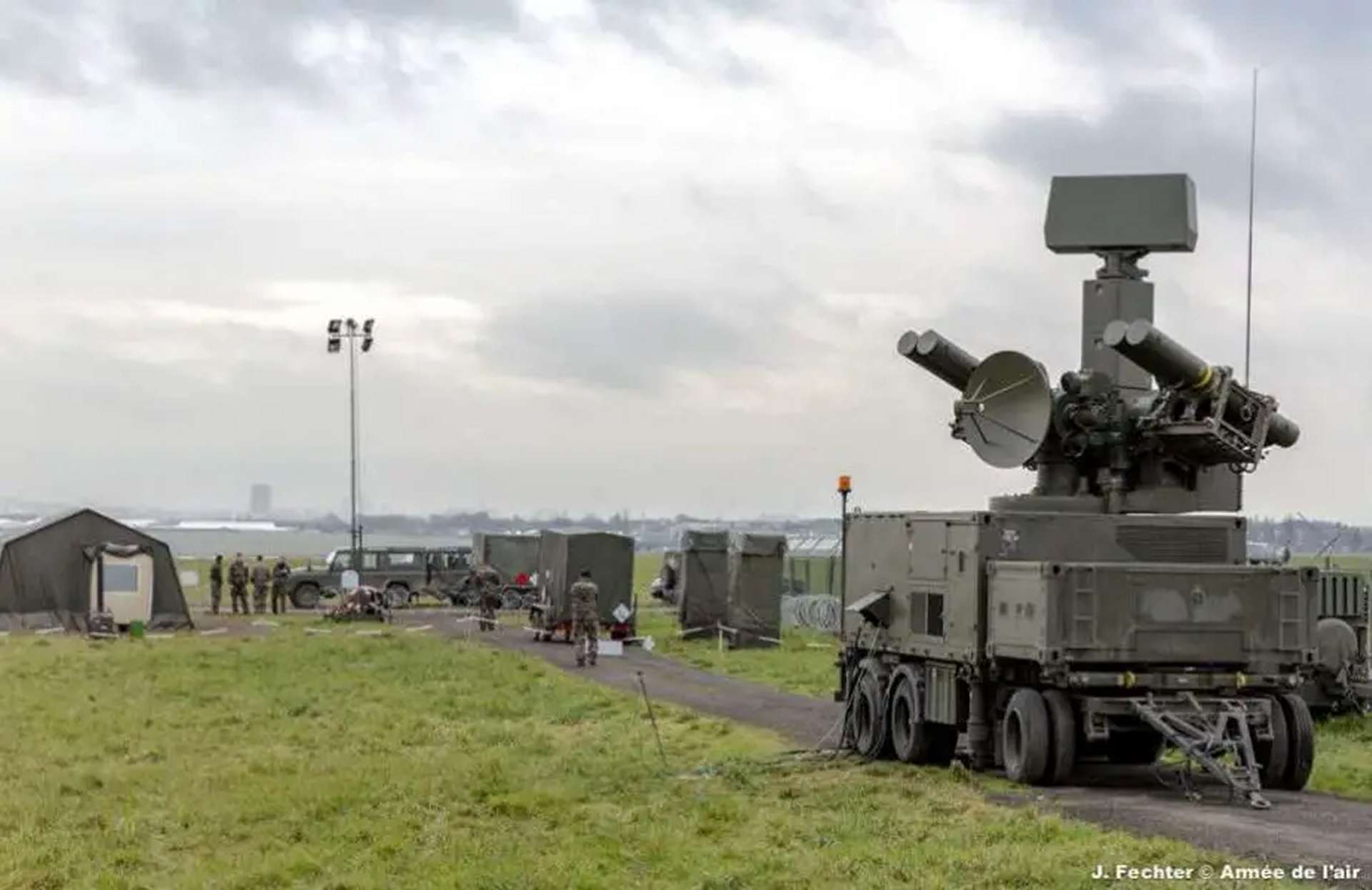
The Crotale NG (Next Generation) is an upgraded short-range air defense missile system developed by Thales Group, a French defense company, as a successor to the original Crotale system introduced in the 1960s. (Picture source: French Army)
Saudi Arabia’s acquisition of new air defense systems is driven by lessons learned from the Ukraine war and the conflict in Gaza, both of which highlight the growing use of missiles, drones, and asymmetric tactics. The Ukraine war has demonstrated the importance of multi-layered missile defense systems, as Russia’s missile strikes and the use of drones have overwhelmed traditional air defenses. Similarly, in Gaza, the use of low-cost drones and rockets by militant groups has shown the effectiveness of swarm tactics against sophisticated military forces. Saudi Arabia faces similar threats from regional actors, making the need for modern air defenses critical.
In response, Saudi Arabia has integrated advanced systems such as the U.S.-made THAAD for ballistic missile defense and the Russian Pantsir-S1M and Chinese Silent Hunter to counter drones and low-altitude threats. These additions reflect Saudi Arabia’s recognition of the evolving nature of air warfare, where threats come from multiple vectors, including drones, missiles, and precision-guided munitions. By enhancing its air defense capabilities, the kingdom aims to protect critical infrastructure and respond to the growing complexity of modern conflicts.