
- Details
- Written by: Administrator
- Category: 2024
- Hits: 3728










American Company Raytheon, a key division of RTX, has been awarded by the U.S. Army a combined $676 million in contracts to continue manufacturing the TOW® (Tube-launched, Optically-tracked, Wireless-guided) anti-tank weapon system for the U.S. Army. The company announced that the funding will sustain its active TOW missile production line, reinforcing the United States anti-tank capabilities and further supporting global land forces.
Follow Army Recognition on Google News at this link
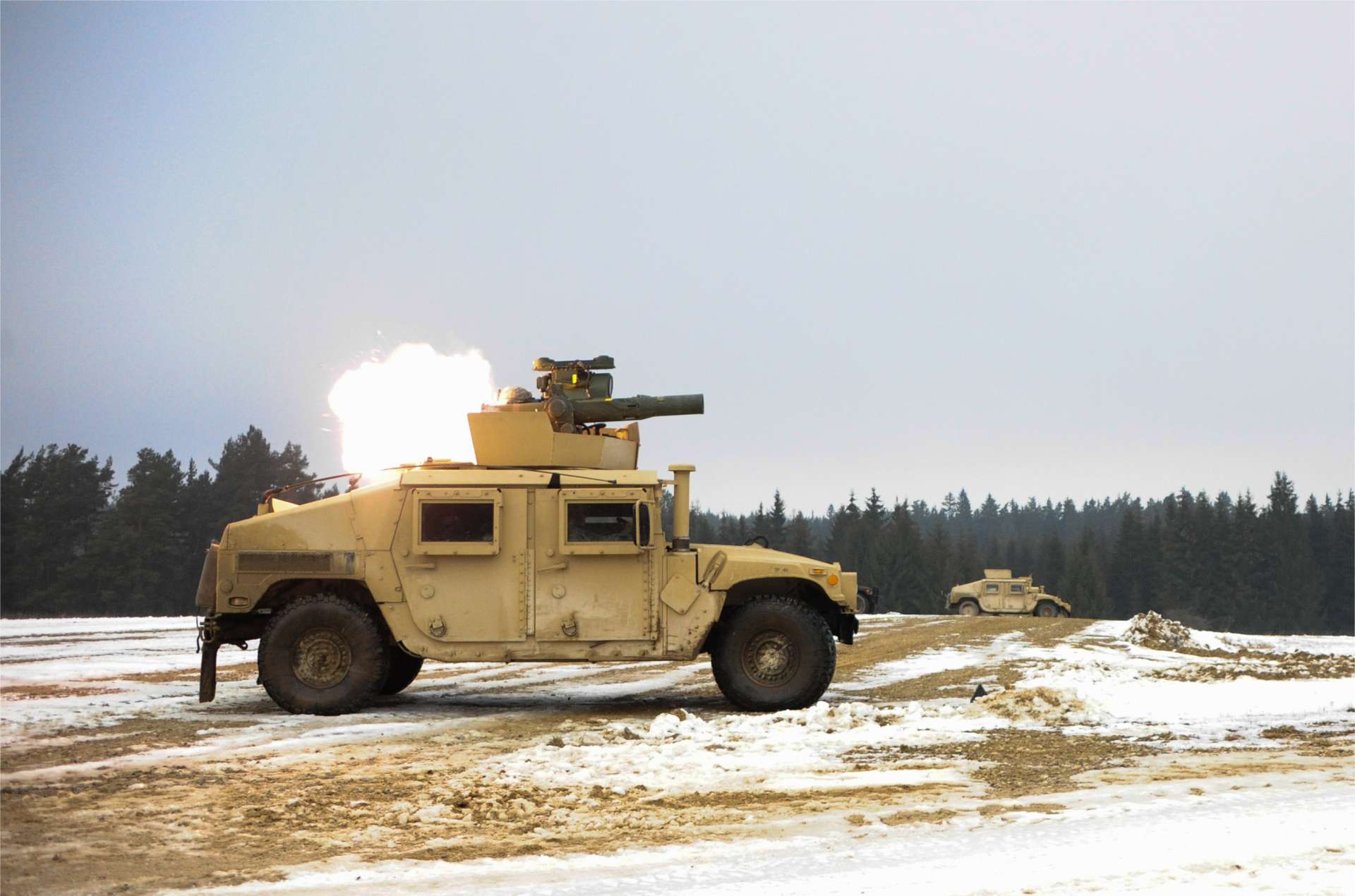
U.S. paratroopers assigned to Destined Company, 2nd Battalion, 503rd Infantry Regiment, 173rd Infantry Brigade Combat Team (Airborne) out of Vicenza, Italy, fire a TOW 2B missile during a live-fire exercise. (Picture source: U.S. DoD)
The contracts include $430 million for fiscal year 2023 and an additional $246 million awarded in 2024. According to Raytheon, the production facility can manufacture up to 10,000 TOW missiles annually, ensuring rapid replenishment of stocks for both domestic and allied forces.
Raytheon is not only maintaining its production lines but also enhancing the TOW anti-tank missile's capabilities to meet evolving battlefield demands. Recent improvements include modernized fuzing and advanced target detection technology, both of which were successfully validated during the latest TOW 2B variant's fly-to-buy lot acceptance tests. These upgrades bolster the missile's performance in urban warfare, providing faster target engagement and increased effectiveness against a wide range of adversary targets.
The TOW 2B represents a significant upgrade over previous versions of the TOW anti-tank missile system, particularly in how it engages armored targets. Earlier variants, like the TOW 2A, primarily relied on a direct attack mode, striking the sides or frontal areas of enemy vehicles, which often feature the heaviest armor. In contrast, the TOW 2B uses a top-attack profile, where the missile flies over the target and fires its explosively formed penetrators downward, striking the tank or vehicle at its most vulnerable point—typically the roof, where armor is thinner. This capability is supported by advanced sensors and fuzing mechanisms that detect the optimal moment to engage the target.
Additionally, the TOW 2B's dual warhead design improves its effectiveness against reactive armor, providing superior penetration and lethality compared to earlier models. This makes the TOW 2B particularly valuable in countering modern tanks and armored vehicles, which increasingly incorporate sophisticated armor protection systems.
"The TOW anti-tank missilee system remains combat-proven, and these latest enhancements ensure it continues to excel in complex engagements, particularly in anti-tank operations," said Tom Laliberty, President of Land and Air Defense Systems at Raytheon.
The TOW missile has seen extensive service since its inception, with over 700,000 systems delivered to U.S. and international forces. It has been a critical asset in various conflicts, being deployed in combat more than 11,000 times since 2003. Additionally, the U.S. Department of Defense has provided Ukraine with approximately 13,000 TOW missiles to assist in its defense efforts amid ongoing conflict with Russia.
One of TOW’s strengths is its compatibility with multiple platforms, including manned and unmanned vehicles. It can be integrated into the High Mobility Multipurpose Wheeled Vehicle (HMMWV), the Stryker anti-tank guided missile vehicle, Bradley Fighting Vehicles, and various other light armored vehicles, making it a versatile tool for different combat scenarios.
Raytheon's ongoing modernization of the TOW missile system positions it to meet future defense challenges. The updates also include improvements in the missile's design and packaging, ensuring that it complies with modern military environmental standards and is more resilient to varied terrain and logistical demands.
The continued investment in TOW fortifies the U.S. Army and Marine Corps and addresses the needs of international allies, many of whom rely on the system for deterrence and defense.
The TOW missile will be produced and assembled in Raytheon’s facilities in Tucson, Arizona. The company is poised to meet the global demand for this highly effective anti-tank guided missile (ATGM) system. As land forces worldwide face increasingly sophisticated armored threats, the TOW system remains a vital asset in securing battlefield superiority.
Raytheon’s $676 million contract to continue producing the TOW weapon system underlines the importance of this combat-proven anti-tank missile in modern warfare. With ongoing enhancements and a flexible platform integration capability, the TOW system ensures that U.S. and allied forces are equipped with one of the most advanced anti-armor weapons available. This contract also emphasizes the U.S. military’s ongoing commitment to maintaining cutting-edge defense capabilities in a rapidly evolving global security environment.
Read more: Raytheon Secures Contract to Continue Production of TOW Anti-Tank Missiles for US Army
- Details
- Written by: Administrator
- Category: 2024
- Hits: 5294
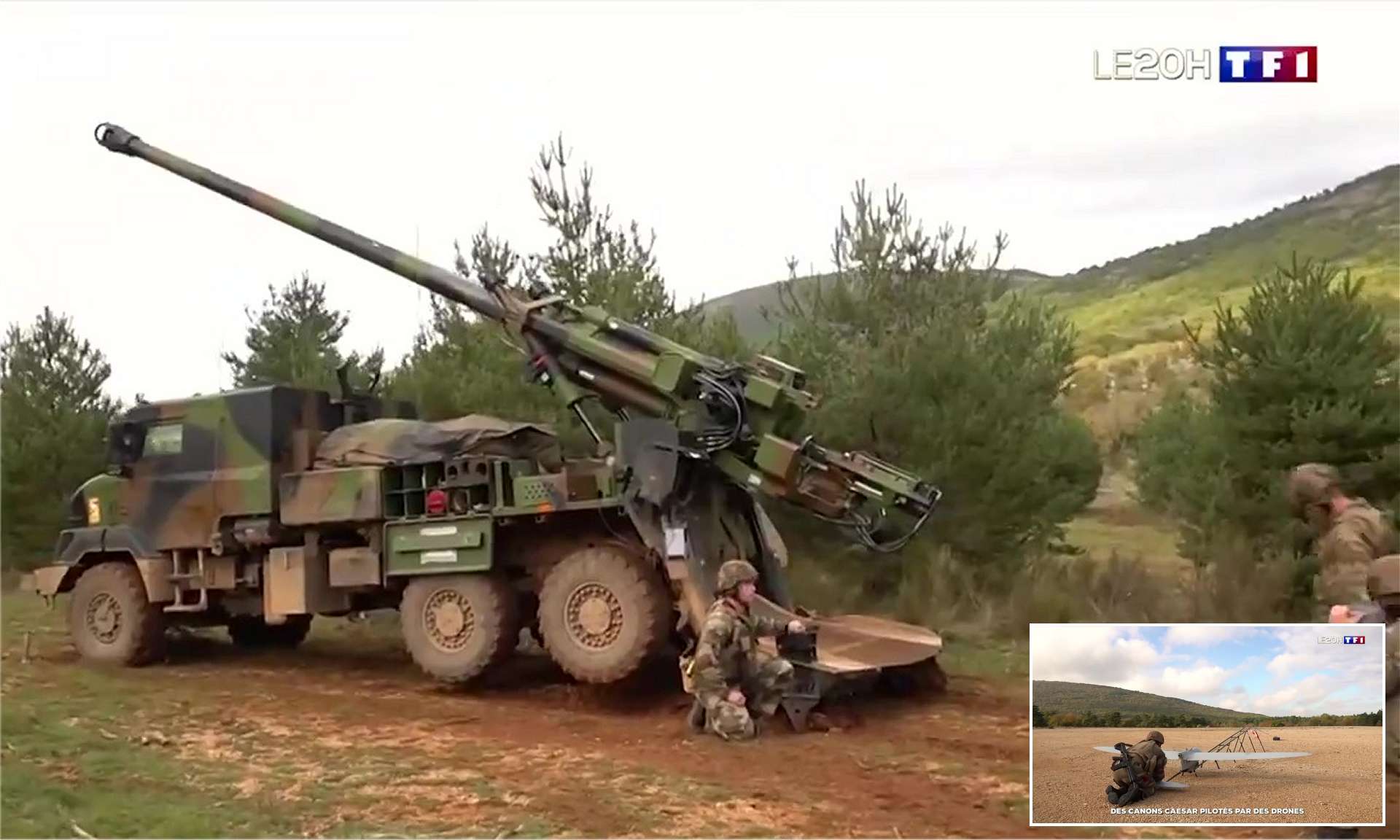
The French Army's artillery units equipped with the CAESAR (CAmion Équipé d'un Système d'ARtillerie), a 155mm wheeled self-propelled howitzer, are now utilizing SMDR drones (Mini Drone de Renseignement - Mini Intelligence Drone) for advanced reconnaissance and target acquisition missions. These drones, capable of operating up to 30 km from the artillery positions, provide highly accurate battlefield intelligence, replacing the traditional role of artillery observers who previously had to operate in dangerous frontline positions.
Follow Army Recognition on Google News at this link
A French CAESAR 155mm wheeled howitzer conducting precision strikes with the support of an SMDR (Mini Drone de Renseignement) for real-time reconnaissance and target acquisition. (Picture source: Video footage French TV TF1)
This new approach, shaped by lessons learned from the ongoing Russia-Ukraine war, reflects the increasing reliance on unmanned systems in modern warfare. The conflict has demonstrated the vital role of drones in enhancing situational awareness and targeting precision, while also minimizing human exposure to high-risk zones.
With these drones, French artillery units can now conduct precise and rapid-fire missions, drastically improving their reaction time. The CAESAR howitzer, a key asset of French artillery, can be deployed and begin firing in under two minutes thanks to the real-time data provided by the SMDR drones. This enhanced capability is crucial in fast-moving battlefield conditions where mobility and precision are paramount.
The proliferation of drones has improved reconnaissance and targeting capabilities and introduced a new threat on the battlefield. The French Army recognizes that drones have become a critical factor in modern combat, and neutralizing enemy drones is essential for crippling their ability to conduct reconnaissance and identification missions.
In response to this growing threat, the French military is ramping up its drone capabilities. France operates more than 4,000 drones across various branches of its military, and plans are underway to increase this number significantly. The strategic focus is on expanding drone production and integrating drones more deeply into battlefield operations, reinforcing the lessons learned from the Russia-Ukraine conflict.
The war in Ukraine has underscored the importance of drone warfare in contemporary conflicts. Both sides have deployed a wide range of drones for reconnaissance, artillery spotting, and even direct attacks, transforming military operations. Drones provide unprecedented real-time intelligence, enabling faster decision-making and more precise strikes. For artillery units like those using the CAESAR howitzer, drones eliminate the need for forward observers, reducing human risk while increasing the accuracy and lethality of strikes.
As a result, military forces worldwide, including France, are adopting similar tactics, integrating unmanned systems into their operations to maintain battlefield superiority. The French Army's use of the SMDR drone in coordination with the CAESAR howitzer exemplifies how these lessons are being applied to enhance combat effectiveness in the face of evolving threats.
In conclusion, France's focus on drone-based reconnaissance and artillery tactics marks a significant shift in military strategy. By leveraging the experience of recent conflicts and continuously improving its technological capabilities, the French Army is positioning itself at the forefront of modern warfare
- Details
- Written by: Halna du Fretay
- Category: 2024
- Hits: 2964
The Lithuanian Ministry of Defense has confirmed that starting next year, three NATO allies will send their air defense systems as part of a rotational deployment. Details, shared by Defense Minister Laurynas Kasčiūnas on Žinių Radijas radio, indicate that these rotations aim to ensure a nearly continuous presence of NATO’s air defense capabilities in the Baltic states.
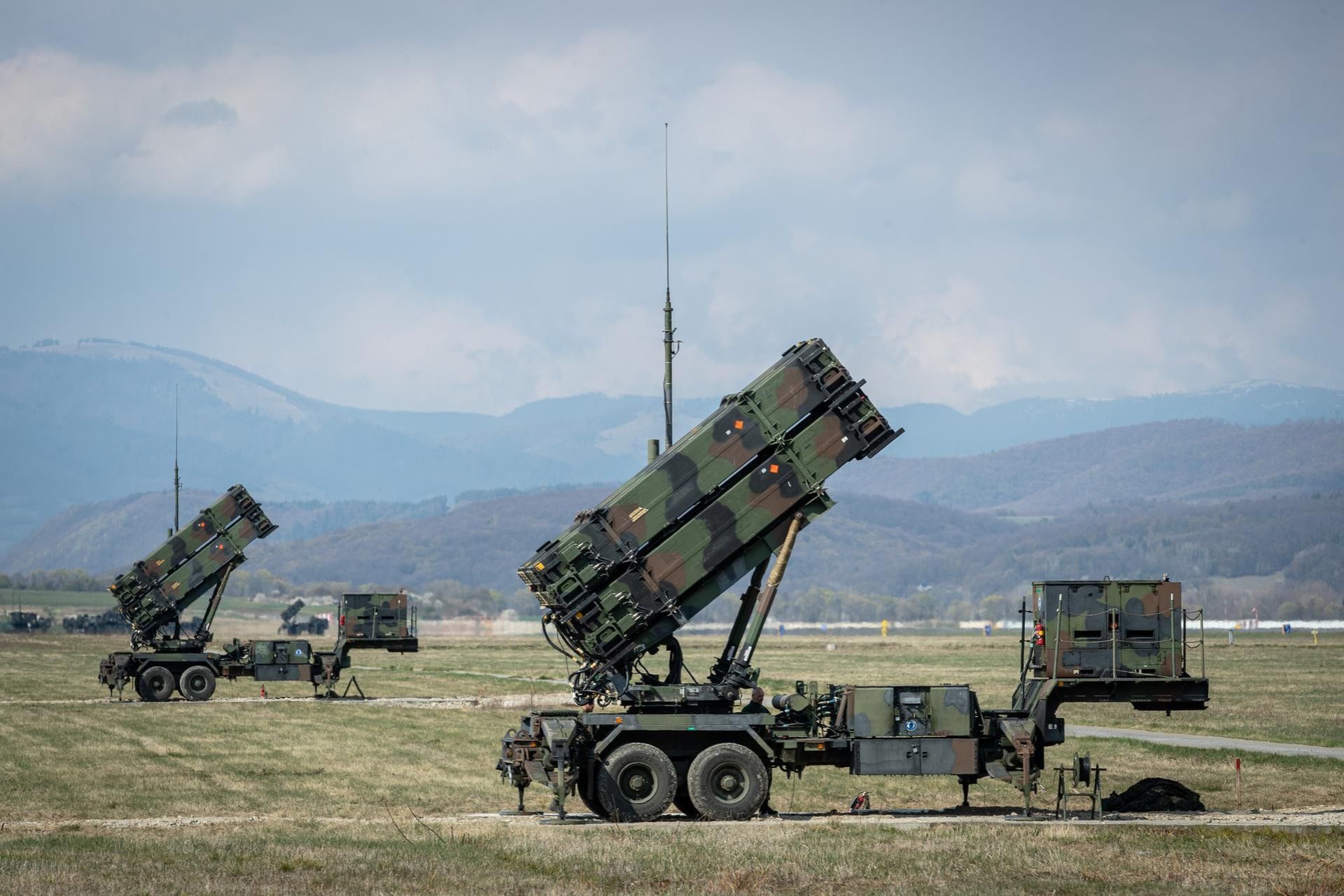
Kasčiūnas confirmed that the Netherlands would be among the participating countries, though he did not specify the others (Picture source: Netherlands MoD)
Kasčiūnas confirmed that the Netherlands would be among the participating countries, though he did not specify the others. When asked about potential Swedish involvement—particularly relevant as Lithuania strengthens military ties with Sweden through the acquisition of CV90 infantry fighting vehicles—the minister stated he could not confirm this possibility at this time.
Germany, with its advanced Patriot systems and strong commitment to regional security, is a likely participant, as are the United States, which also has significant air defense capabilities. Poland, neighboring Lithuania, possesses modern Patriot systems and could be another key actor in these rotations. Additionally, France, equipped with SAMP/T systems, and potentially Sweden, now a NATO member and strengthening military links with Lithuania, are also plausible candidates.
The rotational air defense initiative, approved by NATO last year, aims to bolster security in the Baltic Sea region by addressing rising security challenges. This rotation model seeks to offset the lack of permanent air defense systems in the Baltic states by maintaining a steady presence of allied forces, providing enhanced protection against potential threats.
The Netherlands has previously deployed its long-range Patriot system at Šiauliai Air Base in Lithuania this summer as part of the BALTCON24 exercise. This deployment marked a significant step toward closer cooperation between the two nations. Kasčiūnas also mentioned the possibility of a regular Patriot deployment from the Netherlands for exercises in Lithuania, underscoring the strategic value of this partnership.
Alongside NATO's rotational deployments, Lithuania is actively strengthening its own air defense. Two agreements signed in October 2024 with European manufacturers reflect this commitment. The first, signed with Saab Dynamics on October 1, secures additional short-range air defense systems, RBS 70 NG, based on portable missiles, for approximately €130 million. These systems offer increased mobility and responsiveness against low-altitude aerial threats.
The second agreement, concluded with Kongsberg Defense & Aerospace, involves the acquisition of the NASAMS medium-range system, valued at around €234 million. Originally scheduled for 2030, this acquisition was advanced by seven years through additional funding, allowing for early deployment of these essential capabilities. NASAMS will enhance the air defense of Lithuanian armed forces, providing improved coverage against mid-range aerial threats.
These initiatives align with Lithuania’s defense strategy to reduce reliance on allied capabilities for air defense and reinforce collective security in the region. NATO's decision to take responsibility for the Baltic Sea region’s rotational air defense, in collaboration with member states, further demonstrates the Alliance’s commitment to safeguarding the Baltic countries against potential threats.
Read more: Three NATO Countries Commit to Lithuania in Air Defense Rotation Agreement
- Details
- Written by: Administrator
- Category: 2024
- Hits: 4503
On October 25, 2024, German defense Company Rheinmetall announced the delivery of 20 additional German-made Marder 1A3 Infantry Fighting Vehicles (IFVs) to the Ukrainian armed forces. The delivery, completed by the end of the third quarter of 2024, comes as part of Germany's ongoing military support for Ukraine in its fight against the Russian invasion. Since the conflict began in February 2022, Germany has delivered 120 Marder 1A3 IFVs, forming a critical component of Ukraine’s armored forces. The latest batch brings the total number of Marder vehicles supplied to Ukraine, both directly and through "ring exchange" agreements with other NATO countries, to approximately 200.
Follow Army Recognition on Google News at this link
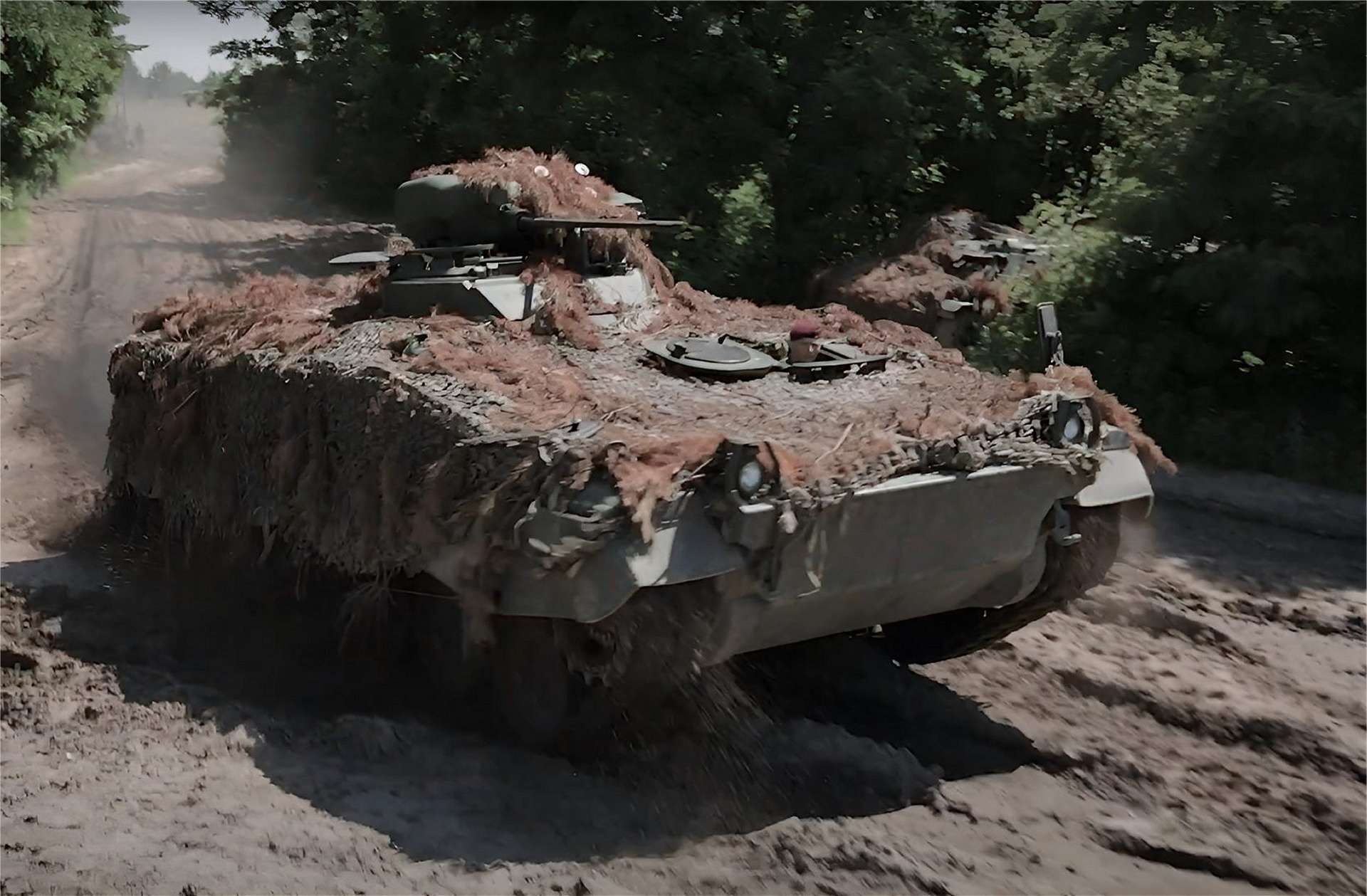
Marder 1A3 IFV Infantry Fighting Vehicle of the Ukrainian Air Assault Forces in action during training exercises. (Photo credit: Ukrainian Air Assault Forces.)
The Marder 1A3 IFVs (Infantry Fighting Vehicles) deliveries are part of broader German efforts to aid Ukraine, which also include the supply of Leopard main battle tanks. Rheinmetall has provided both Marder IFVs and Leopard tanks in double-digit quantities through the ring exchange process, wherein NATO allies transfer German-made equipment to Ukraine in exchange for replacements. The latest order for the 20 Marder vehicles, financed by the German government, is valued at a mid-double-digit million euro amount. The order was booked in March 2024, reflecting the ongoing commitment of Germany and Rheinmetall to support Ukraine's military efforts. Rheinmetall began refurbishing Marder 1A3 vehicles from German Bundeswehr stocks as early as spring 2022, initially at its own expense, ensuring their immediate deployment on the battlefield.
The Marder 1A3 IFV, originally developed for the German Bundeswehr, is a battle-tested and highly capable armored vehicle. Designed for frontline operations, the Marder 1A3 is equipped with a 20mm automatic cannon, which can engage both ground and low-flying aerial targets, such as helicopters and drones. Additionally, it features a 7.62mm coaxial machine gun, providing extra firepower in close combat situations. The vehicle’s fully tracked chassis ensures high mobility across difficult terrain, making it suitable for the challenging operational environments seen in the Ukrainian conflict.
One of the key upgrades in the Marder 1A3 variants delivered to Ukraine is the inclusion of advanced laser rangefinders, which enhance the vehicle’s precision in target engagement. These systems allow the crew to quickly and accurately identify and engage enemy targets, increasing battlefield effectiveness. The Marder 1A3 is also heavily armored, providing protection against small arms fire, shrapnel, and anti-tank weapons, which are commonly encountered in the current conflict. The refurbishment of these vehicles, conducted at Rheinmetall’s facilities in Unterlüß and Kassel, ensures that the Marders are fully operational and ready for combat. The Marder, though gradually being replaced by the more advanced Puma IFV in the German armed forces, remains a proven and reliable vehicle, with decades of operational experience.
This latest delivery of Marder 1A3s IFVs is another example of the extensive international military support Ukraine has received in its ongoing battle against Russian forces. The continued supply of advanced infantry fighting vehicles like the Marder strengthens Ukraine’s ground forces, providing enhanced mobility, firepower, and protection to its troops as they seek to reclaim territory and repel Russian advances. As the war continues, these deliveries play a crucial role in maintaining Ukraine's operational capability on the front lines.
- Details
- Written by: Halna du Fretay
- Category: 2024
- Hits: 5576
The U.S. Marines are exploring an automated targeting system for standard infantry rifles, aimed at improving every soldier’s capacity to defend against the rising threat of drones on the battlefield. The ZeroMark Fire Control System (FCS) innovation incorporates an automatic adjustment mechanism to fine-tune the aiming point, optimizing precision against unmanned aerial threats. Currently undergoing tests with the 3rd Marine Division in Hawaii, this equipment marks a significant advancement for accurately targeting moving threats, which are often challenging to counter through traditional methods.
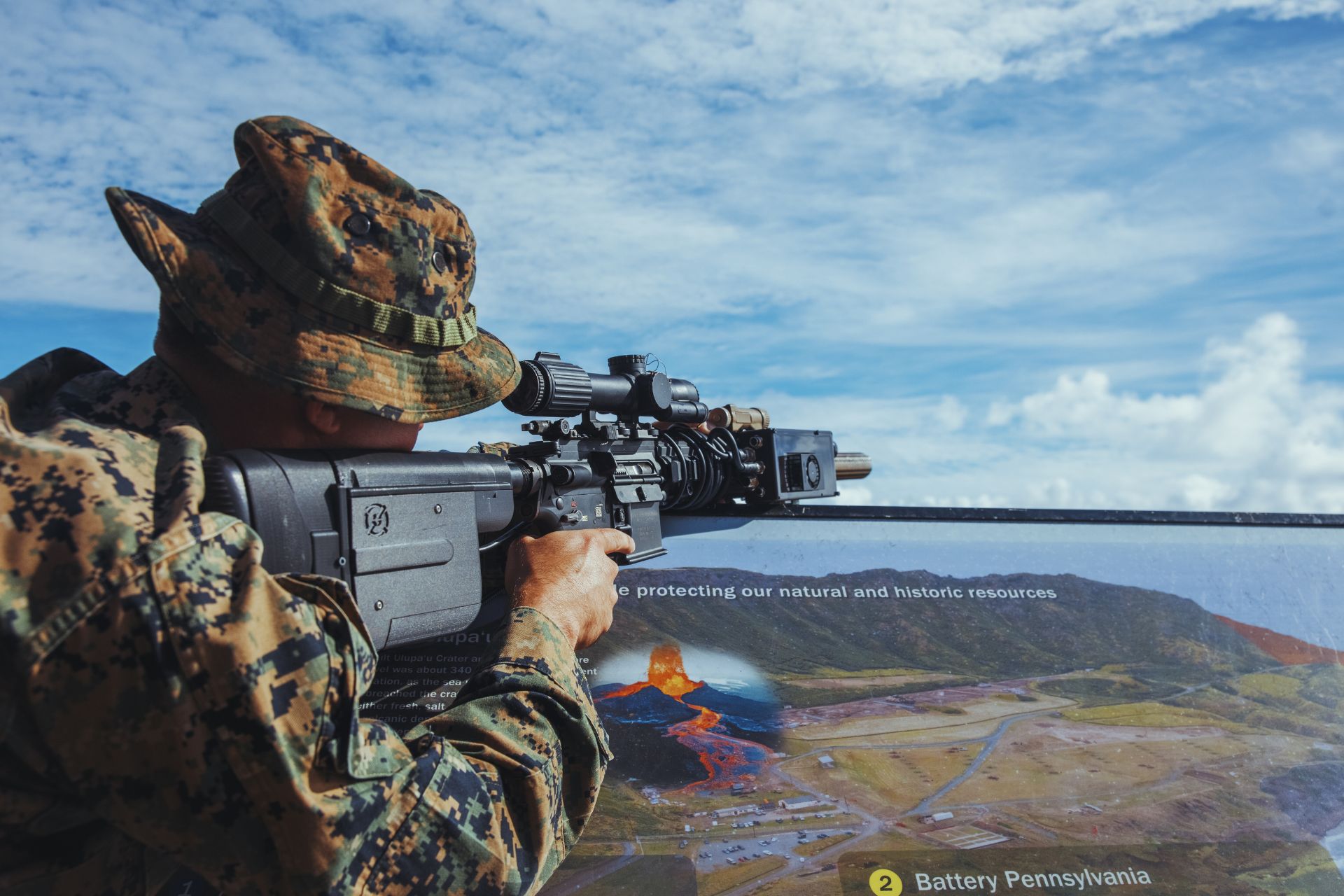
U.S. Marine fires a ZeroMark Fire Control System attached to an M27 Infantry Automatic Rifle during a live-fire demonstration on Marine Corps Base Hawaii, Oct. 23, 2024 (Picture source: US DoD)
Developed by New York-based startup ZeroMark, founded in 2022, the ZeroMark FCS has received investment from prominent backers, including Andreessen Horowitz (a16z) and Ground Up Ventures, and benefits from $7 million in funding for research and development. The system relies on sophisticated machine vision technology, with electro-optical cameras and LiDAR sensors to detect and track targets in real time.
The system’s distinct feature lies in its motorized buttstock, which adjusts the rifle’s angle to optimize shooting accuracy, allowing the shooter to target drones more effectively. Unlike existing assisted-aiming systems like the SMASH 2000 series from Israeli firm Smart Shooter, ZeroMark’s FCS uses advanced vision algorithms to steer the weapon’s barrel, even making slight angular adjustments to maximize shot alignment.
ZeroMark’s technology, described as a “fire control system,” includes a small computer and motorized stock. CEO Joel Anderson explains that this motorized stock creates a virtual pivot between the shoulder and rifle, allowing small degree adjustments to refine shot trajectory and compensate for both drone and shooter movement, as well as variations caused by noise or torque.
Installation on any rifle takes just 30 seconds, potentially making drone defense a manageable task for the average soldier. Anderson states that the system “makes hitting a small drone at 200 yards as easy as hitting an 18-meter-diameter circle,” making such skills accessible to a broader range of soldiers.
A former U.S. Navy member and the first security director of MongoDB, Anderson says he drew inspiration for ZeroMark after driving a Tesla with autopilot and wondering why similar technology wasn’t available to soldiers. Seeing a growing need for anti-drone solutions, he presented the prototype to a16z partners, who encouraged him to launch the startup in 2022.
ZeroMark’s development is focused solely on countering offensive drones. While acknowledging that the concept of a weapon “that never misses” may be controversial, Anderson clarifies that the company avoids marketing its systems to law enforcement, stating: “I don’t believe the world is ready for that, nor am I. I don’t want to see AI-enabled weapons in police hands.” To mitigate potential misuse, the company has incorporated remote management, license-based activation, and fleet management features to ensure responsible use.
FCS units are already in use by private security firms to protect assets like boats against potential drone threats related to piracy. ZeroMark is in talks to send its devices to Ukraine and is engaging in discussions with the U.S. Department of Defense for testing and evaluation that could lead to larger orders.
Beyond self-targeting capabilities, Anderson envisions ZeroMark software being applied in other contexts, such as cameras capable of identifying drone types, origin, or payload. In the long term, he envisions integrating the system into head-up displays or auditory interfaces to deliver real-time critical information to soldiers.
Anderson sums up his vision: “Large systems like aircraft carriers don’t win wars. They help project power but don’t capture Husseins, don’t kill Bin Ladens, don’t bring hostages home; soldiers do... and I want them to be as untouchable as an F-22 in the sky.”
Read more: US Marines Integrate Moving Stock Aiming System to Enhance Rifle Accuracy Against Drones
- Details
- Written by: Halna du Fretay
- Category: 2024
- Hits: 3132
The U.S. Department of State has approved a potential foreign military sale of TOW 2A and TOW 2B missiles to Saudi Arabia, an agreement that could reach a value of $440 million. Announced on October 24, 2024, the decision also includes a wide range of logistical and technical support services, bolstering the kingdom's defense capabilities against current and future threats. The Defense Security Cooperation Agency (DSCA) has officially notified Congress of the sale, marking a new chapter in military cooperation between the United States and its strategic partner in the Gulf region.
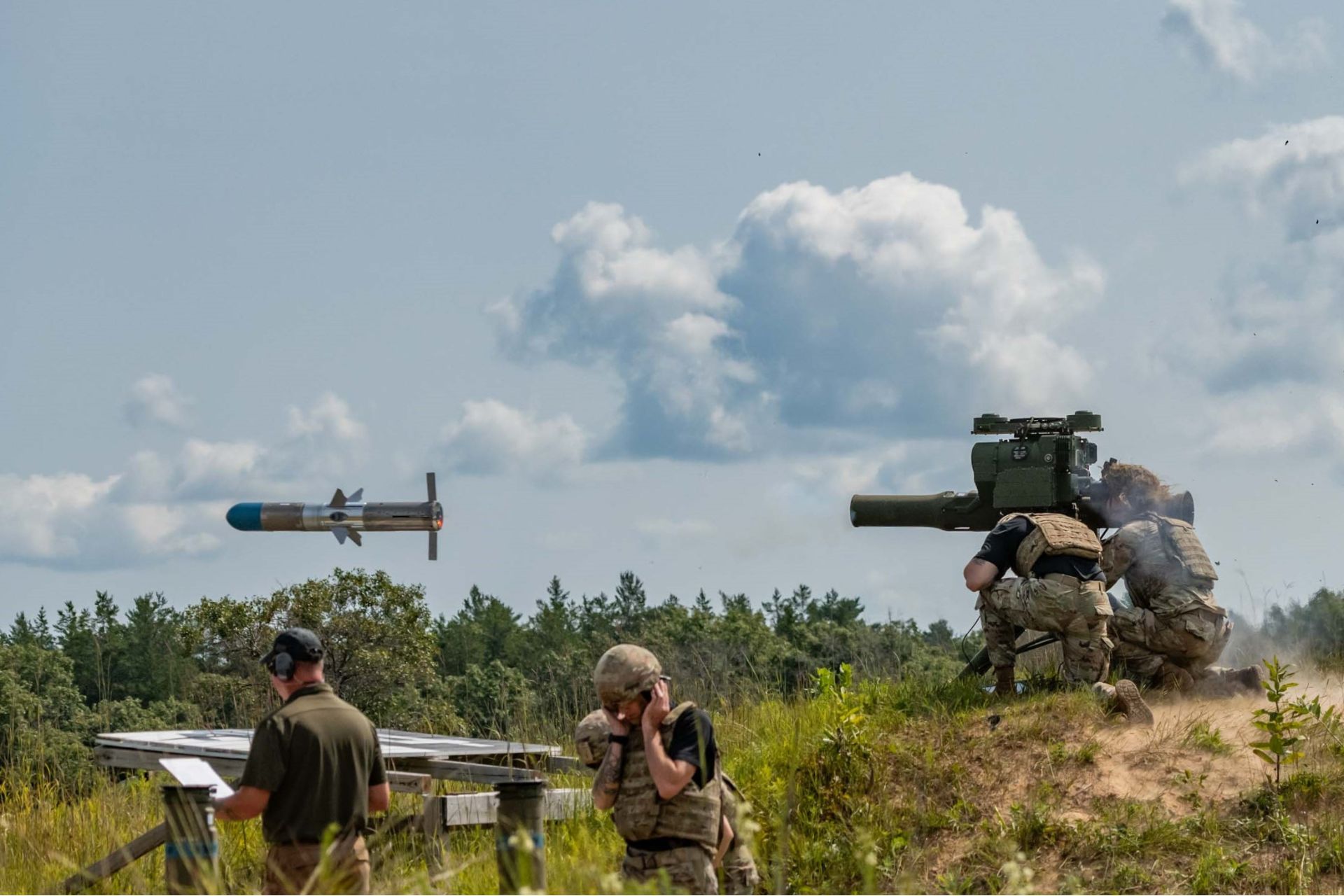
The utility of the TOW 2A and TOW 2B missiles lies in their capability to provide powerful anti-armor firepower and fortification destruction (Picture source: US DoD)
Saudi Arabia has expressed its intent to acquire a total of 1,014 TOW missiles, comprising 507 units of the TOW 2A (BGM-71E-4B-RF) and 507 units of the TOW 2B (BGM-71F-3-RF), both being radio-frequency guided, tube-launched anti-tank systems. Developed by RTX Corporation (formerly Raytheon), these high-precision weapons provide advanced firepower against armored threats. To ensure optimal performance, the agreement also includes 14 "fly-to-buy" missiles for validation testing, reinforcing the kingdom’s trust in the supplied systems.
The TOW 2A and TOW 2B missiles represent advanced versions of the TOW anti-tank system, known for their long-range accuracy and strike power. The TOW 2A, optimized for direct attack, is suited for engaging heavily armored targets, while the TOW 2B, which executes top-down strikes, targets vulnerable areas of armored vehicles. Both variants are compatible with various launchers, including those mounted on Stryker, Bradley, and ITAS HMMWV vehicles, providing flexibility across different environments.
These missiles are equipped with powerful warheads capable of penetrating advanced armor while maintaining high resilience against enemy countermeasures. In use by over 40 armed forces worldwide, they have proven effective in high-intensity conflict zones, enhancing capabilities in both defensive and support roles. With continuous modernization, the TOW remains a valuable asset for armed forces, aligning with current and future U.S. programs for optionally manned combat vehicles and projected to remain operational beyond 2050.
Beyond the missiles, the proposed sale includes additional equipment and services, such as test devices, simulators, generators, integration support, spare parts, communication tools, software support, technical publications, personnel training, and engineering services. This comprehensive support package is designed to facilitate the integration of these systems into Saudi Arabia’s armed forces, which already operate similar systems.
Regional security remains a strategic priority for the United States, which regards Saudi Arabia as a stabilizing force in the Gulf. By enhancing Riyadh's defense capabilities, Washington aims to support regional security without altering the regional military balance. This military support aligns with U.S. foreign policy goals, enabling allies to promote stability and economic prosperity in key areas.
RTX Corporation, headquartered in Tucson, Arizona, will be the main contractor for the sale, which may include an offset agreement. Such agreements, often involving investments or technology transfers, are intended to benefit the purchasing country and are negotiated directly between Saudi Arabia and the American contractor. This aspect could contribute to the development of local defense industrial capacities, although it was not specified in the certification sent to Congress.
Notably, implementing this sale will not require additional U.S. government or contractor representatives in Saudi Arabia. Delivery and integration can proceed without impacting U.S. defense readiness, a criterion often considered for large-scale arms sales.
The figures in the notification reflect maximum estimates based on initial requirements. The final cost may be adjusted downward according to budget agreements and specific needs defined during negotiations, allowing flexibility in the contract's execution. For further inquiries, the State Department’s Bureau of Political-Military Affairs invites officials and the public to contact its Office of Public Affairs.
This sale aligns with U.S. policy to support Middle Eastern allies by supplying advanced military equipment to counter current and emerging threats. As a proven anti-armor system, the TOW offers a robust defensive solution against armored threats from neighboring countries or armed groups, addressing the region's complex security landscape.
The utility of the TOW 2A and TOW 2B missiles lies in their capability to provide powerful anti-armor firepower and fortification destruction. The TOW 2A, with its direct attack mode, is especially suited for engaging armored targets at medium to long range, while the TOW 2B’s top-attack capability targets vulnerable areas of armored vehicles, providing a significant advantage against modern tanks. By integrating these missiles on various platforms, Saudi Arabia can enhance its ground defense with effective deterrence against potential armored incursions.
Read more: New Chapter in US-Saudi Military Cooperation with Approved TOW Missile Sale
- Details
- Written by: Vandenbosch
- Category: 2024
- Hits: 4063
The SAHA 2024 exhibition, held from October 22 to 28 in Istanbul, is one of the most anticipated events in the fields of defense, aerospace, and space technologies. This event brings together many key players in the Turkish and international defense industries, offering a platform to showcase the latest technological innovations. Among the most notable exhibitors this year is Sarsılmaz, an iconic Turkish company renowned for its innovations in both light and heavy weapons.
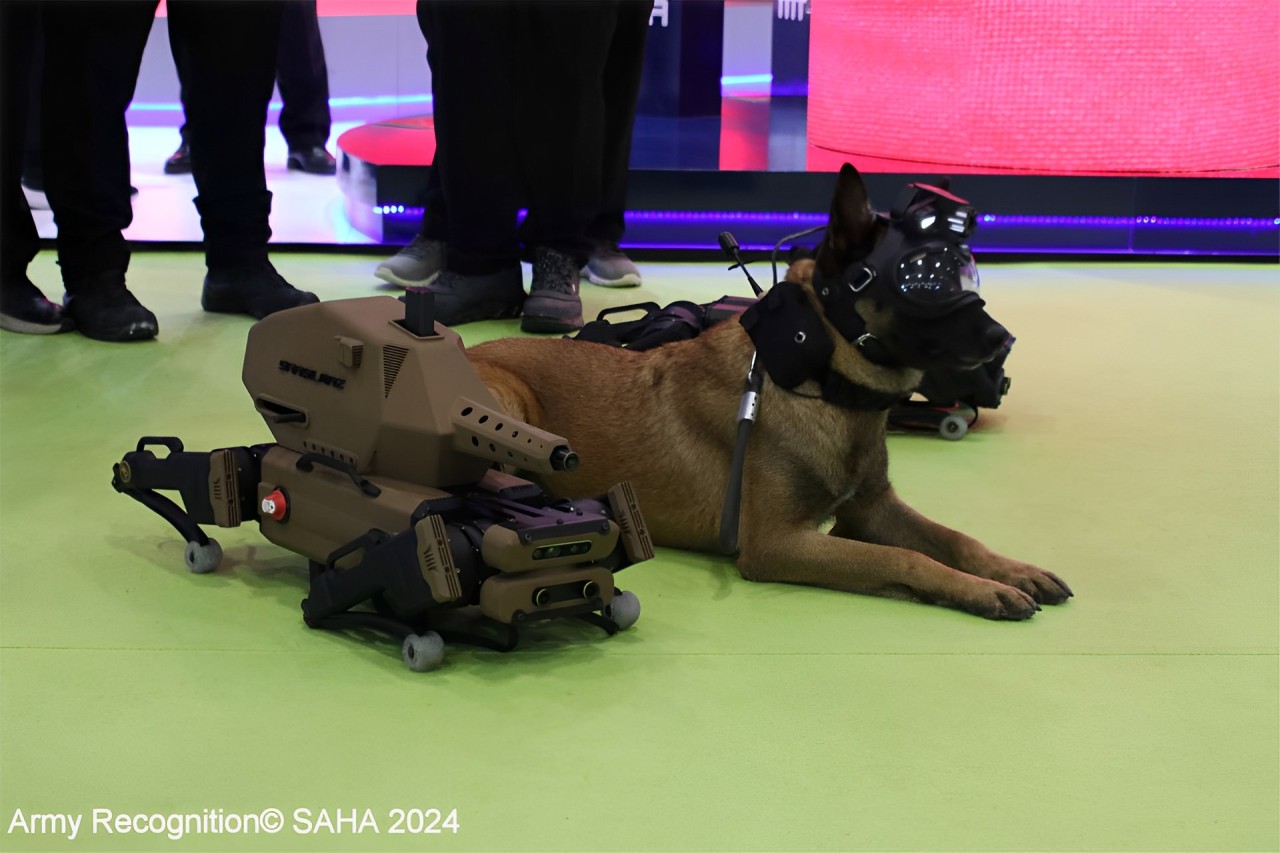
Sarsilmaz's Sarbot is of course on the left. (Picture source: Army Recognition)
At this edition of the SAHA Expo, Sarsılmaz made a strong impression with the presentation of SARBOT, a next-generation armed robot. SARBOT is an armed robot designed to meet the modern operational needs of armed forces, particularly in hazardous environments where human intervention is limited or risky. It stands out for its mobility, firepower, and ability to integrate into complex ground operations. This armed robot is intended to provide ground support with enhanced precision and advanced autonomy, making it a strategic asset for military operations involving reconnaissance, perimeter protection, and engagements in hostile terrain.
SARBOT, the product of collaboration between Sarsılmaz and Turkish engineers, is one of the latest examples of technological advancements in the national defense industry. Designed with local technologies and advanced mechatronic solutions, this robot offers adaptable firepower, capable of being equipped with different weapon configurations depending on operational needs. During its presentation, SARBOT captured the attention of industry professionals and international visitors, who highlighted its potential to bolster the security of ground forces in complex scenarios.
In addition to SARBOT, Sarsılmaz also showcased a wide range of its products at SAHA 2024, including weapons that will equip the Turkish army's aerial and ground platforms. Notably, the company highlighted a 20mm rotary cannon designed to be mounted on ATAK attack helicopters, in collaboration with TR Mekatronik. This system, capable of firing 750 rounds per minute, is another major innovation that underscores Sarsılmaz's central role in enhancing the offensive capabilities of Turkish forces.
Sarsılmaz's stand at SAHA 2024 also offered a demonstration of the company’s ability to provide armed solutions for land, air, and naval forces. With over 300 products developed domestically, Sarsılmaz continues to demonstrate its capacity to meet the growing demands of modern defense, whether through the manufacture of assault rifles, machine guns, pistols, or sophisticated weapon systems like SARBOT.
The presentation of SARBOT at SAHA 2024 did not fail to capture the attention of visitors. This robot represents a significant advancement for the Turkish defense industry, which seeks to address modern security and defense challenges while enhancing the country’s technological independence. Meanwhile, SAHA 2024 continues to establish itself as a key event for the defense industry, providing Turkish companies with a showcase to display their expertise on the international stage.
Read more: SARBOT Armed Robot by Sarsılmaz Takes the Spotlight at SAHA 2024
- Details
- Written by: Vandenbosch
- Category: 2024
- Hits: 3372
The SAHA 2024 exhibition in Turkey provided the platform for Koluman Tech to unveil its latest all-terrain vehicle, the KISRAK 4x4, a model designed to meet the logistical and operational needs of armed forces. This vehicle was highlighted for its transport capabilities in extreme conditions and its potential to adapt to various defense and security scenarios.
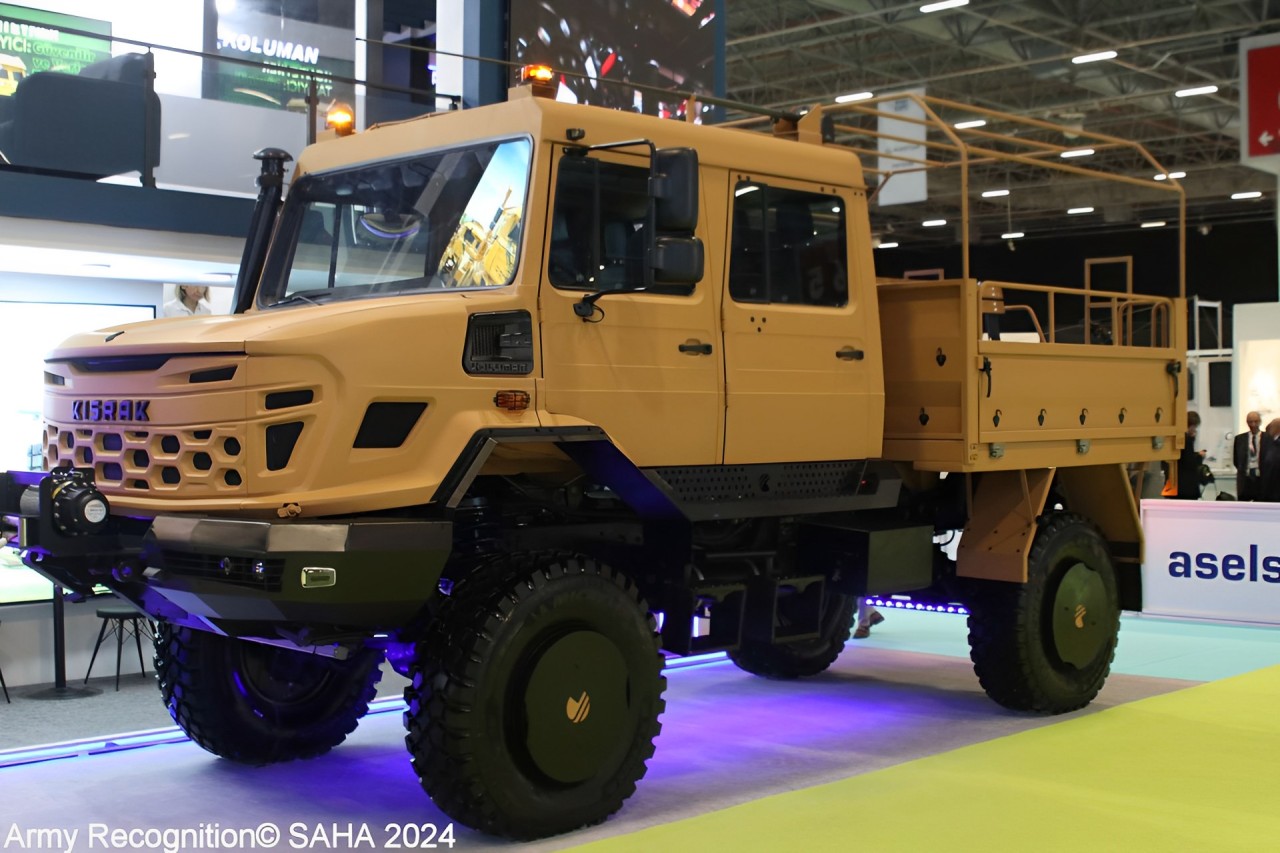
The KISRAK 4x4 at SAHA 2024. (Picture source: Army Recognition)
The KISRAK 4x4 has a length of 6,720 mm, a width of 2,550 mm, and a height of 2,960 mm. Designed to carry heavy loads, it boasts a payload capacity of 6,550 kg and can transport up to six people on its platform, in addition to the seven seats in the cabin, allowing it to carry a total of 13 people. With a gross weight of 14,800 kg and a high load capacity, this vehicle is suited for missions that require high reliability and mechanical toughness.
Powered by a Mercedes Benz R6 7.2-liter engine, delivering 320 horsepower (240 kW) with 1,300 Nm of torque, the KISRAK 4x4 is engineered for optimal performance even in challenging conditions. It meets Euro 3 standards and can operate in a temperature range from -32°C to 49°C, making it a versatile choice for various climatic zones and operational theaters.
The vehicle is equipped with an Allison 3000 SP automatic transmission with six forward gears and one reverse, providing smooth handling in both off-road and on-road modes. It also features a 4x4 transfer system with a lockable differential, ensuring efficient driving on difficult and uneven terrains. Its coil spring suspension system and pneumatic dual-circuit disc brakes with ABS offer increased safety and maneuverability, even when carrying maximum loads.
The KISRAK 4x4 is also fitted with portal axles at the front and rear, enhancing its ability to overcome obstacles while maintaining a stable load. The front axle has a load capacity of 7,000 kg, while the rear axle can support up to 8,000 kg, allowing for balanced load distribution on all types of terrain. The 395/85 R20 tires further strengthen its off-road capability.
Koluman Tech's KISRAK 4x4 is part of an evolving range of military vehicles, with improvements aimed at meeting the demands of modern armed forces.
Read more: The New Force in All-Terrain Mobility is Kisrak 4x4 Unveiled at SAHA 2024
- Details
- Written by: Vandenbosch
- Category: 2024
- Hits: 2805
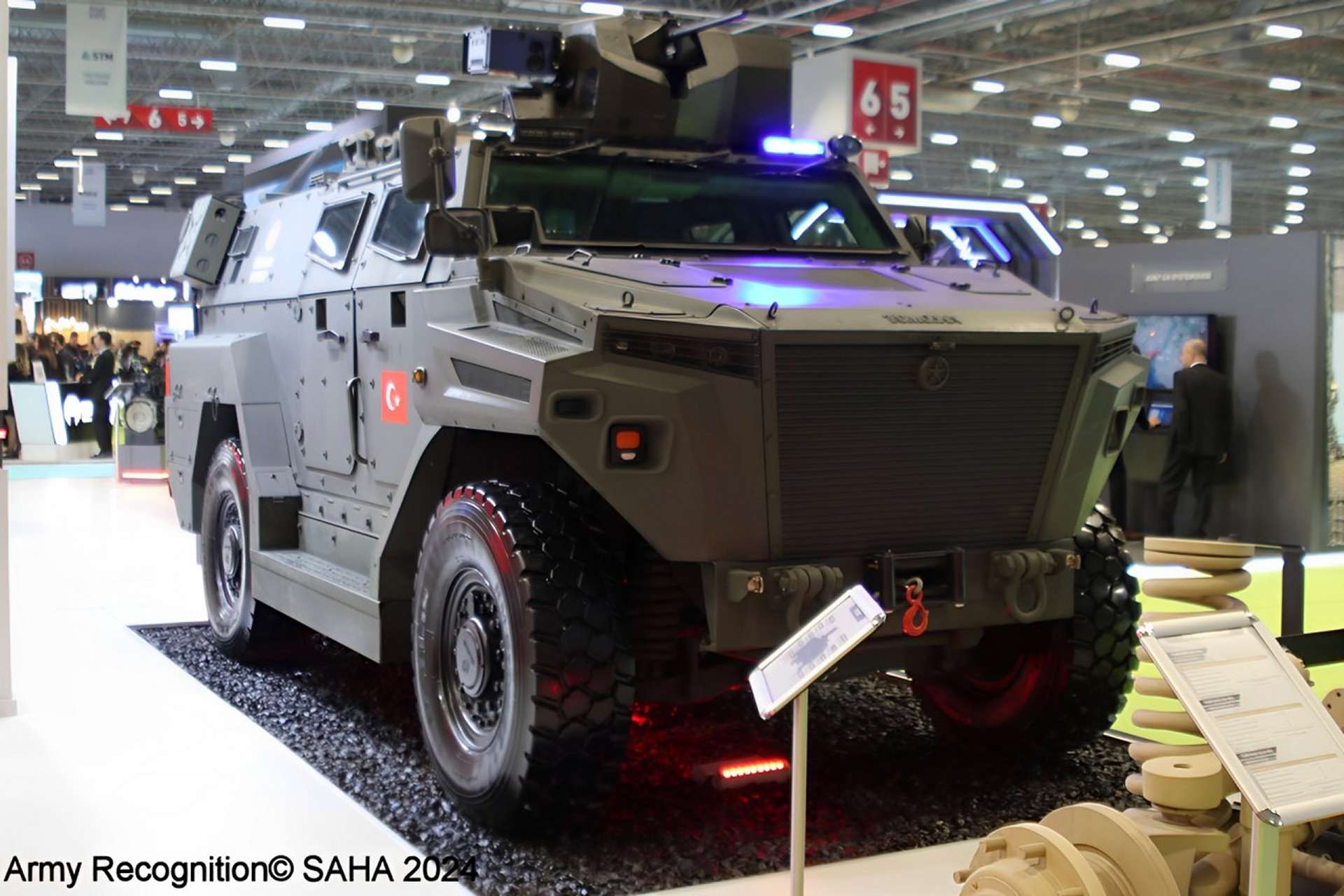
The SAHA 2024 exhibition, held in Turkey, provided the opportunity for Turkish company Tumosan to showcase its versatile armored vehicle, the PUSAT, a next-generation vehicle designed for tactical and protection missions. The PUSAT attracted the attention of visitors due to its advanced technical features, making it a valuable asset for armed forces operating in diverse combat environments.
The PUSAT is a Turkish next-generation armored vehicle. (Picture source: Army Recognition)
The PUSAT is powered by a TMSN X 5.4 engine, delivering an impressive output of 310 horsepower. This engine, combined with an 8+1 AMT (automated manual transmission), ensures optimal vehicle performance, particularly with its 1000 Nm torque, providing enhanced maneuverability and power, even in the most challenging terrains.
Weighing 14 tons in combat configuration, the PUSAT features a modular design, facilitating its adaptation to different missions and the specific needs of armed forces. This modularity is reinforced by a sturdy and flexible structure, allowing for easy modification or upgrading of the vehicle’s components. One of Tumosan’s notable innovations for this model is the integration of a patented mine protection kit, ensuring maximum safety for the occupants against explosive threats in hostile environments.
In terms of armament, the PUSAT is equipped with a versatile weapons system capable of supporting various configurations, including a 12.7 mm heavy machine gun, a 7.62 mm machine gun, and a 40 mm automatic grenade launcher. This versatility makes it capable of engaging a wide range of targets, from infantry units to heavier objectives.
The vehicle is also fitted with an independent suspension system with 280 mm travel, enhancing stability and cross-country capability over diverse terrains. This, combined with its powerful engine and robust design, allows the PUSAT to operate efficiently in difficult environments while providing maximum protection to the crew.
The presentation of the PUSAT at SAHA 2024 by Tumosan highlighted an armored vehicle designed to meet the demands of modern warfare. Its modularity, enhanced protection against explosive threats, and its armament capabilities make it an attractive choice for armed forces seeking a robust, high-performance, and versatile vehicle for a wide range of missions.
Read more: Tumosan’s PUSAT Is A Versatile Armored Vehicle Unveiled at SAHA 2024 in Türkiye
- Details
- Written by: Administrator
- Category: 2024
- Hits: 3844
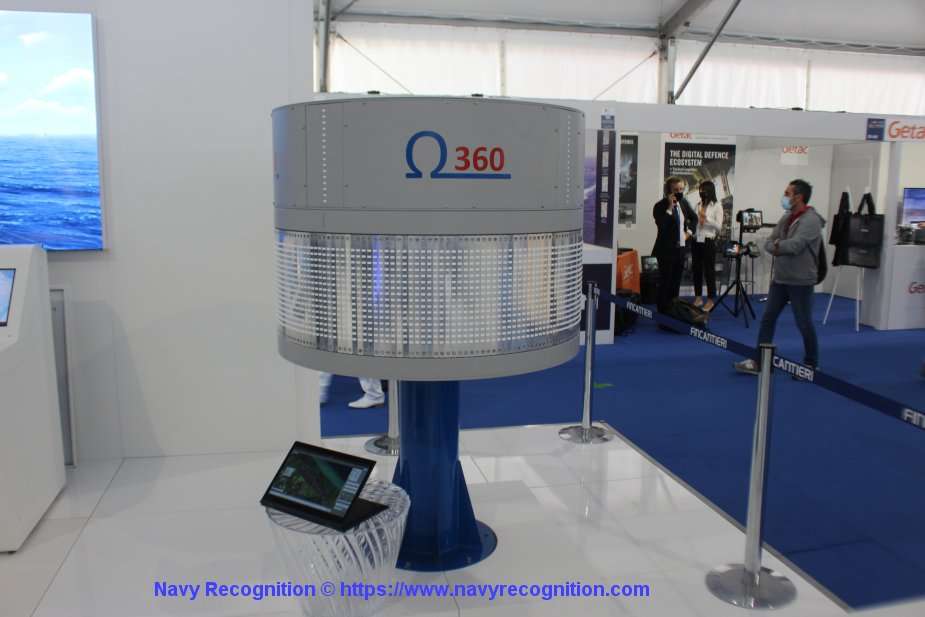
On October 22, 2024, Fincantieri signed a Memorandum of Understanding (MoU) with Barzan Holdings, Qatar’s defense procurement arm, for the joint development of the Omega360 short-range radar system. This advanced radar will serve as a key component of Qatar’s anti-drone defenses, targeting the increasing threat from unmanned aerial vehicles. The MoU involves the production of 40 radar units and represents a strategic step for Fincantieri in consolidating its presence in the Middle East, while enhancing Qatar’s defense capabilities amid regional security concerns.
Follow Army Recognition on Google News at this link
Fincantieri OMEGA 360 is a software-defined radar offering 360-degree coverage for advanced short-range anti-drone detection and tracking. (Picture source: Army Recognition Group)
The new radar system will be designed to detect and neutralize small unmanned aerial vehicles (UAVs), which pose increasing regional threats. With drones being utilized in both combat and surveillance roles, enhancing the ability to track and engage such systems is critical for Qatar’s airspace security, especially around critical infrastructure and military installations.
This partnership is a crucial milestone in Fincantieri’s strategy to solidify its presence in the Gulf. It further deepens ties with Qatar and opens new commercial avenues in the region’s rapidly growing defense market. According to sources close to the deal, the radar development will leverage Fincantieri's expertise in advanced detection systems alongside Barzan Holdings' regional knowledge, with both companies expecting to deliver a sophisticated radar capable of addressing modern drone threats.
As part of the broader trend of Qatar’s defense modernization, this MoU reflects the Gulf nation’s strategy to equip its military with cutting-edge technologies in response to the evolving security landscape in the Middle East. The radar system will also play a key role in mitigating asymmetric warfare threats, particularly from small drones used by insurgent groups and in cyber-physical attacks. The deal signals Qatar’s continued investment in enhancing its defense capabilities amid regional tensions.
The surge in drone attacks in recent conflicts, particularly in Ukraine and Israel, has accelerated the need for enhanced counter-drone technologies. In Ukraine, drones have played a pivotal role in both reconnaissance and targeted strikes, with small, commercially available drones being adapted for warfare. Similarly, during the ongoing Israel-Hamas conflict, the use of drones by militant groups has highlighted the vulnerability of civilian and military targets to low-cost, easily accessible UAVs. These developments underscore the growing demand for robust anti-drone systems like the one being developed by Fincantieri and Barzan Holdings. As drone technology becomes more advanced and accessible, nations are increasingly prioritizing the ability to defend against these emerging threats in the modern battlefield.
This collaboration between Italy and Qatar also comes at a time when drone warfare is increasingly shaping military strategies globally. By co-developing advanced anti-drone systems, both nations aim to create more robust security frameworks, and this partnership could pave the way for further joint ventures in other defense technologies.
In a statement, Fincantieri emphasized that this agreement strengthens its role in the Middle Eastern defense sector, creating new commercial opportunities in a vital region for global security. With this move, Qatar further solidifies its position as a key defense hub in the Gulf, expanding its technological capabilities to safeguard against modern threats.
The successful execution of this radar project will likely serve as a foundation for future defense collaborations between Europe and the Gulf, focusing on emerging technologies to combat unconventional warfare.
- Details
- Written by: Halna du Fretay
- Category: 2024
- Hits: 3060
The growing power of China's nuclear capabilities continues to attract the attention of major powers, particularly the United States. According to a recent report from the U.S. Defense Intelligence Agency, China is engaged in the most rapid and ambitious modernization of its nuclear arsenal in the country’s history. Motivated by a desire to strategically compete with the United States, Beijing has invested heavily in the development of new nuclear weapons, deploying a range of advanced technologies that significantly strengthen its position on the global stage.
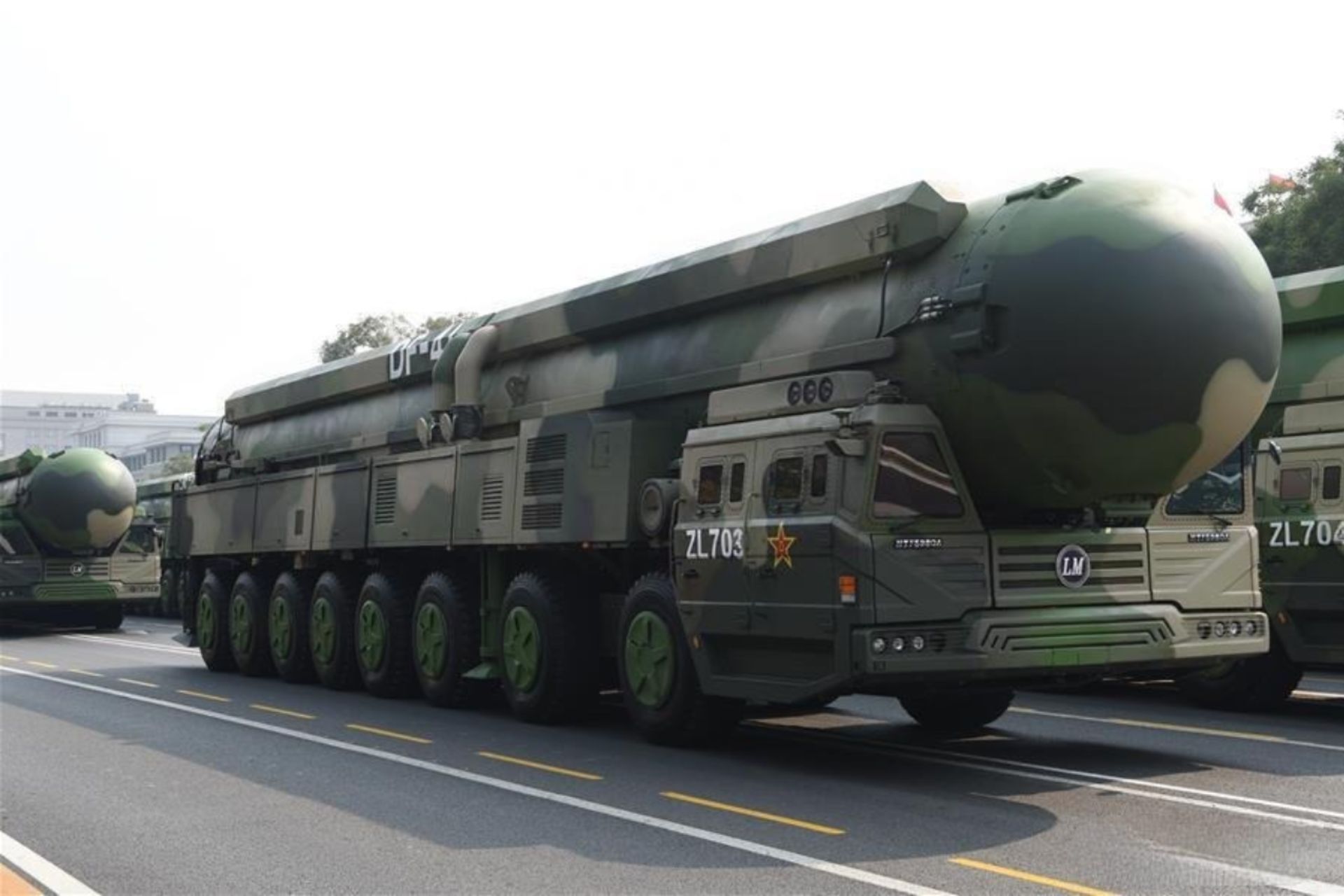
The Chinese DF-41 solid-fuel intercontinental ballistic missile (Picture source: Chinese MoD)
One of the most notable developments is the rapid expansion of China’s nuclear warhead stockpile, which now exceeds 500 warheads. U.S. estimates suggest that this number could reach 1,000 warheads by 2030, a growth driven largely by the expansion of its intercontinental ballistic missile (ICBM) inventory, such as the DF-31 and DF-41, capable of reaching targets on U.S. soil. The DF-41, tested outside of China’s borders for the first time in 40 years, represents a significant technological advancement, equipped with MIRV (multiple independently targetable reentry vehicles) capabilities, allowing it to strike several targets simultaneously from a single launch.
On land, China has developed an extensive network of underground silos for its ICBMs. The U.S. report reveals the construction of a vast complex of 120 silos in the Gansu province, intended to house ICBMs like the DF-31 and DF-41, marking the largest expansion of China’s land-based nuclear capabilities in history. Additional brigades equipped with the DF-26, an intermediate-range ballistic missile (IRBM) capable of both nuclear and conventional strikes, have been established. The DF-26 offers enhanced precision, with a circular error probability of less than 100 meters, allowing China to diversify its strategic strike options while reinforcing its defensive posture against the United States and its allies.
The DF-26 mobile launcher also plays a crucial role in this military buildup. Successfully deployed in 2019, this system can conduct precision strikes on both land and naval targets, with a maximum range of 5,000 kilometers. This long-range strike capability, combined with the mobility of the units, provides significant strategic flexibility to the People's Liberation Army (PLA), enhancing its nuclear deterrence and defense network.
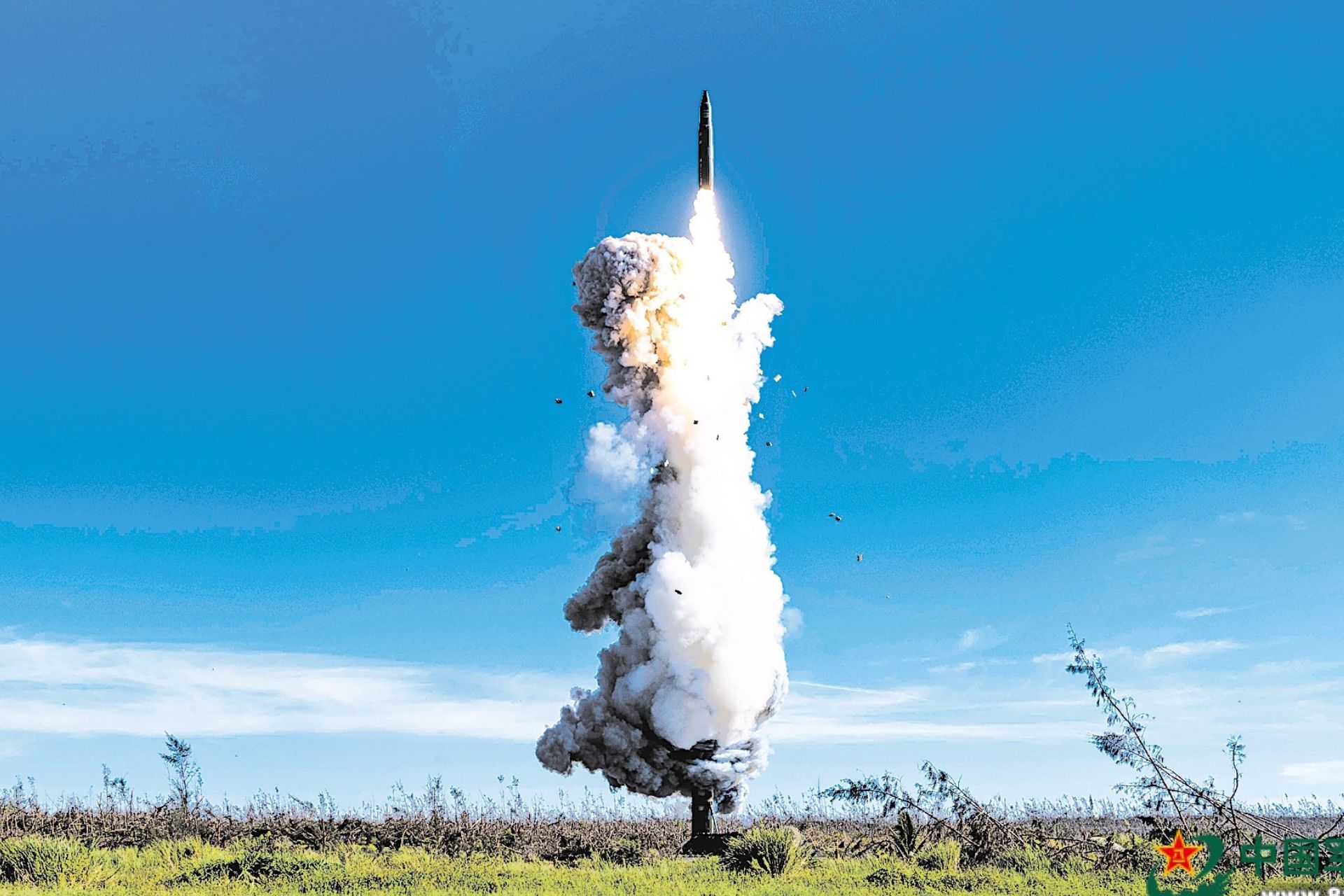
On September 25, 2024, the People's Liberation Army Rocket Force successfully launched an intercontinental ballistic missile carrying a simulated training warhead into the designated area of the Pacific Ocean (Picture source: Chinese MoD)
At sea, China continues to expand its nuclear capabilities. Two new Type 094 JIN-class nuclear submarines have entered service, bringing the total number of these submarines capable of high-seas patrols to six. These submarines are equipped with the JL-3 submarine-launched ballistic missile (SLBM), an upgraded version of its predecessor, the JL-2, offering greater range and the ability to strike U.S. targets from protected areas, such as the South China Sea. The growth of this submarine force allows China to maintain continuous deterrence capabilities with regular patrols in international waters.
In parallel, Beijing has developed a new aerial component of its nuclear triad with the H-6N strategic bomber, capable of in-flight refueling and carrying an air-launched ballistic missile. This capability was demonstrated during the 2019 national parade, marking a shift in the country’s aerial military strategy. The H-6N, as a key element of China's aerial nuclear strike force, provides Beijing with additional flexibility for nuclear operations.
China’s nuclear arsenal is not limited to the number of warheads or delivery systems. The country is also exploring the development of low-yield nuclear warheads, offering more proportionate response options, particularly in the context of regional conflicts or limited preemptive strikes. This diversification of nuclear capabilities allows China to address a wide range of military scenarios while increasing the complexity of strategic calculations for its adversaries.
Read more: US Intelligence Warns of China’s Deployment of New Nuclear Units
- Details
- Written by: Tkuhn
- Category: 2024
- Hits: 5207
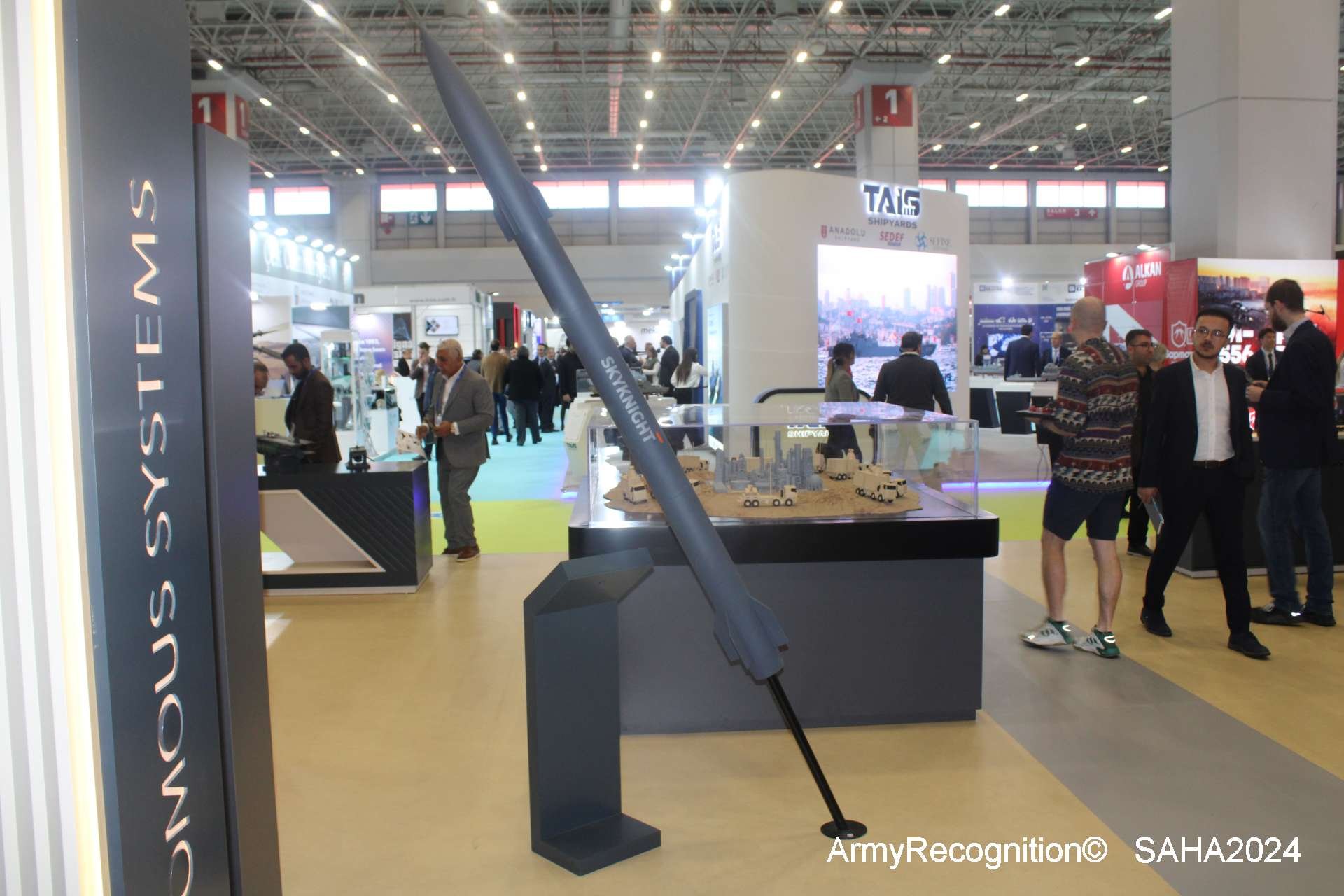
At SAHA EXPO 2024, the Emirati defense technology giant EDGE is making headlines with its cutting-edge air defense solution, the Skyknight missile system. Known for its rapid response capabilities, Skyknight is designed to counter a broad spectrum of airborne threats, including drones, helicopters, and precision-guided munitions.
Follow Army Recognition on Google News at this link
Emirati Skyknight air defence missile at SAHA EXPO 24, Türkiye. (Picture source: Army Recognition)
The air defense needs of the United Arab Emirates (UAE) reflect its goal to secure its airspace amidst evolving regional threats, particularly from drones, ballistic missiles, and aerial incursions. The UAE's defense strategy centers on strengthening missile defense capabilities and fostering domestic innovation while maintaining strategic alliances with key global players.
A key aspect of the UAE’s air defense strategy has been its acquisition of advanced missile defense systems. The UAE recently purchased the South Korean M-SAM system, a mid-range missile defense platform, for $3.5 billion, adding to its already formidable arsenal, which includes the US-supplied THAAD and Patriot systems. These acquisitions underscore the UAE’s commitment to enhancing its layered missile defense shield to counter high-altitude threats.
In parallel with foreign acquisitions, the UAE is heavily investing in domestic defense capabilities. EDGE Group, the largest Emirati defense conglomerate, has been at the forefront of developing indigenous air defense solutions. One significant achievement is the development of the SkyKnight air defense missile, designed to counter rockets, artillery, and mortars. This system, part of the broader Rheinmetall Skynex system, demonstrates the UAE's ambition to localize defense technology under its “Make it in the Emirates” initiative, which aims to reduce reliance on foreign suppliers and enhance self-sufficiency.
Drone defense has also become a critical focus for the UAE, reflecting the growing drone threat in the region. The SkyKnight system, produced by EDGE subsidiary Halcon, is designed specifically to counter the risk posed by unmanned aerial systems (UAS). This system will be integrated into the country’s wider air defense network, providing a robust defense against both drones and missile threats.
Strategic partnerships continue to play a significant role in the UAE’s air defense strategy. The country maintains strong ties with the United States, from which it has sourced advanced systems like THAAD. Simultaneously, it is exploring broader defense partnerships, including with South Korea and China. China's involvement has included collaborations in drone technology and aircraft logistics, expanding the UAE's defense network beyond traditional partners.
Read more: EDGE Skyknight Missile Revolutionizes Air Defense at SAHA EXPO 2024
- OMTAS Anti-Tank Weapon Mounted on Kaplan 10 Armored Vehicle of Turkish Army at SAHA
- Havelsan from Türkiye integrates swarm loitering munition launcher on Barkan 2 robotic system
- Exclusive: Hezbollah Launches Qader-2 Missiles from Underground Silos Targeting Israel
- Rheinmetall Expal to Supply EIMOS 81mm Mortar Systems to Spanish Armed Forces by End of 2027