
- Details
- Written by: Triffaux
- Category: 2024
- Hits: 3372










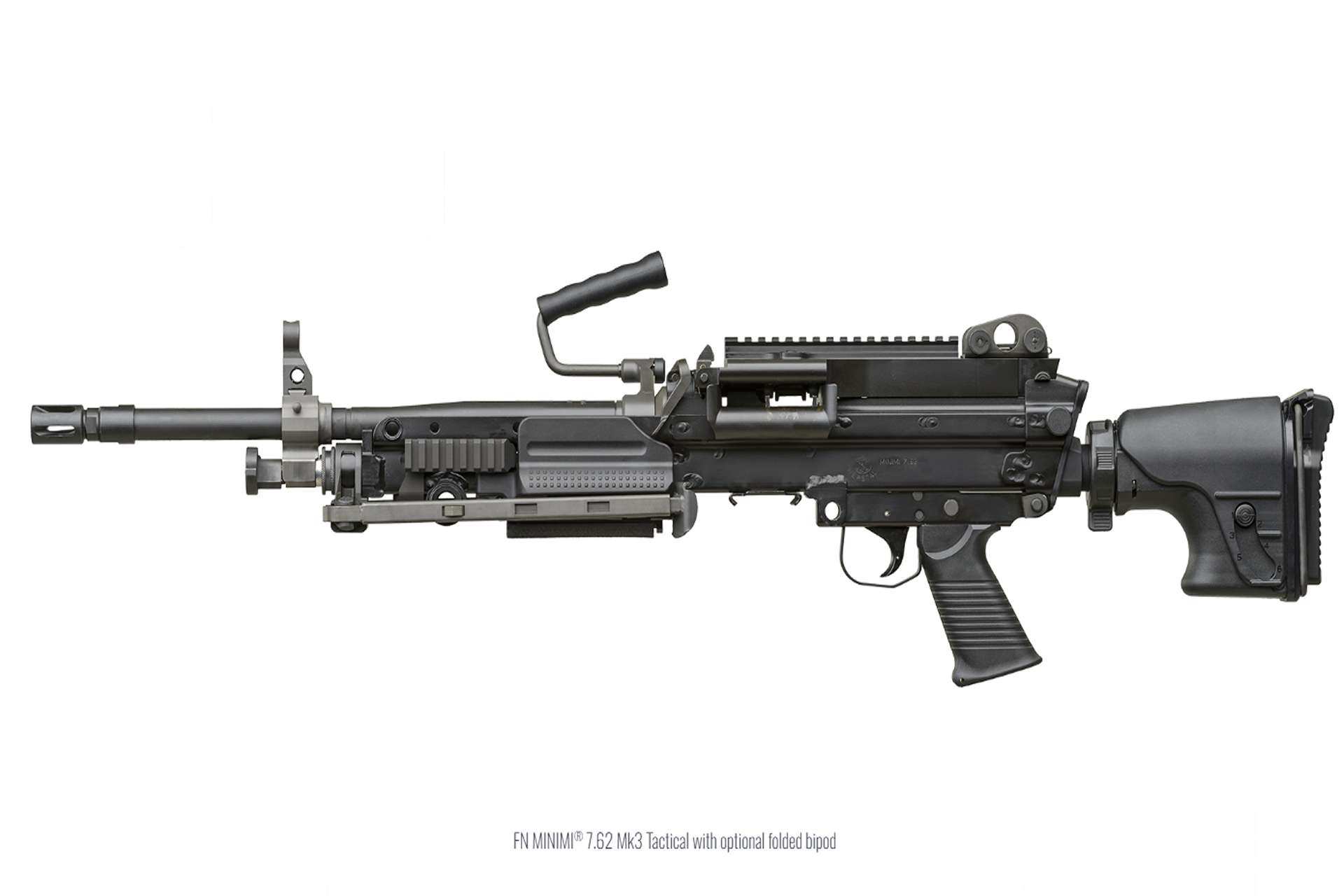
In an ongoing modernization effort, the Spanish Navy signed a new contract in early October 2024 for an additional batch of Minimi MK3 machine guns from Belgian manufacturer FN Herstal, aimed at equipping the Marine Corps. This contract, valued at over two million euros, marks the second acquisition of this type of weaponry within a year. Although the exact number of units ordered has not been disclosed, an analysis of previous contracts suggests an approximate quantity of around one hundred machine guns.
FN Herstal Minimi MK3 Machine Gun (Picture source: FN Herstal)
This new acquisition includes two models of the Minimi MK3: light versions in 5.56 mm caliber and medium versions in 7.62 mm caliber, each provided with specific accessories. The contract stipulates a maximum delivery time of two years for these arms, indicating the Navy's intention to accelerate the modernization process for its infantry equipment.
The contract has been awarded to Equipamientos SDAL, a long-standing partner of the Spanish Navy and the exclusive supplier of FN Herstal equipment in Spain. Notably, this company was the only bidder during the procurement process managed by the Navy’s Logistics Support Command. Although the award announcement does not detail the distribution of calibers or included accessories, it is possible to make an estimate based on previous purchases. In November 2023, a similar contract enabled the purchase of 46 Minimi MK3 in 7.62 mm caliber, with a budget close to one million euros, suggesting that this current contract could encompass around 100 machine guns.
This new acquisition is part of a comprehensive military equipment renewal plan aimed at enhancing the operational capabilities of the Spanish Marine Corps. Since late 2021, the Navy has gradually introduced Minimi and Minimi MK3 machine guns into its arsenal, with nearly one hundred light and medium units acquired between 2021 and 2022, followed by a batch of around fifty in 2023. This new order underscores the military's commitment to equipping its forces with state-of-the-art weaponry to meet the demands of current missions.
Minimi MK3 machine guns, designed for increased efficiency and durability, are primarily integrated into the weapons sections of the rifle companies of the Marine Infantry Brigade (Brimar). The 7.62 mm model, in particular, is used by Operational Security Teams (EOS) to protect Navy ships during international missions. This type of equipment provides sustained firepower while being flexible enough to adapt to various operational environments, whether in open terrain or urban settings.
The Minimi MK3 is an advanced version of the renowned machine gun first introduced in the 1970s. It features multiple ergonomic and functional improvements designed to optimize its use in the field. Among these innovations is an adjustable stock with five positions, equipped with a folding armrest and hydraulic shock absorber. This system effectively reduces recoil and allows for a steady firing rate, significantly enhancing operator comfort and shooting accuracy.
The weapon also comes with an adjustable three-position bipod handguard, providing increased stability in prone or supported firing positions. Additionally, three MIL-STD 1913 Picatinny rails enable the attachment of various accessories, such as optical sights or laser targeting systems, further enhancing the MK3’s versatility in different tactical contexts. A redesigned feed tray and thermal guard add extra safety for operators, particularly during extended use under intense firing conditions.
This new contract underscores the importance the Spanish Navy places on modernizing its arsenal in response to contemporary security challenges. The Minimi MK3 machine guns, renowned for their reliability and effectiveness, represent a valuable asset for Spanish forces, capable of addressing complex situations, whether in peacekeeping operations, protecting naval infrastructure, or rapid intervention missions.
The relationship between FN Herstal and the Spanish military is founded on a series of successive contracts, reflecting the Spanish armed forces' confidence in the Belgian manufacturer’s ability to meet their weaponry needs. For several years, FN Herstal has regularly supplied cutting-edge equipment to Spain, particularly the Minimi machine guns, which have become essential in the Marine Corps’ arsenal. The first of these contracts dates back to late 2021, with an initial order of approximately one hundred machine guns aimed at strengthening the Marine Corps’ weapons sections and the Operational Security Teams. In November 2023, a new contract was signed for the supply of 46 Minimi MK3 units in 7.62 mm caliber, marking continued progress in Spain’s armament modernization. This third contract, signed in October 2024, further expands this arsenal with the addition of 5.56 mm models, highlighting the Spanish Navy’s intent to standardize its equipment with the latest versions of the Minimi machine gun. These successive acquisitions reflect the Spanish military’s satisfaction with FN Herstal’s performance and reliability, establishing the company as a strategic player in Spanish defense for machine gun systems.
By acquiring these modern machine guns, the Spanish Navy ensures that its front-line units, including the Marine Corps and Operational Security Teams, are equipped with high-performance material adapted to emerging threats. This series of successive purchases also reflects a sustainable investment policy in equipping the Spanish armed forces, maintaining an optimal level of operational readiness for years to come.
Read more: Spain to Receive New Batch of Belgian FN Minimi MK3 Machine Guns
- Details
- Written by: Halna du Fretay
- Category: 2024
- Hits: 8370
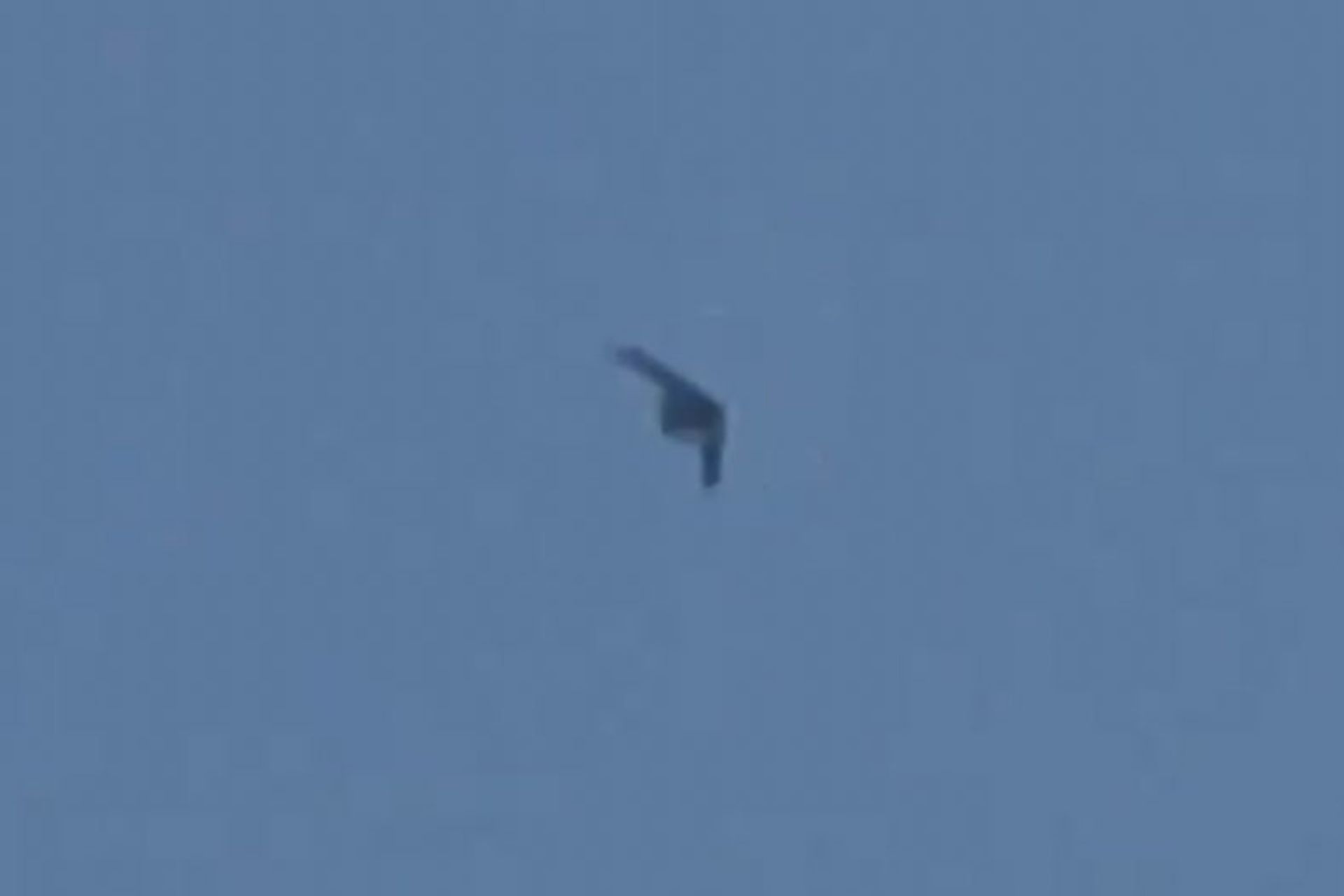
On October 28, 2024, a low-resolution video, posted on the social network X by @Shabahe_Persia, shows a mysterious drone flying over Lebanon. The footage has since sparked speculation about the possible appearance of the RA-01, an Israeli stealth drone recently disclosed through classified American documents leaked online. This drone is reportedly designed for long-range surveillance and attack missions, suited to the region’s security challenges. While the context and authenticity of the video remain unconfirmed, it offers a potential glimpse of advanced technology that may be deployed by the Israeli military.
Screenshot from the Video of the Possible Appearance of the Israeli RA-01 Drone in Lebanon (Picture source: @Shabahe_Persia)
The video, lasting about 15 seconds, captures an unmanned aerial vehicle (UAV) in stable flight at low altitude. The drone has a design reminiscent of the American RQ-180, featuring a smooth fuselage and a large, wing-shaped structure. However, its flight in daylight at low altitude, atypical for a stealth craft, raises questions about its nature, particularly due to the increased visibility it could generate for ground observers. The daylight operation could also suggest a demonstration intent, contrasting with the usual objectives of stealth technology.
Visual details of the observed drone differ from the RQ-180, particularly in the shape of its wings and fuselage, which could imply a new design or even digital manipulation of the footage. However, in-depth analyses are needed to assess the video’s authenticity, especially by examining shadows and lighting that appear consistent. The difficulty of replicating these effects in natural conditions raises the possibility of alteration, although there is no conclusive evidence to affirm that the video is fabricated.
The emergence of this footage echoes recent reports from the U.S. National Geospatial-Intelligence Agency (NGA) documents that reveal the existence of Israeli stealth drones with reconnaissance and attack capabilities. According to these documents, which U.S. authorities have not disputed, Israel possesses a fleet of stealth drones capable of long-range operations, potentially for missions in Iran. Although technical specifications and capabilities of this model, supposedly named RA-01, have not been confirmed, its deployment at Ramon Airbase in the Negev Desert is suggested in the documents. This location reportedly includes specific facilities to house unique aircraft, potentially intended for stealth drones.
Satellite images reveal fenced areas at the base with semi-circular hangars and access routes to the runways, developed over the last decade. The construction of these facilities could be associated with infrastructure needs to house and deploy strategic platforms like the RA-01. While Israel has a longstanding tradition in stealth technology development, this drone would represent a significant asset in its surveillance and discreet strike capabilities, especially given its geopolitical stance toward Iran.
Observers suggest that the RA-01 may also have been involved in recent operations, including strikes on Iranian infrastructure. However, the lack of tangible evidence and the opacity surrounding the aircraft leave room for the possibility of a disinformation strategy, potentially amplified by the leaked classified documents that may contain strategic exaggerations.
In the context of heightened surveillance and operations in contested airspaces, the RA-01 could play a pivotal role in enabling Israel to conduct discreet intelligence-gathering and targeted strikes. Its stealth and extended range would provide Israel with new tactical options for high-value strategic missions. In a region marked by enduring tensions, possession of such a drone would offer Israel significant operational flexibility, allowing it to monitor sensitive areas and prepare potential strikes without immediate risk of detection.
Read more: Possible Appearance of Israeli RA-01 Drone Over Lebanon After Intelligence Leak
- Details
- Written by: Administrator
- Category: 2024
- Hits: 4516
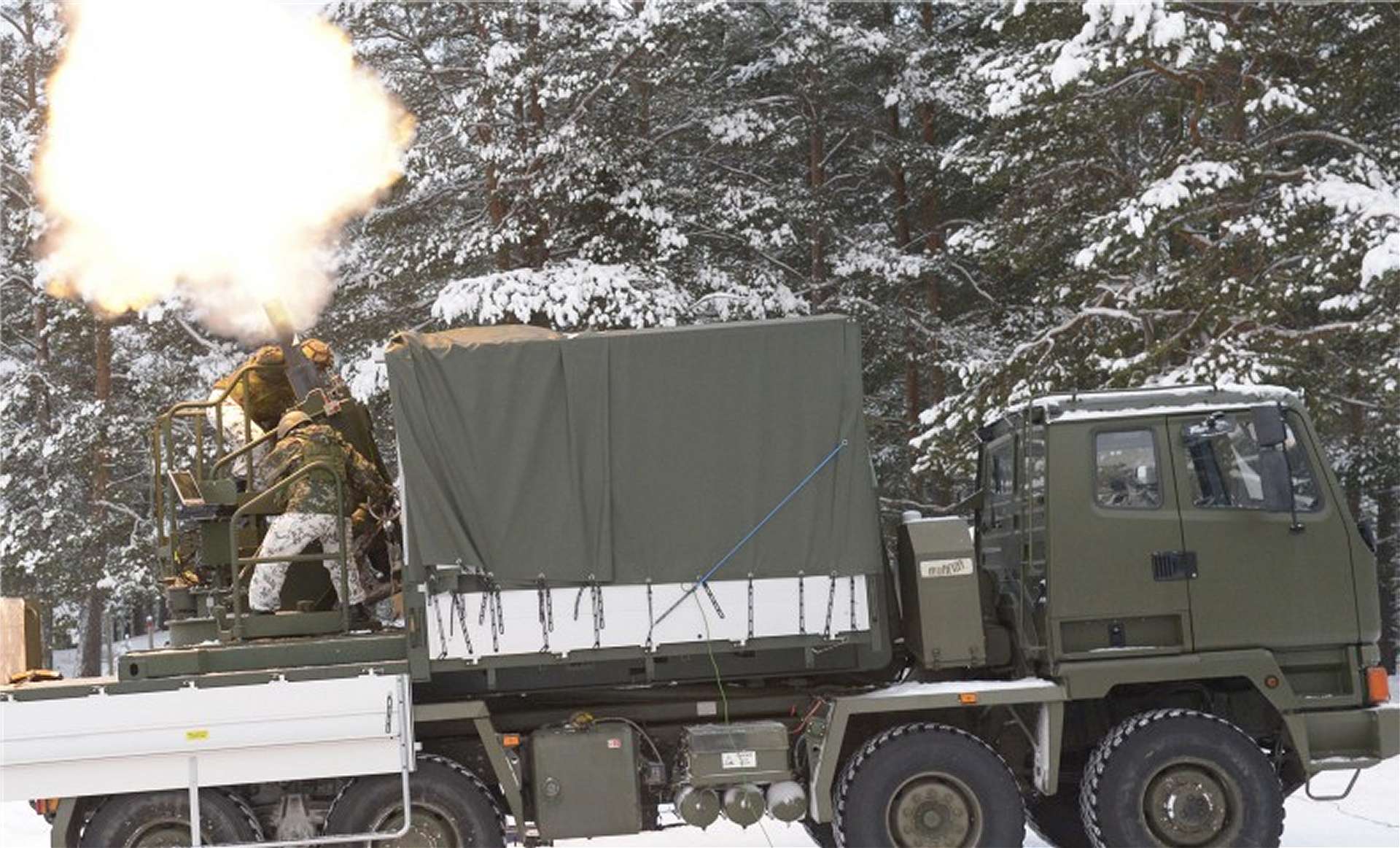
The Finnish Defence Forces (FDF) have announced the acquisition of a new, modular 120mm mortar system from Finnish defense manufacturer Patria. A pre-series version is slated for delivery to the Finnish Army in 2025. This advanced weapon, known as the Patria TREMOS, was unveiled by Patria at the Future Mortar Systems conference in London on October 29, 2024, marking a significant step forward in mobile, heavy-mortar technology for Finland’s defense capabilities.
Follow Army Recognition on Google News at this link
The Patria TREMOS is a cutting-edge 120mm modular mortar system developed by Finnish defense company Patria. (Picture source: Patria)
The TREMOS system integrates traditional 120mm heavy mortar firepower within a modular, adaptable carriage that can be mounted on a range of military trucks, greatly enhancing the mobility and operational versatility of traditional mortars. Unlike previous mortar systems, TREMOS allows for the use of both legacy and new 120mm mortars, combining the capabilities of traditional weaponry with modern modular technology. It is designed to work seamlessly with existing fire management systems and has the flexibility to be mounted on various vehicles through its integration module, making it a scalable solution for diverse operational needs.
"Patria has enhanced the mobility of heavy mortars in excellent collaboration with the Finnish Army and the Finnish Defence Forces Logistics Command, creating a new weapon system," said Jussi Järvinen, Patria’s Executive Vice President for the Finland Division. He highlighted the significant testing already completed and pointed to Patria’s legacy of innovative mortar systems, such as the renowned AMOS (Advanced Mortar System) and NEMO (New Mortar) turrets, as foundational to the TREMOS development.
The FDF's (Finnish Defence Forces) designation for this next-generation mortar project is the 120 KRH M3, aligning with Finland's defense modernization plans that prioritize rapid mobility, interoperability, and enhanced artillery response times. The TREMOS system is designed for quick deployment, leveraging Patria's extensive experience in crafting effective, mobile weapon platforms and answering the growing need for rapid response and adaptable firepower in diverse operational theaters.
This acquisition of the TREMOS 120mm self-propelled mortar system represents Finland’s continued commitment to bolstering its defense posture through cutting-edge technology. The system's modularity and compatibility with existing Finnish heavy mortar stock will streamline integration, potentially expediting future scalability and upgrades to the system.
Read more: Finnish Defence Forces to Acquire Patria's New TREMOS 120mm Self-Propelled Mortar System
- Details
- Written by: Tkuhn
- Category: 2024
- Hits: 6523
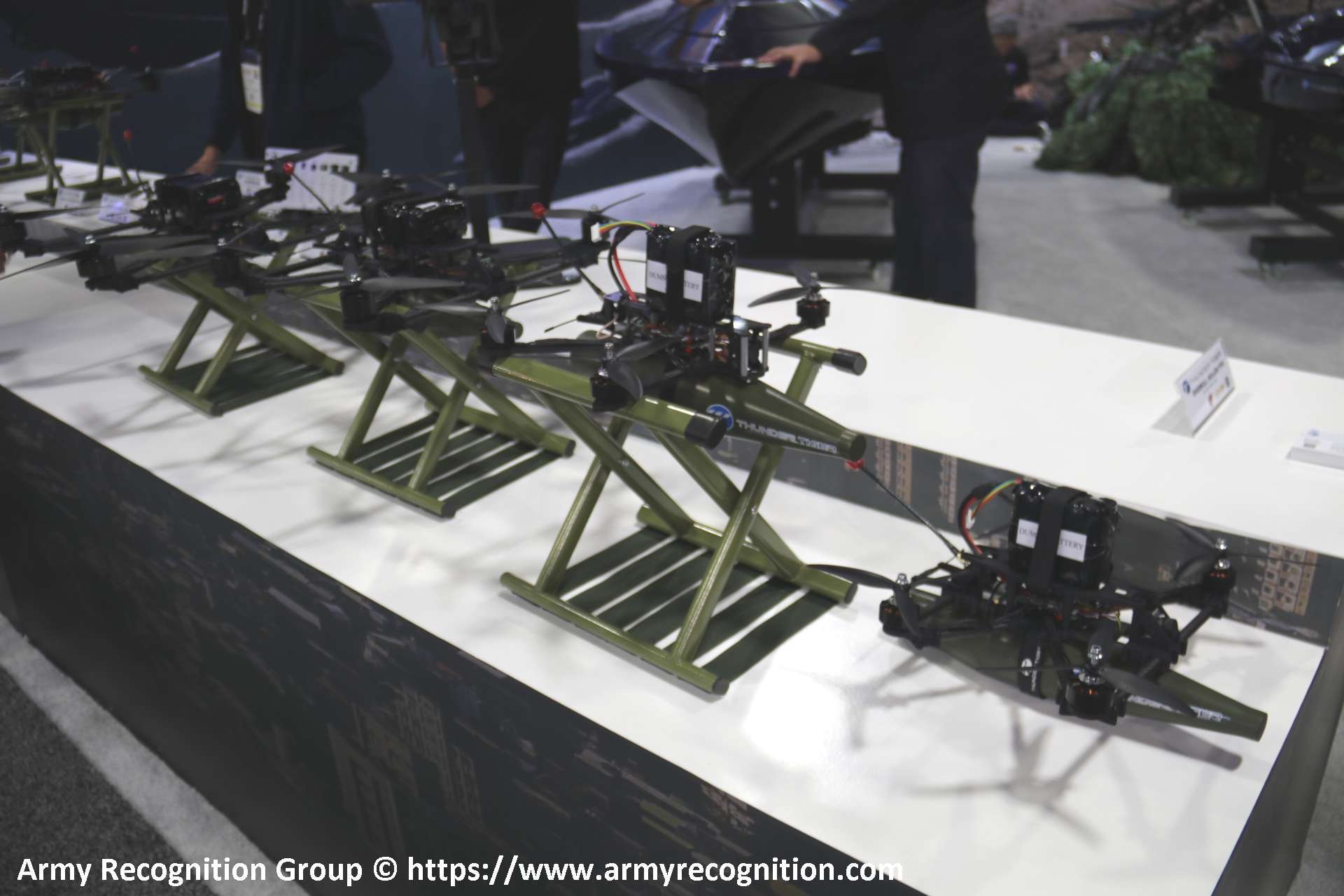
Taiwanese defense manufacturer Thunder Tiger has unveiled its latest innovation, the OverKill Killer FPV drone. This small yet potent drone is engineered to carry an 81mm mortar, enabling tactical precision and flexibility in frontline and covert operations. Designed with agility and power, the OverKill Killer drone has exceptional maneuverability, allowing it to operate effectively in tight, challenging spaces such as trenches, rooftops, and building windows.
Follow Army Recognition on Google News at this link
Taiwan's Thunder Tiger unveils the OverKill Killer FPV drone, a highly maneuverable and versatile drone capable of carrying an 81mm mortar, promising rapid production to meet modern battlefield demands and redefine tactical strikes in tight and challenging environments. (Picture source: Army Recognition)
The OverKill Killer FPV drone's design allows it to carry a wide range of payloads up to 7 kg, including the substantial 81mm mortar. This feature enhances its adaptability in diverse mission scenarios—from precision strikes in dense urban environments to rapid response attacks in open battlefield conditions. This capability provides ground forces with flexible, on-demand firepower that can be deployed at short notice, meeting critical needs in fast-evolving conflict zones.
With an impressive production capability, Thunder Tiger is prepared to manufacture thousands of OverKill Killer FPV drones in under six months. This production agility addresses urgent demand as militaries worldwide seek to incorporate FPV drones into their arsenals for reconnaissance and strike missions. The company's scaling capacity is supported by its robust manufacturing facilities and focus on modular design, allowing it to meet escalating demands driven by recent conflicts and shifting global security dynamics.
FPV drones, such as the OverKill Killer, have proven invaluable in conflicts like the ongoing Russo-Ukrainian war. Both sides have utilized FPV technology to gain tactical advantages, particularly in conducting reconnaissance, executing precision strikes, and neutralizing high-value targets in hard-to-reach areas. These drones provide real-time intelligence and attack capabilities with minimal exposure to risk, making them indispensable tools on the modern battlefield.
The OverKill Killer, with a range of up to 6 kilometers and a flight endurance of 30 minutes, offers versatile operational scope. Its compact frame and varied propeller options, from 7 to 15 inches, make it effective for close-quarters combat while maintaining the endurance for loitering missions. Additionally, Thunder Tiger offers the OverKill FPV drone in several models, allowing for payloads from 1.5 kg to 7 kg, ensuring suitability across a broad spectrum of mission requirements.
The OverKill Killer drone excels in environments where quick and accurate deployment is critical. Whether navigating through building interiors or targeting adversaries in narrow alleyways, the drone’s rapid maneuverability and swift payload delivery ensure that it meets the high demands of today’s high-stakes engagements. For military forces requiring versatile, scalable, and rapidly deployable technology, the OverKill Killer FPV drone represents a formidable asset that aligns with current trends in conflict-focused drone utilization.
Thunder Tiger’s expansion into FPV drone technology signals a new era in tactical drone solutions, offering enhanced capabilities for direct, on-the-ground combat scenarios as well as extended-range strategic strikes. With their robust production capacity, the firm is positioned to significantly impact the global defense landscape, offering a powerful response to evolving warfare demands.
- Details
- Written by: Tkuhn
- Category: 2024
- Hits: 4254
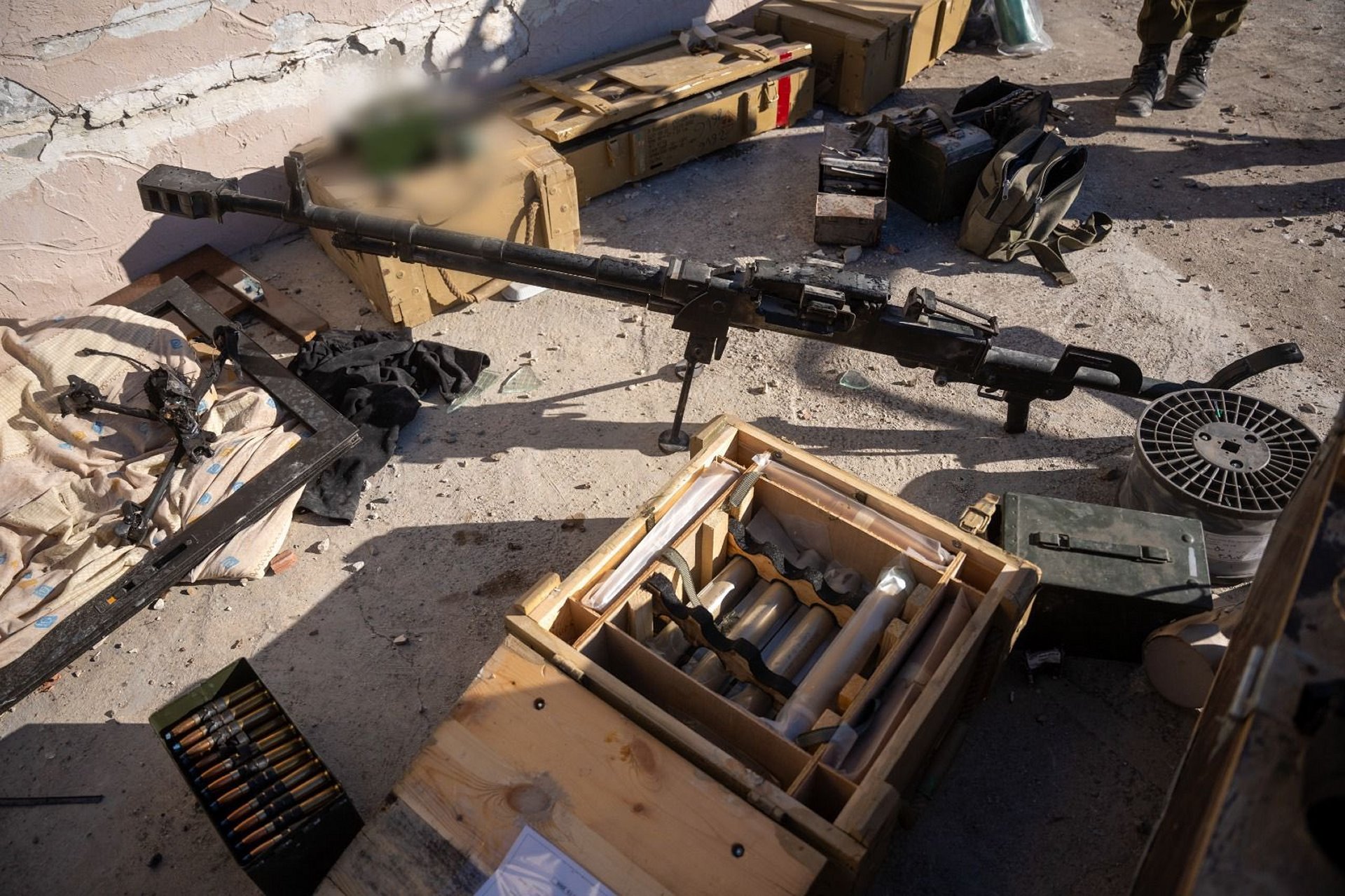
The US Congress has published a document on the ongoing conflict between Israel and the Lebanese Hezbollah in October 25, 2024, which escalated after Hamas-led attacks on Israel in October 2023. Key aspects of this conflict highlight the advanced military material and capabilities at play, with significant losses on both sides. Israel has focused its efforts on undermining Hezbollah’s military infrastructure, while Hezbollah’s material resources, including advanced missiles and drones, underscore the group's resilient military stance despite substantial setbacks.
Follow Army Recognition on Google News at this link
IDF soldiers discovered a cache of weapons, including grenade launchers, shoulder-fired missiles, RPGs, combat vests, Kornet missiles, and other arms, inside a mosque located within a civilian neighborhood in southern Lebanon. (Picture source: Israel Defense Forces)
Israel’s campaign has demonstrated formidable air power, relying heavily on precision-guided munitions, unmanned aerial vehicles (UAVs), and advanced electronic warfare capabilities. The Israeli Air Force, with its fleet of F-35 Lightning II stealth fighters, has executed deep-penetration missions into Lebanese and Syrian territories, targeting Hezbollah's command centers and high-ranking leadership. Israel’s networked command and control systems facilitate coordinated strikes that are highly precise and capable of minimizing collateral damage, thus reinforcing its tactical upper hand. These air operations are supplemented by ground forces equipped with guided missiles and precision artillery, making Israeli forces exceptionally lethal in limited cross-border incursions.
Israel's electronic warfare units have also disrupted Hezbollah's communications and tracking capabilities, a critical part of their strategy to undermine the group's command structure. Coupled with sophisticated intelligence operations, Israel’s ability to penetrate Hezbollah's defenses has been effective, targeting major figures within the organization, including the group's long-standing leader, Hassan Nasrallah. This intelligence-driven approach not only weakened Hezbollah’s operational structure but also underscored Israel’s mastery in cyber and signals intelligence, allowing it to predict and intercept Hezbollah’s strategic moves.
Despite these losses, Hezbollah retains significant military material and resources, sourced primarily through its longstanding alliance with Iran. Precision-guided missiles, drones, and anti-tank weapons form the backbone of Hezbollah’s arsenal, enabling it to mount a sustained resistance and keep up the pressure on Israeli targets. Iran’s advanced weaponry, including Fateh-110 and Zolfaghar missiles, provides Hezbollah with extended reach, posing a direct threat to Israel's population centers. Hezbollah’s anti-tank guided missiles, such as the Kornet, are equally effective, capable of penetrating Israeli armor and challenging any ground incursion attempts by Israel.
Hezbollah’s underground tunnel network across southern Lebanon is another critical asset, providing the group with a unique advantage in both defense and offense. These tunnels facilitate the safe movement of munitions and personnel while allowing Hezbollah to execute surprise attacks from fortified positions. Despite Israel’s efforts to locate and destroy segments of this network, Hezbollah’s tunnels remain extensive and resilient, presenting a substantial obstacle for Israeli forces and making ground operations increasingly complex.
The involvement of the United States adds a layer of international support for Israel, both materially and diplomatically. The U.S. has invested heavily in Israel’s defense, providing funding for the Iron Dome, David’s Sling, and Arrow missile defense systems, which are crucial in intercepting Hezbollah’s rockets. The advanced military cooperation between the U.S. and Israel extends to intelligence-sharing, bolstering Israel’s capability to detect and neutralize Hezbollah’s attempts to expand its material capacities.
Read more: Inside Israel’s Precision Strikes and Hezbollah’s Missile Arsenal in Lebanon Conflict
- Details
- Written by: Halna du Fretay
- Category: 2024
- Hits: 4489
The United States is experiencing a reduction in its stockpile of air-defense missiles, raising concerns about the Pentagon's readiness to respond to ongoing conflicts in the Middle East and Europe, as well as potential conflicts in the Pacific. These concerns, highlighted in a recent The Wall Street Journal article on October 29, 2024, focus on interceptors that are essential for countering missile and drone threats in the region. Demand for these munitions has surged as U.S. allies, notably Israel, confront escalating attacks orchestrated by Iran and affiliated militias.
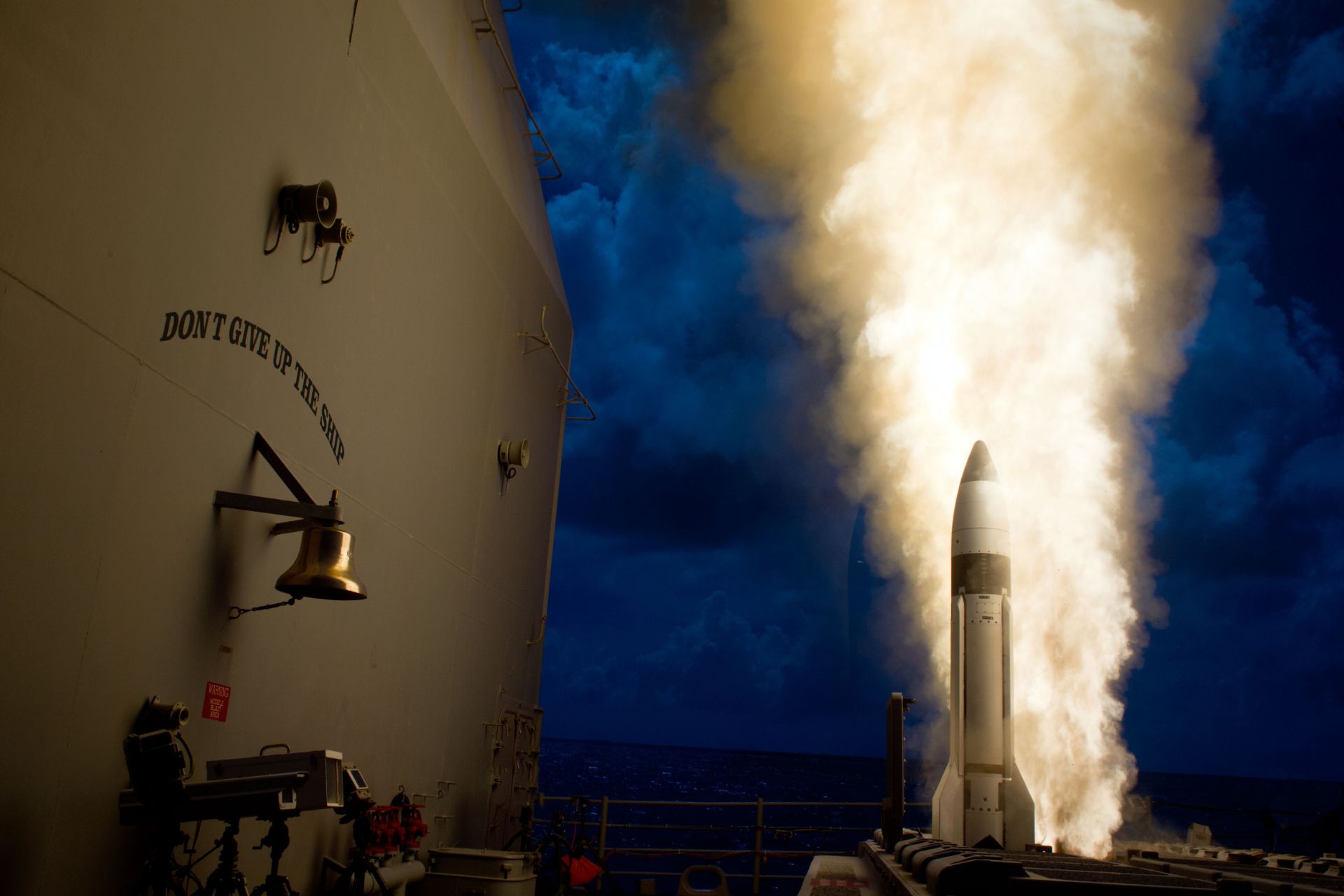
An SM-3 Block 1B interceptor is launched from the USS Lake Erie during an MDA test (Picture source: US DoD)
Since Hamas attacked Israel in October 2023, the United States has deployed over 100 Standard Missiles—interceptors typically launched from ships, crucial for countering Iranian threats and Houthi attacks on Western ships in the Red Sea. This rapid consumption, further accelerated by recent Israeli strikes against Iran, has heightened concerns about the U.S.'s ability to meet growing demands for these munitions, particularly should a conflict arise in the Pacific.
The term Standard Missile in this context refers to a series of air-defense missiles developed by RTX (formerly Raytheon Technologies) for the U.S. Navy, including models such as the Standard Missile-2 (SM-2), Standard Missile-3 (SM-3), and Standard Missile-6 (SM-6). These ship-launched missiles are critical for countering a variety of threats, from ballistic missiles to cruise missiles and aircraft, and are integrated into naval defense systems to protect U.S. forces and allies like Israel. The SM-2 primarily serves medium-range anti-aircraft defense, while the SM-3 and SM-6 add extended capabilities for intercepting ballistic and cruise missiles.
The SM-2 is designed for medium-range air defense, capable of intercepting aircraft and cruise missiles within a range of approximately 170 kilometers at speeds of up to Mach 3. The SM-3, with greater range, is intended to neutralize ballistic missiles during their exo-atmospheric phase with a kinetic warhead, reaching targets up to 500 kilometers away. The SM-6 combines both anti-aircraft and anti-missile functions with a range of around 240 kilometers, excelling at intercepting low-altitude cruise missiles and high-speed aerial threats with multi-mode guidance.
Pentagon officials, while keeping stockpile data classified to prevent strategic leverage by Iran and its allies, have acknowledged heightened pressure on resources. Pentagon spokesperson Sabrina Singh indicated that the Department of Defense is adjusting its posture to protect U.S. forces and support Israel, while maintaining focus on readiness and stockpiles.
The high rate of interceptor use by the Pentagon raises challenges for responding to unexpected demands in both the Middle East and Europe. Additional concerns involve the responsiveness of the defense industry, which is often constrained by the need to expand production lines, facilities, and qualified personnel. Elias Yousif, Deputy Director of the Conventional Defense Program at the Stimson Center, noted that the U.S. has not developed a defense industrial base suited to prolonged attritional conflict, which complicates the current situation.
Navy Secretary Carlos Del Toro has advocated for increased production of Standard Missiles, though he acknowledged the challenges associated with producing such sophisticated munitions. The Pentagon is exploring alternative solutions, including soliciting new companies to help boost production of air-defense missiles.
Despite recent stockpile increases, the launch rate observed in recent months has exceeded production capacity, according to defense analysts and officials. RTX, the manufacturer of Standard Missiles, produces a few hundred annually, though these munitions are also supplied to over 14 U.S. allies, limiting availability for the Pentagon. RTX spokesperson Chris Johnson stated that the company closely collaborates with the Department of Defense to meet production needs.
Since the onset of the Hamas-Israel conflict last year, U.S. ships have launched over $1.8 billion in interceptors to protect Israel and ships passing through the Red Sea from Iranian threats. On average, two interceptors are launched per incoming missile to ensure accuracy, resulting in high costs to counter less sophisticated targets, such as Houthi drones. A congressional official noted that while costly, these munitions take months to replace.
Last month, the U.S. deployed the Terminal High Altitude Area Defense (THAAD) system to Israel, allowing the use of other types of interceptors in addition to Standard Missiles. The Pentagon also repositioned Patriot missile defense systems in the region, though their availability remains limited due to commitments in Ukraine.
While the Pentagon aims to maintain current Standard Missile production levels, it may reduce production of older variants to fund newer models. The pace of interceptor use in the Middle East, however, could jeopardize U.S. readiness for a Pacific conflict. Retired Rear Admiral Mark Montgomery emphasized that the current use of Standard Missiles risks compromising the Navy’s preparedness for Pacific operations, underscoring the strategic impact of prolonged Middle Eastern engagements.
Read more: Pentagon Faces Shortage of Air-Defense Missiles Amid Rising Demand
- Details
- Written by: Triffaux
- Category: 2024
- Hits: 2981
On October 28, 2024, Norway finalized an agreement with the United States to acquire AIM-120C-8 AMRAAM air defense missiles, a contract valued at over $363 million, according to an announcement from the Norwegian military. This acquisition, among the most significant in Norway’s defense history, represents a key step in Norway’s strategic initiative to reinforce its air defense capabilities amid growing regional tensions.
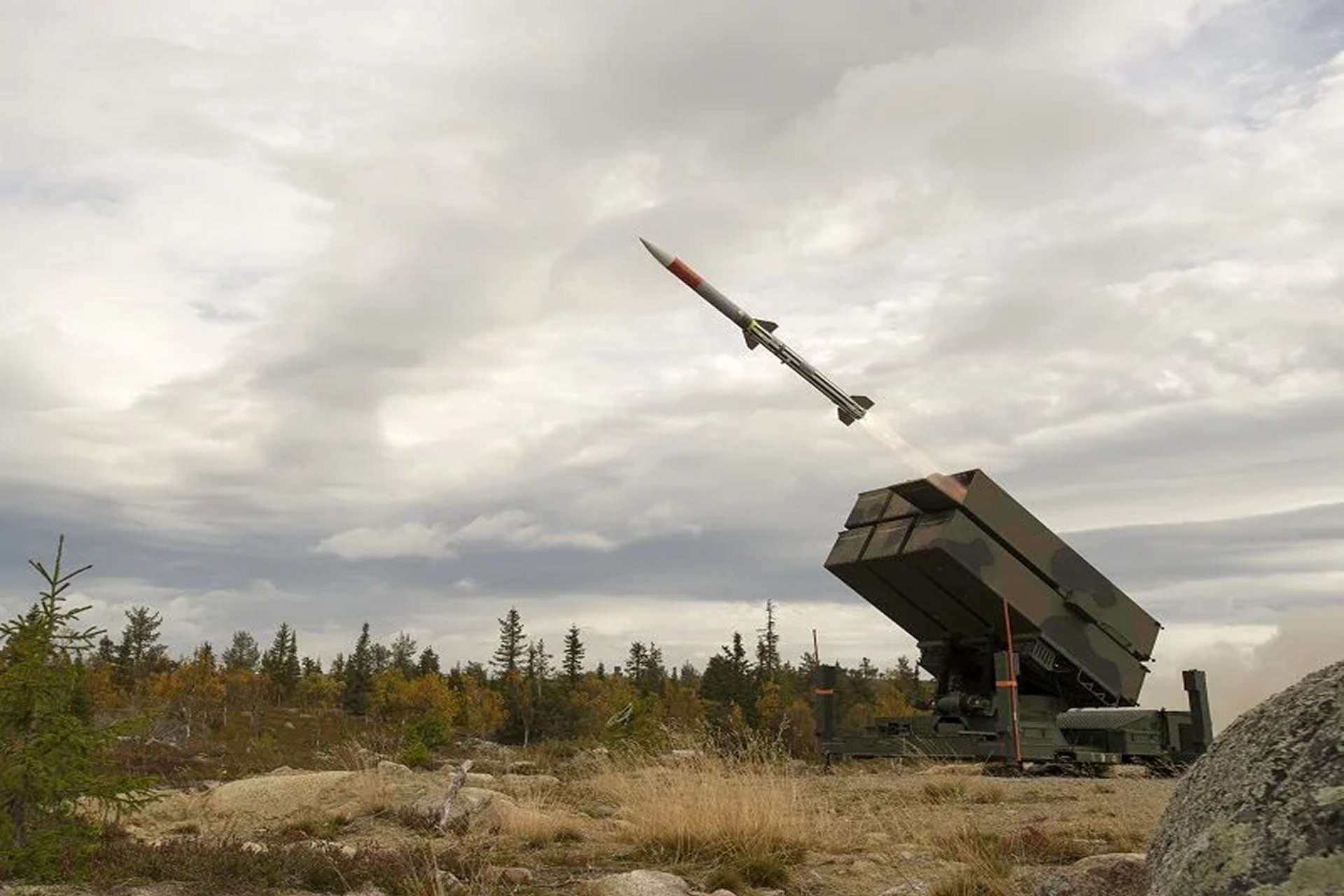
Norway AIM-120C-8 Surface-to-Air Missile (Picture source: Raytheon)
The purchase of AIM-120C-8 AMRAAM missiles offers the Norwegian Armed Forces a significant strategic advantage in air defense. Designed to intercept and neutralize medium-range aerial threats, these missiles provide high flexibility, as they can be deployed in both ground-based defense systems and F-35A fighter jets. Their precision and ability to target multiple threats make them a modern deterrent against potential incursions, especially in a context where Norway shares a border with Russia. In Ukraine, similar AMRAAM versions deployed in NASAMS systems have proven effective against Russian drones and missiles, yielding positive field feedback. These missiles have demonstrated their reliability and effectiveness in countering diverse aerial attacks, enhancing the protection of critical infrastructure and airspace security in conflict zones.
The AIM-120C-8 model, manufactured by the American defense giant RTX Corporation, is a crucial element in Norway’s evolving defense architecture. Known for its advanced medium-range interception capabilities, the AMRAAM system is designed to counter a wide range of aerial threats, thus meeting Norway’s geographical and security needs. The Norwegian Defense Material Agency emphasized the missile's dual role, stating that it will primarily serve within Norway’s ground-based air defense network, while also being deployable by the F-35A fighter jets in the Norwegian Air Force.
Norwegian Defense Minister Bjoern Arild Gram highlighted the purchase’s impact on Norway’s defensive posture: “With more and newer missiles, the Norwegian Armed Forces will have a better ability to protect Norway against air attacks,” he stated. This acquisition is part of Norway’s comprehensive security strategy, which has intensified following Russia’s invasion of Ukraine in 2022. As a NATO member sharing a border with Russia, Norway has committed to increasing its defense spending to reinforce national and regional security amid evolving geopolitical dynamics.
The AIM-120C-8 AMRAAM missiles deliver enhanced capabilities to intercept and neutralize various medium-range threats. This model in particular improves operational flexibility, allowing Norway to deploy the missiles across multiple defense platforms and adapt to different threat levels. The agreement illustrates Norway’s intent to align its defensive technologies with those of its NATO allies, thus reinforcing interoperability within the alliance and ensuring responsiveness against potential aerial incursions.
RTX Corporation, the American manufacturer of the AMRAAM missiles, has maintained long-standing relationships with NATO nations, providing essential air defense solutions across the alliance. This purchase reaffirms Norway’s trust in American defense technologies and strengthens military cooperation between the two nations.
The Norwegian government has made air defense a priority, especially as regional security concerns rise. This acquisition not only demonstrates Norway’s proactive measures to protect its airspace but also represents one of the most significant financial commitments to armament by the Norwegian Armed Forces to date.
The Ministry of Defense indicated that the financial structure of this acquisition is part of an increased Norwegian defense budget aimed at reinforcing critical military infrastructure. As Norway continues its efforts toward building a resilient defense framework, this acquisition underscores its commitment to maintaining territorial integrity and supporting NATO’s collective security objectives.
The military ties between the United States and Norway are particularly strong and are based on a strategic cooperation dating back several decades, anchored in their shared commitment within NATO. As a founding member of the Alliance, Norway is one of the United States' key partners in Northern Europe, sharing a border with Russia and playing an essential role in defending NATO’s northern flank. This strategic geographic position makes Norway a crucial player in monitoring and protecting the North Atlantic, a region of significant interest to the United States and its NATO allies.
As part of this cooperation, Norway regularly hosts American troops for joint military exercises, such as the Trident Juncture exercise, aimed at strengthening interoperability between the armed forces of both countries and simulating collective defense scenarios. This collaboration also includes the presence of a contingent of U.S. Marines in Norway, notably in prepositioned military storage facilities. This strategic stockpile allows the United States to access equipment quickly in the event of a crisis in Europe, thus enhancing NATO’s rapid reaction capacity.
On the technological and armament front, Norway and the United States cooperate closely, with regular purchases of American defense equipment by Norway, such as F-35 fighter jets and AMRAAM missile systems. These acquisitions not only modernize Norway's military capabilities but also ensure operational compatibility with U.S. forces and those of NATO. In parallel, the two countries collaborate in surveillance and intelligence, particularly in the Arctic region, where Norway plays a central role due to its proximity to Russia and strategic maritime routes.
Read more: Norway Secures Major Contract for US AIM-120C-8 Surface-to-Air Missiles to Counter Russia

- Details
- Written by: Jérôme Brahy
- Category: 2024
- Hits: 5063
On October 17, 2024, Switzerland formally signed the Memorandum of Understanding (MoU) to become the 15th member of the European Sky Shield Initiative (ESSI). This initiative, which includes 22 European nations, aims to create an integrated European air defense system capable of countering various missile threats. The ESSI’s multi-layered strategy includes short-range Skyranger 30 systems, medium-range IRIS-T SLM systems, long-range Patriot systems, and the exoatmospheric Arrow 3 system.
Follow Army Recognition on Google News at this link
Switzerland is currently experiencing delays in the delivery of Patriot missiles due to the U.S. government’s decision to prioritize shipments to Ukraine. (Picture source: US DoD)
Switzerland’s Federal Council approved accession to the ESSI in April 2024, followed by the necessary parliamentary approvals, which led to the signing of the MoU and an additional unilateral declaration by Switzerland. This country’s participation in the ESSI allows for cooperation in procurement, training, and logistics related to ground-based air defense (GBAD). The MoU establishes a framework for collaborative efforts, though Switzerland retains the right to determine the extent of its involvement. Its decision to participate in the ESSI aligns with Swiss neutrality, as outlined in the additional declaration accompanying the MoU. This declaration allows Switzerland to withdraw from cooperation if any ESSI member becomes involved in an international armed conflict.
The ESSI initiative seeks to enhance air defense capabilities across Europe, with notable recent developments including Germany’s acquisition of the Arrow 3 system from Israel for €4 billion, expected to be deployed within five years. While concerns have been raised by France regarding reliance on non-European technology, Switzerland’s accession to the ESSI aims to improve its defense coordination within the framework of NATO’s integrated air defense system while maintaining its commitment to neutrality and addressing its future defense needs.
This involvement in the ESSI also complements Switzerland's ongoing efforts to modernize its air defense systems, particularly its reliance on U.S.-made Patriot missile systems. On October 28, 2024, the U.S. State Department authorized a possible Foreign Military Sale to Switzerland for the sustainment of its five Patriot missile systems and related equipment, with an estimated cost of $450 million. This sale includes non-major defense equipment (non-MDE), such as electronic test station equipment, program sets, Foreign Liaison Officer support, international engineering services, and modification and upgrade kits. The primary contractors involved are RTX Corporation, Lockheed Martin, and Leidos.
This transaction follows a previous sale approved in 2020, in which Switzerland purchased five Patriot Configuration-3+ Modernized Fire Units at an estimated cost of $2.2 billion. That sale included radar systems, engagement control stations, launching stations, up to 70 Patriot MIM-104E Guidance Enhanced Missile Tactical (GEM-T) missiles, antenna mast groups, electrical power plants, and communication equipment, along with tools, spare parts, personnel training, technical assistance, and logistical support. The earlier procurement aimed to enhance Switzerland's air defense infrastructure by incorporating advanced systems and support equipment.
In November 2022, the U.S. State Department approved another possible Foreign Military Sale to Switzerland, including up to seventy-two PAC-3 MSE missiles, telemetry kits, missile round trainers, empty round trainers, missile skid kits, launcher station heater controls, classified and unclassified spare parts, and related equipment. Valued at approximately $700 million, the sale also covers missile repair services, quality assurance, flight test support, and other logistical and technical assistance. Switzerland plans to integrate these missiles into its existing Patriot system to strengthen its air defense capabilities and enhance interoperability with U.S. and NATO forces.
However, Switzerland is currently experiencing delays in the delivery of Patriot missiles due to the U.S. government’s decision to prioritize shipments to Ukraine. According to the Federal Office for Defence Procurement (Armasuisse), these delays affect the PAC-3 MSE version of the missile, which was approved in Switzerland’s 2023 Armed Forces Dispatch. Although the PAC-3 MSE was planned for introduction in 2030-2031, it remains unclear how long Switzerland will have to wait for delivery. Armasuisse noted that the situation underscores the importance of diversifying procurement across manufacturers and countries, as well as strengthening Switzerland's defense industry. The PAC-2 GEM-T missiles, procured in the 2022 Armed Forces Dispatch, are not impacted by these delays.
Read more: Switzerland joins European Sky Shield Initiative with US Patriot missile systems
- Details
- Written by: Jérôme Brahy
- Category: 2024
- Hits: 5713
On October 28, 2024, Rheinmetall AG and Croatian UGS manufacturer DOK-ING signed a Memorandum of Understanding (MoU) in Berlin, marking a strategic partnership for the co-development of unmanned ground systems (UGS). The agreement, signed in the presence of Croatian Defence Minister Ivan Anušić, aims to establish a joint venture for producing unmanned combat and combat support vehicles. The first project focuses on developing a system for mine scattering and counter-mobility operations, with a demonstrator expected by 2025.
Follow Army Recognition on Google News at this link
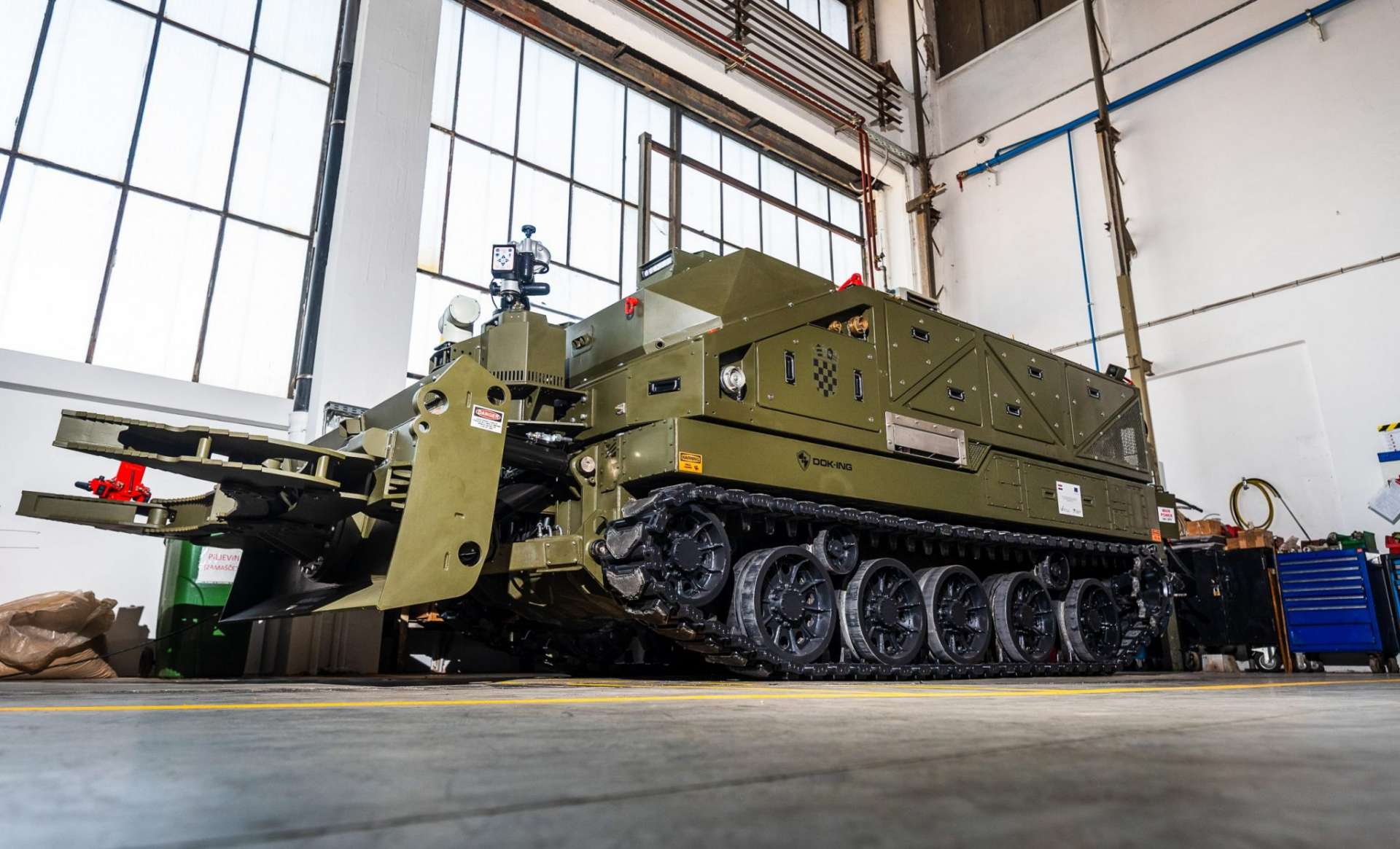
The Komodo is a hybrid unmanned ground system (UGS) developed by DOK-ING for dual-use in civil and military operations, designed to operate in extreme CBRN (Chemical, Biological, Radiological, Nuclear) environments. (Picture source: DOK-ING)
Rheinmetall will provide capability modules, including systems for direct and indirect fire, reconnaissance, and logistics, while DOK-ING will contribute its expertise in unmanned robotic systems. This partnership represents a European initiative to advance military technology, with both companies expected to apply their industrial expertise for the development and marketing of the DOK-ING Komodo platform. Additionally, the collaboration plans an integration with Rheinmetall's existing products, such as the KF51 Panther and the Kodiak-3 armored engineer vehicle.
The Komodo is an unmanned ground system (UGS) developed by DOK-ING for dual-use in civil and military operations, designed to operate in extreme CBRN (Chemical, Biological, Radiological, Nuclear) environments. It includes a hybrid propulsion system for operation in low-oxygen and high-temperature conditions, and features sensors for reconnaissance and decontamination tools for personnel, equipment, and surfaces. The system can collect samples and operate autonomously in obstacle avoidance and firefighting. Komodo is part of the European Defense Agency's PESCO initiative, focusing on CBRN defense and real-time incident data collection.
The partnership is subject to regulatory approval, including from the European Commission, and is considered a step toward enhancing European defense capabilities. Dr. Björn Bernhard, head of Rheinmetall’s Vehicle Systems Europe division, commented on the potential for setting new standards for UGS production. Vjekoslav Majetić, founder and President of DOK-ING, mentioned the potential for technological synergies that could produce unmanned systems for both military and civilian use. The collaboration is expected to support Rheinmetall and DOK-ING's positions in the European defense sector.
The cooperation between Rheinmetall and DOK-ING centers on the development of unmanned support vehicles for tasks such as reconnaissance, fire support, mine clearance, and air defense. One of the key vehicle lines that could be part of this partnership is the Rheinmetall Mission Master family, which includes autonomous unmanned ground vehicles (AUGVs) such as the Mission Master SP, XT, and CXT. These vehicles feature autonomous navigation systems, including the PATH A-Kit, enabling them to operate independently in difficult environments. The Mission Master XT is designed for extreme terrain and can carry heavy payloads, while the Mission Master SP focuses on stealth and mobility in high-risk areas.
DOK-ING's contribution to the partnership includes its experience with unmanned and remote-controlled systems for hazardous environments, such as the MV-4 and MV-10 unmanned ground systems, both designed for mine clearance and counter-mobility tasks. The MV-4 is a lightweight platform used for explosive ordnance disposal (EOD) and remote mine clearing, equipped with various interchangeable tools like flails and manipulators. It operates remotely with a range of up to 1,500 meters and is used in both military and humanitarian demining operations. The larger MV-10 combines a flail and tiller tool for clearing anti-personnel and anti-tank mines over wider areas, with improved explosion resistance and enhanced situational awareness.
Read more: Germany and Croatia to jointly develop unmanned mine-scattering vehicles by 2025
- Details
- Written by: Triffaux
- Category: 2024
- Hits: 16638
On October 27, 2024, German Defense Minister Boris Pistorius announced an ambitious project to develop an advanced version of the Taurus cruise missile. This project, which involves acquiring 600 units of the new model called the Taurus Neo, comes as Ukraine increasingly calls on Berlin to provide long-range weapons to counter Russian attacks on its territory. The decision to develop the Taurus Neo marks a significant step in modernizing Germany's military capabilities and strengthening its strategic position in a tense geopolitical context.
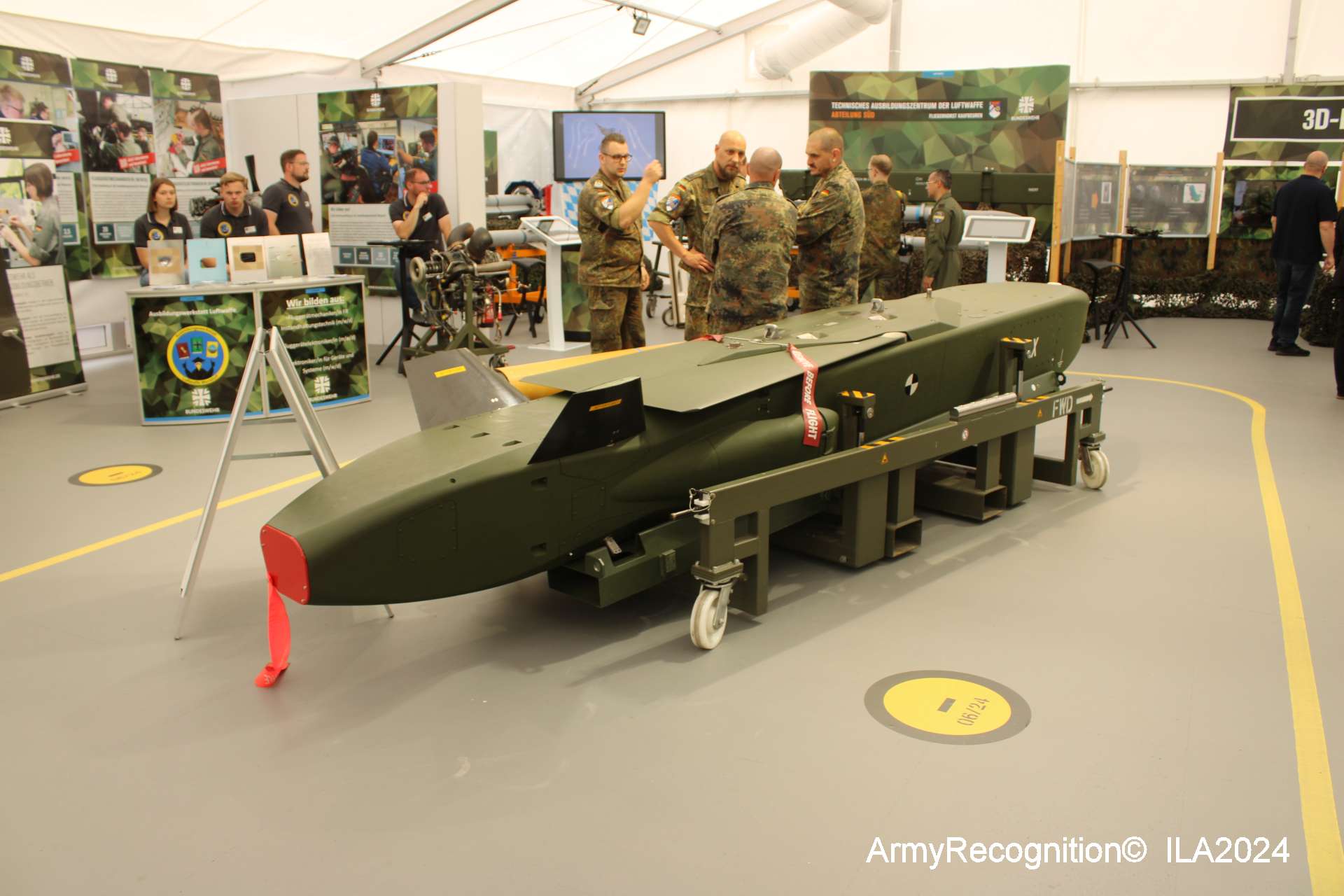
MBDA Taurus EX Air-Launched Cruise Missile (Picture source: Army Recognition)
The Taurus Neo project aims to enhance the capabilities of the existing Taurus KEPD 350 cruise missile. According to parliamentary sources, the planned developments will include increased range, improved accuracy, and enhanced explosive power. The project's total cost is estimated at approximately €2.1 billion for acquiring 600 missiles, with initial deliveries expected from 2029. To launch the development, an initial funding of €350 million is required starting in 2025, while most of the budget will be allocated after 2029.
The technical improvements of the Taurus Neo are expected to include a range exceeding 500 km, enabling it to reach more distant targets with greater accuracy. The guidance system will be modernized, integrating advanced inertial navigation and GPS correction technologies to improve precision on hard-to-reach targets. The missile is also expected to be equipped with a more powerful warhead, designed to penetrate heavily reinforced structures, such as bunkers or underground shelters. Additionally, the Taurus Neo may incorporate technologies to bypass missile defense systems, thus enhancing its ability to evade radars and penetrate enemy air defenses.
The decision to launch the Taurus Neo project comes in a context where the war in Ukraine has heightened security concerns in Europe. Since the beginning of the conflict, Russia has intensified its use of cruise missiles to target strategic and civilian infrastructure, underscoring Ukraine's need for similar retaliatory capabilities. In response, the United Kingdom and France have already provided Kyiv with long-range cruise missiles, such as the Storm Shadow and SCALP-EG, which Ukrainian forces have adapted for use on Soviet-made aircraft.
These missiles, equipped with sophisticated guidance systems combining GPS, inertial navigation, and infrared imaging (IIR), are mainly used to strike heavily defended targets like ammunition depots, command centers, and logistical hubs behind Russian lines. The Taurus KEPD 350, with its 500 km range and enhanced penetration capabilities, would offer Ukraine additional capabilities to target critical infrastructure and strategic points in Russia, particularly in Crimea. Unlike the Storm Shadow and SCALP-EG missiles, the Taurus is equipped with a dual-stage warhead specifically designed to destroy heavily fortified and deeply buried targets.
Currently, the German armed forces have about 600 Taurus KEPD 350 missiles, primarily used from Tornado fighters. Although the missile has also been tested on the Eurofighter EF2000, it is not yet used as a standard launch platform for the Taurus. The upcoming retirement of the Tornado raises questions about the launch platform for the Taurus Neo. The Eurofighter appears to be the most likely option, while integration on the F-35A, recently ordered by Germany, seems unlikely without a complete redesign of the missile to fit the internal bay of the American stealth fighter.
In the longer term, Germany could consider integrating the Taurus Neo within the framework of the SCAF (Future Combat Air System) program, a next-generation fighter project developed in collaboration with France, Spain, and Belgium. The SCAF is expected to play a central role in modernizing European air capabilities in the coming decades.
The development of the Taurus Neo could have considerable implications for European defense. As a long-range precision weapon, this missile could strengthen Germany's deterrence capabilities while offering additional strategic options for the continent's collective defense. The modernization of the German armed forces is part of a broader effort to respond to new security threats exacerbated by the war in Ukraine and rising tensions with Russia.
However, funding for the Taurus Neo project remains a major challenge for the German government. The 2025 budget will need to include the €350 million necessary to launch the development, and expenses in subsequent years could be affected by current budget constraints. Nonetheless, the support expressed by the government coalition suggests a favorable outcome for the project, despite potential debates in Parliament on the appropriateness of prioritizing such expenditures in a challenging economic context.
The announcement of the Taurus Neo project comes just two days after the signing of a historic defense agreement between Germany and the United Kingdom aimed at rapidly developing new, more advanced long-range strike weapons than the Storm Shadow. This agreement was followed by the announcement of the UK's membership in the European Long-Range Strike Approach (ELSA), an initiative led by France and involving Germany, Poland, and Italy. ELSA aims to develop a missile with a range between 1,000 and 2,000 km by the 2030s.
Although the integration of the Taurus Neo into these programs remains uncertain, the growing interest in long-range strike weapons in Europe reflects an increasing awareness of the need to strengthen deterrence and defense capabilities in the face of emerging threats. The Taurus Neo project could therefore fit into a broader dynamic aimed at bolstering collective security on the European continent while positioning Germany as a key player in the development of new defense technologies.
The development of advanced cruise missiles, such as the Taurus KEPD 350, represents a critical strategic asset for Western armed forces, particularly in the context of modern conflicts where precision and long-range strike capabilities are crucial. For Ukraine, the use of missiles provided by its allies, such as the Storm Shadow and SCALP-EG, has demonstrated the effectiveness of these weapons in striking deep behind enemy lines at strategic targets. These missiles allow for the neutralization of critical military infrastructure, such as ammunition depots, command centers, and logistical nodes, thereby disrupting adversary operations and weakening their support capabilities for frontline forces. The Taurus, with its extended 500 km range and reinforced penetration capability, would offer Ukraine increased ability to target strategic sites in Crimea or Russia, expanding the range and impact of Ukrainian operations.
Read more: Germany to Develop Next-Gen Taurus Neo Cruise Missile after Ukraine War Lessons
- Details
- Written by: Tkuhn
- Category: 2024
- Hits: 8299
According to information published by Uralvagonzavod on October 25, 2024, Russia has upgraded its T-72B3M main battle tanks with the Arena-M Active Protection System (APS). This move reflects a commitment to enhancing the tank's defensive capabilities amid an era of increasingly potent anti-tank weaponry.
Follow Army Recognition on Google News at this link
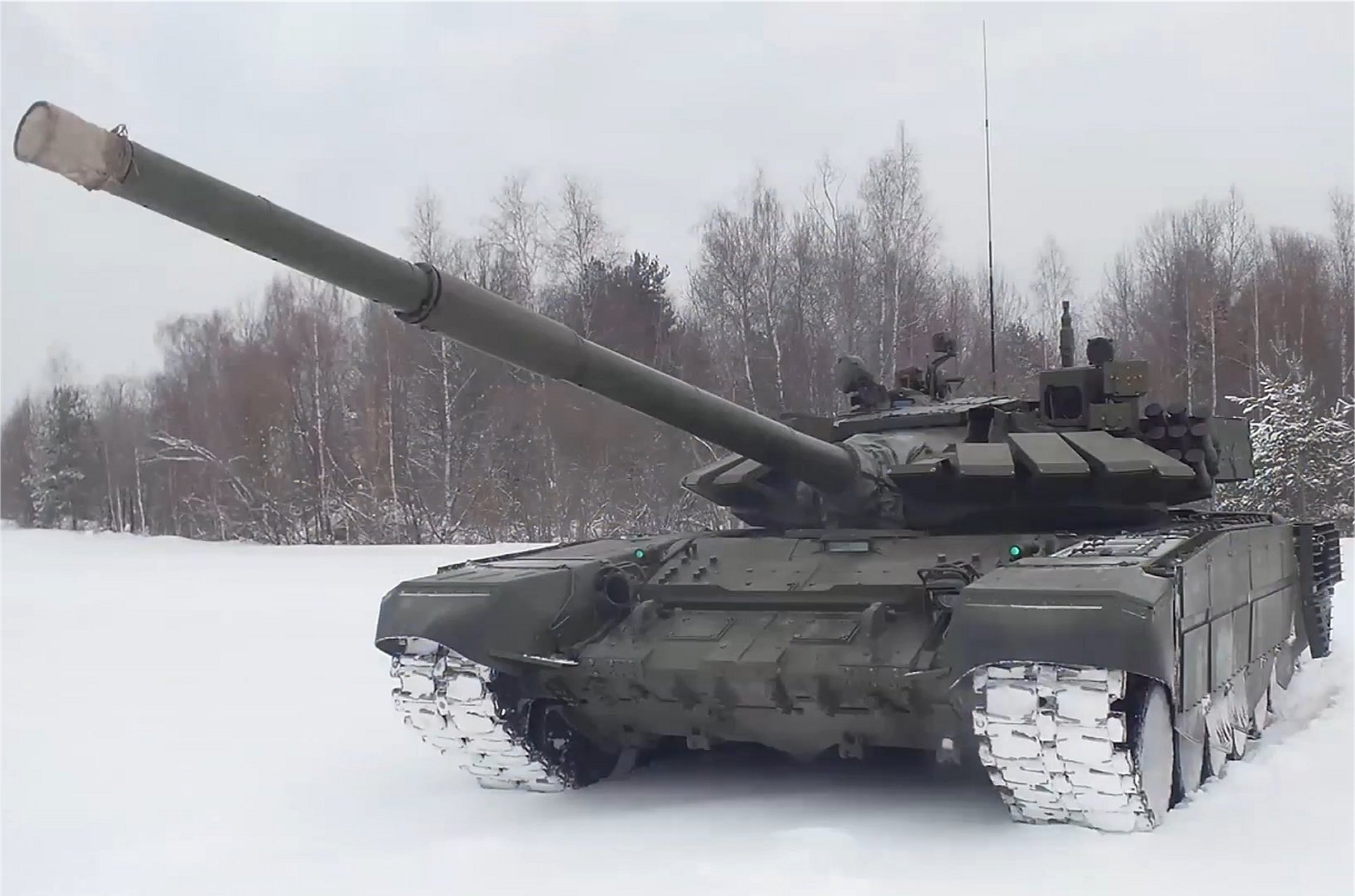
Russia enhances the T-72B3M tank's battlefield resilience with the Arena-M Active Protection System, designed to intercept and neutralize incoming anti-tank missiles and RPGs, ensuring advanced defense in modern combat scenarios. (Picture source: Telegram account of Уралвагонзавод)
The T-72B3M represents the latest iteration of the T-72 series, featuring substantial upgrades over its predecessors in terms of firepower, mobility, and protection. Key improvements to the T-72B3M include an upgraded fire control system, a 1,130 hp V-92S2F engine, and advanced sighting equipment. However, the inclusion of the Arena-M APS marks a particularly notable enhancement, aimed at safeguarding the tank and its crew against an array of anti-tank threats.
The Arena-M is a Russian-designed active protection system created to intercept and destroy incoming projectiles, such as anti-tank missiles and rockets, before they reach the tank. The system uses a radar array to detect and track incoming threats within a certain radius around the vehicle. Once a threat is detected, Arena-M calculates its trajectory, allowing the system to deploy countermeasures that neutralize the projectile at a safe distance.
The APS is specifically designed to handle threats from multiple directions, enhancing protection against high-speed projectiles fired from modern anti-tank guided missiles (ATGMs) or rocket-propelled grenades (RPGs). This added layer of defense significantly reduces the likelihood of armor penetration, thus improving the survivability of the T-72B3M on the battlefield.
Russia’s choice to integrate the Arena-M system into the T-72B3M rather than reserving it exclusively for newer tanks like the T-90M and T-14 Armata underscores the continued relevance of the T-72 in modern warfare. With over 25,000 units produced since its inception in the 1970s, the T-72 has seen widespread deployment across various theaters and remains in service with numerous militaries worldwide. Upgrading these tanks with APS technology extends their operational lifespan, making them capable of countering threats posed by the latest anti-tank systems.
The T-72B3M’s combination of affordability, ease of maintenance, and robust firepower makes it a versatile asset for large-scale military operations. The addition of the Arena-M APS, with its ability to repel contemporary anti-tank weaponry, ensures that the T-72B3M remains relevant in scenarios that demand both maneuverability and resilience.
Russia’s decision to install the Arena-M system on its main battle tanks reflects a growing trend within the global military community toward equipping armored vehicles with active protection systems. As anti-tank weapon technology advances, the need for countermeasures has become increasingly critical. Arena-M’s effectiveness and the expanded protection it provides offer a glimpse into future armored warfare, where active defenses could be as crucial as the armor itself.
While the current configuration of the T-72B3M with the Arena-M APS offers substantial protection, experts speculate that future variants could incorporate additional features, including modular reactive armor and more advanced electronic warfare countermeasures. Such enhancements would further augment the tank’s ability to operate in contested environments where electronic and cyber warfare elements are increasingly prevalent.
Read more: Russia Equips T-72B3M Tanks with Advanced Arena-M Active Protection System
- Details
- Written by: Jérôme Brahy
- Category: 2024
- Hits: 11847
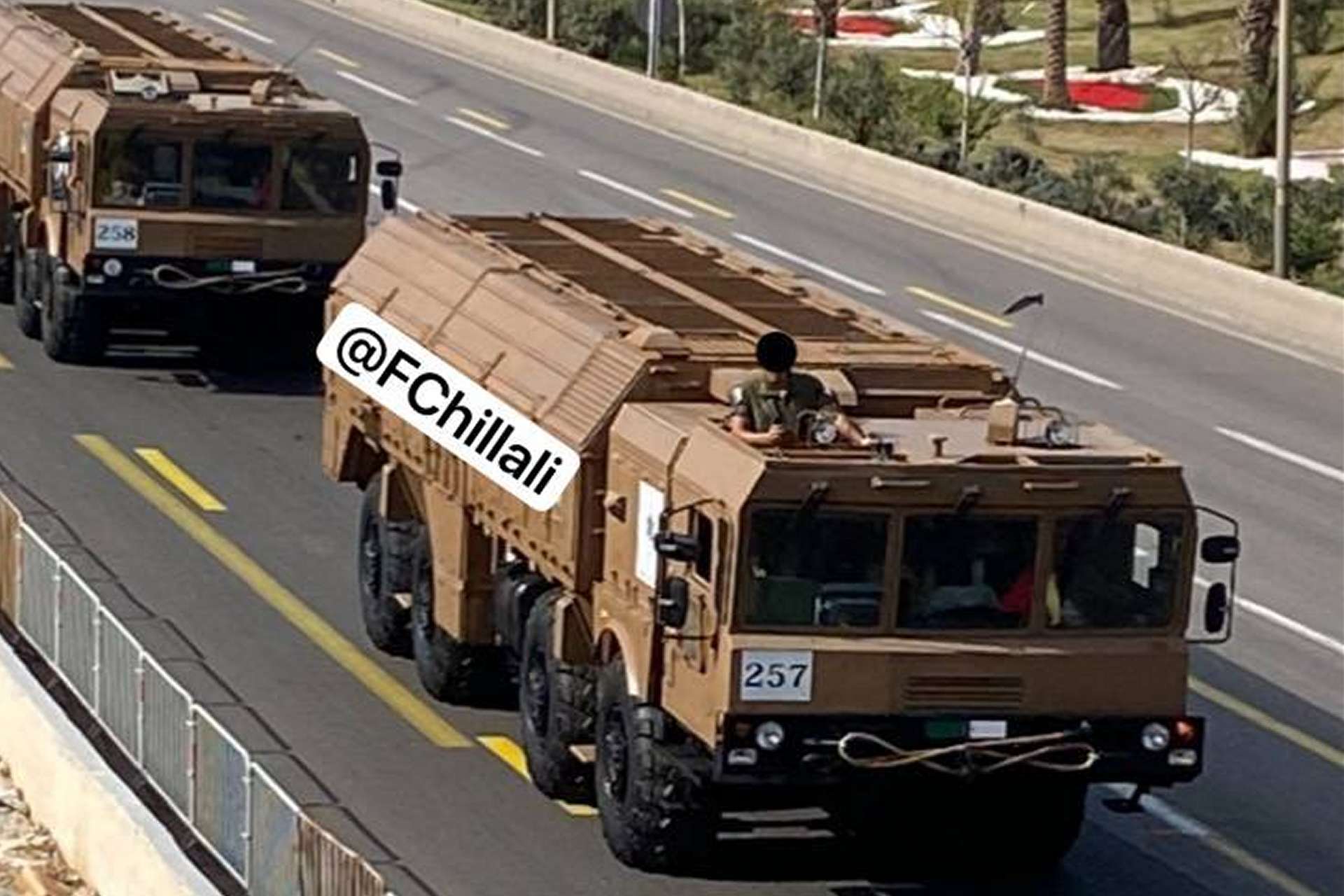
As reported by ORCA Military on October 28, 2024, the Russian Iskander-E short-range ballistic missile system has been seen for the first time in Algeria, ahead of the military parade commemorating the 70th anniversary of the Algerian Revolution. This sighting confirms Algeria’s acquisition of the Iskander after years of speculation and marks the first time this missile system has appeared in the arsenal of an Arab country.
Follow Army Recognition on Google News at this link
Algeria received four regiments of the Iskander-E between 2014 and 2017, comprising around 50 vehicles and 48 missiles per regiment, including 12 launchers, 12 transporter-loaders, 11 command vehicles, and various support vehicles. (Picture source: FChillali)
The Iskander system, developed by Russia, has a range of up to 500 kilometers and can reach speeds of up to Mach 6. It is designed to strike targets such as command centers, air defense systems, and critical infrastructure. The system's mobile design and rapid-launch capability make it difficult to detect or intercept. The Iskander-E variant, in service with Algeria since 2018, is capable of carrying various types of non-nuclear warheads, including high-explosive fragmentation and penetrating warheads. This acquisition enhances Algeria's missile capabilities, adding significant range and versatility to its existing military equipment.
Algeria's acquisition of the Iskander system is part of broader efforts to modernize its military forces, especially amid increasing tensions with Morocco. Diplomatic relations between Algeria and Morocco have been strained since Algeria cut ties in 2021, citing Morocco’s support for separatist movements in Kabylie and its backing of Western Sahara claims. Morocco, meanwhile, has received international backing for its autonomy plan for Western Sahara, further intensifying the rivalry. Both countries have engaged in an arms race, boosting their military capabilities while maintaining a tense but non-violent standoff. The militarization on both sides continues, although a full-scale conflict remains unlikely.
In this context, the Iskander system plays a significant role in Algeria's military planning, particularly due to its capacity to target strategic locations in Morocco. The system’s longer range, compared to Morocco’s M142 HIMARS system, allows it to reach targets such as command centers and air defenses. Morocco's HIMARS system, which has a range of up to 300 kilometers using ATACMS missiles, is designed for rapid fire support and precision strikes on fortified positions and troop concentrations. While the HIMARS offers greater battlefield mobility, the Iskander system’s longer range and hypersonic capabilities provide Algeria with a broader set of strategic options.
Algeria's defense budget has grown significantly in recent years, reaching $18.3 billion in 2023, largely due to increased revenues from gas exports following the Russian invasion of Ukraine. This funding has supported the procurement of military equipment, primarily from Russia and China, including the Iskander system. The growing military rivalry with Morocco has also been reflected in Algerian domestic politics, where anti-Moroccan rhetoric is frequently used in election campaigns to gain popular support.
Despite occasional calls for dialogue, tensions between Algeria and Morocco remain high, and the ongoing arms buildup indicates that a resolution is unlikely in the near future. The Iskander system’s appearance in the upcoming military parade further signals Algeria’s intent to maintain and demonstrate its military capabilities in response to regional security concerns. As both countries continue to acquire advanced military technology, the potential for future conflict, while not imminent, remains a significant issue.
Algeria’s acquisition of the Russian Iskander and Morocco’s procurement of the American HIMARS in 2023 highlights the continuing arms race in North Africa. The Iskander system, with its longer range and ability to strike strategic targets, complements Algeria's defense strategy, while Morocco’s HIMARS provides tactical flexibility on the battlefield. The presence of the Iskander system in Algeria's military forces underscores the ongoing competition for military superiority in the region, as both countries seek to reinforce their positions without engaging in direct conflict.
Read more: Algeria reveals acquisition of Russian Iskander-E ballistic missile system
- Finland Strengthens F-35 Fleet with Acquisition of 150 AARGM-ER Missiles from United States
- South Korea Moves Up Deployment of Its Iron Dome in Response to North Korean Threats
- Taiwan Secures US Deal for 1,000 Attack Drones Amid Rising PLA Drills
- Croatia and Germany Sign Letter of Intent for Acquisition of 50 Leopard 2A8 Tanks