
- Details
- Written by: Administrator
- Category: 2024
- Hits: 6115










On October 28, 2024, HDT Global announced that the U.S. Army has selected its Hunter WOLF™ (Wheeled Offload Logistics Follower) for the Small Multipurpose Equipment Transport (S-MET) Increment II program. This selection, part of an $11.55 million contract, will see the Hunter WOLF undergoing government testing and evaluation as a promising solution to enhance logistical support and tactical mobility for Army units in some of the most challenging operational environments.
Follow Army Recognition on Google News at this link
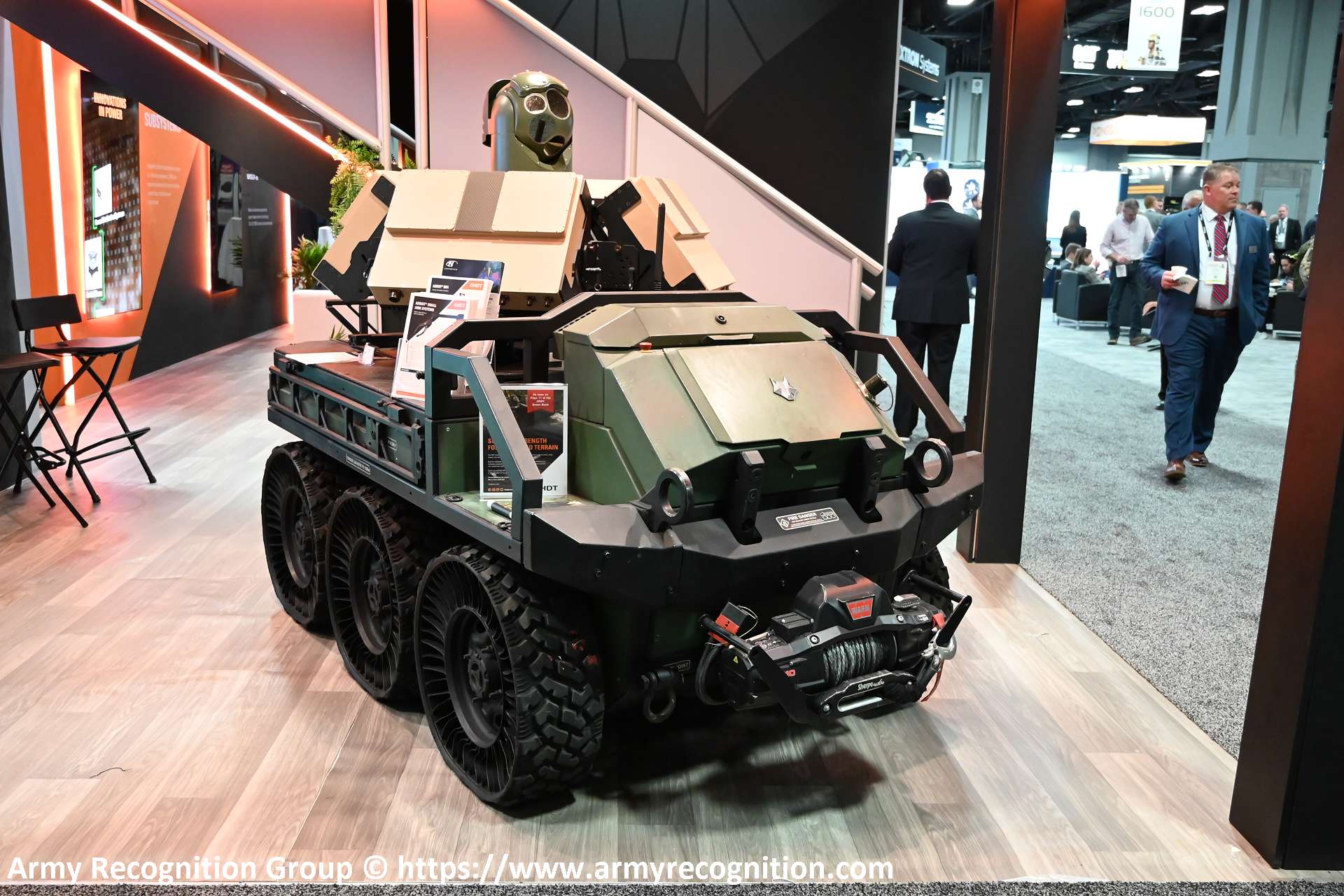
The HDT Hunter WOLF UGV Unmanned Ground Vehicle showcased at the AUSA 2024 defense exhibition in Washington, D.C., is specially designed to be used for tactical mobility and logistical support missions. (Picture source: Army Recognition Group)
The U.S. Army awarded HDT Global this contract through the National Advanced Mobility Consortium’s (NAMC) Other Transaction Agreement (OTA), a competitive process designed to drive forward technological advancement in military systems. HDT Global is one of two companies chosen to provide potential solutions under the S-MET program, a critical step in the Army’s objective to deploy robotic systems that alleviate soldiers' physical burdens while enhancing operational flexibility on the battlefield.
Kevin McSweeney, HDT Global's President and CEO, expressed pride in this achievement, noting, "We are thrilled our Hunter WOLF was selected for the S-MET Increment II award. HDT’s industry leadership in developing innovative robotic solutions is more than 12 years in the making, and the Hunter WOLF proves our commitment to solving complex challenges U.S. soldiers face on the modern battlefield." He highlighted that the Hunter WOLF is a mature, Technology Readiness Level (TRL)-9 solution that reduces soldiers' load and provides commanders with versatile, multi-mission capability.
The HDT Hunter WOLF (Wheeled Offload Logistics Follower) is a multi-mission 6x6 unmanned ground vehicle (UGV) engineered for military support, transporting gear, conducting reconnaissance, and enhancing battlefield logistics. Powered by a hybrid-electric drive, it combines a robust diesel engine with electric motors, allowing efficient power distribution, a low acoustic signature for stealth, and extended operational capabilities. This setup delivers an impressive range of up to 160 kilometers on a single fuel load, making it effective for extended missions in remote or challenging areas. The Hunter WOLF boasts a payload capacity of up to 450 kilograms, enabling it to carry mission-critical supplies, ammunition, and medical gear, significantly lightening soldiers’ physical burden.
One of its standout features is its modularity, with a design that accommodates a variety of mission-specific packages, such as casualty evacuation, supply transport, and electronic reconnaissance. Additionally, it offers limited offensive capabilities, as it can be fitted with remote weapon stations (RWS) capable of handling machine guns or grenade launchers to provide cover fire or suppressive support. Built on a rugged steel frame, the UGV has advanced suspension and durable tires to navigate challenging terrains, while its dependable, low-maintenance construction ensures performance in extreme weather and climates. This adaptable platform provides reliable, autonomous support to increase soldiers’ mobility, safety, and overall effectiveness on the battlefield.
One of the Hunter WOLF’s standout features is its modular design, which allows it to accommodate a variety of mission packages, from transporting supplies and conducting reconnaissance to casualty evacuation and power export. This adaptability positions it as a versatile support vehicle capable of quickly adjusting to a range of mission requirements, supporting the U.S. Army's need for operational resilience and flexibility in the field. According to Tom Van Doren, Chief Technology Officer of HDT Global, “The HDT Hunter WOLF surpasses all S-MET requirements with an advanced design tailored for future growth. Utilizing our robotic vehicle design and manufacturing expertise, we’ve presented the optimal material solution to execute crucial missions on today’s complex and modern battlefield, ensuring our warfighters have the reliable support required for mission success.”
The S-MET Increment II program is part of the U.S. Army’s broader modernization strategy, emphasizing integrating autonomous and robotic technologies to streamline logistics and support. By reducing the physical burdens on soldiers, systems like the Hunter WOLF allow soldiers to focus on primary mission objectives, particularly in high-stress, combat-intense scenarios. This stage of the S-MET program will determine how effectively these unmanned vehicles can serve as “robotic teammates,” lightening soldiers’ loads while providing mission-critical support. HDT Global’s Hunter WOLF, with its adaptable, mission-ready design and reliable performance, is poised to significantly impact the Army’s operational capabilities, helping to address the evolving challenges of the modern battlefield.
- Details
- Written by: Jérôme Brahy
- Category: 2024
- Hits: 3390
On October 30, 2024, the Israeli company Rafael announced that the U.S. Marine Corps had completed its first live-fire exercise with a prototype system integrated with its Tamir interceptor, part of the Iron Dome air defense system. This new system, a collaborative effort between Rafael and Raytheon as the prime contractor, integrates an American radar and command-and-control center with the Tamir interceptor and a mobile launcher, designed specifically for the Marine Corps.
Follow Army Recognition on Google News at this link
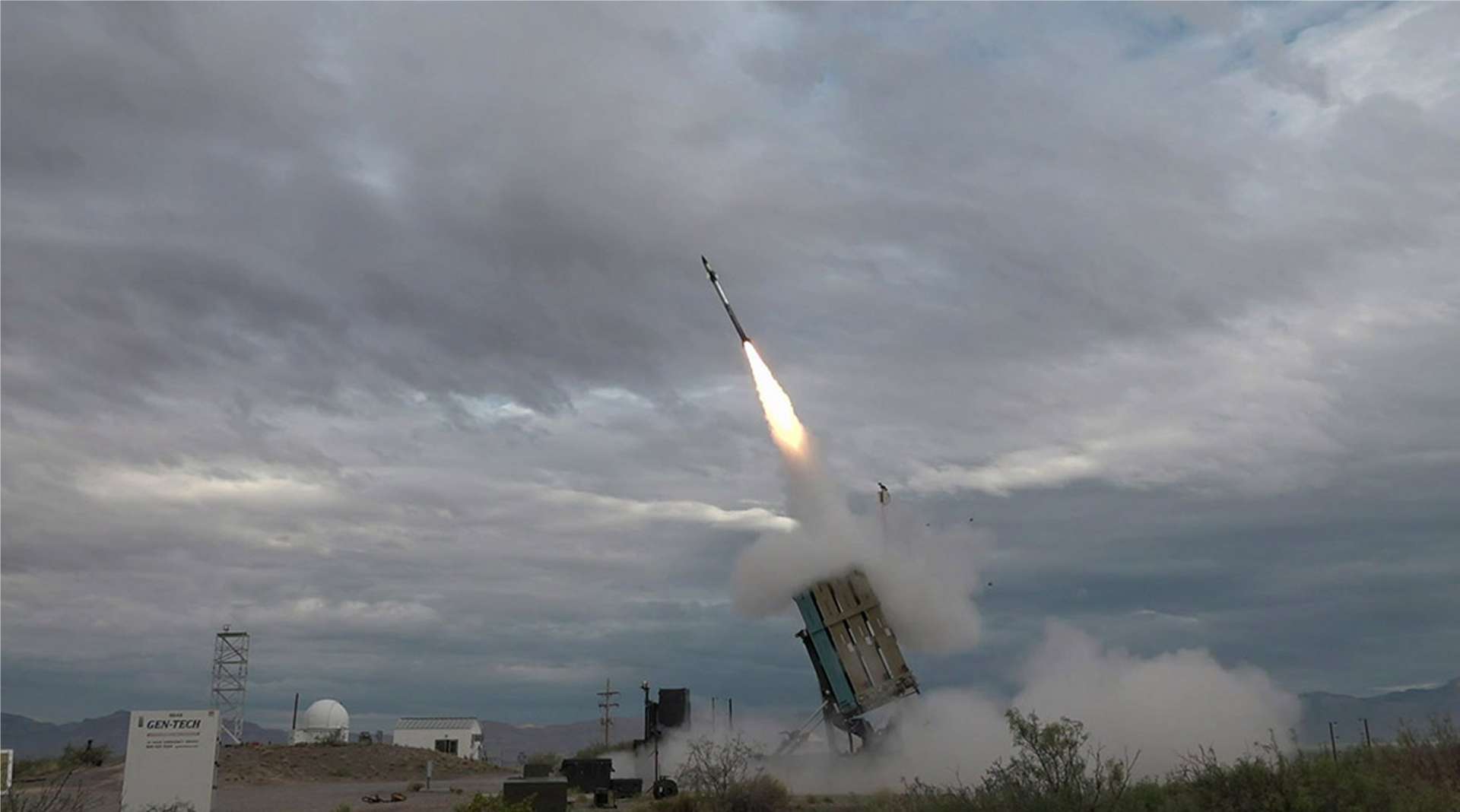
The US Marine Corps' MRIC initiative, which integrates elements of the Iron Dome system, will consist of three batteries using the Tamir interceptors. (Picture source: US Marine Corps)
The exercise demonstrated the Marines’ ability to operate the system independently and verified its capacity to counter a wide range of threats, including cruise missiles, unmanned aerial vehicles (UAVs), and various types of rocket artillery. This live-fire exercise followed a comprehensive training and testing program, part of the Marine Corps' Medium Range Intercept Capability (MRIC) development. This program evaluates a prototype air defense system aimed at enhancing the Marines’ medium-range interception capabilities.
During the exercise, the Marines operated the system to intercept targets successfully, confirming the mobile launcher’s ability to maintain continuous launch operations—a feature critical for sustained defense. The Tamir interceptor was specifically adapted to meet the Marine Corps' requirements through collaboration between Rafael and Raytheon, who also provided training support for Marine operators.
Moshe Patel, head of the Israel Ministry of Defense’s Israel Missile Defense Organization (IMDO), highlighted the Iron Dome's operational record, including its role in Israel's current 'Operation Iron Swords.' He emphasized the system’s adaptability in various defense settings and expressed support for further cooperation in air defense with the U.S. military. The IMDO, which leads Israel’s multi-layered air defense program, oversees the Iron Dome along with systems such as David’s Sling and the Arrow-2 and Arrow-3 interceptors.
According to Shlomo Toaff, Executive Vice President and Head of Rafael’s Air Defense Systems Division, the exercise marked an important point in Rafael’s collaborative efforts with the U.S. Marine Corps and Raytheon to provide tailored air defense solutions. Toaff acknowledged the joint progress made in developing an effective system for countering an extensive range of aerial threats and mentioned Rafael’s ongoing cooperation with the IMDO and other international partners to advance air defense capabilities.
This exercise is part of the U.S. Marine Corps’ broader air defense modernization effort, focusing on the Medium Range Intercept Capability (MRIC) program and the Marine Air Defense Integrated System (MADIS). In August 2023, the U.S. Marine Corps announced its decision to purchase three Iron Dome air defense batteries from Israel for around $200 million. This agreement includes 44 launchers, 1,840 Tamir interceptors, and additional support equipment as part of the Marine Corps' Medium-Range Intercept Capability (MRIC), developed to enhance protection against threats such as cruise missiles, drones, and rockets.
Raytheon, partnering with Rafael Advanced Defense Systems, will be involved in the manufacturing, with portions of the production taking place in the U.S. to support interoperability with American systems. Moreover, the MRIC's integration with U.S. command and control systems will allow the Marine Corps to deploy this capability, particularly for Indo-Pacific operations.
The MRIC initiative, which integrates elements of the Iron Dome system, will consist of three batteries using the Tamir interceptors. The Corps has allocated $111 million in its FY-25 budget for these batteries, which are scheduled for initial fielding by the end of FY-25. The MRIC system is set to incorporate the Ground/Air Task Oriented Radar and the Common Aviation Command and Control System, enhancing interoperability and situational awareness within the Marine Corps' air defense framework.
Additionally, the Marine Corps is expanding its MADIS counter-drone capabilities. Contracts worth up to $200 million each have been awarded to Invariant Corp. and Anduril to develop a counter-UAS system for low-altitude threats. MADIS is expected to achieve initial operational capability in early FY-25, with initial deployments planned for the 3rd Littoral Anti-Air Battalion of the 3rd Marine Littoral Regiment in Hawaii. The Marine Corps has increased its total air defense budget to $370 million for FY-25, up from $250 million in FY-24, to support the procurement of MADIS and additional air defense systems.
This successful live-fire exercise underscores the progress of the Marine Corps toward operationalizing its first MRIC battery and reflects a continued focus on air defense capabilities through partnerships with Israel and industry collaborators. These initiatives collectively aim to equip the Marine Corps with robust defense options to address evolving aerial threats.

- Details
- Written by: Halna du Fretay
- Category: 2024
- Hits: 6686
The Italian parliamentary committee has approved a military modernization program, endorsing an €8.2 billion plan to acquire next-generation tanks and upgrade the country’s ground forces. This initiative, led by Prime Minister Giorgia Meloni’s government, is part of a long-term strategy aimed at aligning the Italian military with the evolving geopolitical needs of Europe and NATO. The program, spanning from 2025 to 2038, is designed to gradually increase Italy's military capabilities in response to rising tensions across Europe and to bolster regional security.
Rheinmetall’s Panther KF51 model may serve as the foundation for Italy’s new battle tank, which is intended to replace the aging Ariete tanks in use since the 1990s (Picture source: Rheinmetall)
According to a parliamentary document reviewed by Reuters, €5.4 billion has already been allocated for the initial phase, with the remaining €2.7 billion to be secured through future financing measures. This project underscores Italy's commitment to national and European security amid increasing strategic uncertainties facing NATO.
A central component of the program is the introduction of a new main battle tank, described as a "heavy component platform" in the parliamentary document. While specific companies were not named, Leonardo and the German group Rheinmetall are expected to play a primary role. This partnership is further reinforced by the recent establishment of the Leonardo Rheinmetall Military Vehicles (LRMV) joint venture, aimed at developing modern military vehicles. Sources close to the project suggest that this joint venture will be the key industrial player in Italy’s military upgrade.
Rheinmetall’s Panther KF51 model may serve as the foundation for Italy’s new battle tank, intended to replace the aging Ariete tanks in use since the 1990s. Currently, Italy operates about 200 Ariete tanks, of which only 50 are fully operational. The focus on creating a new tank reflects Italy’s objective to enhance its defense capabilities, particularly to fulfill NATO commitments.
The LRMV joint venture, announced in July, marks a significant step toward consolidating the European defense industry. Leonardo and Rheinmetall executives, Roberto Cingolani and Armin Papperger, have highlighted the strategic importance of this alliance in supporting European defense. As military budgets increase across Europe, this partnership could capture a share of the expanding European market, projected to exceed €50 billion in the coming years. The collaboration with Rheinmetall also enables Italy to secure nearly 60% of the joint venture’s activities domestically, with a notable presence in Rome and operations in the port city of La Spezia.
Alongside the development of a new battle tank, LRMV will also focus on the Lynx platform for the AICS (Armoured Infantry Combat System) program, part of Italy's broader plan to modernize its land systems. Initial orders for these new vehicles are expected by late 2024 or early 2025, with the first deliveries planned within the subsequent two years.
As Europe seeks to strengthen its military stance, this German-Italian alliance may extend its reach to other partner nations looking to upgrade their combat systems. The program thus aligns with a broader trend of enhanced European defense cooperation in the face of increasingly complex security challenges. In conclusion, Italy’s army modernization initiative represents a pivotal step toward strengthening the country’s military capabilities, positioning Italy as a significant contributor to European defense efforts.
Read more: Italy Launches Ambitious Project for Next-Generation Tanks and Reinforced Ground Forces
- Details
- Written by: Halna du Fretay
- Category: 2024
- Hits: 4107
On October 31, 2024, Elbit Systems unveiled its latest tactical communication radio, the E-LynX SR, at the International Dismounted Soldier Conference in London. This innovative device is part of the renowned E-LynX series of mobile tactical SDR solutions. Designed to meet the demands of modern warfare, this multi-channel, next-generation radio significantly enhances battlefield connectivity, offering soldiers secure, real-time communication, heightened situational awareness, and optimized network resilience.
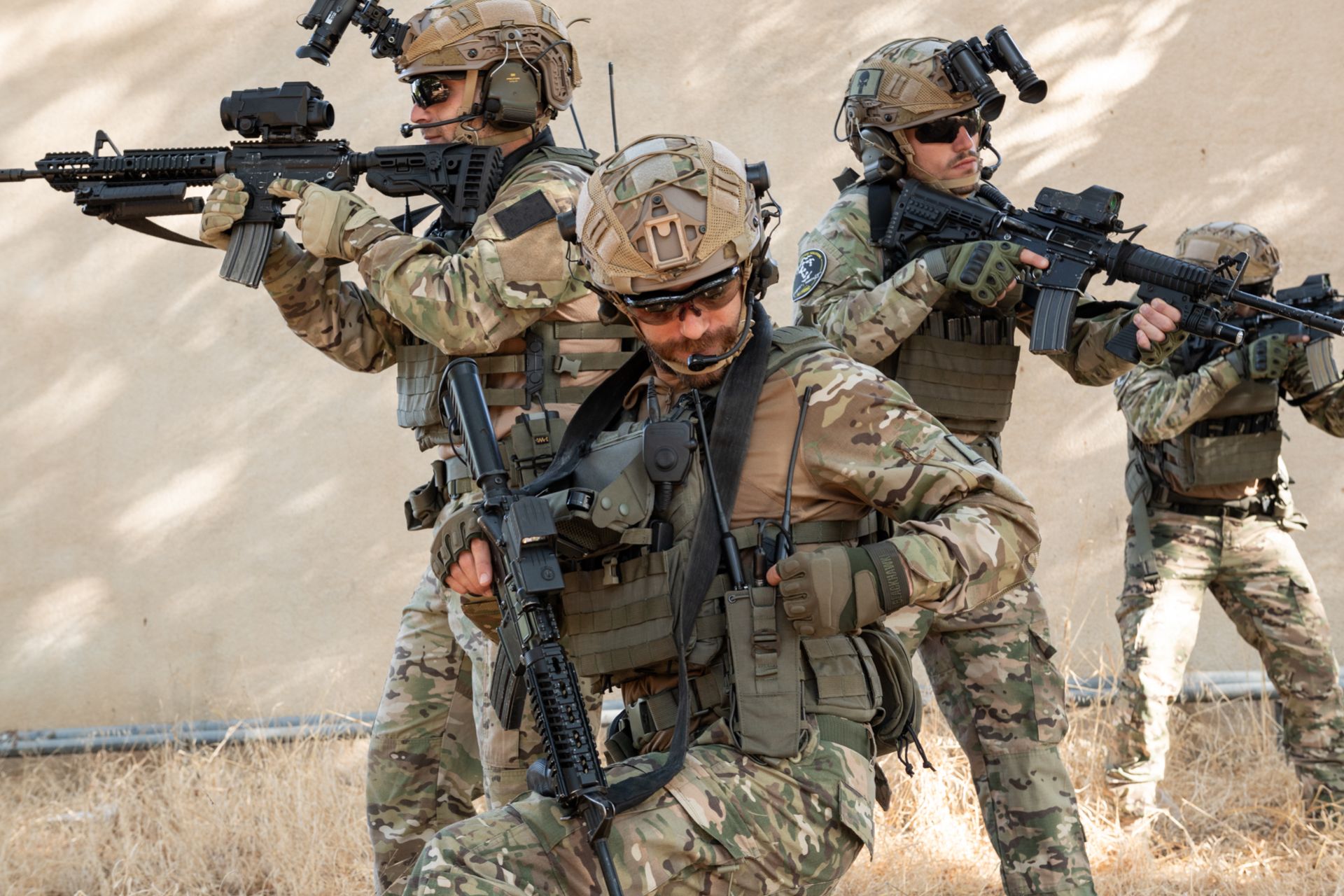
The E-LynX SR resists jamming, optimizes frequencies, minimizes interference, and supports 4G/5G and satellite for flexible, high-bandwidth connectivity (Picture source: Elbit Systems)
The E-LynX SR is specifically crafted to meet soldiers' needs, leveraging years of field experience and accumulated technological expertise. Lightweight and user-friendly, it advances tactical communication by integrating sophisticated connectivity capabilities. Its multi-channel technology enables broad frequency compatibility and seamless interoperability with existing E-LynX systems and other equivalent networks, maximizing operational efficiency across the battlefield—from individual soldiers to entire units.
This device, the most advanced in Elbit’s soldier radio category, can operate over a wide spectral range. It supports Manned-Unmanned Teaming (MUM-T), enabling effective integration with autonomous and robotic platforms, thus expanding the force's capability in modern combat environments. Its compact and wearable design allows for optimal integration into a soldier’s vest or harness, providing easy access and comfort. The body-worn radio, equipped with a headset, enables continuous transmission of voice, data, and video with minimal handling, ensuring fluid and responsive communication.
The E-LynX SR also features advanced resilience and spectrum-sensing functions. It counters jamming threats, optimizes available frequency usage, and minimizes interference without disrupting user operations. Additionally, the system supports cellular (4G/5G) and satellite connectivity, providing flexible backhaul solutions and increased bandwidth as required.
With these advanced tactical communication capabilities, the E-LynX SR enhances real-time situational awareness, supports quick decision-making, and improves soldier safety. This device equips soldiers with the essential tools to respond efficiently and swiftly in dynamic combat situations, contributing to mission success and protection of lives.
- Details
- Written by: Administrator
- Category: 2024
- Hits: 13035
Iran has recently deployed the "Zoubin", a new air defense missile system, showcasing one of its most advanced domestically developed air defense technologies. Known as the "Iranian Iron Dome," the Zoubin is specifically designed to counter a wide range of low-altitude aerial threats that have become increasingly prevalent in modern warfare. With the system’s deployment around Tehran and other strategic areas, Iran aims to strengthen its defenses against threats like drones, loitering munitions, cruise missiles, artillery shells, low-flying fighter aircraft, and helicopters. This new system reflects Iran’s commitment to self-reliant air defense technology amidst rising tensions and potential aerial incursions.
Follow Army Recognition on Google News at this link
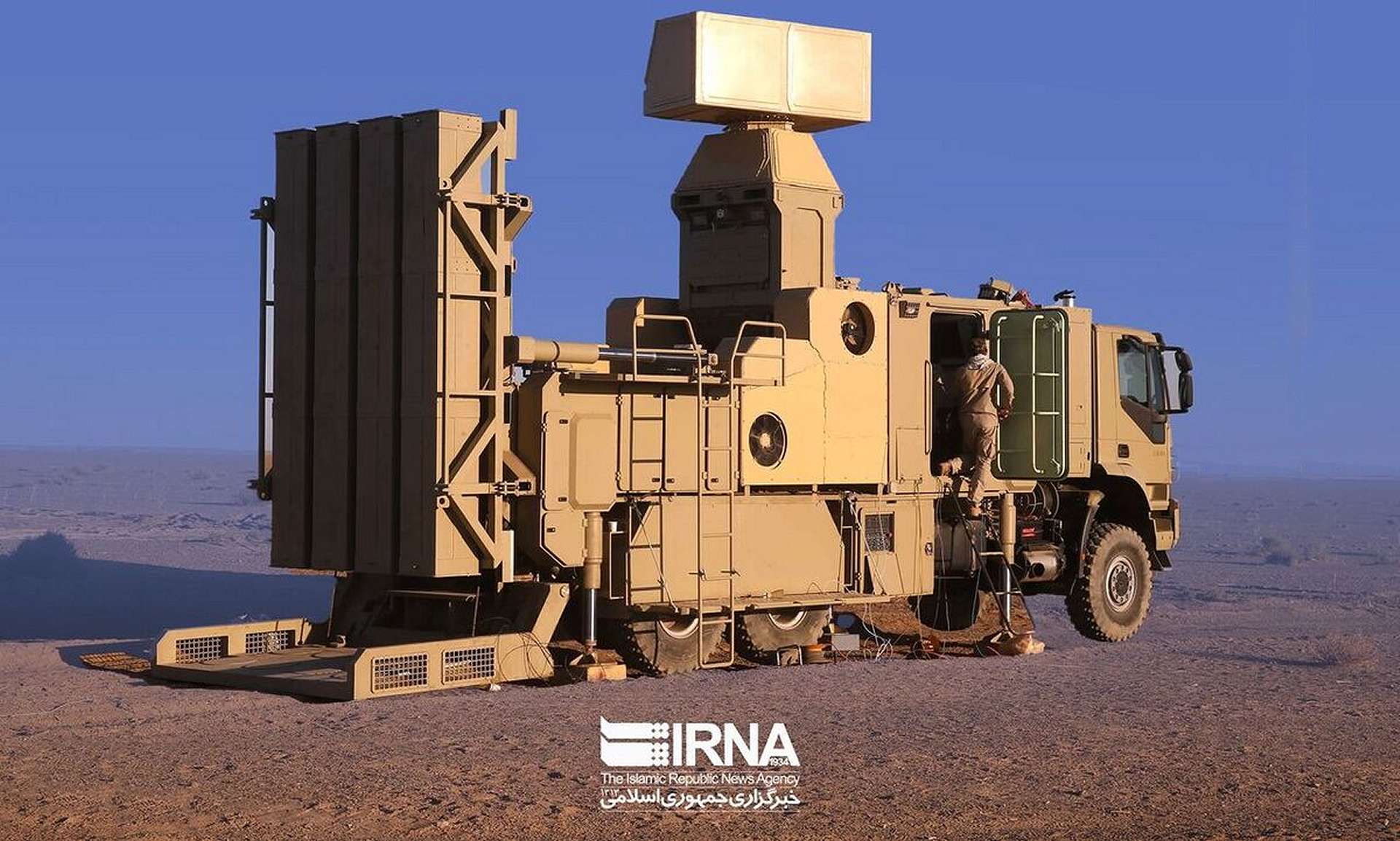
The Zoubin air defense system, Iran’s new 360-degree interceptor, provides protection against low-altitude threats, with capabilities likened to Israel’s Iron Dome. (Picture source: Iranian Press agency IRNA)
Built with high tactical mobility, the Iranian-made Zoubin air defense missile system is mounted on a 6x6 truck chassis, allowing for swift repositioning as required by changing threat conditions. This flexibility is coupled with a 360-degree defense capability, which provides broad coverage and adaptability. Citing technical data published by the Iranian defense industry, the Zoubin’s radar is capable of detecting up to 100 targets simultaneously within a 30 km radius and can engage threats within a 20 km range. Each unit is equipped with a vertical-launch canister system holding up to eight missiles, allowing the system to respond to multiple threats at once, a crucial feature in defending against complex, coordinated attacks.
The Zoubin is tailored to address a variety of specific threats. Drones and loitering munitions, increasingly used for both reconnaissance and attack, often approach in swarms or follow erratic paths, making them challenging to intercept. Zoubin’s multi-target tracking and rapid-response features allow it to effectively counter such swarming attacks. Cruise missiles present another major threat due to their low-altitude, high-speed profiles and precision, and Zoubin’s advanced radar and vertical-launch missiles are designed to detect and intercept these missiles before they reach high-value targets. Additionally, the system can target helicopters and low-flying fighter jets, which often attempt to evade radar by flying at low altitudes. Zoubin’s radar and missile engagement range make it particularly effective against these threats, filling a gap that conventional long-range air defense systems might miss.
Further, the Zoubin is capable of intercepting artillery shells and long-range ammunition within its engagement radius. This capability is especially important for protecting fortified or urban areas from precision-guided artillery and other projectiles that adversaries may use in close-range assaults.
Iran’s focus on developing the Zoubin air defense system reflects a strategic emphasis on countering the latest generation of low-altitude and precision aerial threats. Its vertical-launch technology, which builds on the expertise developed with Iran’s long-range Bavar-373 system, and its trailer-mounted design ensure both quick deployment and flexibility. The system has been strategically deployed around Tehran, underscoring Iran's commitment to defending critical locations against modern threats. In conjunction with Iran's other air defense platforms, the Zoubin provides a layered approach, enhancing the country’s overall airspace protection.
The Zoubin’s introduction marks a notable advancement in Iran's defense capabilities. Its robust target-tracking, modular design, and rapid-response features make it a formidable component in Iran’s multi-layered air defense architecture. This system highlights Iran’s ongoing commitment to bolstering its defensive autonomy and protecting its airspace against increasingly sophisticated regional threats.

- Details
- Written by: Halna du Fretay
- Category: 2024
- Hits: 3031
The People’s Republic of China (PRC) has shown growing interest in the military strategies implemented by Russian forces in Ukraine, observing these developments through a unique intermediary: the Belarusian armed forces. In October, the Institute for the Study of War (ISW) highlighted the ongoing military cooperation between China and Belarus, suggesting that Beijing may be examining operational lessons learned by the Belarusian army in connection with the conflict in Ukraine.
This growing partnership shows China, like other Central Asian nations, seeking to leverage Belarusian expertise in essential hybrid warfare tactics, such as drone use, trench clearing, and urban assaults (Picture source: China Military)
According to Major General Vadim Denisenko, Commander of Belarusian Special Operations Forces, China has recently increased its military exchanges with Belarus. Denisenko stated that Chinese military representatives, along with delegations from Uzbekistan and Kazakhstan, have participated in military exercises in Belarus over the past three to four months. This growing military partnership indicates that China, like other Central Asian nations, aims to benefit from Belarusian experiences in hybrid warfare, including the use of drones, trench clearing, and urban assault techniques, all of which have become essential in contemporary conflict.
China’s interest in these competencies points to a strategy of observing and assimilating Russian methods of warfare. It is likely that Beijing, despite not being directly involved in the Ukrainian conflict, views this approach as an opportunity to refine its understanding of hybrid warfare and military response capabilities. Russian influence in Belarus, historically strong, has intensified with the war in Ukraine, making Belarus a pivotal actor in disseminating Russian military techniques, especially to non-Western allies like China.
Meanwhile, on October 28, related developments indicated that NATO continues to monitor the region closely. NATO Secretary General Mark Rutte disclosed that South Korean intelligence had revealed the presence of North Korean units in Russia’s Kursk region, potentially signaling additional military support for the Kremlin. This Sino-Belarusian military cooperation could be seen as part of a broader network of shared military knowledge that extends beyond the Russia-Belarus alliance, incorporating a group of Asian allies and strategic observers aiming to capitalize on Russian military expertise.
Recent events have also underscored an escalation in operations within Ukraine. On the night of October 27-28, Ukrainian forces launched a series of drone attacks targeting Russian infrastructure, including distilleries, to weaken Russian air capabilities. Furthermore, Russian leader Vladimir Putin briefly acknowledged his country’s labor challenges, though he sought to reassure the public by emphasizing Russia’s low unemployment rate and asserted that the national economy could sustain a prolonged war effort.
On the international front, support for Ukraine remains steady, marked by close cooperation among Western allies and ongoing diplomatic initiatives. In another development, Moldova’s Constitutional Court is set to review the results of the October 20 referendum on October 31, highlighting the conflict's role in expanding democratic interests within neighboring states. Meanwhile, Georgia is experiencing civil and political challenges to the results of its 2024 parliamentary elections, reflecting the growing tensions in Russia’s periphery.
Read more: China Draws Inspiration from Russian War Tactics in Ukraine via Belarus

- Details
- Written by: Tkuhn
- Category: 2024
- Hits: 2483
At the World Defense Show 2024, Professor General Adam Finlay, a highly regarded Australian special forces commander and academic, captivated audiences with a comprehensive presentation on the transformative power of advanced technologies and artificial intelligence in modern military operations.
Follow Army Recognition on Google News at this link
At World Defense Show 2024, Professor General Adam Finlay unveils cutting-edge advancements in AI and technology, redefining decision-making and operational efficiency for the modern military. (Picture source: World Defense Show)
His talk, titled “Advanced Technology Development and the Focus on AI,” delved into the vital role of data and AI-driven systems in enhancing situational awareness, streamlining decision-making, and addressing the challenge of cognitive overload that military personnel face in a data-saturated environment.
Harnessing Data and AI for Superior Decision-Making
In today's military landscape, the proliferation of advanced sensor networks and real-time data flows has redefined operational strategies. AI stands as a central pillar in processing these vast data streams, enabling timely analysis and facilitating immediate decision-making. However, Finlay underscored the ethical complexities surrounding AI's integration, particularly regarding autonomous decisions in combat, a debate that challenges norms within the Geneva Conventions and other regulations governing armed conflict.
Among the transformative applications, Finlay highlighted machine learning, which allows AI to recognize patterns in large data sets, offering critical threat analysis and predictive capabilities. Additionally, natural language processing has proven invaluable, breaking down language barriers in international operations through real-time translation, thus supporting seamless communication among diverse military personnel. Generative AI is also gaining traction for creating content like reports and simulated scenarios, utilizing vast datasets to provide actionable insights. These advancements mark a shift toward data-driven AI that equips military forces with unprecedented agility.
Strengthening Cybersecurity Amid Rapid Technological Advances
As reliance on digital technology intensifies, cybersecurity has become paramount. Finlay warned that while AI can secure communication networks, it can also be weaponized to penetrate encryption. This dual role highlights the need for advanced threat detection systems that safeguard sensitive data from evolving cyber threats. Effective cybersecurity, he noted, is critical to maintaining operational integrity and protecting the continuous flow of information across military networks.
Pioneering Interoperability and Edge Computing
With diverse systems converging in modern defense, interoperability has become essential. Ensuring different devices and platforms function cohesively allows personnel to access accurate, timely data without disruption. Edge computing, as discussed by Finlay, emerges as a revolutionary approach that minimizes reliance on cloud computing by processing data locally on devices at the “coalface” of action. This method ensures quick analysis for rapid decision-making, even in bandwidth-constrained environments. However, a balance is required between edge and cloud computing, as certain situations benefit from centralized data processing.
Tackling the Challenge of Cognitive Overload
Finlay illuminated one of the most profound challenges in modern military technology: cognitive overload. As soldiers receive vast amounts of information from multiple systems, their decision-making can be impaired, and even highly trained personnel can become overwhelmed. To address this, innovative AI protocols are being developed to monitor stress responses in real-time. By detecting elevated cortisol levels, AI can temporarily take over lower-level tasks, allowing personnel to focus on critical decisions until stress levels normalize. Finlay stressed that integrating these stress management protocols is pivotal in enhancing resilience under high-pressure scenarios.
Toward a Holistic and Integrated Military System
Finlay concluded his presentation by emphasizing the need for a fully integrated approach, where advanced systems work in harmony, supporting military personnel to make decisions swiftly and accurately, even amid cognitive strain. “The totality of these systems has to be integrated so that personnel can make decisions right for the moment, with all the inputs at hand, while also accounting for cognitive overload and stress responses,” he said, encapsulating the importance of cohesive technology deployment in defense.
World Defense Show 2024: A Hub for Innovation and Collaboration
World Defense Show 2024 underscored its status as a premier venue for defense industry collaboration and technological advancement. Professor General Adam Finlay’s insights offered a pathway for military innovation, setting the stage for further exploration into the critical balance between human capacity and machine intelligence. His presentation invited attendees to envision a defense sector that harnesses advanced technology to enhance operational readiness, safety, and response times, pushing the boundaries of what’s possible for a modern military force.
- Details
- Written by: Jérôme Brahy
- Category: 2024
- Hits: 3978
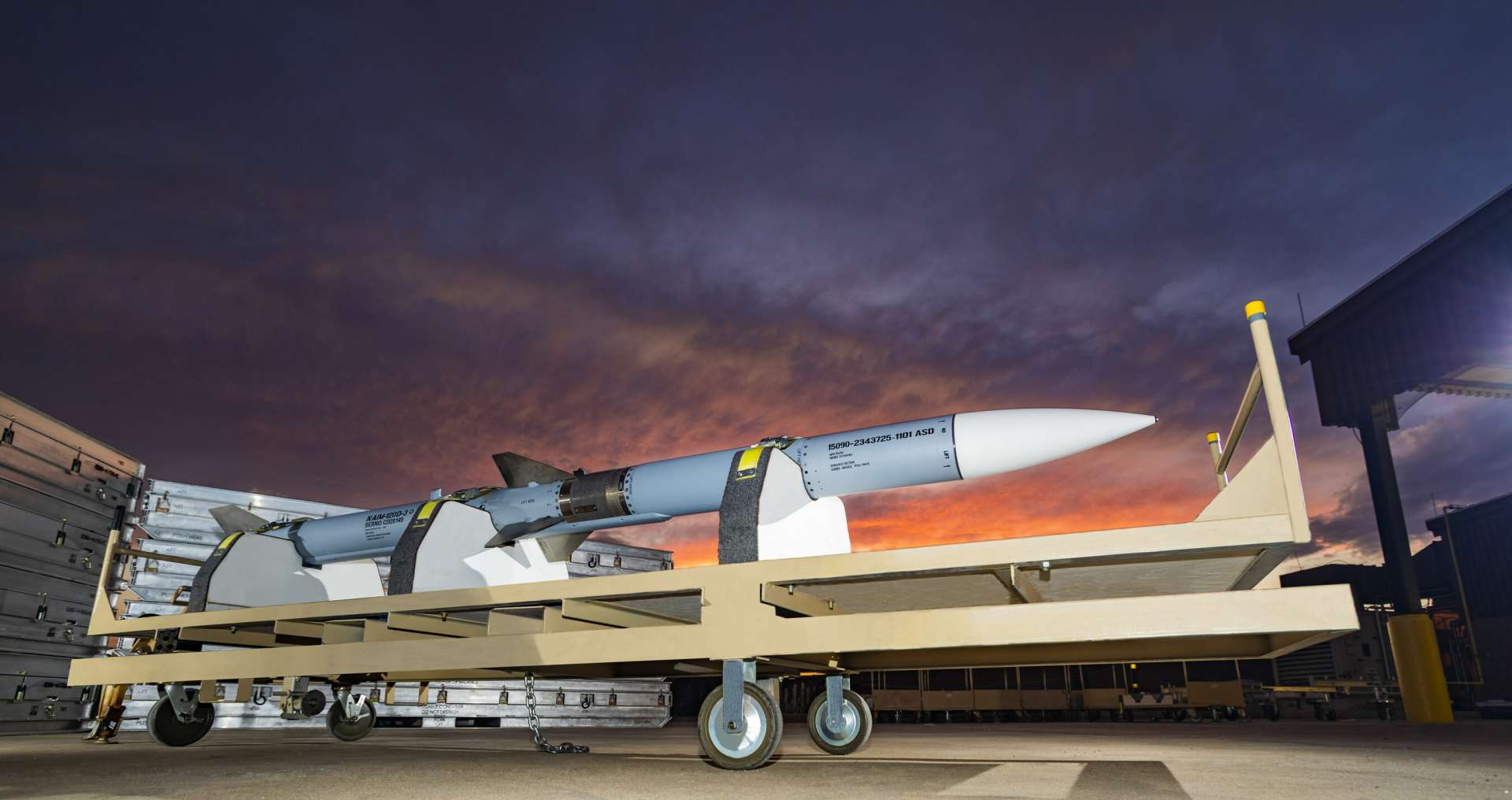
On October 29, 2024, the U.S. State Department approved a potential Foreign Military Sale to Denmark, involving the procurement of up to 203 AIM-120D-3 Advanced Medium Range Air-to-Air Missiles (AMRAAM), along with associated logistics, for an estimated cost of $744 million. The AIM-120D-3 variant, also known as the AMRAAM F3R, incorporates a two-way data link and GPS navigation to enhance its performance in electronic warfare environments. Denmark also became the first publicly known export customer of the AIM-120D-3, though previous sales of the AIM-120D may have included this model as well.
Follow Army Recognition on Google News at this link
Compared to its predecessors, such as the AIM-120C-7, the AIM-120D series offers a 50% increase in range and enhanced guidance capabilities. (Picture source: Raytheon)
The AIM-120D-3 represents the latest development in the AMRAAM series, reflecting continuous technological evolution. Compared to its predecessors, such as the AIM-120C-7, the AIM-120D series offers a 50% increase in range and enhanced guidance capabilities. These upgrades significantly improve the missile's probability of kill (Pk), delivering better precision and performance in various combat scenarios. Although the exact range of the AIM-120D remains classified, estimates suggest it can engage targets at distances between 160 km and 180 km, making it a highly capable weapon for long-range engagements.
A notable feature of the AIM-120D-3 variant, known as the AMRAAM F3R (Form, Fit, Function Refresh), is its response to supply chain challenges and manufacturing issues. The F3R program integrates a two-way data link and GPS navigation into the missile's systems, enhancing its performance, particularly in electronic warfare environments. These updates ensure that the missile continues to meet modern air combat requirements while maintaining production efficiency and reliability.
The AIM-120D-3's versatility and precision make it a critical asset for air forces, capable of engaging multiple targets and operating under various conditions. Its upgraded systems and extended range reinforce its role as a key component in air-to-air combat. The F3R program further ensures the missile remains viable for long-term operational use, addressing potential obsolescence and updating crucial hardware for continued functionality.
Denmark's decision to acquire these missiles aligns with its broader objective of modernizing its air force. Currently, the Royal Danish Air Force operates a total of 54 F-16 and F-35A fighters, which are crucial to Denmark's close collaboration with neighboring Nordic countries such as Finland, Norway, and Sweden. As a Level 3 partner in the F-35 Joint Strike Fighter program since 2002, Denmark is set to receive a total of 27 F-35A aircraft to replace its aging fleet of 48 F-16 fighter jets, with the first four F-35As arriving at Skrydstrup Air Base in 2023.
The acquisition of the AIM-120D-3 AMRAAM will enhance Denmark's air defense capabilities by providing longer-range engagement options and improved performance in complex electronic warfare environments. This missile is expected to strengthen Denmark's ability to defend its airspace, particularly in cooperation with its Nordic allies, and ensure interoperability with modern fighter jets such as the F-16 and F-35. The AIM-120D-3's advanced guidance systems, increased range, and robust electronic countermeasure capabilities make it a critical asset for Denmark's strategic defense needs.
Read more: US approves AIM-120D-3 missile sale to Denmark to strengthen strategic airspace defense
- Details
- Written by: Halna du Fretay
- Category: 2024
- Hits: 1952
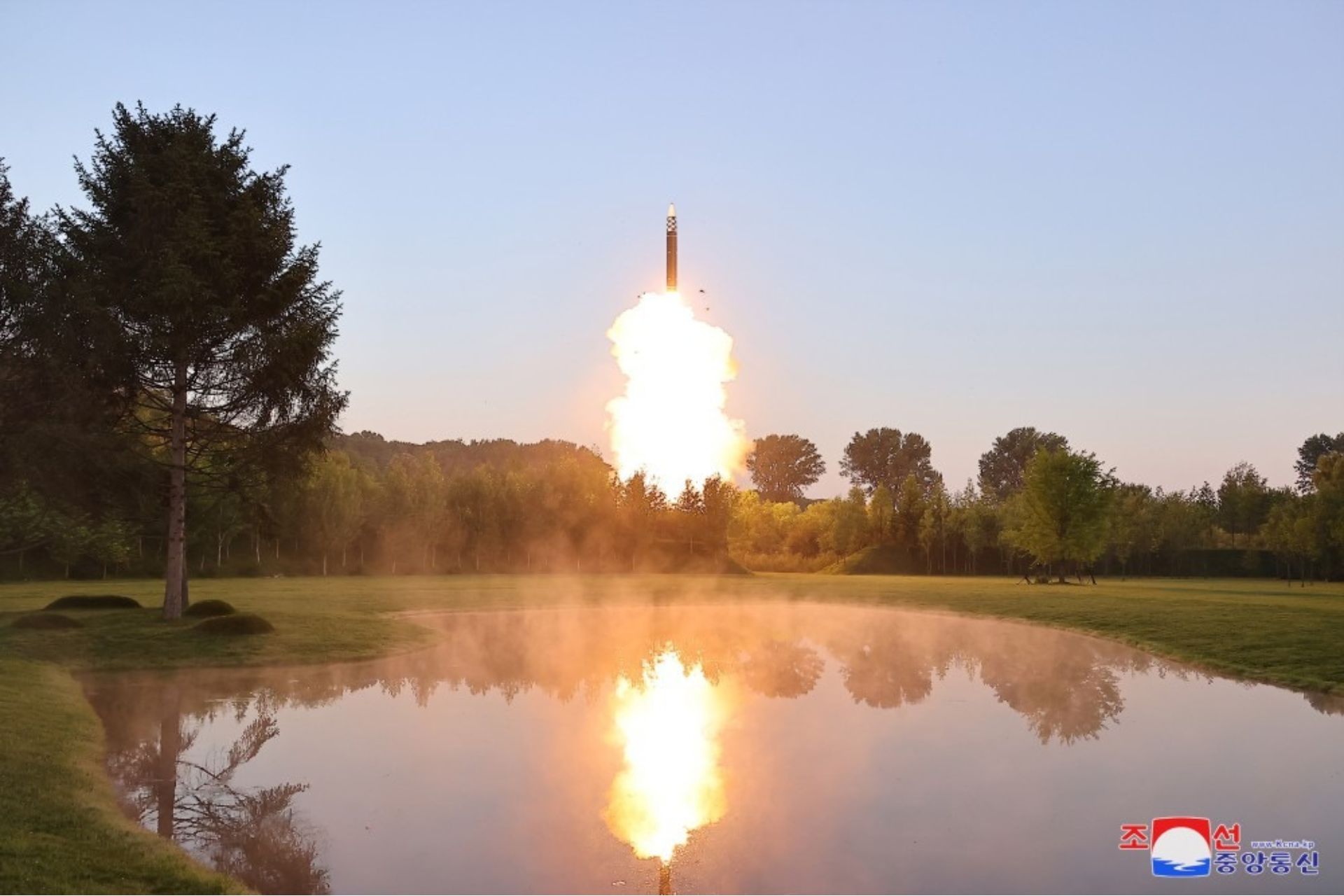
On October 30, 2024, South Korea’s Ministry of Defense informed lawmakers that North Korea appears ready for a seventh nuclear test and an intercontinental ballistic missile (ICBM) launch, potentially timed with the U.S. presidential election on November 5. Intelligence obtained during a confidential briefing indicates that North Korea has completed preparations for a nuclear test at its Punggye-ri site, with specific equipment and launch units in place, likely for an ICBM launch designed to demonstrate atmospheric reentry capabilities.
The ICBM, possibly a Hwasong-18 or similar, would test the durability of reentry technology, crucial for ensuring the warhead survives extreme heat and friction en route to its target (Picture source: KCNA)
The session, conducted by representatives of South Korean military intelligence, also revealed signs of North Korean troops mobilized in Russia. Some units are reported to have joined the frontlines in the Kursk region, where Russian forces face Ukrainian counteroffensives. This deployment, observers note, underscores the strengthened strategic alliance between Pyongyang and Moscow amidst the ongoing Ukraine conflict, a factor North Korea appears to be leveraging to intensify its military activities.
North Korean leader Kim Jong Un has been ramping up displays of power in recent months, accelerating missile tests and revealing a secret military-grade uranium production facility in September. According to South Korean intelligence, North Korea has deployed a mobile launcher, likely a 12-axle model recently shown in state media, for an ICBM launch potentially reaching U.S. territory. This move aligns with warnings from South Korean President Yoon Suk Yeol that Pyongyang may orchestrate significant military provocations around U.S. elections to pressure Washington and its allies.
The ICBM, possibly a Hwasong-18 or similar, would test the durability of reentry technology, crucial for ensuring the warhead survives extreme heat and friction en route to its target. While previous North Korean ICBM tests were conducted at steep angles to minimize distance and avoid neighboring territories, analysts suggest that a more standard trajectory would represent a major advancement in North Korea’s missile program. Such a test would confirm North Korea’s capability to target distant locations, including the U.S. mainland.
The escalation of tensions on the Korean Peninsula since 2022, particularly following Russia’s invasion of Ukraine, has allowed North Korea to advance its nuclear and missile programs under reduced international scrutiny. In this context, recent reports from South Korean authorities leave little doubt regarding Kim Jong Un’s intentions to continue developing weapons of mass destruction while strengthening alliances with powers outside the Western sphere, such as Russia.
For decades, North Korea has pursued nuclear capabilities to bolster its deterrence against perceived threats. Relying on asymmetric armament strategies to offset the limitations of its conventional forces, Pyongyang has made significant progress in nuclear warhead miniaturization and ICBM development, such as the Hwasong-14 and Hwasong-15 models. These capabilities position North Korea as a nuclear power capable of targeting the U.S., thereby increasing geopolitical pressure on the United States and its allies.
As North Korea strategically positions itself, the U.S. and its regional allies continue to closely monitor these preparations to anticipate any potential threat. The possibility of a nuclear test and an ICBM launch around the U.S. election period introduces an air of uncertainty, underscoring the importance of maintaining international vigilance.
Read more: South Korea Warns of Looming North Korean Nuclear Test Before US Election

- Details
- Written by: Jérôme Brahy
- Category: 2024
- Hits: 9363
On October 29, 2024, a ceremony was held in Germany to mark the introduction of the first Leopard 2A7A1 Main Battle Tank equipped with the Israeli Trophy Active Protection System (APS), developed by Rafael Advanced Defense Systems. This event was part of a collaboration between the Israeli and German Ministries of Defense, following a 2020 agreement to enhance Germany’s Leopard 2 tank fleet with Israel’s active protection technology.
Follow Army Recognition on Google News at this link
Visually, the Leopard 2A7A1 with the Trophy APS is equipped with features such as radar antennas and launcher platforms, and internally, it is equipped with a control unit and power supply integrated into the turret and chassis. (Picture source: German MoD)
This rollout is part of a larger modernization plan for the German tank fleet. Since 2017, the Bundeswehr has been upgrading its Leopard 2 tanks to the A7 standard. By 2025, the Leopard 2A8 model is expected to be delivered, incorporating more advanced systems, including a lighter version of Trophy with enhanced capabilities. The Leopard 2A7A1 will serve as an interim solution until the A8 becomes operational, by a German tank company, which is expected to be deployed to Lithuania as part of NATO's forward presence.
The German government contracted KNDS Deutschland in February 2021 to produce and deliver 17 Leopard 2A7A1 tanks and an experimental prototype. Simultaneously, a government agreement with Israel was signed for the supply of Trophy kits, ammunition, special tools, and training. The total budget for this project is €120 million, with costs shared between KNDS and Israel. The new Leopard 2A7A1 tanks are scheduled to be fully delivered by 2025, after which they will enter active service in the German military. Once operational, the A8 tanks will also be equipped with Trophy and are expected to be deployed in Lithuania as part of Germany’s military presence in the region.
The Leopard 2A7A1 with Trophy has external features such as radar antennas and launcher platforms, and internally, it is equipped with a control unit and power supply integrated into the turret and chassis. The 2A7A1 is fitted with a Rheinmetall 120mm/L55A1 cannon, designed for compatibility with a variety of munitions, including high-explosive rounds. It incorporates Hensoldt’s PERI R17 A3 thermal imaging sight, which enables target tracking in different environments. The tank also features a new communication system, a 20 kW auxiliary power unit (APU), and Ultracaps for stabilizing the power supply. Weighing 70 tons, it retains its mobility through adjustments to its transmission and an upgraded engine cooling system. The Trophy Active Protection System enhances defense against anti-tank threats.
The Trophy Active Protection System (APS), developed by Rafael Advanced Defense Systems, is a vehicle-mounted defense system designed to protect against various anti-tank threats, including rockets and guided missiles. Operational in the Israel Defense Forces (IDF) since 2011, it uses multiple radar panels to detect incoming projectiles and neutralizes them by firing countermeasures, intercepting the threat before it reaches the vehicle. This system has been integrated into key Israeli platforms, such as the Merkava tank and Namer APC, and has attracted significant interest from other countries, including the U.S., which has equipped the M1 Abrams with Trophy, and Germany, which has fitted it to the Leopard 2.
Despite successful interception, passive armor remains necessary, as fragments of neutralized projectiles may still impact the tank. Each launcher provides more than 180 degrees of coverage, ensuring 360-degree protection. The system operates autonomously, with the tank commander controlling only whether it is active or not. The Trophy's combat-proven capabilities have demonstrated a high interception rate, especially during operations involving the Israeli Defense Forces. It has also been successfully tested by European armies. In addition to protection, the system provides situational awareness through its Fire Source Location (FSL) capability, allowing vehicles to locate and respond to enemy fire effectively. As of 2023, the system has been fielded on more than 1,000 vehicles worldwide, underscoring its role as a critical component in modern armored warfare.
Read more: Germany equips Leopard 2A7A1 tank with Trophy APS to enhance protection against missiles
- Details
- Written by: Vandenbosch
- Category: 2024
- Hits: 3348
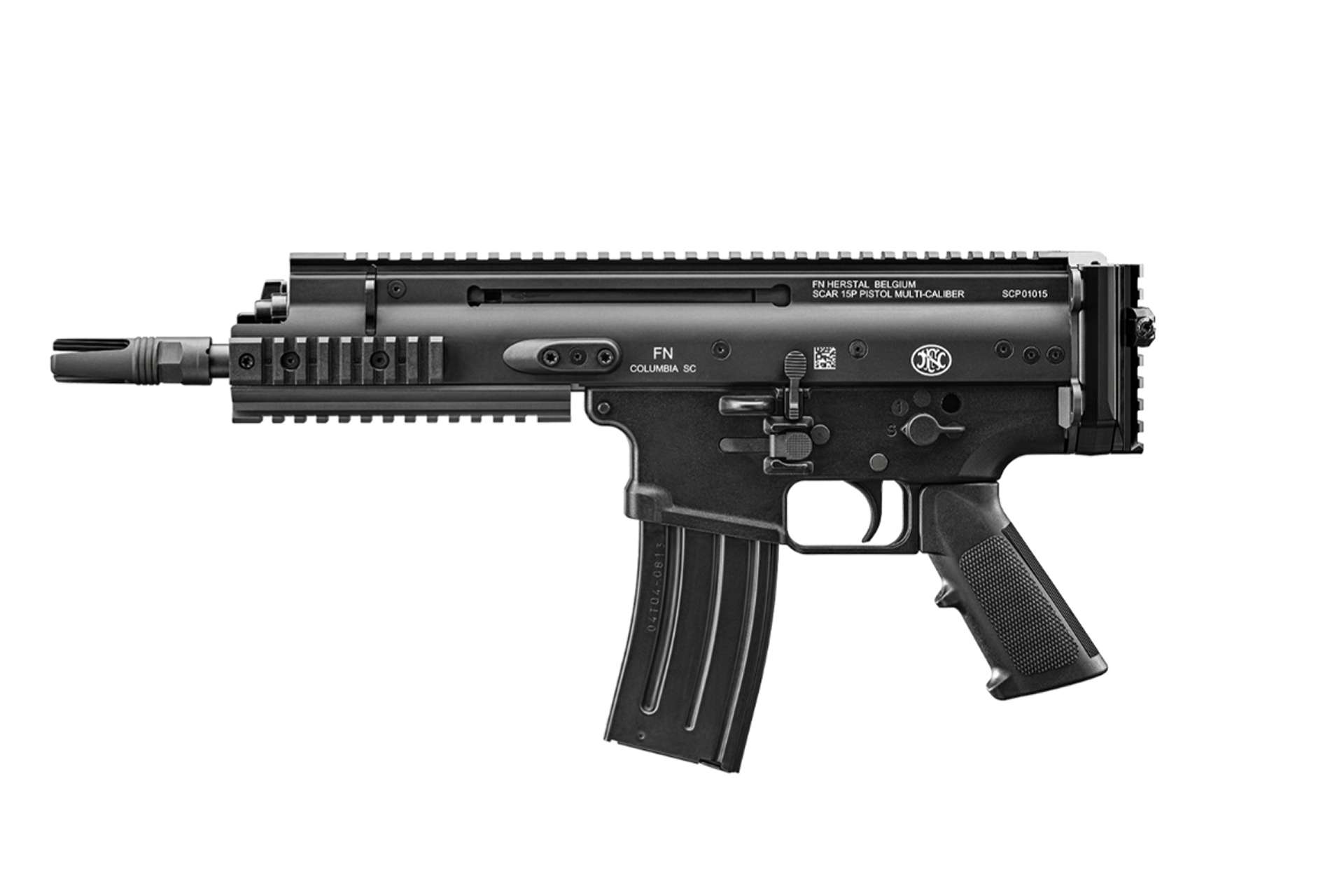
FN America expands its SCAR line with the introduction of the SCAR 15P in .300 Blackout caliber. Designed as a compact, piston-driven pistol platform, the SCAR 15P is aimed at both civilian users and law enforcement, offering high reliability and versatility in a reduced format. The .300 Blackout’s effectiveness with subsonic rounds and compatibility with suppressors makes it an ideal choice for stealth operations that demand discretion.
The Ultra-Compact SCAR 15P Pistol Chambered in .300 Blackout by FN America. (Picture source: FN America)
Equipped with a 7.5-inch barrel, the SCAR 15P is distinguished by its exceptional maneuverability, even in confined environments. The choice of the .300 Blackout caliber allows this firearm to adopt a profile more suited to situations where subsonic ammunition is needed to minimize noise without compromising striking power. This caliber offers tactical advantages in terms of sound discretion, making it a popular choice for operations requiring stealth.
The .300 Blackout ammunition brings several key advantages over the traditional 5.56 NATO round, particularly in terms of sound suppression, power, and versatility in close-quarters operations. Designed to perform effectively with subsonic rounds, the .300 Blackout produces significantly less noise, especially when used with a suppressor, making it ideal for stealth operations where discretion is critical. This caliber also provides superior stopping power at short to medium ranges, maintaining better energy retention than the 5.56, which can be advantageous in confined or urban environments. Additionally, the .300 Blackout’s ability to function in shorter barrels without compromising performance aligns well with compact platforms like the SCAR 15P, giving users both a quieter and more potent option for specialized tactical applications.
The SCAR platform, known for its durability, integrates a light recoil system and is optimized for stable shooting from various positions, even when tightly gripping the upper receiver. Users can adapt their grip and posture safely, allowing for substantial flexibility in the field. This versatility makes the SCAR 15P an appealing option for both professional users and enthusiasts seeking a compact and reliable firearm.
In terms of configuration, the SCAR 15P is designed to accommodate different types of stocks available from FN Herstal, including the SCAR-SC stock or the SCAR Carbine stock. However, installing these stocks requires compliance with local, state, and federal laws, especially the National Firearms Act (NFA) regulations in the United States. Converting this model into a semi-automatic carbine by adding a stock may involve additional legal obligations, such as registration with the Bureau of Alcohol, Tobacco, Firearms, and Explosives (ATF) to comply with applicable regulations.
In its factory configuration, only the magazine components of the SCAR 15P — the body, follower, and floorplate — are American-made, while the rest of the components are imported. Buyers must ensure compliance with this regulation to avoid legal consequences.
The FN SCAR 15P in .300 Blackout is a new iteration of the legendary SCAR, embodying FN Herstal's standards of quality and innovation while meeting the need for discretion and flexibility in intervention forces.
- Details
- Written by: Halna du Fretay
- Category: 2024
- Hits: 3874
As the Indo-Pacific faces heightened military tensions, the Australian government, under Prime Minister Anthony Albanese, is enhancing its defense industry with large-scale domestic production of missiles and munitions. Announced today, the 2024 Australian Guided Weapons and Explosive Ordnance (GWEO) Plan outlines Australia’s strategy to build self-reliant defense capabilities while creating hundreds of jobs.
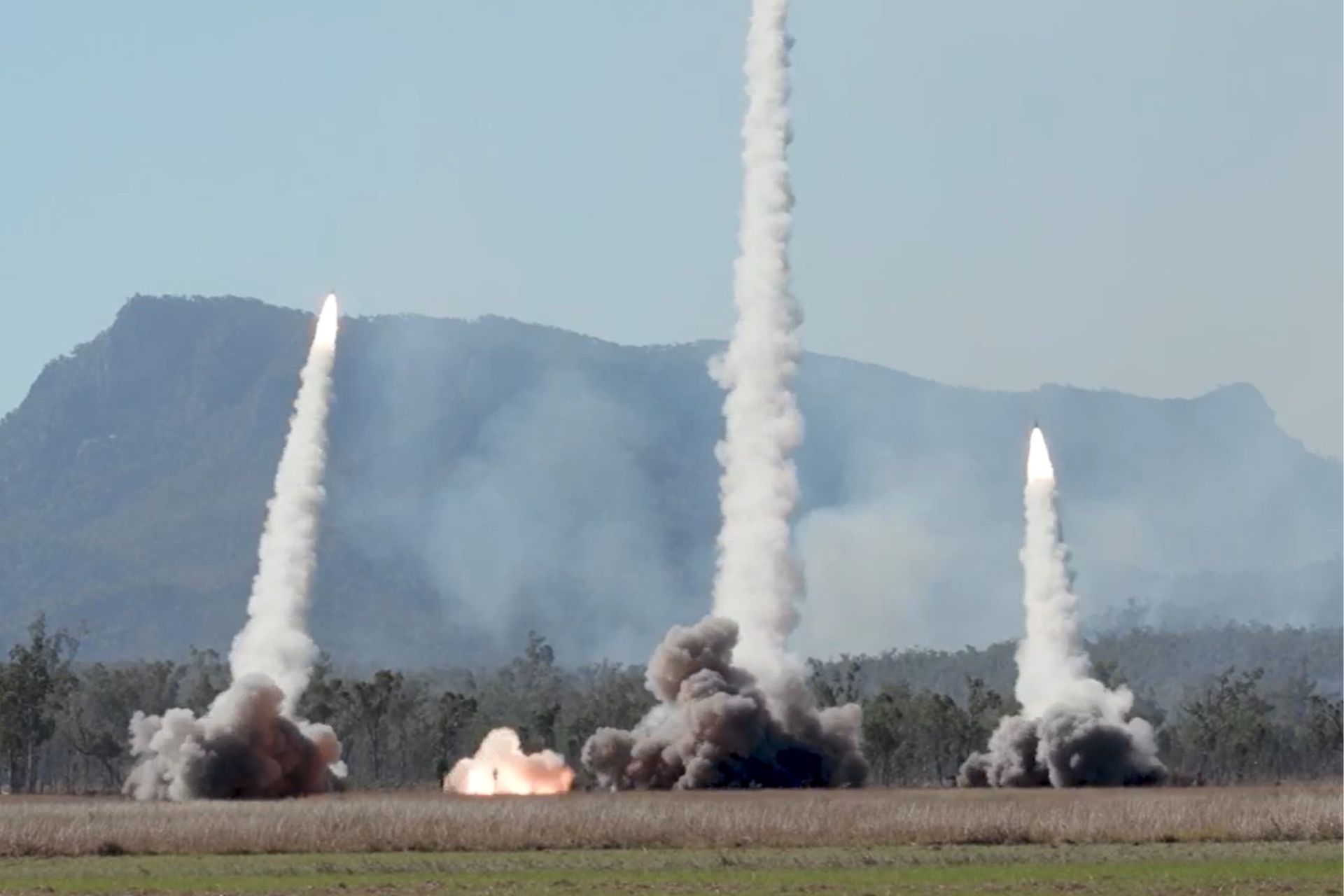
Australian government reaffirmed its commitment to constructing an Australian facility for Guided Multiple Launch Rocket Systems (GMLRS) production in partnership with Lockheed Martin Australia (Picture source: Australian MoD)
The government has selected Thales as the preferred tender to establish a domestic forging facility for 155mm M795 artillery shells, essential for artillery systems such as the M777A2, widely used by Australia, the United States, and other international partners. This project, to be implemented at government-owned facilities in Benalla, is expected to generate at least 550 jobs and aims to produce 15,000 shells annually by 2028, with potential for up to 100,000 rounds to meet global demand. This will be the first dedicated forge outside the United States to manufacture this type of ammunition, highlighting Canberra's commitment to strengthening its strategic production capabilities.
In parallel, the government reaffirmed its commitment to constructing an Australian facility for Guided Multiple Launch Rocket Systems (GMLRS) production in partnership with Lockheed Martin Australia. This plant, slated to begin operations by 2029, will have the capacity to produce up to 4,000 units annually, representing over a quarter of current global output and more than ten times the annual demand of the Australian Defence Force (ADF). This new facility is expected to create around 70 direct manufacturing jobs and several hundred additional roles in facility development. The GMLRS, a long-range, surface-to-surface precision strike capability, will also be available to international partners, further strengthening Australia’s position in the defense sector.
These projects are part of Australia’s broader ambition to establish a national guided weapons and explosive ordnance enterprise, backed by an investment of up to AUD 21 billion over the next decade. Aligned with the 2024 National Defence Strategy, the plan aims to increase ADF ammunition stockpiles, secure supply chains, and build domestic production capability to meet rapidly evolving strategic conditions. Deputy Prime Minister Richard Marles emphasized the importance of this program in equipping the ADF with means to deter and respond to potential threats.
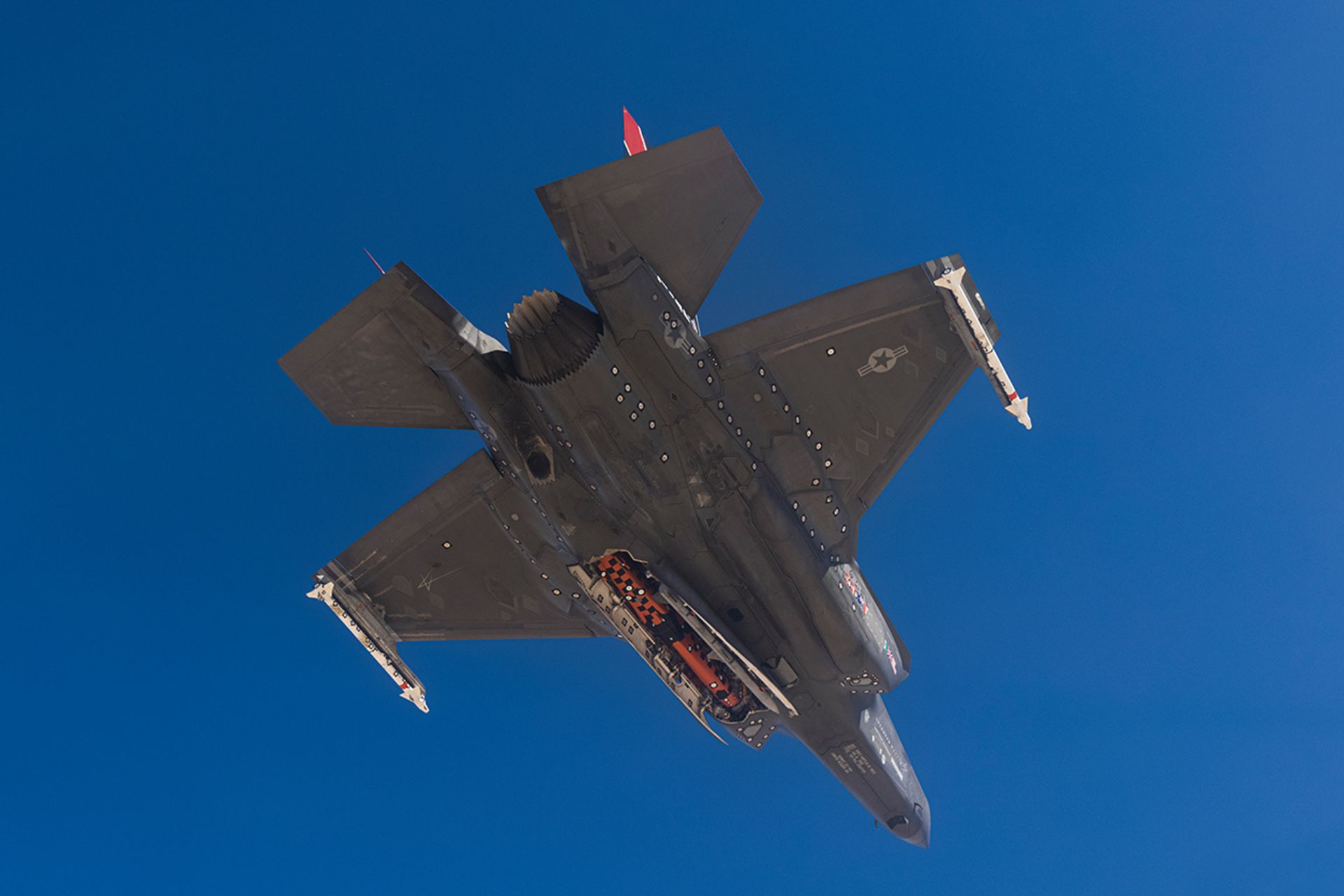
Test fire of a development Joint Strike Missile on the US Air Force’s F-35 Joint Strike Fighter (Picture source: Australian MoD)
Defense Industry Minister Pat Conroy underscored the significance of developing a resilient, autonomous industrial base. By scaling up GMLRS production and investing in artillery shell manufacturing, Australia not only strengthens its ability to meet its own defense needs but also those of its international partners. Conroy further emphasized the role of industrial partnerships in achieving the country’s strategic priorities, reaffirming the government’s commitment to collaboration with Lockheed Martin and Thales on these critical projects.
Defense Minister Richard Marles confirmed that the GWEO plan aligns with the government’s goal of transforming the Australian Defence Force into an integrated, conflict-ready force. The defense strategy released in April also calls for developing a fleet of stealth nuclear submarines as part of the trilateral AUKUS agreement with the United States and the United Kingdom. This initiative, which will extend the operational range of the Australian navy to 2,500 km, marks a significant step in strengthening Australia’s deterrent capability.
The 2024 Australian Guided Weapons and Explosive Ordnance Plan represents a strategic shift for Australia, positioning it as a key regional player with an autonomous defense industry. Through international partnerships and strengthened domestic capabilities, Australia is preparing to address the security challenges of the missile age in the Indo-Pacific, ensuring both territorial protection and stability in a rapidly changing geopolitical landscape.
- Spain to Receive New Batch of Belgian FN Minimi MK3 Machine Guns
- Possible Appearance of Israeli RA-01 Drone Over Lebanon After Intelligence Leak
- Finnish Defence Forces to Acquire Patria's New TREMOS 120mm Self-Propelled Mortar System
- Taiwan's local industry launches mass production of FPV drones in response to Ukraine War and China's threat