
- Details
- Written by: Administrator
- Category: 2024
- Hits: 8282










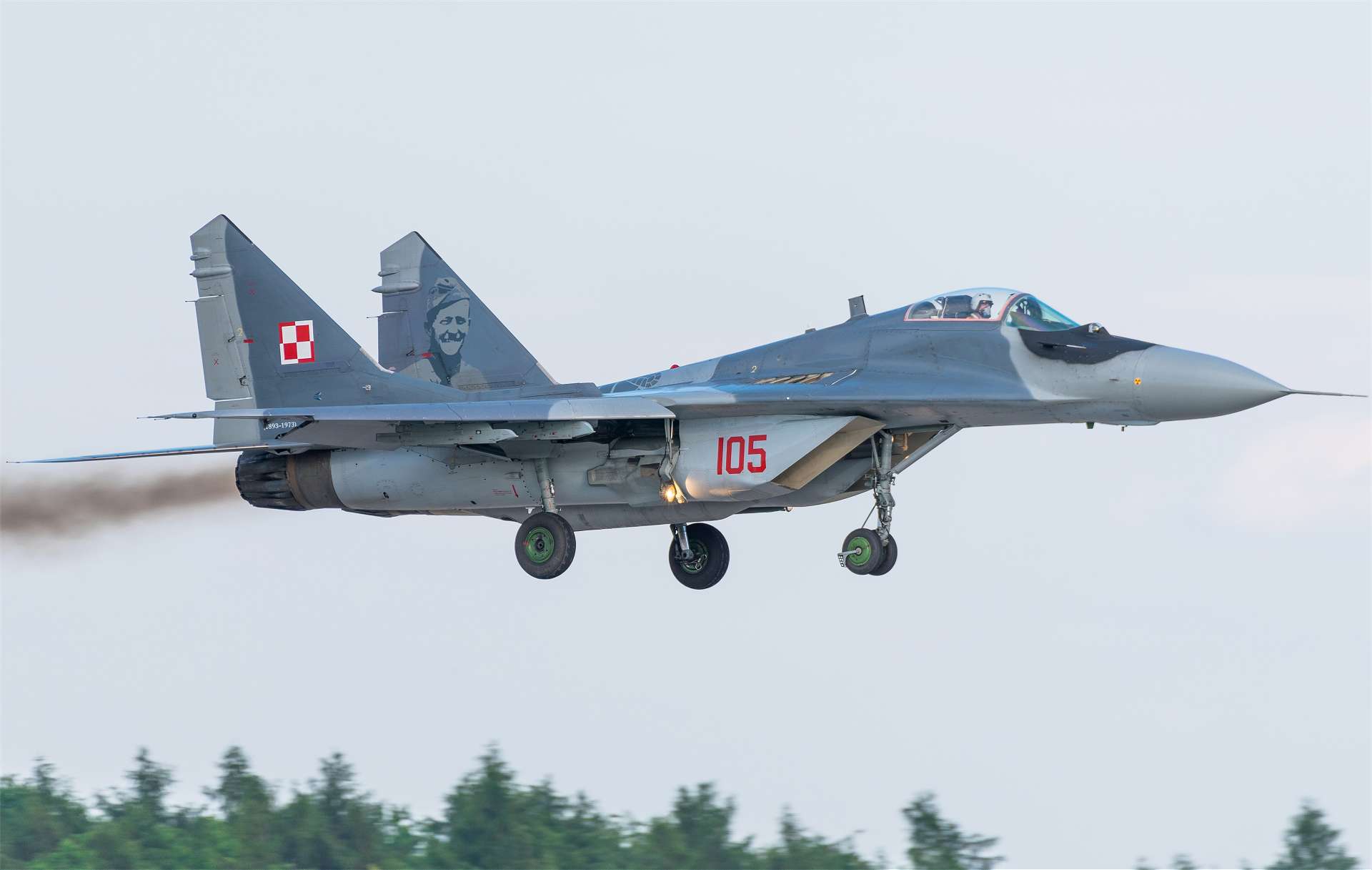
According to information published by the "Poland-24" website on November 3, 2024, Polish President Andrzej Duda announced Poland’s readiness to transfer its remaining MiG-29 fighter jets to Ukraine, provided NATO allies can ensure Polish airspace security during the transition. Once Poland receives its replacement fighter jets from NATO allies, it will proceed with the transfer of the remaining MiG-29s to Ukraine. This move further emphasizes Poland’s commitment to supporting Ukraine amid its ongoing conflict with Russia and highlights Poland's role as a key NATO partner in the region.
Follow Army Recognition on Google News at this link
A Polish MiG-29 in flight: Poland has pledged to send its remaining MiG-29 fighter jets to Ukraine, pending replacement aircraft from NATO allies. (Picture source: Wikimedia)
Before the Ukraine conflict, the Polish Air Force operated a fleet of 22 MiG-29A Fulcrum single-seat fighters and 6 MiG-29UB Fulcrum two-seat trainers, bringing its total fleet to 28 MiG-29s. These Soviet-era jets have been part of Poland’s air force since the late 1980s, with some acquired from the former East German Air Force after reunification. Over time, Poland sought to replace these aging aircraft with more advanced, NATO-compatible fighters.
The Polish Air Force has chosen the Lockheed Martin F-35 Lightning II and KAI FA-50 Fighting Eagle light combat aircraft from South Korea as replacements. These acquisitions aim to modernize Poland’s air capabilities, offering advanced stealth technology, improved avionics, and greater interoperability with NATO forces.
Poland has already demonstrated its commitment to Ukraine by delivering a total of 14 MiG-29s in 2023: four were transferred in April, followed by ten more in May. These aircraft, which are already in active service with Ukraine, provided an immediate boost to the Ukrainian Air Force due to their compatibility with existing Ukrainian military infrastructure and pilot training. Poland’s willingness to deliver its remaining MiG-29s once replacements are received reinforces its dedication to bolstering Ukraine's defense.
The MiG-29 Fulcrum is a twin-engine, air superiority fighter designed by the Soviet Union in the late 1970s. Known for its agility and high thrust-to-weight ratio, the MiG-29 is capable of rapid maneuverability, making it effective in dogfights and close-range aerial combat.
The MiG-29 can reach speeds of up to Mach 2.25 and has an operational range of approximately 1,430 kilometers (890 miles) without external fuel tanks, making it suitable for both defensive and offensive missions. It can be equipped with a range of air-to-air missiles, including the R-27, R-60, and R-73, as well as a 30mm GSh-30-1 cannon for close combat engagements. Additionally, it can carry air-to-ground ordnance, enhancing its multi-role potential. The MiG-29’s radar allows it to engage multiple targets at once and operate in various weather conditions and day and night scenarios. However, it lacks the stealth, advanced sensors, and electronic warfare capabilities present in newer fifth-generation aircraft, which has prompted Poland’s transition to more modern fighters that meet the evolving demands of contemporary warfare.
Poland has been a steadfast ally of Ukraine, offering extensive military and humanitarian aid since the start of the conflict with Russia in 2022. Beyond fighter jets, Poland has supplied Ukraine with heavy artillery, armored vehicles, and other essential equipment. Poland’s decision to transfer its remaining MiG-29s, contingent on receiving replacements, signals a strategic choice to continue bolstering Ukraine’s aerial capabilities while aligning with NATO's collective defense strategy.
This transfer would necessitate additional NATO support, likely through enhanced air policing, intelligence-sharing, and deployment of allied assets to reinforce Polish airspace security. Poland’s support has solidified its role as a critical contributor to NATO’s Eastern defense posture and a key partner in Ukraine’s resilience against Russian aggression.
- Details
- Written by: Administrator
- Category: 2024
- Hits: 3720
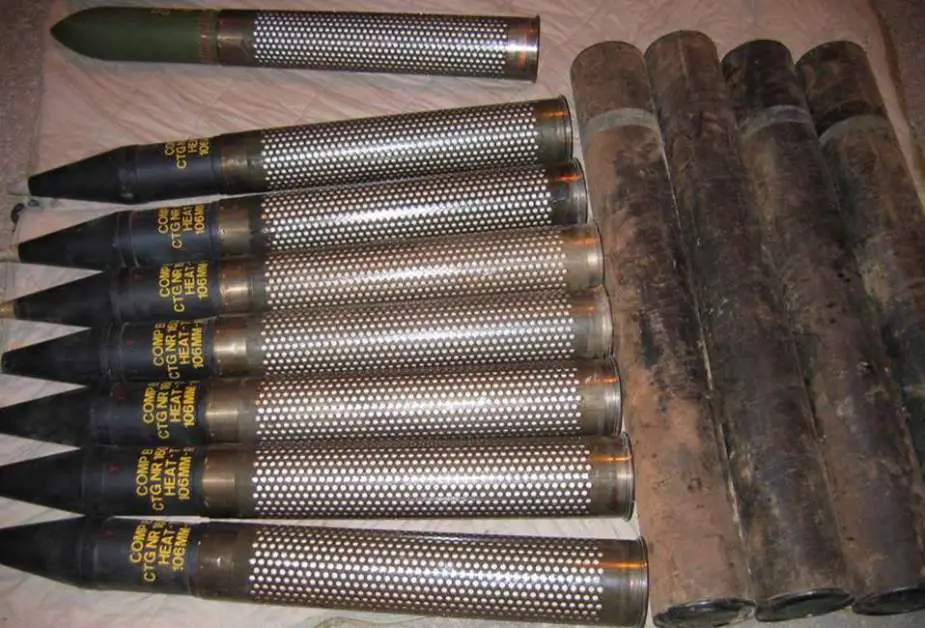
In a report published on November 4, 2024, by Israeli newspaper Israel Hayom, the Israeli army is reportedly examining the potential to create specialized anti-tank units equipped with seized Hezbollah anti-tank weaponry, including thousands of Russian-made Kornet and Iranian-made Almas anti-tank missiles. This move would be part of a broader Israeli defense strategy aimed at leveraging captured enemy equipment to enhance tactical flexibility and reduce acquisition costs for advanced armament.
Follow Army Recognition on Google News at this link
During a Golani Brigade operation in the Western Sector of Lebanon, Israeli forces uncovered weaponry, a tunnel system, and underground bunkers that were used by the terror organization Hezbollah. (Picture source: Israeli MoD)
The use of captured enemy equipment by the Israeli armed forces is not a new tactic. Since the country’s founding, Israel has seized and integrated various types of enemy material, dating back to conflicts such as the 1948 Arab-Israeli War and the 1967 Six-Day War. Captured Arab armor and artillery were commonly refurbished and used to supplement Israel’s limited military resources. In the 1973 Yom Kippur War, for example, Israel captured Soviet-origin T-54 and T-55 tanks from Syrian and Egyptian forces. These tanks were later refurbished and repurposed, providing Israel with additional armor strength during critical periods of regional conflict.
Similarly, in the 1980s, Israel repurposed Soviet-made weaponry captured from various adversaries, particularly during the Lebanon conflict. Captured equipment is often studied intensively to understand its capabilities and limitations, enabling the Israeli Defense Forces (IDF) to develop effective countermeasures and, if feasible, repurpose this hardware for their own operational needs.
The Kornet and Almas anti-tank missiles, seized in recent operations against Hezbollah, represent potent assets in Israel’s anti-tank arsenal. Initially developed by Russia, the Kornet (ATGM 9M133) is a laser-guided anti-tank missile system known for its range, armor-penetrating capability, and precision. With a maximum effective range of up to 5,500 meters, the Kornet can penetrate up to 1,200 mm of rolled homogeneous armor (RHA) with its tandem-warhead design, making it a serious threat to modern armored vehicles and even fortified positions. Hezbollah’s use of the Kornet missile in previous conflicts with Israel demonstrated its ability to penetrate even Israel’s Merkava main battle tanks, a lesson the IDF has not forgotten.
The Iranian-made Almas missile, another advanced anti-tank weapon, has similar capabilities to the Kornet, boasting high penetration power and a range that allows for significant standoff engagement. Reports indicate that the Almas missile was designed as an indigenous Iranian effort to replicate and even surpass some of the Kornet's capabilities, with a range of up to 8 kilometers in its most recent configurations. The acquisition of these missiles allows the IDF to significantly enhance its ground unit capabilities without procuring similar systems externally.
If the IDF formalizes the creation of anti-tank units armed with Kornet and Almas missiles, it could represent a strategic shift in how Israel conducts anti-armor operations. These missiles would allow Israeli forces to engage armored threats at greater distances and in diverse terrains, an asset particularly useful in the hilly and urbanized areas where conflicts with Hezbollah frequently take place. Establishing these units would enable Israel to maximize the efficiency of seized weapons, making them a cost-effective means of bolstering national defense.
Moreover, deploying such units could potentially reduce Israel's dependence on more expensive, domestically produced anti-tank systems, such as Rafael Advanced Defense Systems' Spike family of missiles. Integrating Kornet and Almas missiles would also provide a tactical advantage in scenarios where these systems are already familiar to enemy forces but are now used against them by IDF personnel.
The IDF’s consideration of using captured Kornet and Almas missiles aligns with a long-standing practice of repurposing enemy weapons, which allows Israel to turn adversarial capabilities against their original owners effectively. With tensions high in the region, particularly with Hezbollah in Lebanon, this development underscores the IDF’s commitment to adapting its resources and strategies to emerging threats. By potentially fielding anti-tank units using seized equipment, Israel not only strengthens its own defenses but also leverages an innovative approach that could serve as a model for other nations facing similar strategic challenges.
- Details
- Written by: Halna du Fretay
- Category: 2024
- Hits: 5092
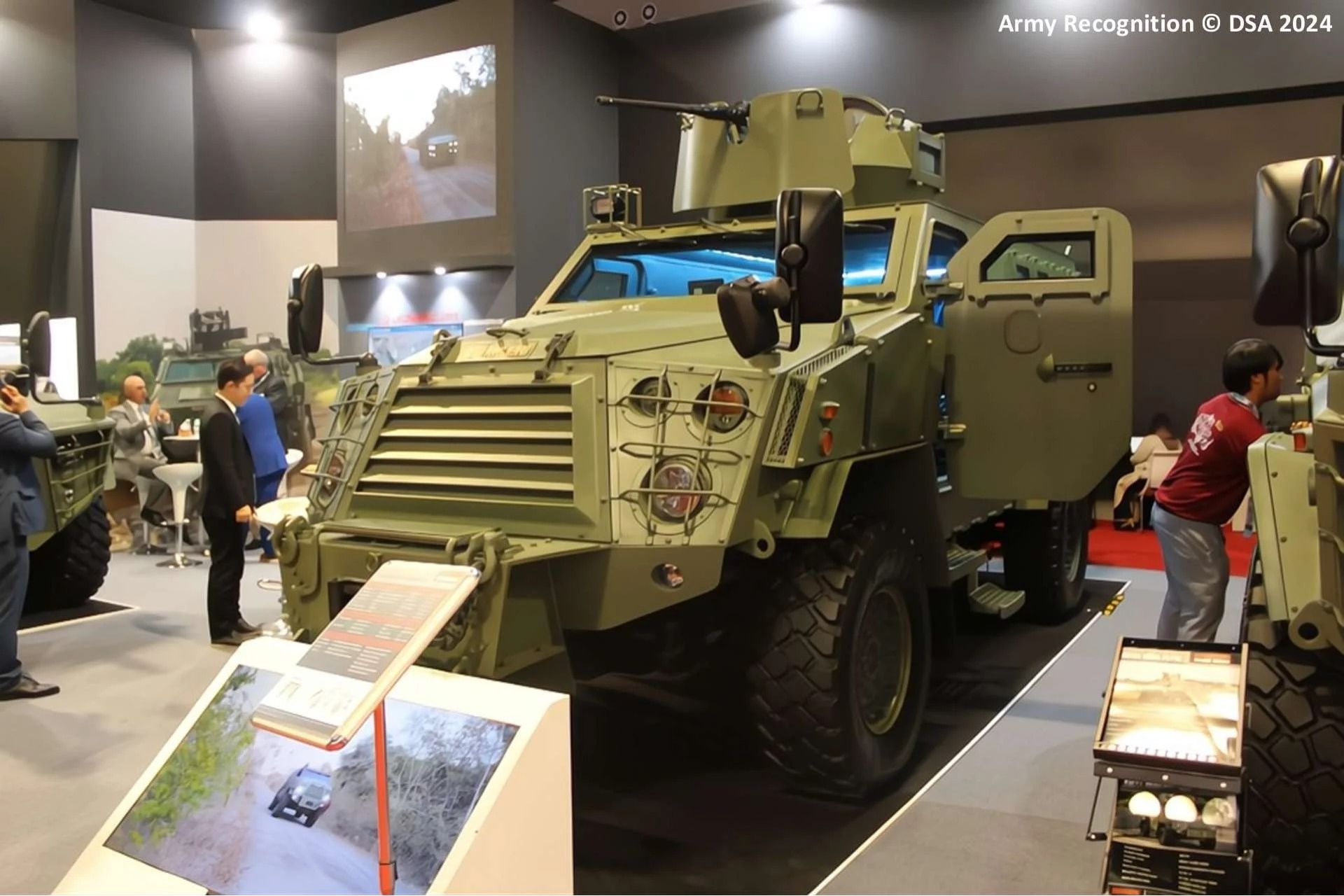
On October 11, 2024, Islamabad signed a memorandum of understanding (MoU) with the Thai government to acquire 100 Chaiseri First Win vehicles, designed for protection against ambushes and explosives. These mine-resistant vehicles are set to enhance the Pakistan Army’s capability to operate in challenging environments, marking a significant step in defense cooperation between Thailand and Pakistan.
Thai Company Chaiseri First Win 4X4 Armored Tactical Vehicle (Picture source: Army Recognition)
This MoU includes a technology transfer clause, enabling the Thai Defense Industry and Heavy Industries Taxila (HIT) to partially produce these systems within Pakistan. A commercial contract is expected to follow, potentially finalized at a bilateral meeting later this year or at the upcoming international military convention organized by Pakistan's Trade Development Authority in November in Karachi. This cooperation reflects both nations' intent to strengthen defense industry capabilities and promote local production.
Initially developed by Chaiseri for the Royal Thai Army in 2010, the First Win vehicle is a versatile armored platform already in service in countries such as Malaysia and Indonesia, and also deployed in UN peacekeeping missions in the Eastern Himalayas. In 2024, Nopparat Kulhiran, CEO of Thai Defense Industry and Vice President of Chaiseri confirmed that the Philippines is also considering acquiring up to 900 units, underscoring regional interest in this adaptable platform.
The First Win features a V-shaped hull to deflect blast impact. Depending on the variant, it measures up to 6.5 meters in length and weighs 12.5 tons. Built to NATO armor standards, it withstands grenade impacts and artillery fire up to 155mm caliber. The basic model comes equipped with heavy machine guns and automatic grenade launchers and can carry up to 10 passengers, providing robust protection for personnel transport.
Powered by a 330-horsepower Cummins diesel engine and Allison automatic transmission, the First Win reaches a top speed of 110 km/h across diverse terrains. The model proposed in the agreement, First Win 2, includes advanced features like a monocoque hull and can transport up to 11 personnel. Its modular design allows for various configurations, including personnel carrier, combat vehicles, ambulances, or reconnaissance platform.
Enhanced for survivability, the First Win 2 includes a remotely operated weapon station with gyroscopic stabilization, allowing precise targeting with full 360° rotation. It also has an electro-optical suite with thermal and day cameras, as well as a laser rangefinder, ensuring effectiveness in all lighting conditions.
To meet modern operational requirements, the First Win 2 incorporates a run-flat braking system for continued travel up to 50 km after a puncture, an automatic fire suppression system, and a self-recovery winch. Situational awareness is bolstered by infrared and day cameras, a laser warning system, and a tactical communication suite with an intercom, improving battlefield coordination.
Beyond Thailand, the First Win has been adopted by regional powers in Southeast Asia, including Malaysia and Bhutan. Since 2015, Chaiseri has secured contracts to supply 20 AV-4 First Win vehicles to the Malaysian military, as well as units to the Indonesian army and the Royal Bhutan Police, which has deployed 15 units for UN peacekeeping in the Central African Republic.
If converted into a firm contract, the First Win would become HIT’s second light armored vehicle, joining the Dragoon 2 armored security vehicle (ASV). It could also represent HIT's first mine-resistant ambush-protected (MRAP) system, further enhancing Pakistan’s defense capabilities.
This acquisition marks a strategic advancement for Pakistan's defense industry. The agreement, signed by senior officials from both countries, including Colonel Thanai Phuemphun, Acting Assistant Military Attaché of Thailand in Islamabad, and Major General Atique Ahmed, HIT’s Director General Technical, underscores Pakistan’s interest in adopting Thai military technology. Following initial production by Chaiseri, HIT is expected to locally assemble further units, enabling long-term technology and skills transfer.
The potential purchase of the First Win 4x4 aligns with Pakistan’s long-standing need for a wheeled light armored vehicle (LAV). Since 2015, multiple studies and development programs have aimed to secure this capability. Domestically, Pakistan attempted to develop the “Light Armed Vehicle Assault” (LAVA) platform through its Military Vehicles Research and Development Establishment (MVRDE), intended to complement an 8x8 armored fighting vehicle (AFV) program. The private Pakistani company Cavalier Group introduced the Hamza series in 8x8 and 6x6 configurations, with some models procured for UN peacekeeping. Concurrently, Pakistani public and private production entities have partnered with foreign manufacturers to co-market and co-produce LAVs for the local market.
Read more: Pakistan Enters into an Agreement with Thailand for 100 Chaiseri First Win MRAP Vehicles

- Details
- Written by: Vandenbosch
- Category: 2024
- Hits: 12055
The Kalashnikov Concern announced on November 2, 2024, that it has completed state trials of its latest compact assault rifle, the AM-17. With the testing phase now concluded, the company is focusing on finalizing documentation and formalizing results to secure the "O1" certification, a crucial step for the rifle’s integration into Russian military service to replace the AKS-74U. Alan Lushnikov, President of JSC Kalashnikov Concern and member of the Union of Machine Builders of Russia’s bureau, shared this advancement with Russian media during an event honoring the International Day of Military Journalists.
The AM-17 was developed at the Kalashnikov Design and Technology Center to meet current standards for automatic weaponry. (Picture source: Kalashnikov)
On November 2, 2024, Kalashnikov reported the successful completion of state tests for its new AM-17 compact assault rifle. The company is now working to formalize the results and complete the documentation required for the weapon’s adoption within the Russian armed forces.
The AM-17 was developed at the Kalashnikov Design and Technology Center to meet current standards for automatic weaponry. Field trials included deployments within the SVO zone, where it reportedly received positive feedback from military personnel. Based on this feedback, several modifications were implemented to further improve the rifle’s efficiency and adaptability. Serial production of the AM-17 is slated for 2025, with plans for it to replace the AKS74U, which has been in service since 1979.
The AM-17 represents a modernized evolution from its predecessor, particularly evident when examining its technical specifications and design enhancements. Weighing approximately 2.5 kg without a magazine and accessories, the AM-17 is lighter than the AKS-74U’s 2.7 kg, a reduction achieved largely through the integration of high-strength polymer materials. This weight reduction makes the AM-17 more manageable in various combat scenarios, enhancing maneuverability and reducing fatigue for operators. While both models share a similar length in their stowed and deployed positions—730 mm when extended and 490 mm folded for the AKS-74U—the AM-17’s design emphasizes modularity and ergonomic adaptability, including a telescopic folding stock and a charging handle that can be positioned on either side.
In terms of fire rate, the AKS-74U maintains a cyclic rate of around 700 rounds per minute, slightly lower than the AM-17’s approximately 850 rounds per minute. The AM-17 thus delivers a more rapid fire rate, responding to demands for higher responsiveness in close-quarters combat. Furthermore, the AKS-74U uses a long-stroke piston system, while the AM-17 employs a short-stroke piston, which generally offers improved control during rapid fire, reducing recoil and enhancing shooting accuracy in sustained engagements. Both rifles share the 5.45×39 mm cartridge, ensuring compatibility with the Russian military’s standard ammunition, though the AM-17’s lighter polymer structure and enhanced features make it easier to handle during intense, extended firefights.
The AM-17’s design also incorporates modern combat essentials, such as an integrated Picatinny rail for mounting optics and accessories, which the AKS-74U lacks. Although the AKS-74U features adjustable iron sights, the AM-17 offers improved adaptability for optics and attachments, aligning it with current tactical requirements. Together, these updates underscore the AM-17's evolution toward a versatile, user-friendly firearm that is both lighter and more adaptable, making it a substantial upgrade over the AKS-74U in the Russian military’s small arms arsenal.
The AM-17 distinguishes itself through its extensive use of high-strength polymer materials, especially in the receiver design, which reduces the weapon's weight without compromising durability. This modernized design meets the demands of contemporary combat with essential features, such as a foldable telescopic stock, an ambidextrous fire selector, a Picatinny rail integrated with the barrel, and a charging handle that can be positioned on either side.
Structurally, the AM-17 consists of a receiver that incorporates the barrel and stock, a trigger unit, and a handguard. The receiver houses the locking mechanism, a bolt carrier with the bolt, and a return spring. The trigger unit includes a control handle, magazine port, and firing mechanism, while the handguard contains the front sight and a heat shield to mitigate overheating during sustained fire. The receiver and trigger unit are connected by transverse locks that allow for easy disassembly of the rifle.
The AM-17 operates on a gas-piston system with a short-stroke piston, with locking achieved through a counterclockwise rotation of the bolt, engaging three locking lugs. The rifle is compatible with all standard 5.45 mm ammunition used by the Russian army.
Looking ahead, Kalashnikov plans to expand the AM-17 platform to include a range of combat and hunting weapons, including models of different calibers. This development represents a new direction for Kalashnikov, as the company aims to modernize its armament offerings for the Russian military and explore potential international markets.
- Details
- Written by: Halna du Fretay
- Category: 2024
- Hits: 8810
A new shipment of K2 Black Panther tanks and K9A1 self-propelled howitzers intended for the Polish Armed Forces was recently observed in South Korea's Masan port, shown in a video posted on X by @KDefenseInsight dated October 25, 2024, highlighting the accelerated delivery of military equipment to Poland. The footage shows seven K2 Black Panther tanks and sixteen K9A1 howitzers ready for shipment. By the end of 2024, a total of 48 K9GFs and 78 K9PLs are expected to be delivered, bringing Poland’s inventory to 84 K2GF tanks and 132 K9A1 howitzers by year-end.
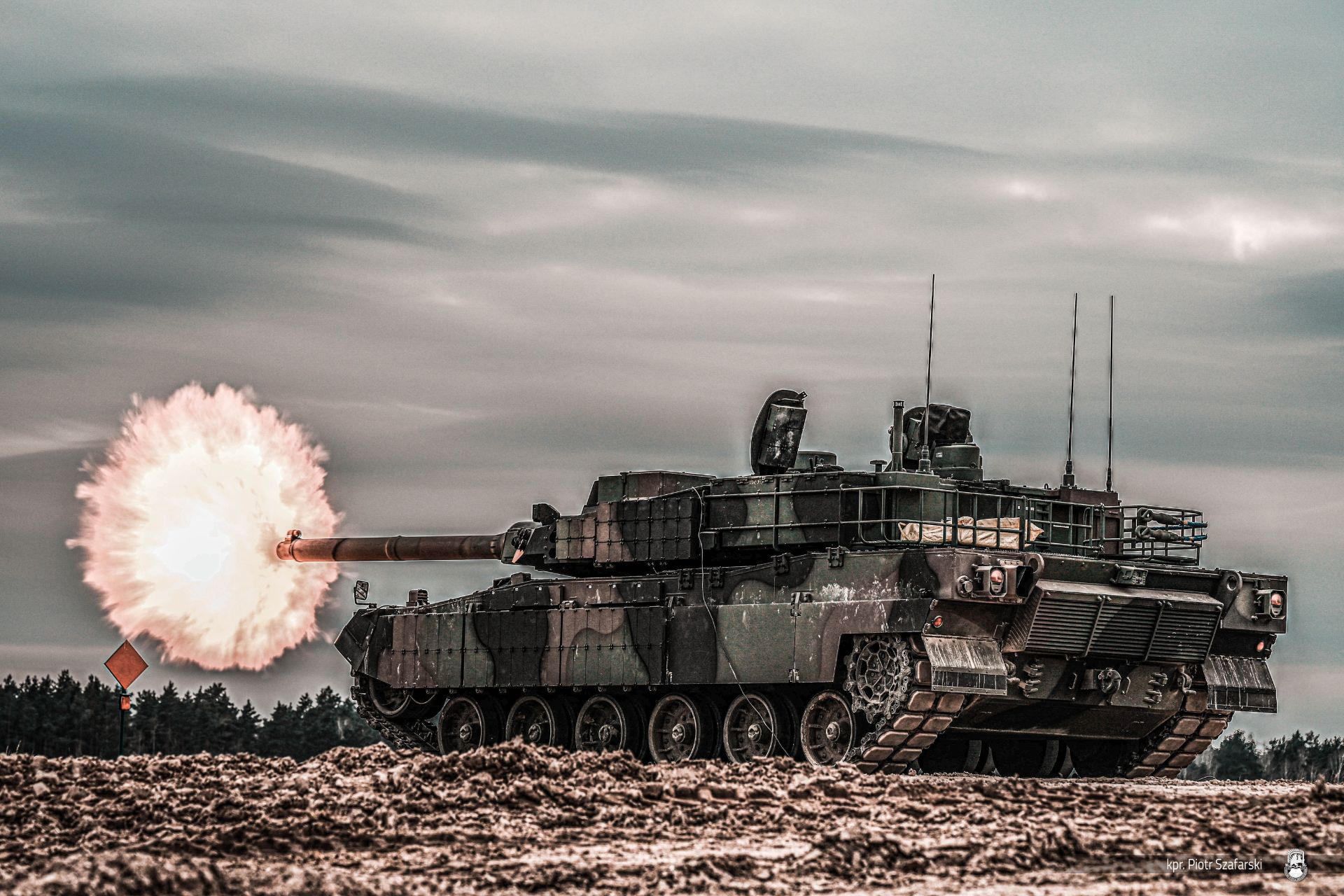
Operated by a three-person crew, this 55-ton tank is equipped with a 120 mm CN08 smoothbore gun capable of firing 120 x 570 mm ammunition (Picture source: Senior Corporal Piotr Szafarski- 16th Mechanized Division)
Additionally, 152 K9PL units from a second contract are expected by 2027. These 152 K9PLs will feature 13 enhancements, including a chemical and biological protection system, heating and cooling systems, an automatic fire suppression system, and smoke grenade launchers.
The K2 Black Panther tank, developed by Hyundai Rotem for the South Korean armed forces, is recognized for its advanced technology and firepower. Operated by a three-person crew (driver, gunner, commander), this 55-ton tank is equipped with a 120 mm CN08 smoothbore gun capable of firing 120 x 570 mm ammunition. This 55-caliber gun (6.6 meters in length) is fed by an automatic loader in the rear turret compartment holding 16 rounds, with an additional 24 rounds stored in the hull, to the right of the driver’s position. The main gun is paired with a 7.62 mm M60E2 general-purpose machine gun and a 12.7 mm K6 heavy machine gun (licensed M2 Browning) mounted on the turret roof.
Depending on production series, different engines power the K2. The initial series was equipped with the German MTU MT 883 Ka-501 1,500-horsepower diesel engine, produced under license by the Korean company STX Engine. Starting with the second series, the South Korean HD Hyundai Infracore DV27K engine, which offers comparable performance, was introduced. In both cases, the Renk HSWL 295 TM gearbox is responsible for transmission, while efforts are underway to integrate the SNT Dynamics EST15K gearbox, also Korean-made. These engines allow the K2 to reach a maximum speed of 70 km/h. Currently, only South Korea and Poland operate this tank.
The K9 Thunder self-propelled howitzer, designed by Hanwha Aerospace, complements this arsenal. Designed for the South Korean armed forces, this vehicle operates with a five-person crew: commander, gunner, loader, assistant loader, and driver. The primary armament is a 155 mm rifled gun in a rotating turret, with a range of 40 km using standard rounds with a base bleed unit, extending beyond 50 km with specialized ammunition. The system holds 48 rounds and propellant charges. The K9 Thunder is powered by a licensed MTU MT 881 Ka-500 diesel engine, delivering 1,000 horsepower. At a weight of 47 tons, the howitzer can reach a speed of 67 km/h and has a range of 480 km.
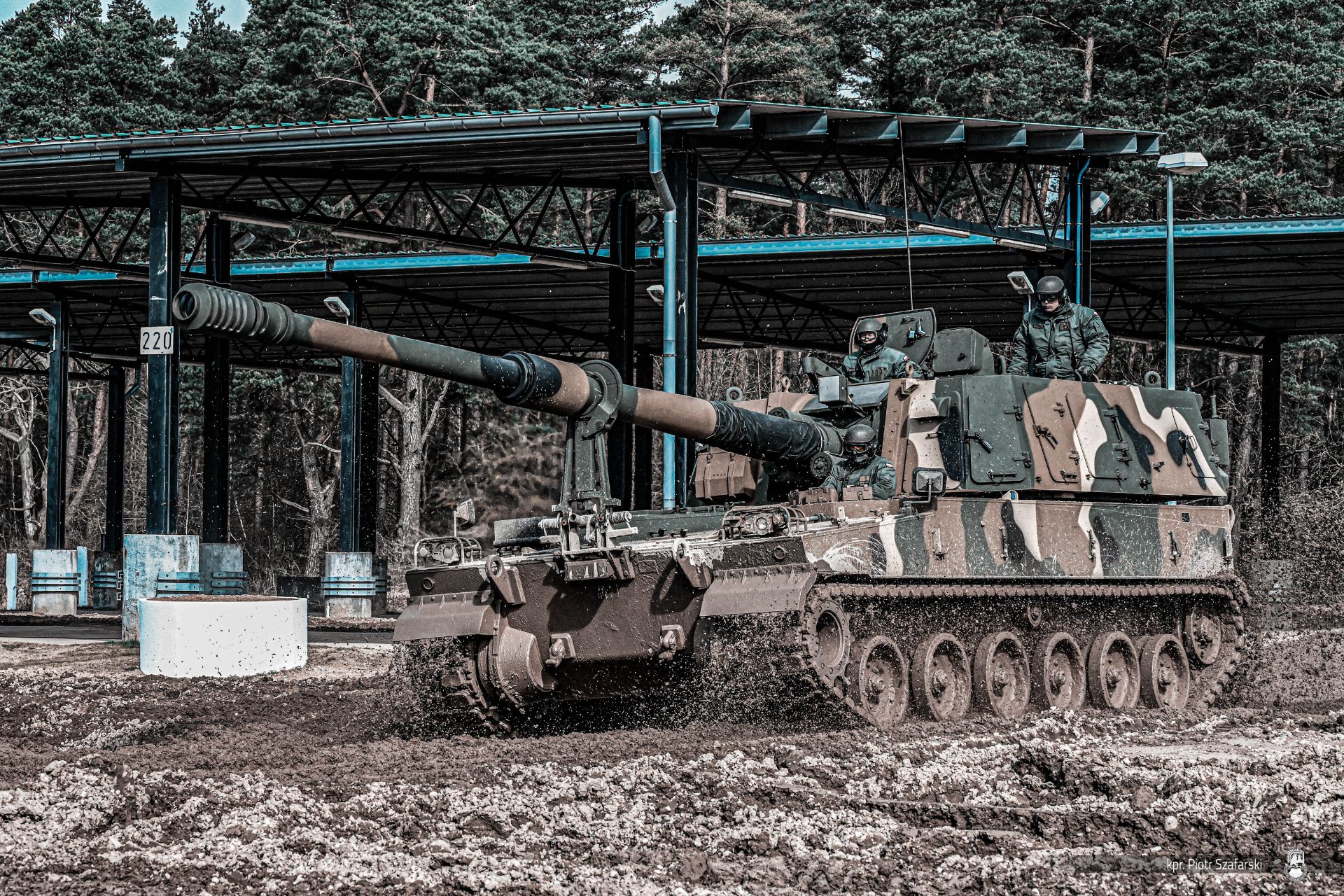
These 152 K9PLs will feature 13 enhancements, including a chemical and biological protection system, heating and cooling systems, an automatic fire suppression system, and smoke grenade launchers. (Picture source: Senior Corporal Piotr Szafarski- 16th Mechanized Division )
These purchases fall within executive agreements signed with South Korea in recent years, through which the Polish army plans to acquire 218 K9A1s, to be complemented by 146 units of the K9PL version, and 180 K2GF tanks. Negotiations are also underway for an additional order of 180 K2 tanks, this time in a “PL” version tailored to Polish specifications, though the full scope of these modifications is still undefined.
Facing a complex geopolitical landscape in Eastern Europe, Poland has undertaken an ambitious modernization of its armed forces. According to the Stockholm International Peace Research Institute (SIPRI), Poland’s military spending reached 3.8% of GDP in 2023, the highest level among NATO countries. This significant increase reflects Warsaw’s intent to bolster its defense capabilities in response to perceived threats, particularly from Russia.
The cooperation with South Korea aligns with Poland's modernization strategy. Acquiring K2 Black Panther tanks and K9A1 self-propelled howitzers, manufactured by Hyundai Rotem and Hanwha Aerospace respectively, underscores this collaboration. These high-tech assets enhance the firepower and mobility of Poland’s ground forces, addressing the demands of a shifting security environment.
Beyond South Korea, Poland has diversified its military equipment suppliers. Agreements with the United States have been established for the procurement of Patriot air defense systems and F-35 fighter jets, bolstering Poland’s air defense and aerial superiority capabilities. Additionally, partnerships with Germany and the United Kingdom are in place for the acquisition of advanced armored vehicles and artillery systems.
These initiatives unfold amid heightened tensions in Eastern Europe, exacerbated by Russia’s annexation of Crimea in 2014 and the ongoing conflict in Ukraine. Poland’s geographic proximity to these conflict zones and its strategic role within NATO drive its focus on strengthening military capabilities to deter potential aggression and secure its borders.
Read more: Accelerated Deliveries for Poland with New Korean K2 Tanks and K9 Howitzers on Way
- Details
- Written by: Jérôme Brahy
- Category: 2024
- Hits: 5544
As reported by several Russian media on November 3, 2024, Russia has initiated the mass production of the Piranha 5 unmanned aerial vehicle (UAV), adding a new model to the Piranha drone series, which has been utilized by Russian forces since its initial release in early 2023. Developed by the Simbirsk Design Bureau (SKB) Piranha, the Piranha 5 mini-drone serves dual purposes, offering functionality for both combat and training operations.
Follow Army Recognition on Google News at this link
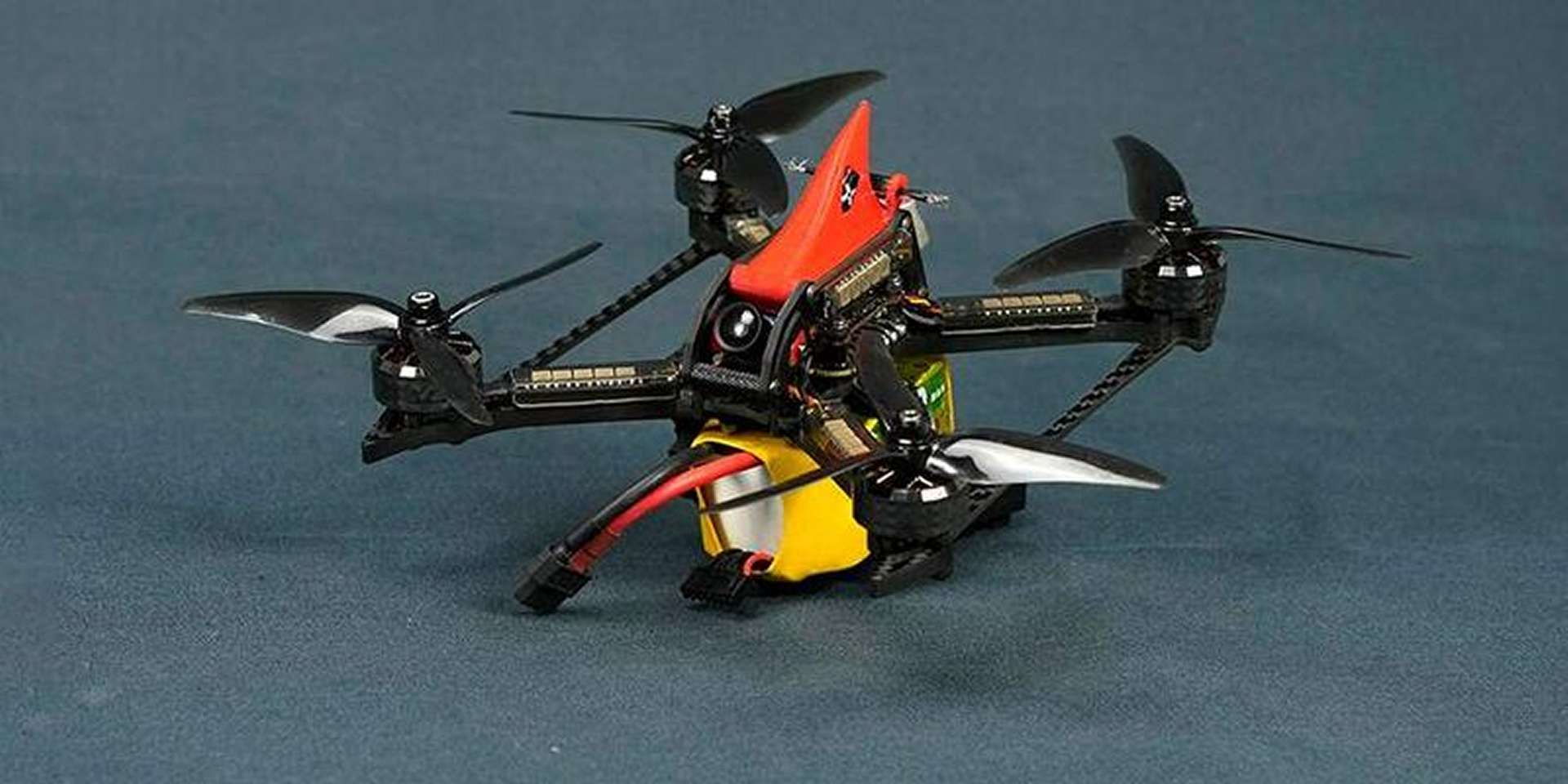
The Piranha 5, a first-person view (FPV) kamikaze drone, features a camera that transmits live video to a headset, goggles, or mobile device, enabling operators to view the drone’s surroundings in real-time and record images or videos as needed. (Picture source: SKB Piranha)
The Piranha 5 is designed with a compact build, measuring 12 centimeters in diameter and weighing 300 grams. It is capable of reaching speeds of up to 220 kilometers per hour and can operate within a range of up to three kilometers, though it is optimized for missions within a one to three-kilometer radius. A relatively straightforward design is intended to facilitate ease of use for new operators, allowing them to learn essential control and repair skills in practical conditions.
Intended for more than just training, the Piranha 5 can also be deployed in combat scenarios, especially in confined spaces where maneuverability is essential. With a payload capacity of up to one kilogram, the drone is suitable for carrying various mission-specific tools, such as a 1.5-kilogram battery that supports the larger Piranha 10 FPV model. This payload capacity, combined with its compact size, allows an operator to carry up to four Piranha 5 units, providing flexibility for various mission types. Once deployed, these drones are used for reconnaissance, inspecting areas such as forests, trenches, or communication routes. If a target is detected, the drone can engage; if not, it can be stowed for future use.
The Piranha 5 builds on the earlier models in the Piranha drone family, which were initially introduced by SKB Piranha in 2022. This series includes the Piranha 10 kamikaze drone and an upcoming Piranha-13 model, which will feature larger dimensions, enhanced load capacity, and extended flight capabilities. Previous Piranha models have been utilized in various operations, including the destruction of Ukraine's first U.S.-made M1 Abrams tank in a special operation zone. The drones incorporate multi-frequency communication systems, improving their resistance to electronic warfare and broadening their scope for both training and combat uses.
SKB Piranha has also stated that its development of the Piranha-13 model aims to provide an increased payload and more versatile operational capabilities. With the Piranha 5 now in production, Russia aims to expand the range of tactical options available for both combat missions and operator training, focusing on adaptability in military applications.
- Details
- Written by: Vandenbosch
- Category: 2024
- Hits: 4996
The 120mm 2S42 "Lotos" self-propelled howitzer, developed by the Central Research Institute for Precision Engineering (TsNIITOCHMASH, a Kalashnikov subsidiary), is advancing towards its state testing phase, as confirmed by the company on November 2, 2024. This announcement was shared with Russian federal media by Alan Lushnikov, President of Kalashnikov Concern and a Union of Russian Machine Builders board member.
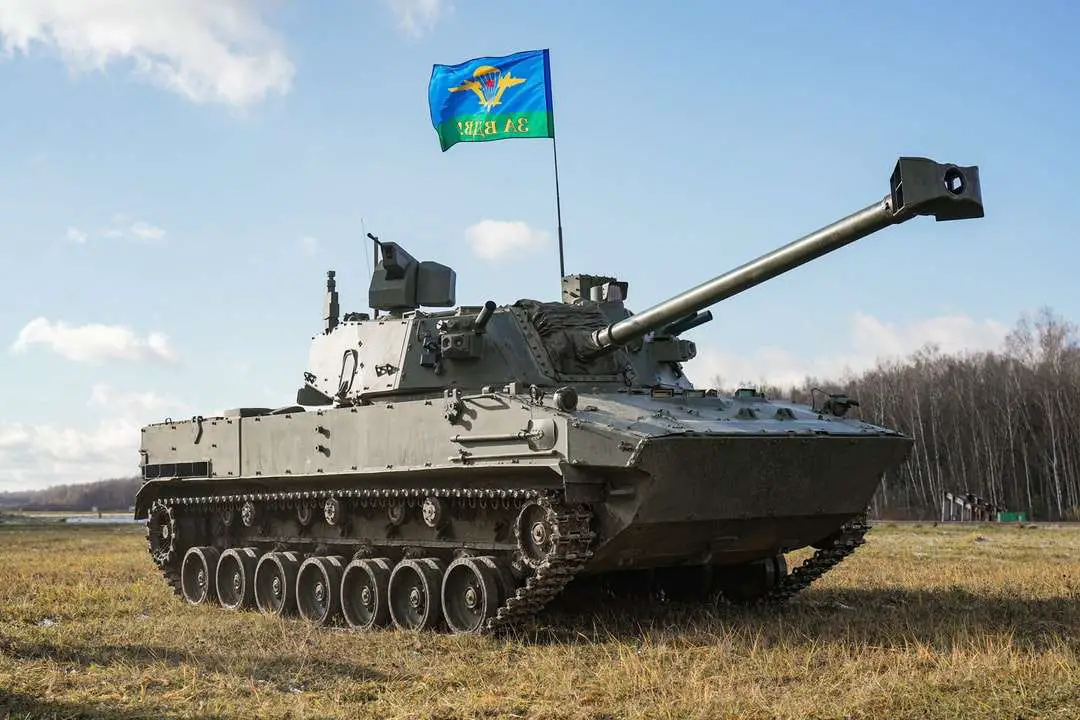
The 2S42 Lotos is a self-propelled howitzer developed by the Central Research Institute for Precision Engineering in Russia. (Picture source: Kalashnikov)
During a recent public demonstration organized by Kalashnikov for International Military Journalists’ Day, the 2S42 "Lotos" showcased its maneuverability and operational capabilities in a live dynamic presentation. Developed to replace the aging "Nona" self-propelled artillery cannon, in service since 1981 and initially created with TsNIITOCHMASH's involvement, the Lotos artillery system marks a significant technological leap in self-propelled artillery.
Preliminary tests have shown that the Lotos surpasses its predecessor, the Nona-SM, in multiple operational aspects, particularly in firing range with standard high-explosive fragmentation rounds. The Lotos also boasts an increased ammunition capacity and a higher power index for its main explosive fragmentation shells.
Among the technological advancements in the Lotos system are automated guidance systems, enhancing the speed and precision of cannon alignment, and a mechanized ammunition storage unit, easing the loader’s tasks. The Lotos also provides significantly improved armor protection for its crew, ensuring greater safety in combat conditions.
The Lotos brings technical upgrades that notably distinguish it from the 2S9, especially in areas critical to modern battlefield effectiveness. First, in terms of firing power, the Lotos’s 120mm mortar cannon reaches a firing range of 13 kilometers, a clear improvement over the 2S9’s range of around 8.8 kilometers with standard rounds. This extended range allows the Lotos to deliver fire support from safer, more concealed positions, effectively protecting the crew and vehicle from counter-battery fire. Moreover, the Lotos achieves a firing rate of 6 to 8 rounds per minute, ensuring rapid and sustained bombardment capability, crucial for high-intensity engagements.
The Lotos also addresses ammunition logistics and crew efficiency through its automated ammunition handling system. This mechanized storage unit not only enables faster reloads but also alleviates the physical demands on the crew, allowing for a higher sustained rate of fire over extended periods. The onboard guidance system is another advancement over the 2S9, with digital targeting and alignment systems that ensure rapid, accurate deployment on target. This system drastically reduces setup times, enhancing the Lotos’s ability to quickly shift firing positions and adapt to fluid combat scenarios, an essential capability for artillery units facing potential counterattacks.
In terms of protection, the Lotos offers reinforced armor that improves upon the relatively lighter protection of the 2S9, safeguarding the crew from small arms fire and shrapnel in active combat zones. The vehicle’s hydropneumatic suspension system provides enhanced stability and mobility across diverse terrains, enabling the Lotos to maintain firing accuracy even in challenging environments. This is further supported by its 450-horsepower engine, which gives the Lotos a top speed of 70 km/h and a power-to-weight ratio of 28.3 hp per ton, far exceeding the 2S9’s mobility specifications.
The 2S42 Lotos is a self-propelled howitzer developed by the Central Research Institute for Precision Engineering (TsNIITochMash) in Russia, with design work beginning in 2016. Intended to replace aging systems, the Lotos combines mobility, firepower, and protection characteristics tailored for frontline artillery support units.
Weighing 18 tons, the 2S42 Lotos is equipped with a 120mm caliber, delivering substantial firepower with a firing rate of 6 to 8 rounds per minute. It can reach a maximum range of 13 km, allowing it to cover a broad operational radius supporting engaged troops. This self-propelled mortar features a 360° turret rotation system, enabling rapid targeting flexibility without requiring vehicle repositioning.
The Lotos structure is designed to accommodate a four-person crew, and its chassis is supported by a hydropneumatic suspension, providing stability and maneuverability across diverse terrains. It is powered by a 450-horsepower 2V-06-2 diesel engine, yielding a power-to-weight ratio of 28.3 horsepower per ton, significant for a vehicle of this class. This motorization allows it to reach a top speed of 70 km/h and an operational range of 500 km, making it suitable for long-range missions without frequent refueling.
With these innovations, the Lotos is set to offer enhanced firepower and operational efficiency, positioning itself as a formidable successor to the Nona-SM as it advances toward state testing.
Read more: Russia's New 2S42 Lotos Self-Propelled Howitzer Undergoes Final Field Trial

- Details
- Written by: Halna du Fretay
- Category: 2024
- Hits: 12799
Technological advancements in the military sector continue to bring transformative innovations, and today, a breakthrough in camouflage is set to reshape battlefield concealment strategies. Winner of the prestigious Prix de l’Audace for military innovation in 2024, HT4 technology, often described as a "thermal invisibility cloak," opens new possibilities for armed forces. This award, established by France in 1992 to honor promising defense advancements, highlights an innovation poised to redefine how soldiers and their equipment can evade modern thermal detection devices.
This innovative material can regulate temperature to provide near-total thermal invisibility, whether used in extreme climatic conditions or diverse environments. (Picture source: PGM Précision)
Historically, military technologies have often shifted the outcome of conflicts toward those who wielded the most advanced tools. The advent of thermal cameras presented a significant challenge to traditional camouflage systems; while soldiers could blend into their surroundings, their thermal signatures remained easily detectable. Innovations like the HT4 fabric have since emerged to address this vulnerability, marking a key turning point in the competition between detection capabilities and concealment measures.
Developed by Kastinger and commercialized by PGM Précision, HT4 was endorsed by the French Defense Innovation Agency and chosen by the Directorate General of Armaments (DGA) as a laureate of the Prix de l’Audace. Known also as the *Poncho Infrarouge pour Kits de Survie* (PIKS), this technology offers multidirectional and adaptable thermal protection, effectively concealing even intense heat sources up to 1000°C. Designed to shield personnel and equipment alike, HT4 counters a wide range of thermal threats, from monocular thermal devices to sensors mounted on drones and fighter jets.
HT4 is notable for its flexibility and adaptability. This innovative material can regulate temperature to provide near-total thermal invisibility, whether used in extreme climatic conditions or diverse environments. Its concealment capability extends beyond soldiers to cover large equipment, such as vehicles and helicopters, rendering them undetectable by thermal cameras even after landing—an important asset for sensitive military operations.
PGM Précision emphasized the value of its collaboration with the DGA in bringing this technology to fruition, acknowledging the agency's expertise and support throughout HT4's development. This official recognition underlines HT4's potential to transform military camouflage, enabling armed forces to conduct operations more discreetly, even in zones monitored by advanced detection systems.
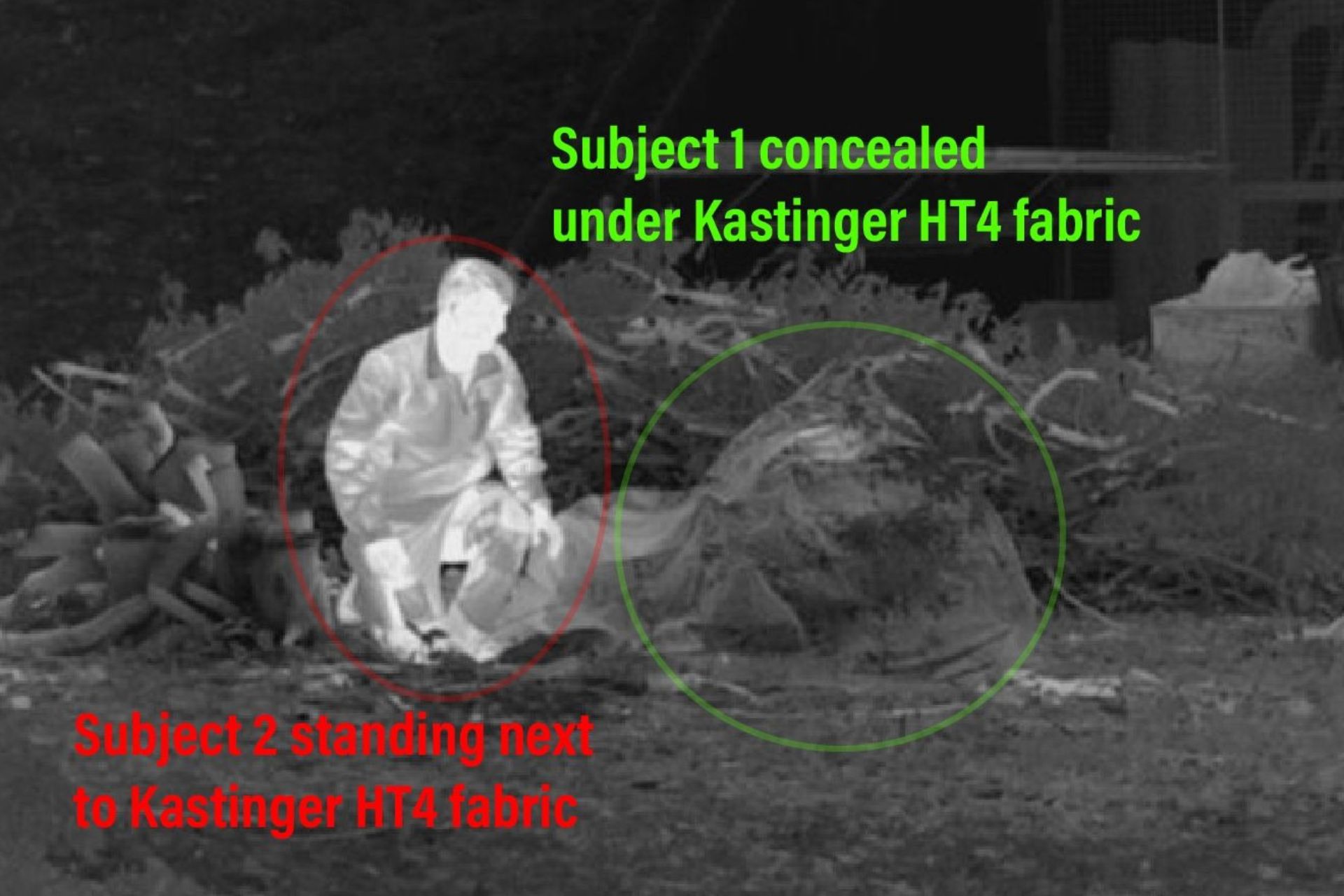
As shown in this image, the poncho made from this unique fabric retains the same temperature as its environment, rendering the wearer's body heat invisible. (Picture source: PGM Précision)
HT4's success with the Prix de l’Audace also reflects the growing interest in advanced thermal camouflage solutions within the defense industry. While some countries focus on developing new detection technologies, others, like France with HT4, are pushing forward innovations that challenge these surveillance systems. This technology aligns with a new generation of thermal camouflage that meets the complex challenges posed by sophisticated detection sensors.
The future of military camouflage appears to be moving toward active concealment solutions, leveraging adaptive materials, nanotechnology, and biomimicry to make armed forces invisible, even to artificial intelligence-driven sensors. HT4’s impact will likely extend beyond military applications; this innovation could also inspire developments in fields such as wildlife conservation and urban planning, where concealment or visual integration may be crucial.
HT4 marks a significant step in this ongoing evolution. With its capacity to deliver effective thermal invisibility under extreme conditions, this innovation may well redefine stealth on the modern battlefield, prompting military forces to adopt new concealment strategies to stay ahead in the technological race. How other nations and industries will respond to this advance remains to be seen, but it is clear that HT4 represents a turning point in the history of camouflage technology.
- Details
- Written by: Jérôme Brahy
- Category: 2024
- Hits: 7057
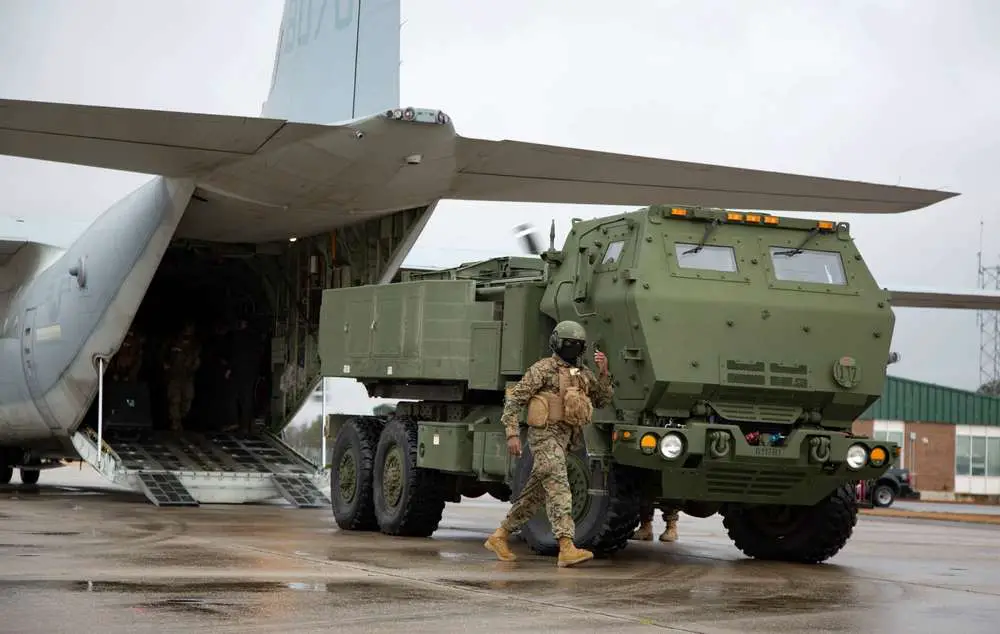
According to CNA on November 4, 2024, Taiwan received its first shipment of M142 HIMARS (High Mobility Artillery Rocket Systems) from the United States, aimed at enhancing cross-regional reinforcement and long-range strike capabilities. Military sources indicate that the initial units arrived in October 2024 and are currently undergoing installation and operational training with the Army's 58th Artillery Command. This delivery is part of a broader procurement of 29 HIMARS units, initiated to meet Taiwan’s defensive needs across key zones and strengthen its long-range precision strike capabilities.
Follow Army Recognition on Google News at this link
The M142 HIMARS system will enhance Taiwan's ability to target critical military assets along China's southeastern coast, potentially deterring or disrupting amphibious assault preparations. (Picture source: US DoD)
Taiwan initially planned to acquire 11 HIMARS units in 2020 but expanded its order by 18 additional units in 2022, following a decision not to purchase an extra 40 M109A6 Paladin self-propelled howitzers. This adjustment brings the total order to 29 HIMARS, with complete delivery expected by 2026. Military sources note that the first batch of 11 units is slated for deployment between late 2024 and early 2025. The total cost for the 29 HIMARS is NT$32.5 billion (US$1.06 billion), including 84 Army Tactical Missile Systems (ATACMS) with a range of up to 300 kilometers, and 864 Guided Multiple Launch Rocket Systems (GMLRS) rockets, enhancing Taiwan’s precision targeting capacity.
The Ministry of National Defense reported that, following the deployment of the initial HIMARS units between late 2024 and early 2025, these systems would be stationed in western Taiwan, with additional units scheduled for northern, central, southern, and Penghu combat zones by 2026. This phased deployment aims to improve Taiwan’s firepower across multiple regions in alignment with its cross-regional defensive strategy and to ensure systematic integration of the systems into Taiwan's defense infrastructure.
To support HIMARS integration and build a team of instructors to train additional personnel domestically, Taiwan’s 2024 defense budget allocated funds to send 30 personnel to the United States for operational training. In August, 17 soldiers completed a three-week training course at Fort Sill, Oklahoma, equipping them with the technical skills to manage and operate the HIMARS system upon its arrival in Taiwan.
The M142 HIMARS launcher can deploy either six rockets or a single MGM-140 ATACMS missile per launch box, with rockets reaching a range of 42 kilometers, while the MGM-140 missile extends this range to 300 kilometers and can reach an altitude of 50 kilometers, covering considerable distances, including areas across the Taiwan Strait.
Within Taiwan’s defense structure, HIMARS units are designated for Army deployment, while the coordination and operation of MGM-140 ATACMS missiles are overseen by the General Staff Headquarters. This command structure enables the Army to focus on cross-regional reinforcement while ensuring inter-service coordination for broader strategic applications. Taiwan’s domestically developed Thunder 2000 multiple-launch rocket systems are expected to complement HIMARS by providing additional area coverage.
Defense expert Su Ziyun from Taiwan’s National Defense Strategy and Resources Research Institute noted that the inclusion of HIMARS expands Taiwan’s munitions range, which currently includes rockets with a range of 50 to 70 kilometers for regional reinforcement and the MGM-140 missile with its 300-kilometer range. Future consideration may also be given to the Precision Strike Missile (PrSM), with a potential range of nearly 500 kilometers, aligning Taiwan with the United States as a member of the "300-kilometer club."
The M142 HIMARS system delivery enhances Taiwan's ability to target critical military assets along China's southeastern coast, potentially deterring or disrupting amphibious assault preparations. Its mobility allows for rapid repositioning, adding complexity to China’s operational planning by increasing the unpredictability and responsiveness of Taiwan’s defenses. With rockets reaching up to 42 kilometers and the MGM-140 ATACMS extending to 300 kilometers, HIMARS boosts Taiwan’s long-range targeting capability across the Taiwan Strait and into coastal regions. Additionally, HIMARS complements Taiwan’s existing arsenal, including the Thunder 2000 multiple-launch rocket system, to support a structured, multi-layered defense across key areas.
Read more: Taiwan receives first M142 HIMARS shipment from US to counter China’s coastal threats
- Details
- Written by: Vandenbosch
- Category: 2024
- Hits: 5374
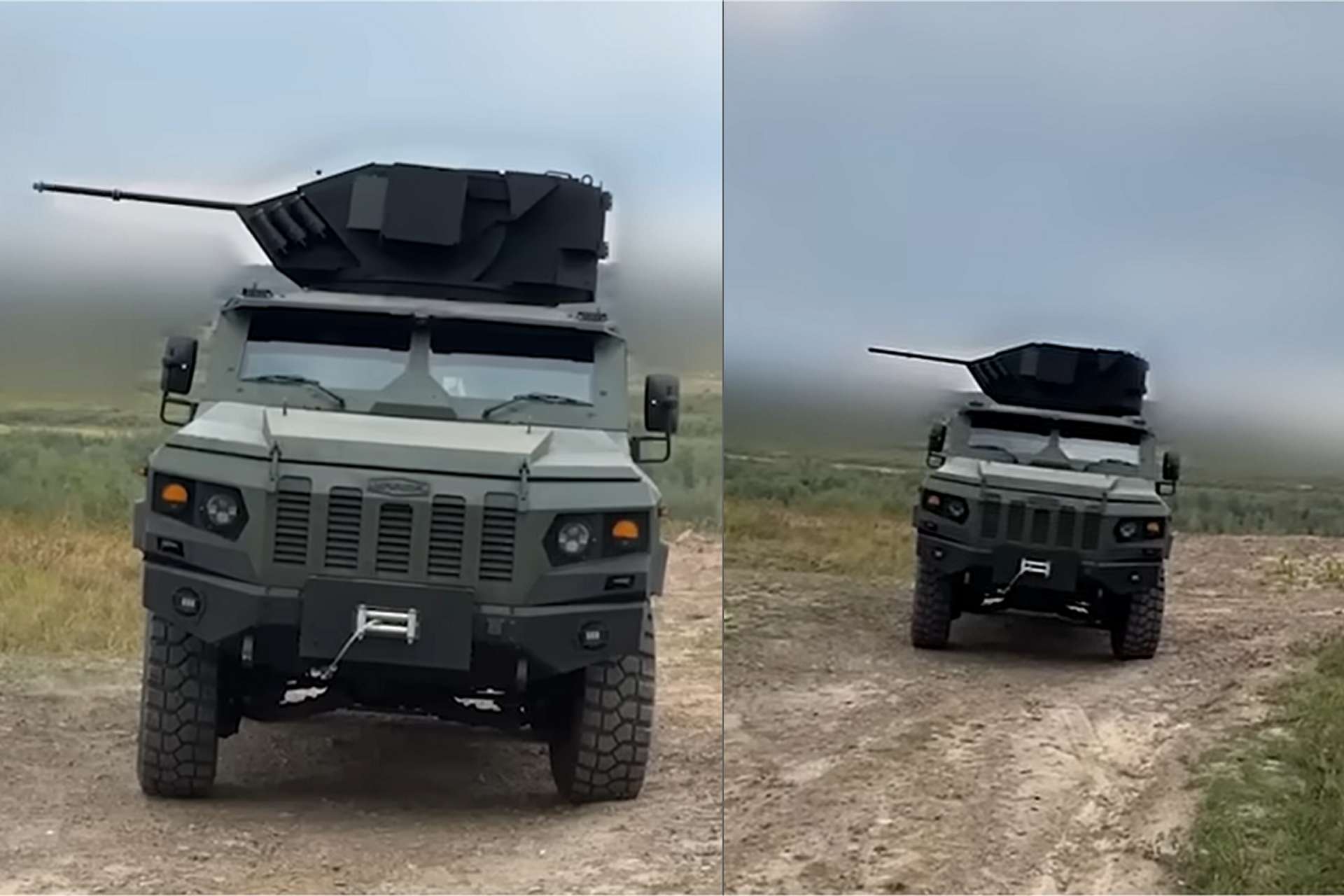
The prototype of the Ukrainian armored vehicle "Varta 2" by the company Ukrainian Armor has begun trials as part of its certification process by the Ministry of Defense. This marks a step forward in the development of the next generation of military vehicles intended for Ukraine's defense forces. A report published by the media outlet Ekonomichna Pravda provides the first footage of these tests, showcasing intensive firing trials using the "SICH" heavy combat module.
The Varta 2 is a modern 14-ton armored vehicle, designed and produced in Ukraine. (Picture source: EPravda)
During the trials, the "Varta 2" demonstrated exceptional stability, even during lateral firing maneuvers. The vehicle is equipped with the "SICH" combat module, an advanced Ukrainian design that was introduced on defense force vehicles at the beginning of 2024. This module features a 30 mm ZTM-1 automatic cannon (a 2A72 replica), an AG-30 grenade launcher, and a 7.62 mm PKT machine gun, all remotely operated by a control panel from within the vehicle.
One of the most remarkable technical aspects of the "SICH" module is its day and night firing capability, made possible by a thermal imaging sighting channel and dual-axis stabilization. This allows for accurate firing while the vehicle is in motion, ensuring a high level of operational effectiveness under diverse conditions.
The CEO of Ukrainian Armor explained that specific adjustments were made to the "SICH" module for the "Varta 2." Engineers lightened the module and modified the artillery components to reduce recoil, thus enhancing the vehicle's firing stability.
The "Varta 2" is a modern 14-ton armored vehicle, engineered to offer enhanced protection while being lighter than its predecessor. Its ballistic protection meets NATO STANAG 3a/3b standards, providing robust defense against kinetic threats and landmines. Powered by a 360-horsepower Cummins ISB 6.7 engine and an Allison 3200SP automatic transmission, it can reach a maximum speed of 110 km/h. With a ground clearance of 400 mm, independent suspension, and a Central Tire Inflation System, the "Varta 2" easily navigates challenging terrains, ensuring the mobility essential for modern operations.
The vehicle is designed to accommodate up to 10 crew members, providing maximum protection with shock-absorbing anti-mine seats and a suspended floor system to mitigate explosion impacts. Its armament includes the remote-controlled "Sich" weapon station equipped with a 30 mm automatic cannon and a secondary 7.62 mm machine gun. This remotely operated turret, with 360° rotation and vertical elevation from -10° to +60°, is fitted with an integrated optical and thermal sighting system and a laser rangefinder, as well as "Tucha" smoke grenade launchers, ensuring comprehensive battlefield coverage.
Developed amid an ongoing conflict, the "Varta 2" also features advanced electronic warfare systems such as the KVERTUS AD KRAKEN, which protects it from enemy drones and electronic interference, as well as passive radar for discreet target detection. The vehicle integrates a reconnaissance drone system with a range of up to 30 km, allowing for real-time surveillance operations. Additionally, the "Varta 2" is now built on a chassis produced in Turkey—a strategic decision to ensure a reliable supply chain amid the war in Ukraine while bolstering Ukraine’s technological self-reliance.
Currently, the "Varta 2" stands as the first Ukrainian 4x4 armored vehicle equipped with a heavy combat module incorporating a 30 mm automatic cannon, marking an important milestone in the advancement of Ukraine's defensive capabilities.

- Details
- Written by: Administrator
- Category: 2024
- Hits: 5686
According to a report published on November 3, 2024, by the British MoD (Ministry of Defense) Defence Intelligence Services, approximately 10,000 combat soldiers from the Democratic People's Republic of Korea (DPRK) have been deployed to Russia, with some likely already positioned in the strategically significant Kursk region. This deployment marks a critical advancement in the evolving partnership between Russia and North Korea, as both nations deepen their military ties.
Follow Army Recognition on Google News at this link
In October 2024, a video circulated on social media showing North Korean soldiers receiving Russian military gear, fueling speculation about their potential involvement alongside Russian forces. (Picture source: Social Network video footage)
The Comprehensive Strategic Partnership Treaty, which the Russian State Duma ratified on October 24, 2024, formalizes the alliance between Russia and the DPRK (Democratic People's Republic of Korea), including a mutual defense clause. This treaty cements North Korea’s support for Russia’s military activities in Ukraine, which have primarily consisted of arms supplies thus far. In exchange, North Korea gains a high-level international ally and a trading partner willing to bypass sanctions, providing an essential economic lifeline.
Further confirmation of North Korea’s troop deployment comes from United States intelligence assessments. U.S. officials have reported that an estimated 10,000 North Korean soldiers have been stationed in Russia, with Pentagon sources expressing growing concern over Russia’s likely intent to engage these troops in active combat near the Ukrainian border. The Kursk region, where DPRK forces are believed to be positioned, has been an active zone of engagement since Ukrainian forces made incursions there in August. NATO Secretary-General Jens Stoltenberg has condemned the deployment of North Korean troops as “a significant escalation” in Russia’s ongoing war against Ukraine, signaling a heightened level of international apprehension over the deepening Russia-DPRK alliance.
On October 19, 2024, Army Recognition reported that recent video evidence has surfaced suggesting North Korea's deployment of thousands of soldiers to Russia’s Far East, potentially as preparation for involvement in the conflict in Ukraine. Videos shared on social media and messaging platforms allegedly show North Korean soldiers being outfitted with Russian military gear and conducting training exercises alongside Russian forces. One video, published on Telegram and geolocated to the garrison of the 127th Motor Rifle Division in Sergeevka—around 130 kilometers north of Vladivostok—appears to show DPRK troops in joint training maneuvers, reinforcing speculation that these forces may soon be deployed to the Ukrainian frontlines.
North Korea’s armed forces, among the largest in the world, bring a formidable workforce and combat capabilities. The Korean People’s Army (KPA), with an estimated active-duty force of over 1.2 million personnel and approximately 6 million in reserves, is structured for sustained and high-intensity conflict. DPRK soldiers are known for their strict discipline, resilience, and endurance under extreme conditions, which could be advantageous in the challenging Ukrainian theater. North Korea’s military training emphasizes guerrilla tactics, infiltration, and adaptability—skills that could complement Russia’s needs in close-quarters engagements and irregular warfare along the contested frontlines in Ukraine. Additionally, the KPA has specialized units skilled in covert operations and defensive strategies honed over decades, preparing them for potential asymmetric engagements and complex terrain.
British Army Defence Intelligence notes that despite these combat strengths, both countries face significant interoperability challenges due to the lack of prior joint exercises and limited experience in multinational operations. North Korean troops will likely encounter difficulties with Russian equipment and command structures and language barriers that could hinder communication and operational effectiveness on the battlefield.
The deployment of DPRK troops to Russia could have significant implications for the Ukraine conflict and may influence broader global stability. While adding North Korean forces provides Russia with considerable manpower, operational challenges could limit their immediate combat effectiveness. Nonetheless, this alliance signals a shift in global military alignments, reflecting a strengthening axis among states resistant to Western influence and potentially escalating international tensions.
- Details
- Written by: Administrator
- Category: 2024
- Hits: 7340
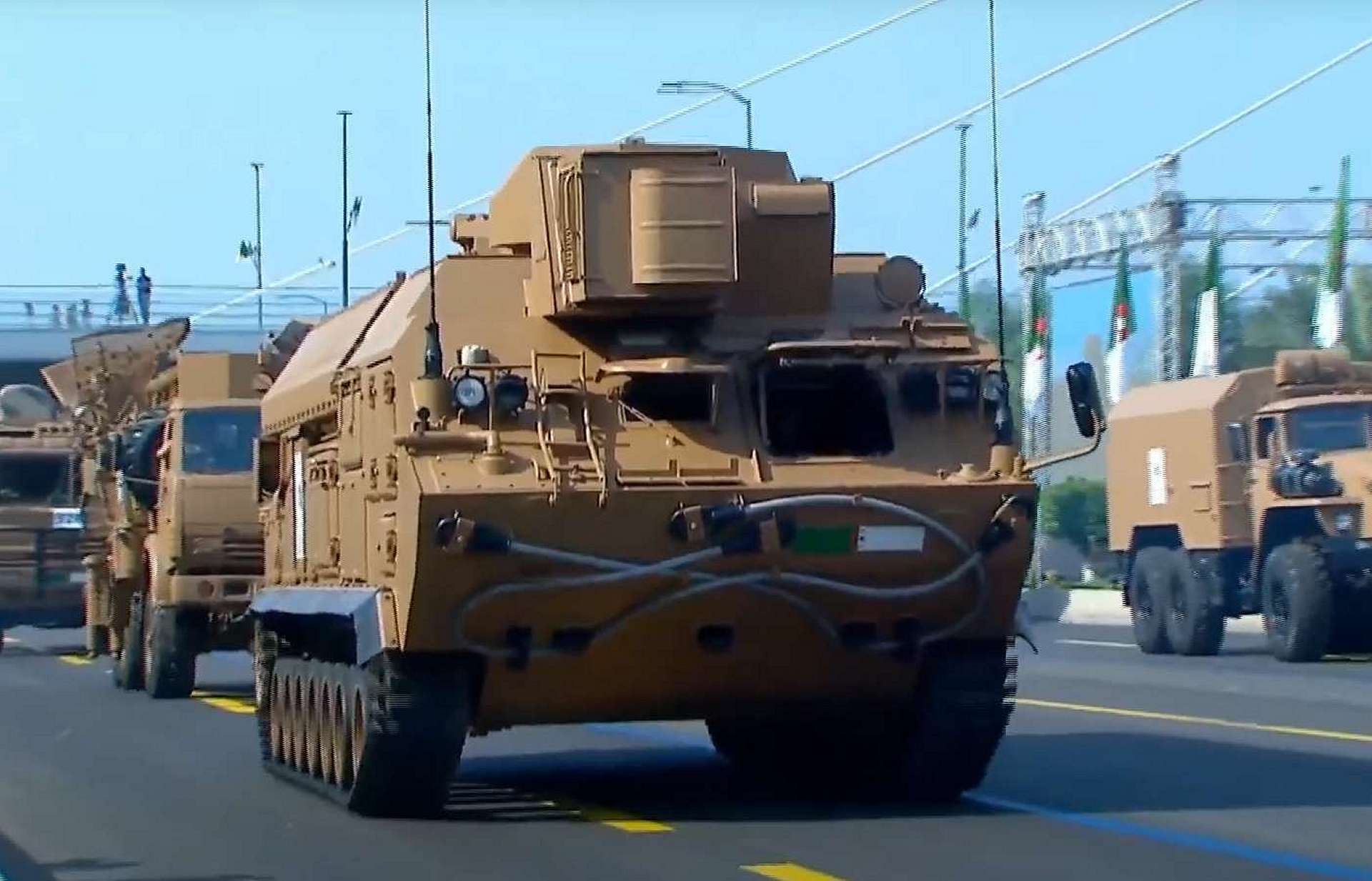
Algeria’s armed forces unveiled their newly acquired Russian-made 1L260 Zoopark-1M counter-battery radar system during a grand military parade on November 1, 2024. The event, commemorating the 70th anniversary of Algeria’s Liberation Revolution, marked the first public appearance of this advanced radar system, emphasizing Algeria’s continued commitment to bolstering its military technology in collaboration with long-standing ally Russia.
Follow Army Recognition on Google News at this link
The newly acquired Russian-made 1L260 Zoopark-1M counter-battery radar system is showcased during Algeria's military parade on November 1, 2024, commemorating the 70th Anniversary of the Liberation Revolution. (Picture source: Screen Shot video footage Algerian TV)
The 1L260 Zoopark-1M is a sophisticated counter-battery radar system designed by Russia specifically to enhance battlefield awareness by detecting and locating enemy artillery, mortar, and rocket launcher positions. Known for its precision and extended detection range, the Zoopark-1M can identify and track hostile artillery positions from up to 35 km, giving commanders crucial information to coordinate rapid and effective counterstrikes.
Equipped with advanced algorithms and capable of operating under intense electronic warfare conditions, the Zoopark-1M can pinpoint multiple targets simultaneously, providing a distinct advantage against conventional artillery and rocket threats. The system’s capability to track trajectories and calculate impact points allows it to deliver critical situational awareness and tactical superiority, ensuring the quick neutralization of enemy firepower.
Algeria’s acquisition of the Zoopark-1M radar system aligns with its ongoing strategy to modernize its armed forces with high-quality, field-proven military technology. Over the past two decades, Algeria has steadily increased its procurement of Russian military hardware, establishing itself as one of Russia’s most reliable arms customers in North Africa. This partnership includes significant investments in armored vehicles, advanced air defense systems like the BMPT Terminator 1, S-400 Triumf air defense missile system, and multi-role fighter jets such as the Su-30MKA, tailored specifically for Algerian needs.
Algeria has sought to diversify its defense portfolio in recent years while maintaining close military ties with Russia. The acquisition of the Zoopark-1M underscores Algeria’s focus on countering modern artillery threats and strengthening its border security. With the Zoopark-1M, the Algerian military gains enhanced radar capabilities and access to Russian expertise in operational support and maintenance, ensuring long-term operational readiness for this critical system.
The deployment of the Zoopark-1M reflects Algeria’s proactive approach to enhancing its tactical defense operations. The radar system's real-time detection of enemy artillery positions provides a crucial tactical advantage for Algerian forces in defending its vast borders and maintaining stability in an increasingly volatile region.
This unveiling comes amid Algeria’s ongoing efforts to secure and modernize its defenses in response to growing regional tensions. The Zoopark-1M, in addition to Algeria’s existing arsenal, positions the country’s armed forces among the most technologically advanced in North Africa, highlighting Algeria’s intent to deter potential threats through superior artillery detection and counter-battery capabilities.
By showcasing the Zoopark-1M artillery radar system, Algeria reinforces its defense partnership with Russia and signals to potential adversaries the readiness and sophistication of its armed forces. As Algeria continues to enhance its military technology, this acquisition marks a significant step in its ongoing journey toward a robust, self-sustained defense framework designed to uphold national security and regional stability.
- Exclusive: Ukraine Secretly Uses US-Made V-BAT Drone to Locate Russian SA-11 Air Defense for HIMARS Strikes
- US provides new military aid for Ukraine with air defense systems anti-tank munitions and Stryker vehicles
- Thales Belgium and Ukraine Sign MoU for Joint Production of Counter Drone Missiles
- Breaking News: US Deploys Missile Defense Destroyers and B-52 Bombers to Middle East Amid Iran Threats