

- Details
- Written by: Jérôme Brahy
- Category: 2024
- Hits: 10287










On November 17, 2024, the Chinese account C Major provided updated data on China’s Dongfeng-100 (DF-100) supersonic cruise missile, also known as the Changjian-100 (CJ-100). The missile is a land-based system with a range reportedly between 3,000 and 4,000 kilometers and a sustained flight speed of Mach 4. It is designed for precision strikes and features capabilities aimed at targeting various types of installations and structures.
Follow Army Recognition on Google News at this link
The DF-100’s reported range extends across the Western Pacific, enabling it to reach strategic installations such as the U.S. military bases in Guam, rendering them susceptible to precision strikes. (Picture source: Chinese social media)
The DF-100 was publicly introduced during China’s 70th National Day parade on October 1, 2019. At that time, its range was reported to be 2,000 to 3,000 kilometers, with a speed between Mach 4 and Mach 5. The system is capable of engaging targets such as land-based facilities, reinforced structures, underground bunkers, and large naval vessels. It can be deployed in pairs on a 10x10 transporter erector launcher (TEL) vehicle and has the potential to be launched from the H-6K bomber. New information suggests an improved range of up to 4,000 kilometers while maintaining a consistent speed of Mach 4.
The DF-100 operates at supersonic speeds for most of its flight and follows a trajectory that takes it into altitudes of over 30 kilometers. This flight profile minimizes atmospheric drag but increases exposure to radar detection. Its guidance system includes inertial navigation, terrain matching, scene matching, and satellite positioning, providing high accuracy. This combination allows the missile to strike both fixed and moving targets, including slow-moving naval vessels.
Specifications for the DF-100 include a length exceeding 9 meters, a projectile diameter ranging between 0.7 and 1 meter, and a payload capacity of over 500 kilograms. The missile is powered by a ramjet engine and achieves speeds of Mach 5 during its terminal phase. Its three-stage operation includes an initial boost phase using a solid rocket motor, a cruise phase at altitudes of 30 to 40 kilometers, and a terminal glide phase. The glide phase involves high-speed maneuvering, enhancing its ability to evade defenses and strike moving targets.
Reports from the U.S. Air Force’s China Aerospace Studies Institute in 2020 identified the DF-100 as part of the PLA Rocket Force’s 656th Brigade in Shandong Province. Its minimum effective range of 2,000 kilometers places Taiwan, South Korea, Japan, and the northern Philippines within its operational scope. The missile was assessed to have reached full operational capability by 2022.
The DF-100 has been highlighted as a concern in Taiwan’s defense assessments. In October 2023, the Taiwanese Ministry of National Defense reported to the Legislative Yuan that the missile could affect regional security by limiting allied access to surrounding seas. This assessment is consistent with the missile’s deployment within China’s broader objectives. In response, Taiwan has acquired PAC-3 Patriot systems, while South Korea has deployed the Terminal High Altitude Area Defense (THAAD) system.
The DF-100’s reported range extends across the Western Pacific, enabling it to reach strategic installations such as the U.S. military bases in Guam, including Andersen Air Force Base and Naval Base Guam, fall within this range, rendering them susceptible to precision strikes. Additionally, key facilities in Japan, such as the Yokosuka Naval Base and Misawa Air Base, are now within reach, posing a direct threat to U.S. and allied forces stationed there. The DF-100's capability to engage large naval vessels also places aircraft carrier strike groups operating in the Western Pacific at increased risk, potentially altering naval deployment strategies in the region. Furthermore, critical infrastructure in countries like South Korea, including Osan Air Base and Camp Humphreys, could be targeted, impacting the operational readiness of U.S. and allied forces.
The missile’s speed, range, and precision suggest applications in China’s Anti-Access/Area Denial (A2/AD) strategy. These characteristics may challenge existing missile defense systems by reducing interception response times and increasing the likelihood of penetrating defenses. Its ability to carry either conventional or nuclear warheads further adds to its operational utility.
The DF-100 represents developments in missile technology, including enhancements in range, targeting systems, and operational versatility. These improvements, combined with the system’s deployment, affect regional security dynamics. The missile’s range and capabilities require adjustments in defensive measures by neighboring countries and those with interests in the region. As such, the DF-100 is a critical element in discussions of regional military strategy and balance of power.
Read more: China extends DF-100 supersonic missile range to 4,000 km for strategic strikes

- Details
- Written by: Administrator
- Category: 2024
- Hits: 9871
The German Army has recently enhanced its armored capabilities by integrating the Leopard 2A7A1 main battle tank (MBT) into its fleet. This variant represents the pinnacle of the Leopard 2 series, combining advanced protection systems and cutting-edge technology to address contemporary battlefield challenges.
Follow Army Recognition on Google News at this link
The German Army received its first battle tank with active protection, the advanced Leopard 2A7A1, in October 2024. (Picture source: German MoD)
The Leopard 2 Main Battle Tank (MBT) has demonstrated significant effectiveness in recent conflicts, notably in Ukraine. In November 2024, a Ukrainian-operated Leopard 2A4, supplied by Spain, played a pivotal role in halting a Russian advance near Kurakhovo. The tank's precision firepower enabled it to destroy an entire column of Russian armored vehicles, including two tanks and several troop transports, showcasing its superior targeting capabilities and battlefield dominance.
However, the Leopard 2 has also faced challenges. In June 2023, during the Battle of Mala Tokmachka, Ukrainian forces experienced significant losses, including several Leopard 2A6 tanks. This incident highlighted vulnerabilities when operating in heavily mined areas and under concentrated enemy fire. Despite these setbacks, the Leopard 2's overall performance underscores its critical role in modern armored warfare, balancing its advanced capabilities with the inherent risks of high-intensity conflict zones.
A defining feature of the Leopard 2A7A1 MBT is the integration of the Israeli-developed Trophy Active Protection System (APS). This system provides a robust defense against anti-tank missiles and rocket-propelled grenades by detecting and neutralizing incoming threats before they impact the tank. The Trophy system comprises radar antennas and launcher platforms externally, while internally, it includes a control unit and power supply integrated into the turret and chassis.
The Leopard 2A7A1 is also equipped with the Rheinmetall 120mm L55A1 smoothbore gun, which can fire various munitions, including high-explosive rounds. This armament ensures superior firepower and adaptability in various combat scenarios. Additionally, the tank features Hensoldt’s PERI R17 A3 thermal imaging sight, which enables effective target acquisition and engagement in diverse environmental conditions.
Strategically, the Leopard 2A7A1 serves as an interim solution, bridging the gap until the Leopard 2A8 variant becomes available. The German Army plans to station these tanks in Lithuania as part of NATO’s forward presence, reinforcing the alliance's deterrence posture in Eastern Europe. In 2021, Germany signed a contract with KNDS Deutschland to produce and deliver 17 Leopard 2A7A1 tanks and one prototype, along with an agreement with Israel for the supply of Trophy kits, ammunition, and training. The project budget of €120 million is split between KNDS and Israel.
To learn more about the Leopard 2A7A1 and its impressive array of features, we invite you to explore the full technical review and fact sheet available on our website. Dive into the details of its advanced weaponry, unparalleled defensive systems, and strategic significance in modern military operations. Visit Army Recognition today to access in-depth insights about this cutting-edge main battle tank and discover why it is considered the most protected and modernized tank in service today.
Read more: German Army Now Equipped with Leopard 2A7A1 One of the Most Protected Tanks in the World
- Details
- Written by: Triffaux
- Category: 2024
- Hits: 7046
On November 15, 2024, the Croatian government announced the acquisition of Baykar Bayraktar TB2 combat drones from Türkiye, marking an important step in the modernization of its armed forces. This strategic investment reflects Croatia’s commitment to strengthening its defense capabilities in response to evolving regional and global challenges.
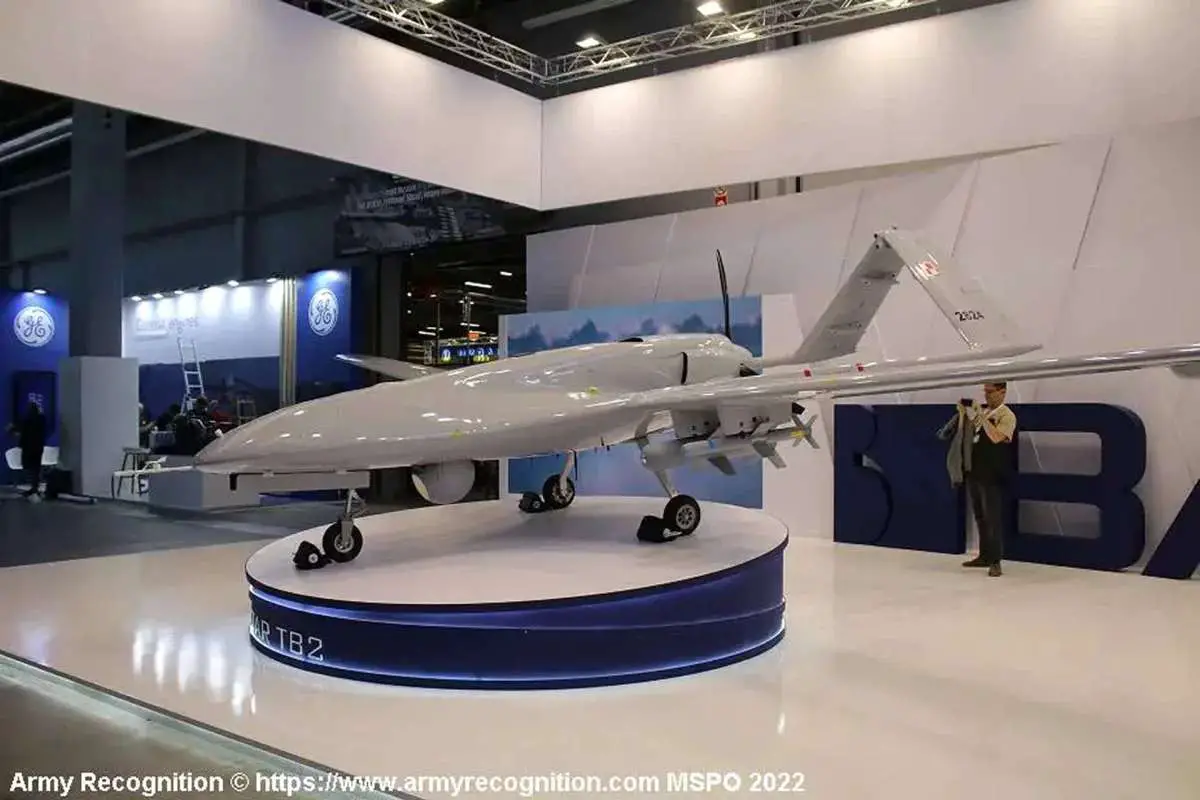
Baykar Bayraktar TB2 surveillance and combat drone (Picture source: Army Recognition)
Discussions regarding this acquisition date back to 2023, when Croatia expressed interest in tactical drones as part of its military modernization program. In March 2024, Croatian representatives visited Baykar’s facilities in Türkiye to assess the performance of the TB2, a model that had already proven its effectiveness in several recent conflicts. Following a series of bilateral consultations and technical evaluations, the Croatian government confirmed its decision in October 2024, citing the Bayraktar TB2's operational capabilities and compatibility with Croatia’s needs as key determining factors.
The announcement was made by Ivan Anušić, Croatia’s Deputy Prime Minister and Minister of Defence. While specific details regarding the number of drones and delivery schedules have not been disclosed, this acquisition is part of a broader initiative aimed at enhancing the country’s military capacity. As a NATO member, Croatia demonstrates its dedication to maintaining robust defense systems capable of addressing contemporary threats.
The Bayraktar TB2, manufactured in Türkiye, is a proven platform in modern conflicts. Renowned for its versatility and cost-effectiveness, this drone is equipped with advanced technologies, including electro-optic/infrared (EO/IR) sensors, synthetic aperture radar, and sophisticated munitions. It can carry a mission payload of up to 55 kg, including Roketsan’s laser-guided MAM-L (thermobaric) and MAM-C (high-explosive) smart munitions. With an endurance of 24 hours, a cruising speed of 70 knots, and an operational ceiling of approximately 9,000 meters, the TB2 offers exceptional operational flexibility.
The acquisition program includes not only drones equipped with surveillance systems but also an initial stock of munitions and training programs for Croatian personnel. This investment, valued at €86 million, will significantly enhance Croatia’s surveillance and response capabilities against security threats. The integration of TB2 drones into Croatia’s armed forces will provide advanced intelligence, surveillance, and reconnaissance (ISR) capabilities, along with precision-strike options, substantially strengthening national defense.
The purchase of Bayraktar TB2 drones is just one element of Croatia’s extensive military modernization program. The country recently approved the acquisition of eight High Mobility Artillery Rocket Systems (HIMARS) from the United States, valued at €274 million. Known for their precision and mobility, HIMARS represents a major upgrade for Croatia’s artillery units.
Additionally, Croatia is preparing to acquire 50 Leopard 2A8 main battle tanks from Germany. This transaction includes the phased replacement of armored vehicles inherited from the Yugoslav era, some of which will be transferred to Ukraine. Croatia’s modernization efforts have already borne fruit, with France delivering six Rafale fighter jets last April as part of a larger order for 12 aircraft placed in 2021.
The Bayraktar TB2 has emerged as a critical asset in numerous conflicts and military operations worldwide. With users across Europe, Africa, and Asia, including NATO members like Poland and Lithuania, the TB2 has demonstrated its effectiveness in reconnaissance and strike missions. Its recent deployments in Ukraine, Azerbaijan, and Libya have highlighted its operational success, reinforcing its reputation as a reliable and capable tactical drone.
Croatia now joins a long list of countries operating or having ordered Bayraktar TB2 drones. These include Albania, Azerbaijan, Ethiopia, Kosovo, Libya, Morocco, Pakistan, Qatar, Romania, Turkmenistan, and Ukraine. Other nations, such as Serbia and Slovakia, are reportedly in negotiations for potential orders. The Polish Ministry of Defence previously estimated the cost of a complete TB2 system—comprising six drones, three ground control stations, and additional equipment—at approximately $67 million.
The integration of Bayraktar TB2 drones into Croatia’s military arsenal represents a critical enhancement of its tactical and strategic capabilities. These drones will not only improve situational awareness and force projection but also enable Croatia to play a more active role within NATO’s collective defense framework. As the regional security environment continues to evolve, this investment in advanced defense technologies underscores Croatia’s commitment to protecting its sovereignty and contributing to allied operations.
By capitalizing on the operational success of the Bayraktar TB2, Croatia positions itself at the forefront of modern drone warfare, ensuring a capable and responsive armed force ready to meet future challenges.

Baykar Bayraktar TB2 surveillance and combat drone (Picture source: Chuck Pfarrer)
Read more: Croatia Continues to Modernize Armed Forces with Bayraktar TB2 Drones from Türkiye

- Details
- Written by: Administrator
- Category: 2024
- Hits: 13592
Germany has officially detailed its pledge of 4,000 loitering munitions to Ukraine, marking a significant step in bolstering Kyiv's defense capabilities. German Minister of Defence Boris Pistorius confirmed to BILD on November 18, 2024, that the drones to be delivered are the HX-2 Karma, produced by the European defense technology company Helsing. This announcement sheds light on a key element of Germany’s ongoing military support to Ukraine amid its conflict with Russia.
Follow Army Recognition on Google News at this link
Helsing, a Germany-based defense technology leader, pioneers advanced AI-driven solutions and autonomous systems to enhance modern warfare capabilities. (Picture source: Helsing)
The HX-2 Karma represents a new generation of loitering munitions designed for precision and adaptability in complex combat environments. According to Helsing, the drone is equipped with state-of-the-art features, including the ability to navigate and execute missions even in areas where Global Navigation Satellite Systems (GNSS) are jammed or unavailable, addressing a critical challenge in modern electronic warfare.
Thanks to Helsing’s Altra Recce-Strike software, multiple HX-2 drones can operate simultaneously in coordinated missions, leveraging swarm tactics to overwhelm enemy defenses. Integrated artificial intelligence enables the autonomous identification and engagement of targets, boasting an accuracy of within 50 centimeters. This capability minimizes collateral damage and maximizes mission effectiveness.
The drone’s 100-kilometer range places it on par with leading loitering munitions, while its lower cost provides an economical alternative to platforms like the Switchblade 600 or Zala Lancet. However, Helsing's claims regarding cost-efficiency and precision have been met with skepticism in some industry circles.
Helsing, headquartered in Germany, is a rapidly growing defense technology company specializing in advanced software and AI-driven solutions for modern warfare. The company focuses on enhancing situational awareness and operational capabilities through cutting-edge innovations, particularly autonomous systems. Its commitment to combining software and hardware advancements has positioned Helsing as a prominent player in Europe's defense sector, collaborating with various militaries to address the challenges of contemporary conflicts.
The first batch of HX-2 Karma drones, numbering in the hundreds, is set for delivery in December 2024, with subsequent deliveries to follow regularly. This phased approach ensures a steady supply to Ukrainian forces, allowing for integration and operational training.
The deployment of HX-2 Karma loitering munitions reflects a broader trend in modern warfare, where unmanned systems and AI-driven technologies are becoming indispensable. The drone’s ability to operate under GNSS-denied conditions and execute swarm tactics addresses two critical aspects of the Ukrainian battlefield: overcoming electronic warfare measures and countering massed Russian forces or equipment.
The pledge of 4,000 units signals Germany’s commitment to supporting Ukraine with advanced military technology. Additionally, the deployment will provide a significant opportunity to test the HX-2 Karma in real combat scenarios, potentially influencing its market appeal and future development.
As the conflict in Ukraine continues to evolve, introducing the HX-2 Karma loitering munitions could be a game-changer on the battlefield. Germany’s latest announcement underscores the increasing role of precision-guided, autonomous weaponry in shaping the future of warfare, providing Ukraine with a potent tool to enhance its tactical capabilities against an entrenched adversary. Further updates are anticipated as the first deliveries commence next month.

- Details
- Written by: Vandenbosch
- Category: 2024
- Hits: 3049
The Romanian Armed Forces are progressing in their plans to acquire additional AAV-7A1 amphibious assault vehicles from the United States. This follows a July 2023 announcement by the U.S. Department of State, which authorized the potential sale of these vehicles to Romania. According to recent reports from September 2024, the Romanian Ministry of Defense has submitted a request to Parliament to approve the purchase of a greater number of units than initially planned.
The AAV-7A1, or amphibious assault vehicle, is an armored vehicle designed to operate both on land and in aquatic environments. (Picture source: US DoD)
The original authorization from July 2023 included a batch of 16 AAV-7A1 vehicles, complemented by three command post variants and two vehicle recovery models. The estimated cost of this initial batch was approximately $120.5 million. Although no specific supplier has been designated, it is expected that the AAV-7A1 units will come from the U.S. Marine Corps’ inventory, as the Corps is replacing these vehicles with the new 8×8 Amphibious Combat Vehicle (ACV) from BAE Systems, based on the Iveco Defense Vehicles SuperAV platform.
In September 2024, the Romanian Ministry of Defense submitted a revised request to Parliament, seeking approval for the acquisition of 44 AAV-7A1 vehicles. This updated proposal raises the estimated investment to $210 million, reflecting the expanded scope of the procurement.
Romanian defense officials have justified this acquisition as a crucial step in equipping the country’s armed forces with modern military equipment to enhance tactical flexibility, survivability, mobility, situational awareness, and firepower. These improvements align with NATO and EU defense planning objectives and are part of the Romanian Army Transformation Program, which aims to achieve operational goals by 2040.
The AAV-7A1, or amphibious assault vehicle, is an armored vehicle designed to operate both on land and in aquatic environments, meeting the modern armed forces' demands for rapid deployment and intervention operations. Developed by the United States, this vehicle is distinguished by its robustness, transport capacity, and versatility. Weighing 25 tons, it is equipped to carry a crew of three and up to 25 soldiers, while providing effective protection with its 45 mm armor, reinforced by the EAAK system, which shields it against small arms fire up to 14.5 mm and 155 mm shell fragments.
In terms of armament, the AAV-7A1 is equipped with a 40 mm Mk19 automatic grenade launcher and a 12.7 mm M2HB machine gun, providing significant firepower to support disembarked troops or engage enemy threats. Additionally, it features eight smoke grenade launchers and a Mk154 mine-clearing system, enhancing its effectiveness in complex or hostile environments.
Regarding mobility, the AAV-7A1 can reach a speed of 72 km/h on roads and navigate at speeds of 13 km/h or 7 km/h in water, using water jets or tracks, respectively. Its range of 480 kilometers on land and 20 nautical miles in water makes it a key asset for extended missions without immediate resupply. With dimensions of 8.16 meters in length, 3.27 meters in width, and 3.31 meters in height, it maintains an imposing silhouette while being optimized for efficient transport.
Used by numerous nations, including Argentina, Italy, Japan, South Korea, and the United States, the AAV-7A1 has established itself as a benchmark in amphibious armored vehicles. Its amphibious projection capabilities, combined with strong protection and firepower, make it a strategic asset for armed forces operating in maritime contexts or requiring rapid and secure landings.
This acquisition reflects Romania's commitment to modernizing its defense capabilities in line with its strategic objectives as a NATO member. The addition of AAV-7A1 vehicles would provide the Romanian Armed Forces with enhanced amphibious capabilities, essential for operations in diverse environments and to address emerging security challenges in the region.
Read more: Romania Advances in Acquiring Over 40 AAV-7A1 Amphibious Assault Vehicles from US
- Details
- Written by: Vandenbosch
- Category: 2024
- Hits: 3240
On November 13, 2024, the US Air Force announced an increase in orders for the initial prototypes of its Collaborative Combat Aircraft (CCA) to equip a newly established experimental operations unit. This decision, confirmed by Andrew Hunter, the US Air Force’s acquisition chief, marks a step in developing autonomous capabilities within the American Air Force.
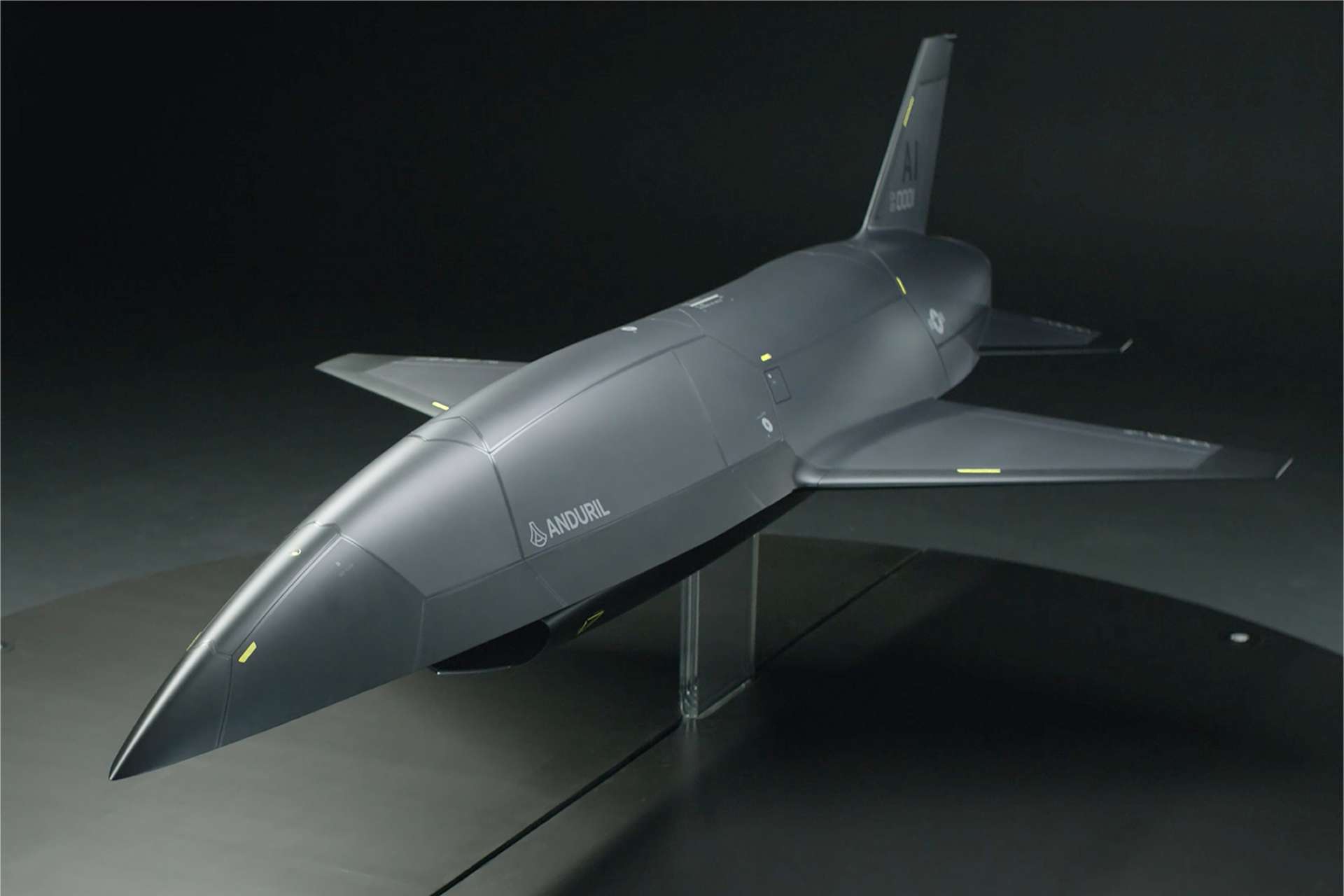
The prototypes in question are Anduril’s Fury and General Atomics Aeronautical Systems Inc.’s (GA-ASI) Gambit, selected in April for the Increment 1 phase of the CCA program. (Picture source: Anduril)
The Collaborative Combat Aircraft (CCA) program of the US Air Force aims to develop a new generation of autonomous aircraft designed to operate alongside manned fighter jets, such as the F-35 or the future NGAD (Next Generation Air Dominance). These drones, equipped with advanced artificial intelligence, will play complementary roles to enhance air force capabilities, including reconnaissance, electronic warfare, munition transport, and targeted strikes. Their integration relies on sophisticated coordination algorithms, enabling seamless interaction with manned aircraft while reducing risks to human crews. The CCA program, still in its prototype phase, represents a strategic advancement in the use of autonomous technologies for modern conflicts.
The prototypes in question are Anduril’s Fury and General Atomics Aeronautical Systems Inc.’s (GA-ASI) Gambit, selected in April for the Increment 1 phase of the CCA program. Hunter specified that these additional orders aim to enhance experimentation with real systems, a critical need for assessing performance and defining operational capabilities before their planned deployment by the end of the decade. However, details regarding quantities and costs remain classified due to Air Force security regulations.
The first flights of the prototypes are still scheduled for 2025. According to Diem Salmon, Anduril’s Vice President for Air Dominance and Strike, this initiative ensures that the military has the necessary tools to test operational concepts and finalize their integration. On the GA-ASI side, spokesperson Mark Brinkley emphasized the importance of this experimental unit in building trust, doctrine, and procedures required for the integration of CCAs.
“Integrating autonomous aircraft into operations goes far beyond merely building the planes,” Brinkley stated. “This experimental operations unit offers the US Air Force a valuable opportunity to anticipate the many challenges related to employing these technologies.”
The fiscal 2024 budget facilitated the creation of this unit, whose primary mission is to explore the introduction of autonomous aircraft into operations. This effort also includes training autonomy algorithms, a critical component distinct from the current prototypes' development.
Additionally, a milestone was achieved for the two prototypes: a critical design review was completed in October. Colonel Timothy Helfrich, leader of advanced aircraft programs within the Air Force Materiel Command (AFMC), confirmed this progress during the Mitchell Institute Airpower Futures forum. Helfrich stressed the importance of adhering to the initial schedule by avoiding the temptation to add features that could delay the project. These features can be incorporated into the Increment 2 prototypes, whose specifications are being finalized.
“We are very close to starting Increment 2 in earnest,” Helfrich concluded, highlighting the importance of this step in solidifying the capabilities of CCAs and their future role in aerial operations.
Through this initiative, the US Air Force continues its goal of integrating advanced autonomous technologies, contributing to transforming tactics and doctrines to address the challenges of modern conflicts.
- Details
- Written by: Jérôme Brahy
- Category: 2024
- Hits: 7082
As reported by DealSite on November 15, 2024, the South Korean company Hanwha Aerospace signed a 342.3 billion won (approximately $244.852.412,47) contract with the Defense Acquisition Program Administration (DAPA) for the third mass production phase of the K239 Chunmoo multiple rocket launcher system. The contract accounts for 3.7% of Hanwha’s annual sales from the previous year and will run until 2026. This phase involves the production of Chunmoo launchers and their ammunition transport vehicles, which will replace aging systems within the South Korean Army such as the U.S.-made M270 MLRS introduced in 1998.
Follow Army Recognition on Google News at this link
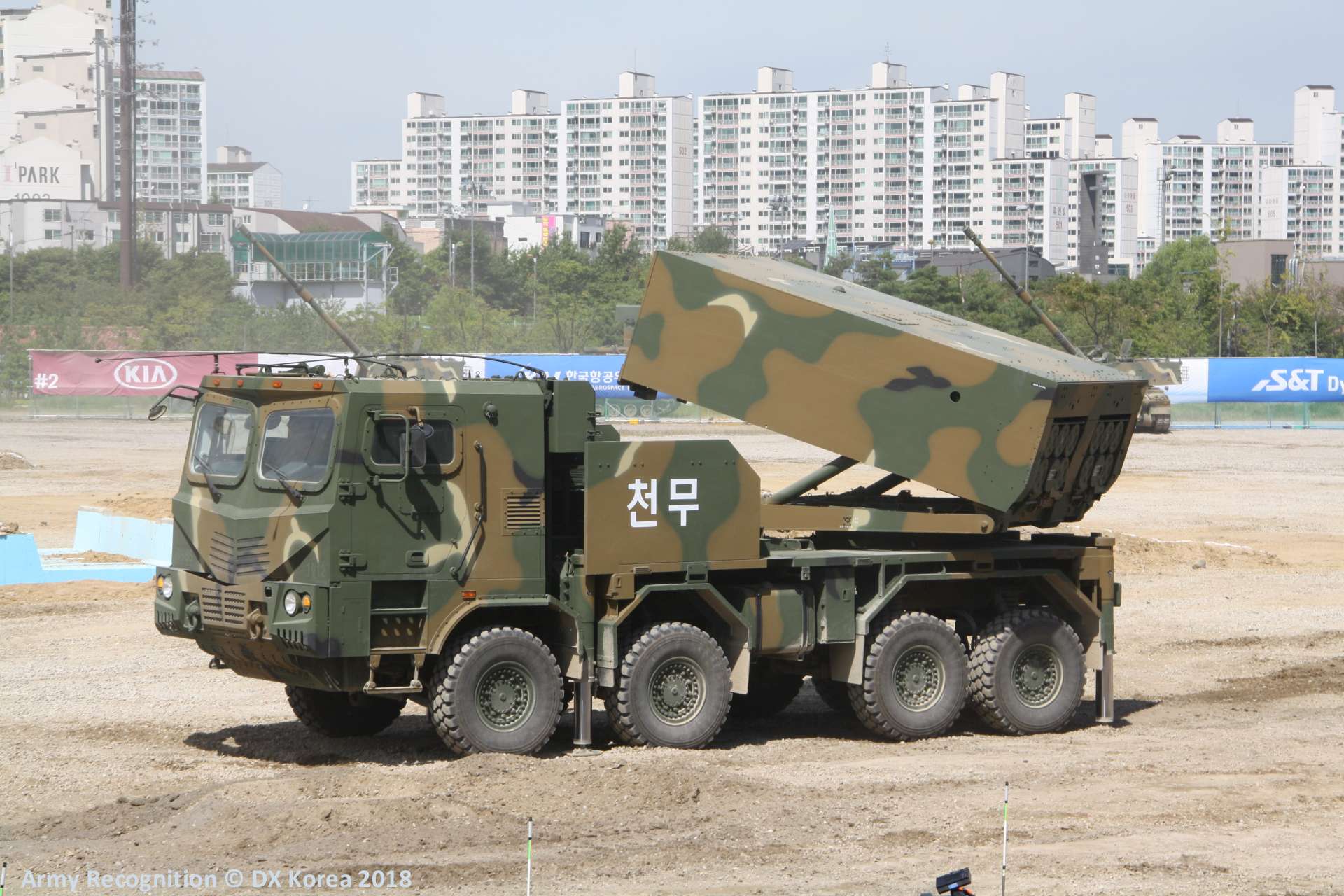
The K-239 Chunmoo was designed as a replacement for the K136 Kooryong and incorporates technological advancements such as electric cylinders for rapid response and reloading. (Picture source: Army Recognition)
The K239 Chunmoo, developed to replace the K136 Guryong, is a self-propelled multiple rocket launcher capable of firing various types of ammunition. These include 230mm unguided rockets with a range of 45 kilometers and 239mm guided rockets with an 80-kilometer range. The system can also utilize larger rockets, such as the 400mm model with a range of 200 kilometers and the 600mm missile, designated CTM290, capable of reaching 290 kilometers. The guided munitions include cluster bombs with 300 bomblets and high-explosive warheads designed for bunker penetration. These features allow for flexibility in operational use.
The Chunmoo launcher is mounted on an 8x8 wheeled chassis, developed by Doosan Infracore. It has a 450-horsepower engine and features run-flat tires and digital fire control systems. The platform is designed for mobility, allowing it to engage targets and quickly redeploy to avoid counter-battery fire. Reloading is facilitated by interchangeable rocket pods, enabling a firing configuration of up to 12 rockets per launcher. The ammunition transport vehicle, sharing the same chassis, can carry up to four rocket pods, simplifying logistical operations.
The exact number of K239 Chunmoo MLRS units deployed by South Korea remains undisclosed by the Ministry of Defense. However, estimates suggest that between 218 and 367 units are expected to be fielded. As of 2024, the South Korea fleet of multiple rocket launcher systems (MLRS) includes approximately 40 K136 Guryong units equipped with 130mm rockets, 58 M270 MLRS systems using 227mm rockets (48 standard M270 units and 10 upgraded M270A1 units), and an estimated 200 K239 Chunmoo systems configured for 239mm rockets.
This system has been operational with the South Korean military since 2015 and is part of its efforts to modernize artillery capabilities. Each battalion operating the Chunmoo system consists of 18 launchers. The platform is integrated into South Korea’s Kill Chain preemptive strike system, which is designed to address potential threats. The Chunmoo’s fire control system incorporates GPS-aided INS guidance, achieving a circular error probability of 15 meters for guided rockets.
The Chunmoo has also been exported. In the United Arab Emirates, 12 systems and ammunition vehicles were delivered under a confidential agreement. Saudi Arabia has also acquired the system, deploying it during the Yemeni Civil War, reportedly against Houthi positions. Poland, under a 2022 agreement, is set to receive 290 systems localized as the Homar-K, which integrates Polish command systems and a domestic chassis. These systems are equipped with Korean-guided rockets and tactical ballistic missiles.
The development of the K-239 Chunmoo began in 2009, with the system entering service in 2015. It was designed as a replacement for the K136 Kooryong and incorporates technological advancements such as electric cylinders for rapid response and reloading. The Chunmoo has undergone continuous upgrades, including extended-range guided rockets and tactical ballistic missiles aimed at further increasing its operational range and versatility.
This third production phase reflects ongoing efforts to modernize artillery units within South Korea and meet evolving operational requirements. It also highlights the Chunmoo’s role in regional security and its increasing presence in international defense markets.
Read more: Hanwha Aerospace to produce more K-239 Chunmoo MLRS for South Korean Army
- Details
- Written by: Triffaux
- Category: 2024
- Hits: 9447
The Malaysian government has announced a major initiative to lease 28 AW149 medium helicopters under a contract with Italy, represented by Leonardo, valued at $3.4 billion over a 15-year period. This announcement was made by the Minister of Defence, Datuk Seri Mohamed Khaled Nordin, during his closing speech for the 2025 budget bill presented to the Malaysian Parliament on November 13, 2024.
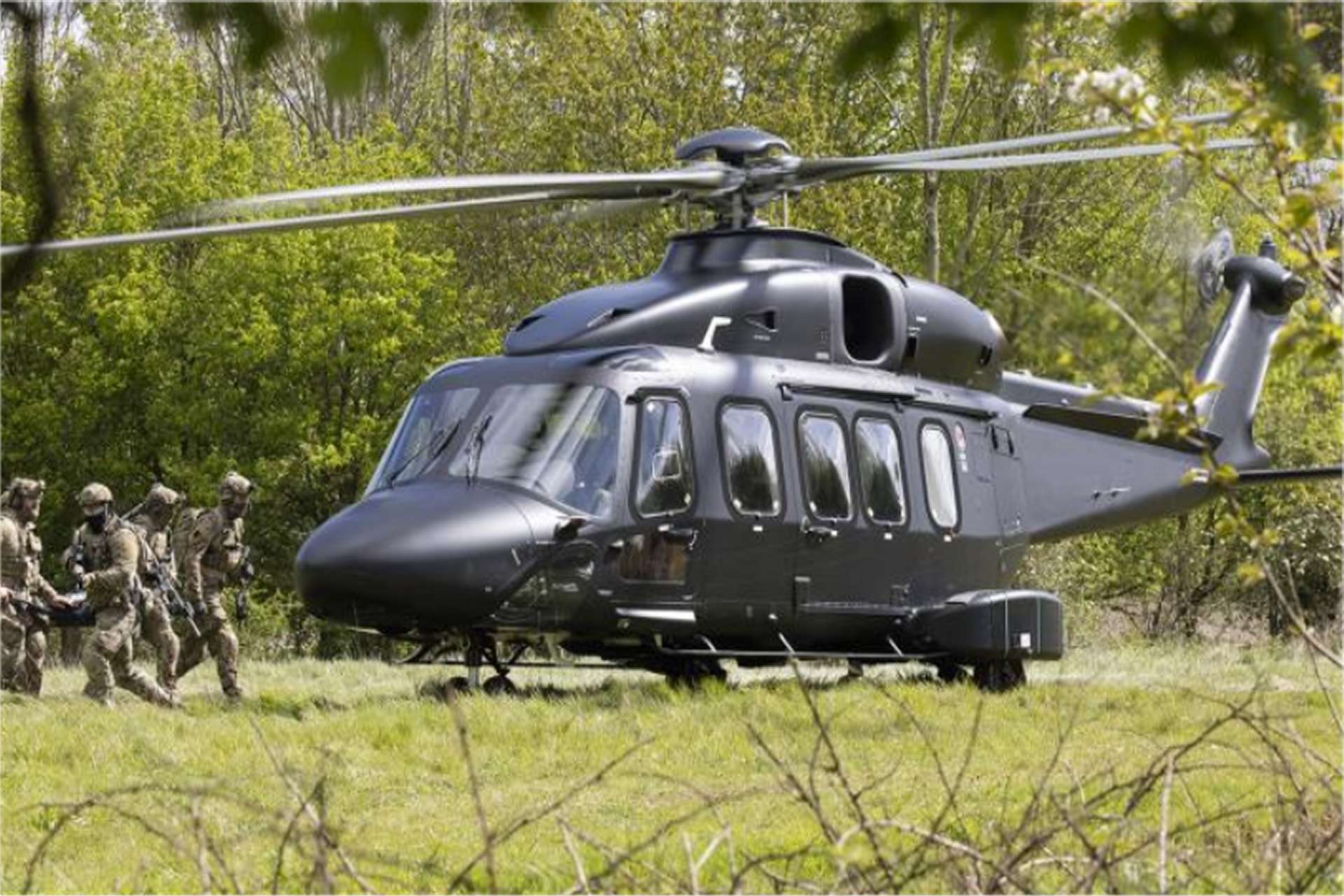
Leonardo Multi-Role AW149 Medium Helicopter (Picture source: Leonardo)
This project, led by the Ministry of Defence and implemented by the Public-Private Partnership Unit (UKAS) and the Prime Minister’s Department, represents a strategic advancement in modernizing the operational capabilities of national security agencies. The minister specified that this leasing method, unprecedented in the country, aims not only to strengthen the Malaysian Armed Forces (ATM) but also to support other national security agencies.
Under this agreement, 12 helicopters will be assigned to the Royal Malaysian Air Force (TUDM), 7 to the Royal Malaysian Police (PDRM), 2 to the Royal Malaysian Navy (TLDM), 2 to the Fire and Rescue Department (JPBM), and 4 to the Malaysian Maritime Enforcement Agency (Maritim Malaysia). This distribution reflects the government's commitment to adopting a comprehensive approach to national security needs. These helicopters will be used for various missions, ranging from military operations and maritime surveillance to emergency interventions and public safety.
The choice of leasing marks a turning point in Malaysia's acquisition policy, traditionally based on outright equipment purchases, often associated with high upfront costs. This approach allows for reduced initial expenses while ensuring continuous access to modern and efficient equipment. Datuk Seri Mohamed Khaled Nordin emphasized that this initiative, though innovative for Malaysia, aligns with a strategy of resource optimization and adherence to budgetary constraints, while meeting international standards for modernizing defense capabilities.
Malaysia’s helicopter fleet is diverse and distributed among several government agencies. The Royal Malaysian Air Force (RMAF) operates helicopters such as the Sikorsky S-61A-4 Nuri, in service since 1968, and has introduced Eurocopter EC725s to modernize its fleet. In 2021, the RMAF also leased four AgustaWestland AW139s as a temporary replacement for the Nuri. The Royal Malaysian Police (PDRM) uses helicopters for surveillance and transport missions. The Fire and Rescue Department (JPBM) operates models like the AgustaWestland AW139 and Mil Mi-17-1V for rescue and firefighting operations, while the Malaysian Maritime Enforcement Agency (Maritim Malaysia) employs helicopters for maritime surveillance and search-and-rescue missions.
The introduction of AW149 medium helicopters aims to modernize and enhance the operational capacities of Malaysia’s armed forces and security agencies. The AW149 is a next-generation multi-role military helicopter designed for diverse missions such as troop transport, search and rescue operations, and assault missions. It offers increased payload capacity, advanced avionics, and overall better performance compared to currently deployed models. This acquisition will provide Malaysia with a more modern, reliable fleet that meets contemporary defense and security requirements.
Powered by two advanced turboshaft engines, the AW149 delivers exceptional performance in hot and high conditions, with a maximum speed of 313 km/h and a range of approximately 830 km. The aircraft can carry up to 18 troops or be configured for various mission-specific roles, including search and rescue, medical evacuation, and combat support. It features advanced avionics, a fully integrated digital cockpit, and state-of-the-art mission systems, enhancing situational awareness and operational flexibility. The AW149 is also equipped with modular armament systems and defensive aids, including radar and missile warning systems, ensuring survivability in high-threat environments. Its robust airframe and high payload capacity make it a versatile asset for modern armed forces.
This announcement follows the recent cancellation by the Ministry of Defence of a previous contract for the lease of four Black Hawk helicopters. The contract was terminated due to the contractor’s failure to meet deadlines, despite an extension granted until the end of October. This decision underscores the government’s strict stance on performance and accountability in national defense projects.
The addition of these helicopters to the fleets of various agencies will significantly enhance national security and the country’s ability to respond to various threats, whether related to natural disasters, maritime challenges, or internal security. For the armed forces, this represents an opportunity to expand and modernize their fleet, enabling them to carry out defense and humanitarian missions more effectively. Similarly, the allocation of helicopters to the police and maritime agencies highlights the growing importance of inter-agency cooperation to address issues such as border security, combating illicit trafficking, and illegal fishing.
Read more: Malaysia to Acquire Leonardo AW149 Multi-Role Medium Helicopters from Italy
- Details
- Written by: Halna du Fretay
- Category: 2024
- Hits: 7857
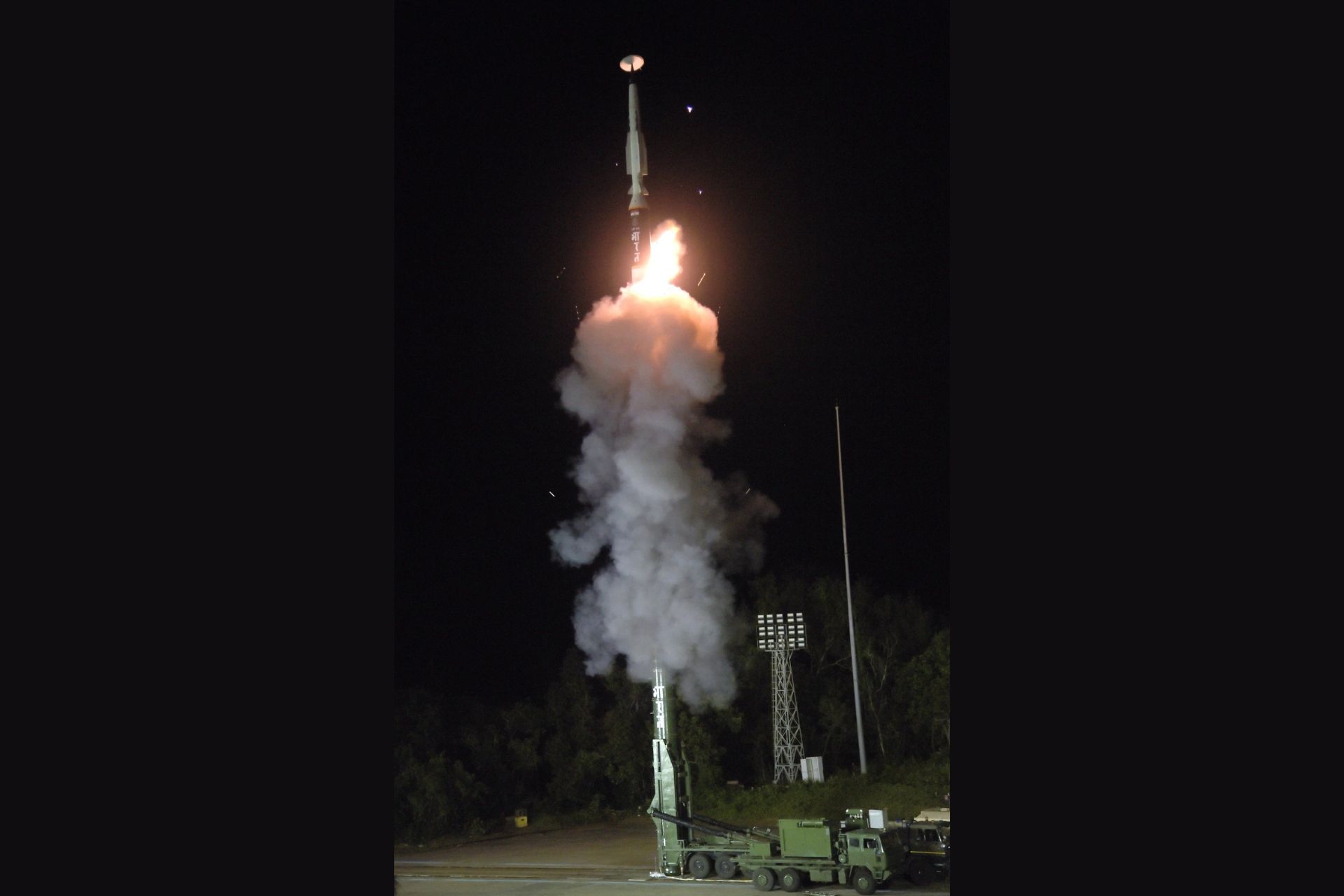
On November 16, 2024, India marked an advancement in its defense capabilities by successfully testing its first long-range hypersonic missile, the LRAShM (Long Range Anti-Ship Missile). Conducted by the Defence Research and Development Organisation (DRDO) from Dr APJ Abdul Kalam Island off the Odisha coast, this test reflects India’s ongoing efforts to enhance its military technology. The missile is designed to carry various payloads over distances exceeding 1,500 kilometers, representing a key development for India’s armed forces.
The missile’s standout feature is its incorporation of a delta-wing hypersonic glide vehicle (HGV), which allows it to follow highly complex and adaptive flight paths (Picture source: DRDO)
The LRAShM (Long Range Anti-Ship Missile) marks a significant advancement in India’s missile technology and strategic defense capabilities. Designed for precision strikes at ranges exceeding 1,500 kilometers, the missile operates at hypersonic speeds surpassing Mach 5. This combination of speed and advanced guidance systems enables it to execute terminal maneuvers with exceptional accuracy, even against dynamic or heavily defended targets. Its low-altitude trajectory and high maneuverability enhance its survivability, making it a formidable addition to India’s arsenal in modern warfare.
The missile’s standout feature is its incorporation of a delta-wing hypersonic glide vehicle (HGV), which allows it to follow highly complex and adaptive flight paths. This capability provides greater flexibility and ensures its ability to bypass advanced air defense networks. Measuring approximately 14 meters in length and weighing under 20 tons, the LRAShM is configured for launches from both land-based platforms and naval vessels, making it a versatile tool for coastal defense, anti-ship operations, and long-range precision strikes.
Developed through extensive collaboration between the DRDO’s laboratories, including the Dr APJ Abdul Kalam Missile Complex in Hyderabad, and industry partners, the LRAShM reflects cutting-edge research in hypersonic technology. Its advanced navigation and targeting systems allow it to carry a range of payloads, tailored to meet the operational requirements of all three branches of India’s armed forces. This adaptability underscores its strategic value in addressing diverse mission profiles.
India’s investment in hypersonic technology forms part of a broader effort to counter regional threats and enhance its deterrence against adversaries, particularly Pakistan and China. The LRAShM complements other missile systems, offering a multi-platform approach that includes naval ballistic missiles and cruise missiles developed through international collaborations. These efforts highlight India’s intent to diversify its delivery systems while maintaining alignment with its minimum deterrence doctrine. However, advancements such as multiple independently targetable reentry vehicle (MIRV) technology suggest India’s defense strategy may be evolving to address the challenges of an increasingly complex regional security environment.
The successful test of the LRAShM underscores India’s growing expertise in hypersonic weaponry, joining a select group of nations capable of developing and deploying these advanced systems. By incorporating state-of-the-art technologies and leveraging domestic and international partnerships, India has enhanced its defense capabilities and strengthened its position in the global military landscape. The LRAShM’s success also reflects India’s ability to adapt to emerging threats and project power within a contested strategic environment.
This revised text condenses repeated ideas, uses a neutral tone, and adds focus to regional dynamics and India’s strategic posture in the Indian Ocean and South Asia. It maintains the comprehensive nature of the original while streamlining its flow for greater readability.
Read more: India Successfully Tests First Long-Range Hypersonic Missile LRAShM
- Details
- Written by: Halna du Fretay
- Category: 2024
- Hits: 3688
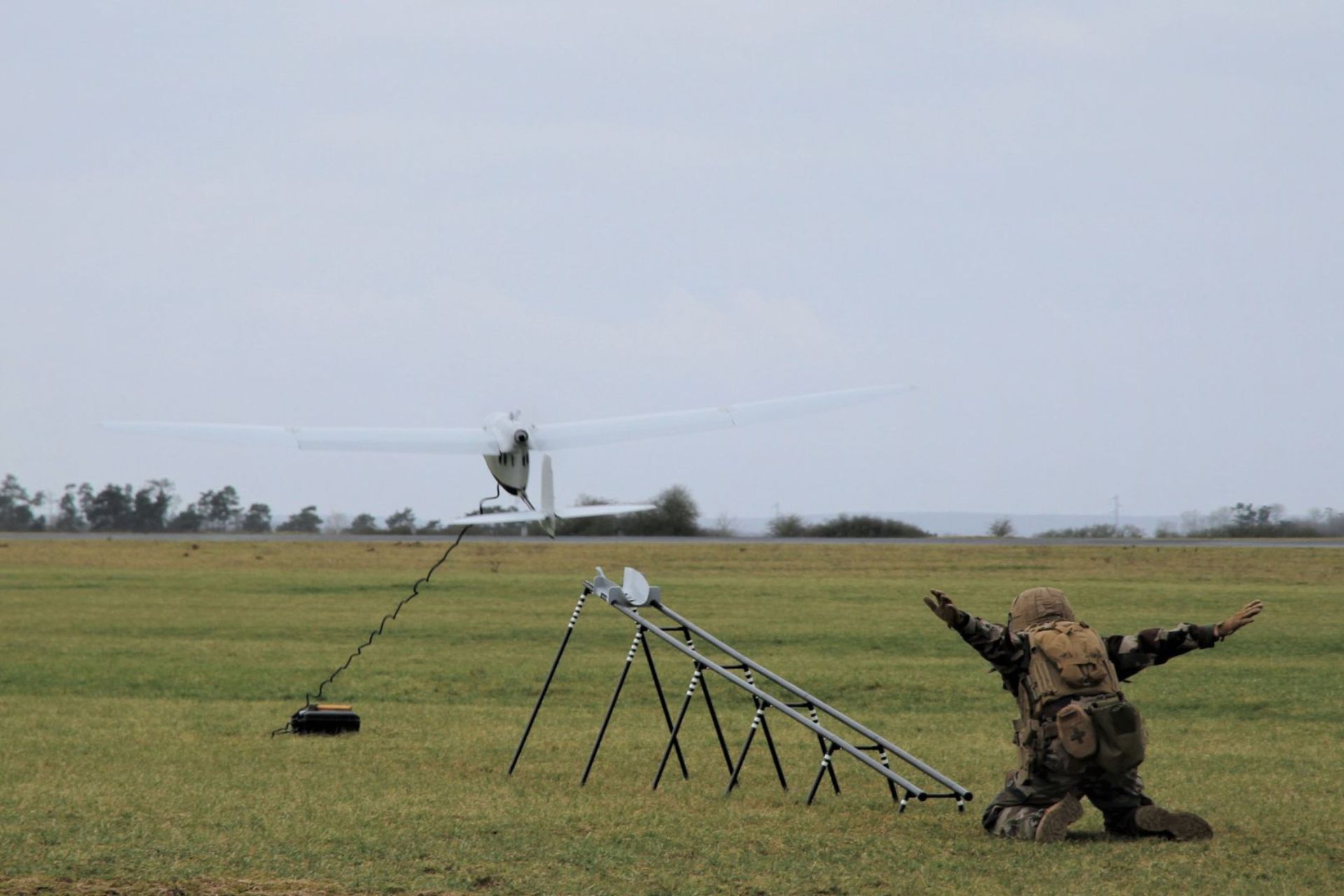
The war in Ukraine has underscored the critical importance of swiftly adapting technological innovations for military purposes. The rise of remote-controlled munitions, particularly FPV (First Person View) drones repurposed as autonomous weapons, exemplifies this trend. Building on these developments, the French Army's 1st Parachute Hussar Regiment (RHP) has engineered an innovative remote-controlled munition by modifying outdated rifle grenades to be deployed via FPV Racer drones.
With an operational range between 50 and 2,000 meters and a flight autonomy of up to 30 minutes, the system provides flexibility for a variety of battlefield scenarios (Picture source: French MoD)
This concept utilizes two models of rifle grenades: the AC58 and the APAV40. The AC58 can penetrate up to 35 cm of steel in direct-fire mode, while the APAV40 achieves a penetration capacity of 20 cm. These capabilities make the adapted munitions effective for neutralizing hardened targets while remaining cost-efficient and operationally responsive.
The project was initiated by a non-commissioned officer from the regiment, who envisioned an adaptable munition capable of altering its trajectory mid-flight to achieve precision impacts. With an operational range between 50 and 2,000 meters and a flight autonomy of up to 30 minutes, the system provides flexibility for a variety of battlefield scenarios. The munition fills a critical gap in the regiment's anti-tank arsenal, complementing the AT4 rocket launcher and the medium-range Akeron MP missile system.
The development of this munition was made possible through collaboration with an engineering student, who contributed to refining its design, and a partnership with the FabLab in Tarbes, which facilitated the production of functional prototypes. The project is supported by the regiment's innovation cell, the Battle Lab Terre, and the Army’s Technical Section. Additionally, the Directorate General of Armaments (DGA) has assessed the feasibility of adapting the AC58 grenade for FPV drones, with dynamic firing tests planned to validate its operational capabilities.
The widespread adoption of FPV drones by Ukrainian and Russian forces has demonstrated their effectiveness due to their low cost, speed, maneuverability, and ability to evade traditional detection methods. These characteristics make them formidable tools on the battlefield. Moreover, some models incorporate wired control systems, rendering them resistant to advanced electronic countermeasures.
In response to these evolving threats, France’s Military Programming Law (LPM) 2024-2030 sets an ambitious target to acquire at least 1,800 remote-controlled munitions for its ground forces by 2030. However, this initiative must contend with the rapid pace of technological advancements. General Pierre Schill, Chief of Staff of the French Army, has emphasized the necessity of maintaining an industrial base capable of producing cutting-edge munitions that incorporate artificial intelligence for resilience against jamming, target acquisition, and autonomous navigation.
To meet these challenges, production capacities must ensure both a minimum stockpile for training and the ability to scale output during conflict. This approach minimizes the risk of stock obsolescence and aligns with a broader shift toward a wartime economy, requiring revised training and distribution methods for military equipment.
This project exemplifies the value of participatory innovation and agile solutions in addressing operational needs on the ground. By drawing on experimentation and combat experiences, the 1st RHP demonstrates a proactive approach to maintaining technological superiority while optimizing available resources. This development highlights the necessity of adaptability and flexibility in responding to rapidly evolving threats and technologies.
- Details
- Written by: Administrator
- Category: 2024
- Hits: 8626
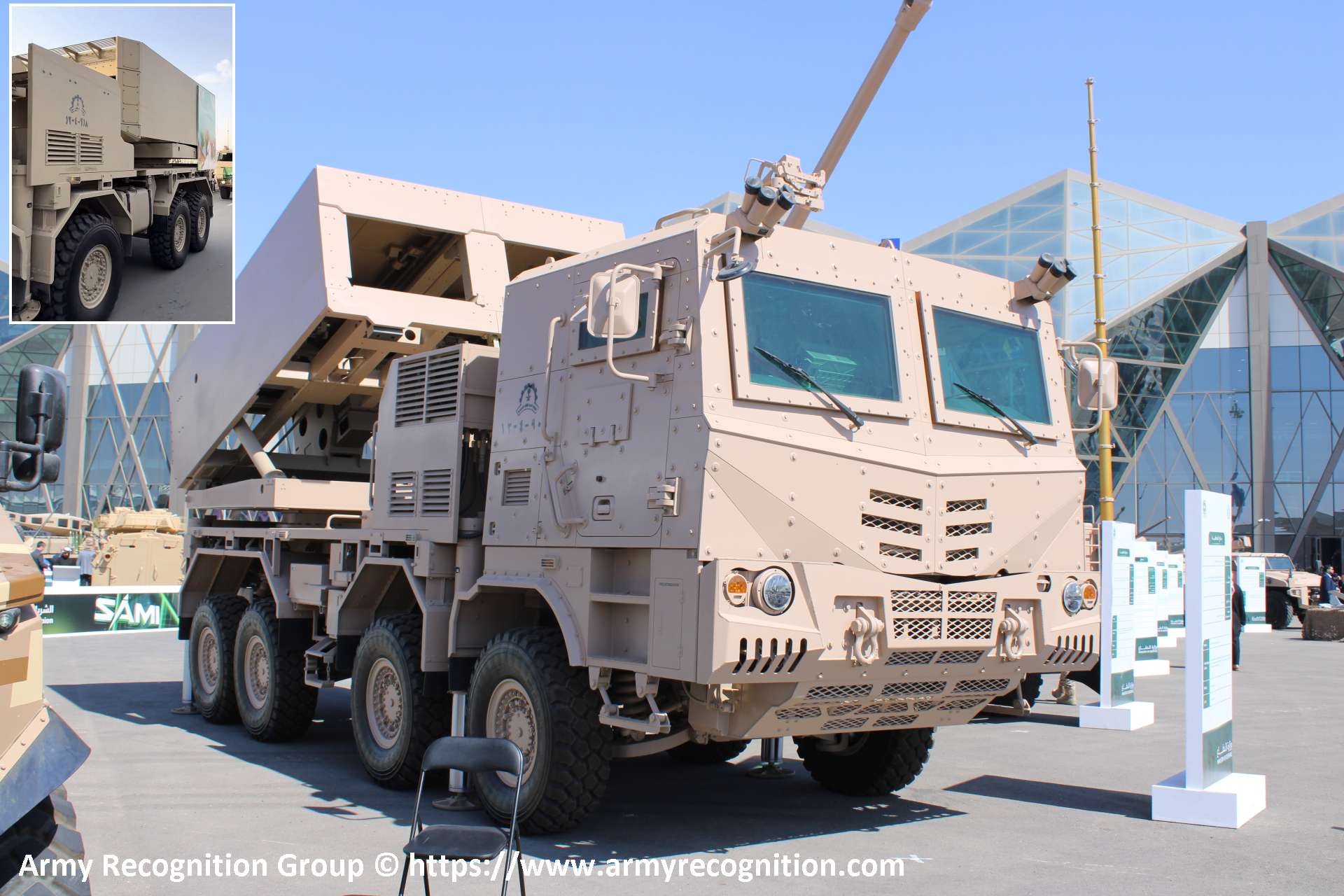
Recent imagery shared on @mason_8718's X social media platforms has revealed that Saudi Arabia's K239 Chunmoo Multiple Launch Rocket Systems (MLRS) are now equipped with the CTM-290 tactical ballistic missile. This development marks the first public instance of the K239 system in Saudi Arabia being configured with the CTM-290 missile pods, highlighting a significant enhancement in the kingdom's long-range strike capabilities.
Follow Army Recognition on Google News at this link
Saudi Arabia's K239 Chunmoo rocket and missile launcher on display at WDS 2024, showcasing its capability to launch South Korea's CTM-290 tactical missiles. (Picture source: Army Recognition Group)
The K239 Chunmoo, developed by South Korea's Hanwha Aerospace, is a versatile and advanced MLRS (Multiple Launch Rocket System) designed to deliver a range of munitions with high precision. The system can launch various types of rockets and missiles, including 130mm and 227mm unguided rockets, 239mm guided rockets, and 600mm tactical ballistic missiles such as the CTM-290. This multi-caliber capability allows the K239 to adapt to diverse combat scenarios, providing flexibility in both range and payload.
The CTM-290 is a 600mm tactical ballistic missile designed for integration with the K239 Chunmoo system. It features a high-explosive fragmentation warhead and utilizes a GPS/INS hybrid navigation system, ensuring high precision even against moving targets. The CTM-290 has an operational range of up to 290 kilometers and maintains a Circular Error Probable (CEP) of approximately 9 meters, making it a formidable asset for long-range precision strikes.
Saudi Arabia has been progressively enhancing its artillery capabilities by acquiring advanced systems like the K239 Chunmoo. In March 2022, the kingdom reportedly purchased the K239 Chunmoo multiple rocket launcher system. The recent deployment of the K239 equipped with CTM-290 missiles signifies a strategic advancement in Saudi Arabia's defense posture, significantly boosting its long-range strike and deterrence capabilities.
The integration of the CTM-290 missile into Saudi Arabia's K239 systems aligns with similar regional developments. The United Arab Emirates (UAE) has also been observed deploying the K239 system with ballistic missile pods, indicating a regional trend towards bolstering long-range precision strike capabilities. These advancements reflect a broader strategic initiative among Gulf Cooperation Council (GCC) countries to modernize their military assets in response to evolving security dynamics.
The sighting of Saudi Arabia's K239 Chunmoo MLRS configured with CTM-290 tactical ballistic missiles underscores a significant enhancement in the kingdom's military capabilities. This development not only strengthens Saudi Arabia's defense infrastructure but also contributes to the broader regional security architecture, reflecting a commitment to maintaining stability and deterrence in the Middle East.
- Details
- Written by: Administrator
- Category: 2024
- Hits: 5606
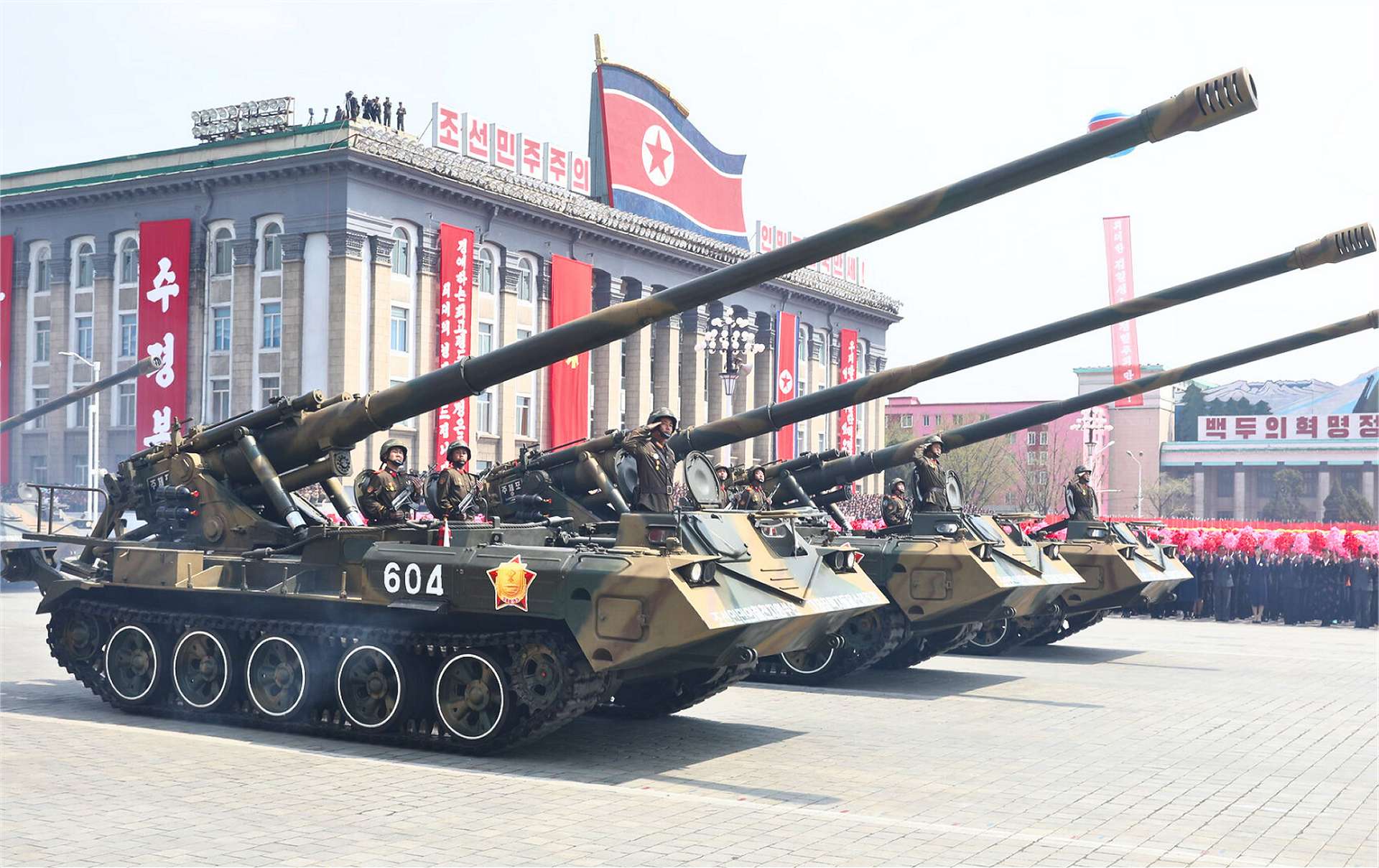
Ukrainian military intelligence has reported that North Korea has delivered 50 M-1989 Koksan 170mm tracked self-propelled howitzers to Russia, marking a new phase in Pyongyang’s support for Moscow's war effort in Ukraine. This information, disclosed on November 16, 2024, and published by the British Newspaper Financial Times, follows earlier indications of North Korean troops being deployed to the conflict. While this report has not yet been independently verified, the potential arrival of these heavy artillery systems could significantly impact the dynamics on the battlefield.
Follow Army Recognition on Google News at this link
The M-1989 Koksan, North Korea's most powerful self-propelled howitzer, boasts a formidable 170mm caliber with a range of up to 60 kilometers, making it a key asset in long-range artillery warfare. (Picture source: NK News)
As of 2024, North Korea's military arsenal includes approximately 8,600 towed and self-propelled artillery pieces, making its artillery force a cornerstone of the Korean People's Army's conventional military capabilities. Self-propelled howitzers represent a significant component, providing mobility and enhanced firepower.
Notable self-propelled howitzers in North Korea's arsenal include the M1978 Koksan, introduced in the late 1970s. This 170mm self-propelled gun is known for its exceptional range, reportedly reaching up to 60 km with rocket-assisted projectiles. An updated version, the M1989 Koksan, features improved mobility and firepower, and recent reports indicate that North Korea has supplied 50 units of this model to Russia. Another prominent system is the M1991, a 152mm self-propelled howitzer based on the Soviet D-20 towed gun, which is mounted on a tracked chassis for enhanced mobility and rapid deployment.
Additionally, North Korea has developed more modern systems like the M2018 series, which was unveiled during military parades. This series includes 122mm and 130mm self-propelled guns with fully enclosed armored turrets, reflecting advancements in protection and firepower. Although specific quantities of each self-propelled howitzer model are not publicly disclosed, they form a substantial part of the overall artillery count, underscoring North Korea's strategic focus on maintaining a versatile and robust artillery force. These developments highlight the country's emphasis on ensuring mobility and extended range to support its military objectives.
The M-1989 Koksan is a formidable weapon in North Korea’s arsenal. Known for its exceptional range, it can fire standard 170mm shells up to 40 kilometers and rocket-assisted rounds as far as 60 kilometers. Mounted on a tracked chassis, the howitzer combines mobility with devastating firepower, making it a versatile tool for long-range bombardments. This capability aligns well with Russia’s artillery-centric strategy, a cornerstone of its military operations in Ukraine.
Russia's delivery of these artillery systems would serve multiple purposes if confirmed. They could bolster long-range strike capabilities, enabling Russian forces to target Ukrainian supply lines, infrastructure, and fortified positions from greater distances. Furthermore, the systems could address reported shortages in Russian artillery stocks, providing much-needed reinforcement in key operational zones.
The reported delivery also highlights the expanding military partnership between North Korea and Russia. Earlier reports indicated the deployment of North Korean troops, potentially numbering in the thousands, to support Russian forces in the conflict. Together, these actions underline Pyongyang’s willingness to deepen its involvement, likely in exchange for economic or technological support from Moscow.
Despite the gravity of these reports, the presence of M-1989 Koksan howitzers in Ukraine has not been confirmed through independent means. No visual evidence or operational data has emerged to validate their deployment, and Ukrainian officials have emphasized the need for further intelligence to corroborate the claim. Open-source analysts and international observers monitor the situation closely for any signs of the artillery systems in action.
If true, adding the M-1989 Koksan howitzers to Russia’s arsenal could pose a significant challenge for Ukraine, necessitating a reevaluation of counter-battery strategies and the allocation of resources to neutralize this long-range threat. It also underscores the increasingly international nature of the conflict, with North Korea’s support offering Russia a lifeline amid mounting sanctions and logistical constraints.
As the situation continues to unfold, this development raises concerns among Ukraine’s allies about the evolving scope of the conflict. The strengthening ties between North Korea and Russia could prompt further diplomatic and economic countermeasures as the West seeks to counterbalance the implications of such alliances.
- BAE Systems to Build UK Facility for M777 Howitzer Production to Meet Global Demand
- Breaking News: Germany to Deliver the Sixth IRIS-T Air Defense Missile System to Ukraine by Year-End
- US Army Partners with Raytheon to Enhance Battlefield Logistics with Directed Energy
- Germany Announces a Record Year for Defense Acquisitions Boosted by F126 Frigates and Leopard 2A8 Tanks