
- Details
- Written by: Halna du Fretay
- Category: 2024
- Hits: 7559










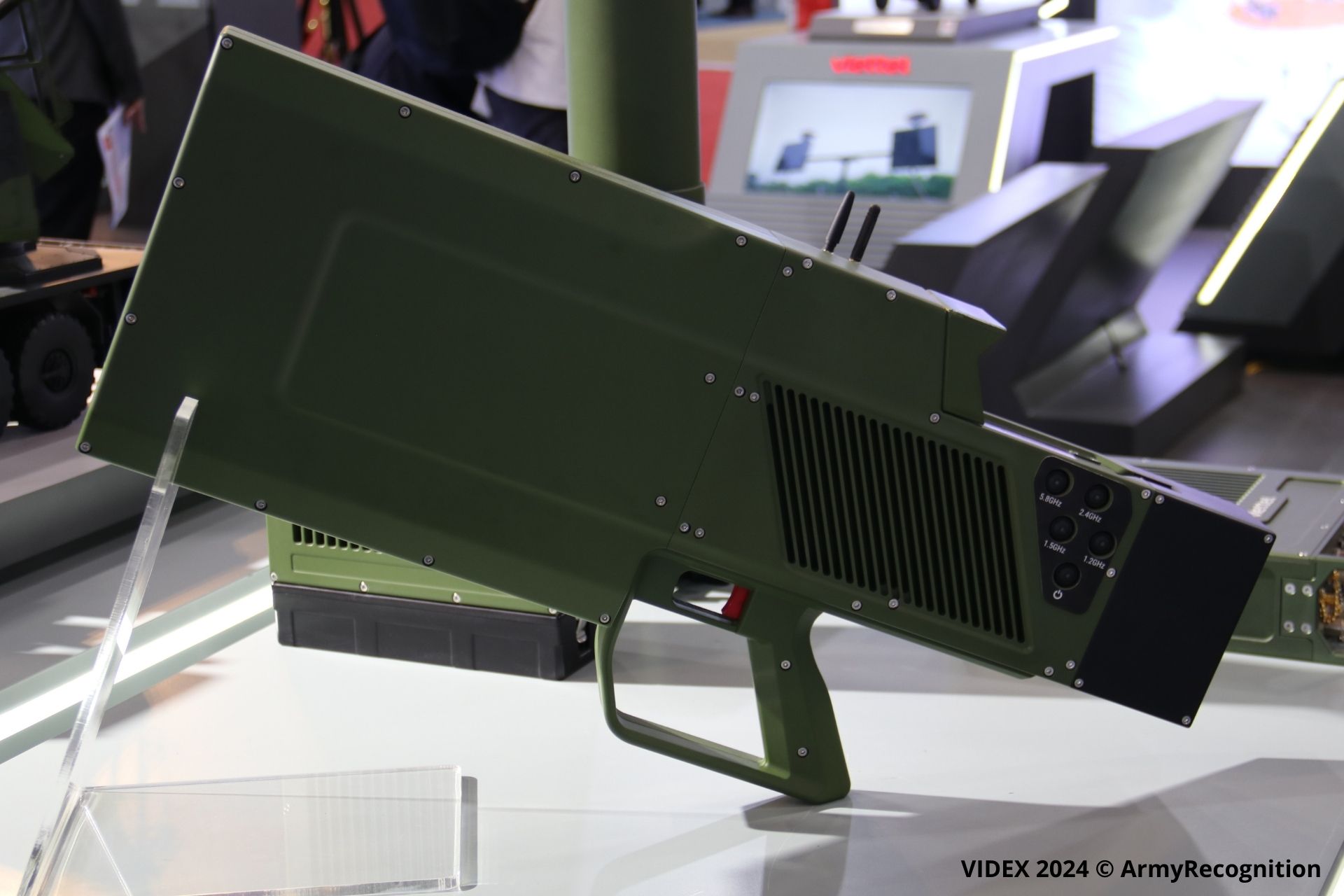
During the Vietnam International Defense Expo 2024, Viettel Group, a key player in Vietnam's defense industry, introduced the VCU3/P.DJG, an anti-drone electronic jamming rifle. This system, designed to disrupt communications and counter drones, highlights Viettel’s expertise in electronic warfare technologies.
The frequencies covered by Viettel’s system are widely employed by commercial drones such as DJI Phantom, Mavic, and Matrice, as well as professional drones used in industrial and surveillance applications (Picture source: Army Recognition)
The presented jamming system operates on several critical frequency bands, including 1.2 GHz, 1.5 GHz, 2.4 GHz, and 5.8 GHz, which are commonly used by drones and other communication systems. Capable of jamming and detecting suspicious signals, it effectively neutralizes threats in complex tactical environments. With a portable and ergonomic design, the device can be used independently or integrated into larger defense systems. It addresses the protection of critical infrastructure and strategic event security.
The frequencies covered by Viettel’s system are widely employed by commercial drones such as DJI Phantom, Mavic, and Matrice, as well as professional drones used in industrial and surveillance applications. These frequency bands are also common in military or customized drones, often modified for reconnaissance, surveillance, or targeted attacks. This broad coverage enables the system to address diverse threats, from standard commercial drones to improvised models in tactical contexts.
The device incorporates technologies such as wide-spectrum radios, machine-learning algorithms, and cognitive jamming capabilities. These features enable automatic detection and neutralization of threats while ensuring connectivity with command and control systems (C5ISR). Viettel designed this system to meet the demands of modern operations, where drones and autonomous technologies play an increasing role.
The VCU3/P.DJG anti-drone system stands out for its ability to cover a wide range of frequencies making it effective against a variety of commercial and military drones. This versatility places it among the more capable devices on the market, comparable to well-known products like DroneGun by DroneShield or REX 1 by Kalashnikov. Viettel’s approach integrates advanced features such as automated detection of suspicious signals and cognitive jamming, enhancing operational efficiency.
Compared to its competitors, Viettel’s rifle also distinguishes itself with a portable and ergonomic design, similar to DroneGun MKIII, but with an increased focus on integration into larger systems. However, some competing systems, such as those from Dedrone, emphasize combined defense solutions (software and hardware). Viettel’s product appears tailored for both autonomous and tactical use, addressing the needs of complex environments.
As a key player in Vietnam’s defense industry, Viettel is known for its ecosystem of military products spanning drones, radars, optronics, and cybersecurity. The group leverages modern laboratories and expertise in research and development to provide innovative solutions, particularly in military communications and electronic warfare sectors.
While effective and modern, Viettel’s anti-drone system does present notable limitations. Firstly, its jamming range is not explicitly detailed, raising questions about its effectiveness in long-distance scenarios. Competing systems, like DroneGun by DroneShield, offer jamming capabilities over several kilometers, potentially outperforming Viettel’s device. Additionally, although the system covers standard drone frequencies, it may face limitations against platforms using unconventional or encrypted communications, a growing trend among military and custom-built drones.
Moreover, the device appears primarily focused on jamming functions, with limited indications of integrated advanced detection capabilities such as radar or optical sensors found in competing solutions. This absence could reduce its effectiveness in proactively addressing threats, especially against drone swarms. Lastly, while designed for integration into C5ISR systems, its interoperability with multinational platforms or complex networks is not clearly emphasized, potentially limiting its adoption in collaborative international environments.
At the expo, Viettel also showcased its capabilities in the drone domain with various loitering munitions, demonstrating its commitment to multifunctional technologies. These autonomous platforms play a vital role in information gathering, reconnaissance, and precision strike operations. Viettel positions itself as a strategic partner to meet the emerging needs of modern armed forces.

- Details
- Written by: Administrator
- Category: 2024
- Hits: 23730
On December 18, 2024, the Russian Strategic Missile Forces (SMF) completed the re-equipment of a division with the Avangard hypersonic glide vehicles, further enhancing Russia's nuclear deterrent and reinforcing the growing importance of hypersonic technologies in its defense strategy. This deployment, taking place in the Orenburg region near the Russian-Kazakh border, marks another milestone in the operational expansion of one of Russia's most advanced weapons systems.
Follow Army Recognition on Google News at this link
The Russian Avangard hypersonic missile is launched during a test, demonstrating its high-speed boost-glide capability and advanced maneuverability. This weapon is designed to enhance Russia's strategic nuclear deterrent, making it capable of evading missile defense systems. (Picture source: Russian MoD)
The Avangard hypersonic missile was first introduced to the Russian military in December 2019 with the 13th Red Banner Rocket Division, and by 2021, this unit had achieved full operational capability. A second unit went on combat alert by mid-2022, and now, the Orenburg division has joined the ranks, solidifying the Avangard’s role in Russia's nuclear strike capabilities.
The Avangard is a cutting-edge hypersonic glide vehicle (HGV) designed to be launched atop a ballistic missile. It represents a major leap forward in Russia’s ability to penetrate missile defense systems and strike high-value targets with immense speed and precision. One of the most remarkable aspects of the Avangard is its ability to travel at speeds exceeding Mach 20 — roughly 6.28 km per second — after being boosted into suborbital flight. These speeds place the Avangard in a category of its own, far beyond the capabilities of traditional ICBMs. The glide vehicle’s combination of speed and maneuverability during its descent allows it to unpredictably alter its flight path, making it virtually impossible for current missile defense systems to intercept.
In terms of technical specifications, the Avangard boasts a range of over 6,000 km, with a weight of approximately 2,000 kg. The vehicle can carry both nuclear and conventional payloads, with the nuclear warhead reportedly capable of yielding more than 2 megatons of TNT equivalent — a staggering amount of destructive power. This versatility allows the Avangard to be employed in a variety of strategic contexts, from high-yield nuclear strikes to more conventional targets requiring precision.
As a boost-glide weapon, the Avangard is carried to its suborbital apogee by a ballistic missile. Currently, this is the SS-19 "Stiletto" (UR-100NUTTH), though plans are in place to transition to the more powerful RS-28 "Sarmat" ICBM in the future. The RS-28 "Sarmat" will replace the SS-19 as the Avangard’s primary delivery system, providing increased range, payload capacity, and overall capability. Although Russia initially planned to mount the Avangard on the road-mobile RS-26 "Rubezh" (SS-X-31), financial constraints led to the adoption of the more advanced R-28 "Sarmat" for deployment. The R-28 “Sarmat” will provide greater flexibility and survivability for the Avangard in both mobile and silo-based configurations.
Once boosted to its apogee at around 100 km in altitude, the Avangard separates from its rocket carrier and begins its glide towards its target. This separation occurs in the vacuum of space, allowing the glide vehicle to re-enter the atmosphere and continue its descent with atmospheric speeds exceeding Mach 20. During this phase, the Avangard remains highly maneuverable, using its aerodynamic features to shift its trajectory and evade interception. As Russia’s President Vladimir Putin revealed in a 2018 speech, the Avangard’s ability to maneuver at hypersonic speeds gives it an unpredictable flight path, making it especially difficult for missile defense systems to track and engage during its descent.
Though no publicly available images of the Avangard exist, reports suggest that it likely features a short, wedge-shaped design or possibly a shuttle-like configuration with small stabilizer wings. The HGV itself likely does not rely on any propulsion system after separation from its carrier missile, instead using gravity and aerodynamic forces to maintain its speed and altitude. This design minimizes the complexity of the system and ensures that the vehicle remains as fast and efficient as possible while still retaining the ability to maneuver in flight.
The operational capabilities of the Avangard present significant challenges for missile defense systems, particularly those developed by NATO and the United States. The vehicle’s combination of high speed, maneuverability, and range makes it an effective counter to current missile defense technologies, which are designed to intercept traditional ballistic missiles that follow predictable, high-arc trajectories. Hypersonic glide vehicles like the Avangard, with their unpredictable flight paths and speeds, complicate attempts to intercept or destroy them before they reach their targets.
The threat posed by the Avangard is serious for the United States and Europe. The glide vehicle’s ability to carry up to a 2-megaton nuclear warhead provides Russia with a highly effective means of delivering devastating strikes to multiple targets simultaneously, potentially overwhelming missile defense systems. Each large Russian intercontinental ballistic missile (ICBM) can carry up to 12 Avangard warheads, allowing for a strike on 12 separate locations, all with the potential for thermonuclear destruction. This significantly enhances Russia’s strategic capabilities and raises the stakes in the nuclear arms race.
Furthermore, the deployment of such advanced weapons systems by Russia increases the pressure on NATO and the U.S. to develop countermeasures that can neutralize hypersonic threats. While current missile defense systems can intercept traditional ICBMs, they are less equipped to deal with the unpredictability and extreme speed of hypersonic glide vehicles. This technological gap presents a potential vulnerability, particularly if Russia continues to expand its arsenal of hypersonic weapons, forcing the West to accelerate its own research into counter-hypersonic technologies.
The Avangard’s deployment, alongside other Russian strategic systems like the Sarmat ICBM and Poseidon underwater drone, indicates a deliberate move by Moscow to ensure the survivability of its nuclear deterrent in the face of emerging missile defense technologies. For Russia, the Avangard is a tool of both defense and power projection, designed not only to counter U.S. missile defense systems but also to reinforce its nuclear deterrent in an increasingly multipolar global security environment.
In conclusion, the Avangard hypersonic glide vehicle represents a significant advancement in Russia’s military capabilities. With its long range, high speed, and ability to carry massive nuclear payloads, the Avangard poses a formidable challenge to missile defense systems in both the U.S. and Europe. As Russia continues to modernize its nuclear arsenal, the Avangard’s role as a primary component of its strategic deterrence posture is set to grow, while the implications for global arms control and missile defense systems will likely shape future military and diplomatic strategies worldwide.
Read more: Russia Expands Strategic Nuclear Arsenal with Avangard Hypersonic Missile Deployment
- Details
- Written by: Vandenbosch
- Category: 2024
- Hits: 5907
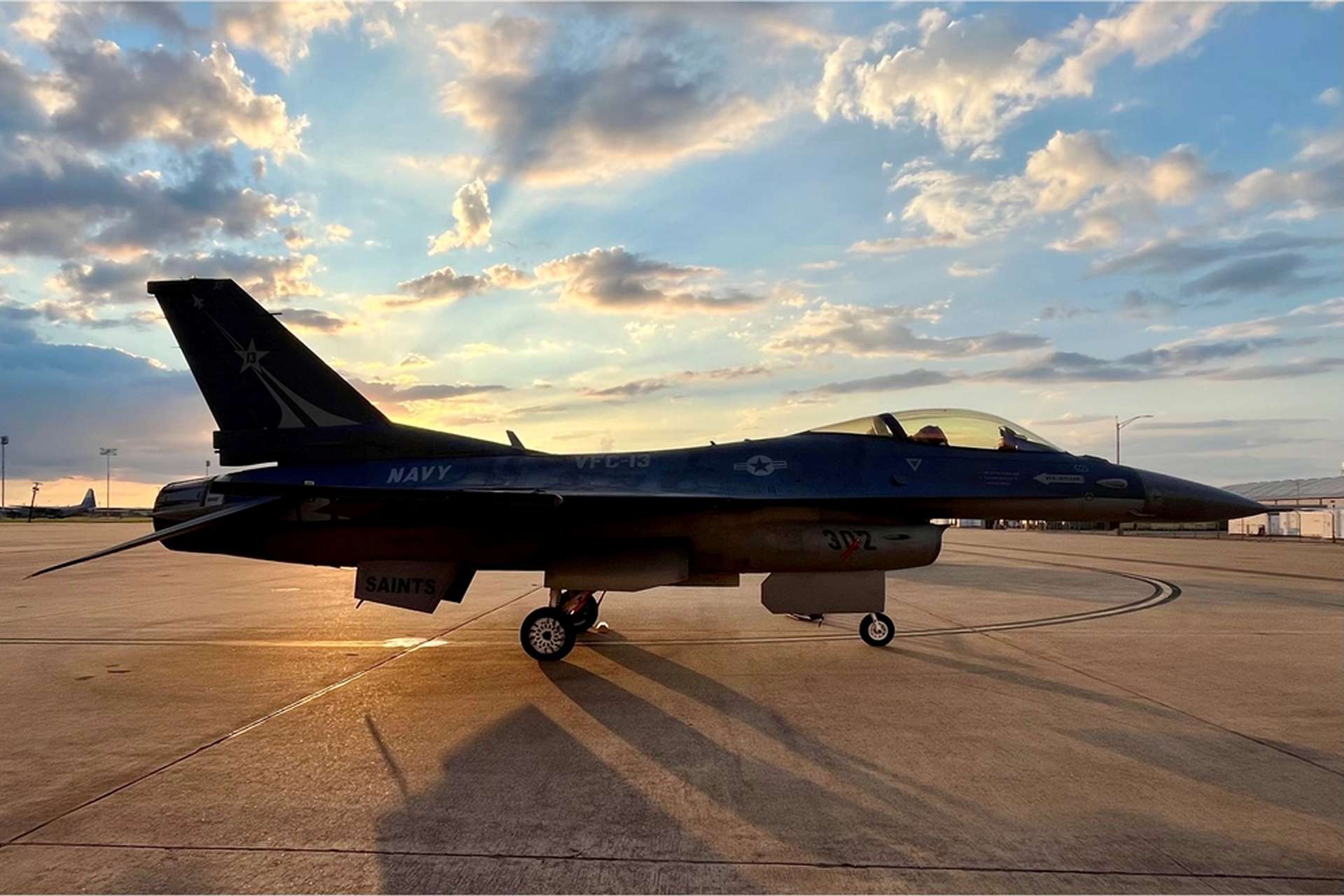
The United States is awaiting a response from Colombia in the coming days to coordinate a visit and visual inspection of the Lockheed Martin F-16s proposed for the Colombian Air and Space Force (FAC).
The F-16 Fighting Falcon is a versatile and widely used multirole fighter aircraft. (Picture source: US DoD)
After presentations to the Ministry of Defense and the Colombian Armed Forces Command, the United States reiterated its offer to the South American nation, which includes two potential options. The first option includes the sale of eight used aircraft and the donation of up to 16 additional used units. The second option involves the sale of eight to 24 new aircraft.
It is important to note that if Colombia chooses the option for used aircraft, the United States is committed to modernizing its systems, equipment, capabilities, and training, offering upgrades that go beyond the capabilities of the F-16 and other aircraft currently in service in the hemisphere.
These offers are tied to infrastructure adaptation processes, offset agreements, consulting services, and a commitment not to veto the use or deployment of the aircraft in either conventional or asymmetric operations.
The U.S. government emphasized its "zero tolerance" stance towards acts or proposals of corruption. It stated that all negotiations would be conducted transparently, with no private dialogues involving officials with personal interests in the process. Furthermore, the United States assured Colombia that any corruption affecting U.S. interests would be reported to the courts.
The F-16 Fighting Falcon is a highly versatile and widely used multirole fighter aircraft, originally developed by General Dynamics (now Lockheed Martin). First flown on February 2, 1974, and entering service in 1978, the F-16 has remained in active use with various air forces worldwide, renowned for its adaptability, performance, and cost-effectiveness. Over 4,500 units have been built, making it one of the most produced fighter aircraft in history. The F-16 is designed to perform a wide range of missions, including air superiority, ground attack, and reconnaissance, and it can be equipped for both air-to-air and air-to-ground combat roles.
Powered by a Pratt & Whitney F100-PW-229 turbofan engine with afterburner, the F-16 generates a thrust of 79 kN without afterburner and 130 kN with afterburner, allowing it to achieve speeds exceeding Mach 2 (2,173 km/h). Its capabilities include an impressive climb rate of 15,240 meters per minute and a maximum operational ceiling of 15,200 meters. The F-16 has a combat radius of 550 km, making it effective for both quick strikes and sustained operations.
The aircraft features an airframe with a wingspan of 9.8 meters, a length of 14.8 meters, and a height of 4.8 meters, providing a balanced structure that supports both agility and stability. With a maximum takeoff weight of 16,900 kg, it can carry a substantial payload, including a variety of munitions such as the M61A1 Vulcan 20mm internal cannon, air-to-air missiles like the AIM-7 Sparrow and AIM-9 Sidewinder, and air-to-ground weapons like the AGM-65 Maverick and HARM anti-radar missiles. It is also capable of carrying guided bombs, including laser-guided and JDAM (Joint Direct Attack Munition) bombs.
The F-16 is equipped with advanced avionics systems, including a fly-by-wire control system, a Heads-Up Display (HUD), and HOTAS (Hands On Throttle and Stick) controls for enhanced pilot workload management. It is outfitted with various radar systems, including the AN/APG-66, AN/APG-68, and the more advanced AN/APG-83 active electronically scanned array (AESA) radar. Additionally, it features infrared targeting and reconnaissance systems, electronic warfare capabilities, GPS navigation, and secure data links such as Link 16, all of which make it highly capable in modern combat scenarios.
This combination of high performance, advanced systems, and adaptability to multiple mission types has made the F-16 a mainstay in the air forces of many countries. Whether in air superiority missions, precision strikes, or close air support, the F-16 continues to serve effectively, maintaining relevance through continuous upgrades and modernization programs.
This development reflects the growing defense collaboration between the two countries and highlights the strategic importance of modernizing Colombia’s aviation to address the ever-evolving regional security challenges.
Read more: United States Reiterates its Offer to Colombia for F-16 Multirole Fighters
- Details
- Written by: Vandenbosch
- Category: 2024
- Hits: 3873
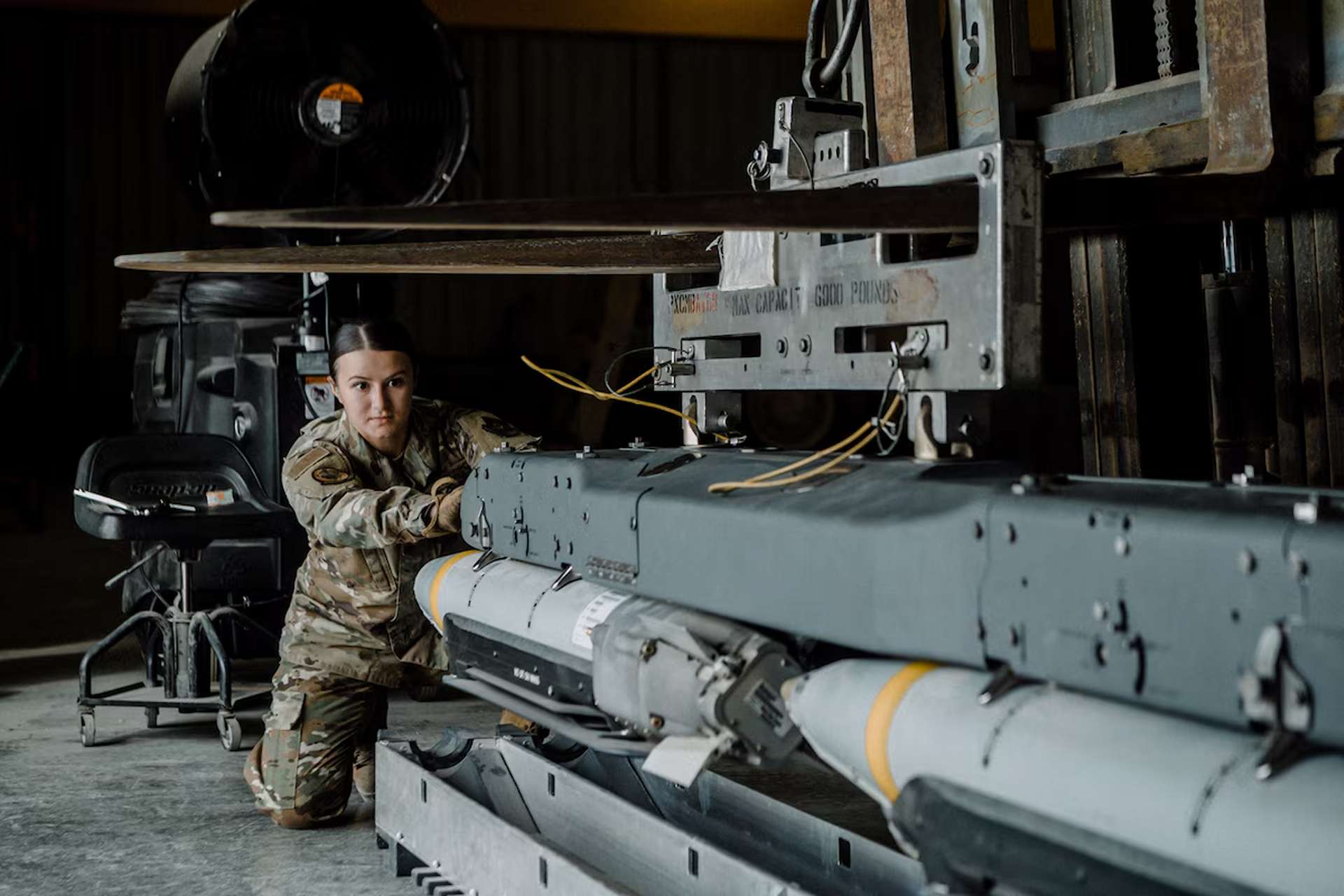
Morocco has taken a step in strengthening its defense capabilities by signing a military contract valued at an estimated $86 million, or approximately 860 million dirhams, for the acquisition of GBU-39B Small-Diameter Bombs (SDB-I). The U.S. Department of State approved this transaction, which was notified to Congress by the Defense Security Cooperation Agency (DSCA) on December 21, 2024.
The acquisition of the GBU-39B Small Diameter Bombs will enhance Morocco’s ability to carry out high-precision strikes. (Picture source: US DoD)
The contract includes the purchase of 500 GBU-39B Small Diameter Bombs, along with two GBU-39 (T-1)/B inert practice bombs equipped with fuzes. In addition to these advanced systems, Morocco will also receive a range of supporting equipment, including tactical training munitions, containers, weapons system support, test equipment, spare parts, as well as various accessories and consumables. The contract also includes the provision of essential services, including personnel training, technical support, and logistical services necessary to integrate these advanced technologies into Morocco's armed forces.
Boeing Corporation, based in St. Louis, Missouri, has been designated as the prime contractor for the execution of this deal. This sale aligns with U.S. foreign policy objectives aimed at strengthening the security of key allies and supporting stability in strategic regions. It also reflects the strong defense ties between the United States and Morocco, a major ally in the Maghreb region.
The acquisition of the GBU-39B Small Diameter Bombs will significantly enhance Morocco’s ability to carry out high-precision strikes, while improving its operational effectiveness in the face of current and emerging threats. The equipment will also improve interoperability between Moroccan forces and the U.S. Air Force (USAF), thus strengthening bilateral military cooperation. With its modern military infrastructure, Morocco is fully prepared to integrate this new technology into its operations.
Recognized for its stabilizing role in the North African geopolitical context, Morocco is seeking to equip itself with increasingly sophisticated weapon systems to address growing security challenges in the region, particularly in the areas of terrorism and regional tensions. The acquisition of these Small Diameter Bombs marks a decisive step in the modernization of Morocco’s military, allowing it to better respond to security challenges both on a national and international level.
In addition to bolstering Morocco’s strike capabilities, this contract marks a new chapter in the strategic relationship between the United States and the Kingdom of Morocco, which continues to collaborate closely on defense and security issues. Enhancing Morocco’s defense capabilities will not only improve its ability to respond to immediate threats but also increase its long-term force projection capabilities in an increasingly uncertain global context.
Read more: Morocco Secures Contract with US for Acquisition of Advanced Small-Diameter Bombs

- Details
- Written by: Vandenbosch
- Category: 2024
- Hits: 6483
Saab has received an additional order from the Swedish Defence Materiel Administration (FMV) to continue the development and integration of the multi-role fighter Gripen C/D. This contract extension, valued at 466 million Swedish kronor (SEK), highlights Sweden's commitment to modernizing its air defense capabilities by integrating new missile systems.
The Saab JAS 39 Gripen is a multi-role fighter aircraft developed by the Swedish manufacturer Saab. (Picture source: SAAB)
According to Saab, these funds will be used to implement significant updates and study the integration of future air-to-air and air-to-ground missiles, thereby significantly expanding the operational range of the Gripen C/D fleet. Lars Tossman, Director of the Aeronautics Division at Saab, stated: "The Gripen C/D contract extension marks an important step for our defense. The integration of new advanced missile systems reflects our commitment to providing high-quality solutions. We are proud to contribute to Sweden's defense capabilities through this contract."
The Saab JAS 39 Gripen is a multi-role fighter aircraft developed by the Swedish manufacturer Saab, which made its first flight in 1988 and entered service in 1996. It is designed to perform a variety of missions, ranging from air defense to ground attack, while also being capable of reconnaissance missions. This model was designed to be versatile and extremely maneuverable, with a particular focus on its low radar signature and ability to operate from minimally equipped air bases.
The Gripen is powered by a turbofan engine with afterburner, the Volvo Aero RM12, which provides a thrust of 50.4 kN (80.5 kN with afterburner), and the improved Gripen E/F version uses a more powerful General Electric F414 engine. It can reach a maximum speed of Mach 2 (2,125 km/h) and a cruising speed of Mach 1.1, enabling it to move quickly and carry out interceptions effectively. With a range of 800 km for the standard version and up to 1,300 km for the Gripen E/F, this aircraft is capable of conducting operations over long distances.
The configuration of the Gripen varies slightly between its different versions, including the Gripen C/E and Gripen D/F, depending on the crew size and specific capabilities. Its design allows it to be operated with either a single pilot or two, depending on the variant. The aircraft has a wingspan of 8.4 m, which increases to 8.6 m for the Gripen E/F model, and a length of 14.1 m for the base version, extending to 15.9 m for the two-seat version. The aircraft has an empty weight of 6,600 kg, which can increase to 13,971 kg at takeoff, with a maximum capacity of 16,500 kg for the more advanced Gripen E/F version.
In terms of armament, the Gripen is equipped with an internal 27mm cannon and can carry up to 4,200 kg of payload on 6 pylons and 2 missile rails, with an enhanced payload capacity of 5,300 kg for the Gripen NG, which can carry a greater variety of external munitions and missile systems. This flexibility allows the Gripen to meet a wide range of operational needs, from air combat to precision strikes.
The Saab JAS 39 Gripen is thus a modern, highly capable aircraft that can adapt to various mission requirements while remaining relatively affordable and operational in diverse conditions, making it a preferred choice for many air forces worldwide.
This extension will allow the Gripen C/D to remain a cornerstone of Sweden's military capabilities for many years. By modernizing its existing fleet with cutting-edge weapons systems and technologies, Sweden aims to maintain a strong and sustainable air defense, tailored to meet both current and future operational needs.
Read more: Saab Secures New Gripen C/D Contract to Strengthen Sweden's Air Capabilities
- Details
- Written by: Administrator
- Category: 2024
- Hits: 4436
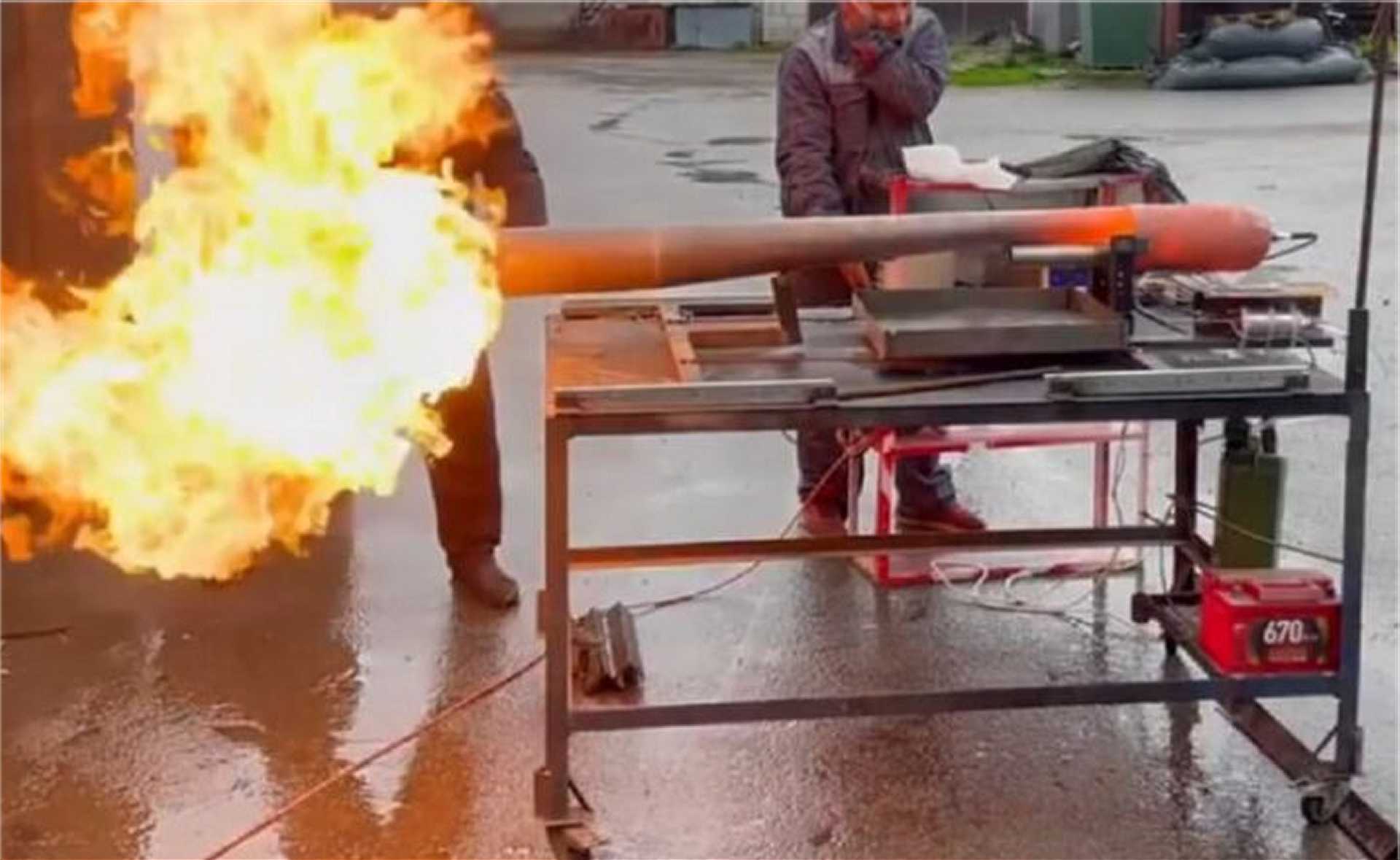
On December 23, 2024, the British weekly newspaper The Economist reported that Ukraine is advancing its missile development program by creating a larger and more powerful version of its Trembita cruise missile, designed to reach Moscow potentially. This new development underscores Ukraine’s focus on bolstering its military capabilities with cost-effective, homegrown solutions as the conflict with Russia continues.
Follow Army Recognition on Google News at this link
Ukrainian engineers work on the development of the advanced Trembita missile, designed to enhance the country’s long-range strike capabilities and potentially reach Russian territory, including Moscow. (Picture source: Facebook)
The Trembita cruise missile, named after a traditional Ukrainian alpine horn, was first revealed in 2023 and has been developed as a low-cost alternative to more expensive Western or Russian missile systems. Inspired by the principles of the V1 flying bombs used by Nazi Germany during World War II, the Trembita missile focuses on affordability and simplicity while maintaining effective combat capabilities.
The basic version of the Trembita missile is a cruise missile or flying bomb with a range of up to 140 kilometers, making it suitable for targeting enemy positions within Ukraine or just beyond the front lines. It has a relatively low launch weight of around 100 kilograms, making it easier for Ukraine to produce and deploy it in larger quantities. The missile travels at speeds of up to 400 kilometers per hour, providing it with the ability to cover significant distances, though it is slower than some of the advanced Western cruise missiles.
The Trembita missile can be equipped with either a thermobaric or high-explosive (HE) warhead weighing approximately 25 kilograms, sufficient for precision strikes on strategic infrastructure, military targets, or other key enemy positions. It is capable of flying at altitudes up to 2,000 meters, with the ability to adjust its flight path to avoid detection by radar or to evade air defense systems. In terms of dimensions, the Trembita has an overall length of 2 meters, though the exact wingspan and diameter remain unspecified. These technical characteristics make the Trembita a highly affordable, yet effective, weapon capable of delivering precision strikes without the cost associated with more advanced systems.
The new, larger version of the Trembita missile is expected to enhance both its range and payload capacity. While official specifications for the upgraded version remain classified, it is believed that the new missile could potentially reach targets as far as 1,500 kilometers, bringing major Russian cities, including Moscow, within its reach. Additionally, the missile’s warhead capacity is expected to increase, enabling it to inflict more damage on high-value targets. The advanced Trembita may also incorporate improvements in its guidance and navigation systems, potentially including GPS-aided targeting for better precision and countermeasures to bypass air defenses. The developers are likely focusing on enhancing the missile’s speed and maneuverability to ensure it remains viable in contested airspace.
Despite its increasing capabilities, the missile’s affordability remains a key feature. By leveraging cost-effective materials and streamlined manufacturing processes, Ukrainian engineers have ensured that Trembita missiles can be produced at a fraction of the cost of comparable Western or Russian missiles. This affordability enables Ukraine to maintain a high production rate, providing a scalable solution to meet its operational needs. The missile’s simplicity and cost-efficiency allow for rapid deployment and saturation of enemy defenses, overwhelming them with a high volume of attacks at minimal cost.
The strategic implications of the new version of the Trembita missile are significant. A missile capable of striking Moscow would provide Ukraine with a powerful strategic deterrent, complicating Russian military calculations. It would also demonstrate Ukraine’s growing technological expertise and its ability to produce sophisticated weapons systems independently. This development may influence the nature of future military aid from Western countries, with a focus on supporting Ukraine’s indigenous capabilities rather than duplicating them with costly Western systems.
At the same time, the potential deployment of a long-range missile with the ability to strike deep into Russian territory could escalate tensions. Russia may respond with increased countermeasures, including enhanced air defense systems and retaliatory strikes. The increased capabilities of the Trembita missile would thus not only strengthen Ukraine’s defensive position but also change the dynamics of the ongoing conflict.
As the Trembita program progresses, it will remain a focal point for defense analysts and policymakers worldwide. The missile’s success could offer a model for other nations seeking to balance cost-effective production with high combat effectiveness. For Ukraine, the continued development of the Trembita missile is a testament to its resilience, adaptability, and strategic foresight, providing a crucial asset in its defense efforts and a potential game-changer in the ongoing conflict with Russia.

- Details
- Written by: Halna du Fretay
- Category: 2024
- Hits: 8843
On December 20, 2024, the U.S. Army's Rapid Capabilities and Critical Technologies Office (RCCTO) announced its plan to award an exclusive contract to BAE Systems to develop a 155mm self-propelled cannon prototype. This system, the Multi-Domain Artillery Cannon (MDAC), aims to address growing modern aerial threats, including drones and cruise missiles. The project utilizes hypervelocity ammunition originally developed for the U.S. Navy’s canceled electromagnetic railgun program, with an operational demonstration scheduled for 2028.
The MDAC is designed to protect fixed and semi-fixed positions against a wide range of threats, including drones, cruise missiles, fixed-wing aircraft, and helicopters (Picture source: USAF)
This effort will be executed under an Other Transaction Agreement (OTA), a contract mechanism designed to accelerate technology development by bypassing traditional administrative hurdles. This approach allows rapid focus on research and prototyping to meet the urgent needs of the U.S. armed forces.
Since 2022, the RCCTO has been collaborating with the U.S. Air Force and other strategic organizations, such as the Pentagon’s Strategic Capabilities Office and the Air Force Research Laboratory. Together, they are advancing this ambitious project by leveraging related programs, including the Hypervelocity Ground Weapon System (HGWS). The current goal is to finalize a complete prototype MDAC battery by the end of fiscal year 2027. This battery will include eight MDAC cannons, four Multi-Function Precision Radars (MFPR), two Multi-Domain Battle Managers (MDBM), and at least 144 Hypervelocity Projectiles (HVP). These components will be integrated into a larger defense network, including the Integrated Air and Missile Defense Battle Command System (IBCS), which is currently being deployed.
The MDAC is designed to protect fixed and semi-fixed positions against a wide range of threats, including drones, cruise missiles, fixed-wing aircraft, and helicopters. It will complement existing air defense systems within a layered strategy. Key technical requirements include a wheeled design, remote firing capabilities, high rates of fire, significant ammunition capacity, and fast resupply, whether manual or automated. The system must also be transportable by C-130 aircraft, enhancing its potential for expeditionary missions.
While BAE Systems' specific design for the MDAC remains confidential, certain possibilities can be inferred. The system could draw inspiration from the Archer, a 155mm self-propelled howitzer developed by Bofors, a BAE Systems subsidiary. The Archer features a 21-round autoloader capable of firing the first round within 23 seconds and repositioning quickly after firing. However, a new platform tailored to the MDAC's transportability and other requirements might also be developed. A chassis based on the widely used FMTV tactical trucks is another feasible option.
Hypervelocity projectiles (HVP) are a central element of this project, offering an innovative and cost-effective response to modern threats. Initially developed for the Navy’s railgun program, these projectiles can reach speeds exceeding 9,000 km/h, destroying targets through kinetic impact. Explosive variants are also planned, with an estimated range of 31 kilometers for 155mm cannons. With a unit cost below $100,000, HVPs are particularly competitive compared to traditional missiles, such as the Stinger ($400,000) or the PAC-3 MSE, which costs several million dollars.
The MDAC project is especially relevant in the context of evolving aerial threats. Armed drones, cruise missiles, and autonomous systems have become strategic tools for state and non-state actors alike. Recent conflicts, particularly in Ukraine, have highlighted the need for innovative and cost-efficient defense solutions to counter these varied and often asymmetric threats.
However, the MDAC will not serve as a standalone solution. It will need to be integrated into a broader defense architecture to address complex scenarios effectively. Additionally, its development occurs amid ongoing debates between the U.S. Army and the Air Force regarding the division of responsibilities for air base defense. The Air Force has recently expressed interest in reclaiming certain roles traditionally handled by the Army, citing the need for adaptation to evolving tactical realities.
With this project, the U.S. Army aims to demonstrate by the end of the decade the capabilities of an innovative air defense system tailored to modern battlefield demands while reducing operational costs. The MDAC could become a critical asset in layered defense strategies, offering a flexible and efficient response to contemporary aerial threats.
- Details
- Written by: Halna du Fretay
- Category: 2024
- Hits: 4595
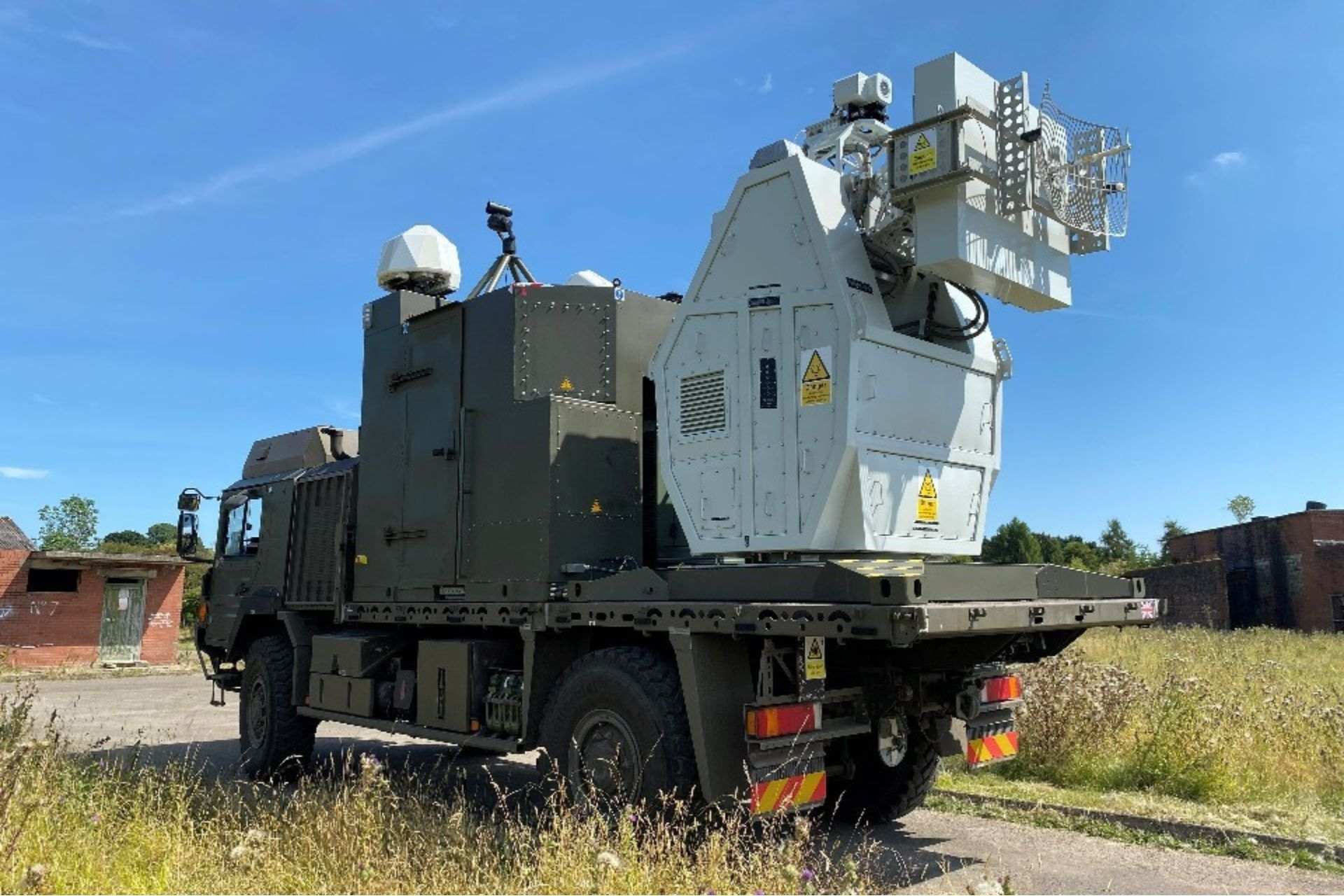
On December 23, 2024, the British Army announced the successful testing of an innovative weapon designed to neutralize drone swarms using radio waves. Known as the Radio Frequency Directed Energy Weapon (RFDEW), this system offers an effective and economical solution to modern aerial threats. This technological advancement represents a significant step forward in missile and air defense, enhancing national security while optimizing operational costs.
The RFDEW is designed to detect, track, and neutralize threats across land, air, and sea with near-instantaneous effects at distances of up to one kilometer, costing only 10 pence per shot (Picture source: British MoD)
The RFDEW is engineered to detect, track, and engage a variety of threats across land, air, and sea. It can neutralize targets at distances of up to one kilometer with near-instantaneous effect, at an estimated cost of just 10 pence per shot. This cost efficiency contrasts sharply with traditional missile-based defense systems, making it a complementary option for modern defense strategies. Unlike laser-based systems like the DragonFire, the RFDEW employs high-frequency radio waves to disrupt or damage the critical electronic components of targeted devices, such as drones, rendering them immobilized or causing them to crash.
This technological breakthrough is the result of a consortium led by Thales UK, in collaboration with QinetiQ, Teledyne e2v, and Horiba Mira. The project supports over 135 highly skilled jobs across the UK defense industry, demonstrating the government’s commitment to fostering sovereign technologies and reinforcing the foundations of national security. Additionally, the system's high level of automation allows for operation by a single person and deployment on military vehicles, such as the MAN SV, enhancing its operational mobility.
The first live demonstration of the RFDEW was conducted at a test range in Wales by the Royal Artillery’s Trials and Development Unit and the 7th Air Defence Group. The trials successfully targeted and neutralized uncrewed aerial systems (UAS), marking a significant milestone for the British Armed Forces. These tests explored various configurations, environments, and engagement scenarios, improving understanding of the technology’s operational potential.
The RFDEW’s development falls under the Team HERSA program, a joint initiative by the UK Ministry of Defence, Defence Equipment & Support (DE&S), and the Defence Science and Technology Laboratory (Dstl). Dstl Program Lead Matt Cork highlighted the collaborative effort between defense experts and industry, while Nigel MacVean, Managing Director of Thales Integrated Airspace Solutions, emphasized the importance of continued research and development in this field, reflecting Thales’ long-standing involvement in directed energy technology.
These trials represent a key step in the UK’s efforts to enhance the future operational capabilities of its armed forces. The RFDEW demonstrates a precise, powerful, and cost-effective method to counter multiple aerial threats. As the trials progress, Team HERSA is working on refining the operational requirements, doctrine, and technology to optimize RFDEW systems for future missions.
With the rapid expansion of drone use in both civilian and military contexts, the development of weapons like the RFDEW holds strategic importance. Drones, widely accessible and versatile, are deployed for tasks ranging from surveillance to offensive operations, posing increasing security challenges. Recent incidents involving drones in illegal surveillance or coordinated attacks highlight the need for innovative solutions to effectively and affordably counter these threats.
RFDEWs meet this demand by using radio waves to disrupt the electronic components of drones, offering rapid and cost-efficient neutralization of drone swarms. Their versatility allows deployment on various platforms, including land, air, and sea, further enhancing their relevance against evolving threats. These systems stand out as vital tools for protecting critical infrastructure and maintaining technological superiority in modern defense scenarios.
Despite their advantages, RFDEWs face certain limitations, particularly against drones equipped with advanced technologies. For instance, drones using fiber-optic connections instead of radio links are less vulnerable to radio wave interference. Fiber optics, immune to electromagnetic disruptions, provide secure remote control resistant to RFDEW effects. Additionally, some sophisticated drones are equipped with anti-jamming systems or reinforced electronic components, reducing the effectiveness of RF-directed attacks. Furthermore, the system's limited range of approximately one kilometer could pose challenges in scenarios involving large-scale coordinated attacks or threats from high altitudes. These limitations underscore the importance of diversifying defense strategies to address the evolving technological landscape of aerial threats.
Read more: British Army Successfully Tests a Radio Wave Weapon Capable of Neutralizing Drone Swarms
- Details
- Written by: Halna du Fretay
- Category: 2024
- Hits: 10957
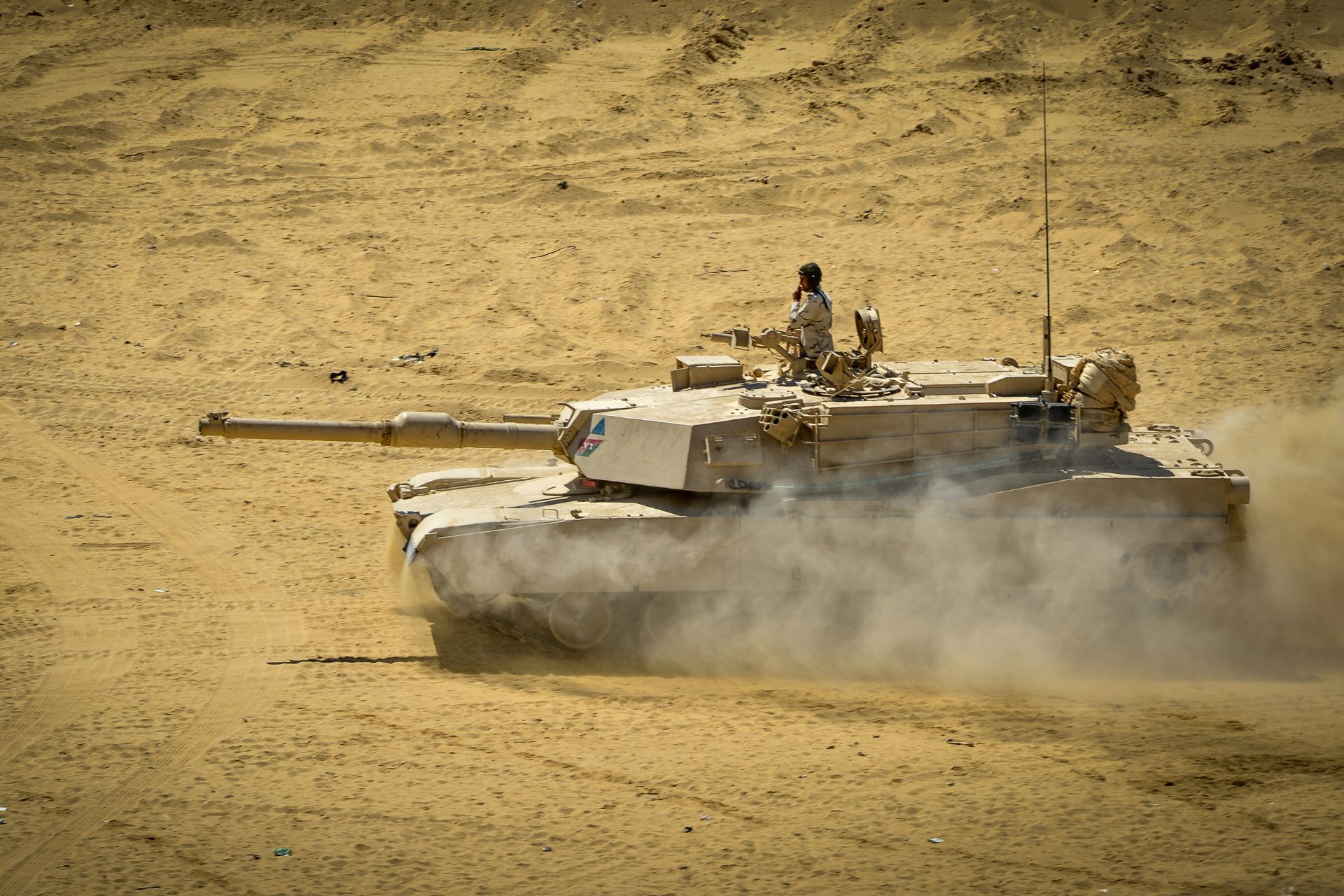
The U.S. administration has approved a significant military transaction with Egypt aimed at modernizing the defense equipment of this strategic Middle Eastern country. Announced on Friday, December 20, 2024, this decision marks a key step in the cooperation between Washington and Cairo. The deal, valued at over $5 billion, includes the modernization of 555 M1A1 Abrams tanks in the Egyptian Army, as well as the acquisition of Hellfire missiles and precision-guided munitions.
Egypt maintains an active fleet of 1,130 M1A1 Abrams tanks (Picture source: US DoD)
According to the U.S. State Department, $4.69 billion will be allocated to upgrading the Abrams tanks to the M1A1 SA (Situation Awareness) configuration. This standard introduces advanced technologies such as the FBCB2 (Force XXI Battle Command Brigade and Below) command and control system and a thermal sight for the 12.7 mm machine gun. The upgrade also involves enhanced armor protection, including depleted uranium components, although these elements were omitted from Abrams tanks transferred to Ukraine in the autumn of 2023. Additionally, $630 million will be used to procure 2,183 Hellfire missiles, while $30 million will be spent on acquiring precision-guided munitions.
Egypt maintains an active fleet of 1,130 M1A1 Abrams tanks. This acquisition began in 1992, with the local assembly of these tanks carried out in partnership with the United States. Egypt remains the only country outside the United States authorized to produce M1A1 Abrams locally.
The M1A1 Abrams, a third-generation main battle tank, is designed for modern combat scenarios. Measuring approximately 9.77 meters in length (including the gun), 3.66 meters in width, and 2.44 meters in height, the tank weighs 63 tons. Powered by a 1,500-horsepower AGT-1500 gas turbine engine, it can achieve a maximum speed of 67 km/h on roads and has an operational range of approximately 426 kilometers.
The tank’s primary armament includes a 120 mm M256 smoothbore cannon capable of firing a range of munitions, including armor-piercing and explosive shells. This is complemented by a roof-mounted 12.7 mm M2 heavy machine gun for short-range air defense and two 7.62 mm M240 machine guns, one coaxially mounted and the other on the turret. The advanced composite armor, incorporating Chobham technology and depleted uranium layers, provides robust protection against ballistic threats and anti-tank projectiles.
The modernization effort will be carried out at the Egyptian Tank Plant in Cairo, a strategic facility that enhances Egypt's self-sufficiency in maintaining its armored fleet. This program is expected to generate cost efficiencies by facilitating the flow of spare parts from the United States, thereby reducing unit costs for the U.S. Department of Defense and other American security partners.
The project encompasses a variety of equipment, including night vision enhancement kits, thermal imaging systems for gunners, smoke grenade launchers, engines, and transmissions for the tanks. Technical and logistical support will be provided by U.S. representatives and contractors over a period of up to ten years. Semi-annual trips to Egypt will enable experts to oversee modernization work, deploy equipment, and train local personnel.
This transaction aligns with a broader strategy to strengthen the security of a major non-NATO ally playing a vital role in Middle Eastern stability. By upgrading its tank fleet, Egypt enhances its ability to address current and future threats while improving interoperability with U.S. and allied forces. The program, which does not add new vehicles to Egypt’s arsenal, focuses on standardizing its military equipment to reduce obsolescence and optimize logistical supply chains.
General Dynamics Land Systems, based in Sterling Heights, Michigan, is the primary contractor for this program. The deal includes spare parts, maintenance support, and a repair program. It is not expected to negatively impact U.S. defense readiness or alter the military balance in the region, although it significantly boosts Egypt’s defense capabilities.
This announcement underscores the continuity of strategic relations between the two nations, despite ongoing concerns about human rights issues in Egypt. It reflects the United States' interest in maintaining a strong partner in a region facing complex security challenges. In summary, this sale contributes to modernizing Egypt’s military capabilities while supporting U.S. national security objectives and reinforcing bilateral cooperation.
- Details
- Written by: Administrator
- Category: 2024
- Hits: 3928
On December 19, 2024, Norwegian company Kongsberg Defence & Aerospace announced that the Norwegian government had ordered additional NASAMS (National Advanced Surface-to-Air Missile System) air defence systems. Valued at approximately USD 250 million (NOK 2.7 billion), this new contract will significantly strengthen Norway's defence capabilities against aerial threats.
Follow Army Recognition on Google News at this link
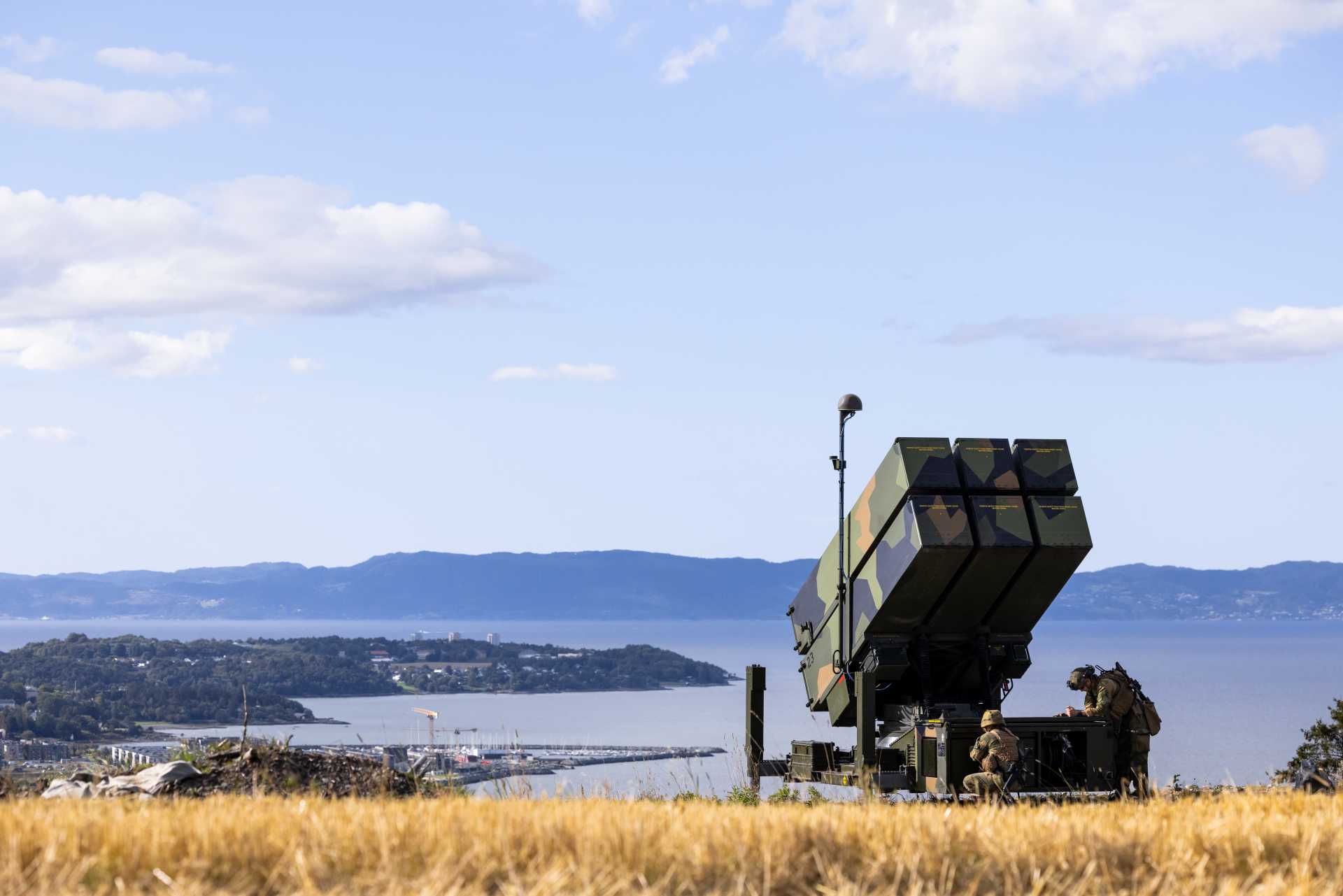
NASAMS launcher unit deployed in a military exercise, showcasing its capability to intercept a wide range of aerial threats with precision and flexibility. (Picture source: Norway MoD)
The deal includes the delivery of new multi-missile canister launchers and Fire Distribution Centers for the NASAMS system, which will replace equipment previously donated to Ukraine, as well as increase Norway's overall air defence capacity. This acquisition is part of Norway’s ongoing efforts to modernize and expand its military infrastructure, ensuring robust protection against evolving air threats.
In a statement, Norway’s Defence Minister Bjørn Arild Gram highlighted the urgency and effectiveness of the acquisition, noting that in less than a year, Norway has secured deliveries equivalent to four complete NASAMS batteries for its armed forces. “In 2024, we stepped up the pace and in less than a year we have secured deliveries equivalent to four complete NASAMS batteries to the Norwegian armed forces. This milestone lays a solid foundation for future acquisitions,” said Minister Gram. The swift action reflects Norway's proactive approach to maintaining a strong and adaptable defence system.
Eirik Lie, President of Kongsberg Defence & Aerospace, emphasized the strategic importance of NASAMS in safeguarding Norway's security interests. “The NASAMS air defence system is strategically important for Norway’s defence capabilities and is vital for safeguarding our national security interests. This delivery will provide Norway with the latest generation of NASAMS, developed to meet current and future threats,” Lie said.
The NASAMS air defense missile system, developed by Kongsberg in partnership with Raytheon (US), has been in service with the Norwegian Armed Forces since the 1990s and is recognized globally as one of the most flexible and reliable air defence solutions available. As of 2024, the NASAMS platform is utilized by 13 nations, further solidifying its reputation as a premier air defence system.
According to Gro Jære, Director of the Defence Materiel Agency (DMA), air defence remains one of the highest priorities within Norway’s new long-term military spending plan. “Air defence is one of the highest priority areas in the new long-term spending plan. We are therefore pleased to have quickly translated plans into action and ensured that the Armed Forces receive modern equipment that strengthens Norwegian and allied security,” Jære said.
The continued investment in NASAMS underscores Norway's strategic foresight in strengthening both its national defence and its NATO obligations. As geopolitical tensions persist, especially in the context of the ongoing conflict in Ukraine, Norway’s ability to swiftly adapt to modern defence needs becomes even more critical. The NASAMS system’s modularity and open architecture allow for the continuous integration of new technologies, ensuring it remains adaptable to future threats and mission requirements throughout its lifecycle.
The NASAMS system is designed to engage a wide variety of aerial threats at varying ranges and altitudes, offering comprehensive air defence capabilities. Its engagement range typically extends up to 40-50 km (about 25-31 miles) for medium-range targets, though this can vary depending on the type of missile and radar configuration used. NASAMS is capable of intercepting airborne threats at altitudes ranging from very low to medium altitudes, providing protection against low-flying cruise missiles, aircraft, and unmanned aerial vehicles (UAVs). The system is also effective against more challenging threats, such as ballistic missiles (short-range), and precision-guided munitions (PGMs). The adaptability of NASAMS allows it to track and engage multiple targets simultaneously, ensuring a flexible response to a broad spectrum of modern aerial threats, including swarm attacks by drones and advanced cruise missiles.
One of NASAMS’ key strengths is its modularity, which allows for a flexible and scalable air defence solution. This adaptability is critical as it enables the system to integrate emerging technologies, ensuring that it can continue to meet both current and future operational needs. Whether deployed to defend against tactical threats, including cruise missiles and drones, or to provide broader regional protection, NASAMS' capacity to evolve makes it a future-proof solution for a variety of air defence challenges.
The system’s open architecture allows for the seamless introduction of advanced sensors, interceptors, and other capabilities as they become available, ensuring that it remains at the forefront of air defence technology. Additionally, the system’s interoperability with NATO forces enhances Norway’s collective security posture, reinforcing its role as a key player in allied air defence networks.
Kongsberg Defence & Aerospace has invested significantly in expanding its own production capacity to meet the increasing demand for advanced air defence systems. The company’s strong relationship with both Norwegian and international suppliers further strengthens the defence supply chain and ensures continued preparedness. Kongsberg’s capacity expansion is vital to sustaining the company’s role as a global leader in air defence technologies.
Through these ongoing investments, Kongsberg not only supports Norway’s national security but also plays a critical role in contributing to global defence preparedness. The company's efforts underscore its commitment to ensuring that both Norwegian and allied forces are equipped with the most advanced, reliable, and adaptable defence systems.
Norway's decision to acquire additional NASAMS air defense missile systems marks a major step forward in enhancing its air defence capabilities. The contract, valued at approximately USD 250 million, signals the country’s determination to stay ahead of evolving aerial threats, while also supporting its international allies. As Norway continues to modernize its military infrastructure, the NASAMS system will remain a cornerstone of its air defence strategy, providing both current and future generations with a versatile and effective solution to safeguard national and regional security.
This latest investment also reflects the broader trends in global air defence, where adaptability, modularity, and cutting-edge technology are paramount to maintaining effective deterrence and defense against complex aerial threats.
Read more: Norway Strengthens Air Defence with New Order for Additional NASAMS Missile Systems

- Details
- Written by: Vandenbosch
- Category: 2024
- Hits: 4633
BAE Systems has secured a $68 million contract with the U.S. Army to produce 44 additional Cold Weather All-Terrain Vehicles (CATVs). This new contract includes a $48 million extension to a full-rate production agreement initially awarded in August 2022 and a $20 million allocation for 2025 funding.
The BvS10 Beowulf is an all-terrain vehicle developed and designed in Sweden by BAE Systems Hägglunds. (Picture source: BAE Systems)
Dean Medland, Vice President of Sustainability and international at BAE Systems, highlighted the vehicle's versatility: “The CATV provides a dynamic combination of mobility and flexibility to the U.S. Army, enabling rapid response in all terrains. We are proud to support additional CATV production for the U.S. Army and are confident that its go-anywhere ability and modular design will meet their future needs, allowing them to carry out a wide range of missions, from military operations to humanitarian assistance and disaster response.”
The CATV is part of the BvS10 family and is based on the unarmored Beowulf variant. In 2022, the U.S. Army selected Beowulf to replace the Bv206 in Arctic operations, providing a modern ground platform solution for extended missions and force projection in this extreme region.
The BvS10 Beowulf is an all-terrain vehicle developed and designed in Sweden by BAE Systems Hägglunds. It is based on proven driveline technologies that are part of the BvS10 family of vehicles used worldwide, ensuring exceptional reliability, durability, and high system availability. This vehicle is designed to offer significant flexibility and is ready for future growth.
The base configuration of the BvS10 Beowulf is an unprotected platform that combines the best features of the Bv206, Bv206S, and BvS10 models, providing a versatile base suitable for military applications, Humanitarian Aid and Disaster Relief (HADR) missions, as well as firefighting and rescue operations. The vehicle is designed for high modularity, making it adaptable to various missions.
The BvS10 Beowulf benefits from the latest advancements in commercial vehicle technologies, resulting in increased crew comfort and reduced maintenance requirements. It retains the key elements of the BvS10 family, such as the robust drivetrain and chassis, while integrating commercial requirements to improve cabin design, offering a modern solution in terms of comfort and ergonomics.
The maneuverability of the BvS10 Beowulf is key to its success in critical situations. Its ability to quickly reach objectives in any condition and across any terrain makes it a valuable asset. Whether transporting equipment or serving as an ambulance vehicle, the BvS10 Beowulf can always be relied upon to get the job done, even if it requires crossing deep waters or rocky mountains, ensuring its reliability in extreme environments.
The BvS10 Beowulf is capable of carrying up to 14 personnel and approximately 8,000 kg of payload at speeds of up to 65 km/h. It is engineered for 24/7 operations, worldwide, in all conditions, and is designed to offer a low cost of ownership. Its amphibious capability allows it to operate without preparation, making it a highly reliable and efficient vehicle across a variety of environments.
Manufactured by BAE Systems Hägglunds in northern Sweden, BvS10 Beowulf benefits from the company’s experience in operating in Arctic conditions, ensuring it is perfectly suited to meet the unique demands of cold-weather operations.
This new contract highlights the U.S. Army’s ongoing commitment to investing in flexible, cutting-edge vehicle solutions for operations in difficult terrains, ensuring its preparedness for a wide range of missions in the years to come.
Read more: BAE Systems Secures Contract for Cold Weather All-Terrain Vehicle Production for US Army
- Details
- Written by: Halna du Fretay
- Category: 2024
- Hits: 5034
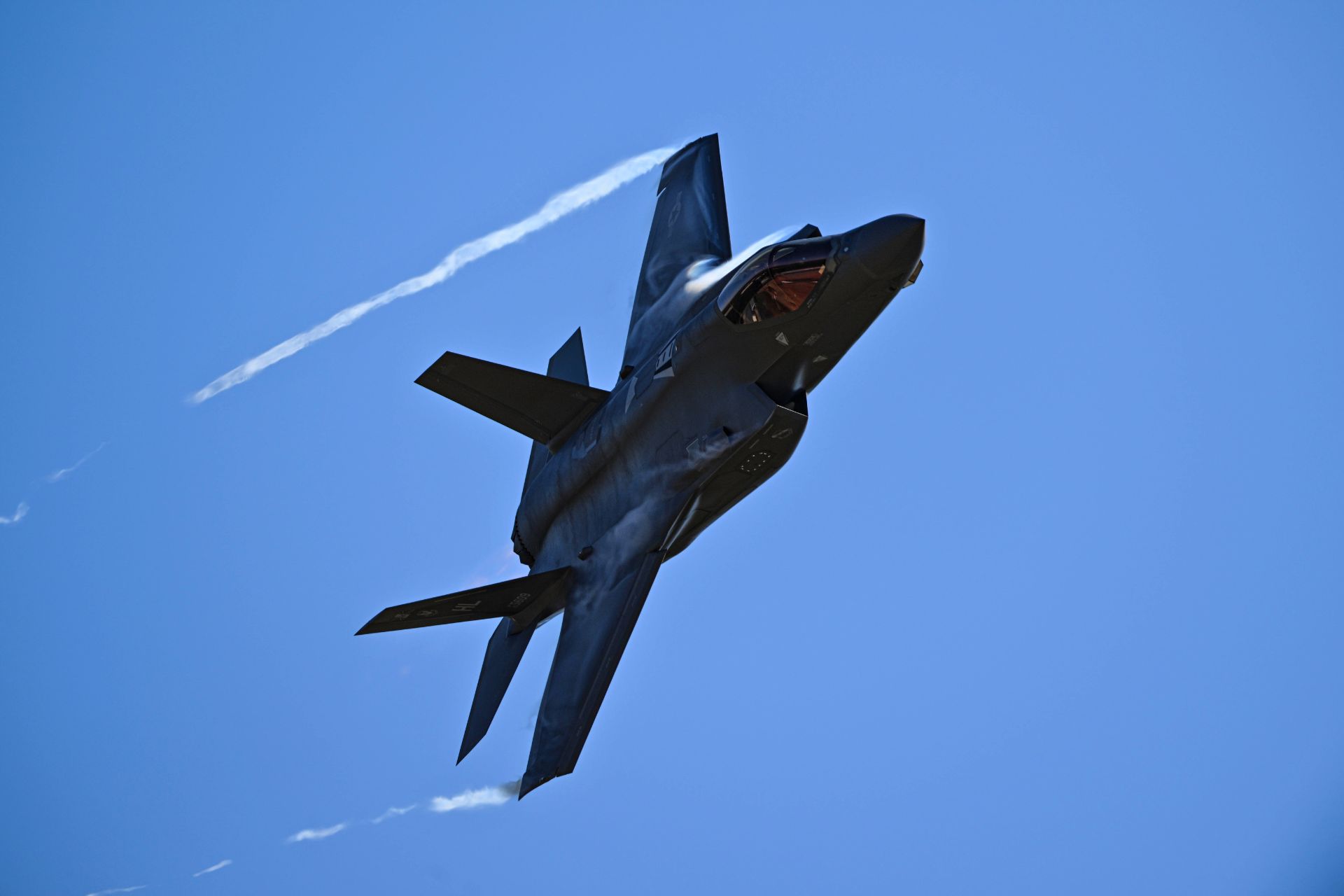
On December 20, 2024, the U.S. Department of Defense signed a contract with Lockheed Martin to produce and deliver 145 fifth-generation F-35 fighter jets. Valued at $11.76 billion, this agreement underscores the program’s continued role in modernizing U.S. military capabilities and strengthening allied defense partnerships.
The F-35A Lightning II Demonstration Team performs at the Atlanta Airshow in Peachtree City, Georgia, on October 25, 2024 (Picture source: US DoD)
The contract provides for the delivery of 83 new F-35s to the U.S. military, including 48 F-35A aircraft for the Air Force, 16 F-35B and 5 F-35C jets for the Marine Corps, and 14 F-35C aircraft for the Navy. In addition, 62 jets are allocated for international customers, including 15 F-35A and one F-35B for non-U.S. program partners, as well as 39 F-35A and 7 F-35B aircraft for Foreign Military Sales (FMS) clients.
The F-35 program encompasses three variants tailored to specific mission requirements. The F-35A, a conventional takeoff and landing (CTOL) model, is designed to replace aging F-16 and A-10 fleets in the Air Force. Capable of Mach 1.6, enduring 9G forces, and traveling over 1,350 nautical miles with aerial refueling, it combines multirole versatility with a payload capacity of 18,000 pounds, supporting both air-to-air and air-to-ground operations.
The F-35B introduces short takeoff and vertical landing (STOVL) capabilities, making it ideal for austere environments or smaller ships. Equipped with the LiftFan propulsion system, it accommodates up to 15,000 pounds of payload, including a 25mm GAU-22A cannon.
The F-35C, engineered for carrier-based operations, features reinforced wings and landing gear for catapult launches and arrested recoveries, with a payload capacity of 18,000 pounds and a range of 2,520 kilometers. Each variant is equipped with advanced avionics, including the Distributed Aperture System (DAS) and Electro-Optical Targeting System (EOTS), providing superior situational awareness and operational flexibility.
Production will be distributed across facilities in the United States, the United Kingdom, Italy, and Japan, with key contributions from Fort Worth, Texas; El Segundo, California; and Warton, UK. Final assembly and testing will also take place in Italy and Japan. The program’s completion is expected by June 2027.
The announcement comes amid ongoing criticisms of the F-35 program, including remarks from SpaceX and Tesla founder Elon Musk, who has questioned the design and practicality of the jet. While the program faces scrutiny, the F-35 remains integral to U.S. defense strategy, offering advanced stealth, network-centric capabilities, and adaptability for a range of combat scenarios. Its design promotes interoperability with allied forces, enhancing battlefield coordination and precision strike capabilities.
The F-35 program also highlights the value of international defense collaboration. Countries like Italy and Japan contribute not only to its operational deployment but also to its production, reflecting a cooperative model that bolsters global security frameworks while optimizing development resources.
Looking forward, the U.S. Air Force is preparing for a transition to next-generation combat systems. The Next Generation Air Dominance (NGAD) program aims to deliver 200 sixth-generation fighters by 2030, alongside 1,000 autonomous aircraft under the Collaborative Combat Aircraft (CCA) initiative. These unmanned systems are intended to complement NGAD platforms and existing F-35 fleets, enhancing operational flexibility and addressing evolving threats.
This contract enhances the operational readiness of the U.S. military, ensuring its ability to maintain air superiority in complex threat environments. The distinct capabilities of the F-35 variants enable the Air Force, Navy, and Marine Corps to execute a wide array of missions with precision and efficiency. By integrating advanced avionics, stealth technology, and networked systems, the program solidifies its position as a cornerstone of U.S. and allied defense strategy, while paving the way for future innovations in aerial combat.
Read more: F35 Dominance With Lockheed Martin Supplies Jets Across All US Forces
- Lithuania Acquires 44 LEOPARD 2A8 Tanks in Historic Procurement Agreement with KNDS Germany
- Exclusive: Lockheed Martin Demonstrates Autonomous HIMARS Rocket Launcher to Advance US Army Modernization
- UK Challenger 3 Tank Program Advances as RBSL Delivers Two More Prototypes for British Army Field Trials
- 70mm Rocket Launcher System in Vietnam an Innovation for Ground Support