

- Details
- Written by: Triffaux
- Category: 2024
- Hits: 6987










According to a November 20, 2024, post by X account @Krystian_Pogr, Poland is reportedly planning to sign a new contract for the acquisition of 180 additional K2PL tanks by the end of 2024, further strengthening its modernizing armored fleet. This new batch will complement the units already ordered and play a key role in the gradual replacement of obsolete PT-91 Twardy tanks, derived from the T-72. This order aligns with a broader strategy to enhance the operational capacity of Poland's armored forces while supporting the development of its national defense industry through local production of the K2PL.
Poland signed a historic framework agreement with Hyundai Rotem in July 2022 for the acquisition of 1,000 K2 Black Panther tanks by 2034. (Picture source: Polish MoD)
As part of an ambitious plan to modernize its armed forces, Poland signed a historic framework agreement with Hyundai Rotem in July 2022 for the acquisition of 1,000 K2 Black Panther tanks by 2034. The initial order, finalized in August 2022, included 180 units, part of which have already been delivered. The program also includes the local production of the remaining tanks under the K2PL standard, a Polish-adapted version integrating subsystems developed by domestic manufacturers. This initiative aims to bolster the country’s industrial autonomy and establish a domestic production capacity for these strategic assets.
Deliveries of the K2GF, the standard version of the K2, began in December 2022, with 46 units received by April 2024. The remaining units from this initial order are expected to be delivered by late 2025. These tanks, produced directly in South Korea, were designed to meet the Polish Army's immediate needs, particularly in the context of the war in Ukraine. During the Dragon-24 military exercises, the K2GF demonstrated exceptional capabilities, including its hydropneumatic suspension suited for diverse terrains, a 1,500-horsepower diesel engine, and modular composite armor. These features provide enhanced mobility and protection, crucial in Poland's varied operational environments.
A key component of this agreement is the development of the K2PL, a version tailored to Poland’s specific requirements. This Polish-adapted model will feature reinforced armor for improved resistance to modern threats, advanced active protection systems against anti-tank missiles, and NATO compatibility for standardized ammunition from multiple sources. Additionally, the K2PL will integrate a locally developed Battlefield Management System (BMS), ensuring seamless integration into Poland’s armored brigades.
In 2023, Hyundai Rotem and the Polish defense group PGZ signed an agreement to establish local production lines in Poland. The first K2PL tanks are expected to roll off Polish production lines by 2026, with a total planned production of 820 units.
This initiative is part of Poland’s broader military strengthening strategy. In recent years, Poland has increased its defense budget to over 3% of GDP, investing heavily in modern equipment such as Abrams M1A2 tanks, F-35 fighter jets, and K9 Thunder howitzers. Simultaneously, the number of active personnel in the armed forces has grown to approximately 150,000, supported by a 30,000-member Territorial Defense Force. Poland is also modernizing its navy and air force with plans to acquire submarines, frigates, and advanced air defense systems amid rising tensions with Russia and the ongoing war in Ukraine.
The expansion of the K2 tank fleet, coupled with the development of the K2PL, underscores Poland’s determination to strengthen its military capabilities while consolidating its defense industry. By combining rapid acquisitions with long-term production projects, Poland is positioning itself as a pillar of regional security and a key NATO partner. This strategy ensures that Poland is prepared to address current and future security challenges while fostering the growth of its national defense industry.
Read more: Polish Army Strengthens Tank Power with Second Delivery of K2 Black Panther Tanks
- Details
- Written by: Triffaux
- Category: 2024
- Hits: 3842
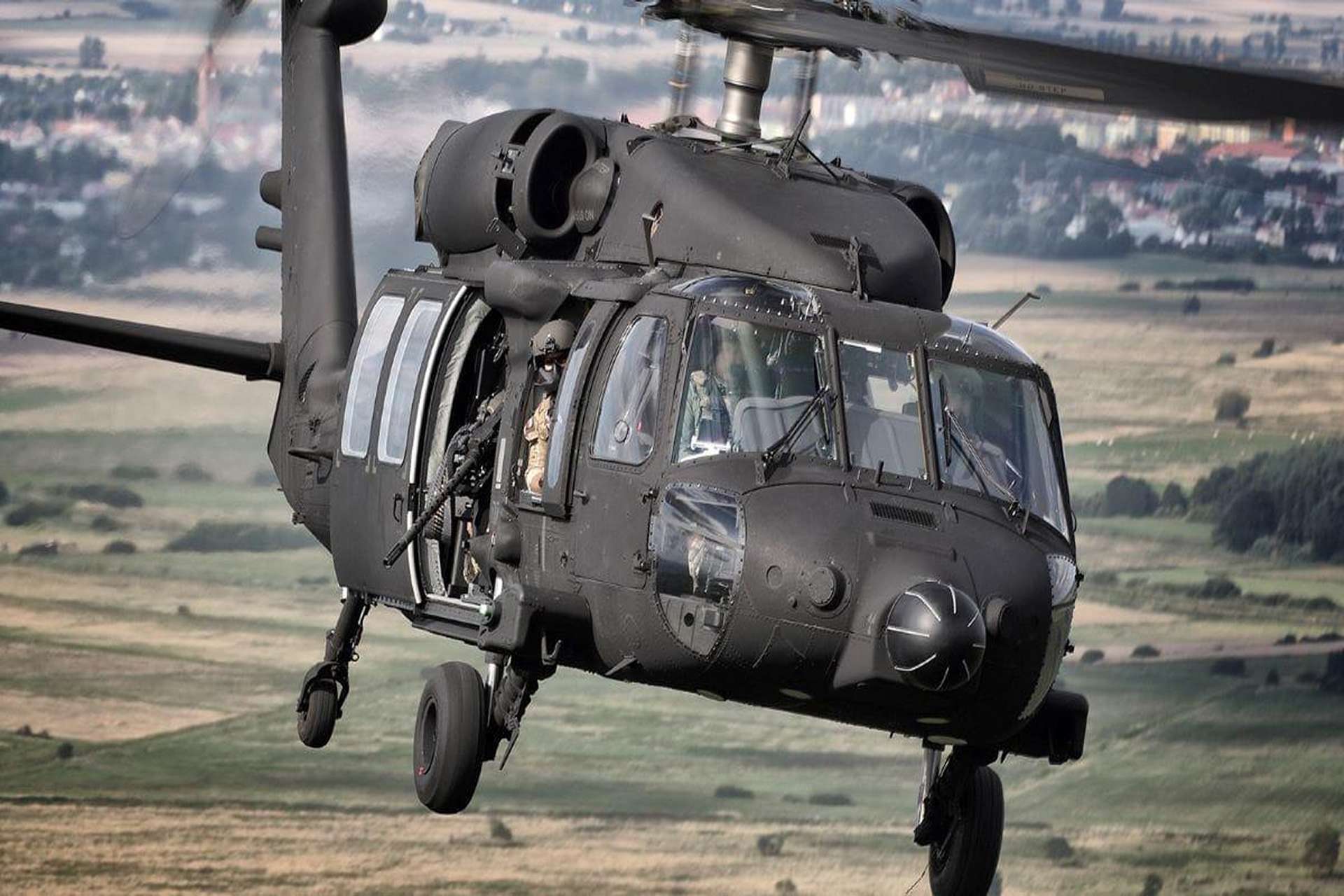
On November 19, 2024, Deputy Minister Paweł Bejda announced on his X account the successful delivery of new S-70i Black Hawk helicopters to the Polish Special Forces. This development is a key milestone in Poland’s ambitious defense modernization initiative, highlighting its commitment to strengthening its capabilities amid a broader rearmament trend in Europe.
PZL Mielec delivers eight S-70i Black Hawk helicopters to the Polish Special Forces. (Picture source: Polish MoD)
Poland has now completed the delivery of eight S-70i Black Hawk helicopters manufactured by PZL Mielec, the Polish subsidiary of Sikorsky/Lockheed Martin. This initiative began in 2019 with an initial contract worth PLN 683 million for four helicopters, delivered the same year. The agreement included an option for four additional units, activated in 2021 under a follow-up contract valued at PLN 666 million.
Two of these additional helicopters were delivered in 2023, while the final two have just been handed over to the Polish Special Forces. This recent delivery concludes the contracts from 2019 and 2021, ensuring that the Special Forces now have a robust fleet of eight S-70i helicopters, renowned for their versatility and reliability in combat and support missions.
The Black Hawks are part of a broader strategy to enhance Poland’s aerial capabilities. Simultaneously, the Polish Army is receiving AW149 helicopters, ordered in 2022 under a contract for 32 units, with deliveries expected to be completed by 2029. These medium multi-role transport helicopters will be utilized for various missions, including troop transport and search-and-rescue operations.
The S-70i Black Hawk, designed for both military and civilian missions, is produced by PZL Mielec, a subsidiary of Sikorsky/Lockheed Martin. It features advanced avionics and digital flight controls, with a fully integrated cockpit comprising four multifunction displays for enhanced situational awareness. Powered by two T700-GE-701D engines, it offers excellent performance with a cruising speed of approximately 280 km/h and a range of up to 460 km with a standard fuel tank.
Its corrosion-resistant structure ensures reliability in harsh environments. The spacious cabin accommodates up to 13 passengers or mission-specific payloads, with optional configurations for medical evacuation, search-and-rescue, or troop transport. Additionally, the S-70i is equipped with crash-resistant seating, ballistic-tolerant fuel systems, and optional armor for improved survivability in combat operations.
Meanwhile, the Polish Navy has acquired four AW101 helicopters specifically configured for anti-submarine warfare. These heavy transport helicopters provide unique maritime capabilities to Poland’s expanding fleet.
Despite these significant acquisitions, Poland’s inventory of heavy transport helicopters remains a notable gap. Discussions about acquiring the CH-47F Chinook, a heavy-lift helicopter manufactured by Boeing, continue to gain momentum. With its proven capabilities and NATO interoperability, the Chinook is considered a prime candidate to fill this void.
The need for heavy transport helicopters became evident during recent relief efforts following Storm Boris, which caused widespread flooding across the country. The absence of a platform like the Chinook hindered efforts to deliver essential supplies and equipment to inaccessible areas affected by the disaster.
Poland’s modernization of its helicopter fleet underscores its commitment to building a robust and versatile military capable of addressing both conventional and asymmetric threats. Integrating Black Hawk, AW149, AW101, and potentially CH-47F Chinook helicopters positions Poland as a key NATO member with enhanced logistical and operational capabilities to meet future challenges, both domestically and internationally.
Read more: Poland Enhances Special Forces Capabilities with New S-70i Black Hawk Helicopters
- Details
- Written by: Halna du Fretay
- Category: 2024
- Hits: 4081
On November 20, 2024, UK Defense Secretary John Healey addressed the House of Commons to outline ongoing initiatives to strengthen national security and modernize military capabilities. This announcement is part of a broader strategic review and budgetary adjustments, reflecting renewed commitment to national defense.
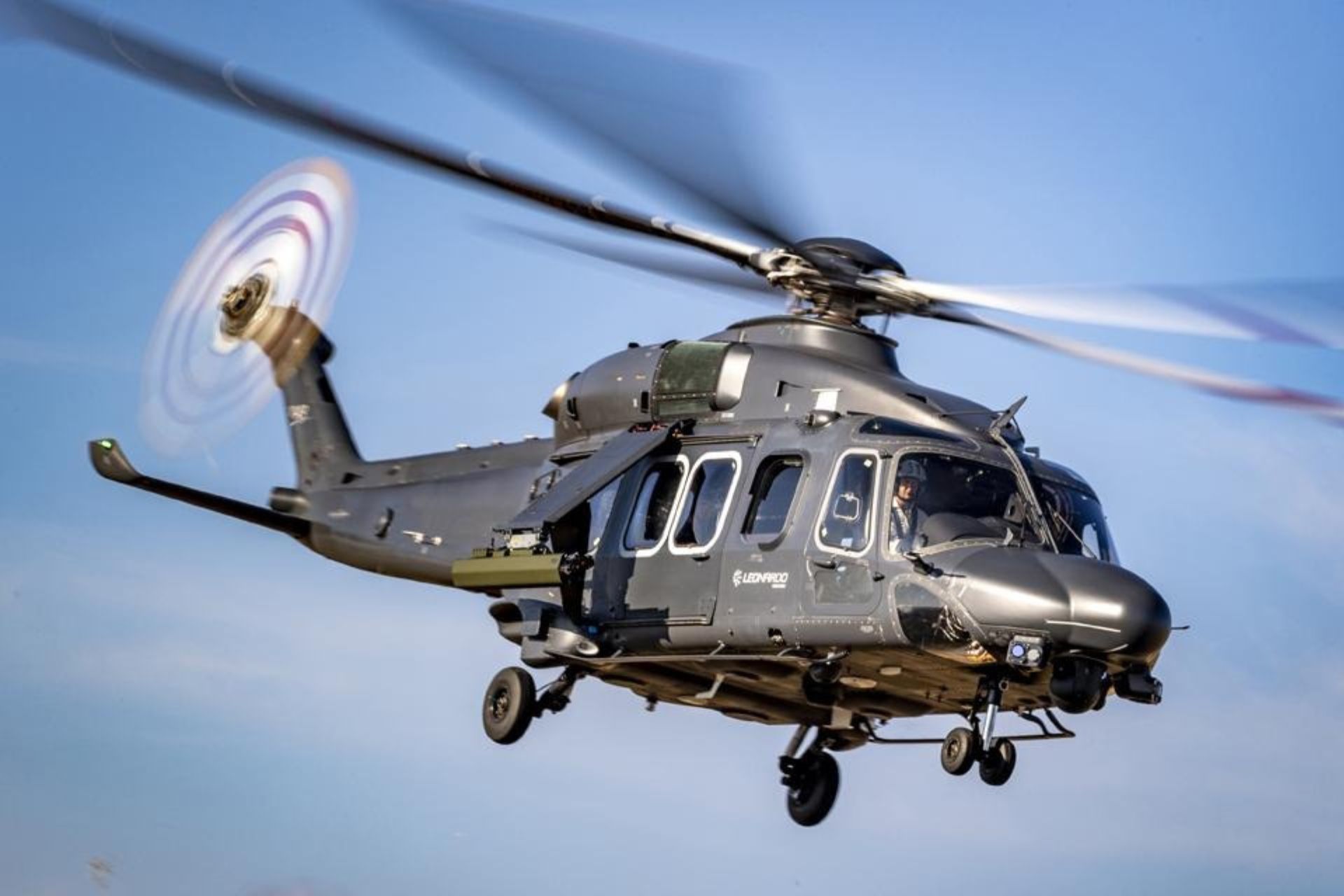
In the helicopter fleet, newer models such as the CH-47F Chinook for heavy lift operations and Leonardo AW149 for tactical missions are expected to deliver improved performance and efficiency (Picture source: Leonardo)
Healey emphasized the importance of defense investment, acknowledging that the UK defense budget faces a £22 billion deficit due to unresolved financial pressures. To address this, the Chancellor has announced an additional £3 billion for defense spending next year, laying the groundwork for bolstering the armed forces. This increase aligns with a broader goal to allocate 2.5% of GDP to defense spending, with full funding commitments in place.
The Defense Secretary also stressed that effective management of expenditures is as crucial as the size of the budget. To optimize resources, the Ministry of Defense (MoD) is conducting an accelerated strategic review to identify emerging threats and the capabilities needed to address them. Financial controls have been tightened, including a £300 million reduction in consultancy expenses.
Concrete measures are being implemented to modernize military equipment. Healey noted that the armed forces have long operated with outdated systems due to delayed decisions. The focus is now on a rapid transition to modern technologies. In collaboration with the chiefs of staff of the three military branches, Healey confirmed the retirement of six aging capabilities, enabling savings of £150 million over two years and up to £500 million over five years. These funds will be fully reinvested in defense.
The equipment set to be retired includes key naval and aerial assets. The HMS Northumberland, a Type 23 frigate with structural damage rendering repairs unfeasible, will be decommissioned. Watchkeeper M1 drones, introduced 14 years ago and now technologically outdated, will also be retired. Additionally, the HMS Albion and HMS Bulwark, amphibious assault ships costing £9 million annually to maintain, will be removed from service after years of inactivity. In the air domain, 14 Chinook helicopters, in service for over 35 years, and 17 Puma helicopters, some with more than 50 years of operational use, will not have their service lives extended. Lastly, two Wave-class tankers, unused for several years, will also leave the fleet.
The savings generated from these retirements will be reinvested in acquiring and developing modern technologies. The MoD plans to accelerate the introduction of Type 26 and Type 31 frigates, replacing the Type 23 class to enhance anti-submarine and general-purpose capabilities. Next-generation unmanned aerial systems will replace the Watchkeeper drones, providing greater autonomy and operational flexibility. In the helicopter fleet, newer models such as the CH-47F Chinook for heavy lift operations and Leonardo AW149 for tactical missions are expected to deliver improved performance and efficiency.
Beyond new acquisitions, the modernization strategy includes upgrading military infrastructure and digital systems. This involves integrating cutting-edge technologies such as artificial intelligence and cybersecurity enhancements, as well as secure, interoperable communication systems. These upgrades aim to strengthen command and control capabilities and improve coordination among military branches.
The MoD has confirmed that no personnel layoffs are planned as part of these changes. Affected staff will be redeployed to new roles or provided with training to operate the updated systems. This approach ensures a smooth transition to modernized forces while retaining institutional knowledge and expertise.
The modernization efforts rely on strengthened partnerships with the UK defense industry. Collaborations with companies such as BAE Systems, Leonardo, and Thales will support the development of innovative solutions both domestically and within European initiatives like the Future Combat Air System (FCAS). These partnerships aim to advance the UK's defense technology capabilities while boosting local economic activity through strategic investments.
These decisions, while marking the end of service for some iconic platforms, are part of a forward-looking strategy to ensure the armed forces are better equipped to address contemporary security challenges. By reallocating resources effectively and focusing on modern systems, the UK aims to enhance operational readiness while maintaining budgetary discipline.
Read more: UK Army Looks Ahead with Major Defense Reforms and Strategic Investments
- Details
- Written by: Administrator
- Category: 2024
- Hits: 4861
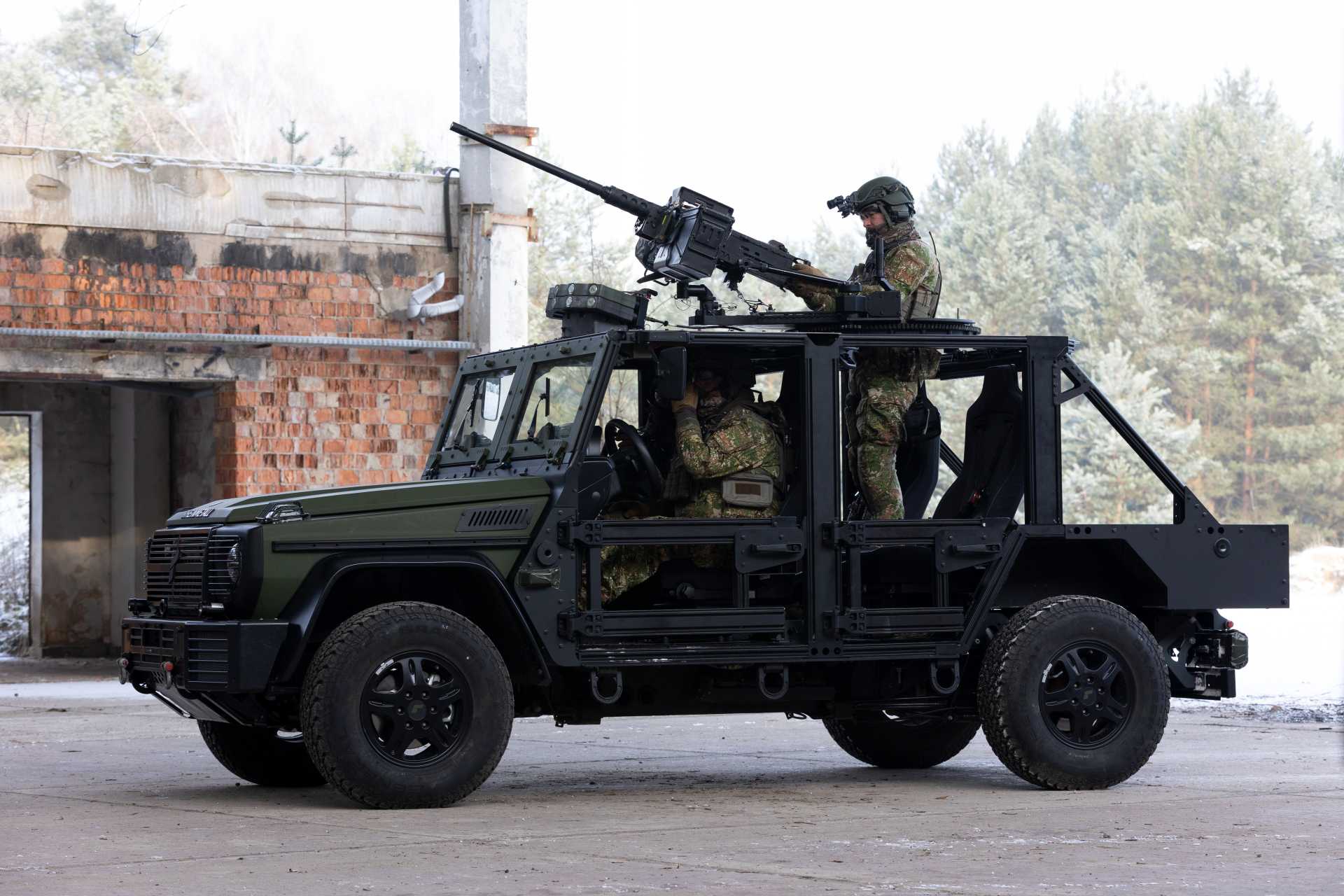
On November 20, 2024, the German Ministry of Defense announced the delivery of eight Caracal 4x4 wheeled air assault vehicles to Ukraine. This marks the first deployment of these advanced platforms by the Ukrainian Armed Forces. Manufactured by German defense company Rheinmetall, the Caracal is a lightweight, highly mobile 4x4 vehicle designed specifically for airborne and special operations missions. Its technical features and combat roles make it a versatile tool for the dynamic requirements of modern warfare, particularly in the ongoing conflict in Ukraine.
Follow Army Recognition on Google News at this link
The Caracal is a lightweight, highly mobile 4x4 air assault vehicle developed by Rheinmetall, designed for airborne and special operations. (Picture source: Rheinmetall)
Ukraine’s acquisition of the Caracal vehicles highlights its efforts to modernize its military capabilities amid ongoing regional tensions. The first order of five vehicles was placed in late 2023, with initial deliveries beginning soon after. Ukraine later expanded its order to 25 vehicles with an additional 20 units scheduled for delivery. The recent delivery of eight Caracal vehicles represents a significant milestone in this procurement process, marking their first operational use in the Ukrainian Armed Forces.
In the conflict in Ukraine, the Caracal is expected to play a pivotal role in supporting airborne and special operations units tasked with reconnaissance, direct action, and force mobility. Its ability to rapidly deploy, both via air transport and on the ground, is invaluable for operations requiring swift territorial advances or evacuation of personnel. The modular weapon systems allow it to serve as a mobile fire support platform, providing suppressive fire or engaging high-value targets during critical engagements. Additionally, its utility in evacuating wounded soldiers and transporting critical supplies enhances its importance in sustaining combat operations.
The Caracal is built on the robust chassis of the Mercedes-Benz G-Class 464 series, a result of collaboration between Rheinmetall, Mercedes-Benz, and Armoured Car Systems (ACS). This partnership has produced a vehicle that balances mobility, protection, and adaptability. Compact and efficient, the Caracal measures between 4.35 and 4.7 meters in length, 1.81 meters in width, and 1.85 meters in height, making it suitable for operations in urban areas, narrow roads, and rugged terrains. With a gross vehicle weight of 4,900 kg and an air transportable weight of 4,400 kg or less, the vehicle is optimized for deployment via helicopters such as the CH-47F Chinook or CH-53K King Stallion, as well as transport aircraft like the C-130 Hercules.
The vehicle’s 4x4 drivetrain and high ground clearance ensure excellent off-road capabilities, allowing it to operate effectively in diverse terrains, including muddy plains, snowy environments, and forested regions. This mobility is critical for Ukraine's armed forces, who are conducting operations across a wide range of landscapes in their defense efforts. The Caracal's turbocharged diesel engine delivers reliable performance with a range exceeding 800 km on a single tank, an essential feature for long-range reconnaissance and special missions.
The Caracal is highly modular, designed for various mission-specific configurations. These include troop transport for up to four soldiers, reconnaissance, medical evacuation as an ambulance, command post operations, and combat engineering roles. Additionally, its flatbed design allows for rapid conversion to accommodate cargo, weapon systems, or communication equipment. For combat roles, the Caracal is fitted with mounting options for heavy and medium machine guns, grenade launchers, and anti-tank missile systems such as SPIKE LR. These weapons make the Caracal a potent platform for engaging armored vehicles, infantry, and fortified positions.
For enhanced survivability, the Caracal offers modular protection kits, including ballistic armor capable of withstanding small arms fire and shrapnel, as well as blast-resistant upgrades to mitigate the impact of landmines and IEDs. This capability is particularly significant in Ukraine, where minefields and improvised explosive devices pose constant threats to mobile forces. The vehicle’s low profile and compact design also enhance its stealth and maneuverability, making it suitable for rapid insertion and extraction missions.
The delivery of the Caracal vehicles also signifies deepening defense cooperation between Germany and Ukraine, facilitating the transfer of advanced military technology and operational capabilities. For Ukraine, these vehicles not only enhance their operational flexibility but also reflect a broader strategy of integrating modern equipment to address evolving security challenges. As the situation in Ukraine continues to evolve, the Caracal air assault vehicles are expected to make a significant impact, strengthening the defense posture and effectiveness of Ukrainian forces.
- Details
- Written by: Halna du Fretay
- Category: 2024
- Hits: 2333
On November 19, 2024, Admiral Samuel Paparo, commander of U.S. forces in the Indo-Pacific, stated that North Korea’s numerous tests of intercontinental ballistic missiles (ICBMs) have yet to demonstrate the capability to successfully deliver a nuclear warhead to the U.S. mainland. He made this observation during an appearance at the Brookings Institution in Washington.
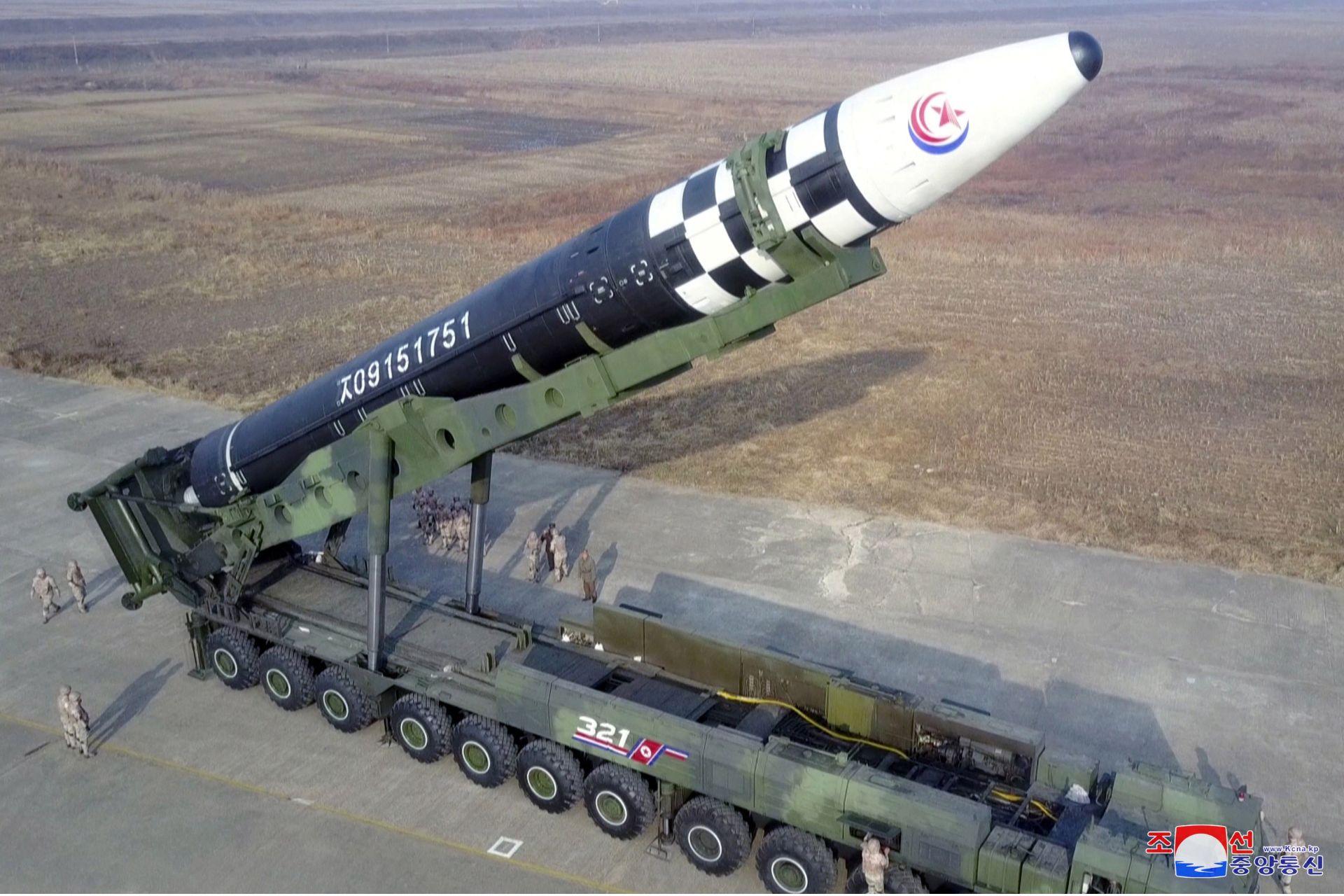
This photo, taken on November 18, 2022, shows North Korea's new intercontinental ballistic missile (ICBM), the "Hwasong Gun 17," before its launch at Pyongyang International Airport (Picture source: KCNA)
North Korea recently conducted a test flight of its Hwasong-19 missile, the largest ICBM developed by the regime to date. According to Admiral Paparo, the test indicated the missile’s ability to reach the entire continental United States. However, when questioned about North Korea's capability to pair a nuclear warhead with an ICBM capable of enduring the stresses of launch, flight, and atmospheric reentry, Paparo clarified that such a capability has not yet been observed. He added that continued testing is evident in efforts to achieve this goal.
Under Kim Jong Un’s leadership, North Korea has accelerated its missile and nuclear weapons development programs while adopting increasingly hostile rhetoric toward South Korea. Simultaneously, the regime has emerged as a strategic ally of Russian President Vladimir Putin, particularly in the context of the war in Ukraine. Following the latest missile test, the state-run Korean Central News Agency described the Hwasong-19 as the “ultimate version” of an ICBM intended for deployment by North Korea’s strategic forces.
Admiral Paparo’s remarks align with earlier assessments by U.S. officials, offering a cautious view of the threat posed by Pyongyang’s missile advancements. In 2022, National Security Advisor Jake Sullivan highlighted uncertainties regarding North Korea’s ability to successfully pair a nuclear warhead with an ICBM, fire it, and strike a precise target in the United States. Nonetheless, such uncertainties do not negate the broader threats posed by North Korea to U.S. interests. Over decades, Pyongyang has amassed an extensive arsenal of millions of artillery shells and thousands of rockets positioned north of the border with South Korea, where nearly 30,000 U.S. troops are stationed. Furthermore, North Korea has demonstrated its ability to launch missiles over Japan, a key U.S. ally in the region.
Kim Jong Un continues to pledge enhancements to North Korea’s nuclear capabilities, citing the need to counter threats posed by the security alliance among the United States and its regional allies. This week, North Korean state media reported Kim’s accusations against the U.S., Japan, and South Korea for destabilizing the Korean Peninsula and the broader region. Kim referred to the alliance as an “Asian version of NATO” and asserted that these nations would bear responsibility for undermining peace and stability.
North Korea has made significant strides in ICBM development. In July 2017, it conducted its first test of the Hwasong-14, followed in November 2017 by the Hwasong-15. These missiles, with estimated ranges of approximately 10,400 km and 8,500–13,000 km respectively, place the entire U.S. mainland within potential reach.
In October 2024, Pyongyang tested the Hwasong-19, its largest ICBM to date. The missile reached a record altitude of 7,000 km and flew for 87 minutes, demonstrating a range sufficient to cover the U.S. mainland. However, analysts have raised concerns about the practicality of this missile in a conflict scenario due to its significant size, which could limit its mobility and make it more vulnerable to preemptive strikes.
Despite these advancements, questions persist about North Korea’s ability to effectively integrate a nuclear warhead with an ICBM capable of withstanding the rigorous conditions of launch, flight, and atmospheric reentry. While progress is evident, U.S. officials have noted that a full demonstration of this capability has yet to occur.
Read more: US Admiral Raises Doubts Over North Korea’s Nuclear Strike Capabilities
- Details
- Written by: Halna du Fretay
- Category: 2024
- Hits: 4737
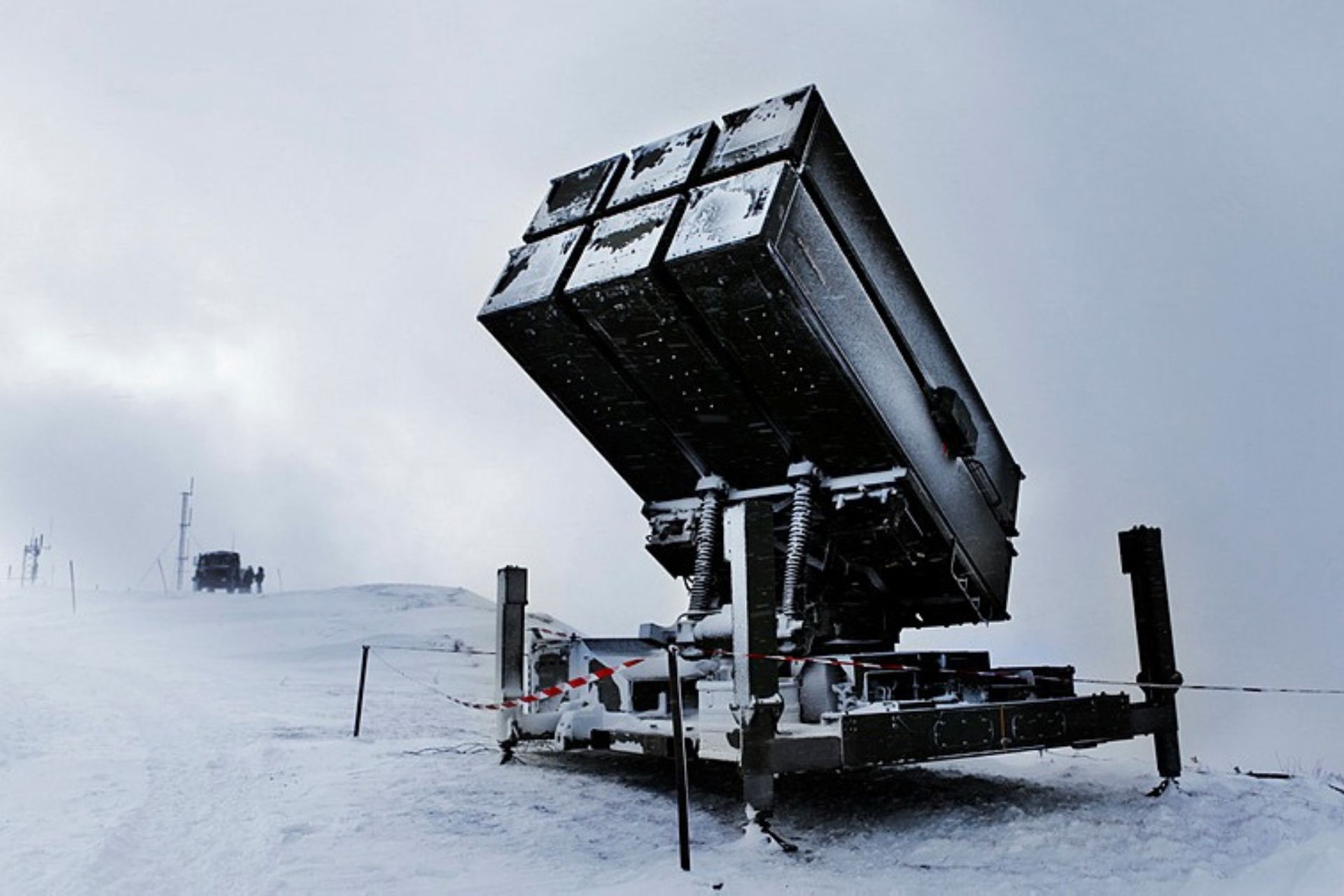
On November 21, 2024, Kongsberg Defence & Aerospace (KONGSBERG) announced the signing of a significant contract with the Dutch government for the delivery of NASAMS and NOMADS air defense systems. The agreement, valued at approximately 1 billion euros, represents a major step in enhancing the Netherlands’ air defense capabilities.
The acquisition is part of the CITADEL program, an integrated air and missile defense initiative aimed at addressing modern short- and medium-range threats (Picture source: Norwegian Armed Forces)
The NASAMS (Norwegian Advanced Surface-to-Air Missile System) is a medium- to long-range air defense system developed by Kongsberg Defence & Aerospace in collaboration with Raytheon. Initially deployed in Norway in 2015, NASAMS has been adopted by several NATO and EU member states. It is compatible with AMRAAM missiles and other systems, including L-70 guns, RBS 70, HAWK missiles, and advanced solutions such as directed-energy weapons and the Patriot system. NASAMS can detect, track, and engage various aerial threats, including aircraft, helicopters, drones, and cruise missiles, offering protection for critical infrastructure and urban areas. Its modular configuration includes a command center (FDC), an AN/MPQ64F1 Sentinel 3D radar, a passive electro-optical sensor, and multiple launchers equipped with AMRAAM missiles.
The NASAMS system has evolved with upgraded variants like NASAMS 2 and NASAMS 3, featuring improved ground radar, Link 16 communication, and a Mk 2 launcher capable of deploying AIM-9X Sidewinder and AMRAAM-ER missiles. These missiles, including AIM-120C7 and AIM-120C, are designed for high speed and maneuverability, with a range of up to 40 km and an altitude of 14 km. The system’s mobility is ensured through launchers mounted on transport platforms such as the Scania 113H in Norway and the IVECO in Spain, allowing for rapid deployment and air transportability.
The NOMADS (National Maneuver Air Defence System) complements NASAMS by providing mobile air defense for ground forces in dynamic operational environments. Mounted on a high-mobility armored vehicle, NOMADS integrates command and control, sensors, and weapons into a single platform. It features a 3D AESA radar with a range of over 50 km, day/night and thermal cameras, AIM-9X Block 2 Sidewinder missiles, and an optional directional jammer. The system can counter a wide range of threats, including drones, helicopters, and cruise missiles, and includes a 0.50-caliber remote-controlled weapon station for close defense. NOMADS is interoperable with NATO air defense systems and supports autonomous and networked operations through standard protocols like L16 and JREAP-C.
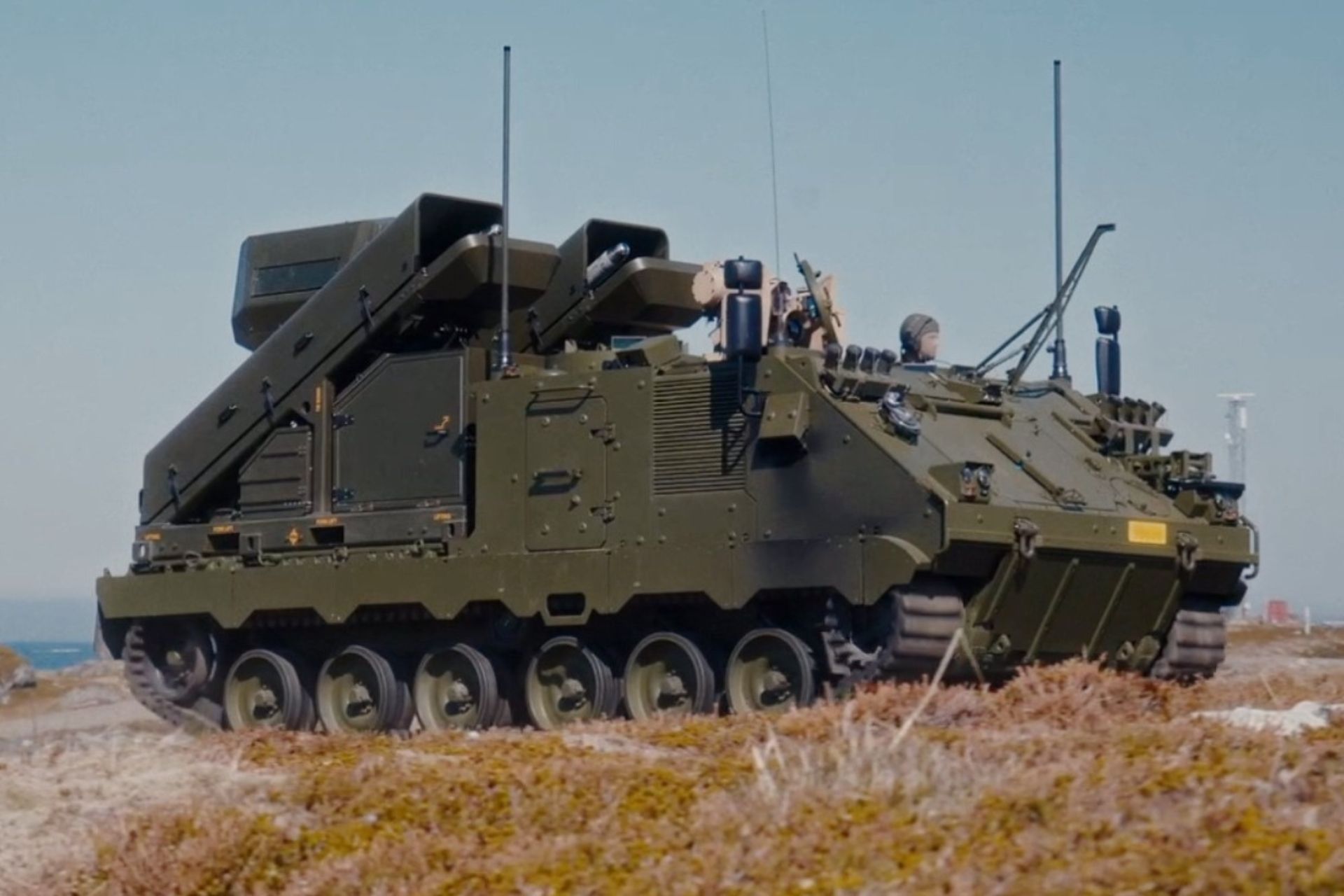
Mounted on a high-mobility armored vehicle, NOMADS integrates command and control, sensors, and weapons into a single platform (Picture source: Kongsberg )
This agreement follows a formal recommendation submitted by the Dutch Ministry of Defense to Parliament on October 14, 2024. The acquisition is part of the CITADEL program, an integrated air and missile defense initiative aimed at addressing modern short- and medium-range threats. According to Eirik Lie, President of Kongsberg Defence & Aerospace, the systems will significantly enhance the Netherlands’ operational capabilities and establish the country as the first international user of NOMADS.
The Netherlands has operated six NASAMS units since 2006. These new acquisitions will modernize and expand the country’s ground-based air defense, integrating extended-range AMRAAMs for greater reach and AIM-9X Sidewinders for short-range engagements. The NOMADS system, designed for mobility and quick deployment, will provide additional protection for land forces in contested environments and seamlessly integrate with NATO systems. Deliveries are scheduled to begin in 2028, further strengthening the Netherlands’ air defense infrastructure.
Beyond NASAMS, the Netherlands employs additional air defense systems, including MIM-104 Patriot batteries for long-range threats and FIM-92 Stinger missiles for low-altitude engagements, the latter deployed on foot or mounted on Fennek vehicles. These systems, supported by advanced radar solutions like the AN/MPQ-64 Sentinel and TRML-3D/32, contribute to a robust, layered defense network against a variety of aerial threats.
Read more: Kongsberg Signs Deal to Supply NASAMS and NOMADS Air Defense Systems to Netherlands
- Details
- Written by: Tkuhn
- Category: 2024
- Hits: 3307
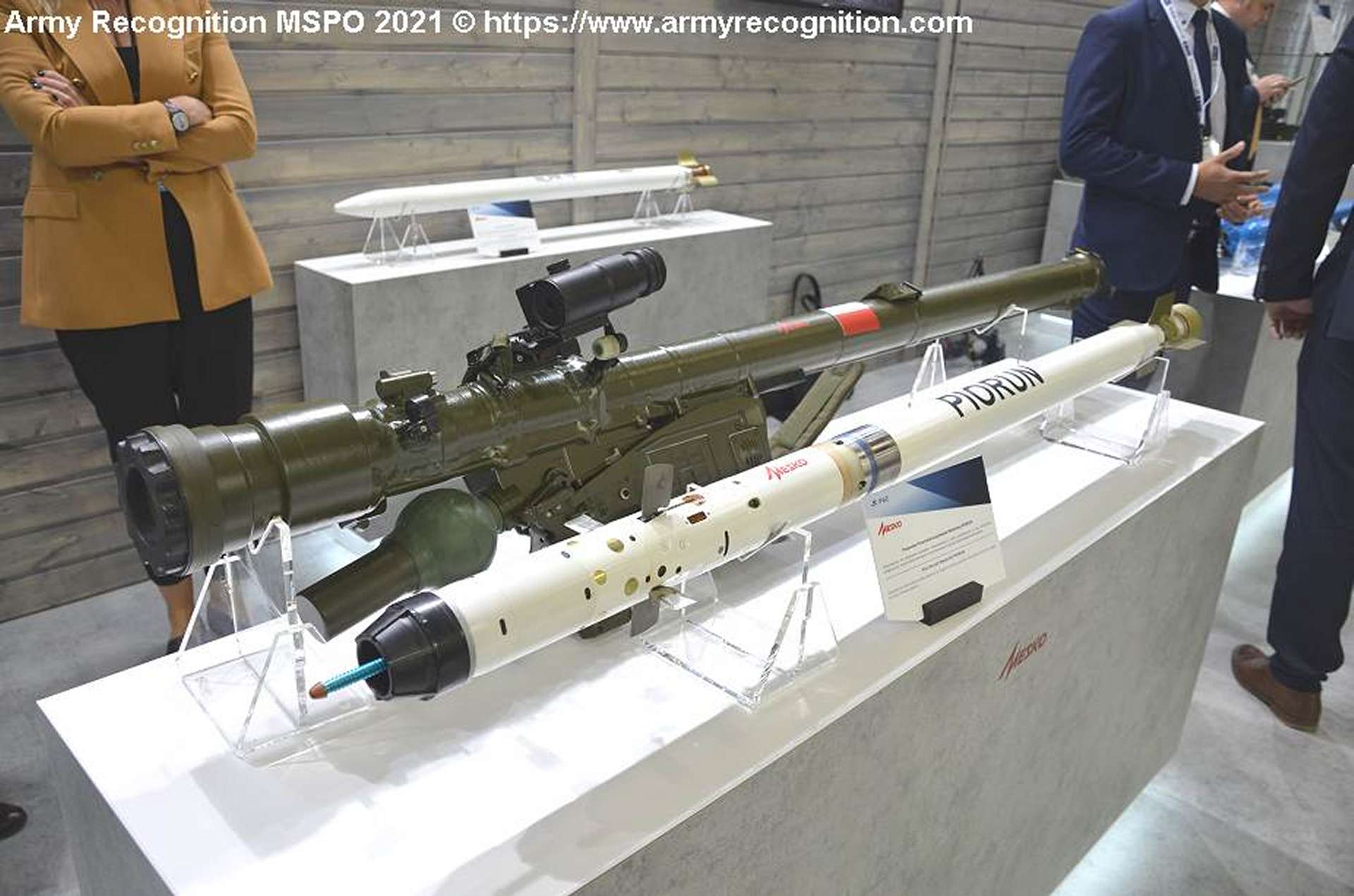
According to information published by the Estonian Government on November 15, 2024, Estonia, Lithuania, Norway, and Poland have taken a step to strengthen regional air defense by signing a joint declaration for the procurement of the PIORUN short-range man-portable air defense system (MANPADS). The agreement, finalized in Warsaw, entrusts Poland’s defense procurement agency with leading the acquisition process due to its proven expertise in managing rocket system projects, including quality control and testing. The PIORUN system, produced by Poland’s MESKO, is designed to counter aerial threats such as aircraft, helicopters, and drones. With a range of up to 6.5 kilometers, it offers a reliable and effective solution for short-range air defense needs.
Follow Army Recognition on Google News at this link
Strengthening regional defense: Estonia, Poland, Lithuania, and Norway sign a landmark agreement for the joint procurement of PIORUN air defense systems. (Picture source: Army Recognition)
Estonia highlighted the importance of collaboration with its regional partners, noting that joint procurement provides economies of scale, faster delivery times, and streamlined use of engineering resources. This partnership strengthens the shared goal of enhancing the air defense capabilities of the participating nations.
The signing ceremony brought together key representatives, including Estonia’s Magnus-Valdemar Saar, Director General of the Estonian Centre for Defence Investments; Poland’s Secretary of State Paweł Bejda; Lithuania’s Vice Minister of National Defence Monika Korolovienė; and Norway’s National Armaments Director Rolf Kjos.
Poland’s role in this project extends beyond procurement leadership, as its defense industry plays a vital role in supporting allied nations. Polish companies MESKO and WB Group are integral to supplying and upgrading defense systems, while Nitro-Chem contributes key explosive components for ammunition production.
Earlier this year, Estonia received PIORUN systems as part of its effort to enhance its defense forces’ capabilities. Additionally, modernization projects for Estonia’s ZU-23 anti-aircraft guns were undertaken by WB Group.
The Piorun MANPADS (Man-Portable Air-Defense System), developed in Poland, has proven to be a vital asset for Ukraine's defense against Russian aerial threats during the ongoing conflict. Specifically designed to target low-flying aircraft, helicopters, and unmanned aerial vehicles (UAVs), the Piorun has significantly enhanced Ukraine's air defense capabilities. Poland provided Ukraine with an undisclosed number of these systems in early 2022, aiming to strengthen the country's defenses amidst escalating hostilities.
Ukrainian forces have demonstrated the system’s effectiveness in numerous engagements, successfully neutralizing various Russian aircraft. Reports from the battlefield highlight its use against advanced fighter jets like the Su-34 and Su-25, as well as attack helicopters such as the Mi-24 and Ka-52. One notable incident in March 2022 saw Ukrainian paratroopers down a Russian Mi-24 helicopter using the Piorun, emphasizing its capability to effectively counter rotary-wing threats. The system’s advanced infrared guidance, combined with improved resistance to countermeasures, has been instrumental in overcoming sophisticated defense systems deployed by Russian aircraft.
With a range of up to 6.5 kilometers and an operational altitude of 4,000 meters, the Piorun offers Ukrainian forces a tool against low-altitude threats. Its portability allows for rapid deployment and repositioning, ensuring adaptability in the dynamic battlefield environment. These features have not only enhanced Ukraine's ability to contest Russian air superiority but also drawn international attention to the system’s effectiveness.
- Details
- Written by: Halna du Fretay
- Category: 2024
- Hits: 3177
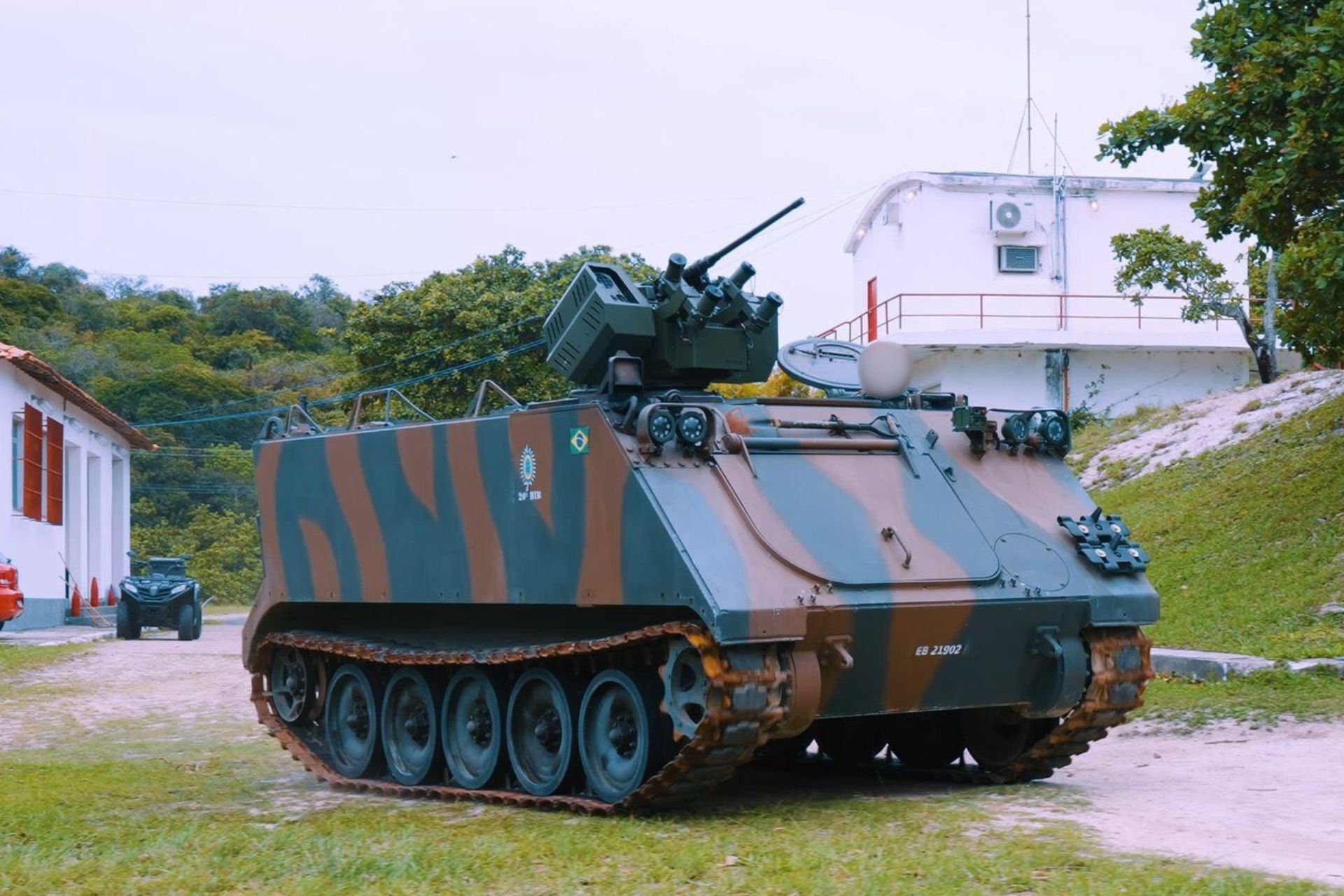
On November 15, 2024, the Brazilian Army's Evaluation Center (CAEx) conducted a series of engineering tests on a technological demonstrator of the M-113 BR concept, fitted with the remotely-operated weapon station Remax4. This project, developed by Ares Aeroespacial e Defesa, aligns with requirements outlined by the Diretoria de Fabricação and the Arsenal de Guerra do Rio de Janeiro, representing a significant step in modernizing Brazil's military equipment.
In early 2024, Ares proposed integrating the Remote-Controlled Weapon System (SARC) Remax4 into the M-113 BR armored personnel carrier (Picture source: ARES)
The M-113 BR is an upgraded version of the M113 armored personnel carrier, widely utilized by the Brazilian Army. This version incorporates key improvements in mobility, protection, and firepower. Powered by a more efficient diesel engine, it delivers enhanced performance in various terrains. Its reinforced armor offers increased protection against ballistic threats and shrapnel. Standard armament includes a 12.7 mm heavy machine gun mounted on a remote-controlled weapon station, providing effective firepower while ensuring crew safety.
The M-113 BR is produced domestically, with upgrades carried out by Brazil's defense industry, including the Arsenal de Guerra do Rio de Janeiro. The modernization program aims to extend the operational life of the M113 fleet while meeting the evolving demands of modern combat. Enhancements such as advanced communication systems and night vision capabilities increase the vehicle's effectiveness and versatility for current mission profiles.
In early 2024, Ares proposed integrating the Remote-Controlled Weapon System (SARC) Remax4 into the M-113 BR armored personnel carrier. The technological demonstrator incorporates various upgrades, including the remotely-operated weapon station, optronic systems for the driver, an additional battery pack with smart charge management, a radio system for gunner data transmission and display, and a tactical computer compatible with the Proteus BMS (Battle Management System).
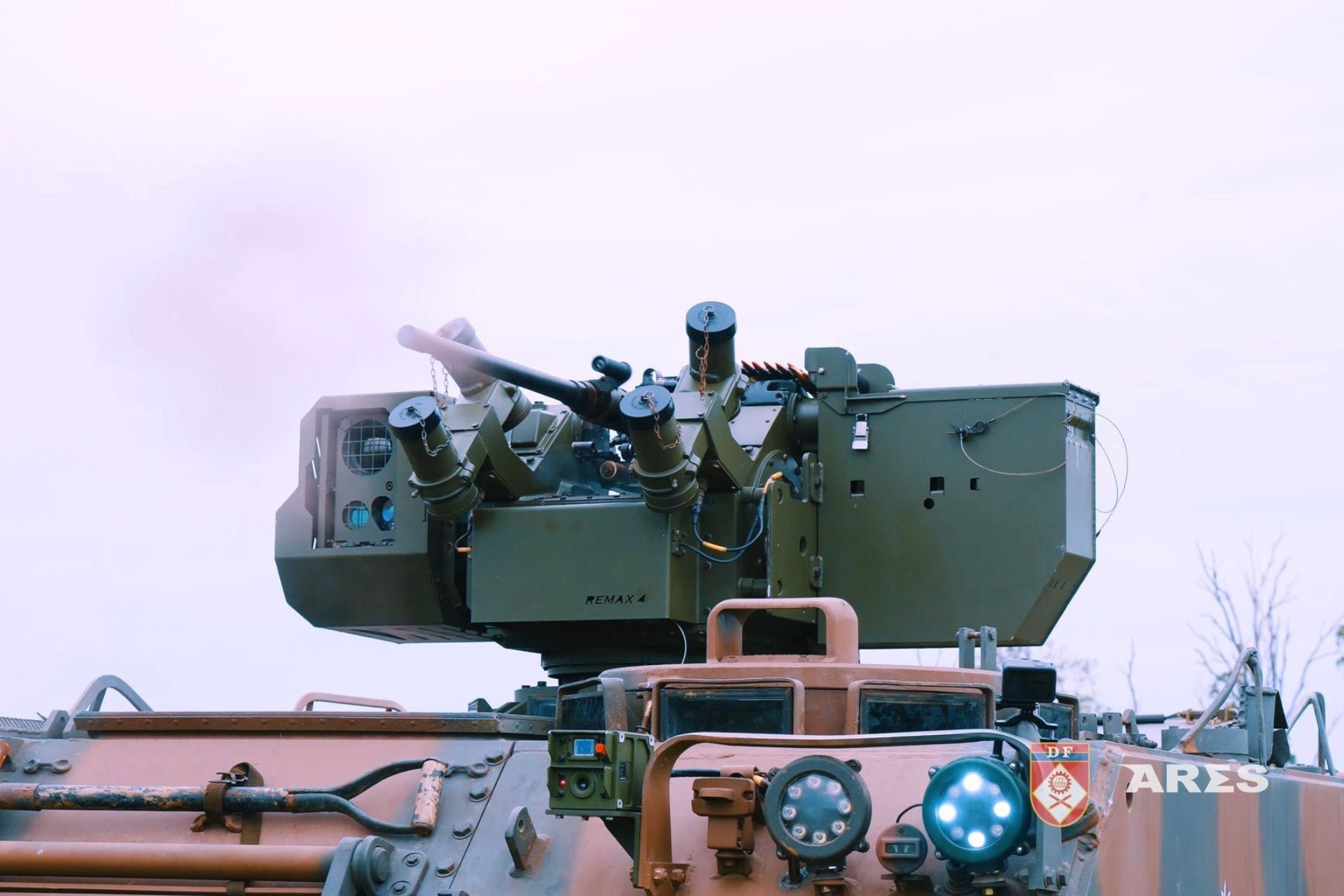
The gunner's station, located atop the vehicle, includes a retractable control panel with a firing joystick, optronic display, and essential controls (Picture source: ARES)
These additions improve crew and troop safety by enhancing situational awareness for the driver and commander in both daytime and nighttime conditions over extended distances. The Remax4 also increases firepower efficiency by reducing ammunition consumption and improving target accuracy. These advantages make the vehicle more effective in battlefield operations.
The Remax4’s design emphasizes functionality and ease of use. The gunner's station, located atop the vehicle, includes a retractable control panel with a firing joystick, optronic display, and essential controls. The system can be deployed and activated quickly. Meanwhile, the driver's position features a tactical screen on the left-hand side, allowing reliable navigation in low-visibility conditions and the ability to detect potential thermal signatures. This configuration enhances safety and efficiency during missions in challenging environments.
The system also includes controls for secure communications, weapon station operations, and smoke grenade launchers for self-defense. Additionally, provisions have been made for future integration of a software-defined radio (RDS-Defesa), developed by Brazil's Ministry of Defense, which will enhance tactical communication capabilities.
Considered an interim solution while awaiting the introduction of a new Infantry Fighting Vehicle (VBC FUZ), the M-113 BR modernization program is a pragmatic approach to optimizing the operational effectiveness of the Army’s most widely-used tracked armored vehicles. By incorporating the Remax4, the M-113 BR remains a valuable asset capable of addressing contemporary combat demands while extending its service life.

- Details
- Written by: Halna du Fretay
- Category: 2024
- Hits: 3166
On November 21, 2024, Milrem Robotics announced that it has chosen Texelis as a strategic supplier to support the development of next-generation robotic combat vehicles (RCVs). This partnership aims to enhance the capabilities of autonomous vehicles on modern battlefields while strengthening European industrial cooperation in the defense sector.
Milrem Robotics has selected Texelis to provide advanced mobility subsystems, including an electrified powertrain for armored vehicles designed for a new generation of modular robotic combat platforms weighing over 12 tons. These vehicles are engineered to address the increasing demands of contemporary conflicts by offering unparalleled mobility, enhanced protection, and advanced technological integration. Texelis’ electrified powertrain, based on its expertise in transmissions and suspension systems for armored vehicles, will ensure exceptional endurance and maneuverability, even in challenging environments.
The partnership aligns with Milrem Robotics' history of innovation in robotic combat vehicles. Among its key developments is the Type-X Robotic Combat Vehicle (RCV), a benchmark for advanced robotic platforms. Unveiled with Hunter 2S loitering munitions launchers at IDEX 2023, the Type-X combines firepower and tactical versatility. Equipped with a 30 mm automatic cannon and artificial intelligence systems for target acquisition and drone swarm coordination, it can take on high-risk positions while delivering firepower on par with, or exceeding, traditional infantry fighting vehicles. Its adaptability is further demonstrated by its compatibility with diverse weapon systems, such as the Cockerill Protected Weapon Station Generation II (CPWS II), and its 360° mixed-reality situational awareness system, Vegvisir. These capabilities highlight the commitment of Milrem Robotics to innovation and flexibility, supported by strategic partnerships.
Kuldar Väärsi, CEO of Milrem Robotics, described the collaboration as a "crucial step" in developing the company’s future RCVs. He emphasized Texelis’ technical expertise, which will enable Milrem Robotics' platforms to overcome complex terrains and address the challenges of demanding combat scenarios. This cooperation also builds on Milrem Robotics' existing strong relationships with the French defense industry.
Jean Vandel, CEO of Texelis, expressed his company’s enthusiasm for the partnership, describing it as a major strategic opportunity. He noted that it positions Texelis to expand its presence in the tracked vehicle domain while consolidating its status as a key partner for advanced mobility systems. This involvement represents a significant diversification for Texelis, combining its established expertise with new opportunities in robotic combat systems.
This alliance also marks a significant step forward for the European defense ecosystem. By leveraging France’s renowned engineering and mobility expertise, Milrem Robotics and Texelis contribute to enhancing the continent's technological autonomy. This strategic partnership aligns with broader European objectives to bolster regional security and develop advanced, indigenous robotic solutions for European armed forces.
In the current context, where European armed forces aim to modernize their capabilities and strengthen technological sovereignty, this partnership between Milrem Robotics and Texelis holds significant strategic relevance. As security challenges grow more complex and autonomous technologies play an increasingly important role on the battlefield, this collaboration offers a proactive and ambitious solution. Combining Milrem Robotics’ expertise in advanced robotic systems with Texelis’ high-performance mobility solutions, the partnership envisions future combat vehicles as modular, intelligent, and resilient platforms designed to deliver tactical superiority in demanding environments. Furthermore, this cooperation underscores the importance of European industrial collaboration in strengthening common defense capabilities and addressing emerging challenges.
Read more: Milrem Robotics and Texelis Partner to Advance Next-Generation Robotic Combat Vehicles
- Details
- Written by: Jérôme Brahy
- Category: 2024
- Hits: 7860
During the Defence iQ Land Warfare Europe conference in Bucharest, Lt. Col. Peter Bystriansky, project manager for the Slovak Army’s modernization program, announced that Slovakia is set to receive its first CV90 Mk IV infantry fighting vehicles (IFVs) as part of a significant modernization effort for its armed forces. The arrival of the CV90s marks Slovakia’s transition to Western platforms, replacing Soviet-era equipment and aligning with NATO requirements.
Follow Army Recognition on Google News at this link
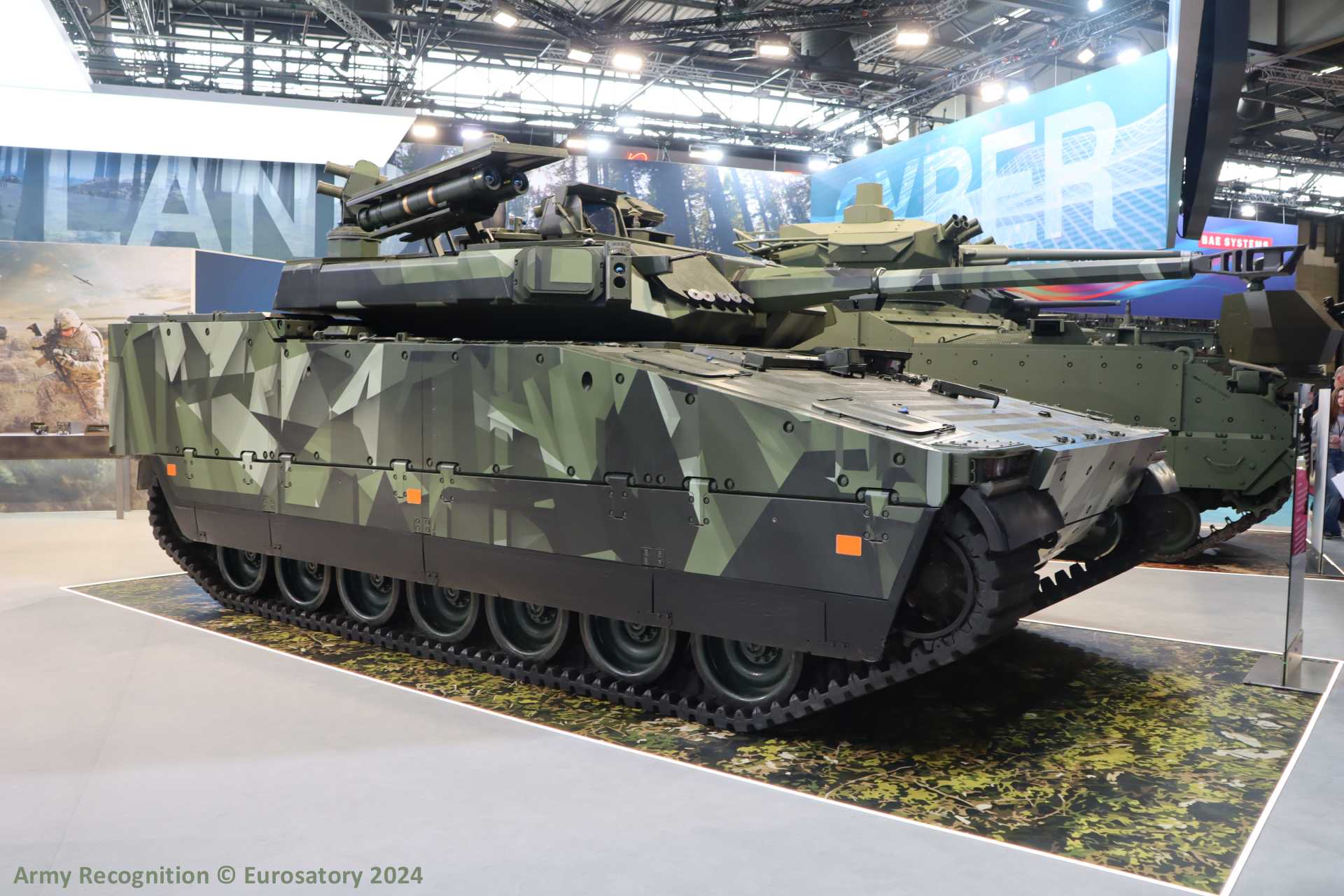
The Slovak Ministry of Defence selected the CV90 after an evaluation process in which the vehicle ranked highest, outperforming alternatives such as the Lynx KF41 and ASCOD. (Picture source: Army Recognition)
Under a government-to-government agreement signed on December 12, 2022, Slovakia secured a $1.4 billion (€1.3 billion) contract for 152 CV90 Mk IV vehicles, which are scheduled for delivery by 2026. This procurement is expected to modernize Slovakia’s mechanized capabilities, enhance NATO interoperability, and support regional defense initiatives. A second phase will follow, involving the procurement of 71 additional vehicles between 2027 and 2030. These vehicles are intended to replace Slovakia’s older tracked IFVs, such as the BMP-1, BMP-2, and BVP-M, and contribute to forming a heavy mechanized brigade, as outlined in Slovakia’s 2017 NATO Capability Targets.
The CV90 Mk IV is the latest iteration of BAE Systems' CV90 series, featuring a new Scania engine that delivers up to 1,000 horsepower and an upgraded X300 heavy-duty transmission. Its Gross Vehicle Weight Rating has increased from 35 to 37 tonnes, allowing an additional two tonnes of payload without compromising agility. This model is the first Western infantry fighting vehicle equipped with a qualified Active Protection System and incorporates a fourth-generation electronic architecture to support future technological enhancements.
Slovakia’s order includes 122 infantry fighting variants equipped with D-series turrets armed with a 35 mm autocannon, SPIKE-LR anti-tank guided missiles, and the Elbit Systems Iron Fist active protection system. The remaining vehicles include command and control, engineering, and recovery variants, as well as 12 IFVs in a specific configuration for anti-material rifles and grenade launcher squads. The contract emphasizes industrial cooperation, with significant roles for Slovak companies, including the state-owned ZTS – ŠPECIÁL. The agreement covers production and long-term maintenance, providing economic benefits while bolstering Slovakia’s defense industry. The total program cost of €1.688 billion (including VAT) encompasses procurement, infrastructure upgrades, and training systems.
The Slovak Ministry of Defence selected the CV90 after an evaluation process in which the vehicle ranked highest, outperforming alternatives such as the Lynx KF41 and ASCOD. The decision followed consultations with other government departments and experts, with the Ministry of Finance’s Value for Money Unit endorsing the choice. Slovakia’s decision also integrates it into the CV90 User Club, joining seven other countries that operate the platform, including several NATO members.
Slovakia has been actively modernizing its armed forces to enhance defense capabilities and fulfill NATO commitments. Recent efforts include acquiring advanced military equipment across various domains. For its air force, Slovakia received the first two of 14 F-16 Block 70/72 fighter jets from Lockheed Martin in July 2024, replacing its Soviet-era MiG-29s, which were previously donated to Ukraine. The remaining jets are expected to be delivered by the end of 2025. Additionally, in August 2024, Slovakia approved the purchase of six mobile air defense systems from Israel for €554.3 million to strengthen its airspace protection.
On the ground, Slovakia is also procuring 76 Patria AMV XP 8×8 armored vehicles, with production involving Slovak companies to ensure local industry participation. Moreover, plans are underway to replace outdated T-72 tanks by acquiring over 100 modern main battle tanks, aiming to operate 45 of them by 2030. To enhance artillery capabilities, the Slovak Army is utilizing Zuzana 2 155mm self-propelled gun howitzers, known for their long-range precision. Finally, in a joint acquisition with the Czech Republic, Slovakia approved the purchase of over 1,300 heavy terrain vehicles for €708.3 million to replace its aging fleet of trucks.
Read more: Slovakia to receive CV90 Mk IV to modernize Mechanized Brigade replacing old Soviet BMP-2

- Details
- Written by: Vandenbosch
- Category: 2024
- Hits: 5345
During the National Infantry Days in Canjuers, Var, the French Army unveiled a new experiment highlighting its interest in cutting-edge technology: the "flying soldier" concept. This initiative, part of an ongoing effort to enhance the operational capabilities of troops, underscores the importance of new mobility solutions on the battlefield.
The French Army unveiled a new experiment highlighting its interest in cutting-edge technology. (Picture source: French MoD)
The project is not entirely new. In 2019, the Flyboard Air had already garnered attention. Its military potential led the Defense Innovation Agency (AID) to grant a subsidy of €1.3 million to adapt this device to operational constraints. Concurrently, the French Aerospace Lab (ONERA) was involved in its development. Equipped with six engines, four of which deliver 250 horsepower each, the Flyboard Air can reach an altitude of 10,000 feet, thanks to advanced algorithms.
In 2021, Florence Parly, then Minister of the Armed Forces, announced that the special forces would experiment with a flying platform derived from this system. The Special Operations Command (COS) viewed this device as an opportunity for infiltration and exfiltration missions. However, enthusiasm for the project waned after an accident during a demonstration over Lake Biscarrosse in 2022.
In 2019, the British Royal Marines tested a jetpack developed by Gravity Industries, introducing a new approach to maritime boarding operations. This system is based on an exoskeleton equipped with five micro-gas turbines—two mounted on each arm and one on the back—generating a total thrust of 144 kilograms and combined power exceeding 1,000 horsepower. This configuration enables flight speeds of over 80 km/h and a maximum altitude of 3,000 meters, although operational flights are usually conducted at lower altitudes for safety and efficiency.
The Gravity Industries jetpack was designed to provide rapid and flexible mobility, particularly in maritime environments where boarding moving ships poses significant challenges. During tests, an operator launched from a fast boat flew over the sea, and landed on a target ship’s deck within seconds, showcasing the system's ability to reduce infiltration time and minimize exposure to threats.
However, integrating this technology into the armed forces raises questions about ergonomics and combat operability. The jetpack, weighing approximately 27 kilograms without fuel, can limit a soldier's range of motion and complicate the use of standard weaponry. Additionally, the limited flight duration—typically between three and four minutes depending on conditions and payload—requires precise mission planning to avoid situations where the operator could run out of fuel in hostile areas.
Despite these challenges, the Royal Marines' tests demonstrated the jetpack’s potential for specific operations requiring speed and surprise. Observing these developments, the French Army is evaluating the adaptation of such technologies to meet its own operational needs, while considering the ergonomic and tactical constraints inherent in their use on the ground.
The French Army justified these tests by emphasizing the importance of identifying real needs and determining how to leverage these technologies to enhance combat effectiveness. Light brigade regiments, in particular, seek to bolster their mobility and offensive capabilities, especially in challenging environments such as mountainous and airborne zones.
The French Army Chief of Staff, General Pierre Schill, highlighted the key issue of these innovations: their utility for field units and their scalability across the entire army. While some solutions may be suitable for special forces, adopting them on a broader scale remains a significant challenge.
The integration of a jetpack into the French infantry enhances operational capabilities by providing unparalleled mobility and flexibility on the battlefield. This technology would enable rapid deployment across challenging terrains such as mountains or urban environments, bypassing natural and man-made obstacles with ease. In high-stakes missions, jetpacks could facilitate swift infiltration and exfiltration, reducing the time soldiers spend exposed to enemy fire. While challenges remain regarding endurance and weapon operability, the potential for these devices to augment the speed, agility, and tactical options of French infantry units underscores their strategic value in modern warfare.
This experimentation reflects the French Army’s commitment to innovation in addressing the challenges of modern conflicts. Despite existing technical and operational obstacles, the "flying soldier" concept demonstrates a forward-looking vision, where technology and operational performance converge to strengthen the capabilities of the French armed forces.
- Details
- Written by: Jérôme Brahy
- Category: 2024
- Hits: 2920
On November 19, 2024, General Dynamics European Land Systems (GDELS) delivered the first M3 amphibious bridge and ferry system to the Swedish Defence Materiel Administration (SDMA) at a handover ceremony in Kaiserslautern, Germany. This delivery marks the initial stage of a contract to supply Sweden with a total of twelve M3 systems, known locally as "Amfibiebro 400." The agreement also includes additional equipment for Sweden's existing Improved Ribbon Bridge (IRB), known as "Däcksbro 300," to enhance compatibility between the two systems.
Follow Army Recognition on Google News at this link
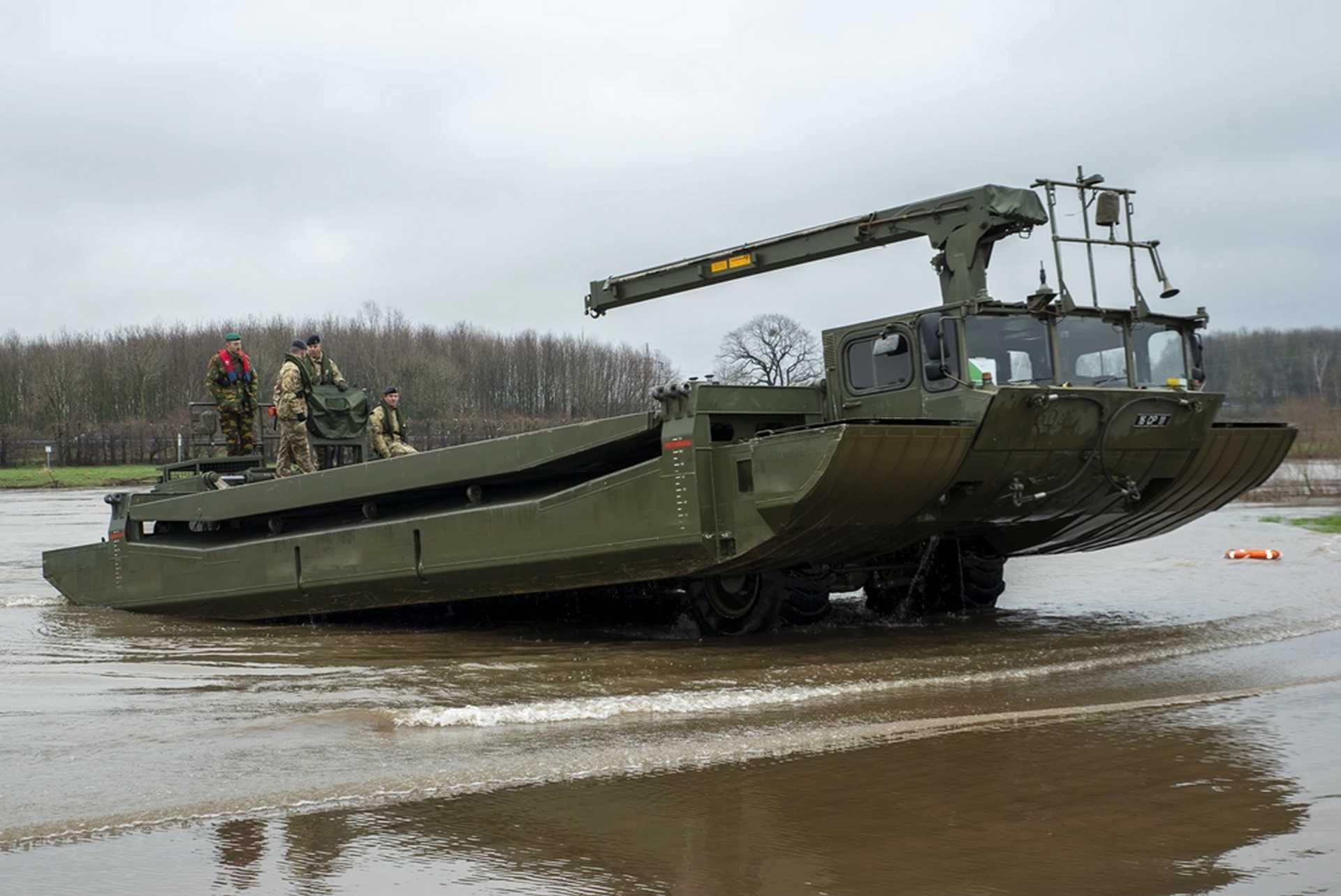
The M3 amphibious system was central to the NATO Anakonda 2016 exercise, during which a combined German and British unit constructed a 350-meter floating bridge over the Vistula River in 35 minutes. (Picture source: US DoD)
The M3 amphibious bridge and ferry system is designed for rapid deployment and can be used as either a bridge or a ferry. It is capable of supporting vehicles up to MLC 85 (tracked) and 132 (wheeled), including heavy main battle tanks like the Leopard 2 and M1A2 Abrams. The system’s modular design allows for quick assembly, with a maximum setup time of 10 minutes for a 100-meter bridge, and interoperability with other bridging systems, such as the IRB and SRB (Standard Ribbon Bridge). This interoperability is facilitated by coupling adapters, ensuring the M3 can function seamlessly alongside other NATO-standard equipment.
The Swedish Army’s acquisition of the M3 will enable it to negotiate obstacles up to 400 meters wide when the full fleet is operational, aligning Sweden’s capabilities with NATO allies like Germany and the United Kingdom, which also operate the M3 system. Sweden’s decision to adopt the M3 follows earlier testing of the system in Arctic conditions. While financial constraints and shifting priorities delayed initial procurement, these tests contributed to the development of a version tailored for northern climates.
The M3 is powered by a diesel engine, providing a range of up to 750 kilometers on land and a top speed of 80 kilometers per hour. For water operations, the system is propelled by pump jets, reaching speeds of up to 14 kilometers per hour. Its pontoons, which deploy from the vehicle’s sides, enable amphibious operation. The system requires a crew of two to operate, due to automation features aimed at reducing manpower requirements.
In addition to its Swedish deployment, the M3 is in service with various NATO and allied nations, including Germany, the United Kingdom, Canada, the United States, South Korea, the Netherlands, Brazil, and Australia. It has been used in both exercises and operational contexts, such as the Iraq War, where British forces utilized the M3 during river crossings at the Shatt Al-Basrah waterway and Rumaila oil fields. The system was also central to the NATO Anakonda 2016 exercise, during which a combined German and British unit constructed a 350-meter floating bridge over the Vistula River in 35 minutes.
The procurement of the M3 aligns with Sweden’s recent accession to NATO and reflects its focus on enhancing interoperability with alliance members. Deliveries of the systems are expected to continue, with the potential for additional units under options included in the contract. This acquisition supports Sweden's goal of improving its gap-crossing capabilities and operational readiness in line with NATO standards.
Read more: Sweden receives first M3 amphibious system for rapid deployment across water obstacles
- Pakistan Continues to Develop Its Local Military Industry With Unveiling of Its Shahpar-III Drone
- French Army Integrates 120mm Mortars with Serval Vehicles for Fire Support
- Finnish Army Demonstrates its new K9 Moukari Howitzer in Arctic NATO Exercise Dynamic Front 25
- US Army boosts intelligence as ARES spy plane surpasses 5,000 flight hours