
- Details
- Written by: Triffaux
- Category: 2024
- Hits: 7651




Breaking news






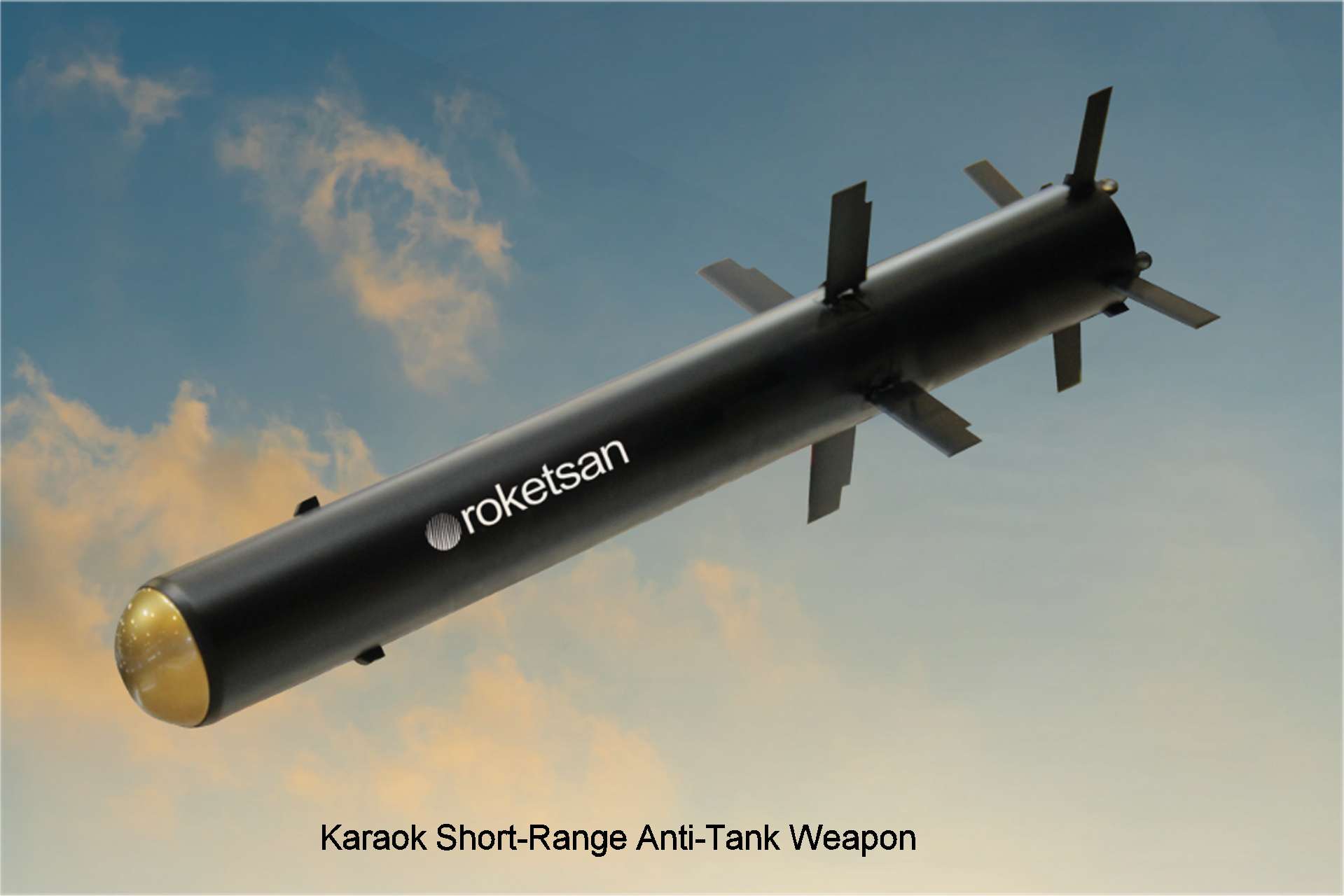
On May 8, 2024, Roketsan, the Turkish defense systems manufacturer, announced it would deliver the first batch of its Karaok portable anti-tank missile system to the Malaysian Armed Forces (ATM) by early 2026. This announcement was made at the Defence Services Asia (DSA) 2024 by Chumur Murat Boz, Roketsan's Regional Manager for Central Asia and the Far East.
Follow Army Recognition on Google News at this link
Roketsan Karaok Short-Range Anti-Tank System (Picture source: Roketsan)
Speaking on the sidelines of the Defence Services Asia (DSA) and National Security (NatSec) Asia 2024 exhibition, Boz emphasized the strategic partnership between Malaysia and Roketsan, rather than a mere customer-supplier relationship. "Malaysia will be our first delivery for Karaok," Boz stated, highlighting the global demand for portable anti-tank and air defense systems.
The Malaysian Armed Forces (ATM) are set to replace their current Russian-made Metis-M system, which has been in service for two decades, with high-tech Karaok system. The Karaok is noted for its advanced "fire and forget" capability and can engage main battle tanks and armored vehicles up to 2.5 kilometers away using both direct and top-attack modes.
This capability puts the Karaok on par with other sophisticated systems such as the American-made FGM-148 Javelin. The decision to choose the Karaok system followed a formal selection process by the Malaysian Defence Ministry last year, aimed at enhancing the country's anti-tank capabilities.
In preparation for the integration of this new technology, Roketsan will provide comprehensive training to ATM personnel, including simulators and real-life exercises. "We would like to give this training to the users just before delivery... we will also provide training for trainers so that they can train future trainers," Boz added.
While the specific quantity of Karaok systems procured and the contract value remain undisclosed, earlier reports suggested that the deal includes 18 launchers and over 100 guided missiles, marking a significant upgrade to Malaysia’s defense arsenal.
From a strictly technical perspective, the KARAOK is a man-portable, short-range, fire-and-forget anti-tank guided missile system that stands out for its effectiveness in both day and night conditions, thanks to its imaging infrared seeker. The system features a missile diameter of 125 mm and a total weight of less than 16 kg, including the missile and launching tube. As said above, it boasts a range of 2.5 kilometers and is equipped with an armor-piercing tandem warhead. The KARAOK offers versatile engagement capabilities with both direct attack and top attack modes. Its operation is simplified by a fire-and-forget mode, enhancing its usability and effectiveness in rapid combat scenarios.
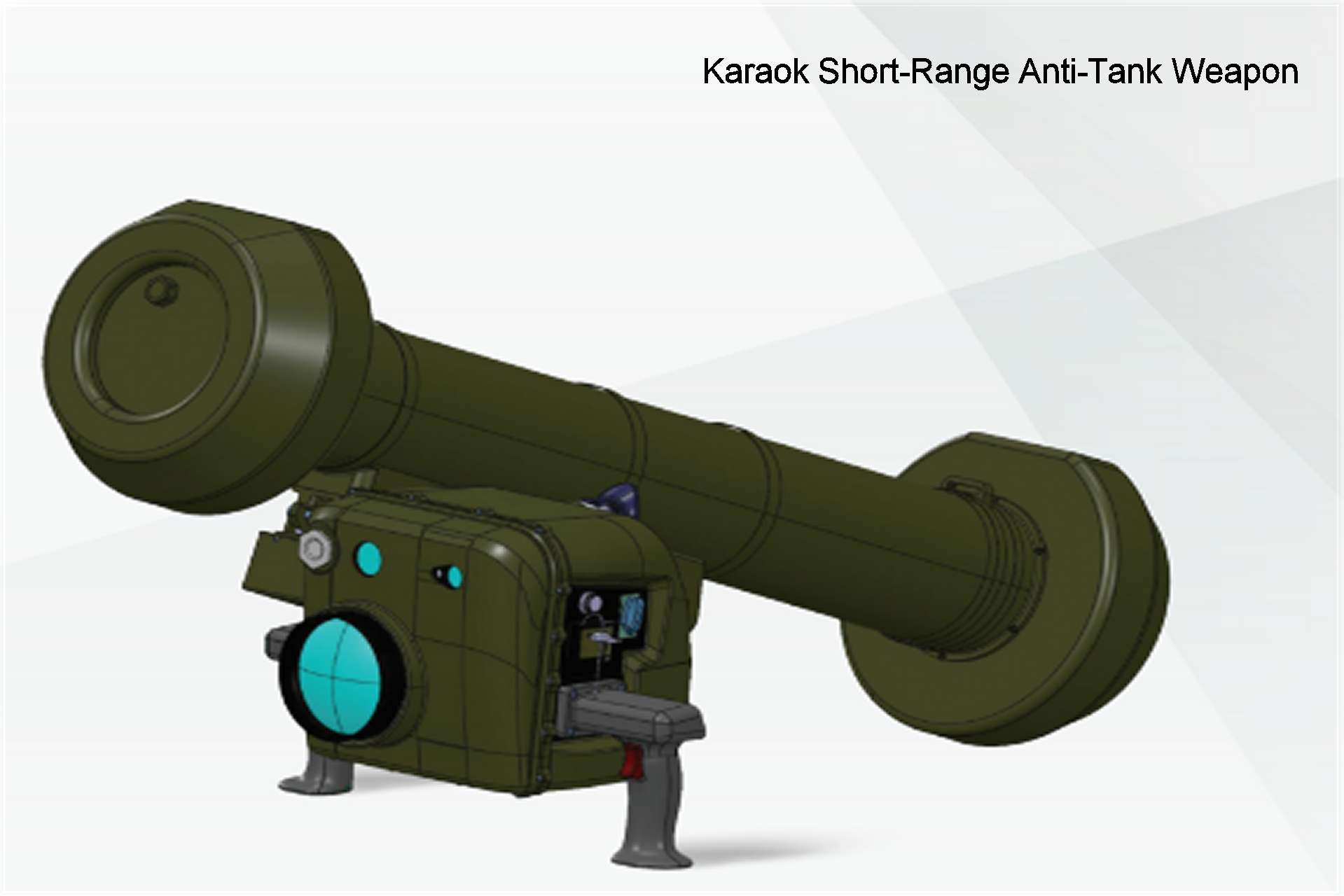
Roketsan Karaok Short-Range Anti-Tank System (Picture source: Roketsan)
- Details
- Written by: Triffaux
- Category: 2024
- Hits: 10098
Breaking news
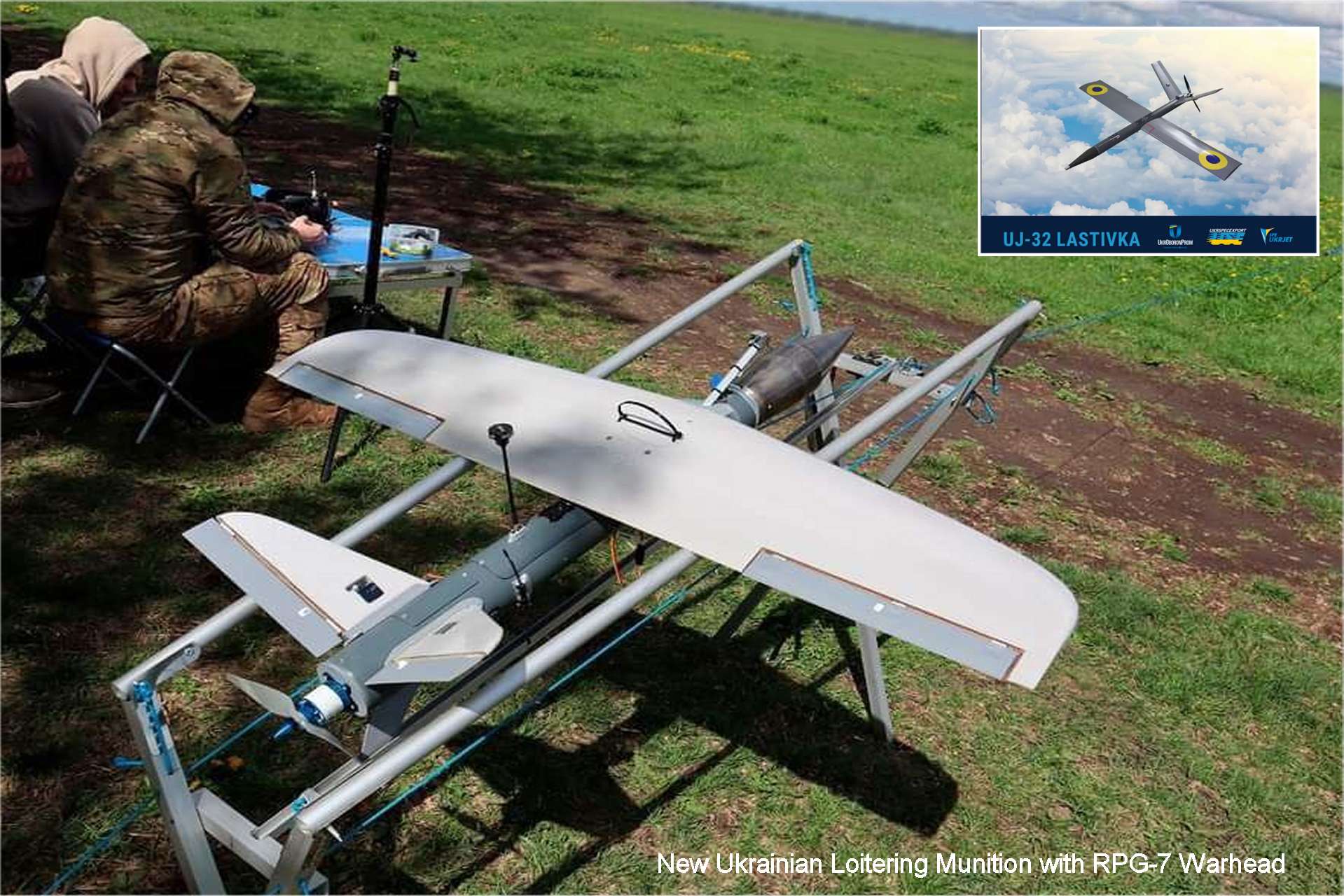
On May 8, 2024, the Ukrainian defense forces released images showing the use of a new loitering munition equipped with RPG-7 anti-tank ammunition, employed in combat operations. Although this model is still relatively unknown, it is not the first time the Ukrainian defense industry has developed this type of loitering munition using an RPG-7 anti-tank charge.
Follow Army Recognition on Google News at this link
New Ukrainian Loitering Munition with RPG-7 Warhead (Picture source: Ukrainian MoD and Ukroboronprom)
Indeed, at UMEX 2022, Ukroboronprom had already showcased the UJ-32 LASTIVKA, a multirole loitering munition designed to operate effectively at any time of day or under any weather conditions, even in environments with electronic countermeasures. The UJ-32 is tailored for striking immobile targets on both ground and water. One of its key features is the ability to modify or cancel its flight mission in real-time, and it can operate in "flock" mode, allowing multiple munitions to coordinate strikes on a single target or be redirected to various targets independently.
The UJ-32 boasts high precision with a target hit accuracy of no more than +/- 2.5 meters. It features a low noise level during both launch and flight and avoids leaving visual or infrared trails, enhancing its stealth capabilities. The munition is also designed for quick assembly and disassembly and can switch its warhead for an onboard camera to provide additional reconnaissance capabilities. With speeds ranging from 60 to 180 km/h, a flight duration of 20 minutes, and a maximum autonomous range of 40 km, the UJ-32 can employ RPG-7 ammunition in its standard configuration but is also compatible with other types of ammunition.
It is likely that this new loitering munition released by the Ukrainian forces, which also uses an RPG-7 charge, has capabilities more or less identical to the UJ-32. The UAV appears to be mounted on a portable launching rail, suggesting rapid deployment capabilities. Mounted on a portable launching rail, the UAV is designed for rapid deployment. Its streamlined and compact form is optimized for precise targeting and low radar visibility. Featuring a straightforward, elongated fuselage and a front-mounted propeller, it is likely powered by an electric motor, which facilitates quieter operations than traditional combustion engines. The UAV adopts a high-wing configuration to enhance stability and flight efficiency. Its wings, straight and extending beyond the fuselage, are equipped with control surfaces at their tips, improving maneuverability.
Loitering munitions have become pivotal in the ongoing conflict between Ukraine and Russia, fundamentally altering tactics on the modern battlefield. These drones are utilized by both nations, but Russia currently possesses a notable advantage with sophisticated models like the Orlan-10, ZALA Lancet, and Shahed drones. The Lancets have proven so effective that their capabilities have been recognized by both Russian and Ukrainian defense officials.
The Shahed drones, notorious for their use in the invasion, have caused significant damage to Ukrainian infrastructure and resulted in numerous civilian casualties due to their deployment as deadly suicide drones. In response, Ukraine has been adept at countering these threats, successfully downing many Shahed drones and developing its own variants to target vital Russian assets. These Ukrainian drones are designed to disable armored vehicles, tanks, and enemy positions, with Kyiv accelerating production to address artillery shortages.
To counteract Russia's technological edge, Ukraine's national arms manufacturer, Ukroboronprom, is intensifying efforts to produce long-range drones continuously. The goal is to manufacture at least two million units by year's end, with increased procurement efforts also being made by European countries to support Ukraine.
Loitering munition represents a new and evolving threat on the battlefield for both Ukrainian and Russian forces, particularly in their capacity to target and destroy combat vehicles, tanks, and artillery systems. These unmanned aerial vehicles, designed to hover over a target area before identifying and striking high-value targets with precision, offer a significant tactical advantage. Their deployment complicates traditional defense strategies, forcing both sides to adapt to a warfare landscape where key assets can be eliminated with little warning. The increased use of such drones underscores a shift towards more remote and technologically advanced forms of combat, with the potential to significantly impact the effectiveness and survivability of armored units and artillery positions in the ongoing conflict.
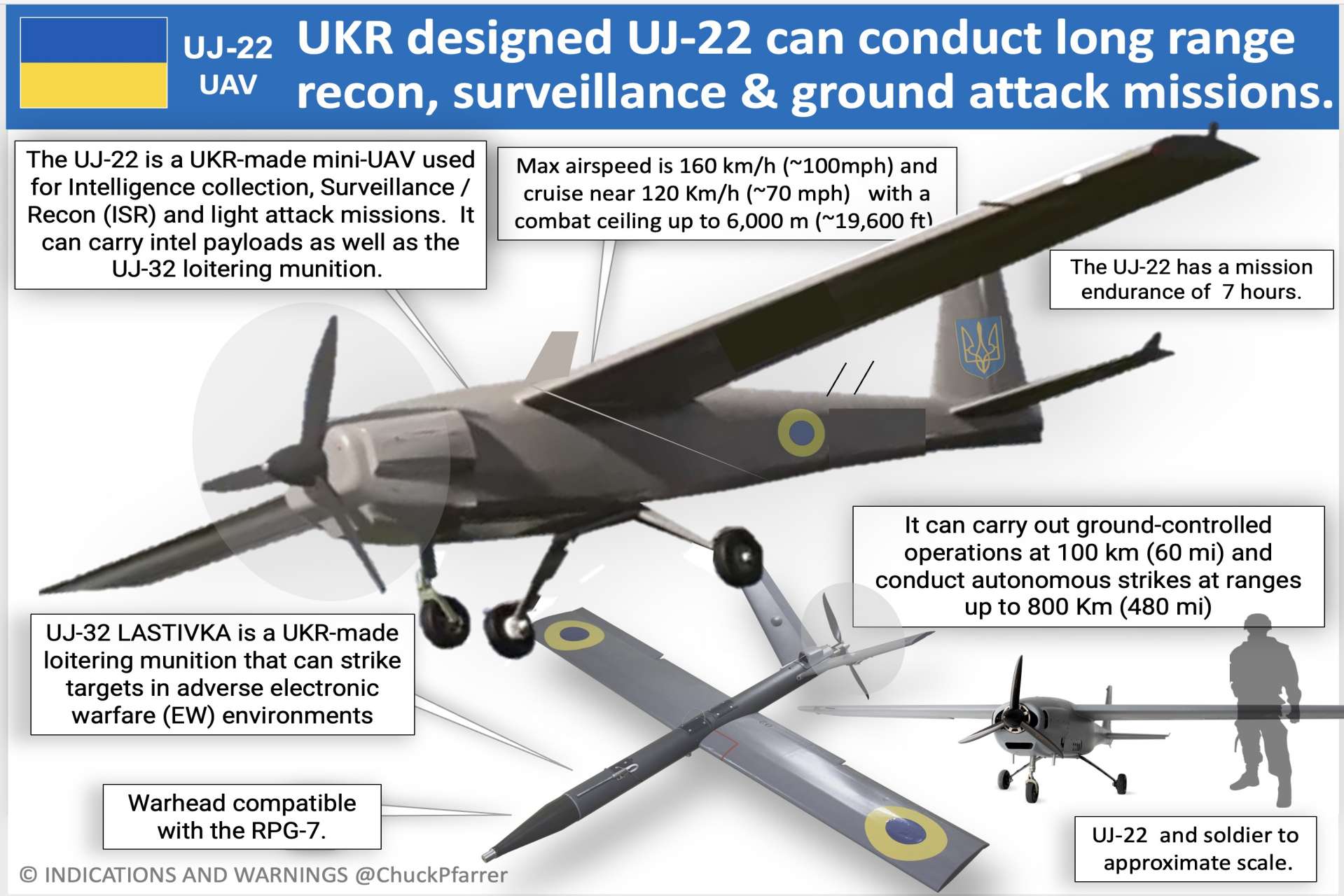
Loitering Munition and FPV Drone developed by Ukrainian Defense Industry (Picture Source: Thanks to Chuck Pfarrer for the Graphic)
Read more: Ukraine Deploys New Loitering Munition Armed with RPG-7 Anti-tank Ammunition
- Details
- Written by: Jérôme Brahy
- Category: 2024
- Hits: 5284
Breaking news
At the DSA 2024 exhibition in Malaysia, the German company Hensoldt showcased the Argos 8 airborne electro-optical system, the latest iteration of the Argos family, which has been a key part of its product lineup for over 35 years. Used by more than 22 countries on over 25 platforms, these systems support surveillance, reconnaissance, and intelligence missions, including operations conducted by the Belgian and German Federal Polices.
Follow Army Recognition on Google News at this link
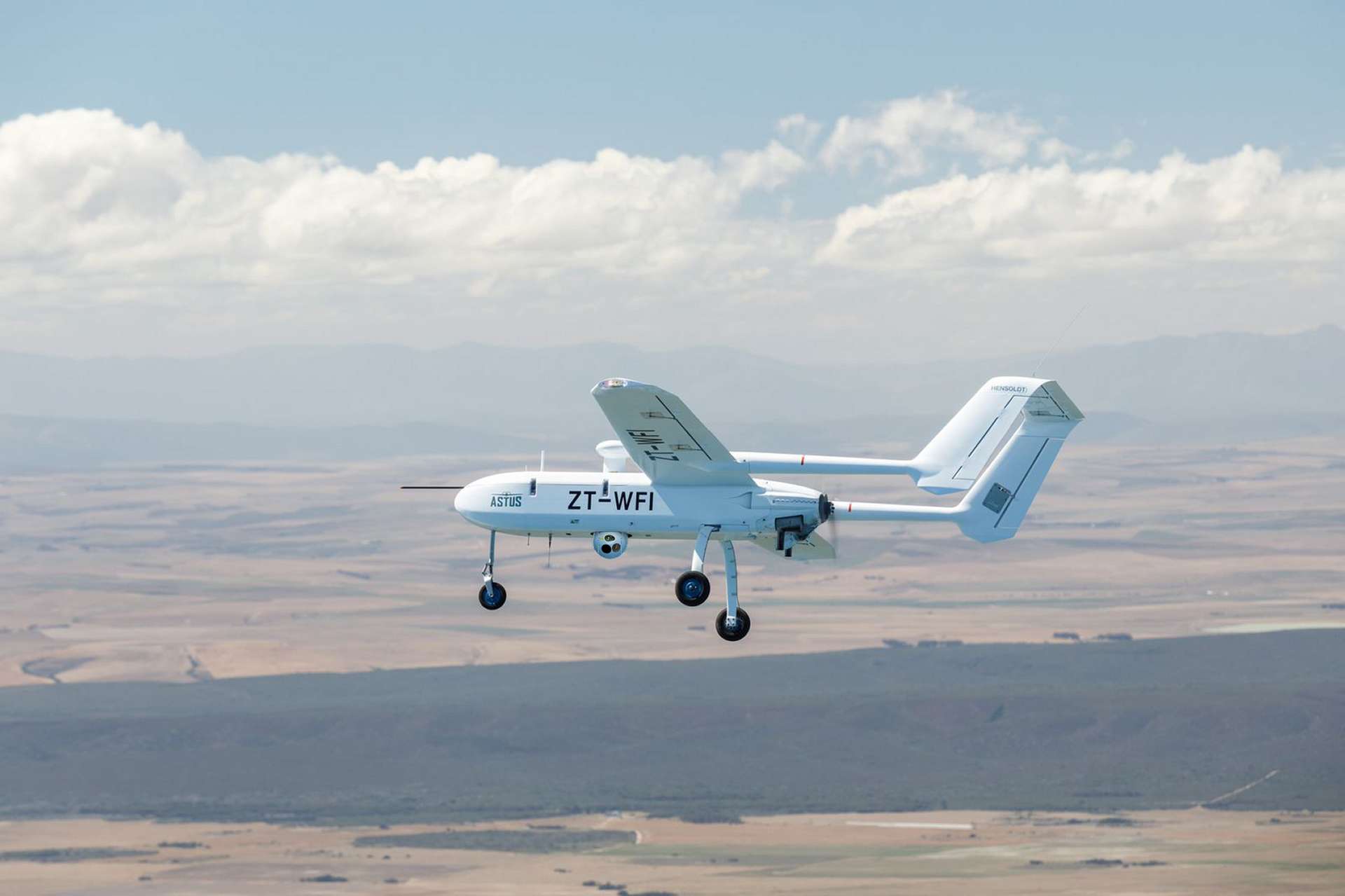
Building on the success of the Argos-II, Hensoldt recently introduced the Argos-8, an 8-inch class airborne electro-optical system suited for smaller systems, such as group-2 and group-3 unmanned aerial vehicles (UAVs) (Picture source: Hensoldt)
Hensoldt, recognized for its radar, optoelectronics, and avionics solutions, offers advanced radar systems for surveillance, air traffic control, and air defense, utilized on platforms such as the Eurofighter, German Navy’s F125 frigates, and the US Navy’s littoral combat ships (LCS). Additionally, the company manufactures optical and optronic devices such as daylight cameras, thermal imagers, and laser rangefinders for military and civil security operations across air, land, sea, and space missions.
Moreover, Hensoldt has expanded its activities to include electronic warfare, developing systems such as the Kalaetron for jamming and intelligence gathering. The company also provides avionics solutions such as the Sferion Pilot Assistance system and air traffic control radars for military applications. To complement its product range, Hensoldt also provides services like simulation, training, and maintenance, enhancing both operational effectiveness and product longevity. For instance, since 2005, systems like the Argos-II have been key components in the Belgian Federal Police Air Support Unit's helicopters and are employed by various German law enforcement agencies, including the Thuringia State Police and the German Federal Police.
The Argos-II stands as a widely utilized aerial 15-inch-class electro-optical surveillance system with a notable deployment in over 22 countries and on more than 25 platforms, establishing itself as a reliable option. Compatible with fixed-wing aircraft and helicopters, it proves useful in critical long-range missions where heightened awareness is essential. Tailored for medium- to long-range missions and available in two variants, the Argos-II offers persistent surveillance, high-resolution imaging, and advanced stabilization, ensuring effective situational awareness.
The Argos-II HD turret, weighing less than 52 kg when fully equipped, is suitable for installation on helicopters, fixed-wing aircraft, and unmanned aerial vehicles (UAVs), serving military, border, maritime patrols, and law enforcement missions. This system, equipped with a laser rangefinder with a range of up to 20 km, integrates multiple sensors and electronics into a single interchangeable unit. It features an HD MWIR thermal imaging camera offering a resolution of 1280 × 1024 pixels, a unique HD multispectral zoom TV camera with a resolution of 1920 × 1080 pixels, and optional HD multispectral spotter or SWIR spotter cameras, enhancing capabilities in challenging conditions with low visibility. Advanced image processing functions ensure optimized performance across diverse operational environments. Additionally, the system offers various control and video interfaces, enhanced image processing capabilities, and an optional handgrip controller for ease of operation.
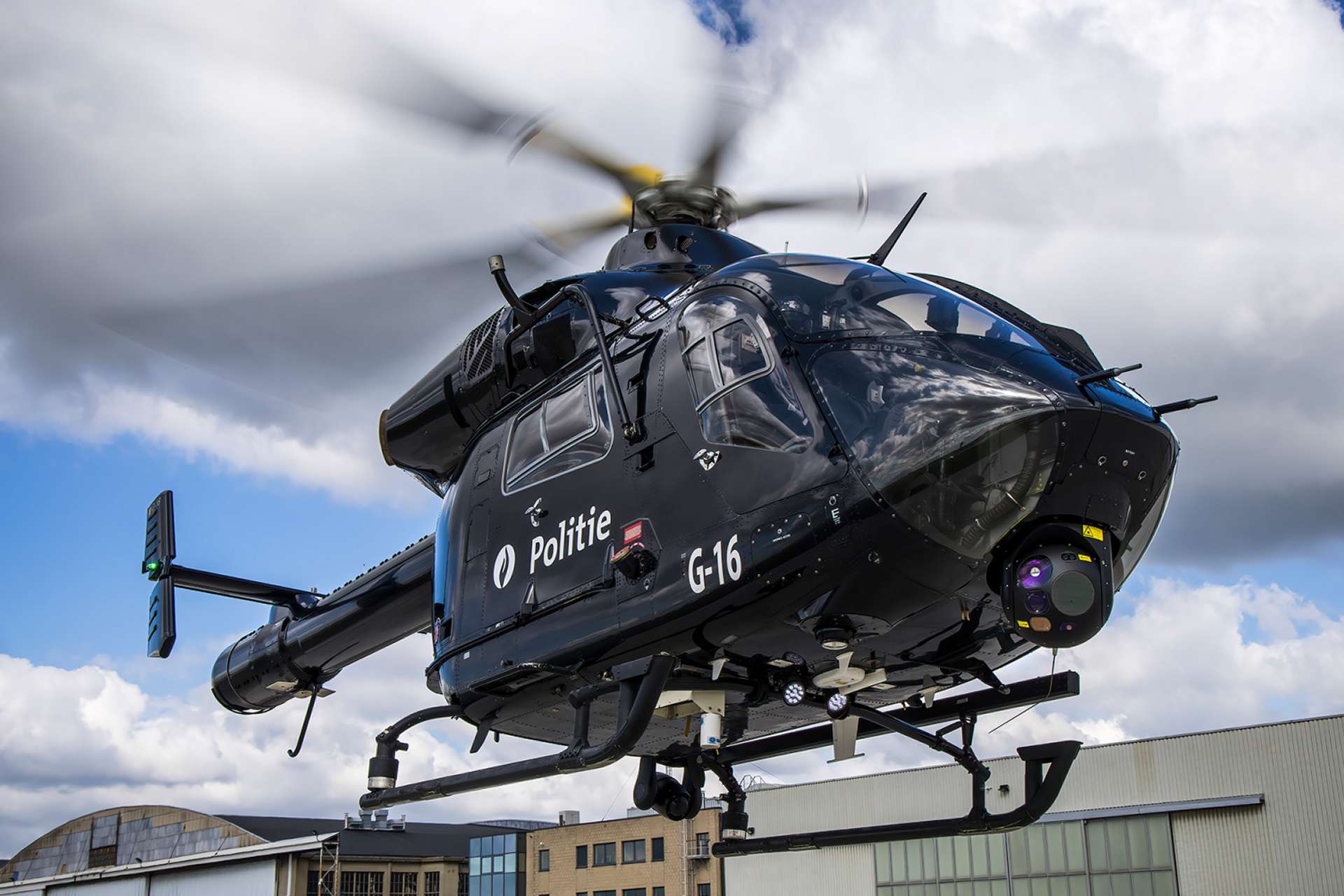
Systems like the Argos-II have been key components in the Belgian Federal Police Air Support Unit's helicopters and are employed by various German law enforcement agencies, including the Thuringia State Police and the German Federal Police. (Picture source: Hensoldt)
For targeting capabilities, the Argos-II HDT variant offers a precision laser designator or rangefinder, featuring a dual-wavelength system with selectable eye-safe ranging modes. Its payload specifications include a MWIR thermal imaging camera with a resolution of 1280 × 1024 pixels, a continuous zoom, and a field of view from 1.2° to 19.5°. Additionally, it features an HDTV-Zoom Camera with Color, NIR & Low Light functions, offering a resolution of 1920 × 1080 pixels and a field of view ranging from 1° to 20°. The system's specifications include a stabilized turret weighing less than 53.5 kg when fully equipped, which offers 2-axis inner, and 2-axis outer active control for stabilization and steering, with an elevation coverage from +20° to -120°. Additional features encompass enhanced image processing capabilities, onboard IMU and GPS for geo-functions, and continuous autofocus, all contributing to its functionality in the field of airborne surveillance and targeting.
Building on the success of the Argos-II, Hensoldt recently introduced the Argos-8, an 8-inch class airborne electro-optical system suited for smaller tactical UAV systems, and intended for ISR (Intelligence, Surveillance, Reconnaissance) and ISTAR (Intelligence, Surveillance, Target Acquisition, and Reconnaissance) applications. It is designed for use on typical group-2 and group-3 unmanned aerial vehicles (UAVs), featuring a mechanically stabilized Electro-Optical System (EOS) with three sensors for day and night operations. Target range-finding and designation are supported by a semi-active laser designator, enhancing accuracy across various operational scenarios. The system also includes a video auto-tracker with correlation and scene tracking, powered by an integral Inertial Navigation System (INS) providing precise geo-location data for targets with a resolution of up to 2 meters and accuracy of ±5 meters.
In terms of real-time capabilities, the Argos-8 offers a SWaP-optimized (Size, Weight, and Power) targeting solution suitable for dynamic combat environments. It provides enhanced imaging options with day/night capabilities, a laser range finder detecting targets up to 12.5 km away under extended target conditions, and a target laser designation system with a reach of up to 8 km for NATO targets. Additionally, it supports moving target engagement with an advanced auto-tracker and features video with STANAG-compliant metadata and picture-in-picture display capabilities for comprehensive situational awareness.
Designed for easy integration into existing military frameworks, the Argos-8 comes equipped with comprehensive mission planning, operational, and debrief software. It supports enhanced operational planning and analysis through its suite of tools, including mission software enabling video overlay on detailed maps, target sizing, and collaborative tools such as POI sharing and text/audio chat. Weighing less than 6.2 kg and with dimensions optimized for UAV compatibility (285 mm height and 220 mm diameter), the Argos-8 represents a modern solution in warfare and surveillance technology, providing comprehensive capabilities in a compact, efficient package.
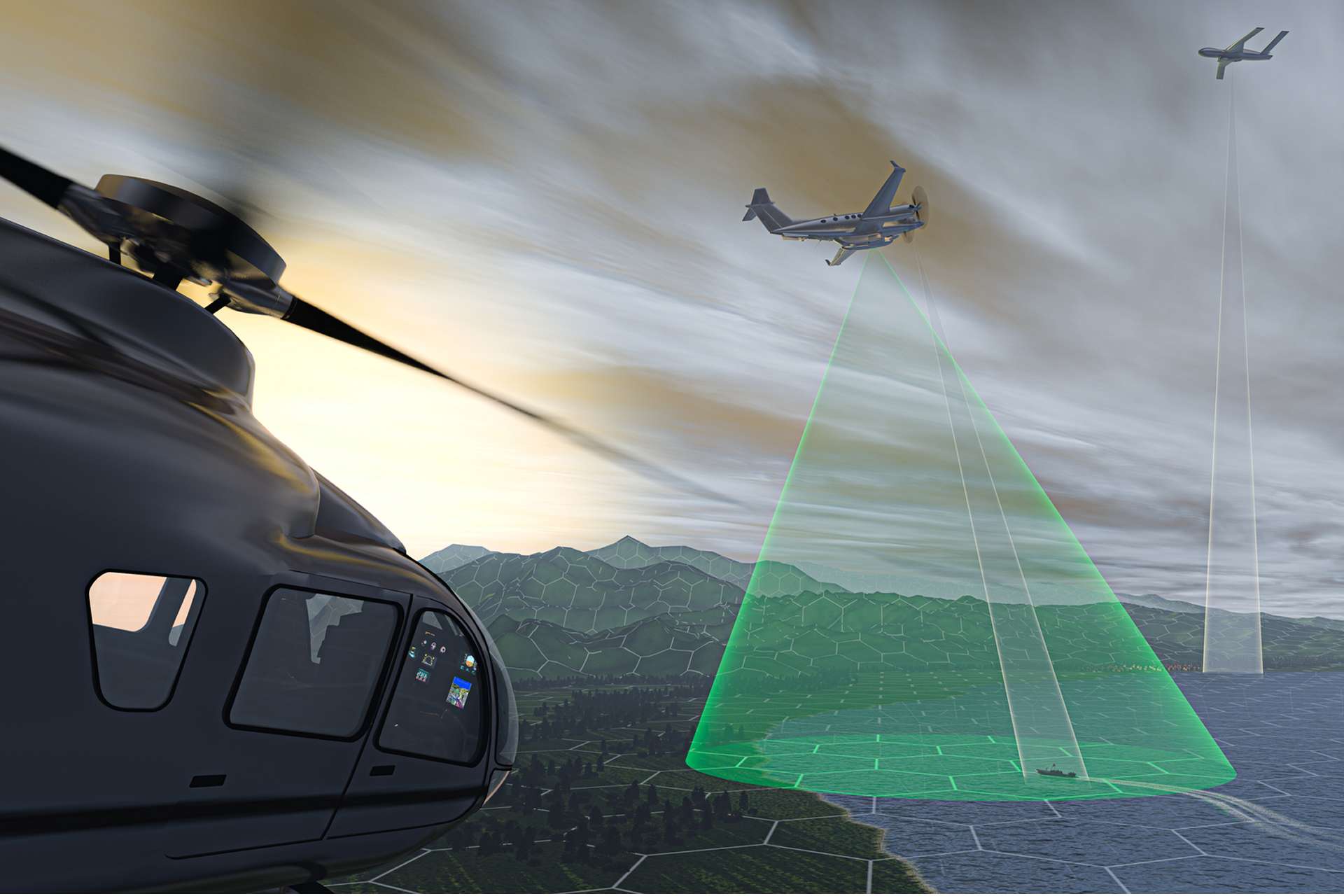
Used by more than 22 countries on over 25 platforms, the Argos systems support surveillance, reconnaissance, and intelligence missions for more than 35 years. (Picture source: Hensoldt)

- Details
- Written by: V.Saint
- Category: 2024
- Hits: 2536
Breaking news
In a statement dated May 10, 2024, the U.S. Department of Defense announced a new delivery of support to Ukraine, amounting to $400 million. This assistance is primarily composed of vehicles and munitions, meeting the urgent needs of the Ukrainians as the offensive is currently under Russian control in the north, but also along the entire front.
Follow Army Recognition on Google News at this link
Himars in Ukraine in 2023 (Picture source: Ukraine MoD on X )
The newly announced aid includes critical defense equipment drawn from DoD inventories to address Ukraine’s urgent battlefield needs. The package features a broad spectrum of advanced weaponry and support systems crucial for both offensive strikes and defensive postures against Russian forces.
No specific volume has been mentioned yet, but we know that the package includes weapons requested by Ukraine, such as munitions for the Patriot missile system, HIMARS munitions, Stinger anti-aircraft missiles, 155mm and 105mm artillery shells, Bradley combat vehicles, and Mine-Resistant Ambush Protected (MRAP) vehicles, as well as M113s. It is also specified in the statement that smart aerial munitions will be delivered, which we can assume will include JDAMs and HARM missiles. Interestingly, ships are announced as pending delivery, specifically coastal and riverine patrol boats. This could indicate, considering the front line considerations, a Ukrainian intention to equip themselves with maritime capabilities suitable for the Dnieper, but also for the coasts still under Ukrainian control, with Odessa being a point of tension.
Currently, in terms of vehicles, about 200 M113s have been confirmed delivered to Ukraine, M113s that allow transporting troops while maximizing protection during travel and for the embarked units. Although forty HIMARS were promised, only twenty have been confirmed delivered, and at least five are now destroyed.
Regarding the NASAMS, Norwegian-made anti-aircraft systems known for their reliability, the United States announced the delivery of 12 NASAMS, with an additional five coming from European partners. However, only six have actually been delivered and are in service in the Ukrainian forces. Similarly for the Patriots, today faced with regular bombings and missile strikes, the Ukrainians express the need for air defense systems and munitions. This is considered one of the major challenges for the continuation of Ukrainian operations.
This statement on the delivery of equipment is welcomed by the Ukrainians, as it meets a real need of theirs. However, it remains to be seen whether it will suffice until the first arrivals from the $60 billion package announced in April 2024.

- Details
- Written by: Halna du Fretay
- Category: 2024
- Hits: 3284
Breaking news
South Korea's National Intelligence Service (NIS) is currently investigating allegations that North Korea has provided weapons manufactured in the 1970s to Russia for its ongoing conflict in Ukraine, as reported by Yonhap News Agency. These allegations arise amid reports of increasing military cooperation between Pyongyang and Moscow, including significant ammunition transfers.
Follow Army Recognition on Google News at this link
North Korean leader Kim Jong-un has overseen tests of a new 240 mm multiple rocket launcher system on May 11 2024. (Picture source: KCNA)
Recent disclosures suggest that North Korea has shipped about 6,700 containers to Russia since a summit between the leaders of the two countries in September. The containers are believed to contain around 3 million rounds of 152 mm artillery shells or 500,000 rounds of 122 mm artillery shells. These munitions, likely dating from the 1970s, have been identified in the conflict zone through Korean characters found on artillery shells recovered in Ukraine.
The investigation was triggered by images captured last year by a Ukrainian photographer showing 122 mm rocket shells inscribed with Korean characters. This discovery has led to heightened scrutiny of the depth and nature of North Korean military support to Russia. Additionally, there are concerns about North Korea acquiring missile technology under the guise of these military exchanges. The NIS has expressed vigilance over potential illicit shipments of missile parts to North Korea, which could significantly enhance its weapons development programs.
Furthermore, recent developments indicate that North Korea is advancing its own military capabilities. State media reported that North Korean leader Kim Jong-un has overseen tests of a new 240 mm multiple rocket launcher system, expected to be deployed in the North Korean military this year.
This situation continues to highlight the broader implications of North Korea's involvement in supplying military equipment to Russia, particularly in light of the full-scale invasion of Ukraine initiated in 2022. Despite international sanctions, cooperation between Russia and North Korea appears to be strengthening, with both nations benefiting from the exchange of military hardware and expertise. At a recent UN Security Council meeting, Russia vetoed a resolution that would have extended the mandate of experts monitoring sanctions against North Korea, signaling a potential shift in international relations and security dynamics.
The United States has also addressed the issue, suggesting that the security threat posed by North Korea could "change drastically" over the next decade if its military collaboration with Russia continues to evolve. The Pentagon has echoed these concerns, noting that North Korea remains actively engaged in supplying weapons to Russia, underscoring the flourishing partnership between the two countries.
- Details
- Written by: Vandenbosch
- Category: 2024
- Hits: 61147
Breaking news
A US commander has hinted that UK special forces are involved in Ukraine. In an interview with The Associated Press on May 12, 2024, General Bryan Fenton, head of US Special Operations Command, discussed the valuable lessons learned from the experience of UK special forces currently in Ukraine. The UK Ministry of Defence has chosen not to comment on these observations.
Follow Army Recognition on Google News at this link
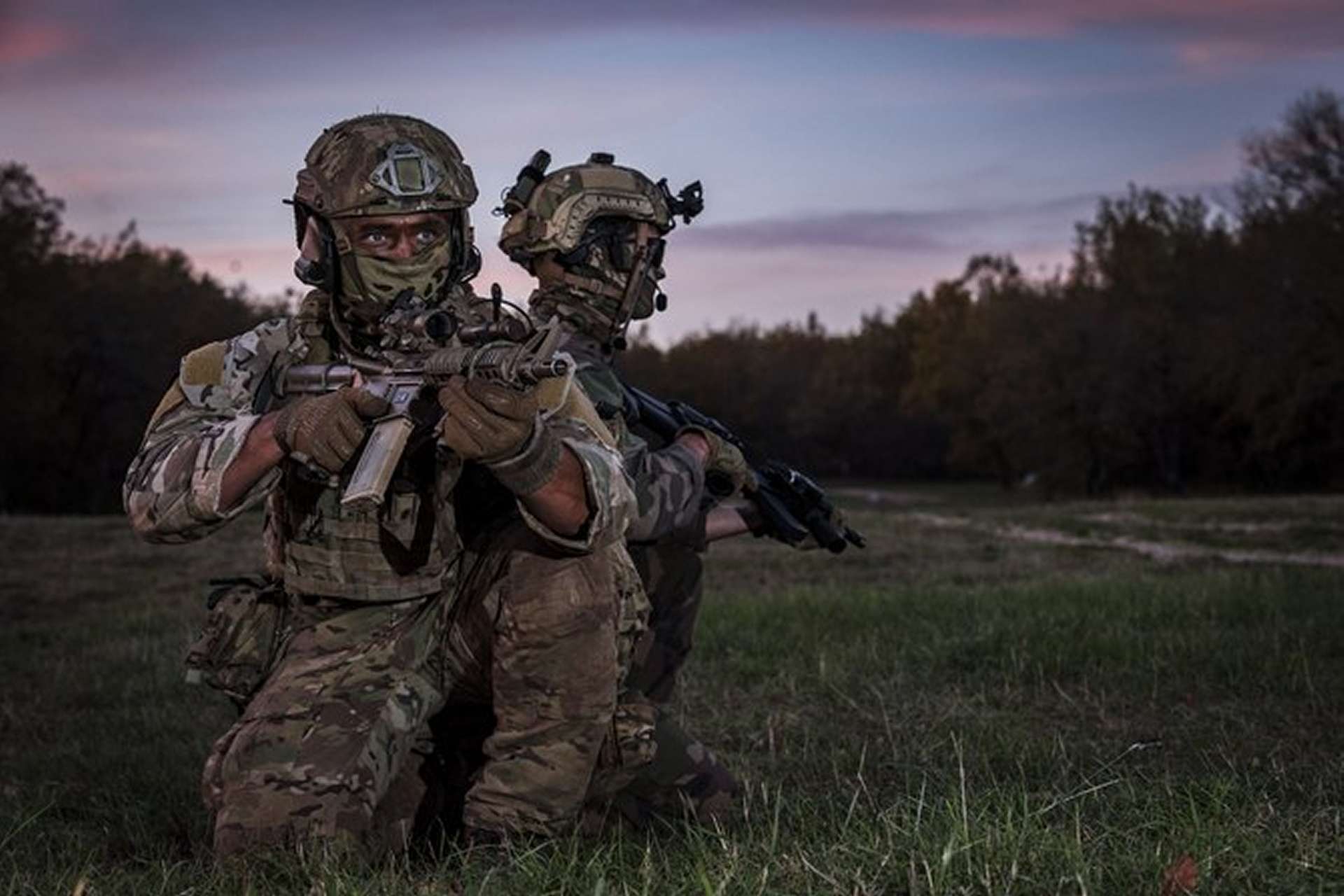
Soldiers of the British Army and Groupement des Commandos Parachutiste (GCP), the advance forces of 16 Air Assault Brigade and 11e Brigade Parachutiste train together on Exercise Falcon Amarante in France. (Picture source: UK MoD)
General Fenton discussed plans to adapt Green Beret teams based on strategies learned from their British counterparts in Ukraine, suggesting enhancements such as the inclusion of cyber experts, Air Force pilots, or cryptologists in these teams. He emphasized that these modifications are directly derived from lessons learned in Ukraine, primarily through the expertise of UK special operations partners. These partners have quickly integrated additional roles, realizing the need for broader joint force support.
General Fenton also mentioned that British commandos had consulted Royal Air Force pilots for drone operations and had sought guidance from naval personnel to better understand naval maneuvers in the Black Sea.
The covert operations of Western military units in Ukraine have been long speculated, with increasing discussions about the possibility for Western countries to engage more openly militarily in Ukraine. French President Emmanuel Macron has even considered the possibility of deploying French troops.
A spokesperson for the Ministry of Defence stated, "It is a consistent policy not to discuss UK Special Forces operations."
The UK's special forces network includes elite units such as the Special Air Service, the Special Boat Service, the Special Reconnaissance Regiment, the Special Forces Support Group, the 18th Signal Regiment, and the Joint Special Forces Aviation Wing.
Reports from The Times of London in April 2022 indicated that UK special forces were in Ukraine to help train Ukrainian recruits on British-supplied anti-tank NLAW missiles. A senior European defense official confirmed to the Financial Times in February, "The presence of Western special forces in Ukraine is an open secret, although not officially acknowledged."
President Macron, speaking to The Economist, expressed openness to deploying French troops under certain conditions, emphasizing the unpredictable nature of the conflict and the potential for increased involvement. Russia has responded strongly to such proposals, with former Prime Minister Dmitry Medvedev threatening to use nuclear weapons against any NATO countries intervening militarily in Ukraine.
General Fenton also shared additional challenges faced by US special operations commanders, including the need to manage budget cuts while incorporating more high-tech experts into their teams. The US Army's special forces, which are facing a reduction of about 5,000 troops over the next five years, are considering increasing the size of their Green Beret teams to include more specialized and technical skills. These changes are occurring amidst conflicting pressures due to overall force reductions and the evolving requirements of modern military operations.
Read more: US Commander Suggests UK Special Forces Are Active in Ukraine

- Details
- Written by: Triffaux
- Category: 2024
- Hits: 3759
Breaking news
The UK Ministry of Defence announced on May 10, 2024, a major investment of £21 million in enhancing bomb disposal operations through the acquisition of 50 L3 Harris T4 bomb disposal robots. This initiative aims to provide better protection for both soldiers and the public by integrating advanced robotic technology into the British Army's explosive ordnance disposal procedures.
Follow Army Recognition on Google News at this link
L3 Harris T4 Bomb Disposal UGV (Picture source: L3 Harris)
The contract, awarded to L3 Harris Technologies based in Tewkesbury, involves the delivery of 50 T4 bomb disposal UGVs by the end of 2024. These robots are specially designed to operate in challenging environments such as narrow urban spaces, and tough terrains, and can even navigate stairs, making them ideal for use in planes, trains, and buses.
Equipped with advanced controls, high-definition cameras, and rapid data links, the T4 robots enable operators to perform complex tasks such as unzipping bags and opening glove boxes safely from a distance. This capability significantly reduces the risk to personnel involved in neutralizing bomb and chemical threats, with the robots responding to thousands of call-outs across the country each year.
Defence Procurement Minister James Cartlidge highlighted the strategic importance of these robots: "Acquiring this high-tech robot means that we can provide our forces with the tools they need to safely handle a range of explosive threats." He added that rapidly deploying unmanned systems like the T4 is a key element of the UK's Drone Defence Strategy.
Weighing just over 100 kg, the T4s are smaller and more nimble than the larger 300 kg T7 UGVs, but are equally equipped with 'advanced haptic feedback' systems. These systems allow operators to 'feel' their way through the complex process of disarming devices from a safe distance, further reducing the risk to life.
The T4 units will enter service with the 29 EOD & Search Group, the Diving Threat and Exploitation Group, Royal Gibraltar Regiment (RG), and Cyprus Operational Support Unit (COSU). They have undergone rigorous testing and come with an initial three-year service maintenance and repair support contract.
Major General Lizzie Faithfull-Davies, Director of Land Equipment at DE&S, expressed pride in the project team: "I'm incredibly proud of the project team at DE&S, who have worked with their industry partner to harness available cutting-edge technology and have identified a critical capability that can respond to hostile explosive threats and help keep the wider general public safe."
Ed Zoiss, President of Space and Airborne Systems at L3Harris, commented on the capability of the T4 EOD robots, describing them as "the world's most capable robots for operations in crowded and difficult environments like subways, airports, and even hospitals."
From a technical standpoint, the L3 Harris T4 platform has been designed to accommodate a range of challenging environments and tasks, ensuring both durability and functionality. It weighs a total of 154 pounds (70 kg) when equipped with its chassis and batteries. An additional component, the quick-release manipulator arm, adds 72 pounds (33 kg).
In terms of dimensions, the platform measures 36.2 inches in length, 17.5 inches in width, and 46.8 inches in height when the arm is stowed and the PTZ (Pan-Tilt-Zoom) camera is raised. Without the arm, the chassis alone reduces the height to 13.5 inches. This compact design allows for ease of maneuverability in various operational settings.
Powered by six BB-2590 batteries, the platform boasts an impressive runtime of over 7 hours, which may vary depending on the specific tasks it performs. Its mobility is enhanced by a skid steer track system capable of climbing stairs and slopes over 45 degrees, and it can traverse lateral slopes exceeding 30 degrees, showcasing its robustness in uneven terrains.
The platform is equipped with multiple cameras for optimal operational visibility. This includes two driving cameras located at the front and rear, a PTZ mast camera that offers a remarkable 120x zoom, and a zoomable gripper camera that provides detailed visuals at close range.
Its radio capabilities ensure reliable communication with a line-of-sight (LOS) range exceeding 3300 feet (1000 meters) and a non-line-of-sight (NLOS) range of over 660 feet (200 meters). This ensures effective control and maneuverability even at substantial distances.
Environmentally, the platform is built to operate within a temperature range from -4°F to +140°F (-20°C to +60°C). It is also EMI-shielded to prevent interference from active jammers and is capable of fording depths up to 12 inches (30.5 cm). Furthermore, it boasts an IP66 sealing, making it highly resistant to dust and water ingress, which is crucial for operations in diverse and adverse weather conditions.
Read more: UK acquires 50 L3 Harris T4 Bomb Disposal UGVs for British Army
- Details
- Written by: Halna du Fretay
- Category: 2024
- Hits: 3232
Breaking news
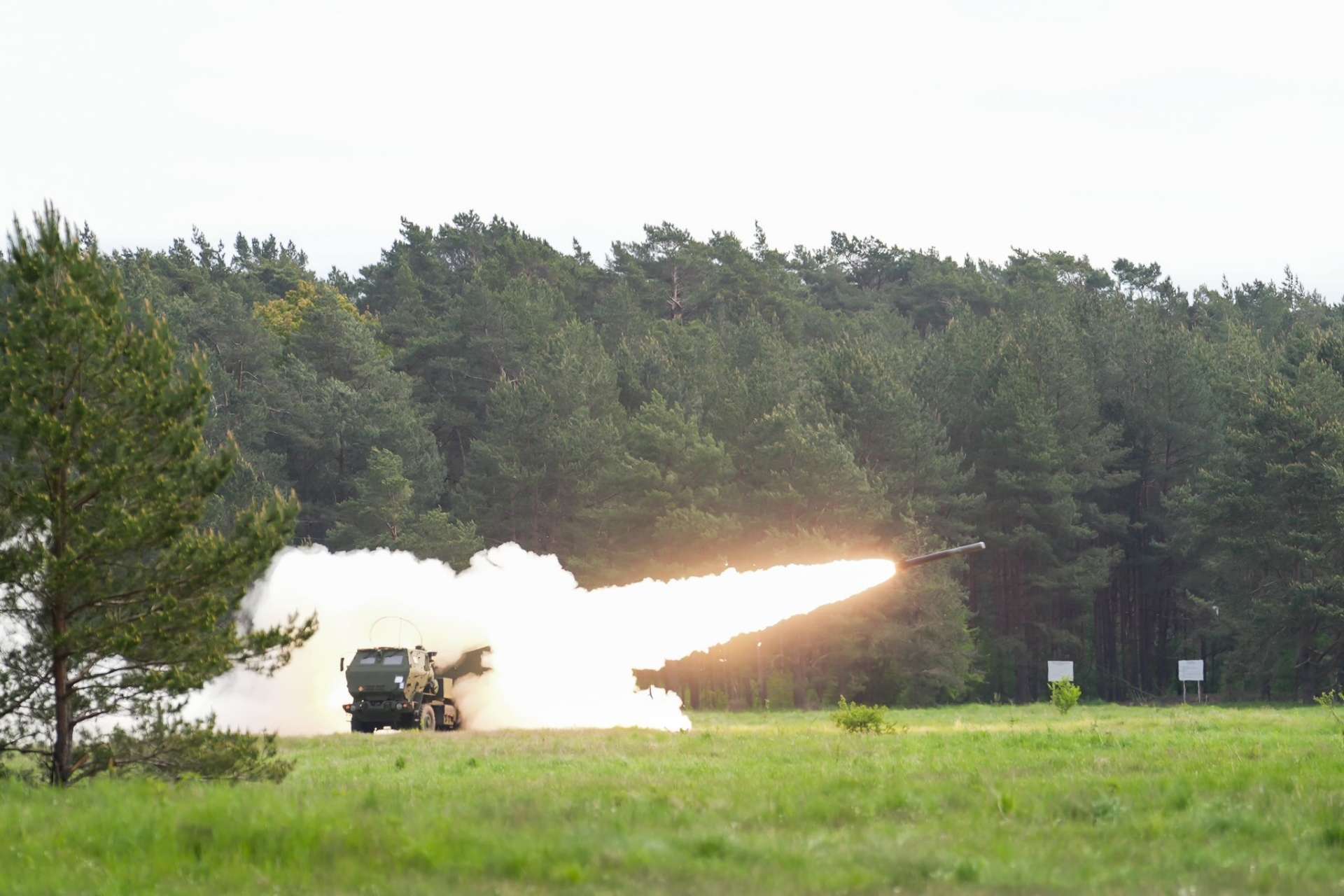
On May 9, as part of SwiftResponse 24, the U.S. Marine Corps and the Lithuanian Armed Forces conducted their first live-fire exercise using the High Mobility Artillery Rocket System (HIMARS) in anticipation of Lithuania's receipt of 8 HIMARS units in 2025. This historic event took place at the Brigadier General Povilas Plechavičius Training Area in Kairiai, located in the Klaipėda region of Lithuania, targeting areas in the Baltic Sea.
Follow Army Recognition on Google News at this link
Following a purchase agreement signed in 2022, Lithuania, in collaboration with other Baltic states, is set to receive 8 launchers equipped with both live and inert ammunition (Picture source: Lithuanian MoD)
This exercise was a key component of Exercise Immediate Response 2024, a major military initiative involving the deployment of HIMARS in Lithuania. The main objectives of this exercise were the deployment of strategic forces, the use of pre-positioned stocks, and enhancing interoperability among NATO partners and allies. The initiative is part of the larger NATO exercise, Steadfast Defender 2024, which is the largest NATO exercise since the Cold War, involving over 90,000 troops from 32 allied nations.
Chief of Defence, General Valdemaras Rupšys, emphasized the importance of such joint training exercises with U.S. forces, highlighting their role in maintaining a credible deterrent against potential threats to Lithuania or NATO. During the live-fire session, munitions were launched over the Curonian Lagoon and fell into the Baltic Sea, approximately 15 kilometers from the firing positions. For safety, a danger area was established and controlled in the Baltic Sea by the LNS Jotvingis, a Vidar-class command and supply ship, along with patrol ships Dzūkas and Aukštaitis, while the Military Police supervised the land area.
The High Mobility Artillery Rocket System (HIMARS) is a highly mobile, lightweight artillery system developed by Lockheed Martin for the United States Army.
Production of the HIMARS began in the late 1990s, and it officially entered service in 2005. Designed for rapid deployment and high mobility, HIMARS can be transported by C-130 aircraft, allowing for quick deployment across various theaters of operation. HIMARS is capable of firing both guided and unguided rockets, as well as the Army Tactical Missile System (ATACMS) missiles. It features a single six-pack of rockets or one ATACMS missile on a standard Army M1140 truck chassis, enhancing its agility and flexibility on the battlefield. The system supports a range of munitions that can target enemy positions up to 300 kilometers away, making it an essential asset for providing precise fire support at interdiction ranges, thereby greatly enhancing its operational effectiveness in modern military strategies.
The exercise also served as a preparatory step for Lithuania as it anticipates the arrival of its own HIMARS systems. Following a purchase agreement signed in 2022, Lithuania, in collaboration with other Baltic states, is set to receive 8 launchers equipped with both live and inert ammunition. This includes various missile pods and the Army Tactical Missile Systems (ATACMS), with the first deliveries expected in 2025.
Exercise Immediate Response 2024, directed by the United States European Command (USEUCOM) and the United States Army Europe and Africa (USAREUR-AF), runs from May 6-14 and includes nearly 13,000 troops from 16 countries. This strategic deployment underscores NATO's commitment to security on its northern and eastern flanks, highlighting the alliance's capability to coordinate and execute complex multinational defense operations.
Read more: Lithuania Conducts First Live-Fire HIMARS Exercise as Part of SwiftResponse24
- Details
- Written by: Halna du Fretay
- Category: 2024
- Hits: 4574
Breaking news
The United Kingdom has confirmed the delivery of its largest military aid package to Ukraine, valued at 500 million pounds. This substantial aid includes 4 million rounds of ammunition, 1600 missiles, and 400 vehicles, including 160 Husky Tactical Support Vehicles. This announcement was made by the UK Ministry of Defense and underscores the country's ongoing commitment to Ukraine amidst its conflict with Russia.
Follow Army Recognition on Google News at this link
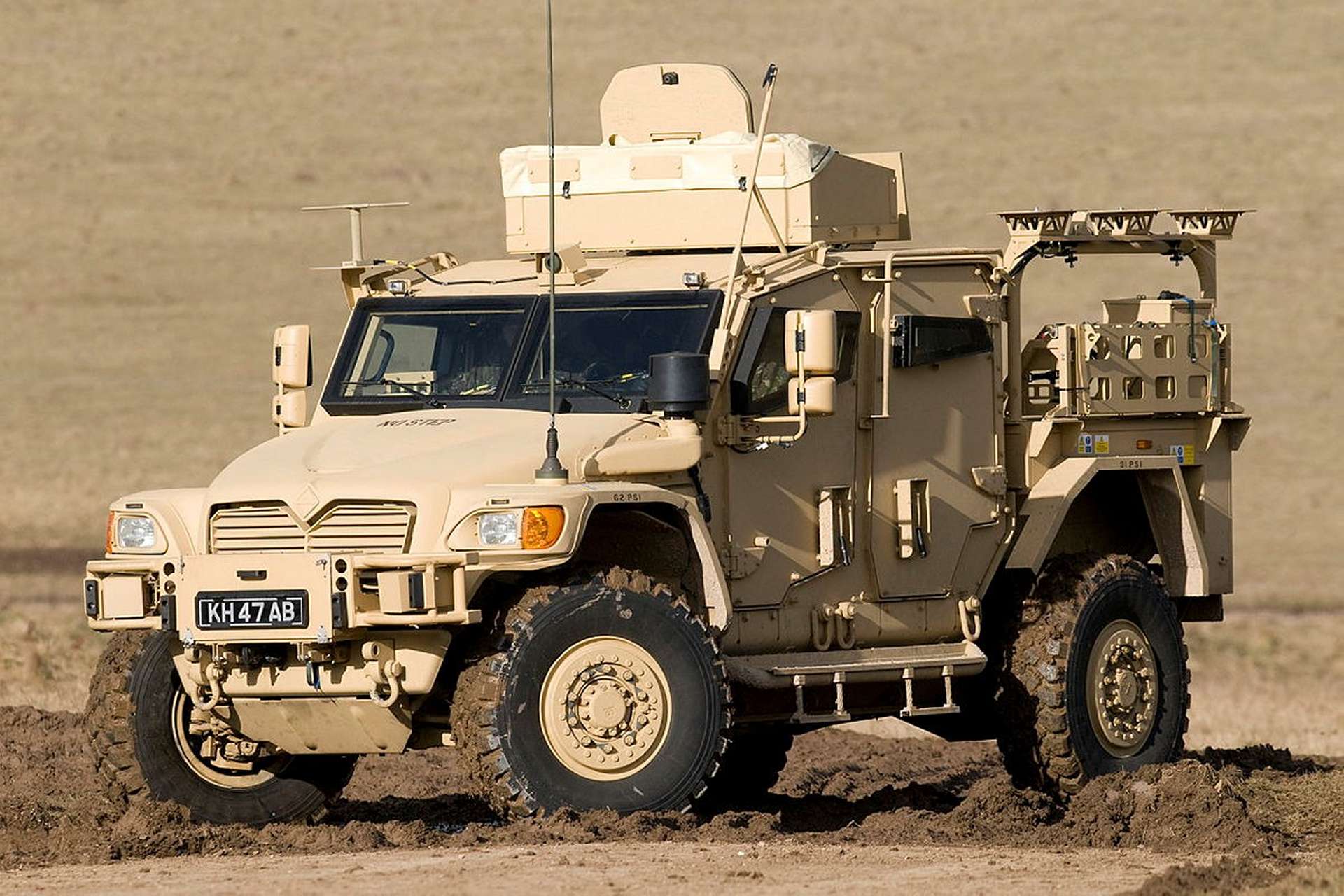
The Husky vehicle, part of the British military's vehicle fleet since the early 2000s and in service since 2009, is noted for its robust design featuring a V-shaped hull to deflect blasts, enhancing survivability against improvised explosive devices (IEDs) (Picture source: UK MoD)
The announcement took place during a visit to Poland at the end of April by British Prime Minister Rishi Sunak. These vehicles are designed for missions requiring both protection and maneuverability, having previously been used in Afghanistan and Iraq for logistical support and troop protection. The Husky vehicle, part of the British military's vehicle fleet since the early 2000s and in service since 2009, is noted for its robust design featuring a V-shaped hull to deflect blasts, enhancing survivability against improvised explosive devices (IEDs). It is equipped with various defensive and offensive tools, including machine guns and advanced communication systems, ideal for a range of military tasks from transport to reconnaissance.
UK Defense Secretary Grant Shapps expressed that this record aid package would provide "President Zelensky and his courageous nation with the tools necessary to push back against Putin and restore peace and stability in Europe." This statement was made during the aid announcement, marking a significant milestone in the relationship between the UK and Ukraine.
Moreover, during his visit to Kyiv, British Foreign Secretary David Cameron initiated negotiations on a 100-year partnership aimed at strengthening ties between the two nations. This new agreement will cover a wide range of areas from trade and security to science and technology, education, and culture. Cameron also confirmed an additional 36 million pounds of support for Ukraine's energy infrastructure, including 20 million in emergency funds for reconstruction following recent attacks on the country's critical infrastructure, and an additional 16 million for the winners of the Innovate Ukraine competition.
Since the beginning of the conflict in Ukraine in 2022, the UK has been a principal supplier of military aid to the country, playing a crucial role in supporting its defense efforts. Notable equipment provided includes thousands of anti-tank missiles such as the Next generation Light Anti-tank Weapon (NLAW) and Starstreak anti-air missile systems. In response to evolving battlefield needs, the UK also began delivering Storm Shadow cruise missiles, designed to strike deeply embedded strategic targets with high precision. These missiles significantly enhance the long-range strike capabilities of the Ukrainian armed forces.
The UK has also delivered robust armored vehicles, such as 120 Mastiff armored vehicles for troop transport, offering high protection against attacks and improvised explosive devices. Additionally, British assistance has included tactical drones for intelligence and surveillance, thereby strengthening Ukrainian reconnaissance capabilities. The total cost of this aid has exceeded hundreds of millions of pounds, highlighting the UK's commitment to supporting Ukraine against military aggression and contributing to regional stability in Eastern Europe.
Read more: Massive UK Military Support Includes 1600 Missiles and 160 Husky Vehicles to Ukraine
- Details
- Written by: Jérôme Brahy
- Category: 2024
- Hits: 5206
Breaking news
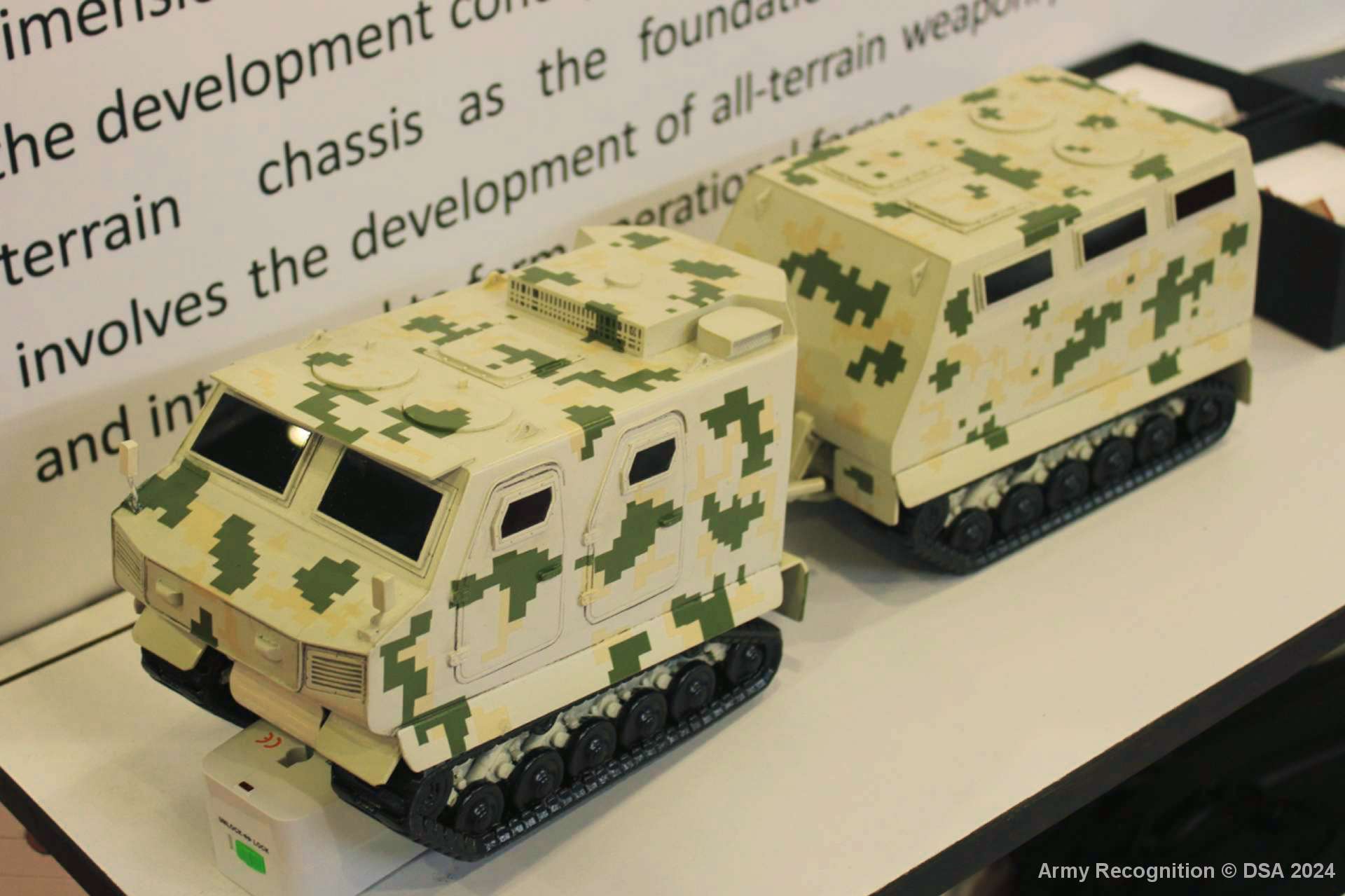
At the DSA 2024 exhibition in Malaysia, the Chinese company Zhejiang Xuanjia Defense Technology presented its latest development, the Giant Lizard tracked all-terrain amphibious carrier. This vehicle represents a significant achievement in China's defense manufacturing, being the first domestically produced 17-ton class fully protected dual-body tracked all-terrain vehicle with complete independent intellectual property rights.
Follow Army Recognition on Google News at this link
This vehicle represents a significant achievement in China's defense manufacturing, being the first domestically produced 17-ton class fully protected dual-body tracked all-terrain vehicle with complete independent intellectual property rights.
(Picture source: Army Recognition)
The Giant Lizard tracked all-terrain amphibious carrier, currently utilized by the Chinese People's Liberation Army (PLA) and also referred to as the 'Monitor Lizard,' seems to be a new iteration of the Jonyang JY813, previously employed by the PLA for logistics support missions in plateau regions with altitudes higher than 5,000 meters. Therefore, the Giant Lizard features a modular framework that allows the vehicle to accommodate different operational requirements effectively across various challenging environments in China, including deserts, snowy regions, marshes, mudflats, inland waters, and more.
Similar to other vehicles like the Swedish Bv 206, the Singaporean Bronco, or the Russian DT-30 Vityaz, the Giant Lizard's design incorporates various rear-mounted functional modules, allowing for roles such as rocket artillery deployment. The adaptability of the Giant Lizard is deemed critical by its designers, rendering it suitable for diverse operations, ranging from counter-terrorism and stability maintenance to emergency rescue missions and polar scientific research. The vehicle can also support a wide array of military tasks such as transportation, communication, medical support, and fire suppression.
Technologically, the Giant Lizard incorporates several core patented technologies, enabling it to prove its capabilities within both Chinese and international defense markets, but also its compliance with globally recognized standards. These innovations include dual-body vehicle attitude adjustment technology, specialized independent four-wheel drive mechanical transmission technology, energy-efficient control technology with thermal management systems, and independent vibration reduction technology for tracked multi-wheel systems.
In terms of specifications, the Giant Lizard tracked all-terrain amphibious carrier measures 9.1 meters in length, 2.45 meters in width, and 2.6 meters in height. With a combat weight of 17,000 kg and a maximum payload distributed between the first cabin (400 kg) and the second cabin (5,000 kg), totaling 5,400 kg, the Giant Lizard maintains a maximum road speed of 65 km/h and an amphibious speed of 5 km/h. Its protection level is effective against Chinese Type 56 7.62mm standard ammunition, and it accommodates a crew of fourteen—four in the front and ten in the rear cabin.
Additional technical capabilities include a minimum turning radius of 7.8 meters, a maximum gradeability of 35°, a side slope angle of 25°, and an obstacle crossing height of 1 meter with a trench crossing width of 1.6 meters. It operates effectively within a temperature range from -43°C to +50°C and includes a self-recovery winch capable of pulling up to 8,000 kg.

- Details
- Written by: V.Saint
- Category: 2024
- Hits: 5222
Breaking news
According to the North Korean Central News Agency (KCNA), North Korean leader Kim Jong-un visited the country's weapons factory, where various types of small arms are produced. He reviewed the progress of production and the characteristics of the weapons.
Follow Army Recognition on Google News at this link
North Korean leader tries new sniper rifle (Picture source: KCNA)
The North Korean leader paid particular attention to the new sniper rifle produced at this factory. Published images show that Kim Jong-un even tried out a sniper rifle and fired it. KCNA also released the target that the leader of the DPRK supposedly shot at, hitting exactly ten times.
The new precision rifle is announced as having performances similar to those of equivalent armaments in the West.
During his visit to the weapons factory, Kim Jong-un noted that the country would follow the path of updating its small arms, for which it is planned to develop related enterprises in the DPRK. It should be remembered that any news from North Korea, especially in the military domain, is closely followed by neighboring South Korea, Japan, as well as by Washington. The West believes that Pyongyang is supplying weapons to Russia.
Additionally, the Korean president visited an MLRS factory. After the visit, tests were conducted on these Multiple Rocket Launch Systems. No information has truly leaked about these MRLS, but we know that they are modernizations of the MLRS already present in the North Korean forces; these 240mm caliber launchers were tested under the supervision of the Korean leader. The tests consisted of firing 8 guided rockets at a target. All 8 shots hit their target.
The North Korean Central News Agency (KCNA) thus announced that the replacement of the launchers in service is to be spread between 2024 and 2026, with the replaced launchers to be upgraded subsequently.

Video capture of Kim jong Un visiting MLRS assembly and testing them ( Picture source : KCNA)
Read more: North Korean leader visits arms factory tries new national made sniper rifle

- Details
- Written by: Vandenbosch
- Category: 2024
- Hits: 4354
Breaking news
Roshel Smart Armoured Vehicles, a Canadian company, has announced its intention to start manufacturing armored vehicles in Ukraine. This information was provided by CEO Roman Shimonov during an interview with Defence Archives, dated May 9, 2024.
Follow Army Recognition on Google News at this link
Roshel plant, an armored vehicle manufacturer in Canada. (Picture source: Roshel)
Shimonov highlighted that Roshel already has several facilities in Ukraine dedicated to the repair and maintenance of vehicles. The company is currently in the final planning stage to localize part of its production in Ukraine. "Roshel employs over 200 Ukrainian refugees in Canada, who have acquired unique expertise by working with us and are eager to return to their country to contribute to local production," explained Shimonov.
This initiative aims to stimulate the local Ukrainian economy and to enhance Roshel's operational capabilities in Europe, thus allowing faster and more efficient service on European markets. Roshel operates four manufacturing plants in Ontario and is planning expansions in the United States and Europe. Furthermore, the plants in Ukraine are ideally positioned to assist in the maintenance and repair of vehicles within the Ukrainian armed forces. Workers in Ukraine are also less expensive than those in Europe or Canada.
The Canadian government recently purchased 200 vehicles of the Senator model from Roshel, valued at 92 million CAD, to support Ukraine. This purchase is part of several contracts aimed at assisting Ukraine, all completed ahead of schedule by Roshel. Additionally, the company shipped 1,000 Senators to Ukraine in December 2023 and is currently producing 140 Senator vehicles per month.
Shimonov also noted that the quality of the vehicles provided to Ukraine has significantly enhanced Roshel's reputation, leading to requests from several other donor countries. Founded in Ontario in 2016 by Roman Shimonov, a veteran of the Israeli Defense Forces, Roshel has become a key supplier of armored vehicles for the Ukrainian armed forces. The company builds its vehicles on a Ford F-550 chassis and operates without subcontractors.
Relations between Roshel and Ukraine have evolved following the Russian invasion of Ukraine in 2022. Roshel, founded by Roman Shimonov in 2016, quickly adapted its production to meet Ukraine's urgent needs for armored vehicles. The company increased its production tenfold compared to last year, enabling rapid vehicle delivery in Ukraine. This development has not only supported Ukraine but also allowed Roshel to expand its operations.
It is not surprising to see Roshel positioning itself even more in Europe, as the CEO had recently offered MRAP vehicles to Germany, which was experiencing difficulties in delivering its MRAPs. The location of these plants in Ukraine will further strengthen its presence on the old continent, and it will not be surprising to see other initiatives moving in this direction in the future.
Read more: Canadian Armored Vehicle Manufacturer Roshel Launches Production in Ukraine
- UK Defense Ministry Confirms Decommissioning and Sale of FV107 Scimitar and Warrior Vehicles
- EPAIL From Nigeria Delivers 20 New Locally-Made Mengshi Light Armored Vehicles to Nigerian Army
- US Approves Sale of Three HIMARS Rocket Launchers to Ukraine Funded by Germany
- North Korea Unveils Powerful New 240mm MLRS Capable of Firing Guided Missiles