
- Details
- Written by: Vandenbosch
- Category: 2024
- Hits: 6862




Breaking news






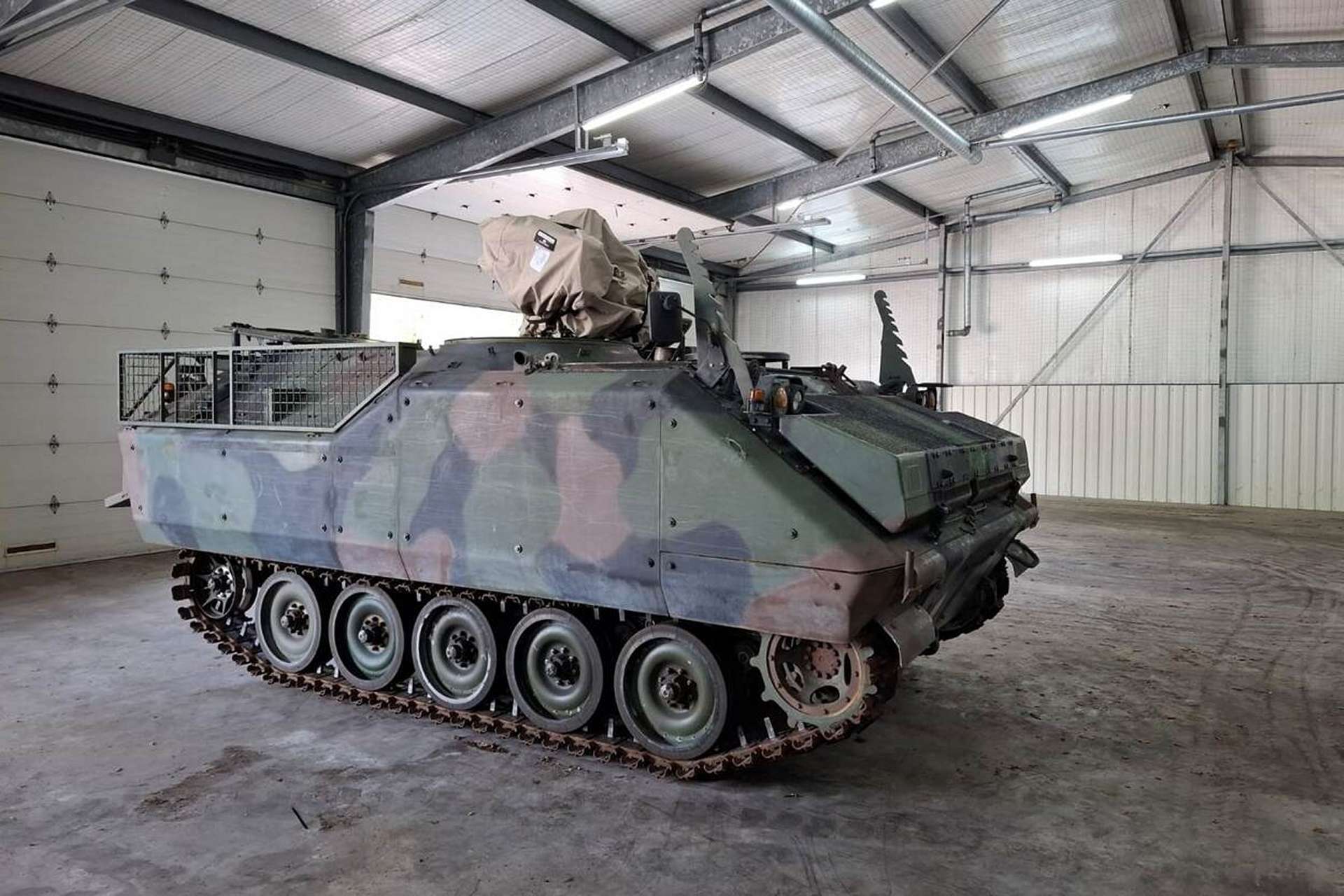
The Netherlands is set to deliver YPR-765 armored vehicles to the Ukrainian Armed Forces. This announcement, dated May 20, 2024, follows a request from Ukrainian President Volodymyr Zelensky.
Follow Army Recognition on Google News at this link
The YPR-765 is an infantry fighting vehicle. (Picture source: Dutch MoD)
Minister of Defense Kajsa Ollongren disclosed this development during an online meeting of the Ukraine Defense Contact Group (UDCG), a coalition of over 50 countries dedicated to supporting Ukraine with equipment and assistance in its defense against the Russian invasion.
The YPR-765, an infantry fighting vehicle, is of American origin and has been used in various conflicts, including the Russo-Ukrainian War and the Russian invasion of Ukraine. Weighing 13.6 tons in combat load, it measures 5.26 meters in length, 2.82 meters in width, and 2.62 meters in height to the turret roof. It is designed to carry a crew of three and can accommodate up to seven additional soldiers. The vehicle's hull is made of aluminum, reinforced with laminated steel armor on the front and sides for enhanced protection.
Its main armament is a 25 mm Oerlikon KBA-B02 cannon, with 180 rounds ready for use and 144 in reserve. As secondary armament, it is equipped with a 7.62×51 mm NATO machine gun, with 230 rounds ready and 1,610 in reserve. The YPR-765 is powered by a Detroit Diesel Allison 6V-53T engine, developing 267 horsepower at 2800 rpm, giving it a specific power of 19.29 horsepower per ton. The vehicle is equipped with a TX100-1A transmission and torsion bar suspension in a tube, offering an operational range of 490 kilometers and a maximum speed of 61 km/h.
The YPR armored vehicles sent to Ukraine are equipped with Remote Control Weapon Stations (RCWS), allowing the crew to operate the weapons from inside the vehicle. This feature enhances the vehicles' ability to provide fire support on the battlefield while ensuring the safety of the operators.
"It is essential that we continue to support Ukraine," stated Minister Ollongren. "Their fight is also ours. For Ukraine, these armored vehicles are crucial. They are agile, capable of quickly transporting troops, and can be used for reconnaissance, offensive, and defensive missions. The remote-controlled armament provides additional security for the gunner."
"The efforts made in recent times will bear fruit in the coming months," Ollongren added. "It is crucial that all countries continue to contribute to the collective efforts. By doing so, we effectively support Ukraine and help ensure that the country gains the upper hand in its fight for freedom. The need for air defense remains significant, and we are exploring how we can contribute more to this area in collaboration with other countries."
The YPR vehicles will arrive in Ukraine shortly, though specific details regarding the number of vehicles and types of armament are not being disclosed. President Zelensky had specifically requested these Dutch armored vehicles. To date, the Netherlands has supplied a total of 207 YPRs of various types to Ukraine.
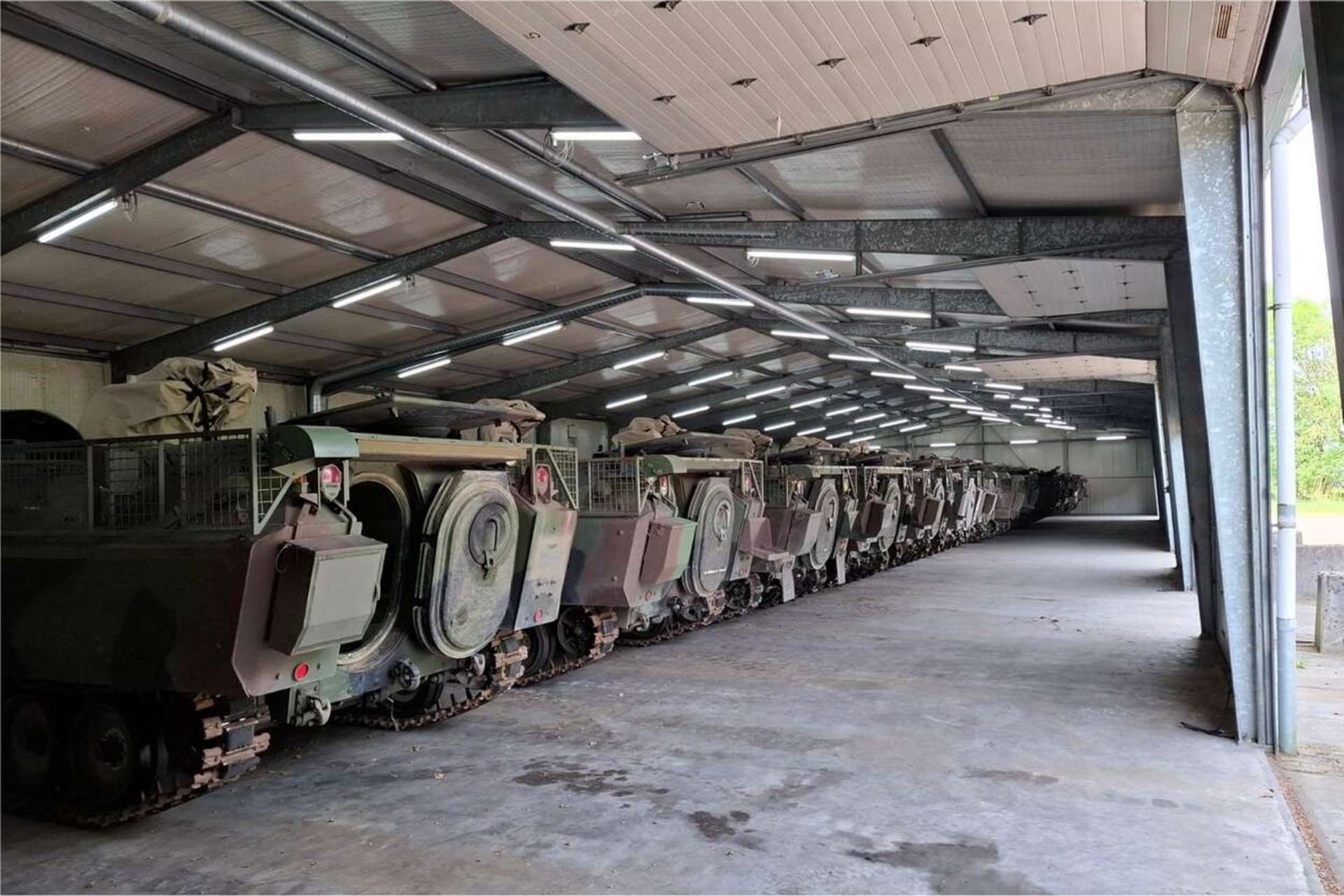
YPRs are ready to go to Ukraine. (Picture source: Dutch MoD)
Read more: Netherlands Sends Modified YPR-765 Infantry Fighting Vehicles to Ukraine
- Details
- Written by: Administrator
- Category: 2024
- Hits: 12551
Breaking news
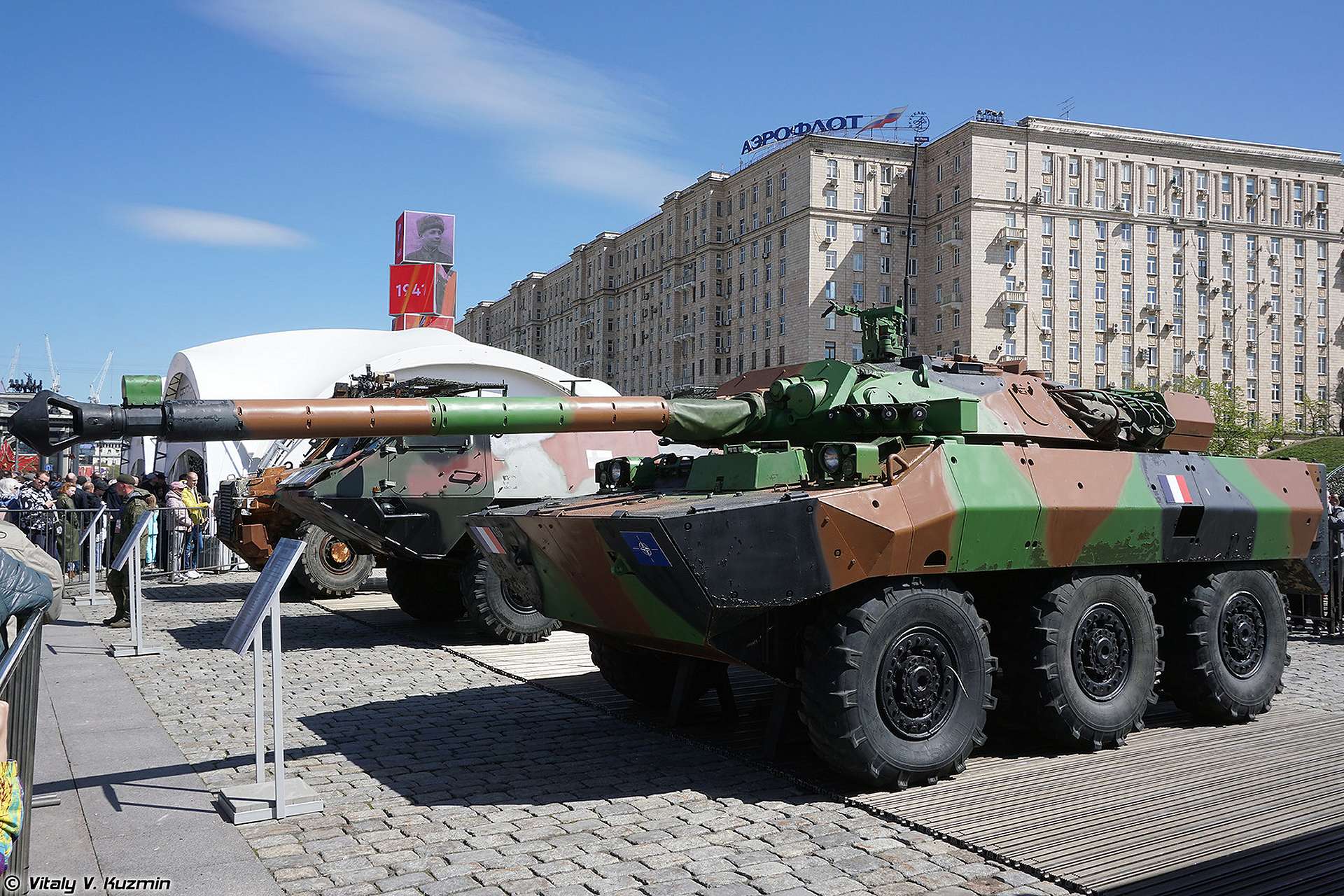
In a recent public presentation at Victory Park near Moscow, Russia unveiled a French-made AMX-10RC 6x6 anti-tank armored vehicle of the Ukrainian army in pristine condition, allegedly abandoned by Ukrainian soldiers. The vehicle, a recent capture from the ongoing conflict, is the latest variant, the AMX-10RCR, and has drawn significant attention due to its advanced technological features.
Follow Army Recognition on Google News at this link
Russia displays in Moscow a captured French-made AMX-10RCR used by the Ukrainian army. (Picture source Vitaly Kuzmin)
The displayed AMX-10RC appears to be the latest version, the AMX-10RCR, which is currently in service with the French army. This variant is equipped with modern defense technologies, including enhanced armor and upgraded targeting systems, making it a formidable asset on the battlefield.
The capture of this vehicle presents Russia with a strategic opportunity to study and analyze the latest in Western military technology. By dissecting the advanced armor and integrated defense systems of the AMX-10RCR, Russian military engineers and strategists can glean insights into its design and capabilities. This knowledge could potentially shape future enhancements to Russia's own armored vehicle fleet, thereby altering the balance of power on the battlefield.
During the presentation, Russian officials highlighted the significance of this acquisition. "Having access to this state-of-the-art technology allows us to understand the capabilities of our adversaries better and improve our own defensive measures," stated a Russian Ministry of Defense spokesperson.
The AMX-10RC, developed by France in the 1970s and upgraded over the years, is known for its speed, mobility, and powerful 105mm gun. The latest AMX-10RCR version includes advanced armor that offers superior protection against both kinetic and explosive threats. It also features sophisticated electronic systems that enhance its operational effectiveness. It entered into service with the French Army in the early 2000s.
The AMX-10RCR boasts several cutting-edge technologies and enhancements compared to its predecessor, the AMX-10RC, significantly bolstering its combat effectiveness, protection, and operational capabilities. These advancements include advanced armor, improved fire control systems, and an upgraded suspension system, all of which contribute to its superior performance on the battlefield.
One of the primary improvements in the AMX-10RCR is its enhanced armor protection. This version features add-on armor kits that provide superior defense against kinetic energy penetrators and explosive threats, such as mines and improvised explosive devices (IEDs). Integrating modular composite armor and additional side skirts further enhances the vehicle's survivability on the battlefield.
The fire control system in the AMX-10RCR has also been significantly upgraded. It includes advanced targeting and tracking technologies, improved optics, thermal imaging, and laser rangefinders. These enhancements allow for more accurate target acquisition and engagement in various environmental conditions, including during night operations.
Additionally, the AMX-10RCR is equipped with an improved hydropneumatic suspension system. This advancement enhances the vehicle's mobility, providing better stability and maneuverability over rough terrain.
The capture of the French-made AMX-10RCR provides Russia with a unique opportunity to study and potentially counter the sophisticated upgrades that have been integrated into modern Western armored vehicles.
- Details
- Written by: Vandenbosch
- Category: 2024
- Hits: 9557
Breaking news
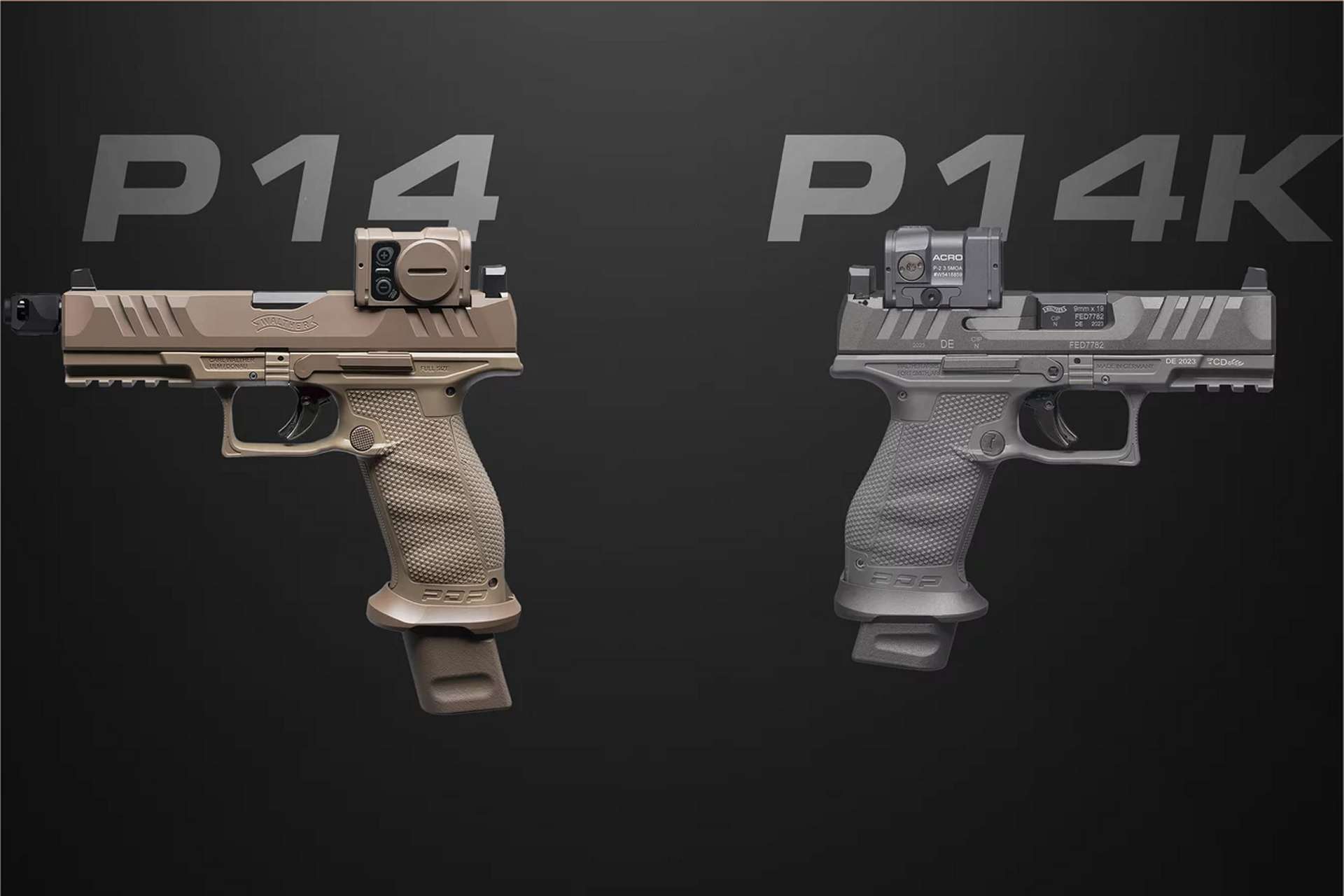
The German Special Forces have selected the Walther PDP pistol, designated P14, as their new sidearm. The standard version will be delivered in FDE (Flat Dark Earth) and equipped with the Aimpoint ACRO sight. Another more compact version, also designated P14, has been chosen by the German authorities.
Follow Army Recognition on Google News at this link
The PDP is manufactured by Carl Walther GmbH and has been chosen by the German armed forces under the designation P14 and P14K for the compact version.(Picture source: Walther)
The PDP, manufactured by Carl Walther GmbH, was selected by the German Armed Forces to equip both the Navy’s Special Forces Command (KSM) and the Army’s Special Forces Command (KSK). The PDP, chambered for the 9x19mm cartridge, will replace the Glock 17 and Heckler & Koch P30. The selection process, which included a year of rigorous testing, concluded that the PDP, coupled with the ACRO sight, met the high standards required.
Germany will receive the PDP in two versions: the standard P14 and the more compact P14K. The acquisition plan includes up to 3,200 standard units with accessories and up to 3,300 compact units with accessories. Additionally, around 1,500 units will be adapted for training and simulation purposes.
The P14K, the compact variant, will enhance the operational capabilities of the KSM and KSK. This pistol features an ergonomic frame designed for comfortable and effective handling in various situations. It includes a lower funnel for quick magazine changes, a front rail for attaching lighting or aiming modules, and a longer barrel with a muzzle brake for attaching a silencer.
The new pistol also includes higher conventional sights for use with the silencer, as well as the innovative Aimpoint ACRO red dot sight. This robust sight is designed for demanding environments, allowing operators to perform in arid regions, underwater, or in extreme cold conditions.
The Walther PDP (Performance Duty Pistol) was introduced by Walther Arms in 2021 as an evolution of their PPQ pistol line, a series that had received very positive reviews but had not managed to dominate the market. The PDP was designed to address this gap with particular attention to the needs of law enforcement and civilian users, especially those seeking ergonomic and optics-ready handguns.
The PDP was designed with notable improvements over previous Walther models. Innovations include new "super terrain slide serrations" for better grip when racking the slide, and a new "performance duty texture" on the handle for optimal adhesion. A key feature of the PDP is its optics-ready capability, responding to the growing trend of users who prefer red dot sights on their handguns.
Since its launch, the PDP range has expanded to include several variants, such as the PDP Compact and PDP Full Size, each available in different barrel lengths (4 inches, 4.5 inches, and 5 inches). These models are designed to be modular and suitable for various applications, including defensive use and competition. In 2022, Walther introduced competition-oriented versions like the PDP SD Pro, and variants suited for smaller hands with the PDP F-Series.
The introduction of the PDP into the German Special Forces is an interesting development for Carl Walther GmbH. This company has seen its market share decline in recent decades but has recently experienced a resurgence of interest, particularly for its Walther PDP, which the Pennsylvania State Police have also acquired in the United States. This decision is expected to revive interest in Walther's products among other potential clients, and we are eager to see if the Walther PDP will succeed in conquering new markets.
Read more: Walther Signs Contract with Germany to Equip Special Forces with New Pistol
- Details
- Written by: Jérôme Brahy
- Category: 2024
- Hits: 11568
Breaking news
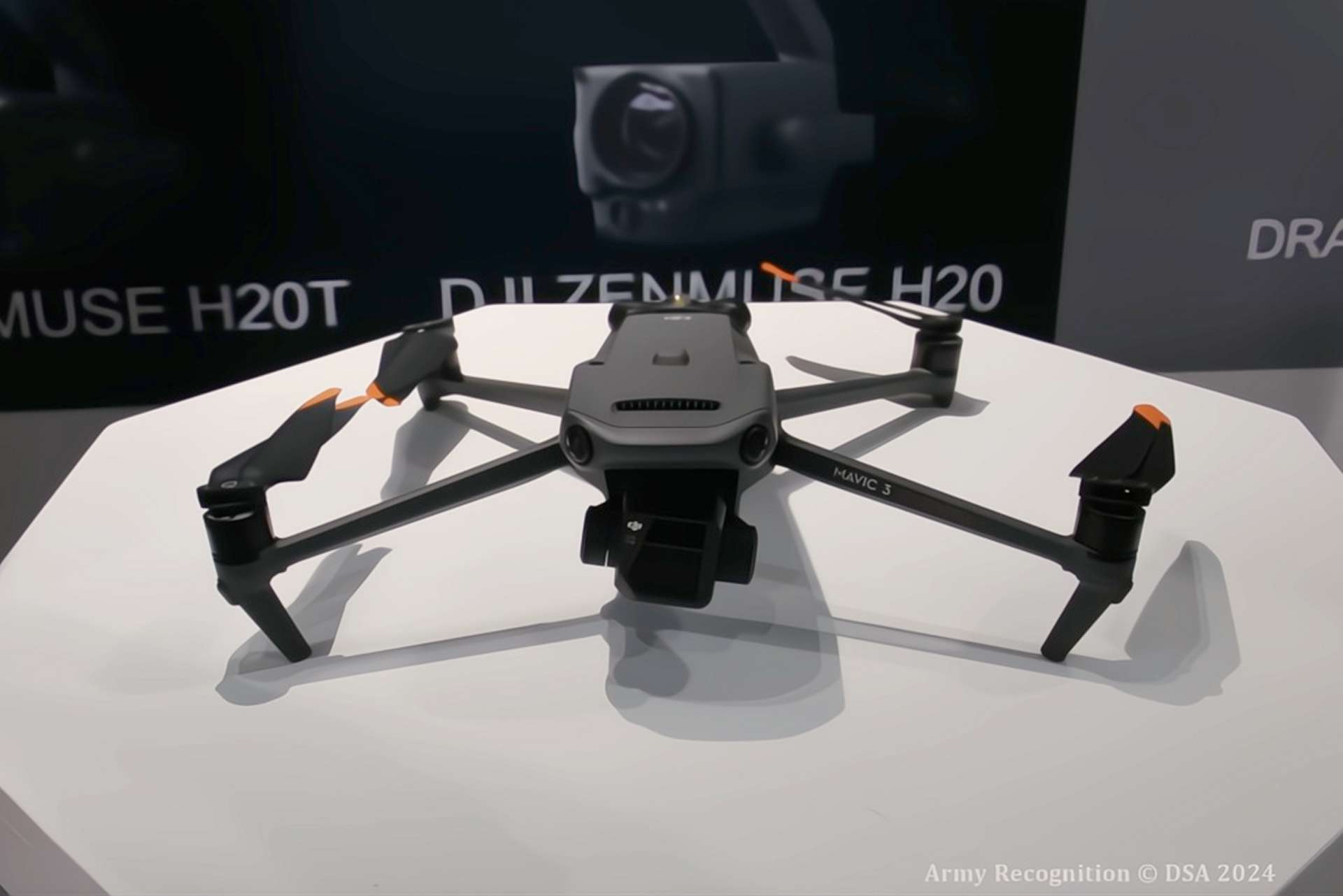
On May 21, 2024, the Defense Procurement Agency of the Ukrainian Ministry of Defense confirmed the purchase of 4,200 new Chinese DJI Mavic 3E drones with additional equipment, which brings the total number of recently contracted DJI Mavic drones to 8,200. This includes 7,200 DJI Mavic 3E and 1,000 DJI Mavic 3T units, with the total contract value reaching UAH 1.1 billion (approximately $27.5 million).
Follow Army Recognition on Google News at this link
The Mavic 3E's batteries allow for 45-minute flight durations, enabling extensive area coverage and efficient surveying. Furthermore, this drone is equipped with advanced obstacle detection and navigation systems, which provide advanced Return-to-Home (RTH) functionality and automatic rerouting around obstacles. (Picture source: Army Recognition)
Deputy Minister of Defense of Ukraine, Dmytro Klimenkov, stated that drones play a crucial role in enhancing military operations, as they support defense capabilities and operational effectiveness. He emphasized the importance of timely equipping the military to address threats effectively.
Procurement details reveal that the average price per drone, including three additional batteries and a charger, is UAH 126.3 thousand (approximately $3,157.50) for the DJI Mavic 3E and UAH 194.2 thousand (approximately $4,855) for the DJI Mavic 3T. Maryna Bezrukova, Director of the Defense Procurement Agency, highlighted that the agency managed to save over UAH 65 million (approximately $1.625 million) from the expected cost through competitive auctions on the Prozorro platform, facilitated by post-payment practices to ensure delivery.
This new contract follows another significant acquisition on April 22, 2024, which secured 4,000 Chinese drones. This included 3,000 DJI Mavic 3E and 1,000 DJI Mavic 3T units, totaling UAH 575.2 million (approximately $14.38 million). This procurement is part of a broader goal to acquire 20,000 DJI drones via Prozorro, a platform designed to enhance transparency and competition in public procurement. Deliveries have begun, and distribution to military units is in progress. Additionally, the agency was working on contracts for 6,000 more drones, consisting of 4,500 Mavic 3E and 1,500 Mavic 3T units.
Prozorro, the platform used for these procurements, is known for its fully electronic and open-source nature, allowing global participation in public tenders. It supports the electronic submission of tender proposals and centralizes all public procurements within Ukraine. Prozorro integrates a public analytics module by Transparency International Ukraine, which facilitates procurement data analysis and supports procurements funded by international organizations such as the World Bank and the European Investment Bank.
The DJI Mavic 3 Enterprise Series, including the Mavic 3E and Mavic 3T models, is designed for specific professional requirements. The Mavic 3E, optimized for mapping and surveying, features a 20 MP wide-angle camera with a 4/3 CMOS sensor and a mechanical shutter. It also includes a hybrid zoom camera with up to 56x magnification and an RTK module for accurate positioning. The Mavic 3T, designed for operations such as firefighting and search and rescue, includes a 48 MP wide-angle camera and a thermal camera with 640 × 512 px resolution. This model's split-screen zoom functionality allows for efficient thermal and visual inspections.
Both models are equipped with advanced obstacle detection and navigation systems, ensuring flight safety. They include DJI AirSense and enhanced DJI APAS 5.0 technologies, which provide advanced Return-to-Home (RTH) functionality and automatic rerouting around obstacles. The Mavic 3E's batteries allow for 45-minute flight durations, enabling extensive area coverage and efficient surveying.
Read more: Ukraine purchases 8,200 Chinese DJI Mavic 3 drones in $27.5 Million agreement

- Details
- Written by: Vandenbosch
- Category: 2024
- Hits: 3863
Breaking news
Stratom has announced a new project in collaboration with the United States Special Operations Command (USSOCOM) and SOFWERX. The project, part of the Small Business Innovation Research Phase I, aims to create a lightweight, remote-operated material handling system specifically designed for military applications.
Follow Army Recognition on Google News at this link
APL autonomous pallet loader for military and commercial applications. (Picture source: Stratom)
This vehicle, occupying a single 463L pallet position, is designed to efficiently load, unload, and transport cargo for C-130 aircraft in challenging environments. Weighing less than 10,000 pounds, the new system promises enhanced operational efficiency, speed, and safety across various terrains.
"Building on our expertise and previous knowledge in expeditionary robotic material handling, we are helping to define the appropriate trade-offs in terms of size, weight, capability, and cost to ensure our design is perfectly suited for this application," said Jesse Weifenbach, chief vehicle systems engineer at Stratom. He emphasized that integrating several proven technologies into this solution will significantly streamline loading operations for USSOCOM and the Air Force while improving combatant safety.
Stratom's new vehicle stands out for its reduced weight compared to traditional equipment, rapid deployment capabilities, and enhanced safety in undeveloped locations. These features are expected to revolutionize military loading operations, reducing fuel consumption and minimizing cycle times.
Stratom's expertise in autonomous ground vehicles and robotic systems has led to several innovative material movement solutions, including Summit, a highly configurable off-road modular autonomy platform enabling customization for various container loader vehicle applications and full automation of loading operations for military aircraft; the eXpeditionary Robotic Platform (XRP), an autonomous vehicle capable of driving in and out of an MV-22 Osprey aircraft while carrying over 2,400 pounds of supplies; the eXpeditionary Robotic-Field Artillery Autonomous Resupply (XR-FAAR), a vehicle designed to deliver ammunition and supplies to weapons systems; SALT, a small agile lift truck that streamlines loading operations for Air Force stores and munitions, increasing safety and adaptability; and the Autonomous Pallet Loader (APL), a flexible autonomous forklift designed to transport heavy and bulky cargo across various terrains for both military and commercial purposes.
Mark Gordon, president and CEO of Stratom, highlighted the crucial need for innovative material handling equipment. "Without proper material handling equipment, alternative methods of combat cargo offloading consume a lot of time and are very labor-intensive while posing serious risks to personnel, materials, and the aircraft," Gordon explained. He noted the military's shift towards more agile combat employment in diverse and often isolated environments, requiring lightweight, flight-ready material handling solutions that are operational immediately upon landing.
Read more: Stratom Develops Remote-Controlled Cargo Loader for United States
- Details
- Written by: Triffaux
- Category: 2024
- Hits: 8521
Breaking news
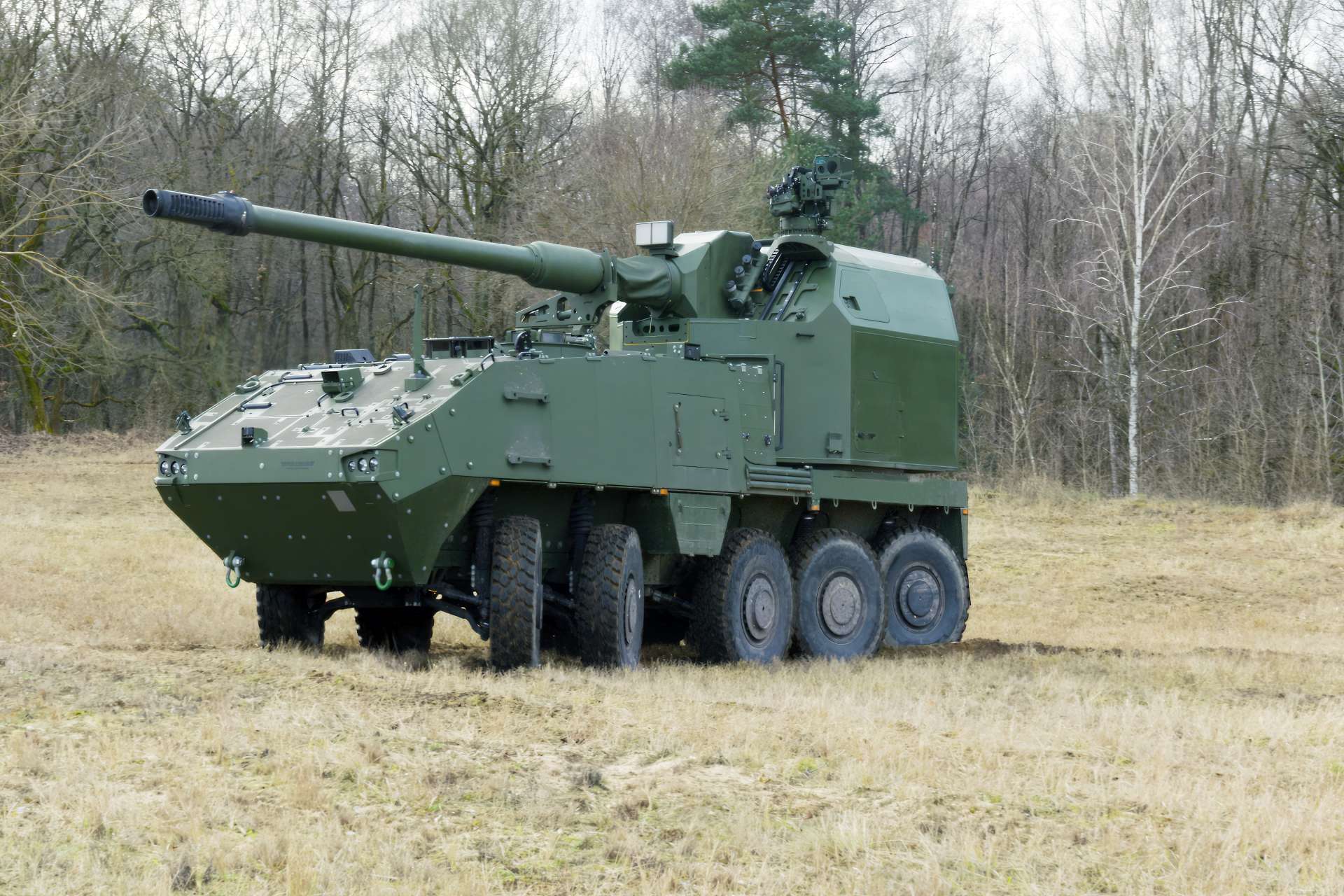
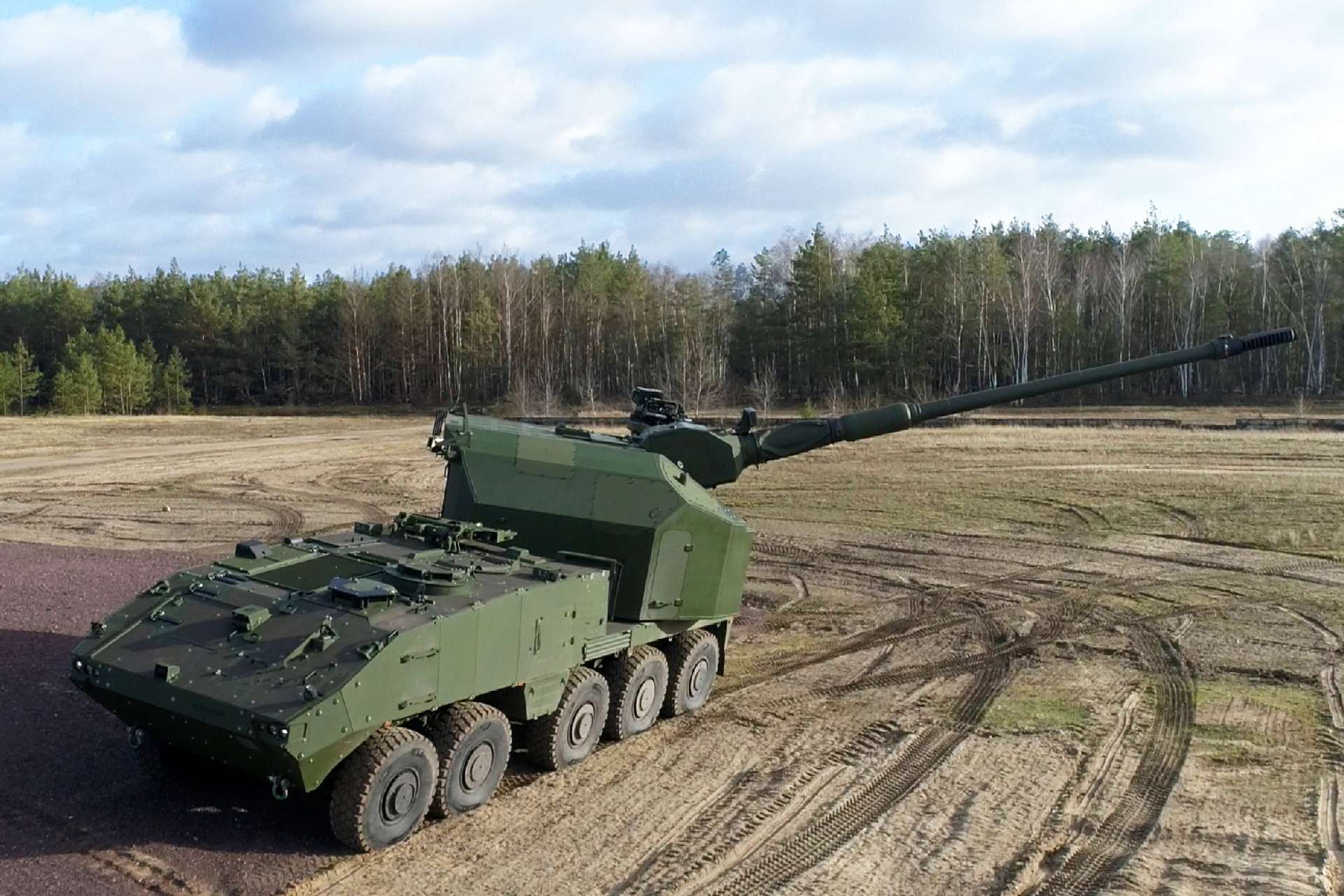
At the Future Artillery Conference currently underway in Paris, defense industry leaders KNDS Deutschland and General Dynamics European Land Systems (GDELS) showcased a groundbreaking advancement in artillery technology. They introduced the AGM (Artillery Gun Module) mounted on the Piranha Heavy Mission Carrier (HMC), a development that signifies a major landmark in the collaboration between these two top European systems houses. This partnership, initiated with the innovative DONAR artillery system, continues to forge new paths in military technology.
KNDS and GDELS Artillery Gun Module Mounted on Piranha 10X10 Heavy Mission Carrier at Artillery (Picture source: KNDS and GDELS)
The newly developed 155 mm caliber 52 AGM by KNDS is seamlessly integrated into GDELS's recently unveiled PIRANHA HMC. This robust vehicle, with an impressive gross weight of up to 40 tons and an exceptional turning radius of less than 18 meters due to its advanced four-axle steering, delivers unparalleled tactical mobility coupled with unmatched artillery firepower.
Engineered for maximum efficiency, the AGM on the PIRANHA HMC is optimally operated by a minimal crew of two, with additional capacity for a third member or extra storage space, showcasing its versatile design. A standout feature of this high-tech system is its ability to execute 360-degree firing on the move, distinguishing it from traditional wheeled howitzers that require static setups for operation.
The robust 10x10 multi-link chassis of the AGM system offers full autonomy in command, navigation, and fire control, significantly enhancing operational capabilities with its inherent stability. The integration of advanced robotics and system-supported intelligence dramatically alleviates the workload on the crew, enabling more strategic, effective, and safer operations.
Equipped with high-tech capabilities such as the "Shoot & Scoot" tactic and MRSI (Multiple Rounds Simultaneous Impact), along with the ability to target both land and sea-based moving targets directly and indirectly, the AGM on the PIRANHA HMC redefines the parameters of modern artillery.
By incorporating the AGM across the two premier wheeled armored vehicle families in the Western world, KNDS and GDELS not only bolster the indirect fire support capabilities but also enhance NATO interoperability, marking a substantial leap in operational effectiveness. This transatlantic cooperation between the German-French consortium KNDS and the European division of the US-based General Dynamics solidifies the strategic alliance between Europe and the United States within the defense landscape.
KNDS and GDELS Artillery Gun Module Mounted on Piranha 10X10 Heavy Mission Carrier at Artillery (Picture source: KNDS and GDELS)
- Details
- Written by: Vandenbosch
- Category: 2024
- Hits: 3560
Breaking news
Lithuania will supply Ukraine with six AMBER 1800 radar systems as part of a German-led air defense initiative. This initiative, named Immediate Action on Air Defense, aims to rapidly deliver air defense systems by sourcing them from NATO and non-NATO countries, thus bypassing lengthy acquisition processes.
Follow Army Recognition on Google News at this link
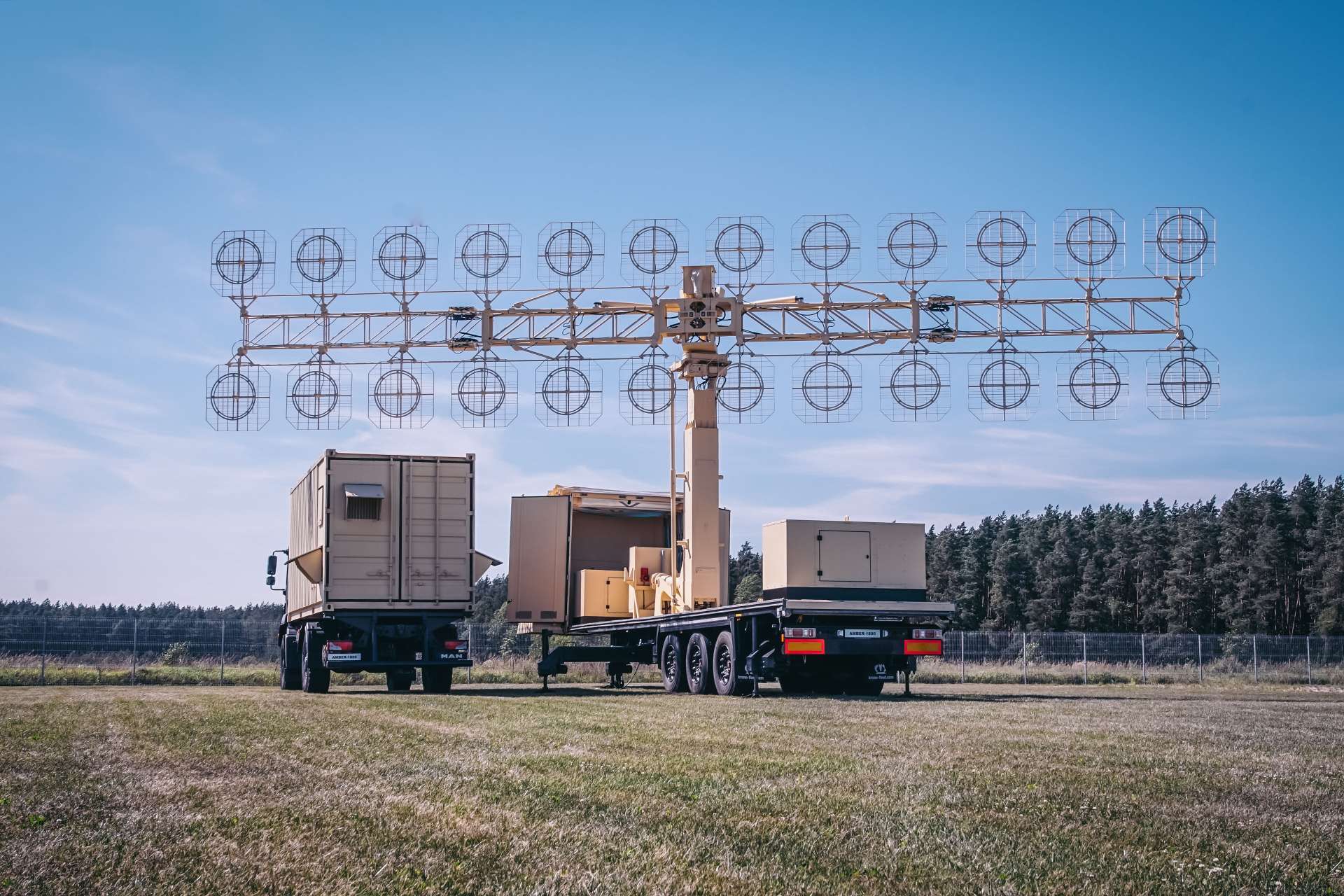
The AMBER-1800 is a ground mobile radar operating in the VHF band, designed for automatic deployment on prepared sites. (Picture source: Altimus-Tech)
"Lithuania is contributing to the Immediate Action on Air Defense initiative, launched by our Ministry of Defense and the Ministry of Foreign Affairs," announced the German Ministry of Defense. "This effort aims to strengthen Ukraine's air defense capabilities. Lithuania's provision of six AMBER 1800 radar systems is a crucial step in protecting lives in Ukraine."
The AMBER-1800 is a ground mobile radar operating in the VHF band, designed for automatic deployment on prepared sites. It is intended for the detection of aerial targets, determination of their coordinates, and distribution of this radar information to users. The AMBER-1800 radar uses solid-state components for its transmitter and receiver.
The main functions of the AMBER-1800 include the automatic detection of aerial targets and the determination of their coordinates, such as azimuth and range. It generates and automatically tracks targets in specific areas of airspace, displaying videos, plots, and tracks. The system automatically distributes information about the air situation to users via provided data links. It can also automatically issue elevation measurement commands for aerial targets to height-finding radars and correlate the measured elevations with tracks. The radar records and stores air situations and radar operator interfaces, while controlling radar operating modes, technical monitoring, and diagnostics.
The AMBER-1800 radar system consists of two vehicles. The first vehicle houses the cabin with the main electronic equipment, while the second is a vehicle platform equipped with a leveling system, carrying the entire antenna mast assembly (AMA) and deployment system, the antenna feed system, as well as two generators.
The AMBER-1800 uses an antenna-feed system, an automatic deployment system, an automatic platform leveling system, and antenna rotation and tilt systems. The transmission and reception system, along with the processing, display, and information distribution system, are integrated with workstations for operators and remote workstations with a standard 500-meter cable. The radar also features a recording, monitoring, and diagnostic system, a power system with two generators, a transformer, an automatic load transfer unit, and a power distribution unit for the equipment cabin. Temperature control and communication systems are also part of the equipment. The semi-trailer is leveled automatically or manually by electric drives installed on the chassis.
The performance of the AMBER-1800 includes a working frequency range of 140 to 180 MHz, electronic frequency agility in discrete steps of 200 kHz, and a frequency tuning accuracy of ±10 kHz. The types of probing signals include a 6 µs amplitude-modulated signal and phase-shift keyed (PSK) signals with different durations. The transmitter's pulse power ranges between 8 kW, 10 kW, and 30 kW, with the ability for instant power and signal structure change.
The detection range varies depending on the pulse power and target altitude, reaching up to 400 km for a target at an altitude of 10,000 meters. Detection accuracy for range is 270 meters, and for azimuth is 0.4°. The range resolution is 1100 meters and the azimuth resolution is 6°. Clutter suppression is greater than 40 dB, and the receiver and digital signal processor's dynamic range is greater than 100 dB. The radar can also automatically control improved height-finding radars.
The AMBER-1800 consumes 6 kW of power, deploys or packs up in 12 minutes after installation at the operation site, and can operate in wind conditions up to 35 m/s and icing up to 10 mm. The commissioning time is 3 minutes.
Ukraine's air defense is a major concern with the intensification of Russian strikes on Ukrainian soil. Ukraine and its allies are thus striving to enhance capabilities to cope and perhaps also secure the sky for the increasingly imminent arrival of the F-16s.
Read more: Lithuania Provides Ukraine with Radars Capable of Tracking Cruise Missiles
US Army Deploys Its New M-LIDS Counter-Drone System for the First Time to Protect Gaza Floating Pier
- Details
- Written by: Administrator
- Category: 2024
- Hits: 26495
Breaking news
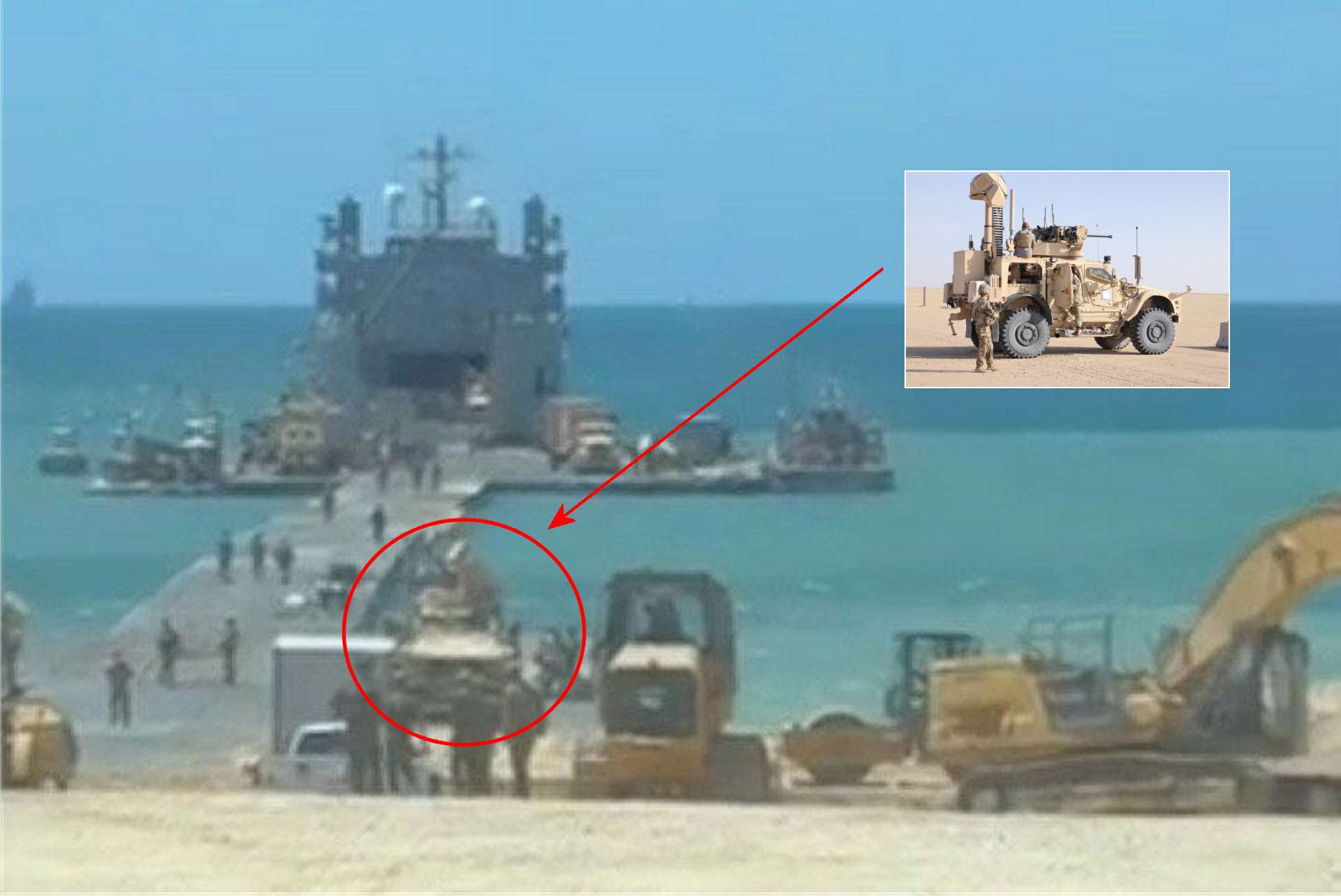
According to a picture published on Social Networks, the U.S. Army has deployed its new M-LIDS, a mobile Counter-Unmanned Aerial System (C-UAS), for the first time in a combat area to protect the Gaza floating pier, a floating dock facility created by the U.S. military to enable the delivery of maritime cargo for humanitarian assistance to Gaza.
Follow Army Recognition on Google News at this link
US Army deploys for the first its new M-LIDS Counter-Unmanned Aerial System near the Gaza floating pier. (Picture source X Social Network)
The U.S. Army's focus on counter-drone solutions has escalated in urgency due to the rapid emergence of several threats and the dynamic landscape of modern warfare. A key driver of this urgency is the rapid proliferation of drone technology. In recent years, drones have become more accessible and affordable, enabling both state and non-state actors, including terrorist organizations and insurgent groups, to acquire and deploy them with alarming ease.
Drones' versatile capabilities further heighten the threat. They can perform a range of functions, including surveillance, reconnaissance, and direct attacks. They can be equipped with cameras, explosives, or other payloads, making them useful for gathering intelligence or conducting offensive operations. This versatility makes them an attractive tool for adversaries.
Recent conflicts, such as those in Gaza, have underscored the effectiveness of drones in asymmetric warfare. Groups like Hamas have utilized drones for surveillance and attacks, posing significant threats to both military and civilian targets. Using drones in these conflicts demonstrates how they can create substantial tactical advantages.
Conventional defense systems are grappling with significant challenges in countering drones. These systems, primarily designed to detect and neutralize larger, manned aircraft, often struggle to target small, low-flying drones effectively. This inherent limitation underscores the urgent need for specialized counter-drone solutions that can effectively tackle the unique challenges posed by drones.
The Mobile Low, Slow Unmanned Aircraft Integrated Defense System (M-LIDS) utilizes two Mine-Resistant Ambush Protected All-Terrain Vehicles (M-ATVs) to enhance its counter-drone capabilities. Each of these M-ATVs is equipped with specialized functions and combat equipment designed to effectively detect, track, and neutralize drone threats.
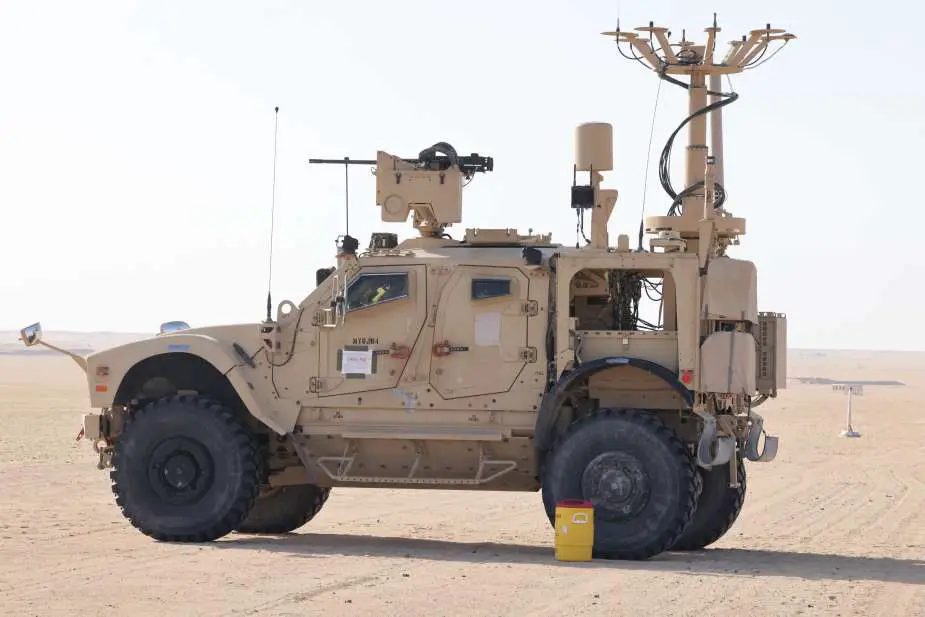
The Electronic Warfare Vehicle of the U.S. Army M-LIDS Counter-Unmanned Aerial System. (Picture source U.S. Dod)
The first M-ATV, the Electronic Warfare Vehicle, is primarily tasked with detecting and tracking drones. it is equipped with several advanced technologies designed to neutralize drone threats effectively. The vehicle's C2 Network includes the Forward Area Air Defense Command and Control (FAAD C2) system, which provides situational awareness and coordinates air defense operations. It also features a Mission Data Recorder to capture mission data for analysis and strategy improvement, and Secure Communications systems that ensure all communications are encrypted and protected from interception, maintaining the integrity of command and control operations.
The vehicle is also equipped with wired and wireless network capabilities, enabling robust and flexible connectivity between various system components and real-time data sharing and coordination. For electronic warfare (EW) defeat, the vehicle includes the Weapon Finding CUAEWS, a system designed to detect and disrupt the communication and control links of enemy drones, rendering them inoperable. Additionally, the vehicle features a blade kinetic defeat system, which includes an M2 .50 caliber machine gun, providing a kinetic option to disable or destroy the targeted drones physically. This combination of electronic and kinetic capabilities ensures a comprehensive approach to countering the diverse range of drone threats encountered in modern warfare.
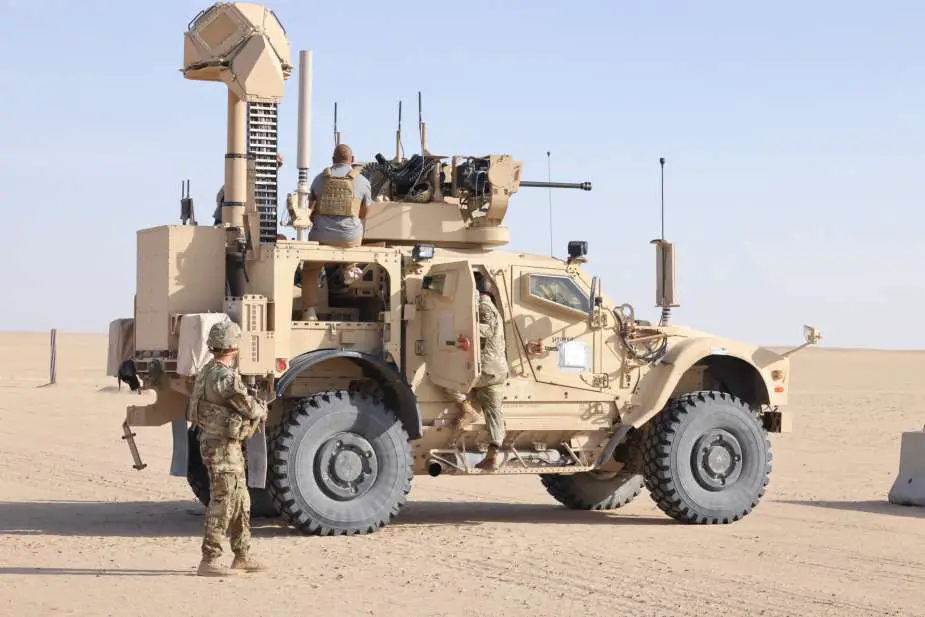
The Kinetic Defeat Vehicle of the U.S. Army M-LIDS Counter-Unmanned Aerial System. (Picture source U.S. Dod)
The second M-ATV, Kinetic Defeat Vehicle, focuses on neutralizing detected drones. is equipped with various advanced technologies designed to detect and neutralize drone threats through kinetic means. This vehicle's C2 Network includes the Forward Area Air Defense Command and Control (FAAD C2) system, providing essential situational awareness and coordination for air defense operations. It also features a Mission Data Recorder that captures mission data for analysis and strategy refinement, along with Secure Communications systems that ensure all communications are encrypted and protected from interception, thereby maintaining the security of command and control operations.
The vehicle is equipped with wired and wireless network capabilities, facilitating robust and flexible connectivity between various components and enabling real-time data sharing and coordination. A key feature is the masted radar system, specifically the Ku-band Multi-Function Radio Frequency System (KuMRFS-M), which is crucial for detecting and tracking drones.
The vehicle is outfitted with the Remote Integrated Weapon Platform (RIwP) for kinetic defeat. This platform includes the S3 Sight for targeting and multiple weapon systems for engaging drones. These weapons include the XM914E1 30mm cannon, the M240 7.62mm machine gun, and the Coyote Block 2+ system. This array of kinetic options ensures that the vehicle can effectively disable or destroy a wide range of drone threats, providing a comprehensive defense capability within the M-LIDS framework.
Both M-ATVs, integral parts of the M-LIDS, are highly mobile and capable of operating in diverse environments. This adaptability allows for rapid deployment and flexible response to emerging drone threats, ensuring that the U.S. Army can effectively counter the growing use of drones in modern warfare, and maintaining a tactical advantage over adversaries who employ these technologies.
The deployment of the M-LIDS counter-drone system near the Gaza floating pier is a critical enhancement to security measures, providing advanced detection, tracking, and neutralization of drone threats. Equipped with sophisticated radar, electronic warfare capabilities, and kinetic defeat options, M-LIDS ensures comprehensive protection against the increasing use of drones by militant groups in the region. This deployment safeguards military personnel and civilian areas and reinforces the strategic defense posture, effectively deterring hostile drone activities and maintaining operational superiority in a volatile area.

- Details
- Written by: Administrator
- Category: 2024
- Hits: 18473
Breaking news
According to recent feedback from Ukrainian soldiers, the exceptional mobility and resilience of the Polish-made Rosomak Infantry Fighting Vehicles (IFVs) have demonstrated a high level of protection against Russian Lancet drone attacks. Poland has delivered a total of 200 Rosomak 8x8 armored vehicles to the Ukrainian armed forces.
Follow Army Recognition on Google News at this link
The Rosomak is a Polish-made 8x8 armored vehicle that is in service with the Ukrainian army. (Picture source: Social Network)
In recent combat operations within the Kharkiv region, a brigade of the Ukrainian Armed Forces deployed several Rosomak IFVs. Despite numerous attempts by Russian forces to neutralize these vehicles using Lancet drones, all attempts have been thwarted, showcasing the Rosomak's robust defense and mobility.
Significant international support enabled the procurement of these vehicles, a total of 200 KTO Rosomak IFVs. The deliveries started in July 2023 and were made possible through the European Union and the United States funding. This international backing underscores the global recognition of Ukraine's strategic importance amidst its conflict with Russia.
Open-source information confirms the delivery timeline and the international funding assistance, underscoring the strategic partnerships bolstering Ukraine’s military capabilities. The Rosomak IFVs, known for their advanced armor and high mobility, are a formidable asset in the ongoing conflict.
The Rosomak armored vehicle, developed in the early 2000s, entered service with the Polish Army in 2005. It is based on the Finnish Patria AMV (Armored Modular Vehicle) and produced under license by Wojskowe Zakłady Mechaniczne (WZM) in Poland.
The Rosomak IFVs, depending on their configuration, are equipped with a variety of armaments. The standard IFV variant features a 30mm Mk 44 Bushmaster II automatic cannon and a 7.62mm coaxial machine gun, and can also be outfitted with anti-tank guided missiles. Its mobility is ensured by an 8x8 wheeled chassis powered by a Scania DI 12 diesel engine, providing it with a maximum speed of around 100 km/h and an operational range of approximately 800 km. The vehicle's design allows it to traverse various terrains and obstacles, making it highly versatile on the battlefield.
Regarding protection, the Rosomak boasts modular armor that can be upgraded according to mission requirements. Its basic armor provides protection against small arms fire and artillery shell splinters. In contrast, additional armor modules can offer enhanced protection against heavier threats, including improvised explosive devices (IEDs) and anti-tank mines. Onboard combat equipment includes advanced communication systems, a battlefield management system (BMS), and modern fire control systems, ensuring effective coordination and engagement during operations.
As the situation continues to evolve, the effectiveness of the Rosomak IFVs against aerial threats is not just a milestone in Ukraine’s defense strategy but also a potential game-changer. It could significantly influence future engagements and defense tactics in the current war in Ukraine, underlining the strategic importance of these vehicles.
- Details
- Written by: Triffaux
- Category: 2024
- Hits: 4085
Breaking news
On May 21, 2024, Elbit Systems Ltd. announced that it had secured a group of contracts worth approximately $760 million for the supply of ammunition to the Israeli Ministry of Defense (IMOD). These contracts will be executed over a period of two years.
Elbit Systems provides a wide range of products to the Israeli army. (Picture source: Elbit Systems)
This announcement follows the company’s annual report for the year ending December 31, 2023, filed on March 28, 2024. The contracts represent a significant expansion of Elbit Systems’ collaboration with the IMOD, especially since the beginning of the "Swords of Iron" war. Since the onset of this conflict, Elbit Systems has observed a substantial increase in demand for its products and solutions from the IMOD compared to pre-war levels.
According to the company, this increased demand could continue depending on future developments, which remain difficult to predict. If the demand continues to rise, it could result in significant additional orders for Elbit Systems.
Elbit Systems provides a wide range of products to the Israeli army, including many essential pieces of equipment. Among these are drone systems and unmanned aerial vehicles (UAVs) such as the Hermes 450 and Skylark. For example, the Hermes 450 is used for surveillance, reconnaissance, and intelligence missions. It is equipped with imaging and communication technologies suitable for day and night operations, providing extensive coverage and high precision in data collection.
Elbit Systems also offers electronic warfare and cyber defense systems, such as the C4I protection system, to safeguard critical infrastructure against cyberattacks and electronic threats. These systems enable the detection, identification, and neutralization of digital threats, thus ensuring the security of the army's communications and networks.
Additionally, Elbit Systems develops and supplies night vision and thermal imaging systems for soldiers and ground vehicles, enhancing combat capabilities in low-light conditions. An example is the XACT th64 night vision system, which allows soldiers to see clearly in total darkness, increasing their effectiveness and safety during nighttime operations.
Modernized armored vehicles are equipped with active protection systems, such as the Trophy system, which detect and neutralize threats like rockets and anti-tank missiles. The Trophy system uses radars and sensors to intercept projectiles before they reach the vehicle, providing additional protection to the troops on board.
Elbit Systems also supplies avionics systems, like those integrated into F-16 fighter jets, contributing to their performance in aerial operations. These avionics systems include navigation, communication, and weapons management devices, improving the accuracy and efficiency of aerial missions.
Another key product is the Red Sky air defense system, used by the Israeli army to protect against low-altitude aerial threats. The Red Sky uses advanced sensors and weapon systems to detect, track, and neutralize drones and other aerial threats, thus strengthening air defense against potential attacks.
Finally, the Spear MK2, also used by the Israeli army, is a vehicle-mounted mortar system that offers high mobility and effective firepower. This system enables rapid and precise firing, enhancing artillery support capabilities in the field. The Spear MK2 is designed for quick deployment and operation in various environments, providing significant tactical flexibility to the armed forces.
Read more: Elbit Systems Secures $760 Million Ammunition Contracts with Israeli Defense Ministry
- Details
- Written by: Vandenbosch
- Category: 2024
- Hits: 10731
Breaking news
As of May 16, 2024, the US State Department has approved a potential foreign military sale of $100 million in US Army vehicles and equipment to Ukraine.
Follow Army Recognition on Google News at this link
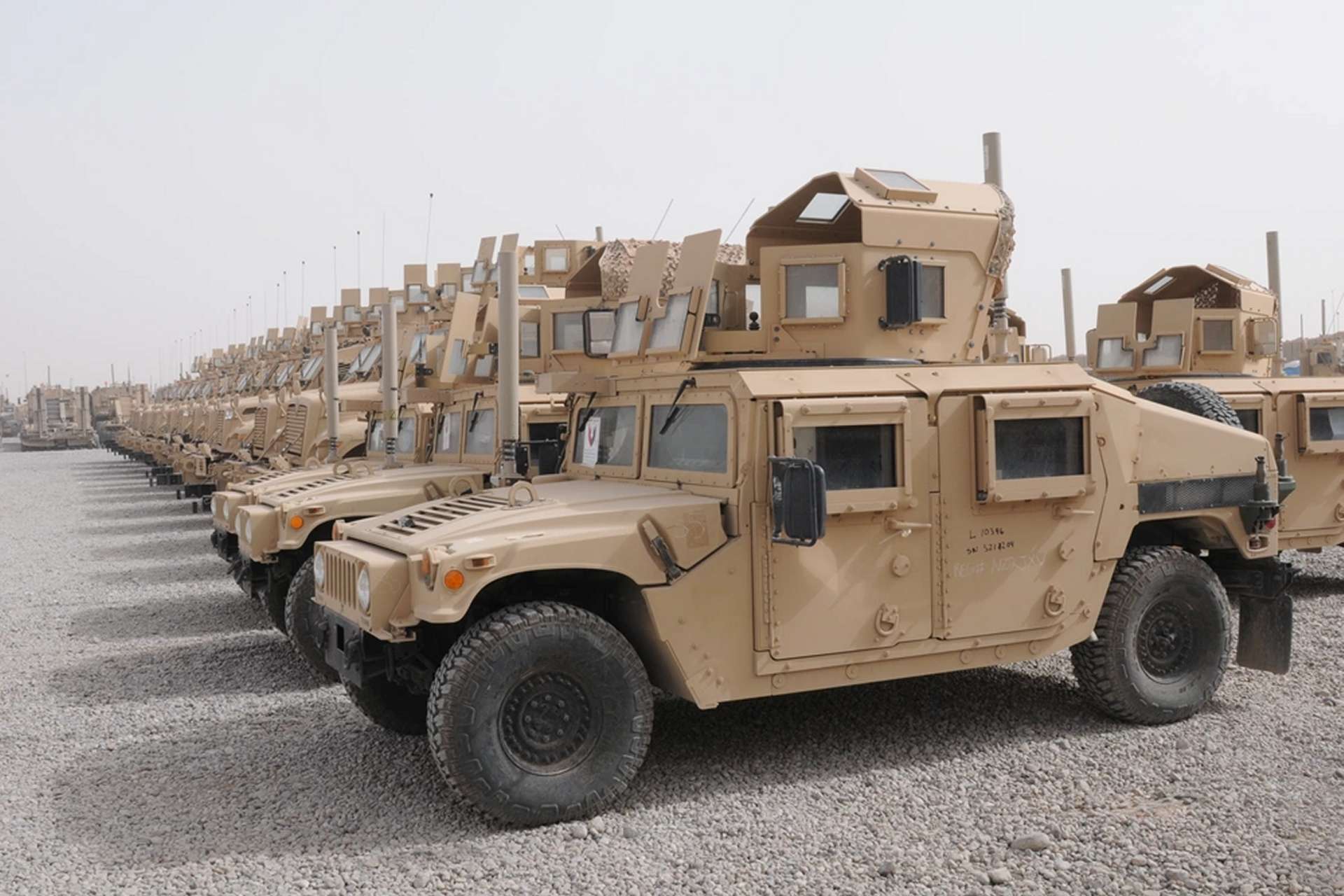
The humvee, or the high mobility multipurpose wheeled vehicle (HMMWV) ( illustrative image). (Picture source: US DoD)
On May 16, the Defense Security Cooperation Agency (DSCA) notified Congress of the potential sale, which includes a range of equipment and services for the maintenance of vehicles and weapon systems provided by the US Army. This will be managed through blanket orders, a Cooperative Logistics Supply Support Arrangement, and/or a Simplified Non-Standard Acquisition Program, as well as related logistical and program support elements.
“This proposed sale will support the foreign policy and national security objectives of the United States by enhancing the security of a partner country that contributes to political stability and economic progress in Europe,” the DSCA stated.
Ukraine has an urgent need to strengthen its maintenance capabilities to maintain high operational rates for US-provided vehicles and weapon systems. The maintenance support from this sale is expected to improve Ukraine’s operational effectiveness by enhancing logistics and speeding up repair cycles.
The DSCA assured that the sale will not alter the basic military balance in the region and that the implementation of this sale will not require additional US government or contractor personnel in Ukraine.
Furthermore, the DSCA confirmed that the proposed sale will not negatively impact US defense readiness. Earlier this month, the Department of Defense announced new security assistance to Ukraine, including additional munitions for the Patriot Air Defense System and the National Advanced Surface-to-Air Missile System (NASAMS).
Recent military agreements between the United States and Ukraine include several initiatives aimed at strengthening Ukraine's defense capabilities in response to Russian aggression.
Ukrainian President Volodymyr Zelensky announced the preparation of seven new bilateral security agreements, including one with the United States. These agreements are intended to provide ongoing support to Ukraine until its integration into NATO. They aim to strengthen Ukraine’s defense capabilities and improve collective security with its partners.
In 2024, the United States announced a new $300 million military aid package to Ukraine. This package includes munitions and spare parts, highlighting the US commitment to continue supporting Ukraine’s defense capabilities.
The approval of a $100 million foreign military sale, covering military vehicles and equipment, aims to improve Ukraine’s logistical and technical capabilities. This support will maintain high operational rates for US-provided equipment, thus enhancing Ukraine’s battlefield effectiveness. The US Department of Defense has also announced additional aid, including munitions for the Patriot Air Defense System and the National Advanced Surface-to-Air Missile System (NASAMS).
Read more: United States Approves Sale of Military Vehicles and Equipment to Ukraine
- Details
- Written by: Jérôme Brahy
- Category: 2024
- Hits: 10797
Breaking news
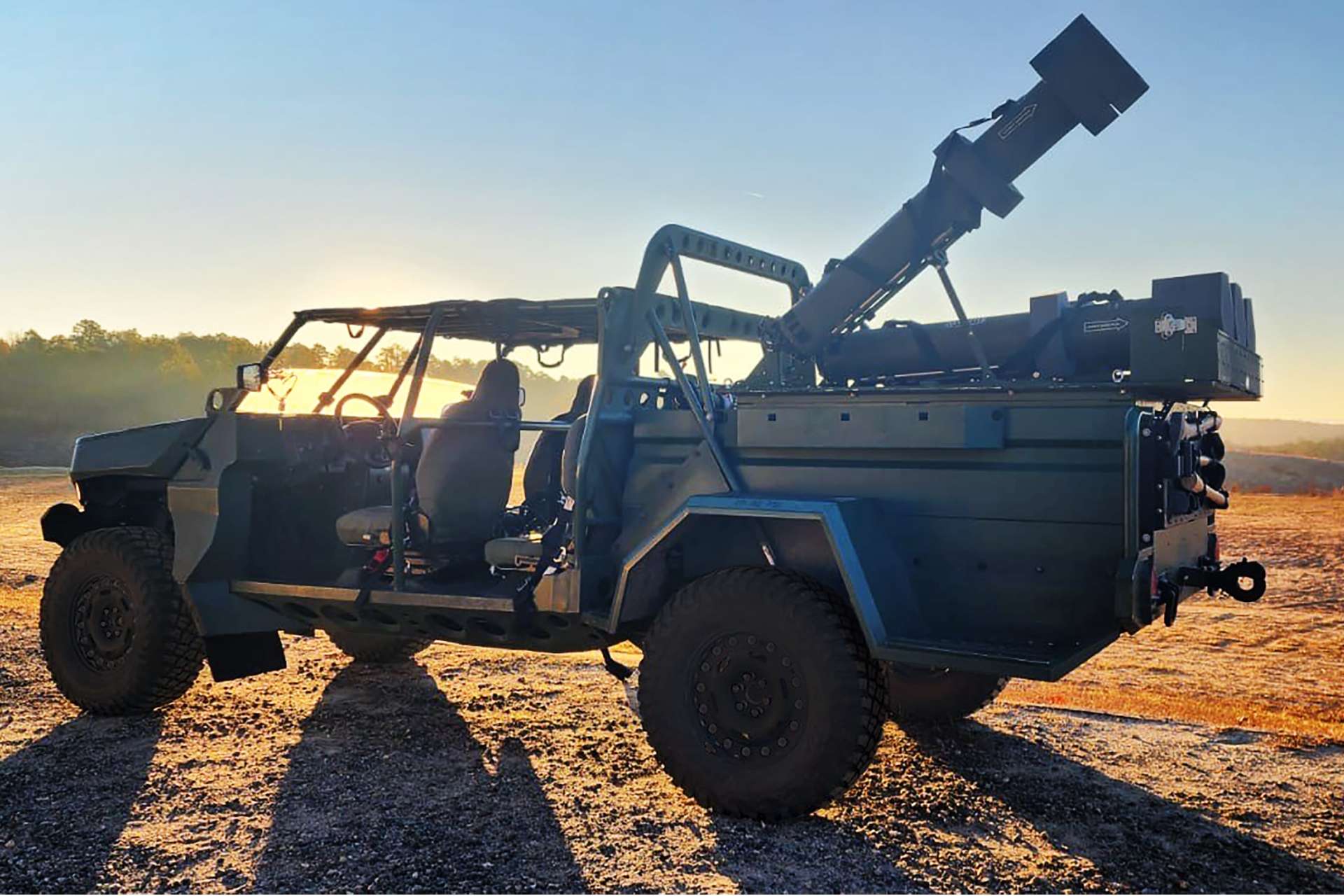
On May 20, 2024, GM Defense and Mistral Inc. announced a partnership to integrate UVision's Hero-120 loitering munition with GM Defense’s Infantry Squad Vehicle (ISV). According to the available photographs, this new variant of the ISV is equipped with four launch tubes designed for the Hero-120, potentially enhancing tactical capabilities for US military forces by combining mobility and lethality.
Follow Army Recognition on Google News at this link
This new variant of the Infantry Squad Vehicle (ISV) is equipped with four launch tubes designed for the Hero-120 loitering munition, potentially enhancing tactical capabilities by combining mobility and lethality. (Picture source: GM Defense)
The concept of integrating the Hero-120 loitering munition with GM Defense's light tactical utility vehicle bears similarities to Russia's development of the Multiple Launch Drone System (MLDS) for the Lancet drone. As reported by Army Recognition on August 31, 2023, Russia is developing a 6x6 MLDS for the latest iteration of Lancet kamikaze drones. This prototype, attributed to the Kalashnikov group, includes a dual control station and 16 transport-launch containers for drone deployment.
The primary purpose of this prototype, reportedly based on the 6x6 Kamaz 5350 Patrol armored vehicle, is to streamline the launch process for the advanced Lancet variant, known as the Izdelie-53, which features folding wings to fit into a new tube launcher accommodating up to four drones. With 16 launchers, the MLDS has the potential to launch up to 64 Lancets against enemy targets.
In this new American partnership, GM Defense will supply the vehicle, while Mistral and UVision will provide the Hero-120 loitering munition, which will be operated from the vehicle’s cargo bed. This combined package will be available in various configurations to meet different clients' needs and mission requirements. The Infantry Squad Vehicle (ISV), a 4x4 light tactical vehicle based on the Chevrolet Colorado ZR2, uses standard commercial off-the-shelf parts from the Chevrolet Colorado ZR2, helping to manage costs and ensure the availability of spare parts. It also includes off-road components from Chevrolet Performance to enhance its cross-country mobility. Additionally, the vehicle’s seating configuration can be adjusted to fit different operational needs.
John Johnson, vice president of Business Development for GM Defense, noted that the program addresses a growing need for light tactical wheeled vehicles that provide agility, speed, and lethality. He also mentioned that the collaboration with Mistral demonstrates the Infantry Squad Vehicle's ability to enhance warfighters' tactical capabilities. Yoav Banai, vice president of Mistral, remarked that the integration sets a new standard in military technology, addressing evolving battlefield challenges.
Furthermore, GM Defense offers various kits to adapt the ISV for different missions, including casualty evacuation (CASEVAC), infrared lighting for nighttime operations, and gun mounts for heavy weapons. These modular kits support deployment across diverse operational environments, facilitating use by both general-purpose units and special operations forces. The vehicle's cargo bed can also house the Hero-120 Multi-Canister Launcher - Expeditionary (MCL-E), which can launch multiple drones and includes the necessary controllers, thus providing increased lethality for both mounted and dismounted soldiers.
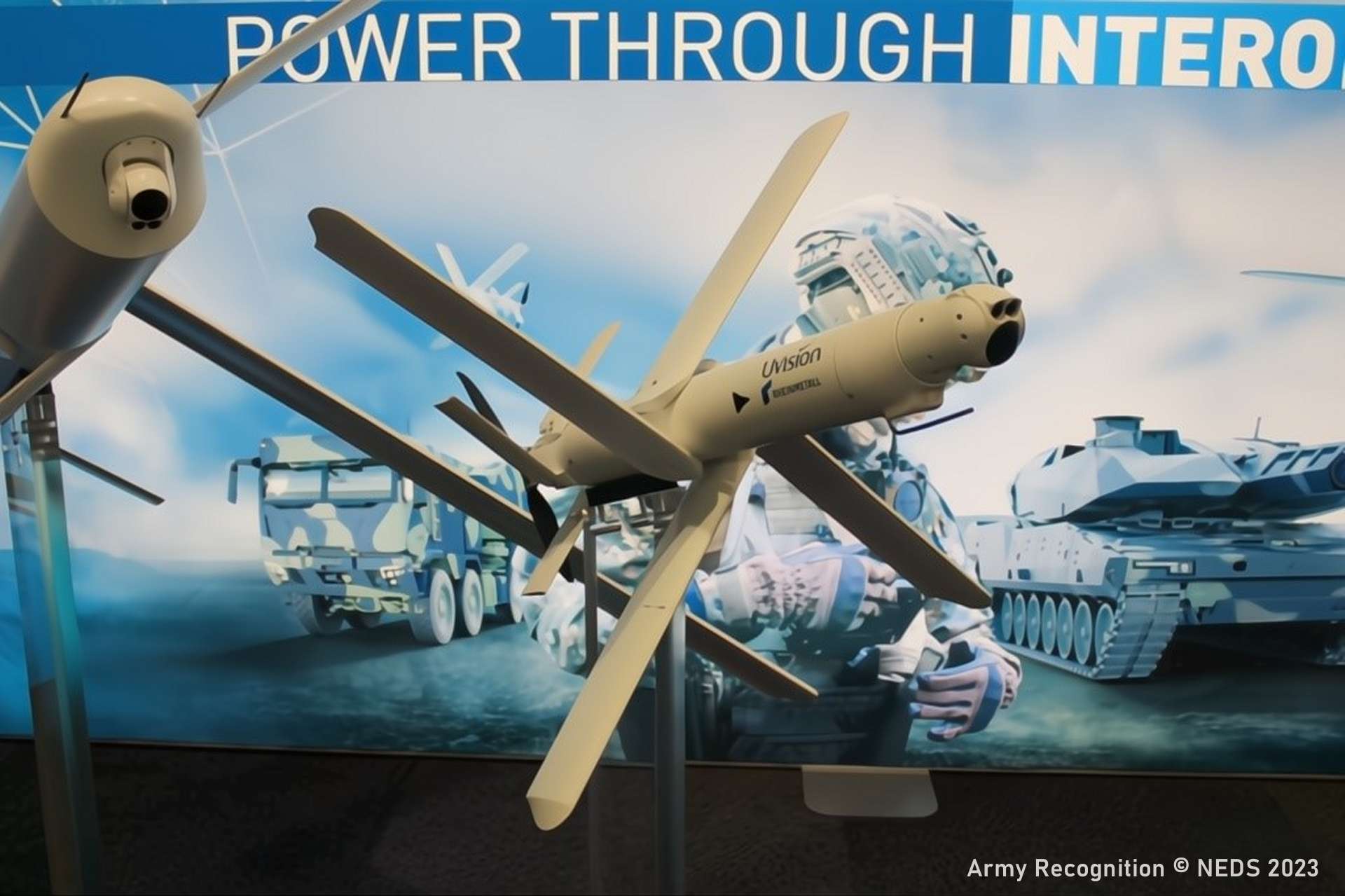
Proposed in Europe by the German company Rheinmetall, the Hero-120 drone serves multiple purposes, including reconnaissance and electronic warfare, but can also function as a loitering munition. (Picture source: Army Recognition)
Developed by UVision Air and supplied by Mistral Inc., the Hero-120 drone serves multiple purposes, including reconnaissance and electronic warfare, but can also function as a loitering munition. Meeting the US Marine Corps' requirements for the Organic Precision Fires-Mounted (OPF-M) system, the Hero-120 offers a flight endurance of up to 60 minutes, operating at altitudes from 360 to 5,500 meters. The system features a gimballed electro-optical/infrared (EO/IR) day/night-vision system with auto-tracking for ISR missions. Equipped with a 4.5 kg warhead, the Hero-120 can strike targets up to 60 kilometers away and provides high maneuverability with cruciform wings. It can be launched from single or multi-canister launchers mounted on various US platforms, such as the Light Armored Vehicle-Mortar (LAV-M), Joint Light Tactical Vehicle (JLTV), Long-Range Unmanned Surface Vessel (LRUSV), and now the Infantry Squad Vehicle (ISV).
GM Defense first introduced its Infantry Squad Vehicle (ISV) in autumn 2019, following a rapid 18-week development. As reported on March 8, 2024, the vehicle recently finished the 2023 UAE Armed Forces Summer Trials, completing nearly 2,000 kilometers of testing, covering highways, sand dunes, soft sand tracks, and rocky walls. Following the trials, the ISV received certification, with ongoing post-trial evaluations to confirm its status.
The Summer Trials tested the ISV’s endurance and capabilities under extreme conditions, including carrying maximum payloads across different terrains. The ISV also underwent Maintenance Trials to assess its sustainability and ease of repair. Following the trials, GM Defense signed a cooperative agreement with the Tawazun Council to facilitate business operations and deliver solutions to military, security, and government customers in the UAE and the wider region.
Selected by the United States Army in 2020, the ISV can carry nine infantrymen and is adaptable for air transportability by various military aircraft, including C-17, C-130, and A-400M. The US Army awarded a contract in June 2020 for the production of 649 ISVs, aiming to field these vehicles across 11 Infantry Brigade Combat Teams by 2025. By April 2023, 300 vehicles had been delivered for full-rate production.
The ISV, designated M1301 by the US Army, is developed in standard and all-electric variants, including a variant equipped with a .50 caliber gun. It features a fully welded aluminum armor body for protection against small arms fire and IEDs. The vehicle utilizes a GM Duramax 2.8L turbo diesel engine, producing 186 horsepower, paired with a GM Hydro-Matic 6L50 six-speed transmission and a GM AutoTrac two-speed transfer case. It incorporates Dana M190 and M220 axles with electronic locking differentials and includes a Roll Over Protection System (ROPS).
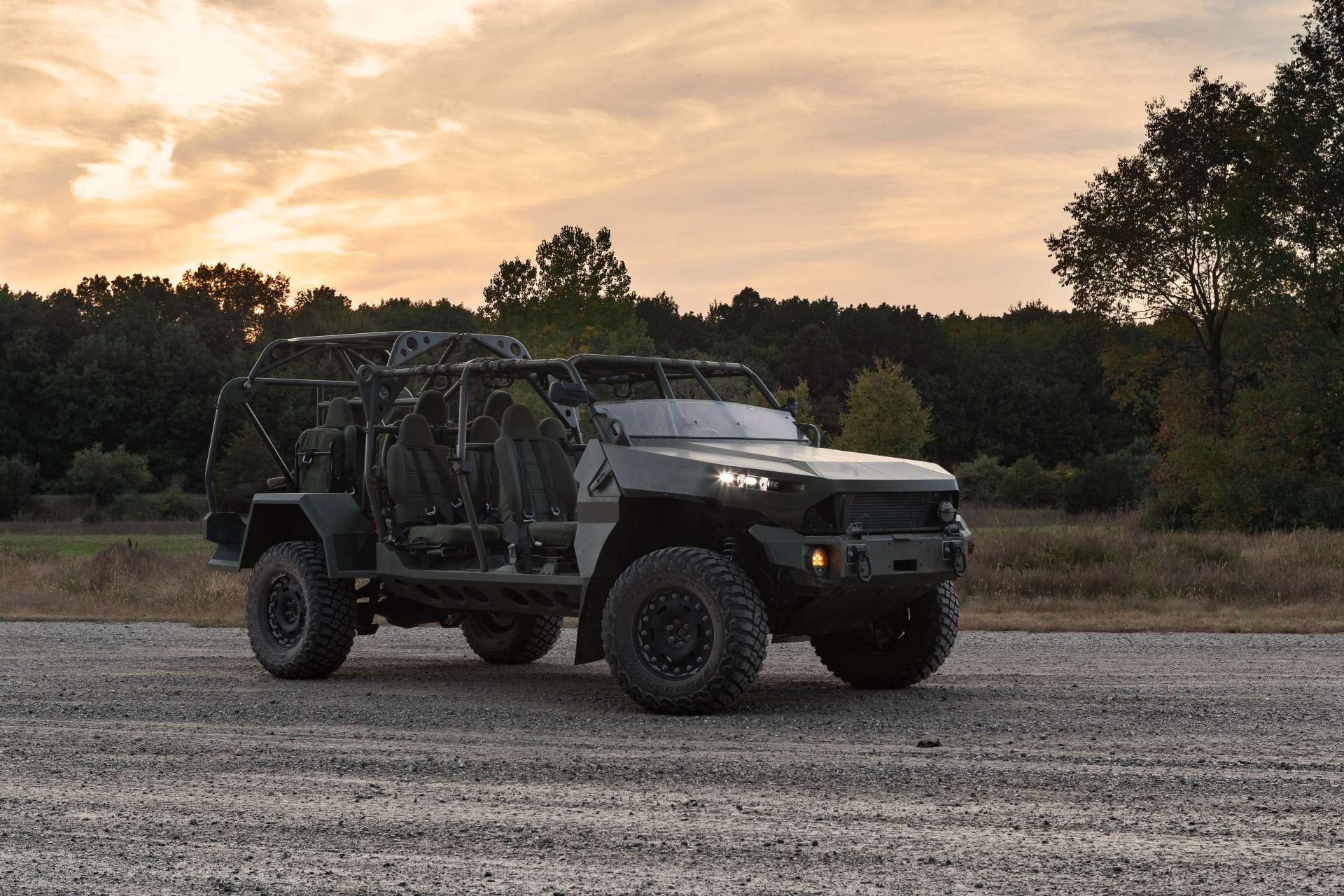
GM Defense’s Infantry Squad Vehicle (ISV), designated M1301 by the US Army, is developed in standard and all-electric variants, and features an adaptable seating configuration to fit different operational needs. (Picture source: GM Defense)
- Haiti Receives 10 New Armored Vehicles from United States Amid Internal Tensions
- French Special Forces' Grizzly reconnaissance vehicle nears certification for airborne operations
- Leonardo contracts with United Kingdom and Italy to Enhance Precision of Artillery
- Spain to Deliver Patriot Missiles to Ukraine by End of June