
- Details
- Written by: Triffaux
- Category: 2024
- Hits: 3769




Breaking news






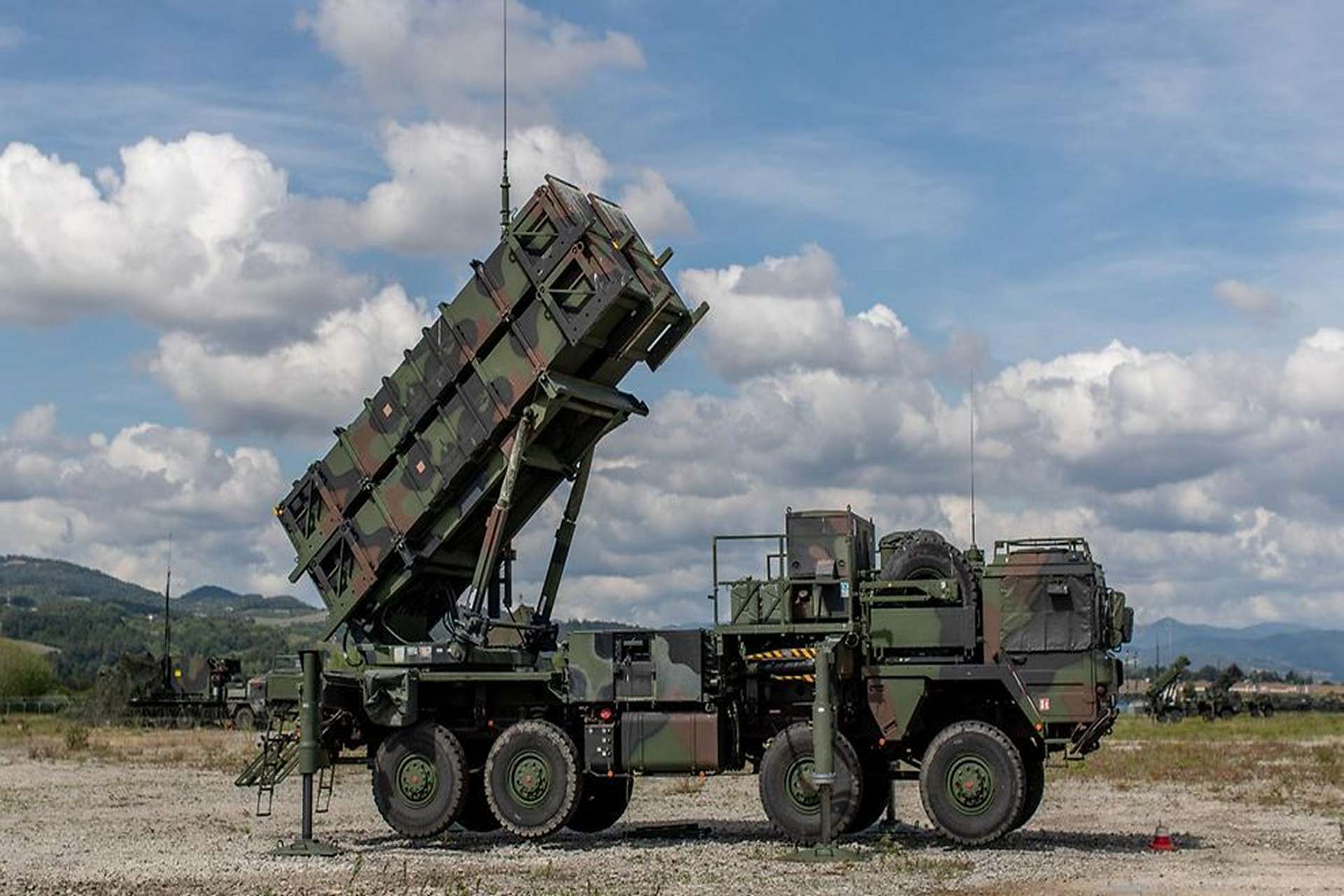
On June 12, 2024, during a visit to Germany with Ukrainian President Volodymyr Zelenskyy, the German Defense Minister announced the donation of 100 Patriot guided missiles to Ukraine, during a training session for Ukrainian soldiers on the Patriot defense system.
Follow Army Recognition on Google News at this link
German MoD announced the donation of 100 Patriot guided missiles to Ukraine (Picture source: German MoD)
Since the start of the invasion of Ukraine by Russian forces in February 2022, Germany has provided substantial support to Ukraine, including previously two batteries of the Patriot air defense missile system, two launch units, an additional radar, and 200 surface-to-air missiles. These systems play a crucial role in intercepting aerial threats and are part of a broader effort to strengthen Ukraine's defensive posture against Russian military actions.
Before the conflict, Germany had a significant arsenal of Patriot systems, equipped with 30 M902 Patriot PAC-3 launch units, each capable of holding 16 surface-to-air missiles. Its interception strategy focuses on the terminal phase, aiming to destroy the threat near its intended impact point. Unlike earlier iterations of the Patriot that targeted mid-course phase threats, the PAC-3 missile, with a range of about 20 km (12.4 miles) and capable of reaching speeds up to Mach 5, uses a hit-to-kill interceptor mechanism to annihilate the target.
This arsenal represents a significant component of the country's air defense strategy, which is now partially redirected to aid Ukraine's resistance.
The Guidance Enhanced Missile (GEM-T) is a variant of the Patriot missile system, designed to enhance the U.S. and allied forces' defensive capabilities. This missile is particularly effective against tactical ballistic missiles, cruise missiles, and enemy aircraft, serving as a complement to the PAC-3 missile. Key improvements in the GEM-T include a modernized digital fuze that addresses previous obsolescence issues and boosts performance against fast-moving ballistic missile targets. Enhancements in the missile's seeker sensitivity, thanks to a low-noise front end and a new low-noise oscillator, enable better acquisition and tracking capabilities. These technological updates also improve the missile's ability to distinguish and track small airborne threats and cruise missiles amidst background clutter.
The PATRIOT missile system is a mobile air defense and anti-ballistic missile system, designed and manufactured in the United States. It was put into service in 1981 and reached its initial operational capability in 1984. The main designers of the system are Raytheon, Hughes, and RCA, while the manufacturers include Raytheon, Lockheed Martin, and Boeing.
Regarding unit cost, the domestic cost for a battery is about 1.09 billion US dollars (for fiscal year 2022), and for a single PAC-3 MSE missile, the cost is 4 million US dollars. For export, the cost for a battery ranges between 2.37 and 2.5 billion US dollars, and for a single missile, it is between 6 and 10 million US dollars (for fiscal year 2018).
The PATRIOT system has been produced since 1976, and so far, 1,106 launchers have been built in the United States, of which 483 were in service in 2010. Additionally, more than 172 launchers have been exported and over 10,000 missiles have been manufactured.
Read more: Germany to provide additional Patriot Air Defense Missiles to Ukraine

- Details
- Written by: Jérôme Brahy
- Category: 2024
- Hits: 5507
Breaking news
ST Engineering, a Singaporean company, has announced that its latest (and battle-proven) Bronco 3 all-terrain tracked vehicle will be featured in a dynamic demonstration at Eurosatory 2024, highlighting its capabilities for various military applications. The Bronco 3, an enhancement over its predecessors, exhibits improvements in mobility, protection, and modularity. This vehicle will be displayed alongside ST Engineering's ExtremV, a variant of the Bronco designed for HADR and support missions.
Follow Army Recognition on Google News at this link
The Bronco 3 has undergone extensive testing, including over 1,860 miles in Arctic conditions and more than 200,000 miles in various operational environments. (Picture source: ST Engineering)
The Bronco 3 is engineered to navigate 82% of global terrain, including environments such as snow, mud, and sand. It is fully amphibious, allowing for the crossing of water obstacles. Its modular design allows for quick reconfiguration, adapting the vehicle for roles such as troop transport, command and control, logistics support, and casualty evacuation. The vehicle’s torsion bar suspension with hydraulic dampers enables it to handle gradients of 60%, side slopes of 30%, vertical obstacles up to 0.5 meters, and trenches up to 2.1 meters.
The Bronco 3 is built with a V-shaped hull and armor plates, providing protection against mines and improvised explosive devices (IEDs), thereby enhancing occupant survivability in hostile conditions. It can be fitted with adaptable add-on armor components, such as ST Engineering’s CleArmour ceramic glass. It is capable of reaching a maximum speed of 65 km/h on roads, with a range of 500 km.
Measuring 8.6 meters in length, 2.2 meters in width, and 2.5 meters in height, the Bronco 3 has a combat weight of 16,000 kg and a payload capacity of up to 5,000 kg. It has undergone extensive testing, including over 1,860 miles in Arctic conditions and more than 200,000 miles in various operational environments. These tests indicate its reliability and functionality in extreme conditions, from hot desert climates to frigid Arctic environments.
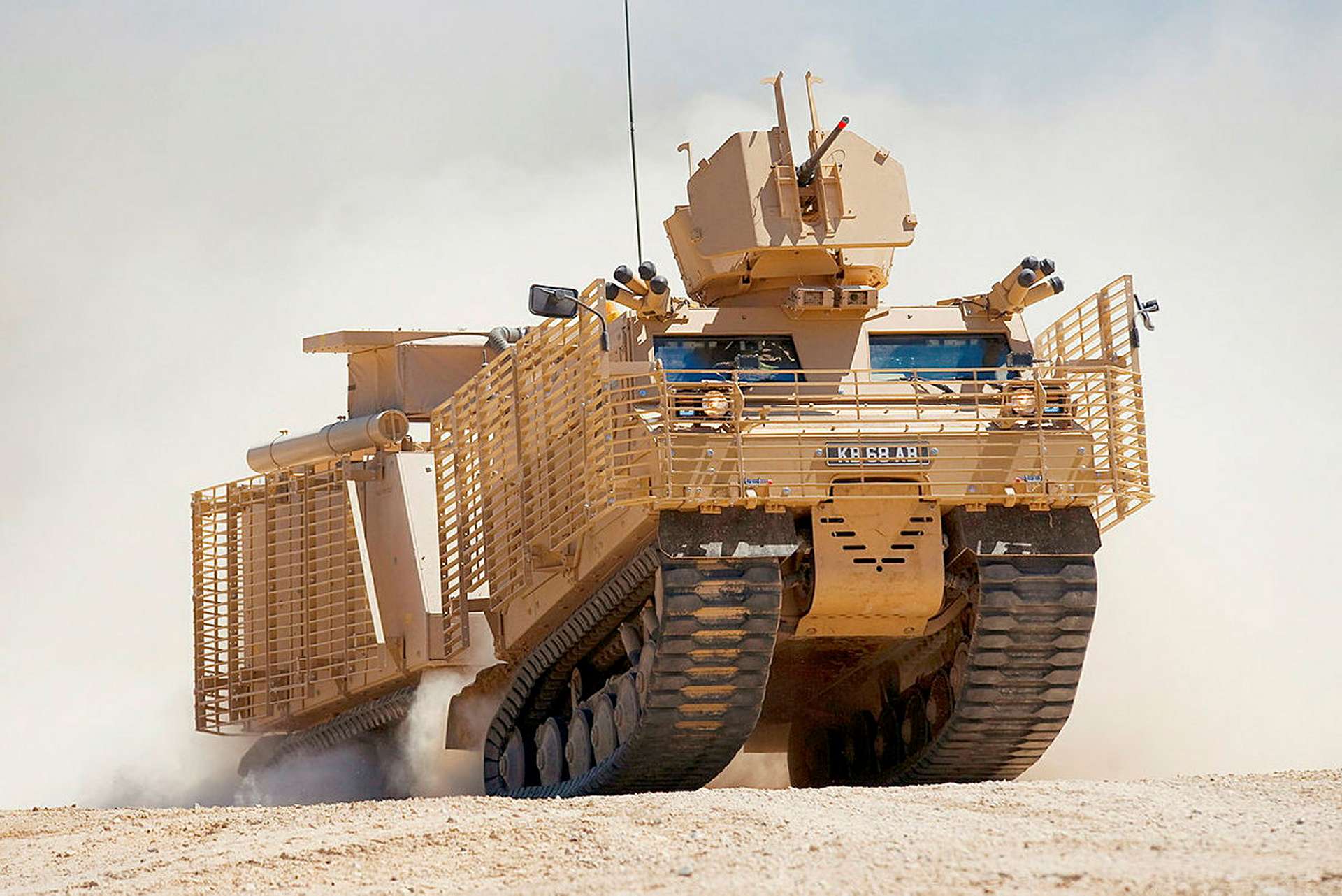
ST Engineering's enhanced armor on the Bronco, known as Warthog in British service, was credited with saving Lance Corporal William Reeks' life during a 2010 IED attack in Afghanistan. (Picture source: UK MoD)
In December 2008, ST Kinetics was awarded a £150 million single source contract by the British Ministry of Defence for over 100 Bronco All Terrain Tracked Carriers (ATTCs) for use in Afghanistan under an Urgent Operational Requirement (UOR). These vehicles, known as Warthog in British service, supplemented the similar BvS 10 Viking vehicles operating in southern Afghanistan by the British military. Four Warthog variants were built under this contract – Troop Carrier, Ambulance, Command, and Repair & Recovery.
In December 2010, ST Engineering's armor enhancements were noted when a British Army soldier, Lance Corporal William Reeks, survived an IED attack. The Warthog he was traveling in set off an improvised explosive device believed to be 50 kg. His family credited the stronger armor of the Warthog, which had replaced less heavily fortified Viking armored vehicles prior to their protection upgrades, with saving his life.
Additionally, the Bronco 3's digital architecture supports plug-and-play functionalities, making it adaptable to emerging technologies and future upgrades. Equipped with the Advanced Driver Assist System, it is prepared for drive-by-wire operations, allowing for potential autonomous or remotely controlled missions. At Eurosatory 2022, a variant of the Bronco 3 was displayed, equipped with a Casualty Evacuation Robot (CEV) weighing 120 kg. This robot, deployable from the rear unit, has a ten-hour operational endurance and can carry a stretcher casualty. It operates in follow-me and playback modes, facilitating autonomous navigation and medical evacuation capabilities.
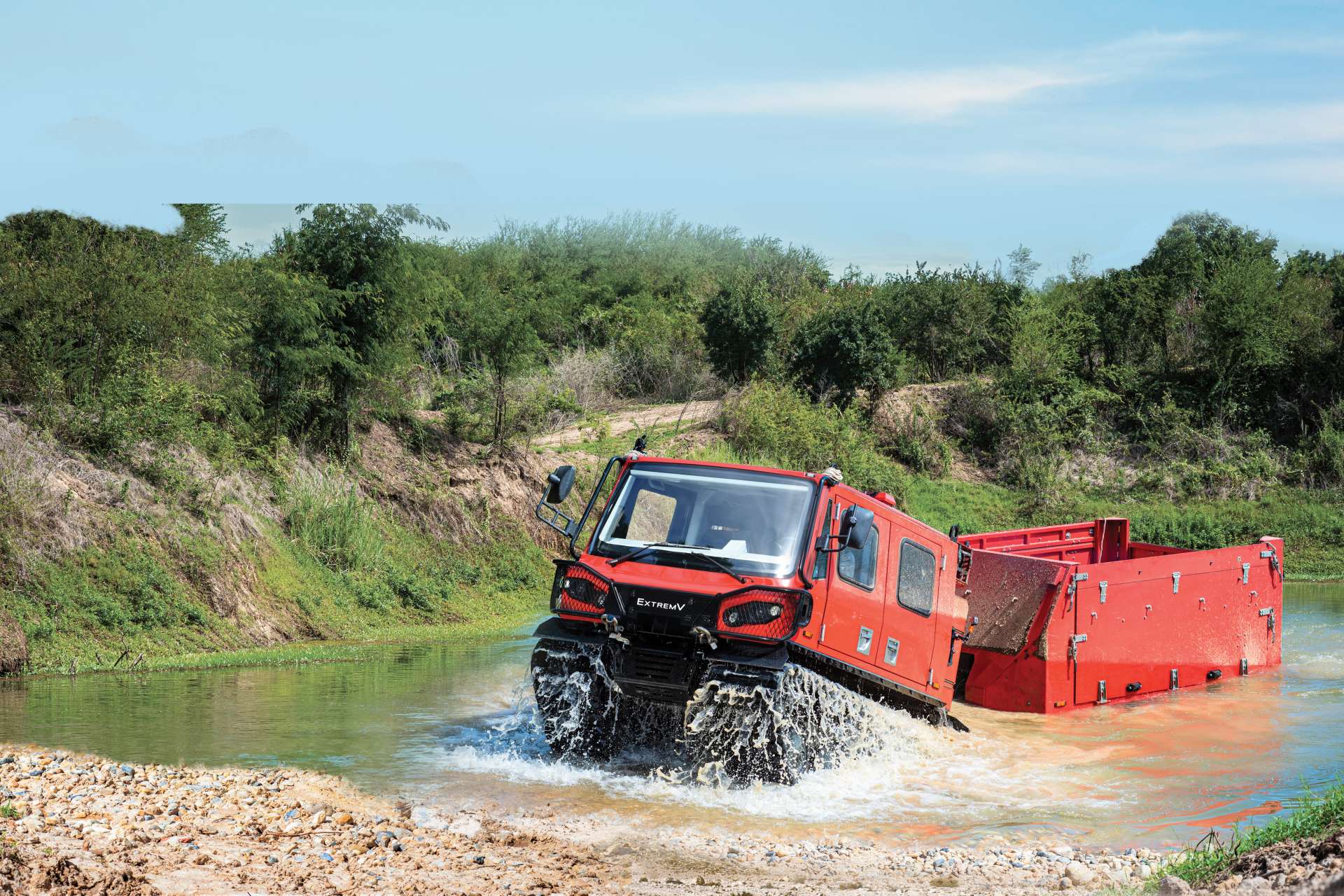
Sharing the Bronco’s capabilities, the ExtremV was deployed in search-and-rescue missions during Hurricane Otis in Mexico. (Picture source: ST Engineering)
At Eurosatory 2024, ST Engineering will also showcase the ExtremV all-terrain tracked carrier designed for first responders. Sharing the Bronco’s capabilities, the ExtremV is used in disaster relief, flood rescues, wildfire fighting, and humanitarian aid, due to its terrain accessibility and amphibious capabilities. For instance, it was deployed in search-and-rescue missions during Hurricane Otis in Mexico. The ExtremV's modular design allows for easy reconfiguration, enabling interchangeability of its enclosed rear cabin for various payloads, transforming it into an ambulance, personnel carrier, command post, or utility vehicle. It utilizes off-the-shelf components for improved ergonomics and lower cost of ownership, with reliable commercial automotive components reducing the maintenance burden.
The ExtremV can be optionally fitted with Prism Artificial Intelligence Vision Enhancement (PAVE) systems. PAVE uses a cone prism for a 360° undistorted view with a single camera, coupled with proprietary imaging software to enhance crew safety at a lower cost. Additionally, the ExtremV can be transported by aircraft, helicopter, or inside a 40-foot high-cube container, enabling quick deployment in disaster scenarios.
- Details
- Written by: Administrator
- Category: 2024
- Hits: 3333
Breaking news
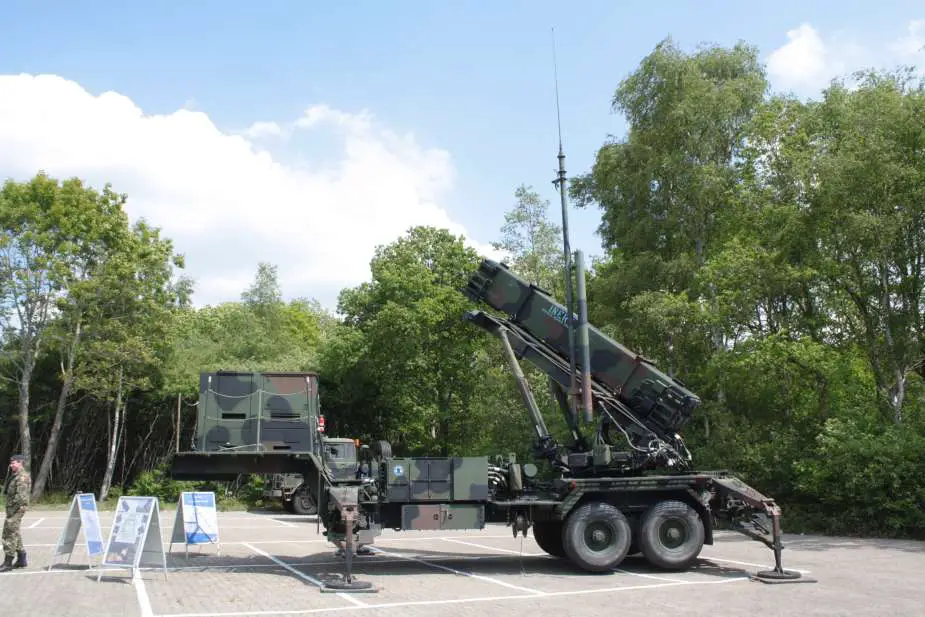
Dutch Prime Minister Mark Rutte announced via their X account (Ex Twitter) on June 11, 2024, that the Netherlands will further support Ukraine's air defense capabilities by supplying one Patriot AN/MPQ-53/65 Radar and three additional missile launcher units. This move is part of a broader effort to deliver a complete Patriot missile battery to Ukraine. However, the Netherlands is calling for international partners to contribute additional critical components, including an Engagement Control Station, Antenna Mast Group, and Electrical Power Plant, to complete the system.
Follow Army Recognition on Google News at this link
Patriot Missile Launcher unit of Netherlands armed forces. (Picture source: Army Recognition Group)
The latest contribution underscores the Netherlands' ongoing commitment to bolstering Ukraine's defense amid ongoing tensions in the region. In April 2023, the Netherlands delivered two Patriot Launchers and missiles for the Patriot Surface-to-Air Missile (SAM) launchers to Ukraine. Prior to this, in November 2022, the Netherlands provided 12 AIM-120 AMRAAMs for the NASAMS II air defense system.
The Dutch government's continued support is seen as a crucial part of NATO's collective effort to enhance Ukraine's defensive capabilities against aerial threats. The delivery of the radar and launchers is expected to significantly improve Ukraine's ability to detect and intercept incoming missiles and aircraft.
Prime Minister Rutte's call for further international cooperation highlights the need for a coordinated approach to defense support for Ukraine. As the situation in Eastern Europe remains volatile, the contributions from NATO members and allies are deemed vital for maintaining stability and security in the region.
The AN/MPQ-53/65 radar is a critical component of the Patriot missile system, known for its high accuracy and ability to track multiple targets simultaneously. Combined with the launchers and other necessary components, it forms a comprehensive air defense system capable of intercepting ballistic missiles, cruise missiles, and advanced aircraft.
The Netherlands' ongoing military support to Ukraine is part of a broader strategy by Western nations to strengthen Ukraine's defenses in response to increased threats. The Patriot system, with its advanced capabilities, is a significant upgrade to Ukraine's air defense network, providing a robust shield against various aerial threats.
- Details
- Written by: Vandenbosch
- Category: 2024
- Hits: 3143
Breaking news
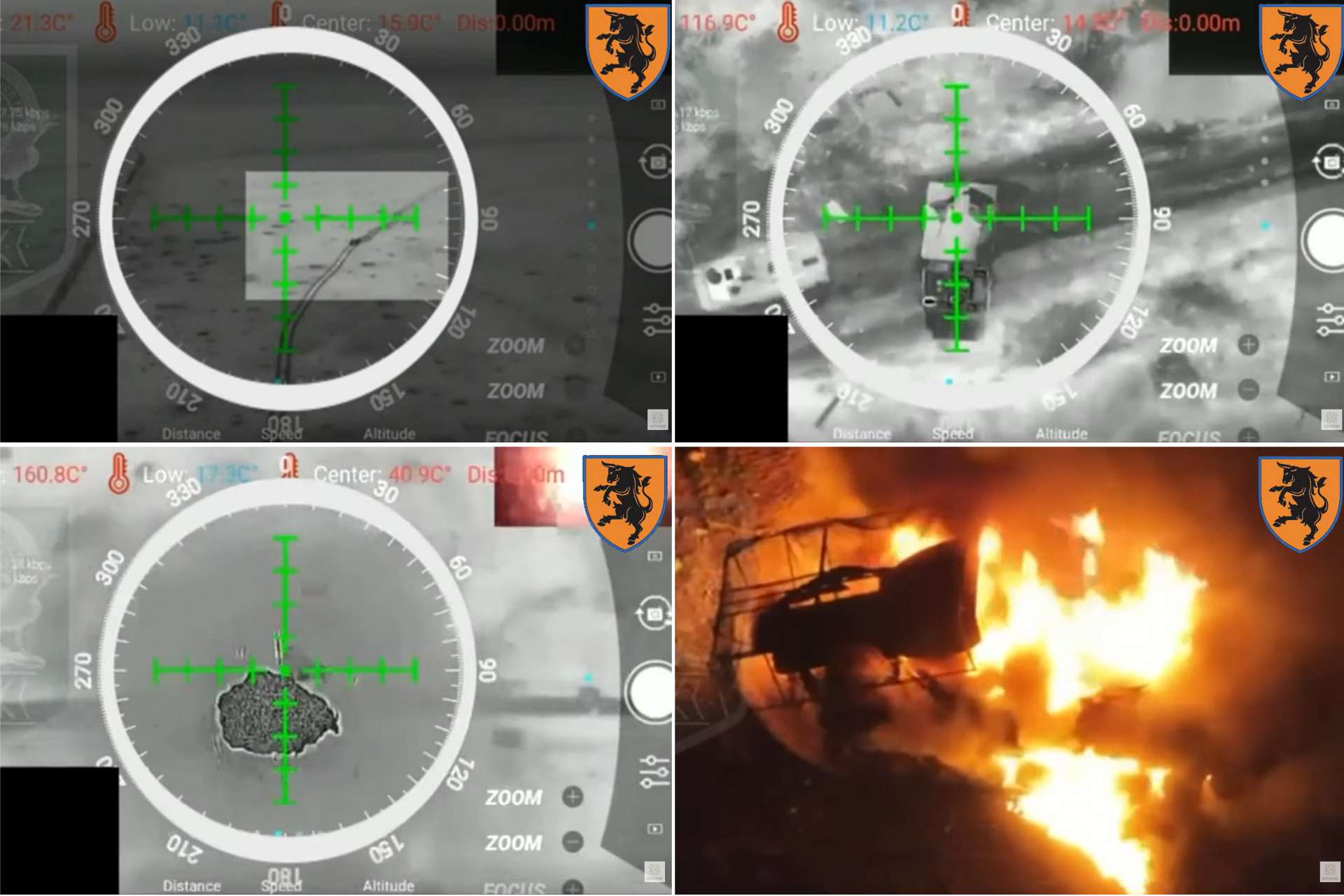
Ukrainian soldiers have released a video showing the step-by-step destruction of a Russian UR-77 "Meteorite" demining vehicle. The enemy engineering equipment was eliminated during a night attack carried out with a drone. The mission was executed by the crew of the "Heavenly Mara" strike drone battalion of the 43rd Separate Mechanized Brigade (OMB).
Follow Army Recognition on Google News at this link
The destruction of the Russian UR-77 "Meteorite" demining vehicle in the Kharkiv region in June 2024. (Picture source: Ukrainian MoD)
The Russian demining vehicle was reportedly detected and destroyed in the village of Ivanivka in the Kharkiv region. The occupiers hoped to use this specialized equipment to attack the heavily mined Ukrainian defense line. After detecting the enemy equipment, a heavy Ukrainian drone, which typically operates at night, dropped a TM-62 anti-tank mine on the Russian UR-77. This mine was specially modified for use with drones and explodes upon impact.
The destruction of the Russian UR-77 "Meteorite" demining vehicle in the Kharkiv region in June 2024 was captured on video by the "Heavenly Mara" 43 OMB. "Our night bomber crew 'Korax' hit an important target – the UR-77 'Meteorite.' It turns out it burns just as well as other enemy equipment," reported the Ukrainian military.
These drones are called "Baba Yaga" by the Russian occupiers. They inflict losses in equipment and personnel and strike at fortifications. As a result of the strike, the Russian "Meteorite" demining vehicle exploded and caught fire. However, it is unclear whether the crew was also destroyed or if they managed to escape the vehicle. In the final images before the explosion, the crew can be seen fleeing, but it is uncertain if they were neutralized.
They used an FPV drone equipped with a thermal camera, allowing them to strike the UR-77 "Meteorite" at night while it was moving along the road.
The UR-77 "Meteorite" is a self-propelled, lightly armored, tracked, amphibious demining vehicle designed to create passages through minefields. It is based on the chassis of the 2S1 "Gvozdika" self-propelled howitzer and has been produced in series since 1978. The chassis houses two launch guides for DM-140 type rockets and compartments with UZP-77 or UZP-67 detonating cables.
This vehicle, weighing 15,500 kg, is armed either with a 7.62 mm machine gun or the MDK-3 mine-clearing system. Its armament is designed to create secure passages through minefields using linear demining charges.
The "Meteorite" provides effective protection against small arms fire and artillery shell splinters, ensuring the safety of its crew and the continuity of its mission in hostile environments. However, the vehicle is not well-suited to modern warfare and the extensive use of drones in this conflict, which is why it can be seen equipped with partial cage armor. Due to its mechanism, a full cage armor is not feasible, and the Ukrainians have exploited this weakness.
It is equipped with various combat systems, such as radio communication systems, night and day vision devices, a fire suppression system, and NBC (nuclear, biological, and chemical) protection, ensuring its functionality and crew safety in various combat conditions.
With a maximum speed of 62 km/h, the UR-77 can move quickly on the battlefield. It also has a range of 500 km, allowing it to cover long distances without frequent refueling. The vehicle is operated by a crew of two and has compact dimensions with a length of 7.86 m, a width of 2.85 m, and a height of 2.53 m, facilitating its maneuverability in various environments. These characteristics make the UR-77 "Meteorite" an essential tool for military demining operations.
While this destruction is not a game-changer, it is interesting to see the methodology the Ukrainians used to destroy the vehicle. Additionally, it is evident that not all vehicles are suited to receive effective cage armor, yet these remain crucial on the battlefield given the number of mines used in the conflict.
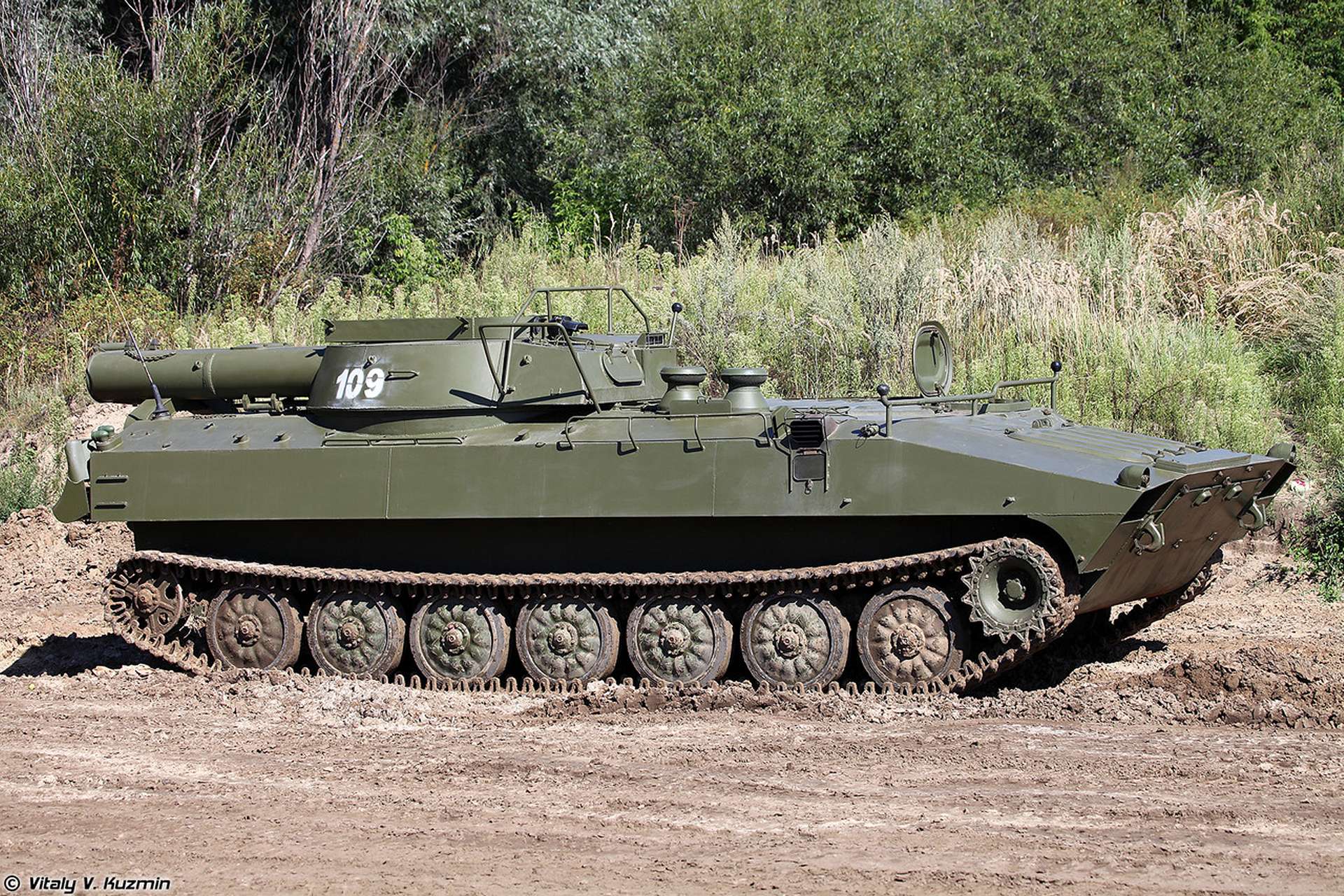
UR-77 Russian mine-clearing engineer tracked armored vehicle. ( Picture Source: Vitaly V.Kuzmin)
Read more: Ukraine Destroys Russian UR-77 Demining Vehicle in a Night Attack
- Details
- Written by: Halna du Fretay
- Category: 2024
- Hits: 2955
Breaking news
On June 11, 2024, the U.S. State Department approved a potential foreign military sale to Norway, involving advanced AIM-120C-8 Advanced Medium-Range Air-to-Air Missiles (AMRAAM) and associated equipment, valued at an estimated $1.94 billion. The Defense Security Cooperation Agency has officially notified Congress of this potential sale.
Follow Army Recognition on Google News at this link
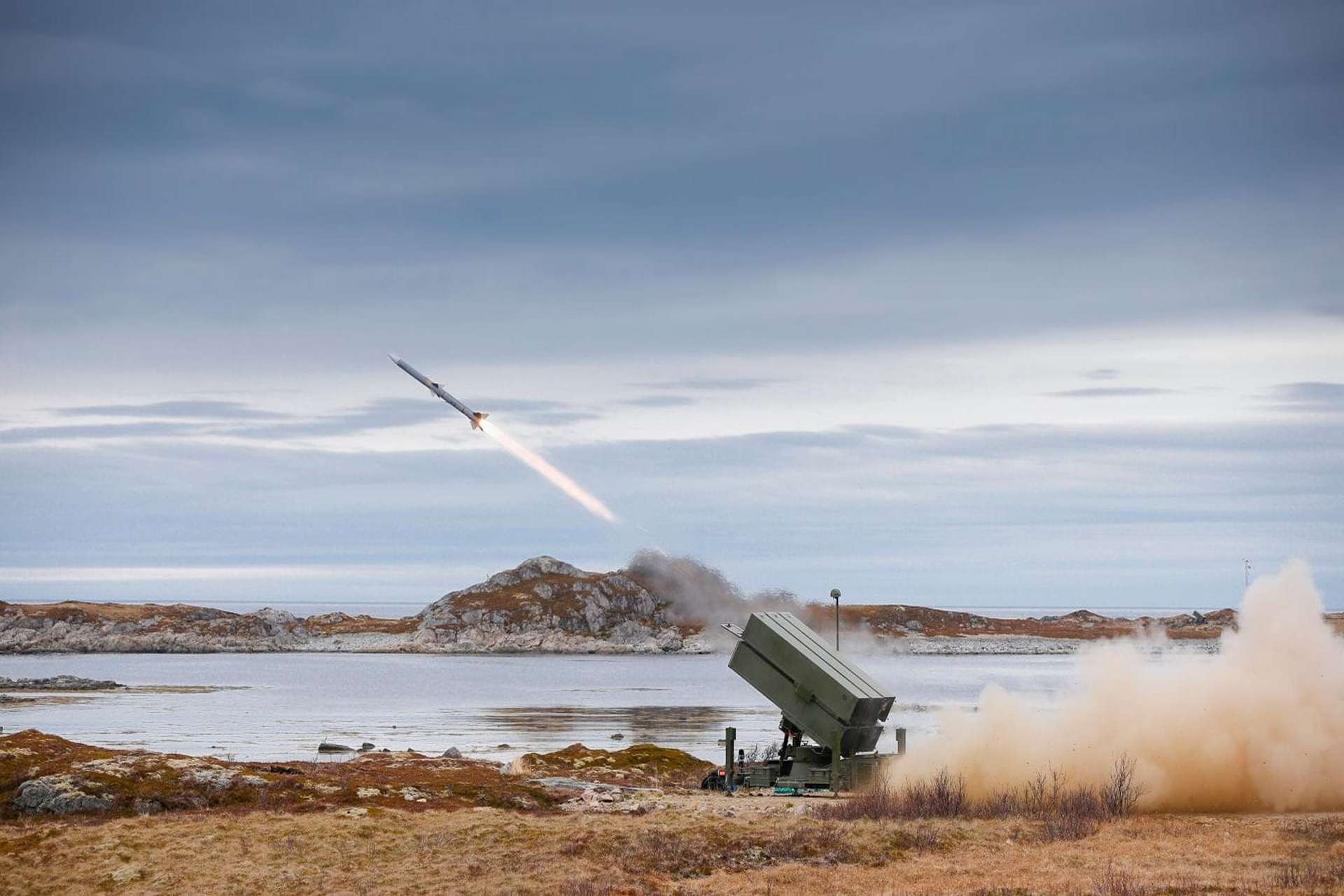
The newly acquired missiles are intended for use in the National Advanced Surface-to-Air Missile System (NASAMS) for ground-based air defense, and potentially in a dual role with the F-35A aircraft. (Picture source: Raytheon)
The Norwegian government has requested 300 AIM-120C-8 AMRAAMs and 20 guidance sections for these missiles. The sale also includes AMRAAM containers, support equipment, spare parts, consumables, accessories, repair and return support, weapons software, classified software delivery, transportation, classified publications, technical documentation, training, studies, and surveys, along with U.S. government and contractor engineering, technical and logistics support services, among other program support elements.
The AIM-120C-8 AMRAAM is designed for all-weather, beyond-visual-range aerial combat and is compatible with various U.S. Air Force and Navy aircraft such as the F-15, F-16, F-22, and F/A-18. It features a sophisticated guidance system combining active radar terminal guidance with inertial mid-course navigation, enabling pilots to engage multiple targets simultaneously and perform evasive maneuvers. Introduced in 1991, this missile variant is a continuation of the AIM-7 Sparrow series but offers significant enhancements in speed, size, and target engagement capabilities.
This proposed sale aims to support U.S. foreign policy and national security objectives by enhancing the security of a NATO ally, contributing to political stability and economic progress in Europe. It will enhance Norway's capability to meet current and future threats by updating its missile arsenal from AIM-120B to the latest AIM-120C variants. Norway, already equipped with AMRAAMs and F-35A aircraft, will integrate these new systems into its armed forces without difficulty. The newly acquired missiles are intended for use in the National Advanced Surface-to-Air Missile System (NASAMS) for ground-based air defense, and potentially in a dual role with the F-35A aircraft.
The NASAMS, a medium-range air defense system developed by Kongsberg Defence & Aerospace and Raytheon, was first introduced into the Norwegian Armed Forces in the mid-1990s. Utilizing the AIM-120 AMRAAM, it can engage and destroy various threats up to 25 kilometers away. Known for its mobility and quick deployment, NASAMS integrates well with other NATO air defense systems.
Norway has been modernizing its air force with the acquisition of F-35 Lightning II aircraft, having received its first F-35A in 2015 and officially entering service in November 2017. Norway intends to procure a total of 52 F-35As to replace its aging F-16 fleet. The F-35A features advanced stealth capabilities, agility, and superior situational awareness, equipped with modern weaponry and sensors for effective air-to-air and air-to-ground operations, significantly enhancing the operational capabilities of the Norwegian Air Force.
Read more: Norway to Update Air Defense with Purchase of AIM-120C-8 Missiles from US

- Details
- Written by: Triffaux
- Category: 2024
- Hits: 3470
Breaking news
On May 6, 2024, in response to escalating tensions in the Taiwan Strait, Admiral Samuel Paparo, commander of the U.S. Indo-Pacific Command, unveiled a bold strategy designed to counter any attempt by China to invade Taiwan. At the Shangri-La Dialogue summit of the International Institute for Strategic Studies, the admiral presented a plan to saturate the Taiwan Strait with thousands of drones, in what he described as an "unmanned hellscape."
Follow Army Recognition on Google News at this link
US present a plan to saturate the Taiwan Strait with thousands of drones (Picture source: Army Recognition)
This initiative aims to create a massive and automated first line of defense, capable of making life "absolutely miserable" for Chinese forces for at least a month. This period, according to Admiral Paparo, would be crucial for the United States to mobilize an adequate response to support Taiwan.
The concept relies on the deployment of a wide range of unmanned systems, including aerial drones, surface ships, and submarines, which would be engaged immediately at the first sign of a Chinese incursion. The initiative leverages the Defense Department's Replicator program, a long-term project aimed at developing thousands of autonomous systems to enhance U.S. military capabilities. The budget allocated for this fiscal year amounts to $1 billion, underscoring the strategic importance of the program.
This "mass against mass" strategy is designed to counter the considerable number of ships, missiles, and personnel that China could deploy in a conflict. Deputy Secretary of Defense Kathleen Hicks emphasized that the U.S. relies on systems that are difficult to predict, target, and neutralize to overcome the Chinese numerical advantage.
Exemplifying the Department's focus on harnessing the value of commercial technology to solve critical operational challenges, the first iteration of the Replicator initiative has reached a key execution milestone.
Deputy Secretary Hicks announced some of the capabilities and one of the systems selected for accelerated deployment as part of the first tranche of the Replicator initiative, which is focused on deploying all-domain attritable autonomous (ADA2) systems.
The Department has secured the necessary funding of about $500 million for FY24, including approximately $300 million from the FY 2024 defense appropriations bill supporting the Department's reprogramming request and additional funding identified using existing authorities and Defense-wide sources. For PB25, the Department has requested a roughly equal amount to the FY24 total and will work with Congress to support this request.
These investments bring together the capabilities of a broad range of traditional and nontraditional technology companies, including systems vendors, component manufacturers, and software developers.
The first tranche of Replicator capabilities includes uncrewed surface vehicles (USV), uncrewed aerial systems (UAS), and counter-uncrewed aerial systems (c-UAS) of various sizes and payloads from several traditional and non-traditional vendors.
In the aerial domain, the Department will accelerate the deployment of the Switchblade-600 loitering munition, produced by AeroVironment Inc., based in Simi Valley, California. U.S.-supplied Switchblade drones have already demonstrated their utility in Ukraine, and this system will provide additional capability to U.S. forces.
In the maritime domain, the Department is diversifying the vendor base for USVs through the recently announced Production-Ready, Inexpensive, Maritime Expeditionary (PRIME) Commercial Solutions Opening (CSO). The CSO process allows U.S. and international companies to pitch technologies to the Department in a fast-track process for a prototype contract. Launched on January 30, 2024, the PRIME CSO received over one hundred applications from commercial technology companies. With FY24 funding secured, the Department is on track to award several contracts this summer.
The first tranche of Replicator also includes certain capabilities that remain classified, including others in the maritime domain and some in the counter-UAS portfolio.
Since Deputy Secretary Hicks' announcement of the Replicator initiative and its initial focus on ADA2 systems just over seven months ago, the Department-wide effort has systematically aligned senior leaders around a common vision to identify and validate key joint operational gaps and rapidly field solutions in 18-24 months. The Department is also preparing the next tranche of capabilities to add to the ADA2 portfolio.
"This is just the beginning," said Admiral Christopher Grady, Vice Chairman of the Joint Chiefs of Staff. "Replicator is helping us jumpstart the delivery of critical capabilities at scale. We will build on that momentum with industry partners to deliver what the warfighter needs, and remove barriers to doing so again and again."
Recent Chinese military exercises around Taiwan, which simulated a blockade of the island, not only demonstrated China's rapid ability to implement such a strategy, but also served as a learning opportunity for American forces. According to Admiral Paparo, these maneuvers resembled a general rehearsal for an invasion, allowing the United States to refine its own preparations accordingly.
The unveiling of this strategic plan comes at a critical time when stability in the Indo-Pacific region is increasingly threatened by China's territorial ambitions. By transforming the Taiwan Strait into a largely automated battlefield, the United States hopes not only to deter China from any future aggression but also to effectively protect Taiwan's sovereignty in the face of imminent military escalation.
Read more: US Plan to Flood Taiwan Strait with Drones to Counter China
- Details
- Written by: Vandenbosch
- Category: 2024
- Hits: 5021
Breaking news
The Finnish Defense Forces believe that the experience gained from supplying arms to Ukraine will be highly beneficial for the development of new Finnish military equipment. This assertion comes from Lieutenant General Mikko Heiskanen, head of the Department of Military Economy at the Finnish Defense Forces, according to a Yle report dated June 8, 2024.
Follow Army Recognition on Google News at this link
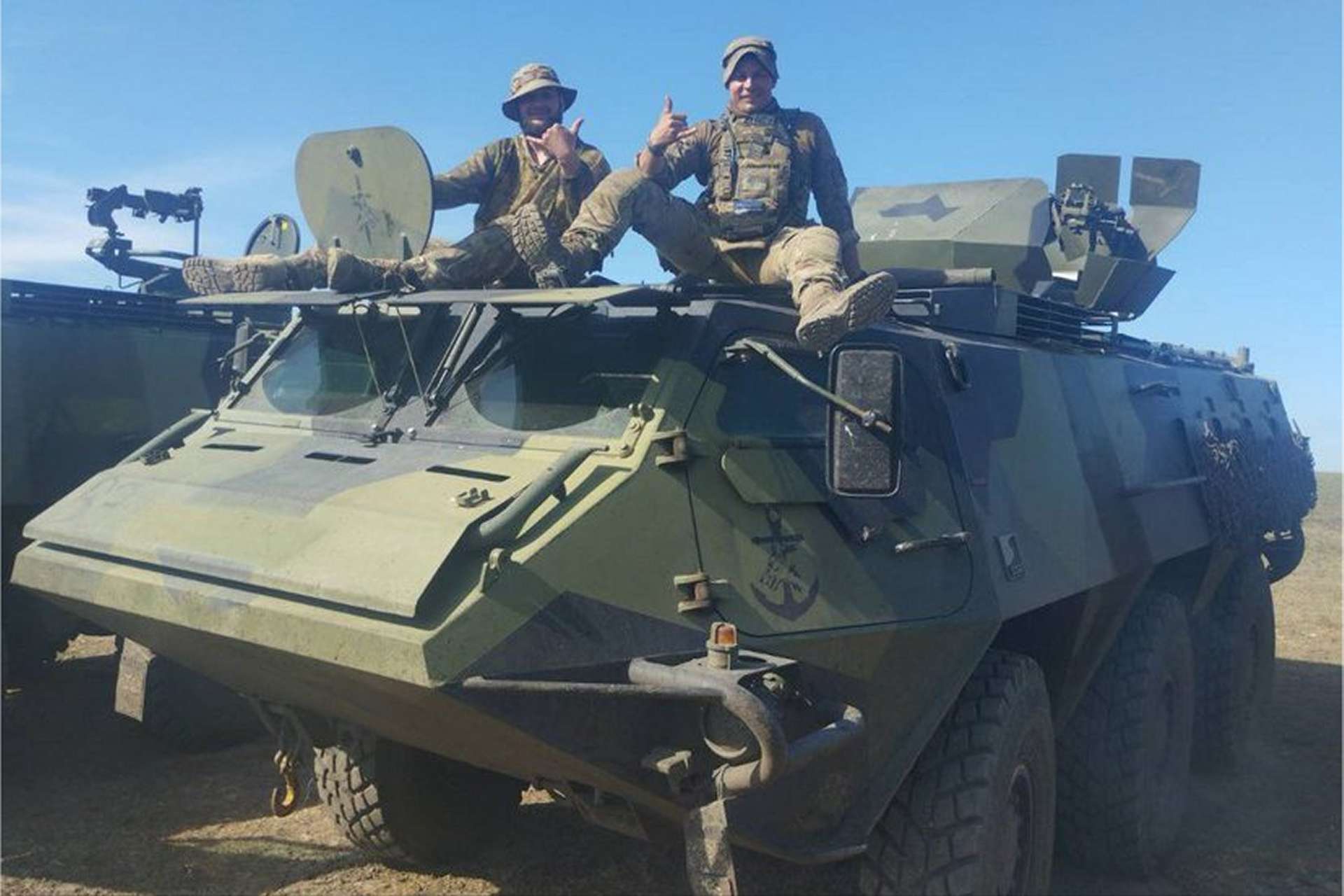
Finnish Sisu XA-180/185 armored personnel carriers in service with the Armed Forces of Ukraine. (Picture source: Social media)
Lieutenant General Heiskanen emphasized that Finland is not only sending older defense materials from its stocks to Ukraine but also the latest innovations from the Finnish defense industry, including some that are still in development stages.
He highlighted the positive feedback received on the use of Finnish products in Ukraine, noting that this practical experience will be invaluable for advancing the development of Finland’s latest defense products.
Heiskanen mentioned that the production reserves set aside by the Defense Forces for Finnish companies could potentially be mobilized to support Ukraine. However, he pointed out that this would require political will and additional funding.
Finland does not disclose the specifics of this new military aid to Ukraine. But we already know what has been delivered previously. In February 2024, Finland decided to provide Ukraine with military equipment worth 1.8 billion euros, spread over 22 aid packages. Among the delivered equipment are armored personnel carriers, notably the Sisu XA-185s, which were sent in September 2022.
For combat engineering vehicles, Finland delivered six Leopard 2R mine-clearing tanks before June 2023. In terms of self-propelled artillery, the 122mm 122 PSH 74s (known as 2S1 Gvozdika) were supplied in August 2023. Towed artillery included 152mm 152 K89 (or 2A36 Giatsint-B) guns, delivered in April 2023, and 130mm 130 K54 (or M-46) guns, sent before September 2023.
Heavy mortars, specifically the 120mm 120 Krh 85 92s, were delivered in August 2022, while anti-aircraft guns of 23mm 23 ITK 61 'Sergei' (ZU-23) were also provided at the same time. In terms of anti-tank weaponry, Finland shipped 1,500 66 KES (M72 LAW) anti-tank weapons in March 2022, followed by 112mm RSKES APILAS rocket launchers before April 2023.
Finally, for small arms, Finland delivered 12.7mm 12,7 ItKK 96 heavy machine guns in September 2022 and 2,500 assault rifles in March 2022. These deliveries represent a substantial part of Finland's military aid to Ukraine, demonstrating a significant commitment to supporting Ukraine’s defense efforts against Russian aggression.
During his visit to Estonia in late May, Finland’s President, Alexander Stubb, reaffirmed his country’s commitment to doing everything possible to ensure Ukraine's victory in the war initiated by Russia.
Read more: Finland Sends Developing Equipment to Ukraine to Gain Insights

- Details
- Written by: Jérôme Brahy
- Category: 2024
- Hits: 6385
Breaking news
As reported by Rupprecht_A on May 26, 2024, the Z-6B unmanned helicopter was recently showcased at the Nanjing Low-altitude Economic Development Conference by the 60th Research Institute of the Rongtong Research Academy. This event highlighted various products of this company, including the Z-6B, Z-5B/G, and Z-3N. The Z-6B's shipborne capability is expected to enhance the accuracy and combat effectiveness of naval artillery, supporting the growth of the country's helicopter industry and military strength.
Follow Army Recognition on Google News at this link
According to available information, the Z-6B could feature a sleek design with reduced radar reflectivity, advanced optical and AIS systems, and perform multiple military functions, including reconnaissance, attack, anti-submarine warfare, and port blockades. (Picture source: Chinese social media)
The Z-6B reflects its heritage through its designation, paying tribute to the original Z-6 helicopter, China’s first turboshaft-powered helicopter introduced over 60 years ago. While the Z-6B retains the numbering of its predecessor, it signifies a notable technological advancement.
During the 1960s, China's helicopter industry was in its early stages, heavily reliant on the Soviet Mi-4 helicopter, known locally as the Z-5. The Z-5 met immediate needs but had limitations due to its piston power system and outdated technology. In 1966, the Chinese Third Ministry of Machine Building tasked Factory 122 with developing a more advanced helicopter, leading to the creation of the Z-6 with the innovative 792 turboshaft engine. Despite successful test flights, the Z-6 faced challenges during mass production, resulting in the project's termination. This experience, however, provided valuable insights for China's helicopter industry.
In the years following the Z-6 project's end, China continued to explore and adopt new technologies, introducing models like the Z-9 "Dolphin" and the Z-8 "Super Hornet." These imports revitalized the domestic helicopter industry but highlighted the need for independent development. According to available information, the Z-6B could feature a sleek design with reduced radar reflectivity, advanced optical and AIS systems, and perform multiple military functions, including reconnaissance, attack, anti-submarine warfare, and port blockades. Its shipborne capability allows it to operate from platforms such as the Type 075, potentially enhancing naval operations by improving artillery accuracy and overall combat effectiveness. Its low altitude and high concealment characteristics are said to make it challenging for enemies to detect.
The Z-6B's claimed technical specifications include a maximum take-off weight of 1,600 kg, a task load of 250 kg, and a battery life of 8 hours. It has a maximum level flight speed of 230 km/h, a cruising speed of 200 km/h, and a control radius of 200 km. The helicopter can hover at altitudes up to 3,000 meters without ground effect and has a practical ceiling of 5,000 meters. It is adaptable to sea state level 5 conditions, enhancing its operational versatility in various maritime environments.

By relaying missile signals, the Z-5B ensures better target accuracy, addressing trajectory deviations caused by long-range distances. The Z-5B/G, equipped with electro-optical pods and radio monitoring payloads, also offers extensive aerial radio monitoring capabilities, aiding the Chinese government in managing electromagnetic environments and handling illegal signal sources. (Picture source: Chinese social media)
Among the other showcased products, the Z-5B/G unmanned helicopters received significant attention. The Z-5B/G is a light unmanned helicopter based on the modified Z-5B, which has significantly improved its flight performance in plateau areas by optimizing the rotor and engine. Its small overall size makes it easy and flexible to use. By carrying different mission equipment, the Z-5B/G can perform a variety of tasks, including reconnaissance, positioning and calibration, damage assessment, border patrol, communication relay, transportation, and delivery.
The entire system can be carried on a medium-sized, highly mobile 6x6 general-purpose tactical truck with integrated control and storage modules to meet China's railway transportation requirements and achieve full-area mobilization. Additionally, the Z-5 series helicopters are equipped for emergency communications and signal relay, effectively extending the range and accuracy of long-range missiles like the Eagle Strike-18 and Eagle Strike-12. By relaying missile signals, the Z-5B ensures better target accuracy, addressing trajectory deviations caused by long-range distances. The Z-5B/G, equipped with electro-optical pods and radio monitoring payloads, also offers extensive aerial radio monitoring capabilities, aiding the Chinese government in managing electromagnetic environments and handling illegal signal sources.
The known technical specifications of the Z-5B/G include a maximum take-off weight of 530 kg, a mission load of 180 kg, and a maximum level flight speed of 170 km/h. Its cruising speed ranges from 80 to 120 km/h, and it has a hovering ceiling of 5000 meters above sea level, with an operational ceiling of 6500 meters. The measurement and control distance (line of sight) is 200 km, which is expandable. The helicopter's flight endurance is 8 hours, and it has wind resistance of 12 m/s during take-off and landing, and 18 m/s in mid-air. These capabilities make the Z-5B/G a versatile and reliable asset for various missions.
Read more: China's 60th Research Institute presents Z-6B helicopter drone to improve naval accuracy
- Details
- Written by: Vandenbosch
- Category: 2024
- Hits: 11254
Breaking news
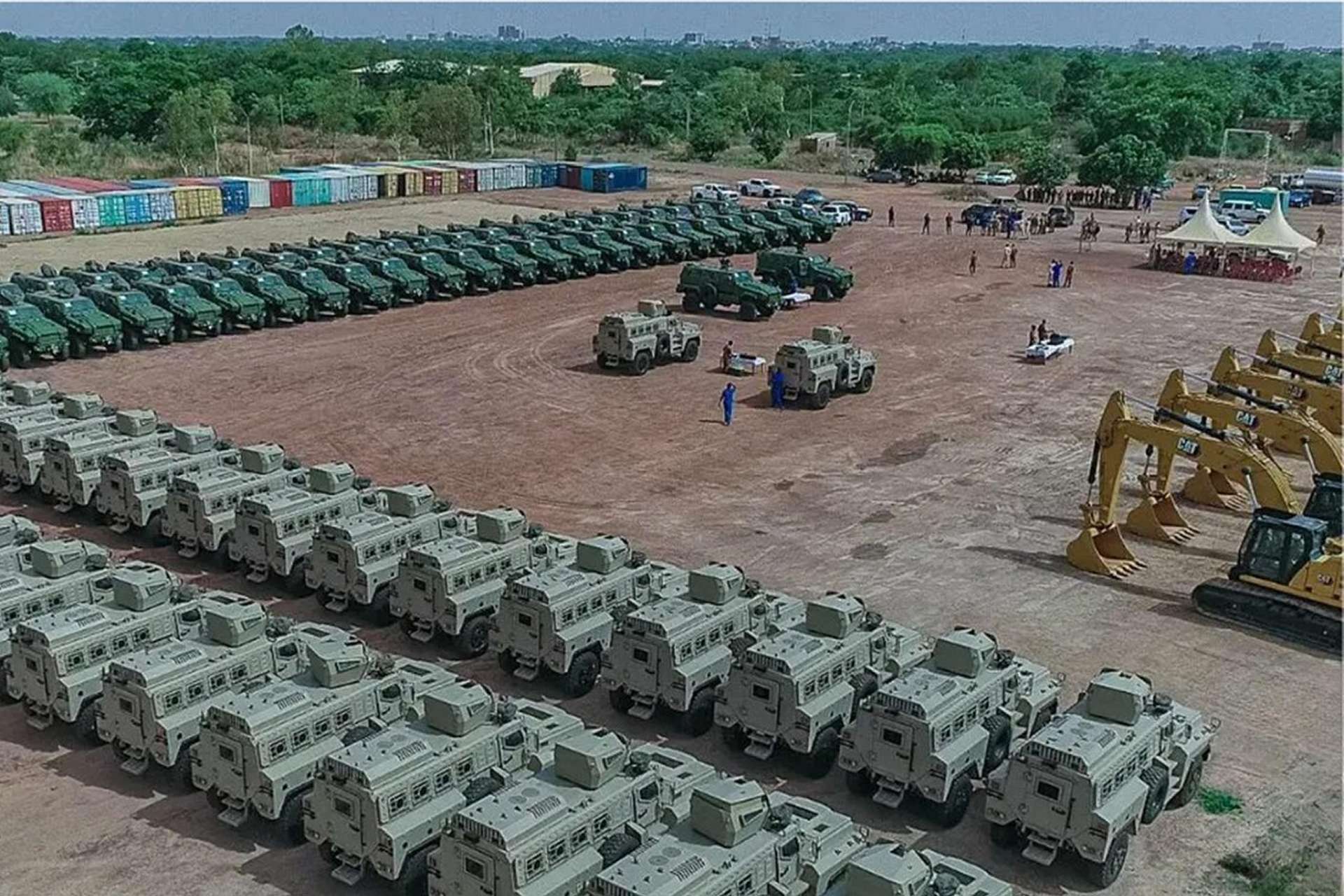
On June 10, the Burkina Faso Armed Forces received a new batch of 4×4 armored vehicles from the People's Republic of China. During a ceremony attended by high-ranking officials of the African nation, images revealed approximately 50 CS/VP14 military vehicles and 40 VP11.
Follow Army Recognition on Google News at this link
China delivers to Burkina Faso CS/VP14 military vehicles and VP11. (Picture source: Burkinabe MoD)
Burkina Faso's Minister of Defense, Brigadier General Kassoum Coulibaly, stated during the handover ceremony that this batch of armored vehicles delivered by China is just the first of four deliveries, representing 18-20% of the total equipment to be provided by the Asian giant.
The 4×4 vehicles delivered are equipped with mine-resistant ambush protection (MRAP). The two versions delivered are produced by the Chinese company Norinco, with the VP11 already in service with the armed forces of Ivory Coast, Gabon, and Mali. These are small all-terrain vehicles designed as light troop transport platforms but can also be used for medical evacuation.
The CS/VP14 is a high-mobility 4×4 MRAP vehicle recently developed by China. Designed to offer advanced protection against grenade and mine threats, it meets NATO protection standards STANAG 4569-4a. This vehicle is capable of withstanding the explosion of a 10 kg anti-tank mine under any wheel, as well as 7.62×51 mm ammunition fired from a distance of 30 meters.
The CS/VP14 can be configured with left or right-hand drive, depending on the user's needs. It features a low-temperature start-up system, mine-resistant seats with four-point safety belts, and bullet-proof tires with a centralized inflation system. Its V-shaped hull enhances its resistance to mine explosions. The individual helical spring suspension and fast automatic transmission ensure smooth driving.
Equipped with a Cummins ISDe285 30 engine, the CS/VP14 offers 210 KW of power, allowing it to climb slopes up to 60° and reach a maximum speed of 120 km/h. Its dimensions are 6600 mm in length, 2600 mm in width, and 2650 mm in height, with a total combat weight of 9000 kg. It can carry a crew of 2 and 8 additional passengers. The vehicle uses a full-time four-wheel-drive system, with a wheelbase of 3700 mm.
The VP11 is a mine-resistant ambush-protected vehicle, produced by China North Industries (Norinco). This family of vehicles was first introduced at a trade show in Zhuhai, China, in November 2014.
The VP11 is designed to withstand explosion and ambush threats, providing effective protection for its occupants. With a total weight of 12 tons, it can carry a crew of 12. The vehicle reaches a maximum speed of 120 km/h and has a cruising range of 800 km. It can clear vertical obstacles of 0.4 meters and ford water up to 0.8 meters deep, making it highly versatile on different terrains.
In terms of dimensions, the VP11 measures 5300 mm in length, 2500 mm in width, and 2400 mm in height. It is equipped with four-wheel drive, allowing excellent off-road mobility. The vehicle can carry a crew of 1 person and 7 additional soldiers. It is capable of climbing slopes up to 60% and side slopes up to 30%, while maintaining a ground clearance of 350 mm.
The VP11 is designed to operate in extreme temperatures, with an operating range from -25°C to 50°C. In addition to its structural robustness, it is armed with a main weapon caliber of 800 mm, offering significant firepower.
On January 15, the Burkina Faso Armed Forces also received 4×4 Dongfeng CS/SM1 mortar carriers, 6×6 Norinco WZ551 Wheeled Armored Combat Vehicles (WACV) in command post version, and WMA301 tank destroyers. According to Brigadier General Coulibaly, four more batches are still expected.
Read more: China Delivers New 4×4 CS/VP14 and VP11 Armored Vehicles to Burkina Faso

- Details
- Written by: Jérôme Brahy
- Category: 2024
- Hits: 41125
Breaking news
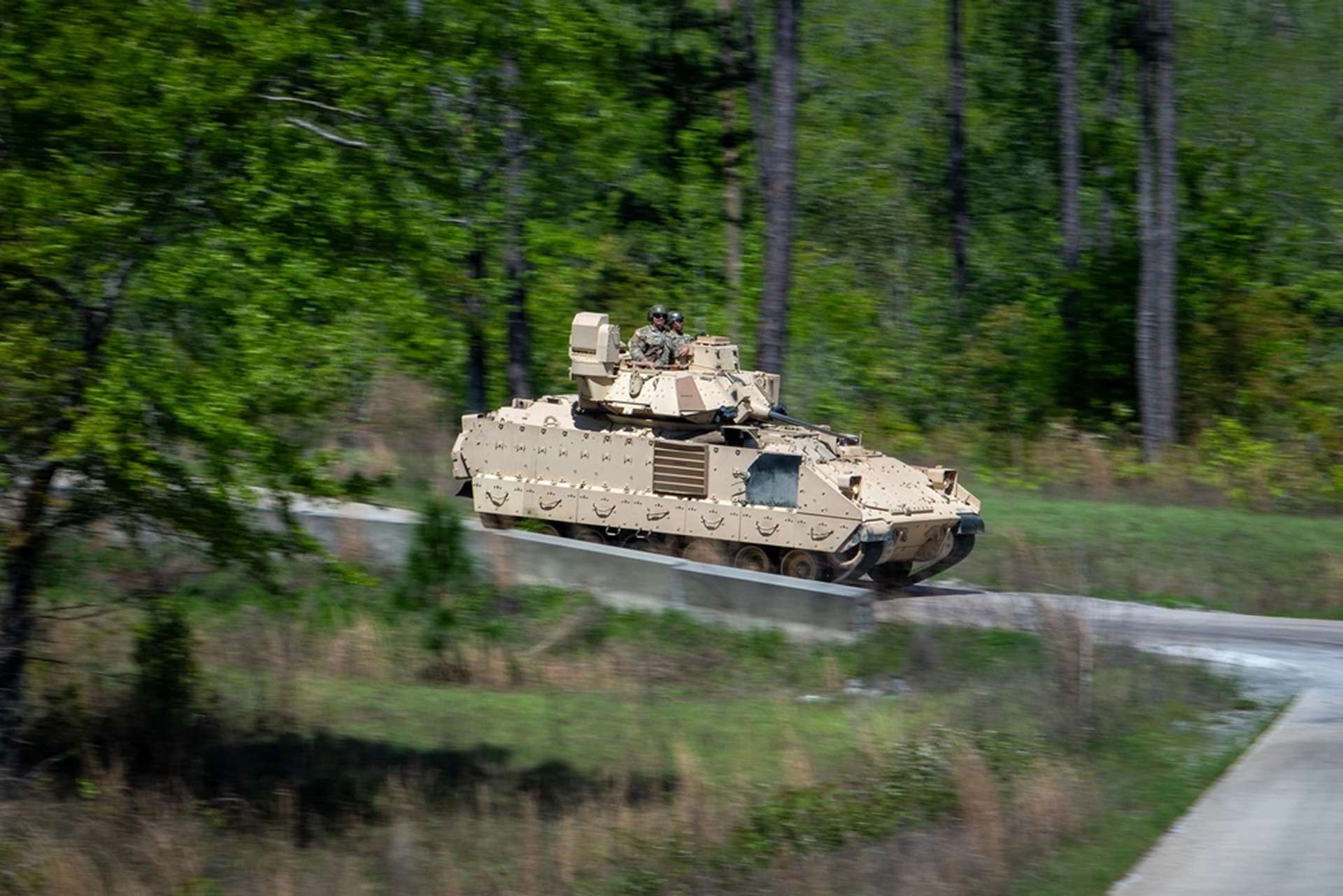
As reported by the US Army on June 4, 2024, soldiers from the 1st Armored Brigade Combat Team, 1st Cavalry Division received nearly 100 Bradley Infantry Fighting Vehicles (IFVs) at various locations across Poland and Lithuania between May 20 and May 31, 2024. The vehicles, sourced from the 405th Army Field Support Brigade's Coleman Army Prepositioned Stocks-2 worksite in Mannheim, include both M2A3 Infantry Fighting Vehicles and M3A3 Cavalry Fighting Vehicles. Although the two variants are nearly similar, the primary difference between the M2A3 and M3A3 lies in their roles.
Follow Army Recognition on Google News at this link
Soldiers from the 1st Armored Brigade Combat Team, 1st Cavalry Division received nearly 100 Bradley Infantry Fighting Vehicles (IFVs) at various locations across Poland and Lithuania between May 20 and May 31, 2024. (Picture source: US DoD)
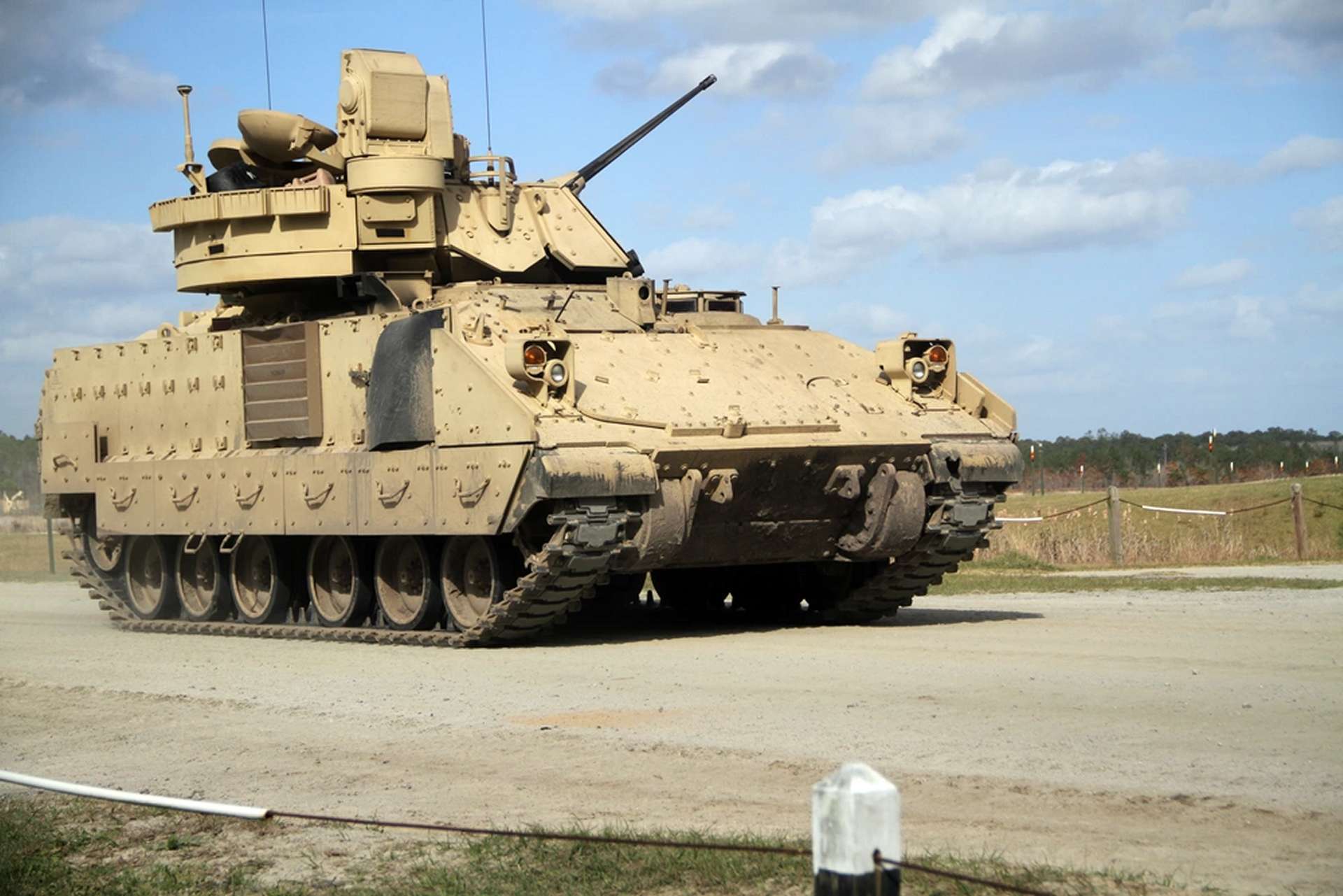
The M2A3 Infantry Fighting Vehicle is a version of the Bradley Fighting Vehicle designed to transport infantry to key areas on the battlefield while providing fire support. It is equipped with a 25mm M242 Bushmaster chain gun, a TOW missile launcher, and a 7.62mm M240C machine gun. The M2A3 also includes optics and electronics for target acquisition and communication. It can carry six infantrymen in addition to its three-man crew, supporting various combat operations with its protection and mobility features.
The M3A3 Cavalry Fighting Vehicle, similar in design to the M2A3, is configured for reconnaissance and scout missions. It retains the same armament as the M2A3, including the 25mm chain gun and TOW missile system, but is set up to carry two scouts instead of infantrymen. The M3A3 also has additional space for ammunition and communications equipment to support its role in gathering intelligence and relaying information. This variant focuses on situational awareness and battlefield connectivity to aid in reconnaissance tasks. Both M2A3 and M3A3 Bradley Fighting Vehicles replaced older M113 armored personnel carriers in the 1st Armored Brigade Combat Team's (1st ABCT) fleet of tracked vehicles.
The 1st Armored Brigade Combat Team (1st ABCT) of the 1st Cavalry Division, also known as "Ironhorse," is currently deployed in Europe as part of a scheduled rotation of U.S. Army forces to support NATO allies and deter Russian aggression. This deployment includes approximately 5,500 soldiers from Fort Cavazos, Texas, who are replacing units from the 3rd Infantry Division and the 1st Infantry Division in various locations across Europe.
The 1st ABCT is accompanied by other elements of the 1st Cavalry Division, including the division headquarters, the 1st Combat Aviation Brigade, the division artillery, and the sustainment brigade. These units are engaged in joint and multinational training exercises with NATO partners to maintain readiness and strengthen international military cooperation. This rotation is part of ongoing U.S. efforts in Europe, which have been reinforced since Russia's annexation of Crimea in 2014 and further intensified following the 2022 invasion of Ukraine.
The deployment of this unit in Europe is expected to last approximately nine months. Upon their return to Fort Cavazos, Texas, the 1st Armored Brigade Combat Team (1st ABCT) is scheduled to receive the latest M2A4 Bradleys, making the current issuance of M2A3s and M3A3s an essential step in their transition to more modern equipment.
The M2A3 Infantry Fighting Vehicle is a version of the Bradley Fighting Vehicle designed to transport infantry to key areas on the battlefield while providing fire support. (Picture source: US DoD)
The U.S. Army Field Support Battalion-Poland (AFSBn-Poland) has been involved in this effort to equip American soldiers in Europe with Army Prepositioned Stocks-2 (APS-2) as part of broader Army modernization efforts. In September 2023, the battalion divested nearly 120 Bradley Fighting Vehicles from the 2nd Armored Brigade Combat Team, 1st Cavalry Division, to prepare for new equipment fielding after their nine-month rotation in Europe. These APS-2 support activities have significantly influenced equipment modernization and overall readiness across the Army, extending beyond Europe.
Maj. Steven Waugh, the support operations officer at AFSBn-Poland, underscored the significance of the Bradley modernization efforts. He participates in weekly operational planning meetings to stay updated on his role and the Army's goals for equipping armored brigade combat teams with advanced weapons. His knowledge of Bradleys has increased significantly during his time at AFSBn-Poland. The team worked extensive hours to ensure the Bradleys were ready for deployment, with 1st Cavalry Division soldiers reporting high satisfaction with the vehicles. As part of the 405th AFSB's regional alignment and transformation initiative, AFSBn-Poland is moving its resources from Mannheim to Powidz, Poland, where a new Long Term Equipment Storage and Maintenance-Complex (LTESM-C) is located. Subsequently, Army Field Support Battalion-Germany will assume command of the Coleman APS-2 worksite and continue overseeing the Dülmen APS-2 worksite.
The Army Prepositioned Stocks-2 (APS-2) program strategically places vital equipment and supplies in key locations to ensure U.S. forces in Europe can respond rapidly to emerging threats and crises. It reduces deployment timelines and enhances operational readiness by maintaining high levels of preparedness for combat-ready equipment. APS-2 supports various missions, from combat operations to humanitarian assistance, and bridges the gap between home station logistical readiness and the needs of deployed units.
The M3A3 Cavalry Fighting Vehicle, similar in design to the M2A3, is configured for reconnaissance and scout missions. It retains the same armament as the M2A3, including the 25mm chain gun and TOW missile system, but is set up to carry two scouts instead of infantrymen. (Picture source: US DoD)
Read more: US Army deploys nearly 100 new M2A3 and M3A3 Bradley IFVs near Russia
- Details
- Written by: V.Saint
- Category: 2024
- Hits: 12157
Breaking news
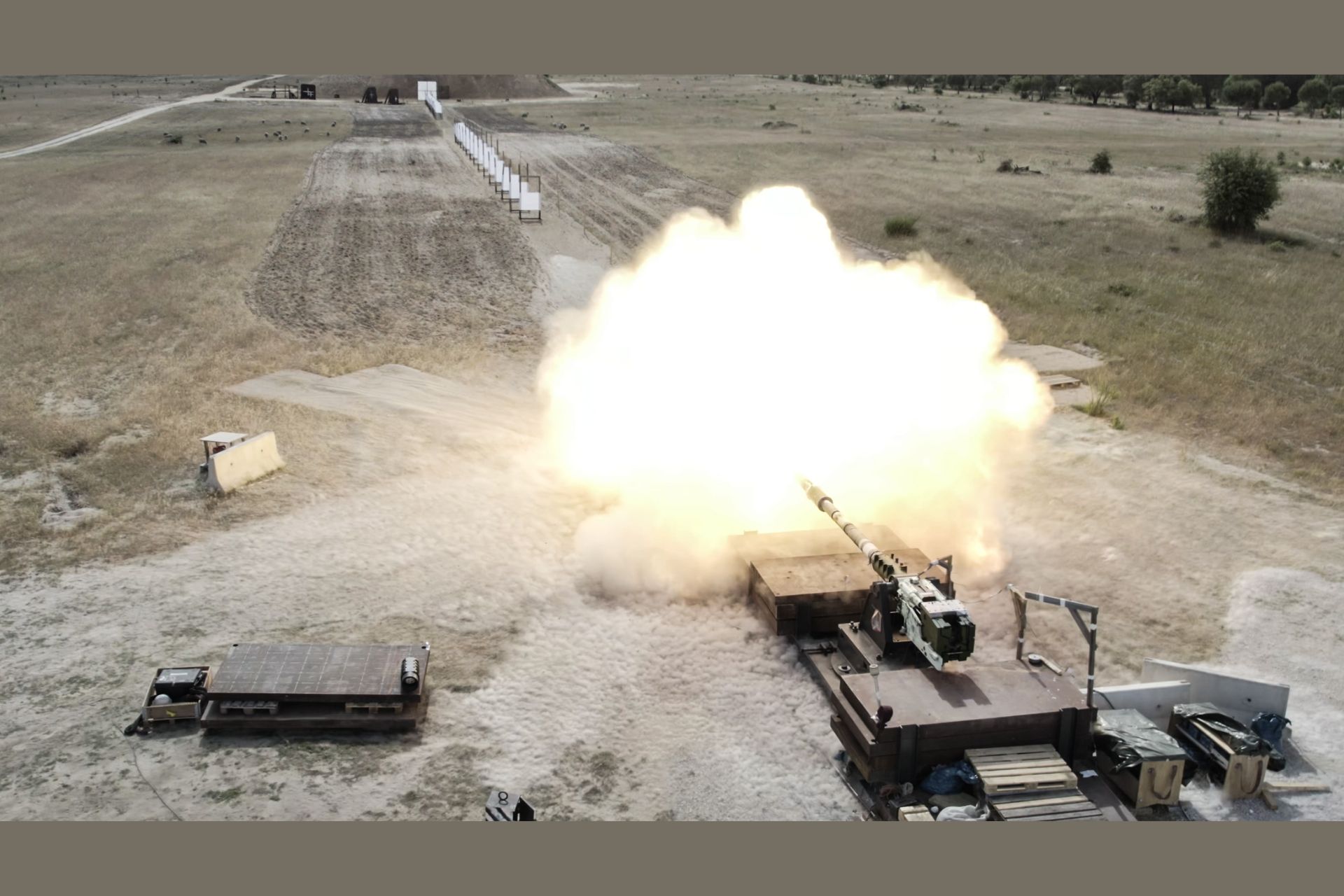
Knds successfully tests the new Ascalon 140mm gun, on a test site. This barrel presents high firepower, and fire rate but modularity, in one hour changing the diameter to 120mm barrel is a possibility. This modularity opens a new perspective for cavalry doctrines. Currently, this 140mm gun is not mounted on a tank turret, in 2025 first test on a fully mounted gun will be done by Knds. This 140mm gun should be in the MGCS.
Follow Army Recognition on Google News at this link
Photos of the ASCALON® gun firing tests. (Picture source: KNDS)
KNDS is actively working to demonstrate the maturity of ASCALON® 140mmgun and its ammunition. The last firing campaign in May 2024 has shown the excellent capacities of the 140 and 120mm barrels as well as the APFSDS rounds maturity. The ASCALON® program includes several hundreds of firings of 120 and 140mm barrels from May 2022 to December 2025. The next important step is firing tests from an MBT in 2025.
KNDS demonstration included shooting with a 140mm ASCALON® barrel followed by a quick change to a 120mm ASCALON® barrel before new firing of 120mm ammunition. This campaign shows the possibility offered by the ASCALON® concept to fit any barrel from 120 mm to 140 mm on a sole carriage in less than one hour.
The innovative concept ASCALON® delivers performance levels that current technologies do not offer. It also proposes a significant growth potential. As the innovation leader of heavy caliber gun and ammunition, KNDS designed ASCALON® with an open architecture to serve as a basis for cooperative development of a combat gun platform within theframework of the Franco-German MGCS program, laying the foundations for the future standard of European tank gun and ammunition.
KNDS (KMW+NEXTER Defense Systems) is the result of the associa-tion of Krauss-Maffei Wegmann and Nexter, two of the leading European manufacturers of military land sys- tems based in Germany and France.
KNDS forms a Group of around 9,500 employees, with a 2023 turnover of 3.3 billion euros, an order backlog of around 16 billion euro, and incoming orders of 7.8 billion euros. Its products include main battle tanks, armored vehicles, artillery systems, weapons systems, ammunition, military bridges, customer services, battle management systems, training solutions, protection solutions and a wide range of equipment.
The formation of KNDS represents the beginning of consolidation in land defense systems industry in Europe. The strategic alliance between KMW and Nexter enhances both groups’ competitiveness and international positions, as well as their ability to meet the needs of their respective national army. In addition, it offers to its European and NATO customers the opportunity of increased standardization and interoperability for their defense equipment, with a dependable industrial base.
Read more: KNDS sucessfully tests new Ascalon 140mm gun future main weapon of MGCS
- Details
- Written by: Vandenbosch
- Category: 2024
- Hits: 9714
Breaking news
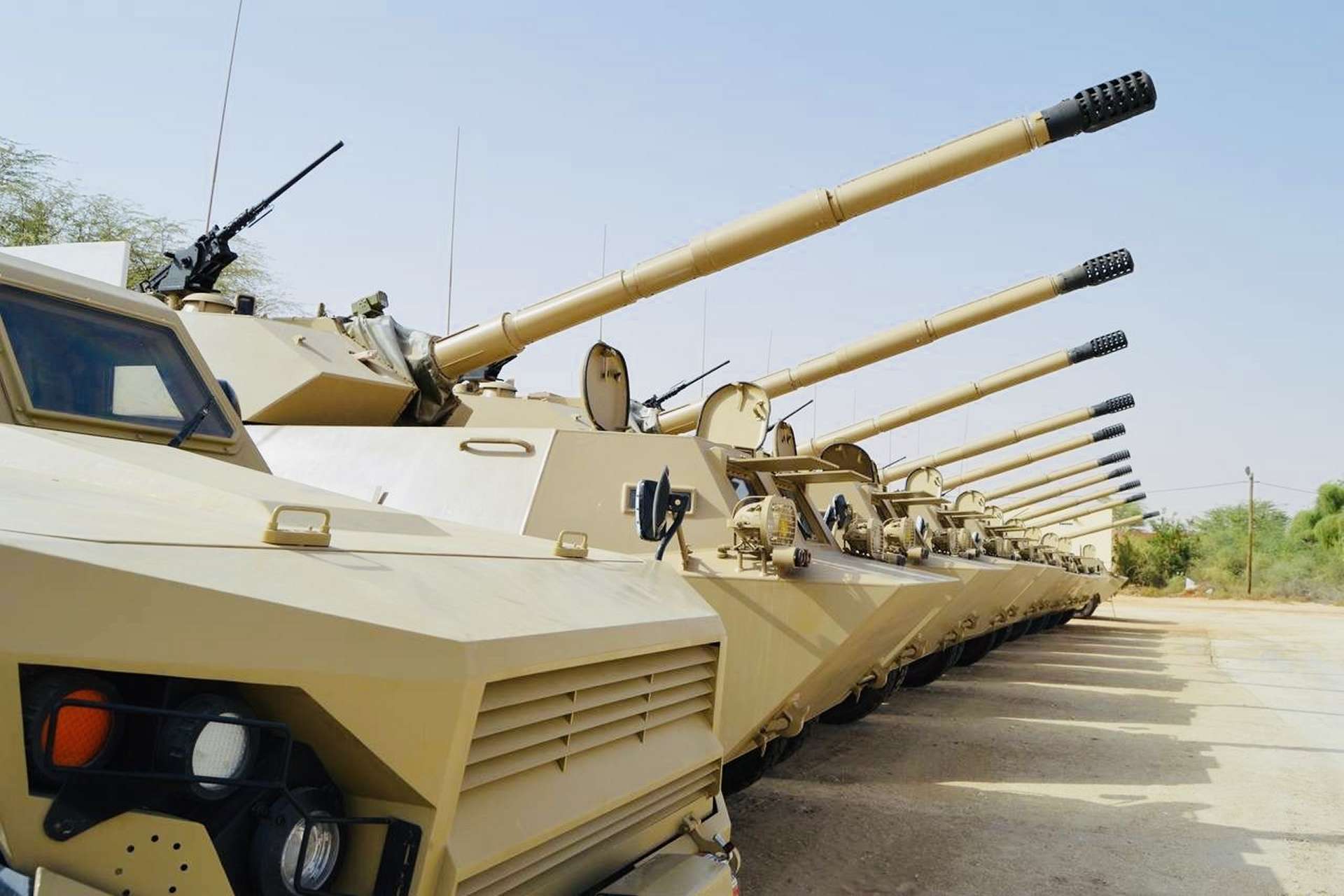
Mauritania has acquired a range of Chinese-made armored vehicles, notably the WMA-301. The President of the Republic of Mauritania, Mr. Mohamed Ould Sheikh Al-Ghazouani, conducted an inspection visit on June 9, 2024, to review the newly acquired military equipment as part of an initiative to modernize the land, air, and naval forces.
Follow Army Recognition on Google News at this link
Mauritania has acquired a range of Chinese-made armored vehicles, notably the WMA-301. (Picture source: Mauritanian MoD)
Upon arrival, President Al-Ghazouani was welcomed by the Minister of National Defense, Mr. Hanen Ould Sidi, accompanied by the Commander of the General Staff of the Armed Forces, Lieutenant General Mokhtar Bellah Chaabane, and the Commander of the Central Institution of the General Reserve of Materiel, Colonel Ahmadou Bemba Hefazou El Mamoun.
Following the honor salute ceremony, the President greeted several high-ranking military officials, including the Chief of Staff of the National Gendarmerie, Lieutenant General Abdallah Ould Ahmed Aisha, the Assistant Commander of the General Staff of the Armed Forces, Major General Mohamed Val Rais, and the chiefs of the land, air, and naval armies. Other officials present included the Inspector General of the Armed Forces and Security Forces, the Secretary-General of the Ministry of National Defense, and various division and directorate commanders.
Brigadier General Mohamed Al-Mukhtar Minni provided a detailed briefing to the President and his delegation. This briefing covered the technical characteristics and strategic significance of the new military equipment, emphasizing its role in modernizing the armed forces in response to current geostrategic challenges.
The new equipment, aimed at enhancing operational capabilities and combat readiness across all branches of the military, includes advanced armored units, cutting-edge communications systems, field artillery, anti-armor units, rocket and anti-aircraft launchers, aircraft, radar stations, and reconnaissance drones. These drones, equipped for surveillance, tracking, and precise missile guidance, also feature effective attack capabilities, ensuring round-the-clock coverage of national territory, including territorial waters.
Colonel Ahmadou Bembeh Hefazou El-Mamoun highlighted the advanced nature of the new arsenal during the presentation, noting its importance in strengthening the nation's defense capabilities.
Among the various vehicles presented was the WMA-301, an armored vehicle designed by NORINCO China North Industries Corp. It is armed with a 100 or 105 mm gun, a coaxial 7.62 mm caliber machine gun, and a 12.7 mm anti-aircraft machine gun. Used by countries like China, Senegal, Chad, Cameroon, and Djibouti, this vehicle is equipped with a nuclear, biological, and chemical (NBC) protection system, a fire control system, night vision, a GPS system, and air conditioning. It can carry a crew of four plus one additional soldier. The WMA-301 is protected against 12.7 mm caliber projectiles and shell splinters on the battlefield. It weighs 19,000 kg, can reach a speed of 85 km/h on the road, and has a range of 600 km. Its dimensions, with the gun, are 8.3 meters in length, 2.86 meters in width, and 3.15 meters in height.
Thus, Mauritania appears to favor China for the supply of military equipment. However, while this type of equipment is less expensive than its Western counterparts, Chinese vehicles have yet to prove their effectiveness in combat, raising doubts about their technical capabilities.
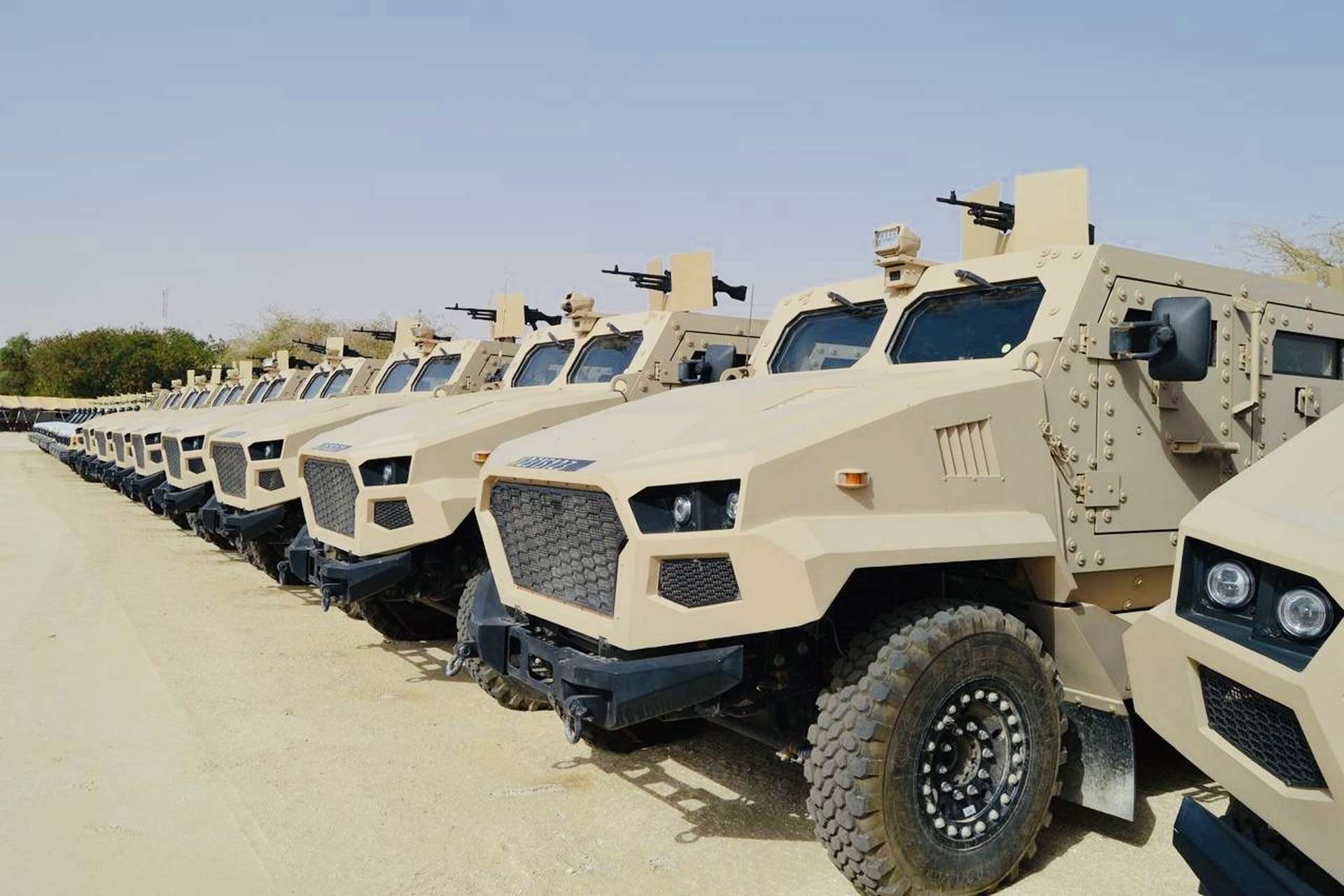
Mauritania has acquired a range of Chinese-made armored vehicles. ( Picture Source: Mauritanian MoD)
Read more: Mauritania Acquires Chinese Armored Vehicles Including WMA-301