
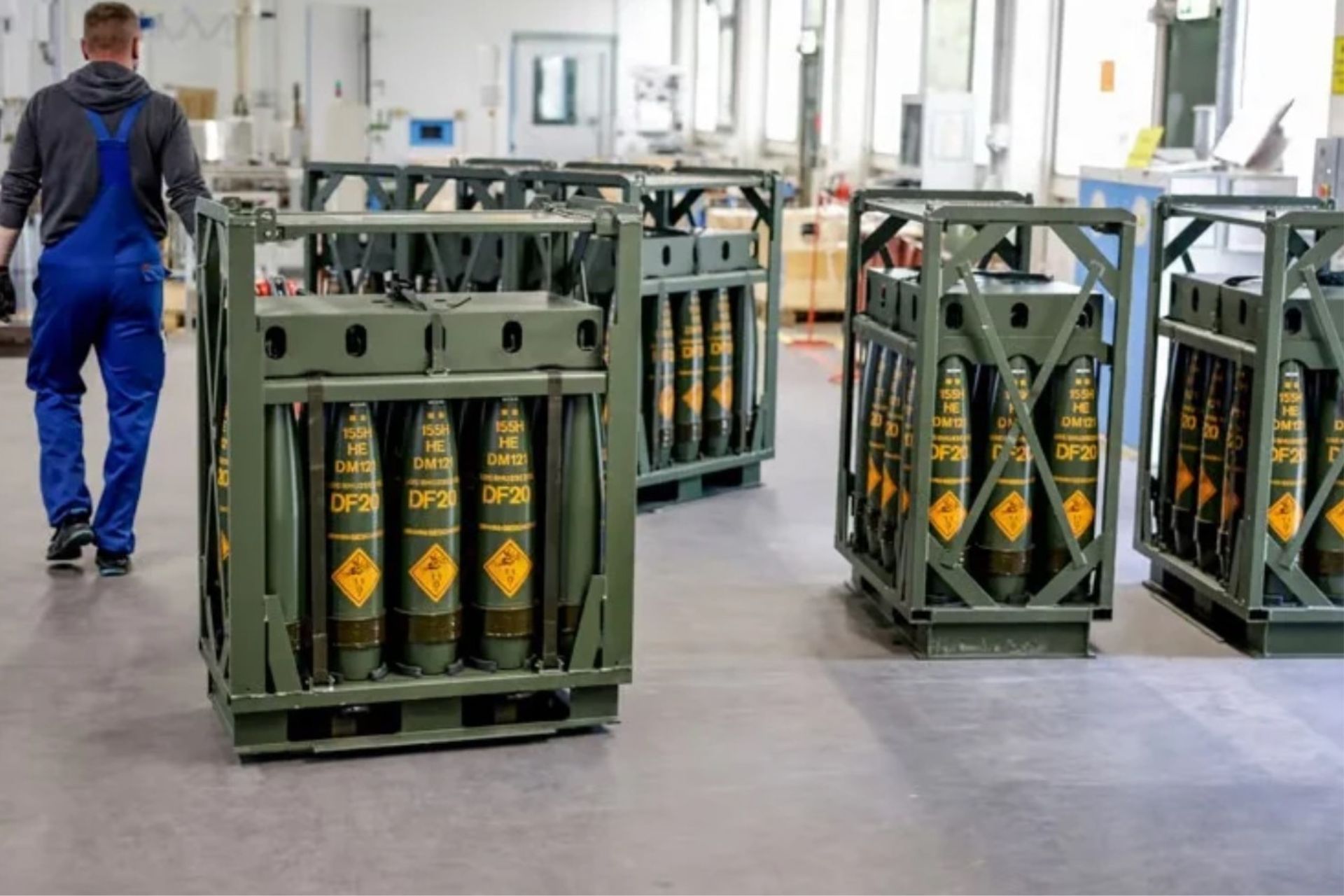
Rheinmetall Launches Construction of Lithuanian Ammunition Factory to Strengthen European Production
- Details
- Written by: Halna du Fretay
- Category: 2024
- Hits: 3741










On November 29, 2024, the German group Rheinmetall officially began construction on a new artillery ammunition production facility in Lithuania. This project, marking a milestone in strengthening the European defense industry, was inaugurated during a ceremony attended by Lithuanian Prime Minister Ingrida Šimonytė, Minister of Economy and Innovation Aušrinė Armonaitė, and Minister of National Defense Laurynas Kasčiūnas. The facility, located in the municipality of Baisogala, is expected to begin operations by mid-2026.
The factory will produce shells for advanced artillery systems such as the German PzH-2000 and French CAESAR, already in service with the Lithuanian army (Picture source: Rheinmetall)
The site will cover an area of 340 hectares and will focus on manufacturing and assembling 155 mm caliber ammunition to meet growing defense needs. Initial production targets include tens of thousands of shells annually, significantly enhancing the Lithuanian Armed Forces’ supply capabilities. This €180 million investment will generate approximately 150 local jobs and integrate local industries into the value chain.
This strategic project reflects Lithuania’s commitment to reducing its dependence on imported arms and ensuring greater control over ammunition production and supply. According to Lithuania’s Ministry of Defense, the initiative will shorten delivery times, avoid disruptions in international supply chains, and bolster national security.
Since the memorandum of understanding signed in April 2024 between Rheinmetall and the Lithuanian government, key milestones have been achieved, including granting the factory “national significance” status. This designation facilitated faster implementation through favorable investment conditions. In June 2024, an additional agreement was signed between Rheinmetall and Minister Aušrinė Armonaitė, establishing detailed terms of cooperation.
The factory will produce shells for advanced artillery systems such as the German PzH-2000 and French CAESAR, already in service with the Lithuanian army. This production is part of a broader strategy to strengthen industrial partnerships between Lithuania and its European allies, particularly Germany. Prime Minister Ingrida Šimonytė emphasized that the project underscores the urgent need to secure supply chains and strengthen Lithuania’s defense capabilities amid growing security challenges in Europe.
Armin Papperger, CEO of Rheinmetall AG, expressed his satisfaction with the collaboration, stating that the project highlights Rheinmetall’s role as a cornerstone of national and international security. Minister Aušrinė Armonaitė underscored the importance of developing national weapons production infrastructure to address security needs while stimulating the local economy.
Finally, Defense Minister Laurynas Kasčiūnas called this project historic for Lithuania’s national security, praising the joint efforts that made it possible. By integrating local companies and creating new jobs, the factory will strengthen Lithuania’s industrial ecosystem while meeting the increasing demands of its armed forces.
In conclusion, Rheinmetall’s initiative in Lithuania represents a significant step toward autonomy in defense equipment production while consolidating strategic relationships within the European Union. With operations set to begin in 2026, this project could become a model of industry-government collaboration to address future security challenges.

- Details
- Written by: Jérôme Brahy
- Category: 2024
- Hits: 15124
As reported by Defense Daily on November 27, 2024, the M1E3 Abrams main battle tank will be the US Army’s first hybrid-electric combat vehicle. It incorporates a hybrid-electric drive system to reduce fuel consumption and electromagnetic signatures while improving operational efficiency. This system also aims to lower logistical demands, an issue emphasized by Under Secretary Gabe Camarillo. Insights gained from recent conflicts, including the war in Ukraine, have influenced the design, highlighting the need for integrated protection against threats such as loitering munitions and drones.
Follow Army Recognition on Google News at this link
The U.S. Army announced in 2023, that it would discontinue the M1A2 SEPv4 Abrams tank upgrade program and instead develop the M1E3 Abrams. (Picture source: U.S. Army Armor & Cavalry Collection)
The U.S. Army announced on September 6, 2023, that it would discontinue the M1A2 SEPv4 Abrams tank upgrade program and instead develop the M1E3 Abrams. Major General Glenn Dean, Program Executive Officer for Ground Combat Systems, explained that the decision was driven by the inability to enhance the M1A2’s capabilities without adding weight, which impacts mobility and logistical demands. The Army stated that the M1E3 will integrate the best features of the M1A2 SEPv4 and adopt modular open-systems architecture standards, enabling faster and more resource-efficient upgrades. The tank is designed to be lighter, more adaptable, and easier to modernize, with initial operational capability planned for 2030. During the transition, the Army will continue producing the M1A2 SEPv3 at a reduced rate.
The M1E3 is expected to incorporate features informed by a 2019 Army Science Board study and the AbramsX demonstrator unveiled in 2022 by General Dynamics Land Systems (GDLS). This demonstrator showcases features such as a hybrid-electric diesel engine, reduced weight, an unmanned turret, and artificial intelligence-based systems. While the final requirements are still under review, the AbramsX provides insights into the potential direction of the M1E3 program. Preliminary concepts for the tank include key advancements such as an autoloader for the main gun, advanced munitions, integrated armor, improved command and control systems, and reduced thermal and electromagnetic signatures. The AbramsX also highlights advantages such as advanced ammunition options, improved situational awareness, and enhanced survivability measures, as outlined in the 2019 Army Science Board study.
The Army's transition to the M1E3 involves collaboration with General Dynamics Land Systems (GDLS), which was awarded a contract in May 2024 to help shape the M1E3’s requirements. Efforts are underway to align its timeline with the XM-30 Mechanized Infantry Combat Vehicle. Initial funding for the program will come from existing Abrams budget lines, with a more detailed development schedule expected by late 2024. The design will incorporate selected features of the M1A2 SEPv4 while introducing new technologies. The M1A2 SEPv4, or M1A2D, includes third-generation Forward-Looking Infrared (FLIR) technology, advanced fire control systems, a digital battlefield management system, and enhancements in power generation and armor protection. These features will contribute to the M1E3's capabilities. The M1E3 platform will also adhere to modular open-systems architecture standards, facilitating upgrades and reducing resource requirements.
Brigadier General Geoffrey Norman emphasized the importance of reducing the tank’s weight to enhance operational flexibility. The platform will incorporate a range of capabilities, including advanced networking systems, targeting technologies, and protective measures for the crew. Modular systems are expected to streamline future technology integration and sustainment. During the transition, the Army will continue limited production of the M1A2 SEPv3, ensuring continuity in armored brigade combat teams. The SEPv3 features upgrades such as enhanced networking capabilities and active protection systems like Trophy, which will inform the M1E3's development. Efforts to reduce the tank’s logistical and environmental footprint will remain a priority, with the new design addressing these concerns.
The shift to the M1E3 aligns with the broader US Army's modernization initiatives, advancing hybrid and electric vehicles to enhance mobility and energy efficiency. Current projects include the Bradley Hybrid Electric Vehicle (BHEV) and the Optionally Manned Fighting Vehicle (OMFV), both of which incorporate hybrid propulsion systems to improve operational range and onboard power generation. The Tactical Hybrid Electric Vehicle (THEV) program evaluates hybrid technology in standard tactical vehicles, enabling silent operation and energy management for modern battlefield requirements. Industry contributions include Allison Transmission’s eGen Force hybrid propulsion system for the XM30 Combat Vehicle and BAE Systems’ Hybrid Electric Drive system integration into the Bradley Fighting Vehicle under a $32 million Army contract.
The Army’s Climate Strategy outlines a timeline to fully electrify non-tactical vehicles by 2035 and tactical vehicles by 2050, with hybrid solutions as an interim step. Industry developments include GM Defense’s electric Hummer prototype for military applications, Oshkosh Defense’s hybrid-electric Joint Light Tactical Vehicle (JLTV) with a 30-minute battery range and 115 kW power export capability, and the SilentHawk hybrid-electric motorcycle designed for Special Operations. These projects aim to test and operationalize hybrid and electric technologies, aligning with long-term energy goals and evolving mission requirements.
- Details
- Written by: Halna du Fretay
- Category: 2024
- Hits: 2731
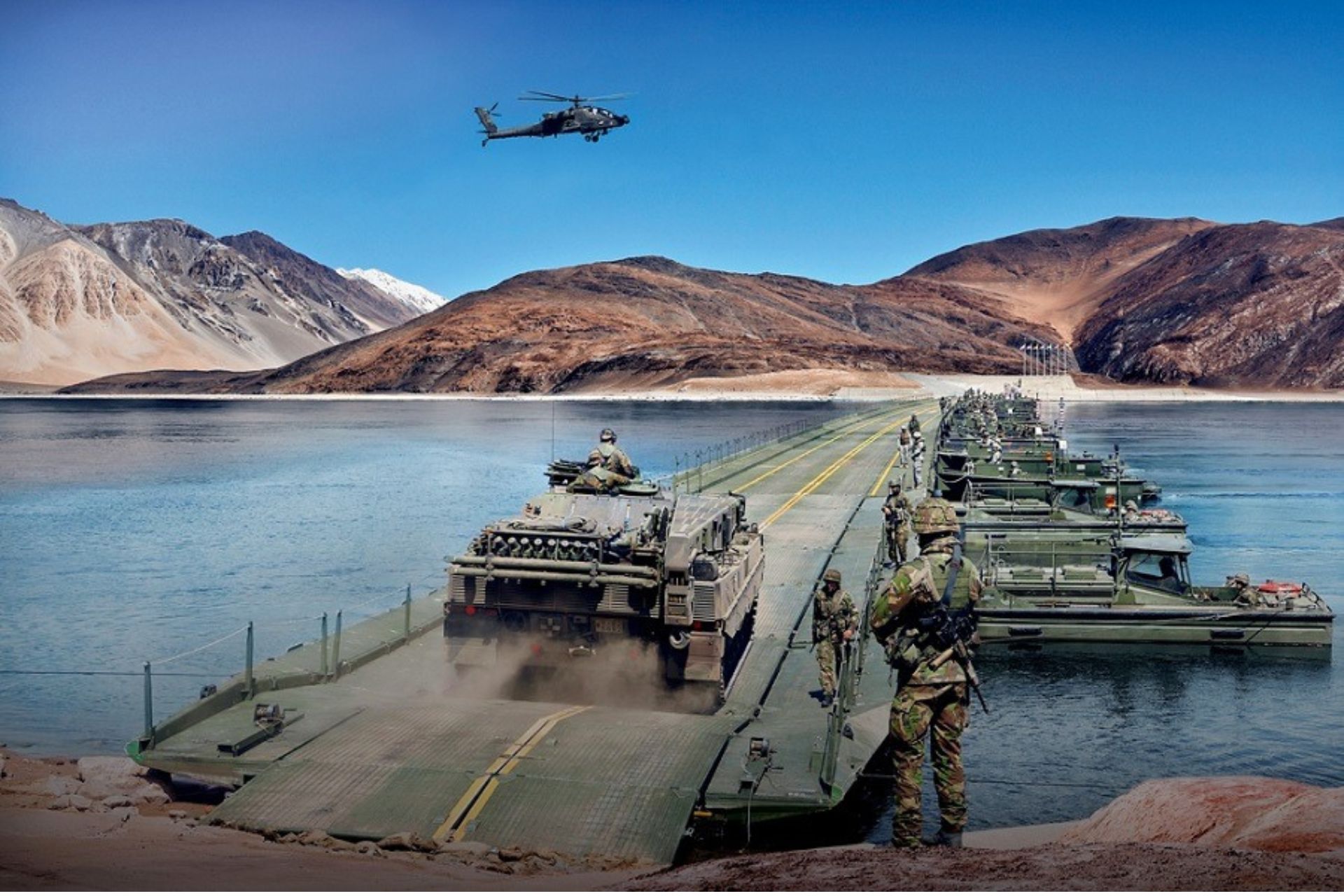
On November 25, 2024, General Dynamics European Land Systems (GDELS) announced the delivery of the first Improved Ribbon Bridge (IRB) system to the Royal Netherlands Army. This acquisition is part of a broader initiative to modernize the Netherlands' military bridging capabilities, replacing outdated equipment.
Designed to meet the demands of contemporary tactical environments, this floating bridge can support all NATO vehicles, including the heaviest main battle tanks such as the Leopard 2 (Picture source: GDELS)
The Dutch Command Materiel and IT (COMMIT), responsible for managing and procuring military assets, received the first unit in the city of Hedel. This delivery marks the initial phase of a contract for three complete IRB systems. Each system includes modern pontoons, bridge erection boats produced by Birdon America, and mid-life upgrades for transport vehicle adapter pallets, carried out by Hiab, a leader in handling equipment.
The IRB system offers significant enhancements to the operational capacity of the Royal Netherlands Army. Designed to meet the demands of contemporary tactical environments, this floating bridge can support all NATO vehicles, including the heaviest main battle tanks such as the Leopard 2. This capability makes it particularly suited to crossing operations in challenging conditions, where the mobility of heavy equipment and personnel is critical.
Another key feature is the system's interoperability. The IRB is fully compatible with similar systems used by allied forces, including the United States, Germany, and Sweden. This standardization facilitates multinational operations and strengthens cooperation within NATO. Additionally, a specific coupling adapter allows the IRB to integrate seamlessly with the M3 amphibious bridge system, a versatile platform widely used across Europe, including in Germany, the United Kingdom, Latvia, and Sweden. This integration expands the Netherlands' bridging capabilities, enabling them to participate effectively in multinational missions.
This first delivery initiates a phased implementation process. Following initial tests and training for engineering teams, the IRB systems will be fully integrated into the operational framework of the Dutch Army. The remaining two systems, scheduled for delivery in 2025 and 2026, will complete the upgrade of the Netherlands' bridging infrastructure.
The program also includes advanced technical training for operators and maintenance personnel to ensure optimal performance and extended service life for the equipment. Training will cover pontoon assembly, operation of the bridge erection boats, and coordination with existing bridging systems like the M3.
Modernizing bridging capabilities has become a strategic priority for many European armed forces, and the Netherlands is no exception. Floating bridges play a crucial role in contemporary military operations, enabling the rapid crossing of natural obstacles such as rivers while ensuring essential logistical mobility for troops and equipment.
Given the current geopolitical context, characterized by heightened tensions in Eastern Europe and the growing need to strengthen NATO's defensive posture, these acquisitions are particularly timely. The IRB systems not only modernize the Netherlands' military infrastructure but also enhance its ability to collaborate effectively with European and North American partners during joint exercises and operations.
With this first delivery, the Royal Netherlands Army takes a decisive step in its modernization strategy. The IRB system, with its robustness, versatility, and interoperability, equips Dutch forces with a reliable tool to address the challenges of modern conflicts. These new capabilities demonstrate the Netherlands' commitment to maintaining a modern military force, capable of meeting the demands of the 21st century alongside its allies.
The upcoming deliveries of the remaining IRB systems, planned for 2025 and 2026, will complete this transformation, further solidifying the Netherlands' role as a key contributor to European military readiness.
Read more: Netherlands Receive First IRB Floating Bridge from GDELS for Military Vehicle Crossing
- Details
- Written by: Halna du Fretay
- Category: 2024
- Hits: 2697
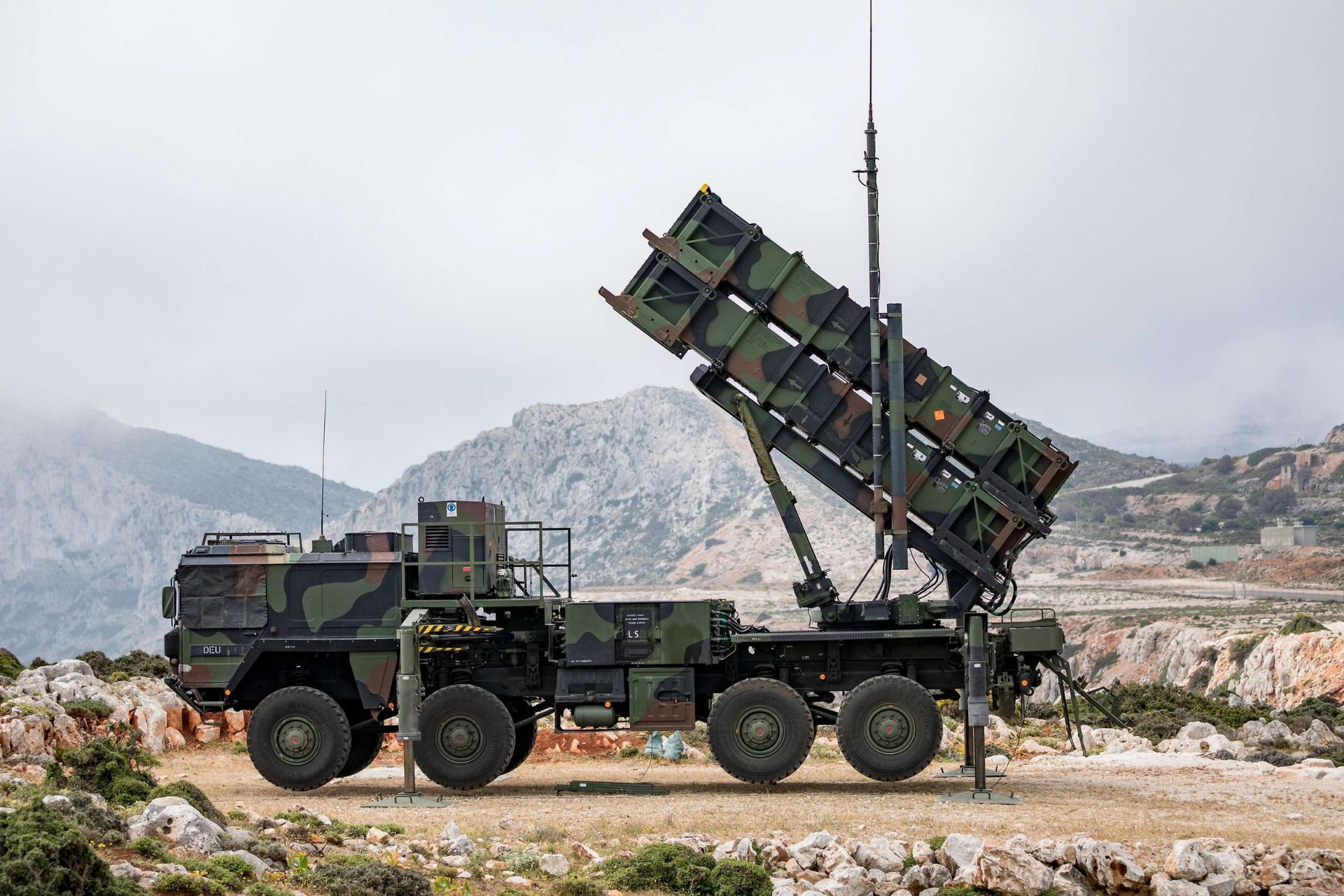
Amid the ongoing war in Ukraine and intensified international efforts to support Kyiv, Germany has announced a major new initiative. On November 28, Berlin proposed deploying Patriot air defense systems to Poland, a measure aimed at securing a critical logistics hub used for transporting military supplies to Ukraine.
Germany could supply these Patriot systems from its own inventory, which currently includes nine operational units (Picture source: Bundeswehr)
The German Ministry of Defense stated in a communiqué that this initiative, submitted to NATO, seeks to enhance the security of vehicle, weapon, and ammunition supply chains that are essential to Ukraine’s war effort. This proposal comes as Ukraine continues to face a Russian offensive that began in February 2022. German Defense Minister Boris Pistorius emphasized the strategic significance of the project, describing the targeted logistics hub in Poland as a vital link in the supply chain to Kyiv.
The Patriot MIM-104 is a versatile missile defense system designed to counter a wide range of airborne threats, including tactical ballistic missiles, cruise missiles, and aircraft. Originally developed by the United States and first deployed in the 1980s, the Patriot system has become a cornerstone of integrated defense systems for the U.S. military and its allies. It combines high-performance radar systems, advanced interceptors, and a modular, mobile architecture that allows for rapid field deployment. Featuring passive electronically scanned array radar technology, the system provides simultaneous detection, tracking, and engagement of multiple targets while maintaining resilience against electronic countermeasures. Its ability to integrate with other air defense units further strengthens its role within comprehensive air and missile defense networks.
The Patriot system features several missile variants, including the PAC-2 and PAC-3, tailored to address modern threats. Notably, the PAC-3 missile employs hit-to-kill technology to neutralize warheads with exceptional precision. A standard Patriot battery includes launchers capable of carrying up to sixteen PAC-3 missiles or four PAC-2 missiles per launcher, as well as multifunction AN/MPQ-53 or -65 radars, AN/MSQ-104 control stations, and communication and power units. During operations, the radar detects and tracks threats, relays data to the control center, calculates the optimal trajectory, and guides the missile to the target. Deployed globally, the system provides robust, adaptable air defense against increasingly sophisticated threats.
The proposed deployment to Poland would be temporary, lasting up to six months, with German soldiers accompanying the systems to manage their operation and maintenance. Exact details, including the placement of the units, are under discussion between Germany, Poland, NATO allies, and Brussels authorities. This move aligns with previous deployments, such as the 2023 stationing of Patriot systems in Zamosc, southeastern Poland, near the Ukrainian border, where they were tasked with protecting a key railway hub critical to military logistics.
Germany could supply these Patriot systems from its inventory, which currently includes nine operational units. To address stock reductions, partly due to deliveries of Patriot systems to Ukraine since 2022, and to enhance its defense capabilities, Berlin signed a €1.4 billion contract in March 2024 for the procurement of four additional Patriot batteries.
This new commitment reflects Germany’s broader military support for Ukraine. Since the start of the invasion, Berlin has become the European Union’s primary supplier of military aid to Kyiv, though this role has strained the capabilities of Germany’s armed forces. The Bundeswehr continues to face challenges stemming from years of underfunding, an issue the government of Chancellor Olaf Scholz aims to address through an ambitious rearmament program. However, this effort is constrained by financial and logistical limitations.
Nonetheless, Germany’s willingness to strengthen collective defense does not extend to all aspects of Ukraine’s requests. Berlin has refused to provide long-range missiles, unlike countries such as the United States or the United Kingdom, which have supplied these capabilities.
The delivery of Patriot systems to Poland would significantly enhance the country’s air defense capabilities and, by extension, bolster NATO’s eastern flank. These systems, known for their ability to counter various threats, including tactical ballistic missiles, cruise missiles, and aircraft, would offer critical protection to strategic infrastructure, such as logistical hubs vital for supplying Ukraine. By deploying these systems on Polish soil, NATO would strengthen its deterrence against aerial threats while improving the security of member states near the conflict zone. This deployment would also reassure NATO partners, demonstrating the Alliance’s commitment to collective defense mechanisms.
- Details
- Written by: Triffaux
- Category: 2024
- Hits: 5289
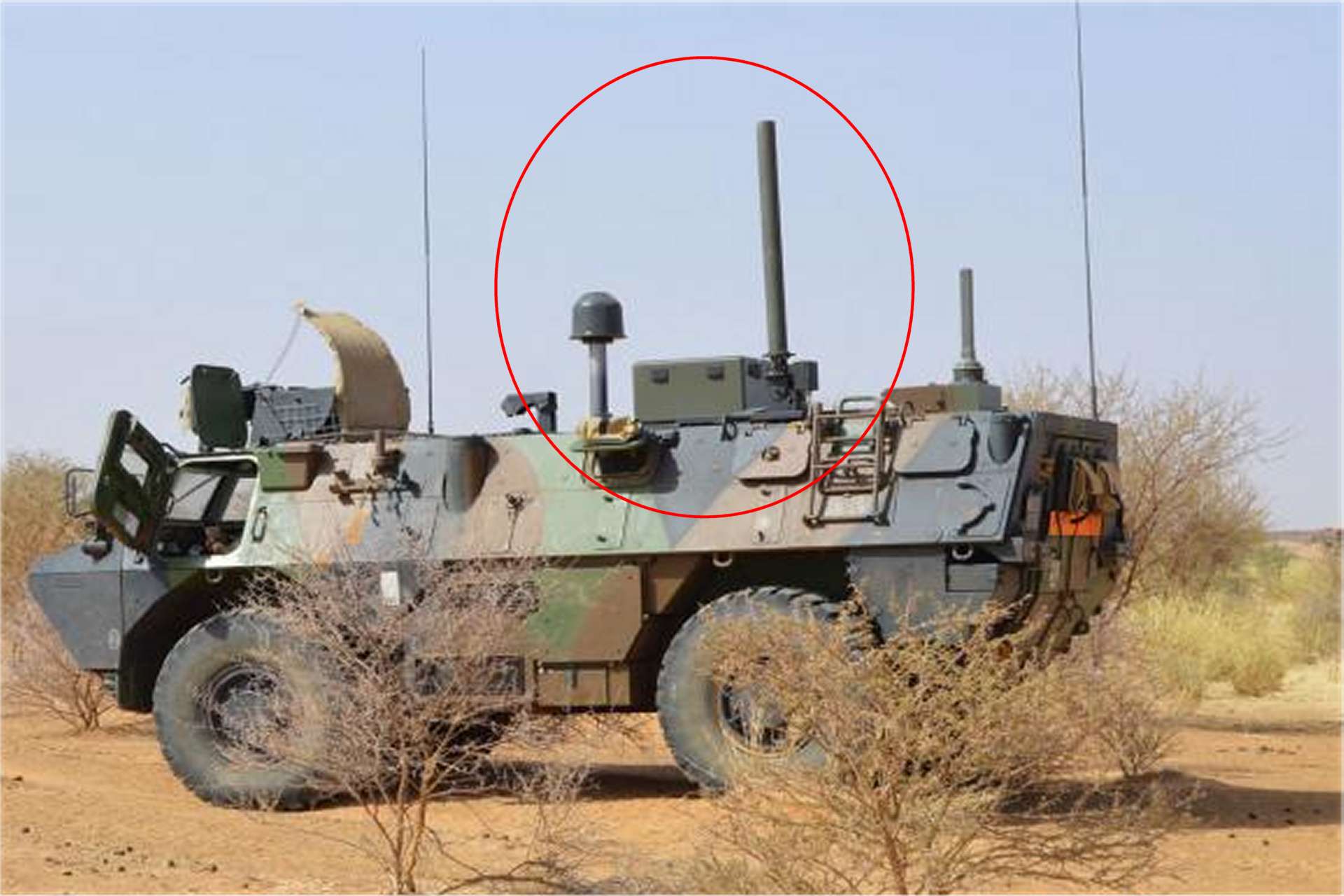
During the 2024 edition of the "Présentation de l’armée de Terre" (PRAT), the French Army introduced the ISIS project, an initiative aimed at equipping infantry regiments with electronic warfare capabilities. This project, which responds to evolving operational needs observed in recent conflicts such as in Ukraine, marks an important step in expanding these capabilities beyond specialized units.
Until now, electronic warfare has been primarily handled by specialized units such as the 44th and 54th Signal Regiments and the 785th Electronic Warfare Company. These units, now grouped under the Intelligence and Cyber-Electronics Brigade (BRCE), operate under the Command of Deep Actions and Intelligence (CAPR). They use advanced systems like LINX (Localization and Interception of Exotic Emissions), CATIZ (Ground Capability for Zone Interception), and VOBULE (Vehicle for Wideband Jamming Operations).
LINX is designed to locate and intercept radio signals emitted by enemy devices, such as command posts or communication systems. On the battlefield, this system is used to identify and locate enemy radio transmissions, enabling the neutralization of a communication network or precise targeting of key infrastructure. For example, during an offensive, LINX can detect an enemy command post from several kilometers away, allowing for accurate strikes or coordinated actions.
The ISIS project aims to extend these capabilities to infantry units, which face modern threats such as drones, remotely operated munitions, and electronic interference. It seeks to provide simplified tools for detecting, locating, and analyzing radio signals, thereby improving real-time tactical situational awareness.
CATIZ is used to monitor a defined area and intercept all radio emissions within it. On the battlefield, this system can help secure an area before an operation by intercepting signals from enemy drones or identifying jamming devices. During reconnaissance missions, CATIZ can help detect enemy activities that are invisible to the naked eye, such as hidden sensor networks or emitters used to coordinate attacks.
VOBULE is a vehicle dedicated to jamming radio frequencies over a wide range. On the battlefield, it is used to prevent the enemy from communicating effectively or controlling drones. For example, during an attack on a fortified position, VOBULE can neutralize the enemy’s radio communications, causing disruption and facilitating the advance of allied forces.
For reference, ISIS is presented as a system capable of continuously analyzing the radio spectrum to identify used frequency bands, locate emission sources, and characterize intercepted signals. This system provides non-specialized units with the means to monitor the electromagnetic environment and represent tactical information in real-time.
According to the Technical Section of the French Army (STAT), the system will enhance communication resilience in complex or degraded environments, contributing to better control of the electromagnetic spectrum, which is essential for modern operations.
The development of ISIS is being carried out in collaboration with TRAAK, a company specializing in geolocation and biometric tracking solutions, and GeePs (Electrical and Electronic Engineering Laboratory of Paris). This collaboration between industry and academic research aims to design a performance-driven solution that meets the operational needs of the French Army.
Special attention is given to the system's ergonomics to ensure it can be used by non-specialized soldiers and integrated into infantry regiments.
The ISIS project will enable infantry regiments to strengthen their electronic warfare operational capabilities and better respond to current electronic threats. This initiative is part of a broader effort to equip front-line units with tools adapted to modern conflicts.
Still in development, ISIS represents a technological advance that could play a key role in future operations for the French Army, ensuring a strategic advantage in increasingly contested environments.
Read more: France to Modernize Infantry with Advanced Electronic Warfare to Counter Enemy Jamming

- Details
- Written by: Administrator
- Category: 2024
- Hits: 4752
On November 28, 2024, Poland received an additional six K2 Black Panther Main Battle Tanks (MBTs) from South Korea, bringing the total number of K2s delivered to the Polish Army to 77 units. This delivery is part of a broader contract that Poland signed with South Korea in 2022 for a total of 180 K2 tanks.
Follow Army Recognition on Google News at this link
Another 6 South Korean K2 Black Panther tanks arrive in Poland by ship, boosting the country's tank fleet (Picture source: Military NewsUA X account)
Poland is expected to receive seven more K2 tanks by the end of 2024, with the remaining 96 units to be delivered throughout 2025. Once completed, this delivery will not only enhance Poland's armored capabilities but also make it the strongest tank power in Europe, as it positions itself to field one of the most advanced fleets of main battle tanks on the continent.
The K2 contract is a significant part of Poland's broader strategy to modernize its military and strengthen its defense posture in the face of growing security concerns in Eastern Europe, particularly from Russia. This deal with South Korea is not Poland's only major tank procurement program. In addition to the K2 Black Panther tanks, Poland has also signed agreements for American-made Abrams M1A2 SEPv3 tanks and German Leopard 2A5 tanks, further bolstering its armored forces. These combined acquisitions are part of a broader effort to replace Poland's aging Soviet-era tanks, such as the T-72 and PT-91 Twardy, and to modernize its military in line with NATO standards.
By 2025, Poland’s tank fleet will consist of over 1,000 modern tanks, including the K2, Abrams M1A2, and Leopard 2A5. This makes Poland one of the largest and most powerful armored forces in Europe, surpassing other European nations in terms of total number of advanced MBTs. The K2 Black Panther tanks are expected to play a key role in strengthening Poland's defense capabilities, ensuring that the country remains a formidable force within NATO, particularly on its eastern border.
The K2 Black Panther, developed by South Korea’s Hyundai Rotem, is widely regarded as one of the most advanced main battle tanks in the world. Its sophisticated combination of firepower, protection, and mobility make it an ideal asset for Poland’s military. The tank is armed with a 120mm smoothbore gun, capable of firing a wide range of ammunition, including high-explosive anti-tank (HEAT) shells, armor-piercing discarding sabot (APDS) rounds, and guided munitions. This powerful armament is complemented by an autoloader system that reduces the crew size to just three, a feature that enhances operational efficiency and reduces the physical and mental strain on the crew during extended operations.
Regarding mobility, the K2 is powered by a 1,500 horsepower engine, giving it a top speed of 70 km/h (43 mph) on roads, with an impressive off-road capability that makes it highly versatile in varied terrain. The tank’s advanced suspension system ensures smooth movement over rugged landscapes, while its low-profile design aids in concealment, reducing its vulnerability to enemy fire.
Regarding protection, the K2 is equipped with composite armor and features the KAPS (K2 Active Protection System), a state-of-the-art technology designed to intercept incoming projectiles, such as anti-tank guided missiles (ATGMs). The K2 also comes with reactive armor, which offers additional protection against shaped charges and other kinetic threats. Other defensive measures include smoke grenade launchers and laser warning systems, both of which further enhance the tank's survivability in hostile environments.
The K2’s electronics suite is equally impressive, featuring an advanced fire control system that integrates thermal and electro-optical sights, allowing the tank to operate effectively in all weather conditions and at any time of day or night. This system gives the crew superior targeting and tracking capabilities, enabling them to engage targets with high precision. Furthermore, the tank’s battle management system (BMS) ensures that the K2 can seamlessly integrate with other military units, improving coordination and situational awareness during combat.
Poland’s decision to acquire the K2 Black Panther, along with its other tank contracts with the United States and Germany, signals a significant shift in the country’s military capabilities. With the upcoming deliveries, Poland is set to have one of the most formidable and technologically advanced armored forces in Europe. This will not only enhance its ability to defend its own borders but also solidify Poland’s role as a key contributor to NATO’s eastern defense line. The K2 tanks, with their exceptional performance, will play a critical role in Poland’s defense strategy, ensuring that the country remains well-prepared to face any challenges that may arise in the coming years.
Read more: Poland Receives More K2 Black Panther Tanks Strengthening Its Military Power in Europe
- Details
- Written by: Administrator
- Category: 2024
- Hits: 5540
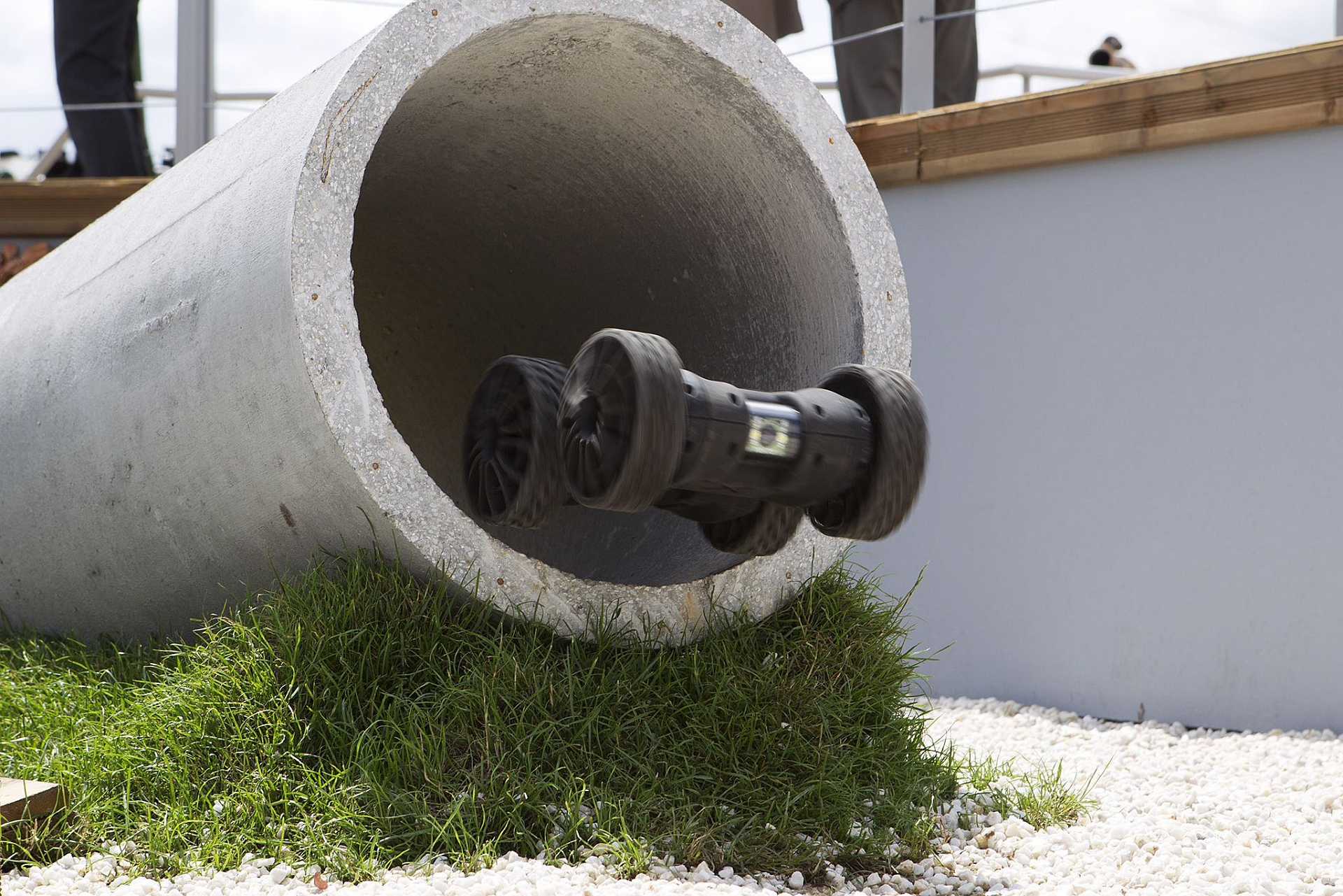
KNDS France Robotics, a leader in military robotics and a subsidiary of German-French Defense Company KNDS , announced on November 28, 2024, via X (Previously Twitter) that it has secured a significant contract with the U.S. Special Forces for the supply of ten NERVA-LG robots. This order marks a major milestone in the company's expansion into the U.S. defense sector and underscores the advanced capabilities of its NERVA-LG robotic platform.
Follow Army Recognition on Google News at this link
A NERVA-LG robot in action, navigating complex terrain to conduct reconnaissance and threat detection for military operations. (Picture source: KNDS France Robotics)
KNDS France, part of the joint venture KNDS (Krauss-Maffei Wegmann and Nexter Systems), is a key player in the defense industry and is known for its wide range of advanced military systems and equipment. The company has been at the forefront of developing cutting-edge technologies for armored vehicles, artillery, and unmanned systems. In recent years, the robotics arm of KNDS, through Nexter Robotics, has expanded its portfolio to include state-of-the-art unmanned ground vehicles (UGVs) that support a variety of military and security missions. Their focus on innovative, reliable, and versatile robotic solutions has positioned them as a preferred supplier for forces worldwide, offering platforms like the NERVA-LG that are engineered to meet the exacting demands of modern warfare.
The NERVA-LG is a highly mobile, lightweight micro-robot designed for reconnaissance, surveillance, and explosive ordnance disposal (EOD) operations. Weighing just 5 kg, the robot is compact yet capable of navigating complex and hazardous environments. Its agility allows it to traverse obstacles, including stairs and rubble, and its onboard sensors provide situational awareness in potentially dangerous combat zones. The NERVA-LG can be easily operated by a single soldier, offering exceptional autonomy and mobility in the field.
The NERVA-LG is equipped with advanced imaging and sensory equipment that allows it to identify threats such as Improvised Explosive Devices (IEDs) or chemical, biological, radiological, and nuclear (CBRN) hazards, all while maintaining a discreet profile. Its small size and low thermal signature enable it to operate undetected, making it ideal for covert missions where stealth and intelligence gathering are critical. The robot’s flexibility in handling different payloads, such as cameras or detection devices, further enhances its operational versatility, making it a valuable tool for Special Forces in high-risk environments.
With this deal, Nexter Robotics continues to expand its global footprint, reinforcing its position as a key player in the robotics and unmanned systems sector. The U.S. Special Forces’ choice of the NERVA-LG highlights its growing reputation in the defense sector as a reliable tool for modern warfare and counter-terrorism operations. This deal also speaks to the increasing reliance on robotics for enhancing operational efficiency and safety in combat scenarios. By winning this contract, Nexter Robotics solidifies its position not only as a provider of advanced robotic solutions but also as a trusted partner for elite military units that require high levels of precision and reliability in their missions.
With this contract, KNDS France Robotics not only solidifies its reputation as a leading innovator in robotic technologies but also positions itself for future growth within the U.S. defense market. The NERVA-LG’s versatility and advanced technical capabilities make it well-suited to a wide range of military applications, from combat zone reconnaissance to critical infrastructure protection. As military forces around the world continue to adopt unmanned systems, Nexter is poised to expand its offerings further, enhancing the technological landscape of modern warfare.
In response to the award, KNDS France Robotics expressed its gratitude, thanking its teams for their hard work and its partners for their trust. The company highlighted this as a reflection of its commitment to developing reliable and innovative defense solutions that meet the most challenging demands of military operations. This new contract with U.S. Special Forces is a significant achievement for Nexter Robotics and a pivotal moment in the ongoing evolution of military robotics.
Read more: KNDS France Robotics Secures Major US Special Forces Contract for 10 NERVA-LG Robots
- Details
- Written by: Jérôme Brahy
- Category: 2024
- Hits: 6870
As reported by TASS on November 27, 2024, Russia is progressing with the deployment of its RS-28 Sarmat intercontinental ballistic missile (ICBM), designed to be a cornerstone of its modernized nuclear arsenal. Known in the West as "Satan II," this missile is intended to replace the Soviet-era R-36M. With a range of 18,000 kilometers and the capability to carry multiple independently targetable warheads, the Sarmat is positioned to enhance Russia’s strategic deterrence. Although declared operational in 2023, its development has been hampered by delays, testing failures, and production challenges.
Follow Army Recognition on Google News at this link
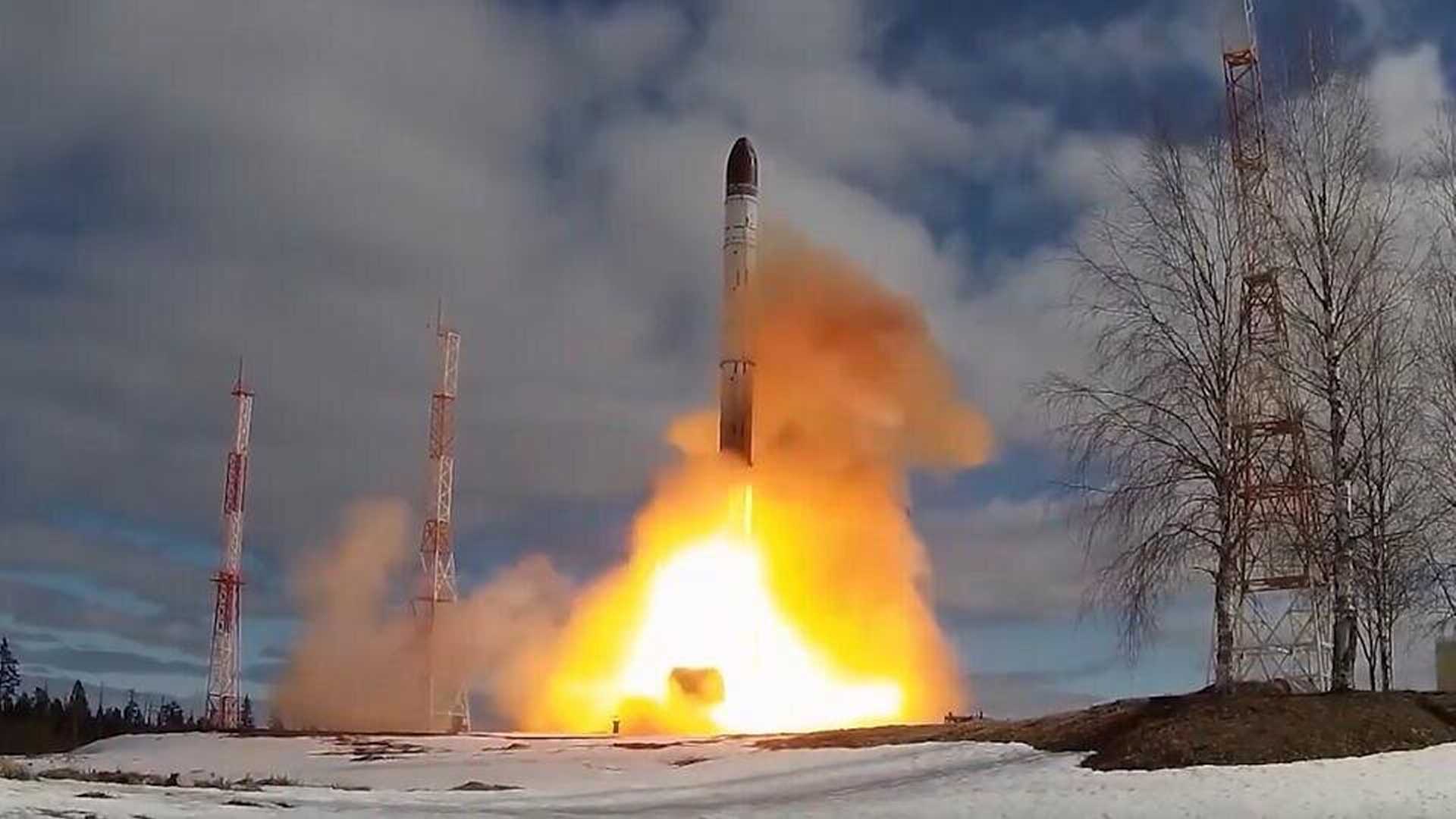
The RS-28 Sarmat intercontinental ballistic missile (ICBM) achieved its first successful test in April 2022, but four subsequent failures, including a September 2024 incident that destroyed a launch silo, have raised concerns. (Picture source: Russian MoD)
Russian President Vladimir Putin has recently ordered the RS-28 Sarmat intercontinental ballistic missile (ICBM), known as "Satan II," to be placed on combat duty, following Russia's reported use of an Oreshnik ICBM in striking the Ukrainian city of Dnipro, marking a significant escalation in the conflict. Moscow has also issued warnings of retaliation against Western nations supplying Ukraine with advanced weaponry, further heightening tensions, as these developments align with Russia’s revised nuclear doctrine, which permits the use of nuclear weapons in response to significant threats, including conventional attacks that jeopardize Russia’s sovereignty, an implicit threat to countries supplying long-range missiles to Ukraine.
This doctrine also emphasizes deterrence against nations hosting military assets perceived as a threat to Russia. However, while official statements assert the Sarmat’s operational readiness, technical challenges, and recent testing failures cast doubt on its immediate deployment. Nevertheless, as production and infrastructure upgrades continue, we could assume that the RS-28 Sarmat remains a central element of Russia's strategy to modernize its nuclear arsenal.
The Sarmat’s first successful test occurred in April 2022 at the Plesetsk Cosmodrome. Since then, however, four subsequent tests have reportedly failed, including the most recent in September 2024, which caused severe damage to a launch silo. Satellite imagery revealed a 62-meter-wide crater at the test site. Analysts suggest the failure likely happened during the missile's ignition or early launch phase. These setbacks have raised questions about the missile’s readiness and reliability, though Russia maintains it remains a critical asset for its Strategic Missile Forces.
The RS-28 Sarmat is a three-stage, liquid-fueled intercontinental ballistic missile (ICBM) capable of delivering up to 10 tons of payload, including 16 warheads or a combination of warheads and countermeasures designed to overcome missile defenses. The missile incorporates advanced technologies such as the Fractional Orbital Bombardment System (FOBS), enabling it to take unconventional flight paths, like over the South Pole, to evade missile defense systems. It is also compatible with Avangard hypersonic glide vehicles, which are designed to maneuver unpredictably during reentry, complicating interception efforts.
Despite its advanced design, the Sarmat’s development has encountered significant logistical and production challenges. Labor shortages at key facilities, such as Proton-PM, have contributed to delays. Additionally, Russia’s continued reliance on older SS-18 missiles highlights the urgency for the Strategic Missile Forces to ensure readiness during the transition to the Sarmat system.
Russian officials have emphasized ongoing work to integrate the Sarmat into operational units. Colonel General Sergey Karakayev, commander of the Strategic Missile Forces, reported that 88% of the forces’ inventory now consists of modern missile systems, including Yars and Avangard complexes. He also noted progress in modernizing silo launchers and upgrading infrastructure. Defense Minister Sergei Shoigu highlighted ongoing serial production at the Krasnoyarsk Machine-Building Plant, which has expanded its facilities and workforce to support the program, one of the key elements of Russia's ongoing modernization of its nuclear arsenal.

- Details
- Written by: Administrator
- Category: 2024
- Hits: 7738
According to a video published by the Russian state news agency TASS on November 29, 2024, the Russian National Guard (Rosgvardia) reportedly used a drone to destroy a French-made AMX-10P Infantry Fighting Vehicle (IFV) operated by the Ukrainian Armed Forces in the Kursk region. This event is significant as it confirms the delivery of AMX-10P vehicles from France to Ukraine for the first time, following earlier speculation about their transfer.
Follow Army Recognition on Google News at this link
Screenshot allegedly showing the destruction of a French-made AMX-10P armored personnel carrier by a Russian drone in the Kursk region. Due to the low quality of the image, the vehicle's identification cannot be independently confirmed. (Picture source: Screen Shot video from TASS)
In February 2023, French journalist Jean-Dominique Merchet indicated that France was prepared to provide Ukraine 25 AMX-10P Infantry Fighting Vehicles (IFVs), although no official statement on their delivery followed.
However, due to the quality and resolution of the video footage, it remains difficult to verify independently whether the destroyed vehicle was an AMX-10P IFV. The visual evidence is unclear, and the vehicle's identification as French-made relies heavily on the statement from the Russian National Guard. Without additional confirmation or closer examination of the wreckage, the exact model and origin of the vehicle remain uncertain.
The Russian National Guard’s press service stated that a UAV operator identified and destroyed an AMX-10P during a combat mission. The APC was immobilized after triggering a mine during an attempted transfer of Ukrainian personnel and equipment toward the front lines. Ukrainian troops, abandoning the vehicle, sought refuge in a forested area, where they were subsequently targeted and eliminated by artillery fire directed by Rosgvardia forces.
The AMX-10P is a French-designed tracked armored infantry fighting vehicle (IFV) produced by GIAT Industries (now Nexter), which started in the 1970s. It was one of the first IFVs developed to support mechanized infantry, combining mobility, firepower, and armor to protect troops and engage enemy forces effectively. It is equipped with a 20mm GIAT M693 F2 automatic cannon mounted in a turret, capable of engaging both ground and low-altitude aerial targets, and a 7.62mm coaxial machine gun for additional firepower. Powered by a Hispano-Suiza HS-115-2 diesel engine producing 260 hp, the vehicle can reach a maximum road speed of 65 km/h and has an operational range of approximately 600 km.
The AMX-10P features all-welded aluminum armor designed to protect against small arms fire, shell splinters, and land mines. It is also fully amphibious, equipped with two rear-mounted water jets enabling a speed of 7.2 km/h in water, making it highly versatile in various combat environments. The vehicle accommodates a three-person crew (commander, gunner, and driver) and can transport up to seven fully equipped infantry soldiers. Though retired from French service, the AMX-10P remains in use in several countries, valued for its adaptability and robust performance in combat scenarios. Its deployment in Ukraine, now confirmed, highlights its continued relevance in modern conflicts.
The destruction of the AMX-10P by Russian forces marks the first verified use of these French-supplied vehicles in Ukraine. This revelation underscores the extent of Western military aid to Ukraine and France’s role in providing advanced armored vehicles to bolster Ukrainian defense capabilities. As the conflict continues to evolve, further developments on the operational impact of the AMX-10P are awaited.
In addition to the AMX-10P IFVs, France has significantly bolstered Ukraine's military capabilities through various forms of support. Notably, France has supplied SCALP long-range cruise missiles, enhancing Ukraine's ability to strike deep behind enemy lines. French President Emmanuel Macron confirmed this commitment during the NATO Summit in Vilnius, reflecting France's dedication to strengthening Ukraine's defense posture. Furthermore, France has been instrumental in training Ukrainian soldiers through initiatives such as the "Champagne" task force, which prepared a new brigade equipped with French-supplied tanks and artillery. This comprehensive support underscores France's ongoing commitment to Ukraine's sovereignty and defense amid the ongoing conflict.
- Details
- Written by: Halna du Fretay
- Category: 2024
- Hits: 3868
On October 29, 2024, the US Army amended an existing contract with Lockheed Martin, authorizing a maximum allocation of $752.3 million, with an immediate obligation of $368.6 million. This contract aims to boost the annual production capacity of the Patriot Advanced Capability-3 Missile Segment Enhancement (PAC-3 MSE) missiles, a key component of US air defense. This agreement significantly increases the maximum production rate of these missiles from 550 to 650 units per year, addressing the growing demand for this advanced technology while reaffirming the Army’s commitment to providing critical air defense capabilities to US forces and allied nations.
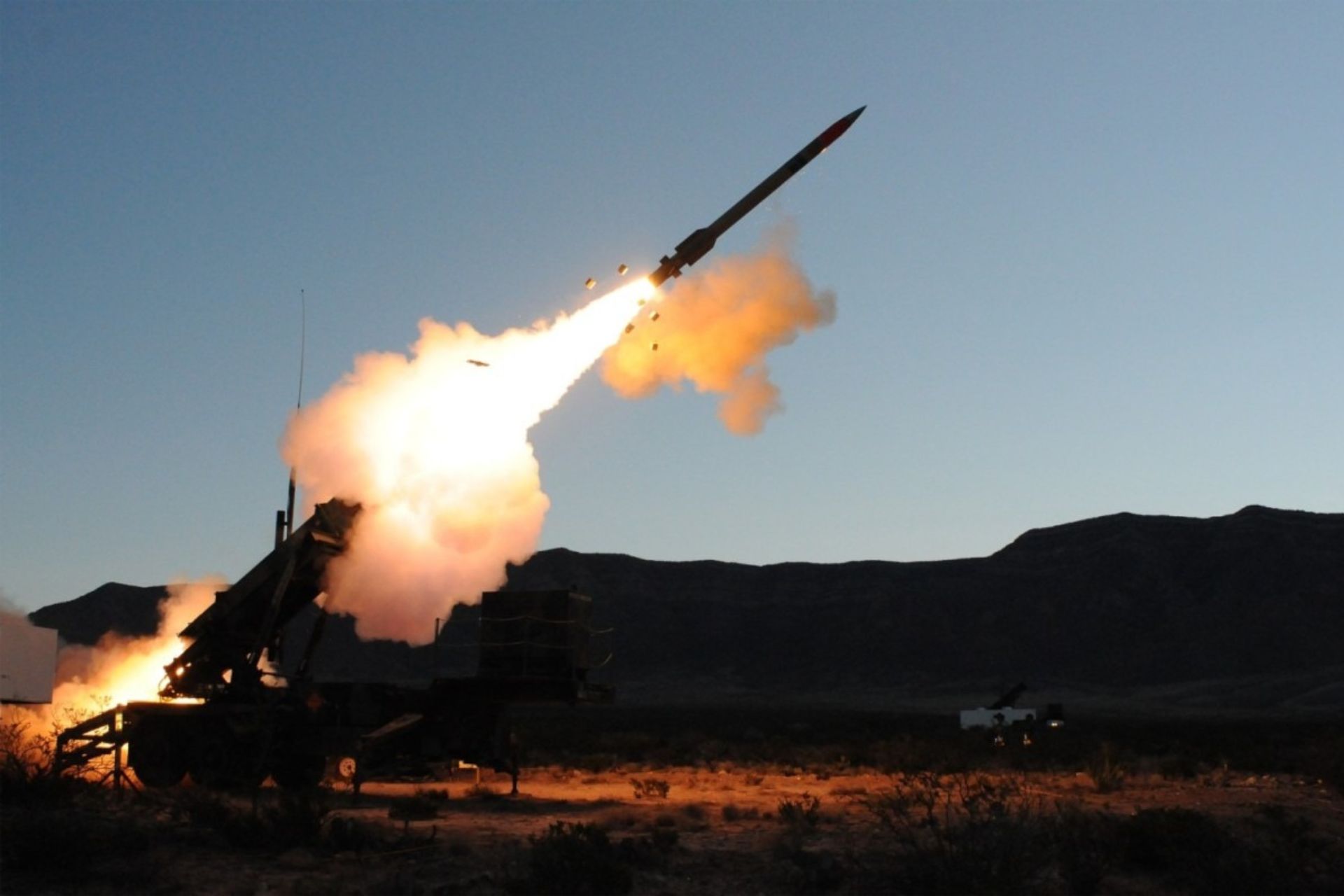
The PAC-3 MSE is a highly sought-after air defense munition due to its advanced capabilities and versatility (Picture source: US DoD)
Major General Frank Lozano, Program Executive Officer for Missiles and Space (PEO MS), emphasized the strategic significance of this initiative. He noted that PAC-3 MSE missiles play a crucial role in the US Army's air defense strategy in key operational areas such as Europe (EUCOM), the Middle East (CENTCOM), and the Indo-Pacific (INDOPACOM), where ballistic and cruise missile threats are prevalent. By increasing production capacity, the Army ensures a sufficient stockpile of these missiles to meet regional security needs for both its forces and its international partners.
The Patriot PAC-3, developed by Raytheon, is an advanced air defense system designed to counter a wide range of aerial threats, including tactical ballistic missiles, cruise missiles, and aircraft. Utilizing a "hit-to-kill" interception technology, the PAC-3 neutralizes targets through direct impact, maximizing effectiveness against complex threats. Each Patriot battery comprises up to eight launchers, each capable of carrying 16 PAC-3 missiles, ensuring robust and flexible air coverage. The core of the system, the MIM-104F missile, incorporates a solid-propellant rocket motor, an active Ka-band radar seeker, and inertial navigation capabilities, allowing precise interceptions at ranges up to 35 km and altitudes of 15 km.
The system operates through coordinated components, including the AN/MPQ-65 radar, which detects and tracks targets, and the Engagement Control Station (ECS), responsible for interception decisions. Mounted on HEMTT trucks, the PAC-3 system is mobile and adaptable to diverse operational environments. Used by countries such as the United States, Germany, Israel, and South Korea, it forms a central element of modern air defense, capable of protecting critical infrastructure and enhancing regional security against emerging threats.
The PAC-3 MSE represents an evolution in air defense capabilities, offering greater range, speed, and maneuverability to address advanced threats more effectively. Its compatibility with existing Patriot launchers and its adaptable configurations make it a preferred choice for military planners and allied forces alike.
The increase in production of Patriot PAC-3 MSE missiles addresses several strategic imperatives. Firstly, Ukraine, facing heightened aerial threats, has received Patriot systems to strengthen its air defense capabilities. In December 2022, the United States confirmed the delivery of these systems to Kyiv. Secondly, several European countries, such as Germany and Spain, have recently placed substantial orders for Patriot missiles to modernize their defense capacities. Finally, for the United States, boosting production ensures a sufficient stock to meet its own operational needs as well as those of its allies, thereby maintaining a robust defense posture against growing aerial threats. This strategy also guarantees the availability of missiles for rapid deployment in the event of international crises.
This contract, overseen by PEO MS in collaboration with the Army Contracting Command at Redstone Arsenal, strengthens the partnership between the US Army and Lockheed Martin while underscoring the importance of industrial cooperation to maintain technological superiority. By expanding PAC-3 MSE production, the Army enhances its readiness to address evolving threats while supporting its allies in an increasingly complex international security environment.
- Details
- Written by: Halna du Fretay
- Category: 2024
- Hits: 8830
In the framework of a strategic reassessment of its military presence abroad, France is set to significantly reduce its troop levels in Africa while increasing deployments in the United Arab Emirates. This reorientation, announced in an interview with L’Opinion by Armed Forces Minister Sébastien Lecornu, is driven by both political and operational considerations, marking a shift in France’s defense strategy aimed at balancing military effectiveness with local perceptions.
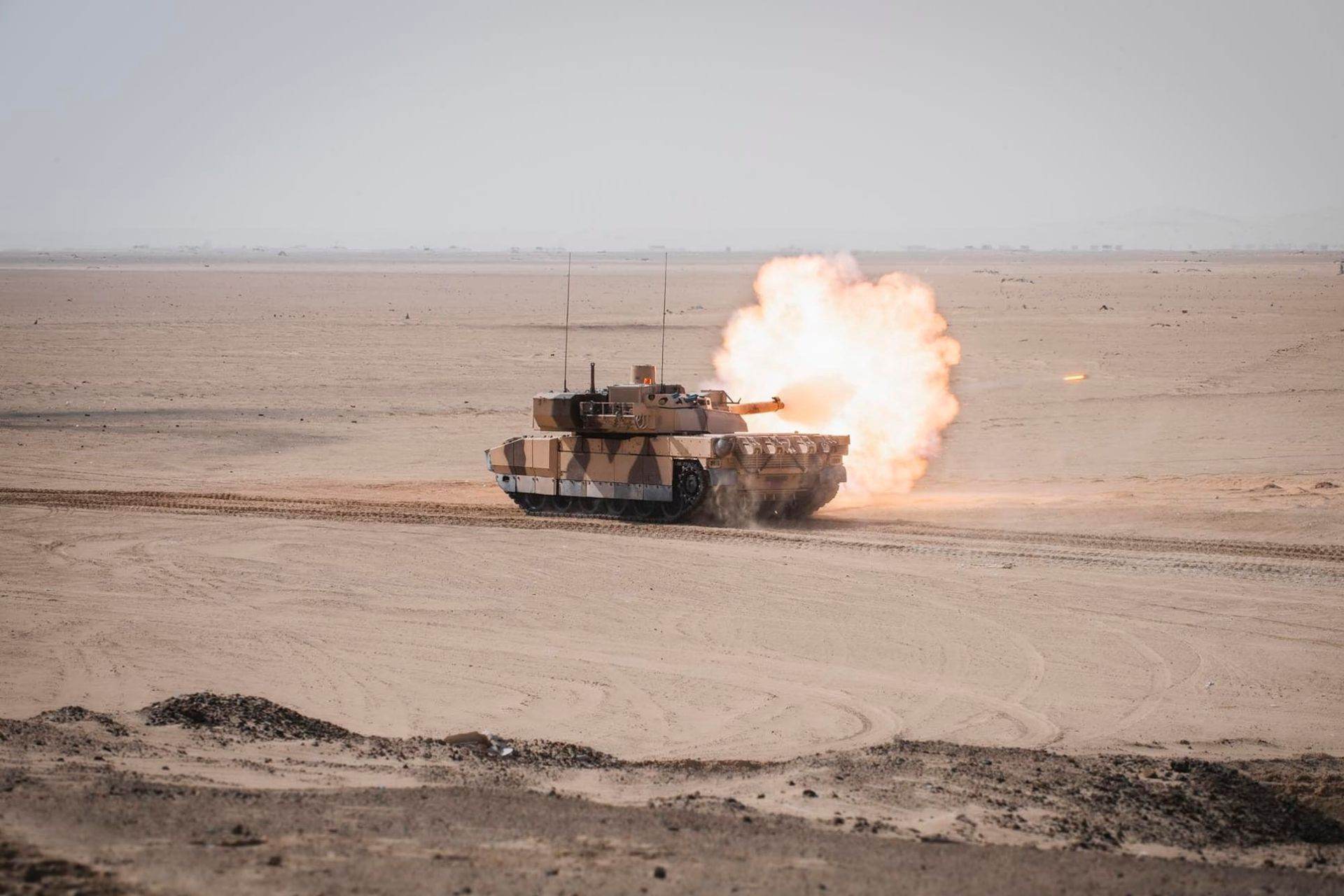
The 5th Regiment of Cuirassiers includes 16 Leclerc tanks, VBCI-equipped infantry, five CAESAr artillery systems, and a command and logistics squadron (Picture source: French MoD)
A report presented to President Emmanuel Macron by Jean-Marie Bockel recommends a drastic reduction in French forces stationed in Africa, in line with guidelines set by the Élysée in February 2023. This repositioning aligns with a strategy of enhanced partnership with local armed forces and a restructuring of French military bases. Official figures indicate that troop levels will be scaled down from 2,300 to just 600 personnel, distributed among Chad, Gabon, Côte d’Ivoire, and Senegal. Djibouti, considered part of the Indo-Pacific strategy, remains unchanged.
The Chief of Defense Staff, General Thierry Burkhard, defended this adjustment during a Senate hearing, stating that while France’s military presence in Africa had proven effective, negative perceptions were undermining its benefits. The revised approach will focus on temporary deployments driven by local requests, reducing the footprint of French forces and the visibility of their bases, often located in capital cities. This transition seeks to lessen the symbolic and operational impact of their presence.
France has gradually reduced its military presence in Africa and West Africa in recent years. In August 2022, French troops withdrew from Mali following tensions with the ruling military junta. In December 2022, they also pulled out of the Central African Republic, where they had been deployed since 2013, due to deteriorating relations with the Central African government and the arrival of Russian forces, notably the Wagner Group. In February 2023, France announced the withdrawal of its forces from Burkina Faso after the expulsion of its ambassador by the military junta. More recently, in September 2023, France decided to withdraw its troops from Niger following the military coup on July 26, 2023, and at the request of the new Nigerien authorities.
Meanwhile, Russian and Chinese influence in Africa has intensified. Russia, through the Wagner Group and later Africka Korps, has strengthened its presence in the Central African Republic, providing military and security assistance to the government in power. This presence has been accompanied by a disinformation campaign aimed at advancing Russian interests and undermining Western influence.
China, for its part, has increased its investments in Africa, particularly in West Africa, by multiplying infrastructure projects and becoming one of the continent's main trading partners. These initiatives aim to strengthen economic and political ties between China and African countries, offering an alternative to traditional partnerships with Western powers.
Simultaneously, to address broader strategic needs, France plans to strengthen its military presence in the UAE, where it already maintains a substantial deployment. Under a 2008 defense agreement, the French Forces in the United Arab Emirates (FFEAU) consist of 650 to 700 personnel stationed at a naval base, the Al Dhafra Air Base—home to six Rafale jets from the 1/7 Provence Fighter Squadron—and Zayed Military City, which hosts the 5th Regiment of Cuirassiers.
The 5th Regiment of Cuirassiers is a versatile unit comprising a command and logistics squadron, 16 Leclerc tanks, an infantry section equipped with Infantry Fighting Vehicles (VBCI), and an artillery sub-unit operating five CAESAr self-propelled artillery systems. Minister Lecornu announced that starting in 2025, this regiment will be bolstered by the permanent deployment of an infantry company of approximately 100 soldiers. Additional engineering capabilities may also be deployed to enhance cooperation with Emirati forces.
This strategic realignment is designed to operationalize the Franco-Emirati defense agreement while meeting specific operational requirements. The FFEAU fulfill three primary missions: supporting French operational deployments in the region, fostering military cooperation with the UAE, and hosting units from metropolitan France and foreign contingents for training in desert and urban environments typical of the Middle East.
This rebalancing reflects France's determination to adapt its geopolitical priorities to a shifting international context while consolidating key partnerships in strategically important regions. By strengthening its presence in the United Arab Emirates, France seizes the opportunity to project its operational capabilities in the Middle East, a critical area for global energy security and international trade. This deployment also enables more effective participation in regional stabilization efforts and counterterrorism operations. Furthermore, close cooperation with Emirati forces provides benefits in terms of training, technological exchanges, and arms sales, thereby bolstering the French defense industry.
- Details
- Written by: Administrator
- Category: 2024
- Hits: 6298
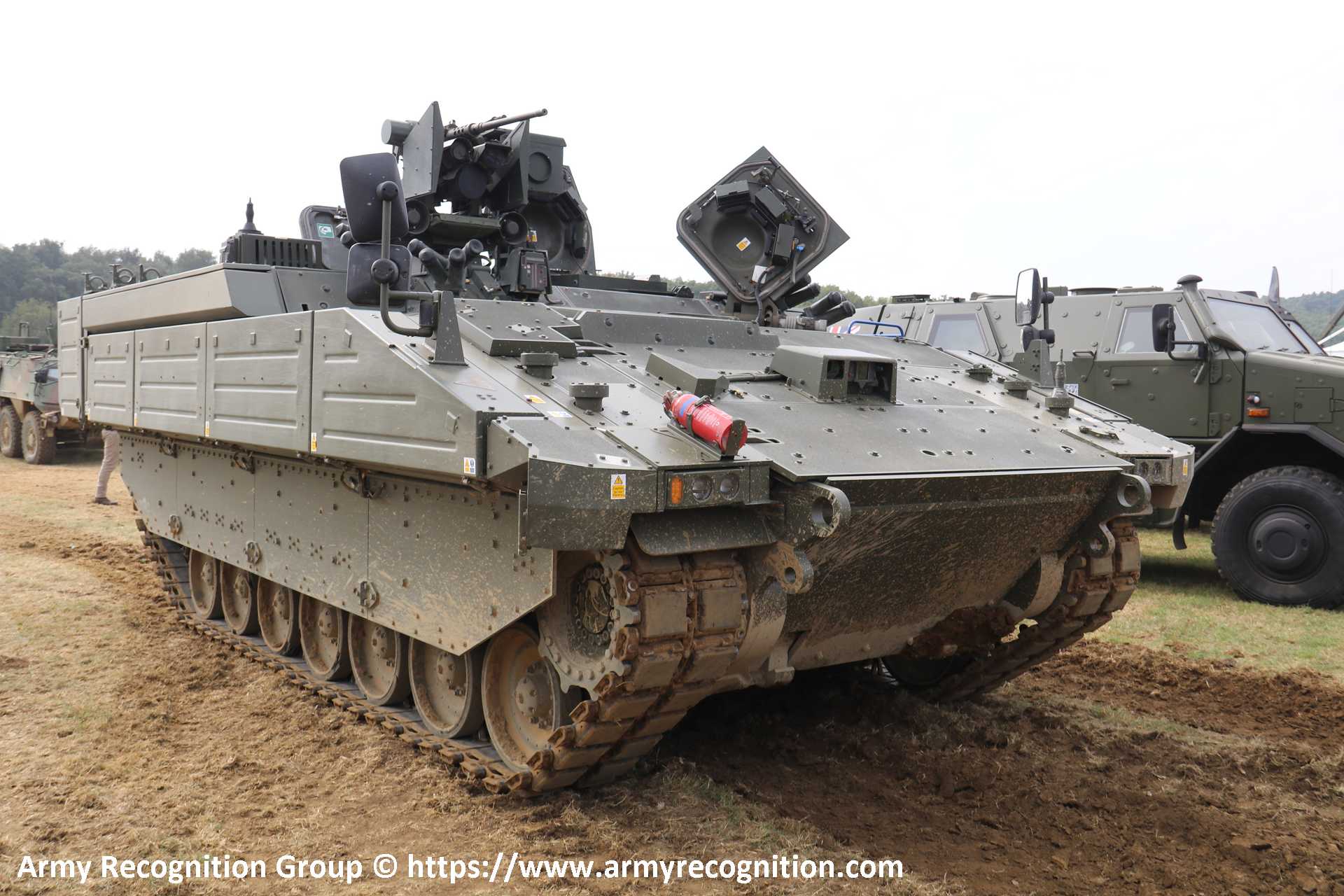
The AJAX is a family of reconnaissance armored tracked vehicles developed by General Dynamics Land Systems – UK and represents a significant leap forward in the U.K. Army’s modernization efforts. As the backbone of the British Army's reconnaissance units, AJAX is poised to transform operational capabilities with its advanced mobility, firepower, protection, and cutting-edge technologies. Designed to meet the evolving demands of modern warfare, AJAX ensures that the U.K. Army is prepared for rapid deployment and integrated operations with NATO allies, reinforcing the country’s defense posture on the global stage.
Follow Army Recognition on Google News at this link
ARES APC version of the AJAX family: A versatile armoured personnel carrier designed for rapid deployment and enhanced protection in modern combat and reconnaissance operations. (Picture source: Army Recognition Group)
The AJAX family comprises a range of light reconnaissance tracked armored vehicles designed to provide unmatched mobility across diverse operational environments, from urban warfare to complex, rough terrain. Equipped with a highly mobile chassis, AJAX enables fast movement, which is critical for reconnaissance missions, intelligence gathering, and supporting frontline units. Its ability to conduct surveillance and reconnaissance while remaining protected from enemy fire is a key advantage. The vehicle’s advanced firepower includes the CTA International Cased Telescoped Cannon (CTC), a 40mm automatic cannon capable of engaging lightly-armoured vehicles, unarmoured personnel, and other threats with precision over extended ranges. This allows AJAX to operate effectively as both a scout and a combat vehicle.
Beyond firepower, AJAX is designed with cutting-edge protection systems to withstand a broad spectrum of modern battlefield threats. The vehicle is fitted with modular armor, which can be customized depending on the mission’s needs, allowing for a tailored response to different levels of threat, including anti-tank missiles, IEDs, and small arms fire. In addition to its physical armor, AJAX incorporates advanced electronic warfare (EW) systems that protect against jamming or cyber attacks, ensuring that its communications and operational systems remain secure under adversarial conditions. This layered approach to protection gives AJAX a significant edge in survivability on complex and contested battlefields.
One of AJAX's key features is its digital command and control (C2) systems, which enhance situational awareness and enable real-time coordination between commanders, other vehicles, and central command. The integration of battle management systems (BMS) ensures that critical data—such as battlefield conditions, troop movements, and enemy locations—are shared seamlessly, helping commanders make informed decisions quickly. The communication systems are also NATO-standard, ensuring interoperability with allied forces. This capability is essential for modern combined arms operations, where speed and information sharing are vital. The ability to integrate seamlessly into a networked battlefield allows AJAX to support a wide variety of roles, from gathering intelligence to engaging in direct combat support.
The vehicle's ability to support rapid deployment is another standout feature, ensuring that AJAX can be mobilized swiftly to respond to crises anywhere in the world. The U.K. Army is increasingly focused on providing flexible, deployable forces that can be rapidly integrated into NATO and multinational operations. AJAX, with its advanced mobility and mission-configurable variants, is a key component of this strategy. Whether deployed for peacekeeping operations or high-intensity combat, the AJAX family ensures that the U.K. Army remains highly responsive, adaptable, and prepared to support NATO’s collective defense initiatives, especially in high-stakes areas like Eastern Europe or the Mediterranean.
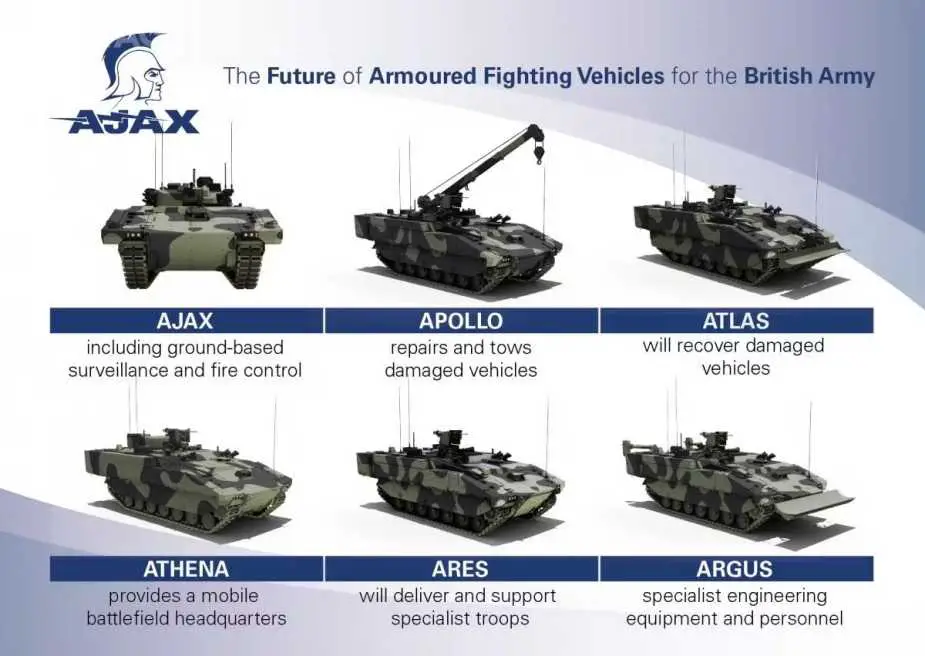
Family of AJAX variants: A comprehensive lineup of versatile armored vehicles tailored for reconnaissance, command and control, recovery, and engineering tasks, providing unmatched mobility and protection across a wide range of military operations. (Picture source General Dynamics UK)
AJAX also comes in multiple variants, each tailored for specific missions, enhancing its versatility. The core AJAX platform is complemented by Reconnaissance vehicles, which are equipped with advanced sensors for intelligence gathering, and Command and Control (C2) variants, which act as mobile hubs for tactical communication and coordination.
The Recovery variant is designed to recover and repair other vehicles on the battlefield, while the Engineer version is equipped for combat engineering tasks, such as mine clearance and breach operations. Each variant retains the same high mobility and protection characteristics, ensuring that the British Army can field a fleet of vehicles suited for a range of roles. These multiple configurations provide the necessary flexibility to address various operational requirements, making AJAX an indispensable tool for modern military operations.
In conclusion, the AJAX family of armored vehicles stands at the forefront of the U.K. Army’s modernization strategy, offering a potent mix of advanced mobility, protection, and firepower. With its digital command and control systems, exceptional survivability, and ability to integrate seamlessly into multinational operations, AJAX is ready to support the British Army’s diverse missions in an increasingly complex and dynamic global security environment. Whether deployed for reconnaissance, combat support, or engineering tasks, AJAX ensures that U.K. forces are equipped to meet the challenges of tomorrow’s battlefields, while also enhancing NATO’s collective defense capabilities. The AJAX family’s versatility, combined with its cutting-edge technology, guarantees that it will remain a key asset for the British Army for years to come.
- Ukraine and Germany eye closer cooperation on air defense and armored vehicle manufacturing
- In 2025 Turkish Army to Receive Altay One of the World's Most Advanced Tanks
- Germany Moves to Procure Israeli PULS Rocket Artillery Systems to Replace MARS II Units Sent to Ukraine
- A First In Belgium to Strengthen Cooperation in Military Reconnaissance with International Exercise Yellow Guardian