
- Details
- Written by: V.Saint
- Category: 2024
- Hits: 2246










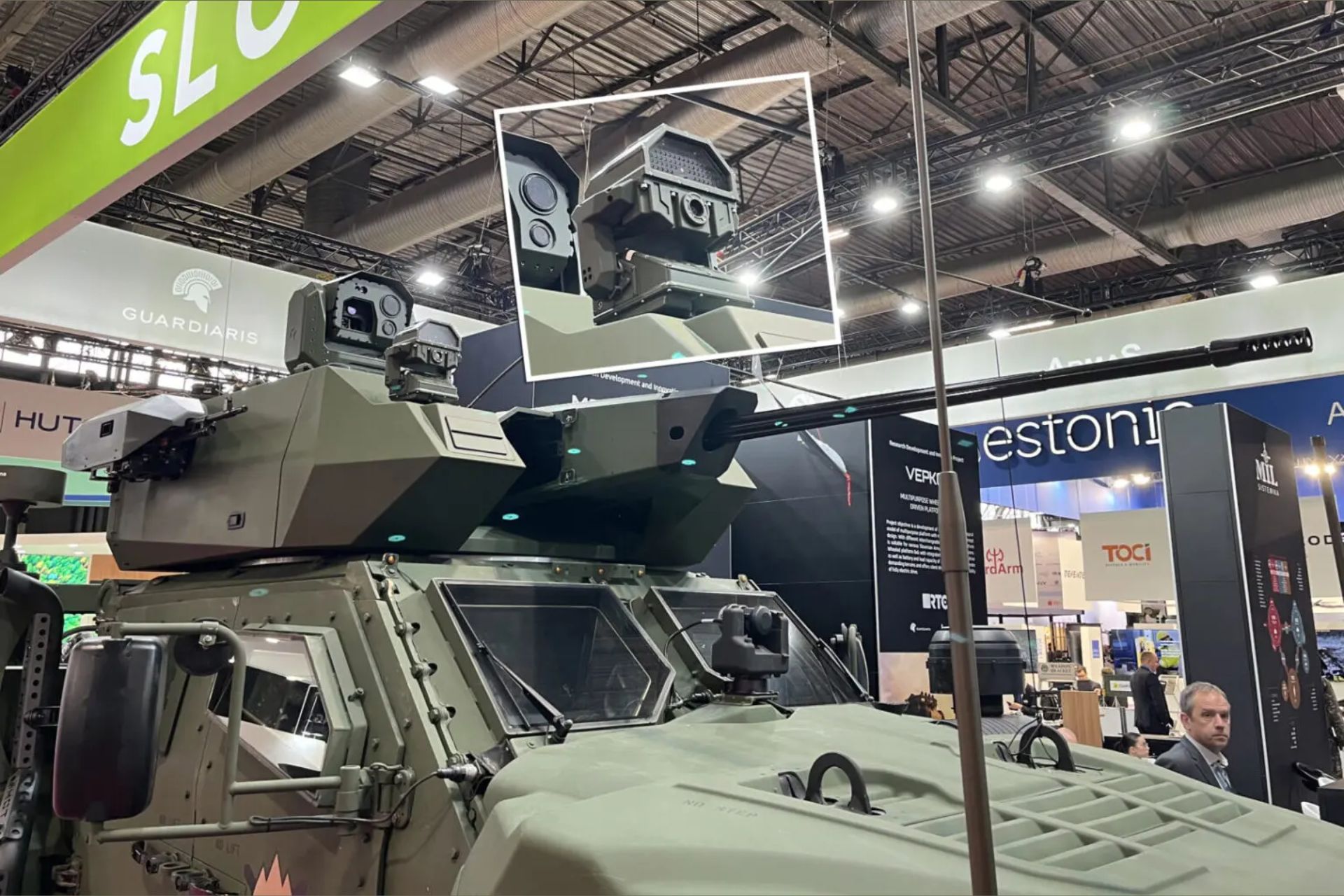
Carboteh, a subsidiary of the Slovenian simulation specialist Guardiaris, presented an enhanced variant of the BANS air defense weapon system at the Eurosatory exhibition in Paris. BANS stands for Battlefield Anti-Aircraft Non-lethal System and can now be effective not only in portable use but also when integrated into a platform. Additionally, Carboteh engineers claim to have increased the system's range from five to seven kilometers, with an altitude capability of three kilometers. In Paris, the electronic warfare weapon system could be seen integrated on an anti-aircraft JLTV.
At Eurosatory, the Battlefield Anti-Aircraft Non-lethal System (BANS) was seen for the first time in its integrated version on an anti-aircraft JLTV. (Picture source: HardPunkt)
The operating mode of the non-kinetic electronic warfare weapon is based on the principle of deception and deterrence, as it was initially developed as a test system to assess the functioning of aircraft self-protection systems. According to the manufacturer, the signals emitted by BANS can simulate an approaching threat and thus deceive all aircraft self-protection systems against flares introduced on the market. Aircraft warning systems react to the BANS signal and automatically deploy countermeasures by triggering flare decoys. According to the manufacturer, BANS is capable of forcing aircraft to launch countermeasures and use their own defenses without any real threat. Once all decoys are exhausted, the aircraft is practically defenseless and can be more easily targeted by anti-aircraft systems such as MANPADS. In many cases, it may also result in the "threatened" aircraft turning around and aborting its mission.
According to Primož Peterca, CEO of Guardiaris, since the BANS' global debut at Eurosatory 2022, the company has successfully sold the portable version of the weapon to the armed forces of six countries, including the Bundeswehr. He states that the system also proves its worth daily in warfare operations.
As Peterca explains, Carboteh received an order from the Slovenian Ministry of Defense to further develop the non-kinetic electronic warfare weapon as part of the Mangart 25 anti-aircraft system development—a variant of an anti-aircraft gun on a protected 4x4 JLTV vehicle—so that it is also platform-integrated. Additionally, BANS is to be installed on maritime platforms as well. The CEO further explains that the system has already been integrated into the Mangart 25 turret architecture and is currently undergoing extensive testing.
The manufacturer claims that the best effective results of BANS can be achieved in conjunction with a radar, EO sensor, and a short-range air defense system. Integrated into a weapon station, the system offers complete 360-degree coverage thanks to an integrated pan and tilt mechanism. An elevation range of 10 to 75 degrees allows targeting and engaging low and high-flying aircraft. An integrated high-resolution daytime vision camera serves as a secondary redundant electro-optical sensor.
According to Peterca, BANS can be combined with any weapon station. The CEO of Carboteh mentions that they are currently in negotiations with several manufacturers. Hardware integration requires just a few screws, and the BANS software must also be connected to the weapon station's operator software via an API interface so that the weapon can be controlled through the corresponding control unit.
Read more: Guardiaris consortium present new Non-lethal system against Aircraft
- Details
- Written by: Triffaux
- Category: 2024
- Hits: 5155
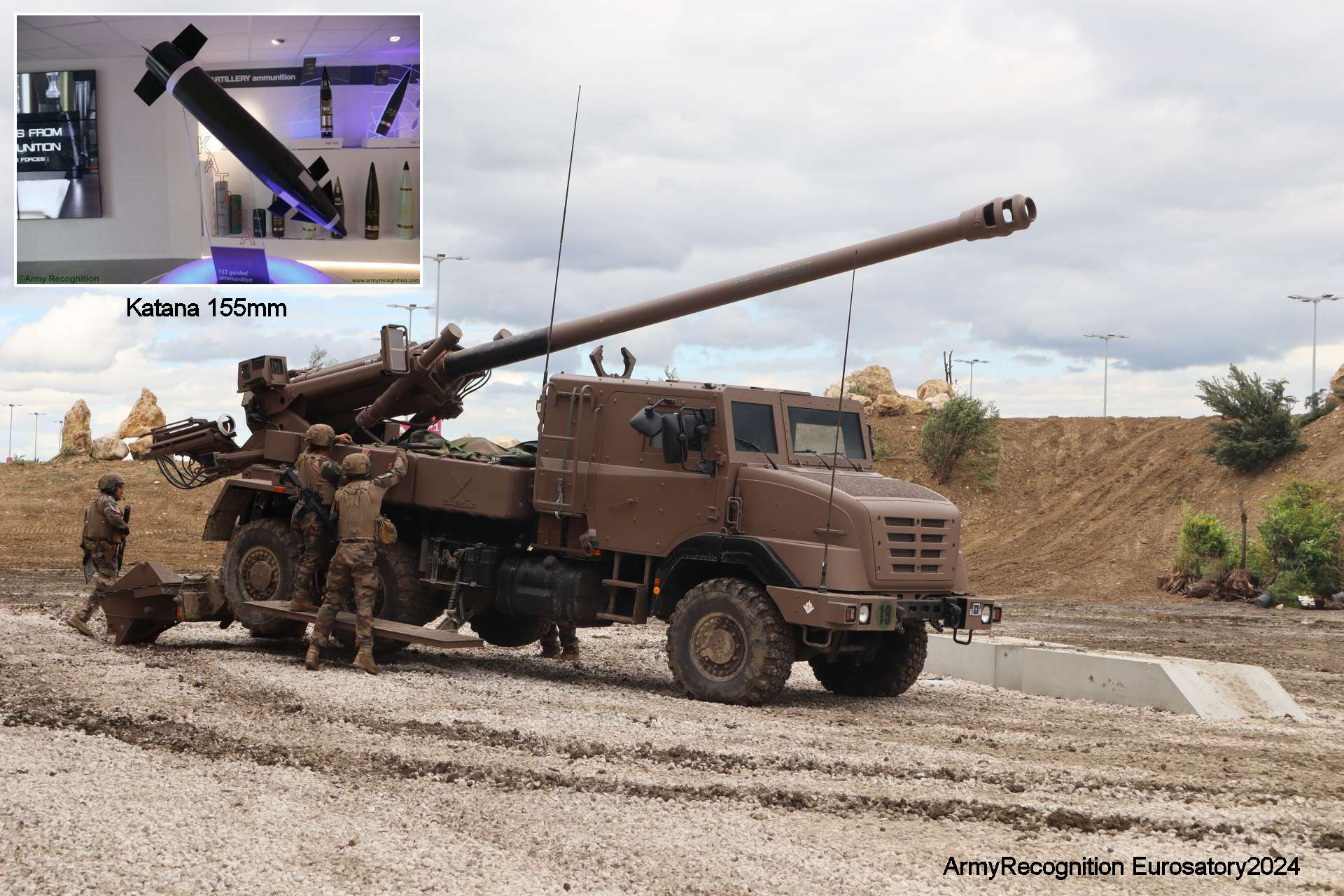
France is poised to enhance its artillery capabilities with the development of Katana, a high-precision guided 155 mm shell. Led by KNDS France, the project aims to produce a shell capable of striking high-value targets such as artillery systems, radars, or command posts with pinpoint accuracy. Currently at Technology Readiness Level 6, Katana is expected to hit the market by 2026, after extensive testing and development phases, including adjustments due to pandemic-related delays and supply chain issues.
Follow Army Recognition on Google News at this link
KNDS High-Precision Guided Katana 155mm Shell (Picture source: KNDS and Army Recognition)
Katana's design focuses on precision, reducing the number of munitions needed to neutralize enemy positions. This not only conserves ammunition but also minimizes wear on the cannon, lightens the logistical load, and crucially, limits collateral damage—particularly important in urban combat scenarios. To achieve such accuracy, two main approaches are employed. The first involves enhancing target acquisition capabilities through advanced algorithms and computer vision technologies that can interpret video feeds from drones. The second approach relies on the guided nature of the munition itself, utilizing a mix of GNSS signals, inertial measurement units, and an optional semi-active laser rangefinder to achieve meter-level accuracy.
The guided shell has undergone rigorous testing, including wind tunnel experiments for guidance functionality and ballistic behavior, followed by controlled firing trials to assess its maneuverability and control surface functionality. Initially slated for release in 2023, the timeline was pushed back due to unforeseen challenges, including the need for enhanced resistance to electronic jamming, which could disrupt GNSS signal reception.
KNDS France has highlighted Katana's modular design, which allows for the integration of new technologies as they become available. This feature is particularly valuable in environments where GNSS signals may be compromised. With support from the French Directorate General of Armaments (DGA), the munition's resistance to electronic jamming is currently being evaluated, promising a munition that maintains functionality in contested environments.
Katana is equipped with a multi-mode fuse, allowing for varied terminal effects depending on the characteristics and protection levels of the target. The munition can be fired at full charge from a 52-caliber 155 mm cannon, like the one mounted on the CAESAR artillery system, reaching maximum range and ensuring effectiveness across diverse combat scenarios.
This development coincides with the increased use of CAESAR cannons on various fronts, including recent acquisitions by Armenia, highlighting the global demand for mobile and precise artillery systems. The Mk 2 version of the CAESAR cannon, noted for its 60-kilometer range and less than 10-meter accuracy, aligns with modern warfare demands where mobility and precision are crucial for survival and effectiveness.
Furthermore, Katana's ability to accommodate local components during production transfers enhances its export potential, ensuring that this advanced munition can meet the varied needs of international markets. With its combination of advanced targeting technology, modular design, and resistance to adverse conditions, Katana represents a significant leap forward in artillery munition technology.

- Details
- Written by: V.Saint
- Category: 2024
- Hits: 2243
Poland and the Baltic states have proposed constructing a defense line along the border with Russia and Belarus. They have sent a letter to this effect to the EU, according to Reuters.
Follow Army Recognition on Google News at this link
Polish Prime ministe, Donald Tusk, visiting Troops on Eastern border to announce creation of new fortification line (Picture source: Polish Prime minister on X )
Poland, Lithuania, Latvia, and Estonia have sent a letter to the EU, which will be discussed at a summit in Brussels. The leaders of the four countries, which share borders with Russia and Belarus, stated that the project aimed at protecting the 27-country, 450-million-inhabitant bloc would also require financial support from all members.
"The construction of a defense infrastructure system along the EU's external border with Russia and Belarus will address the urgent and pressing need to protect the EU against military and hybrid threats," the letter reads.
Hybrid threats refer to a combination of military and non-military means, as well as covert and overt methods, including disinformation, cyberattacks, economic pressure, and the transfer of migrants across borders.
The leaders of the four EU countries believe that the construction of the defense line should be coordinated with NATO. According to the publication, the project involves building a 700-kilometer defense line. Some European diplomats estimate the construction cost at 2.5 billion euros.
European investments in defense are expected to be one of the main topics of discussion for European leaders at the summit.
Situation at the Belarus-Poland Border
Poland has already started reinforcing its border with Belarus. This was mainly due to the migration crisis initiated in 2021, during which thousands of illegal migrants attempted to enter Poland from Belarus. Another reason is the deployment of Russian troops, including Wagner forces, on Belarusian territory. Recently, a Polish border guard soldier was killed by an Afghan migrant.
This logic of the Baltic states and Poland to fortify themselves follows the recent Polish decisions. Indeed, Poland had announced the construction of a new military unit to be stationed in the town of Czarna-Białostocka, located 35 kilometers from Belarus. This creation of the unit is presented as a response to Belarusian hybrid attacks. In parallel, having announced in April 2024 the establishment of minefields along the border, it is now a question of creating modern concrete fortifications in the form of bunkers, shooting and observation posts, jamming zones, and anti-aircraft posts along the border with Belarus.
In conclusion, the Baltic countries and Poland are seriously beginning to fear being the next on Russia's list of conquests. They are thus massively preparing for a future conflict. This is part of the broader European trend of preparing for high-intensity conflict. These Baltic states are strategically positioned for Russia and represent a threat to it as they are included in NATO. Soon, one might talk about the Baltic fortress.
Read more: Baltics countries and Poland building fortress Europe amid Russian threat
- Details
- Written by: Triffaux
- Category: 2024
- Hits: 3731
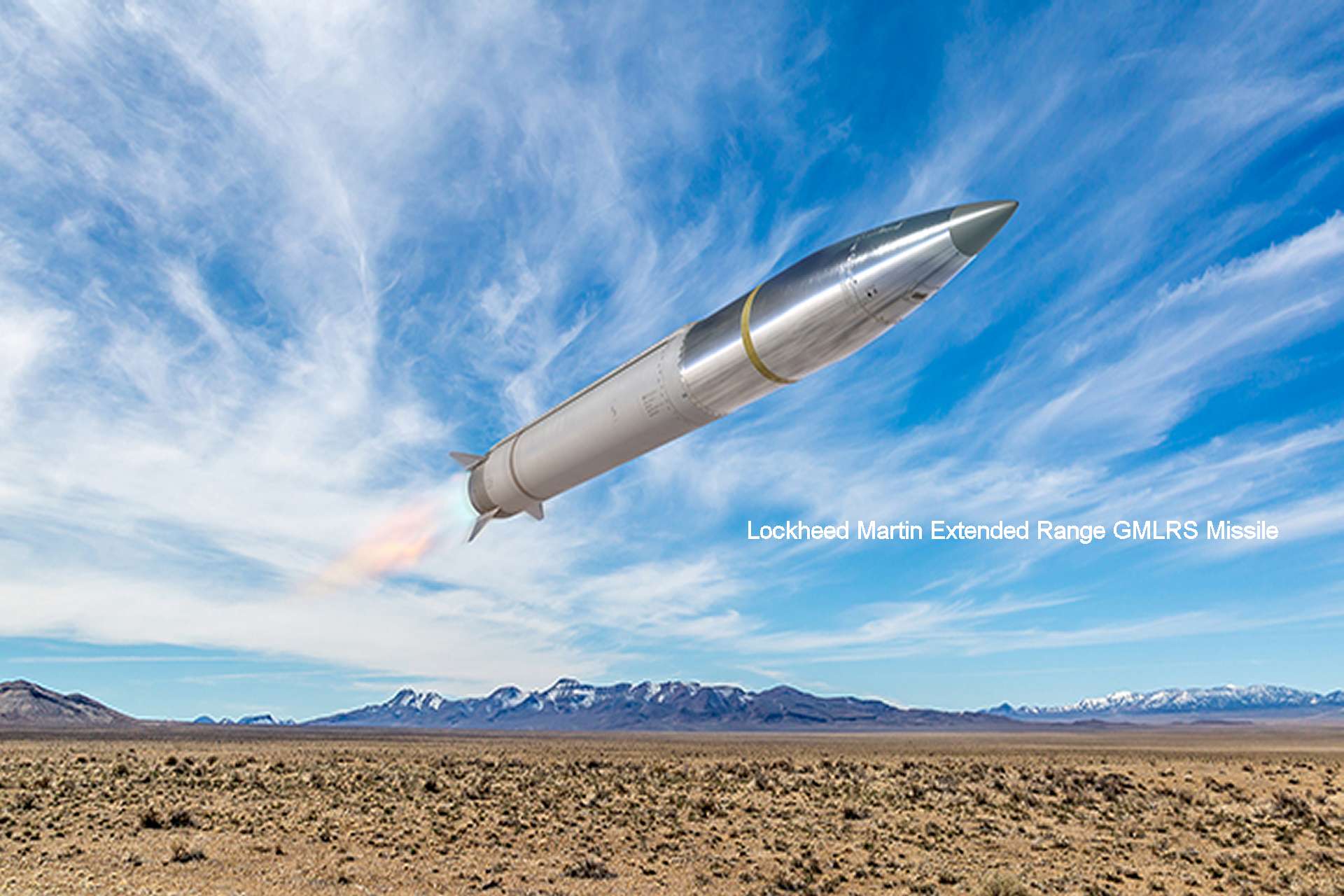
On June 25, 2024, Lockheed Martin confirmed that the recent contract modification announced in May 2024 marks the commencement of production for the Extended Range Guided Multiple Launch Rocket System (ER-GMLRS). This announcement follows the initial budgeting by the U.S. Army for 120 ER-GMLRS AW missiles for fiscal year 2024, although the amended contract allows for the production of up to 240 unspecified units of this type. Furthermore, a plan for 510 ER Unitary missiles has been established for fiscal year 2025.
Follow Army Recognition on Google News at this link
Lockheed martin Extended Range GMLRS Missiles (Picture source: Lockheed Martin)
The contract modification for Lockheed Martin to produce the ER-GMLRS, valued at $332 million and part of a total $5.6 billion agreement including Lots 18 and 19, reflects the ongoing commitment of the U.S. Department of Defense to enhance its long-range artillery capabilities. This expansion of the American military arsenal with precision extended-range weapons is crucial for maintaining a strategic edge over potential adversaries, highlighting the importance of these systems in modern conflicts.
The ER-GMLRS AW (All Weather) represents a significant enhancement of the already effective guided multiple launch rocket system used by the U.S. armed forces and several international allies. This system is designed to offer precision strike capabilities at a range much greater than the standard GMLRS, enabling it to hit targets up to 150 kilometers away with enhanced accuracy, compared to about 70 kilometers for the previous version.
Technically, the ER-GMLRS employs advanced propulsion technology and improved guidance that includes inertial navigation coupled with a global positioning system (GPS), allowing it to strike with precision even in adverse weather conditions. This all-weather capability enhances its battlefield value, providing ground forces with increased flexibility and the ability to strike strategic targets from a safe distance.
The ERG missile system represents a significant advancement in precision strike technology. This system incorporates a rocket motor with an increased diameter for insensitive munitions and modified tail fins with a control actuation system, offering a series of significant improvements over previous versions.
The ERG allows for doubling the range of the standard GMLRS, utilizing existing unitary and AW (All Weather) warheads from current GMLRS productions. A Side Mounted Proximity Sensor (SPMS) is also included, and space is reserved for future growth objectives such as APA 2, allowing for the incorporation of advanced technologies or additional propellants.
The increase in the missile's nose and platform volume enhances magazine depth, thereby preserving limited stocks of ATACMS missiles and future Precision Strike Missiles (PrSM). This increased capacity offers greater flexibility and mission availability for combatant commanders, with a capability of six missiles per pod for the ERG versus one per pod for the ATACMS.
In addition to targeting many objectives previously assigned to the ATACMS, the ERG system also reduces the need for tactical movements by MLRS platoons and batteries to engage distant targets, thus enhancing operational efficiency and reducing exposure to danger.
Tactically, the ER-GMLRS is designed to destroy, neutralize, or suppress targets from secure launch positions behind friendly lines. It is ideal for striking high-value targets, enemy troop concentrations, air defense systems, and enemy missile batteries, particularly in environments where the enemy uses means to disrupt communication and navigation systems.
With the production of the ER-GMLRS underway, Lockheed Martin and the U.S. Army are taking a significant step towards modernizing their strike capabilities and preparing for future challenges on international battlefields.
Drawing on experiences from the war in Ukraine, the introduction of the ER-GMLRS holds particular significance. This conflict has highlighted the need for armed forces to have long-range precision strike capabilities to effectively counter fortified positions, troop gatherings, and heavy equipment without exposing themselves to retaliation. The advanced capabilities of the ER-GMLRS AW could provide Ukrainian forces, or other forces supported by the U.S. in similar conflicts, with a significant tactical advantage by allowing precise strikes on strategic targets at greater distances, while minimizing risks to friendly units and civilians. This development also underscores the evolution of armament system requirements in modern conflicts, where the ability to conduct precise and limited-impact operations is increasingly crucial for mission success and minimizing collateral damage.
- Details
- Written by: V.Saint
- Category: 2024
- Hits: 3824
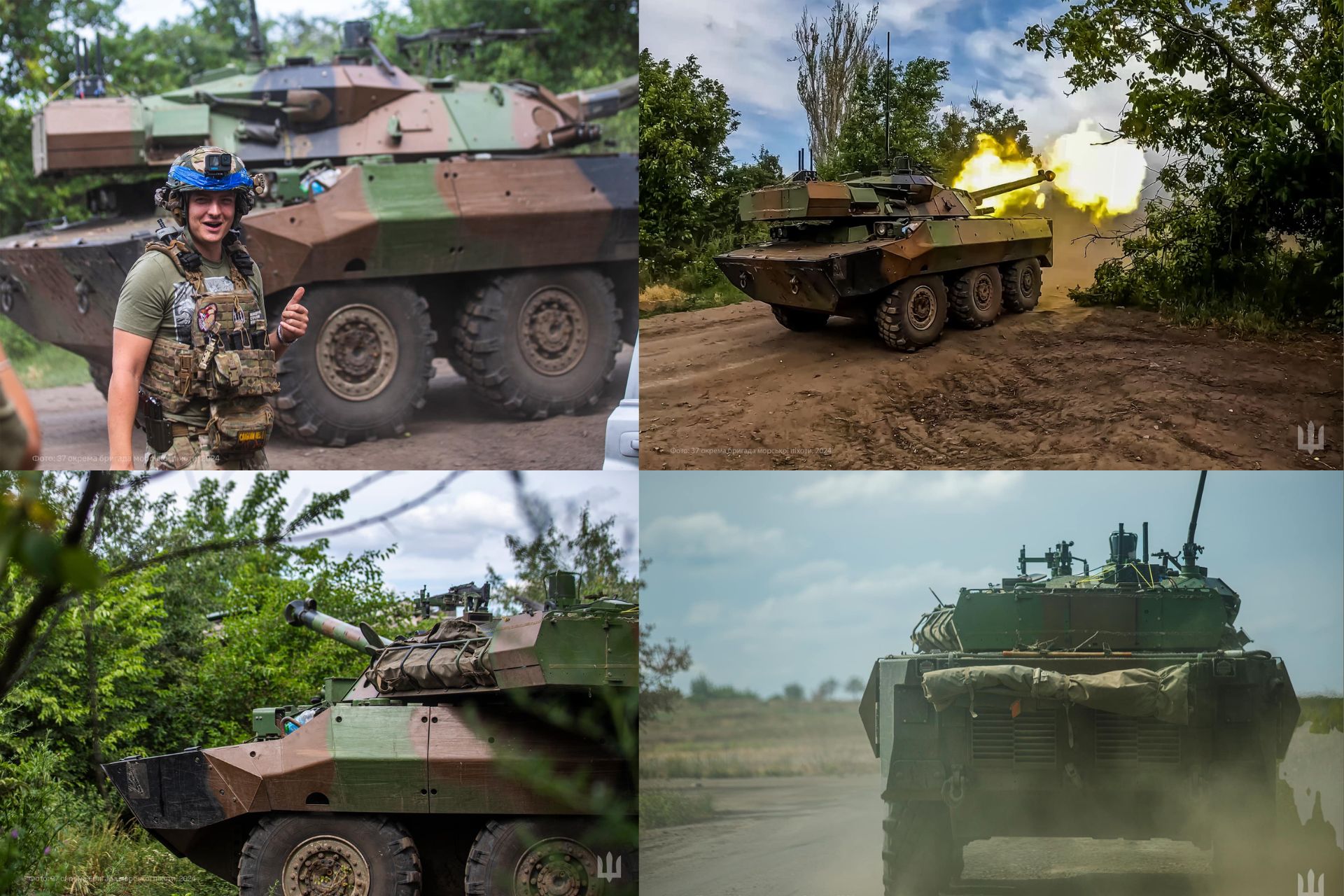
The 37th Ukrainian Marine Infantry Brigade has released photos of the highly regarded French-made AMX 10 RC. This is the first sighting in a year since four units were destroyed near Bakhmut during a failed breakthrough attempt by Ukrainian forces.
Follow Army Recognition on Google News at this link
Released pictures of AMX 10 RCR (Picture source: 37TH Marine Infantry Brigade)
For a year, there has been no news about them. We know that 38 units were delivered, all serving in the 37th BIMa. Four were put out of action in June 2023, but since then, there have been no further losses as the brigade has been deployed only along the Dnieper River near Kherson.
Kherson is a less "hot" point of the front because the Dnieper River, which has returned to its original course following the destruction of the Nova Kakhovka dam in 2023, now poses a significant obstacle for troops. On this part of the front, both Russian and Ukrainian forces mainly engage in indirect fire, patrols, and very rare skirmishes.
The AMX-10 RCR is an armored reconnaissance and combat vehicle designed by GIAT Industries (now Nexter) for the French Army. Introduced in 1981, it is distinguished by its high mobility, amphibious capability, and powerful armament, making it suitable for deep reconnaissance missions and support for armored forces. Its design includes elements to maximize speed and flexibility on the battlefield, especially in varied environments.
The AMX-10 RCR’s most notable feature is its 105 mm cannon, which can effectively engage armored and fortified targets. This cannon is mounted on an oscillating turret, allowing for rapid elevation and depression to adapt to uneven terrain and various targets. The vehicle also has coaxial machine guns and smoke grenade launchers.
The amphibious capability of the AMX-10 RCR is another strategic advantage. With its watertight chassis and water jet propellers, the vehicle can cross shallow rivers and marshes. In terms of land mobility, the AMX-10 RC is equipped with adjustable hydropneumatic suspensions, allowing it to modify its ground clearance to optimize protection, mobility, or firing stability. It can reach a maximum speed of 85 km/h on the road and has a range of about 800 km.
However, it is very lightly armored, so despite its cannon being capable of attacking and destroying heavy armored vehicles, it is not used in tank-to-tank combat. Instead, it is a reconnaissance and support vehicle, used for harassment maneuvers, reconnaissance, and support for ground operations. It seems that the Ukrainians are now better understanding the capabilities of the AMX-10 RCR.

- Details
- Written by: Halna du Fretay
- Category: 2024
- Hits: 2628
Andenne, Belgium, June 26, 2024 – At Eurosatory 2024, the MEGA-Army team of experts showcased their revolutionary application designed to improve military reconnaissance. MEGA-Army, developed by IDDEA, is engineered to quickly and accurately identify land military equipment using advanced image recognition capabilities powered by artificial intelligence.
Follow Army Recognition on Google News at this link
The IDDEA stand to present MEGA-Army at Eurosatory in 2024 (Picture source: IDDEA)
Enhanced Detection Capabilities with AI
MEGA-Army allows users to take or upload a photo of military equipment, providing rapid and precise identification. This includes crucial details about the equipment's type, capabilities, and origin, facilitating informed tactical decision-making.
An Educational Resource for Military Training
The app also serves as an educational resource for military personnel, helping soldiers become familiar with various military equipment and their functionalities, thus enriching their training and preparation.
Improved Situational Awareness on the Battlefield
In combat situations, MEGA-Army provides immediate access to essential information about enemy and allied equipment, enhancing soldiers’ situational awareness and their ability to respond quickly to threats.
Presentation at the Eurosatory Lab Agora
Alain Servaes, founder of IDDEA, the company behind MEGA-Army, had the honor of presenting this innovative solution at the Eurosatory lab agora. During his presentation, he emphasized the importance of reconnaissance and anticipation in the military domain and how MEGA-Army addresses these critical needs.
About MEGA-Army:
MEGA-Army (Military Equipment Guide App for Land Forces Equipment) is an innovative mobile application developed by IDDEA, specializing in identifying land military equipment using artificial intelligence. The app offers advanced image recognition capabilities to enhance training, situational awareness, and tactical decision-making on the field.
For more information, visit our website: https://militaryequipmentguide.com
Read more: IDDEA Unveils Mega-Army App at Eurosatory 2024, Revolutionizing Defense Technology
- Details
- Written by: Administrator
- Category: 2024
- Hits: 3303
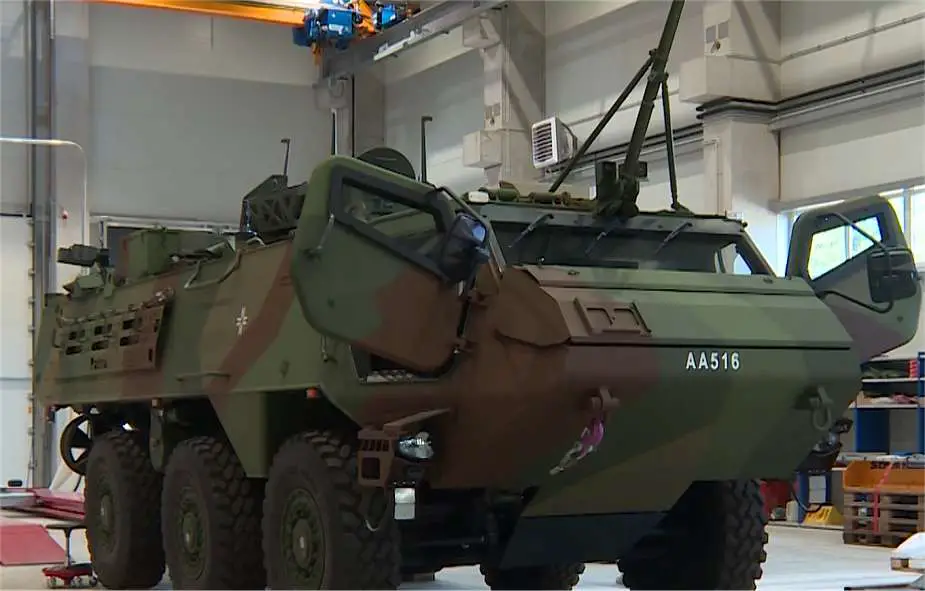
The first Patria 6x6 armored personnel carrier (APC) is set to roll off the assembly line at the newly inaugurated Valmiera plant in Latvia in the coming weeks. As reported by the Latvian TV LSM website, this milestone is part of an ambitious plan to build 25 units by the end of the year.
Follow Army Recognition on Google News at this link
Production line of Patria 6x6 armored vehicles at the Valmiera plant in Latvia . (Picture source: Latvian TV LSM)
Juta Kandere, Quality Specialist at Defence Partnership Latvia, emphasized the extensive training and hands-on experience the workforce in Finland has received. “Our employees are well-equipped to manage the assembly work independently, ensuring the highest quality of the Patria 6x6 APCs,” Kandere assured.
The production process in Latvia is substantial, with many components such as hulls, windows, doors, hatches, and the main chassis being manufactured locally. This local contribution is a source of pride and a significant boost to Latvia's defense technology and industrial base.
Currently, the Valmiera plant exclusively fulfills orders for the National Armed Forces (NAF) of Latvia. However, Uģis Romanovs, Chairman of the Board of Defence Partnership Latvia, stated that the plant's potential is far-reaching. "The total order exceeds 700 APCs, including the Latvian order. With Patria Group’s two assembly plants in Hameenlinna, Finland, and Valmiera, we aim to efficiently fulfill other countries’ orders soon," Romanovs expressed optimistically.
A new building adjacent to the factory is under construction and will be dedicated to testing the armored personnel carriers. Operations are expected to begin by the end of the summer.
On Friday, May 24, 2024, Patria inaugurated this new production facility in Valmiera, marking the start of full-cycle Patria 6x6 armored vehicles in Latvia, a first for the Baltic region. This development follows a 2021 order from the Latvian Ministry of Defence for over 200 Patria 6x6 vehicles to be delivered by 2029. This cooperation significantly enhances the NAF's combat capabilities and contributes to the growth of Latvia's defense technology and industrial base.
The Patria 6x6 vehicle builds on the legacy of Patria's renowned armored wheeled vehicles, which have been deployed in peacekeeping and crisis management missions, transporting soldiers globally for decades. The Patria 6x6 is modular and high-performance, yet simple, robust, and affordable, enabling large fleet deployments. It offers modern protection and high mobility, and its modular design supports a wide range of configurations for diverse missions. The Patria 6x6 is an ideal choice for troop transportation and combat support roles.
Primarily designed as an armored personnel carrier (APC), the Patria 6x6 can also be configured for various combat support roles, including a Company Command vehicle, Medical Evacuation vehicle, Heavy APC, and the 120 mm Patria Nemo mortar system.
The Valmiera plant symbolizes a significant step forward in Latvia’s defense production capabilities, aligning with broader efforts to bolster national and regional security through advanced, locally-produced military hardware.
- Details
- Written by: Triffaux
- Category: 2024
- Hits: 3795
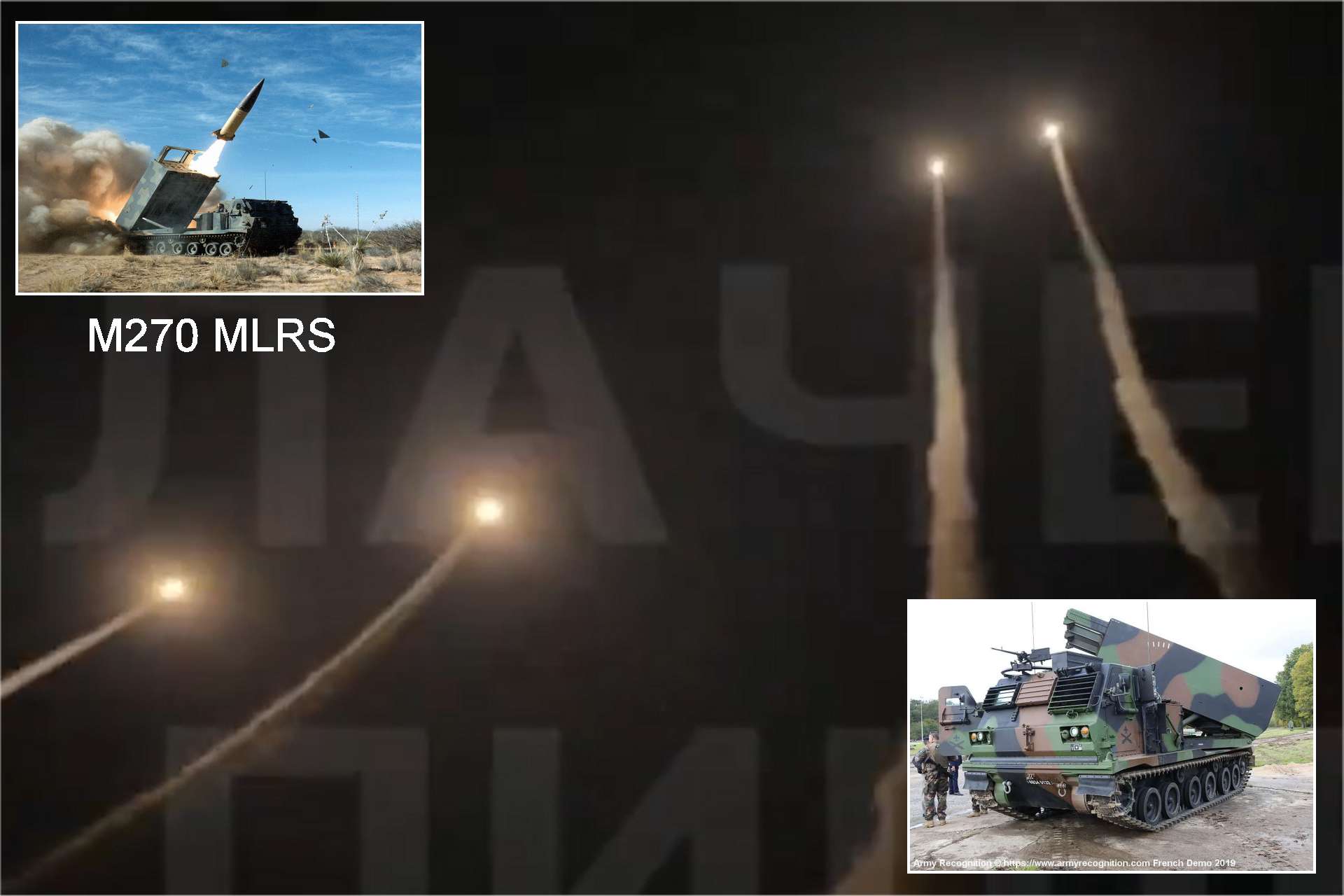
On June 25, 2024, the Ukrainian armed forces released a video showcasing their M270 rocket launchers modified to accommodate American ATACMS tactical ballistic missiles. This significant upgrade boosts Ukraine's offensive capabilities, enabling precision long-range strikes.
Follow Army Recognition on Google News at this link
Ukraine uses Upgraded M270 MLRS to target Russia (Picture source: Army Recognition and Ukraine Social Media)
The enhanced capabilities of these systems were highlighted in a recent demonstration by Ukrainian volunteer Ihor Lachenkov. In the video, four M270 launchers equipped with modifications each fired two ATACMS missiles, totaling eight missiles aimed at strategic targets in occupied Crimea. This demonstration showcased the improved range and precision of the adapted M270.
A key improvement over the HIMARS systems, also used by Ukraine, is the modified M270's ability to launch two ATACMS missiles simultaneously, compared to just one in the HIMARS. This capability essentially doubles the firepower in a single salvo, crucial in scenarios where a higher volume of fire can make the difference between neutralizing or merely disrupting enemy forces.
The M270's tracked chassis provides superior mobility across varied terrains, compared to launchers mounted on more conventional configurations. This mobility is essential for maneuvering on the often unpredictable and challenging battlefields of Eastern Europe.
These rocket launch systems were supplied to Ukraine by several European countries, including Great Britain, Norway, Germany, Italy, and France. The specific version provided by France, designated as LRU (Lance-Roquettes Unitaires), is equipped from the outset to launch ATACMS, thanks to specific software adaptations and launcher platform modifications, eliminating the need for extensive training for Ukrainian operators.
In addition to these modifications, the LRUs are equipped with an Enhanced Fire Control System (EFCS) for increased precision, a modernized GPS-based navigation system for exact positioning, and an advanced communication system for better coordination with other units and central command.
The ATACMS missile itself is a considerable asset, with a striking range of 160 to 300 kilometers and a speed of Mach 3, capable of hitting targets with exceptional precision thanks to its integrated guidance system combining GPS and INS (Inertial Navigation System).
This initiative to modernize the M270s to include ATACMS not only enhances Ukraine's defensive potential but also its ability to conduct deep strategic strikes in occupied territories, thus increasing pressure on enemy forces while keeping the launchers at a secure distance.
Ukraine is intensifying its efforts to improve its long-range strike capabilities to deter Russian forces from statically positioning and clustering strategic equipment. By developing the ability to launch precise attacks on deep targets such as ammunition depots, command centers, and logistical infrastructures, Ukraine can continuously pressure Russia, disrupting its operations and logistics. This makes Russian forces more vulnerable and less capable of conducting coordinated offensives, thus limiting their impact and reach on the battlefield. This strategy aims not only to neutralize key targets but also to prevent the enemy from regrouping, crucial for stopping large-scale offensives.
Furthermore, enhancing Ukraine's strike capabilities increases its operational autonomy, reducing reliance on air support, which can be risky and costly. Advanced rocket launch systems like the adapted M270 for ATACMS missiles allow Ukraine to diversify its tactical options, offering the ability to conduct devastating strikes while remaining out of reach of counterattacks. These enhanced capabilities also have a significant psychological impact on Russian troops by undermining their morale, while boosting the Ukrainian forces and civilian population through the demonstration of effective and powerful retaliation. This illustrates a significant tactical adaptation by Ukraine, seeking to maximize the effectiveness of its resources in a prolonged conflict.
Read more: Ukraine Uses Upgraded M270 Launchers for ATACMS Missiles to target Russia
- Details
- Written by: Vandenbosch
- Category: 2024
- Hits: 2129
Taiwan has expressed its satisfaction with the announcement by the United States regarding the sale of drones and military equipment worth $360 million. The spokesperson for the Taiwanese Presidential Office, Karen Kuo, praised this initiative, highlighting the importance of these acquisitions in strengthening the island's defense capabilities.
Follow Army Recognition on Google News at this link
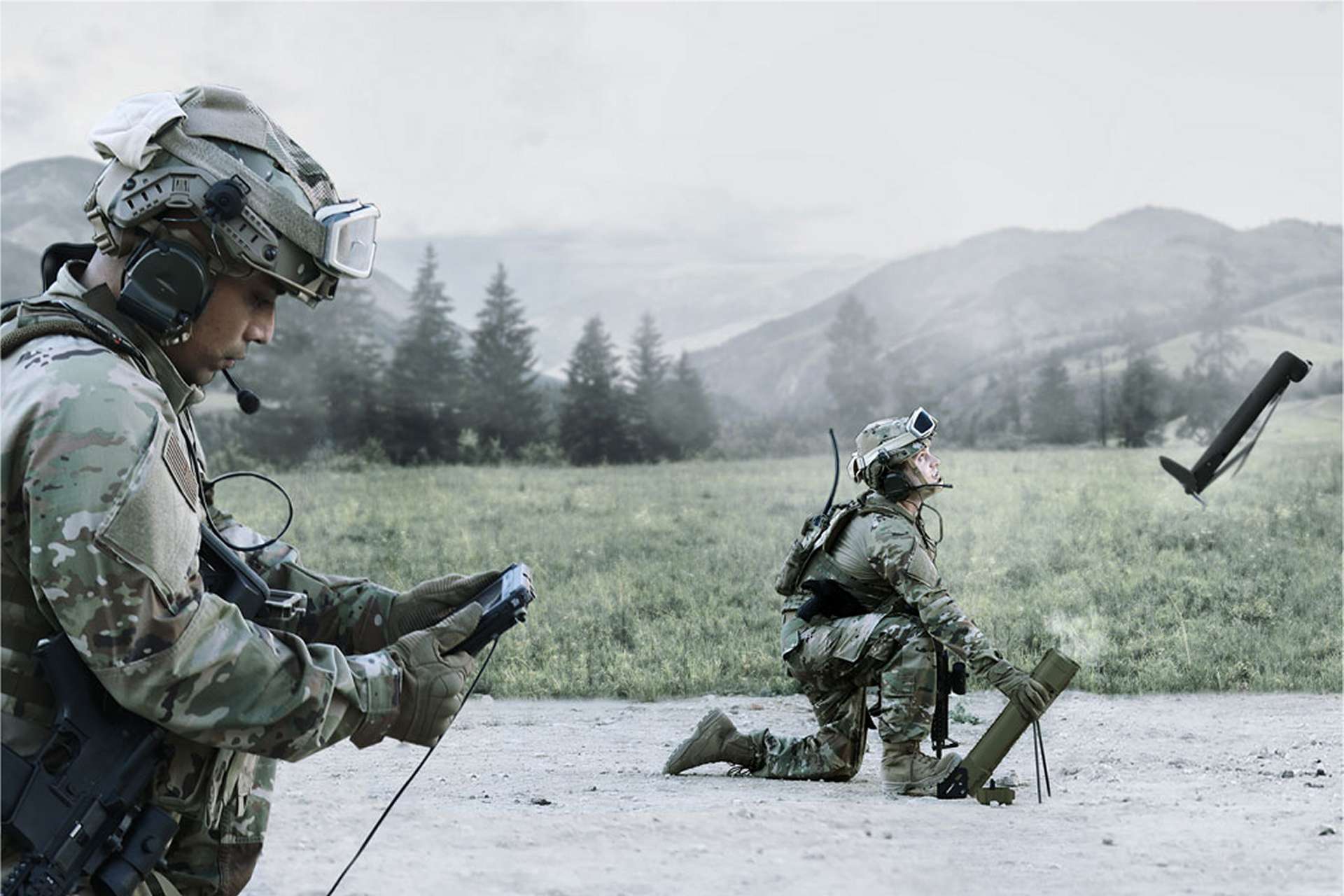
The Switchblade 300 is a miniature loitering munition. (Picture source: AeroVironment)
The approval of this sale by the US State Department includes 720 Switchblade 300 anti-personnel loitering missile systems valued at $300 million, and ALTIUS 600M-V anti-armor UAVs for $60.2 million. These systems, manufactured by AeroVironment and Anduril Industries, are designed to enhance Taiwan's ability to defend itself against potential threats, particularly from China.
The US Department of Defense stated that this sale supports US national, economic, and security interests by helping Taiwan to modernize its armed forces and maintain a credible defensive capability. The Pentagon added that this would contribute to political stability, military balance, and economic progress in the region.
This sale comes amid heightened tensions between the US and China, exacerbated by the recent Taiwanese presidential elections. The elected president, Lai Ching-te, perceived as pro-independence, has triggered a hostile reaction from Beijing, which views Taiwan as a renegade province that must be reunified with the mainland, by force if necessary.
The announcement of this sale has elicited mixed reactions. Taiwan has expressed its gratitude, with President Lai Ching-te stating that this support would bolster the island's national defense capabilities. Conversely, China has firmly criticized this decision, considering it a provocation. Beijing has intensified its military exercises around Taiwan in response to Lai's election and the continued US arms sales.
Bipartisan support for Taiwan remains strong in the US Congress, despite the risks of escalating tensions with China. The US has long maintained a policy of recognizing the "One China" principle while continuing to provide military support to Taiwan to ensure its security.
The Switchblade 300 is a miniature loitering munition, also known as a suicide drone, used by several countries, including France, Ukraine, and the United States. Designed in the US, this drone is equipped with an advanced explosive charge developed by Northrop Grumman, equivalent to a 40mm grenade. Intended for anti-personnel targets and light combat vehicles, the Switchblade 300 weighs only 2.5 kg.
It is distinguished by its 15-minute endurance and impressive range of 600 kilometers. Lightness, extended range, and explosive power make it an effective tool for specific missions requiring precise and rapid strikes. Used in various operational theaters, it offers considerable tactical flexibility to neutralize targets with surgical precision, thereby minimizing collateral damage.
Including the Switchblade and ALTIUS drones in this sale reflects the evolution of modern warfare, where loitering drones have become essential for their ability to carry out precise and low-cost attacks. These drones have proven their effectiveness in recent conflicts, notably in Ukraine, and are now integrated into Taiwan's defense strategies to counter potential Chinese threats.
The sale of these drone systems to Taiwan enhances the island's defense capabilities while exacerbating existing tensions with China. The continued US support for Taiwan underscores the strategic importance of the Indo-Pacific region and Washington's determination to maintain a balance of power in the face of Chinese military expansion.
Read more: United States Sells $360 Million Worth of Drones and Loitering Munitions to Taiwan
- Details
- Written by: V.Saint
- Category: 2024
- Hits: 3022
The Bundestag's Budget Committee approved today the purchase of approximately 500 Stinger guided missiles from the United States. The procurement will be carried out through the Foreign Military Sales (FMS) process. The value of the 506 surface-to-air missiles in the modern FIM-92K Block I variant with a proximity fuse is around 395 million euros.
Follow Army Recognition on Google News at this link
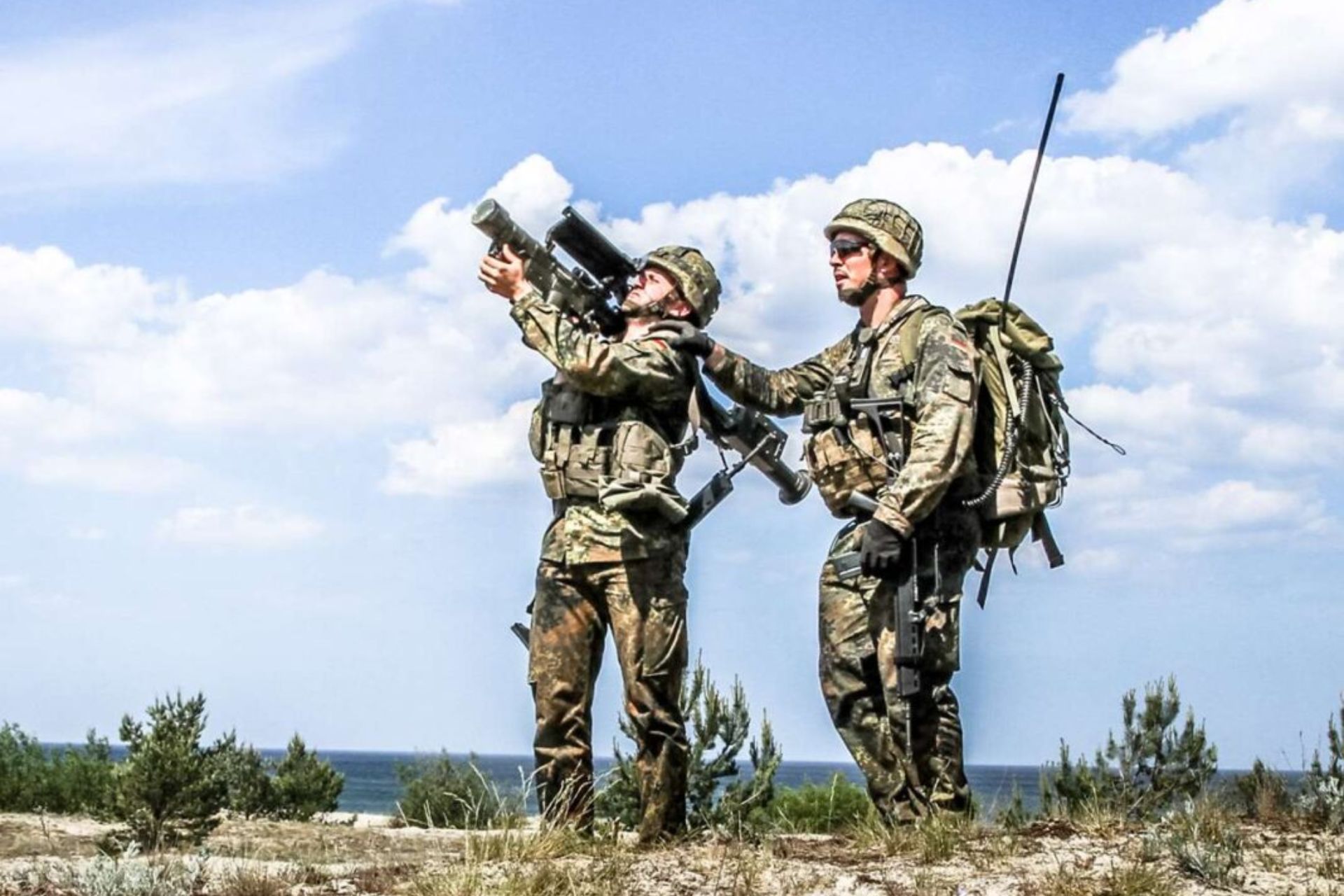
AntiAircraft Unit from Luftwaffe ( German Airforce) training on MANPADS system (Picture source: German Army)
This purchase became necessary after the transfer of 500 missiles of this type to Ukraine. The manufacturer and supplier is the American company Raytheon, which also produces the Patriot air defense system.
The Stinger systems are used by the Bundeswehr as the Fliegerfaust 2 for shoulder firing, in the light anti-aircraft system, and for the Tiger attack helicopter. According to some reports, the first Skyranger anti-aircraft tanks of the army's air defense system will initially be equipped with "Tiger Stingers" without proximity fuses.
According to the Bundeswehr, the Fliegerfaust 2 Stinger is used against low and medium altitude aerial targets at a range of up to six kilometers and a flight altitude of up to three kilometers. The weapon operates on the "fire and forget" principle, flying automatically towards the target after the passive seeker head is activated.
The 507 MANPADS (Man Portable Air Defence System) will be acquired through the NATO Support and Procurement Agency (NSPA), which is placing a large order for 940 Stingers in the United States, with the Netherlands and Italy also wanting to purchase the weapon. The Bundeswehr is expected to receive about half of the ordered quantity in 2028 and 2029. As stated, the funding comes from Individual Plan 60, which is used, among other things, to support partner countries.
- Details
- Written by: Jérôme Brahy
- Category: 2024
- Hits: 2971
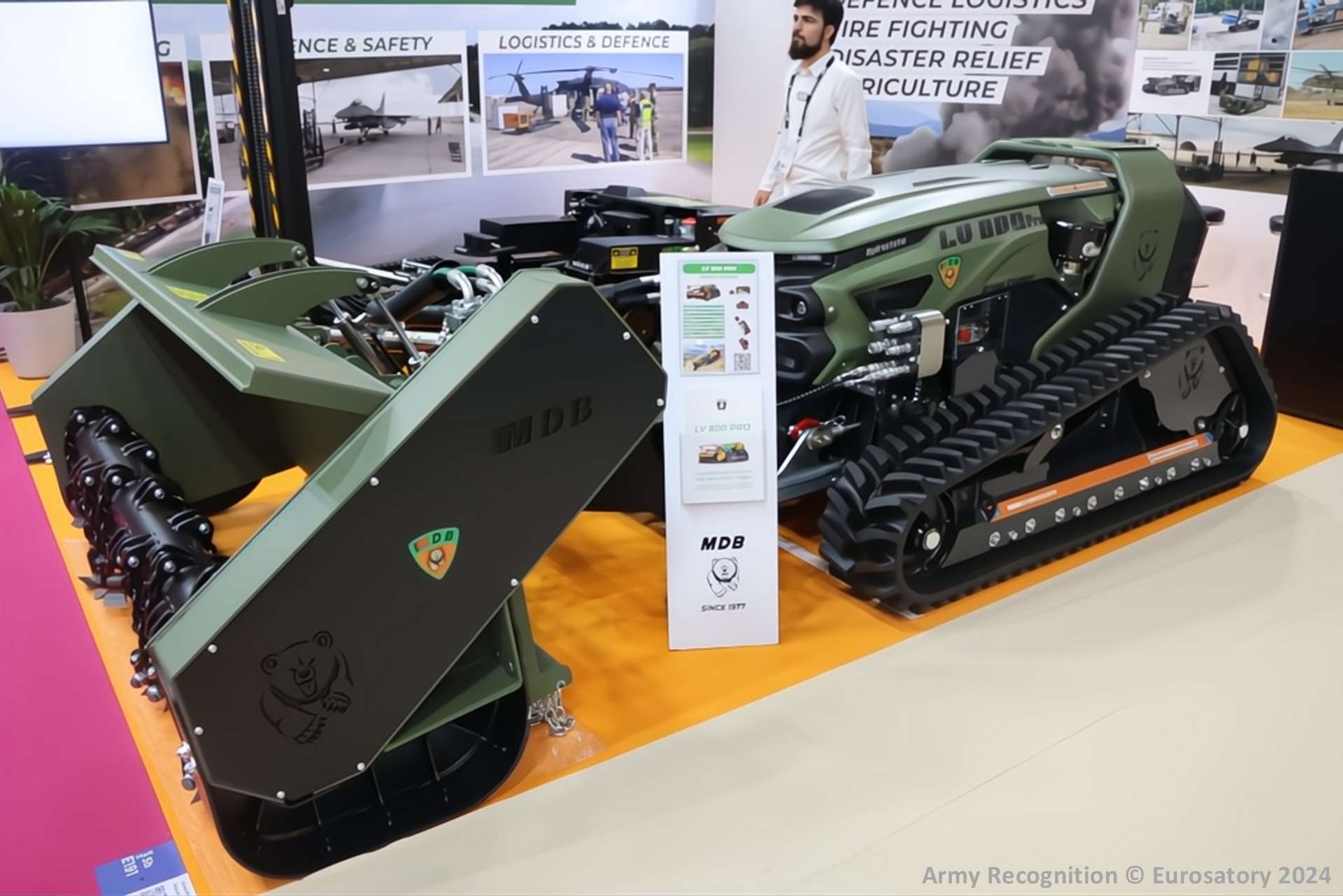
At the Eurosatory 2024 exhibition, the Italian company MDB proposed its LV 800 Pro remote-controlled vehicle for mine-clearing operations. This unmanned ground vehicle offers various advantages, including a wide clearance width of up to 2.07 m, a clearance depth of over 250 mm, and various compatible equipment such as a demining slasher, dozer bucket or blade, flail with fixed hammers, flail with rotating knives, tiller, front forklift, and rotational gripper.
Follow Army Recognition on Google News at this link
The demining slasher on the LV 800 Pro is used for area and mine clearance, neutralizing anti-personnel landmines and unexploded ordnance (UXOs) with a clearing width of up to 2.07 m. (Picture source: Army Recognition)
MDB SRL, founded in 1977 by Mario Di Biase in Rizzacorno, Italy, specializes in the design and manufacture of remote-controlled machinery for agriculture and industry, recognized for integrating advanced hydraulic systems and maintaining a focus on safety. The company, now based in Fossacesia, Chieti, has developed solutions such as low-profile agricultural trailers, construction mini tractors, and heat exchanger extractors for refineries. MDB's Green Climber series features remote-controlled mini tractors designed for safe operation on steep slopes.
The LV 800 Pro, part of the Green Climber series, is a remote-controlled tracked vehicle equipped with a side shifter capability of 500 mm (hydraulic) plus an additional 500 mm (mechanical). The undercarriage is expandable with a patented design and also features a patented special engine lubrication system. A hydraulic quick coupling plate is included for rapid attachment of tools, and the undercarriage is specifically designed for steep slopes, managing inclines up to 60° in all directions. It also has a patented track anti-derailment system, an MDB turbine air pre-filter, and a tow hitch.
The hydraulics system features a hydrostatic proportional transmission. The accessory main pump delivers 106 liters per minute at 350 bar in a piston closed-loop configuration, and the service pump provides 35 liters per minute at 180 bar. There are three proportional auxiliary hydraulic outputs, and the vehicle has an oil tank capacity of 32 liters.
In terms of dimensions, this Italian unmanned ground vehicle (UGV) has a total length of 2.51 m, extending to 3.335 m when equipped with a demining slasher. The overall width is 1.51 m when closed and 1.91 m when open. The height of the vehicle is 1.19 m, and it weighs 1,910 kg.
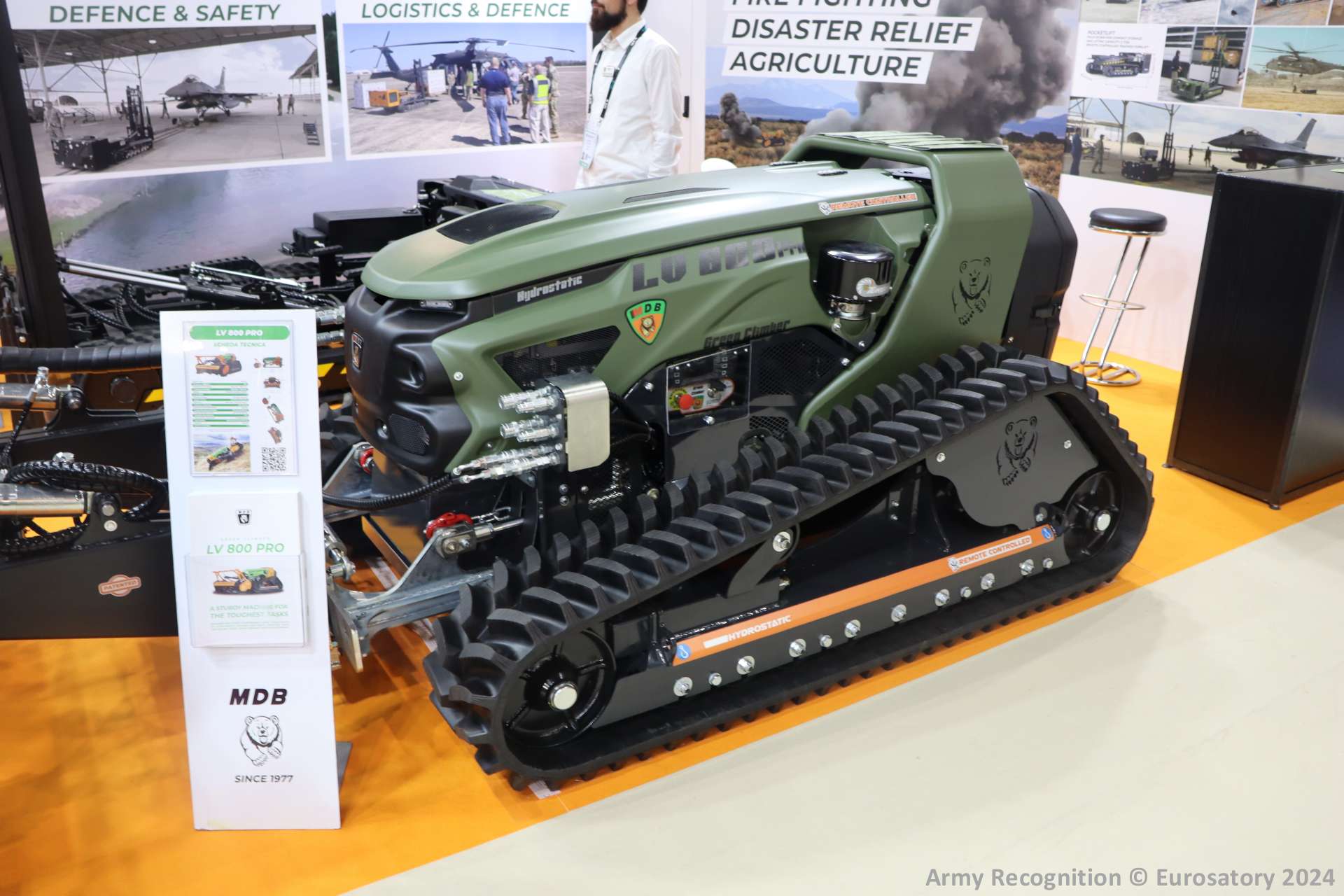
The vehicle is driven using a single, fully proportional joystick, while operational control of the LV 800 Pro is facilitated through a radio control system calibrated for 100 meters for visibility reasons. (Picture source: Army Recognition)
The vehicle is powered by a Kohler Turbo Intercooler Common Rail engine, model KDI2504TCR/26°. This four-cylinder diesel engine produces 74.3 hp and 315 Nm of torque at 1,500 rpm. It complies with Stage V and EPA Tier 4 Final emissions regulations. The cooling system is liquid with a reversible fan and an oversized radiator. The fuel tank capacity is 52 liters. The maximum speed of the vehicle is 9 km/h.
Operational control of the LV 800 Pro is facilitated through a radio control system calibrated for 100 meters for visibility reasons. The vehicle is driven using a single, fully proportional joystick. An onboard battery charger compartment is included.
The LV 800 Pro supports various compatible accessories, including a demining slasher, dozer bucket or blade, flail with fixed hammers, flail with rotating knives, tiller, front forklift, and rotational gripper. The demining slasher is used for area and mine clearance, neutralizing anti-personnel landmines and unexploded ordnance (UXOs) with a clearing width of up to 2.07 m. The dozer bucket or blade is used for earth moving and breaching, with a pushing capacity of 4 tons and a clearing width of up to 1.8 m. Both types of flails are designed for mine clearance, achieving a clearance depth of over 250 mm. The tiller is used for post-neutralization land maintenance with a clearance depth of up to 300 mm. The front forklift is utilized for logistics and manipulation, with a lifting height of 2,390 mm and tool dimensions of 1,400 x 1,290 x 950 mm. The rotational gripper is for breaching, obstacle removal, and earth moving, with a lifting capacity of 1,500 kg and a pushing capacity of 4 tons.
Read more: Italian company MDB proposes its LV 800 Pro UGV for steep slope mine clearance

- Details
- Written by: Vandenbosch
- Category: 2024
- Hits: 4997
Ukrainian military personnel continue to surprise with their inventive use of UAVs on the battlefield, employing tactics that even the developers hadn't imagined including magnets for stealing Russian weapons.
Follow Army Recognition on Google News at this link
The Fury Pro UAV presented at Eurosatory 2024. (Picture source: Army Recognition)
The Ukrainian team, Drone Squad, alongside "SpetsTechnoExport" (STE), presented their combat drone Fury PRO at Eurosatory 2024, held from June 17 to 21 in Paris. An anonymous project representative shared with Focus the unique applications of these UAVs in combat situations.
According to the representative, Fury PRO combat drones are currently deployed across nearly all frontlines. Ukrainian soldiers frequently provide new videos of successful strikes. "There are very successful cases of mining, where at night, an anti-tank mine is delivered and dropped on a road, causing an enemy buggy to explode in the morning," the developer shared.
Another intriguing and somewhat unexpected use of the Fury PRO is disarming the occupiers. One crew attached a magnet to the drone and sent it into the grey zone where Russian forces were advancing. There, the drone picked up and transported a rifle from one of the invaders back to their position, effectively capturing it.
"This is an interesting case. I never thought this could be done," admitted the Drone Squad representative. "Moreover, positions are regularly 'disassembled,' dropping 120 mm mines and TM-62 anti-tank mines on them." Military units using the Fury PRO continually send feedback or provide new information, enabling engineers to consistently improve the drones.
The Fury PRO is an advanced combat drone used by the Ukrainian armed forces, designed for various missions thanks to its robust technical capabilities. It has an impressive operational range, reaching up to 6,500 meters with a 15 kg payload, and up to 10,000 meters with a 10 kg payload. Its maximum payload capacity is 15 kg, allowing it to carry various types of armaments and equipment.
The drone offers several flight modes, including an automatic mode with GPS, a manual mode with GPS, and an AltHold mode without GPS, providing great flexibility depending on operational needs. In terms of endurance, the Fury PRO can fly for 15 minutes when fully loaded, and up to 55 minutes when empty.
The Fury PRO is equipped with a day camera and a thermal camera, ensuring effective surveillance and reconnaissance in various conditions. Its accuracy ranges between 3 and 10 meters, making it a reliable tool for targeted missions. The control system uses FHSS technology, while the video operates on 5.8/3.3 GHz frequencies, ensuring stable and secure data transmission.
The GPS of the Fury PRO is protected against electronic warfare attacks, enhancing its resilience in hostile environments. This drone is also capable of carrying and dropping different types of munitions, including a 120 mm caliber mine, three 82 mm caliber mines, and TM-62 anti-tank mines, among others. These features make the Fury PRO a major asset for modern military operations, offering versatility and efficiency on the battlefield.
As noted by the Drone Squad representative, the UAV generated interest at Eurosatory 2024, particularly due to the impact videos. Abroad, no one had previously considered that anti-tank mines, typically placed on the ground or roads, could be dropped from a drone. "There are already positive outcomes from networking and potential partners interested in collaboration," he noted.
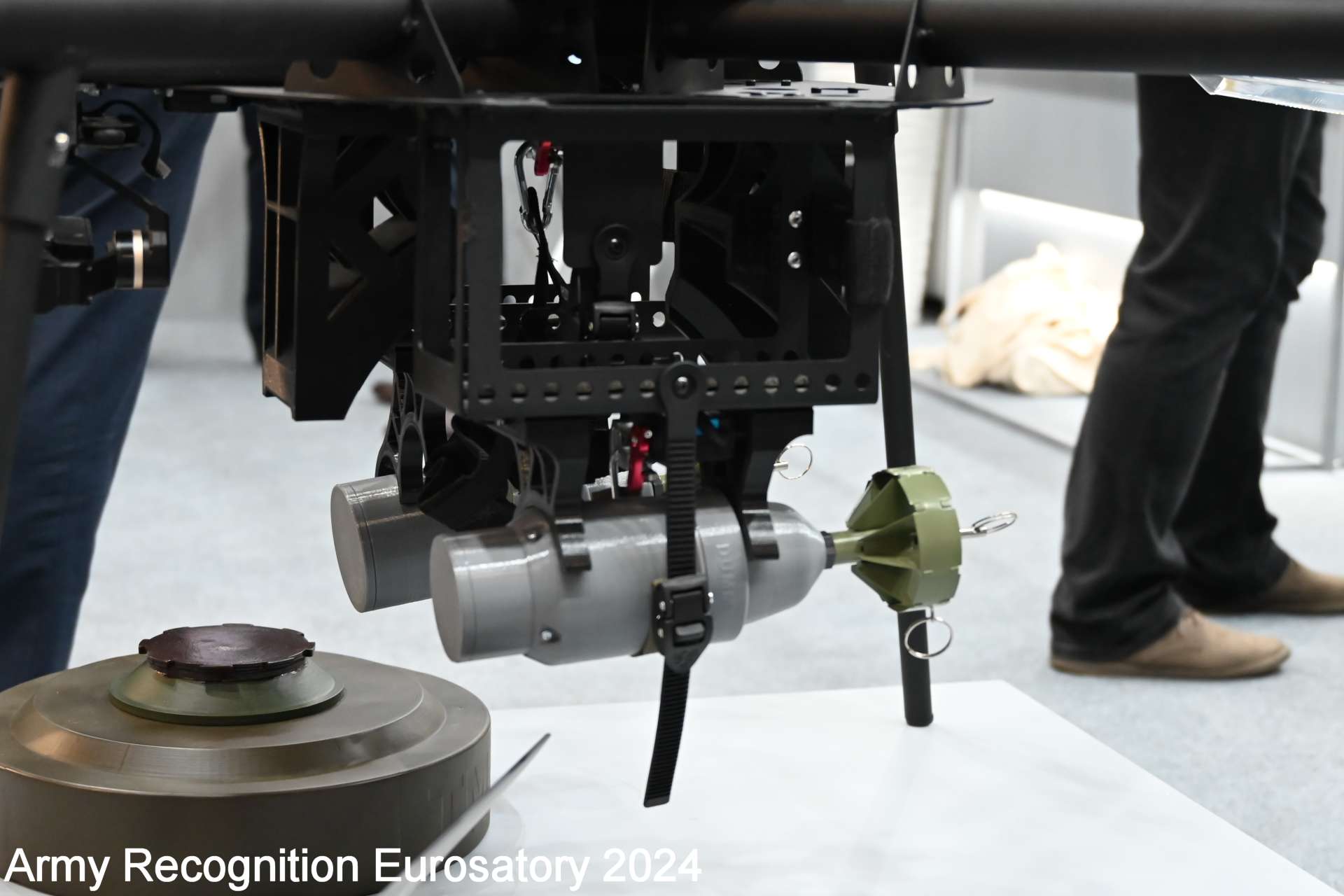
View of the different loads the Fury Pro UAV can carry. (Picture source: Army Recognition)
Read more: Ukrainian Fury PRO Drones Steal Weapons from Russian Soldiers Using Magnets
- Dutch company Defenture designs Viper Light 120mm mortar carrier using Ukrainian combat experiences
- Integration of AI on the Modern Battlefield: Insights from the Ukraine War
- Canada’s Roshel to Build Factory in Ukraine to Produce Senator Armored Vehicles
- GM comes back on European military market with electric troops carrier