

- Details
- Written by: Jérôme Brahy
- Category: 2024
- Hits: 7204










At the Eurosatory 2024 exhibition, Rheinmetall introduced its new Ermine family of lightweight tactical vehicles. This family represents a new generation of mobility solutions, featuring a mobile energy source (microgrid) and readiness for autonomous operation. With prototypes already been delivered to the Dutch Army, with tests ongoing in the Netherlands, the vehicles are already noted for their high mobility and tactical flexibility, designed to address a variety of military needs.
Follow Army Recognition on Google News at this link
The Ermine Buggy incorporates elements from the baseline vehicle but is longer and wider to accommodate the third axle, providing a payload of 500 kg. (Picture source: Army Recognition)
The Ermine family includes an Unmanned Ground Vehicle (UGV), a side-by-side buggy, and a quad, available in 4x4 and 6x6 variants. These vehicles are based on a diesel-electric hybrid drivetrain and base platform, which provides modularity and agility. Depending on their configuration, the vehicles can support a payload of up to one ton, achieve a range exceeding 1,000 kilometers, and reach a top speed of 90 km/h. For strategic deployment, up to four Ermine vehicles can be transported by cargo helicopters such as the CH-47 or CH-53, enhancing operational flexibility.
These vehicles, also known as Hermelin, can be configured for various applications, including reconnaissance and communication, anti-tank operations, weapon carriers, medical evacuation (MedEvac), or as generators. The Ermine vehicles can operate silently due to their electric drive and are designed to be as user-friendly as civilian quads or buggies. When not used for tactical mobility, they serve as mobile energy sources, contributing to operational capabilities and supporting ESG targets through sustainable energy storage in their battery packs.
The Ermine technology was developed in the Netherlands by the start-up company REEQ, which became a subsidiary of Rheinmetall Defence Nederland B.V. in March 2024. The acquisition of REEQ enables Rheinmetall to serve the Dutch and European markets in the field of light tactical mobility, both manned and unmanned, in combination with a microgrid, with short delivery times. The collaboration between Rheinmetall and REEQ combines industrial capacity with innovative development in the Ermine vehicles.
Within the Rheinmetall Group, REEQ retains its status as a start-up in the field of development. The further development and serial production of these vehicles will continue in the Netherlands. Rheinmetall AG, headquartered in Düsseldorf, operates in various markets with a range of products and services. Rheinmetall is a significant international systems supplier in the defense industry and also engages in civilian markets. Sustainability is a part of Rheinmetall’s strategy, with the company aiming to achieve CO2 neutrality by 2035.
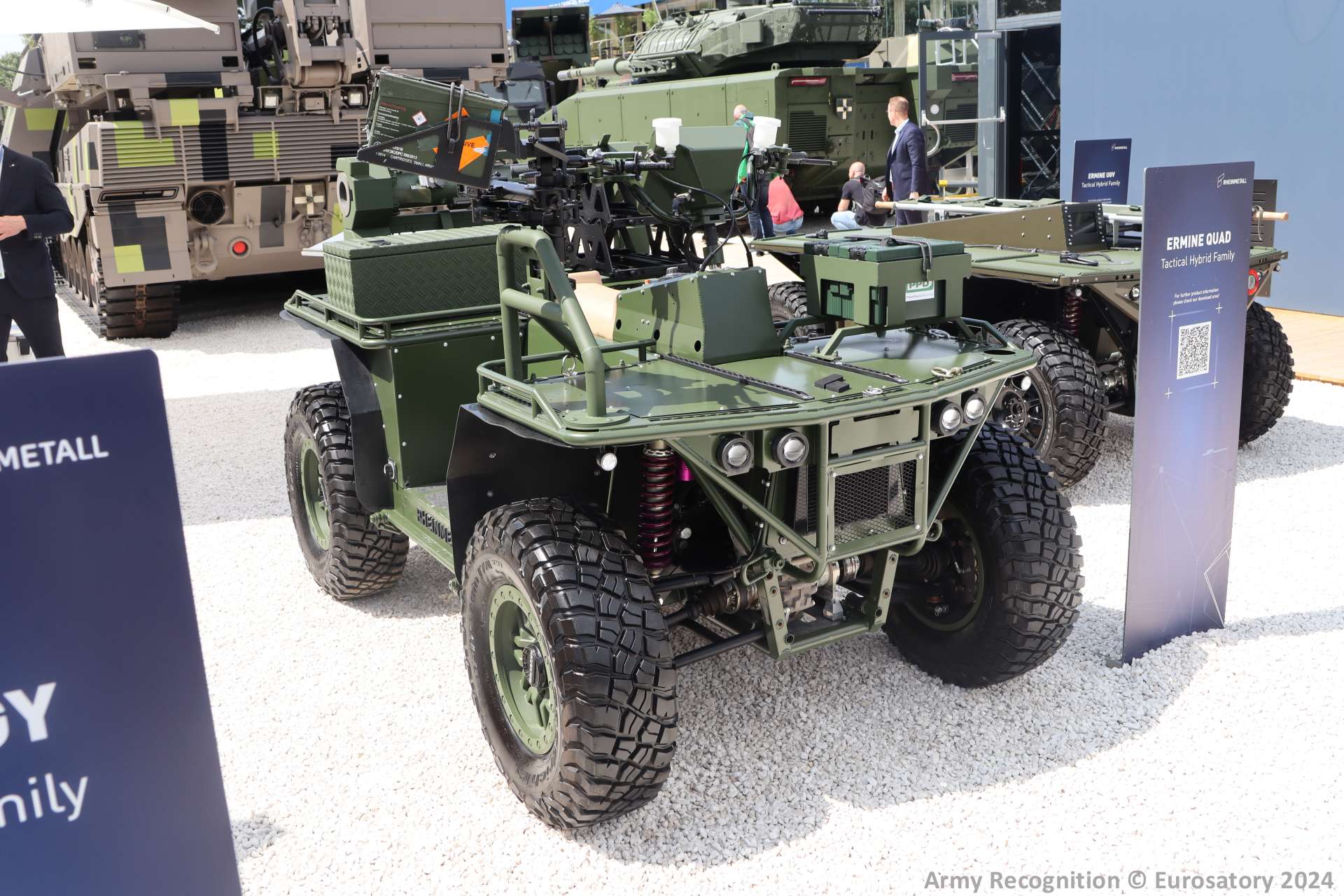
The baseline vehicle of the Ermine series is the quad, a 4x4 with a dry mass of 875 kg and a 500 kg payload. (Picture source: Army Recognition)
The Ermine vehicles are designed for high mobility in various terrains and can be driven silently due to their electric drive. The vehicles are straightforward to operate and, if not used for tactical mobility, can serve as mobile energy sources, potentially increasing the operational capacity of armed forces. This capability also aligns with ESG targets, as locally produced sustainable energy can be stored in the battery pack. Prototypes of the Ermine vehicles have already been delivered to the Dutch Army, with tests ongoing in the Netherlands. The vehicle is being engineered for full production, with facilities being prepared to meet the demand.
The baseline vehicle of the Ermine series is the quad, a 4x4 with a dry mass of 875 kg and a 500 kg payload. The powertrain is based on a 30 kW motor per axle, supported by a 16 kWh lithium ferrophosphate (LFP) battery recharged by a diesel engine using F34 fuel. Compared to the 100 km range of the electric-only vehicle from the initial study, the Ermine Quad can travel 1,000 km with the range extender. It can tow a trailer with a mass exceeding 750 kg and be transported by a CH-47 Chinook helicopter.
The Ermine UGV shares most specifications with the quad but lacks a roll bar, resulting in a height of 1,100 mm. The Ermine Buggy, a 6x6, incorporates elements from the baseline vehicle but is longer and wider to accommodate the third axle, providing a payload of 500 kg. This version offers flexibility in payload types and can be fitted with either one or two batteries of the same type mentioned for the quad, achieving a maximum range of 1,200 km.
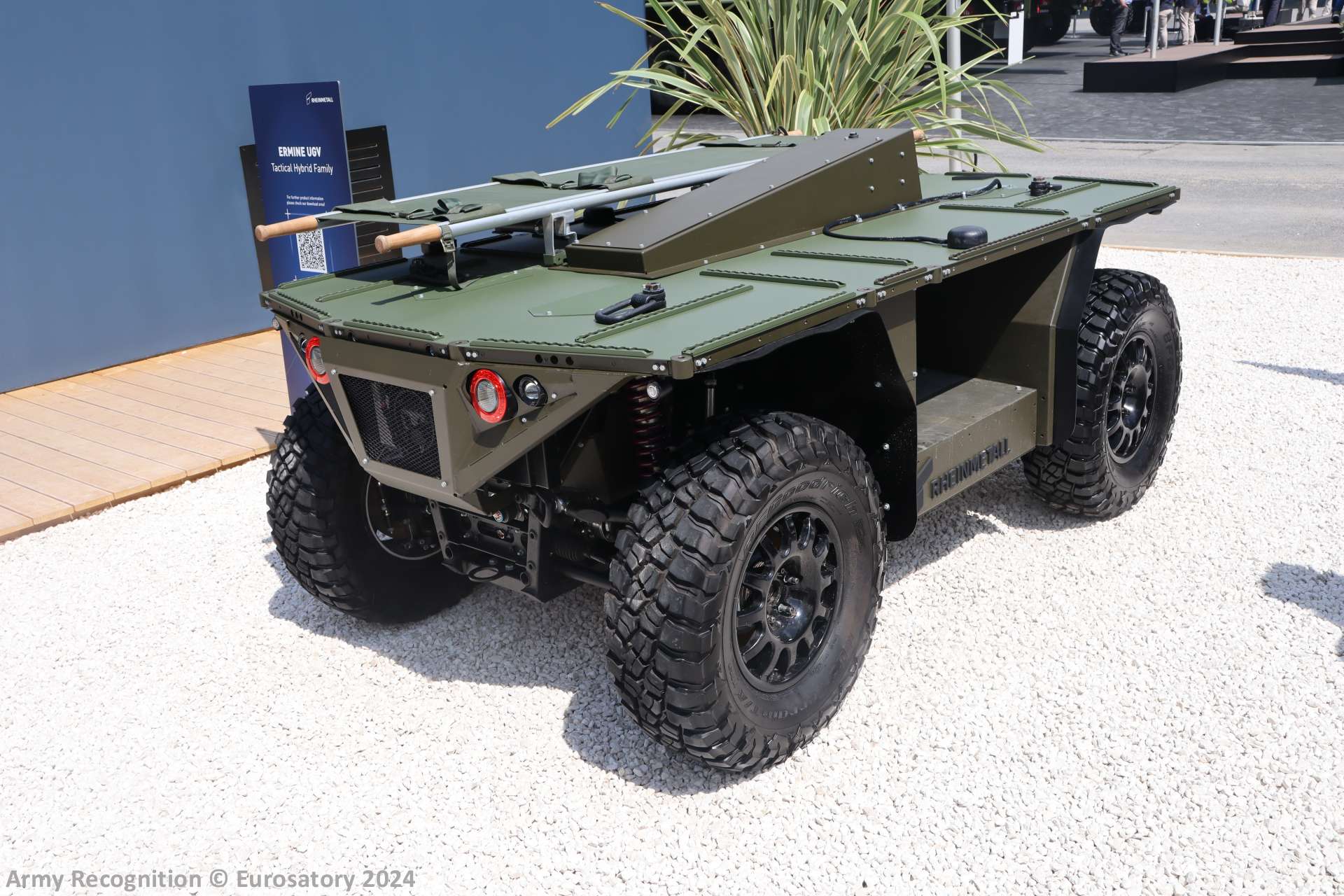
The Ermine UGV shares most specifications with the quad but lacks a roll bar, resulting in a height of 1,100 mm. (Picture source: Army Recognition)
Read more: Rheinmetall's new Ermine tactical vehicles promise a 1,000 km range for Dutch Army
- Details
- Written by: Triffaux
- Category: 2024
- Hits: 5472
On June 28, 2024, the Bundestag's budget committee approved a significant order of 500 Stinger missiles from the United States. This acquisition, carried out via a Foreign Military Sales (FMS) procedure, aims to replenish the Bundeswehr's stock after the transfer of 500 missiles to Ukraine. The total cost of this operation is estimated at approximately 395 million euros for 506 missiles of the modern FIM-92K Block I variant, equipped with proximity fuzes.
Follow Army Recognition on Google News at this link
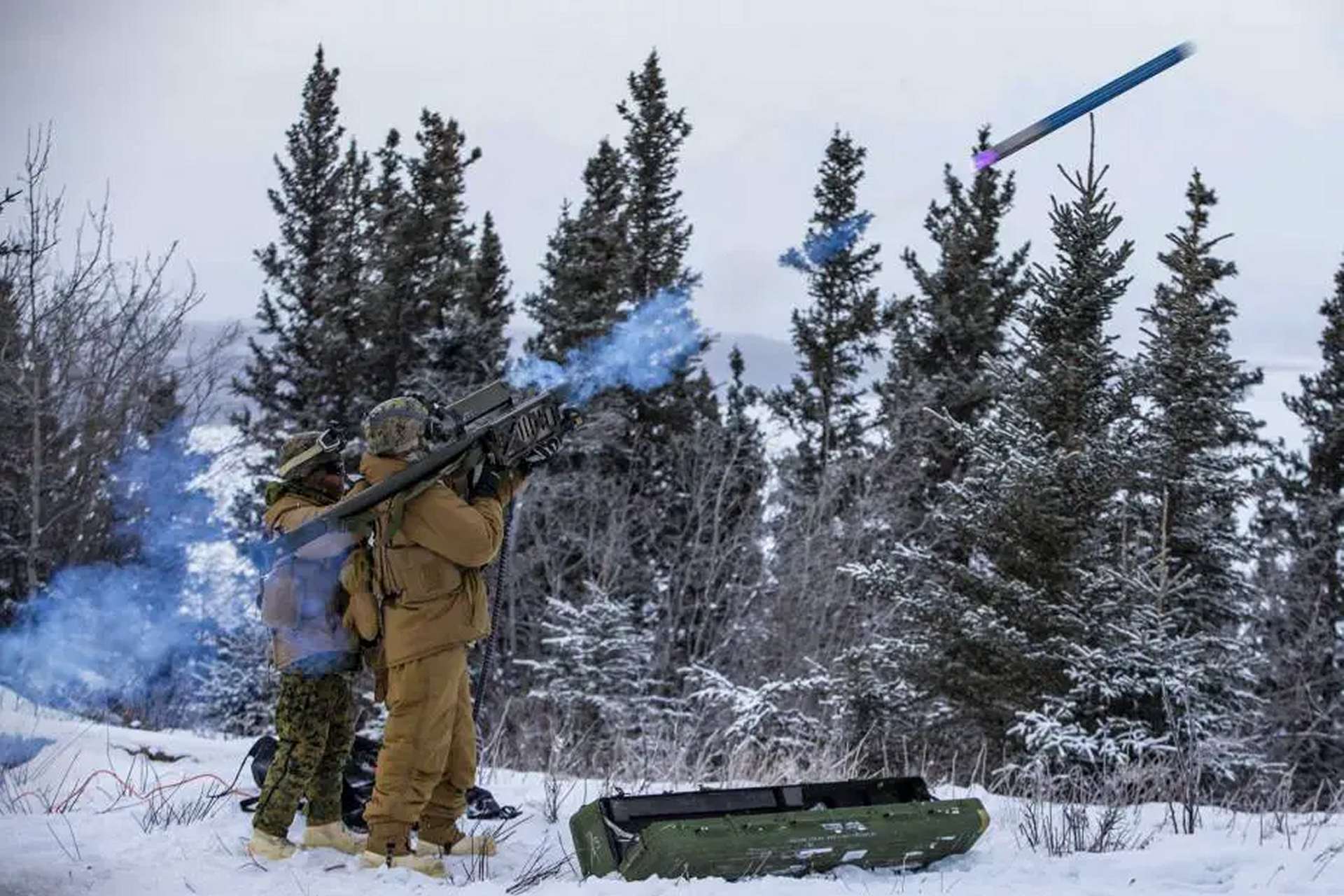
Raytheon FIM-92 Stinger missile (Picture source: US DoD)
The supplier of these systems is the American giant Raytheon, also known for producing the Patriot air defense system. Stinger missiles, known as Fliegerfaust 2 in the Bundeswehr, are widely used portable air defense systems (MANPADS) by armed forces in many countries.
The Stinger systems are utilized in various configurations within the Bundeswehr. They can be shoulder-launched, integrated into light air defense systems, and mounted on combat helicopters like the Tiger. The new Skyranger armored anti-aircraft vehicles of the army will be the first to be equipped with versions without proximity fuzes.
The Fliegerfaust 2 Stinger is capable of neutralizing aerial targets at low and medium altitudes, at distances up to six kilometers and altitudes up to three kilometers. Operating on a "fire-and-forget" principle, these missiles automatically home in on their targets after the passive seeker head is activated.
The order for the 506 MANPADS will be managed through the NATO Support and Procurement Agency (NSPA), which has placed a group order for 940 Stingers from the United States, also covering the needs of the Netherlands and Italy. The Bundeswehr is expected to receive approximately half of its order between 2028 and 2029.
The funding for this acquisition will come from Chapter 60 of the federal budget, which is also used to support partner countries. This decision underscores Germany's commitment to maintaining robust air defense capabilities and supporting its allies within NATO operations.
The partnership between Raytheon and the Bundeswehr extends beyond the Stinger missiles. The American manufacturer plays a crucial role in supplying sophisticated defense systems, ensuring that the German armed forces have access to the most advanced technologies for their national and international defense missions.
This new order of Stingers highlights Germany's focus on modernizing its air defense capabilities in a global context marked by increasing tensions and the need for heightened vigilance.
The Fliegerfaust 2 Stinger is a portable air defense system designed to engage aerial targets at low and medium altitudes. This system is notable for its easy transportability and use by a two-person team, though it can be fired by a single operator. The Stinger measures 1.5 meters in length, has a diameter of 70 millimeters, and the missile itself weighs 10.1 kilograms, with the total weight including the launch tube being 15.2 kilograms.
The system offers an effective range of up to 4.8 kilometers and can engage targets up to an altitude of 3.8 kilometers. The missile reaches a maximum speed of Mach 2.54 (approximately 1,930 mph or 864 m/s) thanks to its two-stage solid propellant motor. It uses an infrared guidance system with a passive seeker, operating on a "fire-and-forget" principle, allowing the missile to automatically home in on its target after launch, giving the operator the opportunity to take cover or prepare for another attack.
The missile is equipped with a 1.02-kilogram explosive warhead composed of a mix of HMX, TNT, and aluminum powder (HTA-3). The warhead features an impact fuze with a self-destruct timer set to activate 17 seconds after launch.
The Fliegerfaust 2 Stinger is designed to be used against enemy aircraft and helicopters. Its ability to acquire head-on targets maximizes the time available to engage and destroy threats. It is widely used by numerous armed forces around the world due to its effectiveness and reliability. Modern versions, such as the FIM-92K Block I, include significant improvements, particularly in resistance to countermeasures and advanced technologies to enhance battlefield effectiveness.
Read more: German Army to Receive 500 Modern FIM-92K Stinger Missiles MANPADS through NATO Support
- Details
- Written by: Vandenbosch
- Category: 2024
- Hits: 4748
The U.S. Army celebrates its 249th anniversary, marking the occasion by officially renaming its short-range air defense system (M-SHORAD) to "Sergeant Stout." This name change honors Sgt. Mitchell William Stout, the only air defense artilleryman in the Army to receive the Medal of Honor. Sgt. Stout heroically sacrificed his life during the Vietnam War on March 12, 1970, by protecting his comrades from a grenade explosion. However, the name change isn't the only significant update; the U.S. Army might increase the number of these vehicles from 312 to 361.
Follow Army Recognition on Google News at this link
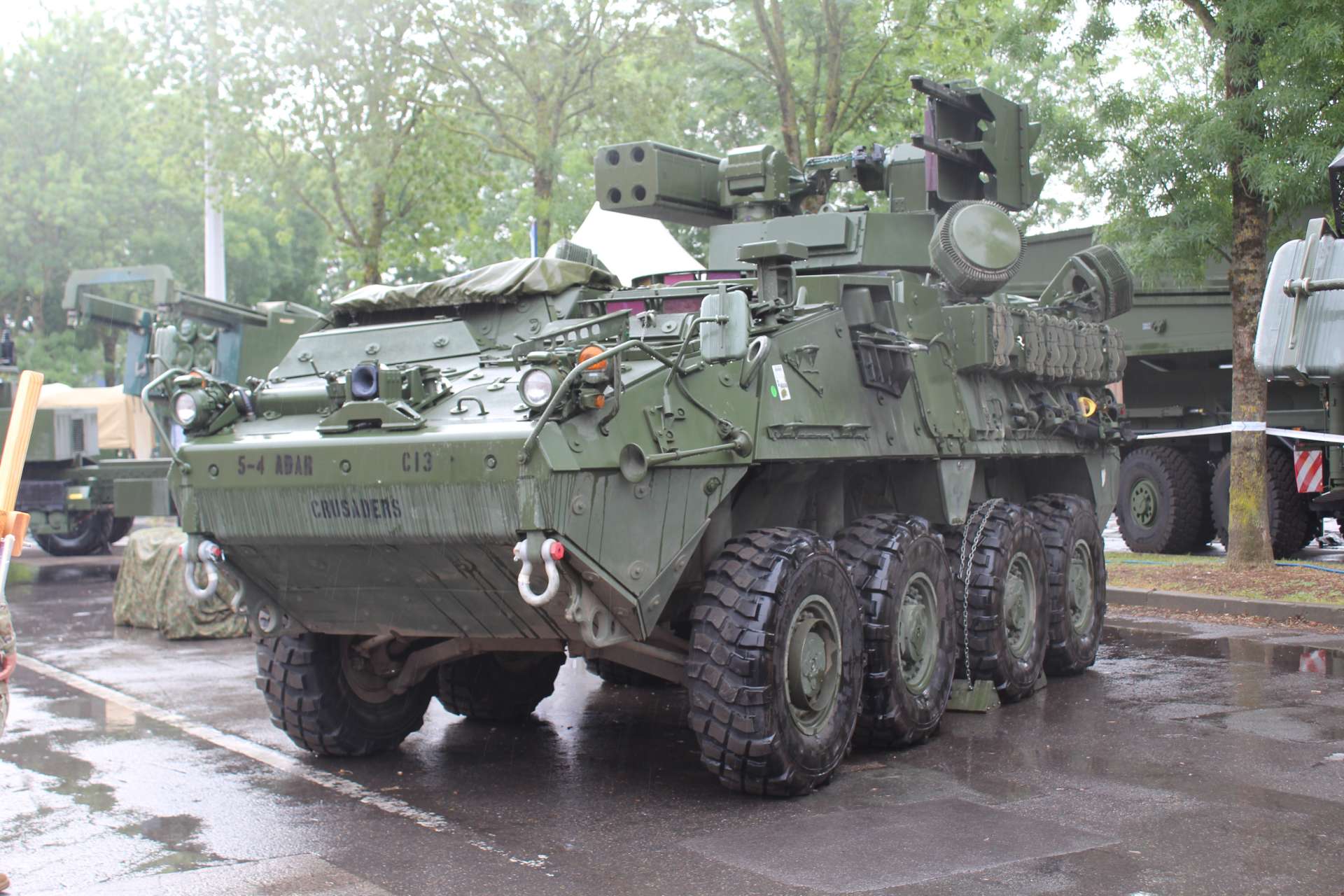
The M-SHORAD has been renamed Sergeant Stout and was recently presented at the Eurosatory show in Paris. (Picture source: Army Recognition)
"Stout ran toward the grenade, picked it up, held it close to his body, and began to exit the bunker," explained the Army's chief of acquisition, Doug Bush. "Upon reaching the door, the grenade exploded, and he shielded his comrades from the blast with his body, thus protecting them from injury or death."
This name change follows last year's renaming of the Mobile Protected Firepower (MPF) "light tank" to the M10 Booker combat vehicle, with more renaming planned in the future.
The Army has approved the deployment of 162 Sergeant Stout systems to support the training and equipping of four battalions, with three units already equipped. According to Brig. Gen. Frank Lozano, program executive officer for missiles and space, the number of systems could increase from 312 to 361 to equip four National Guard battalions.
The Sergeant Stout system, based on the Stryker A1 vehicle, is designed to counter various aerial threats, including unmanned aerial systems and rotary- and fixed-wing aircraft. General Dynamics Land Systems leads the integration, incorporating the mission equipment package from Leonardo DRS, the Reconfigurable Integrated-weapons Platform (RIwP) turret from Moog, and the multi-mission hemispheric radar from Rada USA.
The initial RIwP configuration includes a modified M299 launcher for two Longbow Hellfire missiles, a Raytheon Stinger Vehicle Universal Launcher (SVUL) for four surface-to-air missiles, the Northrop Grumman 30mm Bushmaster XM914 cannon, and a 7.62mm M240 machine gun. This configuration is subject to updates based on soldier feedback and emerging threats, particularly from conflicts in Ukraine and the Middle East.
The Army plans progressive updates based on soldier feedback, which has already led to changes such as repositioning a switch on the manual controller to a touch interface. A significant planned update is the integration of the next-generation short-range interceptor, currently competing to replace the FIM-92 Stinger missile.
In addition to the Sergeant Stout, the Army is developing other M-SHORAD initiatives. These include a 50-kilowatt laser prototype mounted on the Stryker and capabilities for the M-SHORAD "increment 4," which could be integrated on common light tactical vehicles or robots like the Small Multipurpose Equipment Transport.
Read more: US Army's M-SHORAD System Renamed and Its Quantity Potentially Increased from 312 to 361
- Details
- Written by: Halna du Fretay
- Category: 2024
- Hits: 4145
On June 27, 2024, the South African company, Paramount, announced several updates to its next-generation Infantry Combat Vehicle (ICV), the Mbombe 6. This vehicle is in production to meet the needs of customers as the global armored vehicle market undergoes significant changes. European governments, in particular, are strengthening their ground forces and national production capabilities in response to global tensions heightened by the Russian-Ukrainian conflict.
Follow Army Recognition on Google News at this link
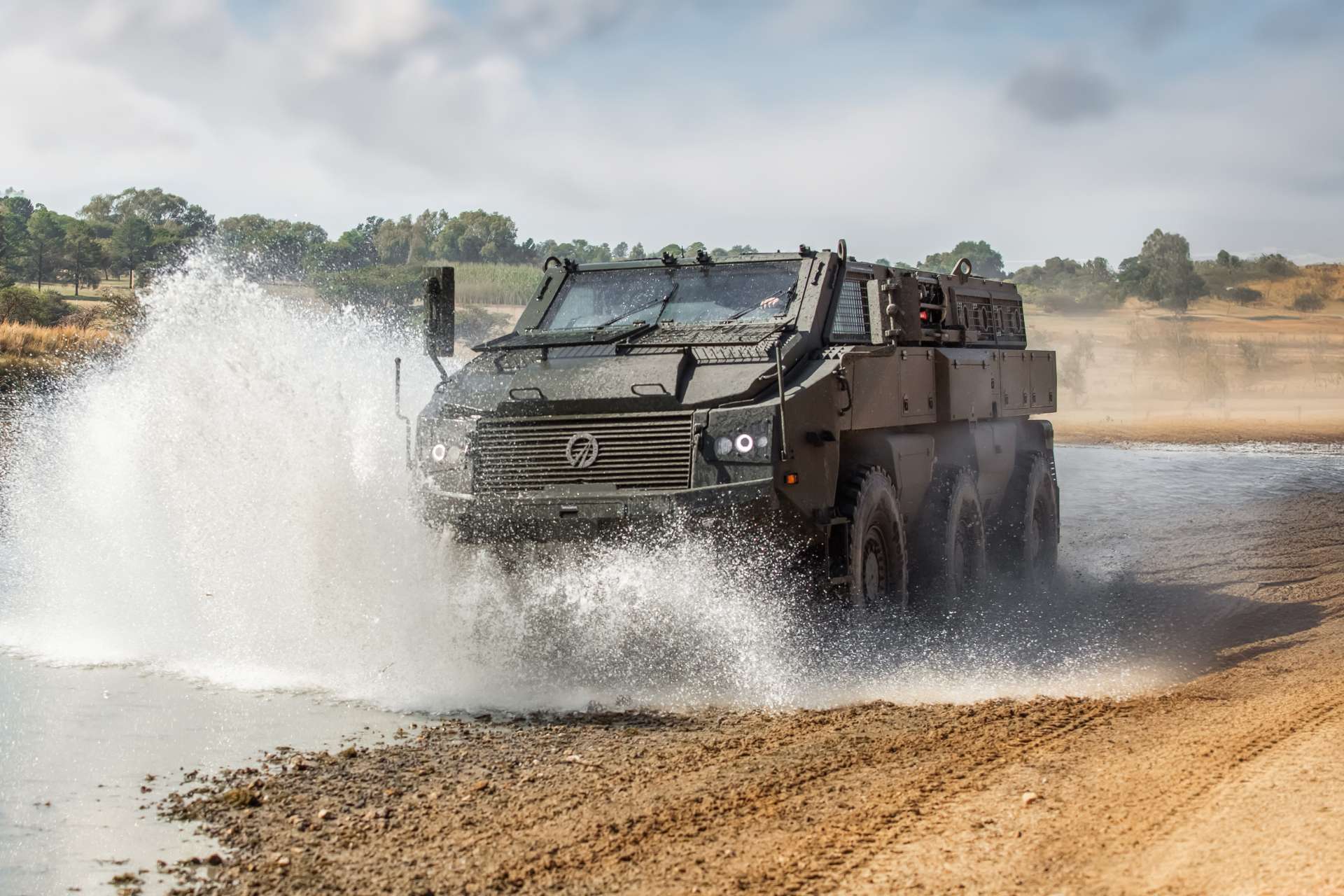
The latest 'Mark 3' version of the Mbombe 6 demonstrates Paramount's commitment to continuous innovation and interoperability. (Picture source: Paramount)
The Mbombe, available in 4x4, 6x6, and 8x8 versions, is designed to meet the changing requirements of modern battlefields. Its advanced construction provides great maneuverability, allows the integration of various weapon systems, and ensures a high level of protection for military personnel. The Mbombe 6 has been supplied to countries in Africa, the Middle East, Latin America, and Asia. It has also been successfully produced in Kazakhstan as part of Paramount’s portable production model with Kazakhstan Paramount Engineering.
The latest 'Mark 3' version of the Mbombe 6 demonstrates Paramount's commitment to continuous innovation and interoperability. This platform features a redesigned electrical system that focuses on improving driver ergonomics, adopting more commercially available components, electromagnetic interference compliance, and a new interior layout that offers increased functionality and better space utilization. Enhancements also include increased engine compartment protection and enhanced recovery capabilities with the addition of a new heavy-duty front bumper equipped with integrated recovery points and an updated electric winch.
Deon Grobler, CEO of Paramount Land Systems, expressed his commitment to continual innovation in the design and manufacturing of armored vehicles. He explained that the company's decades of experience have allowed the development of the Mbombe vehicle family, designed to meet the challenges of modern battlefields. According to him, the latest enhancements to the Mbombe 6 model should further strengthen the reputation of this combat-proven vehicle.
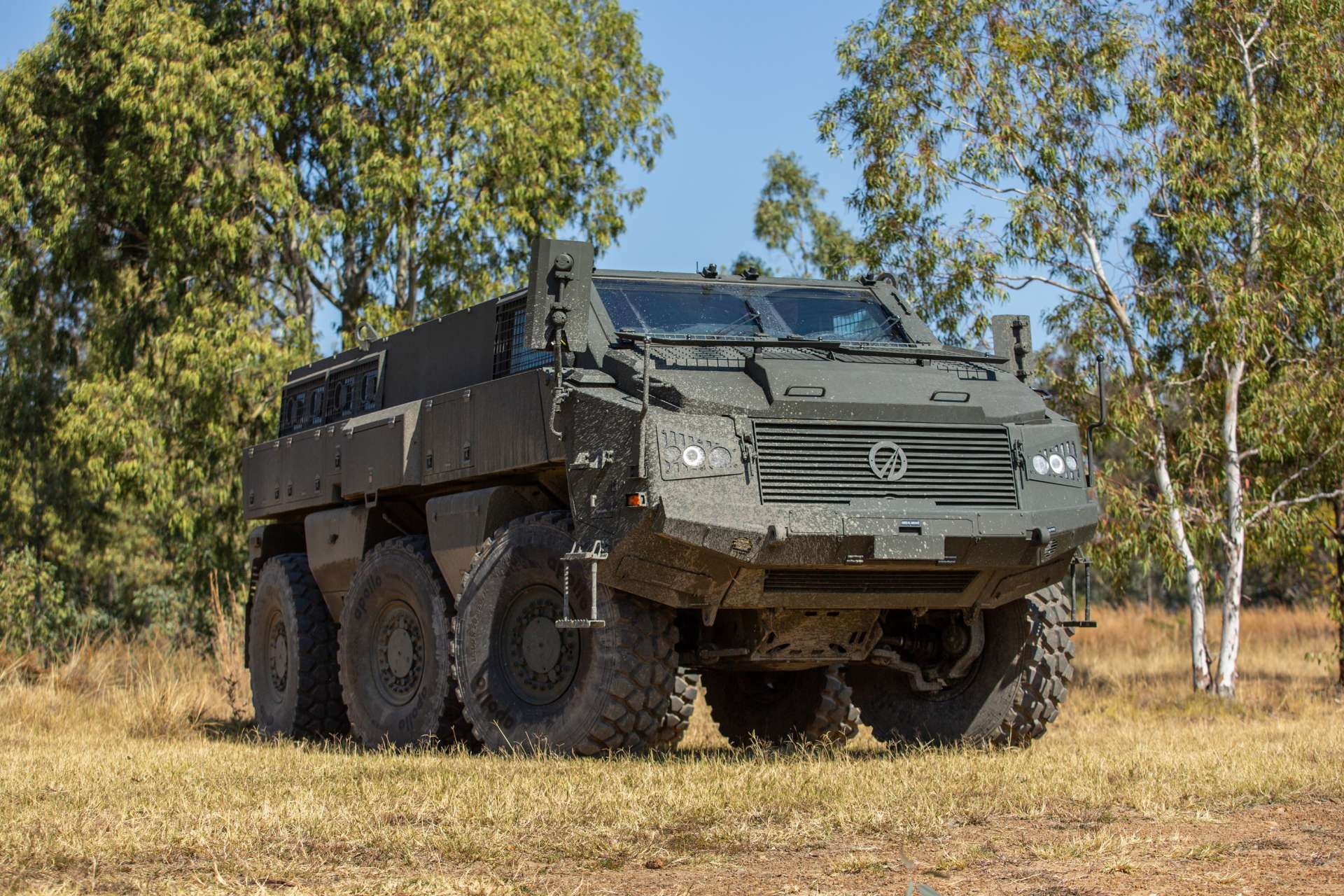
The vehicle is equipped for various military missions such as counter-terrorism, border patrol, and peacekeeping, highlighting its adaptability and versatility (Picture source: Paramount)
The Mbombe 6, developed by Paramount, is a low-profile, highly agile 6x6 infantry combat vehicle designed to carry significant payloads across various terrains. It can be configured as either an armored personnel carrier or an armored fighting vehicle, offering advanced protection with flat-floor technology that provides exceptional mine resistance without the traditional V-shaped design. The vehicle’s design also reduces its silhouette, enhancing its stealth while ensuring protection against ballistic attacks and anti-tank mine explosions in compliance with STANAG 4569 levels.
Following its presentation at DSEI 2023 and facing increasing demand particularly from Latin America and the Southern African Development Community (SADC), production of the Mbombe 6 has been ramped up. Over 20 units are currently in production, meeting the diverse needs of military operations, including in Ukraine. The vehicle is equipped for various military missions such as counter-terrorism, border patrol, and peacekeeping, highlighting its adaptability and versatility.
The Mbombe 6 stands out for its flexible operational capabilities, with seating for a crew of two in the front, a commander or gunner, and eight additional passengers in the rear. Its 6x6 configuration, turbo diesel engine producing 336 kW, and automatic transmission allow it to navigate challenging terrains effectively, reaching speeds of up to 110 km/h and covering up to 1,000 km. Features such as the Central Tyre Inflation System (CTIS) and Battlefield Management Systems further enhance its capabilities, making the Mbombe 6 a robust and versatile solution for contemporary security challenges.
Read more: Paramount Unveils Latest Version of Its Next-Generation Mbombe 6 Infantry Combat Vehicle
- Details
- Written by: Administrator
- Category: 2024
- Hits: 4996
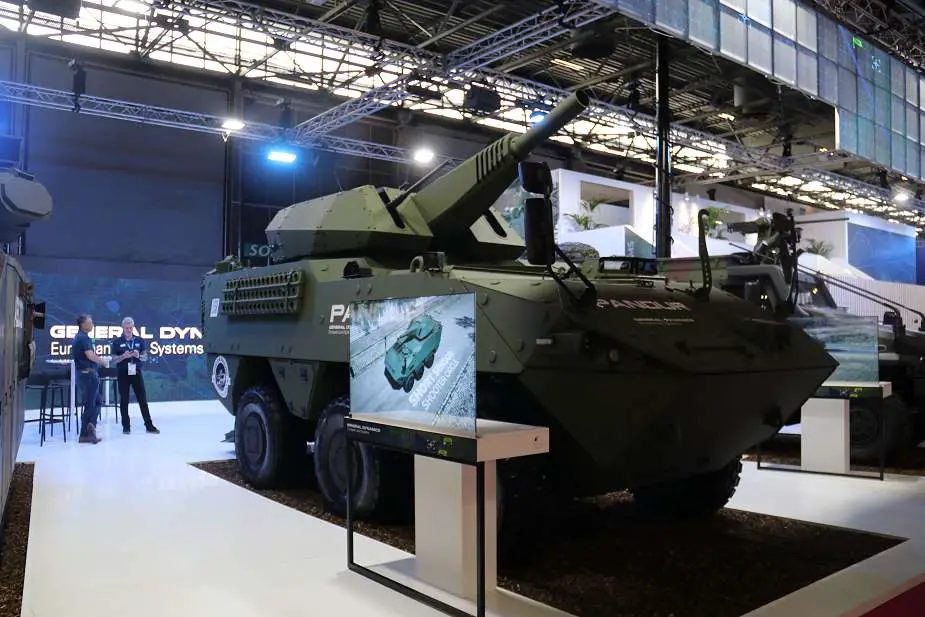
At Eurosatory 2024, a defense exhibition in Paris, France, GDELS (General Dynamics European Land Systems) unveiled a new Pandur EVO version configured as a 120mm self-propelled mortar carrier. The highly mobile armored vehicle PANDUR 6x6 EVO, equipped with a 120 mm turreted mortar system, provides excellent indirect firepower and firing on the move capabilities.
Follow Army Recognition on Google News at this link
The Pandur EVO in 120mm mortar carrier configuration was unveiled at Eurosatory 2024, a defense exhibition in Paris, France, June 2024. (Picture source Army Recognition Group)
The Pandur EVO is an evolution of the previous Pandur model, building on its predecessor's strengths while incorporating significant advancements. This advanced 8x8 wheeled armored vehicle, designed by General Dynamics European Land Systems (GDELS), meets the modern requirements of military forces by offering exceptional mobility, protection, and versatility. The Pandur EVO features a modular design allowing various configurations, including troop transport, command post, reconnaissance, and ambulance roles. Its robust armor provides enhanced protection against ballistic threats, mines, and improvised explosive devices (IEDs), ensuring the safety of its occupants in hostile environments.
Equipped with a powerful engine and an independent suspension system, the Pandur EVO can navigate diverse terrains with ease, from urban landscapes to rough off-road conditions. Its spacious interior accommodates up to 12 personnel, with ergonomic seating and state-of-the-art communication systems for optimal operational efficiency. The vehicle also boasts advanced weaponry integration options, enabling it to support a wide array of combat scenarios. The Pandur EVO's versatility reassures the audience about its adaptability to various combat scenarios, making it a formidable asset for modern armed forces.
The highly mobile Pandur 6x6 EVO armored vehicle, equipped with the 120 mm CROSSBOW turreted mortar from Elbit Systems, delivers exceptional indirect and direct firepower to support infantry and mechanized forces, all while maintaining a total system weight below 20 tons. It can fire various NATO 120 mm ammunition types, including the IRON STING guided mortar munition, and offers an effective range of up to 10 kilometers. The CROSSBOW turret does not require index loading and provides 360° firing capability, with a coaxial 12.7 mm machine gun integrated as a secondary weapon.
The soft-recoil CROSSBOW mortar system boasts rapid sensor-to-shooter cycles, firing the first round within 30 seconds. It achieves a maximum rate of ten rounds per minute, with a sustained rate of six rounds per minute, and features MRSI (Multiple-Round Simultaneous Impact) capability. The unmanned turret employs a breech-loading process supported by a semi-automatic loader. The Pandur 6x6 EVO, the latest iteration of the versatile Pandur 6x6/8x8 vehicle family, combines exceptional mobility, compact dimensions (air-transportable in a C-130), high operational availability, and unparalleled survivability.
Read more: GDELS Unveils Cutting-Edge Pandur EVO 120mm Self-Propelled Mortar Carrier

- Details
- Written by: V.Saint
- Category: 2024
- Hits: 6184
A video taken in Ukraine has leaked on social media, showing an impressive camouflage deception. A military vehicle is disguised as a house. The house moves at 30 km/h, but still appears as a house at first glance. Let's try to understand this better.
Follow Army Recognition on Google News at this link
House decoy hiding a military vehicle , probably a MBT.(Picture source: OSINT sources)
On the front lines, one of the main risks is drone attacks on vehicles, capable of targeting weak points. Drone strikes are almost always successful. There are many countermeasures, such as full cope cages, anti-grenade grills surrounding a vehicle, and even the advanced "turtle tank," a tank entirely covered with a superstructure, which typically makes it difficult for FPV drones to use shaped charges.
On the Ukrainian side, guerrilla tactics are more common, such as using decoys. This technique aims to waste enemy resources by making them spend ammunition and time on fake targets. This strategy is old, reminiscent of Operation Fortitude during World War II, which aimed to deceive the Germans into thinking the Allied landing would occur in northern France instead of the actual location.
Today in Ukraine, artillery systems, cannons, and even anti-aircraft missiles are simulated to attract Russian strikes. To a lesser extent, decoys of tanks and armored vehicles have also been observed.
In this case, the house is a large-scale camouflage, likely covering a MBT underneath. This hypothesis is supported by the nature of the terrain the camouflaged vehicle is moving on and its speed. Unlike a simple cope cage, this is a decoration designed to appear as an innocuous element. This is a mix between the Russian full cope cage and the Ukrainian use of decoys.
We know that this vehicle is Ukrainian and, given the terrain, is currently operating in western Ukraine. The goal of such camouflage is twofold: to protect the vehicle from long-range strikes by preventing it from being recognized as a military target and to blend in easily with surrounding buildings when stationary, providing a critical moment of hesitation that can assure victory in battles.
However, it is unlikely that this type of camouflage will become widespread, but it is fascinating to see old techniques being revived in the first high-intensity war of contemporary history.

- Details
- Written by: Triffaux
- Category: 2024
- Hits: 7321
According to an article dated June 27, 2024, published by the Spanish newspaper Indodefensa, the Ecuadorian army recently conducted firing exercises with the 122.4 mm Kamaz BM-21 Grad multiple rocket launch system. These maneuvers, carried out at the San Antonio de Villamil firing range, were conducted by the Calderón 80 Multiple Launcher Artillery Group. The main objective of these exercises was to test the maximum range of the system and to train its operators to effectively target enemy combat echelons while avoiding counter-battery fire.
Follow Army Recognition on Google News at this link
BM-21 Grad Rocket Launcher Mounted on Modern 6x6 Kamaz PTC 43118 Combat Vehicle (Picture source: Ecuador MoD)
Introduced in 2018, the Kamaz BM-21 Grad system replaces the older Ural 375-D 4x4 truck with the more robust and modern 6x6 Kamaz PTC 43118 combat vehicle. This vehicle is equipped with a 6.7-liter Cummins TD E6 226kW engine, which offers better performance and reliability in the field. This vehicle choice is part of an ongoing effort to enhance the operational capabilities of the Ecuadorian army.
As a reminder, the 6x6 Kamaz PTC 43118 truck is a robust tactical vehicle platform, designed to meet the rigorous demands of military operations and challenging terrain. Featuring a 6x6 chassis, this truck provides excellent all-terrain capability, allowing safe and effective travel over diverse terrains, from deserts to wooded areas and mountainous environments. The 6.7-liter, 226 kW Cummins TD E6 engine provides the necessary power to transport heavy loads, including artillery systems like the BM-21 Grad rocket launcher, while maintaining good fuel economy and reliable performance. This combination of power, mobility, and load capacity makes the Kamaz PTC 43118 an ideal choice for armed forces that require a vehicle capable of rapidly deploying heavy weapons and handling logistics in demanding conditions.
The BM-21 Grad is a truck-mounted multiple rocket launcher known for its robustness and rapid-fire capability. Equipped with 40 launch tubes of 122 mm, arranged in four layers of ten, the system can launch a salvo of rockets covering a wide area, making it ideal for suppressing targets such as anti-tank missile positions, artillery, and enemy strong points. The launcher is mounted on a mobile and elevatable platform, allowing firing angles from 0 to +55 degrees in elevation, with a rotation of 60 degrees to the right and 120 degrees to the left, thus offering great targeting flexibility. The launch system is powered by a small generator integrated into the truck, and can be activated from the cabin or remotely via a 64-meter cable. After launching, reloading the BM-21 takes about 10 minutes with an experienced crew and the appropriate equipment, enabling a sustained firing rate in combat situations.
The success of this transition was greatly facilitated by the advice from Vradimaremeel, an expert in artillery system integration. Additionally, the collaboration with Advancecorp SA, the representative of Kamaz in Ecuador, helped secure the loan of the vehicles necessary to successfully carry out this modernization project.
These exercises demonstrate Ecuador's commitment to maintaining a robust defense and modernizing its military equipment in the face of contemporary challenges. The Kamaz BM-21 Grad system, with its enhanced long-range targeting capabilities and increased mobility, is a significant addition to the army's arsenal, thus strengthening its defensive posture and ability to respond effectively in case of conflict.
- Details
- Written by: Administrator
- Category: 2024
- Hits: 7144
Uganda has started local production of the Tornado 4x4 wheeled armored vehicle, thanks to a partnership with UAE-based Streit Group. According to information published by "Military Africa," this collaboration marks a major milestone in Uganda's quest for self-reliance in defense manufacturing.
Follow Army Recognition on Google News at this link
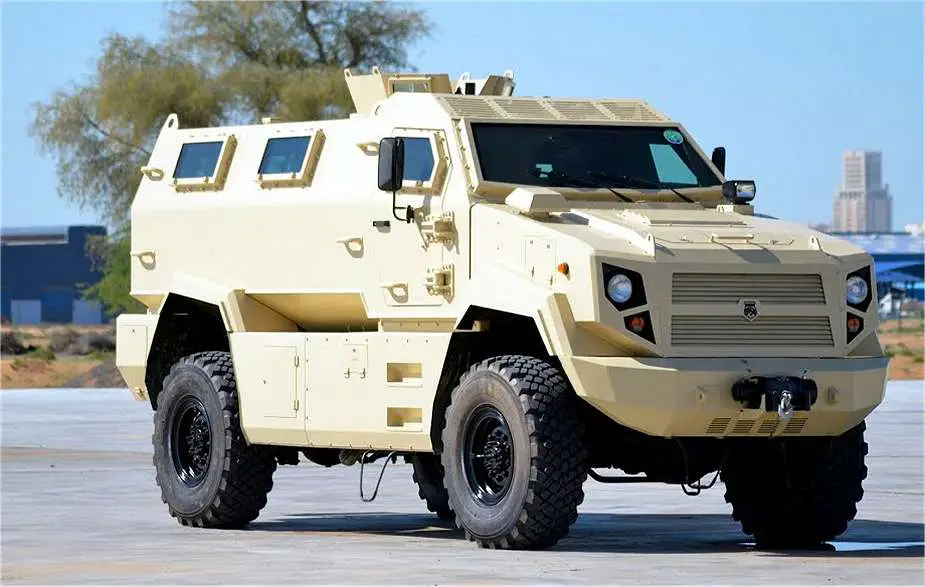
The Tornado is a 4x4 APC Armored Personnel Carrier fully designed and developed by the UAE-based company Streit Group. (Picture source: Streit Group)
President Yoweri Museveni inaugurated the joint venture, NEC-Streit Uganda Ltd., on July 27, 2022. The manufacturing facility, located in Nakasongola, near Lake Kyoga, represents a strategic alliance between the National Enterprise Corporation (NEC), the commercial arm of the Uganda People's Defence Force (UPDF), and Streit Group, one of the world's largest manufacturers of armored vehicles. NEC was established in 1989 by an Act of the Parliament of Uganda.
The new facility is dedicated to assembling vehicles and full-scale manufacturing, ensuring that the products are truly "Made in Uganda." It is equipped to produce a variety of armored vehicles for the military, police, VIP protection, and other security applications. This local production capability is expected to significantly reduce Uganda's dependence on imported armored vehicles, fostering economic self-sufficiency and technological advancement.
The partnership was first announced in late 2021, with the establishment of NEC-Streit Uganda Ltd. dedicated a year later. This venture is part of a broader initiative to strengthen Uganda's defense industry, providing a range of security solutions that include technology transfer. The collaboration also envisions the production of additional security equipment such as unmanned aerial vehicles, armored boats, and advanced communication systems.
President Museveni's opening of the NEC-Streit facility underscores the importance of this project in enhancing Uganda's defense capabilities and economic development. The factory is not only expected to create numerous employment opportunities but also significantly contribute to the local economy, fostering economic self-sufficiency and technological advancement.
This development aligns with Uganda's broader strategy to increase its self-reliance and bolster its defense industry. By integrating advanced technologies and local expertise, the NEC-Streit partnership is set to position Uganda as a key player in the regional defense market, providing robust security solutions to meet both local and international demands.
The Tornado, a 4x4 Mine-Resistant Ambush Protected (MRAP) vehicle, features a classic body-on-frame design with a V-shaped armored hull that provides exceptional mine protection. It offers advanced protective features, superior off-road mobility, and is capable of operating in urban, mountainous, and challenging rural terrains. Conceptually similar to the Streit Typhoon, the Tornado benefits from the same advanced design and testing, ensuring the highest level of security.
Engineered to withstand ballistic arms fire, mine blasts, IEDs, and other emerging threats, the Tornado’s V-shaped hull is designed to deflect blast waves and debris away from the crew compartment. Its superior mobility ensures that troops can traverse dangerous terrain under the riskiest conditions, making it highly effective against IEDs. The vehicle features a tire inflation system controlled by the driver on the move, capable of maintaining tire pressure even with up to four bullet punctures.
The standard seating configuration includes positions for the driver, commander, gunner, and seats for eight additional crew members. The Tornado provides protection against both blast and ballistic threats up to STANAG 4569 Level 3. It is equipped with proven rigid axles, ensuring simple and economical maintenance when sophisticated repair facilities are unavailable.
Primarily designed as a mounted infantry troop carrier, the Tornado 4x4 is also suitable for military convoy protection, border patrol, counterinsurgency operations, troop transportation, medical evacuation, command and control, or as a forward observation platform (FOO).
- Details
- Written by: Vandenbosch
- Category: 2024
- Hits: 4514
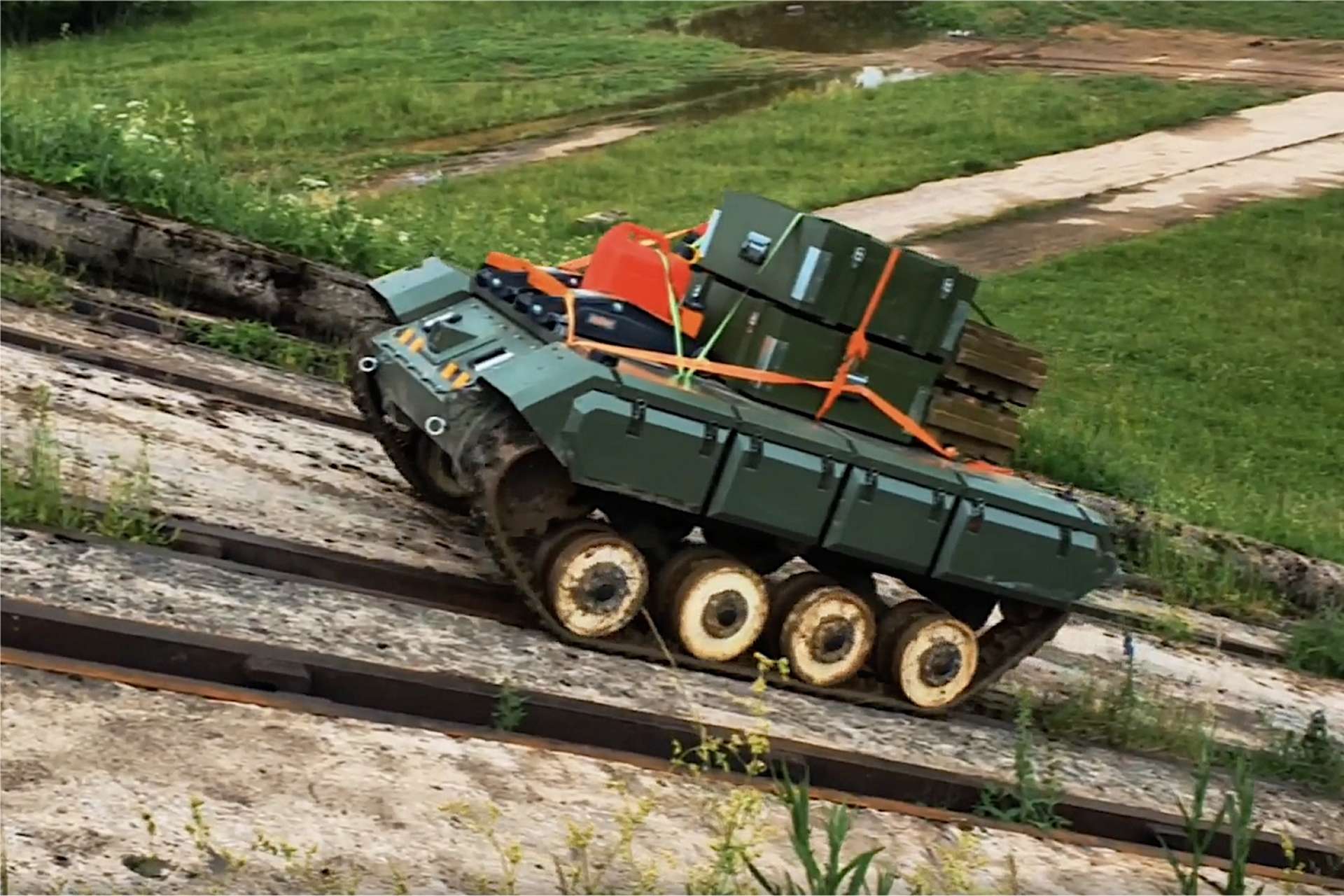
On June 21, 2024, Rostec, in collaboration with the company "Gumich," unveiled the tests of their new versatile tracked robotic platform called "Impulse-M." This robot is designed to accommodate various combat modules, including anti-tank systems equipped with missiles. Specific tests of the platform with anti-tank guided missile (ATGM) systems are planned for the near future.
Follow Army Recognition on Google News at this link
Rostec unveiled the tests of their new tracked robotic platform called Impulse-M. (Picture source: Rostec)
The "Impulse-M" integrates various types of communication between the operator and the robot, ensuring high resistance to interference under adversarial electronic warfare conditions. Thanks to elements of artificial intelligence and a technical vision system, the robot can autonomously return to its base in the event of a complete loss of communication with the operator.
In addition to its combat capabilities, the Impulse-M can also be used for laying anti-tank mines and has potential civilian applications across various industrial sectors. This versatility makes it a considerable asset for both military operations and civilian uses.
Measuring just over two meters in length, the Impulse-M can transport a load of approximately one ton on horizontal surfaces. It can also lift up to 500 kg on 30-degree slopes and tow up to 1.5 tons on a trailer. Its tracked chassis is noted for its high reliability and field maintainability, allowing the robot to continue moving even if several track rollers fail.
During the tests, the robot underwent various performance evaluations, including moving over rough terrain, crossing fords, and trenches. It also demonstrated its ability to transport loads uphill for several tens of meters and cross fords, simulating exits to gentle banks. These initial tests are only the beginning, with further evaluations planned to explore the full potential of the Impulse-M in combat operations and civilian applications.
A reduced prototype of this complex was tested under combat conditions and received positive feedback from soldiers, highlighting its potential effectiveness on the battlefield. The next steps will include extensive tests to fully evaluate its capabilities and ensure its readiness for future deployments.
The development of the Impulse-M by Rostec and Gumich marks a significant advancement in the field of military robotics, offering a robust and adaptable platform for various combat and civilian missions. These innovations promise to enhance operational capabilities in the field while providing new technological solutions for industrial needs.
Read more: Russia Unveils Tests of Impulse-M Combat Unmanned Ground Vehicle
- Details
- Written by: Halna du Fretay
- Category: 2024
- Hits: 3314
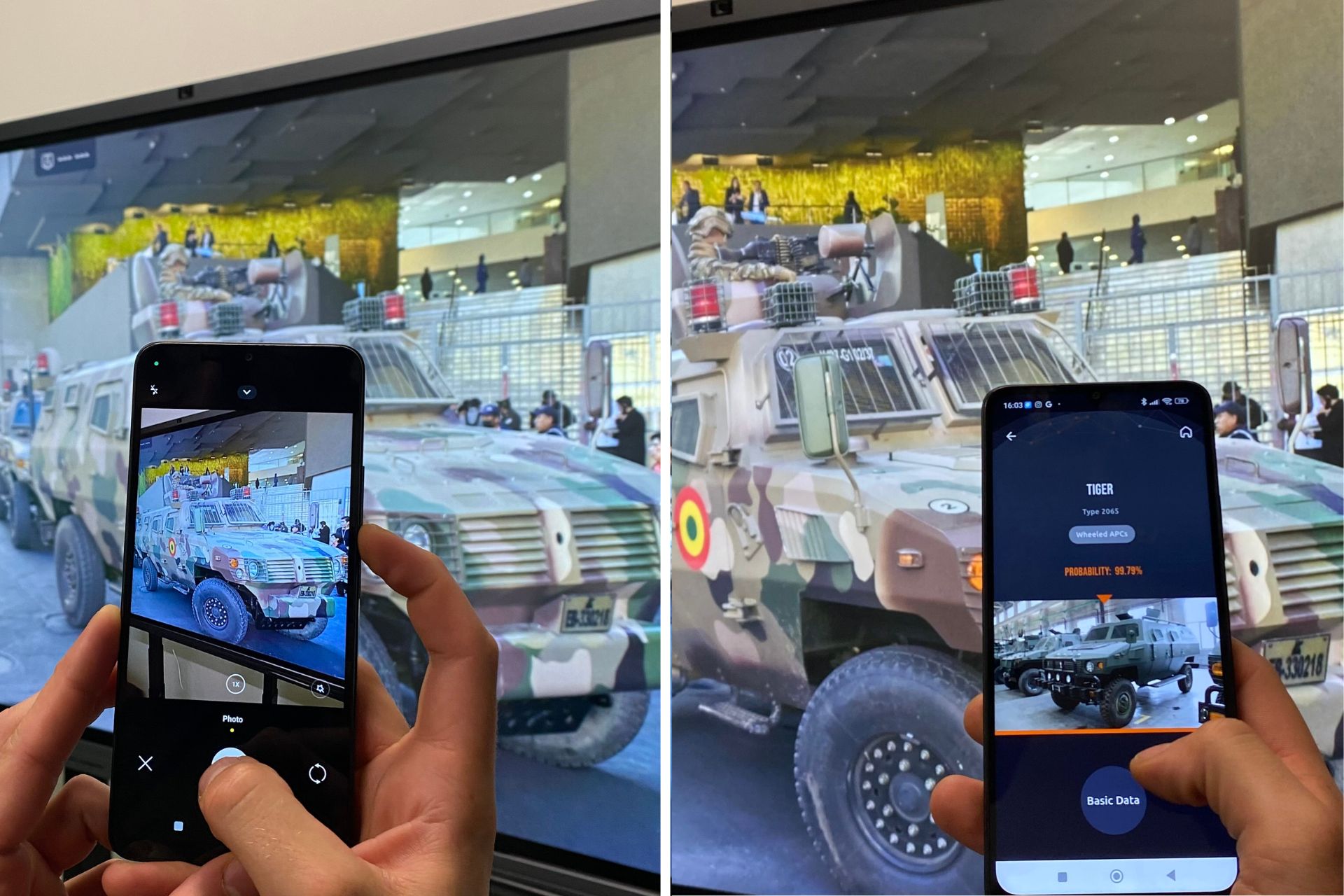
On Wednesday, June 26, 2024, Bolivia experienced a failed coup attempt. Amidst the unsettling presence of armed soldiers and armored vehicles at the presidential palace in La Paz, President Luis Arce called for mobilization. A significant aspect of this coup attempt was the use of the Chinese-made armored vehicle, the ZFB-05, by the insurgents. While specialists can recognize such vehicles, the MEGA-Army app provides a definitive identification and detailed capabilities of the vehicle. This tool is indispensable not only for defense professionals but also for journalists covering the events in Bolivia, offering a wealth of additional information to enhance their analysis.
Follow Army Recognition on Google News at this link
Detection of the Chinese Tiger ZFB-05 by the Mega-Army application, taking a photo is enough to identify it and have all the technical details of the vehicle (Picture source: IDDEA)
Tensions escalated in the Bolivian capital, where armored vehicles and troops were not only seen in front of the presidency but also around the government headquarters. President Arce, in a video message, urged the Bolivian people to mobilize in defense of democracy, condemning the actions of certain army units as irregular and unacceptable.
The situation reached a critical point in the afternoon when army units positioned armored vehicles in front of the presidential palace. General Juan José Zúñiga, the army chief, was briefly seen entering the palace before being arrested by police forces while addressing the press.
The ZFB-05, used during the coup, is primarily utilized for crowd control and internal security operations. Equipped with a powerful diesel engine, it offers high mobility in urban and rough terrains. It has moderate armor, capable of withstanding intermediate caliber fire, but like the Baoji, it is vulnerable to heavier charges and explosive devices. This vehicle can also be outfitted with various armaments, including light machine guns and tear gas grenade launchers, making it particularly useful in public order contexts.
The Shaanxi Baoji ZFB-05 armored vehicle has become a key player in various regional conflicts and military operations due to its robust capabilities. First introduced at the Eurosatory exhibition in Paris in 2012, its mass production began in 2014. Designed to carry up to nine fully equipped infantrymen, including a unit commander and a driver, it is powered by a Cummins ISDE200-30 diesel engine with 200 horsepower, reaching top speeds of 115 km/h and able to climb slopes at a 60-degree incline when fully loaded. The vehicle weighs 4,500 kilos empty and can carry an additional 1,100 kilos.
Its hull is resistant to assault rifle fire and shrapnel but is not designed for heavy armor, making it susceptible to missile attacks and explosive charges from drones. The Baoji’s chassis is also vulnerable to mines and improvised explosive devices, indicating that while effective for troop transport, it is not ideal for high-intensity combat. Its turret can accommodate a 7.62mm machine gun, a heavier 12.7mm machine gun, or a 30mm grenade launcher.
The MEGA-Army app (Military Equipment Guide App for Land Forces Equipment) utilizes advanced artificial intelligence (AI) to identify terrestrial military equipment. In events such as coups or military operations where the presence of diverse military equipment is common, MEGA-Army becomes an essential tool. It allows users, whether they are military personnel, journalists, or security researchers, to capture an image of a vehicle or piece of military equipment through their smartphones. The app then analyzes this image via its AI system to identify the type of vehicle, its technical characteristics, its origin, and potentially its use in the field.
This rapid and reliable identification capability can provide crucial information in situations where understanding quickly what type of equipment is being used can influence tactical and strategic decisions. Moreover, in contexts of surveillance or reporting, accurately identifying equipment in the field can enhance the quality of information conveyed and aid in understanding the dynamics at play.
Read more: Bolivia Crisis: How MEGA-Army App Identifies Vehicles Used During the Failed Coup Attempt

- Details
- Written by: Vandenbosch
- Category: 2024
- Hits: 11826
At the beginning of June, local media reported that Vietnam had activated Brigade 679 of Naval Region 1, part of the Vietnam People's Navy. This brigade is the first Vietnamese coastal defense unit equipped with the locally developed VCM-B coastal defense missile system, using the VCM-01 anti-ship missiles.
Follow Army Recognition on Google News at this link
The VCM-01 missile is the Vietnamese version of the Russian Kh-35UE missile. (Picture source: Vietnamese Media)
On June 7, 2024, it was revealed that a transporter-erector-launcher (TEL) vehicle from the VCM-B coastal defense missile system was in a testing phase with personnel from Viettel Aerospace (VTX). This test involved a shorter-range variant of the VCM-01 anti-ship missile system, with a smaller launcher. This variant is expected to have an engagement range of 80 to 130 km.
The VCM-01 missile is the Vietnamese version of the Russian Kh-35UE missile. This development marks a significant step for Vietnam, demonstrating its growing capabilities in producing sophisticated defense systems and its ambition to strengthen maritime security amid rising tensions in the South China Sea region.
The VCM-B coastal missile system is based on advanced technologies derived from collaboration between Vietnam and Russia, primarily focused on improving the capabilities of existing systems like the Kh-35UE. The Vietnamese version, the VCM-01, reflects the country's efforts to achieve defense autonomy by integrating local technologies with foreign innovations.
The activation of Brigade 679 and the successful test of the reduced variant of the VCM-B highlight the strategic importance of this defense capability for Vietnam. By enhancing its coastal defenses with modern missile systems, Vietnam aims to deter potential threats and ensure the security of its territorial waters. The extended range of 80 to 130 km provides significant defensive coverage, increasing the rapid response capability in the event of maritime conflict.
The increasing tensions in the South China Sea, involving multiple contested territorial claims, have prompted Vietnam to invest heavily in its defense. The development of the VCM-01 and the deployment of the VCM-B system are part of a broader strategy to modernize the Vietnamese armed forces and ensure effective deterrence against maritime incursions.
The test of the VCM-B missile represents a major advancement for Vietnamese defense. It illustrates not only the country's ability to produce sophisticated defense systems but also its commitment to protecting its national interests in the face of complex geopolitical challenges.
Read more: Vietnam Tests Smaller Version of VCM-B Coastal Anti-ship Missile System
- Details
- Written by: Jérôme Brahy
- Category: 2024
- Hits: 2790
On June 27, 2024, the Italian company IDV was awarded four research and development projects within the European Defence Fund (EDF), financed by the European Union, amounting to more than €95 million by 2027. This marks the first time in its history that IDV has taken a leading role in one of these projects, known as ARCHYTAS. This project, coordinated by IDV, involves a consortium of 22 public and private partners from 11 countries and will receive €19.9 million to investigate non-conventional Artificial Intelligence (AI) accelerators for defense applications using novel technologies at the device and package level.
Follow Army Recognition on Google News at this link
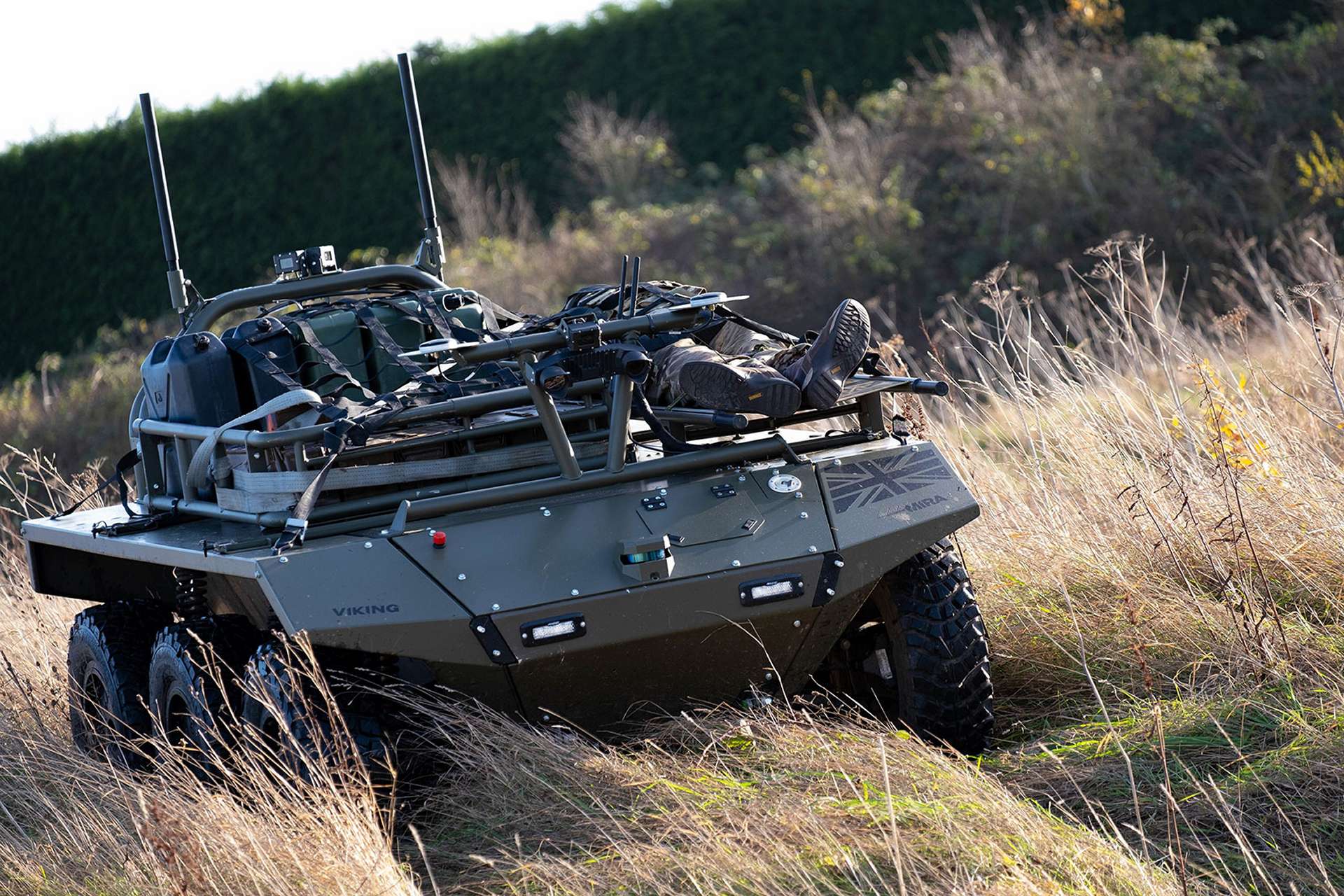
IDV is progressing in the field of Uncrewed Ground Vehicles (UGVs) through strategic partnerships, such as the acquisition of a majority stake in MIRA UGV, now IDV Robotics. (Picture source: IDV)
ARCHYTAS stands for "ARCHitectures based on unconventional accelerators for dependable/energY efficienT AI Systems." The project focuses on developing advanced technologies, including optoelectronic-based accelerators, volatile and non-volatile processing-in-memory, and neuromorphic devices. These innovations are intended to enhance energy efficiency, speed, and cost-effectiveness in defense operations. The project is set to last 36 months, with a total estimated cost and maximum EU contribution of €19,976,637.23.
The consortium for the ARCHYTAS project includes entities such as IVECO Defence Vehicles (Italy), Ubotica Technologies (Ireland), Sorbonne Université (France), and Fraunhofer Gesellschaft (Germany). A key component of this project is Ubotica's SPACE
technology, which offers on-orbit AI processing for Earth Observation satellites. This technology aims to improve threat detection and response times by reducing the need for data transmission back to Earth. The project aligns with the EDF's objective of enhancing Europe’s defense capabilities through collaborative research and development, promoting innovation, and supporting the EU's strategic autonomy and resilience in defense.
The European Defence Fund (EDF) is an EU initiative established in 2017 to support collaborative research and development in defense technologies among member states. Operating under the EU's 2021-2027 financial framework with a budget of nearly €8 billion, the EDF allocates €2.7 billion for defense research and €5.3 billion for capability development. The fund provides financial support through grants, covering up to 100% of eligible research costs and varying percentages for development activities, with additional incentives for small and medium-sized enterprises (SMEs) and mid-caps.
EDF projects span various defense domains, including air combat, digital transformation, and space, and are aligned with the defense priorities set by EU member states. The program is structured into annual work programs to ensure consistency with these priorities. By encouraging collaboration among companies and research institutions, the EDF aims to enhance the EU's defense capabilities and strategic autonomy, while also focusing on dual-use technologies that benefit both civilian and military applications.
The approved projects will allow IDV to continue investing in a European partnership framework alongside various companies and research institutes. This collaboration aims to accelerate the development of technologies for improving operational efficiency and protecting soldiers by reducing their presence in critical contexts such as reconnaissance, force support, last-mile refueling, medical support, and CBRN (Chemical, Biological, Radiological, and Nuclear) response.
Iveco Defence Vehicles (IDV), a division of the Iveco Group, originated from Fiat's commercial vehicle segment and has specialized in manufacturing military and civil defense vehicles. Since the late 20th century, IDV has focused on developing logistic, protected, and armored vehicles for military and civil protection users worldwide. Operating out of its facility in Northern Italy, IDV adapts Iveco’s commercial vehicle range to meet specific defense requirements.
IDV's product range includes multirole vehicles, armored vehicles, and tactical and logistic trucks. Notable products include the Light Multirole Vehicle (LMV), the amphibious Guarani 6x6, and the SUPERAV 8x8, which has become the basis for the US Marine Corps' future vehicle, the ACV. Additionally, IDV is progressing in the field of Uncrewed Ground Vehicles (UGVs) through strategic partnerships, such as the acquisition of a majority stake in MIRA UGV, now IDV Robotics. This involvement emphasizes IDV's role in developing autonomous vehicle technology for defense purposes, as reflected by its selection as the leading entity for the ARCHYTAS project.
- Guardiaris consortium present new Non-lethal system against Aircraft
- France Develops High-Precision Guided Katana 155mm Shell to Enhance Artillery Capabilities by 2026
- Baltics countries and Poland building fortress Europe amid Russian threat
- US DoD and Lockheed Martin Confirm Contract Modification to Increase Production of Extended Range GMLRS Missiles