
- Details
- Written by: Administrator
- Category: 2024
- Hits: 5464










In an era of modern warfare that demands both precision and reach, the U.S. Army is undergoing a significant transformation to enhance its long-range fire capabilities. With adversaries becoming increasingly proficient in anti-access/area denial (A2/AD) systems, the U.S. Army is investing heavily in next-generation artillery technologies, most notably the Precision Strike Missile (PrSM) and the Long Range Hypersonic Weapon (LRHW) programs. These cutting-edge weapons are designed to dramatically expand the Army’s reach on the battlefield, providing long-range strike capabilities that complement and amplify existing systems like the High Mobility Artillery Rocket System (HIMARS).
Follow Army Recognition on Google News at this link
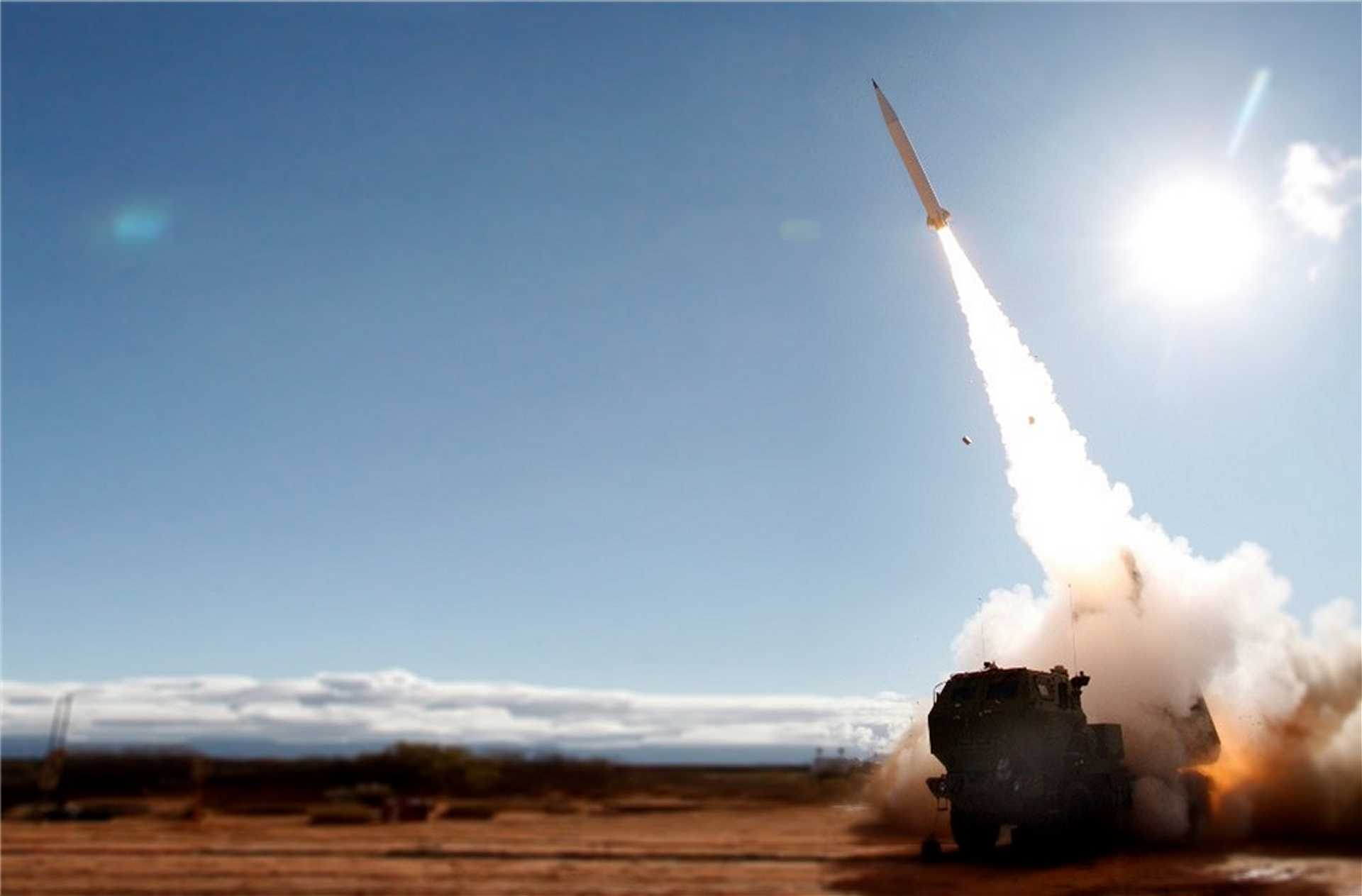
November 19, 2024 – A HIMARS system launches two Precision Strike Missiles (PrSM) during a production qualification flight test at White Sands Missile Range, New Mexico. (Picture source: Lockheed Martin)
On November 19, 2024, Lockheed Martin and the U.S. Army successfully completed another Precision Strike Missile (PrSM) production qualification flight test at White Sands Missile Range, New Mexico. During this test, a HIMARS system launched two PrSM missiles in a mid-range flight against a target set, proving the system's continued accuracy and readiness. Furthermore, the U.S. Army's Long-Range Hypersonic Weapon Battery, part of the 1st Multi-Domain Task Force, made history by participating in Exercise Resolute Hunter 24-2, a joint, combined exercise held at the base from June 25-27, 2024. This exercise marked a significant milestone, as it was the first time the Army's hypersonic capability was integrated into the bi-annual joint training exercise.
A cornerstone of the U.S. Army's modernization efforts in long-range artillery is the Precision Strike Missile (PrSM). Developed by Lockheed Martin, the PrSM is set to replace the aging Army Tactical Missile System (ATACMS) and will significantly enhance the Army's ability to strike deep into enemy territory with precision. Capable of engaging targets at ranges up to 500 kilometers, PrSM provides a critical edge over adversaries by enabling the Army to disrupt enemy command and control, logistics, air defense, and other high-value targets located deep behind enemy lines.
One of PrSM's most notable features is its precision guidance system, which combines advanced GPS and inertial navigation technology to ensure high accuracy, even at extended ranges. This makes PrSM an ideal tool for neutralizing enemy infrastructure, missile systems, and other critical assets without the need for costly airstrikes or manned aircraft missions. PrSM is also integrated with the HIMARS launch system, which is already in use with the U.S. Army and allied forces. HIMARS is a mobile, truck-mounted system that can rapidly deploy and launch PrSM missiles, offering strategic flexibility in responding to battlefield threats.
While PrSM enhances the Army's precision strike capabilities, the Long Range Hypersonic Weapon (LRHW) program takes these concepts even further by pushing the boundaries of speed and range. LRHW is part of a broader effort to develop hypersonic missiles—missiles that travel at speeds greater than Mach 5 (approximately 3,800 miles per hour). This makes them extremely difficult to intercept and enables strikes at ranges exceeding 1,000 kilometers. The LRHW’s high-speed characteristics make it an effective tool for counterstrikes against both fixed and mobile targets deep within enemy territory.
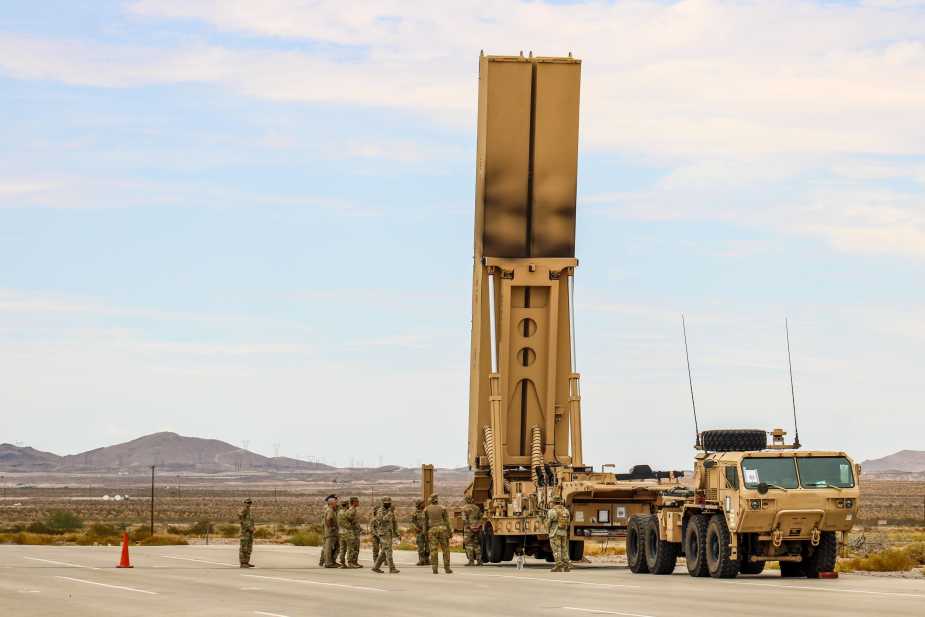
U.S. Army Soldiers from Bravo Battery, 5th Battalion, 3rd Field Artillery, Long Range Fires Battalion, 1st Multi-Domain Task Force, showcase the capabilities of a Long Range Hypersonic Weapon Transporter Erector Launcher during Exercise Bamboo Eagle 24-3 at Nellis Air Force Base, Nevada, on August 2, 2024. (Picture source: U.S. DoD
The LRHW (Long Range Hypersonic Weapon) employs an advanced boost-glide system that allows the weapon to reach extreme speeds while maintaining maneuverability throughout its flight path. Unlike traditional ballistic missiles, which follow a predictable trajectory, hypersonic weapons can change their flight path mid-course, making them far more challenging to detect and intercept by existing missile defense systems. This technology grants the U.S. Army the ability to launch precision strikes against high-value targets, such as air defense systems, missile silos, and command centers, while minimizing the risk of retaliation.
The LRHW’s range and maneuverability make it an essential tool for penetrating sophisticated air defense systems. In future conflicts, adversaries might deploy advanced defense networks such as the Russian S-400 or the Chinese HQ-9, which are designed to deny access to certain regions of the battlefield. LRHW’s speed, reach, and ability to evade these systems will be crucial for maintaining U.S. military dominance.
While the PrSM and LRHW represent monumental advancements in long-range firepower, they do not operate in isolation. The integration of these systems with existing platforms like HIMARS will be vital to ensuring future power projection and deterrence. The HIMARS has already demonstrated its effectiveness in real-world combat, such as in Ukraine, where it has been used to strike Russian artillery positions, command posts, and logistics hubs at extended ranges. This real-world application underscores HIMARS' value as a flexible, rapid-response platform for launching precision strikes.
The synergy between HIMARS, PrSM, and LRHW provides the U.S. Army with unparalleled flexibility. Whether it's a rapid counterattack, precision strikes against high-value targets, or sustained campaigns against enemy infrastructure, these systems, when fully integrated, will offer a comprehensive capability to project power across vast theaters of conflict. The ability to strike deep into enemy territory, adjust targets in real-time, and defeat sophisticated defenses will be key to shaping the future of modern warfare.
As the U.S. Army continues to develop and deploy these advanced technologies, long-range precision strikes will become an increasingly critical component of battlefield strategy. The PrSM and LRHW are not just tools for engaging targets in near-peer conflicts but also serve as powerful deterrents, signaling to potential adversaries that any aggressive action will be met with a swift, overwhelming response.
The integration of these systems, combined with the continued development of autonomous systems and advanced sensors, represents the future of modern warfare. In this future, rapid, long-range precision strikes will replace traditional forms of combat, and the ability to project force quickly and decisively will be crucial for maintaining global security.
As the U.S. Army progresses through various testing and deployment phases, these systems will redefine the U.S. military’s role in deterrence, power projection, and leadership in advanced warfare technologies. The growing sophistication of U.S. long-range fires will pose significant challenges to adversaries, complicating any efforts to counter American military dominance. In this evolving landscape, systems like the PrSM and LRHW will be indispensable for maintaining U.S. military superiority in future conflicts.
By integrating these cutting-edge technologies into its arsenal, the U.S. Army is positioning itself for long-term dominance in precision strike capabilities, ensuring that it remains a formidable force on the global stage for years to come.
- Details
- Written by: Triffaux
- Category: 2024
- Hits: 2968
On November 30, 2024, Thales announced the successful completion of the first dynamic firings of its new-generation 120 mm rifled smoke munition, the SMK-Eco, developed in-house. These tests, conducted on November 30, 2024, exceeded the initial requirements, marking an important step toward the operational deployment of this munition in line with the company’s societal and environmental commitments.
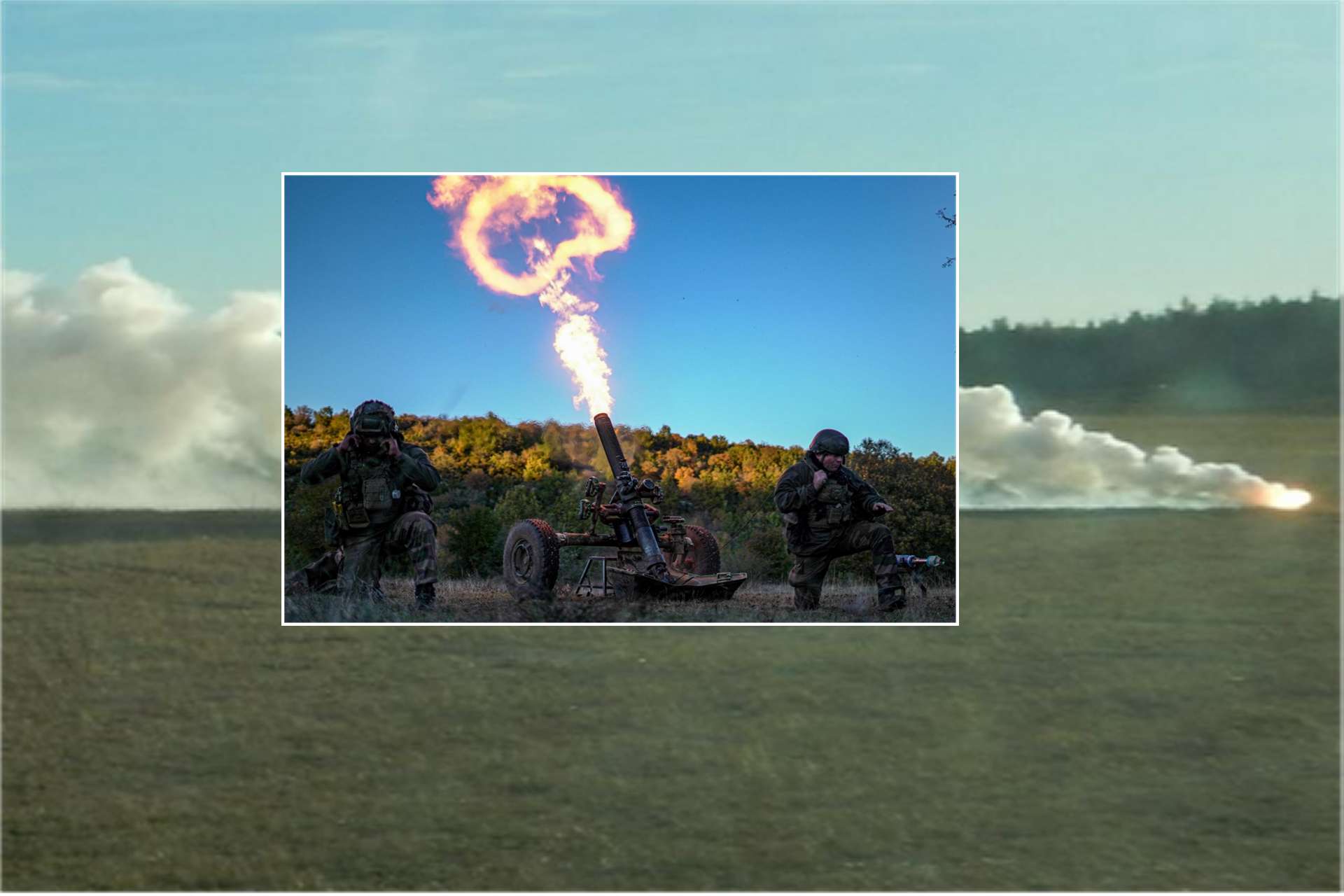
Thales 120mm SMK-Eco Rifled Smoke Munition (Picture source: French MoD)
Fully developed with internal funding, Thales’ smoke munition is designed to be fired from a rifled mortar, whether towed or mounted on the 2R2M system. This new generation of munitions allows for the rapid creation of a dense and effective smoke screen on the battlefield, providing essential strategic coverage to support frontline forces and protect troops on the ground. The rifled design of the munition ensures increased stability and accuracy during firing, thereby optimizing its operational effectiveness.
Development of the SMK-Eco began in January 2022, with a focus on reducing the environmental impact of smoke munitions. After the prototyping phase completed in the summer of 2023, the first laboratory tests were carried out in September 2023. In March 2024, Thales initiated dynamic field trials with partner military units. These tests, completed in July 2024, confirmed the performance and reliability of the SMK-Eco, particularly its ability to generate a dense and stable smoke screen.
The SMK-Eco is a 120 mm rifled munition designed to be fired from the 2RM mortar system. It utilizes eco-friendly chemical compounds, reducing toxic emissions and post-use residues. The rifled design enhances in-flight stability, ensuring better accuracy and uniform smoke coverage. These features enable the SMK-Eco to provide effective coverage while minimizing its ecological footprint in operational areas.
The SMK-Eco uses smoke agents based on environmentally friendly chemical mixtures. Unlike traditional smoke munitions that often rely on halogenated compounds or other toxic substances, the SMK-Eco incorporates non-toxic smoke agents such as glycol-based and biodegradable resin mixtures. These agents produce dense and persistent smoke while reducing the emission of harmful pollutants into the atmosphere. This formulation allows for effective coverage without compromising the health of soldiers or damaging local ecosystems.
Thales designed the SMK-Eco smoke munition not only to deliver optimal military performance but also to minimize its environmental impact. A key aspect of this approach is the reduction of carbon dioxide (CO₂) emissions generated during the combustion of propellants and smoke agents. Below is an overview of Thales’ efforts to limit the CO₂ weight emitted by the SMK-Eco and the technologies employed to achieve this.
The SMK-Eco uses specially formulated chemical propellants designed to burn cleaner than traditional propellants. These low-emission propellants are based on advanced organic compounds that optimize combustion, thereby reducing the amount of CO₂ produced per munition. Although precise figures on the CO₂ weight emitted per shot are not publicly available, Thales claims that the SMK-Eco propellant formulation allows for a significant reduction in emissions compared to conventional smoke munitions. This reduction is achieved through more complete combustion and the use of less carbon-intensive chemical materials.
Compatibility with the 2RM mortar system, introduced in September 2023, allows for seamless integration of the SMK-Eco into military operations. The 2RM, renowned for its versatility, facilitates the rapid deployment of the smoke munition across various terrains. The SMK-Eco is scheduled to enter service in the first quarter of 2025, providing armed forces with a reliable and sustainable coverage solution that complies with strict environmental standards.
Thales emphasizes the importance of sustainability in the development of the SMK-Eco. By incorporating biodegradable materials and eco-friendly manufacturing processes, Thales meets international environmental protection standards. This initiative is part of the company’s overall strategy to balance military performance with environmental responsibility, thereby reinforcing its position as an innovative leader in the defense sector.
As a reminder, the return to high-intensity warfare requires infantry to be equipped with armored combat vehicles possessing sufficient firepower to support future mechanized brigades and tactical groups. Thales’ 120 mm rifled mortar system (2R2M) perfectly meets this need by offering exceptional mobility and optimized firing and movement capabilities. Highly automated, the 2R2M allows for semi-automatic loading and firing of 10 rounds per minute, ensuring operational efficiency from the first salvo. Additionally, its advanced design guarantees a very high level of crew protection, enhancing safety in combat zones.
The 2R2M stands out for its improved accuracy, being three times more precise than a traditional smoothbore mortar, and for its maximum range of 8 to 13 kilometers. This increased accuracy allows for effective neutralization of enemy targets while minimizing the risk of accidental fires. Tested in the field across various operational theaters, the 2R2M has already been adopted by six NATO member countries, with over 170 systems deployed as part of military operations.
- Details
- Written by: Vandenbosch
- Category: 2024
- Hits: 5083
Colombia is currently evaluating the Leonardo M-346FA light attack aircraft as part of its efforts to modernize its fleet and address specific operational needs. This proposal gains significance as the Colombian Air Force (FAC) advances its plans to replace its aging air superiority aircraft. According to information obtained, the project has reached the desk of Laura Sarabia, Director of the Administrative Department of the Presidency (DAPRE), signaling its priority in national defense considerations.
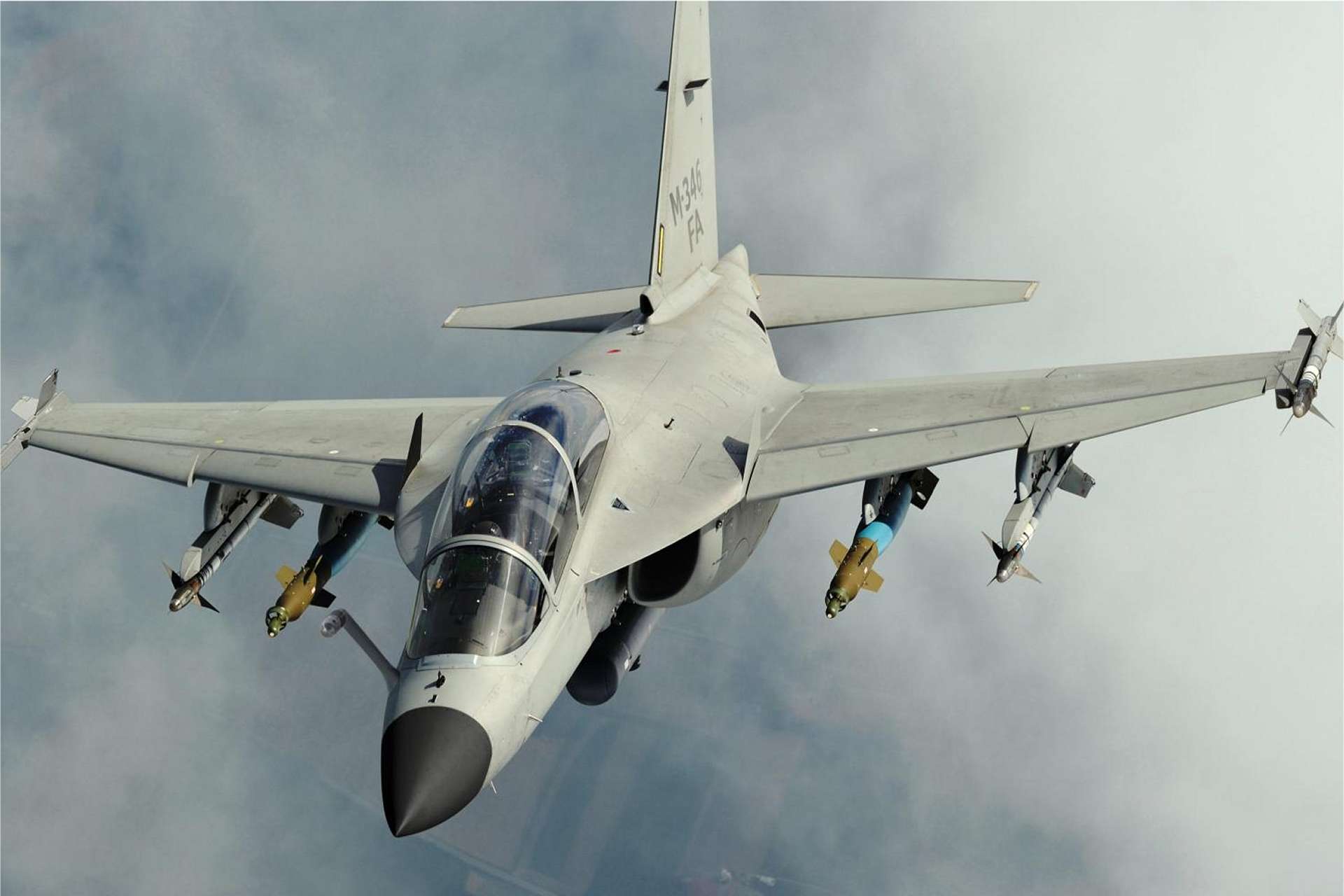
The M-346FA, known for its versatility, has been proposed as a replacement for the decommissioned Cessna A-37B aircraft, which were historically used in anti-narcotics operations. (Picture source: Leonardo)
The M-346FA, known for its versatility, has been proposed as a replacement for the decommissioned Cessna A-37B aircraft, which were historically used in anti-narcotics operations. The FAC initially favored the M-346FA over its competitor, the KAI TA/FA-50, during earlier evaluations. However, this procurement remains on hold as the Air Force prioritizes securing new air superiority platforms.
The financial challenges associated with acquiring advanced fighter jets have sparked debates within Colombia’s Ministry of Defense. Some officials advocate for the M-346FA as a cost-effective interim solution, citing its twin-engine reliability and capabilities in combating illegal aerial incursions, particularly in the context of narcotics trafficking. Additionally, the M-346FA could offset operational gaps expected with the imminent retirement of the IAI Kfir C-10/12 aircraft. However, the FAC has emphasized its strategic intent to maintain clear distinctions between roles in its current and future combat fleet configurations.
Deployed by numerous air forces worldwide, the M-346FA excels in a variety of roles, including advanced training, close air support (CAS), battlefield interdiction, advanced air control (FAC), combat search and rescue (CSAR), tactical air reconnaissance, and maritime operations (TASMO). Its proven versatility positions it as a multi-role aircraft capable of meeting both Colombia’s immediate and long-term operational requirements.
The M-346FA (Fighter Attack), developed by Aermacchi, is a variant of the M-346 Master advanced training aircraft, designed to meet tactical and light combat needs while maintaining its training capabilities. This aircraft, currently in active service, made its maiden flight in July 2004 and remains a versatile platform suitable for a variety of military missions. Designed for a crew of two, it is powered by two Honeywell/ITEC F124-GA-200 turbofan engines, each delivering a thrust of 2,850 kgp, ensuring robust and reliable performance.
In terms of dimensions, the M-346FA is 11.49 meters long, with a wingspan of 9.72 meters and a height of 4.98 meters. Its wing area of 23.52 square meters provides excellent maneuverability, essential for close air support or air superiority missions. Its empty weight is 4,610 kg, but it can reach a maximum takeoff weight of 9,000 kg, including 1,750 kg of fuel and an offensive payload of up to 6,700 kg. This extensive payload capacity allows it to carry a variety of armaments on its seven external hardpoints.
Performance-wise, the M-346FA can achieve a top speed of 1,255 km/h, equivalent to Mach 1.15, with an impressive operational ceiling of 13,700 meters. It can climb at a rate of 6,098 meters per minute, ensuring optimal responsiveness in combat scenarios. Its range of 1,890 km makes it well-suited for interdiction and medium-range support missions.
As a light fighter, the M-346FA does not feature fixed internal armament but compensates with its ability to carry diverse payloads on its external hardpoints, offering significant operational flexibility. Additionally, the FA version is equipped with the Grifo radar, an advanced avionics system that enhances its detection and targeting capabilities, making it an effective choice for tactical operations, including close air support, battlefield interdiction, and reconnaissance.
The M-346FA combines the features of an advanced trainer with those of a light fighter, making it a dual-role platform capable of executing operational missions while providing high-level training for military pilots. This versatility and remarkable performance have led to its adoption by several air forces worldwide.
The Colombian government’s decision on this procurement will not only influence the modernization trajectory of its air fleet but also shape its broader defense strategy amidst regional and global challenges.
Read more: Colombia Explores Acquisition of Leonardo M-346FA Aircraft to Replace Aging Fleet

China boosts combat power with ASN-301 loitering munition launcher vehicle after Ukraine war lessons
- Details
- Written by: Jérôme Brahy
- Category: 2024
- Hits: 7339
As reported by Jesus Roman on November 29, 2024, China has developed a new variant of the FAW MV3 6x6 truck to carry and launch the recently unveiled ASN-301 loitering munition. This vehicle has been adapted to carry and launch six units per vehicle, further enhancing the People's Liberation Army Ground Force's (PLAGF) operational capabilities. The development of the ASN-301 launcher is part of a broader trend in the domain of loitering munitions, with a renewed focus on the rapid deployment of loitering munitions by specialized vehicles.
Follow Army Recognition on Google News at this link
The development of this ASN-301 mobile launcher is part of a broader trend in the domain of loitering munitions, with a renewed focus on the rapid deployment of loitering munitions by specialized vehicles. (Picture source: Norinco)
The ASN-301, a loitering munition system, was previously displayed at the World Defense Show 2024 in Riyadh, Saudi Arabia. Also known as the Norinco JWS-01 and Feilong 300A, it is designed to engage radar systems operating in the frequency range of 2 to 16 GHz. The system combines features of unmanned aerial vehicles (UAVs) with the strike capabilities of anti-radiation missiles. Its architecture and operational characteristics have drawn comparisons to systems such as the Israeli Harpy, acquired by China in the 1990s, and the Iranian Shahed-136, with observations pointing to shared design elements and technical similarities. While the ASN-301 is shorter in length than the Harpy and has a shorter operational range, it features a higher maximum speed and compact dimensions.
According to the manufacturer, the ASN-301 is an electronic countermeasure system designed for SEAD (Suppression of Enemy Air Defenses) and DEAD (Destruction of Enemy Air Defenses) missions. It targets and neutralizes radar-based defense systems. Its introduction on a mobile platform like the MV3 truck increases its deployment flexibility, reflecting a focus on operational adaptability. The system's specifications include a length of 2.5 meters, a weight of 135 kilograms, a maximum speed of 220 kilometers per hour, and an operational range of 288 kilometers. The ASN-301 can remain airborne for up to four hours and identify targets within a 25-kilometer radius using its radar-homing device. It is capable of engaging up to eight predefined radar targets. Its warhead contains 7,000 fragments, triggered by a non-contact laser fuse, achieving a destructive radius of 20 meters.
In recent years, several countries have developed loitering munitions replicating or inspired by the Iranian Shahed-136. China has introduced the DFX-50 and DFX-100 loitering munitions, featuring similar designs but with varying ranges and payloads for cost-efficient operations. Russia has domestically produced the Geran-2, a variant of the Shahed-136, incorporating modifications such as the GLONASS satellite navigation system to enhance its capabilities. Belarus has localized production of the Shahed-136 under the name "Nomad," showcased during the 2024 Independence Parade in Minsk. Turkey has created the Azab T150 and T200 drones, modeled on the Shahed-131 and Shahed-136, with reduced ranges and GPS-guided targeting capabilities. Israel has produced the Delta-wing RS2 for training purposes, simulating enemy tactics for air defense enhancement. Additionally, Ukraine uses a Shahed replica named "Hupalo" for air defense training, providing realistic conditions to improve operational readiness.
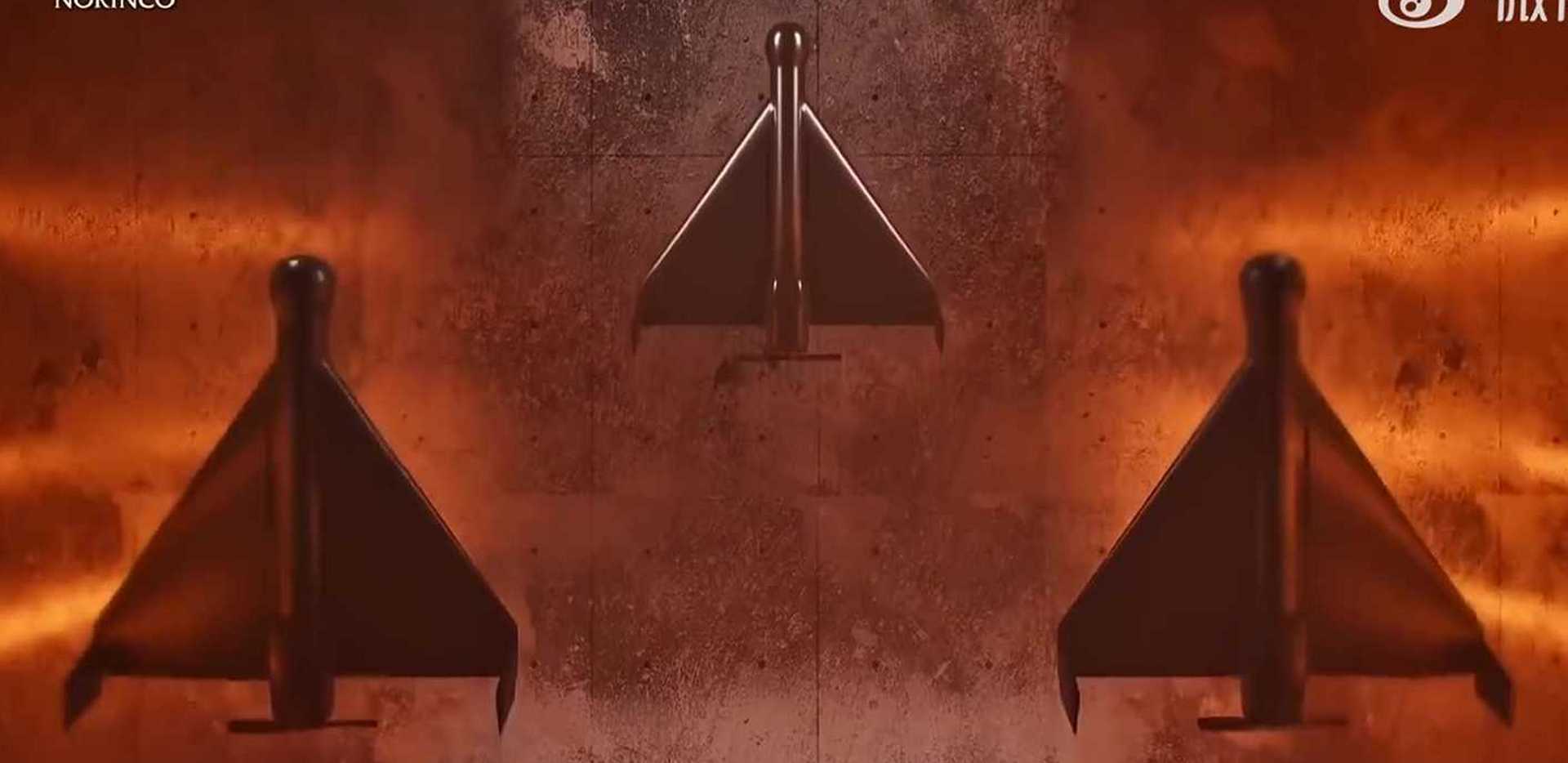
The appeal of loitering munitions such as the ASN-301 lies in their lower production costs and simpler designs enable large-scale manufacturing and deployment, allowing forces to challenge defenses and conduct targeted strikes without involving manned aircraft. (Picture source: Norinco)
The appeal of loitering munitions lies in their ability to remain over target areas, facilitating real-time reconnaissance and the engagement of time-sensitive or relocatable targets. Their lower production costs and simpler designs enable large-scale manufacturing and deployment, allowing forces to challenge defenses and conduct targeted strikes without involving manned aircraft. This combination of cost-effectiveness, operational adaptability, and functionality has made loitering munitions like the Shahed-136 a consideration for various military forces globally.
Furthermore, China's integration of the ASN-301 on the FAW MV3 chassis exemplifies how specialized vehicles are being developed to deploy such systems. Israel’s PULS system is capable of launching six SkyStriker loitering munitions per container, with a range exceeding 100 km. China’s CH-901 loitering munition can be deployed from vehicles equipped with 48-tube launchers, facilitating rapid deployment. In the United States, AeroVironment’s Switchblade series offers portable loitering munitions that can be launched from various vehicles, supporting different operational scenarios. These examples indicate a global approach to integrating loitering munitions with diverse launch platforms.
Russia’s Multiple Launch Drone System (MLDS), mounted on a Kamaz 5350 Patrol vehicle, includes 16 containers that can deploy up to 64 Lancet drones for coordinated operations. China’s Dongfeng Mengshi vehicles feature 48-tube launchers for FPV kamikaze drones, enabling on-the-move deployment. South Korea has integrated the Drone Multiple Launchers system with the Chunmoo MRLS and L-SAM systems for mission-specific modularity. Israel's SpearUAV MCL Viper system allows drone deployment from vehicles for intelligence, surveillance, target acquisition, reconnaissance (ISTAR), and electronic warfare purposes. The U.S. Navy’s LOCUST program employs tube launchers for deploying swarms of expendable drones, aimed at countermeasure applications.
China has closely analyzed the extensive deployment of loitering munitions in the Ukraine conflict, recognizing their role in targeting armored vehicles and disrupting supply chains. This has led to efforts to enhance the autonomy and precision of its own loitering munitions. The conflict has also highlighted the operational advantages of mobile and rapidly deployable systems, prompting the development of versatile mobile launch platforms designed to operate across varied terrains. These adjustments aim to integrate loitering munitions into China's military strategies to improve response capabilities in future scenarios.
- Details
- Written by: Halna du Fretay
- Category: 2024
- Hits: 3165
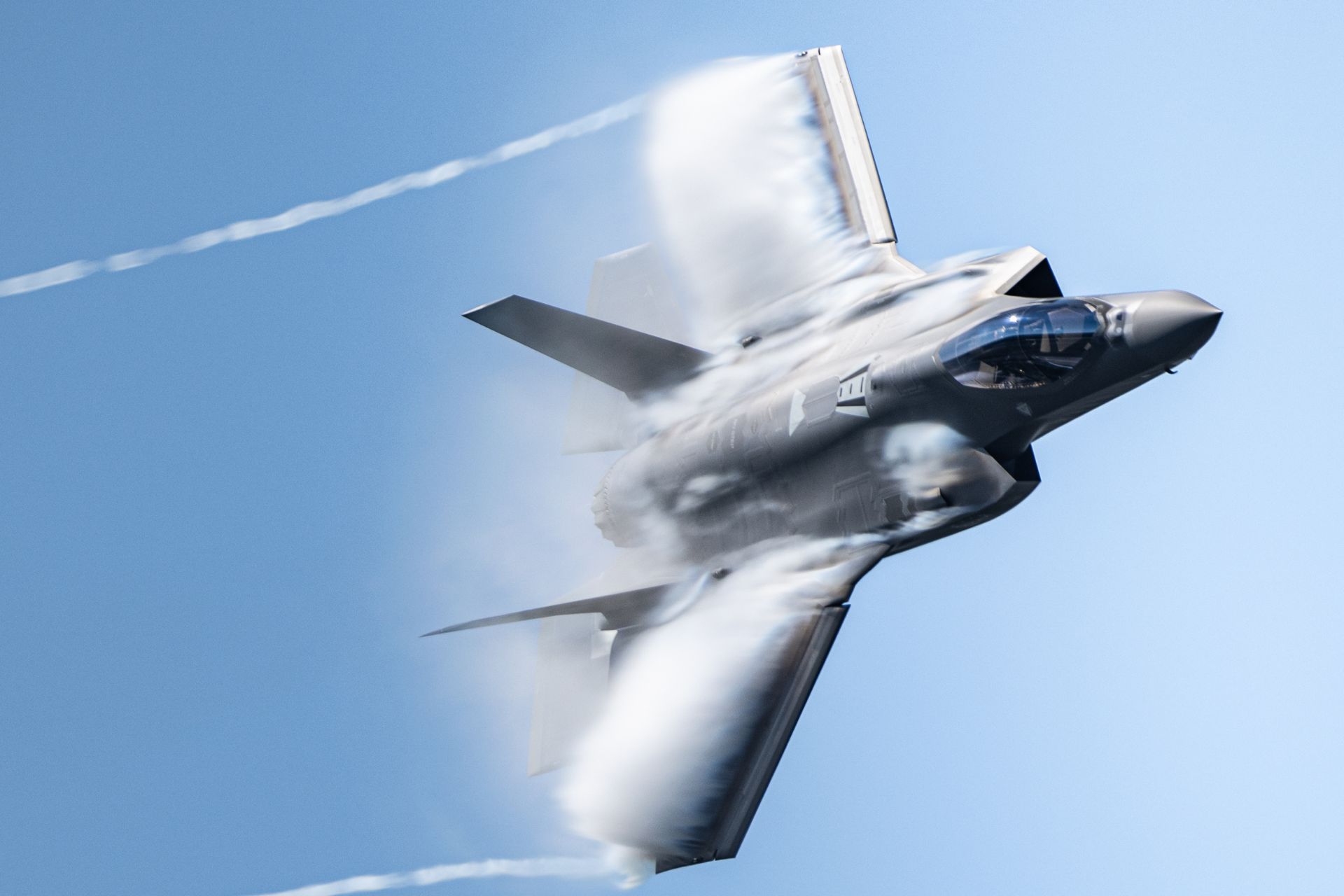
Belgium's Air Component has reached a milestone in its modernization with the reception of its first F-35 Lightning II stealth fighter aircraft. This aircraft, assembled at Lockheed Martin's Fort Worth, Texas facility, is now being transferred to Luke Air Force Base in Arizona. This base will play a central role in training Belgian pilots and technicians, marking the beginning of a significant transformation for the country's air defense capabilities.
The delivery of this fifth-generation aircraft is part of Belgium's strategic program to replace its aging fleet of F-16s (Picture source: US DoD)
The delivery of this fifth-generation aircraft is part of Belgium's strategic program to replace its aging fleet of F-16s. Approved by the government in 2018, this program represents a significant investment in the country's military capabilities while fulfilling commitments to NATO and the European Union. The F-35 Lightning II, equipped with advanced stealth, connectivity, and versatility, is designed to operate in complex and hostile environments, enhancing national security and collective defense.
The F-35A Lightning II, now equipped with the Technology Refresh 3 (TR-3) upgrade, marks a significant advancement in fifth-generation combat aircraft capabilities. This update provides increased computing power and expanded memory to support new Block 4 features, including modernized sensor suites, long-range precision weapons, and enhanced electronic warfare functionalities. These upgrades improve data fusion and platform interoperability, giving pilots a decisive advantage in identifying, engaging, and surviving against advanced threats in air, land, and cyber domains.
With versatile armament capabilities, including air-to-air and air-to-ground missiles and precision-guided bombs, the F-35A is designed to perform a wide range of missions, from tactical support to strategic deterrence. Its advanced AN/APG-81 radar and Distributed Aperture System (DAS) provide unmatched 360-degree situational awareness, detecting aerial and ground threats at extended ranges. With its stealth capabilities and network connectivity, the F-35A remains a cornerstone of modern air forces, ensuring air superiority and effective defense for allied nations.
The arrival of Belgium's first F-35 is more than just an equipment transfer; it represents a technological and doctrinal shift. Luke Air Force Base in Arizona has been selected to host Belgian pilots and technicians, offering a premier environment for mastering the sophisticated systems of this advanced aircraft. This international training hub, where allied air forces frequently collaborate, provides an optimal setting for acquiring the skills necessary for operation and maintenance.
This development also signifies Belgium's integration into a broader network of F-35 operators, including European partners such as the Netherlands, the United Kingdom, Norway, and Denmark. These alliances foster resource-sharing, optimize logistics, and strengthen strategic cooperation at an international level.
The delivery of 34 F-35 fighter aircraft to Belgium, initially planned on a more ambitious timeline, is now expected by summer 2025, reflecting a notable delay in the program. This postponement, discussed during a parliamentary defense commission session, raised concerns among lawmakers about its operational impacts on the Air Component. While attributed partly to industrial and logistical challenges faced by Lockheed Martin, the contract includes financial penalties to address these delays. This adjusted timeline underscores the complexities of acquiring modern defense systems and highlights the need for meticulous planning in projects of such strategic importance.
Read more: First Belgian F-35 Officially Received and Stationed at a US base

Breaking News: Swedish PBV 302 Armored Personnel Carriers on Their Way to Ukraine Spotted in Germany
- Details
- Written by: Administrator
- Category: 2024
- Hits: 5643
A video posted on social media on November 29, 2024, revealed a significant combat armored vehicle shipment heading to Ukraine. The footage shows a convoy of Swedish PBV 302 tracked armored personnel carriers (APCs) being transported near the German border with Poland. These vehicles are part of a broader delivery from Sweden, which has pledged to send 250 PBV 302 units to support Ukraine’s defense against Russian forces. The sight of these armored vehicles en route to the Ukrainian border marks a crucial step in Sweden’s ongoing military assistance to Ukraine.
Follow Army Recognition on Google News at this link
A convoy of Swedish PBV 302 armored personnel carriers on a train near the German-Polish border on the way to Ukraine as part of Sweden's military support. (Picture source: Social Network)
The PBV 302s, now retired from Swedish service since 2014, are expected to bolster Ukraine's capabilities, especially in troop transport, combat support, and personnel protection in high-risk environments. Sweden’s decision to send this entire fleet of vehicles highlights its strategic value in a conflict where armored mobility and protection are crucial.
The video, which quickly gained traction online, showcases the tracked armored vehicles being moved along European logistical corridors. This operation signals not just a show of solidarity from Sweden but also an important logistical maneuver, bringing much-needed support to the Ukrainian forces. These vehicles, which were once part of Sweden’s own defense system, will now be integrated into the Ukrainian military, enhancing their ground combat readiness and operational mobility.
The PBV 302 is a tracked armored personnel carrier designed by Swedish Company BAE Systems Hägglunds. It features a hull made of all-welded rolled steel, providing complete protection against 20mm projectiles at the front, with the sides above the tracks being double-skinned for increased buoyancy and protection against HEAT projectiles. The vehicle is equipped with a one-person turret to the driver's left, armed with a 20mm Hispano-Suiza cannon capable of firing both HE and AP rounds at a rate of 500 rounds per minute. The turret offers a full 360º traverse and a +50º elevation. For observation, the driver uses three day periscopes, and the vehicle includes several periscopes for all-round observation for the commander and gunner. The driver sits centrally at the front, with a collapsible windscreen and a passive periscope for night driving.
The PBV 302's amphibious design enables it to be propelled in water by its tracks, with bilge pumps and a trim vane for water operations. The vehicle is powered by a rear-mounted engine, with a clutch and brake steering system. Troops enter and exit via two large rear doors, with nine infantrymen seated in the rear. The vehicle is highly versatile, capable of functioning as a cargo carrier or ambulance with minor modifications. It also boasts superior suspension with dual rubber-tired roadwheels and highly durable M70 tracks, offering enhanced traction in soft soil.
This shipment of PBV 302 APCs is part of a larger $1.3 billion military aid package announced by Sweden earlier in 2024. The package also includes 155mm artillery shells and airborne surveillance systems to strengthen Ukraine's ability to defend its territory. By sending these APCs, Sweden is providing Ukraine with essential tools to maintain military mobility and improve safety and protection for its troops as they engage in operations against Russian forces.
Sweden’s support aligns with its broader commitment to helping Ukraine counter Russian aggression. This donation of armored vehicles will be a crucial addition to Ukraine’s military arsenal, particularly in areas where infantry mobility is vital. As part of its continued assistance, Sweden has promised to replenish its military stocks, ensuring the country maintains its defense capabilities even as it contributes to Ukraine’s defense efforts.
These PBV 302 APCs will likely be integrated into Ukrainian formations in the coming months, providing much-needed support for troop movement, combat readiness, and force protection. The delivery of these armored vehicles is a clear signal of Sweden's ongoing and unwavering support for Ukraine in the face of Russia's continued military aggression.
- Details
- Written by: Administrator
- Category: 2024
- Hits: 4004
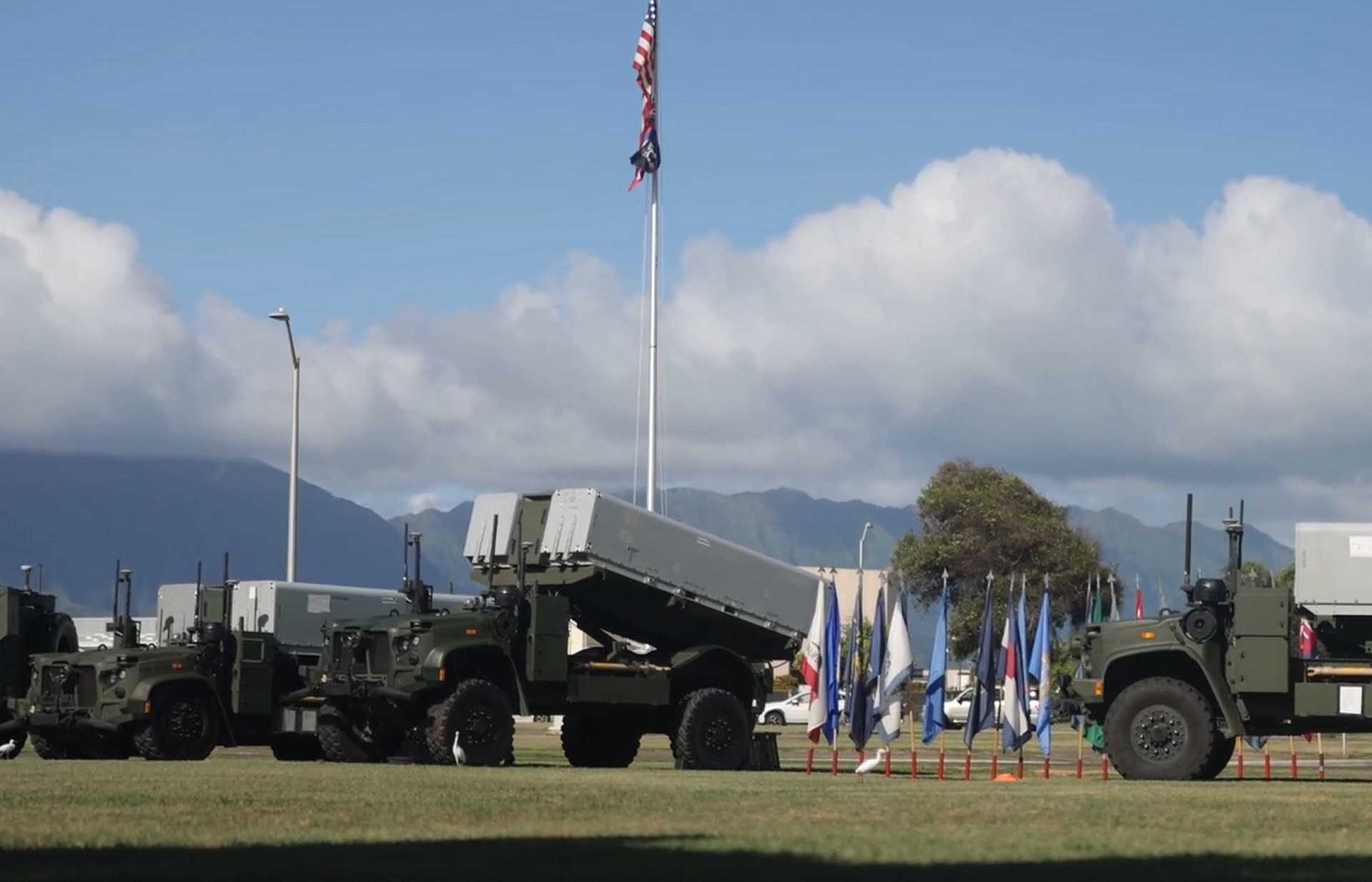
On November 26, 2024, the U.S. Marine Corps officially received the Navy-Marine Expeditionary Ship Interdiction System (NMESIS), a cutting-edge, ground-based anti-ship missile launcher, marking a significant milestone in the Marine Corps' ongoing efforts to enhance its sea denial capabilities. The formal handover ceremony took place at Dewey Square, Marine Corps Base Hawaii, where distinguished visitors from both U.S. military and international partners gathered to commemorate the integration of this advanced weapon system into the 3d Marine Littoral Regiment (MLR).
Follow Army Recognition on Google News at this link
On November 26, 2024, U.S. Marines with the 3d Littoral Combat Team, 3d Marine Littoral Regiment, officially received the Navy/Marine Expeditionary Ship Interdiction System at Marine Corps Base Hawaii, becoming the first U.S. unit to field the system. (Picture source: U.S. DoD)
The NMESIS, a mobile, precision-guided missile system, represents a major upgrade in the Marines' ability to counter maritime threats. As Lt. Col. Timothy W. Love, Commanding Officer of the 3d Littoral Combat Team (LCT), highlighted, the system’s addition enhances the regiment's capability to contribute more effectively to naval campaigns. "In addition to rifle companies capable of seizing and defending key maritime terrain, 3d LCT’s missile battery is now armed with mobile precision fire systems to support sea denial operations," he stated.
The Navy-Marine Expeditionary Ship Interdiction System (NMESIS) integrates the Navy’s advanced Naval Strike Missile (NSM) with the unique operational needs of the Marine Corps, offering a highly effective long-range, ground-based anti-ship capability. The system is built around the NSM, which boasts an impressive range of approximately 185 km (100 nautical miles). This long reach allows it to strike enemy vessels well beyond the horizon, positioning it as a formidable force against naval threats, particularly in the expansive Indo-Pacific theater where naval engagements often occur at great distances.
The Naval Strike Missile (NSM) itself is designed for precision and stealth. It employs GPS guidance and an infrared homing system to accurately identify and target ships. One of its most notable features is its low radar cross-section and ability to fly at sea-skimming altitudes, making it difficult for enemy radars to detect and intercept. This combination of stealth and precision allows the missile to strike various targets, from large warships to smaller, faster vessels, with lethal effectiveness. The missile's low-observable flight profile ensures that it remains undetected until the final stages of its attack, dramatically increasing the chances of a successful strike against even the most well-defended targets.
Moreover, the system is designed for flexibility and mobility, with its launchers being transportable and capable of rapid redeployment to various locations. This mobility is crucial in littoral and expeditionary operations, where Marines must quickly adapt to changing battlefield conditions. NMESIS can be rapidly integrated into Marine Air-Ground Task Force (MAGTF) operations, providing a critical long-range strike capability in maritime operations. The missile system's ability to respond to dynamic threats makes it a key asset in multi-domain operations, where data from naval, air, and space assets can be used to inform targeting decisions and ensure timely, accurate strikes.
The stealth capabilities of NMESIS make it highly survivable in hostile environments, where advanced countermeasures and air defense systems are in place. Its ability to fly close to the water’s surface and avoid detection by traditional radar systems ensures that the system remains a highly effective tool in modern warfare, where electronic warfare and advanced interception technologies are increasingly prevalent.
This strategic enhancement allows 3d MLR to extend its reach and integrate into broader naval operations, playing a critical role in the Indo-Pacific region's evolving security landscape. The NMESIS will be operated by the Medium-Range Missile Battery, a key component of 3d MLR’s infantry battalion. Marines with the regiment’s Fire Support Coordination Center will oversee the integration of the system into joint and allied operations, leveraging maritime and air domain awareness for precise targeting within the Maritime Dynamic Targeting Process.
The successful handover of the NMESIS follows months of rigorous operational testing and evaluation, with Col. John G. Lehane, Commanding Officer of 3d MLR, emphasizing the weapon system’s strategic importance. "Moving the NMESIS from the category of Initial Test and Operational Evaluation to a fielded weapon system is a significant milestone for 3d MLR," said Lehane. "The NMESIS provides this Regiment a potent sea denial capability in support of our mission-essential task to ‘Attack Enemy Maritime Targets.’ This capability greatly enhances the Regiment’s ability to support and integrate with the Marine Air-Ground Task Force, the Fleet, the Joint Force, and our Allies."
The 3d Marine Littoral Regiment, stationed on Oahu, Hawaii, specializes in amphibious and littoral warfare operations and plays a pivotal role in ensuring security and stability throughout the Indo-Pacific region. With the addition of the NMESIS, the unit is better equipped to contribute to regional security efforts, working alongside U.S. forces and allied nations to counter maritime threats and promote peace in the region.
The integration of NMESIS into the 3d MLR underscores the U.S. Marine Corps’ evolving approach to modern warfare, focusing on agile, mobile, and precision strike capabilities to deny adversaries the ability to dominate maritime spaces. With the system now fully operational, the Marines are poised to take a leading role in the strategic defense of key maritime terrain and contribute to the security architecture of the Indo-Pacific.
Read more: US Marines Receive New Anti-Ship Missile System NMESIS to Enhance Sea Denial Operations

Australian Army Deploys New US-Made M1A2 SEP V3 Abrams Tanks as Part of Armored Forces Modernization
- Details
- Written by: Administrator
- Category: 2024
- Hits: 6064
The Australian Army has begun deploying its newly acquired M1A2 Abrams System Enhanced Package Version 3 (SEP V3) main battle tanks, marking a significant step in the country's ongoing efforts to modernize its armored forces. According to a statement from the Australian Ministry of Defence (MoD) issued on November 27, 2024, the first of the M1A2 SEP V3 tanks have already been rolled out to the 2nd Cavalry Regiment, which is part of the 3rd Brigade.
Follow Army Recognition on Google News at this link
A newly acquired US-made M1A2 SEP V3 Abrams main battle tank arrives for the Australian Army at Lavarack Barracks in Townsville. (Picture source: Corporal Guy Sadler Australia MoD)
This delivery of American-made M1A2 SEP V3 MBTs (Main Battle Tanks) comes just three months after the tanks arrived on Australian shores. On November 14, four of the regiment's assigned 14 tanks were officially handed over, with the remaining units expected to be delivered by the end of 2025.
These new M1A2 SEP V3 tanks are an integral part of the Australian Army's combined arms fighting system and will play a crucial role in securing key strategic positions. The upgraded tanks are designed to significantly enhance the Australian Army's firepower, protection, and mobility capabilities, ensuring that the force can respond effectively to modern threats and operate in a wide range of combat scenarios.
The M1A2 SEP V3 tanks bring numerous improvements over the older M1A1 Abrams currently in service. Major Trent Lam, Officer Commanding C Squadron of the 2nd Cavalry Regiment, highlighted the enhanced capabilities of the new tanks, which provide increased firepower, protection, and mobility. “It has the ability to employ its weapon systems to a greater degree and provides additional weapon systems that can now fire on the move,” Major Lam explained. “We’re feeling really positive. It’s sort of a new-car feeling; a new piece of equipment, which we can now use on exercise.”
In addition to superior mobility and protection, the M1A2 SEP V3 tanks are equipped with a range of advanced features designed to improve the crew's situational awareness and operational effectiveness. These include the Commander’s Independent Thermal Viewer (CITV), which allows the commander and gunner to observe separate sectors of the battlefield, improving their ability to detect and respond to threats. Major Lam emphasized this capability, stating, “This enables both the commander and gunner to be looking in two separate locations.” The tanks also feature enhanced fire control systems, such as digital ballistic computers, laser range finders, and thermal imaging sights, all of which allow for more precise targeting and engagement of enemy forces.
Another essential improvement in the M1A2 SEP V3 tanks is their all-digital systems and fully digital electrical architecture. Powered by two advanced computers, these systems continuously analyze and process information, providing real-time diagnostics that help ensure the tanks remain operational in the field. The tanks’ advanced diagnostic capabilities enable the crew to identify system issues quickly, access error codes, and perform repairs, which reduces downtime and increases battlefield readiness.
One of the most innovative features of the M1A2 SEP V3 is the remote weapon station (RWS). This system allows the crew to operate mounted weapons, such as .50-caliber and 7.62mm machine guns, and the MK19 40mm grenade launcher, from the vehicle's safety. The low-profile mounts for these weapons provide enhanced protection for the crew while maintaining full operational effectiveness. The tanks are also equipped with an ammunition data link, which allows for integrating newly introduced munitions, including programmable rounds such as point detonate, delay, and airburst, offering greater flexibility in combat.
As part of the ongoing transition to the new tanks, the 2nd Cavalry Regiment is set to begin incorporating the M1A2 SEP V3 tanks into field exercises in early 2025. These exercises will help familiarize the crews with the tanks' enhanced capabilities and integrate them into the regiment's broader mission. The tanks will provide significant support to the 3rd Brigade's operations, enhancing their ability to control key terrain and respond to evolving threats.
By the end of 2025, Australia is set to have a total of 75 upgraded M1A2 SEP V3 tanks, which will replace the older M1A1 variants currently in service. Crew conversion training is already underway to ensure that personnel are fully proficient in operating the new systems, ensuring a seamless integration into the Australian Army's armored forces.
This upgrade to the Australian Army's M1A2 SEP V3 Abrams tank fleet highlights the country's commitment to maintaining a modern, capable military force. With advanced firepower, improved protection, and enhanced mobility, the M1A2 SEP V3 tanks are set to boost Australia’s defense capabilities significantly, ensuring the Army is well-prepared to meet the challenges of 21st-century warfare. As the new tanks are integrated into operational service, they will significantly enhance the Australian Army's ability to conduct combined arms operations and support the country's strategic interests in the Indo-Pacific region.
- Details
- Written by: Administrator
- Category: 2024
- Hits: 16995
The Ukrainian war has provided invaluable lessons in countering aerial drones, FPV (First-Person View) drones, and loitering munitions. The conflict has forced both sides to innovate rapidly, particularly in the realm of air defense. Ukraine’s experience offers a blueprint for future warfare, emphasizing the need for layered defenses, cost-effective solutions, and adaptability in the face of evolving aerial threats.
Follow Army Recognition on Google News at this link
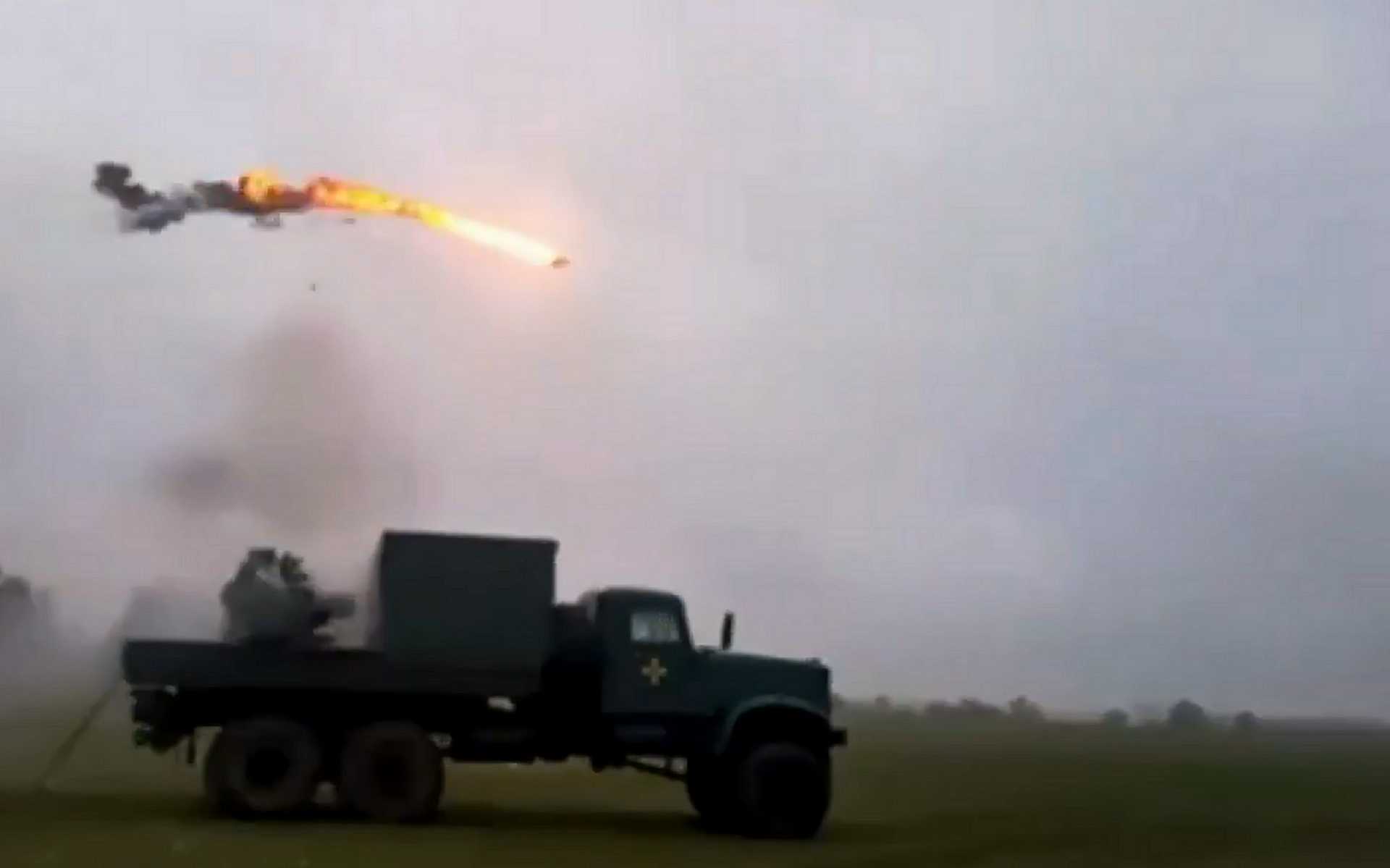
Ukrainian soldiers target and destroy a Russian Shahed-136 kamikaze drone at close range using a ZU-23-2 anti-aircraft gun mounted on a truck, showcasing mobile air defense capabilities in action. (Picture source: MilitaryNewsUA X account)
One of the most striking elements of the Ukrainian experience is the effectiveness of small-caliber weapons against drones. Mobile air defense teams equipped with ZU-23-2 automatic cannons, mounted on trucks for rapid deployment, have been instrumental in intercepting Russian Shahed-136 drones. These 23mm twin-barreled automatic cannons, initially designed for anti-aircraft use, have proven capable of destroying drones during their low-altitude, terminal approach phase. The combination of high mobility and a rapid rate of fire allows these units to adapt to the dynamic nature of drone warfare, particularly when drones are deployed in swarms.
Shotguns have emerged as another practical solution for frontline soldiers to counter FPV drones. Ukrainian forces have adopted semi-automatic shotguns, such as the Safari HG-105M and Hatsan Escort BTS 12, using buckshot cartridges to take down low-flying drones. FPV drones, often used for reconnaissance or precision strikes, are fast and operate at very low altitudes, making them difficult targets for larger, more advanced systems. The shotguns provide an inexpensive, easy-to-deploy option for infantry, particularly in urban or trench warfare scenarios where FPV drones pose an immediate threat.
The Gepard Self-Propelled Anti-Aircraft Gun (SPAAG), supplied by Germany, has been a game-changer for Ukraine’s drone defense strategy. Equipped with twin 35mm Oerlikon cannons and guided by advanced radar, the Gepard has proven especially effective against loitering munitions like the Shahed-136. Its programmable AHEAD ammunition, which disperses sub-projectiles in the target's path, ensures high lethality against small, fast-moving drones. Ukrainian forces have successfully used the Gepard to protect critical infrastructure and urban centers, particularly during large-scale swarm attacks. The mobility and precision of the Gepard make it an ideal middle layer in a multi-tiered air defense system, bridging the gap between smaller-caliber weapons and advanced missile systems.
Despite the successes of small-caliber weapons and anti-aircraft guns, Ukraine has also relied on modern air defense missile systems, such as the IRIS-T SLM, NASAMS, and Patriot, to provide a robust defense against drones and other aerial threats. These systems have proven highly effective at long-range interception and protecting high-value targets. However, their use against low-cost drones like the Shahed-136 highlights a critical issue: cost inefficiency. Firing expensive, high-precision missiles at drones costing as little as $20,000 is unsustainable during prolonged conflicts, particularly when facing large numbers of drones.
The war has also revealed the limitations of these advanced systems when faced with drone swarms. Loitering munitions often operate at low altitudes and have small radar cross-sections, making them challenging to detect and intercept using traditional missile systems. This has reinforced the need for a layered defense approach, where advanced systems handle high-altitude and long-range threats, while small-caliber weapons and systems like the Gepard address lower-altitude, close-range targets.
A critical takeaway from the Ukrainian experience is the importance of mobility and flexibility. Both small-caliber systems like the ZU-23-2 and larger platforms like the Gepard have demonstrated the value of rapid deployment and repositioning in response to evolving threats. Static systems are vulnerable in dynamic combat environments, whereas mobile units can adapt to shifting drone flight paths and operational priorities.
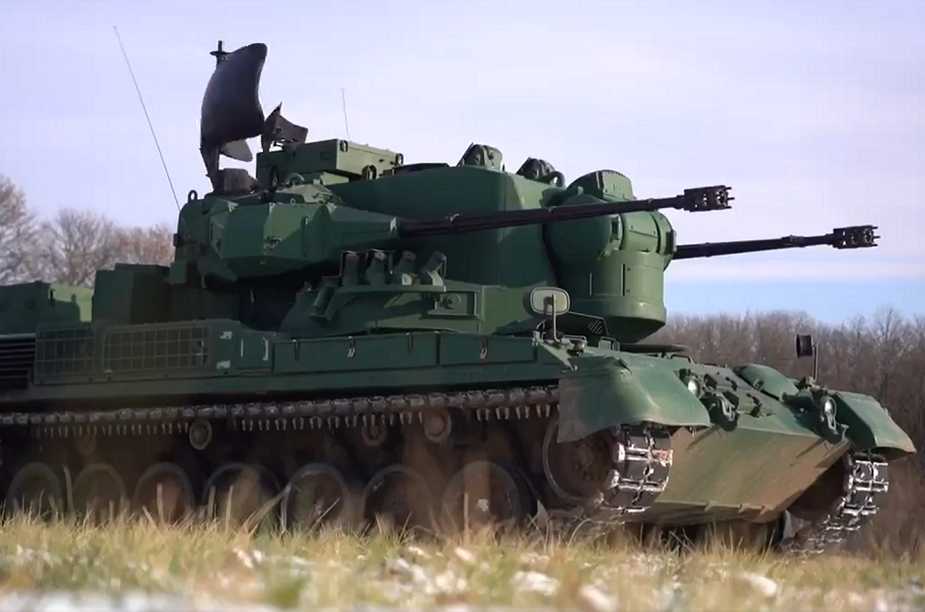
Ukrainian Gepard SPAAG, supplied by Germany, uses twin 35mm cannons and advanced radar to effectively counter loitering munitions like the Shahed-136. (Picture source Ukraine MoD
The conflict in Ukraine has also underscored the need for integrated technology and AI-driven solutions. Combining small-caliber weapons, radar, and AI-enhanced fire control systems can significantly improve detection and engagement success rates. For example, integrating drones and counter-drone systems into a unified command-and-control network ensures faster response times and more efficient resource allocation. AI can enhance threat prioritization, especially during swarm attacks, where human operators might struggle to manage multiple targets simultaneously.
For future conflicts, the Ukrainian experience highlights the necessity of a comprehensive, multi-layered defense strategy against aerial drones, FPV systems, and loitering munitions. Small-caliber weapons provide a cost-effective frontline solution, anti-aircraft systems like the Gepard offer a critical middle layer, and modern missile systems serve as a high-capability shield for long-range and high-altitude threats. These layers must work in unison, supported by advanced sensor technology, AI integration, and mobile platforms.
The war in Ukraine has also emphasized the importance of training and adaptability for counter-drone operations. Soldiers have rapidly adapted to using unconventional weapons like shotguns for drone defense, and mobile air defense teams have learned to respond quickly to drone incursions. This adaptability will be a crucial element of future conflicts, where technological advances and new drone tactics will continue to challenge traditional defense paradigms.
Ultimately, Ukraine’s experience has reshaped the understanding of modern drone warfare. The combination of layered defenses, cost-effective countermeasures, and technological integration will be essential for any military preparing to face the growing threat of drones, loitering munitions, and other unmanned aerial systems in future conflicts.
- Details
- Written by: Administrator
- Category: 2024
- Hits: 3069
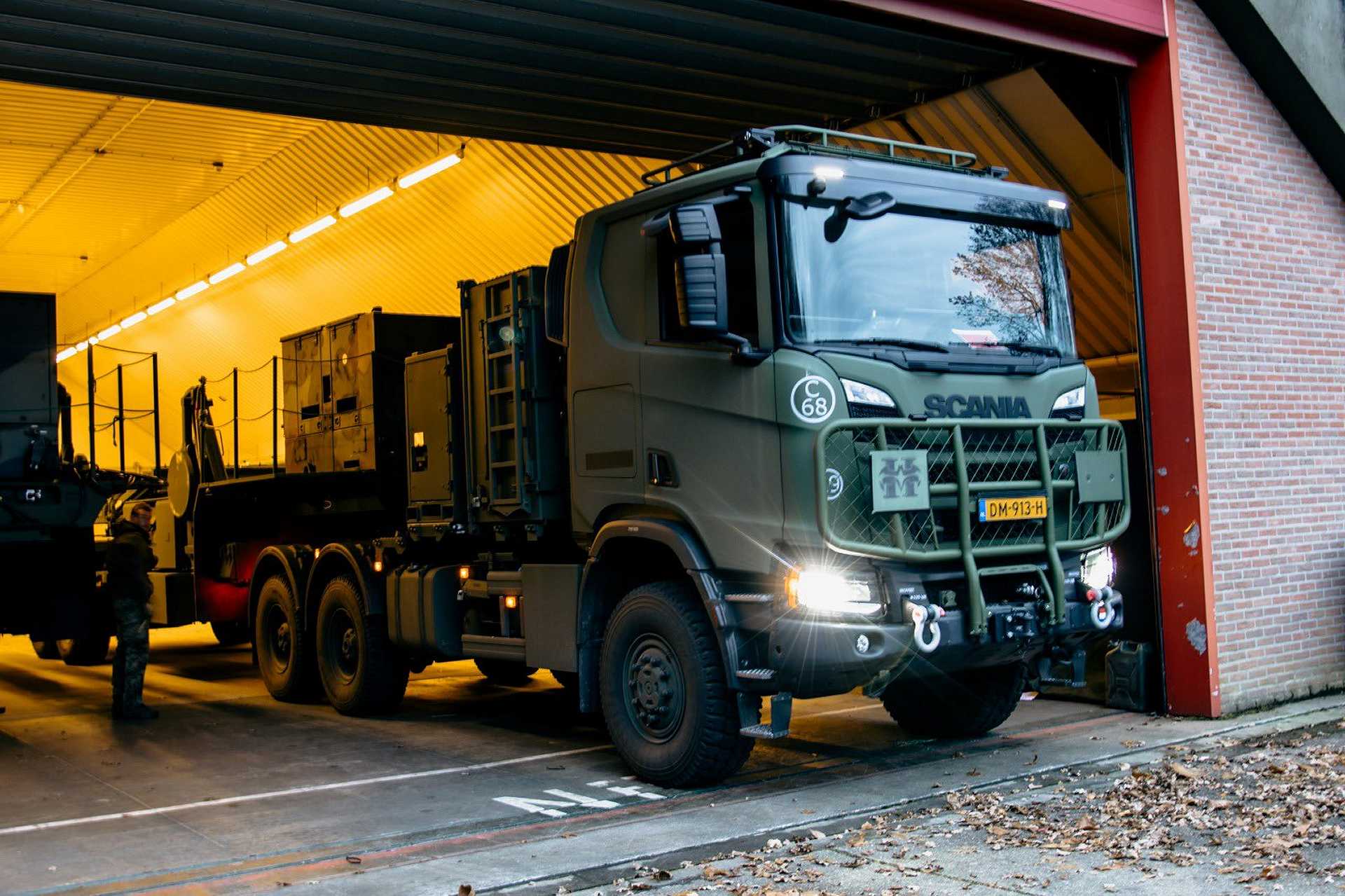
On November 28, 2024, the Netherlands announced the delivery of three additional Patriot air defense missile launchers to Ukraine, further bolstering the country’s defense capabilities against ongoing Russian missile and drone attacks. The announcement came from Dutch Defense Minister Ruben Brekelmans via his official social media account, X (formerly Twitter), underscoring the continued support from the Netherlands in Ukraine's fight against Russian aggression.
Follow Army Recognition on Google News at this link
Dutch Defense Minister Ruben Brekelmans shares a photo on X, marking the delivery of a Dutch Patriot air defense launcher to Ukraine as part of ongoing support amidst heightened Russian aerial attacks. (Picture source: X Account Dutch Defense Minister Ruben Brekelmans)
The Patriot air defense missile system is one of the world's most advanced surface-to-air missile systems, designed to intercept a range of threats, including ballistic missiles, cruise missiles, drones, and aircraft. It utilizes a powerful radar system to track targets and guide missiles toward them, ensuring a high degree of accuracy and reliability in intercepting incoming threats. The Patriot's missile interceptor, the PAC-3, has a range of over 160 km and can engage high-velocity targets at altitudes of up to 24,000 m, including short-range ballistic missiles and high-flying aircraft.
The Patriot air defense system can operate in all weather conditions and is designed to protect critical infrastructure, including military bases, cities, and energy facilities. Its ability to engage multiple targets simultaneously makes it a critical asset in defense strategies, especially against advanced and coordinated missile and drone attacks like those launched by Russia against Ukraine. Adding three more Patriot launchers from the Netherlands significantly enhances Ukraine’s defense capabilities, complementing the existing systems from Germany and the United States and providing a more robust shield against airborne threats.
Ukraine's air defense capabilities have been under significant strain due to the relentless Russian missile campaigns, which aim to disrupt critical infrastructure and weaken Ukraine’s resolve. The delivery of these launchers from the Netherlands forms part of broader international efforts to provide Ukraine with state-of-the-art air defense systems in a bid to prevent further destruction.
The announcement of the Dutch delivery comes at a time when Russia has intensified its aerial bombardment of Ukraine. On the night of November 28, 2024, Russian forces launched a combined assault of nearly 100 drones and 90 missiles targeting Ukraine's energy infrastructure. The massive strike led to widespread power outages across the country, with emergency blackouts introduced in various regions to mitigate the damage and manage power distribution.
The overnight attack follows a disturbing pattern of Russian tactics aimed at crippling Ukraine's energy sector, which has faced repeated targeting since the onset of the war. Ukrainian authorities have been working to repair and reinforce energy grids while relying on advanced air defense systems like Patriot to intercept and destroy incoming threats before they can reach their targets.
The Patriot systems provided to Ukraine represent a crucial layer of defense in the country’s fight against Russian aggression. In addition to the Netherlands’ recent delivery, Germany and the United States have supplied multiple Patriot systems to Ukraine. The German contribution includes at least three systems, while the U.S. has delivered a similar number. These systems are complemented by additional support from countries like Spain, which has provided individual launchers and missiles.
These international contributions reflect the growing global commitment to Ukraine's security, with Western nations increasing military aid as the war continues. NATO member countries have focused on providing Ukraine with the tools necessary to defend its skies and protect vital infrastructure, despite the escalating threat from Russia.
In his announcement, Minister Brekelmans emphasized the Netherlands' steadfast support for Ukraine, reaffirming the country’s commitment to assisting in the defense of Ukrainian sovereignty. The delivery of the Patriot systems is part of a broader international effort to ensure that Ukraine is adequately equipped to counter the Russian threat.
The Netherlands has consistently partnered with the European effort to supply Ukraine with advanced military technology, contributing to air defense systems, artillery, and other essential military hardware. As the war enters its second year, the international community continues to stand firm in its support for Ukraine, with NATO allies playing a pivotal role in providing the necessary defense systems.
The delivery of three additional Patriot air defense launchers to Ukraine by the Netherlands marks a significant step in the ongoing effort to help Ukraine defend itself against Russian missile and drone attacks. As Russia continues its assault on Ukraine's critical infrastructure, the importance of advanced air defense systems like the Patriot cannot be overstated. With global support, including contributions from the Netherlands, Germany, the United States, and other nations, Ukraine is strengthening its air defense capabilities to protect its people and infrastructure, ensuring that it remains resilient in the face of ongoing invasion.

- Details
- Written by: Administrator
- Category: 2024
- Hits: 6187
According to a recent report by the American news magazine Newsweek, the advanced HitchHiker interceptor drone, developed by American companies IronNet and Asterion Systems, is currently being tested on the Ukrainian frontline. Designed to counter a wide range of unmanned aerial vehicles (UAVs), this state-of-the-art platform not only enhances battlefield situational awareness but also provides an effective tool for neutralizing aerial threats. Its deployment highlights the increasing role of cutting-edge technology in modern warfare.
Follow Army Recognition on Google News at this link
The US-made HitchHiker interceptor drone is undergoing testing on the Ukrainian frontline, demonstrating its advanced capabilities in detecting and neutralizing aerial threats. (Picture source: Asterion Group)
The HitchHiker drone has been engineered to detect, classify, and track aerial threats, offering real-time intelligence and precision in neutralizing hostile drones. Its capabilities are particularly crucial in countering drones such as the Iranian-made Shahed loitering munitions, which have become a significant threat in the conflict. This project marks the collaboration of IronNet, a leader in AI-driven cybersecurity, and Asterion Systems, a specialist in counter-drone technologies. Together, they have developed a platform that integrates advanced AI with cutting-edge hardware to tackle some of the most pressing challenges on the battlefield.
With a range of up to 200 km and a top speed of 450 km/h, the HitchHiker is both fast and versatile. It is launched through the ASTERION PERIMASTER C4 system, a sophisticated command-and-control platform that integrates long-range sensor data. This system positions the HitchHiker directly behind incoming threats, enabling operators to visually inspect potential targets in real-time before neutralizing them or recalling the drone to base. Such flexibility makes the drone valuable for both surveillance and direct action missions.
One of the HitchHiker’s standout features is its ability to deploy automatically from fixed or mobile platforms. This capability allows it to respond quickly to threats and even counter drone swarms, a growing concern in contemporary conflicts. By automating launch and operation, the system reduces response times and maximizes efficiency on the battlefield.
Looking ahead, Asterion Systems is developing a jet-powered version of the HitchHiker, capable of engaging high-speed, jet-propelled UAVs. This upgrade will further expand the drone’s tactical applications, allowing it to intercept targets beyond the reach of current electric-powered models and solidifying its position as a leading counter-UAV technology.
For Ukraine, the deployment of the HitchHiker represents a critical addition to its defense arsenal. As the conflict increasingly features UAVs for reconnaissance, surveillance, and strike missions, platforms like the HitchHiker provide a significant advantage. By integrating advanced AI and autonomous systems, the HitchHiker not only strengthens Ukraine’s defense capabilities but also offers a glimpse into the future of drone warfare. Success in these trials could pave the way for broader adoption across NATO forces, setting a new benchmark for counter-drone solutions in modern warfare.
- Details
- Written by: Halna du Fretay
- Category: 2024
- Hits: 2505
Sweden continues to modernize its army’s training capabilities by acquiring advanced combat vehicle simulators. The Swedish Defence Materiel Administration (FMV) has contracted KNDS Deutschland to deliver three CV9040D simulators, specifically designed to represent the support vehicles within tank companies. This initiative aligns with Sweden’s strategic objective to enhance integrated training and operational readiness for its ground forces.
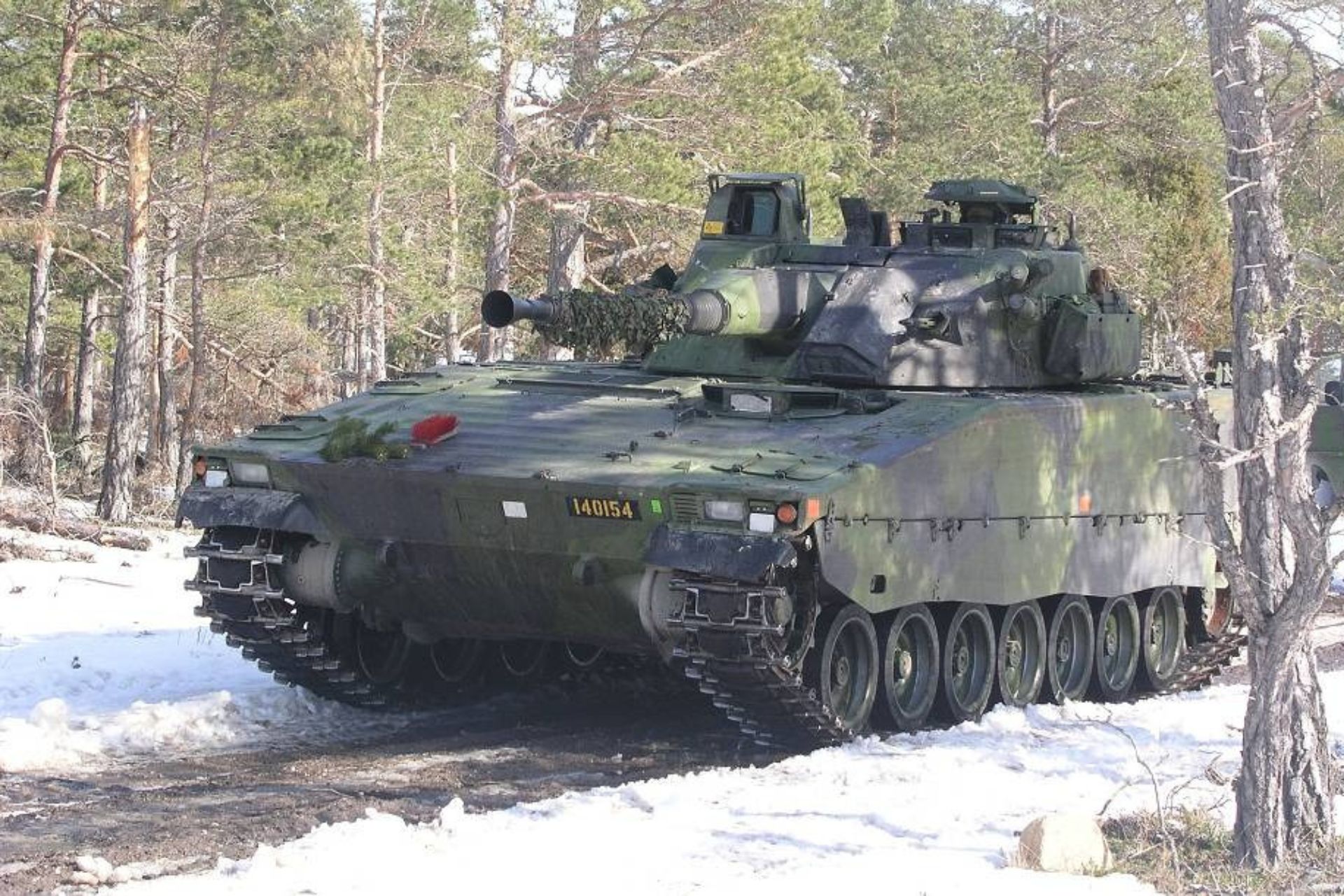
These simulators will integrate seamlessly with the LEOPARD 2 simulators previously supplied by KNDS Deutschland in December 2023 for the Swedish Army's Land Warfare Center (Picture source: Wikimedia )
The CV90 simulators feature an innovative setup, including cabins tailored for simultaneous training of the driver, turret crew, and infantry squad. This configuration enables the comprehensive training of an entire infantry fighting vehicle crew under realistic simulated conditions. Additionally, the simulators will incorporate Sweden’s command and information system, ensuring highly immersive and accurate operational scenarios.
These simulators will integrate seamlessly with the LEOPARD 2 simulators previously supplied by KNDS Deutschland in December 2023 for the Swedish Army's Land Warfare Center. For the first time, this integration will allow fully networked joint training between main battle tanks and infantry fighting vehicles at the company and battalion levels. This development marks a significant advancement in collective training capabilities, improving interoperability and coordination among mechanized units.
Delivery of the CV90 simulators is scheduled for 2028. This project reflects the ongoing collaboration between KNDS Deutschland and FMV, aimed at equipping the Swedish Armed Forces with cutting-edge training solutions. A KNDS Deutschland spokesperson noted, “We are proud to continue our partnership with FMV and to contribute to the development of innovative training systems for the Swedish Armed Forces.”
This initiative is further contextualized within a broader international cooperation framework, highlighted by a recent declaration of intent between Sweden and Ukraine. The agreement underscores both nations' shared commitment to enhance collaboration on the CV90 system, including its production, training, and maintenance. Such partnerships emphasize the increasing importance of advanced technological solutions in preparing armed forces to meet modern challenges.
The CV9040D is an advanced version of the Swedish CV90 infantry fighting vehicle, accommodating a crew of three and up to eight infantry soldiers. Armed with a 40 mm Bofors automatic cannon, it offers a high rate of fire and effectiveness against a variety of targets. The vehicle is also equipped with a coaxial 7.62 mm machine gun and smoke grenade launchers for concealment operations. Its protection system includes armor capable of withstanding 14.5 mm projectiles around the hull and enhanced frontal resistance against 30 mm armor-piercing rounds. Additionally, it features an NBC (nuclear, biological, chemical) filtration system and can be upgraded with extra armor as needed. Powered by a Scania diesel engine producing 550 horsepower, the CV9040D achieves a maximum speed of 70 km/h and a range of approximately 320 km.
The Swedish Army operates a fleet of around 500 CV90 vehicles across various versions since their initial deployment in 1993. These variants are tailored for diverse roles, including troop transport, reconnaissance, and combat support. Modernization programs are underway to keep the fleet operationally relevant against evolving threats and to extend their service life beyond 2034.
The FMV’s acquisition of these CV9040D simulators from KNDS Deutschland represents a significant step forward in training Sweden’s ground forces. Integrated with existing systems, these simulators will enhance collective preparedness and interoperability among mechanized platforms. This modernization underscores Sweden’s ongoing investment in innovative technologies to ensure the effectiveness and resilience of its armed forces.
Read more: KNDS to Provide Simulators to Enhance CV90 Crew Training for Swedish Army
- Rheinmetall Launches Construction of Lithuanian Ammunition Factory to Strengthen European Production
- US Army launches fifth-generation combat vehicle with M1E3 Abrams tank modernization program
- Netherlands Receive First IRB Floating Bridge from GDELS for Military Vehicle Crossing
- Germany Proposes Deployment of Patriot Systems in Poland to Protect Ukraine’s Military Supply Lines