
- Details
- Written by: Halna du Fretay
- Category: 2024
- Hits: 3716










Russia is looking to resume the production of medium and short-range ballistic missiles equipped with nuclear warheads, President Vladimir Putin stated during a videoconference with members of the Security Council on June 28, 2024. This move comes amidst escalating tensions with the United States and NATO and aims to respond to what Russia perceives as provocative actions by the U.S.
Follow Army Recognition on Google News at this link
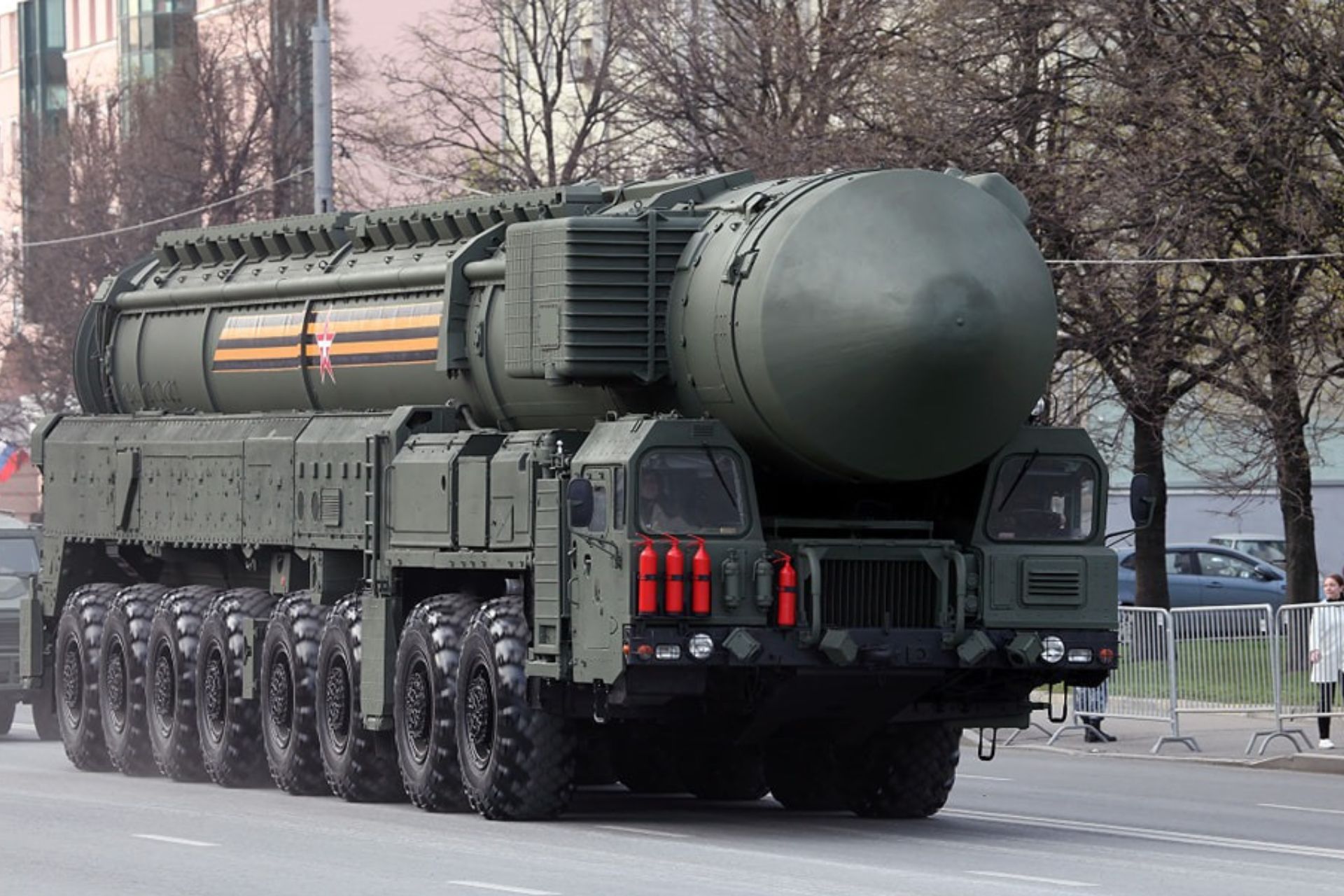
The RS-24 Yars is a three-stage solid-fuel missile that reportedly carries a payload of three reentry vehicles (RV) and penetration aids.(Picture source: Vitaly Kuzmin)
Putin emphasized that the United States has started developing missiles with a range exceeding 500 km, despite the Intermediate-Range Nuclear Forces (INF) Treaty. This has prompted Russia to consider its response by resuming the production of medium and short-range missiles. "The United States withdrew from this treaty under a false pretext and announced that they would produce such missile systems," said Putin.
Recent military exercises, particularly between the U.S. and Denmark, were also mentioned by Putin. The U.S. Navy, in collaboration with the Danish Army's Home Guard, conducted a training deployment of the Mk.70 PDS missile strike system on Bornholm Island. Although the Danish Ministry of Defense clarified that this was an exercise unrelated to an increased maritime threat in the Baltic, Putin used this example to justify Russia's actions.
Putin also asserted that the U.S. has deployed these systems in the Philippines, placing Russia in an unfavorable strategic position. Furthermore, the 9M729 missile, part of the Iskander complex and capable of being equipped with a nuclear warhead, has been highlighted by the U.S. as a violation of the INF Treaty, a significant factor in the U.S. withdrawal from the treaty.
In response to accusations of violating the INF Treaty, Pentagon and NATO representatives maintained that Russia had long possessed missiles exceeding the treaty limits, notably the 9M729. Russia, in turn, accused the U.S. of having similar intentions with their missile defense systems in Poland and Romania, which could be used for offensive purposes.
The situation is further exacerbated by the global context where other powers, such as China, are also developing short and medium-range ballistic missiles. For instance, China recently revealed photos of its Xian H-6N bomber equipped with an anti-ship aeroballistic missile, believed to be the YJ-21, with an estimated range of 1,500 kilometers and a speed of Mach 9.
Read more: Russia Considers Resuming Production of Medium and Short-Range Nuclear Ballistic Missiles
- Details
- Written by: Vandenbosch
- Category: 2024
- Hits: 5269
The Budget Committee of the German Bundestag approved on June 26, 2024, the purchase by the Bundeswehr of up to 6,500 unprotected transport trucks, continuing the initiative begun in 2017 to modernize military logistics. Rheinmetall announced the acquisition on 1 July 2024.
Follow Army Recognition on Google News at this link
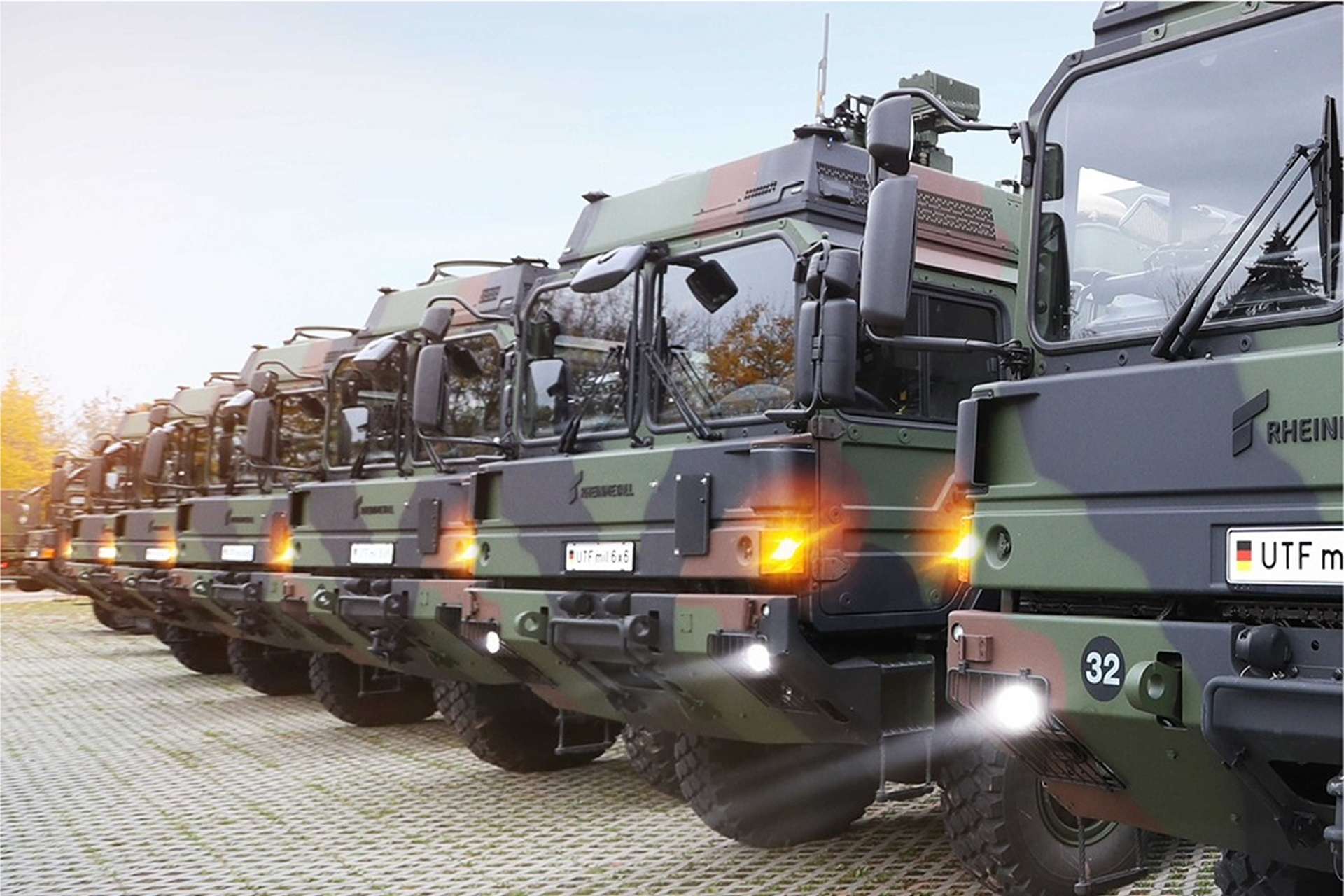
Rheinmetall announced the acquisition of 6500 trucks by the Bundeswehr. (Picture source: Rheinmetall)
Following the approval by the Budget Committee of the German Bundestag on June 26, 2024, the Bundeswehr can now finalize a framework contract for the acquisition of up to 6,500 unprotected transport vehicles (UTF) in payload classes of 3.5t, 5t, and 15t. These military off-road trucks, depending on the payload class, will feature two, three, or four driven axles. This initiative continues the effort started in 2017 to equip the troops with modern trucks for logistics and the transportation of mission containers with high operational demands.
On June 13, the Federal Office of Bundeswehr Equipment, Information Technology, and In-Service Support (BAAINBw) placed an order for 1,515 interchangeable loader systems (WLS) worth 920 million euros from Rheinmetall, scheduled for delivery this year.
The first firm order under the new framework contract will consist of a three-digit number of vehicles equipped with container mounts and pre-installed kits for command and communication systems, as well as preparations for the easy installation of the FLW 100 remote-controlled light weapon station, according to the Federal Ministry of Defence (BMVg). The Budget Committee's agenda listed the quantity as 610 vehicles, with an allocated budget of 313 million euros from the Bundeswehr’s special funds and the core budget of EP 14. Initial deliveries are scheduled for later this year.
The context allowing Germany to rearm is marked by several historical, political, and geopolitical factors. Since the end of World War II, Germany has adopted a stance of military restraint due to the responsibilities and consequences of its past. However, geopolitical changes in recent decades have led to a reassessment of this position.
The collapse of the Soviet Union and the end of the Cold War initially reduced tensions in Europe, but the security situation has evolved significantly in recent years. The annexation of Crimea by Russia in 2014 and the conflicts in Ukraine have revived security concerns on the European continent. These events highlighted the need for European countries to strengthen their defense capabilities to face potential threats.
Moreover, Germany, as one of Europe's leading economic and political powers, is increasingly called upon to play a more active role in European and global security. The expectations of its NATO partners, particularly the United States, have also pressured Berlin to increase its defense spending and modernize its armed forces.
Domestically, the political debate in Germany has evolved, with growing recognition of the need for modern and well-equipped armed forces. Recent crises, such as the COVID-19 pandemic, have also underscored the importance of national resilience, including the Bundeswehr's ability to respond quickly and effectively to various emergencies.
As a result, the German government has undertaken a series of reforms and investments to modernize its armed forces. The approval of the purchase of 6,500 unprotected transport vehicles is part of this broader effort to strengthen the logistical and operational capabilities of the Bundeswehr, ensuring that Germany can meet current and future security challenges. Based on the specified quantities and contract amounts, it can be inferred that the total volume of the framework contract will exceed three billion euros.
Read more: German Army Acquires Up to 6,500 Unprotected Trucks from Rheinmetall
- Details
- Written by: Halna du Fretay
- Category: 2024
- Hits: 4964
The German parliament has approved funding for the development of a new supersonic anti-ship missile in collaboration with Norway. On June 26, the Bundestag's budget committee authorized a funding share of 650 million euros for the Supersonic Strike Missile (3SM) program, named "Tyrfing" after a mythical Norse sword. This initiative aims to create a missile capable of reaching speeds between Mach 2 and 3, with a range of 800 to 1,000 kilometers. The development is expected to be completed by 2033, with the missile operational by 2035.
Follow Army Recognition on Google News at this link
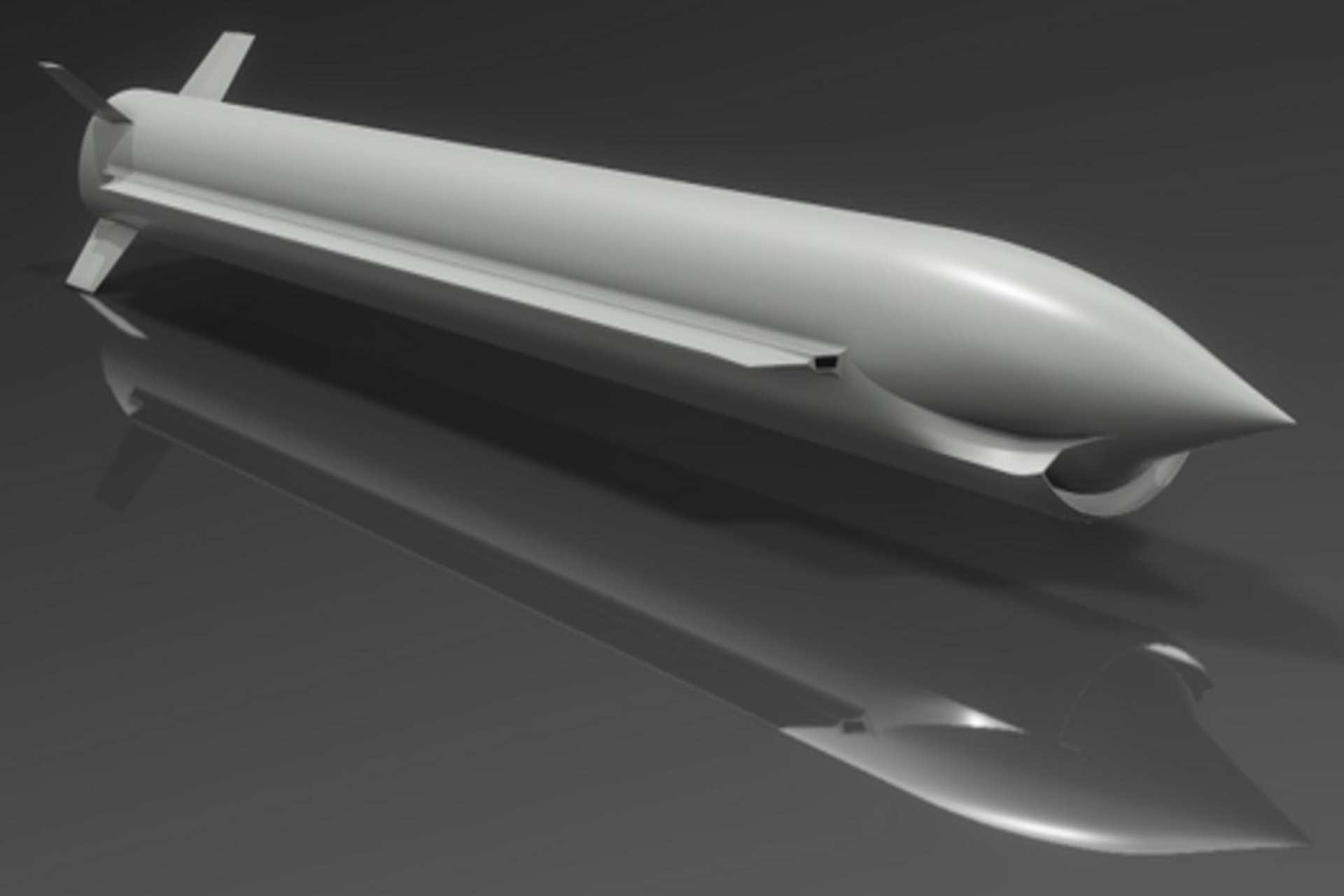
The 3SM Tyrfing aims to be a pioneering Western anti-ship missile with both supersonic speed and long-range capabilities, addressing a gap typically filled by Soviet and modern Russian, Indian, and Chinese missiles (Picture source: Kongsberg)
The project will be led by Norway's Kongsberg Defence & Aerospace, known for its Naval Strike Missile (NSM). German companies Diehl Defence and MBDA Germany will play significant roles in the development.
The German government has allocated initial funding through the "Sondervermögen," a special fund created in response to the Russian invasion of Ukraine, covering expenses until 2027. Post-2027, the regular German defense budget will finance the program.
The 3SM Tyrfing aims to be a pioneering Western anti-ship missile with both supersonic speed and long-range capabilities, addressing a gap typically filled by Soviet and modern Russian, Indian, and Chinese missiles. The missile will feature advanced sensors for all-weather capability, a robust data link for mission control, and a selectable-yield warhead to minimize collateral damage. The Tyrfing will target both naval and land objectives, enhancing its versatility and strategic value.
The 3SM project follows previous, unfulfilled attempts by Western nations to develop supersonic anti-ship missiles. The Franco-British "Future Cruise/Anti-Ship Weapon" (FC/ASW) program, for instance, aims to develop a supersonic missile and a stealth subsonic missile by the early 2030s.
If successful, the 3SM Tyrfing will be a significant milestone in Western missile technology, offering both land and naval attack capabilities in a single design.
Read more: Germany and Norway Collaborate on New Supersonic Missile
- Details
- Written by: V.Saint
- Category: 2024
- Hits: 2056
There are also significant strategic questions, such as the support of the United States and the reaction of the international community in the event that Israel launches a coordinated attack on Iranian nuclear sites and against Hezbollah forces in southern Lebanon. It is not excluded that Israel finds itself at a disadvantage facing a multitude of enemies in a multi-front war.
Follow Army Recognition on Google News at this link
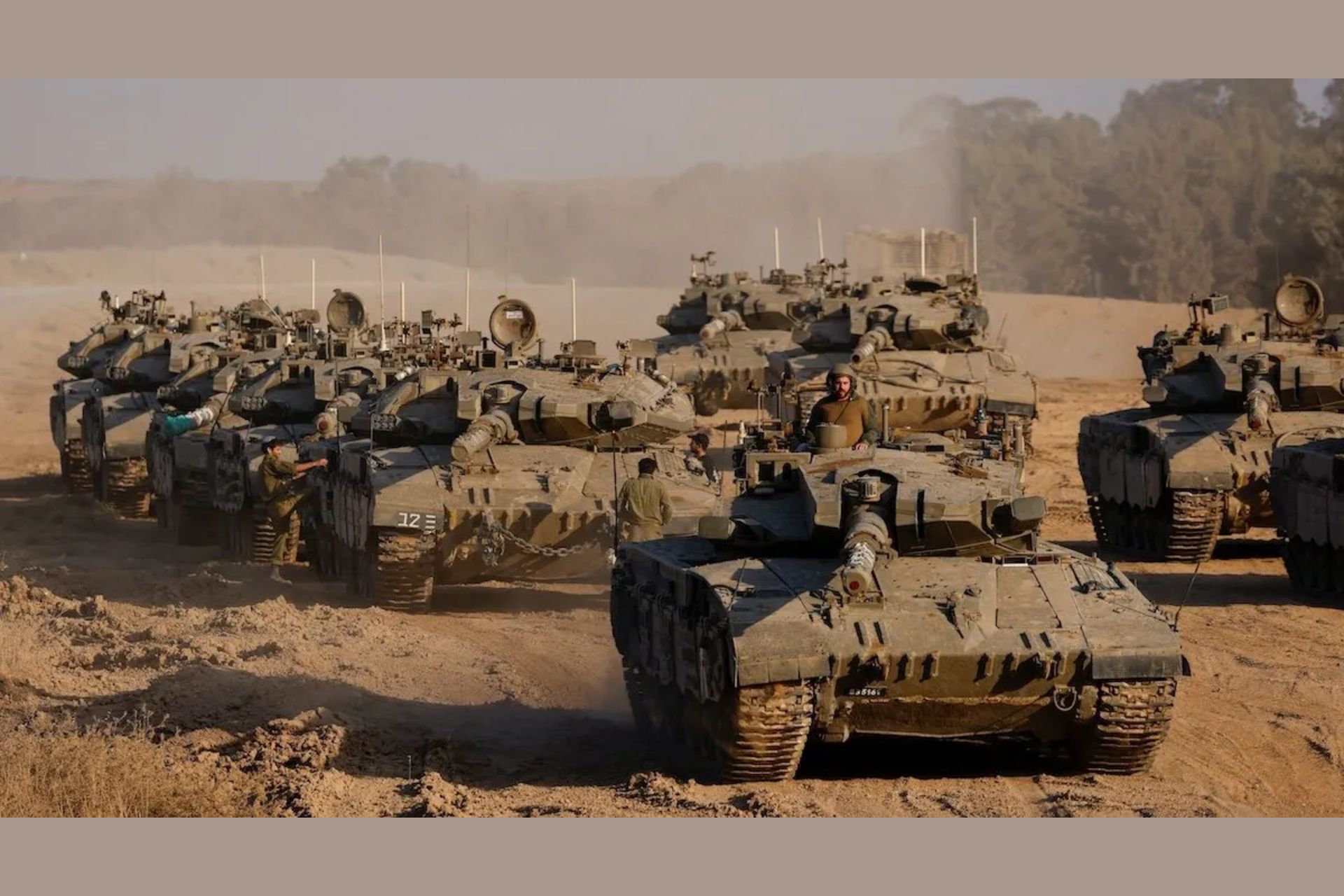
An Israeli soldier stands in a tank, amid the ongoing conflict between Israel and Hamas, near the Israel-Gaza border, in Israel, June 4, 2024(Picture source: Amir Cohen )
However, exchanges of fire between the Israeli Defense Forces and Hezbollah have been, in most cases, slightly less intense than in recent months. This has not really eased concerns in Israel and Lebanon.
The persistent absence of a diplomatic solution to the conflict, which began when Hezbollah fired on Israel following the Hamas massacre at the Gaza border last October, the mutual exchange of threats, and the inability to dissociate what is happening in Lebanon from the war in Gaza, have all increased anxiety about war. As a result, rumors, alarmist and futile theories are freely circulating.
Some Israeli government ministers have made statements that do nothing to calm the situation. Finance Minister Bezalel Smotrich, a member of the security cabinet, outlined what a regional offensive might look like.
He proposed "the collapse of the regime in Iran, the complete destruction of Hamas, and a quick and fierce war against Hezbollah" that would eliminate the Shiite organization from the game.
Today several questions arise:
-
What does a reservist feel when he is called up for the third time and must leave his family, his struggling business, and his studies?
-
How many munitions does the Israeli Air Force actually have while the Biden administration has delayed the delivery of 3,500 heavy bombs?
-
How will the Israeli home front cope with the thousands of missiles, rockets, and drones fired from Lebanon, probably with the help of Iran and militias it operates and finances in Iraq, Syria, and Yemen?
It seems that Smotrich's scenario combines latent fantasies about the borders of the Promised Land with his long-standing plan to financially strangle the Palestinian Authority and provoke the collapse of its power in the West Bank (an idea on which Prime Minister Benjamin Netanyahu has expressed reservations in statements attributed to him last week).
It is hard to know if the Finance Minister's remarks on Sunday at the Makor Rishon press conference reflect a short-term strategic vision or a more cynical gesture by someone who thinks that a regional Gog and Magog scenario actually advances his goals.
In Lebanon, Netanyahu, and even more so Defense Minister Yoav Galant, have recently issued messages about the need to first seek a diplomatic settlement with American mediation before launching an all-out campaign against Hezbollah.
The region is still waiting to see if Amos Hochstein, the envoy of U.S. President Joe Biden, will soon start a new series of diplomatic shuttles between Beirut and Jerusalem. In the background, there is also Netanyahu's speech to the U.S. Congress on July 24.
In their contacts with the Americans, the Israelis have discussed the possibility that their army might launch an offensive in Lebanon, in the hope that Hezbollah would come to its senses and accept an arrangement that would move its forces north of the Litani River.
The Americans are skeptical: they believe that Hezbollah will respond to any escalation by the IDF with an escalation of its own, and from there, the path to total war would be short.
The main problem the government faces concerns the expectations of the population. On October 8, the state evacuated some 60,000 residents from their homes along the border with Lebanon. So far, no date has been set for their return.
Criticism is mounting in the face of this persistent strategic failure. It comes from the residents of the North, the media, and the opposition. The government spokespersons' response is not convincing.
As long as the current reality remains unresolved, the temptation for the government and the army to try to break the deadlock with a military operation grows, despite the obvious risks.

- Details
- Written by: Jérôme Brahy
- Category: 2024
- Hits: 7963
On June 19, 2024, the German company Rheinmetall and the US company Anduril Industries signed a Memorandum of Understanding (MoU) at Eurosatory 2024 to collaborate on developing multi-layered air defense systems against small drones, targeting the European market. This partnership will merge Rheinmetall's Skymaster guidance system and high-performance guns with Anduril's Lattice AI software and modular hardware, aiming to provide new counter-small Unmanned Aerial Systems (C-sUAS).
Follow Army Recognition on Google News at this link
The Skynex system, incorporating the Skymaster Battle Management System, features an open and modular design that supports integration with different types of sensors and effectors, including advanced technologies such as the High Energy Laser system and the C-PGM/RAM missile. (Picture source: Rheinmetall)
Oliver Dürr, CEO of Rheinmetall Air Defence AG, stated that the cooperation will produce an innovative C-sUAS system, combining Rheinmetall's military competencies and Anduril's development speed. He expressed confidence that this combination will meet future needs and provide the right solution to the market at the right time.
Greg Kausner, Senior Vice President of Global Defence at Anduril, noted the evolving nature of modern warfare and the need for adaptive defense systems. He pointed out that the pace of warfare is accelerating in line with technological development. Armed forces worldwide must address a rapidly evolving threat landscape posed by both new unmanned systems and older manned platforms. Kausner emphasized that air defense systems require a multi-layered approach that is flexible, adaptable, and rapidly deployable. He asserted that the partnership between Anduril and Rheinmetall will offer a software-defined and hardware-enabled C-sUAS system to help customers stay ahead of the drone threat.
Rheinmetall's Skymaster system is a command and control solution designed for air defense, offering the integration of multiple sensors and effectors to provide a comprehensive air picture. It features a modular architecture, allowing for the integration of legacy systems like the Oerlikon Skyguard and Skyshield fire units. This flexibility enables the system to be customized for various mission requirements, supporting tactical and operational air defense networks at all command levels.
The Skynex system, incorporating the Skymaster Battle Management System, is one of Rheinmetall's latest developments in short-range air defense systems. It features an open and modular design that supports integration with different types of sensors and effectors, including advanced technologies such as the High Energy Laser system and the C-PGM/RAM missile. These components enhance the Skynex's capability to address modern aerial threats, such as drones and precision-guided munitions, with increased resistance to saturation attacks. The Skynex Multi Sensor Unit, part of the advanced sensor grid, provides detailed target acquisition and tracking, contributing to a robust defense against diverse threat scenarios.
Anduril's Lattice AI is a software platform developed to enhance defense and security operations by integrating data from various sensors and systems into a single, cohesive interface. Designed to be sensor, network, and system agnostic, Lattice collects and processes data from diverse sources such as drones, cameras, and other sensors, providing real-time situational awareness and decision support across land, sea, and air domains. The platform utilizes artificial intelligence (AI) and machine learning (ML) to filter and analyze data, facilitating faster response times and more efficient resource deployment.
A notable feature of Lattice is its capability to enable a single operator to manage multiple autonomous systems simultaneously. This is accomplished through AI-driven mission autonomy functions that allocate tasks among unmanned systems based on the operator's intent. Lattice's open architecture supports integration with various third-party technologies and legacy systems, making it adaptable for different mission requirements. It has been utilized in applications such as border security, critical infrastructure protection, wildfire detection, and military operations. This system automates complex tasks and aims to improve operational efficiency in modern defense and security contexts.
- Details
- Written by: Vandenbosch
- Category: 2024
- Hits: 2101
The United States concluded its first multidomain exercise with Japan and South Korea in the East China Sea on Saturday, June 29, 2024, marking a significant step in strengthening Washington’s security alliances with key Asian partners in the face of increasing threats from North Korea and China.
Follow Army Recognition on Google News at this link
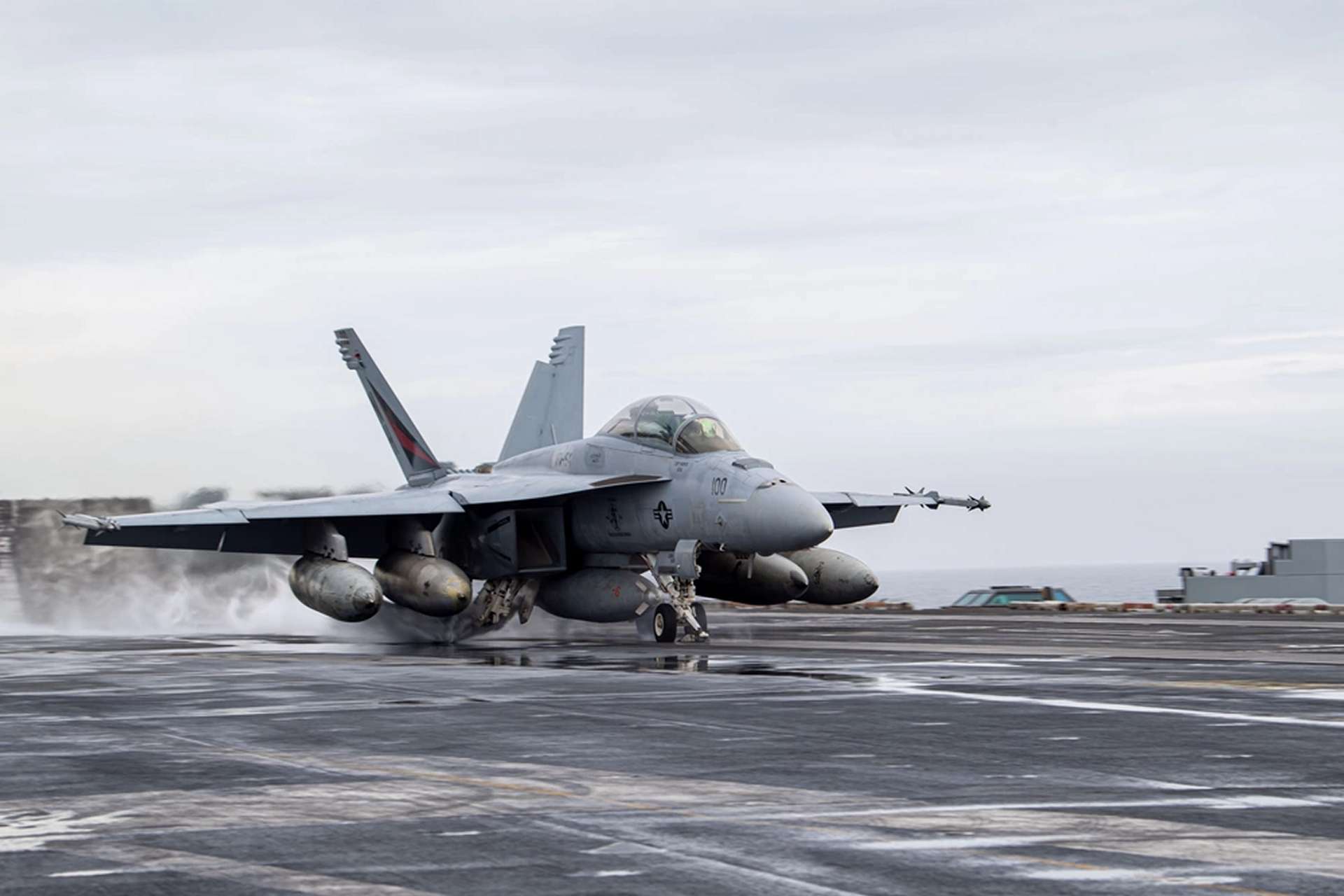
An F/A-18F Super Hornet during exercise Freedom Edge, June 28, 2024. (Picture source: US DoD)
The three-day "Freedom Edge" exercise increased the complexity of previous drills with simultaneous air and naval operations aimed at improving joint ballistic-missile defense, anti-submarine warfare, surveillance, and other essential capabilities. This exercise, expected to expand in the coming years, also aimed to enhance the sharing of missile warnings among the countries, a crucial capability as North Korea continues to develop sophisticated systems.
Beyond Australia, Japan and South Korea stand out as the only U.S. allies in the region with sufficiently advanced military forces to effectively integrate operations with the United States. This integration allows South Korea, for instance, to quickly relay detected targets to its Japanese or American counterparts for immediate response.
However, these exercises risk increasing tensions, with China frequently condemning such maneuvers within what it considers its sphere of influence, and North Korea criticizing the arrival of the USS Theodore Roosevelt carrier group in Busan as “provocative” and “dangerous.” On Wednesday, following South Korean President Yoon Suk Yeol’s visit to the Roosevelt, North Korea tested what it claimed to be a multiwarhead missile, the first known launch of this developmental weapon. South Korean and American military authorities assessed this launch as a failure.
Defense cooperation involving Japan and South Korea is politically sensitive for both nations due to historical resentments over Japan’s occupation of Korea during World War II. Japan and South Korea host the largest presence of U.S. troops in East Asia, with approximately 80,000 American soldiers stationed on their territories, but the United States has generally dealt with them separately due to historical tensions.
Japanese Prime Minister Fumio Kishida’s increased defense spending and cooperation with South Korea have been well received in Japan but have caused friction within his own party. Meanwhile, domestic support for President Yoon has declined, though he remains committed to this path. Both leaders seek to strengthen their defense ties with Washington ahead of the arrival of a new U.S. president. South Korean officials have recently expressed hopes of signing a formal security framework agreement with the United States and Japan this year to ensure a unified response to potential North Korean aggression.
President Joe Biden’s administration has prioritized strengthening cooperation between South Korea and Japan, a challenging task at the beginning of his term. Former President Donald Trump strained relations by demanding higher payments for the deployment of American troops while engaging in direct talks with North Korea’s Kim Jong Un. Biden, however, seeks to solidify alliances through sophisticated exercises and diplomatic agreements.
Tensions with North Korea are at a peak, with Kim Jong Un’s weapons programs advancing despite heavy international sanctions. Meanwhile, China is expanding its military capabilities, boasting the world’s largest navy and asserting claims over Taiwan and the majority of the South China Sea.
China and North Korea remain close allies of Russia in its war against Ukraine, while Russia and China also provide key support to North Korea and Myanmar’s military regime. Recently, Russian President Vladimir Putin and Kim Jong Un formed a mutual defense pact, increasing regional concerns.
Despite having fewer ships, the strength of the U.S. Navy lies in its network of allied ports and advanced technology, a key advantage over China’s limited port access for operations. Strengthening security partnerships in the region, including with Japan, South Korea, Australia, the Philippines, and Taiwan, remains a priority for the Biden administration. The strength of the U.S. Navy lies not only in its ships but also in its vast network of allied ports. Aware of this strength, the United States is doubling down by increasing partnerships across the region.
- Details
- Written by: Vandenbosch
- Category: 2024
- Hits: 19876
The Ministry of Defense of Ukraine has approved the deployment of Italian Puma armored personnel carriers (APCs) within its military forces. According to the ministry, these APCs have undergone the necessary codification process, allowing their acquisition using state budget funds.
Follow Army Recognition on Google News at this link
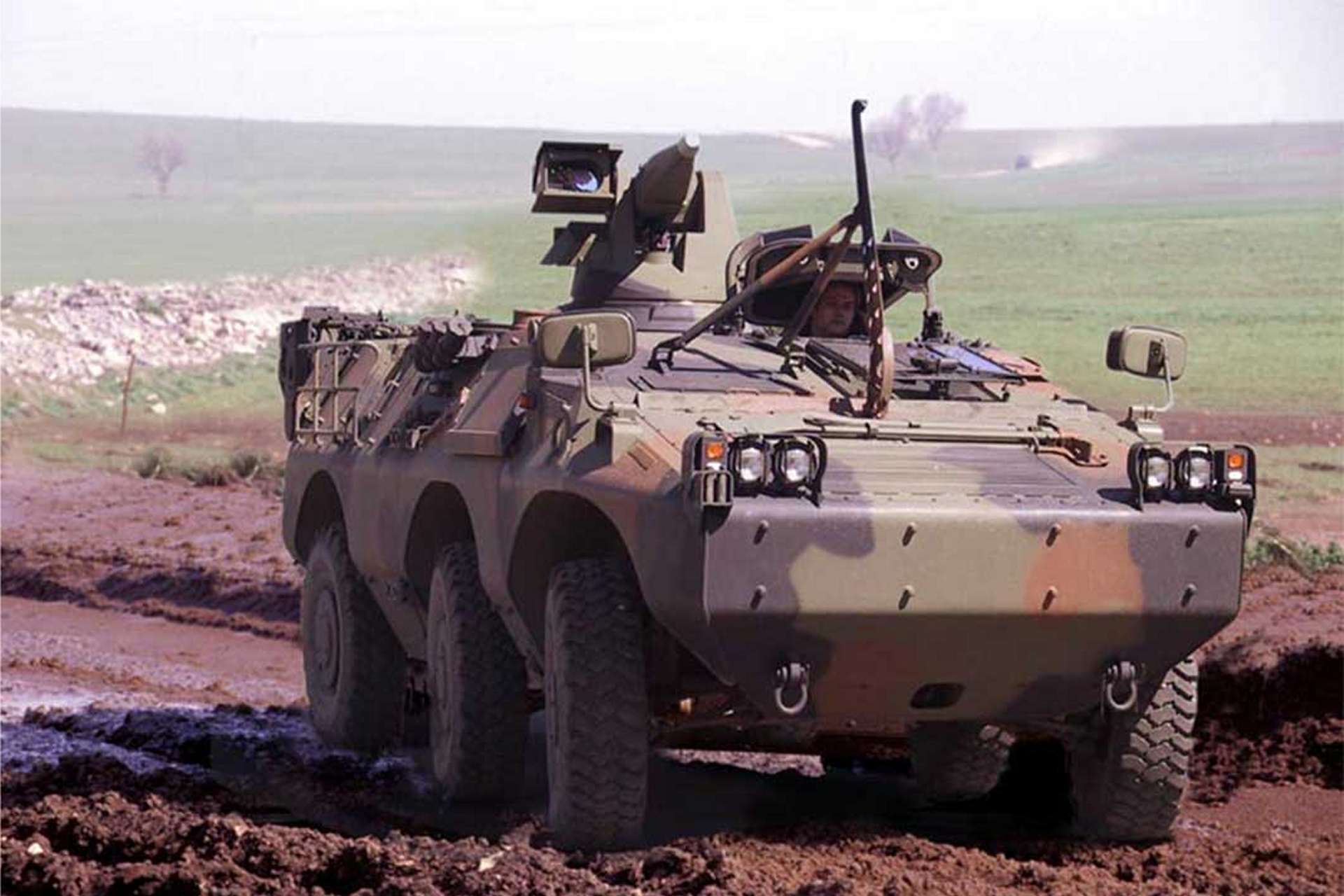
Italian Puma 6x6 Armored Personnel Carrier. (Picture source: Iveco)
Interestingly, no official announcement has been made by any country indicating that the aid packages to Ukraine included Puma wheeled armored vehicles. However, these vehicles are known to be in service with the armed forces of Italy, Pakistan, Libya, and Djibouti. It is believed that the delivery of Puma APCs to Ukraine was part of one of the classified defense aid packages from the Italian government.
Various versions of the Puma APC have been developed, including command and control vehicles, reconnaissance vehicles, vehicles equipped with anti-tank and anti-aircraft systems, 81 mm mortar carriers, medevac APCs, and CBRN monitoring vehicles.
The Puma 6x6 is an armored personnel carrier developed by the Italian consortium Iveco-Oto Melara. This vehicle is designed to provide optimal protection and mobility on the battlefield. It is equipped with a 7.62 mm or 12.7 mm machine gun, providing effective fire support against light threats and medium-sized targets.
Used primarily by the Italian armed forces, the Puma 6x6 has a crew of a driver and six soldiers, making it a versatile vehicle for various missions. Among its accessories are an air conditioning system for crew comfort and a fire suppression system to ensure safety in case of an incident.
The armor of the Puma 6x6 offers protection against small arms fire and battlefield shrapnel, ensuring the safety of its occupants. Weighing 5,700 kg, this vehicle is relatively light for an armored vehicle in its class, giving it great agility.
Powered by a four-cylinder Iveco diesel engine with a capacity of 180 hp and equipped with an automatic transmission, the Puma APC is versatile in its operational capabilities in Ukraine. It can be used for reconnaissance, combat against armored vehicles (a version with an anti-tank missile is available), and troop transport. The Puma 6x6 can reach a maximum speed of 105 km/h, allowing for rapid movement across various terrains. Its range of 800 km makes it a durable vehicle, capable of covering long distances without frequent refueling. These characteristics make the Puma 6x6 a valuable asset for reconnaissance, troop transport, and support missions on the battlefield.
Earlier, Italy had sent a batch of M109L artillery systems to Ukraine without an official statement. In June, Italy also confirmed the transfer of an additional SAMP/T anti-aircraft missile system battery capable of intercepting ballistic missiles. It would therefore not be impossible for Puma vehicles to have been transferred to Ukraine later and discreetly. We now have to see them on the battlefield.
- Details
- Written by: V.Saint
- Category: 2024
- Hits: 2736
SPX Communication Technologies, a specialist in radio frequency (RF) technology, is launching the BLACKTALON ecosystem today, a new capability for countering unmanned aerial systems (C-UAS) based on the operationally proven BLACKTALON solution.
Follow Army Recognition on Google News at this link
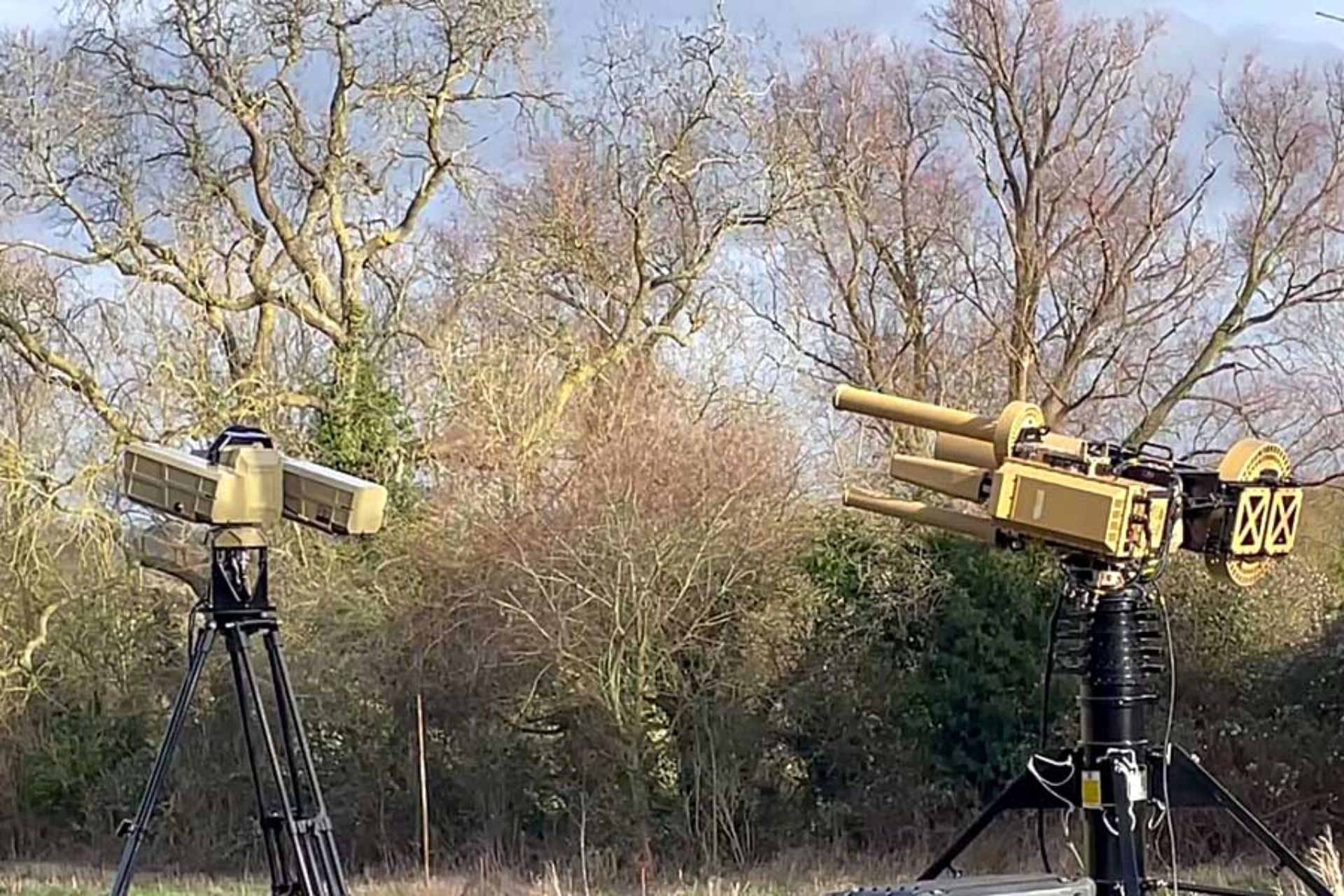
Blacktalon Solution presented unmounted (Picture source: SPX)
The BLACKTALON ecosystem integrates SPX Communication Technologies' BLACKTALON C-UAS technology and decades of field expertise with a vendor-independent framework. This approach ensures that the solutions can meet the unique requirements of each client. Defense and security teams benefit from a tailored approach based on their concept of operations, threats, user groups, existing capabilities, and specific budgets.
Clients also benefit from SPX Communication Technologies' extensive experience in developing C-UAS solutions for high-threat scenarios ranging from Ukraine to Iraq and other active global hotspots. SPX works closely with clients from the design phase through to operational deployment, ensuring that the solutions are optimized for the specific needs of users and mission objectives and remain supported throughout their operational lifespan.
The core BLACKTALON solution includes carefully selected active radars, EOIR, passive RFDF, RF jammers, and a mast configuration. While SPX will continue to offer this standard configuration, the open architecture of the BLACKTALON ecosystem allows for customization or replacement of any of these elements. This flexibility enables clients to access the latest systems and hardware capabilities without unnecessary barriers and within an appropriate timeframe.
For example, clients might choose OpenWorks' autonomous optical tracking, advanced 3D radar from American supplier Echodyne, RF subsystems from SPX, and mount them on a range of mobile or transportable masts that are dispersed or centrally located to provide a single scalable BLACKTALON C-UAS capability.
These latest capabilities join the ecosystem alongside existing providers such as Chess Dynamics, a supplier of large-scale surveillance, fire control, and positioning systems, and Blighter, a leading British provider of ground-based electronic scanning radar systems.
- Details
- Written by: Halna du Fretay
- Category: 2024
- Hits: 6970
Italy has decided to enhance Ukraine's air defense capabilities. Defense Minister Guido Crosetto appeared before the intelligence committee to discuss the new aid package for Kyiv, which includes a SAMP/T battery. Russia has once again attempted to influence Italy's decision-making process.
Follow Army Recognition on Google News at this link
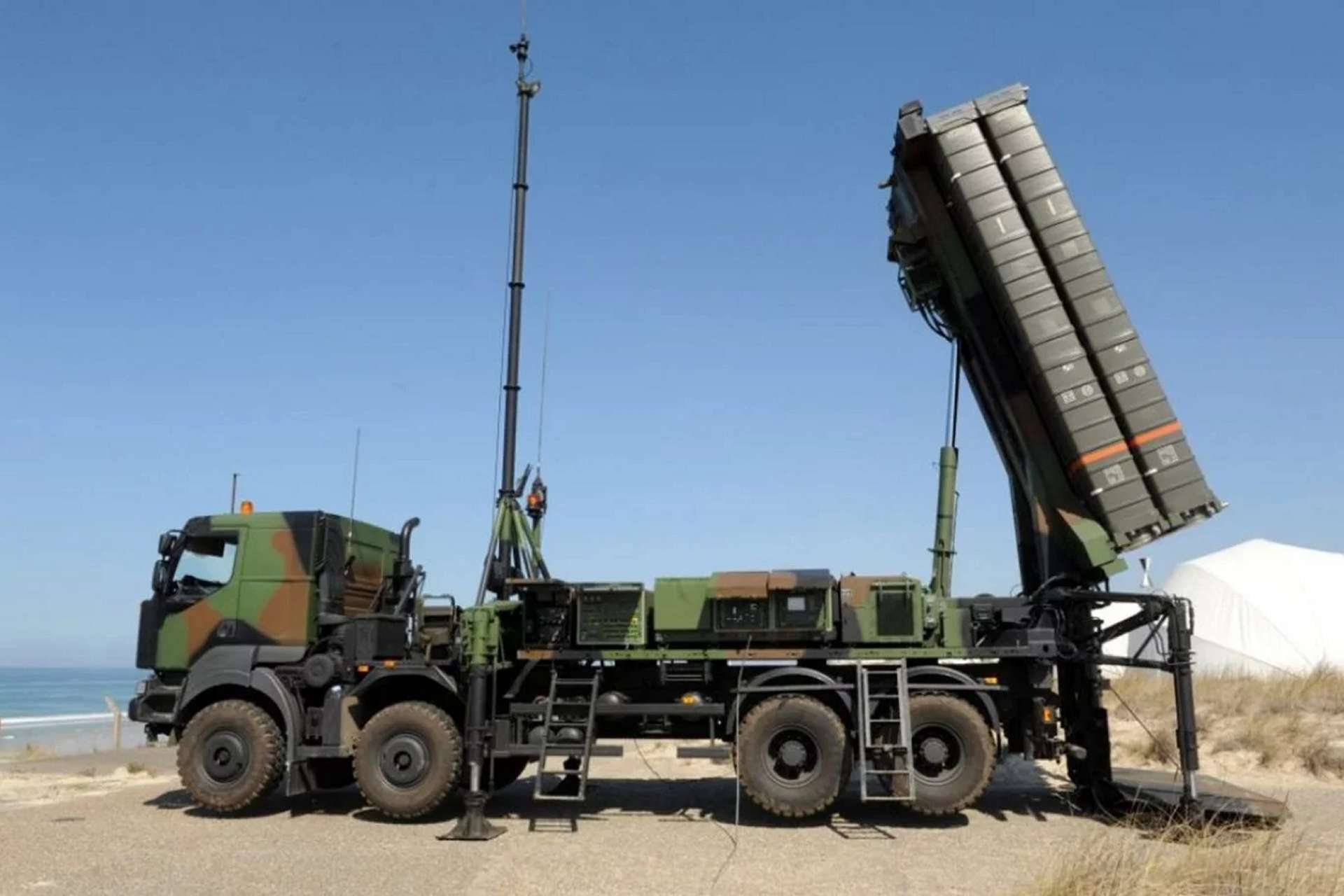
The SAMP/T (Surface-to-Air Missile Platform/Terrain), also known as MAMBA, is a long-range surface-to-air missile system developed by MBDA. (Image source: MBDA)
Italy has approved aid to Ukraine, with Crosetto's hearing at Copasir marking the final step before the publication of the ninth aid package in the Official Gazette, which includes military assistance to Ukraine. This package, the fourth approved by the government led by Giorgia Meloni, remains classified, similar to previous cases. Deputy Prime Minister and Foreign Minister Antonio Tajani stated that the only known aspect of the package is the provision of a second SAMP/T air defense battery from Italy. He emphasized the importance of strengthening Kyiv's defensive capabilities by providing necessary military aid.
The SAMP/T NG ASTER (Surface-to-Air Missile Platform/Terrain New Generation) is an advanced air defense system developed jointly by MBDA and Thales. It is designed to counter a wide range of aerial threats, including aircraft, drones, and ballistic missiles, using the improved ASTER 30 Block 1 NT missile. The system integrates cutting-edge radar and command-and-control technologies, ensuring high accuracy and rapid response in various operational scenarios.
Development of the SAMP/T NG began in the late 2010s, with initial production and acquisition phases starting in the early 2020s. The system was officially put into service around 2022, following extensive testing and validation to meet modern air defense requirements. Italy and France are among the primary operators, each deploying the system to bolster their national and allied defense postures.
Currently, Italy and France have several units of the SAMP/T NG in active service. The exact number varies, but both nations are expected to continue expanding their arsenals in response to evolving security challenges. The main capabilities of the SAMP/T NG include long-range interception, high mobility, and network-centric operation, making it a crucial asset for integrated air and missile defense systems within NATO and other allied defense frameworks.
Minister Tajani used this opportunity to avoid a question about sending long-range missiles, such as the Storm Shadow, to Ukraine. The Italian government has consistently opposed sending troops to Ukraine and using Western weapons to attack Russian territory. However, by sending the second SAMP/T battery, Italy has shown its commitment to defending Ukraine from Russia’s invasion, specifically in air defense.
Italy has promised to continue supporting Ukraine for as long as necessary, as Prime Minister Meloni declared two weeks ago at the peace summit in Switzerland. A few days earlier, Ukrainian President Volodymyr Zelensky told Sky TG24 that relations with Italy have become stronger and expressed positive feelings about the G7 chaired by Italy this year. In February, the two leaders signed a ten-year security cooperation agreement between Italy and Ukraine.
The ninth Italian aid package has not been immune to attempts of Russian interference. In a recent Facebook post, the Russian embassy in Italy criticized Minister Tajani for continuing with the military aid package. They suggested that to address the current difficult situation, such as the Russian aggression in Ukraine, the focus should be on peace instead of war.
Since the beginning of the conflict in Ukraine, Italy has committed to providing substantial military aid to Kyiv. In 2023, Italy delivered its first SAMP/T air defense battery to Ukraine, responding to urgent appeals from Kyiv to counter Russian missile attacks. The SAMP/T system, also known as MAMBA, is designed to destroy cruise missiles, piloted aircraft, and drones. This initial delivery was followed by an announcement in 2024 confirming the dispatch of a second SAMP/T battery to further enhance Ukraine's air defense.
Italy's decisions to provide these systems have been made despite Russian interference attempts and some internal opposition. Under Prime Minister Meloni's leadership, Italy has maintained its support for Ukraine while keeping the specifics of the arms packages confidential. Foreign Minister Tajani emphasized that Italian weapons would not be used to attack Russian territory but to defend Ukraine against the Russian invasion. Additionally, Italy has collaborated with France to supply these advanced air defense systems, demonstrating its commitment to supporting Ukraine in its fight to defend its sovereignty and maintain regional security.
Read more: Italy Commits to Strengthening Ukraine's Air Defense Capabilities with SAMP/T Systems
- Details
- Written by: Administrator
- Category: 2024
- Hits: 5621
According to information released by Kongsberg Defence & Aerospace on June 28, 2024, the Norway has ordered new NASAMS air defense systems from Kongsberg Defence & Aerospace (KONGSBERG). The deal, valued at approximately NOK 4.8 billion, including options, underscores Norway’s commitment to enhancing its ability to counter aerial threats. The delivery of these systems is expected to start in 2027.
Follow Army Recognition on Google News at this link
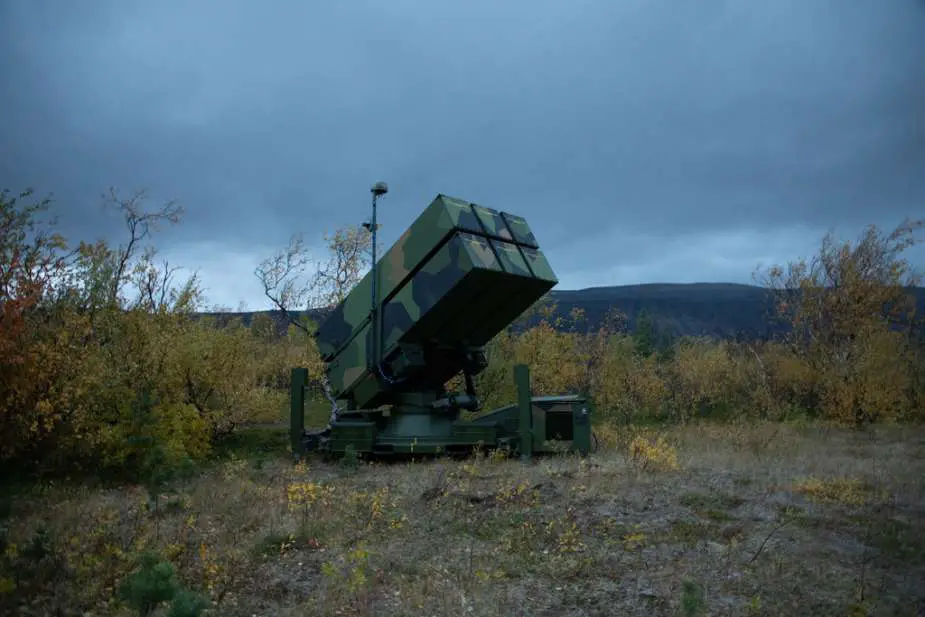
Launcher unit of NASAMS air defense missile system. (Picture source: Norwegian MoD)
The contract, signed with the Norwegian Defence Material Agency (NDMA), encompasses new multi-missile canister launchers and updated Fire Distribution Centers for the NASAMS air defense missile system. These new additions will replace equipment previously donated to Ukraine, reflecting a strategic upgrade in Norway’s defense infrastructure.
“Air defence is crucial for the defence of both Norway and Ukraine. We are now increasing volume and upgrading the existing NASAMS system with modern equipment capable of intercepting a variety of threats. The current security situation dictates that we must accelerate the development of air defence and the upgrade of NASAMS. This agreement ensures rapid delivery to the Armed Forces and contributes to increasing production capacity in the defence industry,” stated Norway’s Defence Minister Bjørn Arild Gram.
The NOK 4.8 billion contract includes a fixed-price option worth NOK 2.5 billion, which remains valid until January 2025. Should this option be exercised, NDMA will have contracts in place and deliveries of NASAMS equipment for four air defence batteries within just one year.
Eirik Lie, President of Kongsberg Defence & Aerospace, emphasized the strategic importance of this acquisition: “A state-of-the-art air defence system is strategically important for Norway’s defence capabilities and is vital for safeguarding our national security interests. This delivery will provide Norway with the latest generation of NASAMS, developed to meet current and future threats.”
Gro Jære, Director of the Norwegian Defence Material Agency, highlighted the importance of this collaboration, stating, “Significant steps are now being taken to secure national interests by rapidly providing the Armed Forces with increased and modern air defence capabilities. This is made possible through close and effective collaboration between us, KONGSBERG, and the broader defence sector.”
The Norwegian Advanced Surface-to-Air Missile System (NASAMS) has been a cornerstone of Norway’s air defence since its initial delivery in the 1990s. Currently used by 13 nations, NASAMS is known for its modularity and open architecture, allowing for continuous upgrades to meet evolving threats and missions. This flexibility makes NASAMS one of the most adaptable and reliable air defence solutions available.
KONGSBERG has committed to expanding its production capacity and strengthening its partnerships with both Norwegian and international suppliers, ensuring a robust defence preparedness on a global scale.
This strategic acquisition marks a significant step in Norway’s ongoing efforts to enhance its national security and defence capabilities, ensuring the country is well-equipped to face current and future aerial threats.
Read more: Norway Orders Advanced NASAMS Air Defence Missile Systems
- Details
- Written by: Triffaux
- Category: 2024
- Hits: 9545
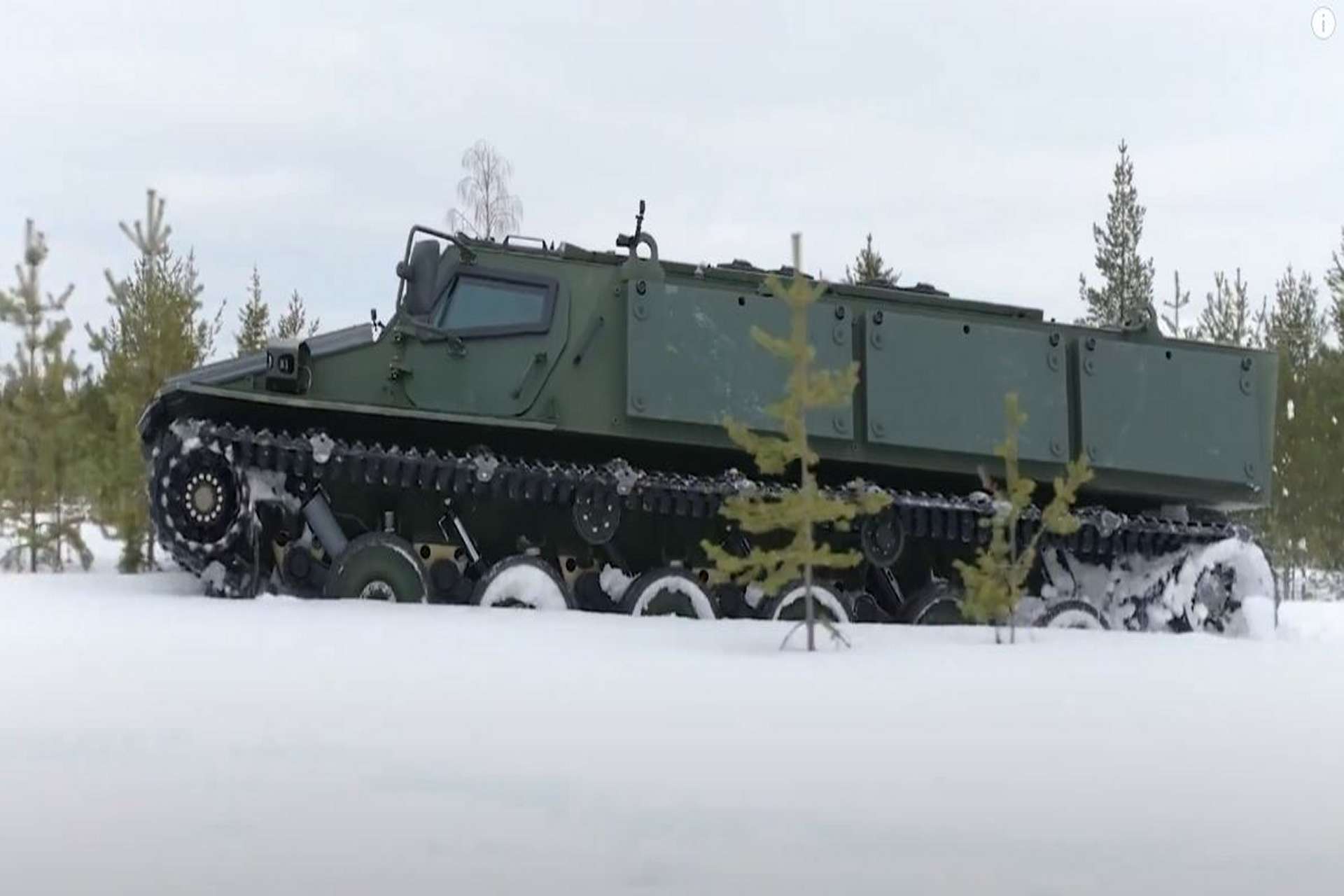
On June 28, 2024, a video released on social media showcased for the first time the new FAMOUS (Future Highly Mobile Augmented Armoured Systems) ATV, an all-terrain tracked vehicle developed by the Finnish company Patria. The video, captured in the snowy forests of Finland, highlighted the vehicle's maneuvers and a new camouflage distinct from the one presented at Eurosatory 2024 in Paris. Notably, the absence of the Kongsberg Protector RS6 remote-operated turret equipped with a 30mm machine gun produced by KNDS was observed.
Follow Army Recognition on Google News at this link
Patria FAMOUS All-Terrain Tracked Vehicle (Picture source: Social Network)
The FAMOUS ATV, distinct from Patria's Beowulf, features a unique, elongated structure measuring approximately nine meters in length. Unlike the BvS10 Beowulf, which uses articulated parts to navigate sharp turns, the FAMOUS ATV is designed to push through obstacles. This capability was emphasized by Simo Saukko, the vehicle’s research and development manager. Patria plans to have a prototype ready for testing by the end of 2024.
After receiving feedback, the vehicle will be refined over the next few years, leading to a second prototype armed with a Kongsberg Protector RS6 remote weapon station for live fire trials in Finland. The completion of the FAMOUS program is planned between 2026 and 2027, aiming to replace aging tracked vehicles such as the MT-LB, M113, M548, and Saurer 4K 4FA.
Juha Lahteenmaki, the director of the vehicle's technology portfolio, explained that the engine's central positioning behind the drivers and the front transmission configuration adjust the center of gravity, making the vehicle behave like a boat. This setup enhances its ability to traverse snow in Arctic conditions. The initial version of the FAMOUS vehicle will serve as a personnel carrier, accommodating ten soldiers, based on Patria’s 6x6 armored personnel carrier. Future adaptations could include roles as an ambulance, command-and-control center, or mortar carrier.
The FAMOUS ATV concept, weighing 15 tons with a payload capacity of 3.5 tons, can accommodate a crew of two and transport ten soldiers. Powered by a 250 kW engine, it reaches speeds up to 80 km/h and has an operational range of 600 km. It is designed to operate in extreme temperatures ranging from -46°C to +44°C and complies with STANAG K1 and M1 protection standards for light armored personnel carriers (APC). The vehicle also has amphibious capabilities, allowing water operations at speeds of 4 km/h with a fording depth of two meters.
Part of the European Defence Industrial Development Programme (EDIDP), the EDF FAMOUS 2 project, currently in its implementation phase from 2022 to 2026, focuses on the development, prototyping, and verification testing of next-generation armored vehicles to improve ground combat capabilities. Finland, with Patria as the industrial coordinator, leads the program, responsible for design, system integration, and prototype manufacturing. Funded by 95 million euros from the EU, with an additional 19 million euros co-funded by member states, the project involves a consortium of nine countries and 35 companies.
Coordinated by Patria, this consortium includes major defense companies from across the European Union, such as KNDS, John Cockerill, Indra, Diehl Defence, Arquus, and Millog. At the Eurosatory exhibition, the concept featured a remote-controlled weapon station with a mount from Kongsberg, a weapon from KNDS, and optics from Escribano. While details about the vehicle's tracks, essential for movement through snow and water obstacles, were not disclosed at Eurosatory 2024, they can now be observed.
Key focus areas of the FAMOUS program include enhancing the tactical and operational mobility of vehicles in diverse environments, such as urban, Arctic, and mountainous terrains. The development of hybrid operation systems aims to ensure efficient performance in various conditions. Additionally, the program emphasizes power generation and energy storage to support extended operational durations. Advanced situational awareness systems, cybersecurity measures, and comprehensive C4I (Command, Control, Communications, Computers, and Intelligence) solutions are essential for improving military personnel's situational awareness and secure communications.
The integration of robotics and autonomous systems is another significant aspect, aimed at reducing risks to human personnel and increasing operational efficiency. The development of modern weapon systems and comprehensive life cycle support solutions is also a priority to ensure the long-term effectiveness of these advanced armored vehicles.
The unveiling of the FAMOUS ATV marks a significant milestone in armored vehicle technology, promising enhanced mobility, protection, and operational efficiency for future military operations.
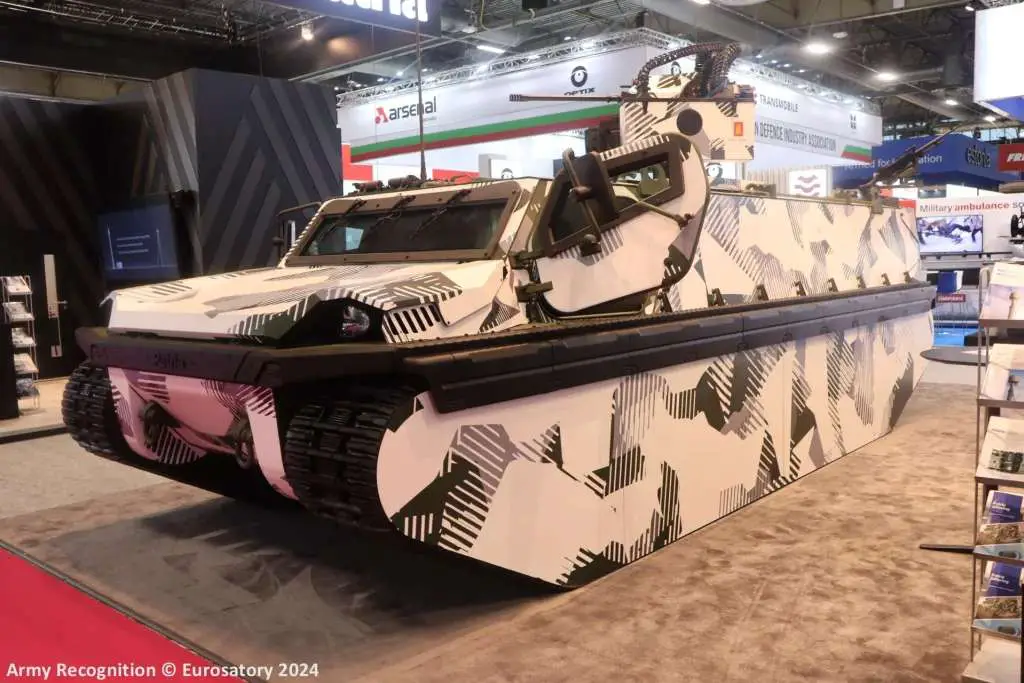
Patria FAMOUS All-Terrain Tracked Vehicle (Picture source: Army Recognition)
- Details
- Written by: Administrator
- Category: 2024
- Hits: 15340
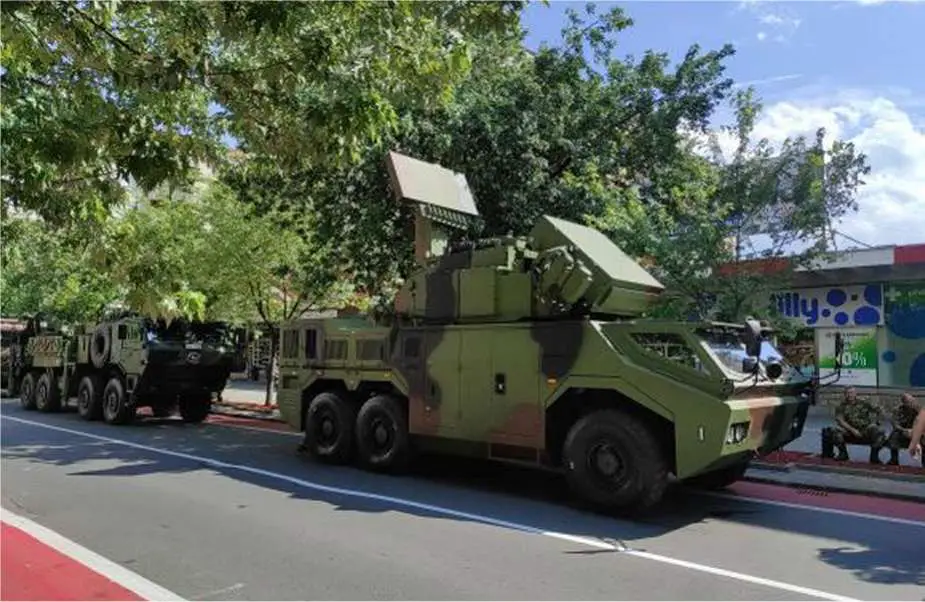
According to a post published by the Serbian Journalist Peter Voinovich on his X account on June 27, 2024, the Serbian Armed Forces have taken delivery of the Chinese HQ-17AE Surface-to-Air Missile (SAM) system. This acquisition marks another step in the growing defense relationship between Serbia and China, which has seen significant military cooperation and equipment transfers since 2019.
Follow Army Recognition on Google News at this link
Chinese-made HQ-17AE air defense missile system is now in service with the Serbian armed forces. (Picture source: X Account Peter Voinovich)
Serbia's procurement of the HQ-17AE SAM system is part of a broader strategy to modernize its military capabilities and enhance its national defense. The HQ-17AE is an advanced air defense system renowned for its combat capabilities and technological sophistication. It features a highly mobile and versatile design, capable of detecting, tracking, and engaging various aerial threats, including aircraft, helicopters, and unmanned aerial vehicles (UAVs). The system's radar and missile technologies enable it to perform effectively in complex and contested environments, providing robust protection against potential aerial attacks.
The HQ-17AE’s main features include its rapid deployment capability, high-precision tracking, and interception accuracy. It is equipped with an advanced radar system that ensures quick target acquisition and engagement, making it a formidable asset in Serbia’s air defense arsenal. The system can operate independently or as part of an integrated air defense network, allowing for flexible and adaptive operational strategies.
The HQ-17AE is an all-weather, low to medium-altitude, short-range surface-to-air missile system. As reported by the state-owned Global Times newspaper on March 7, China has authorized the export of this variant of the HQ-17A road-mobile, short-range air-defense (SHORAD) system.
Developed by the Second Academy of the state-owned China Aerospace Science and Industry Corporation (CASIC), the 6×6 HQ-17AE is designed to provide air defense against precision-guided munitions such as cruise missiles, guided bombs, and air-to-surface missiles. It also targets traditional SHORAD threats including aircraft, helicopters, and unmanned aerial vehicles (UAVs).
The HQ-17 missile resembles the Tor-M1, with a weight of approximately 165 kg, a length of about 2.9 meters, and a diameter of roughly 0.23 meters. It boasts a slant range for intercepting aerial targets from 1.5 km to 15 km, slightly longer than that of the Tor-M1, and operates at altitudes ranging from 10 meters to 10 km.
The missile guidance system utilizes semi-active radar homing, which is facilitated by the tracking radar, television sight, or thermal sight on the launch vehicle.
Each HQ-17AE vehicle is equipped with two sets of four missile canisters, totaling eight missiles. Reloading is managed by a Shaanxi SX2306 reloading truck equipped with a crane, capable of reloading four missiles at a time.
This latest acquisition follows a series of military purchases from China that began in 2019, highlighting the deepening defense ties between the two countries. Among these acquisitions are the CH-92 and CH-95 armed drones, which have significantly enhanced Serbia's reconnaissance and strike capabilities. Additionally, Serbia has acquired FT-8 precision-guided air-to-surface missiles, further augmenting its precision strike potential. Another notable procurement is the FK-3, an export variant of China's HQ-22 air defense missile system, which provides long-range air defense coverage and complements the capabilities of the newly acquired HQ-17AE.
The defense partnership between Serbia and China reflects a strategic alignment and mutual interest in strengthening military cooperation. For Serbia, these acquisitions are crucial in maintaining a credible deterrence posture and ensuring the security of its airspace. For China, the collaboration extends its influence and showcases its advanced defense technologies on the international stage.
The acquisition of the HQ-17AE SAM system is a significant addition to Serbia’s military capabilities, reinforcing its air defense and showcasing the robust defense partnership with China. This move not only enhances Serbia's national security but also underscores the strategic importance of Sino-Serbian defense cooperation in the current geopolitical landscape.
- Polish Army to Enhance Strike Capabilities with Advanced GLADIUS Reconnaissance Drone System
- US and Israel Discuss Transferring Patriot Air Defense Systems to Ukraine
- Italian Army reaches 150 Centauro II anti-tank vehicles with a new delivery of 28 units
- Russian forces begin deployment of heavily armed Baba Yaga drones for munitions drops