
- Details
- Written by: Halna du Fretay
- Category: 2024
- Hits: 2753










India, long considered one of the primary clients of Russia’s defense industry, is undergoing a strategic shift by drastically reducing its arms imports from Moscow and increasingly turning to Western suppliers, particularly the United States. This realignment, highlighted in a December 2 article by Bloomberg, reflects New Delhi’s ambitions to diversify its procurement sources, strengthen its domestic defense industry, and maintain pragmatic relations with traditional and emerging partners.
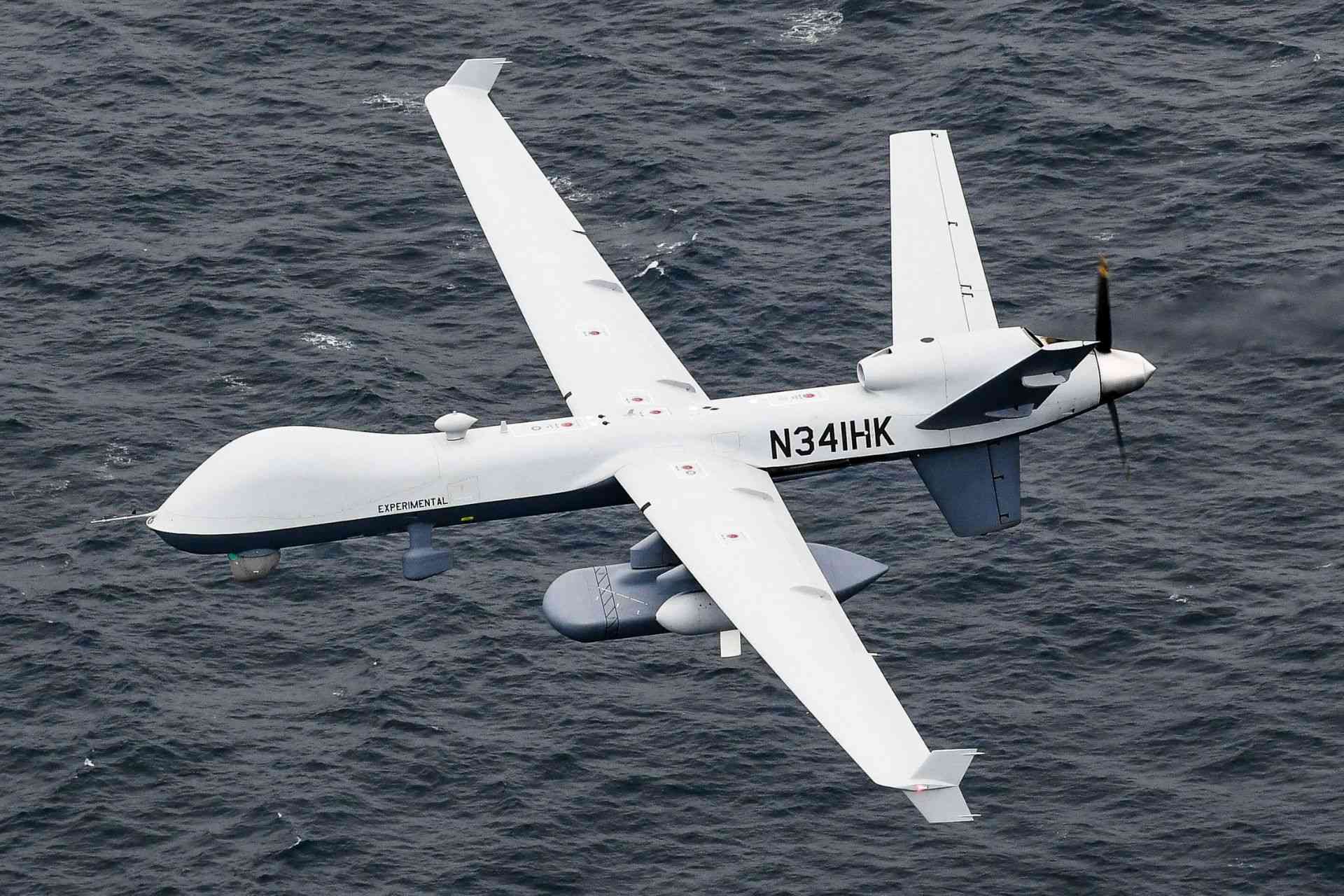
An MQ-9 Sea Guardian unmanned maritime surveillance aircraft participates in U.S Pacific Fleet’s Unmanned Systems Integrated Battle Problem 21 on April 21 (Picture source: US Navy)
According to Bloomberg, Russia’s share of India’s arms imports dropped from 76% in 2009 to just 36% last year. This decline is largely attributed to the suspension of several joint projects. Notably, plans to co-develop multi-role helicopters and advanced fighter jets have been postponed. Additionally, a crucial project to lease a Russian nuclear-powered submarine for crew training appears uncertain. However, Russia remains a key supplier for certain contracts, including the delivery of two Admiral Grigorovich-class frigates and S-400 missile defense systems, deals that were signed before the war in Ukraine.
India and Russia continue to cooperate in the local production of military equipment, such as AK-203 assault rifles, manufactured in India through a bilateral agreement, and BrahMos missiles, a joint development initiative. These missiles remain a critical asset for India due to their precision and long-range strike capabilities. Nevertheless, Western sanctions against Russia have raised concerns about Moscow’s ability to fulfill future contracts, especially as it faces restricted access to critical technologies.
Simultaneously, India is deepening its ties with the United States, which is becoming a key defense partner. Since 2008, India has signed contracts worth a cumulative $20 billion with American companies. In October 2024, India finalized a $3 billion deal to acquire 31 MQ-9B SeaGuardian and SkyGuardian drones from General Atomics, enhancing its surveillance and long-range strike capabilities.
Furthermore, India has advanced its partnership with General Electric (GE) to co-develop advanced jet engines for the Tejas Mark II light combat aircraft. This collaboration, finalized during Prime Minister Narendra Modi’s state visit to Washington, underscores both nations’ commitment to technology transfer and local manufacturing. Other significant acquisitions include Apache and Chinook helicopters and the NASAMS II air defense system, bolstering India’s aerial and missile defense capabilities.
France is also playing an increasing role, supplying Rafale fighter jets and supporting the development of conventionally powered submarines under the P-75I project. Together, these efforts align with India’s broader strategy to reduce reliance on a single supplier while enhancing domestic industrial and technological capabilities.
India’s approach is rooted in a multi-alignment strategy, emphasizing diversified partnerships without committing exclusively to any geopolitical bloc. While India has reduced its arms imports from Russia, it maintains pragmatic cooperation with Moscow, especially in nuclear capabilities. For instance, Russia remains the only country that can provide India with nuclear-powered submarines, which are a cornerstone of its maritime defense strategy.
Regarding the war in Ukraine, India has adopted a nuanced position. While refraining from directly condemning Russia’s invasion, New Delhi continues to call for a peaceful resolution to the conflict. It also maintains energy imports from Russia at discounted rates, reflecting a careful balance between its energy needs, historical ties with Moscow, and its aim to preserve positive relations with Western nations.
This multi-alignment strategy enables India to navigate a complex geopolitical landscape, leveraging the benefits of each partnership while safeguarding its strategic autonomy. It allows India the flexibility to address regional and global security challenges while pursuing its long-term goal of becoming a self-reliant military and industrial power.
Read more: India Reduces Reliance on Russian Arms in Favor of American Suppliers

- Details
- Written by: Jérôme Brahy
- Category: 2024
- Hits: 8995
According to SigmaLive on December 3, 2024, the Cypriot National Guard received the first batch of Israeli Barak MX surface-to-air missile systems, with additional deliveries expected to enhance the nation's defense infrastructure. The procurement, initiated under the Anastasiades government in October 2021 and continued under the Christodoulidis administration, represents a significant investment aimed at upgrading Cyprus's air defense capabilities, which currently rely on Cold War-era systems.
Follow Army Recognition on Google News at this link
The decision to procure the Barak MX was influenced by its advanced capabilities, which include vertical launch systems, sophisticated radar integration, as well as compatibility with Cyprus' existing air defense systems. (Picture source: IAI)
Negotiations for the acquisition began in October 2021 under the Anastasiades administration, initially exploring a variant of Israel’s Iron Dome system. However, the Barak MX was ultimately selected due to its broader operational range and compatibility with existing systems, such as the Russian-made Buk M1-2 and Tor-M1. Finalized under the Christodoulidis administration, the Barak MX deployment aligns with Cyprus's broader defense modernization plans, which include replacing Soviet-era Mi-35 helicopters with six Airbus H145M attack helicopters by the end of 2024.
The Barak MX deployment reflects broader regional defense initiatives. Greece, which is upgrading its air defense systems, is considering the Barak MX as a potential replacement for aging HAWK and S-300PMU1 units. Discussions about joint procurement between Greece and Cyprus have highlighted opportunities for cost reductions and improved interoperability, although the countries currently pursue separate acquisition strategies. Greece’s plans include creating an integrated air defense network with Cyprus and Crete, a goal underscored by Greek Defense Minister Nikos Dendias during a recent parliamentary presentation.
The decision to procure the Barak MX was influenced by its advanced capabilities, which include vertical launch systems, sophisticated radar integration, and adaptability to diverse combat scenarios. Each fire unit typically accommodates eight missiles, with configurations tailored to operational and budgetary requirements. The estimated procurement cost, running into hundreds of millions of euros, underscores the system’s role in covering most of Cyprus's territory and potentially replacing older air defense assets.
The Barak MX, developed by Israel Aerospace Industries (IAI), is a surface-to-air missile system capable of addressing a range of aerial threats, including drones, fighter jets, ballistic missiles, cruise missiles, and helicopters. The system offers three missile variants: the Barak MR with a range of 35 kilometers, the Barak LR with a range of 70 kilometers, and the Barak ER with a range of 150 kilometers. It features vertical launch capabilities, advanced radar systems, and a centralized battle management system, enabling multi-directional and flexible threat engagement.
This system will also modernize Cyprus's existing air defense assets, which include four medium-range 9K37M1 Buk M1-2 systems (SA-11 Gadfly), 18 short-range systems consisting of 12 Aspide and six 9K331 Tor-M1 (SA-15 Gauntlet) units, as well as Mistral point-defense missiles. The National Guard also operates 60 towed anti-aircraft guns, including 36 20mm M-55 units and 24 35mm GDF003 guns paired with Skyguard fire control systems. The Barak MX adds extended-range capabilities and greater coverage to this arsenal.
Regional dynamics further contextualize this acquisition. Cyprus remains divided following Turkey’s 1974 invasion, with ongoing tensions over territorial disputes and Turkish drilling in contested waters. While Cyprus has expressed interest in NATO membership, Turkey’s objections and its military presence in Northern Cyprus present significant barriers. Greece and Cyprus continue to coordinate on defense issues, as highlighted during the recent Cyprus-Greece Intergovernmental Summit, where both nations reaffirmed their commitment to resolving the Cyprus issue within the framework of United Nations Security Council resolutions.
The deployment of Israel's Barak MX air defense system in Cyprus significantly enhances the country’s ability to address a variety of aerial threats, including aircraft, missiles, and unmanned aerial vehicles. This addition strengthens Cyprus's defense infrastructure and aligns with its broader strategy to modernize military capabilities. Strategically, the system contributes to a more robust air defense network in the Eastern Mediterranean, with potential interoperability with Greece’s planned systems. Geopolitically, the acquisition underscores the growing military collaboration between Cyprus and Israel, reflecting shared regional security interests while potentially shifting power dynamics in the region, which may elicit varied responses from neighboring states.
- Details
- Written by: Administrator
- Category: 2024
- Hits: 8143
On December 2, 2024, The New York Times reported that the United States is set to provide Ukraine with a new batch of advanced land mine-laying systems. As part of its latest military aid package to Ukraine, the United States will provide three land mine systems designed to enhance Ukraine’s ability to secure critical terrain and impede enemy movement.
Follow Army Recognition on Google News at this link
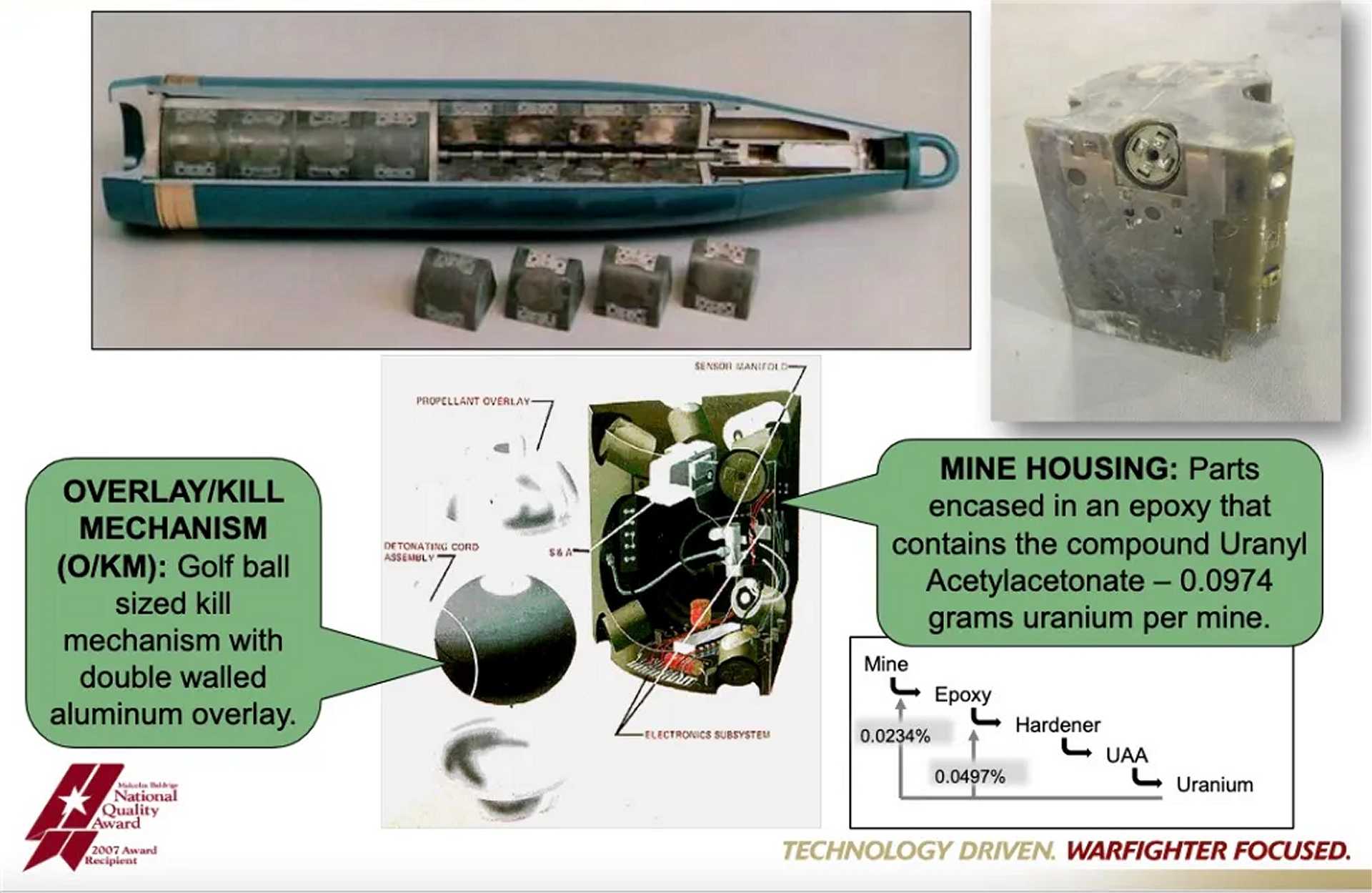
The ADAM 155mm (Area Denial Artillery Munition) is a precision-guided artillery shell designed to deploy anti-personnel mines over a wide area, creating rapid minefields for area denial. (Picture source: US RDECOM)
These land mine systems include the M692/M731 Area Denial Artillery Munition (ADAM), the M131 Modular Pack Mine System (MOPMS), and the M136 Volcano mine-laying system. Each of these remotely delivered or manually deployed technologies offers unique capabilities: the ADAM delivers a rapid minefield using 155mm artillery, the MOPMS is a flexible, portable system for infantry use, and the Volcano is a vehicle-mounted dispenser capable of laying large-scale minefields over vast areas. Together, these systems will give Ukraine a powerful toolkit to fortify its defenses and slow the advance of Russian forces.
1. M692/M731 ADAM: 155mm Area Denial Munition
The M692/M731 ADAM is a 155mm artillery shell designed to deploy anti-personnel mines quickly across a broad area. This system, part of the U.S. Army's "Family of Scatterable Mines" (FASCAM), was developed during the 1980s to enhance battlefield control by creating instant minefields. Each artillery round fired from a Howitzer delivers 36 mines, which are equipped with self-destruct features to minimize long-term risks to civilians. These mines either deactivate or self-destruct after a pre-determined period—typically 4 to 48 hours—ensuring that they do not pose a persistent threat once hostilities have subsided.
Tripwires activate the mines in the ADAM system and feature a spherical warhead designed to create deadly shrapnel patterns. Upon activation, the warhead is launched to a height of 1 to 2 meters and detonates, releasing approximately 600 fragments that can incapacitate or kill enemy personnel within a wide radius. This self-sanitizing feature significantly reduces the risk of unexploded ordnance, addressing ongoing humanitarian concerns related to land mines.
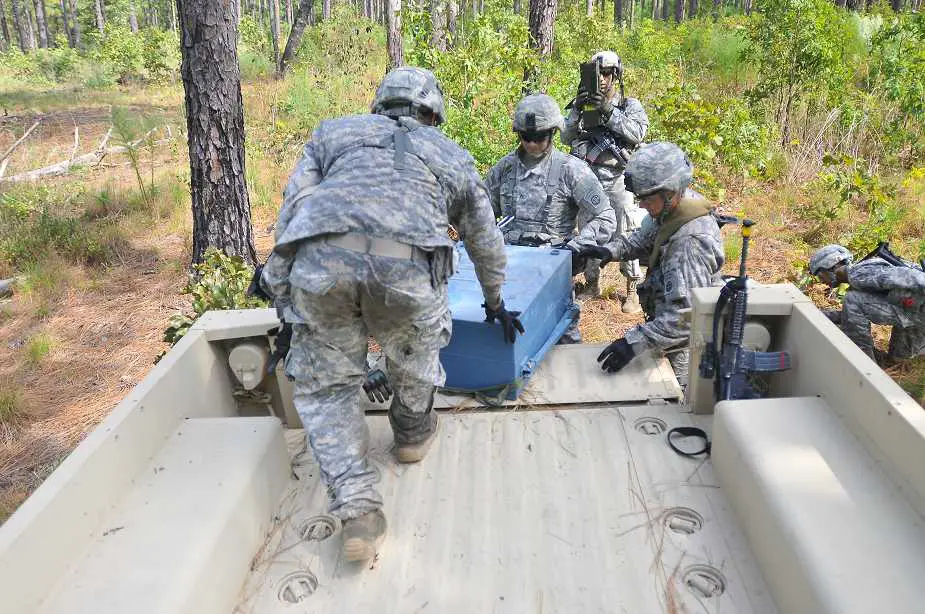
A U.S. Army combat engineer squad from A Company, Brigade Special Troops Battalion, 2nd Brigade Combat Team, 82nd Airborne Division unloads M131 Modular Pack Mine Systems for emplacement during the company’s sapper stakes competition at Fort Bragg. (Picture source: U.S. DoD)
2. M131 MOPMS: Modular Pack Mine System
The M131 Modular Pack Mine System (MOPMS) is a portable and flexible mine-laying system designed for rapid deployment by infantry or engineer units. It is primarily used for creating both anti-personnel and anti-vehicle minefields in various tactical scenarios. The system consists of modular packs, each containing a set of mines and components necessary for deployment. These packs are lightweight, typically weighing between 13 to 18 kg (30 to 40 pounds), allowing soldiers to carry and place them in the desired locations easily.
MOPMS can deploy multiple types of mines, including M14 anti-personnel mines and M16 anti-tank mines. The mines can be configured to detonate either upon impact or after a set delay, providing tactical flexibility. The impact-triggered mines are designed to activate when a vehicle or personnel come into contact with them, while the timed mines can be set to explode after a specified delay, allowing troops to control the exact timing of the detonation. This feature enables military forces to adapt the minefield to the specific needs of the battlefield, such as blocking enemy movement, securing routes, or defending key positions.
One of the key features of the MOPMS is that the mines it deploys are self-neutralizing. This means they either self-destruct or deactivate after a set period, which reduces the risk of unexploded ordnance harming civilians or friendly forces after the conflict. This self-destruct feature is an essential part of the system, addressing humanitarian concerns related to landmines in post-conflict zones.
The system’s modular design also allows for flexibility in how it is deployed. Infantry units can manually place the mine packs in various configurations depending on the operational needs of the moment. Whether laying a minefield in dense forests, urban environments, or along critical choke points like roads or bridges, the MOPMS offers versatility in minefield creation. Furthermore, the system is compatible with military vehicles, enabling quicker deployment during larger operations.
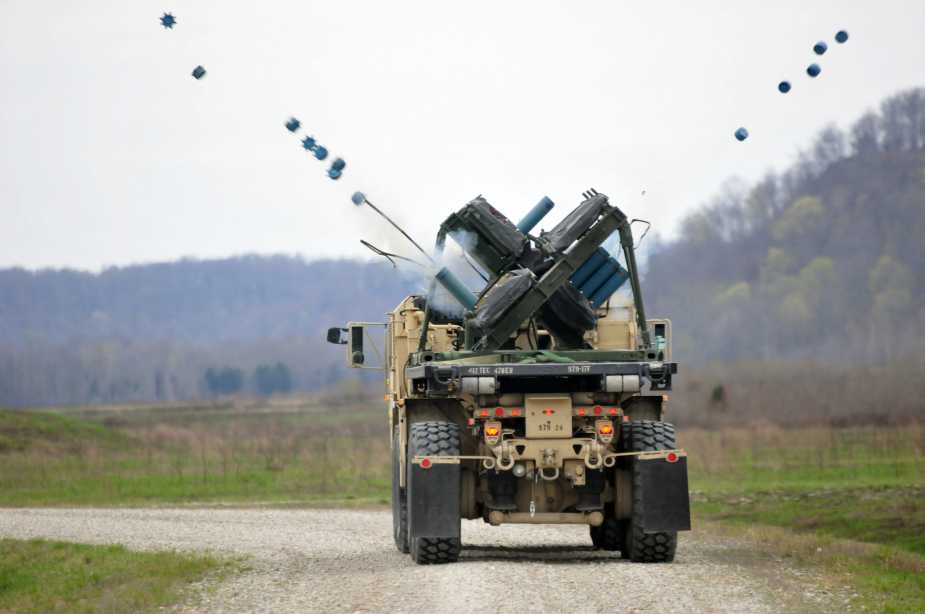
A U.S. Army vehicle-mounted M136 Volcano mine dispenser rapidly deploys a wide-area minefield, creating an effective barrier to block enemy movement. The system ejects mine canisters containing anti-personnel and anti-tank mines, dispersing them across a large area to deny access to critical routes and infrastructure. (Picture source U.S. DoD)
3. M136 Volcano: Vehicle-Mounted Mine Dispenser
The M136 Volcano is a highly effective, vehicle-mounted mine-laying system designed to rapidly deploy anti-personnel and anti-tank mines across large areas. It is commonly mounted on various military vehicles, such as armored personnel carriers, engineering vehicles, and trucks, providing flexibility in deployment across different operational environments. The Volcano system uses M87 mine canisters, which hold up to six mines each. Depending on the configuration of the vehicle, the system can carry up to 24 canisters, allowing it to deploy a significant number of mines in a very short time.
Once activated, the Volcano system rapidly disperses the mines in a predetermined pattern over a wide area, usually between 30 to 60 meters from the vehicle. This wide dispersion helps create a dense minefield that can block or disrupt enemy movement. The mines deployed by the Volcano include M14 anti-personnel mines and M15 anti-tank mines, both of which are designed to deny access to key areas, such as roads, fields, and critical infrastructure like bridges or supply routes.
A critical feature of the Volcano system is its ability to set self-destruct or self-neutralizing functions for the mines. Each mine is equipped with a timer, ensuring that it either self-deactivates or self-destructs after a certain period—typically ranging from a few hours to several days—minimizing the risk of unexploded ordnance. This self-sanitizing feature significantly reduces long-term hazards to civilians or friendly forces once the immediate military need has passed.
The system can be deployed from both ground and air platforms. While most commonly mounted on vehicles, it can also be delivered via helicopters, giving military commanders the flexibility to deploy minefields in a variety of terrains and scenarios. The Volcano can lay a minefield in just a few minutes, making it a highly efficient tool for creating instant area denial during combat operations.
Tactically, the Volcano system is particularly valuable for halting enemy advances, especially in high-traffic areas like roads or chokepoints. The dense minefields it creates can slow down or halt both enemy infantry and armored vehicles, allowing friendly forces to secure key positions or gain a tactical advantage. Furthermore, its rapid deployment and large mine-laying capacity make it a force multiplier for armored or mechanized units operating in concert with engineers.
The provision of these mine-laying systems provides Ukraine with a broad range of options to disrupt and delay Russian forces. The ability to deploy mines remotely—either via artillery, vehicle, or infantry—gives Ukrainian forces flexibility in controlling and denying key terrain. These mine systems will be especially valuable in slowing Russian advances, protecting key infrastructure such as bridges and supply routes, and securing defensive positions. The U.S. has also ensured that these systems are "non-persistent," meaning that the mines will self-neutralize or self-destruct after a short time, reducing the risks to civilians after the mines' operational use.
For Ukrainian commanders, the new systems significantly enhance their battlefield capabilities. The ADAM system provides rapid mine deployment over a large area, while the MOPMS and Volcano systems allow for more tactical, localized minefields. Together, these tools will help Ukraine to delay, disrupt, and inflict casualties on Russian forces, providing a force-multiplying effect on the battlefield.
The addition of the ADAM, MOPMS, and Volcano mine-laying systems to Ukraine’s arsenal represents a strategic enhancement to its defensive capabilities. By providing both rapid, artillery-based and manual mine-laying solutions, the United States is enabling Ukraine to create powerful, flexible minefields that will impede enemy movements and protect vital positions. With these systems, Ukraine gains an important advantage in the ongoing conflict, ensuring that it can better control its territory and slow the advance of Russian forces while minimizing long-term humanitarian risks.
- Details
- Written by: Halna du Fretay
- Category: 2024
- Hits: 6425
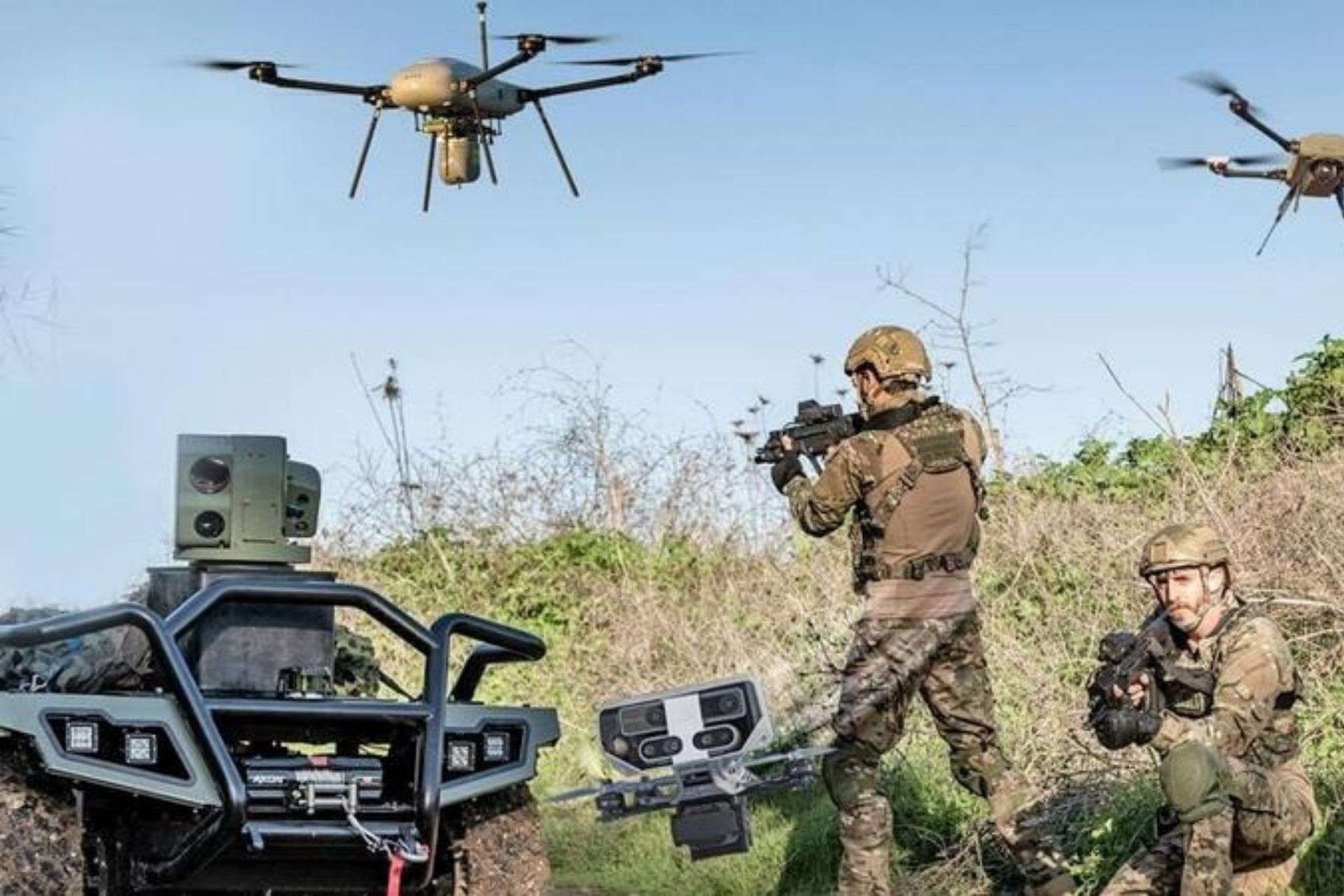
The Directorate of Defense Research & Development (DDR&D) of the Israeli Ministry of Defense announced on December 3, 2024, a significant technological development for the Israeli Defense Forces (IDF). Contracts totaling approximately $40 million have been signed with Elbit Systems, a leading provider of autonomous systems. These agreements aim to equip the IDF with advanced drones and autonomous systems to significantly enhance its operational capabilities in the field.
The systems to be delivered under these contracts include drones for intelligence gathering, capable of operating within Seek & Strike swarms and intelligence platoons (Picture source: Elbit Systems)
These systems, developed jointly by the DDR&D, the IDF Ground Forces, and Elbit Systems, are designed to maintain Israel's technological edge on the battlefield. With a focus on a wide range of missions, they prioritize precise intelligence collection and targeted strikes.
The systems to be delivered under these contracts include drones for intelligence gathering, capable of operating within Seek & Strike swarms and intelligence platoons. Combat forces will also benefit from drones equipped with advanced intelligence, surveillance, and reconnaissance (ISR) capabilities, terrain dominance features, and attack functionalities. Additionally, strike solutions based on mini-drones are specifically designed for urban operations. Elbit Systems will also provide resilient communication solutions essential for unmanned systems operating in complex environments.
Although specific models have not been disclosed, Elbit Systems offers several platforms that align with the described capabilities.
The HuntAIR-X provides an integrated solution for managing swarms of autonomous drones equipped with advanced payloads. It is optimized for terrain domination, target detection, and threat mapping, with real-time capabilities in both day and night operations, even in GNSS-denied environments.
The THOR, a fully autonomous vertical take-off and landing (VTOL) mini-UAS, is designed for various military applications. Compact and transportable, it can be deployed within two minutes, carrying payloads of up to 10 kilograms. Its adaptability makes it suitable for urban and maritime operations, with a flight endurance of up to 75 minutes.
The Lanius, another innovation, is an autonomous drone designed for swarming, mapping areas or buildings, and neutralizing detected threats. Tailored for urban combat scenarios, it can operate independently or in coordination with other drones via the Legion-X swarm management system.
The Legion-X system is a networked combat solution integrating various robotic platforms and heterogeneous swarms. It enhances planning, operation, and management across unmanned systems, increasing efficiency in multi-domain warfare.
This renewed collaboration between the Ministry of Defense and Elbit Systems strengthens the autonomous combat capabilities of the IDF. The Director General of the Ministry of Defense, Major General (Res.) Eyal Zamir, highlighted the strategic continuity of this partnership. Brigadier General Yehuda Almakias, head of the R&D Department at DDR&D, stated that these acquisitions are part of a broader military modernization strategy driven by ongoing conflict. They aim to ensure that troops are equipped with the necessary tools to perform their missions effectively. He emphasized the importance of unmanned aerial systems (UAS) in enabling scalable, precise intelligence collection and strikes.
Haim Delmar, Executive Vice President and General Manager of the C4i and Cyber Division at Elbit Systems, welcomed these contracts as a testament to the company's innovative capabilities in robotics and autonomous systems (RAS). He reaffirmed Elbit Systems' commitment to developing and delivering reliable, efficient solutions tailored to the evolving operational needs of armed forces.
Read more: Israel MOD Secures Contracts with Elbit Systems for ISR Drones and Autonomous Systems
- Details
- Written by: Jérôme Brahy
- Category: 2024
- Hits: 6721
As reported by ESUT on November 30, 2024, Rheinmetall is set to begin deliveries of its Skyranger 30 air defense system within weeks. A total of 71 systems have been ordered by Germany, Denmark, Austria, and Hungary to counter modern aerial threats. This marks a key step in advancing mobile air defense capabilities across Europe. The system counters a range of threats, including drones, loitering munitions, cruise missiles, and short-range ballistic missiles, using a 30mm automatic cannon, surface-to-air missiles, and advanced sensors.
Follow Army Recognition on Google News at this link
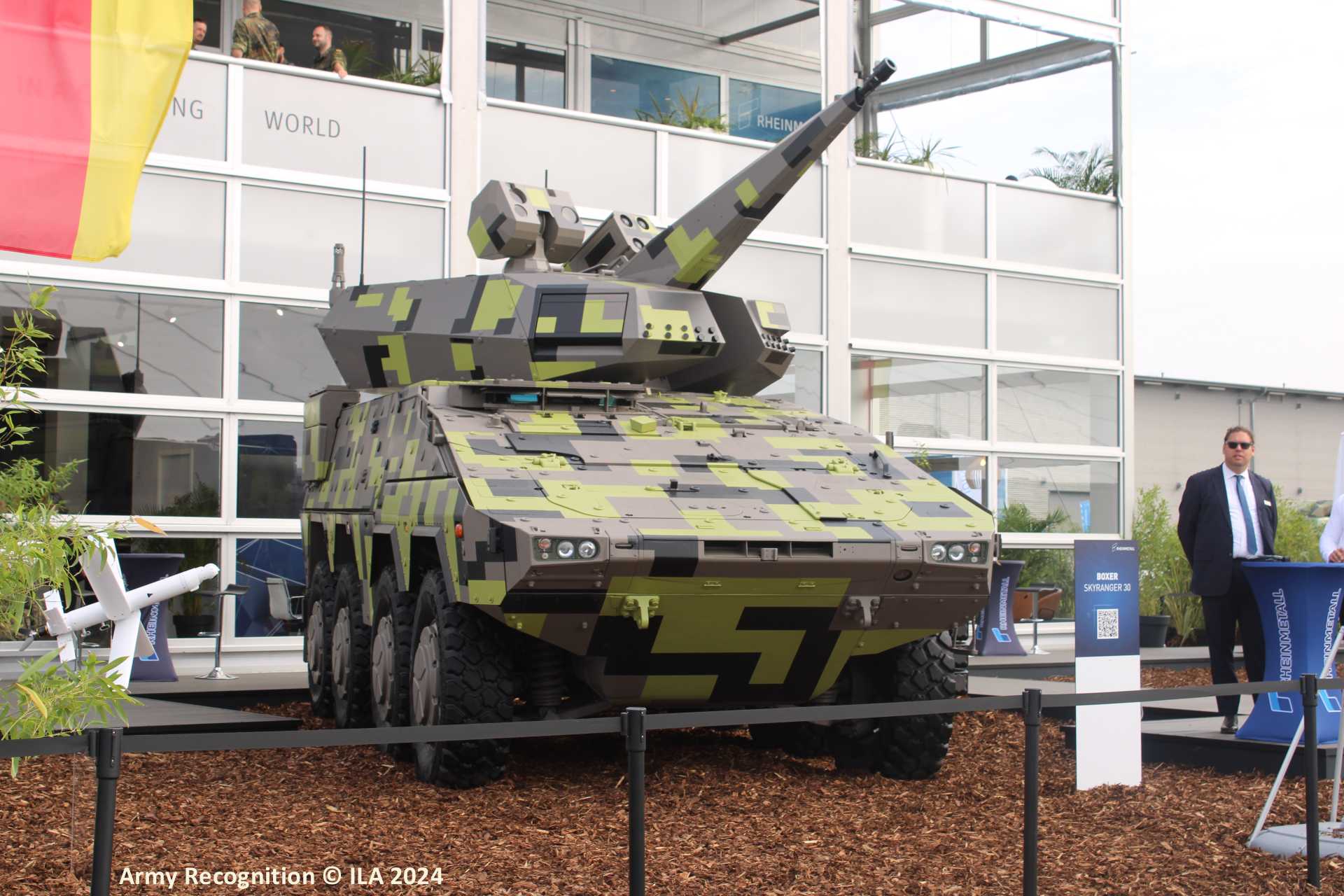
The Skyranger 30 turret could be mounted on various vehicles, including the KF41 Lynx, the Pandur EVO, and the Boxer 8x8. (Picture source: Army Recognition)
Hungary will acquire 18 Skyranger 30 units mounted on Lynx KF41 platforms, with deliveries scheduled between 2025 and 2026. A €30 million contract signed in December 2023 covers the turret’s development and integration with Mistral missiles. This procurement is part of Hungary's involvement in the European Sky Shield Initiative (ESSI), a NATO-aligned effort focused on collaborative air defense development, procurement, and deployment. Hungarian officials confirmed that the system is being developed in cooperation with Germany and Denmark to meet operational requirements.
Germany has ordered 19 Skyranger 30 systems, mounted on Boxer 8x8 vehicles, to address near- and very-short-range air defense needs. These systems will enhance the Bundeswehr’s ability to protect forces and infrastructure with coverage up to approximately 40 kilometers. The €595 million contract includes one prototype and 18 production systems, with further units under consideration for future procurement.
Austria is procuring 36 Skyranger 30 systems to be mounted on Pandur EVO 6x6 vehicles, with an option for nine additional units. Deliveries will begin in 2026 under a contract signed in February 2024. The Austrian variant will integrate Mistral missiles and features a lighter turret tailored for the Pandur chassis. Denmark has ordered 16 systems to be mounted on Piranha V platforms, with four prototypes expected by 2026 and full delivery by 2028.
The Skyranger 30 turret incorporates a 30mm Oerlikon KCE automatic cannon with a firing rate of 1,200 rounds per minute. It supports various missile options, including Stinger, Mistral, and Chiron, extending its engagement range to 9 kilometers. Equipped with advanced sensors like the SPEXER 2000M 3D MkIII radar, the turret provides 360-degree coverage and robust detection against UAVs, helicopters, and cruise missiles. It also includes passive detection systems and electro-optical sensors for enhanced tracking and targeting.
Protection features include modular armor upgradeable to STANAG 4569 Level 4 and the ROSY smoke grenade system for threat concealment. Future variants may incorporate electronic warfare capabilities, such as RF jammers and high-energy lasers, to neutralize small, fast-moving targets. These features also aligns with the broader ESSI framework, aimed at strengthening NATO’s air defense through resource pooling and system standardization. The Skyranger 30 offers a flexible, mobile solution for short- and very-short-range air defense to counter emerging threats.
Development of the Skyranger 30 was driven by renewed demand for mobile air defense systems after Western militaries largely divested such capabilities post-Cold War. First showcased in 2021, the system underwent live-fire demonstrations in 2023. Testing of the latest variant continues, with full qualification expected by mid-2024.
Rheinmetall’s production facilities in Hungary are contributing to the Lynx-based Skyranger 30, underscoring regional industrial collaboration. The system has also been proposed to potential operators, including Lithuania and the United States, with discussions involving possible local production in cooperation with Lockheed Martin. As deliveries advance, the Skyranger 30 is poised to become a cornerstone of Europe’s integrated air defense, enhancing capabilities across diverse platforms and operational settings.
The ongoing conflict in Ukraine has led European countries to increase investments in mobile short-range air defense (SHORAD) systems to counter threats such as drones and missiles. Germany and Denmark have acquired Rheinmetall's Skyranger systems, reflecting a focus on addressing aerial challenges. Kongsberg Defence & Aerospace has introduced the National Maneuver Air Defence System (NOMADS), a mobile SHORAD platform designed to engage drones, cruise missiles, and aircraft, with its development informed by the conflict in Ukraine. Additionally, the United Kingdom has provided Ukraine with ground-launched ASRAAM systems, which have demonstrated a 90% effectiveness rate against aerial threats. These acquisitions indicate a European trend towards bolstering air defense capabilities in response to lessons learned from the conflict.
- Details
- Written by: Administrator
- Category: 2024
- Hits: 5658
The British Army demonstrated its cutting-edge TAIPAN Counter-Battery Radar system during Exercise Dynamic Front, held at the Rovajärvi Training Area in Finland. This exercise, which took place in late 2024, featured more than 250 British Army soldiers and involved over 5,000 multinational NATO troops from 28 countries. The event provided a unique opportunity to showcase the integration of advanced artillery and radar technologies in a tactical environment.
Follow Army Recognition on Google News at this link
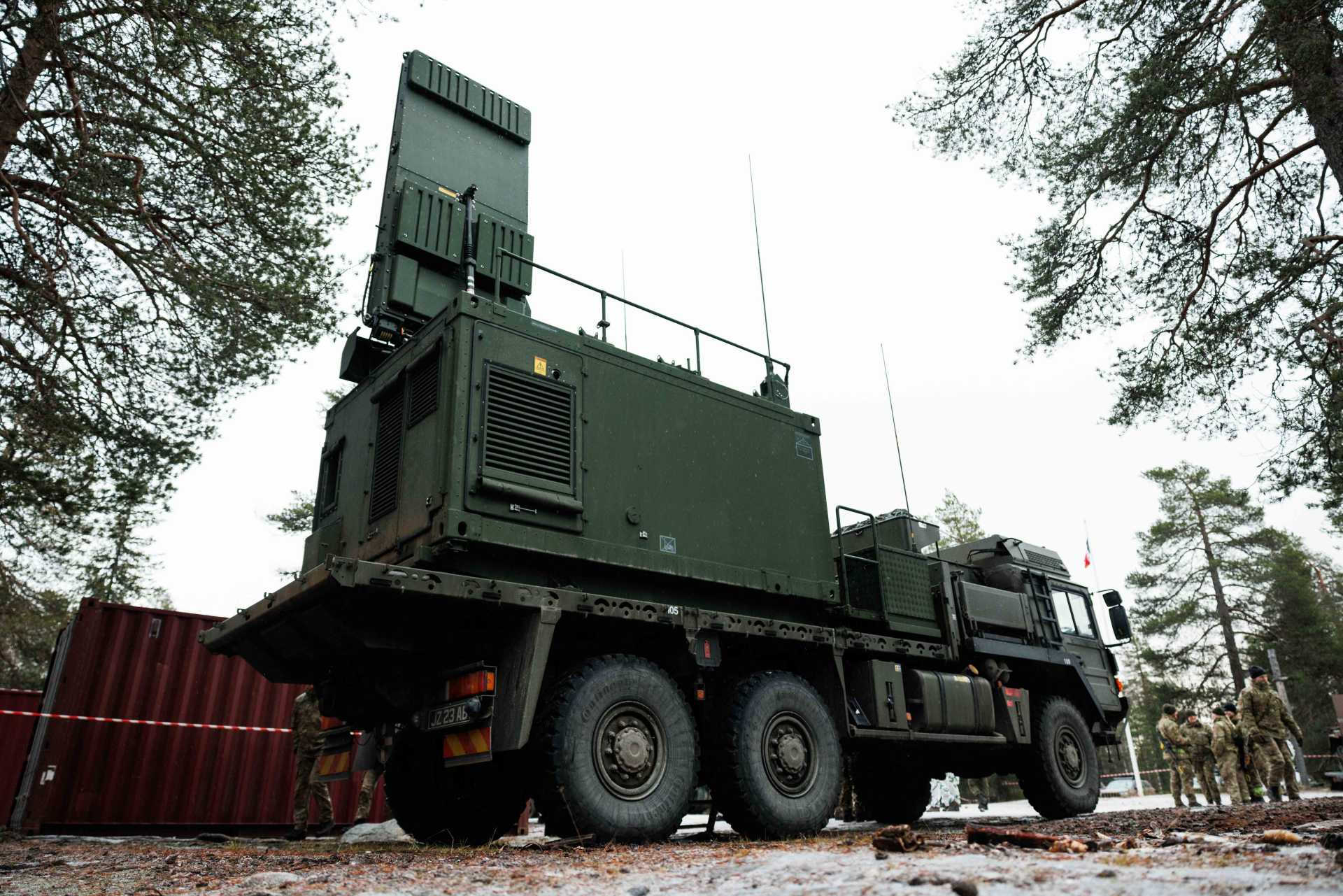
The British Army's cutting-edge TAIPAN Counter-Battery Radar system in action during Exercise Dynamic Front 2024 in Finland, demonstrating advanced artillery integration alongside over 5,000 NATO troops from 28 countries. (Picture source: British MoD)
The new TAIPAN radar system, mounted on the MAN SV 9T truck, was deployed for the first time in a live exercise scenario. Developed by Saab, the TAIPAN radar is part of the British Army's ongoing modernization efforts to enhance its counter-battery capabilities. The system uses state-of-the-art digital antenna technology and radar systems to detect and locate enemy artillery, mortars, and rocket launchers, allowing for rapid and effective counterattacks.
This is a significant milestone for the British Army, as it marks the first time that 5th Regiment Royal Artillery has operated the TAIPAN system in an exercise setting. The system was put through its paces as part of a multinational force, contributing to the seamless integration of artillery systems across NATO forces.
One of the key highlights of Exercise Dynamic Front was the live firing of the new Archer 155mm self-propelled howitzer, operated by the 19th Regiment Royal Artillery. This was the first time the British Army has deployed the Archer system in a tactical environment during a multinational exercise. The Archer howitzer, known for its mobility and precision, complements the TAIPAN radar, with both systems working in tandem to provide a rapid response to artillery threats.
The TAIPAN Counter-Battery Radar, designated by the British Army as "TAIPAN," is the latest iteration of Saab's ARTHUR (Artillery Hunting Radar) series. This advanced radar system is engineered to detect and locate enemy artillery, mortars, and rocket launchers, significantly enhancing counter-battery operations. With its cutting-edge technology, TAIPAN provides real-time intelligence that allows artillery units to quickly pinpoint the origin of enemy fire and deliver an effective response.
Mounted on the highly mobile MAN SV 9T truck, TAIPAN is equipped with digital antenna technology and active electronically scanned array (AESA) radar, enabling it to track multiple targets simultaneously with unmatched accuracy. This system has an impressive detection range, capable of identifying various types of threats at significant distances. For artillery fire, the radar can detect projectiles at ranges up to 40 km. For mortar fire, the system can detect incoming rounds at a range of 20 km, and for rockets, it can track projectiles up to 60 km. The radar's azimuth coverage spans 360 degrees, ensuring comprehensive coverage of the operational area and enabling the system to track incoming threats from any direction.
TAIPAN offers robust resilience in contested environments. Its advanced signal processing ensures precise tracking of artillery, mortar, and rocket trajectories, providing accurate location data for enemy positions with minimal delay. The system’s digital beam forming technology enhances its resistance to jamming and electronic countermeasures, making it highly survivable in electronic warfare scenarios. Moreover, its ability to rapidly deploy and redeploy ensures flexibility in a fast-moving battlefield environment.
This combination of long-range detection, high mobility, and electronic warfare resilience makes the TAIPAN radar system an invaluable asset for modern military forces. It not only improves the effectiveness and speed of counter-battery fire but also significantly contributes to the overall coordination of artillery operations, ensuring quick and precise responses to artillery threats. With the integration of TAIPAN, the British Army’s artillery units are better equipped to dominate the battlefield, providing a critical edge in modern warfare.
Exercise Dynamic Front, held annually in Finland, is one of NATO’s largest live-fire exercises, designed to improve the interoperability of artillery and fire support units from different member nations. The event brings together forces from NATO and partner countries to practice complex fire support missions in realistic combat scenarios. The participation of more than 5,000 soldiers from 28 countries underscores the importance of multinational cooperation in modern warfare.
For the British Army, Exercise Dynamic Front provided an ideal venue to showcase the capabilities of the new TAIPAN system alongside the Archer howitzer. The integration of both systems into live exercises demonstrates the British Army’s commitment to maintaining technological superiority on the battlefield while fostering greater collaboration with NATO allies.
The successful demonstration of the TAIPAN Counter-Battery Radar system highlights the British Army’s continued focus on modernizing its artillery and fire support capabilities. As the military landscape evolves, the importance of advanced radar systems in detecting and neutralizing artillery threats becomes even more pronounced. The TAIPAN radar system not only enhances the Army's ability to respond quickly to artillery threats but also improves the overall coordination and effectiveness of its fire support units.
With its advanced features and operational flexibility, the TAIPAN radar system is expected to play a pivotal role in future British Army operations, both in NATO-led exercises and in real-world combat situations. As the Army continues to refine its counter-battery capabilities, the TAIPAN system is set to be a key asset in ensuring battlefield dominance.
Read more: British Army Enhances Artillery Capabilities with New TAIPAN Counter-Battery Radar
- Details
- Written by: Vandenbosch
- Category: 2024
- Hits: 4529
Hermeus, a U.S.-based company specializing in aerospace innovation, is preparing for a groundbreaking achievement with the maiden flight of its Quarterhorse Mk 1, an uncrewed, remotely piloted jet-powered aircraft. Scheduled for December 2024, this event marks a significant milestone in the development of hypersonic technologies, positioning Hermeus at the forefront of modern aeronautics.
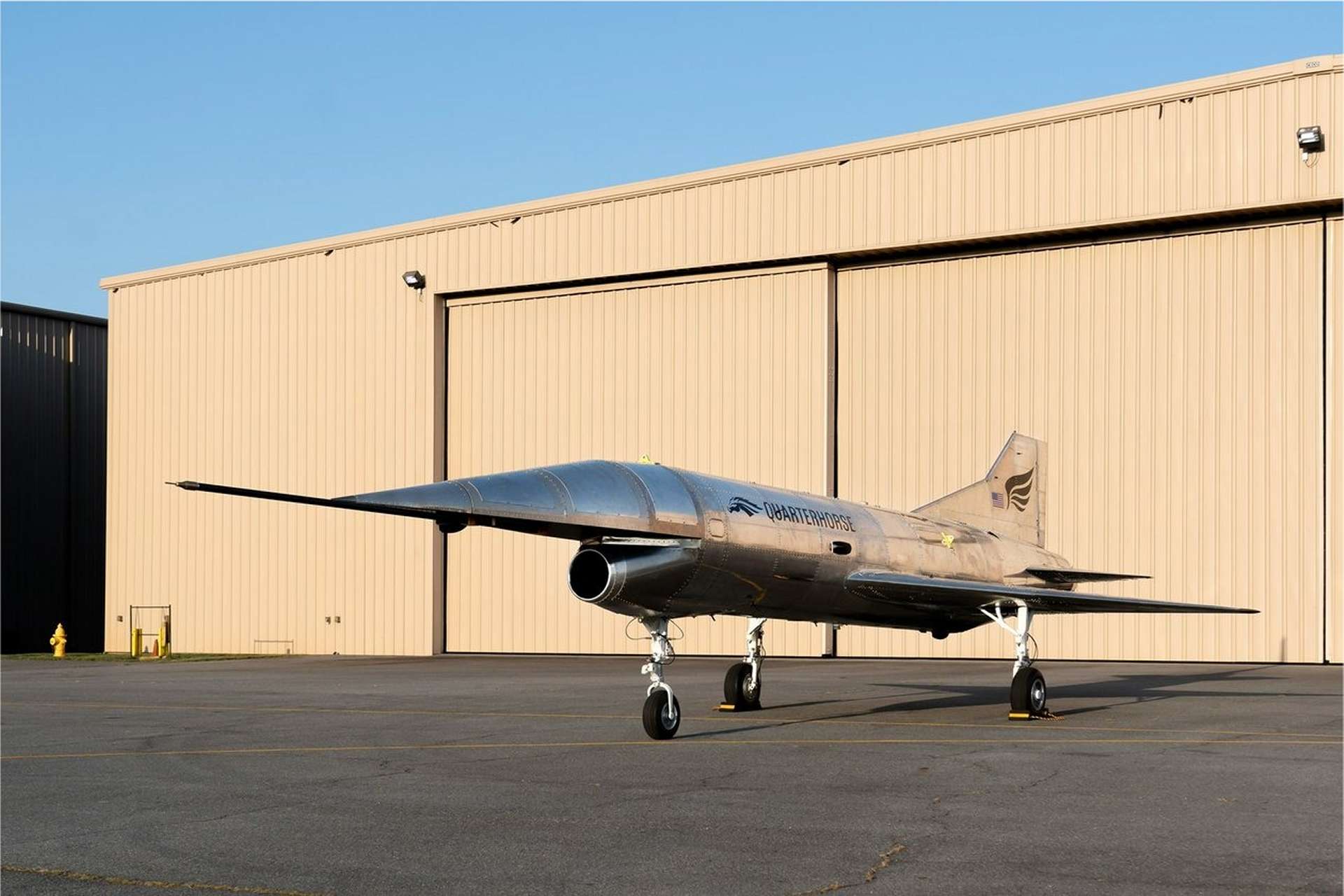
Hermeus is set to achieve a major step with the first flight of its Quarterhorse Mk 1. (Picture source: Hermeus)
Hermeus, a U.S. aerospace innovator, is set to achieve a major milestone with the first flight of its Quarterhorse Mk 1, a remotely piloted jet-powered aircraft. Scheduled for December 2024, this marks a key step in advancing hypersonic technology and solidifies Hermeus' leadership in modern aeronautics.
The U.S. drone development program is part of a broader strategy to enhance the military's capabilities for projection, surveillance, and intervention. By focusing on autonomous or remotely piloted platforms, the United States aims to minimize risks to personnel while increasing operational flexibility. Hermeus' Quarterhorse Mk 1 aligns seamlessly with this approach, exploring hypersonic flight technologies that could revolutionize military drones. Designed to validate complex high-speed procedures, this aircraft represents a crucial step toward drones capable of multi-domain missions at unprecedented speeds, addressing the growing demand for technological and strategic superiority within the armed forces.
Powered by a GE J85 engine, the Quarterhorse Mk 1 stands out for its rapid design process: it was developed, built, and integrated in just seven months. This model is designed to validate high-speed takeoff and landing procedures, a critical prerequisite for future hypersonic aircraft. The inaugural flight will take place at Edwards Air Force Base in California, a historic site for cutting-edge aviation testing.
This project is part of an iterative strategy adopted by Hermeus. Each version of the Quarterhorse, starting with the Mk 0—a ground prototype that completed testing in 2023—advances in complexity to mitigate risks and accelerate knowledge acquisition. The Quarterhorse Mk 1 is a key step toward the development of the Mk 2, expected in 2025, which will feature a Pratt & Whitney F100 engine capable of supersonic flights. The ultimate goal is to create "Darkhorse," a hypersonic multi-mission aircraft designed for defense and national security applications.
Hermeus’s ambitions extend beyond military applications. The company also aims to revolutionize commercial air transport with "Halcyon," a hypersonic passenger aircraft capable of connecting New York to London in just 90 minutes. By integrating advanced technologies such as hybrid turbojet-ramjet engines, Hermeus could redefine long-distance travel.
The flight of the Quarterhorse Mk 1 is a decisive step toward realizing these goals. By combining rapid technological innovation and agile development processes, Hermeus demonstrates its ability to push the boundaries of aerospace engineering. If successful, the company could not only transform military operations but also redefine global transportation.
With this achievement, Hermeus cements its position as a leader in the race for hypersonic flight, paving the way for a new era in defense and commercial aviation.
- Details
- Written by: Vandenbosch
- Category: 2024
- Hits: 2561
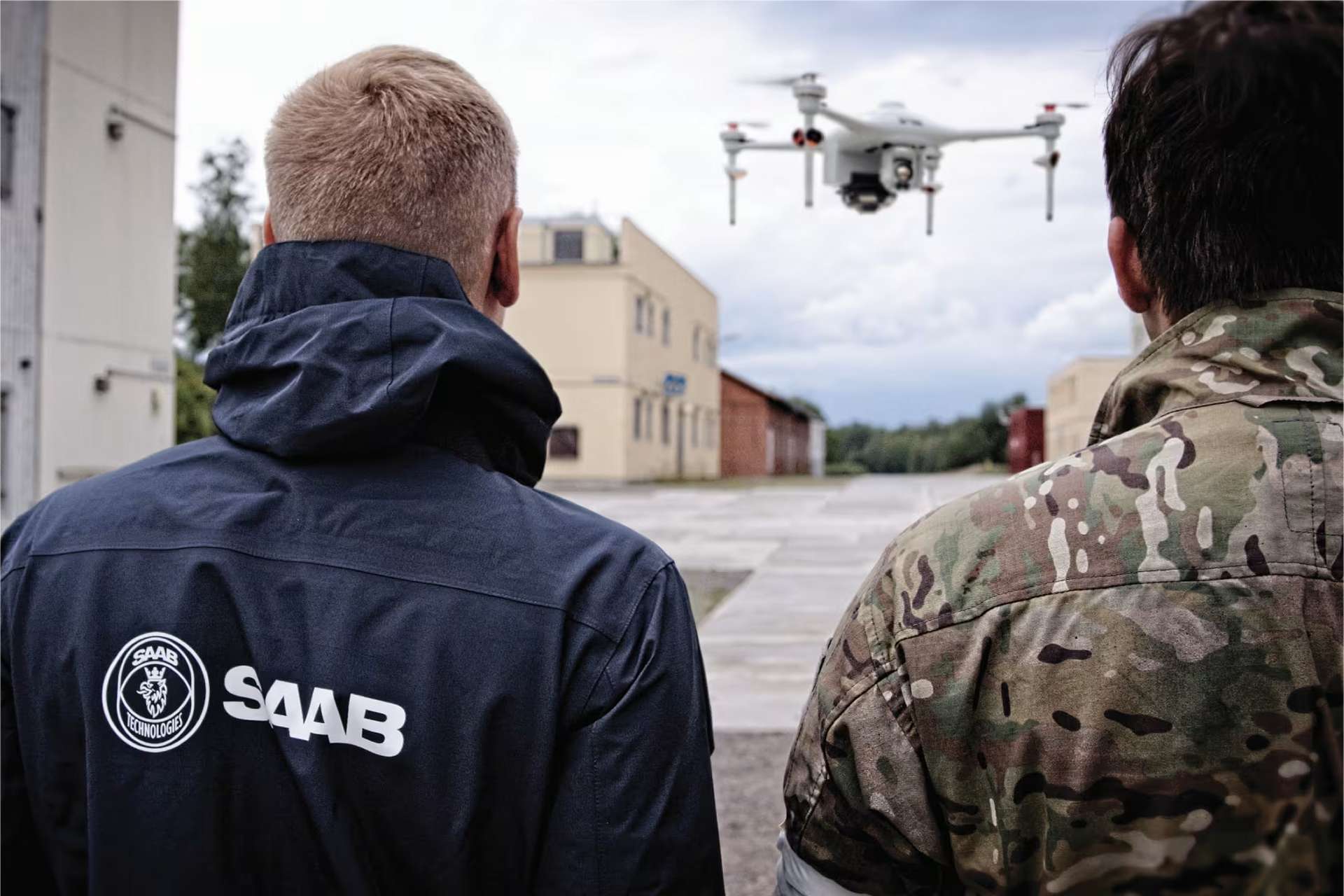
During the I/ITSEC event in Orlando, Florida, Saab presented its latest advancement in live training technology: a drone training system designed to enhance military preparedness. This new capability integrates drones as either assets or threats in military exercises, providing realistic scenarios to train soldiers in counter-drone operations. Saab also announced that it had recently received an order from an undisclosed customer for prototypes of its live drone training systems, highlighting growing interest in this innovative solution.
During the I/ITSEC event, Saab presented its latest advancement in live training technology: a drone training system designed to enhance military preparedness. (Picture source: SAAB)
The drone training system functions as a complementary module to Saab's already established live training systems and seamlessly integrates with its exercise control software, EXCON. The platform is highly customizable, allowing it to be equipped with various sensors and simulated weapon systems to meet specific training requirements. One standout feature is its laser targeting system, which enables the drone to virtually engage participants while also simulating damage or destruction when countered by ground forces. This dual functionality allows soldiers to develop critical detection, engagement, and evasion skills in a controlled, data-driven environment.
Joakim Alhbin, Head of Saab’s Training and Simulation business unit, highlighted the relevance of this innovation: "We are seeing the increased use of military drones on the battlefield. It is crucial to have a solution that prepares soldiers to detect, engage, and hide from these threats. Saab’s live drone training capability has already generated significant interest among our existing customers. It was first offered to the British Armed Forces, who became our first users of this instrumented service for live training scenarios."
The drone training system is designed to replicate aerial threats posed by opposing forces, utilizing a commercially available off-the-shelf platform. This system can engage ground troops, drop virtual munitions, and record soldiers’ activities on video. All collected data is then analyzed to provide objective feedback, helping military units refine their tactics and improve their resilience against drone threats.
Initially offered as a service, Saab’s live drone training capability includes operational support during training exercises. This service model ensures smooth integration into existing training frameworks, while Saab continues to deliver an increasing number of trials to meet customer demand. The sustained interest and expansion of trials confirm the growing importance of anti-drone training in modern military operations.
By leveraging its expertise in training and simulation, Saab addresses the critical need for advanced preparation against drones, helping armed forces worldwide adapt to the evolving dynamics of the battlefield.
Read more: Saab Unveils Innovative Live Drone Training Capability at I/ITSEC

- Details
- Written by: Vandenbosch
- Category: 2024
- Hits: 2226
Rheinmetall AG, a global leader in defense and security technologies, has signed a strategic cooperation agreement with Hologate, a market leader in advanced Extended Reality (XR) solutions. This collaboration aims to push the boundaries of innovation in simulation technologies, particularly for military training applications.
Rheinmetall has signed a strategic cooperation agreement with Hologate. This collaboration aims to push the boundaries of innovation in simulation technologies. (Picture source: Rheinmetall)
Realistic and advanced simulation technologies have become essential in a context where training systems must meet increasingly complex requirements. Rheinmetall's extensive expertise in military training systems, combined with Hologate's cutting-edge XR technologies, sets a new benchmark for military and security training solutions.
Hanno Tabeling, Head of Driving Simulation Systems Technology at Rheinmetall, emphasized the significance of this partnership: “This collaboration marks a significant step in expanding our portfolio of VR/XR training and simulation solutions. With Hologate’s state-of-the-art software, we can offer our customers even more realistic and flexible training options. The first outcome of this partnership is a VR driving simulator designed specifically for military driver training.”
Hologate brings substantial experience gained from its collaborations with the German armed forces and police, where its XR technologies meet the highest training standards. The company’s flagship product, the HGXR SIM, perfectly illustrates this combination of versatility and efficiency. This mobile XR simulator supports various training scenarios, including helicopters, trucks, and boats. Its open system architecture allows for quick switching between vehicle models, optimizing resource usage and reducing costs.
The advanced motion-tracking technology of the HGXR SIM minimizes latency and replicates dynamic forces of up to 2g. With a motion range of one meter in height and tilts of up to 30 degrees, it provides an immersive and precise training experience. These features make the simulator an ideal solution for various training environments and operational scenarios.
Leif Petersen, CEO of Hologate, highlighted the importance of this partnership: “By combining our expertise in XR technologies with Rheinmetall’s know-how, we are able to develop groundbreaking simulation solutions. Together, we aim to set new industry standards.”
This collaboration illustrates the shared commitment of both companies to harness modern technologies to address the evolving challenges of military training. By developing solutions tailored to the specific needs of military and security forces worldwide, Rheinmetall and Hologate aim to enhance the effectiveness of training programs for military drivers, crew members, and other personnel.
This strategic partnership marks an important milestone in transforming military training, combining Rheinmetall’s strong legacy with Hologate’s innovative vision for XR technologies. Together, the two companies are poised to redefine training simulation standards for military and security forces around the world.
- Details
- Written by: Administrator
- Category: 2024
- Hits: 3972
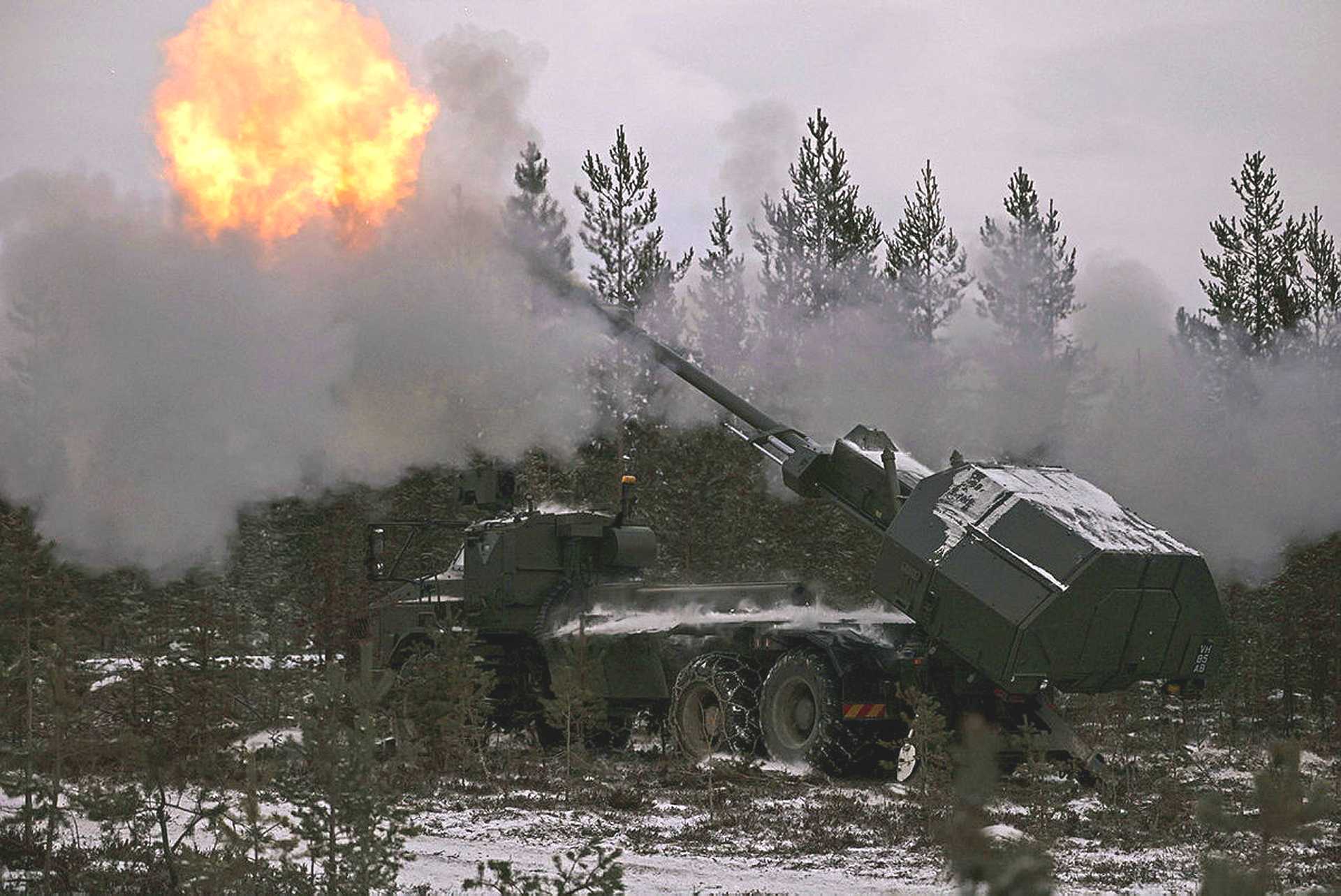
The British Army has conducted its first live firing of the Archer 155mm wheeled self-propelled howitzer in real combat conditions at Exercise Dynamic Front 2024, held at the Rovajärvi Training Area in Rovaniemi, Finland. The 19th Regiment Royal Artillery fired the Archer for the first time in a tactical setting, marking a major milestone in the integration of this advanced artillery system into the British Army's arsenal. This live fire exercise demonstrates the Army's commitment to enhancing its fire support capabilities in line with NATO's strategic goals.
Follow Army Recognition on Google News at this link
British Army personnel conduct live firing in real combat conditions of the Archer 155mm self-propelled howitzer during Exercise Dynamic Front 2024 in Finland. (Picture source: British MoD)
The Archer 155mm wheeled self-propelled howitzers are part of a comprehensive modernization effort by the British Army. In 2019, the UK Ministry of Defence placed an order with BAE Systems Hägglunds for a total of 24 Archer units, and the first systems were delivered later that year. After extensive testing, including live-fire trials and integration with the British Army’s command systems, the Archer entered service in 2020. The acquisition was made to replace older platforms like the AS90 tracked self-propelled howitzer, offering enhanced mobility, firepower, and advanced technology. Along with the Archer systems, the contract also includes long-term support and maintenance, ensuring operational effectiveness for years to come.
In July 2024, the British Army achieved a key milestone by accepting all 14 Archer self-propelled howitzers, significantly bolstering its 155mm Close Support artillery capability. The final 10 units were delivered from Sweden and swiftly integrated into the British artillery arsenal, filling a gap left by the transfer of 32 AS90 systems to the Ukrainian Armed Forces. This acquisition provides the British Army with a powerful artillery solution as an interim measure until the development of the Remote Controlled Howitzer system.
As part of the Archer contract, the British Army also benefits from ongoing training and technical support, helping to seamlessly integrate the artillery system into the British Army’s command structure. By participating in multinational exercises like Dynamic Front, the UK strengthens its relationship with NATO partners and demonstrates the Archer’s readiness for rapid deployment in any operational environment.
Exercise Dynamic Front, one of NATO’s most important joint artillery exercises, involves more than 5,000 soldiers from 28 nations, with over 250 British Army personnel participating this year. The 19th Regiment Royal Artillery is leading the exercise’s artillery operations, firing the Archer 155mm howitzer in live-fire scenarios to test its performance under real combat conditions. Additionally, the British Army's 5th Regiment Royal Artillery is utilizing the new Taipan radar system for the first time, further enhancing the precision of artillery targeting and support operations.
The Archer self-propelled howitzer is a state-of-the-art system designed by Sweden's Bofors Defence, offering unmatched performance and flexibility. Equipped with a 155mm L52 howitzer, the Archer can fire NATO-standard 155mm rounds, providing essential fire support for both offensive and defensive operations. The system is compatible with a wide variety of ammunition, including high-explosive, guided shells, and extended-range projectiles, offering superior versatility.
One of the Archer’s most significant features is its automated loading system, which enables the vehicle to achieve a rapid firing rate of up to 8 rounds per minute, with a burst rate of 16 rounds within two minutes. This automated system not only reduces crew workload but also enhances operational efficiency, allowing for a higher volume of fire to be delivered in a short time frame. This makes the Archer highly effective in suppression and precision strike missions.
Mounted on a Volvo A30D all-terrain chassis, the Archer offers exceptional mobility, even in challenging terrain. This mobility ensures that the howitzer can quickly relocate and reposition on the battlefield, avoiding counter-battery fire and adapting to rapidly changing battlefield conditions. Its ability to move quickly and provide fire support on the move is a crucial advantage in modern warfare.
In terms of precision, the Archer incorporates an advanced integrated fire control system that allows for rapid target engagement with minimal input from the crew. The system processes data from various sources, such as forward observers and reconnaissance assets, to deliver accurate and effective fire support. Additionally, the Archer can launch precision-guided munitions (PGMs) like the BONUS anti-tank shell, enhancing its effectiveness against armored targets.
With a range of up to 30 kilometers for standard high-explosive rounds and up to 50 kilometers for extended-range projectiles, the Archer provides significant standoff capability, allowing it to engage targets at a safe distance. This range, combined with its rapid rate of fire and pinpoint accuracy, makes the Archer a formidable asset for modern artillery units.
The Archer also prioritizes crew safety, featuring an armored cabin that minimizes exposure to threats. The automated loading system reduces human error, enhancing the overall efficiency of operations. The Archer's adaptability makes it suitable for a wide range of missions, from traditional fire support to peacekeeping and humanitarian efforts, underlining its value as a versatile and strategic asset for the British Army and NATO forces.
The successful live-fire test of the Archer self-propelled howitzer during Exercise Dynamic Front 2024 marks a pivotal moment in the British Army's artillery capabilities. With its combination of advanced automation, mobility, and precision, the Archer offers significant improvements over older systems, providing a powerful and flexible solution for modern artillery operations. The integration of the Archer into the British Army’s arsenal not only strengthens the UK's defense capabilities but also enhances NATO's collective firepower. As the British Army continues to modernize its artillery units, the Archer will play a critical role in meeting the evolving demands of future military conflicts.
- Details
- Written by: Administrator
- Category: 2024
- Hits: 6074
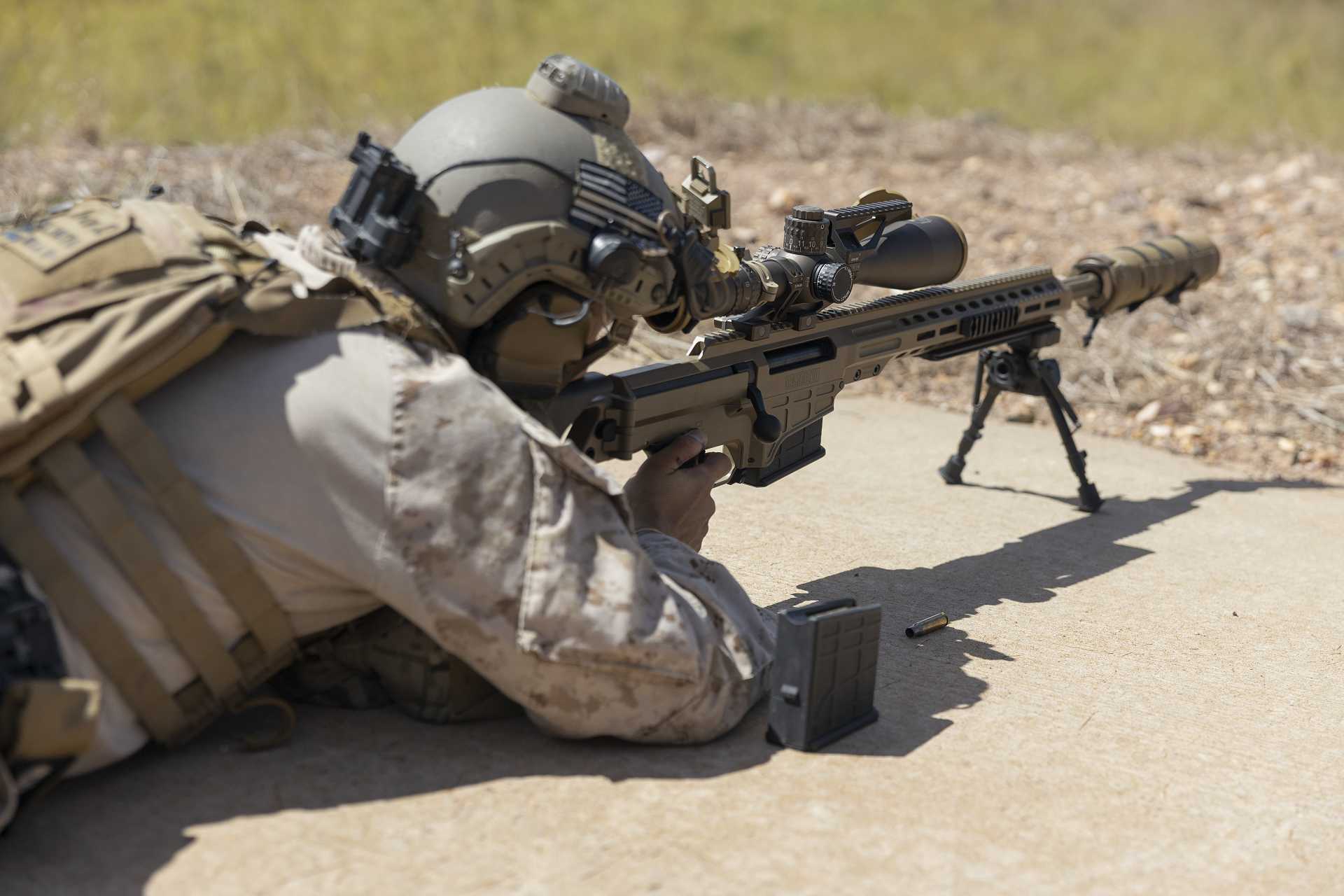
The United States Marine Corps has achieved Fully Operational Capability (FOC) for the MK 22 Mod 0 Advanced Sniper Rifle (ASR), a key milestone in modernizing the sniper capabilities of its Reconnaissance and Infantry units. This accomplishment signifies the completion of a comprehensive process in which the weapon system has been successfully integrated into active-duty Marine units and all associated training requirements have been fulfilled.
Follow Army Recognition on Google News at this link
U.S. Marine Corps Cpl. Andrew Lam, a surveillance and target acquisition team leader with Weapons Company, 2nd Battalion, 5th Marine Regiment (Reinforced), Marine Rotational Force – Darwin 24.3, fires the MK 22 sniper rifle. (Picture source: U.S. Marine Corps)
The MK 22 Mod 0 ASR is designed to provide enhanced precision and versatility for Marine Corps snipers, improving their ability to engage targets at extended ranges with greater accuracy. The achievement of FOC marks a critical step in the Marine Corps’ ongoing efforts to modernize its combat capabilities and strengthen its sniper teams across various operations.
Maj. Michael Billings, Weapons Team Lead at Marine Corps Systems Command (MCSC), emphasized that FOC is reached when all Infantry and Reconnaissance units, as well as Military Occupational Specialty (MOS)-producing schools, have received the new equipment and completed the required training. This comprehensive fielding ensures that the MK 22 is fully integrated into the Corps' operational structure and is ready for use in both training and combat environments.
“We’ve reached a significant milestone with the MK 22. It’s now in the hands of our frontline troops, and our Marines are fully trained to use it effectively in a wide variety of combat scenarios,” said Maj. Billings. “This is not just a new sniper rifle; it’s a key component of the Marine Corps’ modernization efforts, giving us the edge we need in precision fire and long-range engagements.”
The MK 22 Mod 0 ASR is the result of a collaborative effort between the Department of Defense, special operations forces, and traditional military units. Initially developed under a U.S. Special Operations Command (SOCOM) contract, the rifle was designed to meet the evolving needs of elite forces who require extreme precision and flexibility for long-range engagements. However, through the Special Operations Forces (SOF) to service transition process, the rifle was transitioned into the hands of the Marine Corps, a move that is part of a broader push to equip non-SOF units with cutting-edge, specialized weapon systems.
The transition was facilitated by the U.S. Army’s responsibility for contracting actions, a step that ensured the rapid and efficient procurement process for the Marine Corps. By taking on this responsibility, the Army helped expedite the fielding of the MK 22 to Marine Corps units.
The MK 22 Mod 0 Advanced Sniper Rifle was developed and produced by American Company Barrett Firearms Manufacturing, a leading American firearms manufacturer known for its high-precision, long-range rifles. Barrett is widely recognized for producing the M82 .50 caliber sniper rifle, and the MK 22 continues their legacy of providing cutting-edge sniper systems for military and law enforcement agencies.
The MK 22 Mod 0 is a multi-caliber, modular sniper rifle designed to engage targets at distances of up to 1,500 meters or more, addressing the growing need for long-range precision across a variety of operational environments. Whether in urban settings or rugged terrain, the rifle is equipped with advanced technologies that ensure superior accuracy. One of its key features is the ability to easily switch between multiple calibers, such as .338 Norma Magnum and .300 Norma Magnum, giving snipers the flexibility to adapt to different mission requirements. Additionally, the rifle is designed with enhanced ergonomics, offering a customizable stock and adjustable components that provide greater comfort and stability for shooters, improving performance over extended periods. Its modular design also allows for easy replacement or upgrades of components, ensuring the rifle remains adaptable to future advancements in sniper technology and evolving operational needs. This flexibility makes the MK 22 an effective and reliable platform for the Marine Corps’ sniper teams in a wide range of missions.
The introduction of the MK 22 represents a significant leap forward in the Marine Corps' sniper capabilities. With greater range, precision, and adaptability, the new system enhances the Corps' ability to support both conventional forces and specialized units, enabling more effective targeting and better integration with joint and coalition forces in a variety of operational contexts.
The system’s versatility in terms of caliber selection ensures that Marine snipers can quickly adjust to the needs of specific missions, making them more effective in counterinsurgency operations, precision strikes, and intelligence gathering in dynamic environments.
In addition to increasing lethality, the MK 22’s modularity and ease of integration with other modern weapon systems and technology make it a valuable asset for future Marine Corps missions, particularly in high-intensity conflict scenarios where long-range engagement and precision targeting are crucial.
With the completion of the Fully Operational Capability milestone, the MK 22 Mod 0 ASR is now fully fielded and available for deployment by Marine Corps sniper teams. This program's continued success underscores the Marine Corps' commitment to modernizing its equipment and providing its personnel with the best possible tools for success in any combat environment.
As the U.S. Marine Corps continues to refine and enhance its sniper capabilities, the MK 22 will serve as a cornerstone of its strategy to ensure superiority in long-range combat. The focus will now shift to continuous training, maintenance, and operational integration to ensure that the MK 22 remains an effective and reliable asset for years to come.
Read more: US Marine Corps Deploys MK 22 Mod 0 Sniper Rifle to Modernize Recon and Infantry Units
Focus: Deep Dive into British Army Next-Gen Combat Vehicles and Land Forces Modernization Strategies
- Details
- Written by: Administrator
- Category: 2024
- Hits: 5467
In the face of increasingly complex threats and the evolving nature of modern warfare, the U.K. Armed Forces are undergoing a significant modernization effort to enhance their land combat capabilities. This transformation aims to maintain the British Army's edge, ensuring it remains agile, resilient, and capable of responding to a broad range of challenges, from conventional warfare to counterinsurgency operations. As part of this ambitious overhaul, the British Army is focusing on a range of programs to modernize both its armored vehicles and air mobility assets, as well as sustain and upgrade its existing fleet of helicopters and engineering vehicles.
Follow Army Recognition on Google News at this link
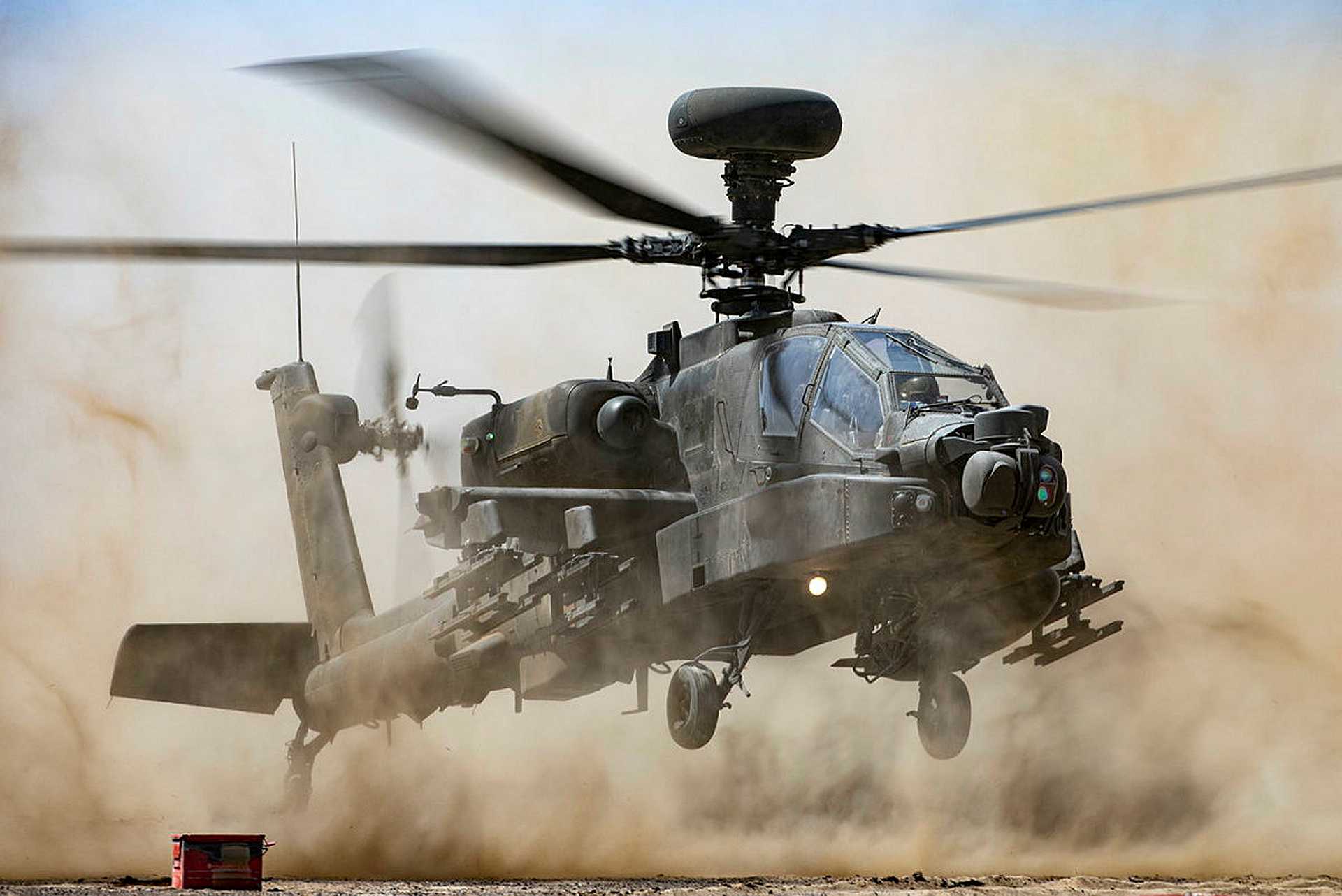
The U.K. Army's AH-64 Apache helicopter undergoes upgrades to enhance avionics, weapon systems, and airframe durability, ensuring continued effectiveness in future combat operations. (Picture source: British MoD)
At the heart of this modernization effort are key initiatives such as the Apache and Chinook helicopters sustainment programs, the Ajax reconnaissance vehicle, the Challenger 3 life extension program, and the introduction of new armored and engineer vehicles like Boxer, Bulldog replacement, and upgrades to the Titan and Trojan systems.
One of the most significant components of the U.K. Army's modernization strategy is the Apache AH-64E Apache attack helicopter. The Apache fleet has long been an integral part of the British Army’s air support capabilities, and its ongoing sustainment is critical to ensuring its continued effectiveness on modern battlefields. As part of the Apache AH-64E sustainment program, the U.K. is upgrading its Apache AH-64D fleet with more advanced avionics, weapon systems, and improved interoperability with NATO allies. These upgrades will allow British forces to continue leveraging Apache’s firepower, surveillance, and reconnaissance capabilities in complex and contested environments. The Apache AH-64E is a crucial asset for providing close air support, anti-tank operations, and battlefield surveillance, making it indispensable for modern British Army operations.
Similarly, the Chinook fleet, which has been a mainstay of the U.K. Army’s air mobility for decades, is undergoing a capability sustainment program. The CH-47 Chinook is well-regarded for its heavy-lift capabilities, providing essential support for troop movements, logistics, and humanitarian aid. The sustainment program focuses on ensuring that these aircraft remain effective throughout their lifespan, with upgrades that will improve their survivability, increase payload capacity, and enable them to meet the demands of modern operations, including rapid deployment and heavy-lift support in both conventional and unconventional battlefields. The Chinook remains a vital asset for the British Army, offering unparalleled flexibility and range for both strategic and tactical operations.
On the ground, the British Army is investing heavily in next-generation vehicles that will enhance its reconnaissance, combat, and logistics capabilities. One of the most notable of these is the Ajax reconnaissance vehicle, which is designed to be a highly mobile, versatile platform capable of operating in various environments. The Ajax vehicle is equipped with advanced sensors, including radar, optical, and communication systems, enabling the British Army to maintain real-time battlefield awareness and intelligence. This vehicle is an integral part of the Army’s strategy to modernize its armored formations, providing essential capabilities for gathering intelligence and maintaining battlefield dominance. The Ajax is designed to operate at high speeds and with great mobility, allowing it to traverse difficult terrain while gathering critical information about enemy forces and terrain.
The Challenger 3 MBT (Main Battle Tank) program is another key initiative within the U.K. Army’s modernization efforts. The Challenger 3 project is focused on upgrading the existing Challenger 2 tanks, ensuring that they remain relevant and capable of facing future threats. The life extension of the Challenger 3 will include a number of critical upgrades, such as the integration of new fire control systems, improved armor protection, and enhanced battlefield survivability. These upgrades will enable the U.K. Army to maintain its heavy armor advantage in a rapidly changing security environment. While the Challenger 2 is already a formidable tank, the modernization efforts under the Challenger 3 program are designed to ensure that it can continue to effectively counter emerging threats, including anti-tank guided missiles and advanced armor-piercing projectiles.
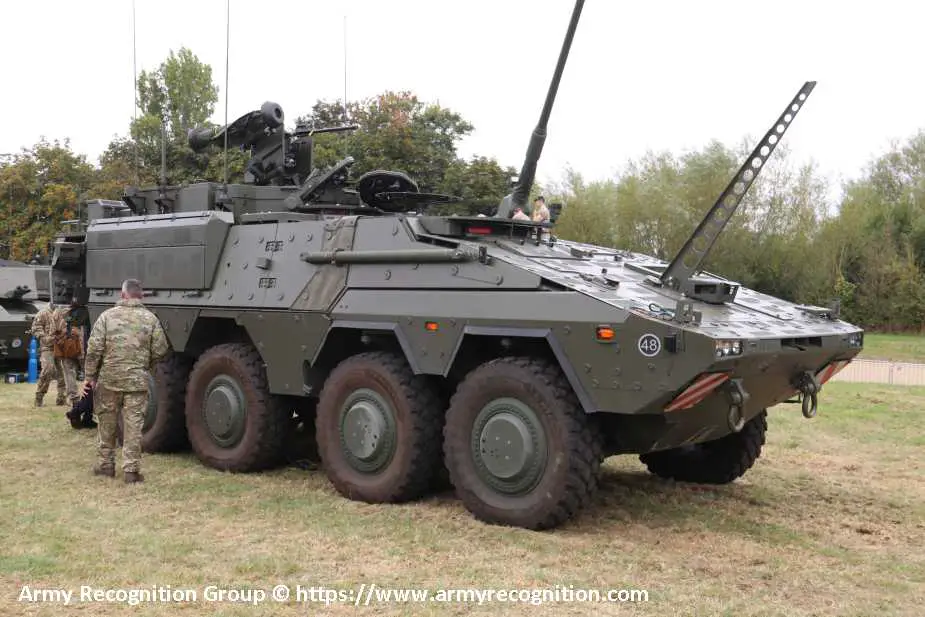
The Boxer 8x8 armored vehicle is a versatile, modular platform that enhances the U.K. Army’s mobility and adaptability, supporting multiple roles from infantry transport to reconnaissance and medical evacuation. (Picture source Army Recognition Group)
The Boxer 8x8 armored vehicle is another key component of the U.K.’s modernization strategy. This new, highly flexible platform is intended to replace a range of older vehicles, providing the British Army with a highly mobile and versatile armored vehicle configured for multiple roles, from mechanized infantry transport to command and control, medical evacuation, and reconnaissance. The Boxer is designed to be modular, allowing it to be adapted to the needs of different units and missions, making it an ideal asset for the modern battlefield, where the ability to reconfigure and deploy different capabilities quickly is vital.
The British Army also focuses on replacing its aging Bulldog armored vehicles as part of the broader efforts to modernize its armored forces. The Bulldog replacement program aims to introduce more modern vehicles that are better protected, more mobile, and equipped with the latest technologies to enhance their operational effectiveness. These new vehicles will improve the Army’s ability to conduct a wide range of operations, from peacekeeping to combat, and will better support infantry and armored formations in both urban and open terrain.
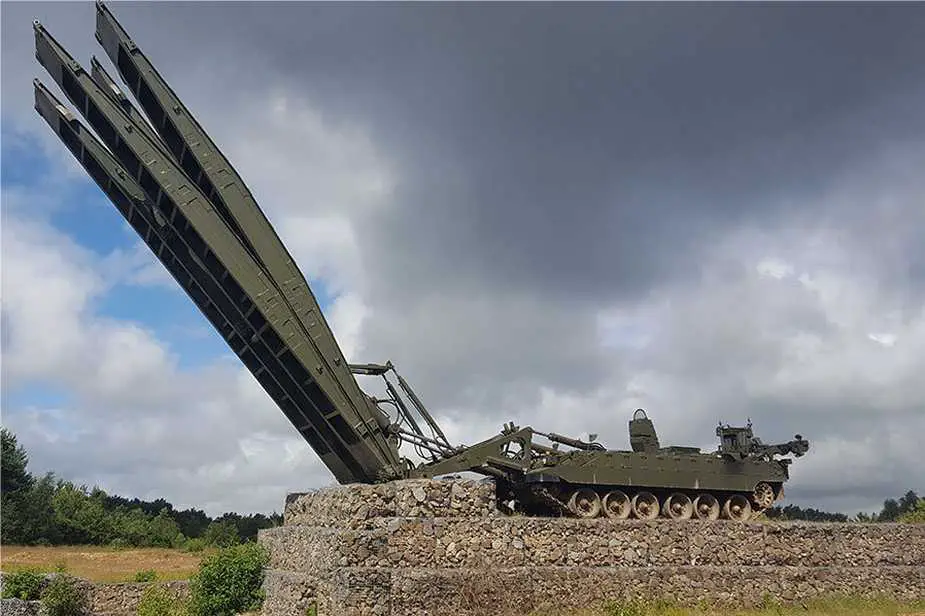
The Titan and Trojan engineer vehicles, which have been crucial in battlefield mobility and fortification tasks, are also undergoing upgrades to ensure they remain effective in the face of emerging threats. These vehicles provide essential capabilities for bridging, clearing obstacles, and constructing fortifications under fire, allowing ground forces to maintain momentum in complex terrain. The upgrades will enhance their operational range, survivability, and ability to integrate with new systems, ensuring they remain essential components of the Army’s combat engineer capabilities.
The Titan is an armored engineer vehicle specifically designed to enable military units to cross gaps of up to 60 meters by laying various close support bridges. Built on the chassis of the Challenger 2 Main Battle Tank, the Titan forms part of the U.K. Army's heavy armor fleet, alongside the Trojan vehicle, which provides combat engineer support. Titan’s primary function is to provide battlefield mobility by facilitating the movement of troops and vehicles across rivers, ditches, and other obstacles. It can carry and deploy a range of in-service close support bridges, enhancing the Army's operational flexibility and ensuring the timely movement of forces in complex combat environments. As part of the Army’s modernization efforts, Titan’s capabilities are being enhanced to better support ground maneuver formations in future warfare scenarios.
The Trojan is an armored engineer vehicle based on the Challenger 2 Main Battle Tank chassis, designed to provide critical engineering support in combat. Its primary roles include clearing obstacles, breaching defenses, and ensuring the mobility of troops and vehicles through difficult terrain. Equipped with a mine plough, dozer blade, and hydraulic arm, the Trojan can clear landmines, create defensive positions, and lift heavy objects. It works in tandem with the Titan armored vehicle, complementing its bridge-laying capabilities. The Trojan's robust armor protection ensures operational effectiveness under fire, playing a key role in maintaining battlefield mobility and flexibility.
In addition to these programs, the U.K. Army is also modernizing its tactical and general support bridge systems, such as the TYRO. The TYRO system is one of the world's most advanced, rapidly deployable military bridges. Mounted on Rheinmetall MAN Military Vehicle (RMMV) HX2 tactical trucks, the TYRO system is designed to provide essential mobility across water obstacles in diverse terrains. Its advanced design enables it to be rapidly deployed and adapted to the needs of different missions, ensuring that combat units can maintain momentum even in challenging environments. The TYRO system’s capabilities will allow the U.K. Army to support its strategic mobility and flexibility, even in areas where traditional bridging solutions may not be feasible.
The U.K. Armed Forces’ comprehensive modernization plan reflects a strategic effort to maintain military superiority in a rapidly evolving global security environment. With a focus on cutting-edge technologies and the upgrading of key platforms, the British Army is positioning itself to face a wide range of potential threats, from conventional peer competitors to irregular forces. These upgrades will allow the U.K. Army to maintain operational flexibility, ensuring that it is capable of executing a wide range of missions across the globe.
Through programs like the Apache and Chinook sustainment efforts, Ajax reconnaissance vehicle integration, Challenger 3 tank upgrades, and the Boxer 8x8 armored vehicle, the U.K. Armed Forces are ensuring that their ground capabilities remain relevant and effective in a modern battlefield. These initiatives represent a critical investment in the future of the British Army, ensuring that it remains capable of meeting emerging threats while enhancing its ability to project power and maintain peacekeeping and stability missions worldwide.
- Analysis: How the U.S. Army’s Next-Gen Long-Range Missiles Revolutionize Precision Strike and Counterstrike Capabilities?
- French Army Successfully Tests Thales' New Generation SMK-Eco 120 mm Rifled Smoke Munitions
- Colombia Explores Acquisition of Leonardo M-346FA Aircraft to Replace Aging Fleet
- China boosts combat power with ASN-301 loitering munition launcher vehicle after Ukraine war lessons