
- Details
- Written by: Halna du Fretay
- Category: 2024
- Hits: 3795










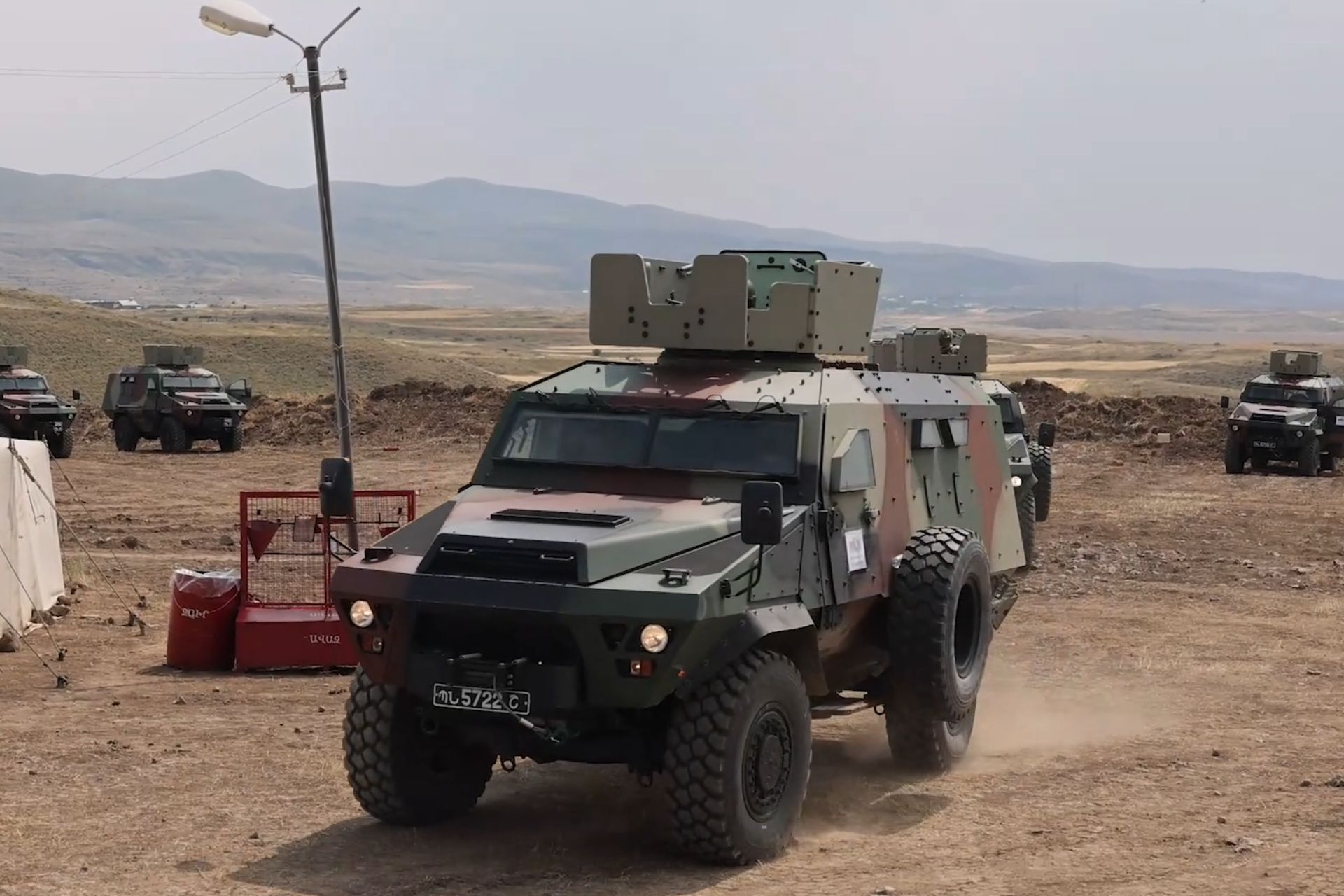
The joint military exercise Eagle Partner 24, which began on July 15, 2024, and will end on July 24, saw the use of Bastion armored personnel carriers by U.S. and Armenian troops. Designed to enhance interoperability between the United States and Armenia during peacekeeping and stability operations, this exercise is in its second iteration, having grown significantly in size and scope compared to the previous edition in September 2023.
Follow Army Recognition on Google News at this link
The 12th Armenian Peacekeeping Brigade and the Kansas National Guard used the Bastion APC during riot control training exercises, Eagle Partner 24 armed vehicle convoy exercises at Zar Training Base, Armenia, on July 16, 2024. (Picture source: US DoD)
The Bastion APC, a 4×4 armored personnel carrier, was produced by the French company ACMAT, a subsidiary of ARQUUS (formerly Renault Trucks Defense). Unveiled in June 2010 at the Eurosatory Defense Exhibition, it entered service shortly thereafter. The vehicle is now used by various African countries, among others, in multiple configurations. Built on the VLRA 2 TDN-TDE 4x4 tactical vehicle chassis, the Bastion APC offers robust off-road mobility and protection, designed to withstand small arms fire, shell splinters, and mine blasts.
It can carry ten soldiers, including the driver and commander, and is equipped with advanced features such as blast-resistant seats and optional remote weapon stations. The engine options include an MD 5.0-liter Turbo Diesel Intercooler or a Deutz engine, delivering 215 hp and enabling a maximum speed of 110 km/h with a range of 1,000 km. Its V-hull design enhances survivability against IEDs and mines by deflecting blasts away from the vehicle.
The Bastion APC is air-transportable and can be equipped with various accessories for increased operational capability. Since its inception, the Bastion APC has been employed in numerous roles, including reconnaissance, patrol, peacekeeping, and urban operations, demonstrating its versatility and reliability in diverse environments.
Although Bastion armored vehicles are not typically used by the 12th Peacekeeping Brigade, their deployment in these exercises was necessary due to the presence of American personnel, highlighting the importance of adaptability in contemporary military operations.
The Armenian 12th Peacekeeping Brigade and the Kansas National Guard trained in riot control, armed vehicle convoy exercises, medical pathways, and checkpoint training during Eagle Partner 24 at the Zar training base in Armenia on July 16, 2024. This strategic choice facilitated troop transport, ensuring increased mobility and protection for soldiers participating in the exercise. The Bastions, known for their robustness and adaptability, proved to be a valuable asset in this international cooperation.
The use of Bastions by U.S. and Armenian troops during Eagle Partner 24 illustrates not only the flexibility of military equipment in multinational contexts but also the commitment of both nations to strengthening their joint operational capabilities. This is particularly important given Armenia's concerning position regarding its relations with Azerbaijan. Russia, which is supposed to ensure the region's security and prevent conflict escalation, is increasingly less present due to the concentration of its forces in Ukraine.
Read more: Eagle Partner 24: US and Armenian Troops Utilize Bastion Armored Personnel Carrier

- Details
- Written by: Administrator
- Category: 2024
- Hits: 6012
The next generation of body-worn technology has been tested by British soldiers, marking a significant step forward in battlefield modernization. This new suite of wearable tech aims to provide operational advantages by integrating soldiers with data tools and advanced technologies, enhancing battlefield awareness and accelerating tactical decision-making.
Follow Army Recognition on Google News at this link
Advanced wearable technology developed by the British Defence Science and Technology Laboratory, aimed at enhancing tactical awareness on the battlefield, has been tested by the British Army. (Picture source: British MoD)
The trials showcased a variety of cutting-edge technologies designed to enhance combat effectiveness. Among the notable advancements are laser detection systems that alert soldiers if they are being targeted by enemies, and drone thermal detection systems that help identify adversaries. Additionally, ground sensors capable of detecting enemy movement can send alerts directly to body-worn systems, ensuring soldiers are always one step ahead.
This development is part of the government's broader initiative to equip the armed forces with state-of-the-art defense capabilities. The Future Soldier programme aligns with the recent Strategic Defence Review, highlighting the necessity to adapt military equipment programs to meet evolving requirements.
The testing phase involved troops from the 2nd Battalion, The Royal Anglian Regiment, based in Leicestershire. These soldiers tested integrated data visualization tools, sensors, and live intelligence feeds, all connected within a unified system. Conducted by scientists from the Defence Science and Technology Laboratory (Dstl), the trials emphasized the significant impact even minor enhancements in infantry-level tactics can have when combined with advanced Command and Control, Communications, Computing, and Information Systems.
The integration of these technologies offers several key operational benefits. The new systems facilitate a faster understanding, decision-making, and action cycle, allowing soldiers to outthink and outmaneuver the enemy. Real-time data provides a comprehensive local operating picture, showing the locations of friendly and enemy forces, and other battlefield assets. This improved awareness leads to better-informed decisions. Additionally, the ability to send data, including images and full-motion video, from individual soldiers to wider teams ensures that all units have access to critical information, enhancing overall coordination and effectiveness.
The digital system used in these trials is standardized yet offers customized control tailored to each mission's unique needs. This flexibility ensures that soldiers can adapt to varying battlefield conditions and requirements, maximizing their operational efficiency.
The advancements in body-worn technology for UK soldiers represent a significant leap forward in modern warfare. By connecting soldiers to sophisticated data tools and new technologies, the British Army aims to maintain a tactical edge on the battlefield, ensuring that they are better prepared and more responsive to emerging threats. The ongoing commitment to integrating state-of-the-art defense capabilities underscores the importance of continuous innovation in military operations.
Read more: British Army Tests Individual Future Soldier Equipment Integrating Body-Worn Technology

- Details
- Written by: Administrator
- Category: 2024
- Hits: 4296
Israel conducted airstrikes in Yemen on July 20, 2024, after the recent drone attack against Israel by Yemen's Houthi group. The airstrikes included a major attack on a fuel depot at Al-Hudaydah port, which is now engulfed in flames. This marks the first instance of Israeli military action in Yemen since October 7, 2023.
Follow Army Recognition on Google News at this link
The fuel depot at Al-Hudaydah, a key Yemeni port on the Red Sea coast burns intensely following Israeli airstrikes in Yemen on July 20, 2024, in response to a drone attack by Yemen's Houthi group. (Picture source: Video Social Network X)
The Israeli airstrikes were a direct response to a drone attack by Yemen's Houthi group against Israel on July 19, 2024. The Houthis launched a Samad-3 UAV that struck Tel Aviv, causing a large explosion, resulting in one fatality and ten injuries. Following this unprecedented attack, Israel swiftly targeted the Houthi's strategic assets in Yemen, aiming to impede their ability to launch further attacks.
The Samad, also spelled Sammad, is a series of long-range unmanned aerial vehicles (UAVs) of unidentified origin used predominantly in the Middle East. There are three variants in the Samad family: Samad-1, Samad-2 (also known as "UAV-X"), and Samad-3. These UAVs are primarily employed by the Houthi movement in the Yemeni civil war to target locations in Saudi Arabia, Israel, and the UAE due to their extended range capabilities.
The Samad-3 is an "extended-range" version featuring a conformal fuel tank mounted on the top of the drone. Its dimensions include an estimated wingspan of 4.5 meters and a length of 2.80 meters, similar to the Samad-2. According to the Houthis, the Samad-3 boasts a range of 1,500 kilometers and can carry an explosive payload. Other military sources, estimate the flight range to be around 1,800 kilometers. Despite its extended range, the Samad-3 is described as "inexpensive, small, slow, and clumsy," making it unlikely to strike targets with high accuracy.
The Israeli military has also begun investigating the failure of their air defense systems to intercept the drone, which was detected but not neutralized due to what appears to be human error.
Since the beginning of 2024, the defense situation between Israel and Yemen's Houthi group has significantly intensified. The Houthis have increased their missile and drone attacks on commercial shipping in the Red Sea and the Gulf of Aden, aiming to disrupt maritime traffic and target vessels with alleged links to Israel. These attacks have led to a notable decline in shipping through the Red Sea, forcing many vessels to take longer routes around Africa.
In response, Israel has bolstered its defenses, particularly around strategic locations like Eilat. The Israeli military has successfully intercepted several Houthi missiles using its Arrow air defense system. These actions underscore the ongoing threat posed by the Houthis, who continue to receive sophisticated weaponry from Iran.
Additionally, the United States and its allies have conducted multiple airstrikes on Houthi targets, including missile launch sites and undersea drones, to mitigate the threat to international shipping and support regional stability.
The conflict's impact extends beyond the military realm, as it also affects global maritime trade and regional security. The Yemen Houthis' actions have led to increased insurance costs and rerouted shipping lanes, further straining international economic activities.
- Details
- Written by: Administrator
- Category: 2024
- Hits: 8926
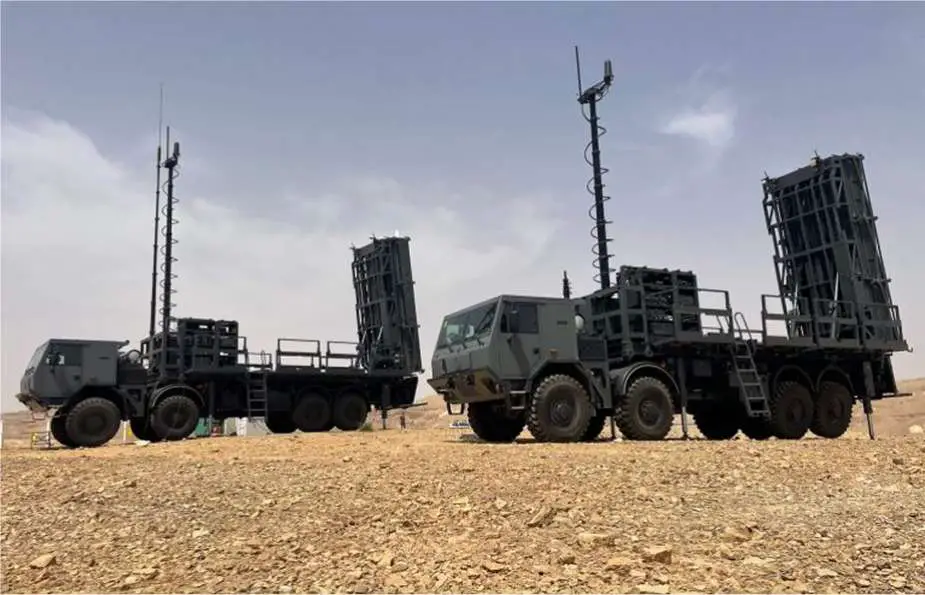
Citing information published on the X account of "Daniel of Bohemia", the first parts of the Israeli-made Spyder ground-based air defense missile system have arrived in the Czech Republic at the Military Technical Institute (VTÚ). This marks the beginning of the implementation of the Czech Republic's contract with Israel's Rafael Advanced Defense Systems, signed on September 27, 2021, valued at approximately $627 million. The contract is part of the Czech military's efforts to replace the outdated Soviet-designed 2K12 Kub (NATO Code Named SA-6 Gainful) air defense systems with modern technology.
Follow Army Recognition on Google News at this link
The Spyder air defense missile system, developed by Israel's Rafael Advanced Defense Systems, provides advanced protection against aircraft, helicopters, and UAVs, using Python-5 and Derby missiles for short to medium-range defense. (Picture source: X Account Daniel Of Bohemia)
The Spyder system includes advanced air-to-air missiles such as the Python-5 and the I-Derby ER, which can also be used for ground-to-air missions. Its open architecture allows for the integration of external components like radars.
The Czech Republic will receive four Spyder batteries between 2025 and 2026, each comprising 9-10 vehicles. These batteries will be used by the 251st Air Defence Missile Battalion. Each battery will be equipped with 3D radar, a fire command and control system, and four launchers. The Czech defense industry will play a significant role in this project, contributing over 30% of the program’s value through local suppliers such as RETIA and the Military Technical Institute.
The Spyder system will serve as the highest layer of the Czech Air Defence. The 25th Air Defence Missile Regiment will work closely with the 26th Air Command Control and Surveillance Regiment, which has been equipped with new 8 EL/M-2084S 3D radiolocators and other radiolocators like the RAT-31DL FADR.
The Spyder (Surface-to-air PYthon and DERby) air defense missile system, developed by Israel's Rafael Advanced Defense Systems, is a versatile and advanced solution designed to provide effective defense against a variety of aerial threats, including aircraft, helicopters, and unmanned aerial vehicles (UAVs). It is available in several versions, each tailored for different operational needs and threat environments.
The Spyder-SR (Short Range) version has a range of up to 15 kilometers and can engage targets at altitudes of up to 9 kilometers. It utilizes Python-5 and Derby missiles, offering rapid reaction and quick deployment capabilities to counter short-range threats effectively.
The Spyder-MR (Medium Range) version extends the defense envelope with a range of up to 35 kilometers and an altitude reach of up to 16 kilometers. It also uses Python-5 and Derby missiles, but it is equipped with an advanced radar system and offers higher mobility compared to the SR version, making it suitable for broader defense requirements.
These systems are modular and can be integrated with various external components, such as different types of radars, enhancing their flexibility and effectiveness in various operational scenarios. The advanced missiles used in the Spyder systems are designed to provide precise targeting and high kill probability against a wide array of airborne threats, making the Spyder a critical asset in modern air defense strategies.
Overall, this acquisition marks a significant modernization step for the Czech Armed Forces, moving them away from reliance on outdated Soviet-era technology and enhancing their airspace protection capabilities. However, there is no information about the specific version of the Spyder system selected by the Czech Armed Forces.
Read more: First Shipment of Israeli Spyder Air Defense Missile Systems Arrives in Czech Republic
- Details
- Written by: Administrator
- Category: 2024
- Hits: 5911
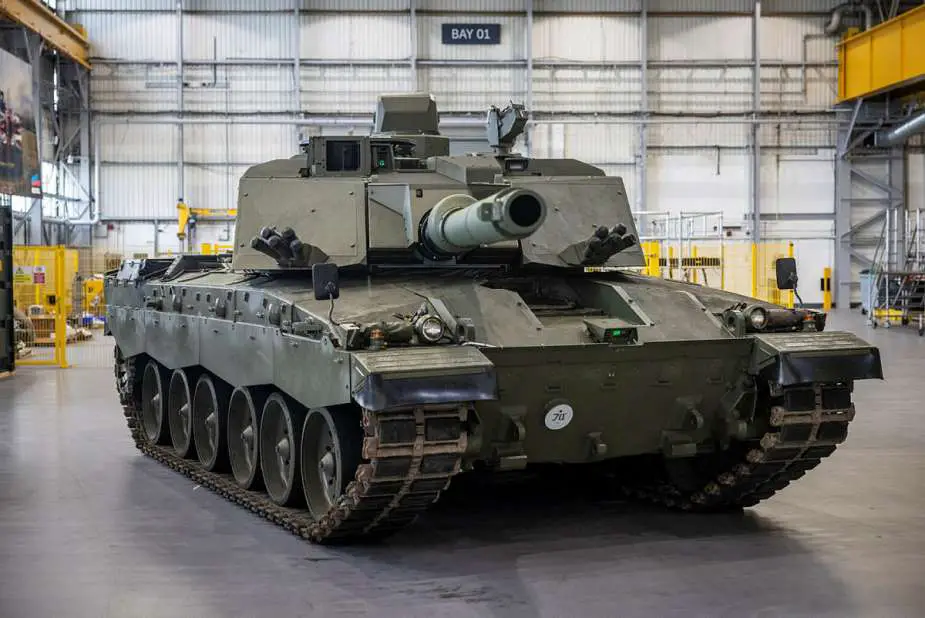
Rheinmetall BAE Systems Land (RBSL) announced on July 16, 2024, that the Challenger 3 Main Battle Tank (MBT) trials are advancing at a significant pace, with a particular emphasis on crew safety. These trials are being conducted on the second pre-series vehicle (P2) produced at RBSL's facility in Telford, United Kingdom.
Follow Army Recognition on Google News at this link
The new British army Challenger 3 Main Battle Tank advanced technology demonstrator, seen here at RBSL's (Rheinmetall BAE Systems Land) facility in Telford, England. (Picture source: UK MoD)
A key focus of the current phase of testing is the tank's vision systems. The new Rheinmetall AG Trailblazer system, an advanced vision enhancement technology, is undergoing rigorous evaluations to ensure it meets the stringent safety and performance standards required for the Challenger 3 tank.
The ongoing trials aim to ensure that the Challenger 3, equipped with state-of-the-art technology, will provide superior protection and operational effectiveness for its crew. The results of these trials will be crucial in finalizing the design and preparing the Challenger 3 for future deployment.
Rheinmetall BAE Systems Land (RBSL) is a jointtank venture between Rheinmetall AG, a German defense contractor, and BAE Systems, a British multinational defense, security, and aerospace company. This collaboration brings together the expertise and capabilities of these two leading defense companies to develop, manufacture, and support advanced military vehicles and systems.
The current focus of RBSL is the production and advancement of the Challenger 3 Main Battle Tank (MBT). This project aims to significantly enhance the capabilities of the British Army's armored forces by introducing a next-generation tank that integrates state-of-the-art technology. The Challenger 3 project involves comprehensive upgrades to the existing Challenger 2 platform, transforming it into a modern, highly capable MBT.
RBSL is also focusing on boosting the Challenger 3's performance through significant enhancements to its mobility, firepower, and overall operational effectiveness. This includes upgrading the engine, transmission, and suspension systems, as well as incorporating more powerful and accurate weaponry. These improvements aim to ensure that the Challenger 3 can meet and exceed the demands of modern warfare.
The project is not only about immediate upgrades but also about ensuring the long-term viability of the tank. RBSL is committed to extending the service life of the Challenger 3 through ongoing modernization efforts and by integrating the latest advancements in defense technology. This commitment ensures that the Challenger 3 will remain a critical asset for the British Army for many years to come.
In addition to these technical advancements, RBSL's work on the Challenger 3 supports the broader goals of the UK's defense strategy. By developing a cutting-edge MBT, RBSL ensures that the British Army is equipped with the best possible tools to maintain its operational readiness and effectiveness. This project reflects RBSL's dedication to innovation, safety, and performance in military vehicle design and production.
The UK Ministry of Defence (MoD) signed a significant contract with Rheinmetall BAE Systems Land (RBSL) in May 2021 to upgrade 148 Challenger 2 tanks to the Challenger 3 configuration. This £800 million contract aims to modernize the British Army's armored capabilities, ensuring that the Challenger 3 will be a state-of-the-art main battle tank. The project involves comprehensive upgrades, including a new 120mm high-pressure L55A1 smoothbore gun, enhanced vision systems, and improved armor protection, all designed to enhance the tank's lethality and survivability on the modern battlefield. The contract is expected to create and sustain around 450 jobs within the UK supply chain and 200 jobs at RBSL, supporting economic recovery and the defense sector's skill base.
The Challenger 3 is set to enter service in 2027 with full operational capability planned for 2030. The tank will feature cutting-edge digital enhancements, making it a network-enabled vehicle with advanced surveillance and target acquisition systems. The new turret and upgraded engine systems are designed to improve its firepower and mobility. The project will be led from RBSL's Telford facility, with significant contributions from other UK sites. These enhancements are expected to keep the Challenger 3 at the forefront of armored fighting vehicle technology and provide the UK with opportunities to explore new technologies for future capabilities.
Read more: New British Army Challenger 3 Main Battle Tank Trials Progress with Focus on Crew Safety
- Details
- Written by: Administrator
- Category: 2024
- Hits: 7054
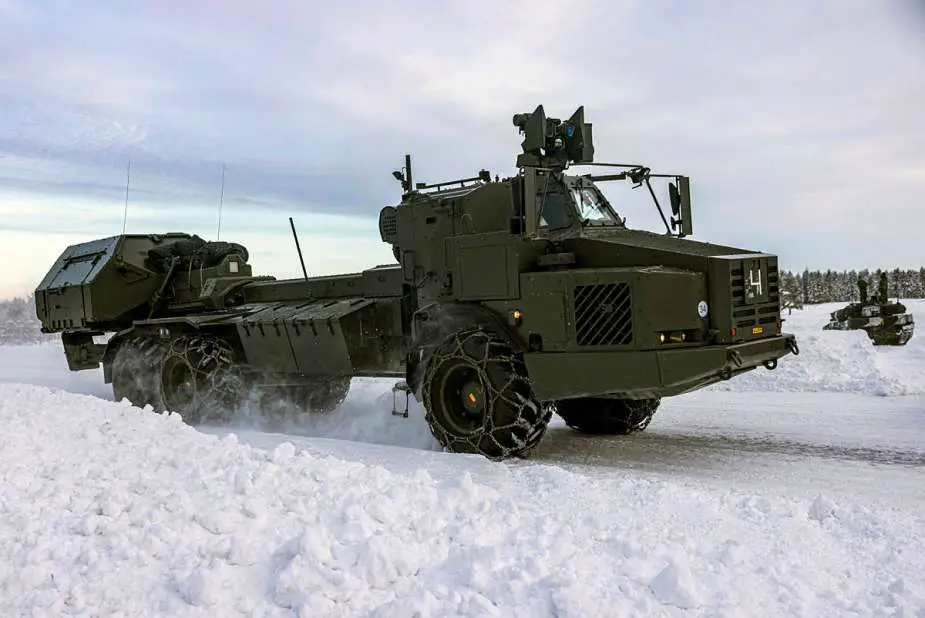
The British Army has now taken delivery of all 14 Archer 155mm wheeled self-propelled howitzers artillery, as reported by the "Forces" website. The final batch of 10 units arrived from Sweden, completing the order.
Follow Army Recognition on Google News at this link
The Archer 155mm self-propelled moving to a firing position during a training exercise in Sweden. (Picture source: UK MoD)
The Archer howitzer, designed and built by BAE Systems Bofors, will address the gap in the Army's 155mm Close Support capability. This gap emerged after the UK donated 32 AS90 self-propelled guns to Ukraine's armed forces.
In January 2024, the British Secretary of State for Defence announced the grant-in-kind of 32 AS90 self-propelled guns to Ukraine, which led to the identified shortfall in the Army’s artillery capabilities.
To address this, a contract for the Archer howitzers was signed in March 2023 between the UK and the Swedish Defence Materiel Administration (FMV). This government-to-government sale was swiftly arranged to meet the urgent needs of the British Army following the donation of the AS90 howitzers to Ukraine.
The Archer Howitzer, officially known as the Archer Artillery System, is a self-propelled gun system developed by BAE Systems Bofors in Sweden. It is designed to provide highly mobile, accurate, and rapid artillery support, primarily for indirect fire support for ground forces. The Archer concept was developed in the early 2000s, with the first prototype completed in 2005, and full production starting in the 2010s.
The Archer Howitzer features a 155mm caliber gun with a barrel length of 52 calibers, equivalent to 8 meters. It is compatible with a wide range of NATO-standard 155mm ammunition, including high-explosive (HE) rounds, SMArt 155, Excalibur, and BONUS rounds. The system has a high degree of automation and can carry up to 21 rounds of ammunition, allowing for quick and efficient firing operations.
One of the standout features of the Archer system is its mobility. It is mounted on a modified Volvo A30D 6x6 articulated all-terrain vehicle, providing excellent off-road capability and a high degree of maneuverability. This mobility is crucial for modern warfare, where rapid deployment and repositioning can significantly impact battlefield effectiveness.
The Archer system is also notable for its advanced fire control and automation systems. It can be operated by a minimal crew, typically three soldiers, and features automated loading and firing mechanisms. This allows for a high rate of fire, with the ability to fire 8 rounds per minute. Additionally, the Archer can be ready to fire within 30 seconds of stopping and can move again within 30 seconds of firing its last round, making it highly effective in shoot-and-scoot operations to avoid counter-battery fire.
In terms of protection, the Archer vehicle is equipped with armor that provides protection against small arms fire and shell splinters, ensuring the safety of its crew in combat situations. The cabin is also protected with a CBRN (Chemical, Biological, Radiological, and Nuclear) filtration system, enhancing its survivability in various threat environments.
Overall, the Archer Howitzer represents a significant advancement in artillery technology, combining high mobility, rapid fire capabilities, and advanced automation to provide effective and flexible fire support for modern military operations.
Read more: British Army Now Takes Delivery of All 14 Archer 155mm Wheeled Howitzers
- Details
- Written by: Triffaux
- Category: 2024
- Hits: 4563
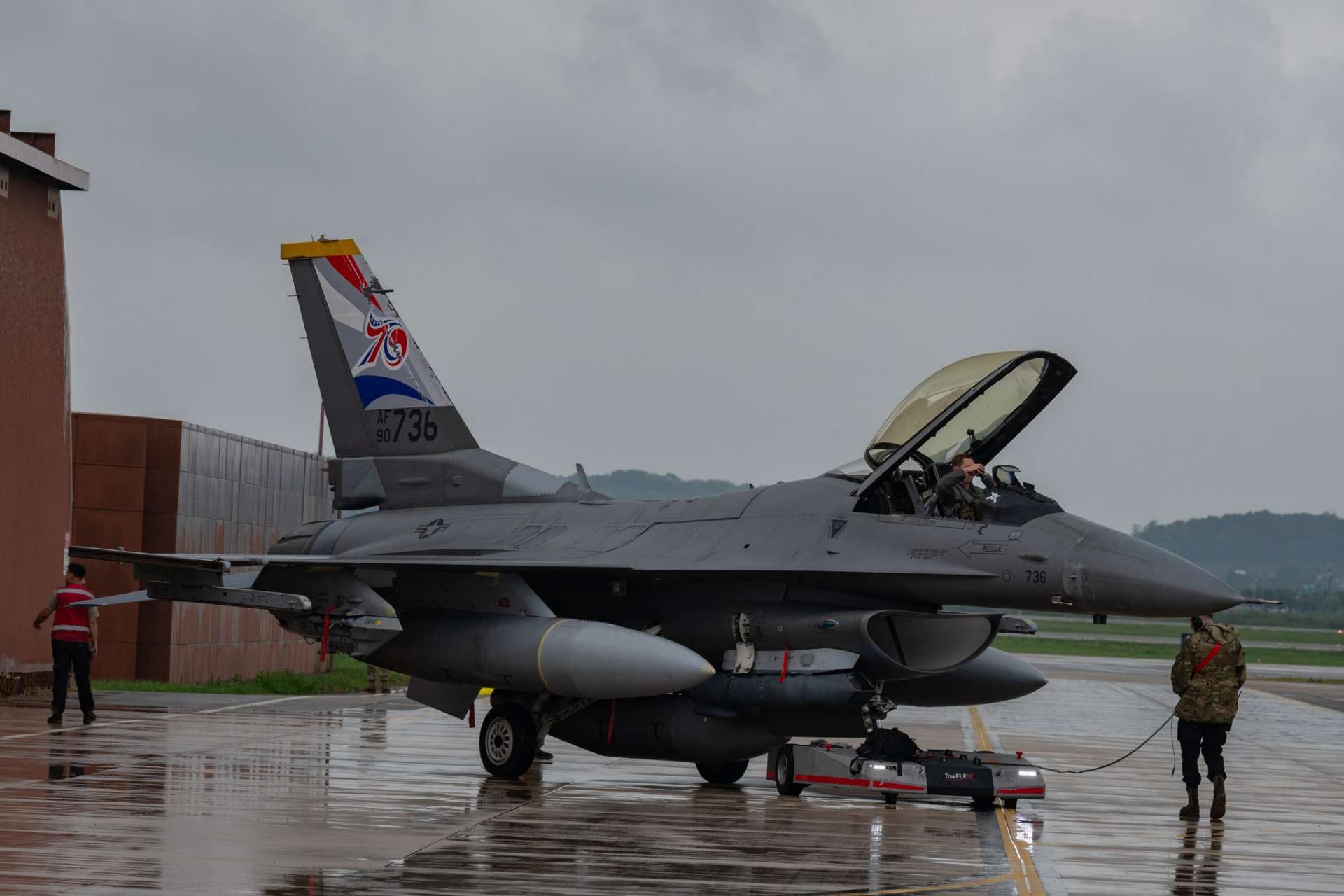
The U.S. 7th Air Force announced a strategic enhancement of its combat readiness in South Korea, with a temporary increase in the deployment of F-16 Viper fighter jets to Osan Air Base. As part of a yearlong initiative, 31 F-16s will be stationed at the base, creating what the Air Force terms a "Super Squadron."
Follow Army Recognition on Google News at this link
USAF F-16 Viper Multirole Fighter Jet (Picture source: US DoD)
This decision involves relocating nine F-16s from the 8th Fighter Wing at Kunsan Air Base to the 36th Fighter Squadron at Osan, located approximately 60 kilometers south of Seoul. The move will elevate the number of F-16s at Osan, significantly boosting the squadron's capabilities in terms of sortie generation, manpower, maintenance, and logistics.
Lt. Gen. David R. Iverson, commander of the 7th Air Force, emphasized the strategic importance of the reassignment. "This test is an opportunity for us to see if squadrons of this size increase our training effectiveness while also increasing our combat capability if deterrence fails," he stated.
The "Super Squadron" initiative is designed not only to enhance training effectiveness but also to prepare the U.S. Air Force for various operational scenarios, ensuring swift and efficient responses should deterrence measures falter. The Air Force will closely monitor the impact of this realignment on its overall operational readiness and capability in the region.
The U.S. 7th Air Force plays a central role in the American military presence in South Korea, significantly contributing to the defense and regional stability in the Korean Peninsula. This unit of the United States Air Force is primarily responsible for the operation, maintenance, and administration of American air forces stationed in South Korea. It also ensures command and control of air operations, coordinating air defense, surveillance, and reconnaissance missions, while supporting ground combat operations when necessary.
The U.S. 7th Air Force is a key component of the United States Forces Korea (USFK), part of the U.S. Indo-Pacific Command, highlighting its strategic importance in the Asia-Pacific region. The main mission of this unit is to deter any aggression against South Korea, while maintaining a rapid response capability in case of conflict or crisis. It works closely with the South Korean armed forces to strengthen combined capabilities and ensure an effective defense of the peninsula.
Kunsan Air Base, located near the city of Gunsan on the west coast of South Korea, is one of the main facilities used by the 7th Air Force. It houses the 8th Fighter Wing, nicknamed "Wolf Pack," which is equipped with F-16 fighter jets. Kunsan serves as an advanced staging post for air operations, playing a crucial role in force projection and the rapid response capability of the US Air Force in the region. The base is also prepared to host additional reinforcements if necessary, allowing for a rapid increase in firepower and logistical support in crisis situations.
The F-16 Block 70/72 represents the latest generation of the renowned F-16 fighter jets, combining advanced and integrated capabilities. This innovative model is equipped with cutting-edge avionics, a proven Active Electronically Scanned Array (AESA) radar, a modernized cockpit with new safety features, sophisticated weapons, conformal fuel tanks, an improved performance engine, and an extended structural service life of 12,000 hours. The operational capabilities of the Block 70/72 are enhanced by an advanced datalink, targeting pod and weapons, Infrared Search and Track (IRST), precision GPS navigation, and a digital flight control computer with enhanced autopilot/auto throttle and an automatic ground collision avoidance system (Auto GCAS).
The advanced APG-83 AESA radar of the F-16 Block 70/72 offers greater situational awareness, increased flexibility, and faster all-weather targeting. The APG-83 provides the F-16 with fifth-generation radar capabilities by leveraging technology from the F-22 and F-35 AESA radars. This radar is integrated with a new active and passive internal electronic warfare system, called Viper Shield, which includes a digital radar warning receiver (DRWR) designed to work with the APG-83 radar.
The Block 70/72 features a new center pedestal display (CPD) that provides critical tactical imagery to pilots on a high-resolution 6"x 8" screen. This display allows pilots to maximize the use of AESA and targeting pod data. The CPD offers color moving maps, larger and easier-to-manage air-to-air situation displays, zoom functionality, and the ability to switch information between displays, as well as a digital display of flight instrument data. These improvements, combined with the new structures and capabilities of production aircraft, ensure that the international F-16 fleet will remain operational until 2060 and beyond.
To date, more than 4,700 F-16s have been ordered by 30 international customers. The Block 70/72 stands out with its exceptional features, such as an advanced APG-83 AESA radar with improved radar modes, a modular mission computer and upgraded avionics architecture, as well as an infrared search and track (IRST) capability. It is equipped with an advanced datalink, targeting pod and sophisticated weapons, new cockpit displays and safety improvements, a new digital flight control computer with enhanced autopilot/auto throttle, and an automatic ground collision avoidance system (Auto GCAS). Additionally, it features a digital communication system with 3D audio and precision GPS navigation.
The F-16 Block 70/72 boasts impressive specifications: a length of 15.027 meters (49.3 feet), a height of 5.090 meters (16.7 feet), a wingspan of 9.449 meters (31.0 feet), and an empty weight of 9,207 kilograms (20,300 pounds). It reaches a speed of 1,500 mph (Mach 2+) and has a thrust class of 13,000 kilograms (29,000 pounds), with a maximum takeoff weight of 21,772 kilograms (48,000 pounds). Designed with a load factor of 9g, it offers a prolonged service life of 12,000 hours. With its advanced technologies and capabilities, the F-16 Block 70/72 is designed to maintain air superiority until 2060 and beyond, providing an unmatched defense solution to air forces worldwide.
- Details
- Written by: Jérôme Brahy
- Category: 2024
- Hits: 19673
According to IDRW on July 19, 2024, during Prime Minister Narendra Modi's first bilateral visit to Russia since securing his third term, Russia renewed its proposal for joint production of its latest S-500 air defense system. This proposal came amidst India's ongoing efforts to enhance its defense capabilities, having already procured the Russian S-400 air defense system for border security.
Follow Army Recognition on Google News at this link
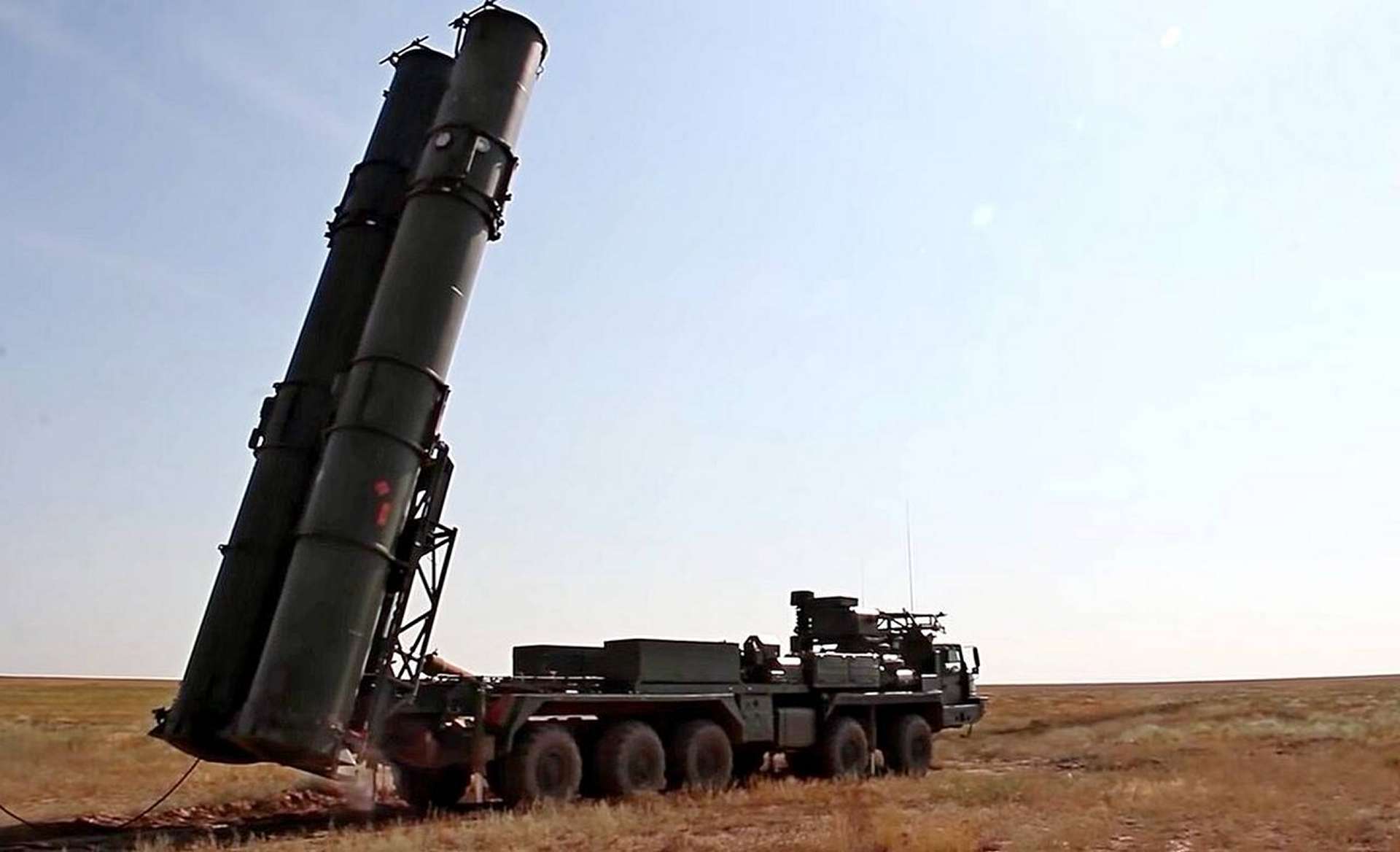
The S-500 air defense system's response time of three to four seconds marks a substantial improvement over its predecessor, the S-400, which has a response time of nine to ten seconds. (Picture source: Russian media)
The S-500 air defense system, developed as a successor to the S-400, represents a significant advancement in aerial defense technology. It is designed to intercept a wide array of aerial threats, including unmanned aerial vehicles (UAVs), hypersonic missiles, and ballistic missiles, at ranges extending up to 600 kilometers. The system can track up to 10 hypersonic targets simultaneously and detect hostile objects in the lower layers of space at altitudes reaching 2,000 kilometers. Despite its versatile capabilities, the primary focus of the S-500 is countering intermediate-range ballistic missiles. In May 2018, Russia conducted the longest-range surface-to-air missile test with the S-500, reportedly hitting its targets successfully, according to sources familiar with U.S. intelligence on the program.
India's decision on whether to accept Russia's offer remains uncertain. The deal could face scrutiny due to potential sanctions and geopolitical considerations. However, this renewed push signifies the S-500's importance in the global arms race, particularly in hypersonic missile defense.
The proposed joint production of the S-500 recalls the BrahMos missile project, another India-Russia defense collaboration. The BrahMos is a medium-range ramjet supersonic cruise missile that can be launched from submarines, ships, fighter aircraft, or land-based platforms. It is a joint venture between India's Defence Research and Development Organisation (DRDO) and Russia's NPO Mashinostroyeniya. In service since 2005, the BrahMos missile is known for its versatility, speed, and precision, with variants capable of targeting land and sea threats at extended ranges. This partnership underscores the potential benefits of further collaboration on advanced defense technologies.
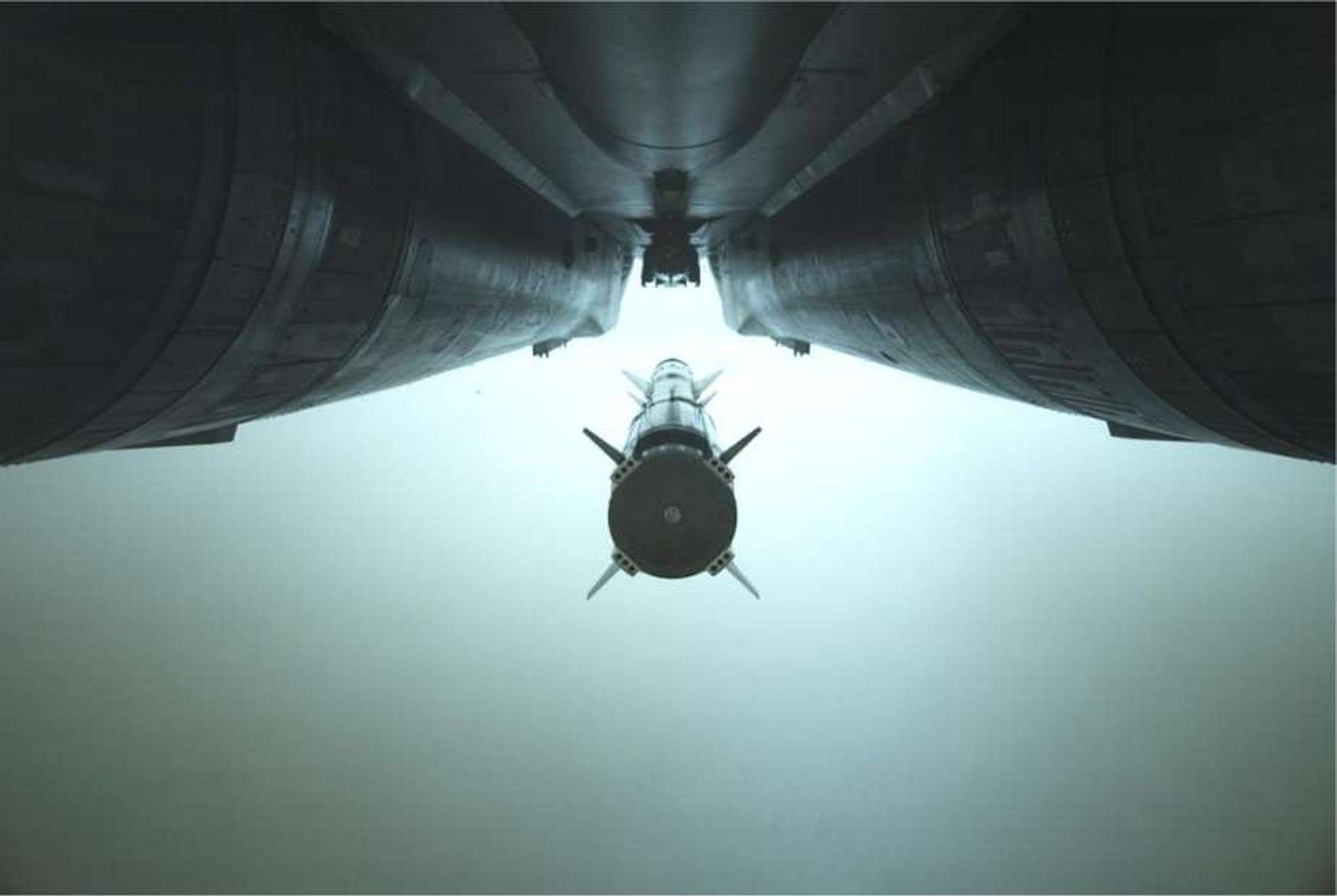
On May 22, 2019, the Indian Air Force conducted a flight test of the supersonic BrahMos Air Launched Cruise Missile from a Su-30MKI, which covered over 1,500 km to strike a land target. (Picture source: BrahMos)
In related developments, India's Armoured Vehicle Nigam Limited (AVNL) is set to license-produce the Russian K-53949 Typhoon-K, a 4x4 Mine-Resistant Ambush Protected (MRAP) vehicle. This follows the completion of trials, and the project is now awaiting official orders. The Typhoon-K MRAP is designed for the safe transportation of troops and military cargo in areas with a high risk of mines. It could fulfill the Indian military's armored vehicle requirements, competing with domestic and international offerings. Recently, a contract worth Rs 1,056 crore ($126.5 million) was signed with Mahindra Defence Systems for 1,300 Armoured Light Specialist Vehicles (ALSVs), which will be delivered over four years. The ALSVs will carry medium machine guns, automatic grenade launchers, and anti-tank guided missiles, offering protection against small arms fire and IEDs. Additionally, the Indian Army has ordered Kalyani M4 4x4 armored vehicles for emergency procurement, designed for high-altitude and harsh terrain operations.
AVNL, a state-owned defense public sector undertaking in India established in 2021, is expected to roll out its Futuristic Infantry Combat Vehicle (FICV) prototype in 2024. This vehicle, designed to accommodate 11 fully armed troops, is equipped with advanced weaponry including a 30 mm automated grenade launcher, remote-controlled weapon station, and fifth-generation anti-tank guided missiles. Furthermore, AVNL is diversifying its portfolio by developing 4×4 protective mobility vehicles, focusing on eco-friendly power sources such as electric and hydrogen-powered powerpacks, aligning with the Indian Army's modernization efforts. AVNL's experience with Russian-origin military vehicles, including the T-90 Bhishma Main Battle Tank, positions it as a capable producer of Russian-origin armored vehicles for the Indian Army.

Official pictures show the Typhoon-K MRAP in India within a convoy, alongside other ANVL Mines Protected Vehicles (MPVs) in both 4x4 and 6x6 variants. (Picture source: Twitter/Rishav Gupta)
Russian Defense Minister Sergei Shoigu announced plans to deploy the S-500 Prometheus anti-aircraft missile system in Ukraine. This system, developed by Almaz-Antey, is designed to engage a wide range of aerial threats, including intercontinental ballistic missiles (ICBMs), hypersonic cruise missiles, and low-orbit satellites, at altitudes up to 200 kilometers. The S-500 employs the 77N6-N and 77N6-N1 missiles, capable of reaching hypersonic speeds, and features a response time of three to four seconds, an improvement over its predecessor, the S-400. Mounted on the BAZ-6909 family of vehicles, the S-500 system supports rapid deployment capabilities essential for maintaining responsiveness in dynamic combat scenarios.
Russian air defense in Crimea has faced challenges due to continuous Ukrainian missile strikes. Ukrainian forces have targeted key air defense installations and command centers, using advanced Western-supplied missiles such as the ATACMS and Storm Shadow. The recent reduction in Russian air defense capabilities in Crimea poses potential risks to the security of the Kerch Bridge, a logistical link between Russia and Crimea. In response, Russian forces have sought to enhance their air defense capabilities by deploying advanced systems, including the S-500 Prometheus. This system aims to counter threats such as Neptune, ATACMS, and Storm Shadow missiles, protecting military infrastructure amid persistent Ukrainian attacks.
To potentially destroy the S-500 air defense systems in Crimea, Ukrainian forces could use a combination of advanced Western-supplied missiles, electronic warfare, and drones. The Trembita cruise missile, developed by Ukrainian engineers, could also be utilized, leveraging its characteristics and deployment strategy to overwhelm the S-500's interceptors. Integrating electronic warfare tactics can create confusion and delays in the S-500’s response, enhancing the chances of successful attacks. Combining the Trembita with coordinated attacks from other missile systems and drones can maximize the chances of disabling the S-500 installations in Crimea.
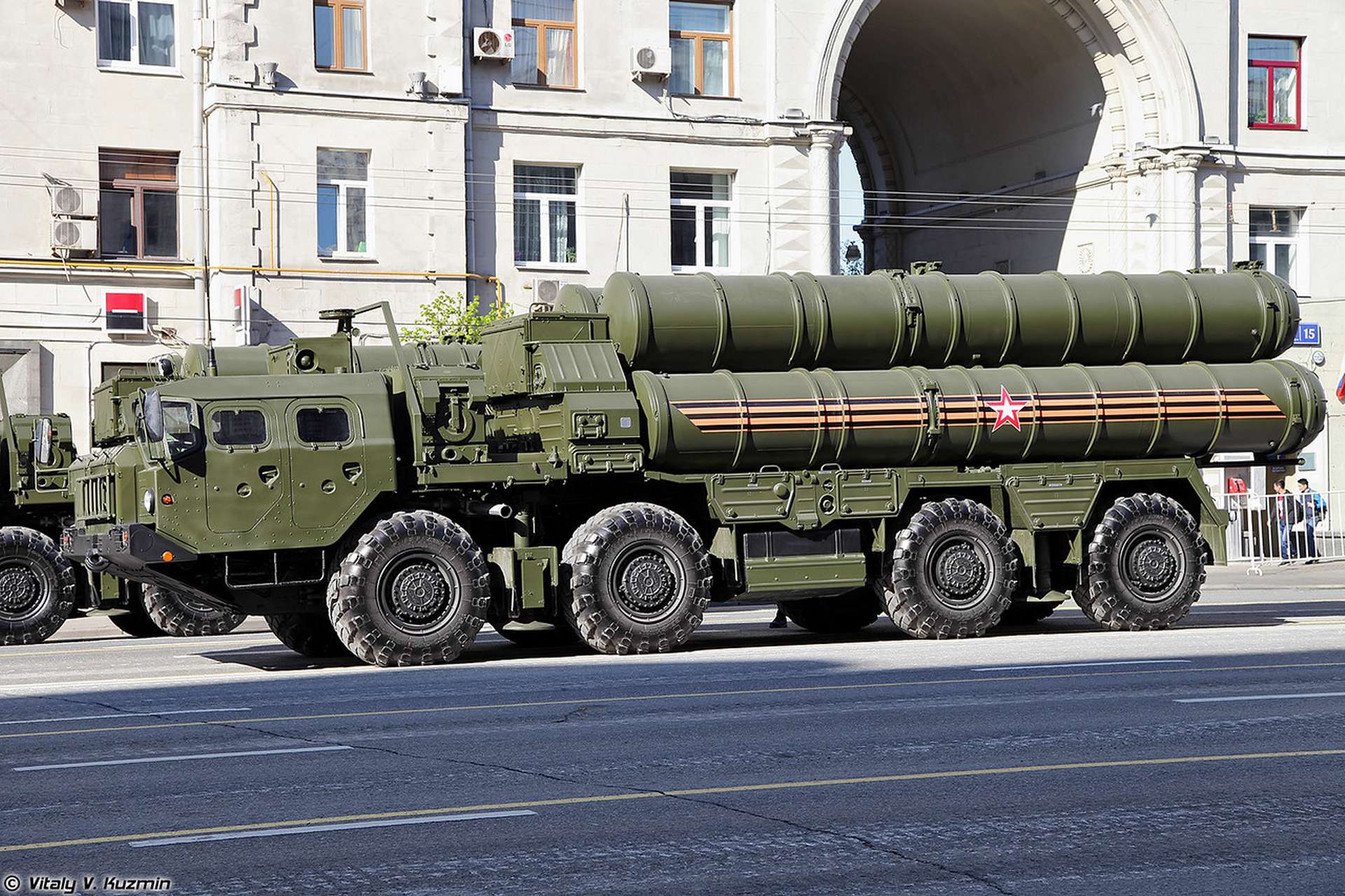
Russia has communicated to India its commitment to delivering the final two squadrons of the S-400 long-range air defense missile system by August 2026. (Picture source: Vitaly Kuzmin)
Read more: Russia proposes joint production of S-500 air defense system to India again
- Details
- Written by: Vandenbosch
- Category: 2024
- Hits: 3651
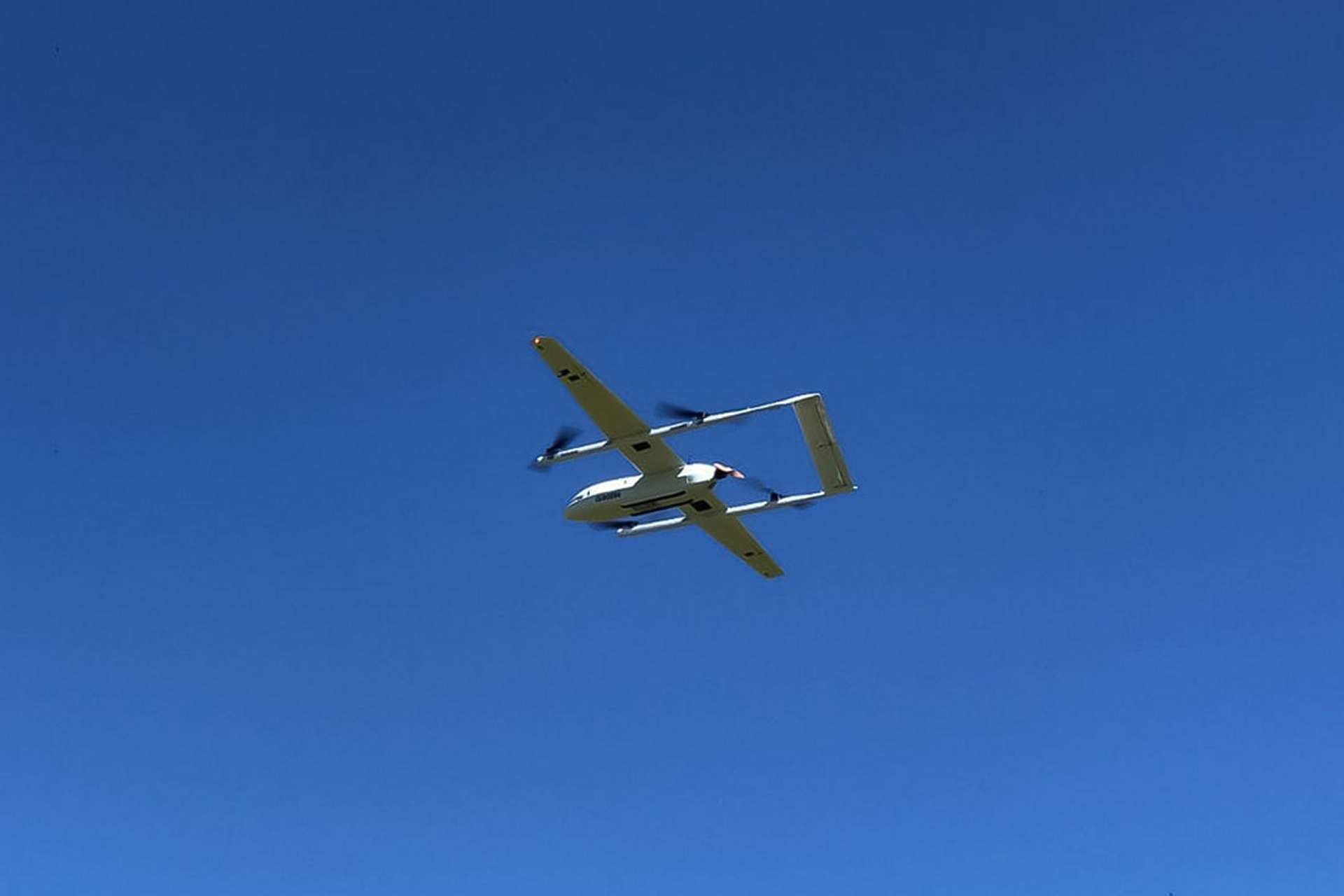
As part of the intensive educational and project initiative "Archipel 2024," the Kalashnikov consortium, under the brand GC "Silent Wings," conducted demonstration flights of its "Legionnaire E33K" drone. This event marks a milestone in the development of unmanned aviation technologies, highlighting the capabilities of the consortium's latest creation.
Follow Army Recognition on Google News at this link
The Legionnaire E33K is a Russian Unmanned Aerial Vehicle. (Picture source: Kalashnikov)
The "Legionnaire E33K" completed the planned route, demonstrating stability in strong winds, unwavering reliability, and the ability to operate in challenging weather conditions. These features confirm the high level of engineering integrated into the design of the device.
"Participating in 'Archipel 2024' is an excellent opportunity to showcase the advantages of Kalashnikov's unmanned aviation systems," said Kirill Maslyanko, Sales Director at GC "Silent Wings." "We continuously work on improving our technologies to provide reliable and efficient solutions for various industries."
The maximum takeoff weight of the device is 29.9 kg, which, combined with an electric motor, ensures eco-friendly and silent operation. With a wingspan of 4 meters, the "Legionnaire" offers exceptional aerodynamic stability. It can cover a distance of 200 km with a 3 kg payload, or 50 km with a 10 kg payload, making it a versatile solution for various delivery missions.
The size of the cargo compartment (400x220x208 mm) allows for the transportation of diverse loads, while the flight duration of up to 150 minutes ensures high efficiency in mission completion. Notably, the drone can withstand winds of up to 15 m/s and operate in temperatures ranging from -25 to 40°C, enabling its use in a wide range of climatic conditions. The assembly and startup time, not exceeding 15 minutes, make this device extremely convenient and quick to use.
The demonstrated capabilities of the "Legionnaire E33K" underline Kalashnikov's intention to position itself as a leader in the development of unmanned aviation systems. The "Archipel 2024" intensive has proven to be an important platform for showcasing cutting-edge technologies and promoting unmanned aviation across various industries.
Read more: Kalashnikov Successfully Tests Its Legionnaire E33K UAV
- Details
- Written by: Halna du Fretay
- Category: 2024
- Hits: 7297
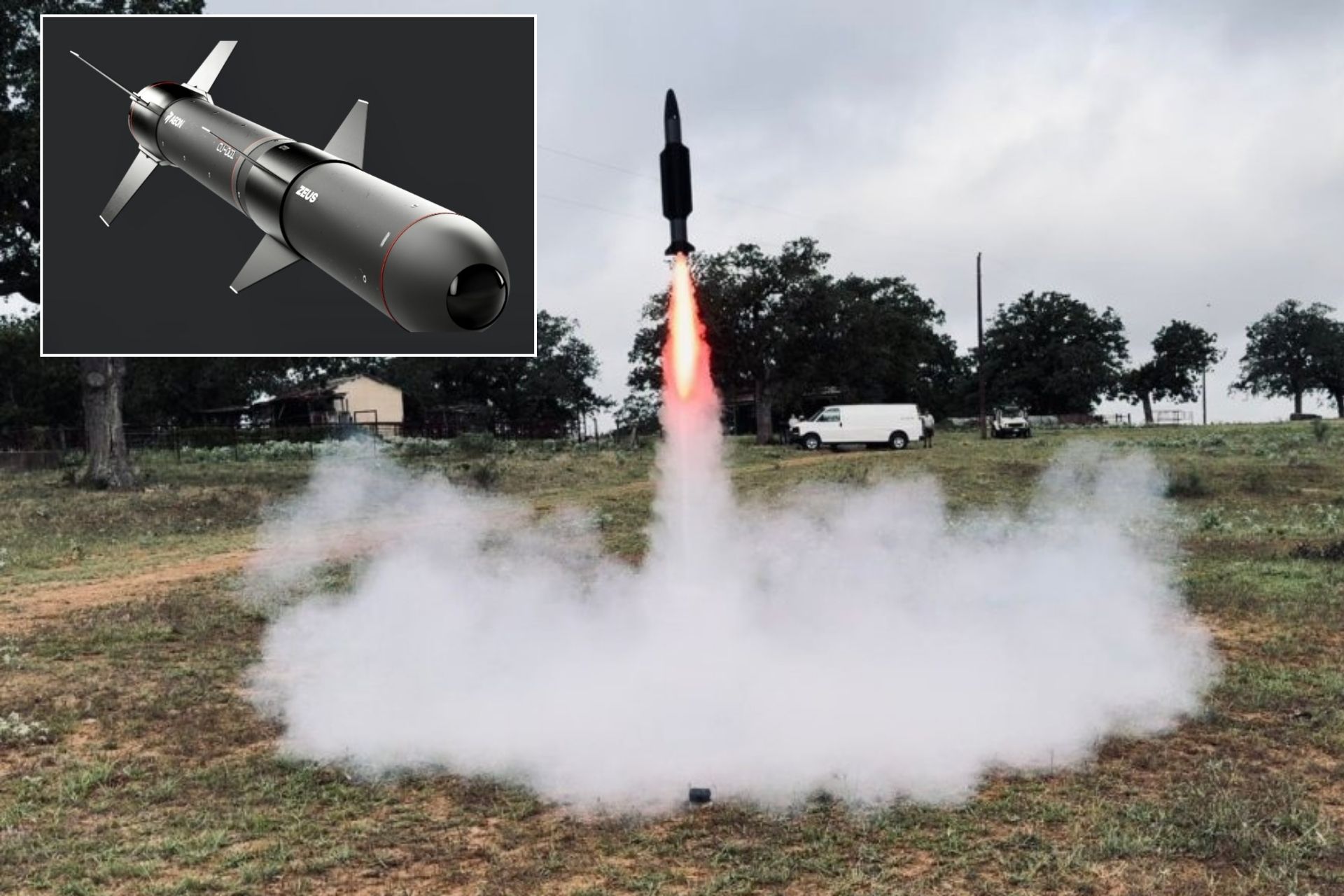
On July 19, 2024, Aeon announced the successful test of its latest advancement in military technology, the Zeus Weapon System. This development marks a significant milestone in the field of precision missile systems, notably due to the company's rapid progression from design to testing within just two months. This quick timeline underscores Aeon's commitment to fast-paced innovation and deployment in response to contemporary military needs.
Follow Army Recognition on Google News at this link
The Precision Zeus Weapon System is a software-defined weapon equipped with automatic target recognition, enabling quicker engagement times and swift adaptation to new countermeasures and emerging threats. (Picture source: Aeon)
The Zeus Weapon System is designed to meet the demands of modern and future battlefields. It is a software-defined weapon that features automatic target recognition, allowing for faster engagement times and the ability to quickly adapt to new countermeasures and emerging threats. The system is noted for its cost-effectiveness, light weight, and mass production capabilities. These attributes make Zeus a versatile solution for air, ground, and water-based platforms, enhancing its adaptability across various combat scenarios.
Additionally, the Zeus system offers improved ergonomics for operators, a crucial factor in the efficiency and effectiveness of weapon systems in combat situations. Aeon's approach incorporates these advancements while maintaining a focus on cost-efficiency and rapid deployment, catering to the dynamic nature of modern warfare where speed and adaptability are paramount.
Beyond the Zeus Weapon System, Aeon’s Co-Founder & CEO, Naweed Tahmas, also highlighted the evolution of the Aeon Industrial Dart, a precision glide munition initially designed for drones. This earlier prototype is engineered to support swarm tactics on larger aerial platforms, allowing it to be multi-racked in a single shell. These innovations are part of Aeon's broader strategy to continuously push the boundaries of defense technology, providing advanced, cost-effective solutions to address today’s rapidly evolving threats.
Aeon is currently in the process of expanding its team and is actively recruiting to support its mission to defend America and the West by developing the next generation of precision missile systems. This recruitment drive aligns with the company’s goal to lead in the creation of cutting-edge military solutions.

- Details
- Written by: Triffaux
- Category: 2024
- Hits: 4684
In a strategic move aimed at enhancing the accuracy of its aerial missions, NATO has recently signed a multinational framework agreement with RTX for the acquisition of Paveway laser guidance kits. This partnership marks a significant step towards the modernization and unification of air defense efforts within the alliance.
Follow Army Recognition on Google News at this link
RTX Paveway laser guidance kits (Picture source: RTX)
The Paveway laser guidance kits, which can be attached to various types of warheads, are designed to improve tactical targeting through their advanced technology. They incorporate a semi-active laser seeker (SAL), a computer control group (CCG), a thermal battery, and a pneumatic control augmentation system (CAS). This technology allows missiles to follow the reflected light from a laser designator for increased accuracy during strikes.
The signing of this contract took place under the auspices of NATO's Support and Procurement Agency (NSPA), through its Ammunition Support Partnership, an initiative established in 1993 to coordinate the purchase of strategic weapon systems. This framework allows NATO to act as a single entity in the acquisition of defense systems, thereby providing immediate access to cutting-edge technology for all alliance partners.
Stacy Cummings, Director General of the NSPA, emphasized the importance of this contract for NATO: "This contract represents a strategic step forward in supporting NATO's collective defense capabilities. It is a major advance in our commitment to keeping the alliance at the forefront of defense technology."
Phil Jasper, president of Raytheon, the parent company of RTX, also expressed his enthusiasm for this collaboration. "Contracts like these demonstrate the value of large-scale system acquisitions. By centralizing demand across the alliance, we ensure that our forces are equipped to stay ahead of threats, at a cost and volume that suits their needs."
This contract not only benefits NATO in terms of improved defense capabilities but also stimulates the defense industry by allowing RTX to sell its systems on a large scale, funding the development of new international defense technologies. Thus, the agreement between NATO and RTX perfectly illustrates the value of international cooperation and collective acquisitions in strengthening global defense capabilities.
The Paveway® laser-guided bomb has revolutionized tactical air-to-ground warfare by converting "dumb" bombs into precision-guided munitions. Paveway bombs comprised more than half the air-to-ground, precision-guided weapons used in Operation Iraqi Freedom, Operation Enduring Freedom and Unified Protector.
Newer versions of the Paveway bomb are equipped with global positioning and inertial navigation system capabilities. This innovation combines the accuracy and flexibility of traditional laser-guided weapons with the all-weather capability of GPS guidance. The result is decreased sortie counts and weapon inventory and an increased mission success rate.
The Paveway family of bombs, initially developed in 1964 by Texas Instruments to meet the needs of the Vietnam War, represents a major advancement in air-to-ground weaponry. These laser-guided munitions, also referred to as "smart" munitions, allow for increased precision with fewer munitions used per target, thereby reducing collateral damage. The system was designed to optimize flexibility in use and logistics by adding a kit to a standard bomb body. This kit includes a head equipped with a laser detector, a computer, and guidance fins suitable for various bomb sizes, from 125 kg to several tons, as well as a rear stabilizer specific to each type of munition.
Over the years, these munitions have evolved to include features such as dual-mode GPS guidance, which allows for the engagement of multiple targets in a single pass regardless of weather conditions, and options to set the height of explosion to maximize military effectiveness while minimizing unwanted impacts. The effectiveness of these bombs was demonstrated during the First Gulf War, where only 10% of the laser-guided armaments managed to destroy 70% of the targeted objectives, proving their ability to focus impact on specific military targets while reducing collateral damage.
Read more: NATO Signs Major Contract with Raytheon for Advanced Laser-Guided Systems
- Details
- Written by: Halna du Fretay
- Category: 2024
- Hits: 6546
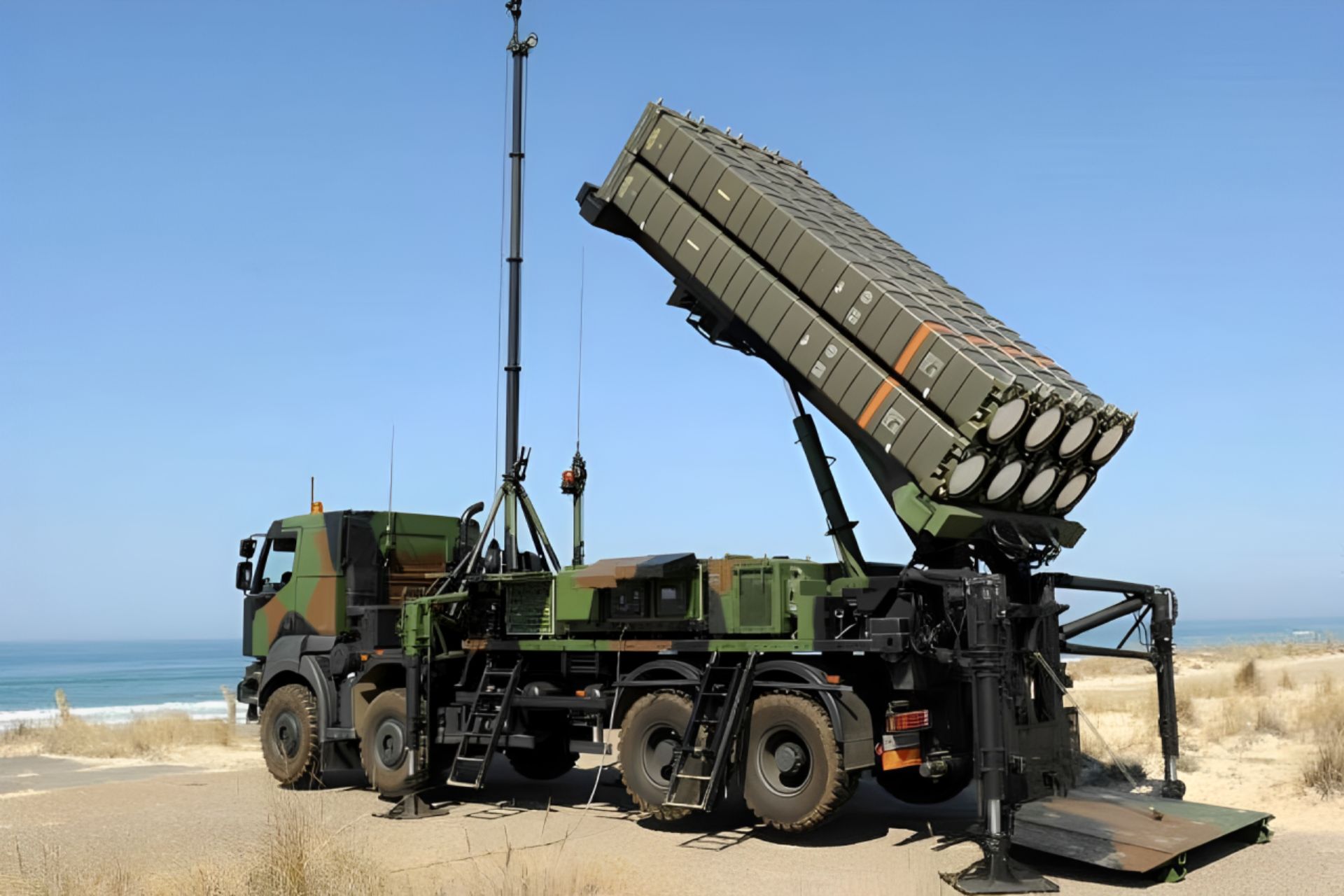
In an effort to position their SAMP/T air defense system as a preferable alternative to American options, French and Italian Defense Ministers have recently intensified their promotional efforts among their European counterparts, as reported by La Tribune. This campaign comes as American systems, especially the Patriot, continue to dominate the European air defense landscape. The ministers have sent letters praising the enhanced capabilities of the SAMP/T system, sparking interest from countries such as Belgium, Denmark, and potentially Brazil. Follow Army Recognition on Google News at this link
Designed to enhance interception capabilities, particularly against hypersonic threats, the SAMP/T NG is equipped with the ASTER 30 Block 1NT interceptor missile featuring new Ka-band guidance, capable of intercepting targets up to 1000 km away (Picture source: French MoD)
Germany launched the European Sky Shield Initiative (ESSI) in October 2022, aimed at pooling the acquisition of air defense capabilities among member countries, thus favoring systems like the IRIS-T SLM and Arrow 3. However, the Franco-Italian SAMP/T system was not selected, causing frustration among French authorities who view European air defense as a matter of strategic and collective sovereignty that national or third-party industrial interests should not compromise.
French President Emmanuel Macron expressed his dissatisfaction in November 2022, emphasizing that air defense should not be limited to promoting specific industries at the expense of European autonomy. Furthermore, Emmanuel Chiva, the General Delegate for Armaments, criticized the German initiative, stating that the systems currently favored by ESSI do not meet operational requirements as they lack the necessary interconnectivity for integrated defense.
In April, during a meeting with his Italian counterpart Guido Crosetto at the Solenzara Air Base in Corsica, French Minister of the Armed Forces, Sébastien Lecornu, called for a deep reflection on the integration of the next-generation SAMP/T into the European air defense strategy, noting that this system would represent a significant technological advancement, especially in the capability to intercept hypersonic missiles.
The SAMP/T NG (New Generation Medium-Range Air-to-Ground System), developed by Eurosam—a collaboration between MBDA and Thales—is an advanced version of the SAMP/T air defense system. Designed to enhance interception capabilities, particularly against hypersonic threats, the SAMP/T NG is equipped with the ASTER 30 Block 1NT interceptor missile featuring new Ka-band guidance, capable of intercepting targets up to 1000 km away. Although details on production and acquisition remain vague, as well as the date of operational service entry, it is clear that the system is still under development and testing.
The system relies on two main radars depending on the user country: the Ground Fire 300 for France and the Kronos GM HP for Italy, illustrating its adaptability to the specific requirements of each nation's armed forces. The SAMP/T NG is not yet deployed in active service, so the number of units in service is not available. This initiative marks a significant advancement in defense technology, offering substantial capability to defend against a wide range of modern aerial threats, thereby enhancing Europe's security posture against new military challenges.
This strengthening of Franco-Italian cooperation around the SAMP/T NG could ultimately redefine the contours of air defense across the European continent, providing a viable alternative to systems traditionally dominated by the United States, while enhancing Europe's strategic autonomy in a crucial area for its collective security.
Read more: France and Italy Promote SAMP/T Against European Air Defense Initiatives
- Russian Companies Offer Cash Rewards for Destruction of F-16 Fighters Jets and NATO Tanks
- DANA Howitzers and Titus Vehicles Prove Their Worth in Lithuania
- Canadian Army purchases 8,400 additional Batlskin Caiman ballistic helmets from Galvion
- Aselsan to premiere at Farnborough Airshow with a wide range of defense systems