
- Details
- Written by: Halna du Fretay
- Category: 2024
- Hits: 3720










The Missile Defense Agency (MDA) has initiated a search to identify potential industry partners capable of supporting the production and future upgrades of the Army Navy/Transportable Radar Surveillance and Control Model 2 (AN/TPY-2) radar. This radar system is a crucial component of the Missile Defense System (MDS), and the MDA's Request for Information (RFI) aims to evaluate the capabilities of companies that can meet the agency's evolving needs.
Follow Army Recognition on Google News at this link
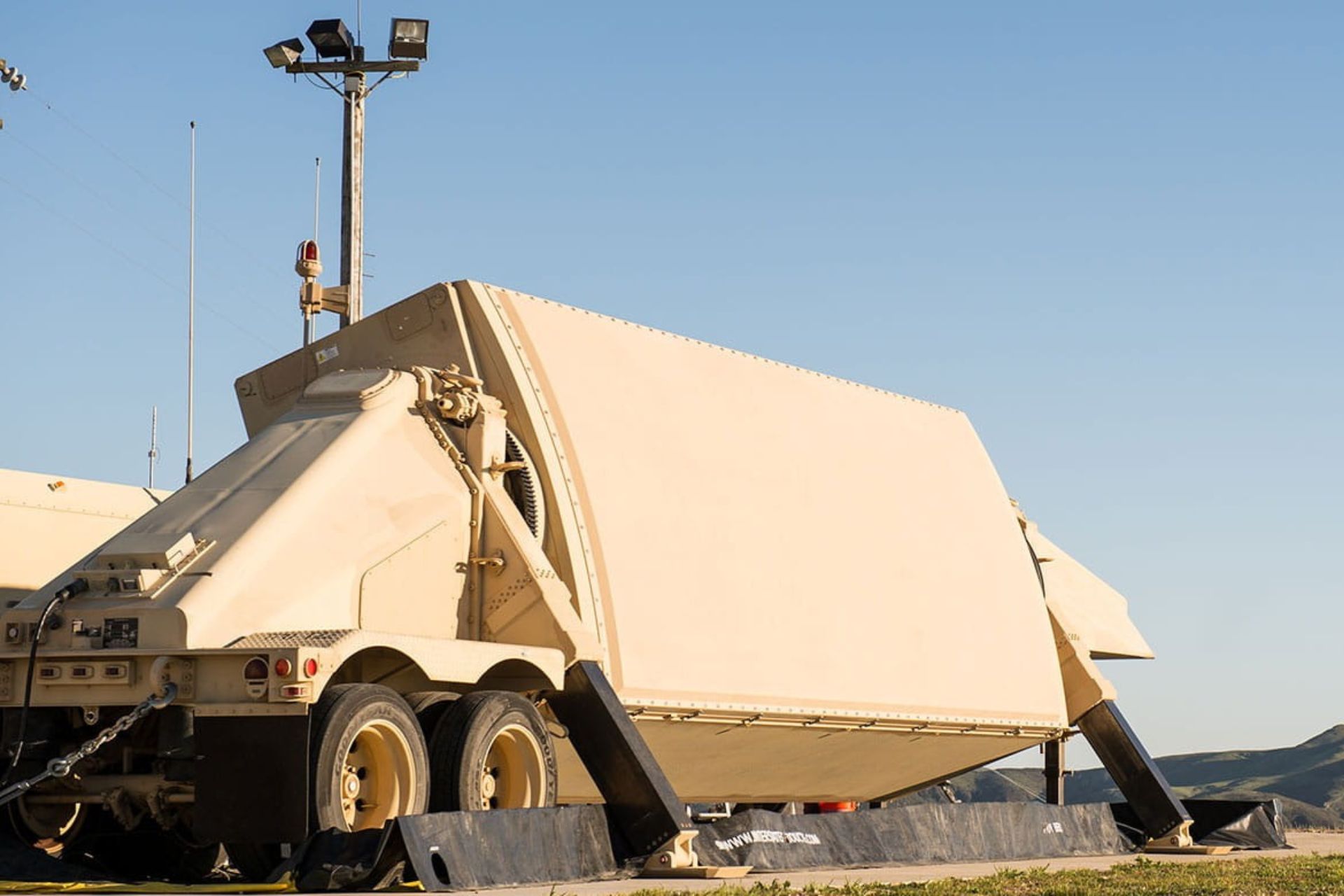
AN/TPY-2: Army Navy/Transportable Radar Surveillance (Picture source: Raytheon)
The AN/TPY-2 is a sophisticated missile defense radar designed to detect, track, and discriminate ballistic missiles. It operates in the X-band of the electromagnetic spectrum, allowing it to clearly identify targets and distinguish between real threats and non-threats, such as launch debris. This radar plays a critical role in countering the growing threat of ballistic missiles, providing reliable defense against a range of missile threats.
The AN/TPY-2 operates in two distinct modes: Forward-based mode and Terminal mode. In Forward-based mode, the radar detects ballistic missiles shortly after launch. In Terminal mode, it guides interceptors toward descending missiles, ensuring the neutralization of the threat. Notably, in Terminal mode, the AN/TPY-2 radar leads the Terminal High Altitude Area Defense (THAAD) missile defense system by guiding the THAAD missile to its target. The radar has a proven track record of flawless performance against all classes of ballistic missiles.
According to a notice from the MDA's Ground Sensors Directorate, the agency is exploring sources capable of managing the production of AN/TPY-2 radars, components, spares, and fleet refurbishment activities. Additionally, the agency seeks to identify potential upgrades that could enhance the radar's capabilities, including improved digital control and processing, expanded detection and tracking abilities to counter emerging threats, increased field of view, greater power and sensitivity, and enhanced self-defense capabilities.
The RFI emphasizes that it is intended solely for information and planning purposes and does not constitute a request for proposal (RFP) or a commitment to establish a contract. The MDA will not accept proposals at this stage and will not provide feedback on submissions. The agency also clarifies that participation in this RFI does not guarantee involvement in future procurement opportunities.
In addition to production and upgrade capabilities, the MDA seeks information on technical support, systems engineering, integrated logistics, and program management functions necessary to maintain and sustain the AN/TPY-2 radar systems. The RFI highlights the need for expertise in mitigating obsolescence, hardware redesign, technology integration, and refurbishment efforts.
Respondents to the RFI are encouraged to provide details on their experience with X-Band radar capabilities, manufacturing processes, system integration, testing, and production of AN/TPY-2 radar components. They are also invited to discuss risk mitigation strategies, particularly in areas such as production learning curve impacts, failure analysis, and adherence to MDA Mission Assurance Provisions (MAP) and Parts, Materials, and Processes (PMP) compliance.
Read more: MDA Seeks Industry Information for Future AN/TPY-2 Missile Defense Radar Production
- Details
- Written by: Triffaux
- Category: 2024
- Hits: 4230
Oshkosh Defense, LLC has been selected for a five-year contract valued at $1.54 billion by the U.S. Army Contracting Command – Detroit Arsenal (ACC-DTA). This contract is part of the Family of Heavy Tactical Vehicles (FHTV) V program, which commits Oshkosh Defense to provide new and refurbished heavy tactical vehicles and associated trailers until 2031.
Follow Army Recognition on Google News at this link
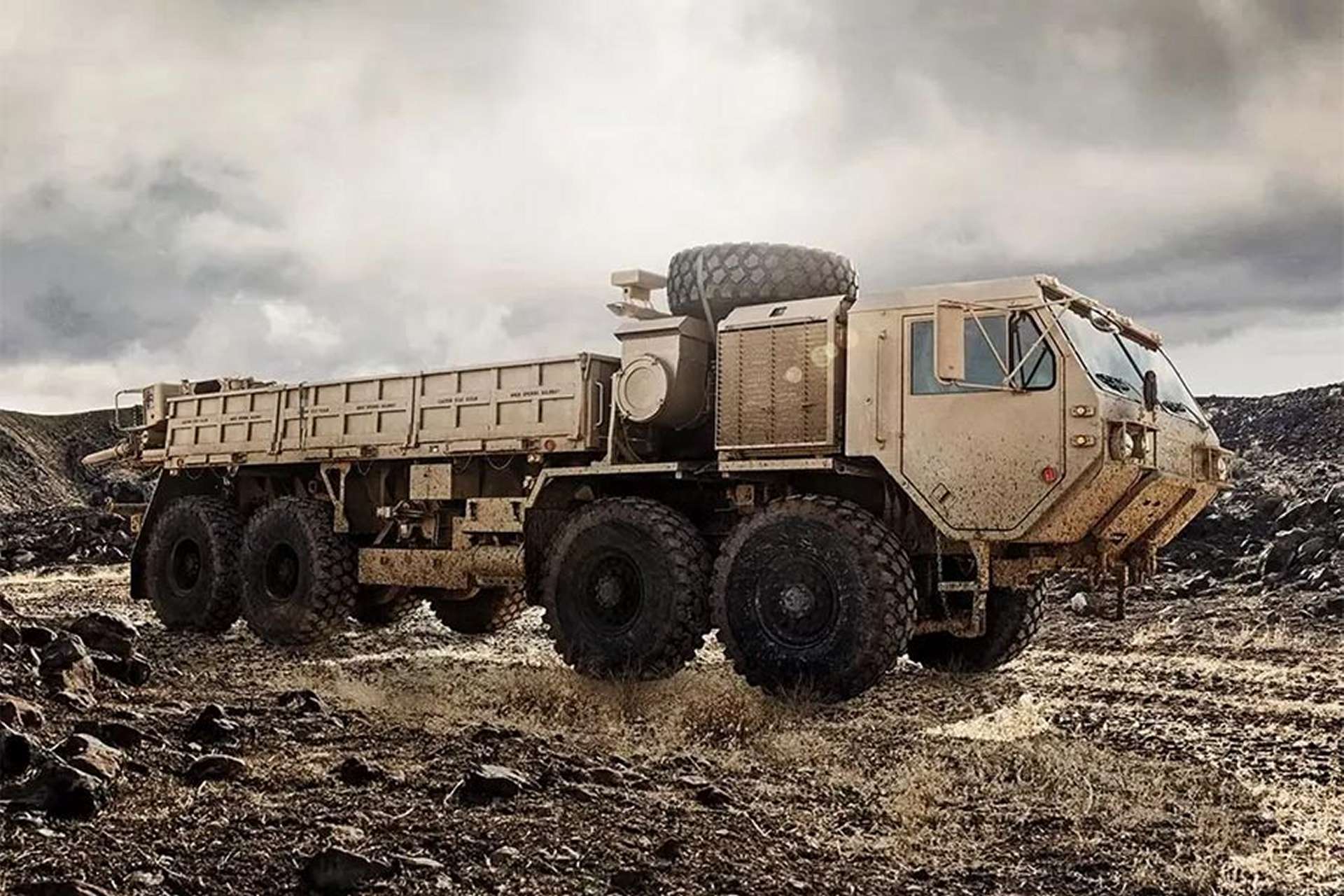
Oshkosh Defense HEMTT A4 Heavy Tactical Vehicle (Picture source: Oshkosh Defense)
The contract is a fixed-price agreement with economic price adjustment, aimed at enhancing the Army's logistical capabilities through modernized and adaptable heavy vehicles. The vehicles included in the FHTV program are the Heavy Expanded Mobility Tactical Truck (HEMTT A4), the Palletized Load System (PLS A1), the PLS Trailer, and the Heavy Equipment Transporter (HET A1).
Pat Williams, the program director at Oshkosh Defense, stated that this ongoing collaboration with the Army will deliver high-performance vehicles incorporating the latest technologies and safety features.
The contract also includes improvements to the FHTV fleet, introducing new technologies such as drive-by-wire, Condition-Based Maintenance (CBM), electrification, and enhancements in export power and energy efficiency.
In June 2024, Oshkosh had already received a contract extension under FHTV IV, which included a $231.9 million order for modernized trucks, kits, and kit installations. Purchases under the FHTV V contract will begin in August 2024.
The Family of Heavy Tactical Vehicles (FHTV) V program thus includes several key vehicles adapted to the modern requirements of battlefields and logistical operations. Each vehicle has unique specifications tailored to its specific functions.
The HEMTT A4 is designed to offer a high logistic transport capacity, capable of carrying up to 13 tons of payload. It is powered by a turbocharged diesel engine that delivers 500 horsepower, ensuring reliable performance even in extreme conditions. Its eight-wheel-drive configuration provides excellent mobility across various terrains, from paved roads to the most challenging off-road environments.
The PLS A1 facilitates rapid transport and handling of loads thanks to its automated loading and unloading system. This vehicle can transport a wide range of materials, including standardized containers and pallets, making it indispensable for efficient logistical operations. It is also equipped to operate in various environments, thanks to its robust chassis and the ability to maneuver in tight spaces.
The PLS Trailer complements the palletized load system by providing additional transport capacity without requiring a full operator vehicle. This trailer is designed to be directly hitched to the PLS A1, significantly increasing the efficiency of transporting heavy and bulky loads over long distances.
The HET A1 specializes in the transportation of armored vehicles and other heavy equipment. With an exceptional towing capacity, this tractor can handle loads up to 70 tons. It is equipped with a powerful diesel engine and an advanced suspension system, allowing it to traverse rough terrain while maintaining the safety of the cargo.
Read more: US Army Awards Oshkosh Defense Major Contract for Next-Gen Heavy Tactical Vehicles
- Details
- Written by: Jérôme Brahy
- Category: 2024
- Hits: 3336
On August 22, 2024, the Australian Government announced an investment of up to $850 million in partnership with Kongsberg Defence Australia to establish a missile manufacturing and servicing facility at Williamtown, near Newcastle. This facility, to be located within the Newcastle Airport precinct, is projected to create over 500 jobs during the construction phase and contribute approximately $100 million to the local economy. Once operational, the facility will employ around 100 people.
Follow Army Recognition on Google News at this link
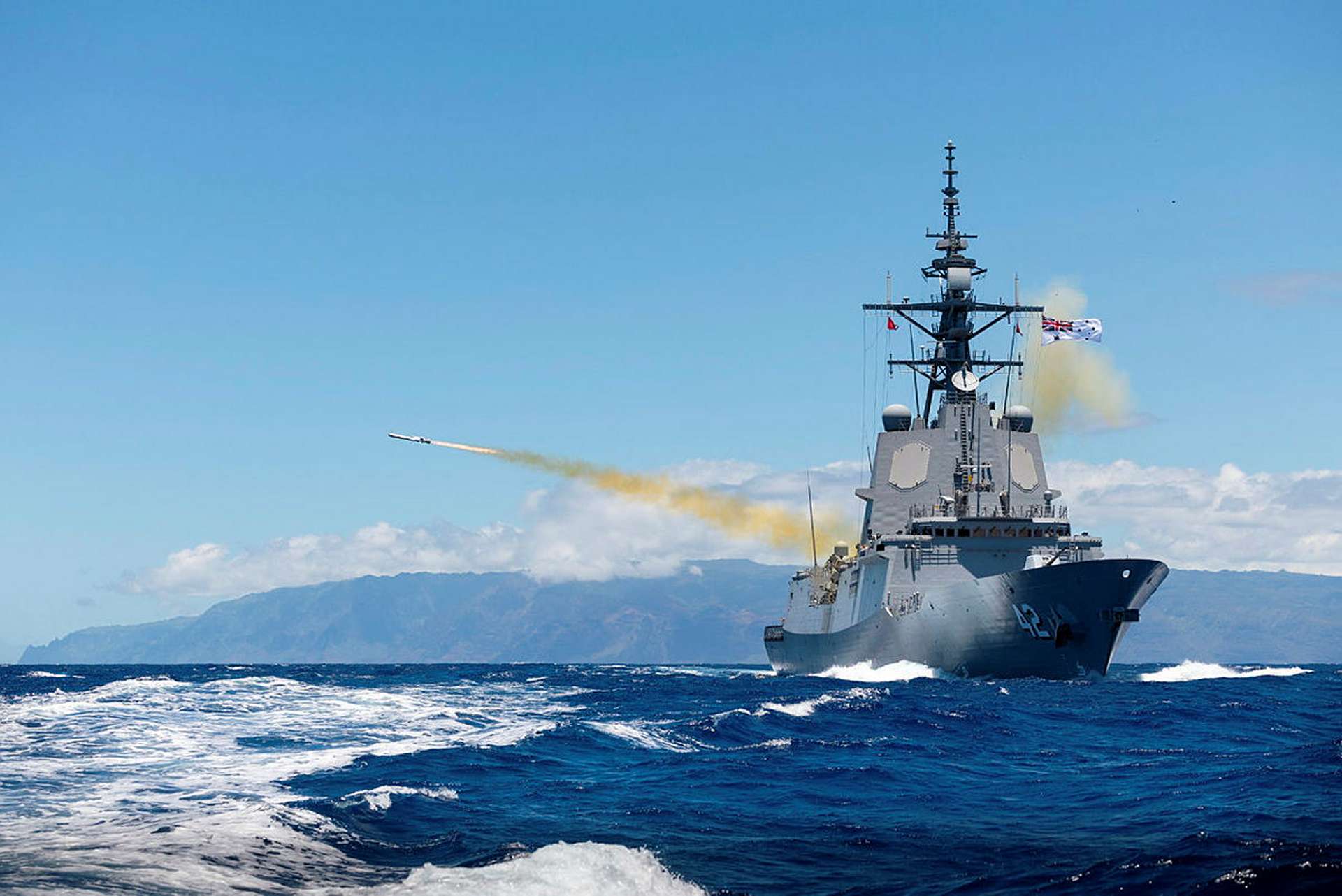
The HMAS Sydney launched the Royal Australian Navy’s first Naval Strike Missile during a SINKEX off the coast of Oahu, Hawaii, as part of Exercise Rim of the Pacific (RIMPAC) 2024. (Picture source: Australian MoD)
The facility will focus on the production and servicing of Naval Strike Missiles (NSM) and Joint Strike Missiles (JSM) for the Australian Defence Force (ADF). This site will be one of only two such facilities globally, the other being in Kongsberg, Norway. Construction is expected to begin later this year, in line with the government's objective of enhancing domestic defense manufacturing capabilities.
This partnership is part of the Guided Weapons and Explosive Ordnance (GWEO) Enterprise, a component of the Australian Government’s 2024 Integrated Investment Program. The program allocates up to $21 billion over the next decade, consistent with the 2024 National Defence Strategy’s emphasis on improving the ADF’s precision strike capabilities and ensuring the ability to manufacture munitions within Australia.
The NSM and JSM, which will be produced at the facility, are anti-ship and land-attack missiles. The NSM is intended to be integrated into the Hobart-class destroyers and Anzac-class frigates, replacing the current Harpoon anti-ship missile and enhancing the combat capabilities of Australia’s surface fleet. A recent test of the NSM was conducted by HMAS Sydney in July 2024.
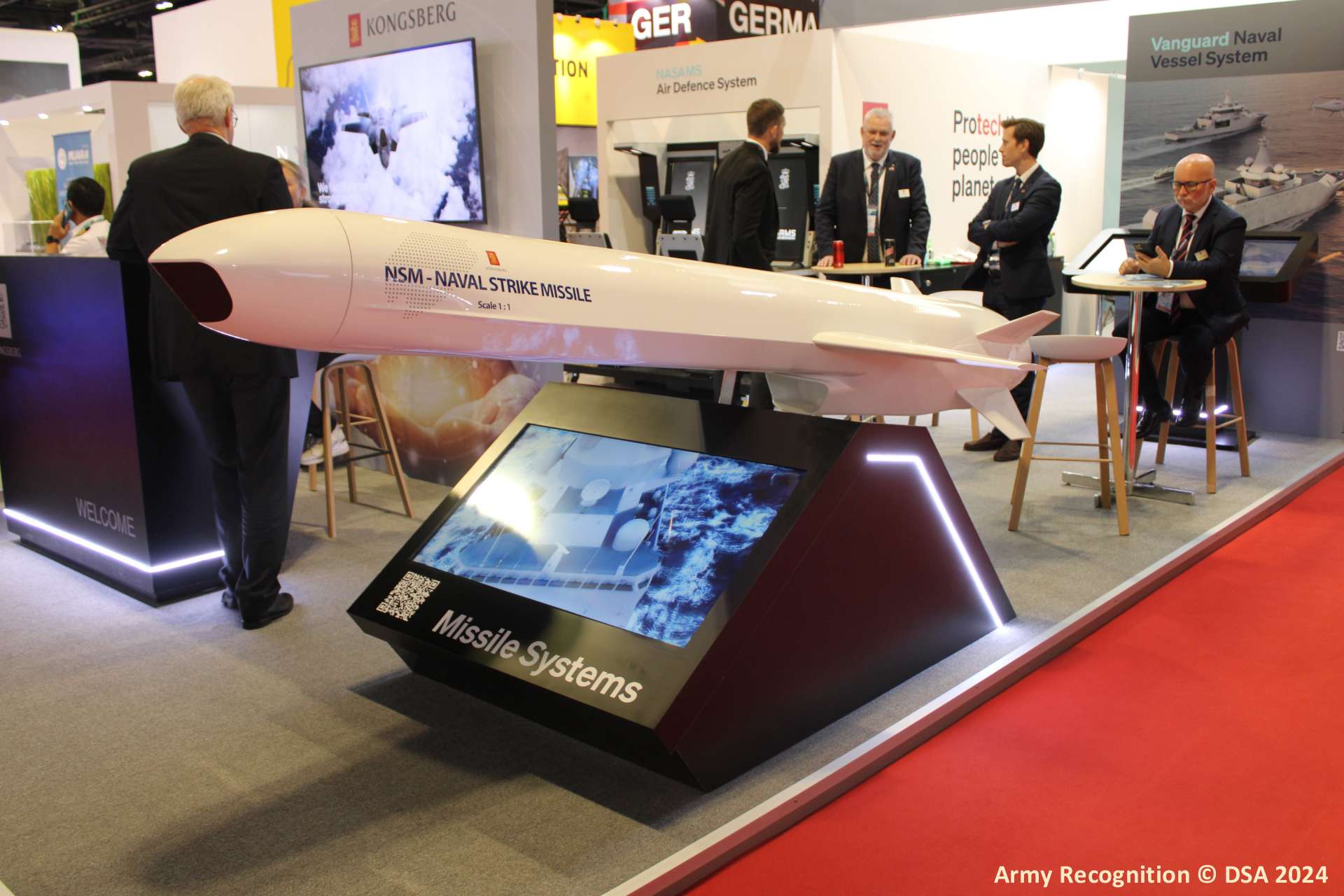
The Naval Strike Missile (NSM) can strike targets over 100 nautical miles away, guided by GPS, terrain reference, and imaging infrared homing systems. (Picture source: Army Recognition)
The Naval Strike Missile (NSM), developed by the Norwegian company Kongsberg Defence & Aerospace, is an advanced anti-ship and land-attack missile system. Initially designed for the Royal Norwegian Navy, the NSM has been adopted by various navies due to its precision, versatility, and survivability. The missile can strike targets over 100 nautical miles away, guided by GPS, terrain reference, and imaging infrared homing systems. Its low radar signature and sea-skimming capabilities make it difficult to detect and intercept.
Since its deployment in 2012, the NSM has been integrated into various naval platforms globally. The U.S. Navy has deployed the NSM on Littoral Combat Ships (LCS), with plans to equip all Independence-class variants by 2026 and all Freedom-class variants by 2032. This deployment aims to enhance the fleet's over-the-horizon strike capabilities, particularly in contested regions like the Indo-Pacific. The first operational test by the U.S. Navy was conducted by the USS Gabrielle Giffords (LCS 10) in 2019.
The Royal Navy is also replacing its Harpoon missiles with NSMs on Type 23 frigates and Type 45 destroyers, as part of an upgrade to its anti-ship warfare capabilities. The first installations have been completed on ships such as HMS Somerset.

The JSM missile is approximately 4 meters long, weighs around 416 kilograms, and has a range exceeding 275 kilometers. (Picture source: Army Recognition)
Additionally, the U.S. Marine Corps is adapting the NSM for land-based operations through the Navy Marine Expeditionary Ship Interdiction System (NMESIS). This system uses modified Joint Light Tactical Vehicles (JLTVs) to launch NSMs from shore, providing a mobile anti-ship capability, particularly in the Pacific theater.
The Joint Strike Missile (JSM), also produced at the Williamtown facility, is an air-launched cruise missile developed by Kongsberg Defence & Aerospace, primarily for the F-35 Lightning II fighter jet. It is an evolution of the NSM, tailored for air-launch operations and optimized for internal carriage within the F-35's weapons bay. The JSM is designed for both anti-surface warfare and land attack roles.
The JSM has undergone testing, including flight tests from F-35 aircraft, and is integrated into the arsenals of several NATO countries, including Norway and the United States. It is approximately 4 meters long, weighs around 416 kilograms, and has a range exceeding 275 kilometers. The missile includes an advanced mission planning system with terrain-following flight capabilities.
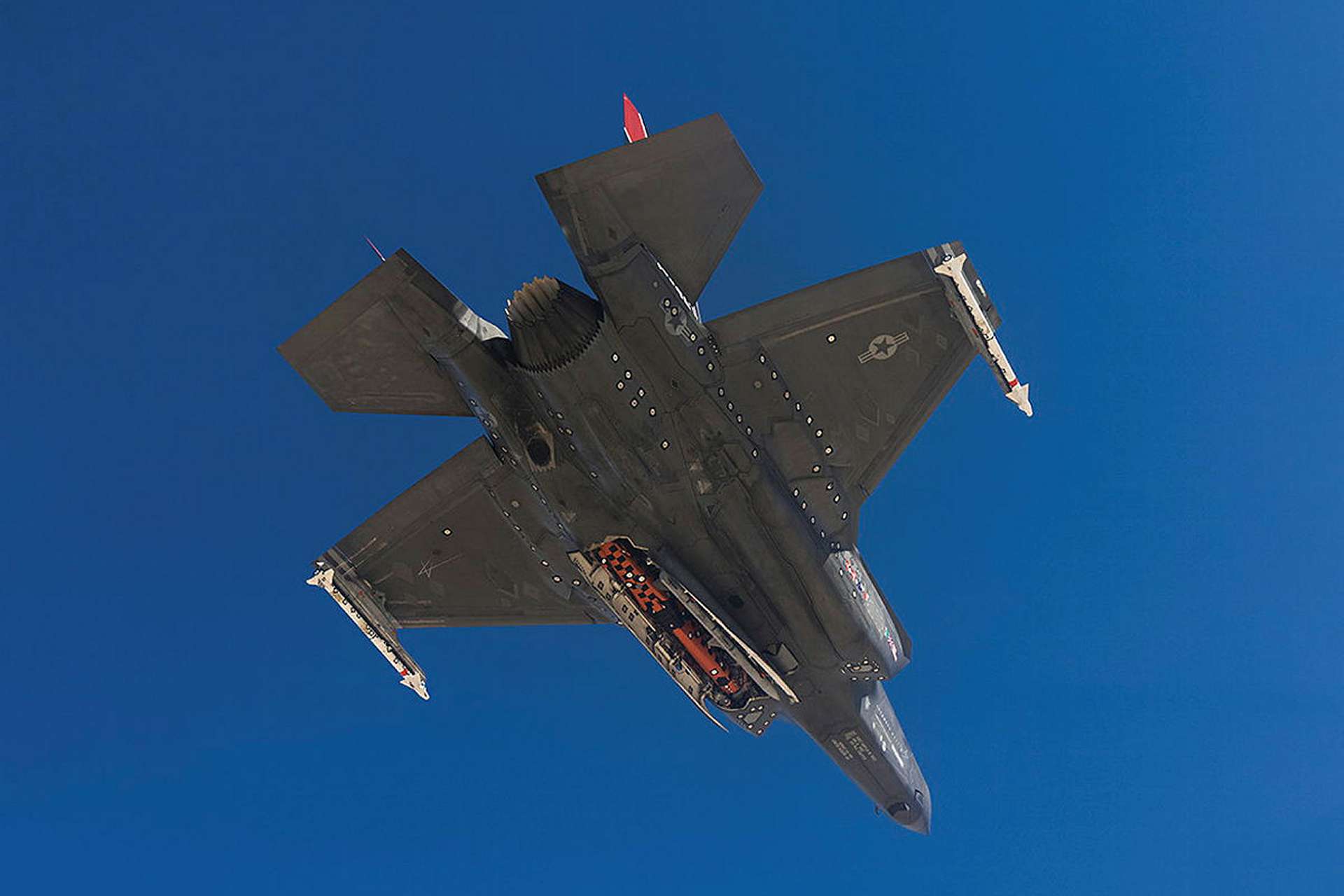
The Joint Strike Missile (JSM) is an evolution of the NSM, tailored for air-launch operations and optimized for internal carriage within the F-35's weapons bay. (Picture source: Kongsberg Defence Australia)
- Details
- Written by: Administrator
- Category: 2024
- Hits: 8322
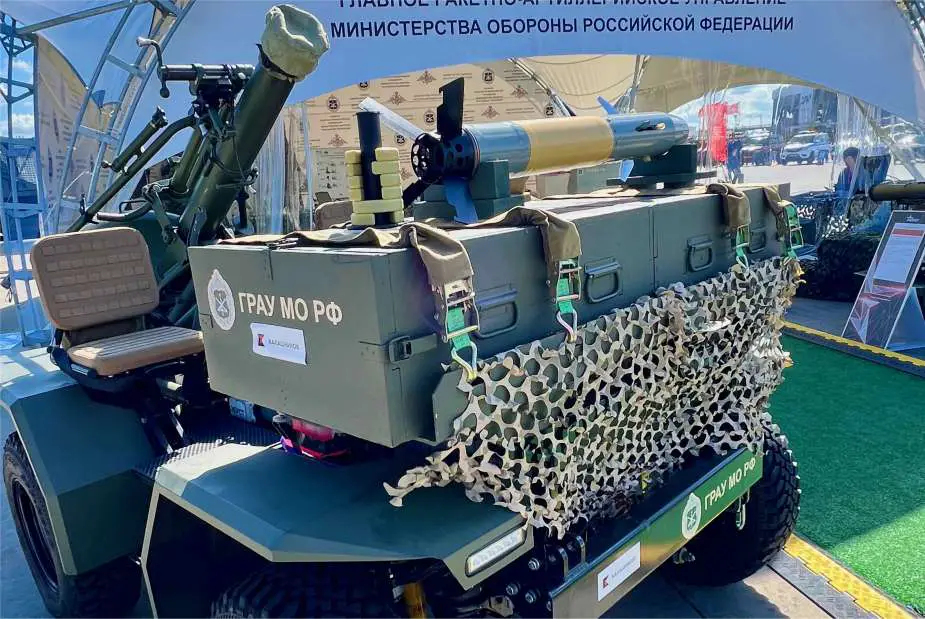
At Army-2024, defense exhibition held in Russia, a new autonomous artillery system was launched offering the first self-propelled mortar system based on the 4x4 unmanned ground vehicle (UGV) platform dubbed "Quadriga” armed with a 2B11 120mm mortar, marking a new era in autonomous battlefield capabilities.
Follow Army Recognition on Google News at this link
The new robotic self-propelled mortar system presented for the first time at Army-2024 is based on the Quadriga 4x4 unmanned ground vehicle armed with a 2B11 120mm mortar. (Picture source: Defense Market News magazine)
The Quadriga UGV (Unmanned Ground Vehicle) armed with the 2B11 mortar is designed with a primary objective to enhance battlefield efficiency by delivering powerful mortar fire while ensuring high mobility and stealth. The integration of the 2B11 120mm mortar allows the system to effectively destroy and neutralize enemy personnel, fortifications, and firepower from a distance. This unmanned system offers a significant advantage in terms of reducing the risks to human operators by operating autonomously or remotely, depending on mission requirements.
The Quadriga UGV is built on a robust 4x4 wheeled chassis, specifically engineered to handle rough terrains and maintain stability under combat conditions. The 2B11 mortar mounted on the Quadriga has a maximum firing range of 7 km, providing substantial coverage on the battlefield. One of the standout features of this system is its rapid deployment capability; it can transition from a marching position to a combat-ready state in just 2 minutes, and vice versa, ensuring swift response times in dynamic combat situations.
In terms of firepower, the 2B11 mortar mounted on the Quadriga can deliver up to 10 rounds per minute, making it a formidable tool for sustained bombardment. The system carries a total of 16 mortar rounds, allowing for multiple engagements before needing resupply. The UGV's load capacity is tailored to support this ammunition load, along with any additional equipment necessary for operations.
The Quadriga's mobility is further enhanced by its ability to run up to 800 kilometers on a single refuel, a substantial range that underscores its operational endurance. Despite its power and load, the UGV can achieve a maximum speed of 30 km/h, facilitating rapid repositioning across the battlefield. This speed, combined with the vehicle's low noise output, ensures that it can move between firing positions with minimal risk of detection, a crucial factor in modern warfare where stealth and surprise are often decisive.
The introduction of the Quadriga self-propelled mortar system marks a significant step forward in Russia's military robotics program. By integrating advanced unmanned systems with traditional artillery, Russia is setting a new standard for how ground forces might operate in Ukrainian conflict. The autonomous nature of the system reduces the risk to human life and allows for operations in hazardous environments where traditional manned vehicles would be at significant risk.
Military analysts suggest that the Quadriga could serve as a force multiplier, providing critical fire support in scenarios where conventional mortar teams would be vulnerable. Its ability to operate independently for extended periods, coupled with its rapid deployment capabilities, positions it as a key asset in both defensive and offensive operations.
As global military powers continue to explore the integration of robotics into their armed forces, the Quadriga's self-propelled mortar launch highlights Russia's commitment to maintaining its edge in unmanned military technology. The future battlefield will likely see more such innovations as nations seek to balance firepower, mobility, and the safety of their personnel in increasingly complex operational environments.
Russia's unveiling of the Quadriga UGV-based self-propelled mortar system represents a notable advancement in military technology, combining the lethality of the 120mm mortar with the versatility and stealth of an unmanned platform. As this system enters service, it is poised to reshape tactics and strategies on the battlefield, heralding a new chapter in autonomous warfare.
Read more: Russia Launches First Robotic 120mm Self-Propelled Mortar System
- Details
- Written by: Halna du Fretay
- Category: 2024
- Hits: 2480
In March 2024, President Joe Biden approved a highly classified nuclear strategic plan for the United States, marking a turning point in the country’s nuclear deterrence doctrine, as reported by The New York Times. This new plan, called "Nuclear Employment Guidance," redefines American strategy for the first time by focusing on the rapid expansion of China’s nuclear arsenal. This decision reflects growing concerns within the Pentagon, which estimates that China's nuclear stockpiles could equal those of the United States and Russia within the next decade.
Follow Army Recognition on Google News at this link
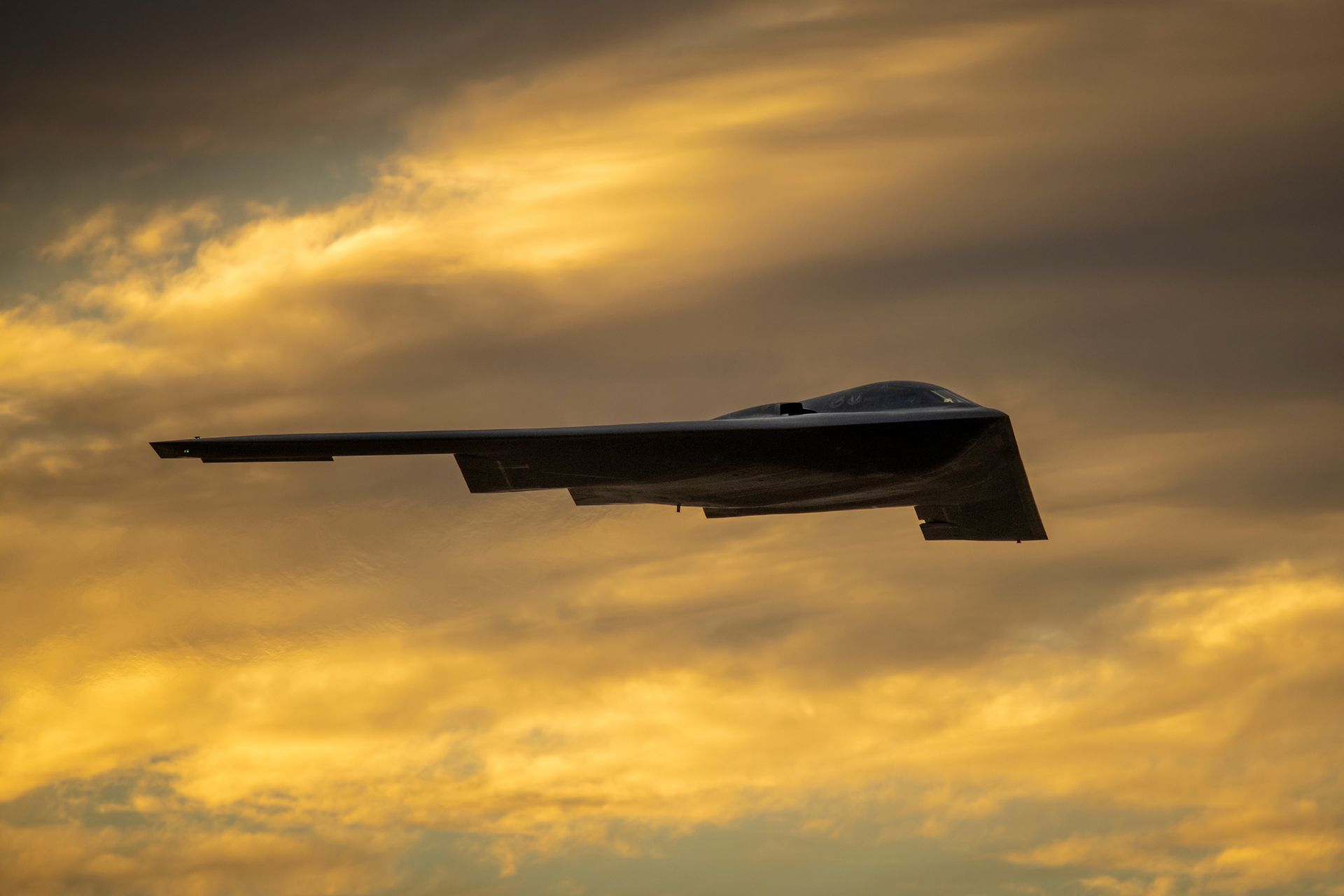
A U.S. Air Force B-2 Spirit bomber assigned to the 509th Bomb Wing, Whiteman Air Force Base, Missouri, flies over Luke Air Force Base, Arizona, Nov. 15, 2022 (Picture source: US DoD)
Every four years, the U.S. administration updates its nuclear deterrence doctrine through the publication of the "Nuclear Posture Review" (NPR). This strategic document, regularly revised, had previously primarily focused on Russia, whose nuclear arsenal is comparable to that of the United States. The latest NPR, published in 2022, reaffirmed that U.S. nuclear weapons serve to deter any attack and reassure American allies, while being ready for use should deterrence fail.
The White House has not officially announced the approval of this revised strategy, but reliable sources indicate that this new directive aims to prepare U.S. forces for potential simultaneous or coordinated nuclear confrontations with China, Russia, and North Korea. Unlike previous versions of this strategic document, this one has been distributed only in paper form to a small circle of national security officials and Pentagon commanders, underscoring its extreme confidentiality.
The evolving global geopolitical situation, marked by growing military cooperation between Russia and China, as well as North Korea’s expanding nuclear capabilities, has fundamentally altered how the United States views nuclear deterrence. Russia and China, now conducting joint military exercises, are strengthening their strategic ties, while reports suggest that Moscow may be supporting North Korean and Iranian missile programs in exchange for conventional weapons used in the war in Ukraine.
The current context presents a significant challenge for the United States, which must now adjust its nuclear posture to an environment where the threat of multi-front nuclear confrontations becomes more plausible. During a recent press conference, Joe Biden acknowledged adopting a policy aimed at interfering with the China-Russia partnership but declined to provide further details, highlighting the sensitivity of the situation.
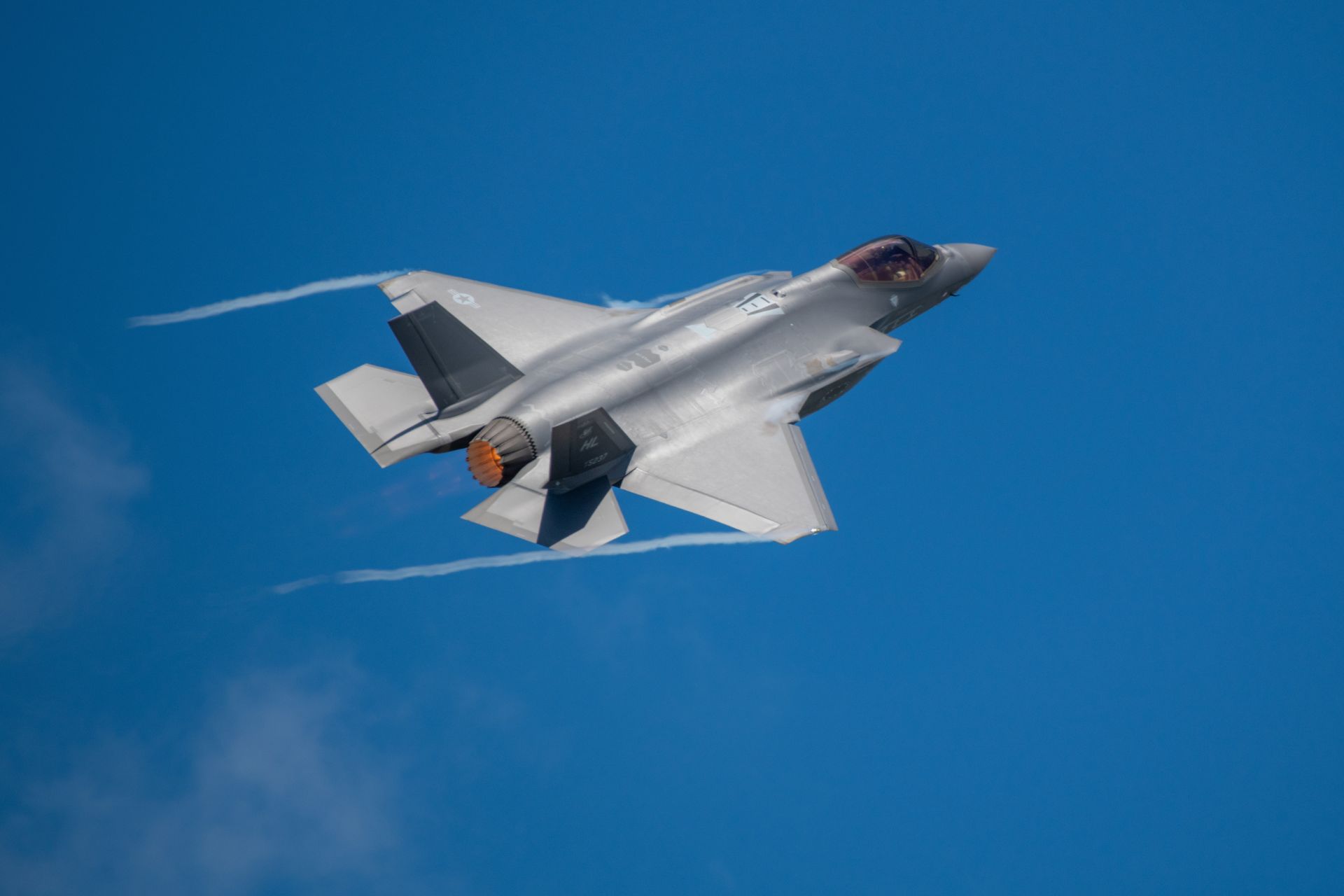
US has several strategic bombers as well as fighter-bombers capable of carrying nuclear bombs, such as the B-52 Stratofortress, B-2 Spirit, B-21 Raider (upcoming), F-15E Strike Eagle, F-16 Fighting Falcon, and F-35A Lightning II. (Picture source: French MoD)
China’s nuclear ambitions have become a central concern for the United States. Under President Xi Jinping, Beijing has abandoned its minimal deterrence strategy in favor of aiming to equal or surpass the nuclear arsenals of Washington and Moscow. The speed of this expansion has surprised American intelligence officials, who now estimate that China could possess 1,500 warheads by 2035, a number comparable to the United States and Russia.
Additionally, the United States is also confronting the growing power of North Korea's nuclear arsenal, which has exceeded 60 nuclear weapons, according to estimates. North Korean leader Kim Jong-un recently stated that he would not hesitate to use his weapons preemptively to annihilate hostile forces, fueling fears of a nuclear escalation in the region.
Despite these tensions, nuclear safety discussions between the United States and China have stalled. Beijing has ended a nascent dialogue on improving nuclear safety and security, citing U.S. arms sales to Taiwan as justification. This breakdown in communication between the two nuclear powers increases the risk of misunderstandings or incidents that could escalate into nuclear confrontations.
China’s nuclear doctrine is based on three concepts: limited deterrence (or strict sufficiency), effective defense, and counterattacks against enemy strategic sites. Although China is not constrained by disarmament treaties, the rapid development of its arsenal raises concerns. An editorialist from the Global Times, a newspaper close to the Chinese Communist Party, provided some insight in May 2021, stating that the number of nuclear warheads in the People's Liberation Army must reach a level capable of deterring American elites from engaging in military confrontation with China.
As the United States adjusts its strategy to face this new reality, it remains to be seen how this reorientation will impact international relations and global stability. The tensions between these nuclear powers, combined with the lack of effective arms control mechanisms, could mark the beginning of a more intense and dangerous era of nuclear competition.
Read more: US Reorients Its Nuclear Strategy in Response to Growing Chinese Threat

- Details
- Written by: V.Saint
- Category: 2024
- Hits: 3538
The French company Microwave Characterization Center (MC2) Technologies has supplied the Ivorian government with its Nerod RF counter-drone system (C-UAS). The Nerod RF is a portable C-UAS solution that addresses the growing threat posed by drones, which can infiltrate private, state, and military infrastructures. This was observed during the ceremonies and parades on August 7, the day of independence and national celebration in Côte d'Ivoire.
Follow Army Recognition on Google News at this link
Ivorian Gendarmerie operating french-made Nerod RF anti-drone jammers (Picture source: Ivorian TV boradcaster RTI1)
Designed to counter the threat of commercial drones, the NEROD RF can be easily deployed in operational environments or for event security. It is capable of transmitting on seven frequency bands, independently or simultaneously, generating powerful jamming signals against all sophisticated communication protocols used for drone piloting, including those controlled by individuals or via satellite when the autopilot is activated. The NEROD RF's emission cone allows it to be used without precise targeting of the threat, ensuring broad-spectrum neutralization.
The Nerod RF works by generating noise signals at the radio frequencies (RF) used by hostile drones. The C-UAS can transmit signals on seven frequency bands independently or simultaneously, including 400 MHz, 800 MHz, 900 MHz, 2.4 GHz, and 5.8 GHz. Nerod RF can also jam the L1 and L2 signals of the Global Positioning System (GPS), thereby disrupting a drone's flight. The GPS L1 signal operates at a frequency of 1,575.42 MHz, while L2 operates at a frequency of 1,227.60 MHz.
While the Nerod RF can jam GPS within a range of 2 km, the system's RF jamming range depends on the distance between the drone and its operator, said Gaquière. If the distance between the drone and its operator is 1 km, Nerod RF will be able to jam the drone's RF signals at a distance of 3 to 5 km. The proliferation of drone technology across Africa has significantly expanded humanitarian and military operations. However, as an emerging technology on the continent, when in the hands of non-state armed groups, it poses a significant threat.
The Ivorian military also operates another type of anti-UAS system in the form of FIELDctrl 3D MIMO radars from Advanced Protection Systems (APS). In April 2022, the Polish surveillance company Advanced Protection Systems partnered with the Côte d'Ivoire Special Forces to provide the force with its FIELDctrl 3D MIMO radars.
The portable, soldier-deployed version of Advanced Protection Systems serves as an anti-drone solution. It is designed to detect, track, and classify Low-Slow-Small (LSS) devices, as well as larger threats and ground targets.
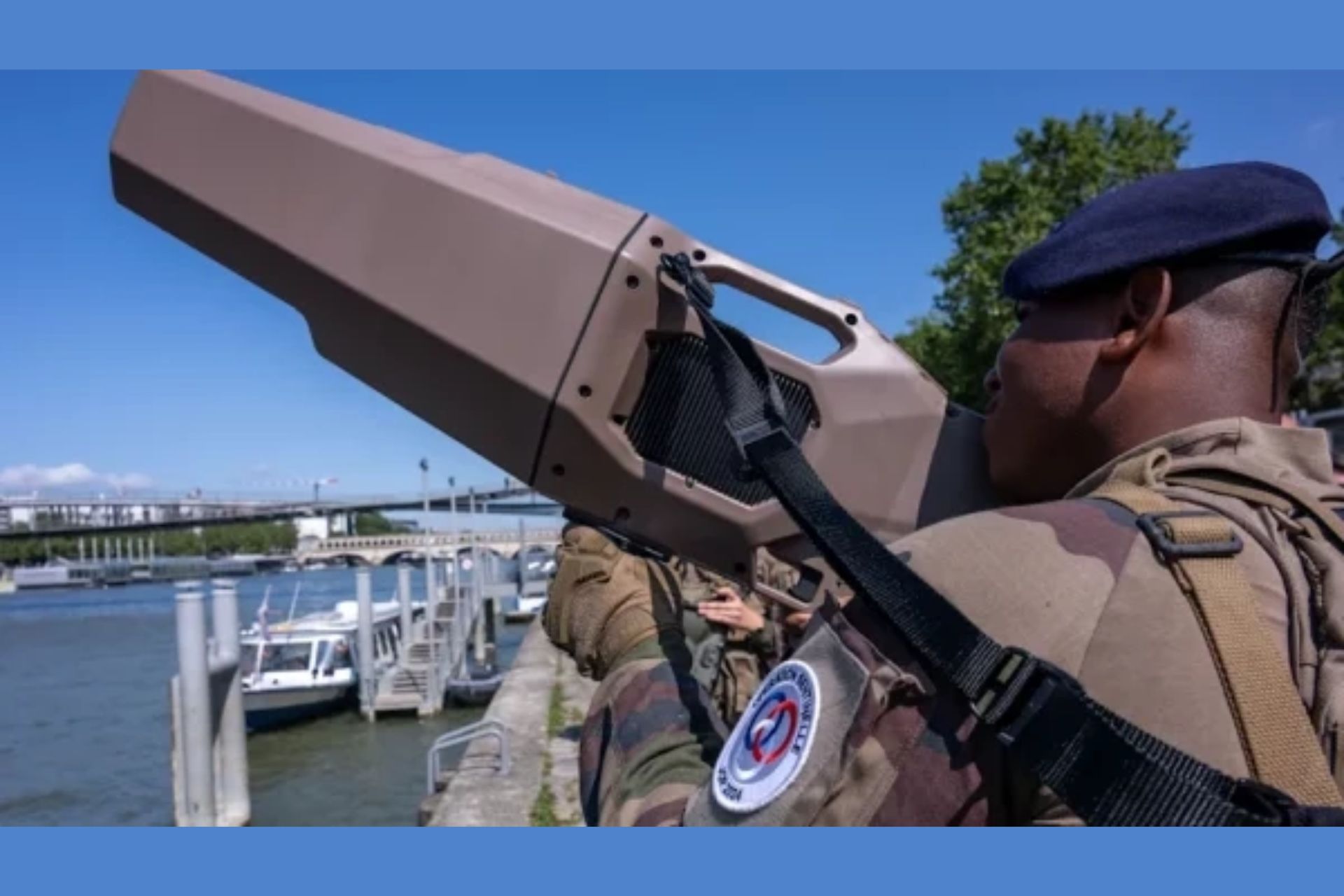
French Soldier with Nerod RF during olympics in Paris ( Picture source : French MoD)
Slow adoption of anti-UAS solutions in Africa
As drones become increasingly accessible and affordable, their use has seen exponential growth across the African continent. While drones have many beneficial applications, including in agriculture, infrastructure monitoring, and disaster response, they are also used by non-state actors for illicit activities, which poses significant security challenges.
Non-state actors, including insurgent groups, terrorists, and criminal organizations, use drones for reconnaissance, surveillance, and weapon delivery. Despite the growing threat posed by drones in Africa, many African armies have failed to implement adequate solutions to combat unmanned aerial vehicles (UAVs), leaving security forces vulnerable to emerging threats.
The proliferation of drones in Africa is driven by several factors. First, drones are becoming more affordable and accessible, with a wide range of models available on the market at different price levels. This has made it easier for non-state actors to acquire drones and use them for their nefarious activities.
Second, the absence of comprehensive regulations and guidelines for drone use in many African countries has made it difficult for governments to effectively manage and control drone operations. This regulatory gap has been exploited by non-state actors who can operate drones without facing significant legal consequences. Third, Africa's vast and often challenging terrains, including dense forests, deserts, and remote regions, make it difficult for security forces to effectively detect and intercept drones, allowing non-state actors to exploit these operational gaps.
Read more: Ivorian Gendarmerie operating French-made Nerod RF C-UAS

- Details
- Written by: Halna du Fretay
- Category: 2024
- Hits: 3720
The Dutch Ministry of Defense has signed an agreement for the acquisition of 51 mobile radars, marking a significant step in enhancing drone detection capabilities. This contract, signed today with Robin Radar Systems in The Hague, reflects the Defense Ministry's commitment to modernizing its systems to meet contemporary operational needs. The newly acquired radars are designed to detect small drones while distinguishing them from other objects, such as birds. A unique feature of these radars is their ability to operate while moving on a vehicle, providing increased operational flexibility.
Follow Army Recognition on Google News at this link
The mobile nature of these radars makes it more difficult for adversaries to locate and neutralize them, ensuring continuous detection of aerial threats, which can then be addressed (Picture source: Robin Radar Systems)
These mobile radars will later be offered to Ukraine as part of the Netherlands' ongoing support for the country’s defense efforts. The delivery is expected to take place in several phases during the last quarter of 2024. Due to their mobility, these systems allow for effective monitoring of an area for enemy drones, even at high speeds. The mobile nature of these radars makes it more difficult for adversaries to locate and neutralize them, ensuring continuous detection of aerial threats, which can then be addressed. These radars will play a crucial role in countering drone attacks carried out by Russia, providing essential defense capabilities to Ukraine.
This acquisition follows a previous order of static radars from Robin Radar Systems, currently deployed at multiple sites. Feedback from users of these radars indicated a need for systems capable of detecting drones while in motion. In response, Robin Radar Systems developed these new mobile radars, integrating this essential functionality for modern operations.
The MAX, ELVIRA, and IRIS radars offered by Robin Radar Systems provide advanced solutions for detecting and tracking drones and birds, with capabilities suited to different environments. The MAX radar, with its 360-degree 3D coverage, can detect and track thousands of moving objects simultaneously, providing real-time updates and accurate data through rapid rotation. Designed for airports and wind farms, it is particularly suitable for environments where air safety is critical.
ELVIRA, a 2D radar specifically developed for drone detection, uses advanced technologies such as micro-Doppler classification to effectively distinguish drones from other objects, offering easy integration with command and control systems. IRIS, a lightweight 3D radar deployable in less than 15 minutes, can detect drones at speeds of up to 100 km/h, making it ideal for rapid deployments in the field.
In the context of the war in Ukraine, where drones are increasingly used for reconnaissance and attacks, these radars can provide valuable capabilities to counter this threat. Their ability to quickly detect, track, and classify drones will enable Ukrainian forces to better anticipate and neutralize drone attacks, strengthening their defense against aerial strikes. This capability is crucial for Ukraine, as improving drone threat detection can help prevent the destruction of costly anti-aircraft defense equipment and protect infantry, whose heavy losses could hinder Ukraine's ability to maintain its front lines.
Additionally, the easy integration of these systems with other sensors and their rapid deployment on the field make them particularly relevant to the current war, where mobility and quick response are essential.
Read more: Netherlands Announces Purchase of Mobile Radars for Drone Detection in Ukraine
- Details
- Written by: V.Saint
- Category: 2024
- Hits: 3629
The U.S. State Department has approved a potential foreign military sale to Finland, involving Northrop Grumman's M1156A1 Precision Guidance Kits (PGK) and associated equipment, valued at approximately $70 million.
Follow Army Recognition on Google News at this link
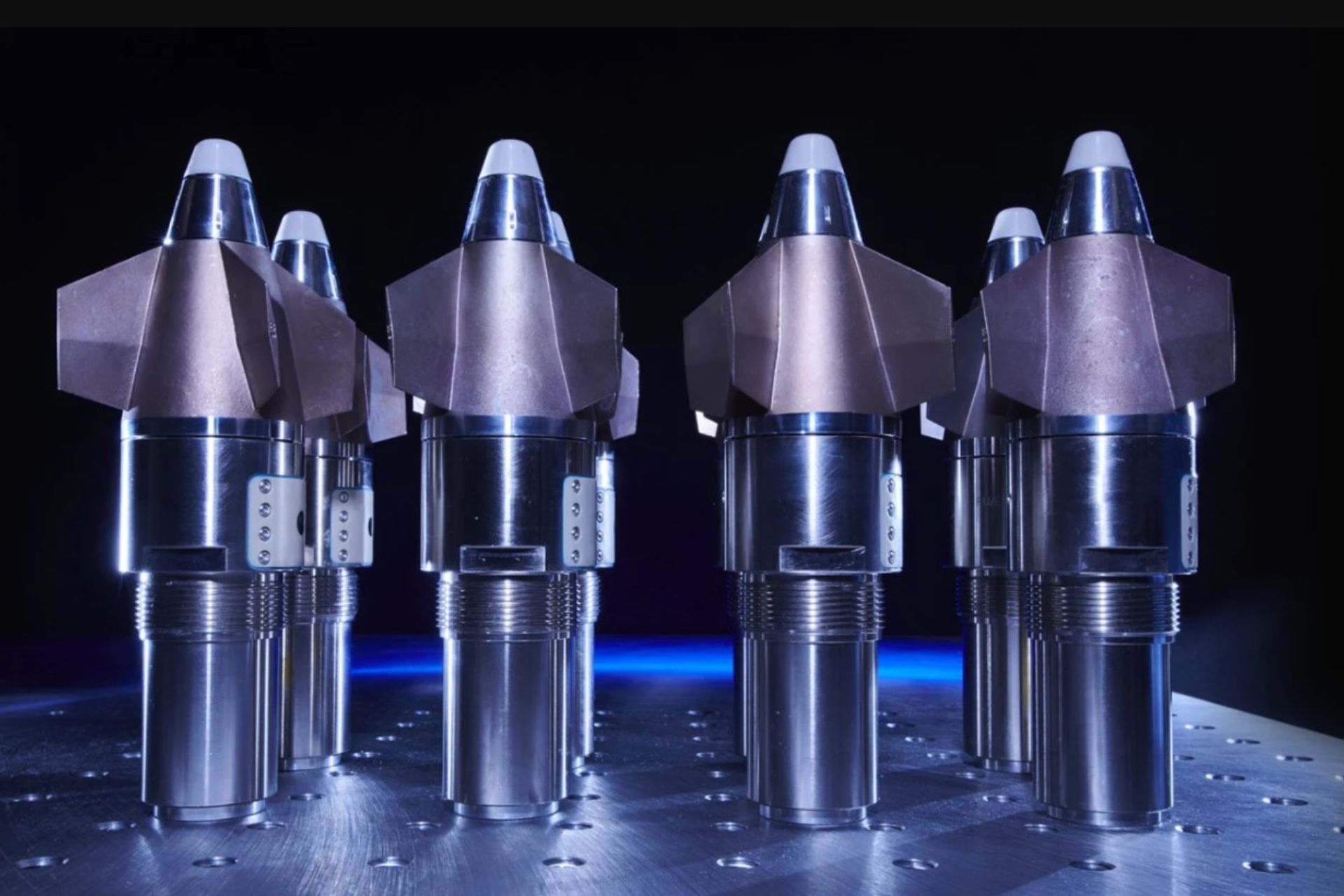
M1156A1 Precision Guidance Kits exposed (Picture source: Northrop Grumman's)
Finland has requested the purchase of 5,500 M1156A1 PGK multi-option fuses, which will be added to an existing defense agreement. The initial agreement, valued at $97 million, included technical assistance, spare parts, equipment training, and other forms of logistical support. This new notification expands the scope of the agreement, significantly enhancing the precision capabilities of Finland's artillery. The PGK kits are designed to improve the accuracy of artillery fire, thereby strengthening Finland's medium-range firepower and overall military capabilities. The proposed sale also includes various non-major defense items such as integration kits, antennas, and precision-guided munition simulators, as well as ongoing technical support.
The Precision Guidance Kit (M1156) is a "smart" fuse that screws into a conventional 155mm munition instead of a conventional fuse and transforms it into a high-precision munition. The PGK design includes a GPS receiver for targeting, as well as aerodynamic fins that adjust the flight path. The GPS receiver allows the onboard computer to compare the projectile's trajectory with the coordinates of the intended impact location.
If the shell misses its target by more than 150 meters, the fuse will not activate, and the shell will not explode. This solution is designed to ensure that modernized munitions can be used against targets located near friendly units. The modernized M1156A1 fuses began entering service with the U.S. Army in 2021. Their special feature is their compatibility with long-range, active-reactive artillery shells. The new modules are expected to improve accuracy. When used with the long-range M1128 and M1113 shells, the module is expected to achieve a probable circular error of 10 meters at distances of 30 and 40 kilometers. This accuracy is based on a shot fired with a 155mm caliber cannon.
By comparison, the original PGK module is supposed to provide a probable circular error of 50 meters at a distance of up to 30 km. The deviation for conventional projectiles at this distance can reach 273 meters.
The U.S. recently agreed to sell thousands of conventional M1156 kits to Denmark for $85 million. The U.S. government emphasized that this sale aligns with its foreign policy objectives and strengthens the security of NATO allies, particularly in Europe. The increased accuracy of artillery will enhance Finland's ability to address current and future threats while improving interoperability with U.S. and allied forces.
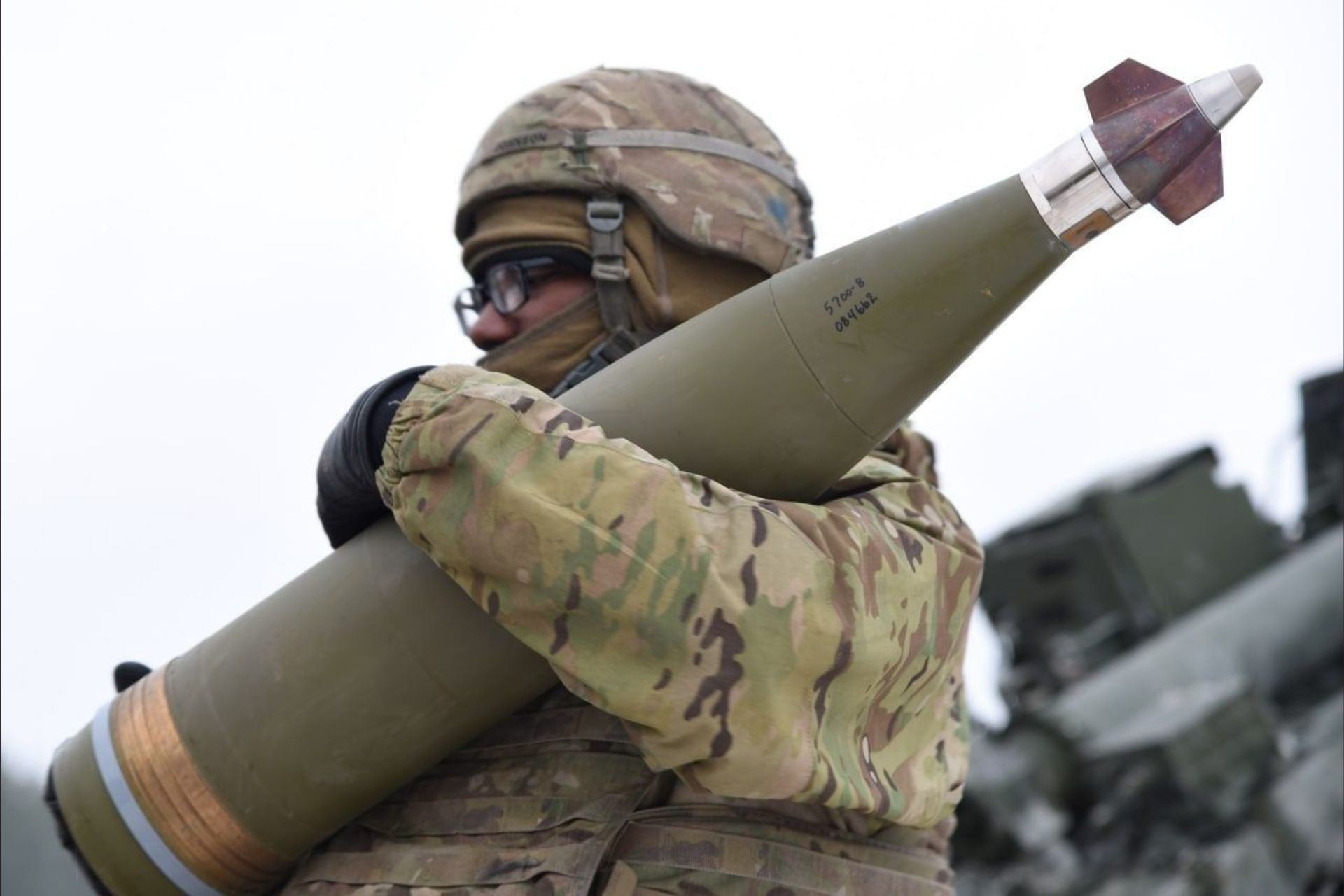
155mm artillery projectile with the M1156 PGK. (Picture source : US DoD )
Read more: Finland Secures $70M Deal for M1156A1 Precision Guidance Kits
- Details
- Written by: Halna du Fretay
- Category: 2024
- Hits: 5906
The Ukrainian Ministry of Defense has officially approved the deployment of Swedish Pansarbandvagn 302 (PBV 302) armored personnel carriers to its armed forces. This decision follows Stockholm’s announcement in May 2024 to provide substantial military aid to Ukraine, totaling 75 billion Swedish krona ($7.3 billion) over three years. As part of this aid, Sweden confirmed the transfer of 239 PBV 302 vehicles, representing its entire fleet. Developed in the 1960s by Hägglund & Söner, the PBV 302 was introduced into the Swedish Armed Forces in 1966 and served as the primary armored personnel carrier until its retirement from active service in 2014.
Follow Army Recognition on Google News at this link
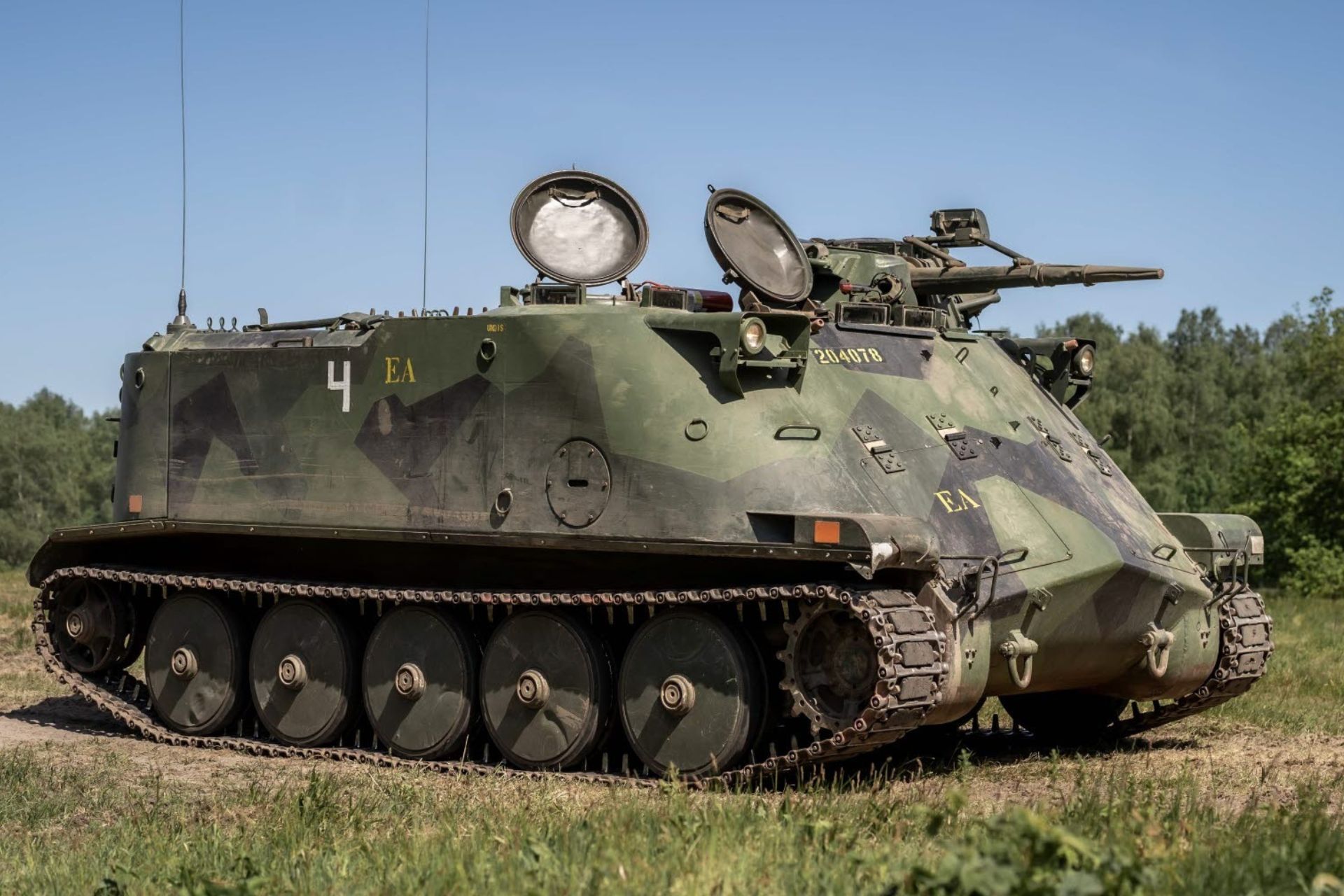
Despite being an older platform, the PBV 302 can traverse difficult terrains, including mud, sand, and water obstacles, making it a useful asset for Ukraine’s military operations (Picture source: Swedish Armed Forces)
The PBV 302, developed by Swedish company Hägglund & Söner, saw combat in the Western Balkans and was initially deployed by the Swedish Army until 2014. While considered outdated by modern standards, the PBV 302 still provides crucial support to Ukraine's forces.
The vehicle is equipped with a 20-millimeter HS804 automatic cannon mounted in a single-seat turret on the front left of the chassis, offering effective defense capabilities. The PBV 302 is powered by a 280-horsepower Volvo-Penta Model THD 100B engine, which shares mechanical components with the Ikv 91 light tank. This configuration enables a maximum speed of 66 kilometers per hour on land and 7.5 kilometers per hour in amphibious operations.
A total of 647 PBV 302 units were produced between 1965 and 1972, consisting of 518 infantry combat versions and 129 specialized versions, including command posts, artillery fire observation, medical evacuation, and recovery. Over the years, the vehicle underwent several upgrades, resulting in models such as the PBV 302A, PBV 302B with enhanced protection, and PBV 302C with improved engine and suspension systems.
Despite being an older platform, the PBV 302 can traverse difficult terrains, including mud, sand, and water obstacles, making it a useful asset for Ukraine’s military operations. However, the PBV 302 may not match the capabilities of more modern armored fighting vehicles. Sweden has also provided around 50 Combat Vehicle 90s (CV90s), which offer superior firepower and protection compared to the PBV 302, with plans for joint production of 1,000 additional CV90s.
Ukraine’s decision to integrate the PBV 302 into its armed forces reflects a broader strategy of utilizing available resources to enhance its defensive capabilities against Russian aggression. In addition to the PBV 302, Ukraine has approved the use of Buffalo mine-sweeper vehicles and South African Mbombe 6 mine-protected armored fighting vehicles, further expanding its armored vehicle fleet. Despite the challenges posed by the PBV 302’s age, its deployment underscores Ukraine’s determination to strengthen its military capacity with the resources at hand.

- Details
- Written by: Jérôme Brahy
- Category: 2024
- Hits: 3605
On August 21, 2024, the Korea Army International Defense Industry Exhibition (KADEX 2024) announced that pre-registration is now open, offering participants early access to event updates, personalized content, and a streamlined entry process. Hosted by the Association of the Republic of Korea Army (AROKA), KADEX 2024 is scheduled to take place from October 2 to October 6, 2024, at Gyeryongdae, the headquarters of the South Korean Army, Navy, and Air Force. This year’s event is set to be the largest in Korea’s history, featuring 500 companies and 1,600 booths. It is expected to attract high-ranking officials from around 50 countries, including Chiefs of Staff of the Army, Ministers of Defense, Deputy Ministers, and Heads of Defense Acquisition.
Follow Army Recognition on Google News at this link
This year’s exhibition will be held at Gyeryongdae, a military integrated base that serves as the headquarters for the Republic of Korea Army, Navy, and Air Force. (Picture source: KADEX and Wikipedia)
This year’s exhibition will be held at Gyeryongdae, a military integrated base that serves as the headquarters for the Republic of Korea Army, Navy, and Air Force. The venue’s strategic location provides convenient access for international VIP delegations and other participants, minimizing the need for long-distance travel to visit key military institutions. The event is projected to be the largest of its kind in South Korea, with 500 companies and 1,600 booths confirmed—a significant increase from previous years.
KADEX 2024 will showcase a comprehensive range of defense industry products, spanning several categories, including Intelligence, Mobility, Firepower, Protection, Aviation, and Future Technologies. The Intelligence section will feature electronic support equipment, surveillance radars, and command control systems. In the Mobility category, attendees will find exhibits such as main battle tanks, combat armored vehicles, and engineering equipment.
The Firepower section will display small arms, guided anti-tank weapons, and naval guns, while Protection systems will include anti-aircraft guns, air defense radars, and chemical, biological, radiological, and nuclear (CBRN) defense equipment. The Aviation exhibits will showcase combat mission aircraft, attack helicopters, and surveillance systems. Additionally, the Future Technologies category will highlight developments in artificial intelligence, robotics, ICT convergence, smart control systems, unmanned security, augmented and virtual reality (AR/VR), and the Internet of Things (IoT).
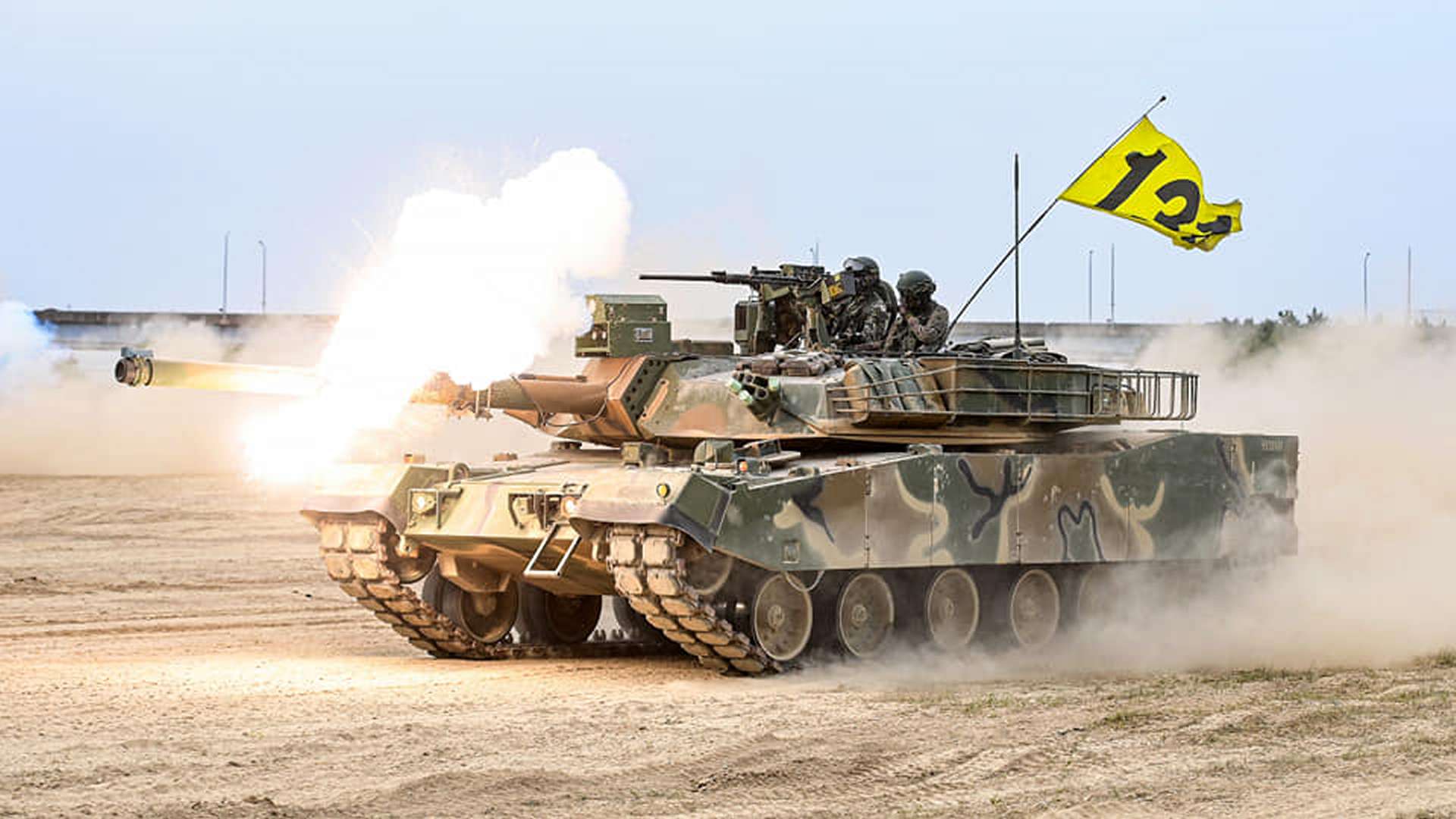
In the Mobility category, attendees will find exhibits such as main battle tanks, combat armored vehicles, and engineering equipment. (Picture source: South Korea MoD)
The event is expected to attract VIPs and high-ranking officials from around 50 countries, including representatives from the United States, Slovakia, Brazil, Thailand, the United Arab Emirates, Estonia, Ecuador, Mongolia, Japan, France, the United Kingdom, Nigeria, Uzbekistan, and Singapore. These officials will include Chiefs of Staff of the Army, Ministers of Defense, Deputy Ministers, and Heads of Defense Acquisition. The presence of such a diverse and high-level delegation underscores the international interest in the event.
In addition to the exhibition, KADEX 2024 will include several business programs designed to facilitate tangible outcomes for participants. These programs will feature the Korea-ASEAN⁺ International Forum on Logistics, startup technology demos, pitch days, and export consultations. These initiatives aim to provide practical opportunities for networking and collaboration among participants.
Pre-registration for the event is currently open. Participants who pre-register will gain early access to event updates, personalized content, and a smoother entry process. The cost of pre-registration is $10 USD for a one-day pass and $30 USD for a five-day pass. On-site registration will be available at higher rates, with a one-day pass priced at $20 USD and a five-day pass at $50 USD.
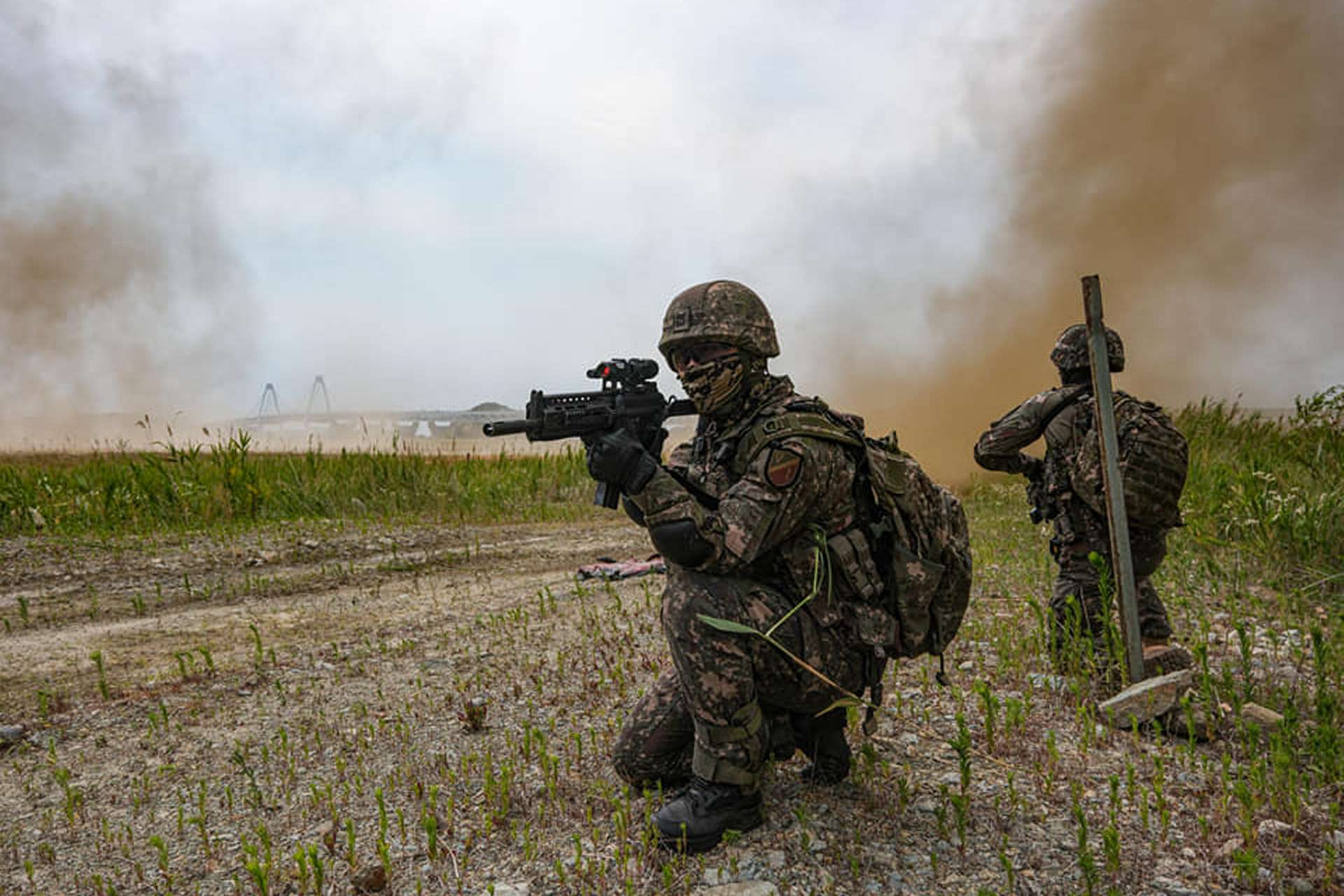
KADEX 2024 will showcase a comprehensive range of defense industry products, spanning several categories, including Intelligence, Mobility, Firepower, Protection, Aviation, and Future Technologies. (Picture source: South Korea MoD)
For those who pre-register, entry into the event will be facilitated by scanning a barcode at the pre-registration desk to receive a name badge. Invitation holders must present their invitation at the on-site registration desk, while those without an invitation can register on-site by providing a business card at the international desk.
KADEX 2024 is positioned as an event where the present and future of the Republic of Korea Army converge. It will serve as a venue for high-level meetings among military officials from various sectors, including Infantry, Armored, Artillery, Air Defense, Intelligence, Aviation, CBRN, and Logistics. The exhibition will also highlight the role of Gyeryongdae as a hub for military education and training, which is integral to Korea's defense infrastructure.
This year's exhibition reflects the growing global interest in Korea's defense industry. Companies such as Hyundai Rotem, LIG, Kia, Hanwha Systems, and Poongsan will be among the key participants, showcasing their latest products and technologies. The event will also provide a platform for exploring the integration of emerging technologies into the defense sector.
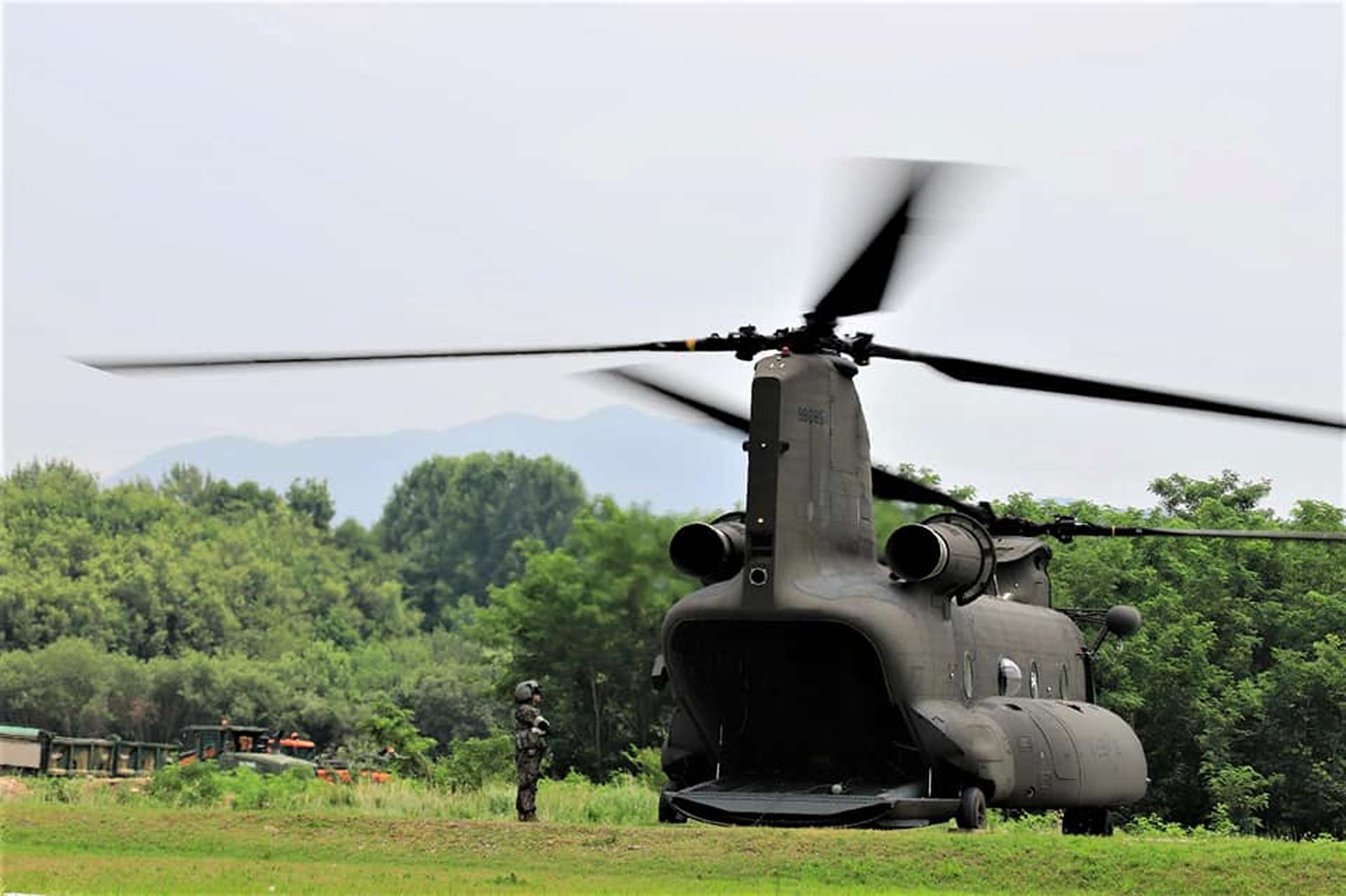
The Aviation exhibits will showcase combat mission aircraft, attack helicopters, and surveillance systems. (Picture source: South Korea MoD)

- Details
- Written by: V.Saint
- Category: 2024
- Hits: 5861
A video surfaced on social media during the week of August 20, 2024, showing a BOV wheeled vehicle engulfed in flames while driving on an asphalt road. As it moved, a large burning fragment fell off the vehicle. Only one soldier managed to escape from the armored personnel carrier, which can carry up to ten people. According to reports, the BOV was precisely hit by a Russian kamikaze drone. In mid-June of this year, the Ukrainian Armed Forces received a batch of 26 two-axle infantry delivery vehicles from Slovenia.
Follow Army Recognition on Google News at this link
BOV armored personel carrier buring afer a Russian FPV strike (Picture source: VK )
The BOV (Borbeno Oklepno Vozilo) is an armored personnel carrier from Slovenia, primarily used by the Slovenian armed forces and other countries of the former Yugoslavia. Designed in the 1980s, the BOV is a wheeled, lightweight, and versatile vehicle used for various missions, including troop transport, reconnaissance, and as a weapons platform. Its modular design allows for different configurations, such as anti-aircraft or anti-tank versions. It has light armor, providing basic protection against small arms and shrapnel, and can be armed with machine guns or grenade launchers.
The BOV is valued for its mobility and ability to operate in various environments. It has been used in various conflicts in the former Yugoslavia and remains an important part of Slovenia's military equipment, although it is gradually being replaced by more modern vehicles.
The serial production of such equipment began in the Slovenian city of Maribor at the TAM plant in 1977. There are eight versions in total, including one with a triple-barreled 20 mm M-55A4V1 automatic cannon. The firing range against ground targets reaches 2,000 meters, and against aerial targets, 1,500 meters. Six of these units were transferred. Weighing 9,100 kg in combat order, the hull has eight-millimeter-thick armor. The crew consists of two people, and the troop compartment can accommodate eight infantrymen. The diesel engine was produced under a German license. It has a power of 150 horsepower, with a maximum speed of 95 kilometers per hour on the highway. The 220 liters of fuel onboard allow for a range of up to 500 kilometers.
Slovenia provided Ukraine with a total of 26 BOV armored vehicles. Among them, 20 are armed with 12.7 mm heavy machine guns, while 6 others were modified with 20 mm automatic cannons. In addition to these vehicles, Slovenia also delivered three M80A infantry fighting vehicles and two dozen Valuk wheeled armored personnel carriers, which are licensed versions of Austrian Pandur I armored personnel carriers, thirty-five Yugoslav-made M-80A infantry fighting vehicles, and 28 M55S tanks, modernized with Israeli assistance, were use during Koursk breakthrough.
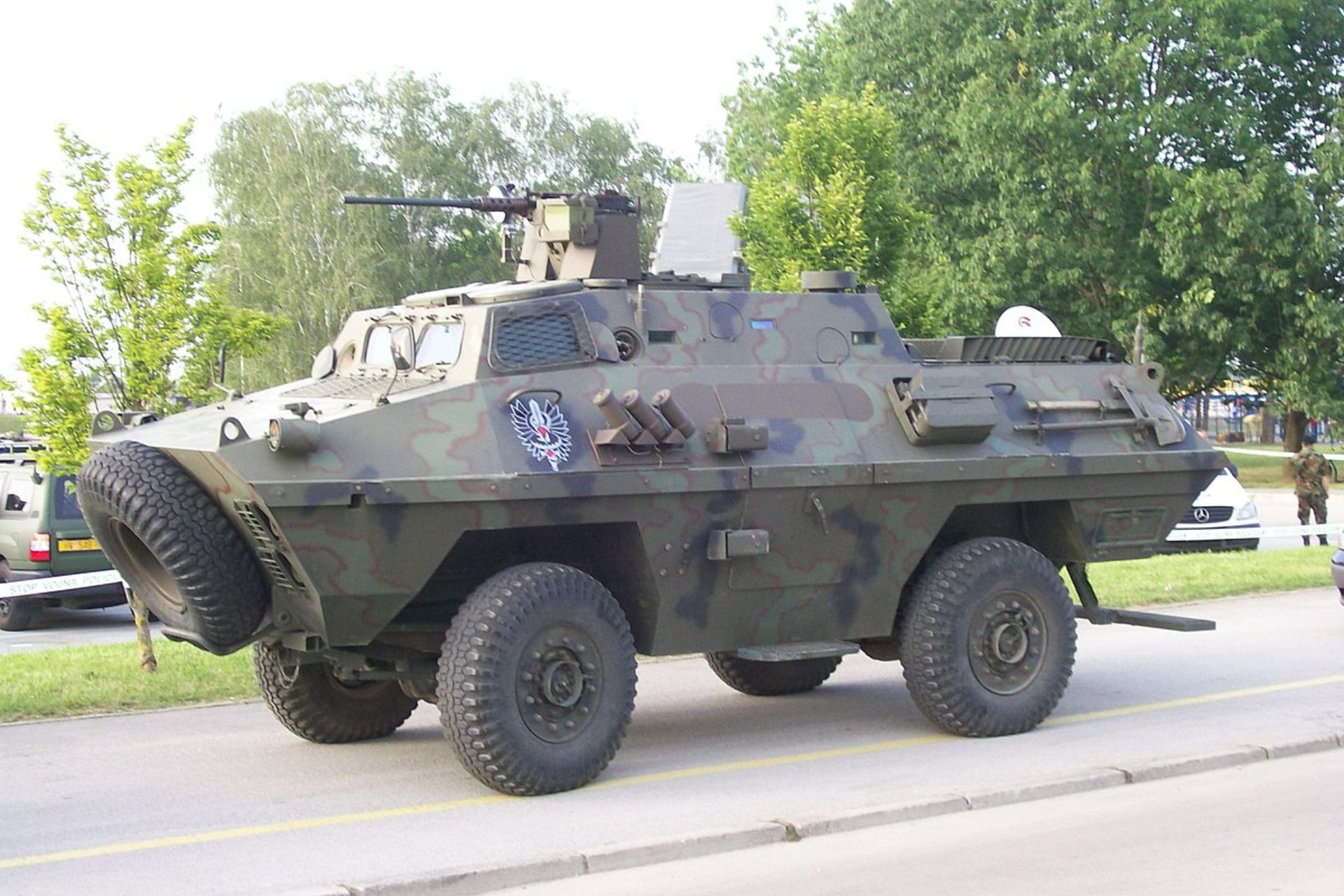
BOV of the croatian Special Operations Battalion, equipped with Browning M2 QBC, caliber 12,7 (Picture source : wikimédia)
Read more: Rare Yugoslav-Era BOV Armored Personnel Carrier Destroyed for First Time in Kursk Region
- Details
- Written by: Vandenbosch
- Category: 2024
- Hits: 3310
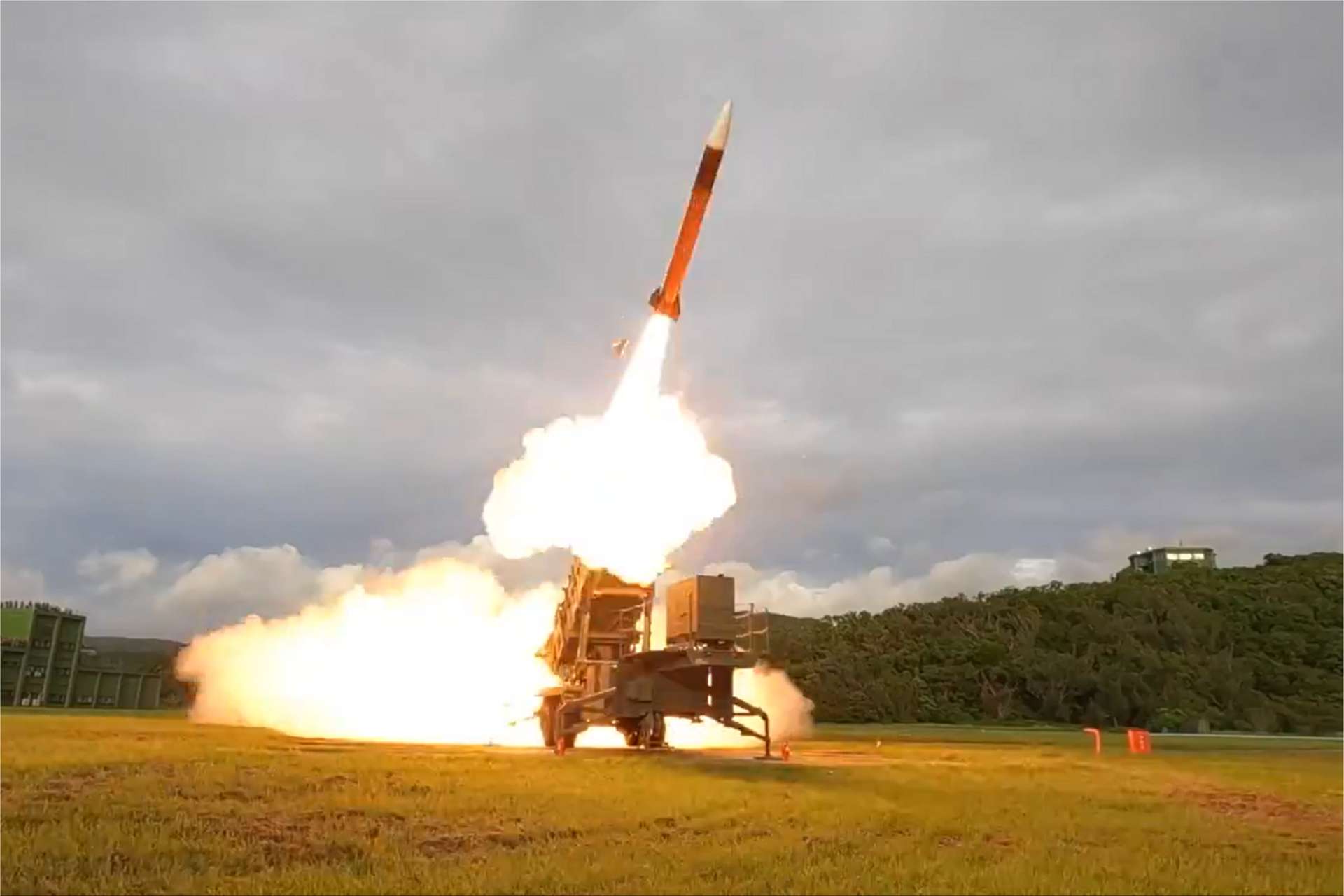
On August 20, 2024, Taiwan conducted a large-scale military exercise at its Jiupeng military base in Pingtung County, located in the southern part of the island. During this exercise, two U.S.-made Patriot PAC-2 missiles were successfully launched. This event was part of a broader demonstration of Taiwan's military power as tensions with China continue to escalate. Beijing, which considers Taiwan a breakaway province, has intensified its military activities around the island, prompting Taiwan to bolster its deterrence capabilities.
Follow Army Recognition on Google News at this link
The PAC-2, or Patriot Advanced Capability-2, is an air defense system designed to operate in all weather conditions and at all altitudes. (Picture source: Taiwanese Media)
The PAC-2 missiles are particularly effective in intercepting ballistic missiles. They were launched alongside Sky Bow III anti-ballistic missiles developed locally in Taiwan. The targets, located about 30 kilometers off Taiwan's eastern coast, were all hit, demonstrating the precision and preparedness of Taiwan's armed forces. According to Colonel Kao Shu-li, the spokesperson for the exercise, the objective of this training was to test the effectiveness of both the weapons systems and the soldiers in a joint air defense scenario. The decentralized command model used in the exercise aims to improve responsiveness and coordination of forces in real conflict situations.
A response to increasing Chinese pressure
This exercise took place in the context of increased military pressure from China, which has been intensifying its maneuvers near Taiwan. Beijing regularly sends warplanes and naval vessels near Taiwan’s coast in what many see as an intimidation tactic. These activities have prompted Taiwan to review its defense strategy and increase its military spending. Under President Lai Ching-te's leadership, the Taiwanese government recently announced a 6% increase in the defense budget for 2025, raising it to 647 billion Taiwanese dollars (approximately 19.8 billion U.S. dollars).
The use of PAC-2 missiles, supplied by the United States, is part of a broader strategy to diversify Taiwan’s weapon systems. In addition to locally manufactured weapons, Taiwan continues to procure advanced military equipment from its allies, particularly the United States. This strategic partnership is crucial for the island, which strives to maintain a military balance against China's growing power.
A mediated show of force
The August 20 exercise also marked a rare opening to the press. It had been twelve years since Taiwan's Ministry of Defense last invited the media to witness such a show of force. This increased transparency is likely intended to send a strong message not only to the Taiwanese population but also to the international community. Taiwan seeks to demonstrate that it is ready to defend its sovereignty against external threats.
Ministry of Defense spokesperson Sun Li-fang emphasized that the exercise allowed for the verification of the weapons systems' effectiveness and the solid training of the soldiers. The missile launches were carried out under conditions close to real combat, which validated the operational capabilities of Taiwan's armed forces. This show of force also comes as Taiwan intensifies its contacts with unofficial allies, such as Japan and South Korea, to strengthen its international support network.
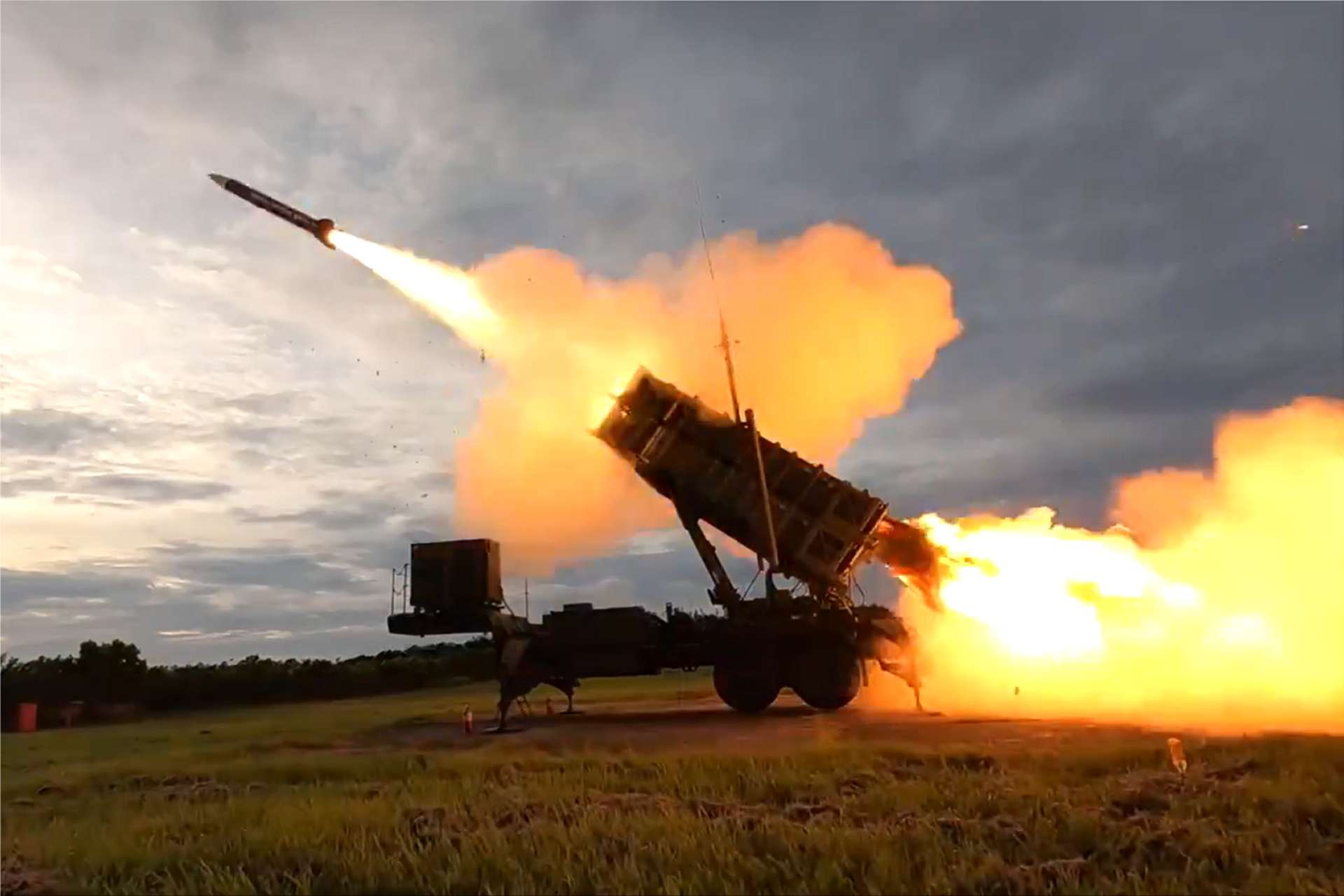
During the exercise, two U.S.-made Patriot PAC-2 missiles were successfully launched. (Picture source: Taiwanese Media)
What is the PAC-2?
The PAC-2, or Patriot Advanced Capability-2, is an air defense system designed to operate in all weather conditions and at all altitudes. This missile, weighing about 900 kg and measuring 5.8 meters in length, can destroy long-range aerial targets up to 70 km away. The system is used by many countries around the world, including the United States, Germany, Israel, Japan, Taiwan, and many others, attesting to its reliability and effectiveness.
The PAC-2 is equipped with a 90 kg warhead, composed of M248, a powerful explosive used in fragmentation charges. This warhead is designed to maximize damage with two layers of preformed fragments and an Octol 75/25 explosive composition, optimized for fragmentation explosions. This type of charge creates a large destruction zone, increasing the chances of neutralizing a target.
One of the most sophisticated aspects of the PAC-2 is its guidance system, based on a passive electronically scanned array (PESA) radar. This radar is equipped with advanced electronic counter-countermeasures (ECCM) and a "Track-Via-Missile" (TVM) guidance subsystem, ensuring precise target tracking until impact. This system is coupled with the AN/MPQ-53 or AN/MPQ-65 radar, which is part of a suite of systems including the AN/MSQ-104 Engagement Control Station, the OE-349 Antenna Mast Group, and the EPP-III Electric Power Plant. Together, these components ensure the detection, tracking, and interception of aerial threats with great efficiency.
A strengthened deterrence strategy
In response to the growing power of the Chinese military, Taiwan is focusing on a deterrence strategy based on modernizing its weapons systems. Missiles, whether locally manufactured or imported, play a key role in this strategy. Taiwan has also extended the duration of mandatory military service from four months to one year to better prepare its population for a possible confrontation with China.
The August 20 exercise is a reminder of the tense geopolitical situation Taiwan finds itself in. As Beijing continues to claim sovereignty over the island, Taiwan is bolstering its defense and seeking to maintain the support of its international allies, particularly the United States. Taiwan's military actions, coupled with active diplomacy, aim to deter any attempt by China to take control of the island by force.
Read more: Taiwan strengthens its defense capabilities with live-fire Patriot PAC-2 missile exercise
- What Combat Capabilities Will JASSM Cruise Missile Offer Ukraine if Provided by US?
- US Army Innovates with Robotic Decontaminator to Address Chemical and Biological Threats
- Archimedes Defense unveils military-grade Tesla Cybertruck APC with ceramic armor and 800V generator
- Russia Unveils Limited Edition Hunting Dogs Rifles with Artistic Engravings