
- Details
- Written by: Jérôme Brahy
- Category: 2024
- Hits: 17475










As reported by French Aid to Ukraine on November 26, 2024, France has initiated an extensive plan to replenish and expand its missile stockpiles as part of a long-term strategy to reinforce defense capabilities. The General Staff of the Armed Forces has announced that the Air Force's SCALP-EG cruise missile stocks will be replenished in 2024. A parliamentary report indicates that 2025 will be a critical year for additional replenishment, including replacing SCALP missiles transferred to Ukraine. A total of €2 billion has been allocated for 2025 to support the restocking of SCALP-EG, Aster, and MICA missiles, as part of a broader €16 billion budget designated for defense inventory improvements between 2024 and 2030.
Follow Army Recognition on Google News at this link
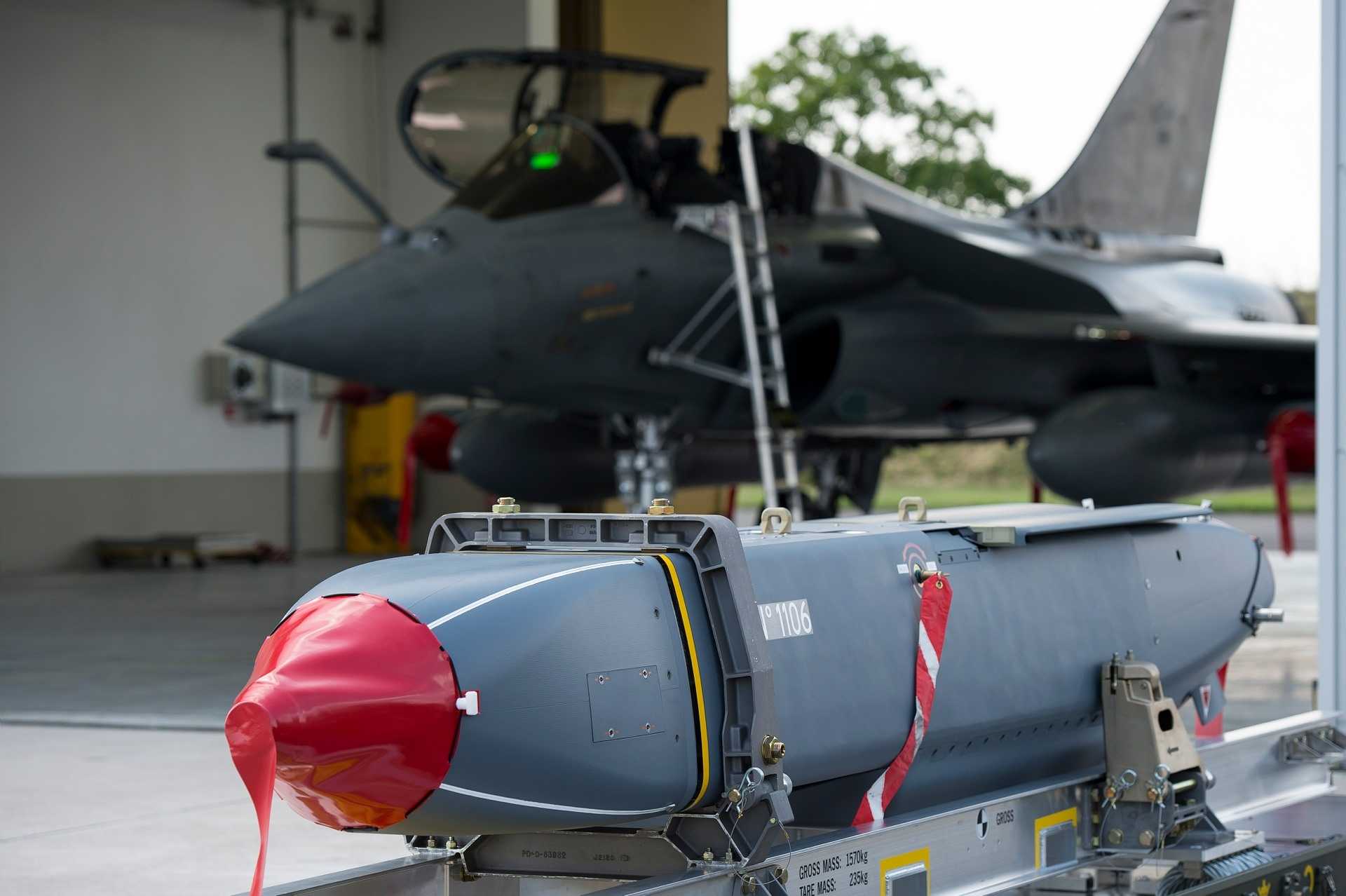
French President Emmanuel Macron announced the initial SCALP deliveries to Ukraine in July 2023, with additional shipments confirmed in November 2024. (Picture source: French Air Force)
In July 2023, France began providing SCALP long-range cruise missiles to Ukraine to enhance its capability for striking high-value targets at extended ranges. Initial shipments included approximately 40 missiles, followed by subsequent deliveries of around a dozen missiles per batch, as reported in November 2024. The total number of SCALP missiles transferred to Ukraine remains undisclosed. However, these missiles have been utilized in several operations, including the September 2023 strike on the Russian Black Sea Fleet headquarters in Sevastopol, Crimea. The attack caused significant damage and reportedly resulted in casualties among senior Russian naval officers.
SCALP missiles, integrated with Ukraine’s Soviet-era Su-24 bombers, have allowed for precision strikes on key Russian infrastructure, including command centers and logistical nodes. These operations have disrupted Russian military activities in occupied territories. The missiles' capability for long-range precision strikes on critical infrastructure has been integrated into Ukraine's defense strategy, significantly influencing the operational environment.
France’s contributions complement those of the United Kingdom, which has supplied Storm Shadow missiles, a variant of the SCALP system. French President Emmanuel Macron announced the initial SCALP deliveries in July 2023, with additional shipments confirmed in November 2024. While specific numbers remain confidential, reports in November 2024 mentioned preparations for another batch of approximately ten SCALP missiles for Ukraine. While the missiles' deployment is seen as an operational advantage, it has also prompted concerns about escalation, with Russia issuing warnings of "countermeasures."
France has maintained an active SCALP-EG missile production. The MBDA facility in Bourges remains operational, carrying out mid-life upgrades for Greece's SCALP inventory alongside new production projects. Investments amounting to €1 billion over five years aim to expand production infrastructure across MBDA’s European facilities. For instance, the production rate for Mistral missiles is set to double to 40 units per month by 2025, while delivery times for Aster missiles are being reduced from 40 to 24 months.
The SCALP/Storm Shadow is a Franco-British air-launched cruise missile developed by Matra and British Aerospace, currently produced by MBDA. It is designed for low observability, with a maximum range of 550 km and guided by GPS, INS, TERPROM, and infrared homing systems. The missile carries a 450 kg BROACH warhead, optimized for penetrating fortified structures and targeting strategic assets such as command centers, airfields, and infrastructure. It has been operational since 2003 and has been used in conflicts including Iraq, Libya, Syria, and Ukraine. Export variants, like the Black Shaheen, have been adapted to comply with Missile Technology Control Regime (MTCR) restrictions. A replacement, the Future Cruise/Anti-Ship Weapon, is under development by France, the UK, and Italy, with planned capabilities for land-attack and anti-ship missions by 2028 and 2034, respectively.
Beyond the SCALP-EG, France’s broader missile stockpile strategy includes additional orders for METEOR long-range air-to-air missiles and MICA air-to-air missiles. Modular air-to-ground munitions (AASM) are also being produced, with a target of 1,200 units by 2025. Other defense modernization efforts include upgrading aeronautics infrastructure, implementing Rafale F5 standards, and deploying advanced reconnaissance pods and Medevac kits.
The €2 billion allocation for missile replenishments in 2025 highlights France’s efforts to sustain readiness while meeting allied commitments. These actions are part of a broader strategy to address immediate needs and align with European defense objectives. Through sustained production capabilities and expanded stockpiles, France seeks to enhance its defense strategy and reinforce its role within international defense frameworks.
Read more: France boosts SCALP missile production to support Ukraine and enhance Air Force readiness
- Details
- Written by: Jérôme Brahy
- Category: 2024
- Hits: 3858
On December 5, 2024, the Czech defense company STV Group signed a seven-year framework agreement with the Czech Ministry of Defence for the supply of the Sentry anti-tank mine system. The contract, valued at up to CZK 4.08 billion ($172 million), includes at least 10,000 mines along with training and associated tools. The Sentry anti-tank mine system incorporates encrypted mesh connectivity, remote control features, autonomous target recognition, and deactivation functionality for friendly forces. These features enable the establishment of anti-access and area denial zones.
Follow Army Recognition on Google News at this link
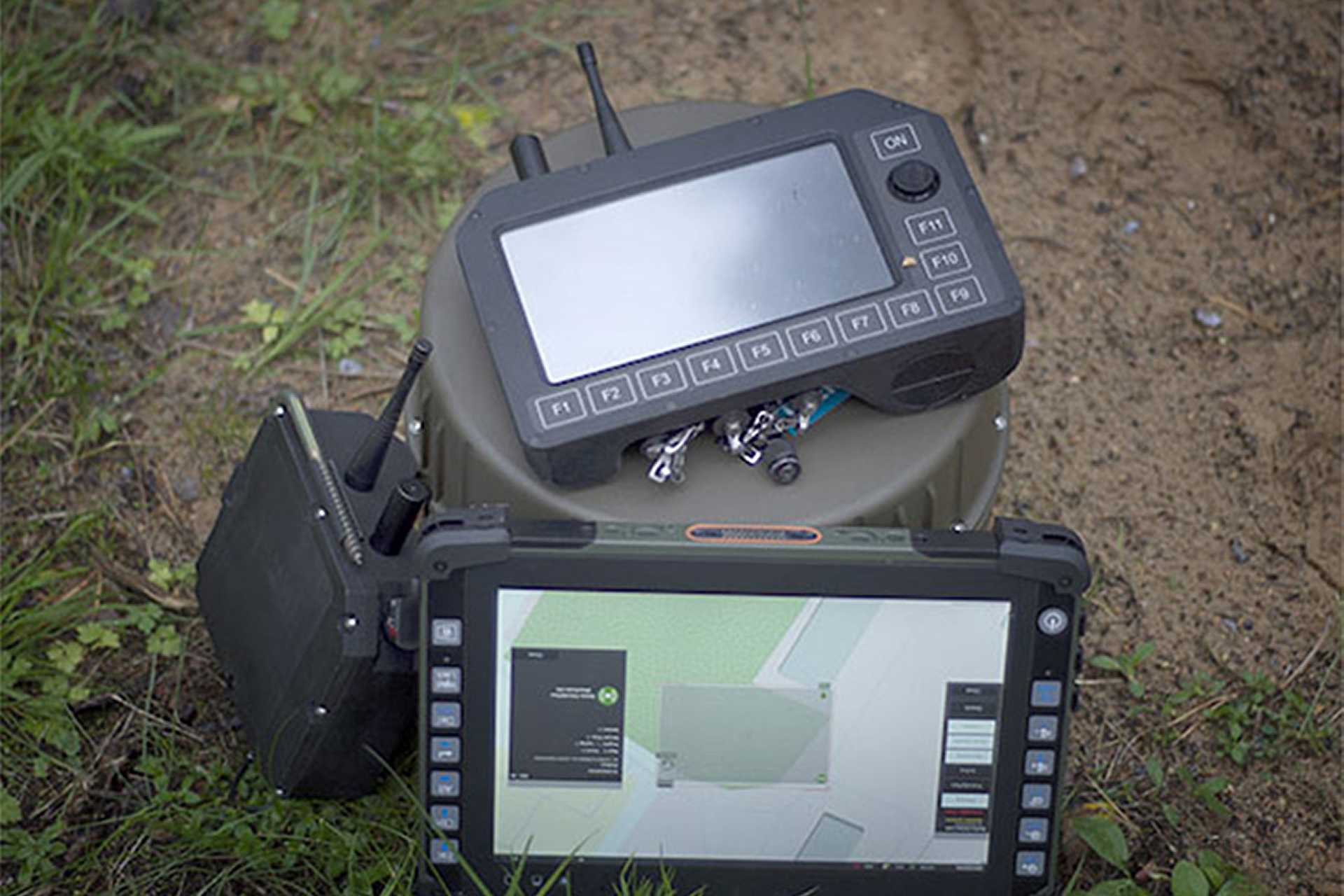
The Sentry system, developed jointly by Finland’s Forcit Defence and STV Group, is categorized as a next-generation anti-tank mine system with integrated networking and remote-control capabilities. (Picture source: Forcit Defence)
The Sentry system, developed jointly by Finland’s Forcit Defence and STV Group, is categorized as a next-generation anti-tank mine system with integrated networking and remote-control capabilities. Forcit Defence has previously delivered 1,500 Hailstorm shrapnel charges to the Czech Ministry of Defence. This agreement extends the existing collaboration between the Czech and Finnish defense industries.
The Sentry system uses 10.5-kg multi-sensor anti-tank mines with insensitive explosives and electronic modules. The mines are equipped with seismic and magnetic sensors for detecting armored vehicles and can be programmed to target specific equipment or convoys. They can function autonomously under electronic warfare conditions and allow for the safe passage of friendly forces. The mines feature encrypted communication systems for secure operation and can be managed remotely at both individual and minefield levels.
Each mine includes GPS for precise geolocation and can alert operators to positional changes. The mines can be deployed on the surface or buried, with real-time adjustability. They use a directional warhead designed to penetrate up to 140 mm of rolled homogeneous armor. Anti-handling mechanisms prevent tampering, and unused mines can be retrieved and redeployed. Deployment requires intervals of 2.5 meters, and nine mines are sufficient to block a standard two-lane road. The system is designed to achieve similar effectiveness to conventional mines with fewer units.
Lithuania has also procured the Sentry system, purchasing a batch for €5.9 million ($6.51 million). These mines are being deployed as part of a counter-mobility initiative along Lithuania’s borders with Belarus and Russia’s Kaliningrad region. Lithuanian authorities highlighted the system’s ability to differentiate between friendly and hostile forces and its remote activation and deactivation capabilities as operational advantages. This deployment forms part of a broader strategy to strengthen border defenses, including physical barriers and other obstacles.
The Czech Republic is enhancing its military capabilities due to heightened security concerns in Europe, particularly related to Russia's military actions in Ukraine. According to the 2023 Defence Strategy, Russia is identified as the primary long-term threat to the Czech Republic and NATO, marking the highest risk of military conflict since the Cold War. The strategy underscores the necessity for stronger national defense and increased NATO cooperation to address these risks.
Modernization efforts include the acquisition of new military equipment and international defense partnerships. The Czech government has approved the purchase of 24 F-35 fighter jets from the U.S., with deliveries scheduled between 2029 and 2033. Additionally, up to 28 Leopard 2A4 and 77 Leopard 2A8 tanks are being procured from Germany to replace Soviet-era T-72 tanks, reducing reliance on Russian-manufactured equipment. The Czech Republic has also provided $288 million in military aid to Ukraine, including aircraft, tanks, and ammunition. Furthermore, it is coordinating the procurement of artillery shells for Ukraine, financed through frozen Russian assets within the EU. These initiatives aim to strengthen national defense and address regional security objectives.
Read more: Czech Republic to reinforce anti-tank capabilities with 10,000 Finnish Sentry mines

- Details
- Written by: Jérôme Brahy
- Category: 2024
- Hits: 4177
On December 4, 2024, the Ministry of National Defense of Ecuador announced the deployment of more than 100 armored tactical vehicles, including the Israeli MDT David 4x4 and South African Mbombe 6 6x6 models. The vehicles will enhance the Armed Forces' operational capacity during the ongoing State of Exception and are intended to address an increased activity of organized crime and narco-terrorism. These units are to be deployed to conflict-prone regions immediately. The announcement was made during a ceremony at Wing 23 in Manta, attended by Minister of Defense Gian Carlo Loffredo and President Daniel Noboa, who reviewed the vehicles.
Follow Army Recognition on Google News at this link
Ecuador's massive procurement of modern armored vehicles is a response to increasing violence related to organized crime and drug trafficking, particularly along its northern border. (Picture source: Ecuador MoD)
Ecuador's procurement of advanced armored vehicles is a response to increasing violence related to organized crime and drug trafficking, particularly along its northern border. The presence of Colombian armed groups and dissidents, including remnants of the FARC-EP, has intensified security issues. This latest delivery follows the August addition of 51 vehicles, bringing the total to over 100. Under a $65 million contract with Elbit Systems in 2022, Ecuador has acquired 137 vehicles, including Israeli-made MDT Armor Tiger MKII 4x4 and South African Mbombe 6 6x6 models. These vehicles are intended to support surveillance, control operations, and counterinsurgency missions in high-risk areas.
The Mbombe 6, produced by South Africa’s Paramount Group, is a 6x6 armored vehicle providing STANAG Level 3 protection and a V-shaped hull designed to withstand up to 10 kilograms of TNT. It is armed with a 30 mm cannon and a 7.62 mm coaxial machine gun. The vehicle accommodates 11 personnel, including the driver and commander, and offers a payload capacity of 2,300 kilograms. With a top speed of 100 kilometers per hour and an operational range of 700 kilometers, it is designed for use in urban, rural, and border operations.
The MDT David 4x4, manufactured by MDT Armor Corporation, a subsidiary of Israel’s Shladot LTD, is based on the Toyota Hilux platform and provides STANAG Level II ballistic protection. It can transport up to eight personnel and is configurable with 3, 4, or 5 doors. The vehicle features a 148 horsepower engine with 408 Nm of torque, options for manual or automatic transmission, a ground clearance of 279 mm, and approach and departure angles of 35° and 30°, respectively. With a gross vehicle weight of 4,200 kilograms, it is designed for personnel transport, reconnaissance, and tactical missions.
In 2024, Ecuador introduced its first locally developed Mine-Resistant Ambush Protected (MRAP) vehicle, the Blindex Armorings C.A-Hino Dutro 716. This vehicle has NIJ Level III ballistic protection, a monocoque body, and reinforced structures capable of withstanding 7.62 x 51 mm NATO rounds. It can transport up to ten occupants, including a gunner, and is equipped with fire suppression systems, security cameras, and ballistic glass windows. It is designed for anti-terrorism and counter-narcotics operations. Additionally, Ecuador procured 20 Otokar Cobra II 4x4 tactical vehicles from Turkey’s Otokar company in August 2023, followed by 15 Otokar Ural 4x4 tactical vehicles in November 2023. These acquisitions form part of a broader effort to improve operational capabilities against criminal and insurgent activities.
Ecuador is experiencing a significant security crisis driven by organized crime and drug trafficking. In January 2024, the escape of drug lord Adolfo Macias, alias Fito, exacerbated the situation. In early December 2024, ten individuals, including nine Colombians, were killed in El Guabo, El Oro Province, in an attack linked to gang conflicts. In another incident, footballer Pedro Pablo Perlaza was kidnapped in Esmeraldas but later rescued by police. Additionally, Olger Moreno, the deputy security chief of Cotopaxi prison, was assassinated in late November.
Ecuador has accepted military assistance from over 38 nations, including the United States and Argentina, as part of its efforts to address these issues. A state of emergency has been declared, and military forces have been deployed to support police operations against criminal groups. Despite these measures, violence remains a concern, particularly in areas where Colombian and Ecuadorian drug trafficking organizations compete for control of cocaine production and trafficking routes along the Amazonian border. These efforts reflect Ecuador's attempt to strengthen its security infrastructure and respond to escalating threats.
- Details
- Written by: Triffaux
- Category: 2024
- Hits: 9499
On December 9, 2024, in Lima, the Peruvian Army unveiled the K808 "White Tiger" armored personnel carrier during the celebrations of the Battle of Ayacucho and Army Day. In May 2024, Hyundai Rotem and STX were selected to supply 30 K808 "Baekho" wheeled armored vehicles to Peru under a contract valued at $60 million. This order marks the first export of South Korean armored vehicles to Latin America. Initially planned for 30 units, the contract could expand to a total of 120 vehicles depending on the future needs of the Peruvian Armed Forces.
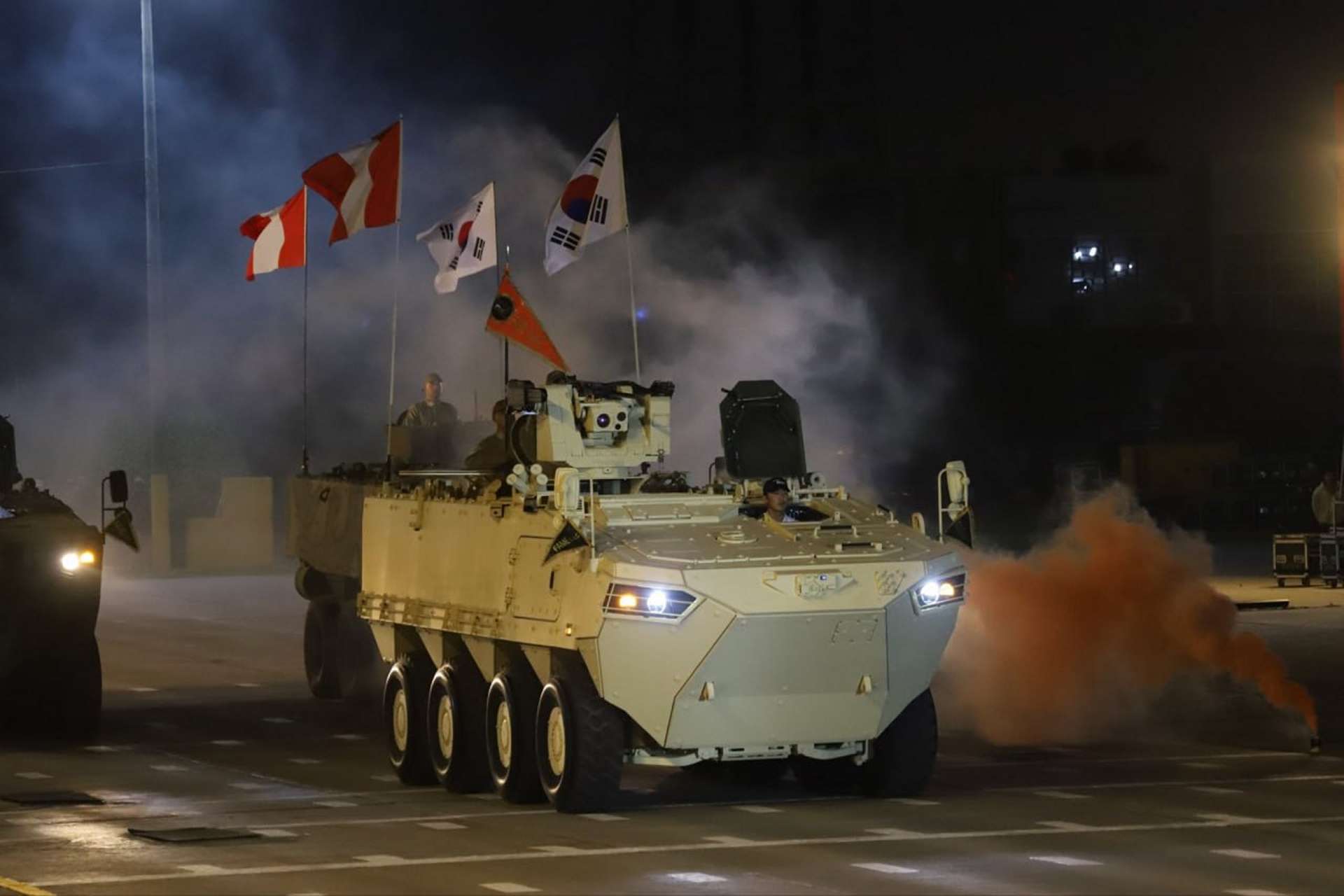
Peruvian Army modernizes Armored Fleet with South Korean K808 "White Tiger" IFVs. (Picture source: Peru MoD)
On November 16, 2024, also in Lima, Hyundai Rotem signed a second memorandum of understanding with FAME S.A.C., the Peruvian Army’s weapons and ammunition factory, for the supply of K2 "Black Panther" main battle tanks. Although financial details and the exact number of tanks have not been officially disclosed, sources suggest that Peru plans to acquire approximately 100 K2 tanks to replace its aging fleet of T-55 tanks. This initiative is part of a broader modernization program for the Peruvian Armed Forces, aimed at strengthening their operational capabilities with state-of-the-art equipment.
On December 9, 2024, three K808 "White Tiger" vehicles paraded, proudly displaying the Peruvian and South Korean flags, symbolizing South Korea's growing importance to the Peruvian Armed Forces and Peru’s commitment to modernizing its aging fleet. The fleet, still largely composed of Soviet-era vehicles such as the T-55 tanks and BMP-1 infantry fighting vehicles (IFVs), demonstrates the need for modernization. The BMP-1, developed in the 1960s, is equipped with a 73mm cannon and anti-tank missile launcher but is outdated in terms of armor and weaponry by current standards. This reliance on aging equipment underscores the necessity for Peru to upgrade its armored fleet to meet the demands of modern battlefields and provide better protection and operational effectiveness for its troops.
Peru has shown an increasing willingness to diversify and modernize its armed forces by turning to Western partners. This trend was reinforced in September 2024 when the government included funding for 24 new fighter jets in the 2025 budget. Among the options considered, the French Rafale emerged as a favorite, outpacing competitors like the American F-16 and Swedish Gripen. In November 2024, this shift continued with the Peruvian Congress authorizing the entry of 600 U.S. military personnel to assist with security preparations for the 2024 APEC meetings, further strengthening military ties with the United States.
This shift represents a notable departure from Peru’s historical reliance on Russian military equipment. In the 2010s, the country had considered acquiring T-90 tanks to replace its aging T-55s. However, in 2023, significant challenges in obtaining spare parts for its MiG-29 fleet highlighted the limitations of cooperation with Russia. While relations with Moscow persist, decisions made between 2023 and 2024 demonstrate Peru’s growing commitment to strengthening partnerships with Western nations to meet the demands of modernizing its armed forces and aligning with contemporary military standards.
Discussions about the South Korean agreements began several years ago, supported by consistent diplomatic efforts. In 2023, South Korean President Yoon Suk-yeol sent a letter to Peruvian President Dina Boluarte, celebrating 60 years of bilateral relations and emphasizing the potential for increased defense cooperation. Between 2023 and 2024, Peruvian military delegations visited South Korea to witness demonstrations of the K808’s capabilities in scenarios simulating mountainous operations and counterterrorism missions.
The K808, also known as "Baekho" (White Tiger), was designed in 2003 and has proven its reliability in the South Korean Army, with over 500 units delivered. Capable of overcoming 40cm obstacles, crossing 1.5-meter trenches, and navigating waterways with its jet propulsion system, it is well-suited to Peru's challenging geography. Its central tire inflation system (CTIS) and advanced mobility make it a strategic asset for the Peruvian Armed Forces. This contract is part of a broader modernization program for Peru's armored fleet, which is still heavily reliant on outdated main battle tanks such as the T-55 and AMX-13 from the 1950s.
With this initial order, the long-term outlook is promising. STX and Hyundai Rotem are already in discussions for additional orders and expanded technical collaboration with FAME S.A.C., the Peruvian state arms manufacturer. This partnership, which could span several years, enhances South Korea’s strategic presence in the Latin American defense market. A Hyundai Rotem representative reaffirmed the company’s commitment to leveraging its technological expertise to ensure the success of this collaboration and support Peru’s defense objectives in the years ahead.
The partnership between Hyundai Rotem and FAME S.A.C. aims to establish a lasting collaboration, paving the way for future contracts and supporting Peru’s defense modernization efforts. This agreement also solidifies South Korea’s position as a competitive player in the Latin American defense market, aligning with its global strategy for growth in the defense sector.
- Details
- Written by: Administrator
- Category: 2024
- Hits: 14353
Algeria has solidified its position as a leading military power in North Africa with the unveiling of the Iskander-E ballistic missile system during a grand military parade on November 1, 2024, commemorating the 70th anniversary of the Algerian War of Independence. This public display underscored Algeria’s commitment to modernizing its armed forces and highlighted its deep-rooted defense partnership with Russia. The Iskander-E system, a centerpiece of Algeria’s advanced arsenal, showcases the strategic depth of its military capabilities and its resolve to address evolving security challenges in the region.
Follow Army Recognition on Google News at this link
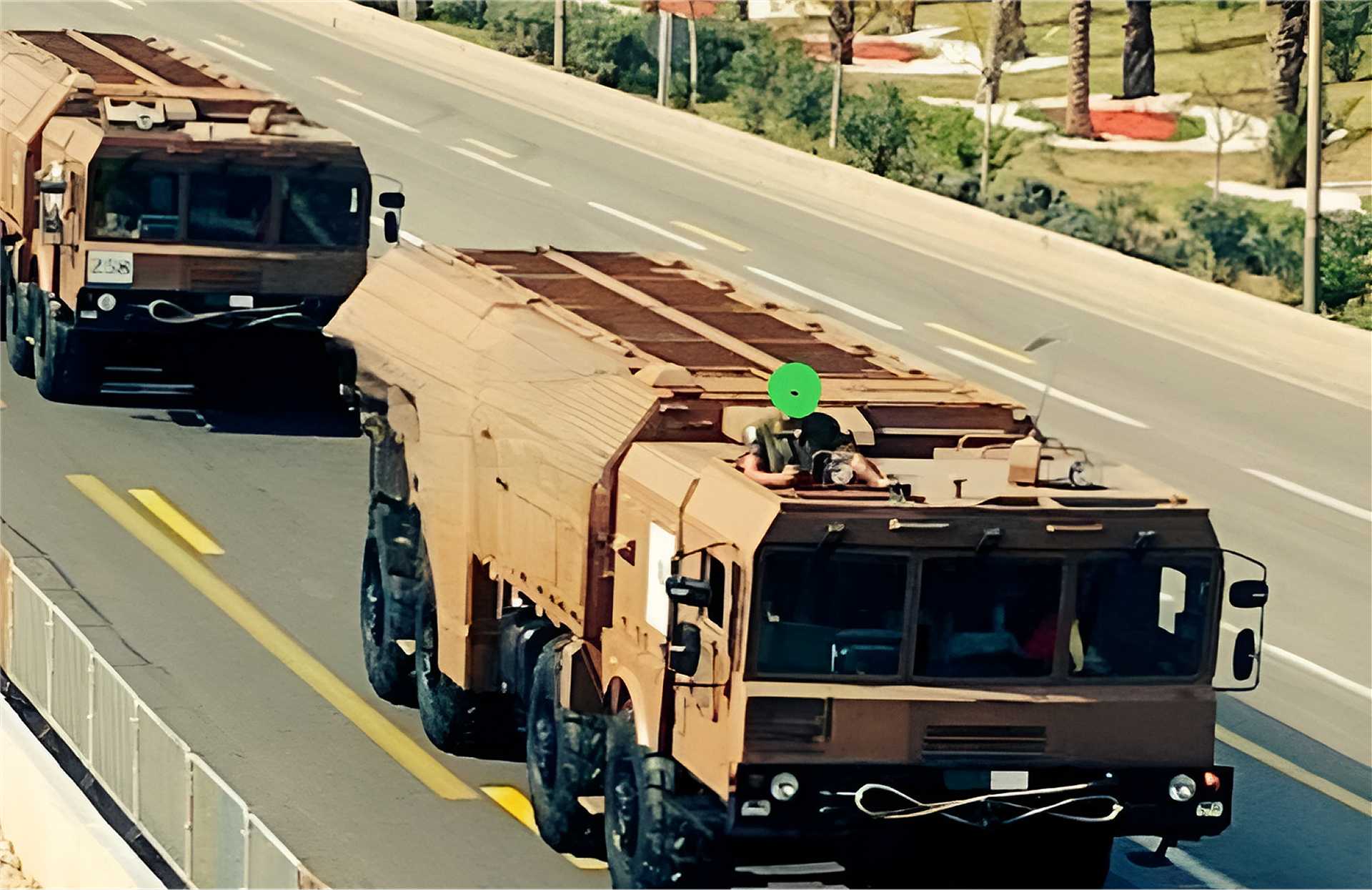
For the first time, Algeria unveils the Russian-made Iskander-E mobile ballistic missile system during the 2024 military parade, commemorating the 70th anniversary of the Algerian War of Independence. (Picture source: Video footage Algeria National TV)
The Iskander-E is the export variant of Russia's Iskander-M tactical missile system, tailored to meet international arms control agreements with a reduced range of 280 kilometers. Designed for precision strikes, the Iskander-E system delivers devastating accuracy with a circular error probable (CEP) of 5–7 meters, making it a critical asset for neutralizing high-value targets, including command centers, infrastructure, and air defense systems. Its advanced warheads and mobile deployment capabilities further enhance its operational flexibility and survivability on the battlefield.
Reports indicate that Algeria received four regiments of the Iskander-E system between 2014 and 2017, marking a significant enhancement to its military capabilities. Each regiment comprises approximately 50 vehicles, including 12 launchers, 12 missile carriers and loaders, 11 command vehicles, and various support units. This extensive deployment underscores Algeria’s strategic intent to fortify its precision-strike capabilities and establish itself as a dominant military force in North Africa.
The unveiling during the November 2024 military parade was the first public display of the Iskander-E in Algeria, confirming the system’s operational deployment. This milestone event not only celebrated Algeria’s growing defense capabilities but also symbolized its commitment to maintaining a technological edge in the region. The decision to showcase this system during a significant national celebration further demonstrated its importance in Algeria’s defense strategy and its alignment with broader national objectives.
Algeria’s acquisition of the Iskander-E is emblematic of its broader defense modernization efforts, supported by its strong partnership with Russia. The country has a long-standing relationship with Moscow, dating back to the Cold War, when the Soviet Union became Algeria’s primary arms supplier. Over the decades, this partnership has deepened, with Russia providing cutting-edge systems like the Iskander-E alongside Su-30MKA fighter jets, S-400 air defense missile systems, and modern naval platforms.
The Iskander-E system exemplifies Algeria’s drive for self-reliance and strategic deterrence in an increasingly complex regional security environment. Faced with challenges such as instability in the Sahel, the ongoing conflict in Libya, and heightened tensions with neighboring Morocco, Algeria has prioritized the acquisition of advanced weaponry to maintain a strategic advantage. The Iskander-E, with its ability to conduct rapid and precise strikes, serves as a cornerstone of this strategy.
This defense modernization aligns with Algeria’s ambition to become a technologically advanced and self-reliant military power. By equipping its armed forces with Russian-made systems, Algeria ensures its ability to address modern warfare challenges, including cyber threats, drone technology, and precision-guided munitions. The country’s investment in the Iskander-E system not only reinforces its deterrence capabilities but also positions it as a key player in shaping North Africa’s security landscape.
Russia’s role as Algeria’s primary defense supplier is integral to this evolution. Beyond providing high-end military systems, Russia offers training, maintenance, and technology transfer, enabling Algeria to maximize the effectiveness of its arsenal. Russia’s willingness to export advanced systems like the Iskander-E, often restricted to select nations, underscores the strategic depth of this partnership. Moreover, Russia’s favorable financing terms and lack of political preconditions make it an ideal partner for Algeria’s defense objectives, allowing the country to pursue its goals without external interference.
The acquisition and operational deployment of the Iskander-E system mark a significant milestone in Algeria’s defense strategy. This move not only enhances its military capabilities but also signals its determination to maintain a leadership role in regional security. As tensions persist across North Africa, Algeria’s investment in advanced weaponry like the Iskander-E reaffirms its status as a dominant military power prepared to address emerging challenges and safeguard its sovereignty for years to come.
- Details
- Written by: Jérôme Brahy
- Category: 2024
- Hits: 14026
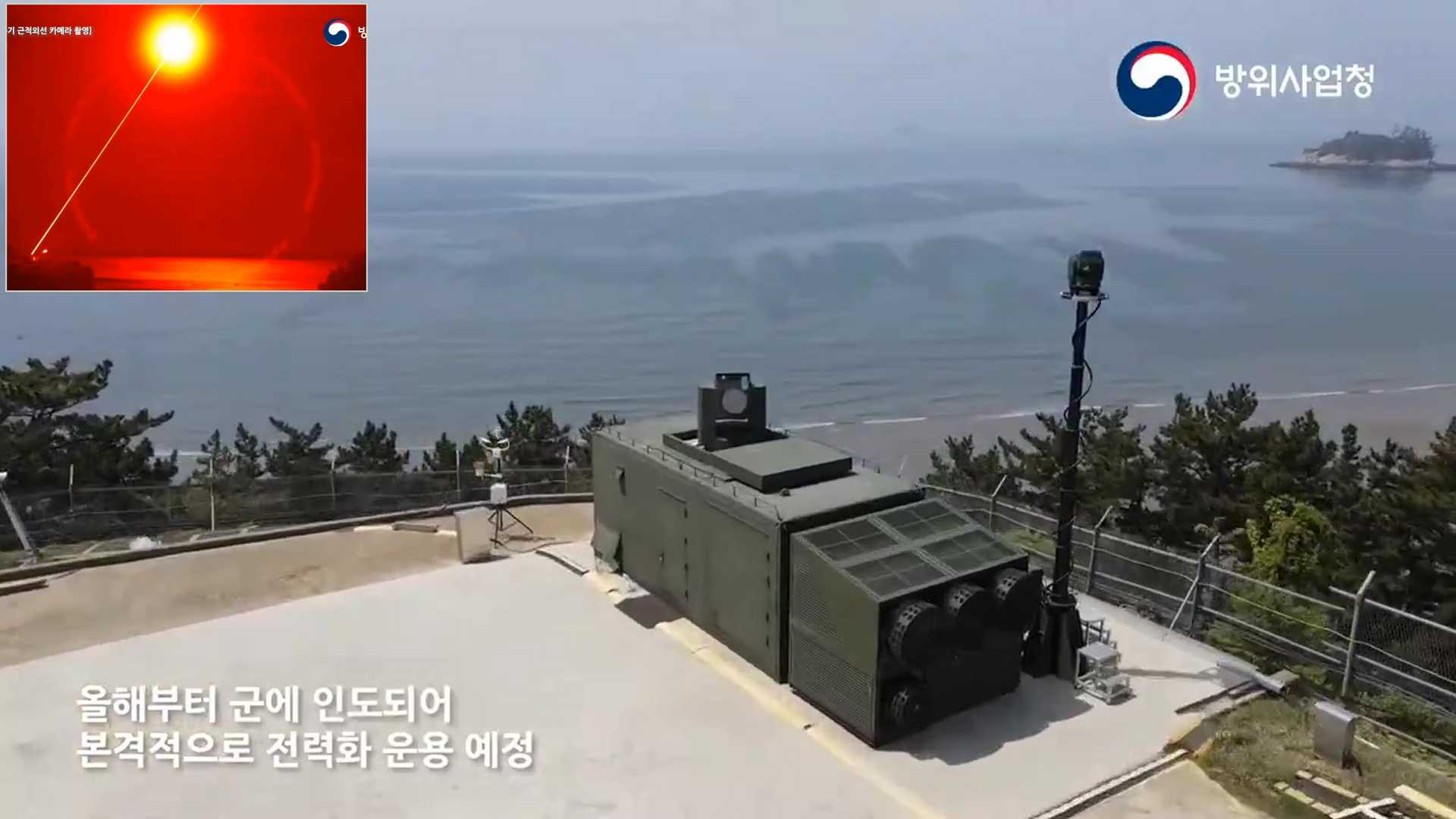
As reported by Mason on December 8, 2024, South Korea has initiated the deployment of the Laser-Based Anti-Aircraft Weapon Block-I, a stationary 20kW-class fiber laser system capable of neutralizing drones within a range of 2–3 kilometers, to frontline units and selected urban locations, including Seoul. Globally, laser systems like the British Dragonfire and Israeli Iron Beam remain under development, but South Korea is the first to announce large-scale production and deployment of such a system to complement its existing air defense layers against North Korean drones. However, deployment to the broader metropolitan area may face delays.
Follow Army Recognition on Google News at this link
The Laser-Based Anti-Aircraft Weapon Block-I, also known as Skylight or Cheongwang, is a stationary 20kW-class fiber laser weapon designed to neutralize small unmanned aerial vehicles (UAVs) at an estimated firing cost of $1.45 per shot. (Picture source: DAPA)
Developed since 2019 by Hanwha Aerospace in collaboration with the Agency for Defense Development (ADD), the Laser-Based Anti-Aircraft Weapon Block-I, also known as Skylight or Cheongwang (天光), is a stationary 20kW-class fiber laser weapon designed to neutralize small unmanned aerial vehicles (UAVs) and multicopters within a range of 2–3 kilometers at an estimated firing cost of KRW 2,000 ($1.45) per shot. Production began in July 2024 under a KRW 100 billion ($72.5 million) contract signed in June, supervised by the Defense Acquisition Program Administration (DAPA). During live-fire tests in April 2023, the system achieved a 100% success rate against its intended targets. While effective against short-range threats such as drones and multicopters, Skylight is not designed to counter intercontinental ballistic missiles (ICBMs) or high-output swarm drone attacks.
Future iterations of the Skylight system aim to expand its capabilities. The Block-II variant will be mobile, based on the K239 Multiple Rocket Launcher System chassis, offering increased range and power. The Block-III is envisioned to intercept larger threats, such as ballistic missiles and aircraft, through naval and aerial configurations with outputs exceeding 100kW. These upgrades are expected to strengthen South Korea’s layered air defense system.
In addition to Skylight, South Korea is deploying the Intelligent 40mm Automated Air Defense System. Also developed under DAPA’s rapid development program, this system features dual-barreled 40mm cannons that may use munitions compatible with the K21 Infantry Fighting Vehicle. It is based on the export version of the towed 40mm CIWS gun developed for India. While the turret’s specific configuration—such as the use of the K40 or 40CTC—has not been confirmed, mobile versions are under development using the K239 chassis. This system targets low-altitude threats and complements Skylight within South Korea's six-layered air defense architecture. Together, they form the lower tiers alongside LAMD-I and LAMD-II systems, while M-SAM and L-SAM systems address medium- and high-altitude threats. This multi-tiered structure counters a wide range of aerial challenges.
The Skylight operates silently and without visible light, reducing the risk of collateral damage such as falling debris. It integrates with radar systems to enhance targeting precision. However, its performance can be reduced in adverse weather, and interception times for swarm drone attacks are longer. Complementary systems, such as High-Pulse Microwave (HPM) weapons, are being explored to address these limitations.
Laser weapon systems, also known as directed-energy weapons, are emerging as a key area of defense innovation, as they provide key advantages for air defense, including precision targeting, rapid response capabilities, and cost-efficiency. Their ability to engage threats at the speed of light allows for immediate neutralization of drones, missiles, and artillery shells, enhancing operational effectiveness without reliance on conventional munitions. Precision targeting reduces the risk of collateral damage compared to traditional systems. Laser systems rely on power sources rather than ammunition, enabling sustained use as long as energy is available, which reduces logistical burdens and operational costs. These features make laser technology a practical option for modern military applications. to counter various threats.
For instance, the United States has focused on systems like Lockheed Martin’s 500kW-class laser weapon, representing a significant power increase, and Raytheon’s High-Energy Laser Weapon Systems, designed to intercept rockets, artillery, mortars, and drones. Israel’s Iron Beam is designed to counter short-range rockets, artillery, and mortars. In the United Kingdom, the DragonFire system, introduced in 2017, underwent high-power trials in 2022 and is expected to be integrated aboard Royal Navy ships by 2027.
China has demonstrated systems such as the Silent Hunter, a vehicle-mounted laser for low-altitude targets, and the LW-30, showcased as a short-range anti-UAV system. Russia’s laser arsenal includes the Peresvet, operational since 2018, and the newer Zadira, reportedly used for battlefield applications. South Korea’s Block-I focuses on drone neutralization at low operational costs. France’s HELMA-P has been tested for anti-drone operations aboard naval platforms, while Germany is advancing naval laser weapons for UAV and missile defense. Additional efforts include India’s exploration of laser systems for border defense, Turkey’s ARMOL for anti-drone operations, and Japan’s development of laser air defense technologies. Global trends indicate increasing interest in these innovations despite challenges such as power supply, cooling, and weather impacts.
South Korea has initiated the deployment of laser weapons to frontline units and urban areas, including Seoul, primarily to counter the escalating threat of North Korean drones. In December 2022, five North Korean drones entered South Korean airspace, with one reaching Seoul, highlighting gaps in air defense. In response, the Defense Acquisition Program Administration (DAPA) initiated deployment of the "Block-I" laser system, developed by Hanwha Aerospace. This system can disable drones by targeting their engines or electronics within 10–20 seconds, with an operational cost of approximately 2,000 won ($1.45) per shot. The deployment aims to enhance South Korea's defense capabilities, particularly in densely populated areas like Seoul, against potential provocations from the North.
- Details
- Written by: Administrator
- Category: 2024
- Hits: 6304
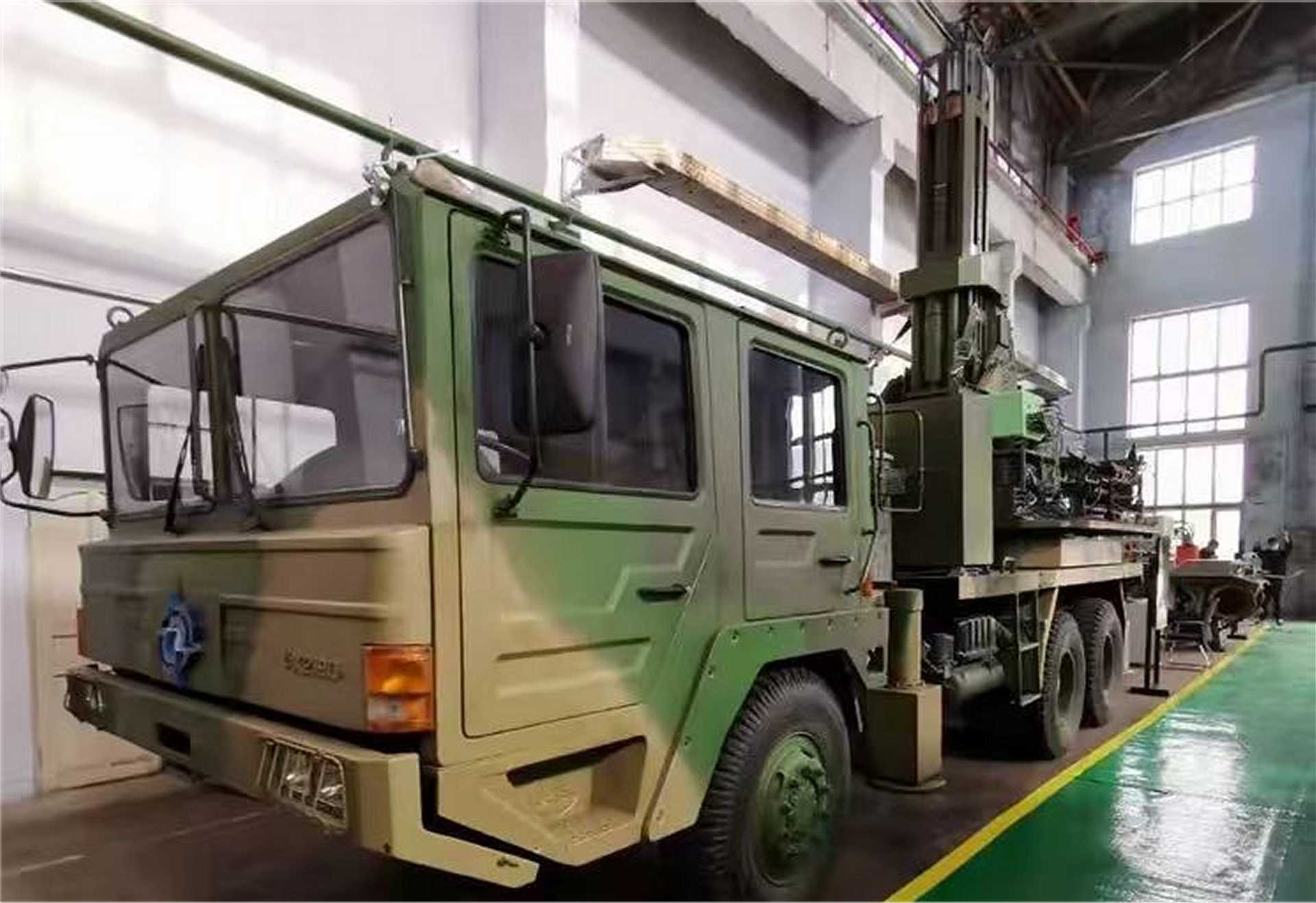
According to information published in a Chinese defense magazine and relayed by the X account of Fay on December 6, 2024, China has introduced its latest innovation in defense technology: the Metal Storm mobile electromagnetic gun system. This state-of-the-art weapon, mounted on a 6x6 military truck chassis, is designed to serve as a terminal defense solution against modern threats such as First-Person View (FPV) drones, cruise missiles, and Anti-Tank Guided Missiles (ATGMs).
Follow Army Recognition on Google News at this link
China's Metal Storm mobile electromagnetic gun, mounted on a 6x6 truck, offers a cutting-edge defense against drones, missiles, and Anti-Tank Guided Missiles. (Picture source: Reddit)
Electromagnetic guns, often categorized into railguns and coilguns, represent a leap forward in projectile technology. These systems utilize electromagnetic forces to accelerate projectiles to extraordinary velocities, bypassing traditional chemical propellants. Railguns, for example, leverage magnetic fields generated by immense electrical currents to propel a projectile along conductive rails. This mechanism allows for muzzle velocities far exceeding those of conventional firearms, making electromagnetic guns ideal for intercepting fast-moving or hardened targets.
The Metal Storm system, with its mobile and versatile design, aligns with a global trend in developing highly responsive and cost-effective defensive technologies. Electromagnetic weapons offer several advantages over traditional systems. They reduce reliance on explosive ammunition, lowering logistical costs and increasing battlefield safety. The higher projectile velocities enhance accuracy and lethality, making them suitable for engaging a wide range of modern threats, from swarming drones to supersonic missiles. These attributes make such systems particularly attractive for nations seeking to strengthen their layered defense architectures.
The race to develop and deploy electromagnetic weapons has gained significant momentum globally. The United States has been a pioneer in this domain, with programs like the Electromagnetic Railgun Project pursued by the Office of Naval Research (ONR). This initiative demonstrated the potential for railguns to deliver long-range, precision strikes at a fraction of the cost of traditional missile systems. However, challenges such as energy requirements and barrel wear have delayed full operational deployment.
Similarly, Russia has explored electromagnetic technologies, reportedly developing prototypes for coastal and ship-based defense systems. European nations, particularly France and Germany, have also invested in electromagnetic weaponry as part of broader efforts to enhance their military's capabilities. Meanwhile, Israel, a leader in counter-drone and missile-defense technologies, has incorporated elements of electromagnetic propulsion into its advanced intercept systems, further expanding the role of this technology in active defense.
China’s Metal Storm system signifies the country's determination to bridge the gap with global competitors in this advanced field. By integrating electromagnetic guns into a mobile platform, China has introduced a system that can be rapidly deployed to critical zones, providing a flexible solution to counter emerging threats. This mobility is particularly advantageous in regions with limited infrastructure, and quick response times are crucial.
The deployment of the Metal Storm system also raises broader questions about the future of warfare. Electromagnetic weapons could play a decisive role in conflicts where traditional missile systems may be deemed too costly or slow to respond to rapidly evolving threats. The system's potential to neutralize drones and cruise missiles, which are increasingly being used in asymmetric warfare, could shift the balance in favor of countries equipped with this advanced technology.
As nations worldwide continue to invest in the research and development of electromagnetic weapons, the battlefield of the future is set to be defined by these silent yet powerful systems. With their ability to deliver precise, high-speed, and cost-effective strikes, they represent not just an evolution in weaponry but a fundamental transformation in how wars are fought and won.
- Details
- Written by: Administrator
- Category: 2024
- Hits: 3678
On December 7, 2024, the U.S. Department of Defense announced a $988 million security assistance package for Ukraine, marking the 22nd such package under the Biden administration. The aid focuses on crucial military support, including munitions for HIMARS and Unmanned Aerial Systems (UAS), both vital to Ukraine’s defense efforts. Additionally, the package includes maintenance and repair support to help sustain Ukraine's combat capabilities.
Follow Army Recognition on Google News at this link
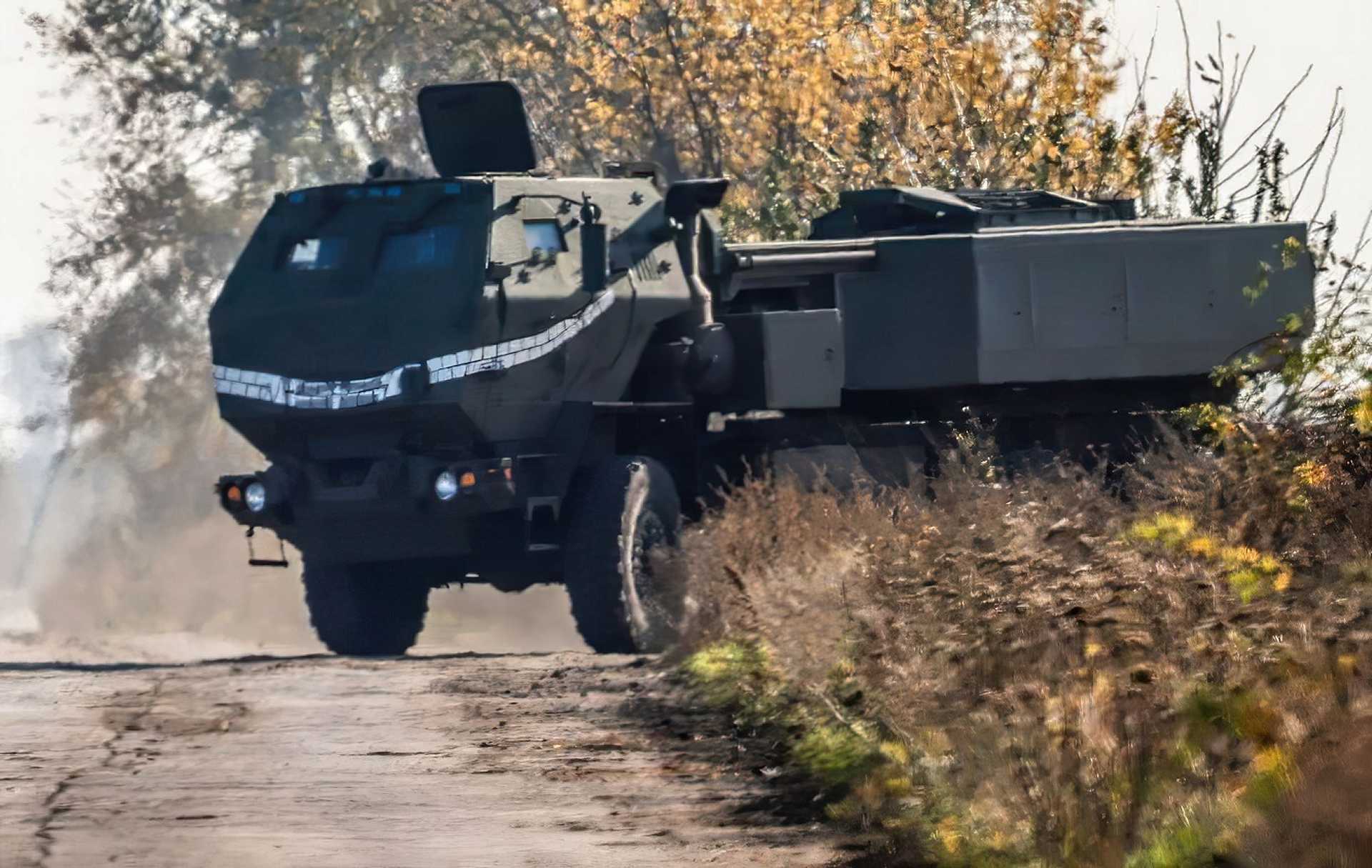
HIMARS ammunition plays a crucial role in Ukraine's defense strategy, enabling precise long-range strikes against Russian command centers, supply depots, and key infrastructure, disrupting enemy operations and shifting the battlefield advantage. (Picture source: Ukraine Social Network)
One of the most significant elements of the new package is the provision of munitions for HIMARS, which has become a cornerstone of Ukraine’s long-range artillery capabilities. Since being introduced to the battlefield in mid-2022, HIMARS has played a pivotal role in Ukraine's counteroffensive operations, allowing Ukrainian forces to strike Russian command centers, ammunition depots, and other key infrastructure deep behind enemy lines. The ability to hit these critical targets has severely disrupted Russian logistics, command structures, and supply chains. As the conflict drags on, the continued supply of HIMARS munitions is crucial for Ukraine to maintain its ability to strike Russian forces with precision from long distances. These strikes have shifted the balance of power on the battlefield, providing Ukrainian forces with a significant advantage in disrupting Russian operations and creating a continuous pressure campaign against Russian forces.
Alongside HIMARS munitions, the latest U.S. assistance package includes advanced Unmanned Aerial Systems (UAS), which have become indispensable for Ukraine in the ongoing war. Drones play a key role in modern warfare, offering Ukrainian forces enhanced intelligence, surveillance, and reconnaissance (ISR) capabilities, as well as precision strike options. UAS enable real-time battlefield intelligence, allowing Ukraine to locate enemy positions, identify targets, and direct fire. Drones have been particularly effective in targeting Russian armor, artillery, and supply columns, enabling Ukraine to disrupt Russian operations and shift the momentum on the battlefield. Furthermore, drones provide valuable intelligence on Russian troop movements and infrastructure, making them essential for coordinating attacks and adapting to evolving battlefield conditions. The continued supply of UAS will enhance Ukraine's operational flexibility, enabling more effective coordination of strikes and better situational awareness
In addition to providing new weapons and systems, the U.S. package also focuses on maintenance and repair support, which is critical for sustaining Ukraine's existing assets. Maintaining and repairing advanced military equipment like HIMARS and UAS becomes increasingly important as the war continues. Without this support, Ukrainian forces could face difficulties in keeping their high-tech systems operational, potentially losing a significant tactical advantage. The inclusion of maintenance and repair capabilities in this latest assistance package ensures that Ukraine will be able to maximize the effectiveness of its advanced weaponry, keeping these systems battle-ready for sustained operations. This logistical support not only aids in the immediate term but also strengthens Ukraine's ability to maintain its combat power over the long haul, ensuring that it can keep up its resistance against Russian invasion.
With this new $988 million package, the total U.S. security assistance to Ukraine since Russia's full-scale invasion in February 2022 exceeds $62 billion. This assistance highlights the United States’ ongoing commitment to Ukraine's sovereignty and territorial integrity, providing critical resources to help the country defend itself and regain lost territory. The combination of HIMARS munitions, Unmanned Aerial Systems, and maintenance support is designed to reinforce Ukraine's defensive capabilities and ensure that its forces remain capable of conducting effective operations against Russian forces. These capabilities, which have already demonstrated their importance in past operations, will continue to be key in shaping the conflict moving forward.
As Russia intensifies its efforts to disrupt Ukraine's infrastructure and advance its territorial claims, the continued provision of advanced weapons systems and logistical support will be crucial for Ukraine’s ability to maintain its resistance. HIMARS and UAS provide Ukraine with the means to conduct high-precision strikes, gather real-time intelligence, and disrupt Russian operations in ways that were previously unimaginable. These technologies are changing the nature of the conflict, enabling Ukraine to fight asymmetrically and maintain a level of operational flexibility that counters the larger Russian force. The continued U.S. commitment to Ukraine’s defense strategy, through both the supply of critical systems and maintenance support, ensures that Ukraine can continue to build and sustain its combat power, while simultaneously gaining the upper hand in this prolonged and brutal war.
This new military aid package, along with previous U.S. military assistance, underscores the broader strategic goal of empowering Ukraine to resist Russian aggression and reclaim its sovereignty. The assistance is not just about providing immediate support, but about ensuring that Ukraine’s military remains capable of defending itself and shaping the future of the conflict. As the war enters its third year, the importance of HIMARS and UAS in Ukraine’s defense strategy will continue to grow, making them vital assets in the fight for Ukraine's survival.
- Details
- Written by: Administrator
- Category: 2024
- Hits: 4432
On December 7, 2024, Russia's TASS news agency reported that the Belarusian government, in collaboration with Russian defense specialists, is set to proceed with the deployment of the Oreshnik intermediate-range ballistic missile system in Belarus by mid-2025. This decision follows growing concerns over U.S. and German plans to deploy intermediate-range missiles across Europe, which are seen as a direct threat by both Moscow and Minsk.
Follow Army Recognition on Google News at this link
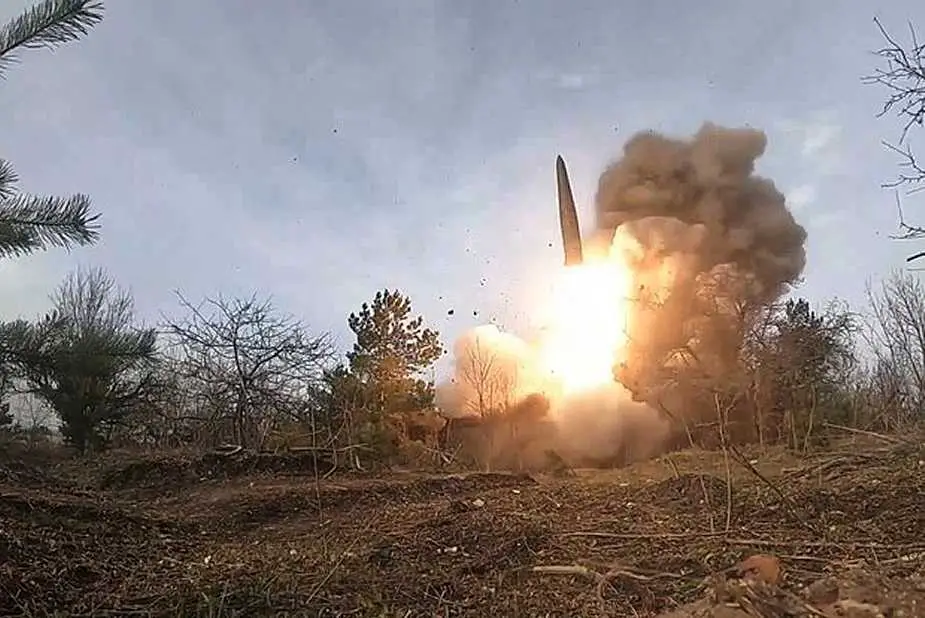
Illustrative image showing the test launch of a Russian ballistic missile, highlighting the capabilities of advanced missile systems like the Oreshnik. (Picture source: Russian social network)
According to Sergey Lagodyuk, the Deputy Chief of the Belarusian General Staff, the Oreshnik system's deployment is a response to NATO's increasing military presence in Eastern Europe, particularly the planned stationing of U.S. and German missiles. Moscow and Minsk perceive these actions as an escalation of Western military encroachment, prompting them to bolster their defense posture.
The Oreshnik intermediate-range ballistic missile system is a relatively new and advanced addition to Russia's strategic missile arsenal. While full technical specifications are not fully disclosed, the system is expected to possess several key capabilities that make it a significant threat. First, it is an intermediate-range missile capable of striking targets between 500 and 5,500 kilometers, covering much of Europe and NATO's infrastructure. This range allows it to potentially target military installations, airfields, supply chains, and key government facilities across Europe, including NATO bases in the region.
The missile system is designed for precision strikes, with capabilities akin to other advanced Russian missiles, such as the Iskander and Kalibr systems, but with a much longer reach. This increased accuracy makes the Oreshnik effective against high-value targets such as command centers, radar sites, and air defense installations. Additionally, the system is expected to be deployed on mobile launch platforms, which makes it more difficult to track and counteract by enemy forces. The mobility of the system allows it to be relocated quickly, reducing the likelihood of a successful preemptive strike by adversaries.
The Oreshnik is also expected to have dual-warhead capabilities, meaning it can carry both conventional and nuclear warheads. This flexibility adds a strategic dimension to its deployment, offering Russia and Belarus a powerful tool for both tactical and strategic deterrence. It could be employed for conventional warfare scenarios or, in the event of heightened tensions, as a nuclear deterrent, thereby increasing its significance in Russia's military strategy. Moreover, it is believed that the Oreshnik missile system will be integrated with Russia's existing defense network, which includes advanced air defense missile systems like the S-400 and S-500, enhancing the system’s coordination and effectiveness within the broader Russian military framework.
The deployment of the Oreshnik missile system in Belarus presents a significant escalation in the ongoing security challenges facing both Ukraine and Europe. For Ukraine, the proximity of Belarus means the Oreshnik system would be capable of targeting critical military positions, supply lines, and infrastructure deep within Ukrainian territory. This is especially concerning given the ongoing conflict in Ukraine, where Russia and Belarus are already highly involved. The deployment of such a system further solidifies the strategic alliance between Moscow and Minsk, increasing the threat to Ukraine’s defense capabilities. The system's presence also raises the specter of further Russian provocations, as it provides a powerful tool for deep-strike capabilities against Ukraine.
The Oreshnik missile represents a new threat for Europe, with its intermediate range capable of striking key NATO military sites across the continent. The decision to deploy this missile system will likely be seen as a direct challenge to NATO, particularly as the United States and Germany move forward with their own plans to deploy intermediate-range missiles in the region. This growing missile presence on both sides could lead to heightened tensions and a renewed arms race in Europe. NATO’s immediate response may involve bolstering its missile defense systems and enhancing its military deterrence measures to counter the Russian threat.
Another critical concern raised by the Oreshnik missile’s deployment is its nuclear capability. As the system can be equipped with both conventional and nuclear warheads, it could increase the likelihood of nuclear escalation in the event of conflict. This threat is particularly pertinent given the proximity of Belarus to NATO member states, which would place European countries and the U.S. within potential striking distance of the missile. Belarus, as a staunch ally of Russia, may become a key forward base for Russia’s nuclear deterrence strategy, further raising concerns over the stability of European security. The presence of such a weapon in Belarus could also lead to calls for NATO to adjust its nuclear posture, potentially leading to a new arms race between Russia and the West.
The deployment of the Oreshnik missile system in Belarus is a strategic maneuver that will significantly impact the military dynamics in Europe and the broader geopolitical landscape. The growing missile capabilities of Russia and Belarus pose an increasing threat not just to Ukraine, but to the entire European security architecture. In response, NATO and its allies may be forced to take stronger measures to counter these new capabilities, further complicating an already tense security environment. As the Oreshnik missile system is slated to be deployed in 2025, this development will likely become a central issue in European defense policy, driving both military preparedness and diplomatic efforts to prevent further escalation.
- Details
- Written by: Administrator
- Category: 2024
- Hits: 8947
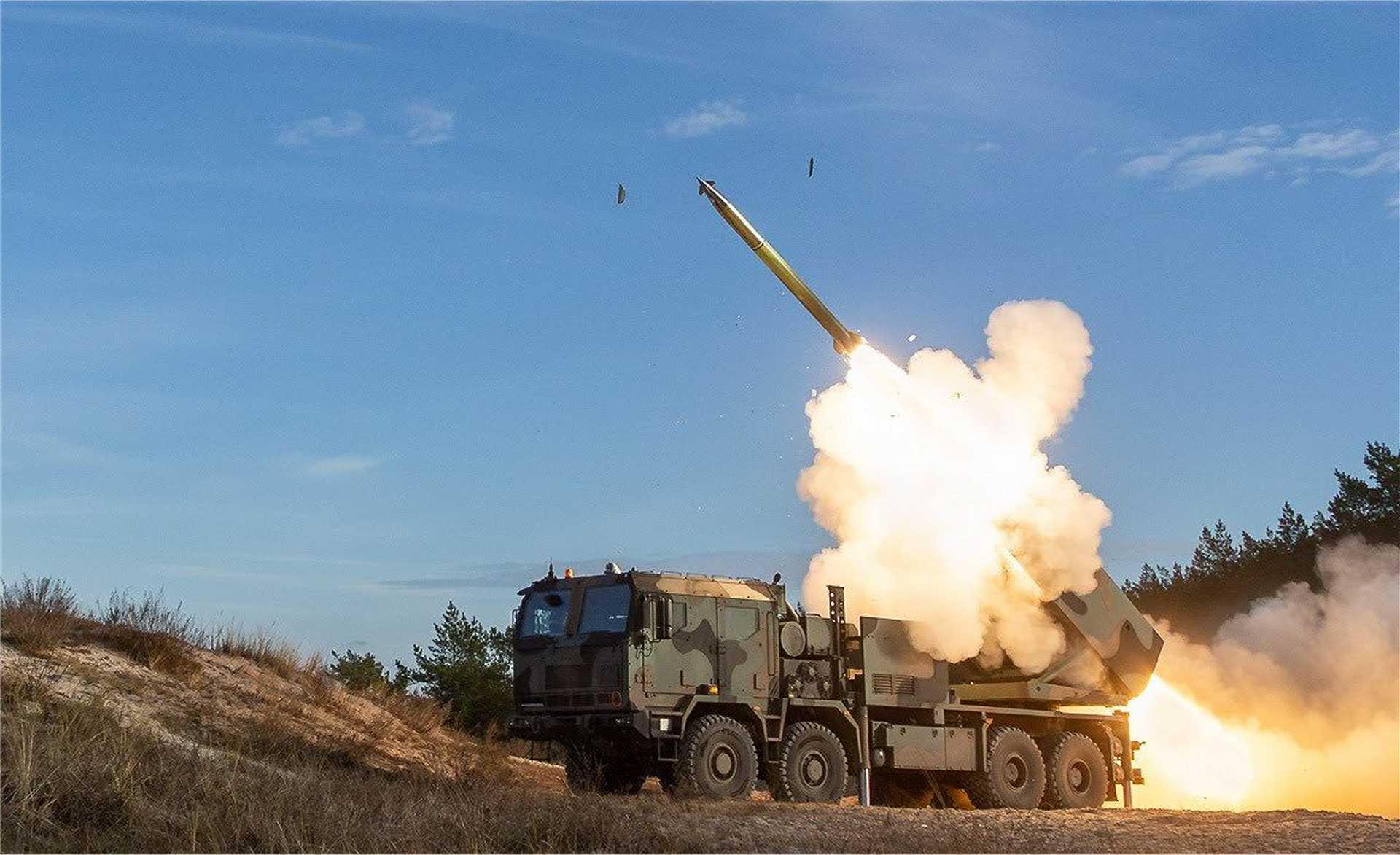
Poland has achieved a groundbreaking advancement in its defense modernization with the successful launch of the CGR-080 guided rocket from the Homar-K Multiple Launch Rocket System (MLRS), as reported by defense analyst Haku Mason on December 6, 2024, via his X account. This new rocket, with a range of 80 kilometers, surpasses the range of the U.S. HIMARS M31 GMLRS and demonstrates Poland's commitment to acquiring superior artillery capabilities and enhancing its precision strike potential on the modern battlefield.
Follow Army Recognition on Google News at this link
During its first successful launch, Poland's Homar-K MLRS fires the CGR-080 guided rocket, showcasing advanced range and precision capabilities. (Picture source: Haku Mason X Account)
The Homar-K system is a Polish adaptation of South Korea’s K239 Chunmoo MLRS (Multiple Launch Rocket System), mounted on the robust Jelcz 8x8 chassis. Combining South Korean technology with Polish engineering, the Homar-K is designed for mobility, survivability, and versatility in diverse combat scenarios. The system’s modular configuration allows it to fire a wide array of guided and unguided munitions, making it a flexible and potent asset for modern battlefield requirements.
The comparison between the U.S. HIMARS and Poland’s Homar-K firing the CGR-080 guided rocket highlights key differences in capability. HIMARS typically employs the M31 GMLRS rocket, which has a range of up to 70 kilometers and delivers high precision with GPS guidance, offering a CEP of about 10 meters. The Homar-K, equipped with the CGR-080 guided rocket, extends the range to 80 kilometers, providing Poland with a slight advantage in striking targets at greater distances. Additionally, the CGR-080 offers a comparable level of precision with a CEP of 15 meters, making it highly effective for both tactical and strategic missions. While HIMARS benefits from battle-proven reliability and global deployment, the Homar-K's modularity and compatibility with diverse munitions, including the CGR-080, position it as a more versatile and locally tailored solution for Poland's defense needs.
The CGR-080 is a guided rocket, leveraging advanced GPS/INS (Global Positioning System/Inertial Navigation System) technology to achieve precise strikes. With a range of 30–80 kilometers and a Circular Error Probable (CEP) of just 15 meters, the CGR-080 delivers a high-explosive warhead capable of effectively neutralizing personnel, light armor, and infrastructure targets. Unlike traditional unguided artillery rockets, the CGR-080 provides precision engagement capabilities, enabling more efficient use of firepower while minimizing collateral damage.
Compared to other rockets launched by MLRS (Multiple Launch Rocket System) systems, the CGR-080 offers distinct advantages that make it particularly suited to the demands of modern warfare. Its GPS/INS guidance ensures precise target engagement, minimizing ammunition wastage and reducing the risk of collateral damage. This precision is crucial in urban or densely populated areas where accuracy can be the difference between mission success and strategic failure. Additionally, its range and high-explosive warhead provide a balanced combination of firepower and reach, enabling it to neutralize a broad spectrum of targets, from lightly armored vehicles to critical infrastructure. Unlike unguided rockets that rely on volume to compensate for inaccuracy, the CGR-080 maximizes combat effectiveness with fewer launches, reducing logistical strain and increasing operational efficiency. This capability places it at the forefront of modern MLRS munitions, reflecting the evolving priorities of precision, flexibility, and adaptability on the contemporary battlefield.
A key feature of the Homar-K system is its compatibility with a diverse range of munitions, enhancing its operational flexibility. In addition to the CGR-080, the system can deploy the CTM-MR guided rocket, which offers a range of 50–160 kilometers and features a penetration-fragmentation warhead for striking fortified positions and high-value infrastructure. It is also capable of firing the CTM-290 guided rocket, which has a range of 80–290 kilometers and is equipped with a blast-fragmentation warhead for neutralizing strategic targets such as command centers and supply depots. Furthermore, the system supports an anti-ship guided rocket with GPS/INS/IIR (Imaging Infrared) guidance and an anti-ship warhead, designed to engage naval targets at ranges of 50–160 kilometers.
The Homar-K also accommodates training rockets with inert warheads and GPS/INS guidance, allowing for realistic yet safe training exercises without the use of live ordnance. Additionally, the system can deploy unguided 2.75” K223 rockets, which are effective at ranges of 5–8 kilometers for suppressive fire and targeting lightly armored threats. These munitions are powered by composite propellant technology, ensuring reliable and consistent performance across a wide range of operational conditions. The precision of the Homar-K’s guided munitions, with CEP values as low as 9–15 meters, represents a significant improvement over older unguided systems, making it a key component of Poland’s modern artillery arsenal.
The successful integration of the CGR-080 into the Homar-K system highlights Poland’s commitment to enhancing its military capabilities and readiness. This guided rocket provides a level of precision and effectiveness that fundamentally transforms the role of artillery on the battlefield, allowing for a wider range of strategic and tactical applications. The partnership with South Korea’s Hanwha Aerospace and the planned local production of advanced munitions like the CGR-080 further bolster Poland’s defense posture, ensuring sustained independence in equipping its military with cutting-edge technology.
- Details
- Written by: Administrator
- Category: 2024
- Hits: 6416
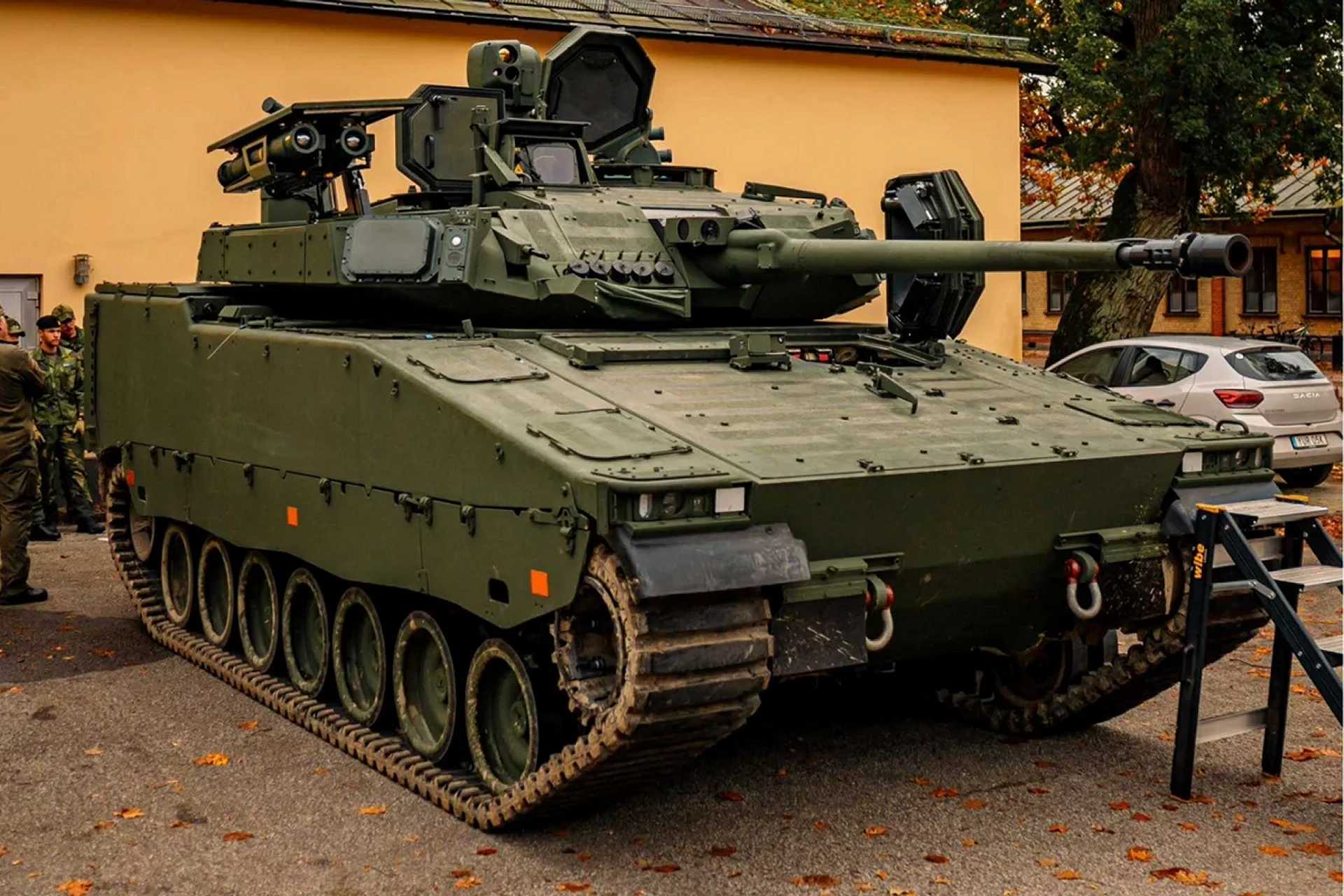
Sweden announced on December 6, 2024, a significant enhancement to Ukraine's military capabilities with the delivery of 40 CV9035 MkIIIC Infantry Fighting Vehicles (IFVs), marking another step in the country's ongoing support against external aggression. This advanced version of the CV90 family, produced under a contract with BAE Systems, underscores Sweden's commitment to bolster Ukraine's defense efforts amid ongoing conflicts.
Follow Army Recognition on Google News at this link
Ukraine will strengthen its arsenal with the CV9035 MkIIIC, one of the most advanced infantry fighting vehicles, featuring superior firepower, protection, and mobility. (Picture source: Swedish MoD)
This delivery builds on Sweden's previous support to Ukraine. In June 2023, Sweden donated 50 CV9040 IFVs, the standard version of the vehicle used by the Swedish Army's mechanized infantry units.
The CV9035 MkIIIC is one of the most advanced IFV (Infantry Fighting Vehicle) variants in the CV90 family, offering superior firepower, protection, and mobility. Equipped with a 35mm Bushmaster III autocannon, this IFV is optimized for engaging both armored vehicles and infantry. The MkIIIC features advanced modular armor for enhanced survivability against kinetic and explosive threats, as well as state-of-the-art battlefield management systems for improved situational awareness. Its enhanced targeting systems, featuring modern optics and a sophisticated fire-control system, allow it to engage targets with precision in both day and night conditions. This makes it an ideal asset for Ukraine’s forces, which face a diverse range of threats on the battlefield.
The CV9035 MkIIIC’s firepower offers a decisive edge over standard Russian IFVs, such as the BMP-2 and BMP-3. The 35mm Bushmaster III autocannon, with its higher velocity and longer range, can penetrate the armor of these vehicles more effectively than the BMP-2’s 30mm autocannon. Additionally, its fire-control system ensures rapid and accurate engagement, which is particularly advantageous in dynamic combat scenarios. In terms of protection, the CV9035 MkIIIC boasts advanced modular armor capable of withstanding RPG attacks, artillery fragments, and autocannon fire, far surpassing the defensive capabilities of the more lightly armored BMP series. With its advanced suspension system and powerful engine, the MkIIIC also provides exceptional mobility, traversing challenging terrain and responding quickly to shifting battlefield conditions.
In December 2023, Denmark and Sweden signed a pivotal joint declaration to supply additional CV90s to Ukraine. Denmark committed approximately $264 million to the initiative, which aims to provide newly produced CV90 vehicles tailored for Ukraine’s operational needs. While specific delivery timelines and the exact number of vehicles remain undisclosed, this partnership highlights the collaborative efforts within Europe to address the evolving security landscape in Eastern Europe. The CV90 family, renowned for its modular design and adaptability, remains a cornerstone of European armored vehicle fleets, and the Denmark-Sweden cooperation reflects their shared priority of enhancing Ukraine’s combat readiness through cutting-edge defense technology.
The delivery of the CV9035 MkIIIC vehicles follows Sweden’s broader strategy of contributing advanced military equipment to Ukraine. The move not only strengthens Ukraine’s armored capabilities but also signals Sweden's alignment with NATO allies and European partners in supporting Ukraine’s sovereignty.
BAE Systems, the manufacturer of the CV90 series, plays a pivotal role in ensuring timely production and delivery of these vehicles. The company’s reputation for innovation and reliability in the defense sector ensures that Ukraine receives equipment capable of meeting the challenges of modern warfare.
Sweden significantly enhances Ukraine’s ability to counter Russian armored threats by delivering these advanced IFVs. Against BMP-2 and BMP-3 vehicles, the CV9035 MkIIIC offers a clear advantage in firepower, protection, and operational efficiency, providing Ukraine with the tools it needs to strengthen its mechanized forces and maintain an effective defense. Combined with earlier deliveries and ongoing international collaborations, this initiative underscores the critical role of advanced armored vehicles in modern conflict and demonstrates Sweden and its partners' unwavering support for Ukraine’s defense.

- Details
- Written by: Administrator
- Category: 2024
- Hits: 4512
Denmark and Sweden are modernizing their armed forces by acquiring one of the world’s most advanced Infantry Fighting Vehicles (IFVs), the BAE Systems CV9035 MkIIIC. These vehicles are being procured under a three-party framework agreement involving the Danish Ministry of Defence Acquisition and Logistics Organisation (DALO), the Swedish Defense Materiel Administration (FMV), and BAE Systems. The agreement aims to enhance both nations’ defense capabilities and interoperability, ensuring they remain equipped to address evolving security challenges.
Follow Army Recognition on Google News at this link
The CV9035 MkIIIC is developed to the same advanced standard as the latest CV90 mid-life upgrade program undertaken for the Netherlands. (Picture source: Dutch MoD)
The framework builds upon an initial contract signed between BAE Systems and Sweden’s FMV in May 2024. Denmark will acquire 115 new CV9035 MkIIICs, while Sweden will receive 50 units. The agreement also includes funding from both nations for the delivery of additional CV9035 MkIIICs to Ukraine, reflecting a shared commitment to supporting regional security. The total value of the agreement is estimated at $2.5 billion, which includes spare parts, logistics, support, and training packages.
The CV9035 MkIIIC is the latest and most advanced version of the CV90 family, a combat-proven platform with a strong operational record. This iteration benefits from technology upgrades introduced during the CV90 mid-life modernization program conducted for the Netherlands, providing enhanced functionality, survivability, and adaptability to modern combat environments.
Equipped with a 35mm Bushmaster III autocannon, the CV9035 MkIIIC offers superior firepower, capable of engaging a wide range of targets, including armored vehicles, infantry, and low-flying aerial threats. The autocannon supports advanced programmable ammunition, allowing operators to tailor their responses to specific battlefield scenarios. This firepower is complemented by a redesigned turret featuring next-generation fire control systems and sensors, including thermal imaging, night vision, and laser rangefinding. These systems ensure precise target acquisition and engagement in diverse combat conditions, even while the vehicle is on the move.
The CV9035 MkIIIC incorporates the Elbit Systems Iron Fist Active Protection System (APS), significantly enhancing survivability. The APS detects, tracks, and neutralizes incoming threats such as anti-tank missiles and rocket-propelled grenades before impact. This system, combined with modular armor and advanced mine protection, ensures robust defense against a wide range of threats, including IEDs and ballistic attacks, safeguarding the crew and the vehicle.
Mobility is another key strength of the CV9035 MkIIIC. Its upgraded drivetrain and advanced suspension system provide excellent off-road performance, enabling the vehicle to traverse challenging terrains such as snow, mud, and rocky landscapes while maintaining speeds exceeding 70 km/h on roads. The vehicle’s hybrid-ready design reduces fuel consumption and minimizes thermal and acoustic signatures, making it well-suited for stealth operations. Enhanced shock absorption systems also improve crew comfort during prolonged missions.
The CV9035 MkIIIC is fully integrated into modern digital battlefields, equipped with an advanced combat management system that enables real-time coordination with allied units. This system provides commanders with superior situational awareness and allows for seamless communication, enhancing the vehicle’s role in joint and multinational operations. Interoperability is further strengthened by the CV90 platform’s widespread adoption by 10 nations, including eight NATO members, making it a critical asset for multinational missions.
For Denmark, the acquisition of 115 CV9035 MkIIICs represents a significant expansion of its IFV fleet, bringing the total number of CV90 vehicles in service to 159. Major General Peter Boysen, Chief of the Royal Danish Army, emphasized the importance of these vehicles in building a heavy brigade, highlighting their contribution to both national and international security. Sweden’s procurement of 50 new CV9035 MkIIICs marks a substantial upgrade to its mechanized capabilities, ensuring alignment with NATO and Nordic Defense Cooperation (NORDEFCO) frameworks for seamless collaboration with allied forces.
In addition to bolstering their own forces, Denmark and Sweden’s support for Ukraine through the delivery of additional CV9035 MkIIICs underscores their dedication to regional stability and security.
The CV9035 MkIIIC is a symbol of technological innovation, bringing together superior firepower, advanced protection systems, exceptional mobility, and cutting-edge battlefield integration. Its adoption by Denmark and Sweden solidifies their commitment to maintaining state-of-the-art military capabilities, ensuring their armed forces remain prepared for the challenges of modern warfare.
Read more: Denmark and Sweden Armies Acquire One of the Most Modern IFVs BAE Systems CV9035 MkIIIC
- Exclusive: Ukraine Intel Reveals Russia Can Produce 25 Medium-Range Ballistic Missiles Annually
- US supports Tunisia’s military modernization through strategic Javelin anti-tank missile deal
- Japan Increases Defense Ties with Coastal Radars and Patrol Vessels Supplies Under OSA Program
- First capture of intact Podlet-K1 radar by Syrian rebels could threaten Russia's air defense effectiveness