
- Details
- Written by: V.Saint
- Category: 2024
- Hits: 5400










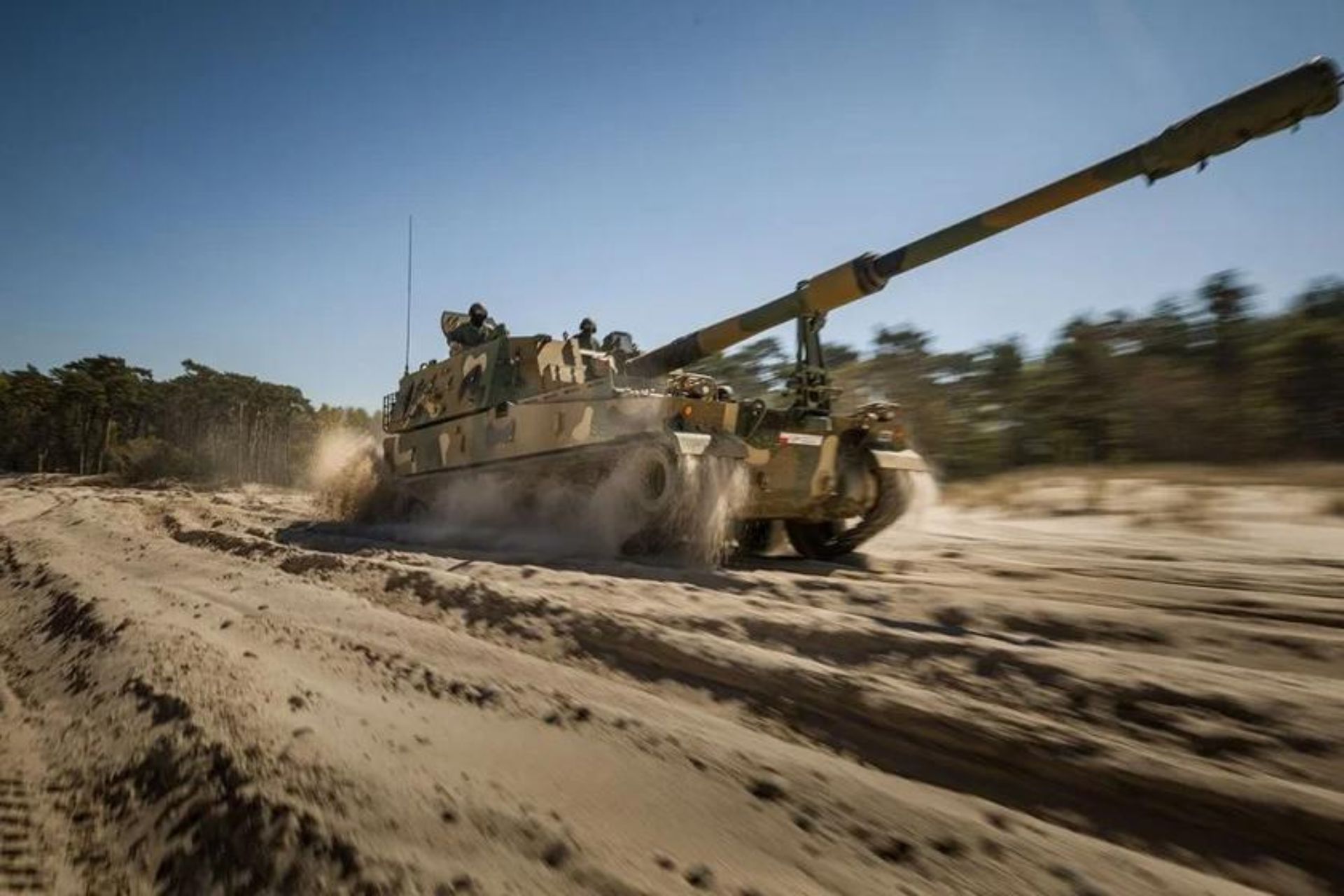
The Polish Defense Procurement Agency announced the arrival in Poland of a new batch of 12 K9A1 self-propelled howitzers. This new delivery indicates that Hanwha Aerospace is fulfilling the contract signed with the Polish Ministry of Defense according to the timeline specified in the agreement. These howitzers will equip the new Polish brigade created at the border with Belarus.
Follow Army Recognition on Google News at this link
K9A1 in test field (Picture source: Hanwha Defense )
In July 2022, Poland signed the first contract with Hanwha Aerospace for the supply of 212 K9A1 howitzers. The first batch of 24 artillery systems was delivered to Poland in December 2022. In 2023, Hanwha delivered an additional 40 K9s to the country. According to the agreement, the delivery should be completed by 2026. The contract is valued at $2.4 billion.
Furthermore, in December 2023, Poland signed a second contract with Hanwha for additional artillery systems. This agreement, valued at $2.6 billion, provides for the delivery of six K9A1 howitzers and 146 K9PL self-propelled howitzers (the Polish version of the K9 with Polish-made subsystems) in 2026-2027. This echoes Poland's various orders from the South Korean industry, such as the K2 PL tanks.
K9 Howitzer and its Derivatives
The K9A1, developed by Hanwha Defense, is a modernized version of the K9 Thunder, a 155 mm self-propelled howitzer developed by South Korea. The K9 Thunder, produced by Hanwha Defense, is widely regarded as one of the most advanced and capable howitzers in the world. The K9A1, a significant upgrade of the original model, was introduced to enhance the combat capabilities of South Korean artillery and other international armed forces that have adopted this platform.
The K9A1 retains the main features of the K9 Thunder, such as exceptional all-terrain mobility thanks to its tracked chassis, high rate of fire, and long-range strike capability. However, several improvements have been made to increase its accuracy, efficiency, and integration into modern command and control networks. Notable upgrades include an advanced inertial navigation system, an updated fire control management system, and better connectivity to operate in network-centric warfare environments.
In terms of protection, the K9A1 is equipped with reinforced armor to provide better resistance against ballistic threats and shrapnel. The vehicle also has active defense systems to counter missile or rocket attacks. Equipped with a semi-automatic loading system, the K9A1 can fire six rounds per minute with various types of compatible 155 mm shells (the same shells used by the Caesar gun), and its maximum range is 55 kilometers with rocket-assisted projectiles.
Read more: South Korean Hanwha delivers a new batch of K9A1 self-propelled howitzers to Poland

- Details
- Written by: V.Saint
- Category: 2024
- Hits: 13741
Poland will allocate 4.7% of its GDP to defense in 2025, marking an increase of 0.6 percentage points compared to the 2024 defense budget, according to budget plans that Polish media have reported. Poland is already the NATO country that spends the most on defense, with a budget amounting to 4.1% of GDP in 2024. However, the Polish government plans to further increase the defense budget by 0.6 percentage points next year.
Follow Army Recognition on Google News at this link
Polish soldiers near Belarussian Border. (Picture source: Nur Photo )
Warsaw is thus setting a record both in terms of money and the share of GDP. Poland's defense spending is already estimated at $35 billion in 2024, making it the fifth largest spender in NATO, with the United States leading the pack at around $968 billion. Poland also hopes to shift some of these costs to the EU budget, which would significantly ease the national budget, according to a government source. The argument is that Poland shares an EU border with Russia and war-torn Ukraine. "We are in serious discussions with the EU to include some of these defense elements in the EU budget because we are on the front line and bear responsibility for the entire Union," the source said.
The source also revealed that discussions are ongoing and a decision is expected before the end of September. "If even 1% [of the total amount] is transferred, it will be a success," the source emphasized. The 2025 budget will be the first presented by the new government led by Prime Minister Donald Tusk (Civic Platform, EPP), who replaced the previous conservative PiS (ECR) government in December last year.
Other sources indicate that the Polish budget in 2025 will be even more in deficit than this year’s, as the European Commission recently initiated an excessive deficit procedure against Warsaw. The sources explain that the envisaged deficit is necessary to compensate for the extravagant spending of the government that has led Poland over the past eight years.
However, Poland prioritizes its defense budget not only because NATO requires it but also due to facing much higher recruitment numbers than expected. This is due to the war in Ukraine and the deep-seated fear of Russia in the Polish nation. As the country representing NATO's eastern border and being targeted by numerous attempts at humanitarian and military destabilization, Poland needs to bolster its equipment and infrastructure. Indeed, since 2021, Belarus has orchestrated a significant migration crisis at the border, leading to regular clashes and sometimes exchanges of fire.
Another aspect is that the war in Ukraine has a significant impact on the Polish armed forces, which are not only on regular alert but also raising the level of readiness due to various incidents directly resulting from the conflict, such as the 2023 fall of an S-300 missile on Polish territory or, more recently, the incursion of a suicide drone into Polish airspace.
The North Atlantic Alliance imposes a percentage of GDP to be spent on national defense to prevent some countries from relying on the more powerful ones. During the 2014 summit in Wales, the 28 NATO member states committed to spending at least 2% of their GDP on military expenses by 2024. In 2024, 23 of the current 32 member states will meet this requirement. U.S. defense spending has consistently represented more than 70% of NATO defense spending since 2010, and according to NATO data, the U.S. military budget increased to $968 billion in 2024. In terms of the percentage of GDP allocated to defense, Poland remains well ahead in 2022, one point higher than the United States.
Read more: Poland to increase defence spending plans in 2025 to more than 4,5% GDP
- Details
- Written by: Jérôme Brahy
- Category: 2024
- Hits: 4062
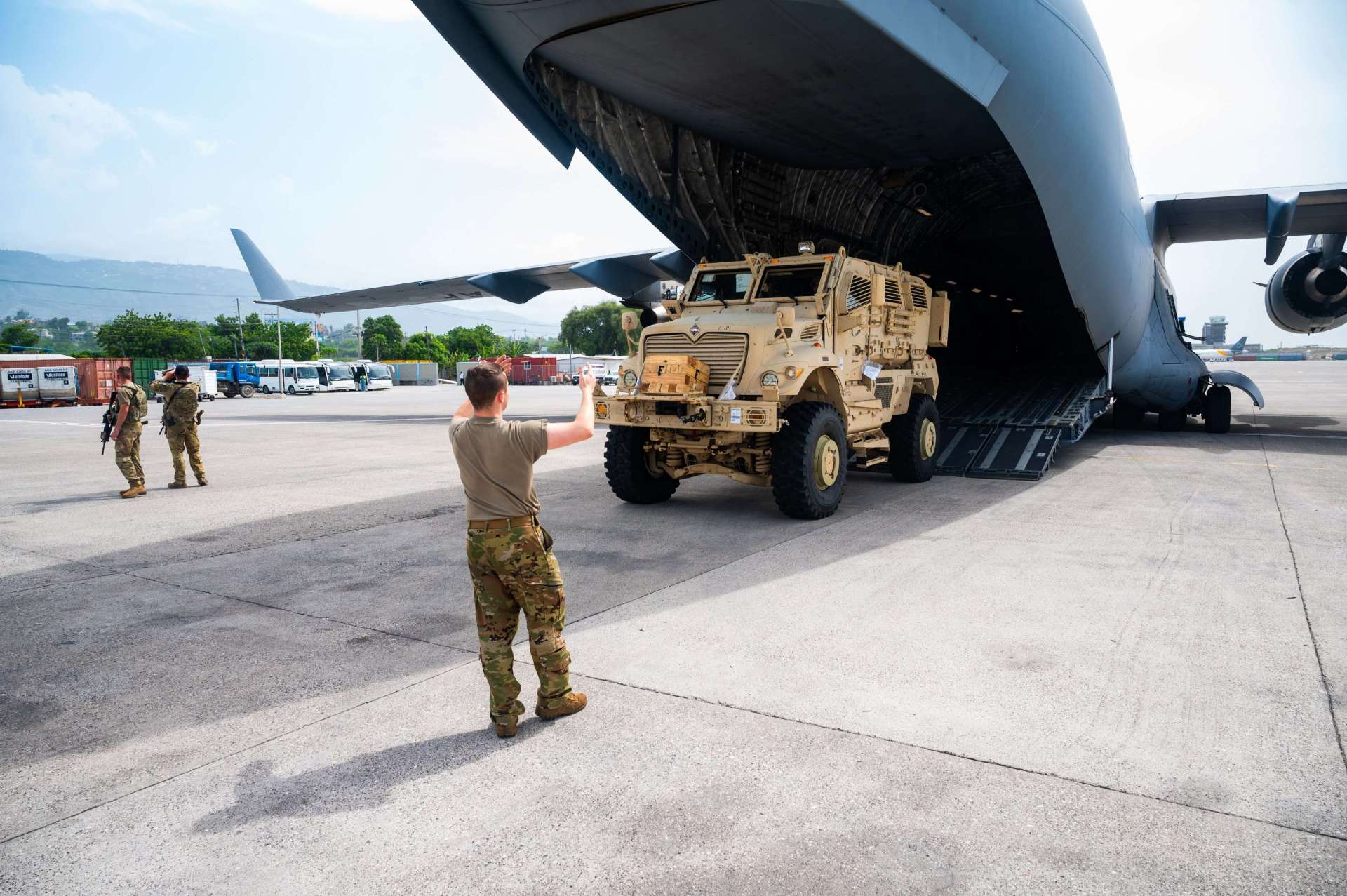
On August 23, 2024, the U.S. Department of Defense delivered 24 International M1224 MaxxPro Mine-Resistant Ambush Protected (MRAP) vehicles to Kenyan personnel deployed in Haiti as part of the ongoing Multinational Security Support (MSS) mission. These vehicles will be added to an existing fleet of 10 MRAPs that the United States has already provided to assist the Haitian National Police (HNP) in their operations to restore security in areas affected by gang violence.
Follow Army Recognition on Google News at this link
Following the assassination of President Jovenel Moïse in 2021, Haiti has experienced increased violence and instability, driven largely by armed gangs that control significant portions of Port-au-Prince and other areas. (Picture source: US DoD)
Along with the vehicles, 34 Overhead Gunner Protection Kits, also known as turrets, are being transported. Contractors funded by the Department of Defense will install these turrets on the MRAPs to enhance the tactical field of view and the safety of MSS personnel involved in joint security operations with the Haitian National Police. This delivery follows the signing of a Presidential Drawdown Authority by President Joe Biden in April 2024, which authorized the transfer of U.S. federal resources to countries contributing personnel to the MSS mission. The drawdown allows the Department of Defense and other U.S. agencies to supply equipment, supplies, parts, and services necessary to support the operations and maintenance of the MSS mission, including repairs and upkeep for the vehicle fleet.
The MSS mission was deployed in response to escalating violence, political instability, and widespread gang activity in Haiti, which has overwhelmed local authorities' capacity to manage the crisis. Following the assassination of President Jovenel Moïse in 2021, Haiti has experienced increased violence and instability, driven largely by armed gangs that control significant portions of Port-au-Prince and other areas.
The situation worsened in early 2024, with coordinated attacks by gangs on state infrastructure, including police stations, prisons, and essential public services such as schools and health facilities. This violence has resulted in more than 2,500 casualties, numerous kidnappings, and the displacement of approximately 362,000 people, half of whom are children. The deteriorating security situation has also led to a humanitarian crisis, limiting access to basic services and contributing to an increase in incidents of sexual violence and abuse, particularly against women and girls.
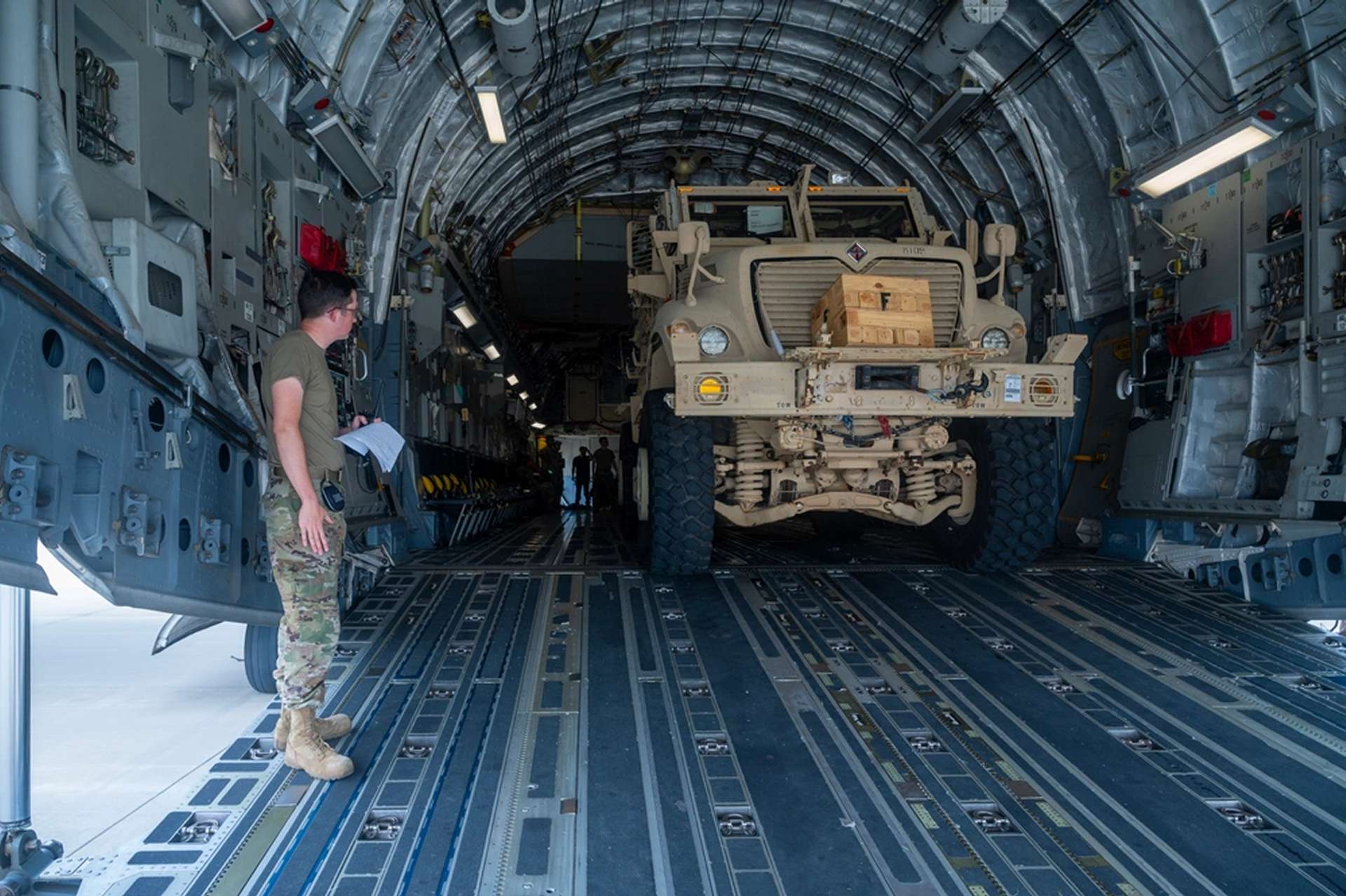
The Multinational Security Support (MSS) mission's objectives are to support the Haitian National Police, enhance security, protect key infrastructure, and help reestablish the rule of law. (Picture source: US DoD)
Due to the Haitian National Police's limited resources and capacity to handle the crisis, the Haitian government requested international assistance. In response, the UN Security Council authorized the Multinational Security Support (MSS) mission, which is led by Kenya and includes contributions from countries such as the United States, Canada, and several Caribbean and African nations.
The mission's objectives are to support the Haitian National Police, enhance security, protect key infrastructure, and help reestablish the rule of law. While the MSS mission is supported by the UN, it operates independently of formal UN peacekeeping operations. Initial deployments began in June 2024, following efforts to address logistical and coordination challenges.
In addition to the equipment and services provided under the Presidential Drawdown Authority, the United States has contributed over $300 million to the MSS mission. Since the MSS's initial deployment in Port-au-Prince, there have been several key developments, including the resumption of commercial air traffic at Toussaint Louverture International Airport, public statements from Haiti’s Prime Minister Gary Conille on efforts to restore security, the start of joint MSS and HNP patrols, the renewal of the mandate of the U.S. Integration Office in Haiti, and the activation of a U.N. Trust Fund.
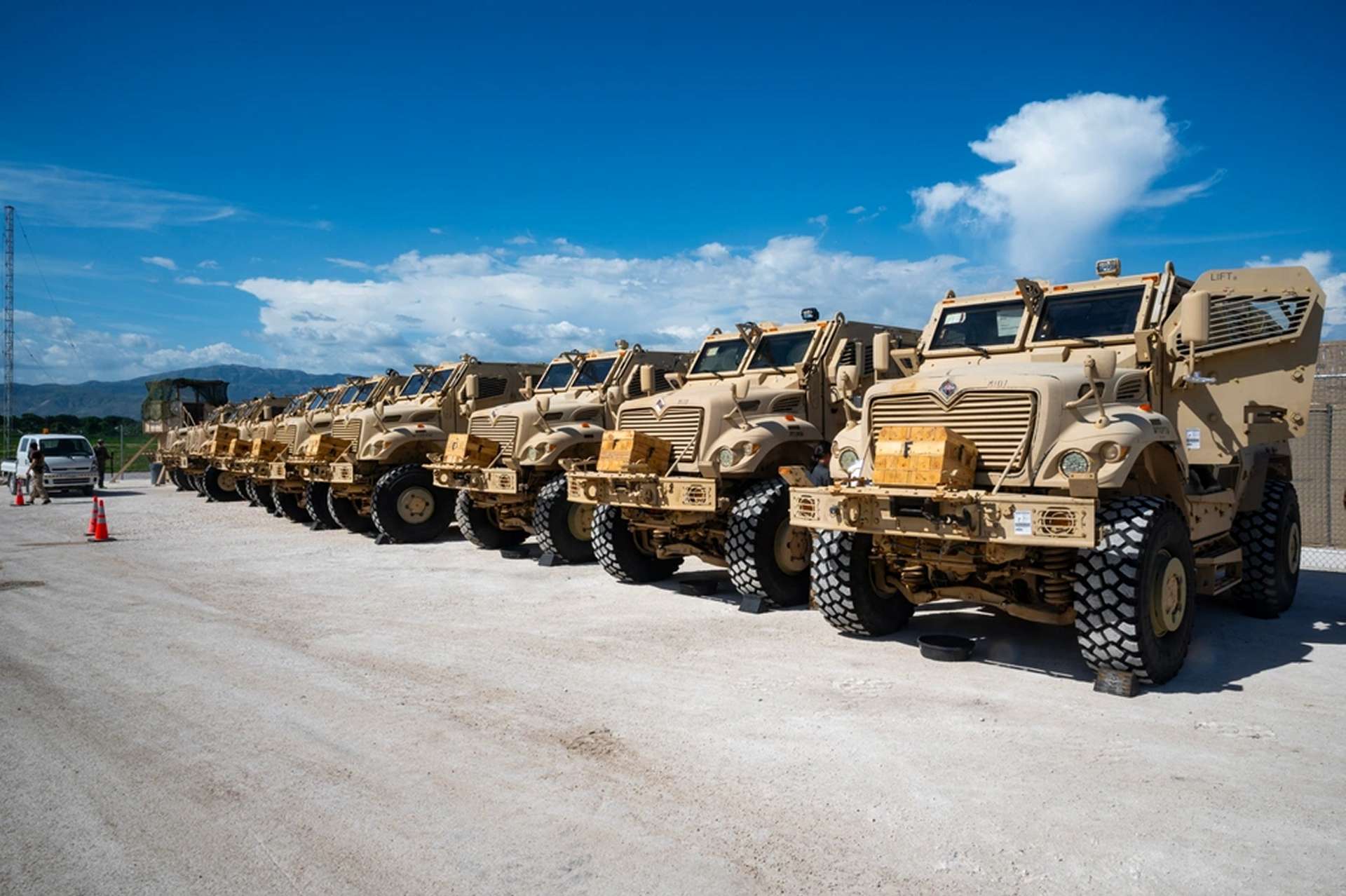
These 24 vehicles will be added to an existing fleet of 10 MRAPs that the United States has already provided to assist the Haitian National Police. (Picture source: US DoD)
The M1124 MaxxPro Mine-Resistant Ambush Protected (MRAP) vehicles included in the U.S. delivery are designed to protect military personnel from explosive threats, such as Improvised Explosive Devices (IEDs) and mines. The MaxxPro, developed by Navistar Defense in collaboration with the Israeli company Plasan Sasa, was first introduced in 2007 in response to the need for better-protected vehicles during the Iraq War. Its V-shaped hull, made of high-strength steel, is designed to deflect blasts away from the vehicle's interior, improving the safety of its occupants. The MaxxPro has been deployed in various conflict zones, including Iraq and Afghanistan, where it has been used in environments with frequent roadside bombs and ambushes.
The MaxxPro is built on the International WorkStar chassis, providing a modular platform. It is powered by a MaxxForce D9.3I6 turbocharged diesel engine, generating 330 horsepower, and is paired with an Allison 3000 Series 5-speed automatic transmission. The vehicle can reach speeds of up to 105 km/h and has an approximate range of 965 kilometers on a single tank, depending on terrain and payload. With a Gross Vehicle Weight Rating (GVWR) of up to 24,040 kilograms, the MaxxPro can carry significant payloads, including personnel, cargo, and additional equipment.
The vehicle's modular design includes several variants tailored for different missions. For example, the MaxxPro Dash is a lighter and more maneuverable version, while the MaxxPro Recovery Vehicle (MRV) is designed for towing and maintenance operations. The standard model can accommodate up to six occupants and offers blast-resistant seating, with the option for additional armor packages depending on mission requirements. The MaxxPro is also equipped with communication and situational awareness systems, including satellite radios and battlefield management systems, and can be fitted with various weapon stations, such as a remote-controlled turret for a .50 caliber machine gun or a Mk 19 automatic grenade launcher, allowing it to be used for both defensive and offensive operations.
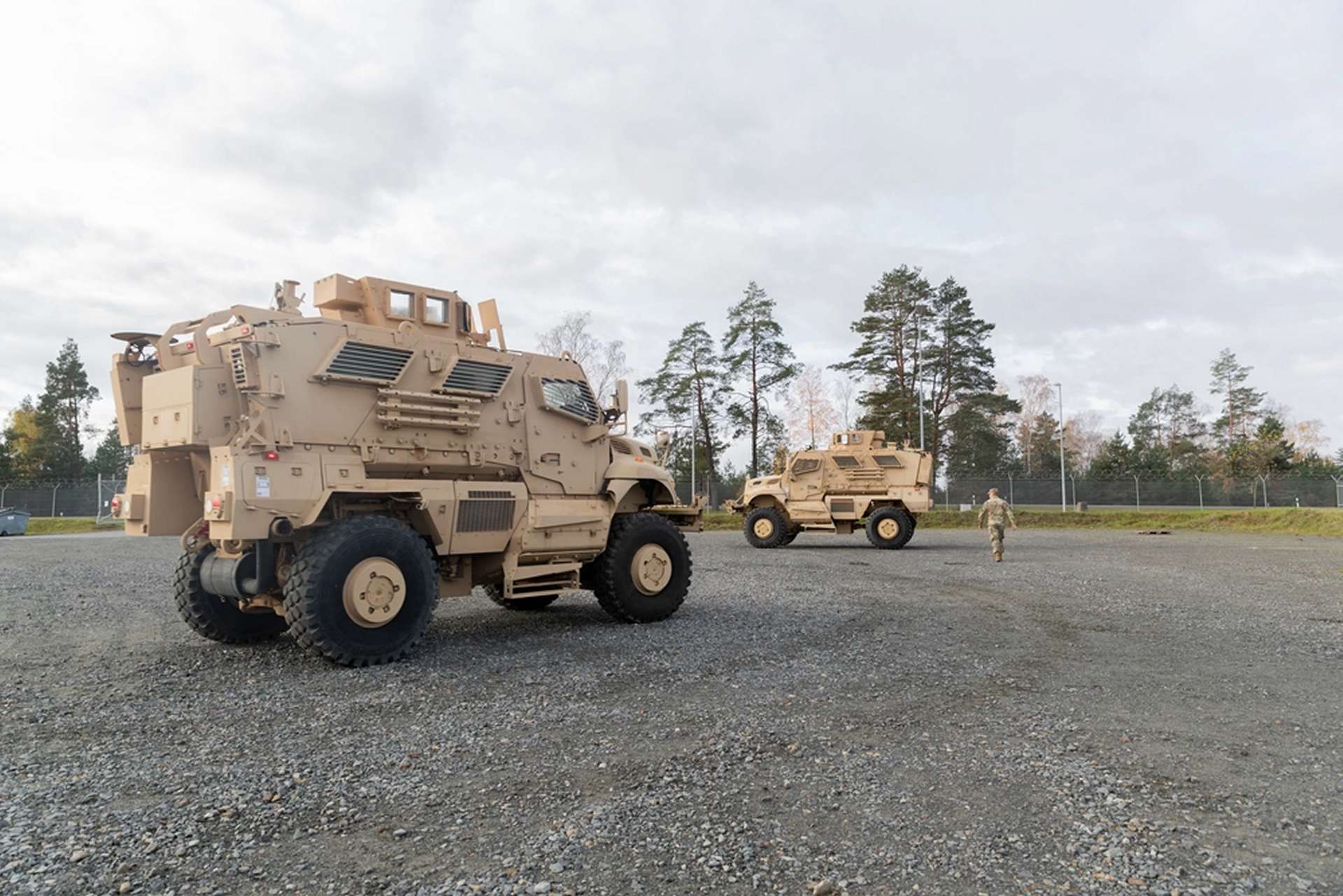
The MaxxPro's V-shaped hull, made of high-strength steel, is designed to deflect blasts away from the vehicle's interior, improving the safety of its occupants. (Picture source: US DoD)
Read more: US delivers 24 MaxxPro MRAP vehicles to support Kenya's security mission in Haiti

- Details
- Written by: Triffaux
- Category: 2024
- Hits: 8188
On August 26, 2024, the official X page of the 101st Airborne Division released images from Operation Lethal Eagle, conducted on April 19, 2024, where the 2nd Battalion, 502nd Infantry Regiment, part of the 2nd Brigade Combat Team, 101st Airborne Division (Air Assault), demonstrated the power and versatility of the Infantry Squad Vehicle (ISV). During this operation at Fort Campbell, Ky., the command team conducted battlefield circulation and vehicle drop-off operations, highlighting the crucial role of the ISV in enhancing the mobility and survivability of the Mobile Brigade Combat Team.
Follow Army Recognition on Google News at this link
GM Defense 4X4 All-Terrain M1301 Infantry Squad Vehicle (Picture source: US DoD)
The ISV, developed by GM Defense, represents a key advancement in modernizing the U.S. Army's Infantry Brigade Combat Teams (IBCTs). Based on the 2020 Chevrolet Colorado ZR2 midsize truck, the ISV is designed to quickly and efficiently move squads around the battlefield. Its lightweight, all-terrain design, combined with 90% commercial off-the-shelf (COTS) parts, makes it a versatile and cost-effective solution for the Army.
Weighing only 5,000 pounds (2,270 kg), the ISV is engineered for rapid ground mobility. It can be sling-loaded by a UH-60 Blackhawk helicopter or transported internally by a CH-47 Chinook, ensuring quick and efficient deployment in various operational scenarios. The vehicle is designed to carry up to nine soldiers and their gear, making it an ideal platform for maneuvering squads in both urban and rugged environments.
The ISV is powered by a 2.8-liter Duramax diesel engine, delivering 186 horsepower and 369 lb-ft (500 Nm) of torque. This engine, combined with advanced automotive technologies such as the GM Hydro-Matic 6L50 six-speed transmission and GM AutoTrac two-speed transfer case, ensures that the vehicle can handle extreme off-road conditions while maintaining highway speeds.
The ISV offers several crucial advantages on the battlefield. It enhances the flexibility of entry operations, allowing soldiers to quickly penetrate hostile environments. Additionally, it counters anti-access strategies employed by adversaries, ensuring that U.S. forces maintain mobility even in contested areas. The vehicle's modular design also supports a variety of mission-specific kits, including options for casualty evacuation, nighttime operations with infrared lighting, and heavy weapon mounts.
The U.S. Army has ambitious plans for the ISV. Following a contract awarded in June 2020, the Army plans to deploy 649 vehicles across 11 IBCTs by 2025. By April 2023, 300 vehicles had already been delivered, with five brigades equipped and ready for deployment. The ISV, officially designated as M1301, is also available in standard and all-electric variants, and future updates include an armed version equipped with a .50 caliber machine gun.
The development of the ISV is a testament to the U.S. Army's commitment to maintaining a technological edge on the battlefield. By leveraging proven commercial technologies and adapting them to meet military requirements, GM Defense has provided a reliable, effective, and affordable solution to enhance the operational capabilities of U.S. forces. As the Army continues to field these vehicles, the ISV will undoubtedly play a crucial role in the mobility, survivability, and lethality of U.S. forces in future conflicts.
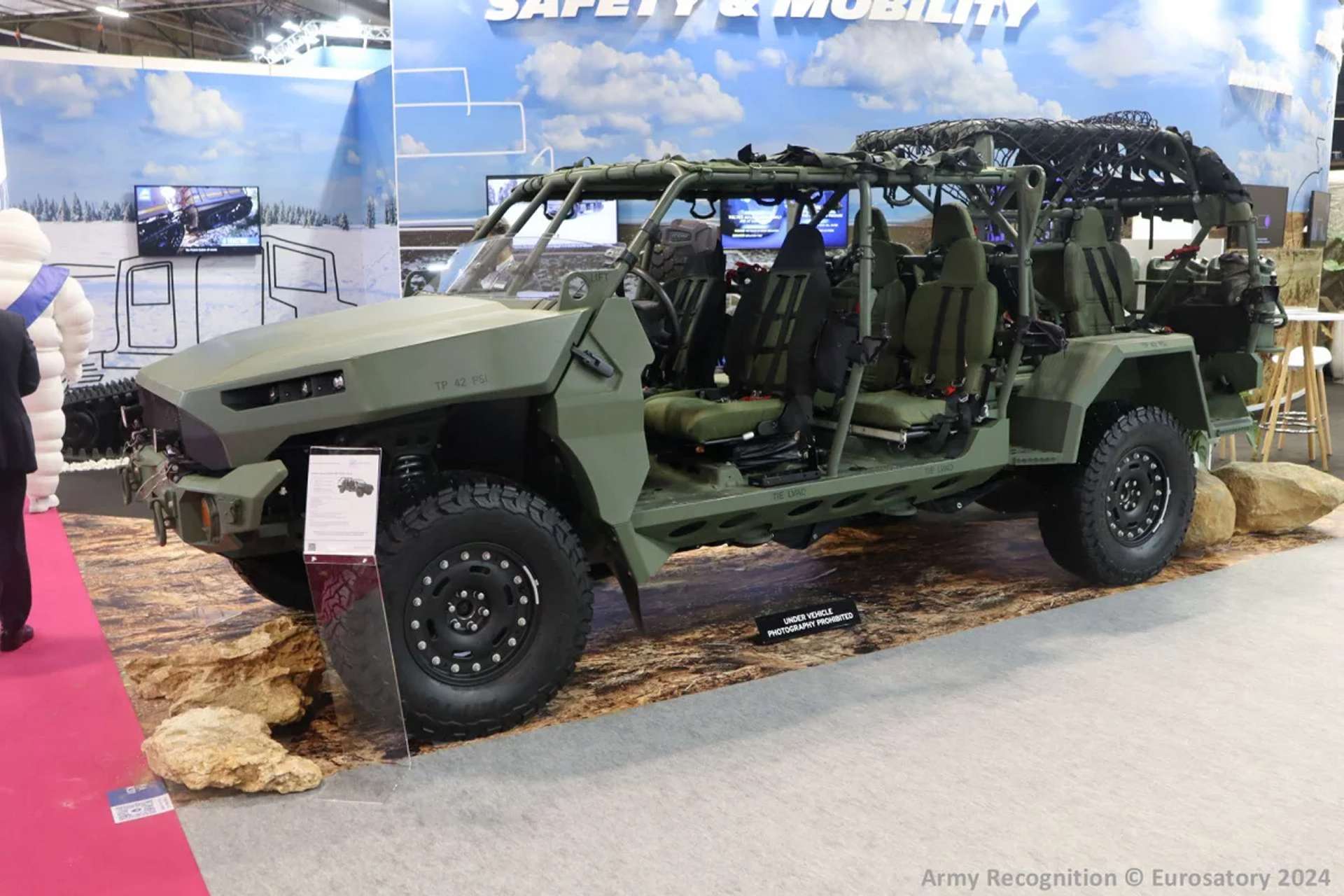
GM Defense 4X4 All-Terrain M1301 Infantry Squad Vehicle (Picture source: Army Recognition)
Read more: US Army Tests 4X4 All-Terrain M1301 Infantry Squad Vehicle for Airborne Operations

- Details
- Written by: Jérôme Brahy
- Category: 2024
- Hits: 6026
On August 20, 2024, Avtobusy y Vobbechle reported that the Moscow Metro police had purchased a Chinese-made armored vehicle, believed to be the Dongfeng EQ2091XFB. This acquisition is part of a pattern observed in recent months, during which the Moscow Metro has steadily increased its number of armored vehicles, including the addition of at least 15 domestically produced armored cars, such as the Buran, the Z-STS Akhmat, and the Astasis Patrol.
Follow Army Recognition on Google News at this link
The Dongfeng EQ2091XFB is currently operational in central Moscow and features an armored turret designed to mount a large-caliber machine gun, suggesting that the vehicle may be intended for tasks beyond transport security, potentially involving scenarios that require more robust defensive capabilities. (Picture source: Telegram/Avtobusy y Vobbechle)
The newly acquired vehicle is classified as civilian special equipment and bears license plates typically used for tractor-type vehicles. This registration format is consistent with those of other armored vehicles previously acquired by the metro security service. The vehicle is currently operational in central Moscow and features an armored turret designed to mount a large-caliber machine gun. This detail suggests that the vehicle may be intended for tasks beyond transport security, potentially involving scenarios that require more robust defensive capabilities.
Photographs circulating on social media depict a vehicle marked with the insignia of the State Unitary Enterprise "Moscow Metro," although it lacks any specific logos. While the precise model has not been officially confirmed, it is known that the vehicle was manufactured in the People's Republic of China. Preliminary reports indicate that it is the Dongfeng EQ2091XFB, a nine-ton truck marketed in China as an "anti-terrorist military vehicle." The vehicle is designed to withstand fire from Kalashnikov assault rifles (AK-47) and serves various roles, including border patrols, counter-terrorism operations, riot control, battlefield rescue, peacekeeping missions, communication command, armed escorts, and disaster relief.

The hull of the Dongfeng EQ2091XFB is constructed from 4mm bulletproof steel and composite bulletproof glass, with additional protective interfaces available for higher levels of defense. (Picture source: Hubei Off-Road Special Vehicle)
This acquisition represents the fourth addition to the Moscow Metro's fleet of armored trucks in four months. During this period, the metro's transport security service acquired at least 15 Russian-made armored vehicles, including models such as the Buran, the Z-STS Akhmat, and the Astasis Patrol. The purchase of the Chinese-made armored vehicle suggests an ongoing effort to strengthen transport security measures within the city.
The Dongfeng EQ2091XFB is marketed by Hubei Off-Road Special Vehicle Co., Ltd., with prices ranging from $129,800 to $269,800 per unit, depending on the configuration. It is available in various colors and can be customized with different engines, gearboxes, tire sizes, seating types, and weapon systems. Additional configurations offer varying levels of ballistic protection, gun ports, air conditioning, and power steering. The vehicle's dimensions are 5,950 mm in length, 2,485 mm in width, and 2,400 mm in height up to the top of the truck. It has a wheelbase of 3,700 mm, a curb weight of up to 7,500 kg, and a maximum gross weight of 9,000 kg.
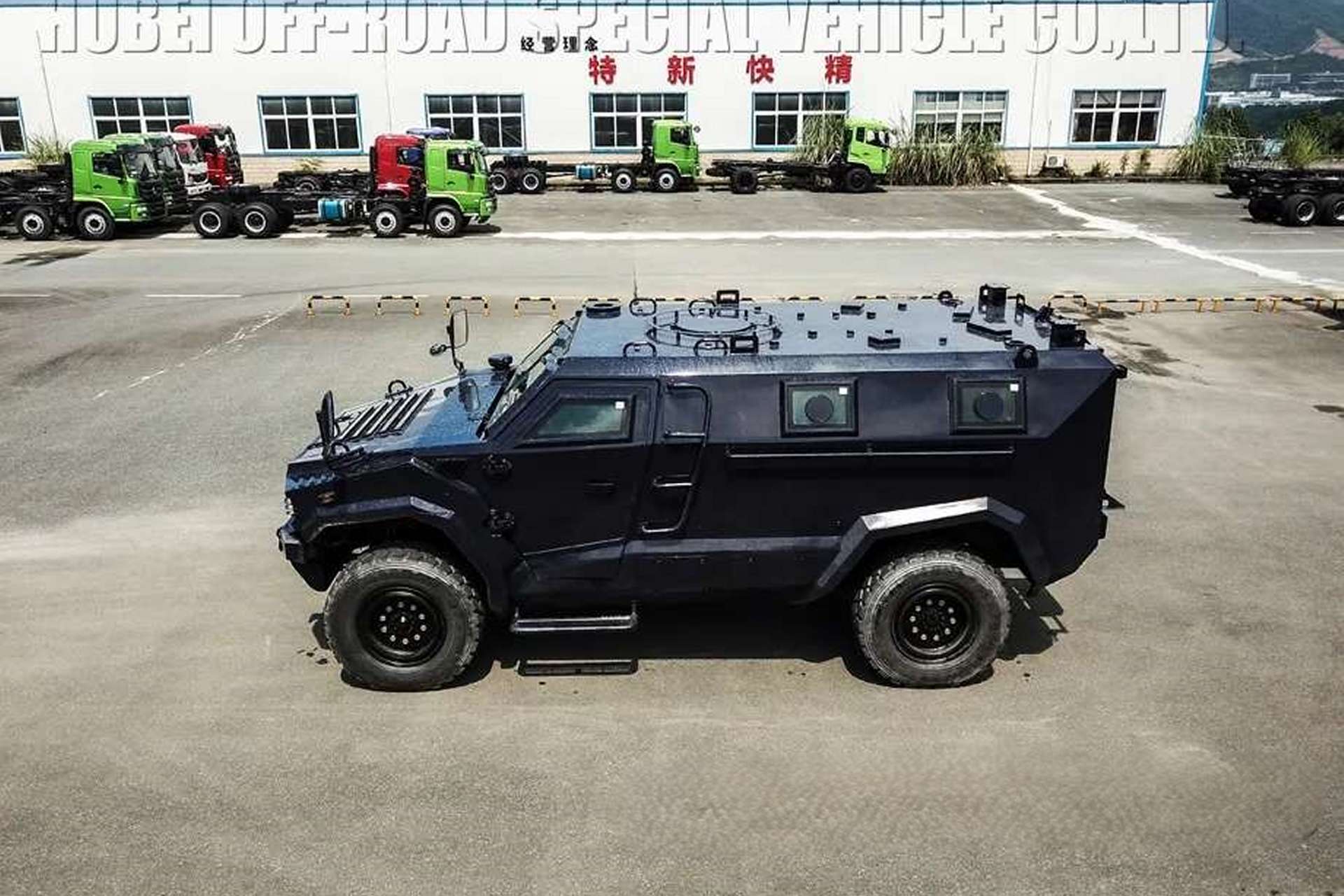
The Dongfeng EQ2091XFB is equipped with a 6.7L Dongfeng Cummins Isde210 40 engine and a six-speed manual gearbox, with an automatic gearbox available as an option, allowing for a top speed of 125 km/h. (Picture source: Hubei Off-Road Special Vehicle)
The vehicle is equipped with a 6.7L Dongfeng Cummins Isde210 40 engine and a six-speed manual gearbox, with an automatic gearbox available as an option. It has a maximum power output of 155 kW (208 hp) and a maximum torque of 800 Nm. The fuel tank capacity is 230 liters, and the vehicle can reach a top speed of 125 km/h. The ground clearance is 305 mm, enabling it to overcome vertical obstacles up to 450 mm in height. The vehicle has a maximum gradeability of 60%, a fording depth of up to 1.2 meters, and a minimum turning radius of eight meters.
Designed to accommodate up to 10 passengers, the Dongfeng EQ2091XFB has folding seats arranged along the interior sides. It features a full-time drive system with two levels of high and low, a four-ton front axle, a five-ton rear axle, and 11R18 tires. The electrical system operates on a 24V circuit. The hull is constructed from 4mm bulletproof steel and composite bulletproof glass, with additional protective interfaces available for higher levels of defense.
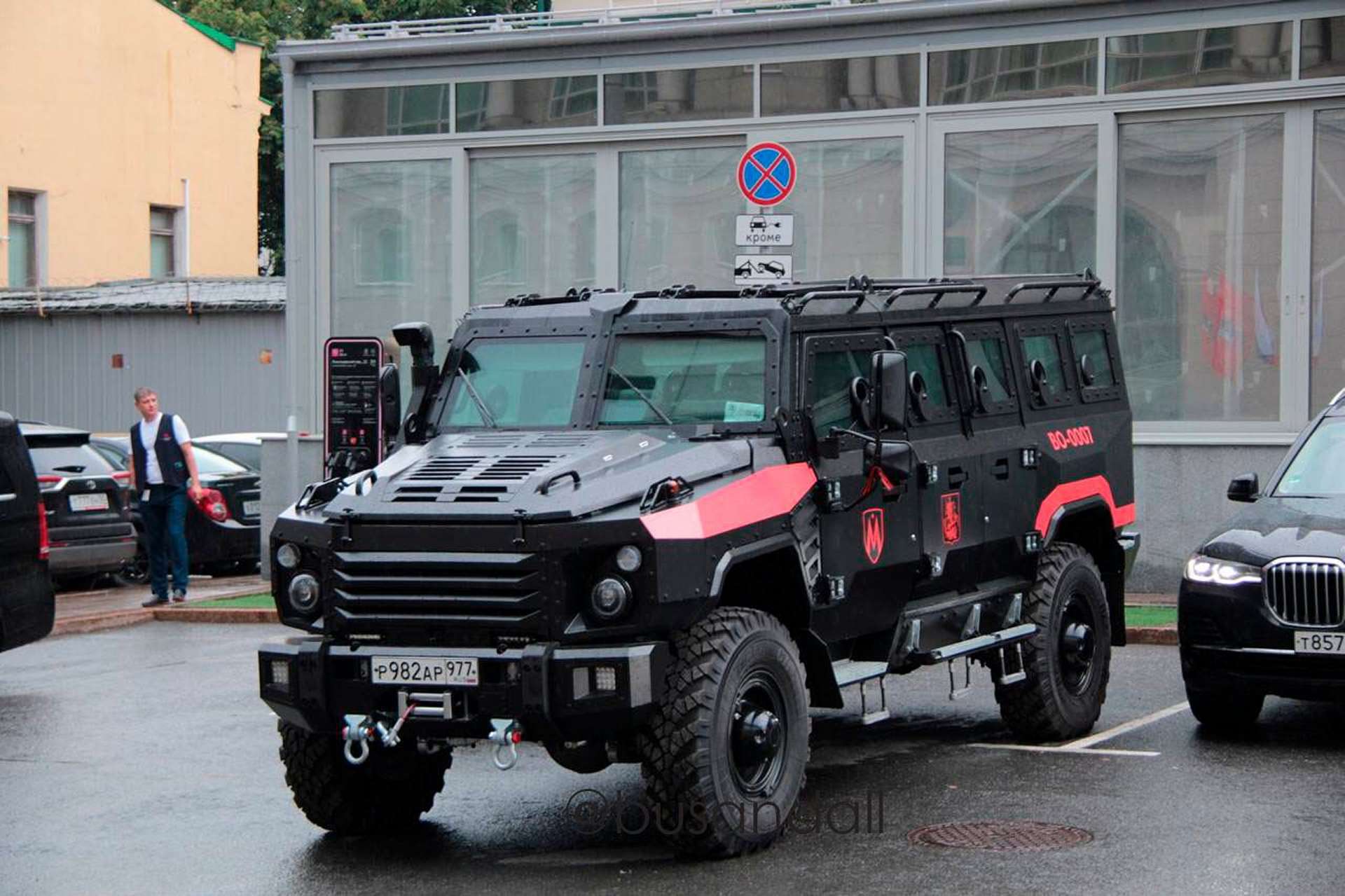
During recent months, the Moscow Metro's transport security service acquired at least 15 Russian-made armored vehicles, including models such as the Z-STS Akhmat, the Astasis Patrol, and the Buran. (Picture source: Telegram/Avtobusy y Vobbechle)
- Details
- Written by: Administrator
- Category: 2024
- Hits: 6205
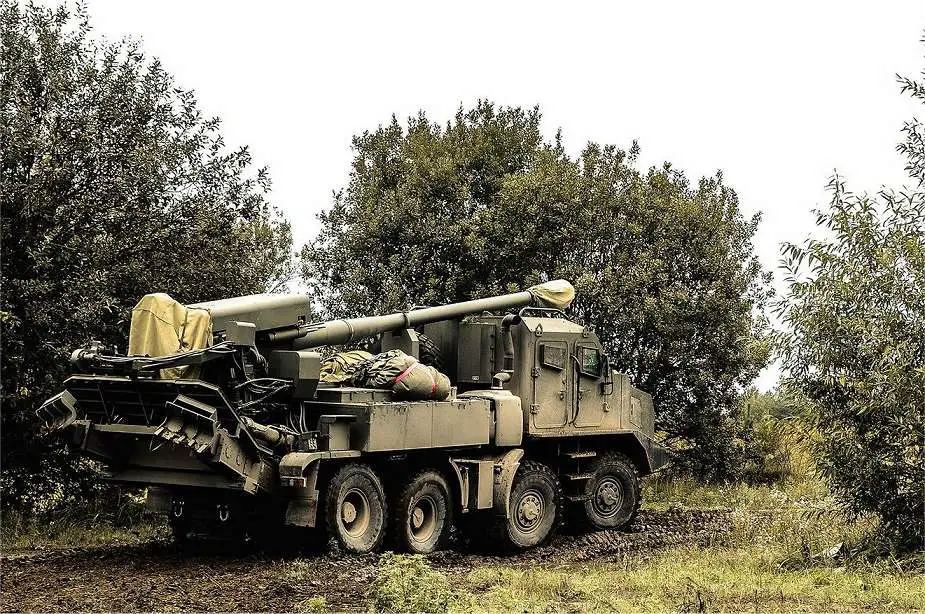
Ukraine has ramped up local production of the Bohdana 4.0, a locally made truck-mounted howitzer that has become a crucial component of the Ukrainian military's artillery arsenal. Recent images released by the Ukrainian Navy on their official Telegram account reveal the extensive deployment of the 2S22 Bohdana 4.0 in combat operations against Russian forces, highlighting Ukraine's growing self-reliance in defense manufacturing despite the challenges of wartime production.
Follow Army Recognition on Google News at this link
The Bohdana 4.0 is a locally-made 8x8 155mm self-propelled howitzer with a design similar to the French CAESAR howitzer. (Picture source: Telegram Ukrainian Navy)
The Bohdana 4.0, an evolved version of the 2S22 howitzer, represents a major step forward in Ukraine's efforts to modernize its military hardware and reduce its dependency on foreign arms supplies. The 2S22 Bohdana, initially developed and produced domestically, has been a symbol of Ukrainian innovation in the face of adversity. The latest iteration, Bohdana 4.0, showcases significant advancements in technology and operational efficiency, tailored to the specific needs of the Ukrainian Armed Forces in their ongoing struggle against Russian aggression.
The Bohdana 4.0 is a truck-mounted 155mm self-propelled howitzer, designed to offer a high degree of mobility, precision, and firepower. It is an upgrade from previous versions, incorporating enhanced targeting systems, improved range, and faster deployment capabilities. These features make it particularly effective in the dynamic and often unpredictable conditions of the Ukrainian battlefield. A key aspect of the Bohdana 4.0 is its integration with the Czech-made Tatra Phoenix 8x8 chassis, known for its robustness and off-road capabilities. This chassis provides the Bohdana 4.0 with exceptional mobility, allowing it to navigate Ukraine's diverse and often challenging terrain with ease. The use of the Tatra Phoenix 8x8 chassis also enhances the howitzer's reliability and maintainability, crucial factors in sustained military operations.
In addition to its advanced chassis, the Bohdana 4.0 is equipped with an armored cabin that offers significant protection to the crew. This cabin is similar in design to the Varta, a 4x4 armored personnel carrier manufactured by the Ukrainian company Ukrainian Armor. The Varta-inspired cabin ensures that the Bohdana 4.0’s crew is shielded from small arms fire and shrapnel, enhancing their safety in combat zones.
The Bohdana 4.0 is also technically advanced, featuring a semi-automatic loading system similar to that of the French-made CAESAR howitzer, significantly increasing its rate of fire and operational efficiency. It is equipped with a 155mm NATO-caliber gun, allowing it to fire a wide range of compatible munitions. The howitzer has a minimum firing range of 780 meters, making it effective even at close quarters, while its maximum range extends to 42 kilometers with standard ammunition. When using rocket-assisted projectiles, this range can be extended up to 50 kilometers, providing substantial reach on the battlefield. Furthermore, the Bohdana 4.0 is capable of firing M982 Excalibur shells, known for their precision and extended range, and can sustain a firing rate of 5 rounds per minute, making it a formidable asset in combat.
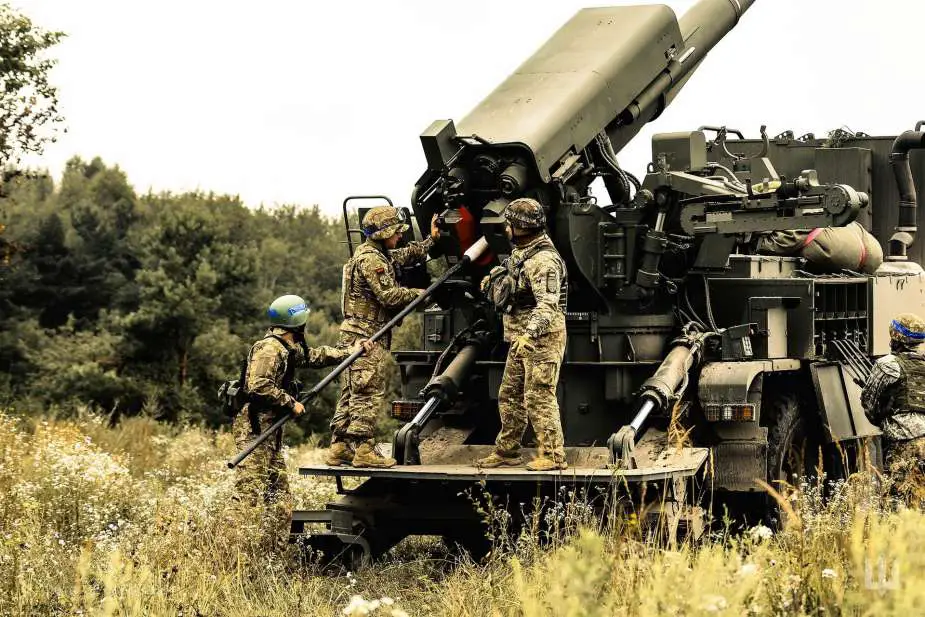
As the French CAESAR, the Bohdana 4.0 is equipped with a semi-automatic loading system. (Picture source: Telegram Ukraine Navy)
The Bohdana 4.0 is often compared to the French-made CAESAR (CAmion Équipé d’un Système d’ARtillerie), another truck-mounted howitzer that has been highly regarded for its performance in various military conflicts. While both systems share similar characteristics, such as mobility and ease of deployment, the Bohdana 4.0 has been specifically designed to meet the tactical demands of the Ukrainian Armed Forces. One of the key advantages of the Bohdana 4.0 over the CAESAR is its integration with local command and control systems, allowing for seamless communication and coordination with other Ukrainian military assets. Additionally, the Bohdana 4.0's design is optimized for the challenging terrain and logistical conditions of Ukraine, offering better adaptability in the country's diverse landscape.
Moreover, the localized production of the Bohdana 4.0 ensures a more sustainable supply chain, reducing the vulnerability of the Ukrainian military to disruptions in foreign arms deliveries. This independence is crucial as the conflict with Russia drags on, with international supply chains often under strain due to geopolitical pressures.
The production and deployment of the Bohdana 4.0 underscore Ukraine's strategic shift towards self-reliance in defense manufacturing. By focusing on local production, Ukraine not only secures a steady supply of critical military equipment but also boosts its economy by creating jobs and fostering technological innovation within the country. As the war with Russia continues, the Bohdana 4.0 is set to play a pivotal role in Ukraine's defense strategy, providing the Ukrainian Armed Forces with the firepower and flexibility needed to respond to Russian offensives effectively. The howitzer's success in combat also serves as a powerful message of Ukrainian resilience and ingenuity in the face of overwhelming odds.
The Bohdana 4.0 is more than just a piece of military hardware; it is a symbol of Ukraine's determination to defend its sovereignty using its own resources and expertise. With its advanced design, rooted in both Ukrainian and Czech engineering, the Bohdana 4.0 will likely continue to be a cornerstone of Ukraine's military efforts, providing a critical edge in the ongoing fight against Russian invasion.
- Details
- Written by: Halna du Fretay
- Category: 2024
- Hits: 6350
On Tuesday, August 27, 2024, President Volodymyr Zelensky announced the successful test of the first ballistic missile manufactured locally in Ukraine. This announcement was made during the "Ukraine 2024. Independence" forum, where Zelensky praised the Ukrainian defense industry for this achievement. He emphasized the importance of the work done by defense sector workers, who continue to develop advanced military technologies despite the ongoing conflict with Russia.
Follow Army Recognition on Google News at this link
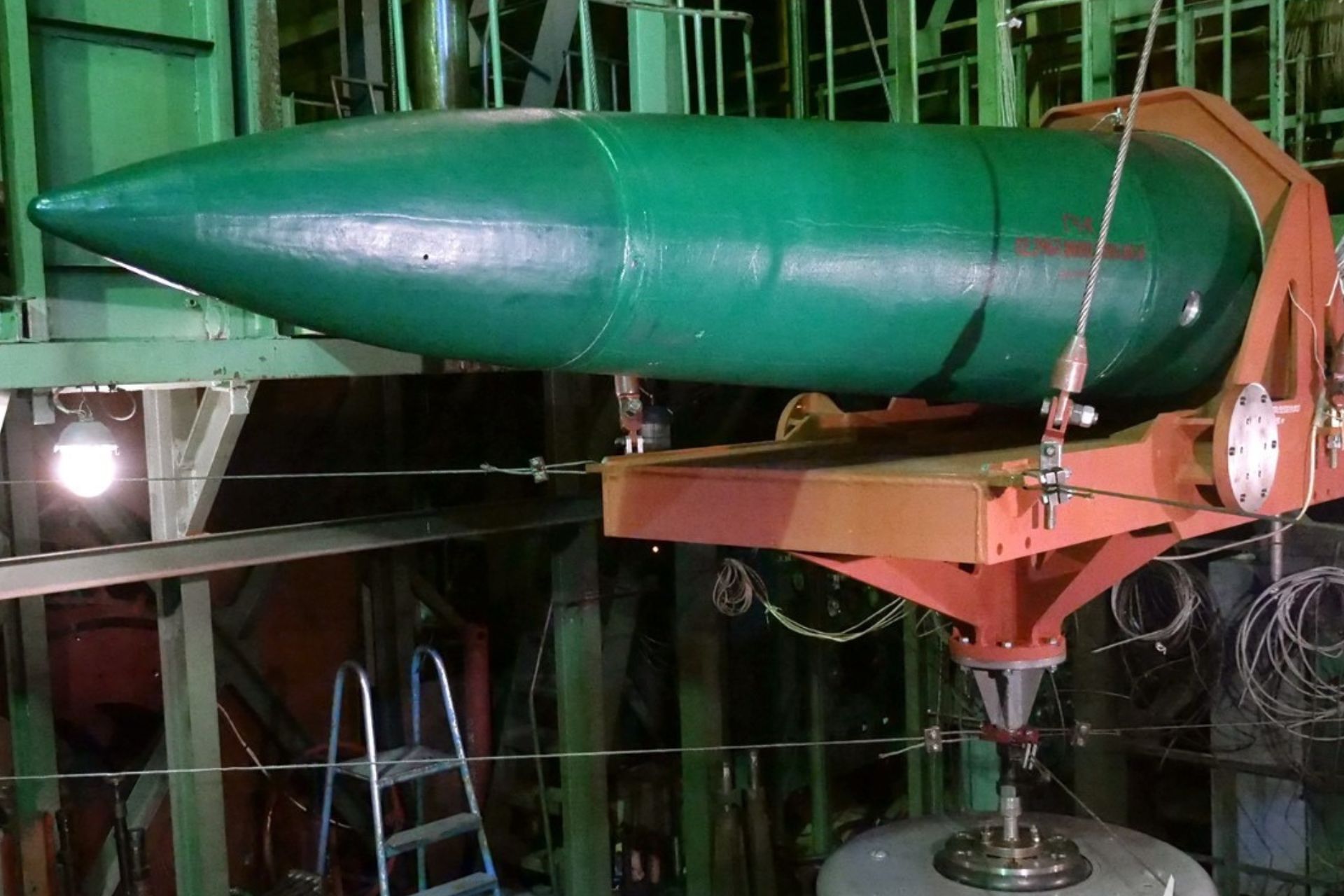
Stand tests of a part of the missile for the Ukrainian SRBM in 2019 (Picture source: Pivdenne Design Bureau)
Zelensky shared that the missile test was successful, marking a new step in Ukraine's efforts to strengthen its military capabilities. However, he refrained from providing detailed information about the missile due to the sensitive nature of the project. This announcement follows recent reports indicating that Ukraine has deployed a new long-range "rocket drone" known as Palianytsia in combat, which highlights the country's focus on enhancing its offensive capabilities.
Currently, Ukraine possesses the Soviet-era Tochka tactical ballistic missile, which has a range of 120 km but lower accuracy. Ukraine has also developed the Hrim-2, also known as Grim-2, Grom-2, Thunder, or OTRK Sapsan. This short-range ballistic missile system, developed to replace the Tochka-U missiles currently in service, is designed to evade air defense systems, including the Russian S-300 and S-400. In its export version, the Hrim-2 can target stationary individual and group targets at distances ranging from 50 to 280 km. However, for Ukrainian military needs, the system's range has been extended to 700 km, significantly enhancing its previous range of 450 to 500 km.
This development comes as Zelensky continues to urge Western allies to lift restrictions on the use of long-range weapons provided by the West against targets in Russian territory. The Ukrainian president emphasized the intensification of Russian bombardments in recent days and called for stronger support from Western nations.
The surprise offensive launched by Ukrainian forces in Russia's Kursk region earlier this month was intended to compensate for the lack of long-range weaponry, according to Zelensky. He noted that many of the missiles launched by Russia on Monday originated from regions like Kursk and Belgorod, as well as Crimea, annexed by Russia in 2014.
This successful missile test and Ukraine's persistent calls for increased military capabilities underscore the ongoing escalation of the conflict and Kyiv's determination to strengthen its defense industry.
While the exact details of the new ballistic missile remain classified, the announcement signals Ukraine's growing ability to independently develop and deploy advanced weaponry. At the end of 2023, the Ministry of Defense stated that Ukraine had good prospects for producing missiles with a range of 1,000 km, and that the project was exclusively funded by the national budget and carried out by the Ukrainian industry.
- Details
- Written by: Jérôme Brahy
- Category: 2024
- Hits: 8211
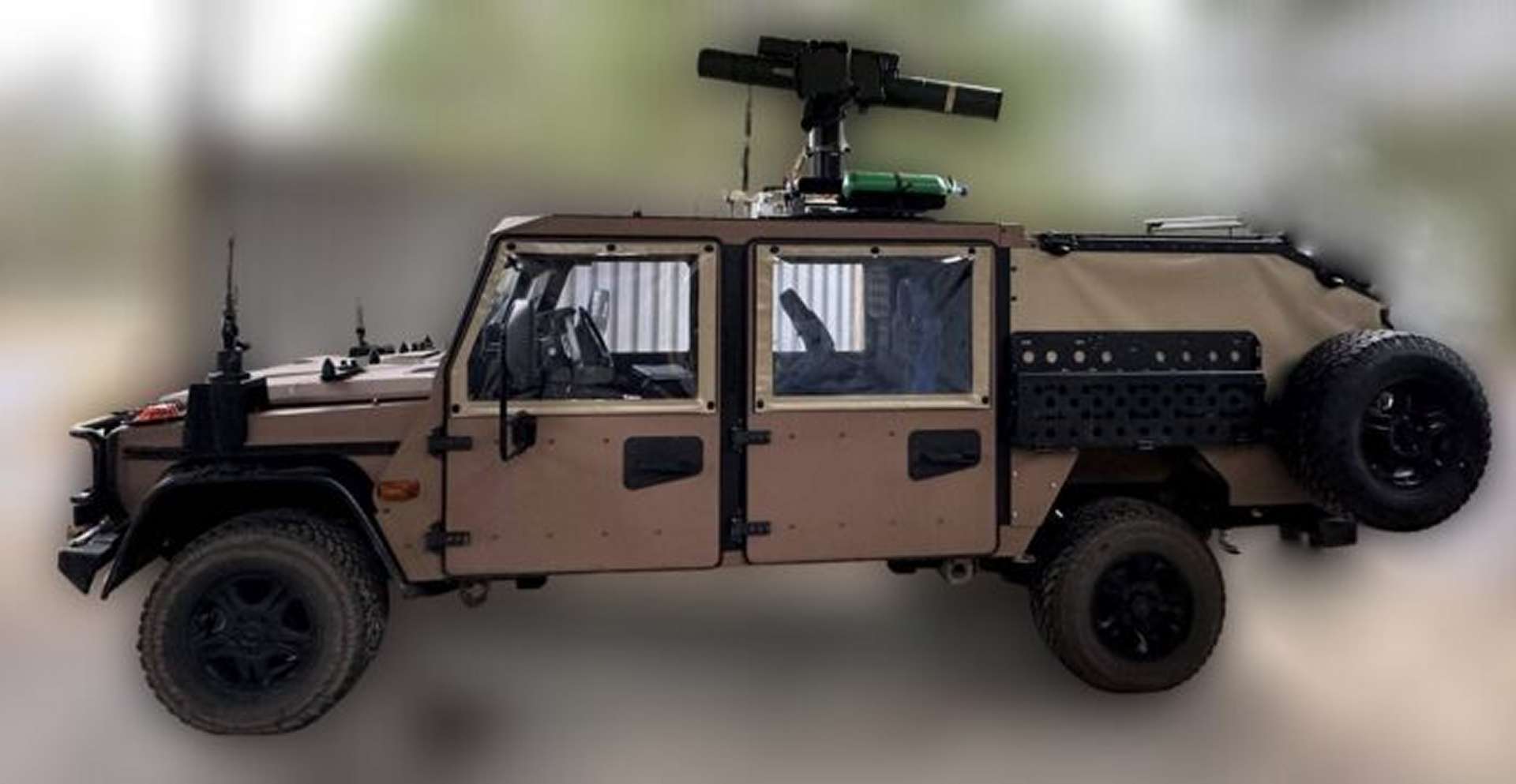
On August 7, 2024, Flight.gr published the first image of the ENOK 4.8 AB airborne vehicle ordered by the Cypriot National Guard, which is designed to carry the Spike LR2 anti-tank guided missile. This vehicle, part of a 60-unit order placed by Cyprus last year, has been completed and is currently undergoing testing. As of now, it remains unclear whether all vehicles in the order will be equipped with Spike LR2 launchers.
Follow Army Recognition on Google News at this link
Among the Enok's configurations is the anti-tank "Tankhunter" variant, which is equipped with Spike guided missiles and has recently entered mass production. (Picture source: Flight.gr)
The Enok vehicle, on which this variant is based, was developed during Germany's military modernization efforts in the early 2000s. Originating from the Mercedes-Benz G-Class platform, the Enok was intended to replace older models like the Wolf SSA. Since its introduction, the Enok has been produced in several versions, including the Enok 5.4 and Enok 6.1, which feature improved armor and upgraded capabilities. These versions have been integrated into various roles within the German Army (the Bundeswehr), such as patrol duties, military policing, and explosive ordnance disposal. Additionally, other German security forces have adopted the Enok for specialized uses, demonstrating its versatility in different mission scenarios.
Also known as the Light Armoured Patrol Vehicle (LAPV), the Enok is built to operate in various environments, powered by a diesel engine that provides a top speed of 120 km/h and the ability to traverse gradients up to 60%. The vehicle's protection level, which can reach up to STANAG 1, offers resistance to small arms fire and shrapnel. Like the Caracal, the design of the Enok allows for customization, enabling it to be configured for different military tasks, ranging from conventional patrol operations to more specialized roles. Despite its armored structure, the vehicle is capable of navigating off-road terrains, making it applicable to a wide range of operational contexts.
The ENOK AB variant is a lighter, airborne-compatible version developed by ACS Armoured Car Systems. This model is designed for rapid deployment and can be transported by helicopters like the Chinook. Among its configurations is the anti-tank "Tankhunter" model, which is equipped with Spike guided missiles and has recently entered mass production. This variant maintains the modular design approach seen in the Enok series, allowing it to be adapted for different roles such as fire support and reconnaissance.
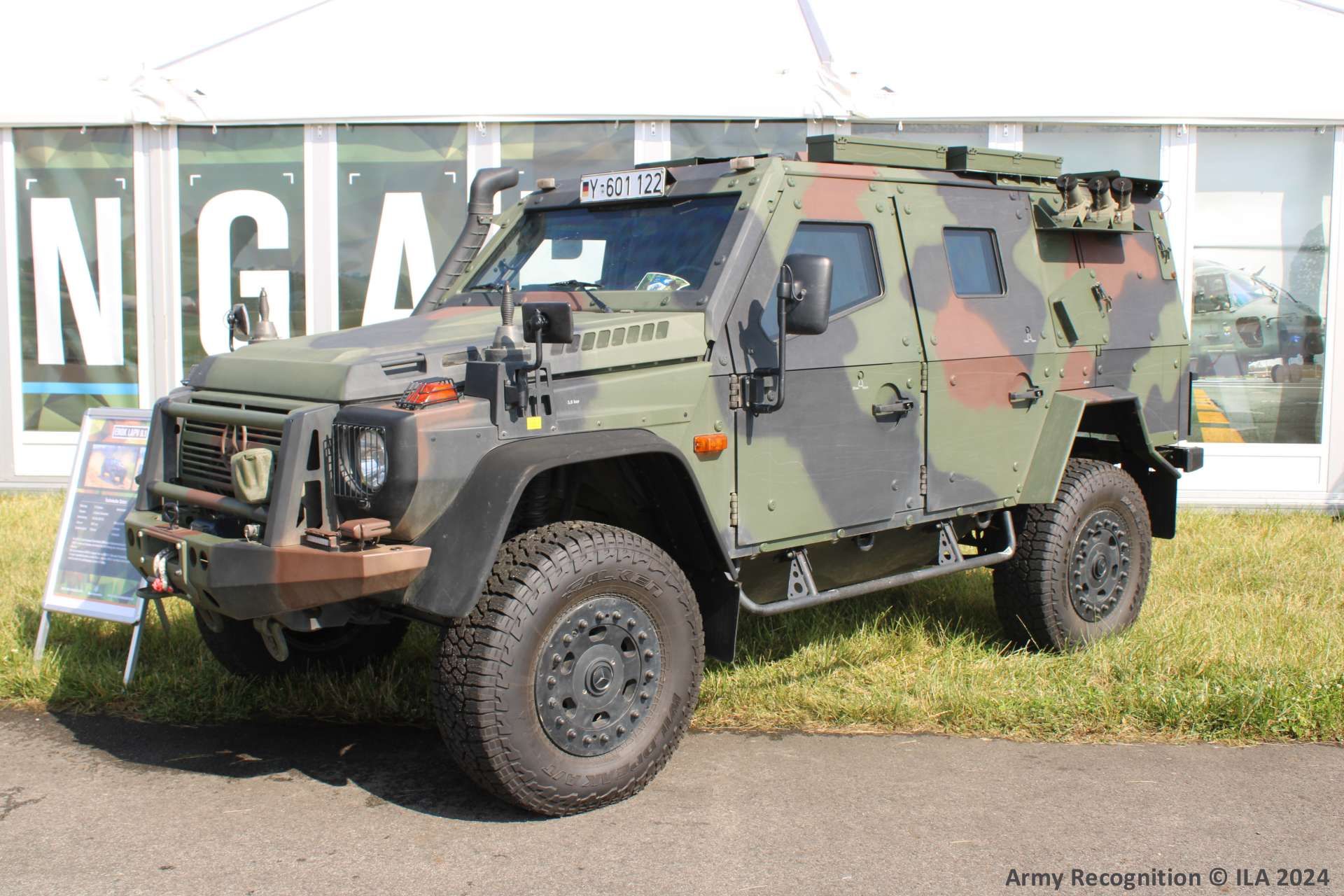
Originating from the Mercedes-Benz G-Class platform, the Enok has been produced in several versions, including the Enok 5.4 and Enok 6.1, which feature improved armor and upgraded capabilities. (Picture source: Army Recognition)
The National Guard of Cyprus expressed interest in 5th-generation anti-tank missiles as early as 2021, exploring options from both the European market and Israel. This interest was documented in a 2021 report by the Ministry of Defence under the former Minister of Defence, Charalambos Petridis. In 2023, Cyprus finalized an agreement to acquire the Israeli Spike LR2 anti-tank missiles from the EuroSpike consortium, which includes Rafael Advanced Defense Systems, Diehl, and Rheinmetall. This agreement was initially shared by EuroSpike representatives at the DEFEA 2023 event and was later confirmed during a Defense and Security conference held in Nicosia on May 15-16, 2023.
The Spike missile series, developed by Israel's Rafael Advanced Defense Systems, was designed in response to the need for a versatile and effective anti-tank guided missile (ATGM) system. First introduced in the late 20th century, the Spike system was developed to address modern armored threats, with features such as "fire-and-forget" capability and precision guidance, making it suitable for various combat scenarios. Over time, the Spike family expanded and evolved, leading to adoption across multiple countries, particularly in Europe. This expansion was facilitated by the establishment of EuroSpike, a joint venture with Diehl Defense and Rheinmetall, which helped promote SPIKE missile systems in Europe and produce parts of these systems in Germany.
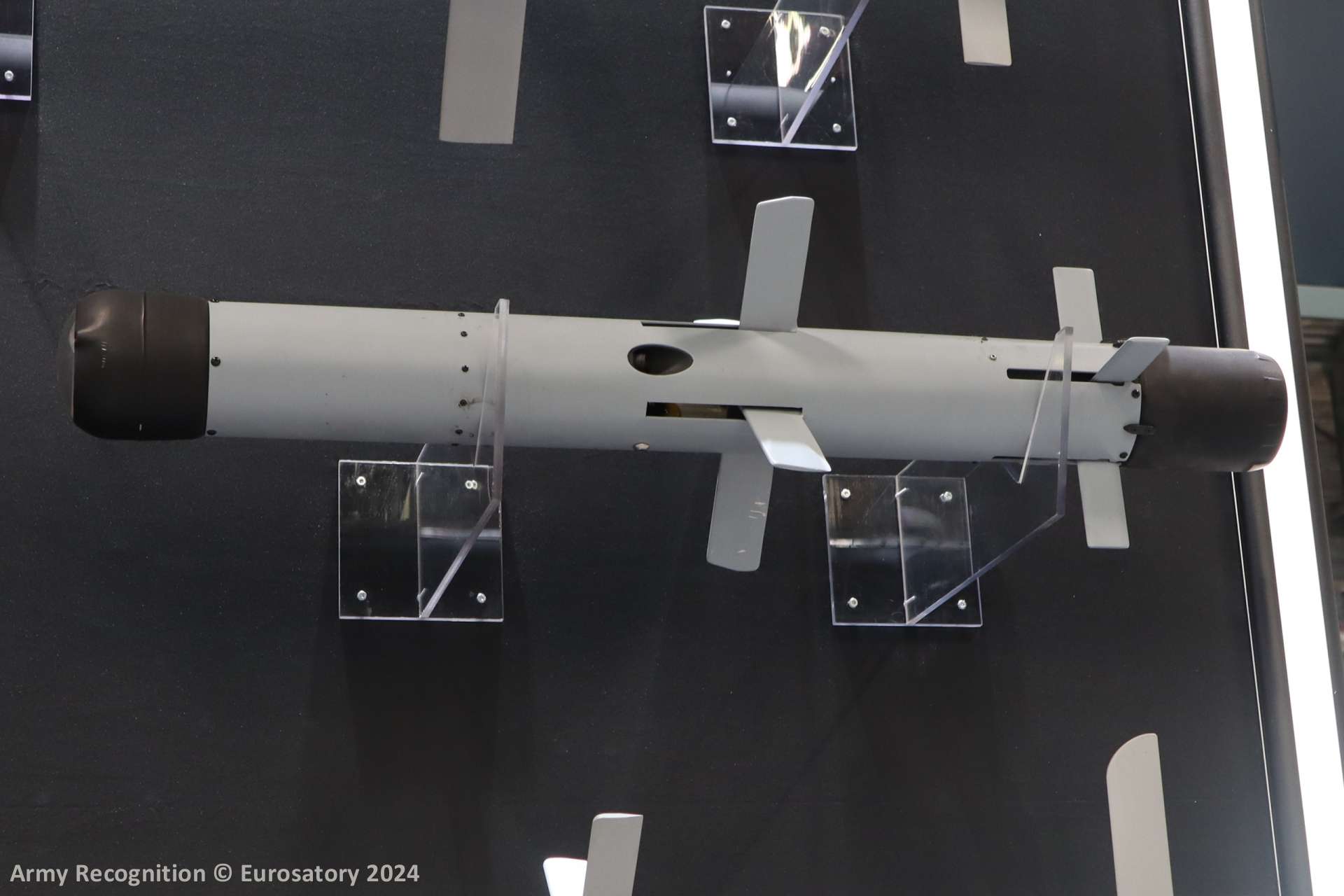
The Spike LR2 features two warhead options: a tandem HEAT warhead for countering reactive armor and a multipurpose warhead for breaching fortified structures. (Picture source: Army Recognition)
The development of the Spike missile series has resulted in several variants, each tailored for specific operational roles. These include the Spike SR (Short Range) for close-quarters combat, the Spike LR (Long Range) and LR2 for extended engagements, the Spike ER (Extended Range), and the Spike NLOS (Non-Line-Of-Sight) for beyond-visual-range targets.
The Spike LR2, the latest iteration, builds on the capabilities of earlier models with enhancements in range, lethality, and armor penetration. It features two warhead options: a tandem HEAT warhead for countering reactive armor and a multipurpose warhead for breaching fortified structures. The Spike LR2 is also backward-compatible with older Spike systems, allowing for integration into existing arsenals.
The Spike LR2 is equipped with advanced electro-optical guidance, which includes both uncooled infrared and high-definition day sensors, enabling it to engage targets at distances up to 5.5 kilometers when launched from the ground or 10 kilometers from a helicopter. The missile weighs 12.7 kilograms, providing portability while maintaining combat effectiveness. The fiber-optic data link allows operators to update target information in real time, offering flexibility in dynamic combat environments. Furthermore, the Spike LR2 has demonstrated accuracy and effectiveness in engaging a variety of targets, including moving and concealed threats.
Read more: Cyprus receives first of 60 Enok AB anti-tank vehicles armed with Spike LR2 missiles
- Details
- Written by: Halna du Fretay
- Category: 2024
- Hits: 2142
Breaking news
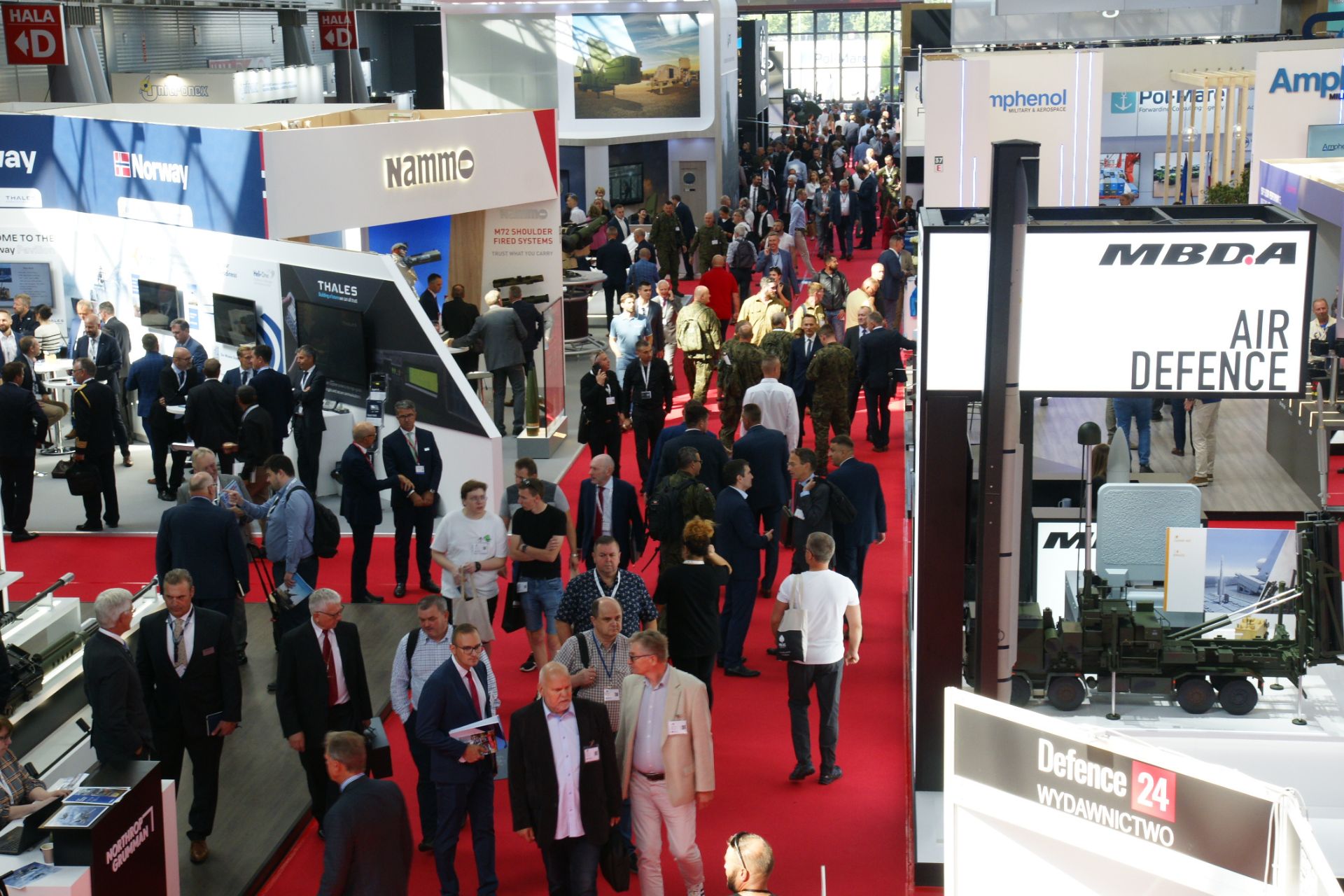
In September 2024, Targi Kielce will once again transform into a global hub for the defense industry during the 32nd International Defense Industry Exhibition (MSPO). This event, organized under the banner of Poland's NATO membership anniversary, is expected to draw significant attention due to ongoing geopolitical tensions in Europe, particularly following Russia's aggression against Ukraine. The exhibition will serve as a crucial platform for defense companies from around the world, enabling them to showcase their latest products, forge strategic partnerships, and discuss the future of defense technologies.
Follow Army Recognition on Google News at this link
This year, MSPO will also feature the Armed Forces Exhibition, celebrating 25 years of Poland's NATO membership (Picture source: MSPO)
MSPO 2024 is anticipated to see a record number of participants, with 736 exhibitors from 34 countries, including strong representations from Australia, the United States, and the United Kingdom. The event will highlight the growing demand for advanced defense systems, driven by increased defense spending in Europe in response to escalating security concerns. As Poland allocates a record 4% of its GDP to defense, the exhibition will become a focal point for the defense industry to address the region's evolving security needs.
This year, MSPO will also feature the Armed Forces Exhibition, celebrating 25 years of Poland's NATO membership. The exhibition will highlight Poland's contributions to the alliance and showcase the progress made by the Polish armed forces since joining NATO. The event will emphasize the strategic importance of Poland's NATO membership in ensuring both national and international security.
MSPO 2024 will not only be an exhibition of military equipment but also a key venue for concluding critical defense agreements. Among the key agreements expected to be announced is the long-awaited contract for the supply of K2 tanks, aimed at strengthening Poland's combat capabilities. This contract, which will include both the delivery of new tanks and the transfer of technology, will underscore MSPO's essential role as a platform for finalizing significant defense transactions.

The event will also facilitate numerous discussions and knowledge-sharing sessions. Seminars will focus on the cooperation between the Polish defense sector and civilian companies, as well as prospects for collaboration with the U.S. military in Poland. These discussions will be particularly relevant given the growing presence of American troops in the region, highlighting the strategic partnership between Poland and the United States.
MSPO will continue to solidify its status as one of the world's most important defense exhibitions, ranking just behind Paris's EUROSATORY and London's DSEI. With the support of the Polish government and international partners, the exhibition will remain a key event for defense professionals worldwide.
Read more: MSPO 2024: Europe's Center for Defense Cooperation
- Details
- Written by: V.Saint
- Category: 2024
- Hits: 1839
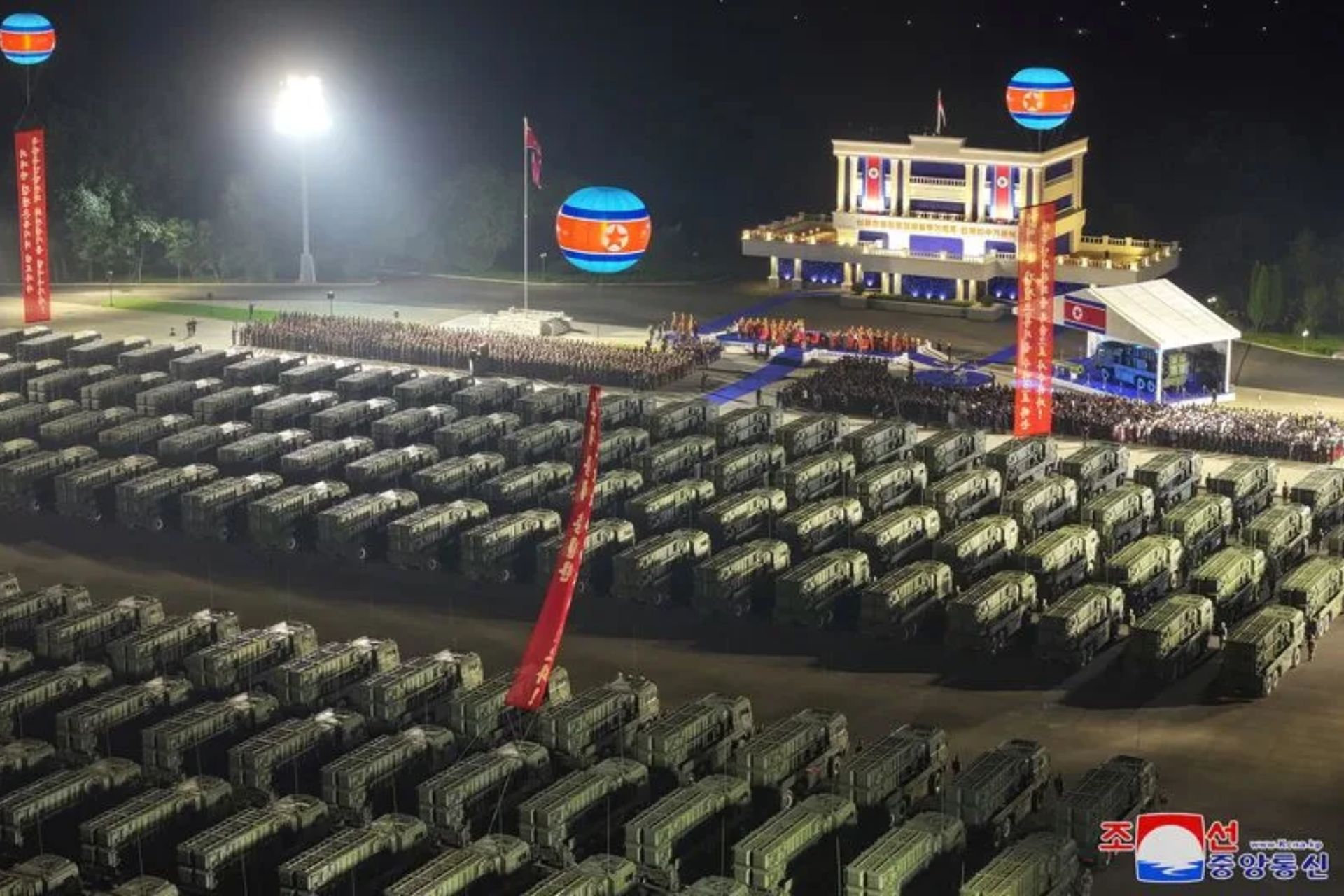
The ballistic missile launchers that North Korea has announced it will deploy at the border with South Korea are said to have a range of 110 km, which would allow them to target the Chungcheong province south of Seoul, reported the Yonhap news agenc, South Korean news agency.
Follow Army Recognition on Google News at this link
North Korean leader Kim Jong Un attends a ceremonial event to mark the delivery of new tactical ballistic missiles to his country's troops. (Picture source: KCNA)
North Korean state media reported earlier this month that leader Kim Jong Un had overseen the delivery of 250 new tactical ballistic missile launchers described as modern tactical weapons personally designed by Kim to be deployed to the border.
Experts believe Pyongyang could use them to attack or threaten Seoul. However, South Korean intelligence officials are skeptical about North Korea's ability to supply enough missiles for the 250 launchers while also providing weapons to Russia as part of their bilateral military cooperation, Yonhap reported on Monday, citing lawmakers from the intelligence committee.
The missile and these launchers are the cornerstone of North Korea's defense policy. Having been under embargo since the 1950s, Pyongyang has experienced significant delays in modernizing its military. Even today, North Korea’s active forces are largely equipped with light weapons from the 1960s, such as the Kalashnikovs, Type 98, and Type 68 rifles that are locally produced copies.
However, the North Korean arms industry is not focused on light weapons but on advanced defense technologies such as nuclear and missile technology. Whether in armored vehicles or aircraft, there are few recent examples, but the armed forces are still equipped with T-55, T-54 tanks, and to a lesser extent, T-72 tanks, sometimes sourced from Russia or China.
The launchers and aerial vectors are more interesting to Pyongyang as they allow for deep strikes and offer a degree of deterrence. This is essential for the Pyongyang regime, which must ensure its survival. Unable to directly compete with a more modern army, North Korea prioritizes deep strike capabilities. As a result, the arms trade with Russia has resumed, similar to the arrangement with Libya between 1960 and 2011.
North Korea and Russia have been accused by Seoul and Washington of engaging in arms exchanges to help Russia replenish its missile and artillery stocks for its war against Ukraine. Pyongyang and Moscow have denied these accusations, but today, Western and Russian sources on the front lines mention artillery munitions delivered by Pyongyang, with only the mystery of the missiles remaining.
Read more: North Korean new missile launchers able to target deep into South.
US Army deploys M142 HIMARS artillery system in Chile for first time in Southern Fenix 2024 exercise
- Details
- Written by: Jérôme Brahy
- Category: 2024
- Hits: 3976
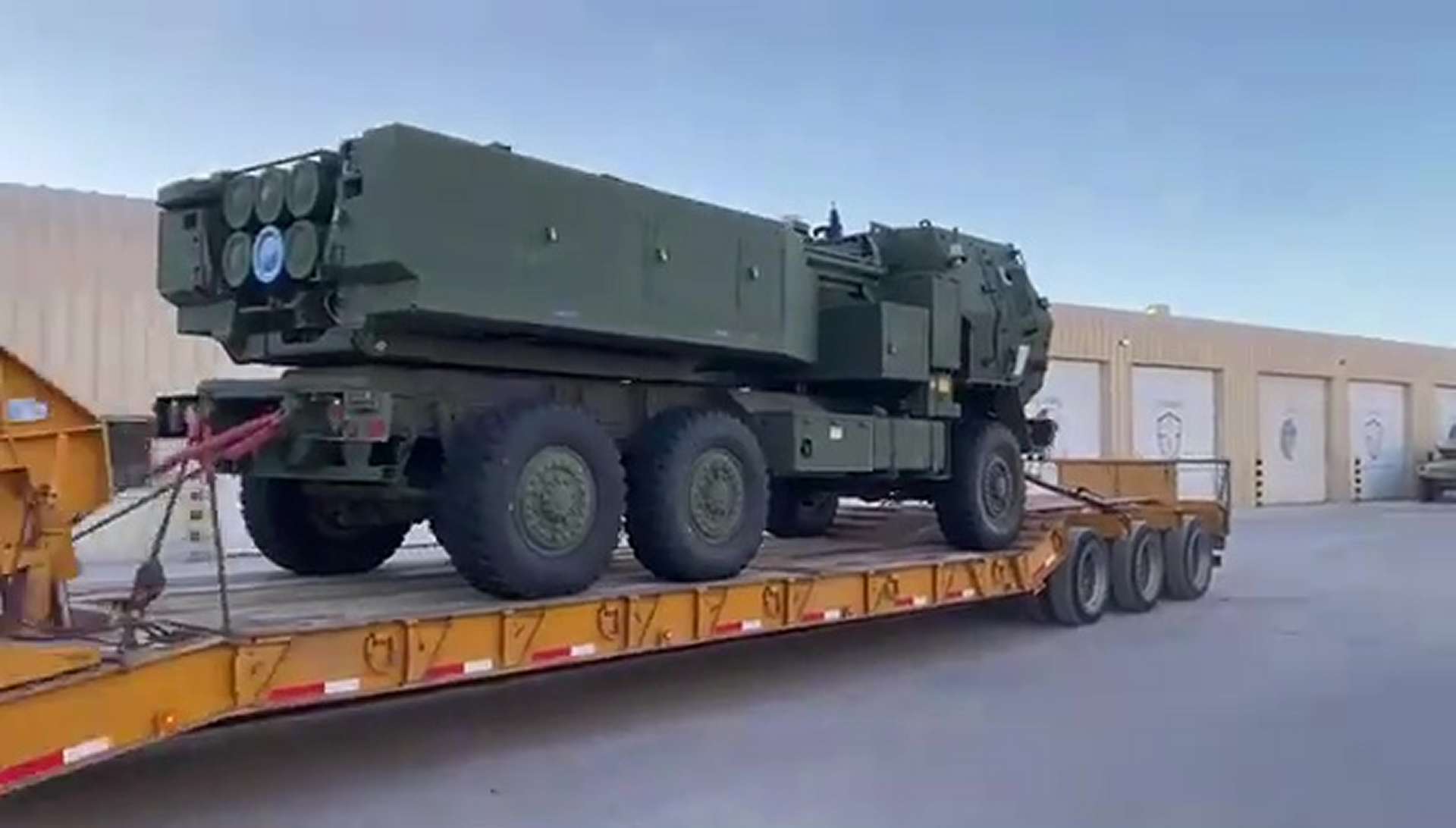
On August 24, 2024, the Chilean Army confirmed the arrival of the M142 High Mobility Artillery Rocket System (HIMARS) in Chile as part of Exercise Southern Fenix 2024 (SF24), a multinational military exercise involving Chile, Argentina, and the United States. This exercise, which includes over 600 military personnel, is focused on improving interoperability for multi-domain operations in the Atacama Desert, specifically within the Tarapacá region. The deployment of the HIMARS system is significant as it marks the first time this platform has been used within the U.S. Southern Command (SOUTHCOM) area of operations.
Follow Army Recognition on Google News at this link
The deployment of the HIMARS system in the Southern Fenix 2024 exercise marks the first time this platform has been used within the U.S. Southern Command (SOUTHCOM) area of operations. (Picture source: Chilean MoD)
Southern Fenix 2024 (SF24) is a key exercise aimed at enhancing technical and procedural interoperability between the participating forces while fostering collaboration in hemispheric defense efforts. This exercise, running from August 27 to September 5, 2024, aligns with the SOUTHCOM Campaign Plan and the U.S. National Defense Strategy, with a focus on strengthening security and defense partnerships in the region.
The U.S. contribution to SF24 includes approximately 200 personnel from various units such as U.S. Army South, the 11th Airborne Division, the 75th Field Artillery Brigade, and the 1st Security Forces Assistance Brigade. Additional support is provided by Joint Task Force Bravo, the Joint Communications Support Element, and National Guard units from Texas, Utah, and New York. These U.S. forces will train alongside more than 300 personnel from the Chilean Army’s 6th Division, as well as representatives from the Argentine military.
The exercise will feature several key training events, including the deployment of a HIMARS section and fire direction center, as well as participation from a U.S. Army Airborne company. Training activities will include a combined forcible entry, airfield seizure operations, HIMARS Rapid Integration (HIRAIN) drills, and the Reception, Staging, Onward Movement, and Integration (RSO&I) process. The exercise will conclude with two Live-Fire Exercises (LFX); one focused on maneuver forces and another on rocket artillery, testing the operational capabilities of the HIMARS system in a joint environment.
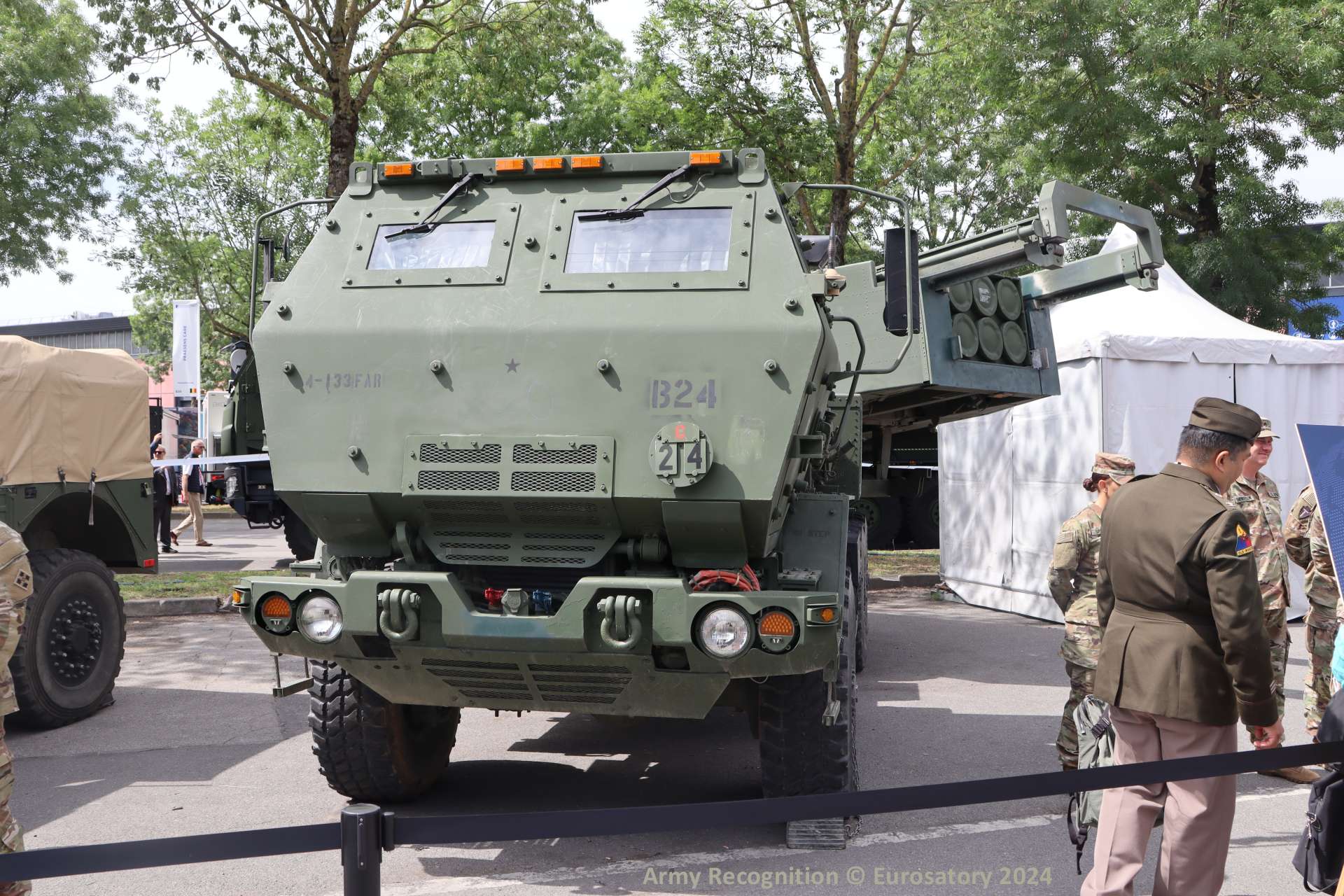
The M142 High Mobility Artillery Rocket System (HIMARS) began development in the late 1990s and was fully integrated into U.S. Army operations by the early 2000s. (Picture source: Army Recognition)
The M142 High Mobility Artillery Rocket System (HIMARS) was developed in response to a recognized need for a more mobile and quickly deployable artillery system, especially after the Gulf War highlighted the limitations of existing heavier systems like the M270 MLRS. Initiated in the early 1990s by Lockheed Martin, the HIMARS was designed to deliver similar firepower to the M270 but on a lighter, wheeled platform, making it more suitable for rapid deployment. The system began development in the late 1990s and was fully integrated into U.S. Army operations by the early 2000s. Over time, HIMARS has become an integral part of U.S. military operations, with its design focused on mobility and precision to meet modern battlefield needs.
In combat, the HIMARS has demonstrated significant utility due to its precision and versatility. It is equipped to fire six Guided Multiple Launch Rocket System (GMLRS) rockets or a single Army Tactical Missile System (ATACMS) missile, with effective ranges extending up to 300 kilometers. The system has been used in various conflicts, including Iraq, Afghanistan, and more recently, Ukraine. Its design allows for accurate targeting, which is essential in minimizing collateral damage during operations. Additionally, its ability to quickly relocate after launching rockets enhances its effectiveness and reduces its vulnerability on the battlefield.
The HIMARS is currently operated by multiple countries, with the United States being its primary user. Other operators include Romania, Singapore, Poland, the United Arab Emirates, and Ukraine, which has recently incorporated this MLRS into its military operations. Norway and Lithuania are also acquiring the system, reflecting its increasing global adoption. As of 2024, over 400 units have been produced, with production ramping up due to growing global demand. This demand also influenced the development of the newly presented GMARS (Guided Multiple Launch Rocket System), a European alternative to the HIMARS.
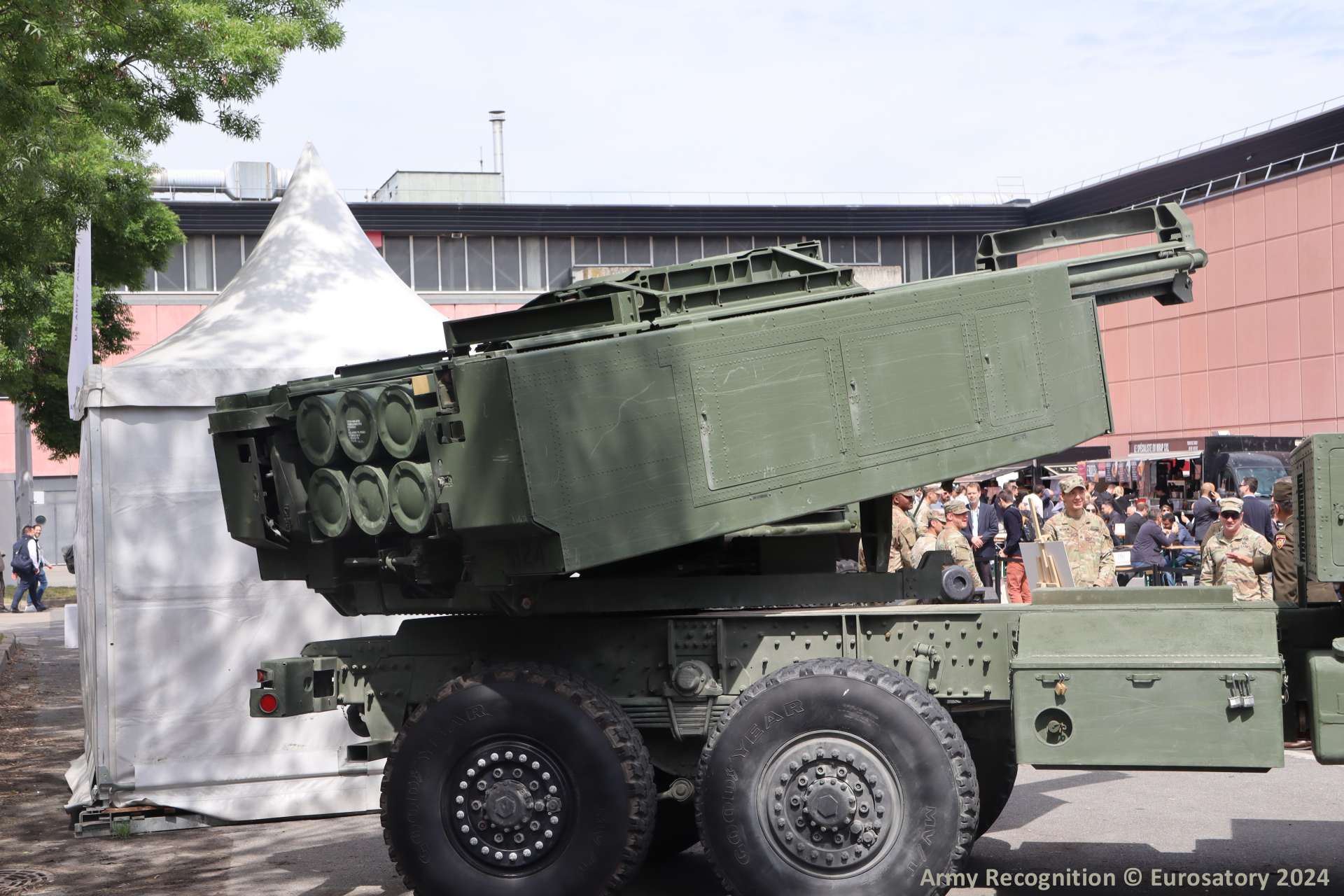
The M142 HIMARS is equipped to fire six Guided Multiple Launch Rocket System (GMLRS) rockets or a single Army Tactical Missile System (ATACMS) missile, with effective ranges extending up to 300 kilometers. (Picture source: Army Recognition)
- Details
- Written by: V.Saint
- Category: 2024
- Hits: 1893
The U.S. Department of Defense has sent Ukraine a new aid package that includes ammunition and unmanned anti-aircraft systems. This announcement marks the sixty-fourth tranche of equipment provided by the Biden administration from the Department of Defense's stocks for Ukraine since August 2021.
Follow Army Recognition on Google News at this link
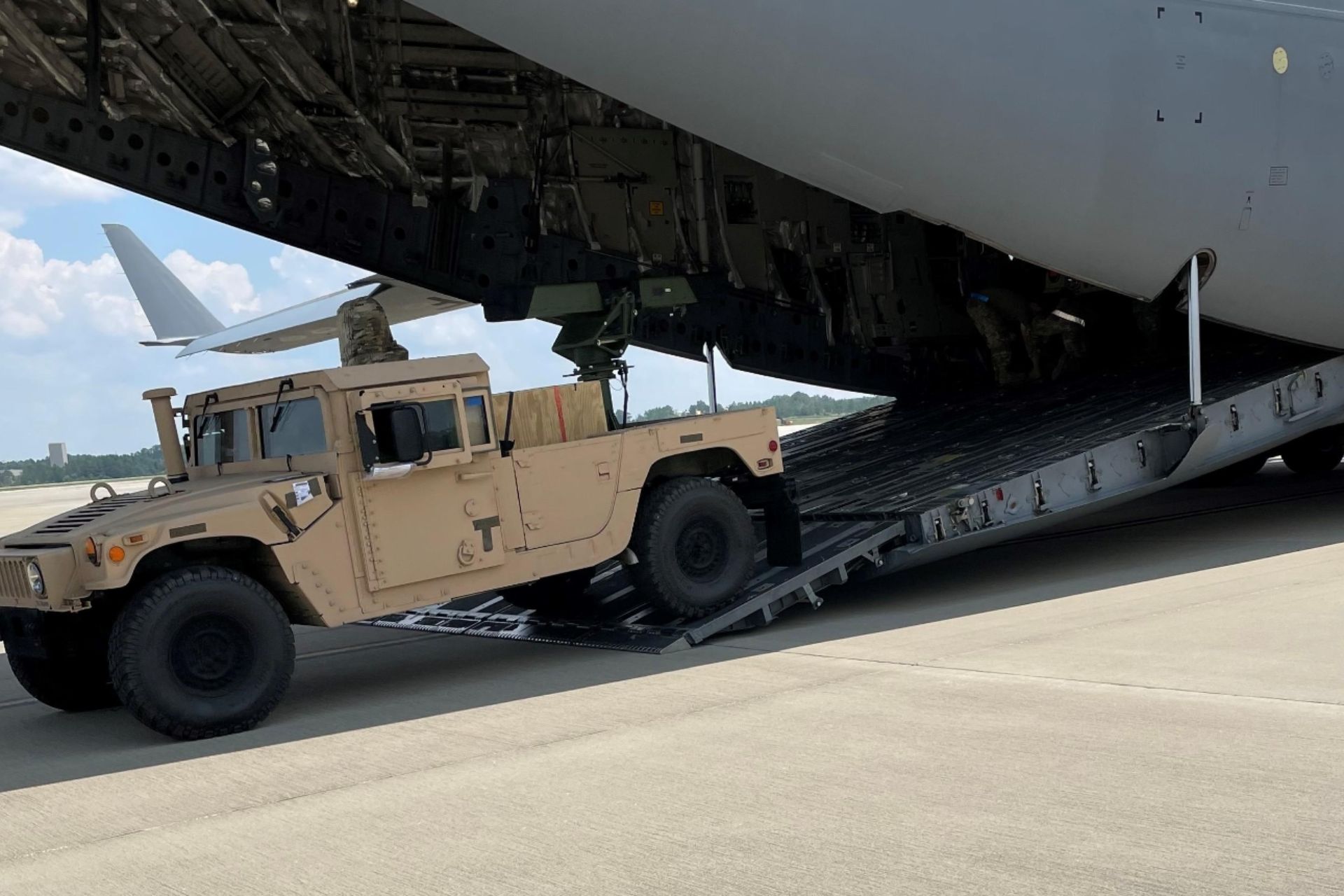
The Vampire launch platform is unloaded from the aircraft. Ukraine, 2023. (Picture source: Ukrainian MoD)
Ahead of Ukraine's Independence Day, the Department of Defense announced today additional security assistance to address Ukraine's critical security and defense needs. In parallel, Ukraine has issued an official plea for help. This Presidential Initiative, estimated at $125 million, will provide Ukraine with additional capabilities to address its most urgent needs, including air defense capabilities, ammunition for rocket and artillery systems, and anti-tank weapons.
The features outlined in this announcement include: Counter-Unmanned Aerial Systems (C-UAS) equipment and ammunition, ammunition for High Mobility Artillery Rocket Systems (HIMARS), 155 mm and 105 mm artillery ammunition, Tube-launched, Optically-tracked, Wire-guided (TOW) missiles, Javelin and AT-4 anti-armor systems, High Mobility Multipurpose Wheeled Vehicle (HMMWV) ambulances, small arms ammunition, medical equipment, demolition materials and munitions, spare parts, auxiliary equipment, services, training, and transportation.
As Ukraine prepares to celebrate its Independence Day on August 24 – more than two and a half years after the Kremlin launched its full-scale invasion – the United States and the international coalition of about 50 allies and partners remain committed to supporting Ukraine's defenders as they continue to fight against Russian aggression.
U.S. President Joe Biden also called Volodymyr Zelensky on the occasion of Ukraine's Independence Day to confirm the allocation of a new military aid program and to express his unwavering support for the Ukrainian people.
The Ukrainian president stated that the Ukrainian people are grateful to President Biden, his administration, Congress, and the entire American people for their unwavering support since the early days of the full-scale war. This allows us to survive and protect our state. Zelensky also noted the approval by the United States of another package of sanctions against Russia, and said that during the conversation, he emphasized the need to continue sanctions pressure on Russia. He added that he welcomed the new U.S. military aid program and specified that Ukraine urgently needs the delivery of weapons from the announced programs, particularly additional air defense systems, to reliably protect cities and critical infrastructure.
The Biden administration also stated that it is "open" to sending JASSM missiles to Ukraine. These issues include reviewing the transfer of sensitive technologies and ensuring that Ukrainian aircraft can launch the 2,400-pound missile carrying a 1,000-pound warhead.
Read more: United States sends ammunition and counter-unmanned aerial systems to Ukraine
- Indian Army Orders thousands Additional SIG716 Rifles for Army services.
- US Air Force Modernizes Infrastructure for Sentinel ICBM Intercontinental Ballistic Missile System
- Secretive Defense Deal Unveiled as Gabon Displays Russian Spartak 4x4 MRAPs Combat Vehicles in Parade
- Colombian National Army to Acquire 460 M60-E6 Light Machine Guns