

- Details
- Written by: Jérôme Brahy
- Category: 2024
- Hits: 11156










As reported by Defense One on August 22, 2024, a team of three engineers developed a prototype for a GPS-independent drone during a 24-hour hackathon in El Segundo, California, from February 17 to 18. They used a 3D printer and materials costing less than $500. The technology has already attracted interest from several organizations, including Ukrainian government-connected accelerators, special forces units, and ground troops. According to the team, some Ukrainian agencies have made direct inquiries, indicating international interest.
Follow Army Recognition on Google News at this link
During the Hackathon, the Theseus team completed the drone within 24 hours at a cost of less than $500, using 3D printing and readily available electronics. (Picture source: Theseus)
In February 2024, Ian Laffey, a 24-year-old AI developer, decided to participate in the El Segundo Defense Tech Hackathon in San Francisco. There, he met a group of Ukrainians who had recently returned from the front lines and were actively seeking new technologies to aid their efforts. Due to a shortage of artillery, Ukraine had increasingly relied on inexpensive drones, which, while effective, were dependent on GPS guidance systems susceptible to jamming. This issue prompted Laffey and his two partners, Sacha Levy and Carl Schoeller, to create a GPS-independent drone capable of recognizing its location without relying on an extensive database of satellite images.
Instead, their drone uses a deep learning model called a large vision transformer to understand the relationships between GPS coordinates and local terrain features. This model aims to provide an inherent understanding of the world's surface without depending on original satellite images. The team completed the drone, featuring a flying-wing design, within 24 hours at a cost of less than $500. For example, the airframe and control surfaces were 3D-printed in five hours and assembled in two hours using readily available electronics.
They developed a navigation system that uses an algorithm to match satellite images from Google Maps with real-time images captured by the drone's onboard camera. This allows the drone to estimate its GPS coordinates without relying on a traditional signal. Their system is comparable to the Terrain Contour Matching (TERCOM) guidance system used by Tomahawk cruise missiles, which compares real-time measurements from an onboard radar altimeter with a stored contour map of the terrain to determine a precise location. The TERCOM system offers greater accuracy than inertial navigation systems (INS) and allows missiles to fly at lower altitudes and closer to obstacles, reducing the likelihood of detection by ground radar.

Theseus developed a navigation system that uses an algorithm to match satellite images from Google Maps with real-time images captured by the drone's onboard camera. (Picture source: Theseus)
The team utilized a scale-invariant feature transform (SIFT) model for GPS-denied navigation, enabling their prototype to align its camera imagery with satellite images from Google Maps at a resolution of 0.5 meters per pixel. This model was chosen for its quick implementation, though it is not the most advanced tool available for such applications. The team aims for a level of accuracy similar to that of a DJI quadcopter, approximately within five meters 95% of the time, according to Levy, a doctoral student in computer science at Yale University.
After posting about their creation on social media, the team founded Theseus to further explore testing and commercialization of their drone. While the prototype has performed well in simulation tests, it remains in an early stage of development. Interest has already been expressed by various organizations, including Ukrainian government-connected accelerators, special forces units, and ground troops. Laffey, one of the team members, noted that "some Ukrainian three-letter agencies have directly emailed us," illustrating the global interest in their work.
The Theseus team members, aged between 22 and 24, have diverse backgrounds, including developing AI-powered email services, internships at Apple and Tesla, and work on generative modeling for single-cell biology. They prefer startup defense companies like Anduril over traditional defense contractors, stating that these larger firms have struggled to attract top talent in recent years.
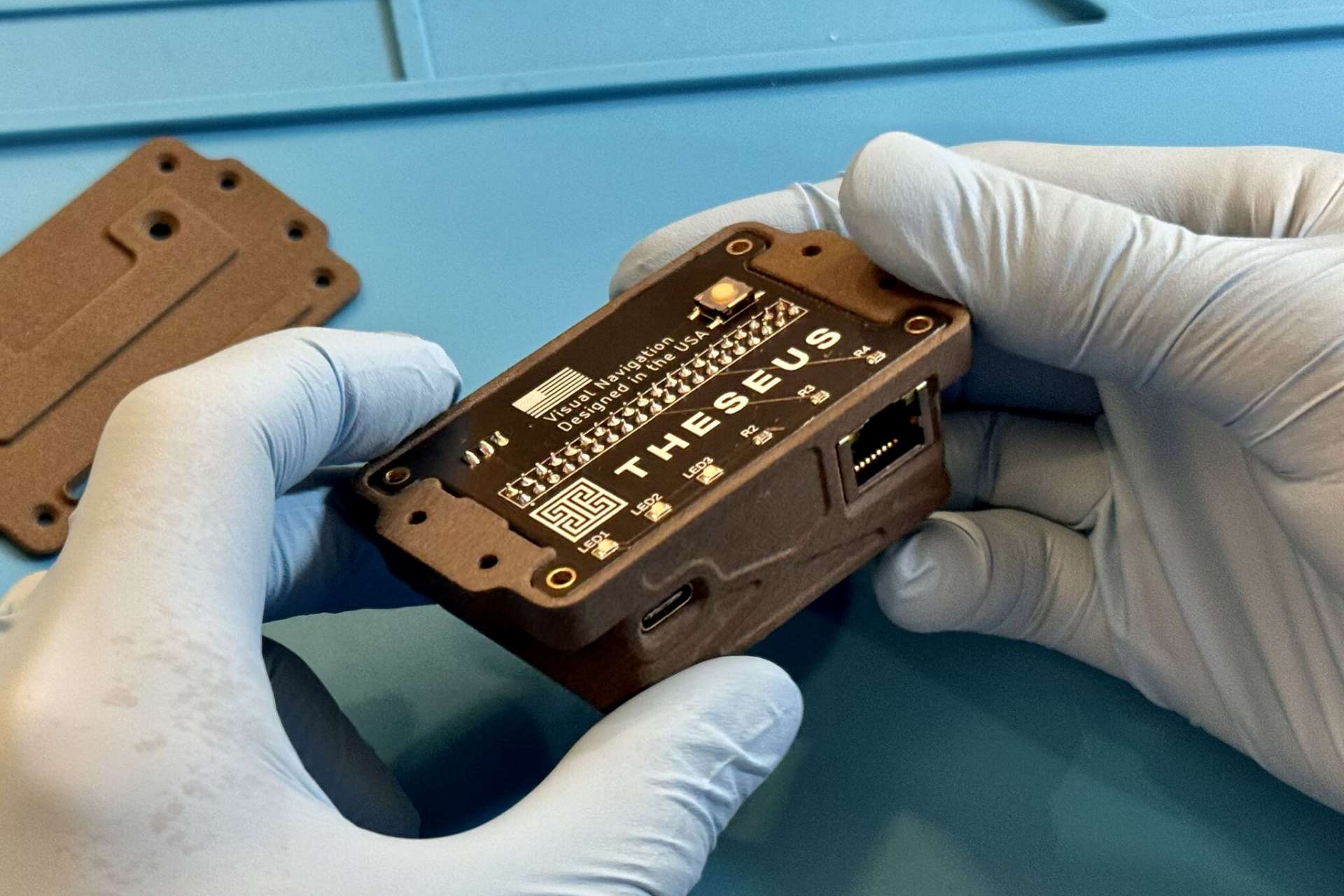
While the prototype remains in an early stage of development, interest has already been expressed by various organizations, including Ukrainian government-connected accelerators, special forces units, and ground troops. (Picture source: Theseus)
The team has also raised concerns about conventional military strategies and the focus of large defense contractors on expensive, centralized hardware. Schoeller, for example, has questioned the feasibility of deploying high-cost weapons like the $2 million Tomahawk missile in conflicts with economically comparable adversaries. The team suggests an alternative approach involving deploying tens of thousands of low-cost, networked drones, which they argue could be harder to target and offer a wider range of potential applications. They propose that such a network of drones could create new opportunities in defense strategy.
From a military perspective, the GPS-independent drones developed by the Theseus team offer a cost-effective alternative to traditional drones, functioning without relying on GPS guidance systems, which are susceptible to jamming. By leveraging deep learning models and algorithms to autonomously navigate and identify terrain features, such drones could work perfectly even in environments where GPS signals are denied. Their design, which can be produced using 3D printing and commercially available electronics for under $500, enables the potential for large-scale deployment at a relatively low cost, and fast. Moreover, similar to the concept behind the Ukrainian Trembita cruise missile, a network of these drones could be more difficult to detect and intercept when attacking high-value enemy military assets.
Read more: $500 GPS-free drone from US startup Theseus catches Ukraine's interest
- Details
- Written by: Halna du Fretay
- Category: 2024
- Hits: 11764
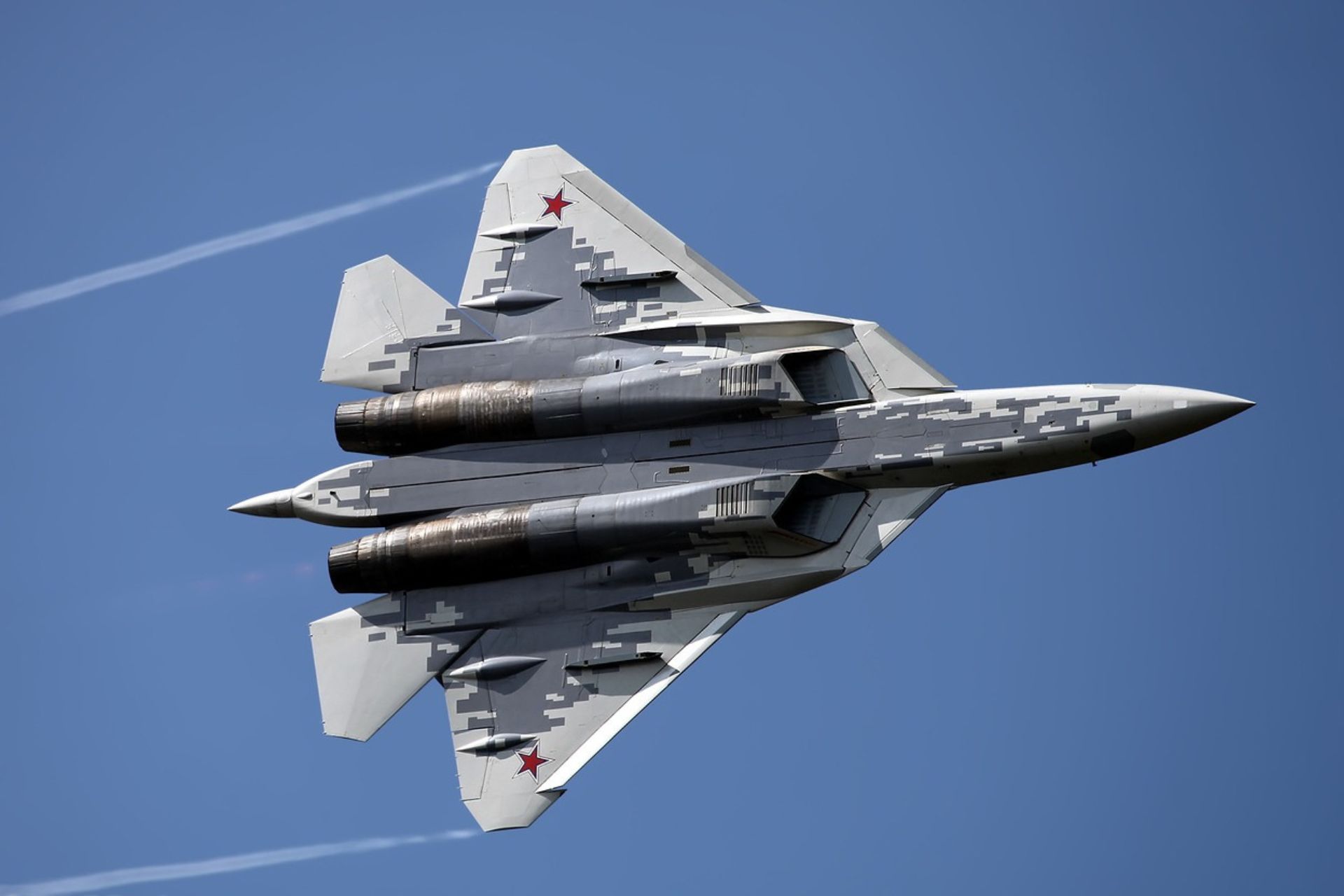
Russia is intensifying efforts to speed up the production of its fifth-generation Su-57 fighter jets, a program that has faced significant delays and challenges. The state-owned United Aircraft Corporation (UAC) recently announced the opening of new facilities at the Komsomolsk-on-Amur plant in eastern Russia, aimed at addressing the slow production pace of these advanced aircraft. These new facilities include developments related to the fuel system and the construction of a hangar dedicated to avionics testing.
Follow Army Recognition on Google News at this link
Despite these efforts, the Su-57 fleet remains limited, with minimal participation in Russia's ongoing military operations in Ukraine (Picture source: Vitaly Kuzmin)
The Su-57 Felon is a twin-engine, multirole fighter jet, the latest from Russia. It can carry a combination of air-to-air and air-to-ground munitions, including infrared-guided R-73 air-to-air missiles and radar-guided R-27 air-to-air missiles, as well as cruise missiles, hypersonic munitions, glide bombs, rockets, and conventional bombs.
The aircraft is also equipped with a 30 mm Gryazev-Shipunov GSh-30-1 cannon with 150 rounds for air combat or strafing runs. The aircraft features thrust-vectoring engines, which give it high maneuverability. Initial versions use the AL-41F1 engine, but the development of a new, more powerful and efficient engine, the Izdeliye 30, is underway.
Despite these efforts, the Su-57 fleet remains limited, with minimal participation in Russia's ongoing military operations in Ukraine. The Su-57s have been primarily used for strikes launched from Russian territory. The slow production rate is attributable to several factors, including the impact of international sanctions imposed by the United States, the European Union, and other countries following Russia's large-scale invasion of Ukraine. These sanctions have severely restricted Russia's access to critical electronic components and avionics, forcing the country to seek alternatives in Asia or resort to illegal imports.
The Russian Air Force currently has only a small number of Su-57s, far below initial expectations. In 2019, the Russian Defense Ministry signed a contract to produce 76 Su-57s by the end of 2027, with the Komsomolsk-on-Amur plant designated as the main production site. However, the plant was quickly deemed insufficiently equipped for the task, necessitating expansions and upgrades to the production facilities.
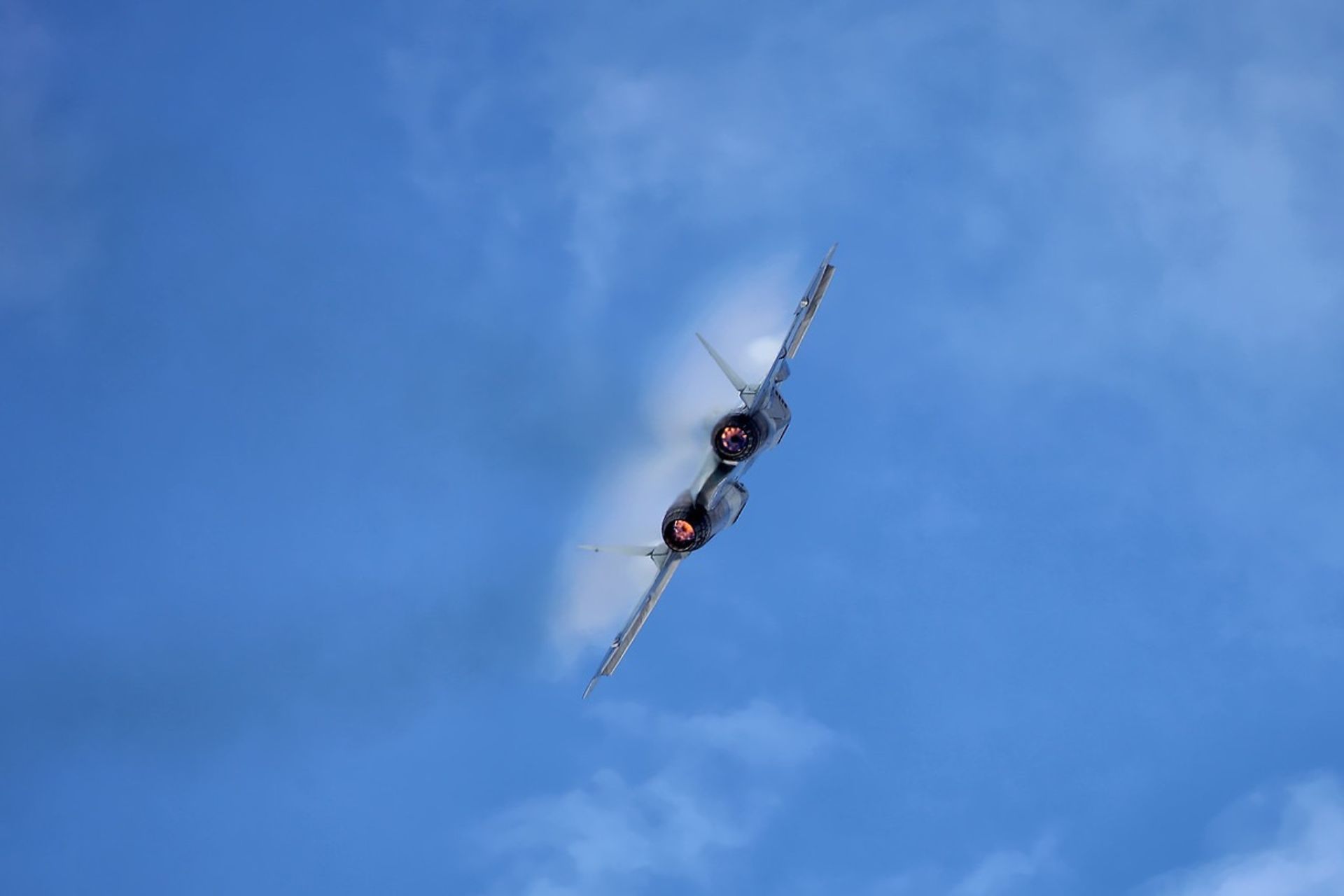
The Russian Defense Ministry announced plans to receive 22 Su-57s in 2024, but as of August, there was no confirmed information regarding these deliveries (Picture source: Vitaly Kuzmin)
Independent aviation expert Michael Jerdev estimates that, to date, the Russian Air Force has received only a third of the aircraft planned under the 2019 contract. In 2022, 10 aircraft were delivered, followed by 11 more in 2023. One of the major obstacles has been the supply of avionics and the development of the new Izdeliye 30 engine. Until now, the Su-57s have been equipped with the older AL-41F-1 engine, but Rostec, Russia's state-owned defense conglomerate, announced in December 2023 that some aircraft delivered in 2024 would feature the new engine.
However, these new engines are not expected to enter mass production before at least 2025, according to Pavel Luzin, an expert at the Washington-based think tank CEPA. The production capacity of the Ufa Engine Industrial Association, responsible for the engines, is reportedly limited, and the company may need to stop producing older engines to focus on the new ones.
The Russian Defense Ministry announced plans to receive 22 Su-57s in 2024, but as of August, there was no confirmed information regarding these deliveries. Adding to the challenges, Ukrainian forces reportedly damaged one or two Su-57s in June 2024 during a strike on the Akhtubinsk airfield in southern Russia, according to Ukrainian military intelligence.
- Details
- Written by: Triffaux
- Category: 2024
- Hits: 4790
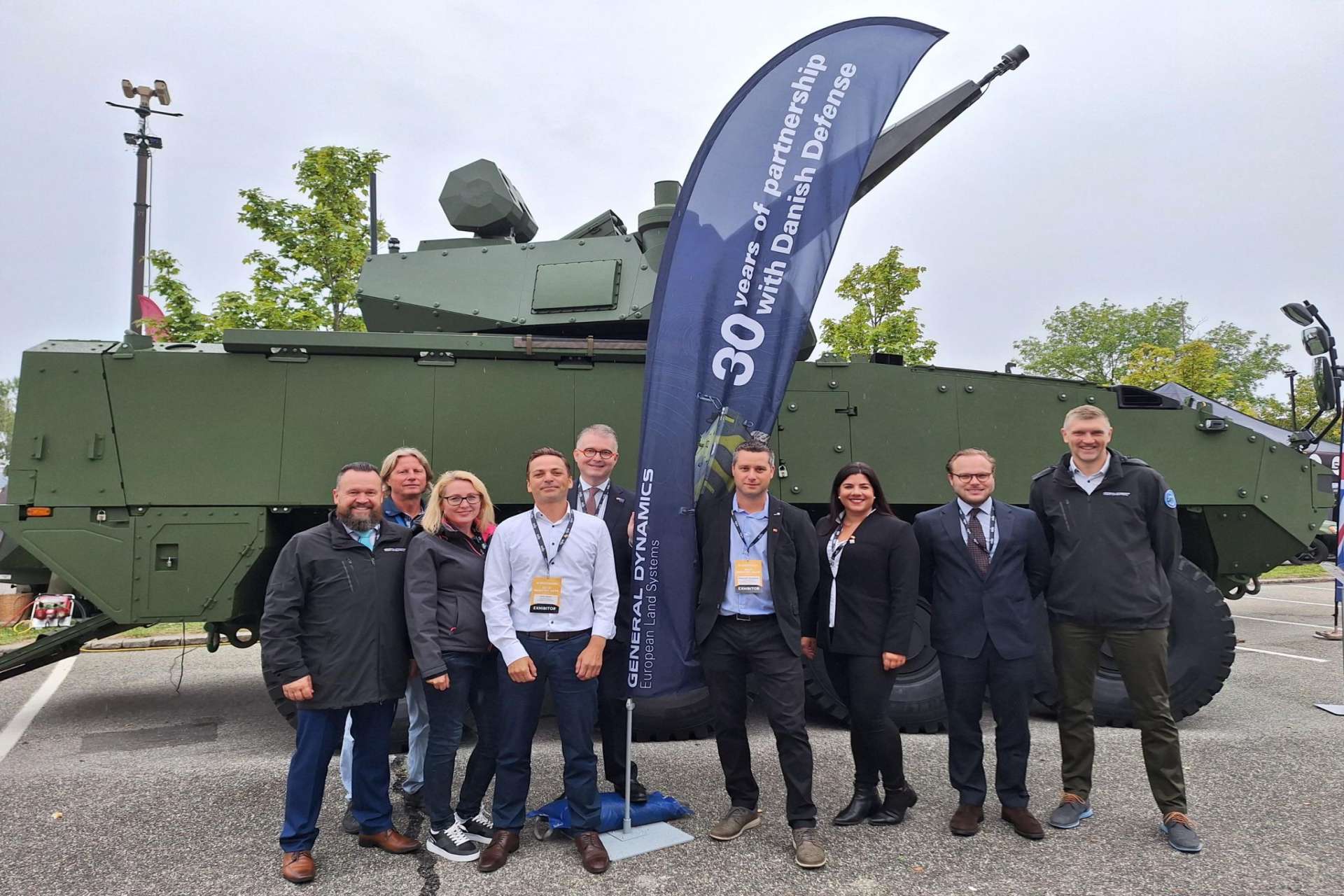
According to an article from a Spanish newspaper published on August 29, 2024, the Skyranger 30, the latest system from the German company Rheinmetall, was showcased for the first time mounted on the Piranha V 8x8 armored vehicle during an exhibition by the Danish Defense Acquisition and Logistics Organization (DALO) 2024. This announcement comes as Denmark has expressed its intention to integrate this system into its short-range air defense strategy.
Follow Army Recognition on Google News at this link
GDELS Piranha V 8x8 Armored Vehicles Fitted with Rheinmetall Skyranger 30 Mobile Air Defense System
(Picture source: GDELS)
The Skyranger 30, represents an innovative hybrid solution in air defense. Equipped to fire ABM ammunition, which explodes in the air dispersing 200 grams of tungsten sub-projectiles, this system is optimized to counter threats from small drones.
A remarkable aspect of the Skyranger 30 is its integration of the Spexer 2000M 3D MkIII radar from Hensoldt, capable of tracking up to 300 targets simultaneously over a range of 40 kilometers. These radars are also in service in Germany and Hungary, underscoring the recognized effectiveness and reliability of this technology.
Denmark plans to acquire 15 units of this system, aiming to strengthen the 309 armored Piranha V vehicles already in service in various configurations within its army. This initiative is part of a general strengthening of air defense in Europe, catalyzed by recent experiences in the conflict in Ukraine.
Rheinmetall has clearly expressed its commitment to air defense at the latest edition of Eurosatory 2024 in Paris, where the Skyranger was displayed in various configurations, including for the first time on the chassis of the Leopard 2 tank.
The speed with which this system could be operationally deployed is under discussion, with the parties hoping to conclude the contract in the coming days. This investment reflects not only the growing importance of ground-based air defense in response to current threats but also the adoption of advanced technologies to ensure national security and sovereignty.
The Skyranger 30 is a ground-based air defense system (GBAD), designed to effectively counter air and ground threats at short and very short ranges. It is equipped with a KCE 30 mm x 173 revolver cannon with an effective range of up to 3,000 meters, capable of a high rate of fire and equipped with airburst ammunition for enhanced effectiveness against aerial targets. This system is known for its superior firepower and precision.
In terms of sensors, the Skyranger 30 has advanced search and tracking sensors that provide continuous 360-degree air and ground surveillance, ensuring continuous monitoring and engagement capabilities. This includes an AESA radar and optronic packages that work together to detect, track, and effectively classify targets.
The design of the Skyranger 30 is highly modular, allowing the integration of various weapons systems, including short-range air defense missiles such as the FIM-92 Stinger or the Saab RBS 70, enhancing its operational range and versatility. This modularity also supports future upgrades such as the inclusion of a high-energy laser or vertically launched C-PGM missiles, adapting to evolving battlefield threats.
The Piranha V 8x8 is a fifth-generation armored personnel carrier designed by General Dynamics European Land Systems - Mowag GmbH. It stands out for its significant improvements in protection, mobility, and payload capacity compared to its predecessors. The Piranha V can accommodate up to 3 crew members and 8 passengers, with a configuration that allows adaptability for various battlefield roles such as troop transport, reconnaissance, and command support.
Equipped with a MTU 6V199 TE21 diesel engine of 577 horsepower, the vehicle can reach a maximum speed of 100 km/h and has an operational range of 1000 km. Its adjustable hydropneumatic suspension provides exceptional mobility on various terrains, similar to that of tracked vehicles. The Piranha V is also equipped with an integrated power management system that allows it to adapt its energy consumption to the needs of the onboard systems, thus increasing its operational efficiency.
In terms of armament, the Piranha V can be equipped with various turrets, including 30 mm automatic cannons and anti-tank missile systems, according to the specific needs of the armed forces using it. The vehicle offers ballistic protection at STANAG 4569 level, resistant to caliber fire up to 14.5 mm all around, and up to 30 mm at the front.

- Details
- Written by: V.Saint
- Category: 2024
- Hits: 5171
Latvian defense authorities have inaugurated new facilities at the Adazi military base, following the establishment of NATO's multinational brigade. This development echoes the bolstering of NATO's eastern flank and its deterrence posture towards Russia, which is feared to be a potential aggressor in the Baltic region, or at least on the eastern flank of the alliance.
Follow Army Recognition on Google News at this link
In March 2022, NATO Secretary General, Jens Stoltenberg, visited Canadian-LEd multinational battlegroup prepared in response to russian war in Ukraine. Now this battlegroup is becoming a permanent brigade (Picture source: NATO)
The vehicle storage and maintenance facilities funded by Canada, which opened on Wednesday, will house the brigade's tanks and other armored vehicles, providing sheltered areas for essential maintenance. The improvement works also include a new warehouse, tents, a security perimeter, and a concrete road. Investments from Canada and Spain in constructing these facilities amount to over 7 million euros.
The inauguration ceremony was attended by representatives from the Latvian national armed forces, NATO's multinational brigade in Latvia, the headquarters of NATO's multinational division North, and Latvia's national center for military facilities and defense procurement. According to the Latvian government, the ceremony on August 28, 2024, marked the completion of infrastructure projects funded by Canada and Spain, enhancing the facilities at their respective complexes at the Adazi military base. Latvia oversaw the construction to ensure the success of the projects, which began in 2023 and were completed in about a year.
Atis Svinka, the Parliamentary Secretary of the Ministry of Defense of Latvia, stated that the aim is to show the aggressor that our capabilities are increasing daily and that Latvia is becoming safer every day. The brigade is expected to conduct its first large-scale field training exercise in November and demonstrate its integration into NATO's higher command structure. It should be fully combat-ready by 2026.
The NATO Multinational Brigade in Latvia is led by Canada as the framework nation and includes forces from Albania, the Czech Republic, Denmark, Iceland, Italy, Latvia, Montenegro, North Macedonia, Poland, Slovakia, Slovenia, and Spain. Sweden is also expected to join the Brigade.
In March, Latvia celebrated its 20th anniversary of NATO membership. It was invited to join the Alliance in 2002, along with Bulgaria, Estonia, Lithuania, Romania, Slovakia, and Slovenia. Two years later, all these countries became NATO members, marking the largest expansion of the Alliance in history.
Meanwhile, in Lithuania, construction work is underway for the development of a military base at Rukla. The base, funded by Germany and implemented by NATO, is one of two bases in Lithuania intended to house German soldiers.
Harald Gante, commander of the German Army, stated that it is about deterrence and it is about Russia. We must be able to station a German armored brigade here in Lithuania to ensure the freedom of Western nations. The brigade will house about 2,000 soldiers, including combat vehicles, and is expected to become fully operational by 2027.
Read more: NATO launches military base in Latvia for new multinational brigade
- Details
- Written by: Triffaux
- Category: 2024
- Hits: 3176
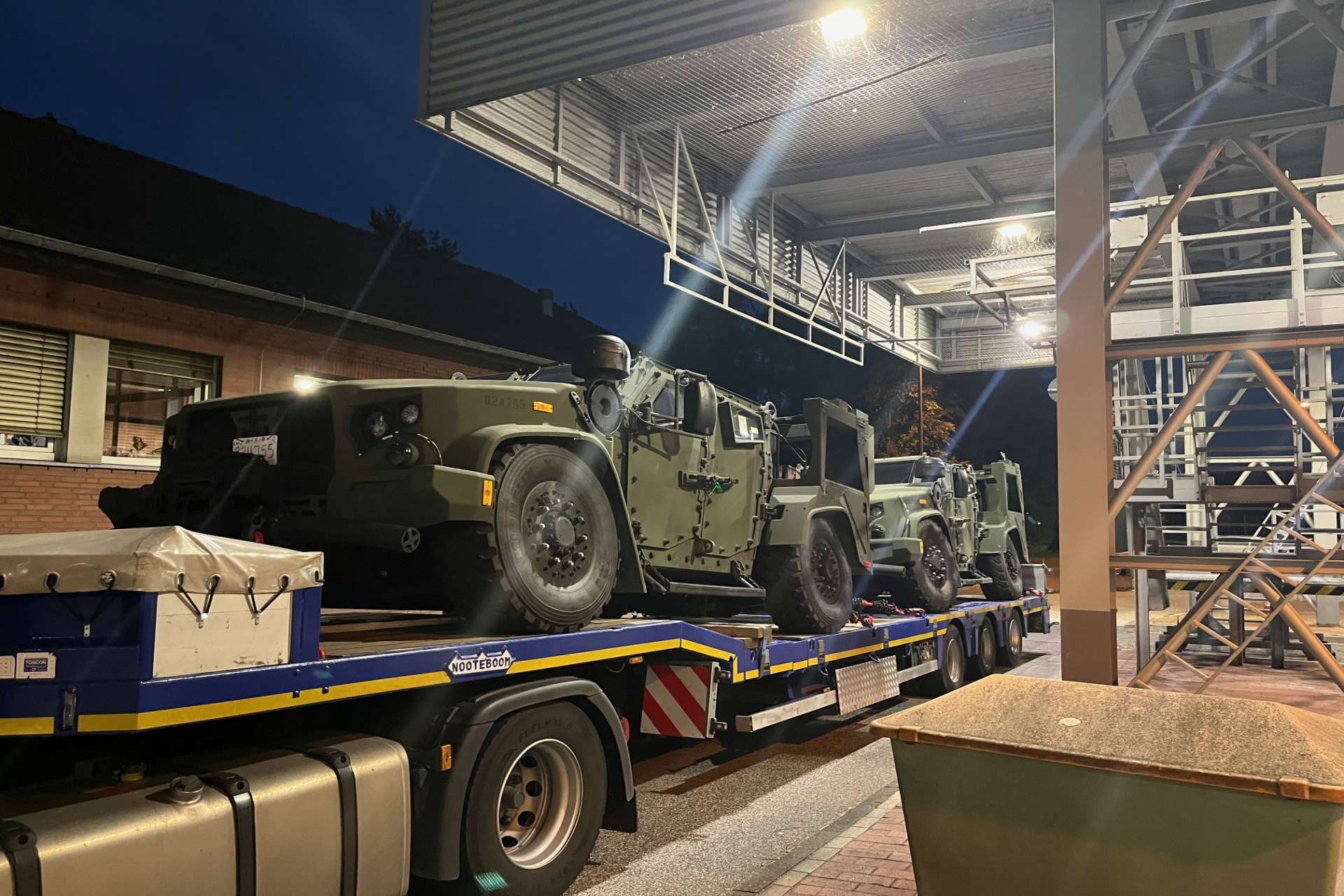
On August 22, 2024, the Ministry of National Defense announced the reception of a new delivery of more than 150 JLTV (Joint Light Tactical Vehicle) armored all-terrain vehicles, thereby strengthening Lithuania’s military capabilities. This delivery marks a significant milestone in the second phase of acquiring these advanced vehicles, which began in 2019.
Follow Army Recognition on Google News at this link
Oshkosh Defense Joint Light Tactical Vehicle (Picture source: Lithuania MoD)
“The modernization of the Lithuanian Armed Forces is progressing rapidly. The arrival of this new batch of JLTV vehicles in Lithuania once again demonstrates the close cooperation between the Lithuanian and American armed forces,” said Laurynas Kasčiūnas, Minister of National Defense. He also noted that these armored vehicles would serve as platforms for short-range air defense systems, further enhancing the country's defense.
The JLTV vehicles, manufactured by the American company Oshkosh Defense, are distinguished by their high level of crew protection and advanced field performance. Designed to improve the effectiveness of reconnaissance, artillery, and air support operations, these vehicles are considered a major asset for the Lithuanian Armed Forces.
Lithuania began acquiring these vehicles in 2019 following an agreement with the U.S. government. The first phase was completed in 2023 with the delivery of 200 vehicles. The second phase, currently underway, involves the production of an additional 300 vehicles, bringing the total to 500 units once the delivery is complete. In addition to strengthening national military capabilities, this acquisition enhances interoperability between Lithuanian and U.S. armed forces, a key element in defense partnerships.
These armored vehicles not only offer increased protection but also provide tangible proof of Lithuania's commitment to modernizing its armed forces while strengthening its strategic ties with the United States. The new short-range air defense systems, which will be installed on these vehicles by 2027, will further enhance the country’s security in an increasingly demanding defense environment.
The Joint Light Tactical Vehicle (JLTV) is a next-generation armored all-terrain vehicle developed to replace the Humvee in the U.S. Armed Forces. Designed by Oshkosh Defense, the JLTV combines mobility, protection, and transport capacity. The vehicle is equipped with a robust chassis capable of withstanding explosions and enemy fire, offering a high level of protection for the crew. The JLTV is powered by a 6.6-liter Duramax V8 diesel engine, delivering 397 horsepower, allowing it to easily navigate difficult terrains while maintaining high operational speed. The high-performance independent TAK-4i™ suspension provides adjustable ground clearance, enabling the JLTV to adapt to various terrain types encountered during missions.
The JLTV is distinguished by its modularity and ability to adapt to various missions. The vehicle can be configured in several variants, including troop transport, reconnaissance, and logistical support. It is also designed to accommodate various weapon systems and specialized equipment, such as short-range air defense systems (SHORAD) and advanced communication systems. The vehicle is equipped with an integrated power management system, allowing it to meet the growing energy demands of onboard devices. Additionally, the JLTV features Embedded Diagnostics (ED) that allow real-time monitoring of the vehicle’s condition, improving its reliability and facilitating preventive maintenance. This modular and adaptable design makes the JLTV an essential asset for modern military operations.
- Details
- Written by: V.Saint
- Category: 2024
- Hits: 23757
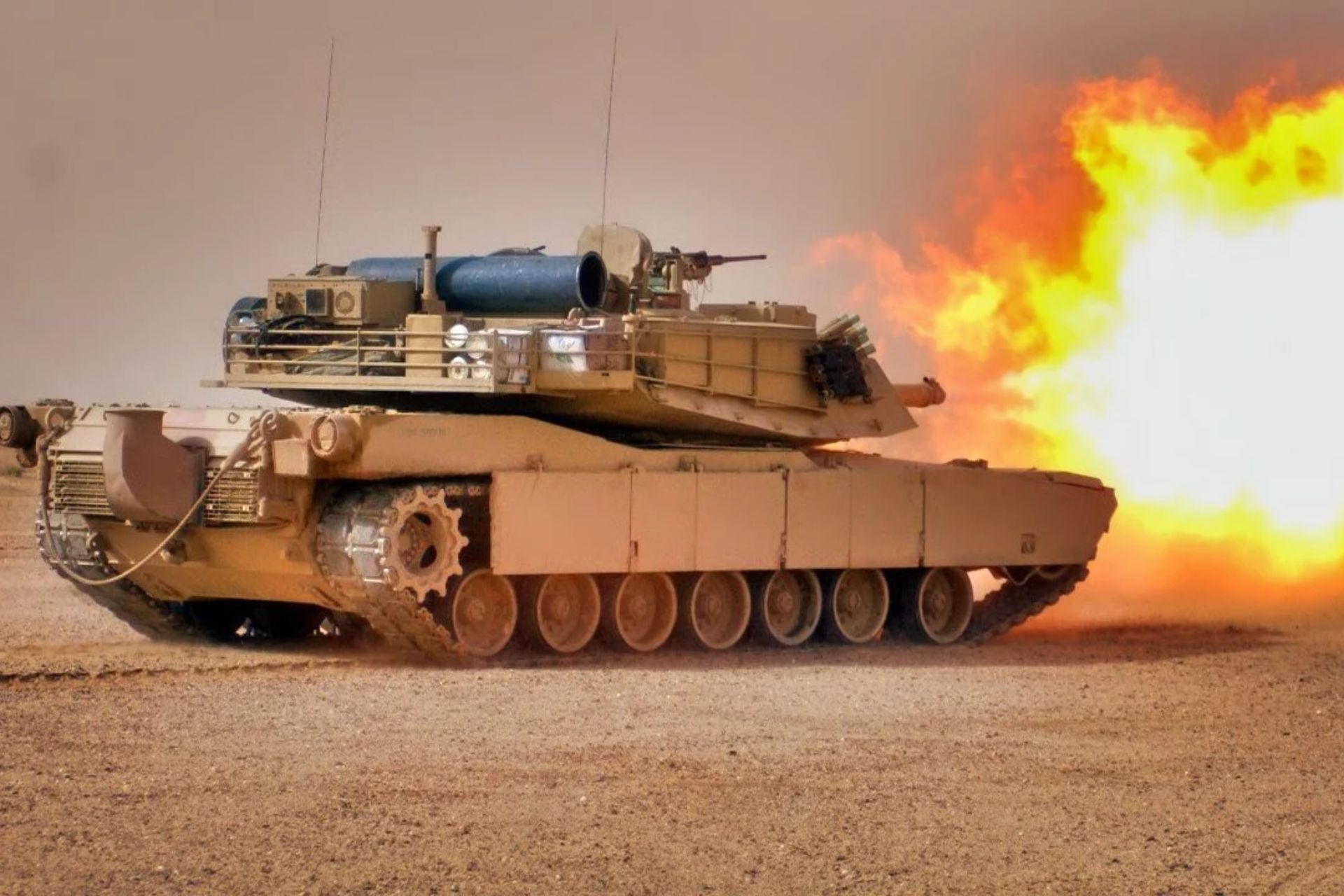
The U.S. military has about 4,650 main battle tanks, about half of which are in reserve. Unlike many other countries, the U.S. military uses only one type of tank: the M1 Abrams. Currently, the army employs the M1A1 SA, M1A2 SEPv2, and M1A2 SEPv3 versions of the main battle tank. The latter is the most recent version of the tank and the most advanced tank in the world. It was introduced in 2020.
Follow Army Recognition on Google News at this link
US Army M1 during drills (Picture source: US Army)
The latest version of the venerable M1 Abrams is equipped with enhanced networking capabilities, additional protection through extra Explosive Reactive Armor (ERA) mounts, an improved ammunition data link that allows the tank to fire the most advanced munitions available, additional electrical power from an auxiliary power unit, and reduced maintenance requirements.
Although a new upgrade of the System Enhancement Package (SEP) is in preparation (this will be the SEPv4), the Pentagon recently decided to completely overhaul the army's M1 Abrams fleet and introduce a new version of the tank, the M1A3. This decision was primarily motivated by the lessons learned from combat in Ukraine, where main battle tanks play a significant role in offensive and defensive operations.
The U.S. Army has thousands of armored support vehicles, such as the venerable M2 Bradley and the new M10 Booker, designed to fight alongside the main battle tanks and achieve superiority on the battlefield.
Reserve tanks can become operational if necessary after various degrees of maintenance. Although the army is the only branch to use main battle tanks, this has not always been the case.
The Case of the Marine Corps
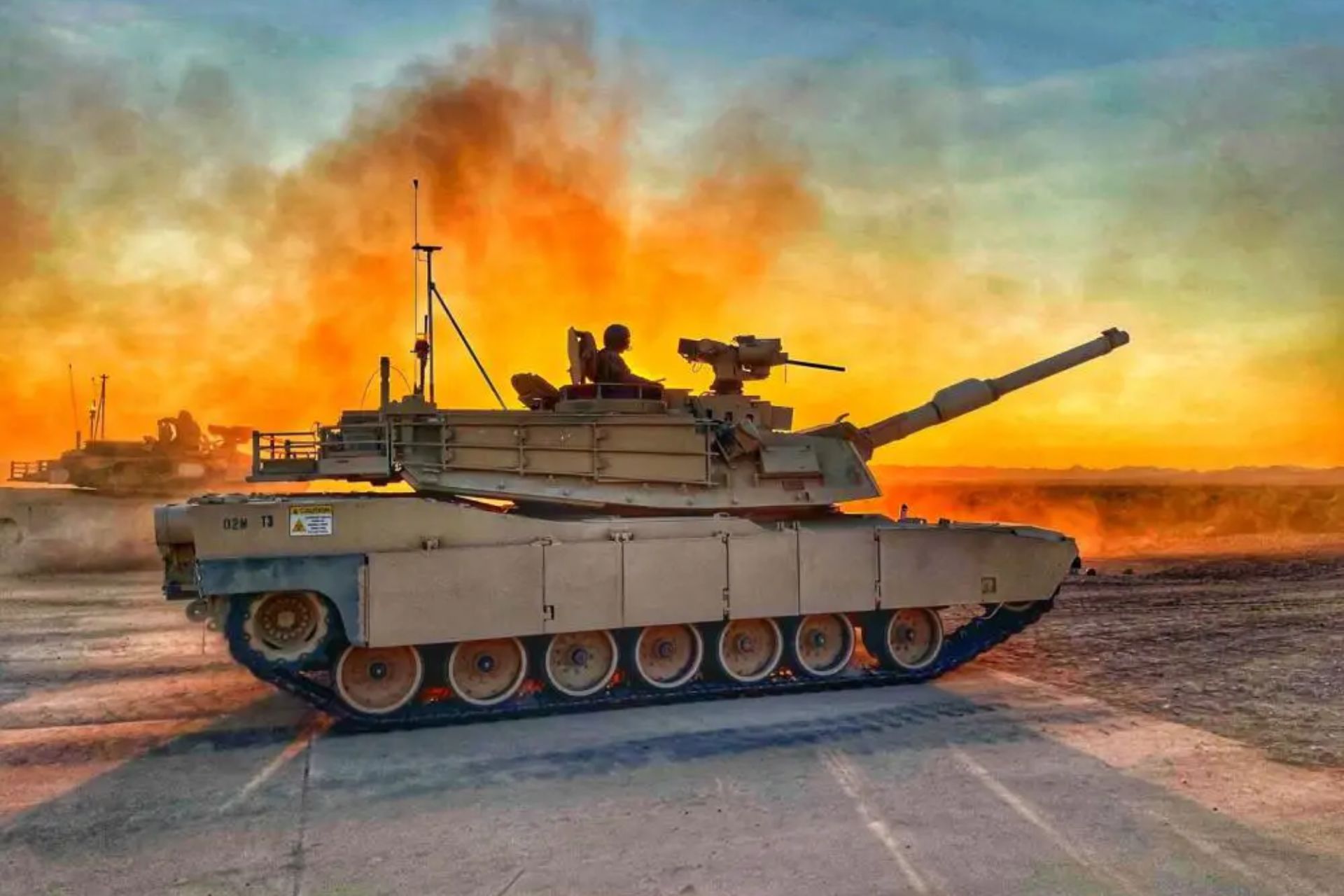
It's interesting to note that the United States Marine Corps also used main battle tanks until recently. In 2020, the Marine Corps officially deactivated its armored battalions. They transferred their approximately 450 M1 Abrams main battle tanks to the army, some of which eventually ended up in the service of the Ukrainian army.
This decision was highly controversial and provoked the anger of many officers and former officers of the Marine Corps. The main reason for this opposition was that the Marine Corps now depended on the army for armored support in the event of a conflict, thus losing some of its independence.
The counter-argument that influenced the decision was that the Marine Corps needed to return to its expeditionary role and be as light as possible, without being burdened by logistical concerns related to supporting a larger tank field than that of the entire British army.
Both arguments are valid. The army, of course, is happy to be the only branch to use tanks.
Doctrinal Point
The doctrine for using tanks is similar across all NATO nations, however, the United States pushes the breakthrough doctrine a bit further. Indeed, for NATO, the battle tank is the argument for destruction that should not be frontal at enemy positions but ambushed to quickly destroy while minimizing losses on its side. The battle tank is used, for a majority of national doctrines within NATO, for indirect combat actions, requiring a very great power of destruction. However, the Americans, who will use the tank as the cornerstone of their use of the armies, have been observed in recent American interventions, that the use of tanks is not integrated with lighter units as is the case in France, for example, but is indeed used in complete battalions and in frontal action. Moreover, the battle tank is used for the purposes of force presence to maintain controls and a deterrent presence in areas under American control, as was the case in Iraq, for example.
Read more: Why Does US Military Have So Many Tanks and how they use it ?
- Details
- Written by: Triffaux
- Category: 2024
- Hits: 3632
On August 22, 2024, Leonardo DRS announced that it had been awarded a contract worth over $49 million to produce additional assault bridge systems for the U.S. Army and the Romanian military as part of a Foreign Military Sales agreement. This contract strengthens Leonardo DRS's position as a key supplier of advanced military engineering systems.
Follow Army Recognition on Google News at this link
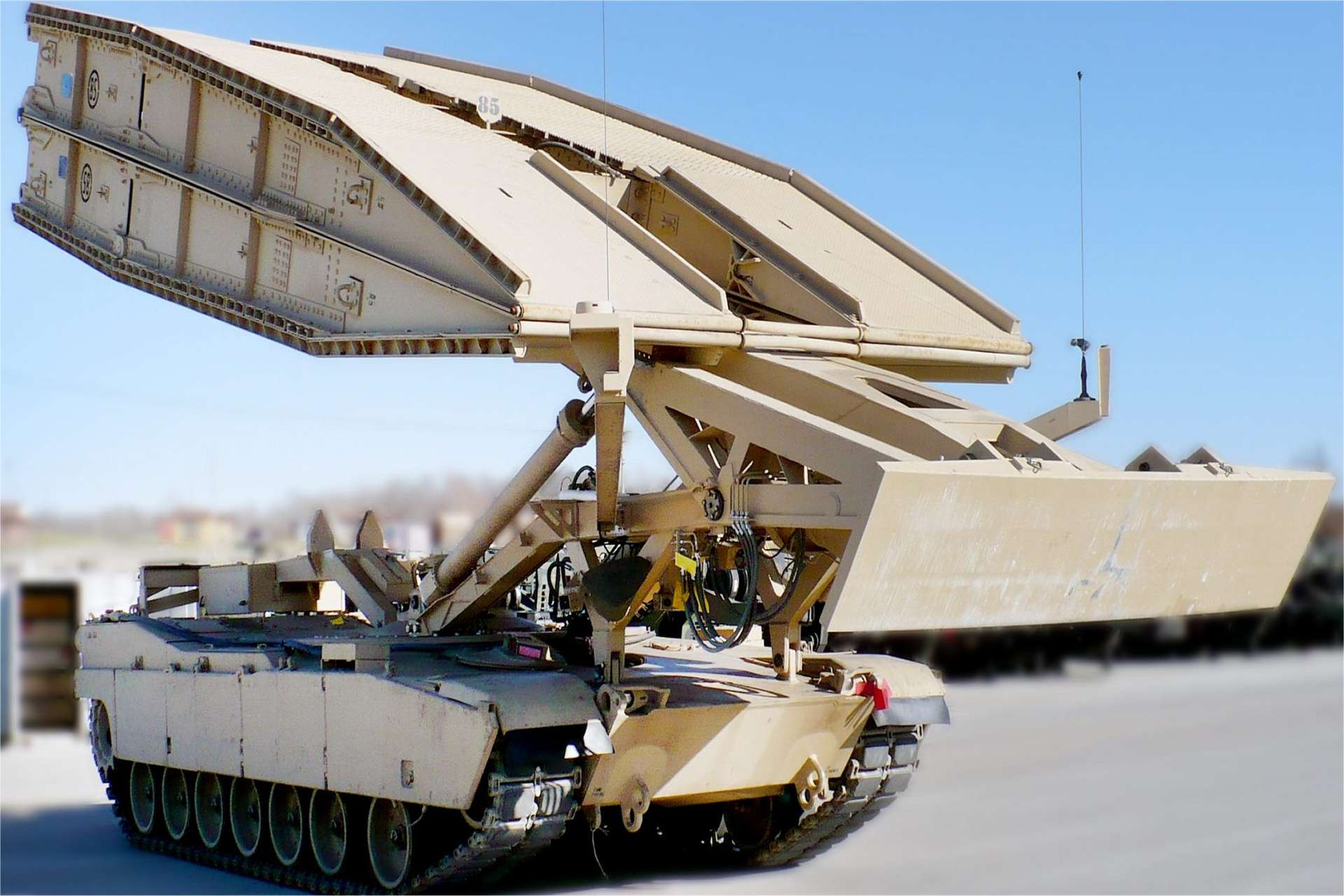
Leonardo DRS M1074 Joint Assault Bridge System (Picture source: Leonardo DRS)
The JAB is a next-generation, track-wheeled armored vehicle based on the chassis of the M1A1 Abrams main battle tank. It is designed to enhance the mobility of U.S. and allied armored forces by providing rapid and reliable assault bridging capabilities in various combat conditions. The system enables armored units to overcome natural and man-made obstacles, ensuring continuous movement and operational momentum.
“We are proud to continue delivering this robust and reliable system to the U.S. Army and allied militaries,” said Aaron Hankins, Senior Vice President and General Manager of the Leonardo DRS Land Systems business unit. “The JAB is a force multiplier, offering warfighters superior mobility, rapid assault launch and recovery capabilities, as well as advanced situational awareness through cutting-edge infrared vision technology.”
The JAB system integrates the heavy suspension of the M1A2 Abrams with a hydraulic bridge launcher capable of deploying the Military Load Class 85 Armored Vehicle Launched Bridge (AVLB). This configuration provides significant improvements in survivability and mobility compared to previous systems. Its rapid launch and recovery capabilities minimize crew exposure to enemy fire, a crucial factor in maintaining operational tempo during combat.
This contract highlights Leonardo DRS's deep expertise in supporting a wide range of military missions, from force protection and computer networking to naval propulsion systems. The JAB system, rigorously tested by the U.S. government at the Aberdeen Proving Grounds, demonstrates Leonardo DRS’s commitment to delivering reliable and battlefield-proven solutions to modern military challenges.
With over 100 units successfully delivered to date, the JAB system is poised to further enhance the operational readiness and effectiveness of U.S. and allied armored forces.
As a reminder, the M1074 Joint Assault Bridge System (JABS) is based on the chassis of the M1A1 version of the M1 Abrams main battle tank, utilizing the suspension system from the M1A2 and upgraded with the Total InteGrated Engine Revitalization (TIGER) program. This enhancement is expected to reduce maintenance costs while increasing unit availability and readiness through parts standardization with the Abrams chassis. The unit features a new hydraulic bridge launcher system as well as Embedded Diagnostics (ED). Survivability is enhanced by components from the Tank Urban Survivability Kit (TUSK), including Abrams Reactive Armor Tiles (ARAT1), the Rear Viewer Sensor System (RVSS), and the Tank-Infantry Phone (TIP). Additionally, it can be equipped, depending on the situation, with the AUTOFLUG driver’s seat and the Abrams Lightweight Underbody Kit. The vehicle itself is unarmed; however, the crew members are typically armed with assault rifles (M16 or M4), pistols, flares, and/or colored smoke grenades.
The Bridge Launcher Mechanism (BLM) was designed by Israeli Military Industries in conjunction with Leonardo DRS. The bridge controls are a basic push-button system, similar to that of the M104 Wolverine, while the computer assembles and deploys the bridge. The bridge extends vertically, unlike the M104 Wolverine, which extends horizontally. It can deploy a Heavy Assault Scissor Bridge (HASB) with a Military Load Class of 115 (caution 120), allowing a gap crossing of 18.3 meters in approximately 3 minutes.
Read more: US Awards Leonardo DRS Major Contract for M1074 Joint Assault Bridge Systems to Romania

- Details
- Written by: Halna du Fretay
- Category: 2024
- Hits: 6219
A munitions plant in Pennsylvania has significantly ramped up its production of 155mm artillery shells destined for Ukraine, increasing its output capacity by 50% as part of ongoing military aid efforts. This initiative comes amidst heightened U.S. support for Ukraine in response to Russia's large-scale invasion, which began in February 2022.
Follow Army Recognition on Google News at this link
155mm Projectile Production at Iowa Army Ammunition Plant(Picture source: US DoD)
Richard Hansen, a representative of the Army command at the Scranton Ammunition Plant, stated that the current focus is on producing 155mm artillery shells, a critical munition for Ukrainian forces. "We are working very hard to meet the Pentagon's goal," he said.
The Scranton Army Ammunition Plant sends the shell casings to Iowa, where they are filled with explosive material and equipped with fuses, completing the manufacturing process. This facility, along with two others in nearby Wilkes-Barre, has recently increased its monthly production from 24,000 to 36,000 shells.
Additionally, the plant's representative informed the Associated Press that three new production lines are being developed. These new capabilities will allow the Scranton facility to produce even more critical munitions, addressing the growing needs of the Ukrainian military.
Notably, the plant has been operated by General Dynamics under a contract with the U.S. government since 2006. According to information provided by the U.S. government, over three million 155mm shells have been sent to Ukraine since the invasion began.
In early August, the White House announced a new military aid package for Ukraine, valued at $125 million, which includes 155mm shells among other items. On August 9, another military aid package was sent to Ukraine as part of this ongoing support effort.
Ukraine continues to face pressing needs for 155mm artillery shells, essential for sustaining its military operations against Russian aggression. According to recent reports, Ukrainian forces are consuming between 150,000 and 200,000 155mm shells each month, a highly demanding rate due to the intensity of the fighting, particularly on the most active fronts.
This constant demand underscores the critical importance of maintaining and increasing the supply of these munitions to prevent stock depletion, which could compromise Ukraine's defensive and offensive capabilities on the battlefield.
Ukraine strategically uses 155mm munitions in artillery operations aimed at weakening Russian positions, destroying key military infrastructure, and disrupting enemy supply lines. These shells are fired from heavy artillery, such as the M777, CAESAR, or PzH 2000, allowing Ukrainian forces to engage targets at long range with high precision.
The use of 155mm artillery is central to Ukraine's war of attrition, neutralizing enemy forces before any ground advance. It is also crucial for defending Ukrainian positions, creating denial zones for Russian troops and slowing their progress. In summary, this artillery is a key element of Ukraine's military strategy, serving to weaken the enemy while consolidating territorial gains.
Read more: US Increases Production of 155mm Artillery Shells for Ukraine
- Details
- Written by: V.Saint
- Category: 2024
- Hits: 6510
Today, in the large-scale war being waged in Ukraine, one of the pillars of operations is missiles. On the Ukrainian side, these include the Storm Shadow, Scalp, or gliding bombs, while on the Russian side, the Iskander-M and Kinzhal missiles are the most used and most effective in terms of targets handled. However, intelligence from open sources allows us to show that Russia is developing new versions of these two types of weapons, intended to be more precise, more discreet, more enduring, in short, intended to be more effective and therefore more threatening to Europe. Let's take a brief look at the upcoming evolutions of these missiles.
Follow Army Recognition on Google News at this link
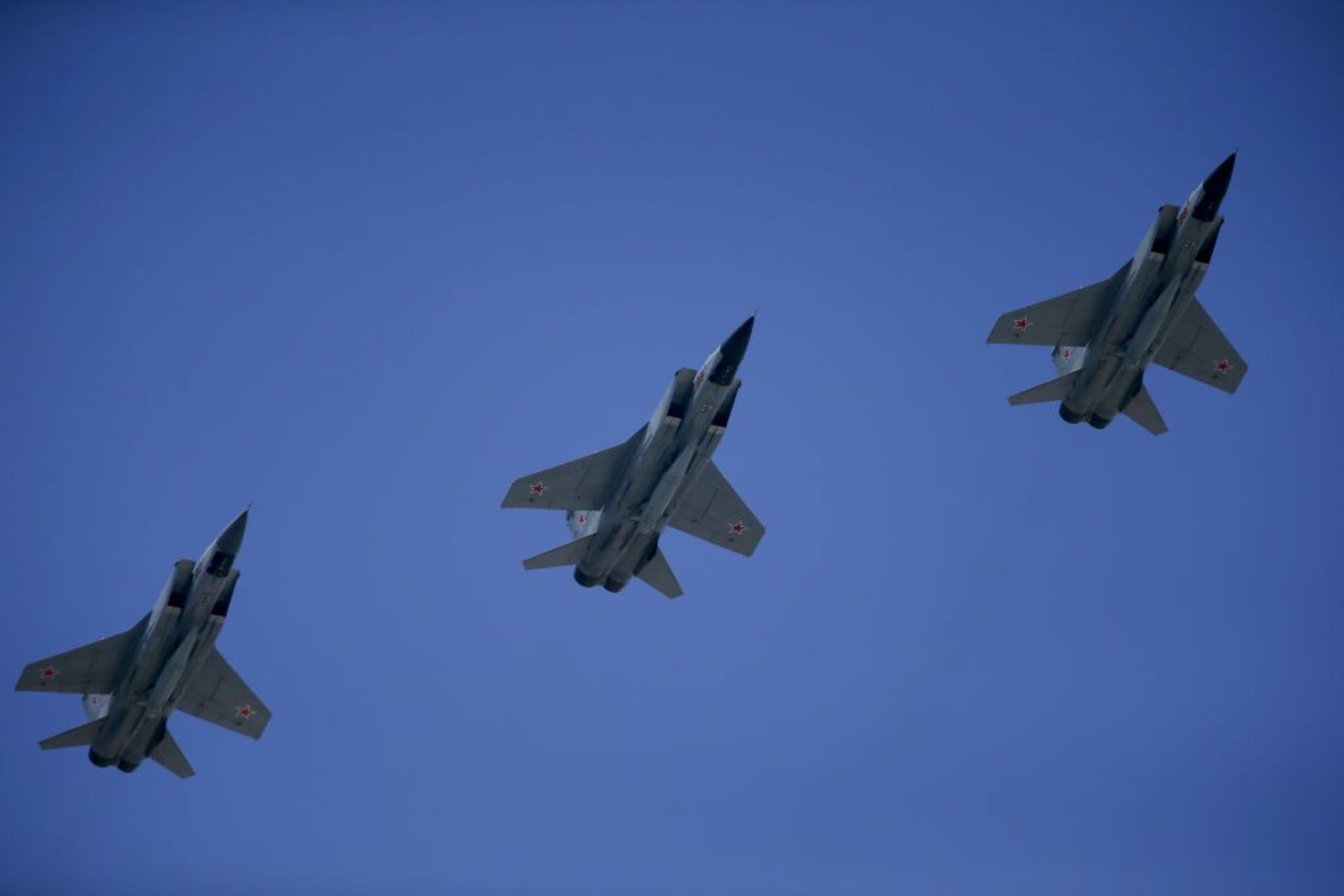
Mig-31K carrying kinzhal missile to be dropped on Ukrainian infrastructures (Picture source: Russian MoD)
From Iskander-M to Iskander-1000
Due to the provisions of the Intermediate-Range Nuclear Forces Treaty (INF Treaty), the flight range of the Iskander-M missiles was limited to a distance of 500 kilometers. This applied to both the quasi-ballistic missile 9M723 and the cruise missile R-500.
The Iskander-M OTRK has become the most important element of long-range strikes, allowing for the rapid destruction of high-priority targets identified by reconnaissance means and located behind enemy lines. These include enemy fighter jets and helicopters at air bases, HIMARS launchers, artillery systems, concentrations of armored vehicles, and manpower. When firing the quasi-ballistic missile 9M723, the Iskander-M has a significant advantage: the interval between missile launch and its approach to the target is too short for the enemy to react.
Of course, the longer range of the Iskander-M would allow it to reach targets deep within enemy territory, and given that Russia, following the United States, withdrew from the INF Treaty and that adherence to its restrictions no longer made sense, it is not surprising that a version is under development "Iskander-M," which, according to open sources, has been named OTRK "Iskander-1000". The flight range of the Iskander-1000 OTRK missile will be 1,000 to 1,300 kilometers, depending on the type of warhead, while the speed and altitude of its flight trajectory should be comparable to the parameters of the hypersonic missile 9-S-7760 Kinzhal.
According to open sources, an increase in the missile's range and speed was achieved through the use of a new, more energy-intensive fuel, while simultaneously increasing its volume by about 10 to 15% and reducing the mass of the warhead to 300 kilograms. A maximum range of 1,300 kilometers can be achieved for a warhead with an even smaller mass - about 200 kilograms; it can be assumed that this will be a special warhead (SCU). In the final stage of flight, the Iskander-1000 missile is expected to be capable of performing anti-air maneuvers with an overload of about 25 to 30 g. In addition, it can be assumed that the Iskander-1000 OTRK missile should be equipped with onboard self-defense means, particularly an electronic warfare (EW) complex, as well as dipole firing means and thermal traps.
The emergence of a new modification of the Iskander-M missile suggests that similar efforts to increase range are ongoing in the development of the Kinzhal hypersonic missile.

Test of Iskander-1000 OTRK -means Operativno-Takticheskiy Raketnyy Kompleks : operational-tactical
missile system- ( Picture source: Telegram channels)
"Kinzhal-M" and "Kinzhal-MD"
The Kinzhal hypersonic aviation complex, created based on the missiles of the Iskander-M OTRK, has two possible development paths.
The first involves reducing the size and weight of the Kinzhal complex missile to integrate this complex onto a larger number of tactical aircraft. The second involves maximizing the flight range of the Kinzhal missile complex, with the aim of ensuring the defeat of American medium-range missiles throughout Europe. The first traces of designations such as "Kinzhal-M" and "Kinzhal-MD" appeared in open sources in 2022. Two years later, a little more data is available, albeit still vague and incomplete.
Thus, the Kinzhal-M hypersonic aviation complex should be used from tactical aircraft; it will likely be integrated first on aircraft such as the Su-34, then on the Su-35S, Su-30SM, and possibly the Su-57. Presumably, by analogy with the Iskander-1000 OTRK missile, the warhead mass will be reduced to about 300 kilograms and means of protection against interception will be installed - electronic warfare equipment, as well as dipole firing means and thermal traps.
The exact information about the flight range of the Kinzhal complex missile is classified, but, according to data from open sources, taking into account the flight radius of the MiG-31K carrier, the range of the Kinzhal complex is 2,000 kilometers and taking into account the flight radius of the Tu-22M3 carrier - 3,000 kilometers. Some sources claim that the range of the Kinzhal complex is 2,000 kilometers without considering the radius of the aerial vector, but this is probably an exaggeration since, in this case, the MiG-31 carrier aircraft could be based deep within Russian territory to minimize the risks of destruction at air bases by long-range Ukrainian kamikaze drones. On this basis, it can be assumed that the range of the existing Kinzhal missile is about 1,000 kilometers, plus/minus a few hundred kilometers. At the same time, the range of the hypersonic Kinzhal-M missile will probably be about 500 to 700 kilometers.
As for the Kinzhal-MD complex, it may exist in two versions.
The first option is when the range increase occurs in the same way as implemented in the Iskander-1000 missile, using a new, more efficient fuel, while simultaneously increasing its volume by about 10 to 15% and reducing the warhead mass to 300 kilograms, without significant changes in the weight and size characteristics of the rocket. In this case, the flight range of the hypersonic missile of the Kinzhal-D complex can be about 1,500 kilometers without taking into account the radius of the carrier; this version of the Kinzhal-MD will be used from the existing MiG-31K carriers.
The second option involves increasing the dimensions and weight of the Kinzhal-MD complex missile, taking into account the limitations imposed by carriers such as the Tu-22M3 and potentially the Tu-160M, the current launch platform the Mig-31K will no longer be able to carry this missile.
In particular, the existing missile of the Kinzhal complex has a mass of 4.3 tons, a length of 7.2 meters, and a diameter of 1.2 meters, while the X-22 missile used by the long-range bomber Tu-22M3 has a mass of 5.78 tons, a length of 11.67 meters, a diameter of 0.92 meters, and a height with a folded keel of 1.8 meters. If the strategic bomber Tu-160M is considered as a carrier, the maximum length of the missile will be limited by the length of the bay, which is 11.2 meters.
Thus, for the Tu-22M3 and Tu-160M aircraft, the advanced Kinzhal-MD missile could well increase by nearly 4 meters in length and 1.5 tons in weight. It is unlikely to be advisable to increase the length of the rocket itself; it may rather be equipped with an additional solid fuel booster stage - a booster. As a result, the Kinzhal-MD complex will represent the second stage - the Kinzhal-M complex rocket, complemented by the first stage - a booster, which will ensure maximum unification of the Kinzhal-M and Kinzhal-MD complexes.
A two-stage missile of the Kinzhal-MD complex in this configuration may have a flight range of about 2,000 to 2,500 kilometers without taking into account the radius of the carrier, which entirely covers the territory of continental Europe and Great Britain, when launching missiles from the Kinzhal-MD complex from Russian airspace.

Mig-31K carrying Kh-47M2 Kinzhal missile (Picture source: Russian MoD)
Conclusions : range as a threat for NATO
The appearance of the Iskander-1000 will pose a serious threat to F-16 fighters stationed at air bases deep within Ukrainian territory, provided these technological innovations are integrated into the armies quickly. From the Russian perspective, the American satellite networks HBTSS and PWSA will not be able to recognize whether a conventional Iskander-M missile launch or an extended-range Iskander-1000 missile launch is underway, which will force a reaction. and this at all launches of missiles from the Iskander family. This will lead to increased fatigue of flying personnel and technical staff, wear and tear of equipment, and additional unmasking of aircraft deployment sites.
The Kinzhal-M missile, along with the Iskander-M, will become the main equipment used for deep strikes on enemy aircraft and helicopters located at air bases, HIMARS launchers, artillery systems, accumulations of armored vehicles.
As for the Kinzhal-MD, it is thought of as the main threat to medium-range ballistic and cruise missiles mounted on fixed or slightly mobile batteries, positioned farthest from the front line
Read more: FOCUS | Future Russian missiles: more range, more destruction, more dangerous for Europe.
- Details
- Written by: Halna du Fretay
- Category: 2024
- Hits: 6772
Slovakia has announced its intention to purchase six batteries of the Israeli Barak MX surface-to-air missile (SAM) system as part of an effort to modernize its air defense capabilities. This deal, valued at approximately €554 million, is expected to significantly enhance the country's ability to defend its airspace against a range of threats. The intergovernmental agreement between Slovakia and Israel is expected to be signed by the end of October 2024, with deliveries of the Barak MX systems scheduled to begin by the end of 2025.
Follow Army Recognition on Google News at this link
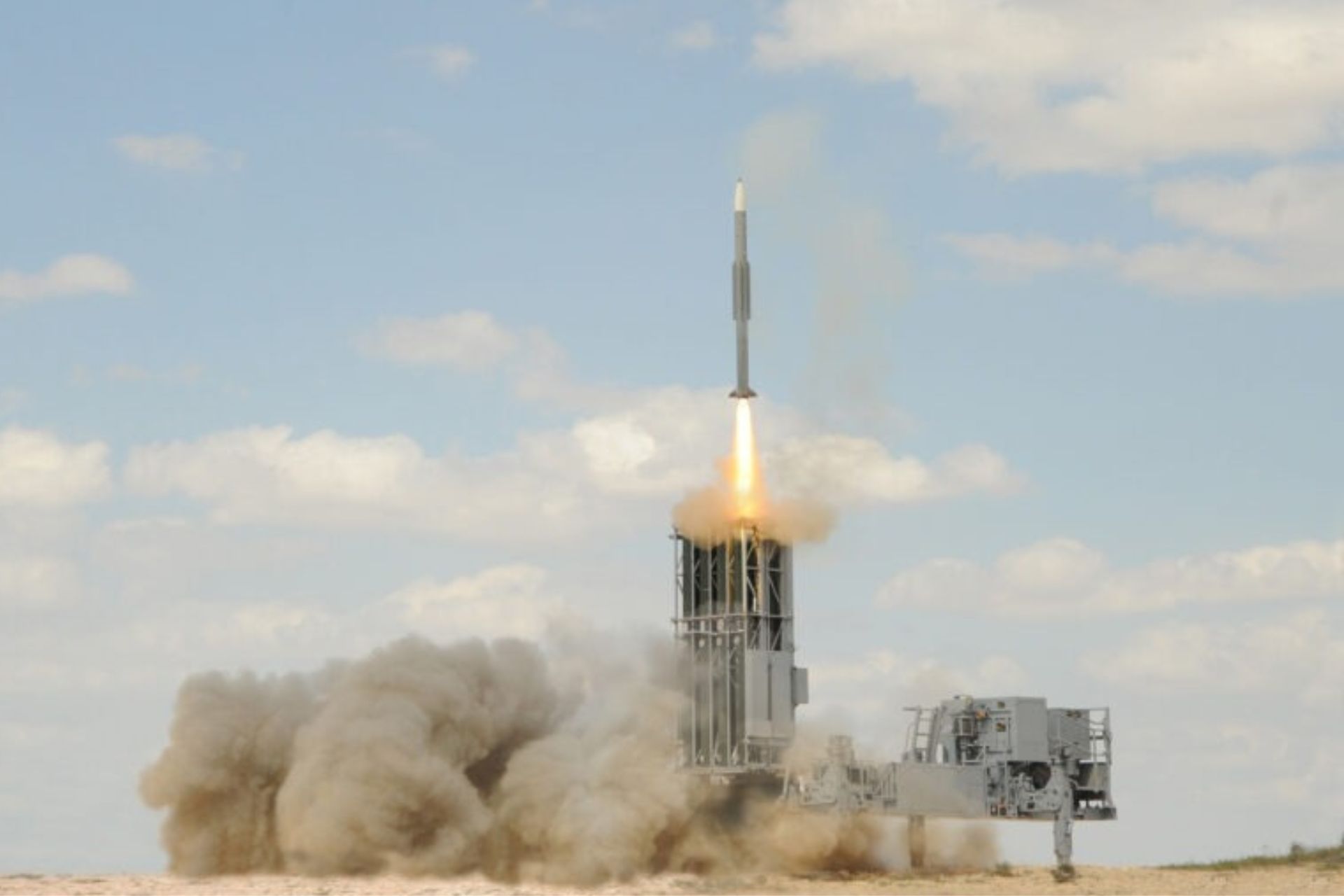
The BARAK MX system's key components include three types of interceptors capable of covering aerial threats ranging from 2 to 150 kilometers (Picture source: Israel Aerospace Industries)
The BARAK MX system, developed by Israel Aerospace Industries (IAI), is an integrated air and missile defense system known for its flexibility and multi-layered capabilities. Designed to counter a wide range of aerial threats, from drones to tactical ballistic missiles, the BARAK MX offers a comprehensive solution capable of addressing multiple simultaneous threats from various sources and distances. With its modular and open architecture, it can integrate with various sensors and battle management systems, allowing for effective coordination between ground and naval air defenses.
The BARAK MX system's key components include three types of interceptors capable of covering aerial threats ranging from 2 to 150 kilometers. The Barak ER (Extended Range), with its dual-pulse rocket motor and booster, can engage targets at distances of up to 150 kilometers, while the Barak LR (Long Range) and Barak MR (Medium Range) cover distances of 70 and 35 kilometers, respectively. These missiles, equipped with active RF seekers and powerful motors, offer exceptional maneuverability and precision for intercepting and neutralizing targets with increased lethality.
Used by several armed forces worldwide, the BARAK MX is a popular choice for air defense missions due to its ability to integrate into a multi-layered air defense network. In addition to its advanced defensive capabilities, the system is designed to adapt to future threats, thanks to its software-based nature, allowing for updates to improve performance over time. With an operational presence on four continents, this Israeli defense system is also a key component of the European Sky Shield initiative, demonstrating its reliability and effectiveness on the international stage. Slovakia also plans to produce some of the missiles domestically, further integrating the system into its defense infrastructure.
Slovak Defense Minister Robert Kaliňák emphasized the urgency of this acquisition, noting that Slovakia's current air defense systems are outdated and nearing the end of their operational life. The 2K12 KUB missile system, introduced between 1978 and 1983, no longer meets modern defense requirements. The new Barak MX systems will provide Slovakia with the capability to protect both strategic and civilian targets from various aerial threats, including ballistic missiles.
In addition to acquiring the missile systems, the deal includes a comprehensive support package covering personnel training, technical documentation, simulators, specialized tools, spare parts, and a two-year warranty. The Slovak Ministry of Defense also stressed the importance of involving local industries in the production process, further enhancing the country's defense capabilities.
The relationship between Slovakia and Israel in defense goes beyond the acquisition of the Barak MX missile system. Another notable example of this cooperation is Slovakia's purchase of Israeli radar systems developed by Elta Systems, a subsidiary of Israel Aerospace Industries (IAI). These sophisticated radars have been integrated into the Slovak armed forces to strengthen their air surveillance and early threat detection capabilities.
Additionally, Slovakia has acquired Israeli tactical drones to improve its reconnaissance and surveillance capabilities. These drones are used for information gathering and patrolling missions, making a vital contribution to national security. These initiatives demonstrate a strategic partnership in defense, manifested through technology exchanges and co-development projects between the two countries' defense industries. Cooperation also extends to training and education for Slovak armed forces, with joint programs aimed at improving operational efficiency.
As part of its broader defense strategy, Slovakia has also approved a joint procurement initiative with the Czech Republic for military transport vehicles. This collaboration will see the acquisition of more than 1,300 vehicles, with deliveries expected between 2025 and 2031. The initiative aims to replace Slovakia's aging fleet and ensure the continued operational readiness of its armed forces.
Read more: Slovakia Strengthens Its Air Defense with Israeli Barak MX Surface-to-Air Missile Systems

- Details
- Written by: Halna du Fretay
- Category: 2024
- Hits: 3759
Poland is set to introduce a technological advancement at the upcoming International Defence Industry Exhibition (MSPO) in Kielce, with the unveiling of the X-FRONTER drone developed by WB Electronics. This compact drone, weighing just over one kilogram, is designed for easy transport in a backpack, offering infantry soldiers both reconnaissance and strike capabilities in an extremely portable form. Follow Army Recognition on Google News at this link
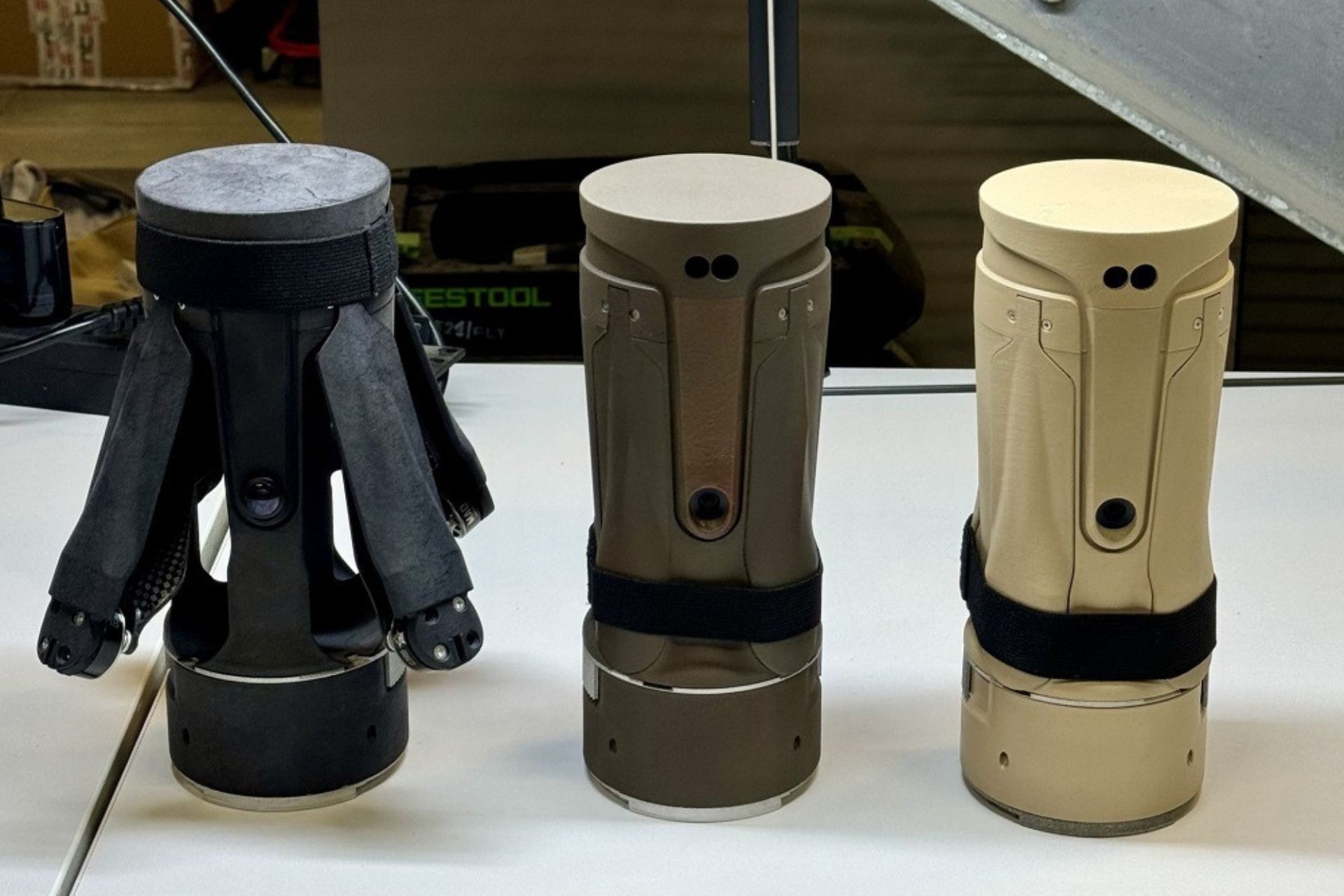
The X-FRONTER can fly at a maximum speed of 60 kilometers per hour, reach an altitude of 300 meters, and operate for up to 40 minutes, providing significant flexibility in its missions. (Picture source: WB GROUP)
The X-FRONTER, which was first presented as a demonstrator two years ago, will now be showcased in its fully developed version. The drone features a military-grade encrypted communication link, resistant to jamming attempts, ensuring reliable surveillance over several kilometers. In addition to surveillance, the X-FRONTER is capable of carrying a small explosive payload, allowing it to engage enemy targets directly. In the future, it may also be equipped with more advanced warheads, such as thermobaric, fragmentation, or cumulative warheads.
One distinctive feature of the X-FRONTER is its design, resembling the size and shape of a PET bottle, making it highly portable for soldiers on the ground. Beyond explosive charges and cameras, this drone can be fitted with various technical equipment, including infrared markers, flares, and even smoke screens, further expanding its operational capabilities.
Another key innovation of the X-FRONTER is its ability to operate in swarms. This functionality allows multiple drones to collaborate and share tasks. For example, some drones can be used for reconnaissance, while others, equipped with explosive payloads, can serve as mobile artillery to strike approaching enemies. This versatility is managed from a compact control panel, enabling effective coordination in the field.
The X-FRONTER can reach a maximum speed of 60 kilometers per hour and ascend to an altitude of 300 meters. With a flight time of up to 40 minutes, it offers substantial operational flexibility, allowing soldiers to quickly adapt their strategy based on battlefield needs.
Read more: MSPO 2024: Poland to Unveil New Compact and Lethal X-FRONTER Drone for Infantry

- Details
- Written by: Triffaux
- Category: 2024
- Hits: 3896
On August 27, 2024, Leonardo DRS, Inc., a leader in defense technology, announced that it has secured a significant order worth $117 million to continue the production of next-generation thermal weapon sights for the US Army. This order is part of the ongoing Indefinite Delivery/Indefinite Quantity (IDIQ) contract for the Family of Weapon Sights – Individual (FWS-I), ensuring the continuous supply of these essential systems.
Follow Army Recognition on Google News at this link
Leonardo DRS Next-Generation Thermal Weapon Sights (Picture source: Leonardo DRS)
The FWS-I utilizes Leonardo DRS's cutting-edge uncooled thermal imaging technology. Designed as a standalone and removable weapon sight, it integrates seamlessly through wireless connections with helmet-mounted vision systems, such as the Enhanced Night Vision Goggles and next-generation Integrated Visual Augmentation Systems. This technology enables rapid target acquisition, allowing soldiers to effectively identify targets in various conditions, day or night, and even in degraded environmental scenarios.
Jerry Hathaway, Senior Vice President and General Manager of DRS Electro-Optical Infrared Systems business unit, emphasized the strategic importance of this technology. "This advanced technology ensures that our soldiers have the most cutting-edge weapon sight systems available today," Hathaway stated. "We are proud that the US Army recognizes Leonardo DRS as a trusted partner in providing this vital technology to our warfighters."
Leonardo DRS’s expertise extends beyond thermal sights, with a robust portfolio of electro-optical and infrared technologies widely deployed across the US military. The company continues to focus on advanced sensing capabilities, providing top-tier detection and laser technologies that support a variety of defense applications, from aircraft protection to mounted and dismounted sensors that enhance the operational capabilities of US Armed Forces personnel.
The FWS-I system from Leonardo DRS is a leading example of detachable infrared weapon sight technology. Utilizing field-proven thermal sensor technology, the FWS-I is designed for harsh environments, offering a lightweight, modular design paired with superior thermal imaging technology. This advanced system enables warfighters to maintain unwavering performance in both day and night operations, as well as in challenging conditions such as smoke or fog. The Rapid Target Acquisition (RTA) capability of the FWS-I significantly enhances offensive operations in close-quarters battle (CQB) by accelerating target identification and engagement without relying on active lasers.
At the core of the FWS-I's performance is a highly sensitive vanadium oxide (VOx) focal plane array (FPA), which operates independently of visible light and remains unaffected by direct light exposure, ensuring no shutdown or glare. The sight operates silently, emitting minimal heat and radiofrequency (RF) energy, making it ideal for covert reconnaissance missions. This silent operation is complemented by the sight's versatility in magnification, ranging from 1x to 3x, and its ability to function as a standalone sight or in conjunction with a Day Vision Optic (DVO) on various weapon platforms.
In terms of physical specifications, the FWS-I measures 129 x 80 x 82 cm and weighs 525 grams with batteries included. It is compatible with multiple weapon platforms, including the M4, M16A4, and AT4, and easily mounts via a MIL-STD-1913 Picatinny or NATO/STANAG rail system. The sight is powered by three AA L91 lithium batteries and features a USB digital video output, with a 640 x 480 detector resolution in an uncooled VOx configuration, operating in the 7 to 14 µm infrared band.
The operational parameters of the FWS-I are robust, capable of functioning in temperatures ranging from -40°C to +49°C and being stored in conditions ranging from -46°C to +71°C. It is immersible up to 1 meter of water, and the display operates in monochrome black and white, allowing image polarity in white-hot and black-hot modes. The device powers on and becomes operational in under six seconds, ensuring rapid readiness. Maintenance is minimal, requiring only external cleaning, underscoring the FWS-I's emphasis on reliability and ease of use in field conditions.
Read more: US Army Awards Leonardo DRS Major Contract for Next-Gen Thermal Weapon Sights
- South Korean Hanwha delivers a new batch of K9A1 self-propelled howitzers to Poland
- Poland to increase defence spending plans in 2025 to more than 4,5% GDP
- US delivers 24 MaxxPro MRAP vehicles to support Kenya's security mission in Haiti
- US Army Tests 4X4 All-Terrain M1301 Infantry Squad Vehicle for Airborne Operations