
- Details
- Written by: Jérôme Brahy
- Category: 2024
- Hits: 5044










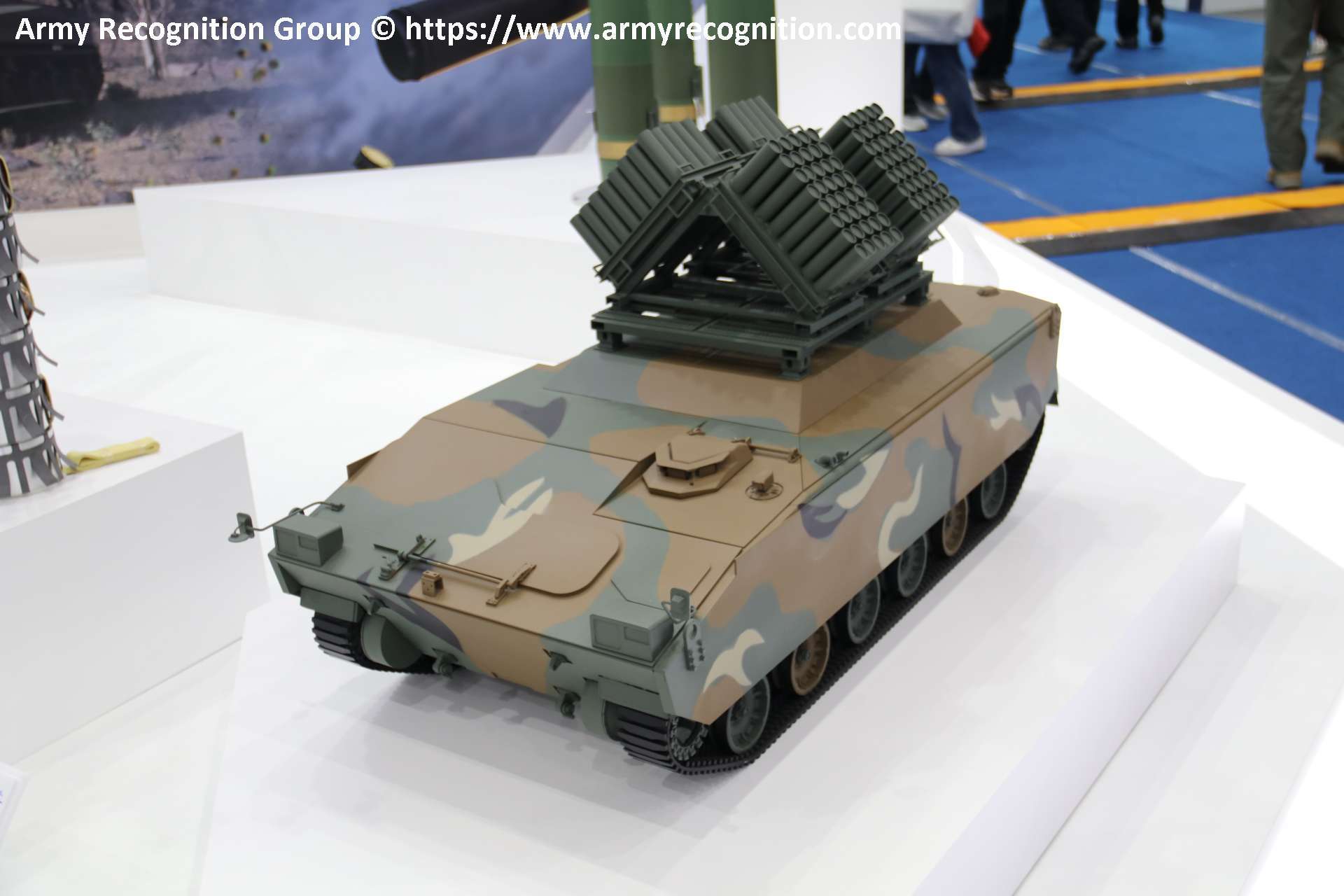
At KADEX 2024, the Korea Defense Industry introduced the Mine Spreader-II, a next-generation system designed to disrupt enemy maneuvers by rapidly deploying mines. The Mine Spreader-II is equipped with four 40-mine launchers, providing a mechanism for quickly laying obstacles on the battlefield. Its design incorporates technologies from the 4th Industrial Revolution, including wireless power transmission, wireless communication, complex sensor control, and cluster control algorithms. These technologies enable precise mine ejection and remote control, replacing conventional mine systems.
Follow Army Recognition on Google News at this link
The Mine Spreader-II, equipped with four 40-mine launchers, incorporates technologies from the 4th Industrial Revolution to enable precise mine ejection and remote control and replace conventional mine systems. (Picture source: Army Recognition)
The Mine Spreader-II employs intelligent mine technology, featuring sensors and integrated platform strike capabilities. It can be mounted on various vehicles, including armored ones, and deployed to obstruct enemy routes. A key feature is its GPS-based control of mine density and placement, allowing precise deployment based on the target's location and speed. The system also enables remote control of obstacle zones, offering anti-mobility support for military operations.
The system’s core technologies include multi-spray control for dispersing multiple mines over wide areas, intelligent ammunition design for targeting, and a protective system linking platforms and strike clusters. Additionally, it is equipped with a vehicle-launched scatterable system (VLSS-II), which can be used on platforms such as drones and armored vehicles. The VLSS-II scatters anti-tank and area-suppression ammunition over large regions to create obstacles. It is remotely controlled and includes features like automatic targeting and self-destruction to prevent mines from becoming long-term hazards.
Globally, mine-laying and mine-scattering vehicles have become integral to modern military strategies due to their ability to rapidly deploy minefields in both defensive and offensive operations. Russia's ISDM Zemledeliye, a remote mine-laying system deployed in 2022, is mounted on a KamAZ-6560 8x8 truck and can launch anti-tank and anti-personnel mines over distances of 5 to 15 kilometers. It uses 122mm rockets to scatter mines and is equipped with satellite navigation and weather systems for precise deployment. Each mine can be programmed to target specific threats, such as armored vehicles, and includes self-destruct mechanisms.
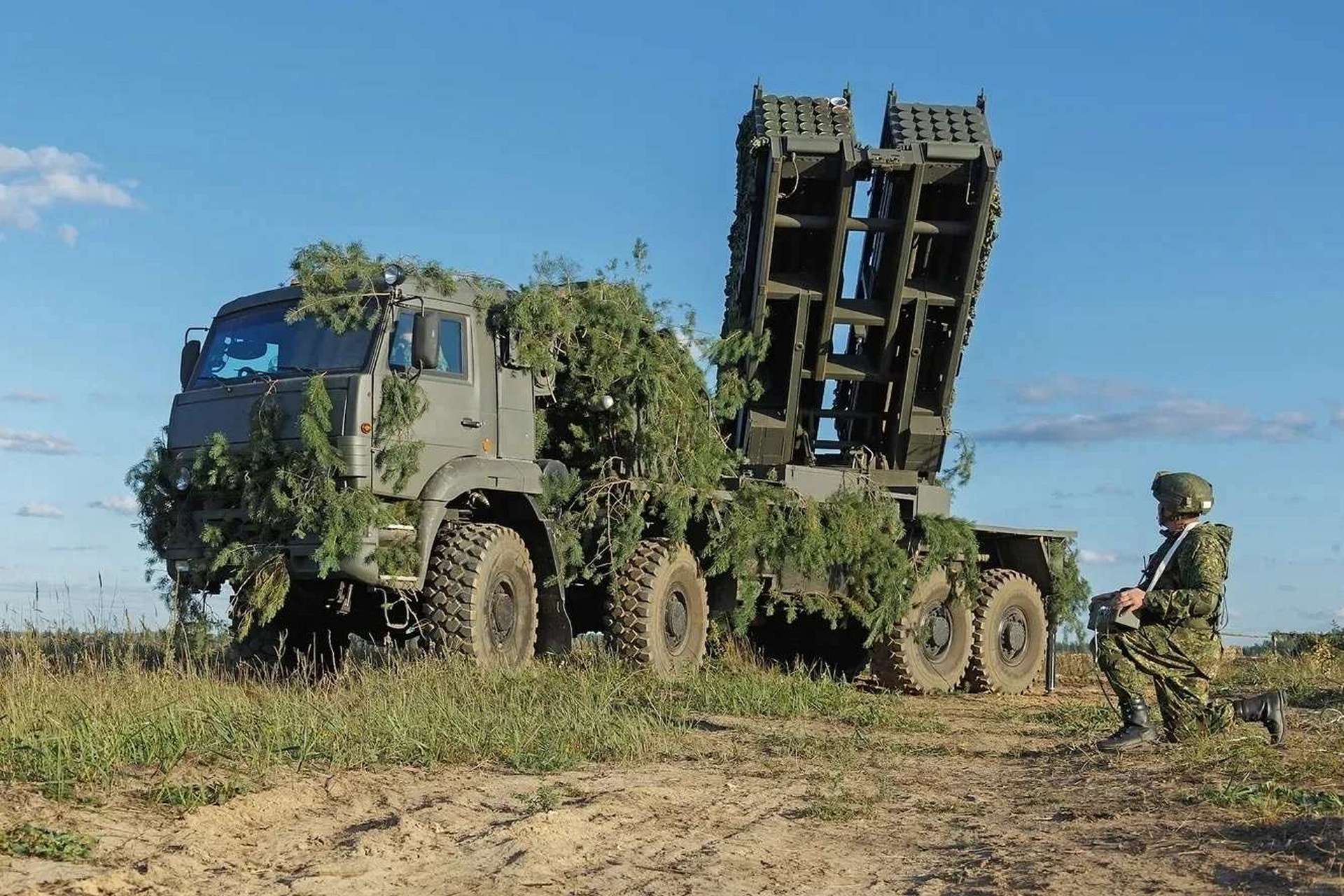
Russia's ISDM Zemledeliye, a remote mine-laying system deployed in 2022, is mounted on a KamAZ-6560 8x8 truck and can launch anti-tank and anti-personnel mines over distances of 5 to 15 kilometers. (Picture source: Russian social media)
On February 28, 2024, Russian Defense Minister Sergei Shoigu attended the unveiling of the Vozrozhdenie bi-caliber multiple launch rocket system (MLRS) at NPO Strela. This system, based on the ISDM Zemledeliye 8x8, can launch 140mm mines for anti-tank or anti-personnel purposes and 220mm rockets from Russian MLRS systems like the BM-27 Uragan, TOS-1 Buratino, TOS-1A Solntsepek, and TOS-2 Tosochka.
The UMZ, another Russian system based on Soviet-era technology, remains in use. Built on the ZIL-131V chassis, it can deploy mines, including PTM-1 and PTM-3 anti-tank mines and POM-1 and PFM-1 anti-personnel mines. The UMZ can lay minefields up to 4,200 meters long while moving at speeds of up to 40 km/h. Although effective, the UMZ is vulnerable to modern countermeasures, as seen in the conflict between Russia and Ukraine.
In Ukraine, Soviet-era mine-laying systems like the UMZ have been used to slow Russian advances during the ongoing conflict. Ukrainian forces have deployed dense minefields using these vehicles, significantly delaying Russian offensives and causing losses to armored vehicles. Although these systems lack modern features like remote control and satellite navigation, they remain crucial to Ukraine’s defense strategy.
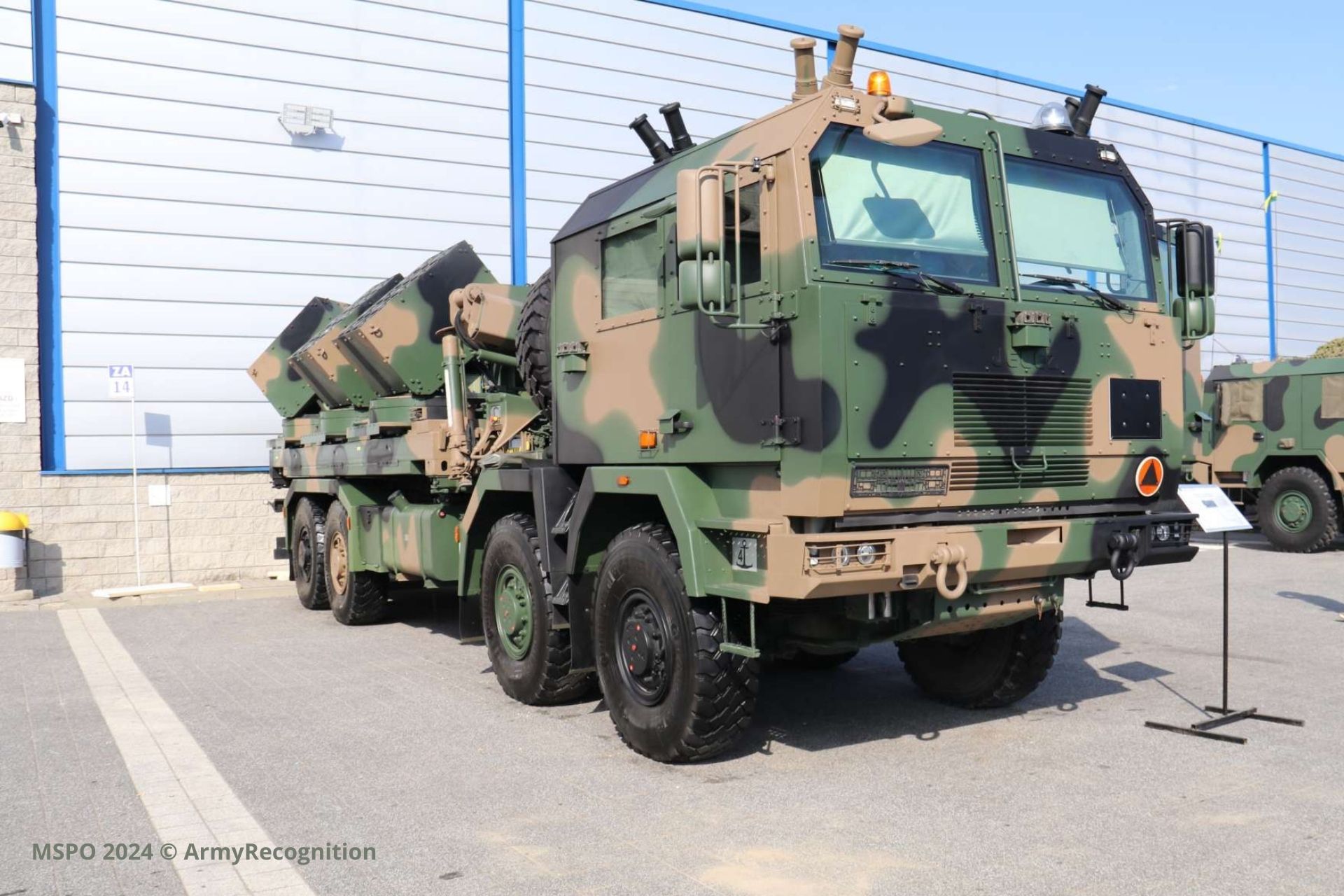
Equipped with six mine launcher units from Belma, the Polish Baobab-K system can deploy up to 100 anti-tank mines per launcher, using MN123.1 and MN123.2 mines with programmable self-destruct mechanisms. (Picture source: Army Recognition)
China has studied the use of mine-laying systems, such as Russia’s ISDM Zemledeliye, in Ukraine and recognized their value in disrupting enemy movements. This has prompted China to improve its own mine-laying capabilities, potentially for future use in a Taiwan contingency.
Poland has also developed mine-laying vehicles, with the Baobab-K system originating from the Baobab prototype introduced in 2013. In December 2018, HSW and its partners were contracted by the Polish Army to develop the Baobab-K. Mounted on the Jelcz P662D.43 8x8 truck chassis, the system has a combat weight of 31,700 kg, a top speed of 85 km/h, and an off-road range of 580 km. Equipped with six mine launcher units from Belma, the system can deploy up to 100 anti-tank mines per launcher, using MN123.1 and MN123.2 mines with programmable self-destruct mechanisms.
South Korea has also advanced its mine-laying systems as part of its defense strategy. Systems like the Mine Spreader-II incorporate technologies such as remote control, precision deployment, and intelligent ammunition design to enhance defensive capabilities against potential threats from North Korea. These systems are designed to deploy mines quickly and safely, minimizing risks to both civilians and friendly forces.
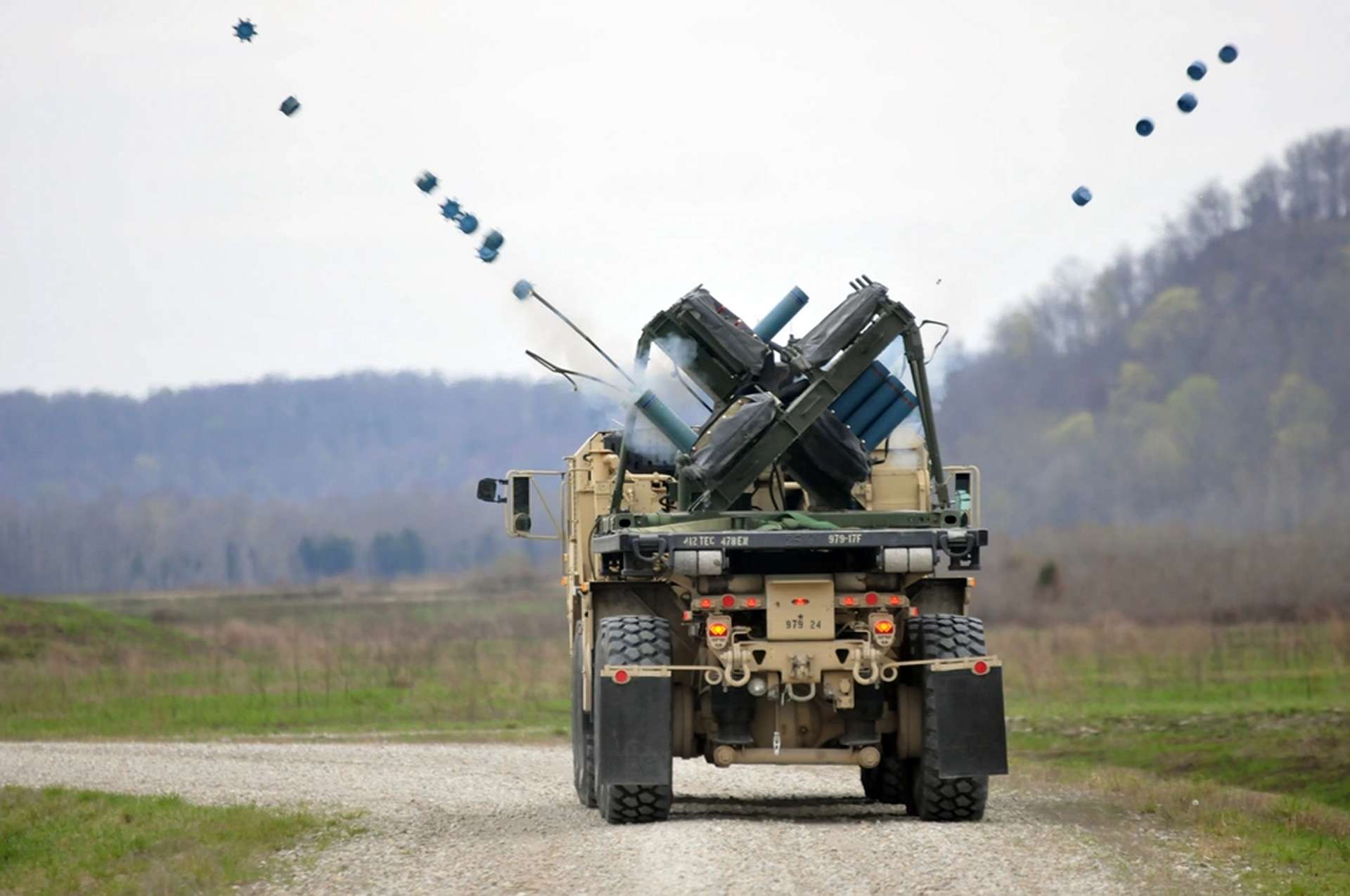
The American M136 Volcano system includes M87A1 canisters, which contain anti-tank mines with magnetically induced fuses, making them highly effective against armored vehicles. (Picture source: Army Recognition)
In the United States, the M136 Volcano system is an automated mine delivery system that can quickly deploy anti-tank and anti-personnel mines over large areas. It is used by armed forces worldwide and can be mounted on aircraft or ground vehicles, providing a flexible and efficient means of creating extensive minefields. The Volcano system includes M87A1 canisters, which contain anti-tank mines with magnetically induced fuses, making them highly effective against armored vehicles. The system also features anti-personnel mines that deploy trip wires, adding another layer of defense against enemy forces.
The development of mine-laying vehicles continues to be shaped by automation, remote control, and battlefield management systems. Countries are increasingly focused on improving the precision, speed, and safety of mine deployment by using technologies like satellite navigation, real-time data transmission, and self-destruct features to enhance military capabilities.
- Details
- Written by: Halna du Fretay
- Category: 2024
- Hits: 2042
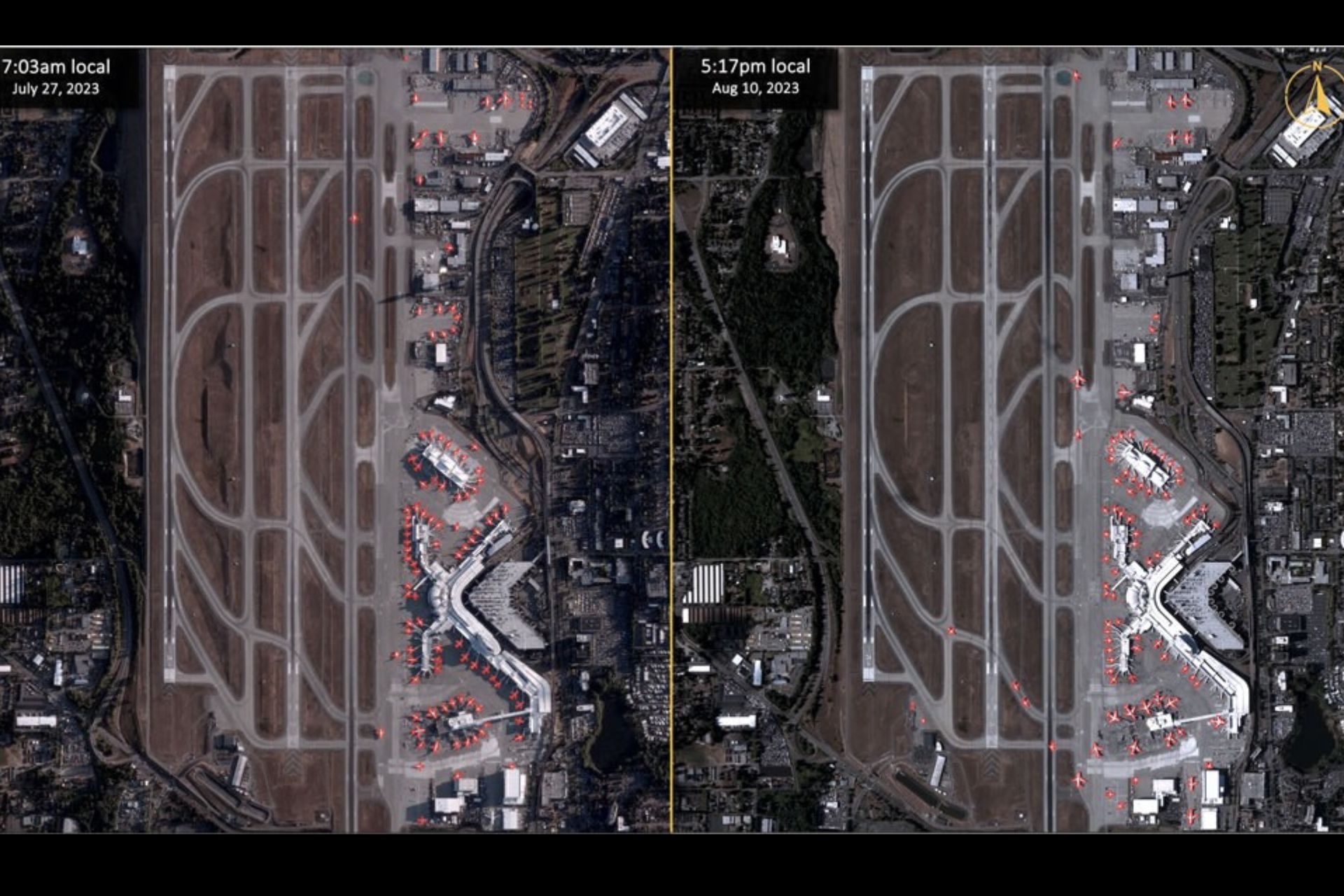
BlackSky Technology, a leading provider of real-time geospatial intelligence, announced on October 1, 2024, that it has secured a $6 million contract extension with an undisclosed international defense customer. This extension brings the customer’s total annual commitment to nearly $18 million, highlighting the sustained demand for BlackSky’s advanced satellite imagery and geospatial analysis.
This contract extension comes as BlackSky prepares to launch its next-generation Gen-3 satellite technology (Picture source: BlackSky )
BlackSky operates a low-earth orbit satellite constellation, designed to capture images efficiently and at high frequency. These satellites, aligned in a prograde orbit around Earth’s equator, have provided critical intelligence on strategic developments with global geopolitical implications. Recent findings include the expansion of China’s secret naval port in Cambodia, CSTO military exercises involving CBRN (chemical, biological, radiological, and nuclear) assets in Belarus, and military air traffic related to the conflict in Sudan.
The recently extended contract will allow the unnamed customer to continue benefiting from BlackSky’s Gen-2 satellite technology, which delivers high-frequency, low-latency imagery. This capability is essential for monitoring and securing critical national infrastructure and economic assets. BlackSky’s real-time intelligence is powered by its Spectra AI software platform, which integrates satellite imagery with powerful analytics to provide actionable insights for a broad range of international government agencies and commercial enterprises.
This contract extension comes as BlackSky prepares to launch its next-generation Gen-3 satellite technology. The new system will deliver ultra-high-resolution 35 cm imagery with sub-hourly revisit rates, narrowing the gap between spatial and temporal resolution. Brian O'Toole, CEO of BlackSky, noted that many of the company’s current customers are expected to adopt these enhanced capabilities once they become available.
- Details
- Written by: Triffaux
- Category: 2024
- Hits: 4812
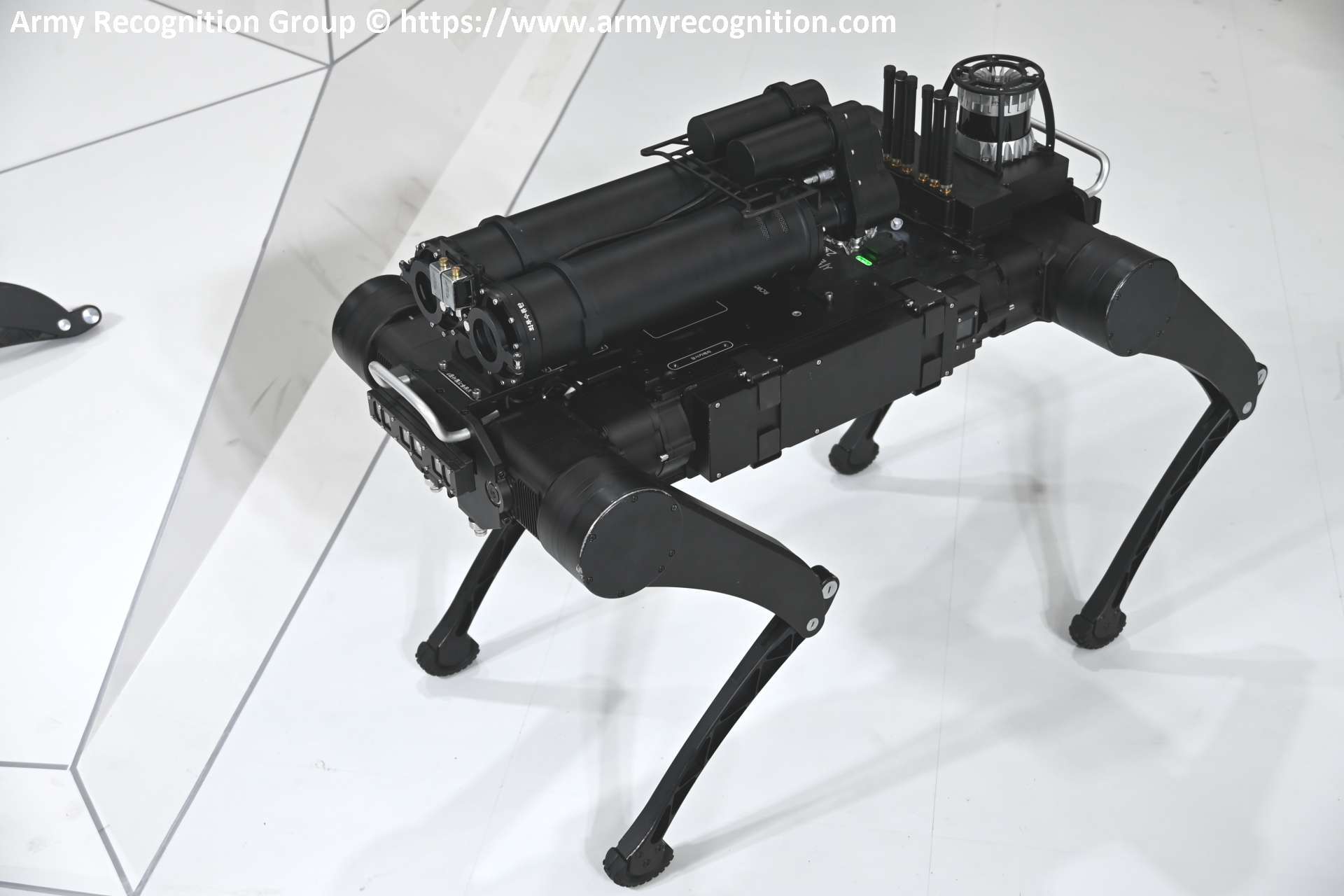
At the KADEX 2024 exhibition in South Korea, Hyundai Rotem and Rainbow Robotics presented a new multi-legged defense robot designed for military counter-terrorism missions. This system combines advanced robotics technologies and autonomous weapon systems, drawing on the expertise of both companies.
Hyundai Rotem and Rainbow Robotics Multi-Legged Defense Robot for Counter-Terrorism
(Picture source: Army Recognition)
The robot is designed to operate on difficult terrains, such as mountainous areas or urban environments, and to transport supplies or evacuate injured soldiers. Its ability to move through extreme terrains, like rocky surfaces and narrow trails, makes it well-suited for operations in varied conditions.
Hyundai Rotem stated that this partnership enhances its research and development capabilities and its competitiveness in the production of advanced defense equipment. The robot will be used for surveillance and reconnaissance missions, particularly in support of counter-terrorism operations.
Rainbow Robotics has previously collaborated with the South Korean military to develop quadruped robots dedicated to surveillance operations. This new partnership with Hyundai Rotem aims to produce a new generation of defense robots to meet the demands of modern combat environments.
The RBQ-3 and RBQ-10, produced by Rainbow Robotics, are quadruped robots with advanced technical specifications designed for surveillance, reconnaissance, and other demanding applications. While both models share essential features, they offer specific capabilities tailored to different operational needs.
The RBQ-3 is compact, with dimensions of 350 x 550 x 400 mm and weighing 25 kg, with a payload capacity of 5 kg. It has an operating time of 150 minutes of continuous walking. This model can move at a maximum speed of 3.6 km/h walking and 10 km/h running, and it can overcome obstacles up to 8 cm in height without visual recognition assistance. It is also capable of climbing slopes of up to +20°. The robot is equipped with a front-facing RGB camera and WiFi connectivity for communications, and it allows external equipment interfacing through a UDP channel for walking commands.
The RBQ-10, on the other hand, is a larger model with dimensions of 550 x 1000 x 600 mm and weighing 40 kg. It can carry a payload of 10 kg and, like the RBQ-3, offers 150 minutes of continuous walking. With an IP54 rating, it can walk at a maximum speed of 4 km/h and run at 12 km/h. The robot can overcome obstacles up to 12 cm and climb slopes with a longitudinal gradient of 45% and a transverse gradient of 20%. The RBQ-10 is equipped with multiple RGB cameras: one at the front, one at the rear, and two on the sides, along with stereo depth cameras located at the front, rear, and bottom of the robot. For communications, it supports WiFi and additional communication modules, as well as ROS2, CAN communication, and USB/LAN interfaces for vision control.
Both quadruped robots are designed to offer flexibility and optimal performance in various environments, ranging from rugged terrains to urban missions, while integrating cutting-edge technology for versatile use.

- Details
- Written by: Administrator
- Category: 2024
- Hits: 15731
The South Korean defense company Hyundai Rotem has unveiled the latest variant of its K2 Black Panther Main Battle Tank (MBT) at KADEX 2024, defense exhibition in South Korea, now fitted with a state-of-the-art Active Protection System (APS). This upgrade significantly enhances the tank's ability to defend against various anti-tank threats, including Anti-Tank Guided Missiles (ATGMs), anti-tank ammunition, and Rocket Propelled Grenades (RPGs). With this modernization, the K2 Black Panther solidifies its status as one of the most protected tanks in the world, further elevating its already formidable battlefield capabilities.
Follow Army Recognition on Google News at this link
At KADEX 2024, an international defense exhibition in South Korea, Hyundai Rotem unveils the latest variant of its K2 Black Panther Main Battle Tank equipped with new active protection to counter missile and rocket threats. (Picture source: Army Recognition Group)
The Active Protection System (APS) is an advanced defensive technology that enhances the survivability of both the vehicle and its crew by automatically detecting, tracking, and intercepting incoming threats before they can make contact with the tank. By actively engaging anti-tank projectiles mid-flight, the APS provides an added layer of protection, giving the K2 tank an edge over conventional passive armor. Applied to ground combat vehicles, this technology significantly boosts their survivability, even during active maneuvering, while ensuring that nearby friendly forces remain safeguarded.
The K2 Black Panther's APS is capable of neutralizing a diverse range of threats, including High-Explosive Anti-Tank (HEAT) rounds, Anti-Tank Rockets (ATR), and Anti-Tank Guided Missiles (ATGM). The system achieves this by deploying high-speed counter-munitions designed to intercept and destroy threats before they strike the vehicle. This rapid-response mechanism allows the tank to maneuver on the battlefield with heightened protection and confidence, ensuring its role as an effective offensive and defensive asset.
The APS system comprises two main components. The first are the launchers (1.), which fire high-speed counter-munitions capable of neutralizing the projectile mid-air. The system also boasts a fast auto-loading feature, allowing it to prepare for additional threats following an interception swiftly. The second key component is a series of 360-degree radars (2.) that facilitate rapid detection and tracking of potential dangers from all directions, ensuring that no threat goes unnoticed. This combination of quick threat detection, high-speed interception, and full situational awareness underscores the effectiveness of the APS in providing unparalleled protection.
The K2 Black Panther, introduced by Hyundai Rotem as South Korea's premier main battle tank, is known for its superior firepower, advanced mobility, and state-of-the-art defensive systems. It is equipped with a 120mm smoothbore gun, capable of firing various types of ammunition with high precision. The K2 also features an advanced fire-control system that can detect, track, and engage targets automatically, even while the tank is on the move. With its powerful MTU MT 883 Ka-501 diesel engine, the K2 has excellent mobility, achieving speeds of up to 70 km/h on roads and easily tackling rough terrains.
The K2 Black Panther project began in the 1990s as part of South Korea's efforts to develop an indigenous main battle tank to replace the aging fleet of M48 Patton tanks and to supplement the K1 tanks. After years of development, the K2 entered service with the Republic of Korea Army in 2014. Since its introduction, the K2 has undergone various upgrades to improve its performance and survivability, resulting in several variants. The K2NO is a customized version intended for Norway, featuring specific adaptations to meet Norwegian requirements. At the same time, the K2PL is the variant for Poland, which incorporates additional armor and advanced communication systems.
The K2 has garnered interest from various countries due to its advanced capabilities. Currently, South Korea is the primary operator of the K2, with plans to expand its fleet in the coming years. Poland has signed agreements to acquire K2 tanks, with plans for local production under the K2PL program. Norway has also shown interest in the K2NO variant as part of its efforts to modernize its armored forces. Additionally, Hyundai Rotem is actively promoting the K2 to other potential customers, particularly in the Middle East and Europe, as nations seek to upgrade their armored capabilities in response to evolving security challenges.
The K2 Black Panther has consistently set a high benchmark for modern armored warfare, incorporating innovative technology and adapting to the battlefield's evolving challenges. Now, with the integration of the Active Protection System, the K2 offers one of the highest levels of protection available, providing unmatched safety to its crew while enhancing its overall combat capabilities. This makes the K2 an invaluable asset for the South Korean military and any armed forces seeking a highly advanced and versatile main battle tank.
Read more: Hyundai Rotem Unveils K2 Tank with Active Protection Now World's Most Protected
- Details
- Written by: Vandenbosch
- Category: 2024
- Hits: 3211
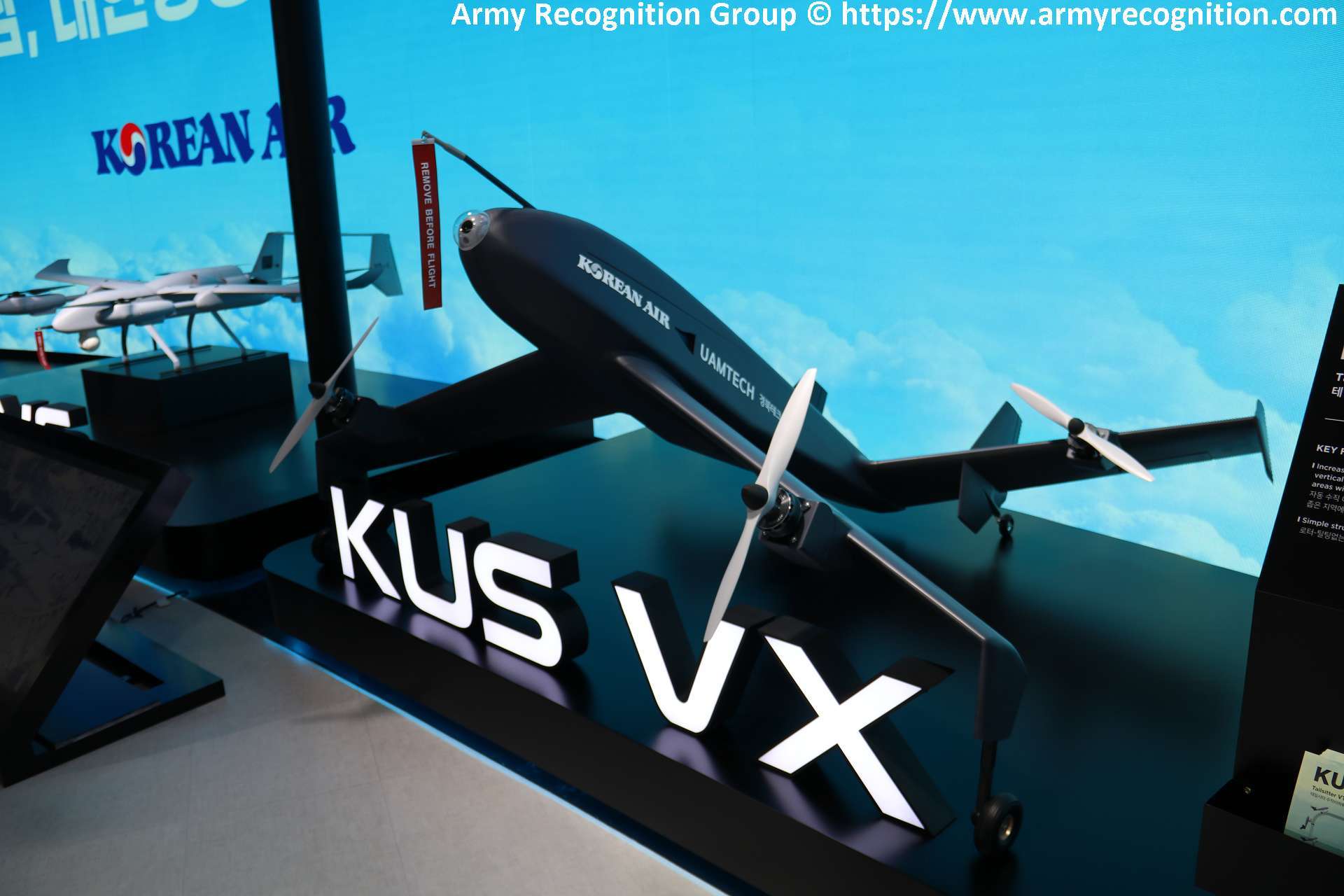
The KUS-VX, an unmanned aerial vehicle (UAV) system developed by Korean Air, was showcased at the KADEX 2024 exhibition in South Korea. This model stands out due to its innovative configuration as a VTOL (Vertical Take-Off and Landing) or "tail-sitter," meaning it is capable of vertical take-offs and landings without the need for runways. This feature makes it particularly effective for operations in confined areas where space is limited.
The KUS-VX is an unmanned aerial vehicle (UAV) system developed by Korean Air. (Picture source: Army Recognition)
KADEX 2024 is an international defense and security exhibition held in South Korea, gathering companies, government delegations, and defense industry experts to present the latest military technological innovations. This major event serves as a platform for the demonstration of new weapon systems, military vehicles, cutting-edge technologies in the fields of aviation, land, and naval defense, as well as cybersecurity solutions. KADEX 2024 places special emphasis on strategic partnerships and international cooperation opportunities, attracting key global players in the sector while highlighting South Korea's growing technological capabilities in defense.
One of the main features of the KUS-VX is its ability to enhance operability through its automatic vertical take-off and landing system, allowing for use in complex environments, such as mountainous terrain or dense urban areas. Unlike other VTOLs, the KUS-VX stands out with its simplified structure, lacking a rotor tilting mechanism, which optimizes its design and reduces mechanical risks.
In terms of technical specifications, the KUS-VX has a length and width of 2.2 meters, making it compact enough to be used in confined spaces while maintaining robust operational capability. Its maximum take-off weight (MTOW) is 25 kg, highlighting its lightweight nature for a UAV of this category. In flight, it can reach an impressive maximum speed of 180 km/h, offering swift execution in various missions, whether for reconnaissance, observation, or surveillance.
The presentation of the KUS-VX at KADEX 2024 underscores Korean Air's commitment to pushing the boundaries of military aviation technologies. This drone, with its unique capabilities, could potentially be integrated into military operations requiring maximum flexibility and a discreet presence on the ground. Its compact size and speed make it a promising tool for armed forces, especially in demanding environments where space is limited, and rapid intervention is crucial.
Read more: KUS-VX An Innovative South Korean VTOL Drone Unveiled at KADEX 2024
- Details
- Written by: Halna du Fretay
- Category: 2024
- Hits: 2562
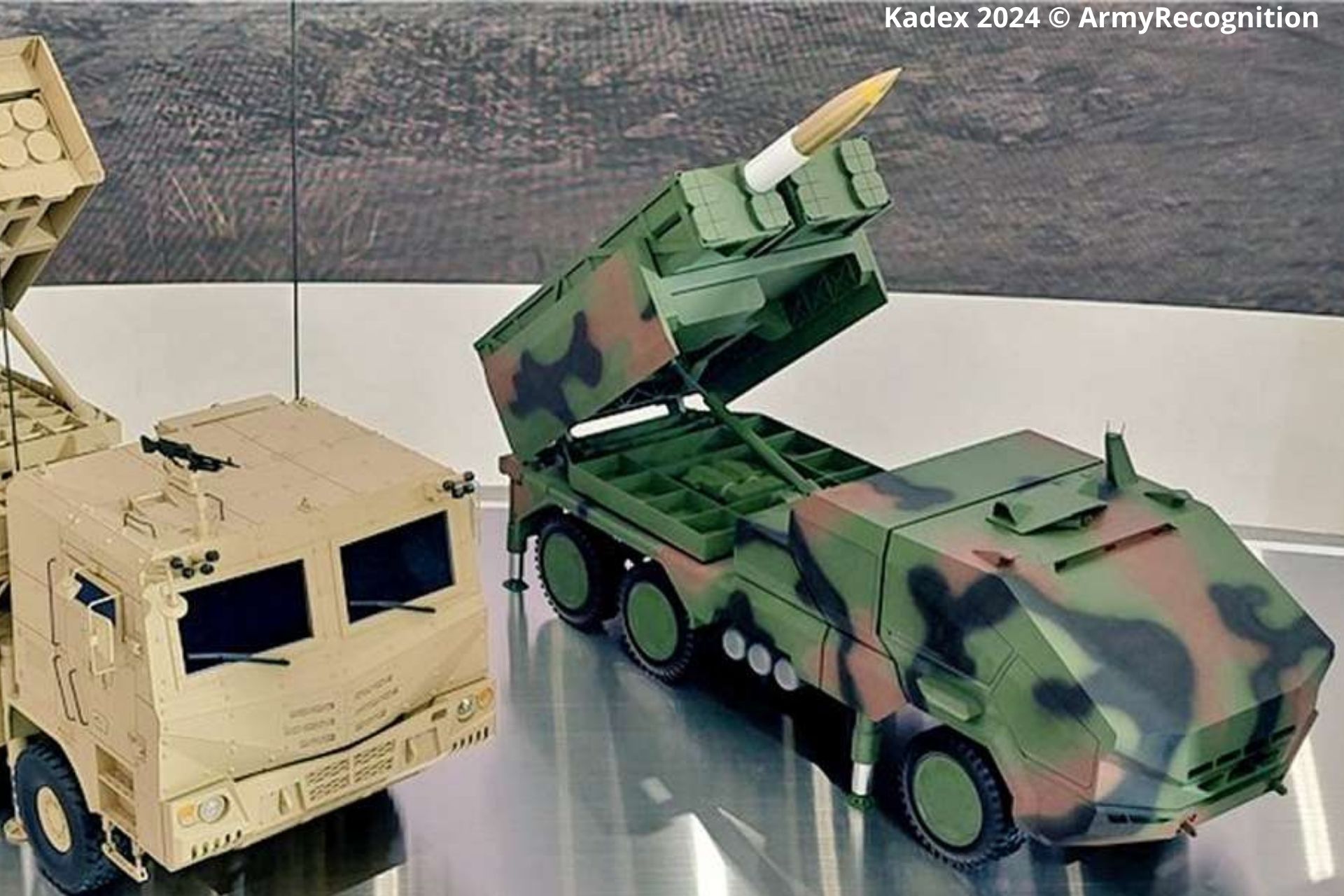
At the 2024 edition of the KADEX exhibition in South Korea, a new next-generation multiple rocket launcher system, the Unmanned Amphibious Rocket Launcher, was unveiled. Designed for amphibious operations, this system provides advanced fire support capabilities both during maritime approach phases and after landing. Its ability to operate aboard large transport vessels, specifically LPH-class ships, represents a significant enhancement in modern weapon systems. Additionally, it is designed to function fully autonomously or with a reduced crew, following a similar operational model to the K9A3, which addresses the future challenges posed by military personnel reductions.
One of the key features of this new system is its compatibility with existing Chunmoo MRLS PODs (Picture source: Army Recognition)
This unmanned rocket launcher system stands out for its ability to provide mutual firepower support between northwestern islands, with an extended firing range compared to the existing Chunmoo MRLS. This advancement is crucial in the context of dispersed terrain operations, particularly during counter-battery missions following amphibious landings. The application of stabilization control technology for onboard firing ensures accuracy and system effectiveness, even in unstable environments.
One of the key features of this new system is its compatibility with existing Chunmoo MRLS PODs. This maximizes its operability, allowing it to fire not only traditional rockets but also newly developed missiles. This versatility makes it a strategic asset, enhancing its capabilities in a wide range of operational scenarios.
Additionally, ongoing research and development efforts aim to further improve the system's capabilities. From 2023 to 2026, work is underway on the development of an electronic launchpad technology designed to increase both the range and the variety of missiles that can be deployed. These innovations are expected to make the system operational by 2033, meeting future fire support needs in complex amphibious environments.
The company behind this unmanned rocket launcher, though not yet specified, aims to establish this system as a key player in supporting both amphibious and land operations. With expanded compatibility, sustained technological development, and promising improvement prospects, it is likely that this vehicle will see increased proliferation as part of upcoming military modernization efforts. The goal is to provide armed forces with a firing system capable of meeting the evolving demands of modern battlefields while adapting to personnel reductions and the need for increased mobility in maritime and land-based theaters of operation.
Read more: Amphibious Fire Support: Launch of Unmanned Rocket System at KADEX 2024
- Details
- Written by: Vandenbosch
- Category: 2024
- Hits: 3555
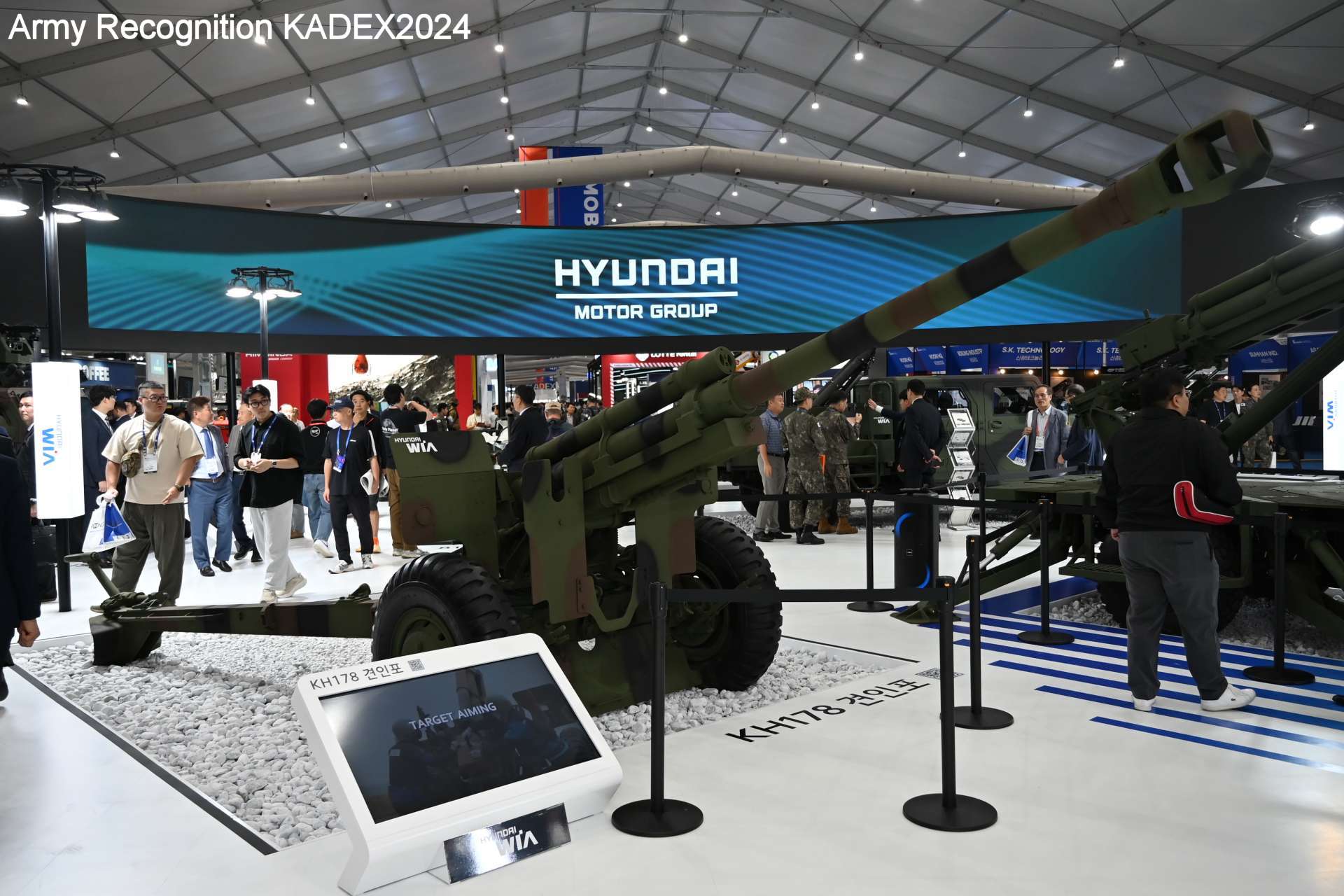
The KH178, a 105mm towed howitzer, was showcased at KADEX 2024 in South Korea, garnering the attention of defense experts for its proven capabilities and compatibility with NATO and U.S.-standard ammunition. This artillery system, already in service with several armies, including the Republic of Korea (ROK), the Chilean Marine Corps, and the Indonesian Army, has demonstrated its effectiveness and durability across various operational theaters.
The KH178 105mm towed howitzer at KADEX 2024. (Picture source: Army Recognition)
The KH178 stands out with a maximum firing range of 14.7 km using high-explosive (HE) shells, making it particularly useful for long-range support missions. Additionally, by utilizing special ammunition such as rocket-assisted projectiles (RAP/ER-BB), its range extends to 18 km, further enhancing its operational flexibility. Its sustained rate of fire ranges from 3 to 5 rounds per minute, while it can achieve a maximum rate of 15 rounds per minute for short bursts, delivering an impressive firepower capacity.
Designed for rapid and efficient deployment, this towed howitzer is air-transportable by helicopters such as the CH-47 and UH-60, providing enhanced battlefield mobility and swift deployment in difficult-to-reach areas. With a total weight of 2,650 kg, it can be towed by light vehicles ranging from 2.5 to 5 tons, simplifying logistics and ensuring adaptability in diverse environments.
Key components of the KH178, including the CN78 barrel, the RM78 recoil mechanism, and the CG78 carriage, have been optimized to ensure maximum reliability and performance in the field. The system is also capable of direct fire at a range of 1.5 km, making it versatile for both indirect fire support and close-combat situations.
The presentation of the KH178 at KADEX 2024 solidifies its position as a reliable artillery solution, fully compatible with Western standards while offering battle-tested capabilities. Its combination of mobility, range, and firepower makes it a valuable asset for armed forces seeking to enhance their light artillery capabilities.
The KH178 continues to prove its operational value in modern combat scenarios. With its adaptability, ease of deployment, and firepower, this howitzer is well-suited to meet the evolving demands of contemporary battlefields. As military forces increasingly prioritize systems that combine proven effectiveness with logistical flexibility, the KH178 is poised to maintain an important role in future artillery deployments.
Read more: Versatile South Korean KH178 Towed Howitzer Presented at KADEX 2024
- Details
- Written by: Triffaux
- Category: 2024
- Hits: 5593
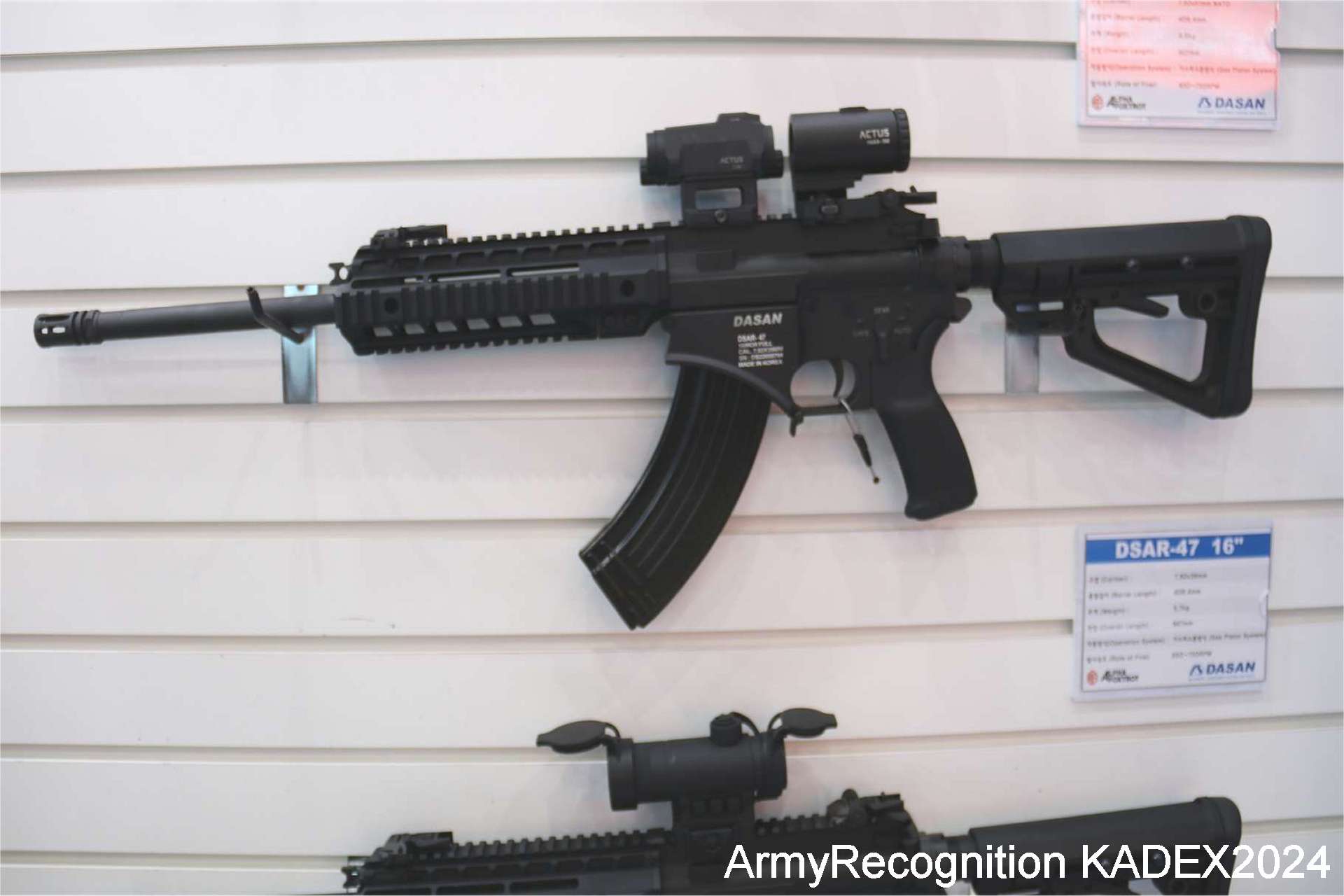
At the KADEX 2024 exhibition in South Korea, the South Korean company Dasan Machineries unveiled the DSAR47, a modern rifle designed to maximize the efficiency of the 7.62x39mm caliber while incorporating technological innovations suited to the needs of contemporary armed forces. This internationally renowned event serves as a showcase for the latest defense technologies, and the DSAR47 has captured attention for its advanced capabilities and modularity.
South Korean company Dasan Machineries DSAR47 7.62x39 Assault Rifle (Picture source: Army Recognition)
The DSAR47 is a gas piston-operated rifle, ensuring increased reliability under intense firing conditions. Its rotating locking bolt system, combined with a 16-inch barrel, guarantees optimal precision and performance. Weighing 3.1 kg without a magazine, the weapon stands out for its ergonomic design and ease of use in a variety of combat situations. The six-position adjustable stock allows for quick adaptation to different types of engagements, whether at short or medium range.
The DSAR47 is equipped with a quad-rail Picatinny handguard, allowing users to mount a full range of accessories, such as sights, tactical lights, or laser pointers. Its adjustable gas system further enhances its versatility in complex missions, allowing the weapon to adapt to various firing conditions.
Dasan Machineries designed the DSAR47 to be a reliable and versatile platform, capable of meeting the demands of modern warfare. The development was driven by the idea of offering a rifle optimized for operations in hostile environments, such as urban areas or dense forests. The use of the popular 7.62x39mm caliber, employed by many militaries worldwide, gives the weapon significant penetration power while maintaining stable ballistics at medium range.
The DSAR47 is intended for use by special forces, infantry units, or paramilitary groups and was designed for tactical engagements in demanding situations. It excels in counter-insurgency operations, close-quarters combat, and asymmetric warfare, where equipment reliability and adaptability are critical factors.
The presentation of the DSAR47 at KADEX 2024 highlights Dasan Machineries' ambition to make a mark in the international small arms market. Its robust design, gas piston mechanism, and multiple customization options make it a top choice for armed forces seeking a reliable and flexible solution. With its ability to integrate accessories and its ergonomic design tailored for complex missions, the DSAR47 positions itself as a weapon ready to meet the challenges of modern conflict.
In parallel, the DSAR47 7.62x39mm rifle, available with a 14.5-inch or 16-inch barrel, is being marketed to countries that already use AK-47 weapons and ammunition. However, it is based on the AR-15/M4 platform, which ensures the interchangeability of parts. Dasan Machineries completed the DSAR47 two years ago, and it is now in its testing phase. The version with a 16-inch barrel weighs 7.5 pounds (3.4 kg) and offers an effective range of 383 yards (350 meters).
Founded on November 1, 1992, Dasan Machineries is a significant manufacturer of small arms in South Korea. The company primarily focuses on export markets, while its competitor, SNT Motiv, concentrates on serving the Republic of Korea (ROK) Armed Forces. Despite this distinction, there is substantial overlap, as Dasan has frequently subcontracted for domestic contracts with SNT Motiv and is also offering complete weapon systems to South Korea’s military.

- Details
- Written by: Vandenbosch
- Category: 2024
- Hits: 5249
The KADEX 2024 exhibition in South Korea showcased an innovative project by KAI (Korea Aerospace Industries): the Korean Future Vertical Lift (KFVL). This new-generation unmanned helicopter concept stands out with its three main variants, each designed to meet specific mobility and payload requirements. The KFVL aims to address the growing demands of modern defense missions with advanced rotor technology, improved speed, and increased range.
The Korean Future Vertical Lift (KFVL) at KADEX2024. (Picture source: Army Recognition)
During KADEX 2024, KAI presented the Korean Future Vertical Lift (KFVL), a new-generation helicopter. The project features three variants with advanced rotor technologies, offering enhanced speed and range.
The three variants presented are the coaxial rotor model, the compound rotor model, and the tilt-rotor model. Each of these variants offers distinct advantages in terms of maneuverability, speed, and lifting capacity. The coaxial rotor model, with its two counter-rotating rotors, promises improved stability and space efficiency, ideal for operations in confined environments. The compound rotor model combines the capabilities of traditional helicopters with those of fixed-wing aircraft for enhanced performance. Lastly, the tilt-rotor model stands out for its ability to take off and land vertically while offering cruising speeds comparable to airplanes.
With a maximum takeoff weight (MTOW) of 13.6 tons (approximately 30,000 pounds) and over 7,000 SHP (shaft horsepower), these helicopters are designed for optimal performance. The increased speed and range make these aircraft essential tools for modern military missions, particularly in remote or hard-to-reach areas. KAI also highlights significant design improvements compared to traditional helicopters, further strengthening the KFVL’s position in rotorcraft technology.
The KFVL, still in the preliminary research phase, embodies South Korea's ambitions in military aeronautics. With a particular focus on the core technologies required for these helicopters, the project presents itself as a strategic response to the future needs of the South Korean armed forces, while also potentially attracting international interest. The versatility of the three proposed platforms allows for adaptation to various operational theaters, enhancing the intervention and transport capabilities of armed forces in complex environments.
The presentation of the Korean Future Vertical Lift at KADEX 2024 clearly demonstrates KAI's ambitions for technological innovation in the military sector. With its design variants and enhanced capabilities, the KFVL could redefine the standards of future military helicopters.
Read more: New Generation of South Korean Unmanned Military Helicopters Unveiled at KADEX 2024
- Details
- Written by: Halna du Fretay
- Category: 2024
- Hits: 7119
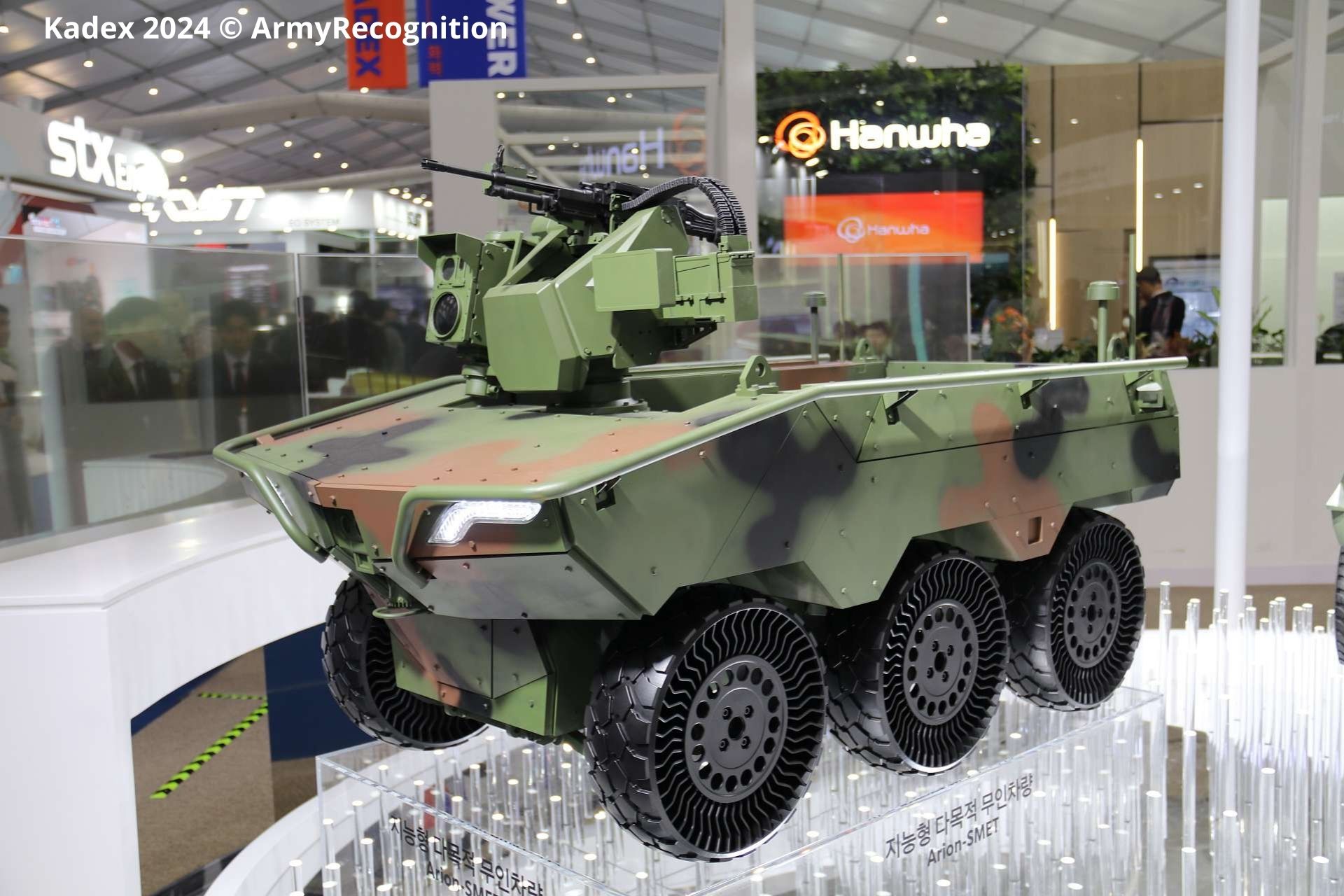
At the KADEX 2024 exhibition in South Korea, the Arion-SMET unmanned ground vehicle (UGV) was unveiled, drawing attention for its multi-purpose capabilities and potential to transform military operations. Designed to enhance the survivability and combat effectiveness of infantry units, the Arion-SMET stands out for its ability to perform various tasks such as combat equipment transport, medical evacuation support, surveillance, reconnaissance, and combat missions. This UGV, which combines advanced technology and innovation, positions itself as a key player in modernizing ground forces worldwide.
Follow Army Recognition on Google News at this link
The Arion-SMET's operational capabilities were validated through pilot military tests conducted in 2019 and 2021, demonstrating its effectiveness in real-world scenarios (Picture source: Army Recognition)
One of the noteworthy features of the Arion-SMET is its improved surveillance and reconnaissance capabilities, achieved through the integration of an AI-based automatic detection function. This system alerts the operator when individuals or vehicles are identified, providing enhanced responsiveness on the battlefield. Furthermore, the Arion-SMET boasts a high localization rate of over 98% for critical components such as the Remote-Controlled Weapon System (RCWS), ensuring the effective integration of this technology into military contexts.
The Arion-SMET's operational capabilities were validated through pilot military tests conducted in 2019 and 2021, demonstrating its effectiveness in real-world scenarios. Following these successful trials, the vehicle was selected for the U.S. Department of Defense's Foreign Comparative Test (FCT) program in 2022, making it the first domestically produced UGV to participate in a performance demonstration held in Hawaii. This milestone reinforced the vehicle's credibility on the international stage.
In January 2024, the Arion-SMET achieved another major milestone by successfully completing a week-long field test conducted by the U.S. Marine Corps and Army under the FCT program. These tests, held at the Marine Corps Training Area Bellows in Hawaii, evaluated the vehicle's performance on challenging terrain, including compact sand beaches, bumpy roads, and clay surfaces. The trials focused on assessing the vehicle's capabilities in heavy equipment transport, remote-controlled driving, waypoint navigation, and soldier-following functions, further establishing its potential as a competitive candidate in the global UGV market. The participation of the Arion-SMET in this program marked the first time a South Korean UGV had been involved, reflecting the growing interest of U.S. armed forces in technologies developed by allied nations.
The manufacturer is currently developing an upgraded version, the SMET-II, based on the feedback from these tests. This new model promises to bring additional improvements and meet the demands of modern armies. With a combat weight of 2,000 kg, a maximum speed of 40 km/h, and a range of over 100 km, the Arion-SMET can carry a payload exceeding 500 kg, addressing various operational needs of military forces.
The company behind the Arion-SMET is not limiting its ambitions to the domestic market and is actively promoting this vehicle in international defense markets. Its continued development and participation in events like KADEX 2024 demonstrate its intent to establish itself as a key player in the UGV sector. Beyond its technical capabilities, the proliferation of the Arion-SMET could represent a significant step in the broader adoption of autonomous vehicles by armed forces, both in Asia and globally.
- Details
- Written by: Vandenbosch
- Category: 2024
- Hits: 2107
On October 4, 2024, Saab received a new order from Lithuania for its Mobile Short-Range Air Defence (MSHORAD) system. This additional contract, valued at 1.2 billion Swedish kronor (SEK), includes deliveries scheduled between 2026 and 2029. It marks the second order placed by Lithuania, with the first one announced in July 2024.
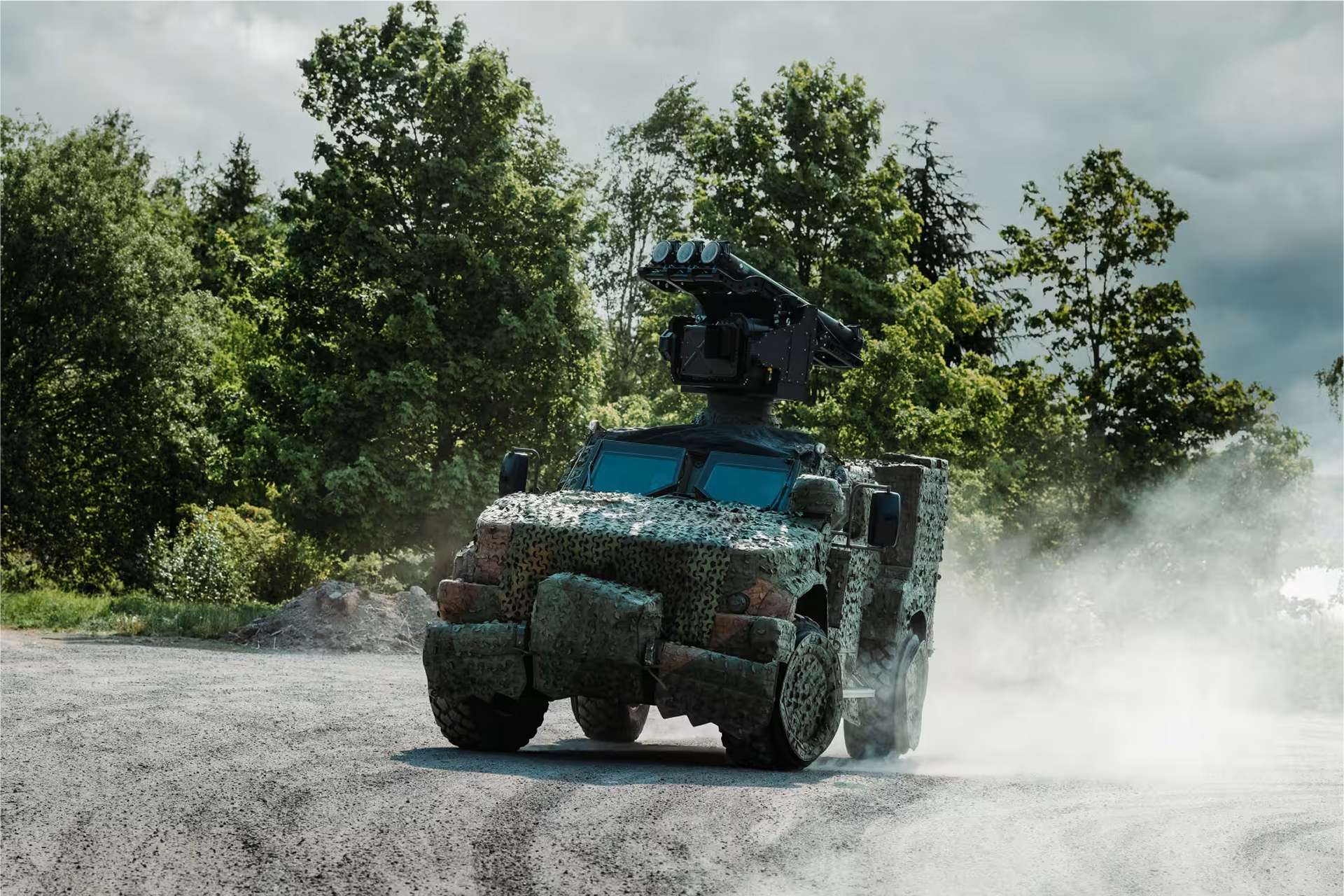
The Mobile Short-Range Air Defence (MSHORAD) system. (Picture source: Saab)
This new acquisition will allow Lithuania to equip a second battery of its armed forces with this mobile defense technology. The MSHORAD is designed to provide quick and effective protection against short-range air threats, such as drones, helicopters, and other low-flying aircraft. "We are proud to continue supporting the Lithuanian armed forces with MSHORAD, which is a highly mobile solution enabling the detection and neutralization of air threats swiftly and effectively," said Görgen Johansson, Head of Saab's Dynamics division.
Lithuanian Minister of National Defense Laurynas Kasčiūnas also emphasized the importance of this acquisition for national defense. According to him, "The mobility of the MSHORAD is a crucial strategic asset for Lithuania, allowing a rapid response to potential air threats." The ability of these mobile units to move quickly makes them an essential tool for addressing current security challenges, especially in a context of regional tensions.
The MSHORAD system includes several key components: Mobile Firing Units, Mobile Radar Units, and a Command and Control (C2) system. These components will be installed on JLTV (Joint Light Tactical Vehicle) platforms manufactured by the American company Oshkosh. The Giraffe 1X radar, included in the MSHORAD, ensures rapid detection of air threats, while the RBS 70 NG missile system provides an effective response capability against enemy targets.
This additional order is part of a broader strategy to strengthen Lithuania's air defense capabilities. The country continues to invest in advanced defense systems to address increasing regional threats, particularly as part of its commitments within NATO.
With this new order, Lithuania enhances its defense against air threats, while Saab solidifies its partnership with the country in the defense sector.
Read more: Saab Receives New Order for Mobile Air Defense from Lithuania

- Details
- Written by: Halna du Fretay
- Category: 2024
- Hits: 7949
On October 2, 2024, the Indonesian Armed Forces received more than 500 new military vehicles during a ceremony organized by the Ministry of Defense in Jakarta. Among the delivered equipment was a batch of eight Harimau medium tanks, locally produced by PT Pindad. This batch completes an initial order of 18 tanks, with 10 having been handed over in March 2024. These deliveries represent a new step in enhancing the Indonesian Army’s land capabilities.
The Harimau is equipped with a 105 mm turret manufactured by Belgian company Cockerill, capable of firing multiple types of munitions, making it suitable for various missions, from infantry support to urban combat (Picture source: PT Pindad)
The Harimau medium tank is the result of a collaboration between Indonesia and Turkey. In May 2015, both governments agreed to co-develop the Modern Medium Weight Tank (MMWT) to meet the Indonesian Army's needs. The development phase, set to last 37 months with a budget of $30 million, aimed to create a tank suited to the diverse terrains of Southeast Asia, with production shared between the two countries. The first prototype was unveiled at the 2016 Indo Defence expo in Indonesia, and another was revealed at IDEF 2017 in Turkey, under the names Kaplan MT (Turkey) and Harimau (Indonesia), both meaning "tiger."
The Harimau is equipped with a 105 mm turret manufactured by Belgian company Cockerill, capable of firing multiple types of munitions, making it suitable for various missions, from infantry support to urban combat. The tank integrates electronic control systems, a Battlefield Management System (BMS), and a Laser Warning System (LWS), enhancing crew situational awareness. It has a maximum speed of 70 km/h and an operational range of 450 km, designed for mobility with a power-to-weight ratio of at least 20 horsepower per ton. Additionally, it features a power management system that ensures optimal performance during extended watch operations.
The Harimau project reached an important milestone in September 2018 when the tank successfully completed qualification tests for the Indonesian Army, paving the way for mass production. The first series of 10 tanks was completed in early 2022 at the FNSS facilities in Turkey. Another batch of 8 tanks is currently being produced in Indonesia with technical support from FNSS, highlighting the ongoing collaboration between the two countries.
The tank is designed for operational flexibility, featuring a low-profile hull and a robust suspension system, allowing it to navigate various terrains. It incorporates advanced ballistic and mine protection systems and is ergonomically designed for crew comfort and efficiency in combat situations. With thermal cameras and third-generation sighting systems, the Harimau ensures high-precision firing for both the gunner and the commander.
In addition to the Harimau tanks, PT Pindad also delivered 23 Pandur 8x8 combat vehicles, nine Anoa 6x6 armored personnel carriers (APCs), and four Komodo 4x4 light armored vehicles, demonstrating the growing capacity of Indonesia’s defense industry to meet national needs. The army also received 250 Maung 4x4 tactical vehicles, part of a larger order for 500 units placed in 2020. These deliveries are part of a broader strategy to modernize the Indonesian Army’s land forces ahead of the 79th anniversary of the Armed Forces, set for October 5, 2024.
The Harimau represents a significant technological advancement for Indonesia, incorporating modular elements that quickly replace damaged parts while providing the protection and firepower required for modern battlefield scenarios. Its local production underscores the rise of Indonesia’s defense industry, which, through international partnerships such as the one with Turkey, is positioning itself as an increasingly important player in the sector.
Read more: Indonesia Strengthens Military Capabilities with Delivery of New Harimau Medium Tanks
- South African Twiga introduces Nkwe 4x4 MRAP with NATO Level 2 protection for counter-insurgency operations
- Production Prototype of Turkish Bayraktar Kizilelma Drone Completes its First Flight
- Aselsan’s new ZMA-X UGV enters battlefield with 25 mm chain gun and LIDAR systems
- Spanish Army Acquires Eimos Mortars from Rheinmetall Expal