

- Details
- Written by: Halna du Fretay
- Category: 2024
- Hits: 8946










The Bundeswehr is preparing to renew its fleet of reconnaissance vehicles for its military intelligence forces, with the Spähfahrzeug Next Generation project, or "Korsak," reportedly progressing on the Piranha 6×6 platform from General Dynamics European Land Systems (GDELS), as revealed by Hartpunkt. Selected over competitors including Rheinmetall’s Fuchs Evolution and KNDS’s Patria CAVS, the Piranha 6×6 outperformed its rivals during a rigorous bidding process. However, final vehicle approval will require the resolution of appeal periods followed by a parliamentary review of the "€25 million proposal." If on schedule, the contract may be finalized by late 2024 or early 2025, marking it as a second Bundeswehr project involving the Piranha platform.
Though the 6×6 model of the Piranha has not been publicly unveiled, experts anticipate a modified version of the existing 8×8 platform, adjusted by one less axle to meet specifications (Picture source: GDELS)
The Korsak project aims to partially replace the light, four-wheeled Fennek vehicles currently used by reconnaissance units. According to the Bundeswehr, up to 252 vehicles may be ordered, with an initial order of 92 units confirmed. The first two prototypes are anticipated by 2026, pending a swift contract conclusion. Production delivery of the remaining 90 vehicles would follow in 2027 and 2028, with an option for an additional 162 units.
Though the 6×6 model of the Piranha has not been publicly unveiled, experts anticipate a modified version of the existing 8×8 platform, adjusted by one less axle to meet specifications. Compliant with Korsak project requirements, this version is expected to include amphibious capabilities, though it may reduce armored protection to STANAG 4569 Level 2, thereby optimizing mobility with a favorable power-to-weight ratio.
The Piranha 6×6 features a unique engine configuration for a reconnaissance vehicle, placing the engine to the driver’s right, unlike the traditional rear placement. This design maximizes roof space for turret and sensor systems, enhancing weapon reach. The Bundeswehr plans to equip the Korsak with a 25 mm KBA automatic cannon from Rheinmetall, integrated into a stabilized turret by Valhalla Turrets, as showcased at Eurosatory 2024. This cannon provides variable firing modes and a rate of up to 600 rounds per minute.
The initial version of the Piranha I 6×6 dates back to 1972, having been adopted by the Swiss Army and produced under license in Chile and Canada. The Canadian version is known as the AVGP and LAV I. Some Chilean Piranha I units were fitted with a 60 mm IMI HVMS (Hyper Velocity Medium Support) gun acquired in 1980, while Swiss Army models included the NM142 turret, capable of launching TOW anti-tank guided missiles.
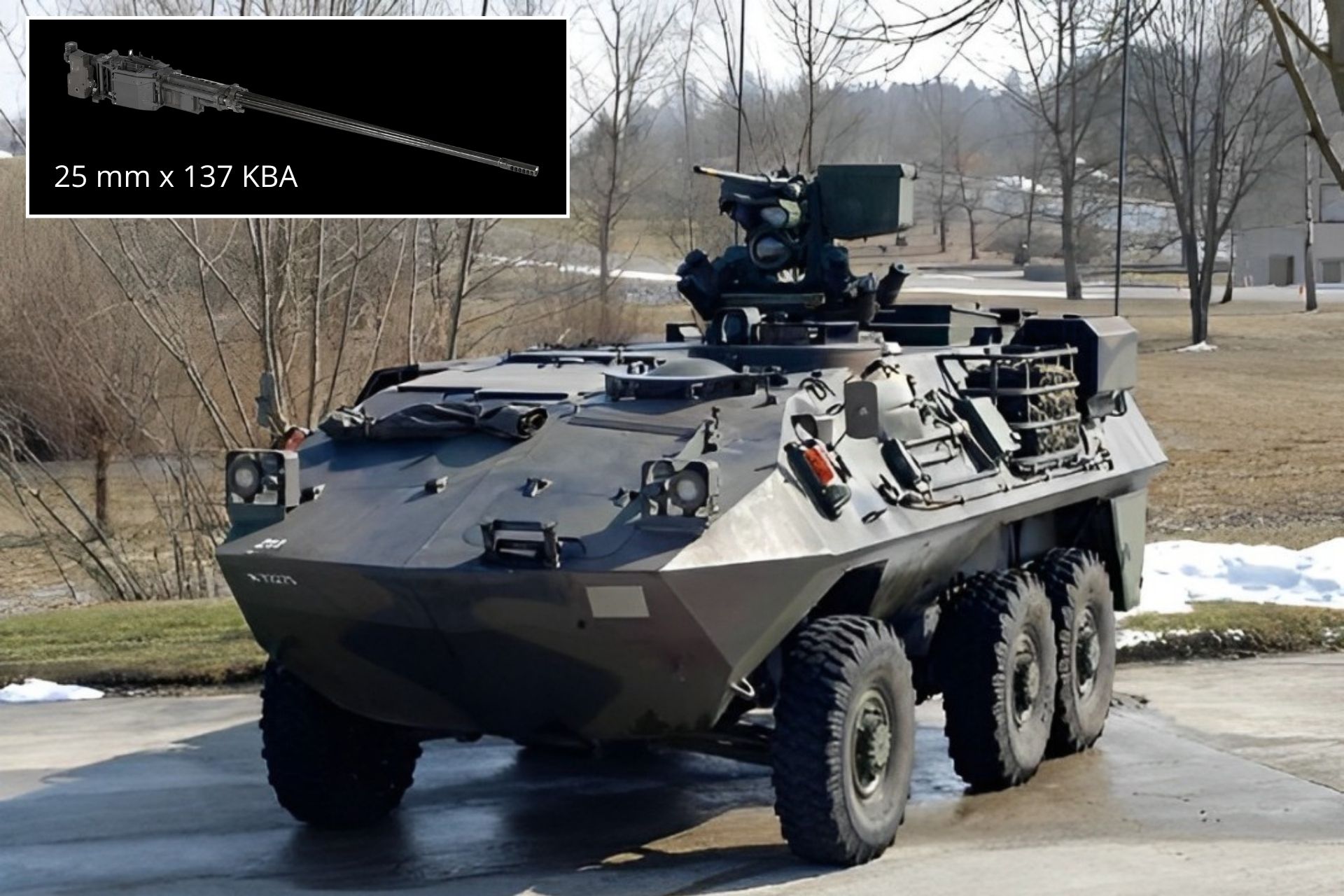
The Bundeswehr plans to equip the Korsak with a 25 mm KBA automatic cannon from Rheinmetall, integrated into a stabilized turret by Valhalla Turrets (Picture source: Swiss MoD)
The latest model, Piranha V, was introduced in the early 2010s. Designed to protect against medium-caliber ballistic threats, it includes a modern electronic architecture for integrating various weapon systems, from medium-caliber automatic cannons to large-caliber fire-support guns. The Piranha V meets current mobility demands on challenging terrain, equipped with a powerful motor and independent suspension, allowing a top speed of 100 km/h and a range of 1,000 km.
The Piranha V can transport up to 12 soldiers and is suitable for peacekeeping operations, infantry support missions, and complex interventions. Customization options include modular armor kits, active protection against RPGs and other anti-tank weapons, as well as an amphibious version. It has been adopted by forces in Denmark, Romania, and Switzerland.
Korsak does not include anti-tank capabilities, which will instead rely on the troops’ portable weapons. Consideration is also being given to the future use of loitering munitions as an alternative. The vehicle will also include advanced communication systems for voice and data transmission across various frequency bands, enabling teams to relay reconnaissance information or request long-range fire support.
The Bundeswehr’s mobility specifications require a maximum road speed of 100 km/h and a range of 1,100 km at a steady 60 km/h. While amphibious capability is preferred but not mandatory, the silent mode requirement remains flexible in terms of technology.
Finally, the core reconnaissance mission of the Korsak will rely on an advanced sensor suite. The vehicle will be equipped with a range of optical, optronic, and acoustic sensors, as well as electromagnetic spectrum reconnaissance and self-defense tools.
Read more: Bundeswehr’s New Reconnaissance Vehicle Korsak Would Be Based on Piranha 6×6
- Details
- Written by: Halna du Fretay
- Category: 2024
- Hits: 9897
On October 8, 2024, France conducted a pivotal air defense test within the Direction générale de l'armement (DGA) base in Biscarrosse. This strategic trial, part of Operation Mercure, marks the first launch of the Aster 30 B1NT missile against aerial targets simulating a complex threat scenario. The event was attended by French Minister of Armed Forces Sébastien Lecornu and the General Delegate for Armaments, Emmanuel Chiva, underscoring the importance of this new generation missile for both French and Italian defense.
Follow Army Recognition on Google News at this link
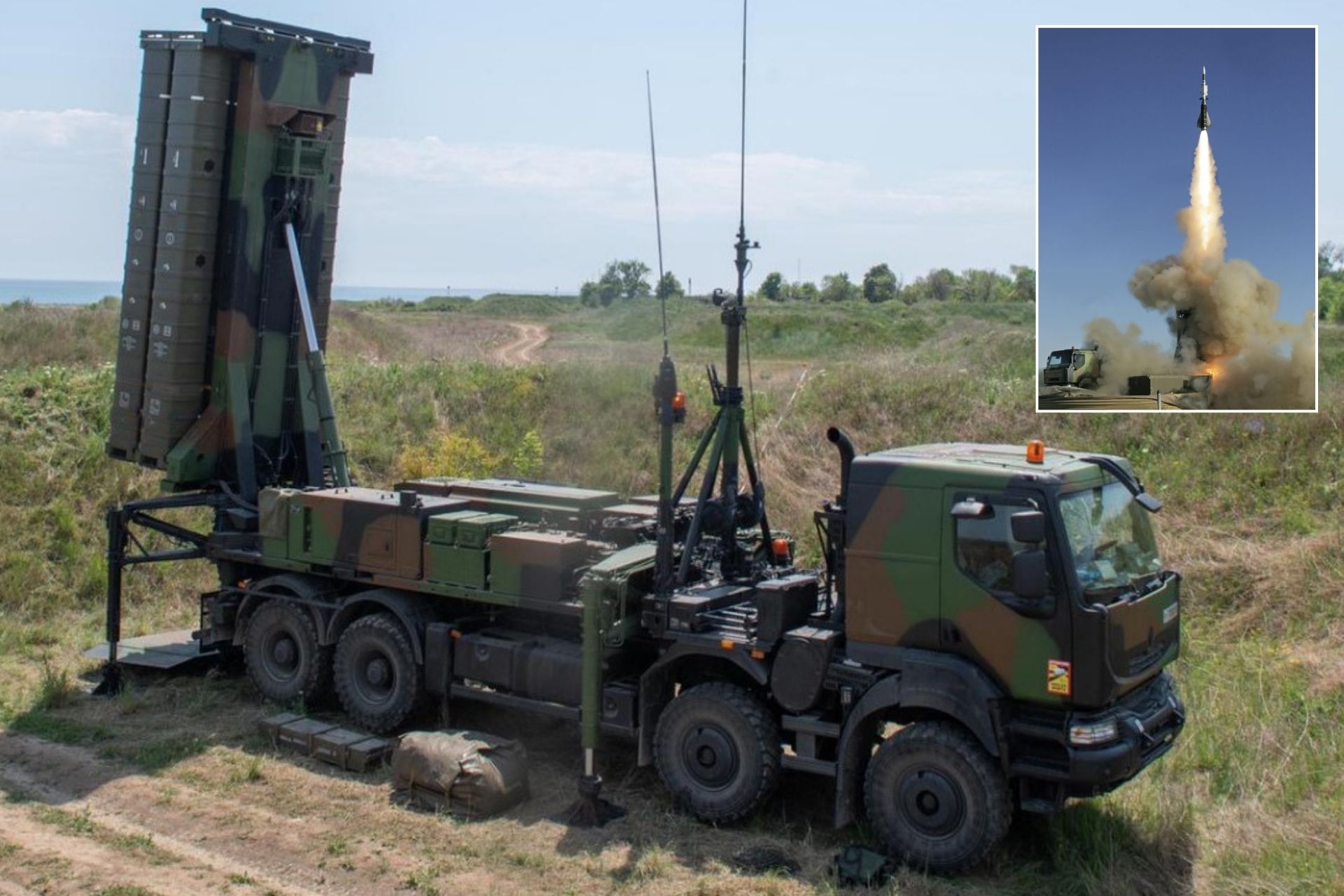
The Aster 30 B1NT, a new-generation missile, is designed to upgrade the French-Italian SAMP/T NG air defense system and will also be used in naval defense within the PAAMS framework (Picture source: French MoD)
The Aster 30 B1NT, referred to as “new Technology,” is specifically designed to enhance the SAMP/T (Surface-to-Air Medium Range Land-based) NG ( New Generation) air defense system, a French-Italian collaboration. Additionally, it will be deployed in naval defense within the PAAMS (Principal Anti-Air Missile System) used by both nations. With this version, France aims to modernize its air defense capabilities to respond effectively not only to conventional aerial threats but also to more sophisticated ballistic missiles. During this test, targets were used to simulate a complex threat environment, demonstrating the system’s ability to react in high-stakes operational scenarios.
The SAMP/T-NG marks an upgrade from the current SAMP/T, bringing enhanced interception capabilities for high-speed threats at ranges up to 150 kilometers and altitudes over 25 kilometers. Equipped with advanced radar and sensor systems, the SAMP/T-NG enables rapid detection and interception of threats, particularly hypersonic missiles, which pose specific challenges due to their high speed and maneuverability. This system is a critical component in European defense against modern missile threats.
On September 23, 2024, France’s Air and Space Force announced an expedited timeline for the SAMP/T-NG’s deployment, now scheduled to begin in 2026. Developed in partnership with Italy, this advanced system reflects a joint commitment to counter evolving global security threats, including ballistic and hypersonic missiles.
As part of the Eurosam consortium, defense companies MBDA and Thales played key roles in the project, supported by a €400 million contract awarded by the DGA in 2015 to develop the Aster 30 B1NT under the coordination of the Organization for Joint Armament Cooperation (OCCAR). Alongside this new missile, the contract also included an upgrade to the SAMP/T system to improve its capabilities against ballistic missiles, aligning with NATO’s ballistic missile defense program.
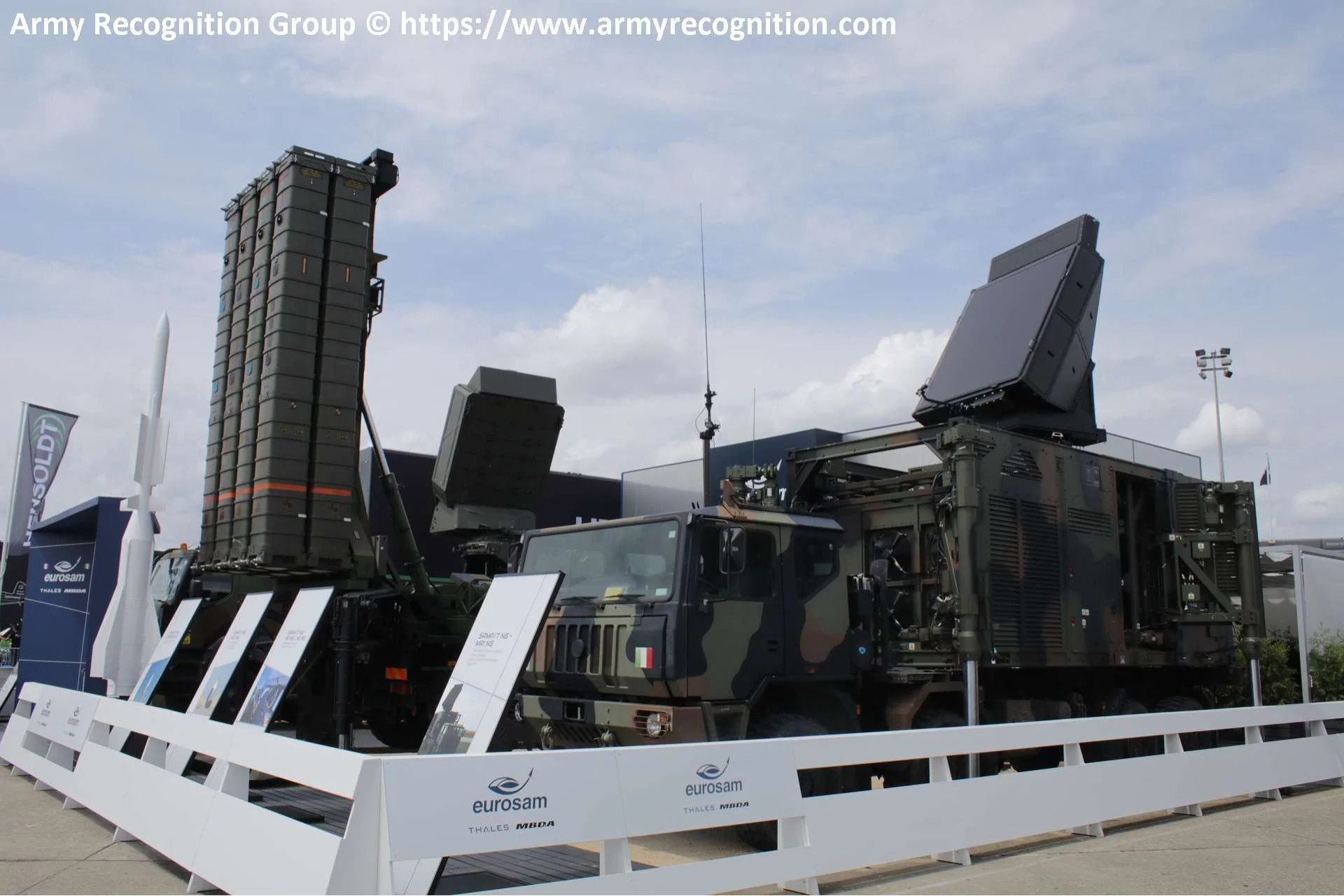
The SAMP/T-NG marks an upgrade from the current SAMP/T, bringing enhanced interception capabilities for high-speed threats at ranges up to 150 kilometers and altitudes over 25 kilometers (Picture source: ArmyRecognition)
The Aster missile family comprises two versions: the Aster 15, with a range of up to 30 kilometers for short and medium distances, and the Aster 30, capable of reaching targets over 100 kilometers away for short and long-range engagements. These missiles are now integral to France's air defense. Earlier this year, the French Navy demonstrated the Aster’s efficacy by intercepting Houthi drones and ballistic missiles in the Red Sea. In March, the air-defense frigate Alsace successfully intercepted three Houthi ballistic missiles mid-flight, marking a first for the Aster 30 system. The Alsace thus took over the role from the Languedoc in Operation Aspides, protecting maritime traffic.
The Aster 30 Block 1NT missile is equipped with a radar seeker operating in the Ka band, allowing it to focus energy into a narrower beam than its predecessor, the Block 1, which uses the Ku band. This enhancement grants the missile increased long-range detection capabilities and the ability to intercept much faster targets, particularly longer-range ballistic missiles. Additionally, the Ka band seeker provides superior angular precision, enabling more accurate tracking of target movements and significantly increasing the probability of target destruction through direct impact.
This Aster 30 B1NT test in Biscarrosse represents a milestone in European defense, solidifying France and Italy’s military cooperation under the Eurosam project. The joint program not only aims to shield military forces from increasingly sophisticated threats but also seeks to fortify European territory with a solution compatible with NATO’s integrated air and missile defense systems. Enabling European forces to respond to complex, multi-layered attacks, this new generation of missiles is set to become a cornerstone of European anti-air capabilities.
- Details
- Written by: Triffaux
- Category: 2024
- Hits: 8544
The Republic of Korea Armed Forces has marked a significant advancement in air defense capabilities with the official announcement of the commissioning of the 'Cheongwang' (Sky Light) high-energy laser (HEL) system for military use, which was officially integrated into active service on October 4 during the KADEX 2024 exhibition in South Korea.
Follow Army Recognition on Google News at this link
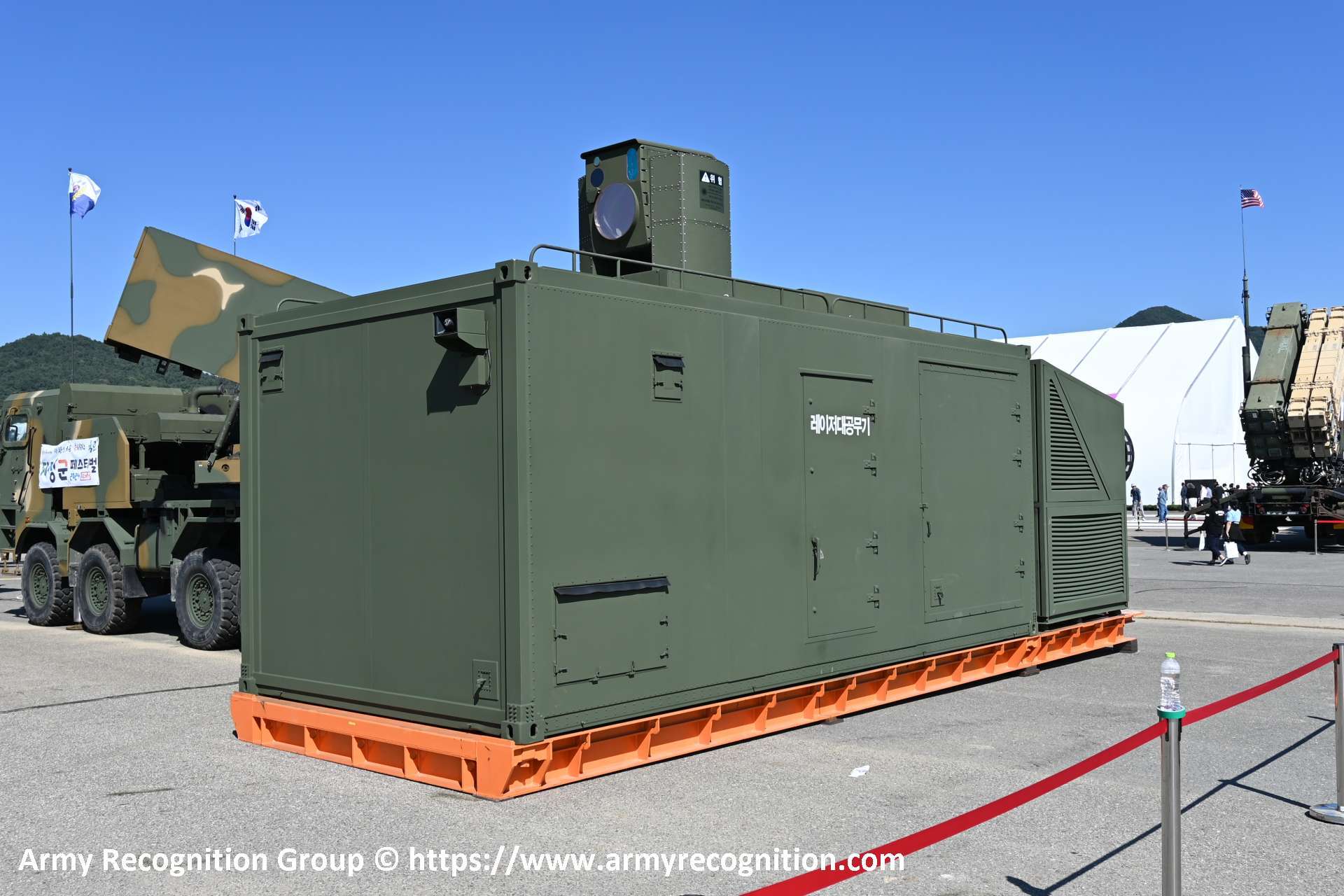
Hanwha displays its 'Cheongwang' (Sky Light) high-energy laser (HEL) system at the Defense Exhibition KADEX 2024. (Picture source: Army Recognition)
Developed as a state-of-the-art anti-aircraft solution, the 'Cheongwang' system uses high-energy lasers to intercept a variety of aerial targets, including drones, missiles, and potentially other airborne threats. By employing directed energy rather than conventional munitions, the system offers a rapid, precise, and cost-effective means of neutralizing targets. With the increasing prevalence of unmanned systems and low-cost drones in global military engagements, the integration of such systems is becoming essential for maintaining robust air defenses.
Hanwha Aerospace, South Korea’s leading defense and aerospace company, played a pivotal role in the unveiling and presentation of this system. Alongside the 'Cheongwang,' Hanwha Aerospace introduced an array of mobile and fixed high-energy laser solutions at KADEX 2024. These systems aim to provide adaptable and responsive defense options, aligning with the Republic of Korea Armed Forces' broader objective to achieve a multi-layered air defense network.
The commissioning of the 'Cheongwang' (Sky Light) high-energy laser (HEL) system is critically important for South Korea as it enhances the country's defense capabilities against emerging threats from North Korea. The HEL system provides a sophisticated means to detect, track, and neutralize aerial threats such as drones, unmanned aerial vehicles (UAVs), and potentially even artillery shells or low-flying missiles. North Korea has been increasingly investing in drone technology and advanced missile systems, which pose significant challenges to South Korea's security. By deploying the 'Cheongwang' system, South Korea can effectively counter these threats with precision and speed, strengthening its defensive posture and deterrence capabilities.
Moreover, the high-energy laser system offers a cost-effective and efficient solution compared to traditional missile defense systems. Laser weapons have a virtually unlimited magazine, as they rely on electricity rather than physical ammunition, allowing for continuous operation against multiple incoming targets. This is particularly important in scenarios where North Korea might employ swarm tactics or saturation attacks to overwhelm conventional defenses. The 'Cheongwang' system's ability to engage numerous threats rapidly reduces the risk of successful attacks on South Korean territory and minimizes potential damage and casualties. In essence, the deployment of the HEL system is a strategic move to address the evolving nature of threats from North Korea, ensuring that South Korea remains resilient and prepared in the face of regional security challenges.
The development of the 'Cheongwang' (Sky Light) high-energy laser (HEL) system began as part of South Korea's efforts to bolster its defense capabilities against evolving aerial threats. Initiated in the early 2020s by the Agency for Defense Development (ADD), the project aimed to create an advanced laser weapon system capable of detecting, tracking, and neutralizing low-altitude aerial targets such as drones and unmanned aerial vehicles (UAVs). The Cheongwang HEL system represents a significant technological advancement in South Korea's defense arsenal, addressing the need for rapid and effective responses to modern warfare challenges posed by adversaries like North Korea.
In terms of operational capability, the 'Cheongwang' high-energy laser is engineered for both precision and efficiency. Utilizing high-frequency laser beams, it delivers a rapid response against fast-moving threats with minimal collateral impact. The decision to opt for laser technology enables the system to operate effectively even in urban or high-density areas, where traditional interception methods might pose additional risks.
The Block-I Cheongwang is a container-sized, land-based laser weapon system developed by South Korea's Defense Acquisition Program Administration (DAPA) since 2019, with a budget of $63 million. Measuring 9 meters long, 3 meters wide, and 3 meters high (29.5 x 9.8 x 9.8 feet), it utilizes a 20 kW optical fiber laser capable of generating approximately 700°C heat during 10-20 second impulses. The system has an effective range of up to 3 kilometers and includes an integrated radar mast for target detection and tracking. Designed to counter small to mid-sized drones, multicopters, and UAVs, it operates silently and invisibly, requiring only electricity without the need for separate ammunition. Each shot costs about $1.45 (2,000 Won), making it a cost-effective solution for air defense. Deployment is scheduled to begin in 2024, with future versions potentially capable of neutralizing larger targets like aircraft and ballistic missiles.
The 'Cheongwang' (Sky Light) high-energy laser (HEL) system is a cutting-edge defense technology commissioned by South Korea to enhance its capability against aerial threats, particularly drones and unmanned aerial vehicles (UAVs). Unlike traditional weapons, it does not utilize a conventional warhead; instead, it employs a powerful laser beam as its means of interception. The laser's high-energy output allows it to effectively disable or destroy the electronic components of incoming targets, neutralizing them without the need for explosive force. This directed-energy approach provides a rapid response to threats and reduces the risk of collateral damage.
In terms of range and guidance, the Cheongwang HEL system is equipped with advanced sensors and tracking systems that detect and monitor aerial targets at significant distances. While specific range details are classified, high-energy laser systems typically engage targets within several kilometers. The system uses precise targeting algorithms to focus the laser beam on critical parts of the threat, such as guidance systems or propulsion units. The guidance system continuously adjusts for target movement and atmospheric conditions, ensuring high accuracy and effectiveness. This combination of advanced detection, tracking, and directed-energy interception makes the Cheongwang HEL a vital asset in countering modern aerial threats posed by adversaries like North Korea.
Read more: South Korea Commissions Cheongwang Its Most Modern Laser System to Counter Aerial Threats

- Details
- Written by: Jérôme Brahy
- Category: 2024
- Hits: 8646
On October 7, 2024, the German company Diehl Defence announced that Bulgaria had purchased its IRIS-T SLM ground-based air defense system, joining 20 other countries that utilize the IRIS-T family. Of these, nine countries, including Bulgaria, have chosen to employ the IRIS-T for ground-based air defense purposes.
Follow Army Recognition on Google News at this link
This contract follows the Bulgarian Parliament’s approval on August 6, 2024, ratifying the purchase of one IRIS-T SLM fire unit valued at €182 million (approximately $199 million), exclusive of VAT. (Picture source: Army Recognition)
This acquisition is part of Bulgaria’s participation in the European Sky Shield Initiative (ESSI), which seeks to enhance air defense capabilities across Europe and within NATO. The procurement also includes options for Bulgaria to acquire additional IRIS-T SLM and SLX units, providing flexibility for further integration with the ESSI.
The contract was signed at the German Federal Office of Bundeswehr Equipment, Information Technology, and In-Service Support (BAAINBw) in Koblenz. Diehl Defence CEO Helmut Rauch recently met with Bulgarian President Rumen Radev, Bulgarian Defense Minister Atanas Zapryanov, and German Ambassador to Bulgaria Irene Maria Plank to discuss bilateral defense cooperation within the ESSI framework. This follows the Bulgarian Parliament’s approval on August 6, 2024, ratifying the purchase of one IRIS-T SLM fire unit valued at €182 million (approximately $199 million), exclusive of VAT.
The contract allows Bulgaria to purchase up to five additional SLM fire units and one SLX unit by 2032. Part of the acquisition cost will be funded through compensation for military equipment donations that Bulgaria made to Ukraine in 2024. Bulgaria anticipates additional compensation for further donations planned for 2025. At the time of this announcement, the Bulgarian Ministry of Defense had not responded to questions regarding funding specifics or compensation arrangements.
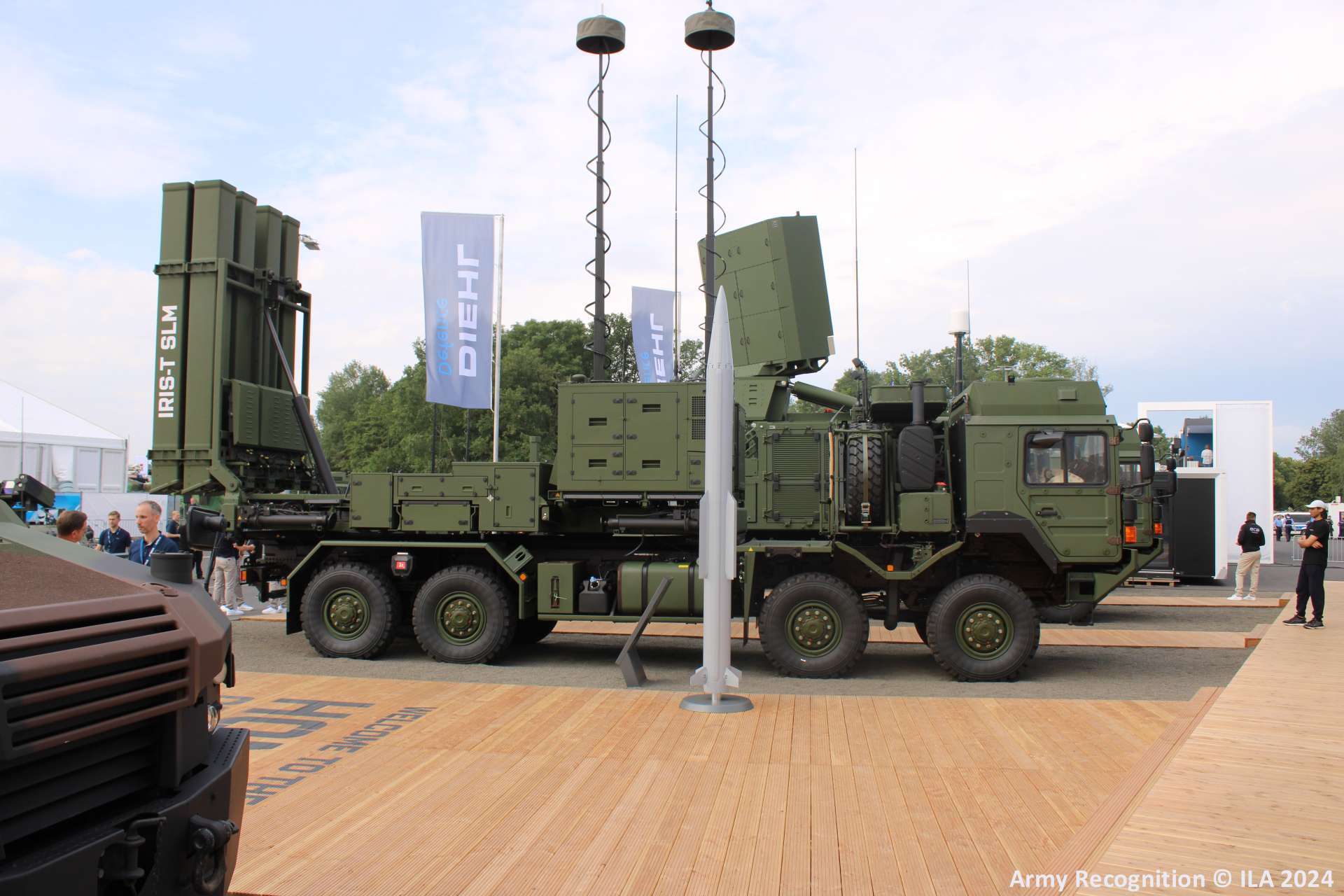
The contract with Diehl Defence also includes options for Bulgaria to acquire additional IRIS-T SLM and SLX units, providing flexibility for further integration with the European Sky Shield Initiative (ESSI). (Picture source: Army Recognition)
Current users of the IRIS-T SLM system include Ukraine, Germany, Egypt, Estonia, Latvia, Lithuania, Austria, and Slovenia. Initially, the German Army planned to procure eight systems, though this was later reduced to six. Like Bulgaria, the German systems will integrate with NATO-standard interfaces as part of the ESSI, complementing other air defense systems such as the MIM-104 Patriot and Arrow 3.
Furthermore, the IRIS-T SLM has been operationally deployed in Ukraine since October 2022, where it has been used to protect infrastructure from aerial attacks. According to the Ukrainian Ministry of Defense, the system has achieved an effectiveness rate of approximately 90%, which led to subsequent deliveries in 2023 and 2024.
The IRIS-T SLM’s development began in 2007 through a multinational initiative led by Diehl Defence, with involvement from Norway, Sweden, Greece, and Italy. Initial unguided test flights occurred in October 2009, followed by successful prototype tests starting in May 2012. By 2022, the system had achieved operational capability. In 2023, Diehl Defence established a training center in Todendorf, Schleswig-Holstein, to facilitate training for international partners on the IRIS-T air defense systems.
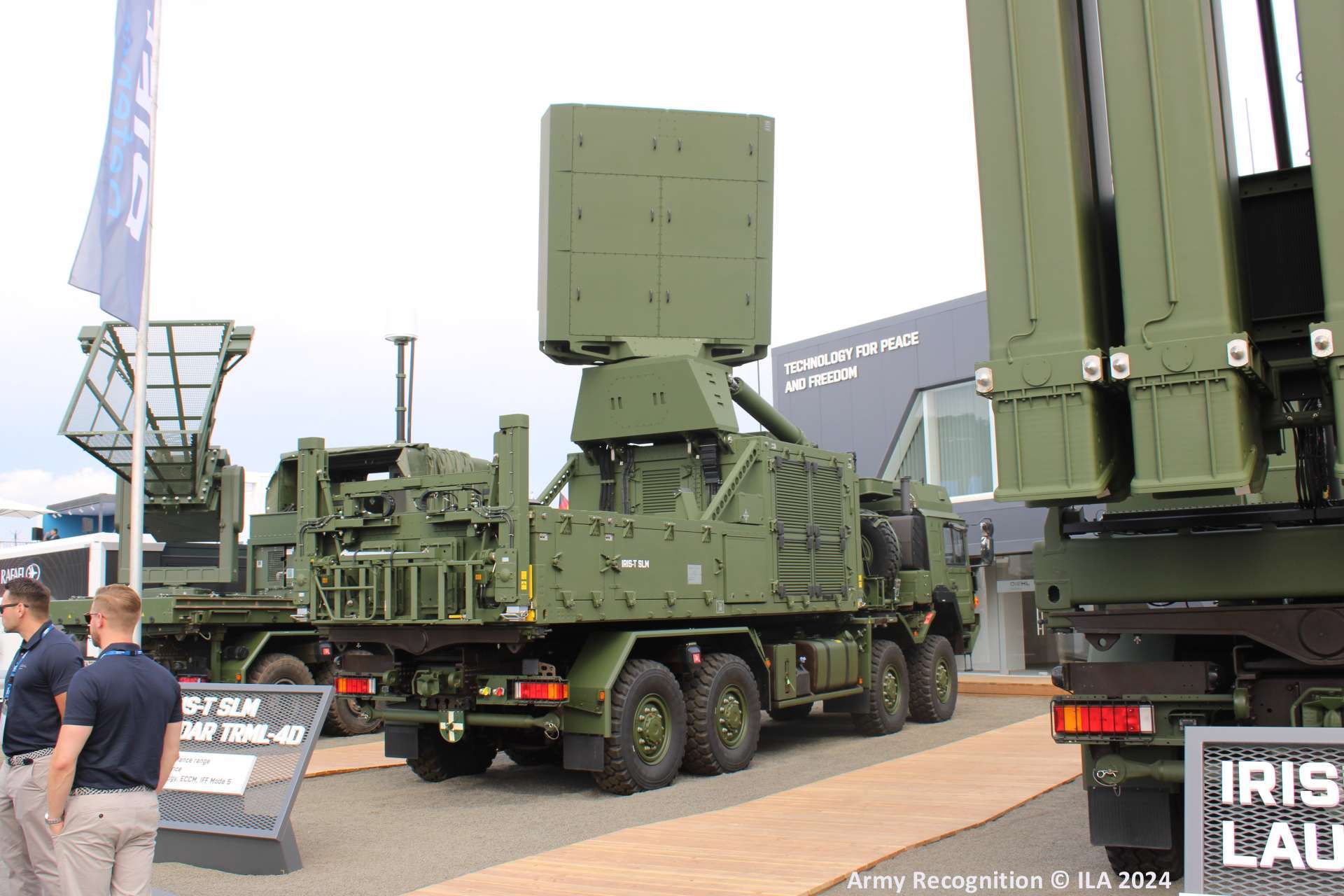
The system’s radar, a TRML-4D multifunction radar from Hensoldt, is equipped with an AESA antenna, allowing it to detect, acquire, and track aerial threats up to a range of 250 km and an altitude of 30 km. (Picture source: Army Recognition)
The IRIS-T SLM is a surface-launched, medium-range missile system designed to intercept various types of aerial threats, including drones, helicopters, aircraft, and cruise missiles. The system includes a radar with a 250 km detection range, three launchers with a total of 24 missiles, and a command post that operates remotely, allowing for rapid deployment with minimal personnel requirements.
The IRIS-T SLM components are modular, mounted on 20-foot ISO container frames, and designed for ease of transport by multiple means, including trucks, ships, trains, and aircraft such as the C-130 and A400M. The Tactical Operations Center (TOC) serves as the control hub, coordinating fire control and integrating with command centers. The system’s radar, a TRML-4D multifunction radar from Hensoldt, is equipped with an Active Electronically Scanned Array (AESA) antenna, allowing it to detect, acquire, and track aerial threats up to a range of 250 km and an altitude of 30 km.
The launchers, each with eight IRIS-T SLM missiles, can be set up and made operational within ten minutes and reloaded in approximately 15 minutes. The missiles are adapted from the air-to-air version of the IRIS-T, with enhancements such as GPS, a two-way data link, and an advanced guidance system to achieve a range of up to 40 km and a maximum altitude of 20 km.
Read more: Bulgaria purchases German IRIS-T SLM air defense system

- Details
- Written by: Administrator
- Category: 2024
- Hits: 6691
South Korea's K2 Black Panther Main Battle Tank demonstrated its formidable combat capabilities during a live demonstration at the KAXEX 2024 defense exhibition in South Korea. The live demo began with the K2 swiftly navigating a simulated battlefield, showcasing its advanced hydropneumatic suspension system that allows for adjustable ground clearance and exceptional maneuverability over diverse terrains. The tank then engaged in a series of combat exercises designed to highlight its offensive and defensive prowess.
Follow Army Recognition on Google News at this link
K2 Main Battle Tank showcasing its advanced hydropneumatic suspension during a live demo at KAXEX 2024. (Picture source: Army Recognition Group)
The KAXEX 2024 exhibition serves as a premier platform for showcasing advancements in defense technology. This year's event features live demonstrations, interactive displays, and seminars focusing on the future of military operations. The K2's live combat demo was a highlight, drawing significant attention from potential international buyers and defense partners.
The K2 Black Panther is one of the world's most advanced and latest-generation main battle tanks, designed to replace older models and strengthen South Korea’s armored forces. Equipped with cutting-edge technology, it features a 120mm smoothbore gun with an autoloader, advanced fire control systems, and programmable ammunition, allowing for high precision and rapid fire in diverse combat situations. Its exceptional mobility is enabled by a hydropneumatic suspension system, which adjusts for various terrains, and its power is provided by a 1,500-horsepower engine, ensuring speed and agility on the battlefield.
The K2 Black Panther is equipped with an advanced modular composite armor system that offers superior protection against various battlefield threats. Its composite armor is designed to resist both kinetic energy projectiles, such as armor-piercing rounds, and chemical energy threats, including high-explosive anti-tank (HEAT) warheads. The modular design allows for damaged armor sections to be easily replaced, enhancing battlefield survivability and maintenance efficiency.
In addition to its composite armor, the K2 also features an Explosive Reactive Armor (ERA) system, further boosting its protection against anti-tank guided missiles and rocket-propelled grenades. The composite and reactive armor combination gives the K2 a multi-layered defense, making it highly resistant to modern anti-armor weapons. This robust protection ensures that the K2 remains a formidable presence on the battlefield, offering a balance of offensive capability and defensive resilience.
Hyundai Rotem, the manufacturer of the K2, hinted at ongoing developments to further enhance the tank's capabilities, including integrating unmanned systems and artificial intelligence for improved battlefield awareness and decision-making. Plans for an enhanced version include integrating advanced Active Protection Systems (APS) to provide even greater defense against guided missiles and rocket attacks, potentially using laser and radar-guided interceptors. Additionally, upgrades to the tank’s powertrain, including a more efficient engine and transmission system, are expected to improve its mobility and operational range. Enhanced networking and sensor systems are also being considered, enabling the tank to operate more effectively in a network-centric warfare environment, sharing real-time data with other units on the battlefield. Furthermore, the integration of artificial intelligence (AI) for automatic target detection and improved decision-making in complex combat situations is a key focus in the K2's future development, pushing the boundaries of what a main battle tank can achieve in the coming decades.
The K2 Black Panther has achieved significant success in the international market, with its first major export deal secured with Poland in 2022. Under this contract, Poland has committed to purchasing hundreds of K2 tanks and plans for local production, marking one of South Korea’s most significant defense exports. This deal highlights the K2’s appeal as a modern and highly capable main battle tank, offering an attractive combination of advanced technology, mobility, and firepower. The tank's adaptability to different terrains and climates has made it an appealing option for countries looking to modernize their armored forces.
Looking ahead, other nations are expressing interest in acquiring the K2, with countries in the Middle East and Europe being potential future customers. South Korea is actively engaging in negotiations with these nations, promoting the K2 as a cost-effective and high-performance alternative to other leading Western tanks. Future export versions may include customizations to meet the specific operational needs of each buyer, further enhancing the tank's global appeal and securing its position as a key player in the international arms market.
- Details
- Written by: Triffaux
- Category: 2024
- Hits: 21863
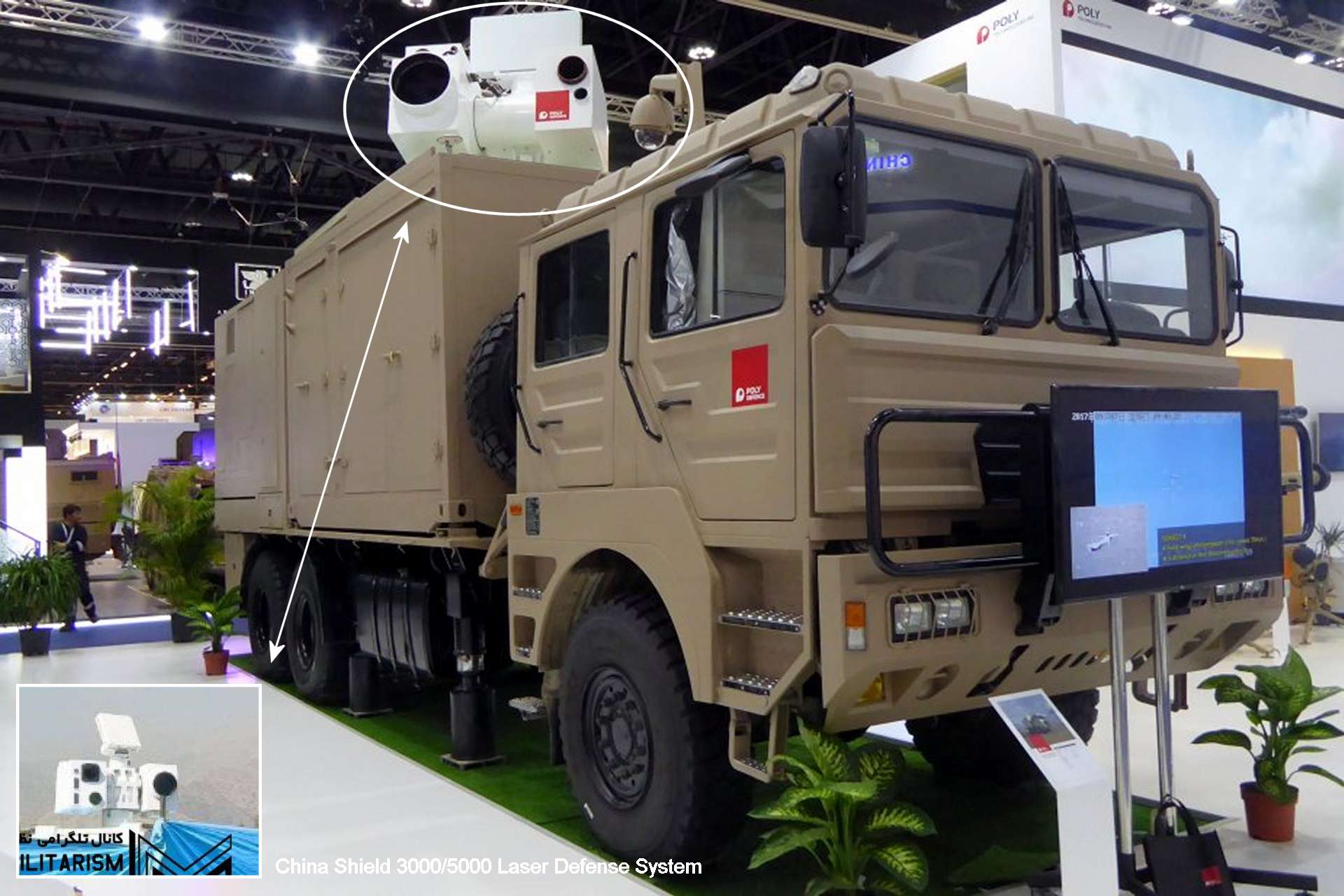
Iran appears to be equipped with a new advanced laser defense system, according to a picture posted on the X account of Mehdi H on October 4, 2024. Initial analyses suggest that this laser system could be the China-made Shen Nung (Divine Farmer) Shield 3000/5000 Laser Defense System, also known as the 'Silent Hunter.' This sighting indicates that Iran may have acquired this state-of-the-art technology to enhance its defensive capabilities against low-altitude threats.
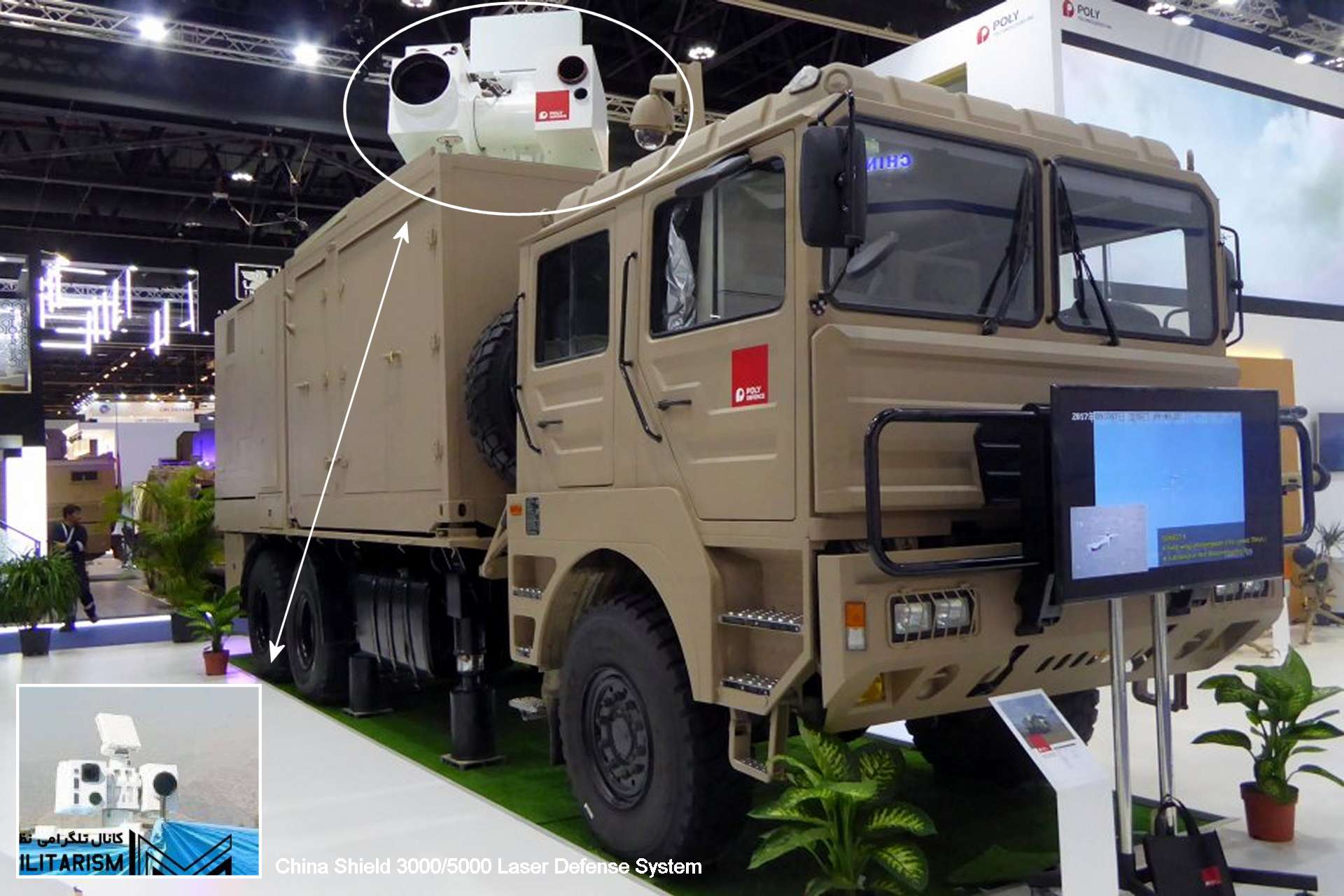
Iran appears to be utilizing the Chinese Shen Nung Shield 3000/5000 Laser Defense System to counter aerial threats (Picture source: China Defence)
The system spotted is a Low-Altitude Laser Defense System (LASS), characterized by its ability to target and neutralize unmanned aerial vehicles (UAVs) and other low-flying objects. The "Silent Hunter" variant is an electrically powered, fiber-optic laser weapon system developed by China. It boasts a power output ranging between 30 and 100 kilowatts, allowing it to effectively engage targets at various ranges and altitudes.
One of the remarkable features of the Silent Hunter is its maximum operational range of 4 kilometers. At a distance of 800 meters, it is capable of penetrating 10 millimeters of steel, demonstrating its potency against armored targets. This capability makes it a significant asset for countering drone swarms and protecting critical infrastructure from aerial threats.
Recent defense ties between Iran and China reflect a deepening strategic partnership, underscored by a comprehensive 25-year cooperation agreement signed in 2021. This deal, intended to boost Iran's military and technological capacities, includes joint military training, intelligence sharing, and potentially significant arms transfers. The agreement allows China to use Iranian air and naval facilities, especially in the Persian Gulf, which strengthens both nations’ positions in the region amid shifting geopolitical alliances. China’s defense collaborations have included technology transfers and training aimed at enhancing Iran’s anti-access and area-denial capabilities, especially against aerial and maritime threats.
As part of this partnership, Iran may gain access to advanced Chinese weaponry, including anti-drone systems and missile technologies. This defense alliance positions both countries as strategic counterweights to U.S. influence in the Middle East. China’s “Silent Hunter” laser defense system, recently spotted in Tehran, exemplifies the possible arms transfers that support Iran’s defensive infrastructure against low-altitude aerial threats, marking a significant step forward in bilateral military collaboration.
Armed forces find laser systems highly effective against drone threats due to their precision, speed, and low operational costs. Lasers can disable or destroy drones almost instantly by targeting their sensors or structural components, making them ideal for countering swarms of small, low-flying UAVs. These systems also offer scalability in power output, allowing forces to adjust energy levels based on the target type, which is cost-efficient compared to traditional interceptive munitions. Additionally, laser systems generate minimal collateral damage and can operate continuously as long as there is sufficient power, making them reliable assets in defending sensitive locations.
Several armed forces worldwide are advancing laser weapon systems to counter the growing threat of drones and other aerial targets. The U.S. military, for example, is developing the High Energy Laser Weapons System (HELWS) to neutralize UAVs and rockets, with tests showing promising results in both mobile and stationary defense settings. Similarly, Israel's "Iron Beam" is a high-powered laser system designed to intercept drones, mortars, and missiles at close range, supplementing the Iron Dome missile defense system. In Europe, Germany has tested its own laser systems within the Bundeswehr for similar drone defense applications. These developments aim to provide a cost-effective, precise, and responsive defense solution as drone threats evolve in complexity and scale.
The introduction of such a system into Iran's arsenal could have substantial implications for regional security dynamics. It indicates a potential deepening of military cooperation between Iran and China, aligning with both nations' strategic interests. Furthermore, it enhances Iran's ability to defend its airspace against increasingly sophisticated drone incursions, which have become a common feature in modern asymmetrical warfare.
- Details
- Written by: Halna du Fretay
- Category: 2024
- Hits: 4445
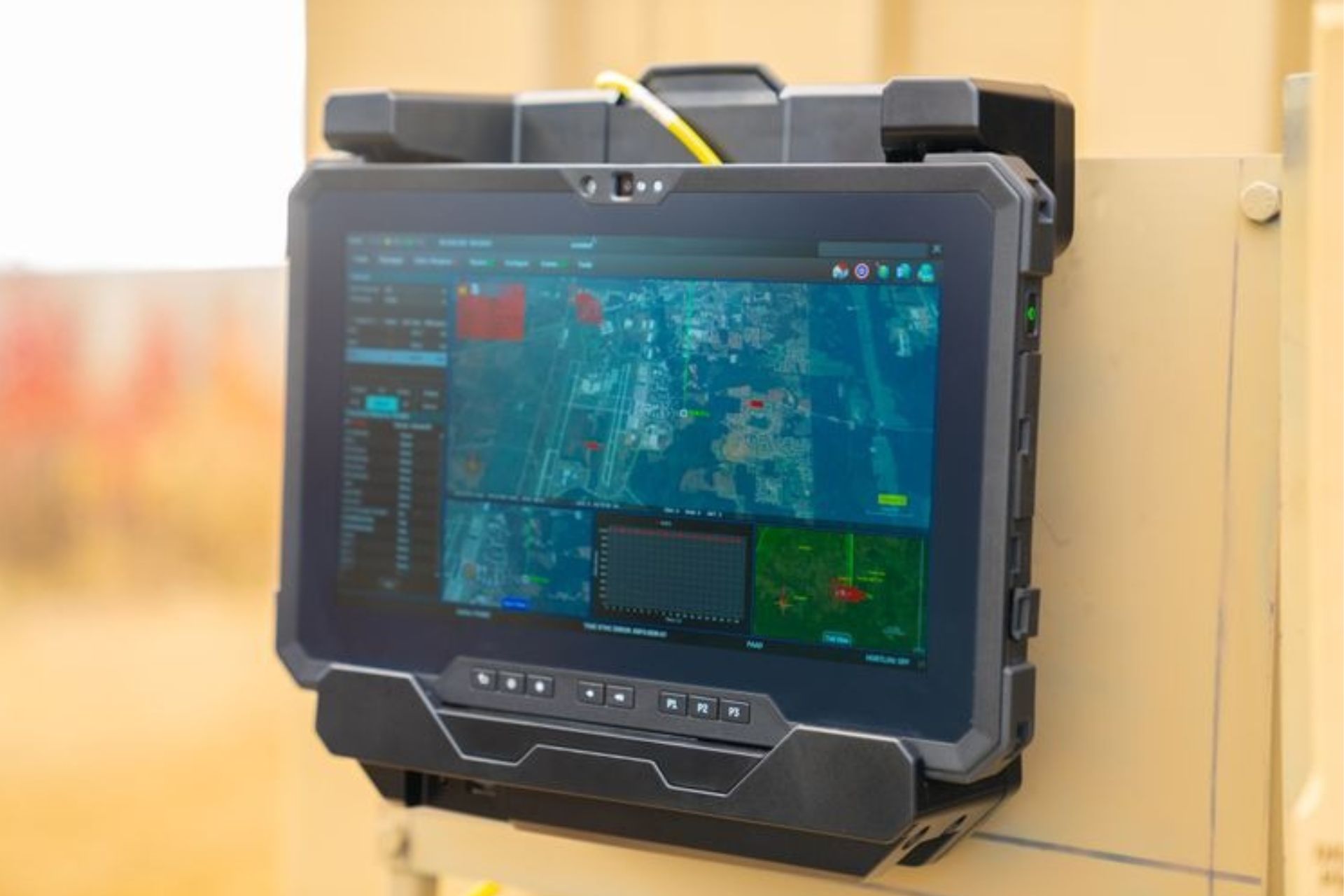
On October 7, 2024, Northrop Grumman Corporation announced an advancement in drone defense by integrating artificial intelligence (AI) into its Forward Area Air Defense (FAAD) command-and-control system. This new AI-driven feature, known as the Advanced Battle Manager (ABM), enables armed forces to make real-time decisions when facing increasingly complex threats, especially within counter-unmanned aerial systems (C-UAS) missions.
The Forward Area Air Defense Command and Control (FAAD) system integrates short-range air defense, counter-rocket, artillery, and mortar capabilities, along with counter-unmanned aerial systems missions (Picture source: Northrop Grumman)
Tested successfully in the spring and summer at Yuma Proving Grounds in Arizona, this enhancement is designed to simplify operations in high-intensity scenarios, solidifying FAAD's role as a core component in air defense for U.S. forces and allied partners.
With the Advanced Battle Manager, military personnel can now make critical engagement decisions with a single click on a mobile tablet, significantly enhancing operational flexibility in the field. The AI system analyzes data from multiple sensors and instantly generates optimized weapon-target pairings, enabling more effective engagements against aerial threats, including drone swarms. Utilizing years of live-fire data, the ABM develops engagement plans in less than a quarter of a second, a crucial speed for managing multiple and simultaneous threats.
Widely adopted by the U.S. Army and allied forces, FAAD is designed for multi-domain integration, covering short-range air defense, counter-rocket, artillery, mortar missions, and drone defense. Its open-architecture framework supports the addition of new weapon types and sensors, enhancing adaptability as threats evolve. This ensures that FAAD remains an adaptable solution for dynamic combat environments.
Beyond real-time data processing, the ABM also continuously monitors the battlespace, recalibrating engagement plans as necessary. This rapid and large-scale data processing capability allows for precise coordination, reducing the risk of friendly fire—a priority in operations involving allied forces.
Kenneth Todorov, Northrop Grumman vice president and former missile defense expert for the U.S. Air Force, highlighted the importance of this AI advancement in managing complex, evolving threats. He noted that this AI-driven enhancement creates a streamlined engagement plan, allowing service members to respond swiftly and decisively. The collaboration between Northrop Grumman and the U.S. Army reflects a shared commitment to ensuring that FAAD remains at the forefront of C-UAS technology, delivering coordinated, real-time defense capabilities against emerging threats.
The FAAD system also supports interoperability within the U.S. Armed Forces and allied military networks, equipped with cyber certifications to enhance critical data security. It provides a unique integrated aerial picture, facilitating airspace coordination, deconfliction, and multi-domain fire control. Its modular design supports rapid, cost-effective updates, adapting to evolving threats. FAAD also offers deployment flexibility, suited to areas with limited communication infrastructure and capable of providing support in both secured support areas and high-mobility zones.
Now a cornerstone in air defense for the U.S. Army’s fixed-site and maneuvering forces, FAAD’s reach has expanded worldwide. As Northrop Grumman continues to advance air defense technology, the FAAD and its Advanced Battle Manager remain essential tools for modern aerial threat management, integrating AI advancements for optimized protection.
Read more: Northrop Grumman Integrates AI into FAAD Command System to Strengthen Drone Defense
- Details
- Written by: Triffaux
- Category: 2024
- Hits: 12778
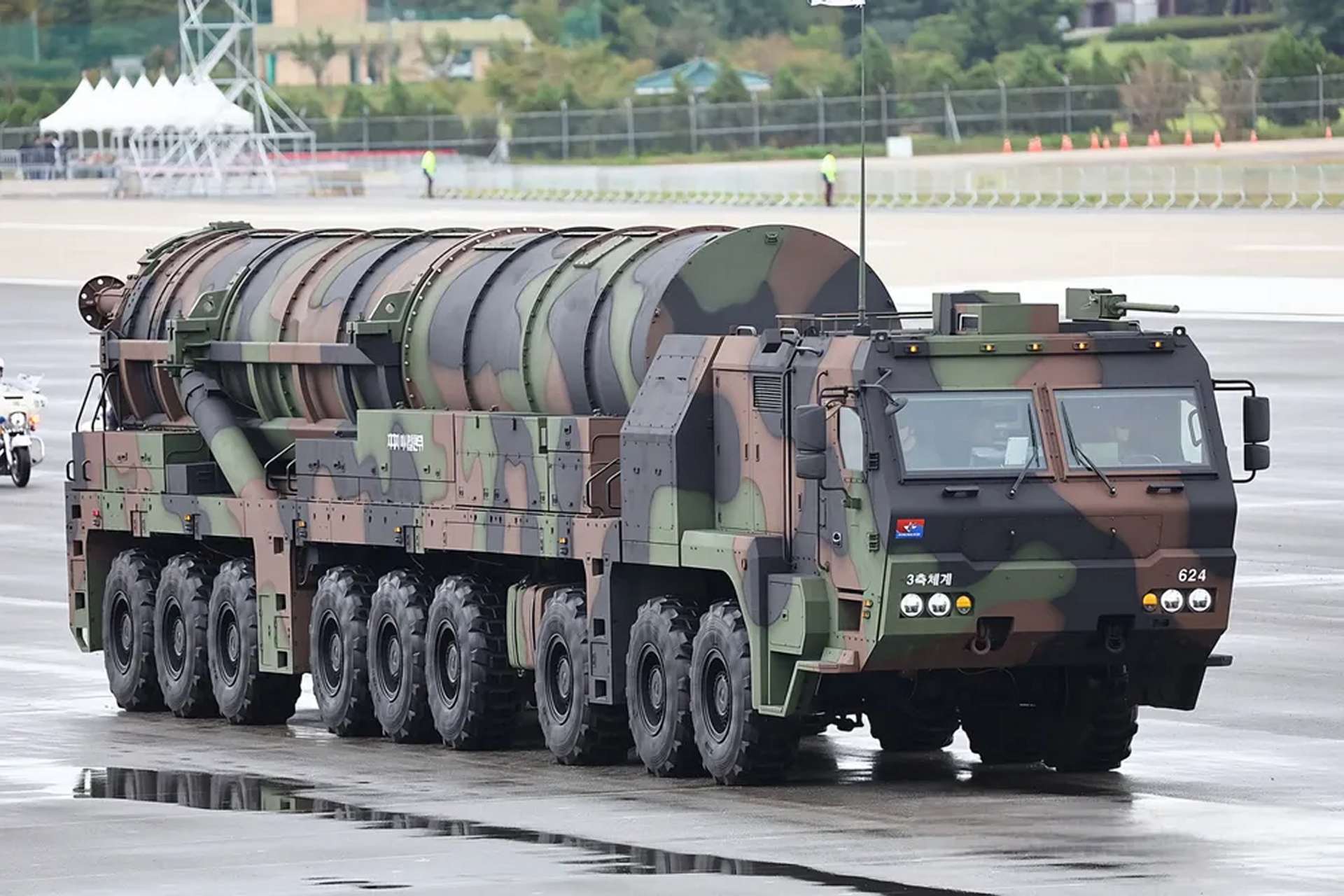
South Korea displays for the first time its new ballistic missile, the Hyunmoo-5, during a ceremony commemorating the 76th anniversary of the country's armed forces. It is considered the most powerful ballistic missile in the world, specifically designed to destroy fortified and underground targets.
Follow Army Recognition on Google News at this link
South Korea's powerful Hyunmoo-5 ballistic missile makes its debut in a military parade, showcasing its advanced capabilities to target fortified underground facilities. (Picture source: Namuwiki)
South Korea has developed an advanced ballistic missile arsenal designed to enhance its defense capabilities amid regional threats. At the core of this arsenal is the Hyunmoo series, which has seen significant advancements in range, payload, and accuracy over the years. The latest model, the Hyunmoo-5, is one of the world’s most formidable non-nuclear ballistic missiles. It can carry an impressive 9-ton conventional warhead capable of targeting and destroying heavily fortified underground facilities, which are common in adversary regions. The Hyunmoo-5’s deployment capability on a massive nine-axle TEL vehicle further emphasizes its mobility and strategic flexibility, allowing South Korea to launch from multiple locations with minimal preparation.
In addition to the Hyunmoo-5, South Korea is developing other ballistic and cruise missiles with extended ranges, some reaching over 800 kilometers. These advancements support South Korea's "three-axis" defense strategy, which includes Kill Chain (preemptive strike), Korean Air and Missile Defense (KAMD), and Korea Massive Punishment and Retaliation (KMPR). The focus on a mix of ballistic and precision-guided missiles reflects Seoul’s commitment to maintaining a powerful deterrent against regional threats, particularly as North Korea continues to expand its own missile capabilities. With its ever-evolving missile program, South Korea aims to strengthen its ability to counter and neutralize potential threats swiftly and decisively.
The development of the Hyunmoo-5 began as part of South Korea’s response to growing regional security threats, particularly from North Korea's expanding missile and nuclear programs. Initiated in the late 2010s, the program aimed to produce a highly advanced conventional ballistic missile capable of countering fortified underground targets. The Hyunmoo-5 officially entered service in 2023, following rigorous testing phases that ensured its effectiveness in both range and payload capacity. This new addition to South Korea’s arsenal underscores the country’s commitment to maintaining a credible deterrent and enhancing its strategic strike capabilities.
The Hyunmoo-5 stands out in South Korea’s missile arsenal for its powerful warhead and extended range, designed specifically to counter heavily fortified underground targets. It carries a substantial conventional warhead, reportedly weighing up to 9 tons, which allows it to deliver a high-impact strike capable of penetrating deep into bunkers and command centers. This makes it one of the heaviest non-nuclear warheads currently deployed, capable of causing significant structural damage to hardened facilities. This impressive warhead capability provides South Korea with a powerful tool for targeting critical military infrastructure within the region.
In terms of range and guidance, the Hyunmoo-5 boasts an operational range of approximately 3,000 kilometers, giving it extensive reach over strategic targets in Northeast Asia. The missile is equipped with advanced guidance and navigation systems, ensuring high accuracy even at its extended ranges. Utilizing modernized inertial and satellite guidance systems, the Hyunmoo-5 maintains precise targeting abilities, essential for missions involving fortified, high-value targets. This combination of long range, substantial payload, and precision makes the Hyunmoo-5 a crucial asset in South Korea's defensive and deterrent capabilities.
The development of the Hyunmoo-5 is strategically significant for South Korea, primarily due to the escalating threat from North Korea’s advanced missile and nuclear capabilities. North Korea has continued to build an extensive arsenal of ballistic missiles and has constructed numerous fortified underground facilities to protect critical military assets, including missile launch sites and command centers. These installations are designed to withstand conventional strikes, making it essential for South Korea to have a weapon like the Hyunmoo-5, which is capable of targeting and destroying such hardened structures. By possessing a missile with a high payload and deep-penetration capabilities, South Korea reinforces its ability to deter or respond to potential aggression effectively.
Furthermore, the Hyunmoo-5 serves as a cornerstone in South Korea’s “three-axis” defense strategy, particularly within the Korea Massive Punishment and Retaliation (KMPR) component. KMPR focuses on the ability to deliver precise, high-impact retaliatory strikes against key North Korean targets in the event of an attack. The extended range and precision of the Hyunmoo-5 enable South Korea to counter North Korea’s nuclear threats with a powerful conventional deterrent, enhancing both its defense posture and regional stability by demonstrating its capacity to respond decisively to provocations.

- Details
- Written by: Halna du Fretay
- Category: 2024
- Hits: 4389
On October 6, 2024, during a combined high-altitude combat exercise, the Chinese People's Liberation Army (PLA) unveiled upgraded Type 15 tanks equipped with anti-drone cages for the first time. Conducted within the PLA's Western Theater Command, this exercise took place at approximately 5,300 meters altitude. It demonstrated the army's efforts to counter the rising threat of drones, particularly first-person view (FPV) drones used in offensive operations.
The addition of anti-drone cages, or “cope cages,” represents China’s adaptation to the increasing prevalence of aerial threats targeting armored vehicles (Picture source: CCTV)
The Type 15, also known as the VT5 or ZTQ-15, is a lightweight tank developed by China’s defense corporation NORINCO and was first introduced to the public at the Zhuhai AirShow in 2016. Weighing between 33 and 36 tons depending on armor configuration, the Type 15 is optimized for high mobility, enabling deployment in mountainous or rugged terrains inaccessible to heavier main battle tanks such as the 50-ton ZTZ99. Powered by a 1,000-horsepower diesel engine, the Type 15 reaches a top speed of 70 km/h on roads and has an operational range of 450 km. Its armament includes a 105mm cannon with an automatic loader, capable of firing armor-piercing rounds and anti-tank missiles with a range of up to 5,000 meters. Additionally, it is fitted with a remote weapon station featuring a 12.7mm machine gun and a 40mm automatic grenade launcher, with a total capacity of 38 rounds.
Constructed with welded steel armor, the Type 15 offers protection against small arms fire and shell splinters. For enhanced resilience, it can be fitted with composite and explosive reactive armor (ERA). During its initial presentation at AirShow China, the VT5 model showcased additional slat armor on the turret sides and hull, providing defense against rocket-propelled grenades and anti-tank missiles. Standard features also include CBRN protection, a computerized firing system, and satellite communications for improved battlefield awareness.
The addition of anti-drone cages, or “cope cages,” represents China’s adaptation to the increasing prevalence of aerial threats targeting armored vehicles. These installations, publicly shared by military observer Jesús Roman, indicate a direct response to the realities of modern warfare, where drones are frequently used to engage armored units. The PLA appears to draw on experiences from Russia’s use of drones in the Ukraine conflict, where drones have inflicted significant damage on armored vehicles. This approach aligns with a global trend of enhancing armored vehicle defenses against airborne threats as drone technology becomes a common battlefield asset.
The anti-drone cages, initially perceived as improvised defenses, have become standard protective measures across military forces worldwide, offering a significant advantage by deflecting drone strikes and mitigating potential damage from FPV drone attacks. For China, incorporating these defenses on the Type 15 signals a strategic shift in addressing emerging threats. The tank’s design—lightweight and mobile, suitable for high altitudes and dense forests—makes it particularly effective in diverse terrains, bolstering the Chinese army’s resilience against aerial attacks.
Meanwhile, India faces growing challenges in defending its positions along the China-Pakistan border, especially in the elevated regions of Kashmir. Tensions with China in these mountainous areas prompt New Delhi to reassess its strategies and bolster its military capabilities against an increasingly assertive Chinese force. This need for strategic modernization is mirrored by other nations, such as Japan, where China’s advancing military capabilities necessitate strengthened deterrence measures.
Read more: China Adapts to New Battlefield Threats by Equipping Type 15 Tanks with Anti-Drone Cages
- Details
- Written by: Vandenbosch
- Category: 2024
- Hits: 4610
On October 8, 2024, Rheinmetall, a leader in combat tank armament, was commissioned to provide qualification samples of its advanced 120mm KE 2020 Neo ammunition to the Bundeswehr and the British Army. This joint project marks a major advance in Rheinmetall's efforts to counter modern protection technologies with state-of-the-art ammunition.
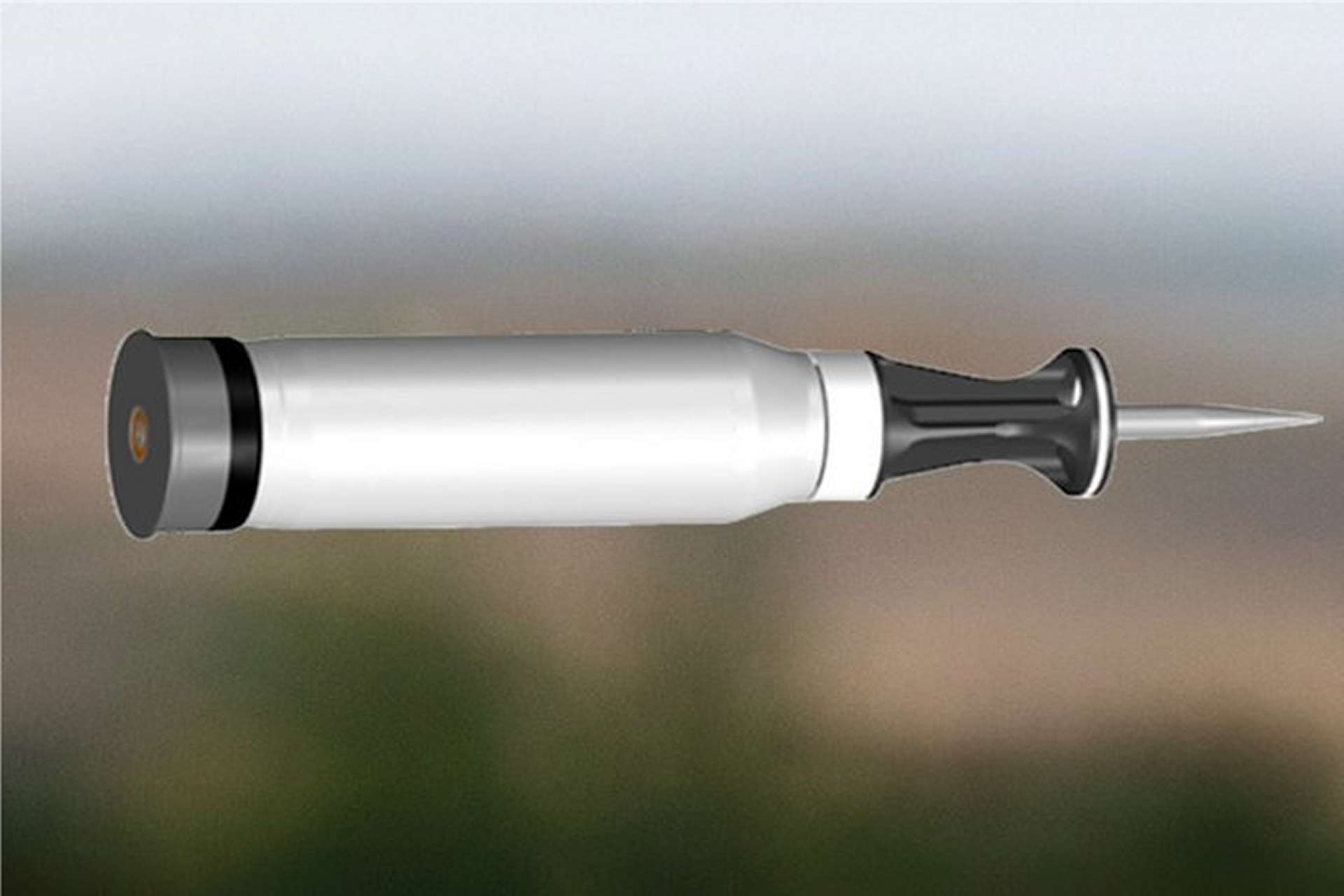
The KE2020 Neos is a 120mm x 570mm round incorporating a high-strength tungsten penetrator. (Picture source: Rheinmetall)
The KE2020 Neo, also known as Enhanced Kinetic Energy (eKE) ammunition, represents the latest innovation in Rheinmetall's kinetic energy (KE) ammunition series. Leveraging decades of expertise, this 120mm x 570 ammunition integrates a high-strength tungsten penetrator, designed to overcome the latest protection systems with increased penetration capability.
Rheinmetall’s KE projectile series has significantly evolved since the initial DM13 model. It was followed by the DM23 in the 1980s, then the DM33, and later enhanced versions such as the DM53 and DM63, developed to meet the needs of the upgraded Leopard 2 A6 tank. Currently, the DM73 is the most advanced ammunition in the series, deployed by the Bundeswehr with the L55A1 high-pressure gun. Notably, the DM63 version has been updated to comply with the EU’s REACh regulations, thus meeting European environmental standards.
The official qualification contract, signed in September 2020 between Germany's Federal Office for Bundeswehr Equipment, Information Technology, and In-Service Support (BAAINBw) and Rheinmetall Waffe Munition GmbH, underscores Rheinmetall’s leading position in smoothbore and tank armament technology. Rheinmetall's 120mm smoothbore technology, including the Rh120 guns and its ammunition family, has become the NATO standard for main battle tanks, such as the Leopard 2 and the M1 Abrams, and is being integrated into the Challenger 3 tank, enhancing its combat capability.
Beyond qualification ammunition, the collaboration between Rheinmetall, Germany, and the UK progresses toward a modernization of tank ammunition across NATO forces. This partnership, including the British Army’s Challenger 3 and Germany's Leopard 2 platforms, aims to standardize ammunition types among NATO members, enhancing interoperability. This agreement not only solidifies Rheinmetall’s position in tank armament technology but also opens the door to future collaborations with other NATO allies, creating important export opportunities for Rheinmetall and its UK partners.
The new KE 2020 Neo rounds will also support the Challenger 3 modernization program, where a smoothbore gun will replace the rifled cannon of the Challenger 2. This change aligns the British tank with NATO-standard configurations, with full operational capability expected by 2030, and the ammunition scheduled to be ready by that time.
Read more: Rheinmetall Supplies New Generation of Tank Ammunition for German and British Armies
- Details
- Written by: Jérôme Brahy
- Category: 2024
- Hits: 5605
On October 7, 2024, the U.S. State Department approved a potential Foreign Military Sale to Romania involving Sentinel Radar Systems, valued at approximately $110 million. The Defense Security Cooperation Agency submitted the required certification to Congress for this sale, which includes four AN/MPQ-64 F1 Sentinel radar systems and various support components and services intended to enhance Romania's air surveillance capabilities as part of the NASAMS air defense system.
Follow Army Recognition on Google News at this link
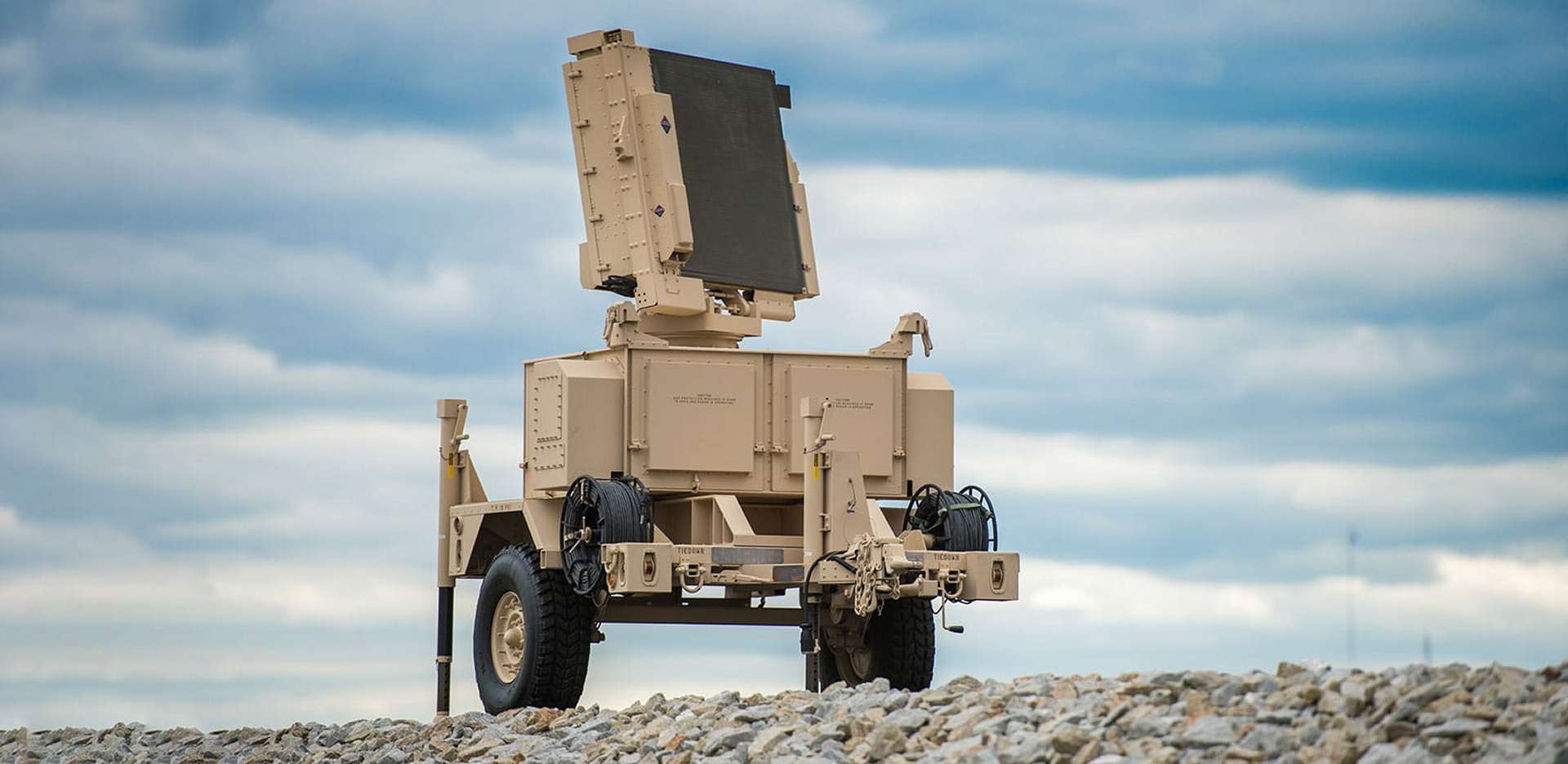
The AN/MPQ-64 F1 Sentinel radar, produced by Raytheon, is a mobile, X-band, pulse Doppler radar that offers 360-degree coverage, target tracking, and identification with an acquisition range of up to 120 kilometers. (Picture source: Raytheon)
Romania’s request includes multiple non-Major Defense Equipment (non-MDE) items, such as IPS 250X High Assurance Internet Protocol Encryptors, KIV-77 Identification Friend-or-Foe (IFF) crypto appliqué with Mode 5 and Mode S capability, AN/PSN-13 Defense Advanced GPS Receivers with Selective Availability Anti-Spoofing Modules (SAASM), and AN/PYQ-10 Simple Key Loaders. Additional elements cover classified software, command and control (C2) systems, communications and data supply systems, prime movers, equipment for repairs, and logistical support. The estimated package also encompasses spare parts, consumables, repair and return support, publications, technical documentation, training, and other associated logistics support, which will be provided by U.S. government personnel and contractors.
The AN/MPQ-64 F1 Sentinel radar, produced by Raytheon, is a mobile, X-band, pulse Doppler radar that offers 360-degree coverage, target tracking, and identification with an acquisition range of up to 120 kilometers. The system’s narrow “pencil beam” technology provides high-resolution, three-dimensional tracking data, compatible with NASAMS operations. This radar can track over 60 targets simultaneously while maintaining the ability to scan for new ones, which facilitates comprehensive situational awareness. Additionally, the radar incorporates an IFF system, helping reduce the likelihood of misidentification.
Some features of the Sentinel radar include its Electronic Counter-Countermeasures (ECCM) and a broad surveillance and tracking volume. It requires minimal personnel to operate, and its design allows for rapid deployment. With an approximate weight of 1,800 kilograms, the radar can be transported by terrain vehicles, helicopters, or installed on rooftops for extended range.
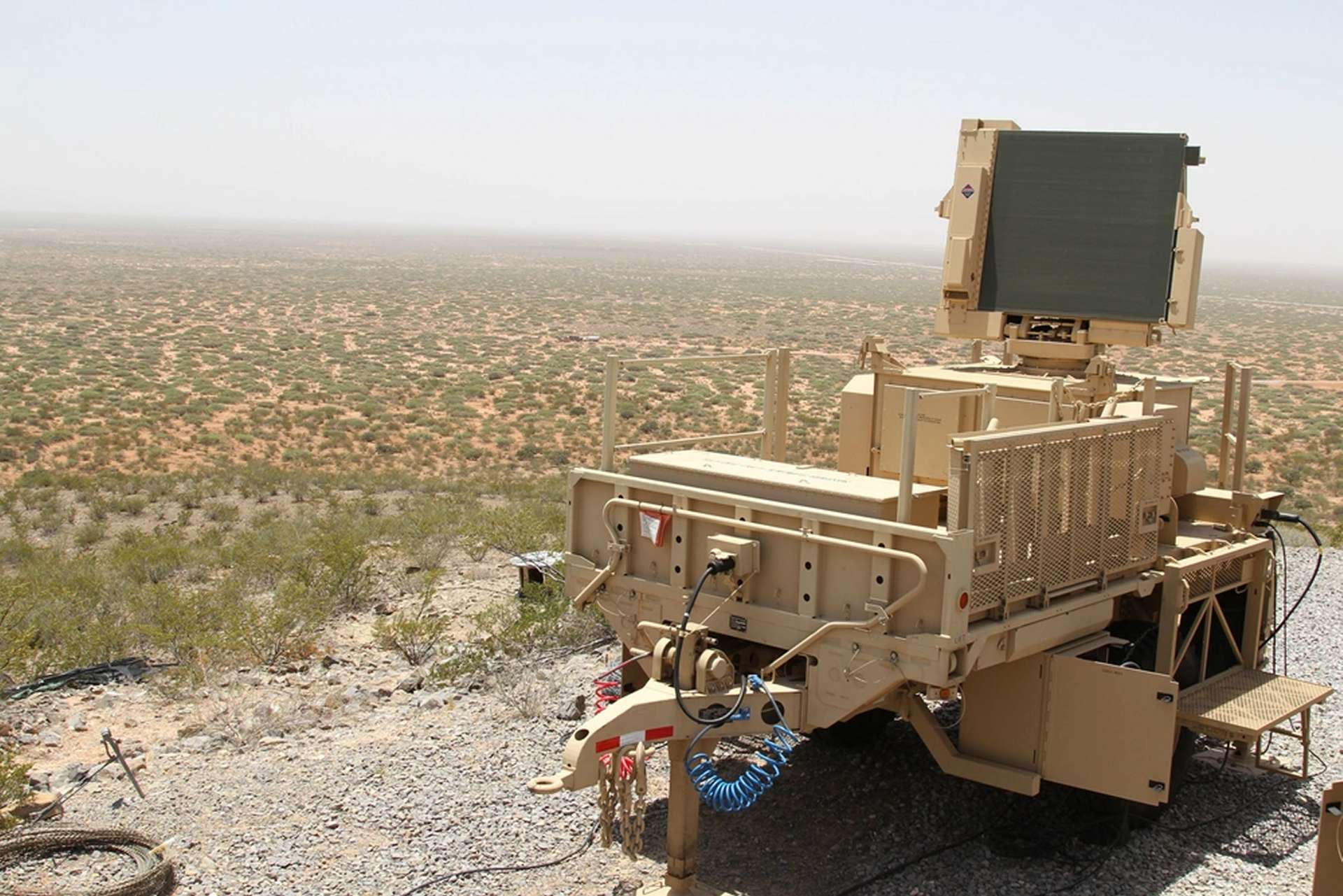
With an approximate weight of 1,800 kilograms, the AN/MPQ-64 Sentinel radar can be transported by terrain vehicles, helicopters, or installed on rooftops for extended range. (Picture source: US DoD)
As an updated model within the NASAMS 2 system, the AN/MPQ-64 F1 provides modernization through commercial off-the-shelf (COTS) electronics, increasing detection range and enhancing the ability to track aerial threats such as subsonic cruise missiles and UAVs. These upgrades also include new signal processing units with improved analog-to-digital conversion, allowing more accurate radar control. The radar is equipped with an Exciter, a single unit oscillator operating within the X-band frequency, which enables better performance in cluttered environments. The modular transmitter setup supports scalability for increased range and system reliability, while the digital interface permits operator control over antenna functions.
The Sentinel radar system is designed for swift deployment, taking under 15 minutes to set up. It can operate effectively with a two-person crew and integrates smoothly with NASAMS for target data and missile guidance. The radar is mounted on a Mercedes G-Class 4x4 light tactical vehicle capable of speeds up to 138 kilometers per hour and a range of 800 kilometers. The radar’s tracking capabilities are instrumental in guiding systems like the AIM-120 AMRAAM through pre-launch targeting and midcourse updates.
The AN/MPQ-64 Sentinel radar, initially developed for the NASAMS air defense system, entered service in 1995 and has been widely utilized by the U.S. Army and allied forces. It operates on a rotating platform, delivering 360-degree coverage with a scan rate of 30 rotations per minute. The radar offers electronic countermeasure resistance, aiding its deployment with forward air defense units. It can function remotely from other components and transmit data via fiber-optic or radio networks. Through this sale, Romania seeks to enhance its air defense capabilities using a radar system recognized for its adaptable deployment options.
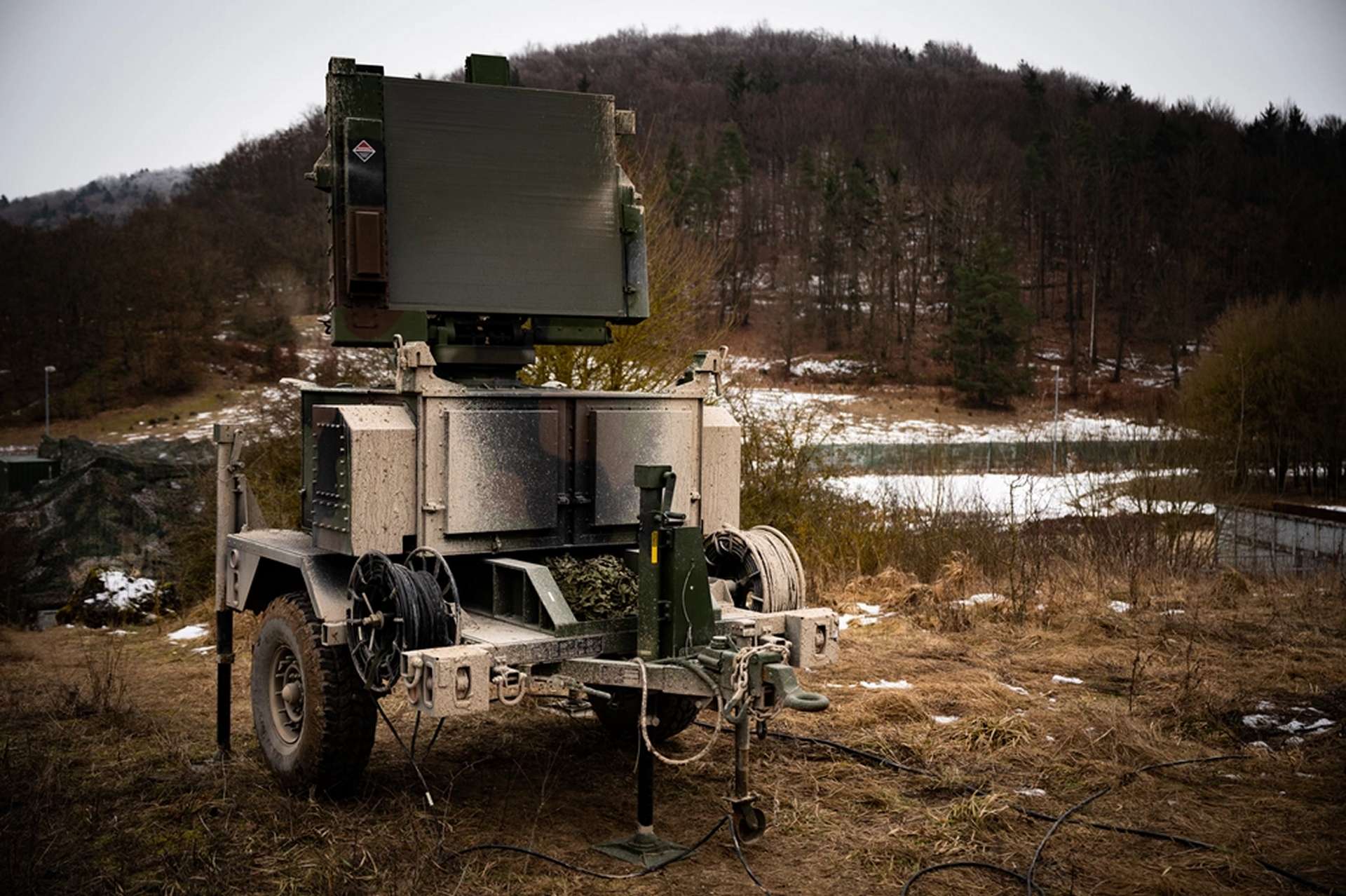
The radar’s tracking capabilities are instrumental in guiding systems like the AIM-120 AMRAAM through pre-launch targeting and midcourse updates. (Picture source: US DoD)
Read more: Romania to acquire four US Sentinel radars in $110 Million military sale
- Details
- Written by: Vandenbosch
- Category: 2024
- Hits: 5706
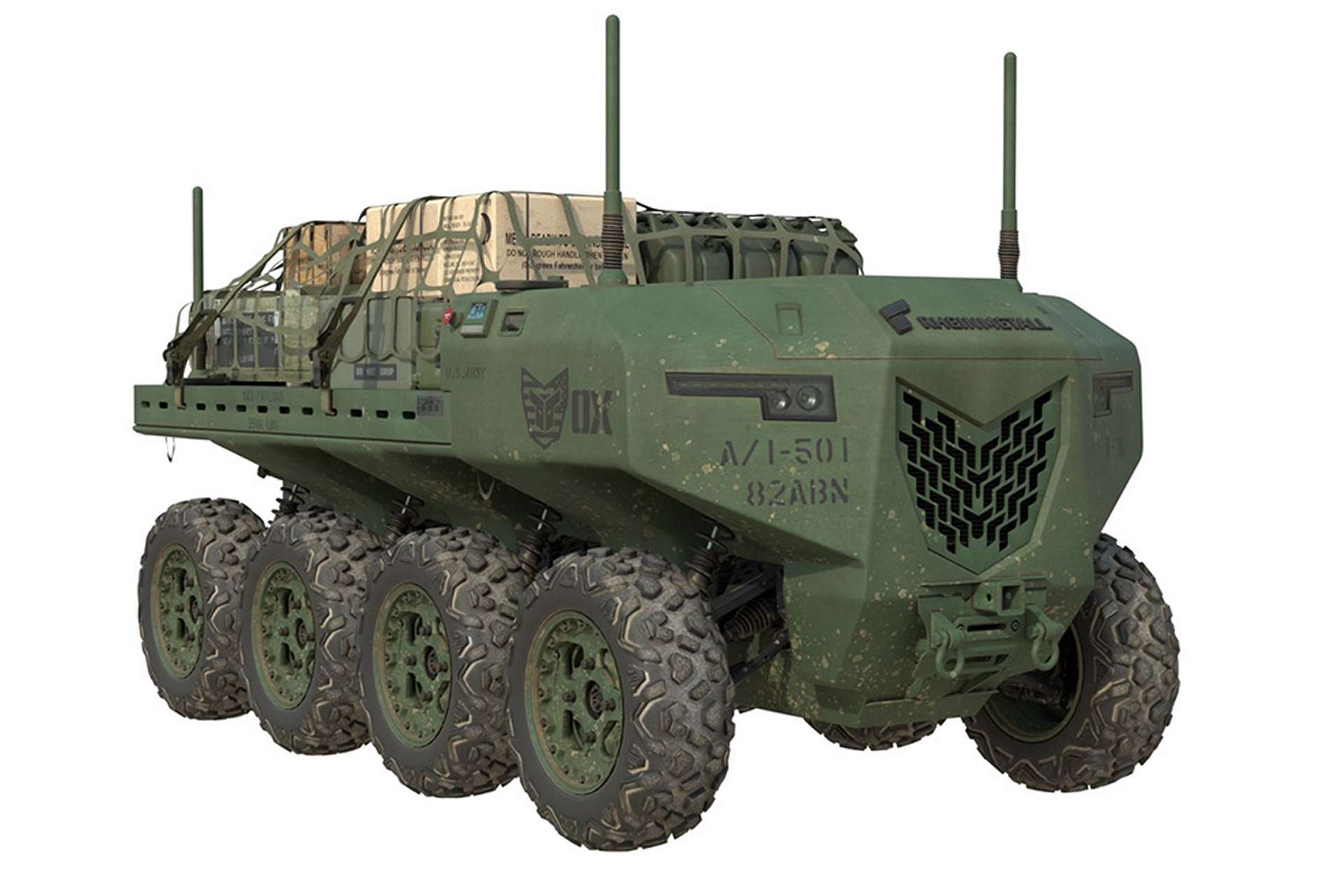
American Rheinmetall Vehicles, based in Sterling Heights, Michigan, has secured a key contract under the US Army’s Small Multi-Purpose Equipment Transport (S-MET) program. This announcement was made by the German company on October 7, 2024.
Rheinmetall to provide the US Army with autonomous ground vehicles. (Picture source: Rheinmetall)
This victory positions Rheinmetall, alongside Textron Systems, among the two suppliers selected to provide the US Army with autonomous ground vehicles (UGVs) that enhance tactical support capabilities. American Rheinmetall Vehicles' S-MET solution is designed to operate autonomously over difficult terrains, ensuring efficient transport of equipment and supplies during combat operations.
As part of this contract, American Rheinmetall Vehicles will deliver eight prototypes to the Army by 2025 for extensive testing and evaluation. This testing phase will allow the Army to compare this platform with an alternative solution, with the objective of selecting a single model for large-scale production.
Drawing on its experience in autonomous ground vehicles, American Rheinmetall Vehicles has integrated major technological innovations from its Mission Master range into the S-MET platform. The Mission Master family, known for its modular and versatile design, supports various mission types, such as reconnaissance, surveillance, counter-unmanned aerial systems (cUAS), and logistical support. Through these advancements, the S-MET vehicle utilizes components already in the Army’s inventory and commercially mature all-terrain vehicle technologies, ensuring the platform's accessibility, reliability, and electromagnetic compatibility with advanced composite materials and unique structural features.
Jim Schirmer, Senior Vice President and Deputy General Manager of American Rheinmetall Vehicles, emphasized the platform’s value: “American Rheinmetall Vehicles is honored by the Army's selection and excited to deliver our S-MET platform, particularly appealing for its technological excellence, accessibility, and reliability.”
Textron Systems, a key partner in this project, brings decades of experience in autonomous platforms across air, ground, and maritime domains. Known for its RIPSAW® M5 and M3 robotic platforms developed under the Army’s robotic combat vehicle (RCV) programs, Textron Systems is applying advanced control architecture to the S-MET program. This common interface between the RCV and S-MET platforms optimizes operator training, facilitating integration and streamlining autonomous vehicle operations for the Army.
American Rheinmetall Vehicles, part of the broader American Rheinmetall Defense group, is committed to advancing tactical vehicle modernization in the United States. With affiliated divisions such as American Rheinmetall Munitions, American Rheinmetall Systems, and American Rheinmetall Defense, the company aims to strengthen the American industrial base through a networked and multifunctional approach.
Read more: Rheinmetall Wins Major Contract for US Army's S-MET Inc II Program
- Egypt Showcases Armed Forces’ Capabilities in Military Ceremony with UAE Crown Prince
- Appearance of an M1A2T in US Before Upcoming Delivery to Taiwan
- Dutch Army receives 200th Manticore medium tactical vehicle from Iveco Defence Vehicles
- Armenia Eyes South Korea's K2 Main Battle Tank Adapted for Mountainous Terrain