
- Details
- Written by: Halna du Fretay
- Category: 2024
- Hits: 2722










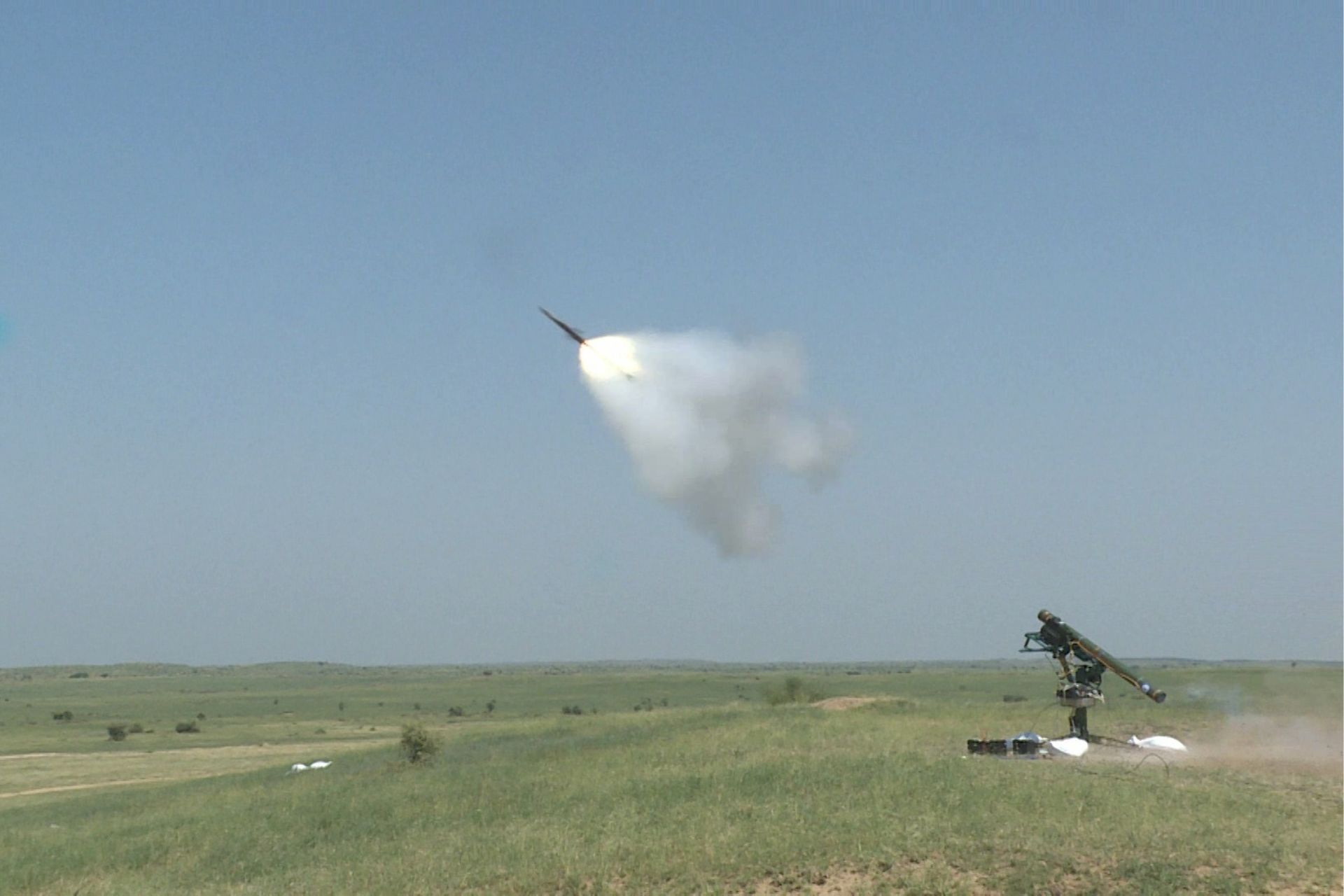
On October 3 and 4, 2024, India’s Defence Research and Development Organisation (DRDO) completed a series of three flight tests for its fourth-generation Very Short-Range Air Defense System (VSHORADS) at the Pokhran Field Firing Range in Rajasthan. This advanced and miniaturized system, designed for short-range air defense, was tested under high-speed aerial threat scenarios, demonstrating a significant capability in portable air defense technology.
VSHORADS, short for "Very Short-Range Air Defense," is an Indian-developed system intended to counter nearby aerial threats (Picture source: DRDO)
VSHORADS, short for "Very Short-Range Air Defense," is an Indian-developed system intended to counter nearby aerial threats. It is classified as both a Short-Range Air Defense (SHORAD) system and a Man-Portable Air Defense System (MANPADS).
Lightweight and portable, VSHORADS weighs approximately 20.5 kg and is 2 meters long, with a 90 mm diameter and a wingspan of 32 cm, making it easy to transport and deploy. Powered by a dual-thrust rocket motor, it reaches a maximum speed of Mach 1.5. Its operational range spans from 250 meters to 7 kilometers, with a maximum flight altitude of 3,500 meters.
The VSHORADS features a dual-band infrared imaging guidance system for accurate detection and tracking of aerial targets, coupled with an adaptive proximity fuze for optimal effectiveness upon impact. This system can be launched from either a tripod or a weapon platform, allowing flexibility across operational environments. These trials, which aimed to validate critical parameters such as maximum range and altitude interception, confirmed the missile's capabilities for the Indian Armed Forces, demonstrating the reliability of its “hit-to-kill” technology in various engagement scenarios.
The VSHORADS missile development has been independently managed by DRDO in collaboration with two selected production agencies under the Development-cum-Production Partner (DcPP) model. This phase represents a significant milestone, enabling imminent user trials and fast-tracked production in line with the Modi administration’s vision of an “Aatmanirbhar Bharat” (self-reliant India). Developed to meet the Army's needs, VSHORADS addresses longstanding requirements to modernize air defense systems, with plans for it to replace the legacy Igla systems. In recent years, the Army has procured limited quantities of Igla-S under emergency protocols, yet VSHORADS presents a durable and strategic alternative.
Primarily developed by the Research Centre Imarat (RCI) in collaboration with other DRDO laboratories and DcPPs, VSHORADS is designed for ease of deployment in combat zones, enabling soldiers to operate in remote areas without reliance on extensive infrastructure.
The Indian Armed Forces have been actively involved in the VSHORADS project from its inception and contributed to the development trials, highlighting the project’s strategic importance. Defence Minister Rajnath Singh commended DRDO and its industry partners for their work, noting that the missile's modern technology offers enhanced capability to address aerial threats.
Dr. Samir V. Kamat, Secretary of the Department of Defence R&D and Chairman of DRDO, also acknowledged the successful tests, underscoring VSHORADS’ potential as a pivotal component in national air defense. These trials mark a crucial step toward operational integration of VSHORADS, aligning with India’s efforts to modernize its defense capabilities and reduce reliance on imported systems.
Read more: New Success for Indian Army with 4th Generation VSHORADS Trials to Counter Aerial Threats
- Details
- Written by: Halna du Fretay
- Category: 2024
- Hits: 2915
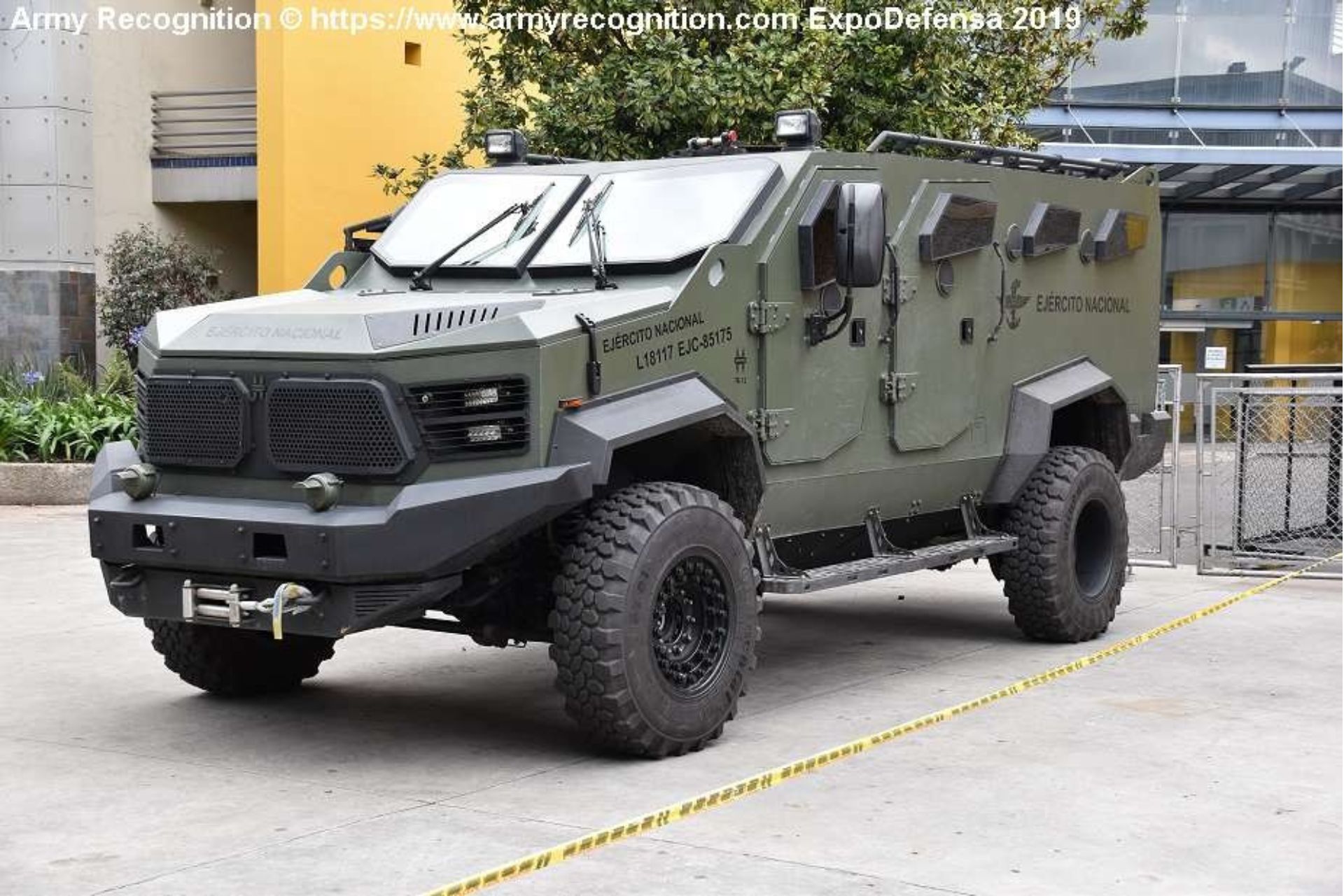
Chile recently strengthened its security arsenal with the acquisition of five Hunter TR-12-24 armored vehicles, manufactured by the Colombian company Armor International. These mine-resistant ambush-protected (MRAP) vehicles were specifically procured for the Chilean Army and the Carabineros, Chile’s national police force. This transaction underscores Chile's commitment to a regional defense strategy, sourcing equipment from Colombia, a strategic partner in Latin America.
Follow Army Recognition on Google News at this link
The Hunter TR-12-24, developed by Armor International, is a 4x4 all-terrain armored vehicle based on the robust International CV chassis (Picture source: Army Recognition)
While the exact transaction amount remains confidential, an initial batch of four units was acquired in March 2024 for approximately $1.7 million, marking the beginning of closer defense cooperation between the two countries.
The Hunter TR-12-24, developed by Armor International, is a 4x4 all-terrain armored vehicle based on the robust International CV chassis. Designed for high-risk missions, this model is already in service within the armed forces of Colombia and Suriname, demonstrating its reliability across diverse and challenging terrains. The vehicle offers Level B6 protection against gunfire and ambushes and features a monocoque design on an independent chassis, enhancing passenger safety. Launched at the 2011 Milipol Paris security exhibition, the Hunter TR-12 was selected by the Colombian Army in 2012 and has since undergone continuous improvements.
Among the enhancements in the TR-12-24 model are optimized entry and exit angles for improved maneuverability on rough terrain, and a ventilated engine air intake system to boost performance in hot climates. Safety features include an automated fire suppression system, electric locks, reinforced mirrors, and protective mesh for windows. The interior flooring provides improved traction for passengers, and an adjustable step at the weapon station enhances operational ergonomics.
With a capacity for two crew members and ten passengers, the Hunter TR-12-24 is a versatile tactical vehicle that can be equipped with various weapon systems, including a roof turret for increased defensive capabilities. Powered by a 300-horsepower engine and a six-speed transmission, it provides reliable off-road power, while its 260-liter fuel tank allows for extended operations without frequent refueling.
This acquisition fits within a broader regional cooperation framework between Chile and Colombia. As members of the Pacific Alliance, alongside Mexico and Peru, both nations pursue integration and collaboration in various areas, including defense. Active in the Organization of American States (OAS) and the United Nations, Chile and Colombia also work together for regional peace and stability, facilitating joint military exercises and shared security strategies against common threats.
The acquisition of the Hunter TR-12-24 MRAPs by Chile reflects the evolving security needs of its military and police forces and a commitment to equipping its units with mission-appropriate technology. This strategic decision may lay the groundwork for enhanced military collaboration between the two nations, combining their expertise to address shared security challenges in Latin America.
Read more: Chile Acquires Colombian Hunter TR-12-24 MRAPs in Strategic Regional Alliance
- Details
- Written by: Vandenbosch
- Category: 2024
- Hits: 2616
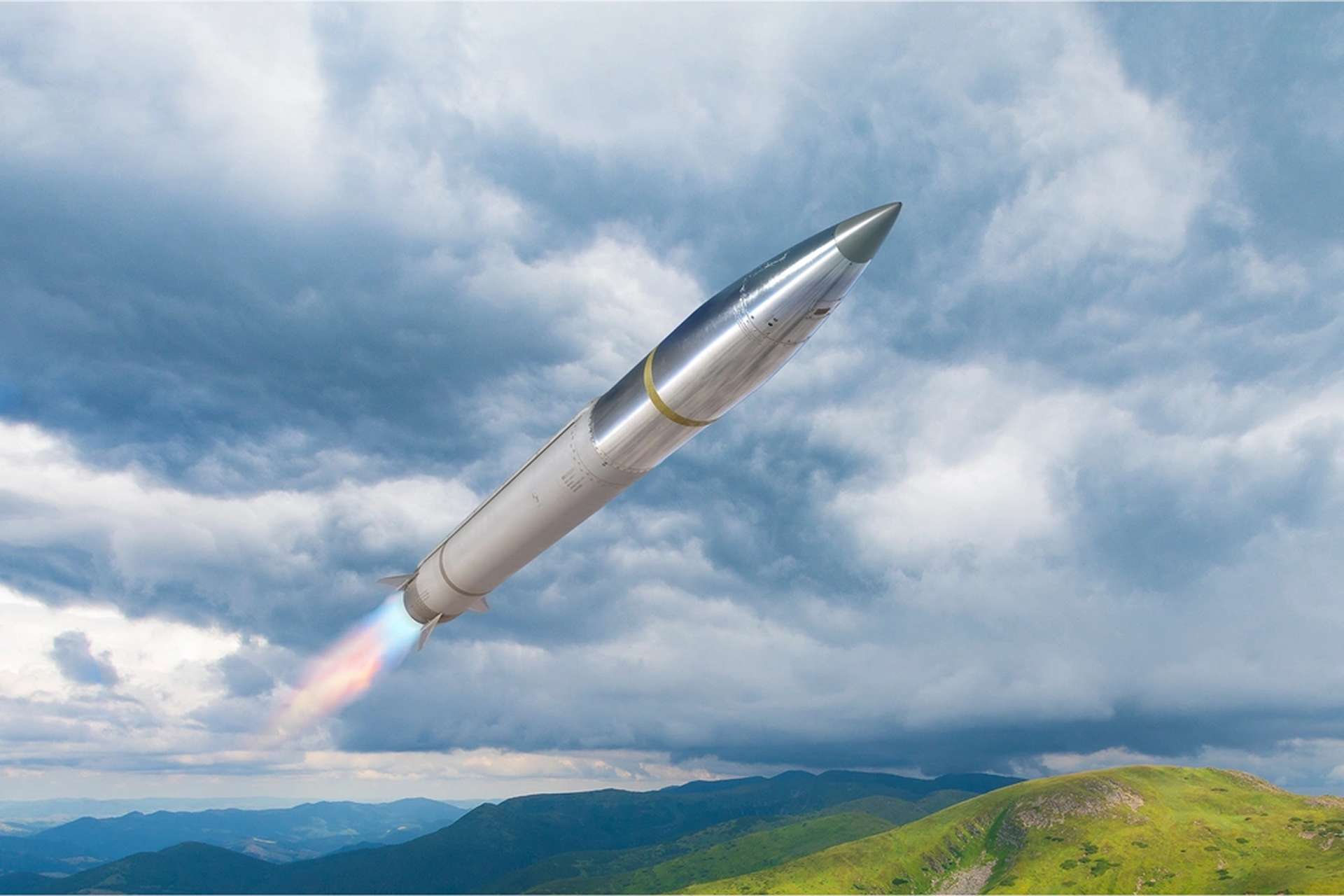
The United States Army’s Program Executive Office for Missiles and Space (PEO MS) and Army Contracting Command (ACC) at Redstone Arsenal have awarded a $4.1 billion contract to Lockheed Martin Missiles and Fire Control for the production of rockets under the Guided Multiple Launch Rocket System (GMLRS). This contract includes the production of both standard GMLRS and Extended-Range (ER) GMLRS missiles, along with associated hardware.
The Guided Multiple Launch Rocket System offers a long-range precision strike capability. (Picture source: US DoD)
Douglas Bush, the Army's Assistant Secretary for Acquisition, Logistics, and Technology, highlighted the strategic importance of this contract, stating, “This contract is part of a three-year multiyear commitment, demonstrating the Army’s dedication to accelerating the production of this essential weapon system, which supports U.S. and allied forces, including Ukraine.”
Major General Frank Lozano, Program Executive Officer for Missiles and Space, elaborated on the benefits of multiyear contracts, explaining, “These contracts provide mutual benefits by reducing procurement costs through bulk purchasing and lowering administrative burdens. They also offer stability to suppliers, encouraging investments in production capacity.”
Multiyear procurement contracts are essential tools for the U.S. Department of Defense, allowing goods and services to be secured over several years, typically up to five. Unlike annual contracts, these agreements offer long-term stability for both the government and suppliers, facilitating better planning, resource allocation, and investment. GMLRS rockets, known for their precision surface-to-surface strike capability, remain highly sought after by U.S. and allied forces.
This initial contract aims to expand production capacity while promoting innovation, achieving economies of scale through bulk orders and ensuring supply chain stability.
The Guided Multiple Launch Rocket System (GMLRS) offers a long-range precision strike capability, designed to operate in all weather conditions. Its major advantage lies in its responsiveness and rapid deployment capability, providing persistent and immediate ground support. Fired from both the MLRS M270 family of launchers and HIMARS launchers, the GMLRS can deploy up to six rockets per launch pod. M270 launchers can carry two pods at once, while HIMARS launchers carry one, ensuring flexible power projection.
To date, over 60,000 GMLRS rockets have been produced, reflecting growing demand for this system, which is highly valued for its reliability, with a performance rating exceeding 98%. In parallel, an extended-range version, the ER GMLRS, is in development to further enhance the system's operational reach. With its proven precision and efficiency, the GMLRS serves as a strategic asset for the U.S. and allied forces, enabling surface-to-surface precision strikes with remarkable range, speed, and adaptability.
This contract, led by PEO MS and executed in collaboration with ACC-Redstone Arsenal, marks a significant step in bolstering the rocket production capabilities of the United States and its allies.
Read more: US Army Awards $4.1 Billion Contract to Lockheed Martin for GMLRS Rocket Production
- Details
- Written by: Jérôme Brahy
- Category: 2024
- Hits: 3606
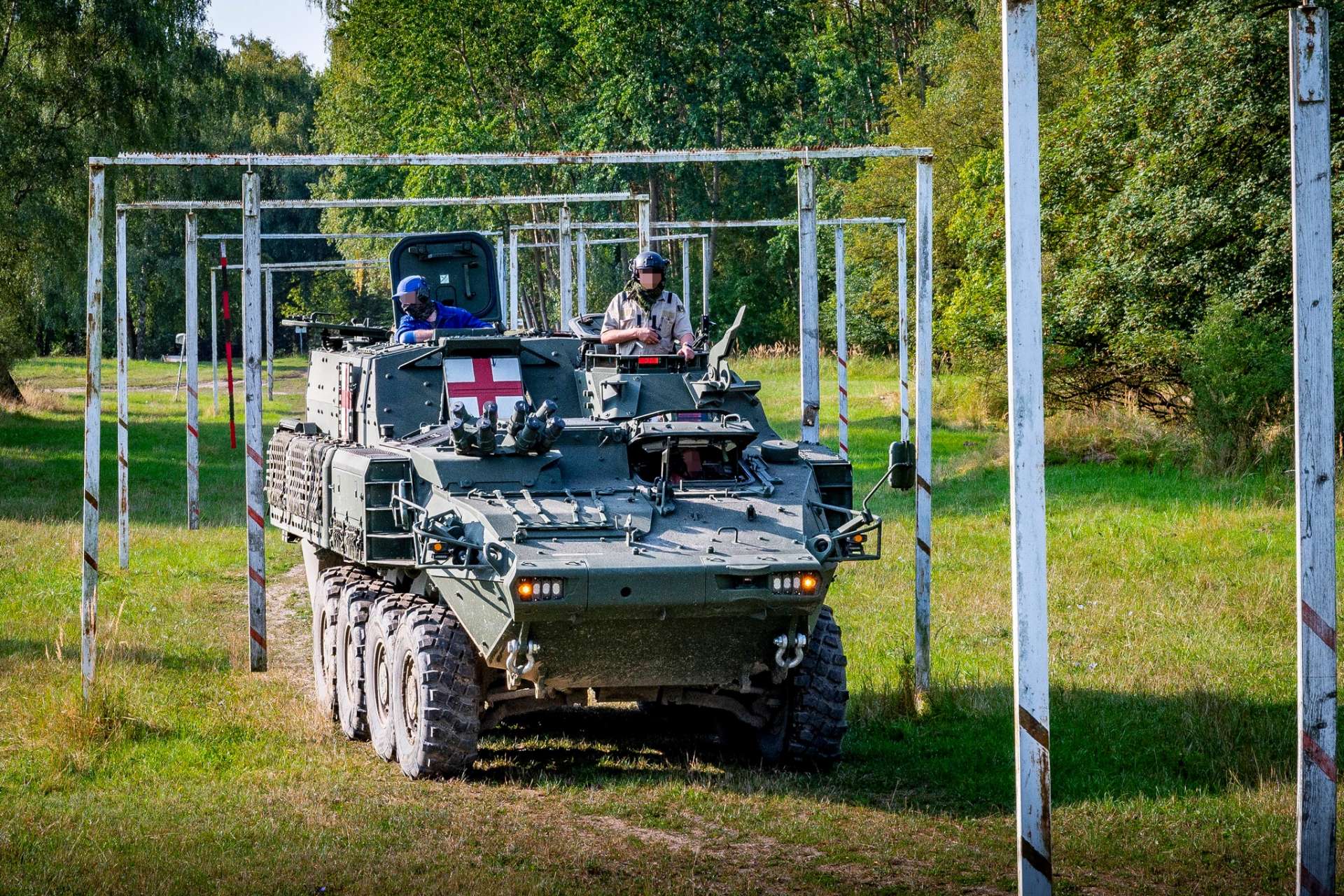
On September 20, 2024, Operation UNIFIER released pictures showing Ukrainian Armed Forces personnel training on a Canadian LAV 6.0 ACSV 8x8 armored ambulance. Operation UNIFIER, a Canadian Armed Forces initiative, focuses on military training, professionalization, and capacity-building for Ukraine. This mission, launched in 2015 at Ukraine's request following the annexation of Crimea, was expanded in early 2022 as tensions with Russia increased.
Follow Army Recognition on Google News at this link
As part of Operation UNIFIER, the Canadian Armed Forces have trained over 40,000 Ukrainian personnel, including more than 7,000 trained in Europe since the full-scale invasion by Russia began in 2022. (Picture source: Operation UNIFIER)
As part of this initiative, which has a current mandate from the Canadian government to continue until 2026, the Canadian Armed Forces have trained over 40,000 Ukrainian personnel, including more than 7,000 trained in Europe since the full-scale invasion by Russia began in 2022. The training covers skills such as battlefield tactics, tactical medical training, combat engineering, and leadership development.
The Armoured Combat Support Vehicles (ASCVs), developed by General Dynamics Land Systems-Canada, are based on the LAV 6.0 chassis and support various battlefield roles, including troop transport, command and control, and medical evacuation. In 2022, Canada began delivering 39 Armoured Combat Support Vehicles (ACSVs), referred to as "Super Bison," to Ukraine as part of its response to the Russian invasion. Since deployment to Ukraine in early 2023, the ACSV "Super Bison," a name recalling the earlier LAV 2 Bison model which served a similar role, has been used for roles including personnel transport, medical evacuation, and equipment repair.
Powered by a Caterpillar C9 turbocharged diesel engine producing 450 horsepower, the ACSV has an operational weight between 20,638 and 28,576 kilograms, depending on its armor configuration. The vehicle is equipped with a Remote Weapons Station (RWS), typically armed with a C6 7.62 mm machine gun, though it can also support heavier weaponry if required. Its top road speed is 100 km/h, with a range of 600 km on roads and 450 km in cross-country conditions.
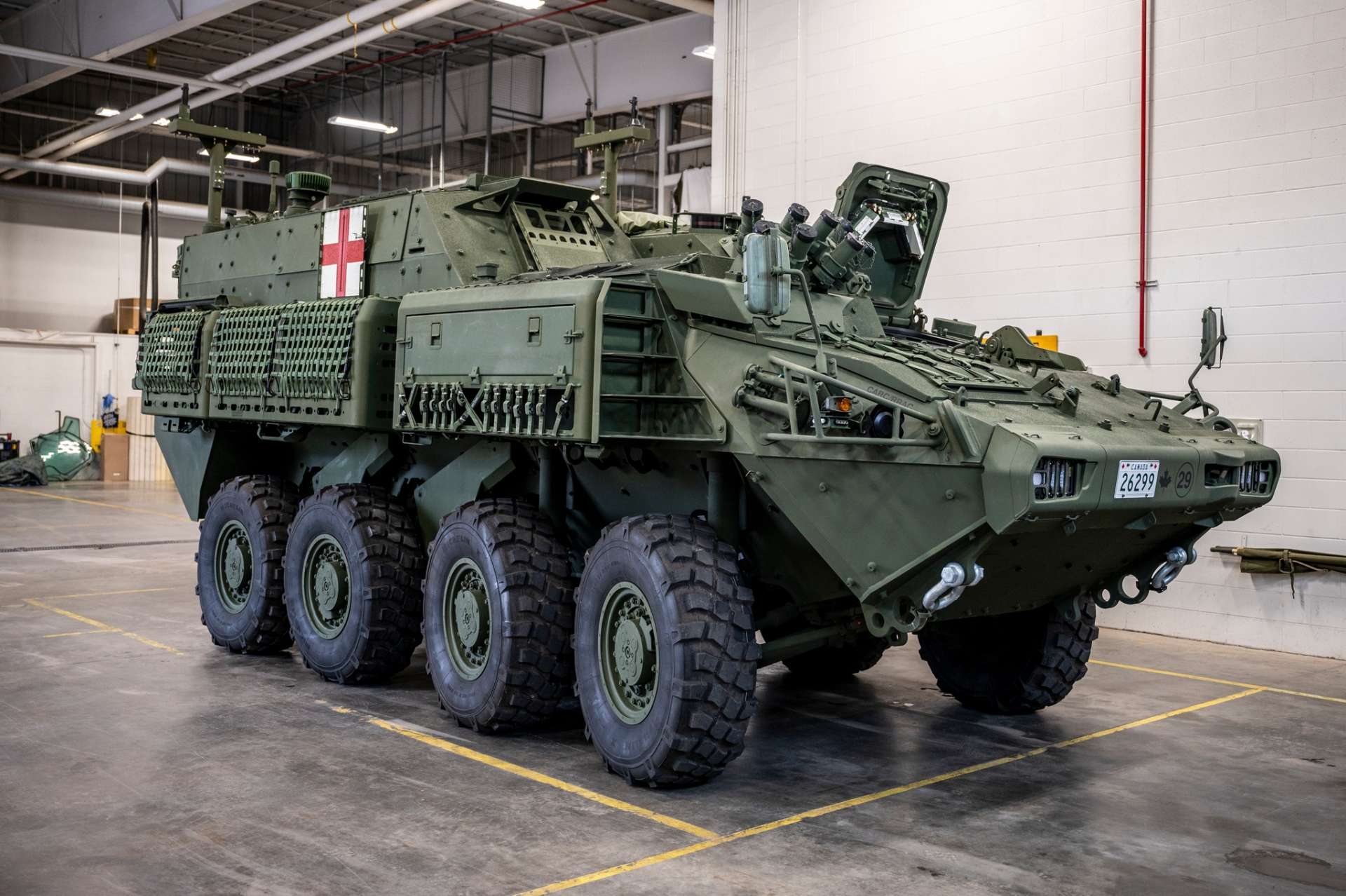
Since deployment to Ukraine in early 2023, the ACSV "Super Bison," a name recalling the earlier LAV 2 Bison model which served a similar role, has been used for roles including personnel transport, medical evacuation, and equipment repair. (Picture source: Canadian MoD)
In June 2024, Canada began delivering the first units of a new shipment of LAV 6.0 ACSVs to Europe, where Ukrainian personnel will receive training on their operation, following a statement from Canadian Minister of National Defence Bill Blair during the 21st Ukraine Defense Contact Group (UDCG) meeting.
This initial batch includes ten ACSV vehicles, including ambulance variants, and is part of a broader package of 50 units being shipped from London, Ontario, to Europe. During Ukrainian President Volodymyr Zelenskyy's visit to Canada in September 2023, Canadian Prime Minister Justin Trudeau announced a CAD 650 million (USD 474.5 million) investment over three years to deliver these vehicles as part of Canada’s support for Ukraine.
This delivery is part of Canada’s CAD 14 billion (USD 10.22 billion) assistance package to Ukraine, allocated since early 2022, with CAD 4 billion (USD 2.92 billion) designated specifically for military aid. Previous Canadian aid included Leopard 2 battle tanks, anti-tank weapons, M777 howitzers, artillery ammunition, and winter clothing.
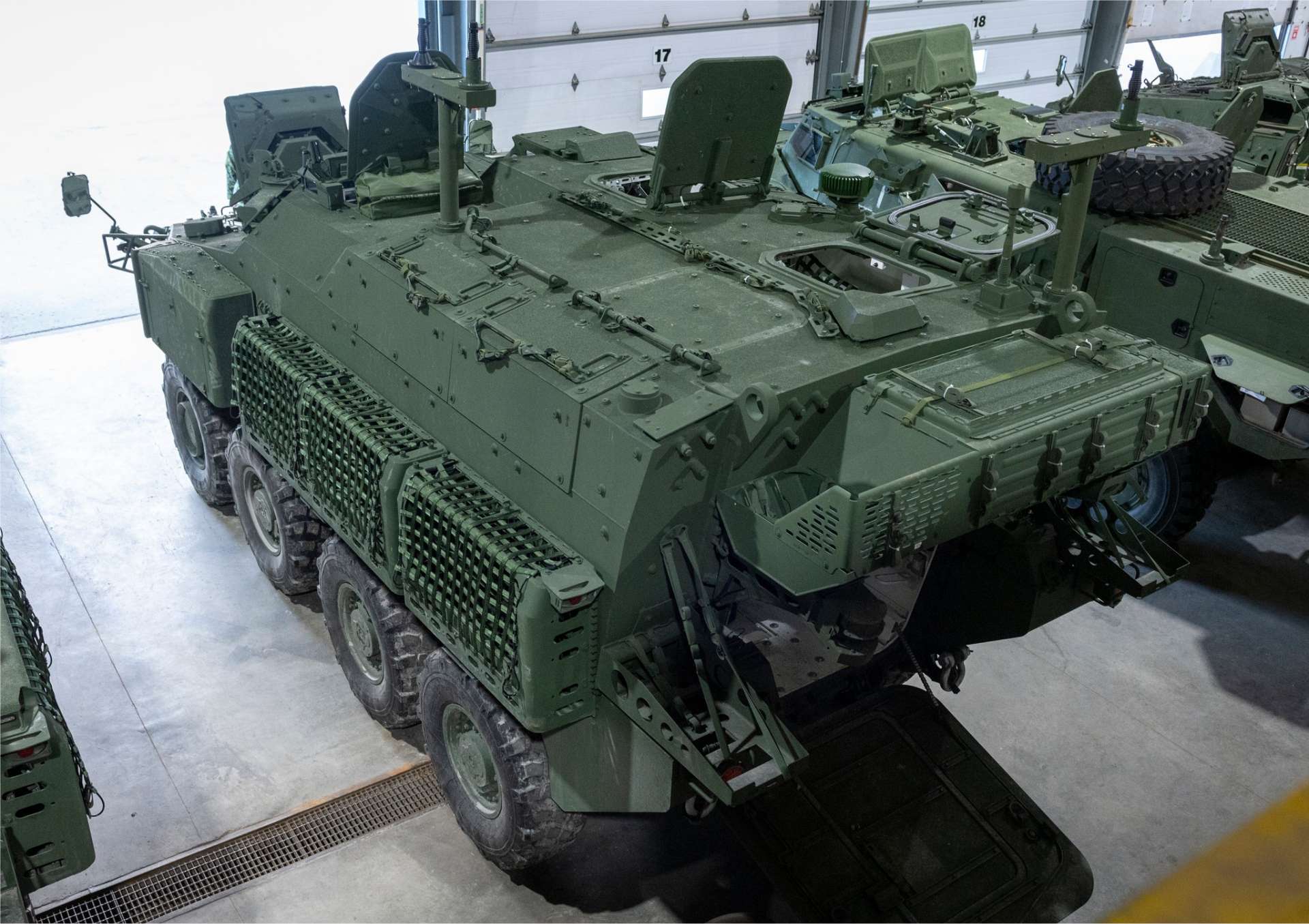
Powered by a Caterpillar C9 turbocharged diesel engine producing 450 horsepower, the ACSV has an operational weight between 20,638 and 28,576 kilograms, depending on its armor configuration. (Picture source: Canadian MoD)
More recently, Canada took on leadership of the fighter-lead-in-training (FLIT) component under the UDCG’s Air Force Capability Coalition, with a CAD 389 million (USD 283.97 million) investment aimed at advanced pilot training for Ukrainian personnel, including training on F-16 fighter jets. As part of this effort, Canadian facilities will support Ukrainian pilots, and Canada will provide infrastructure for Ukrainian air bases to strengthen air defense capabilities.
Operation UNIFIER’s contributions are part of Canada’s involvement in the UDCG, a coalition established by the United States in 2022 to coordinate military aid for Ukraine among more than 50 countries. Canada participates in the UDCG’s armored, air force, and drone capabilities, among others. In addition to the ACSVs, Canada has pledged additional military support in September 2024, including decommissioned M113 armored personnel carriers and Coyote light armored vehicles.
The Coyote, primarily used for reconnaissance, is equipped with a 25mm Bushmaster chain gun and sensors for intelligence-gathering in various operational environments. Canada’s recent military assistance package also includes 80,840 CRV-7 rocket motors, 1,300 warheads, 970 surplus C6 machine guns, and 10,500 9mm pistols.
Read more: Canada supports Ukrainian troops with training on new ACSV 8x8 armored ambulances
- Details
- Written by: Halna du Fretay
- Category: 2024
- Hits: 5157
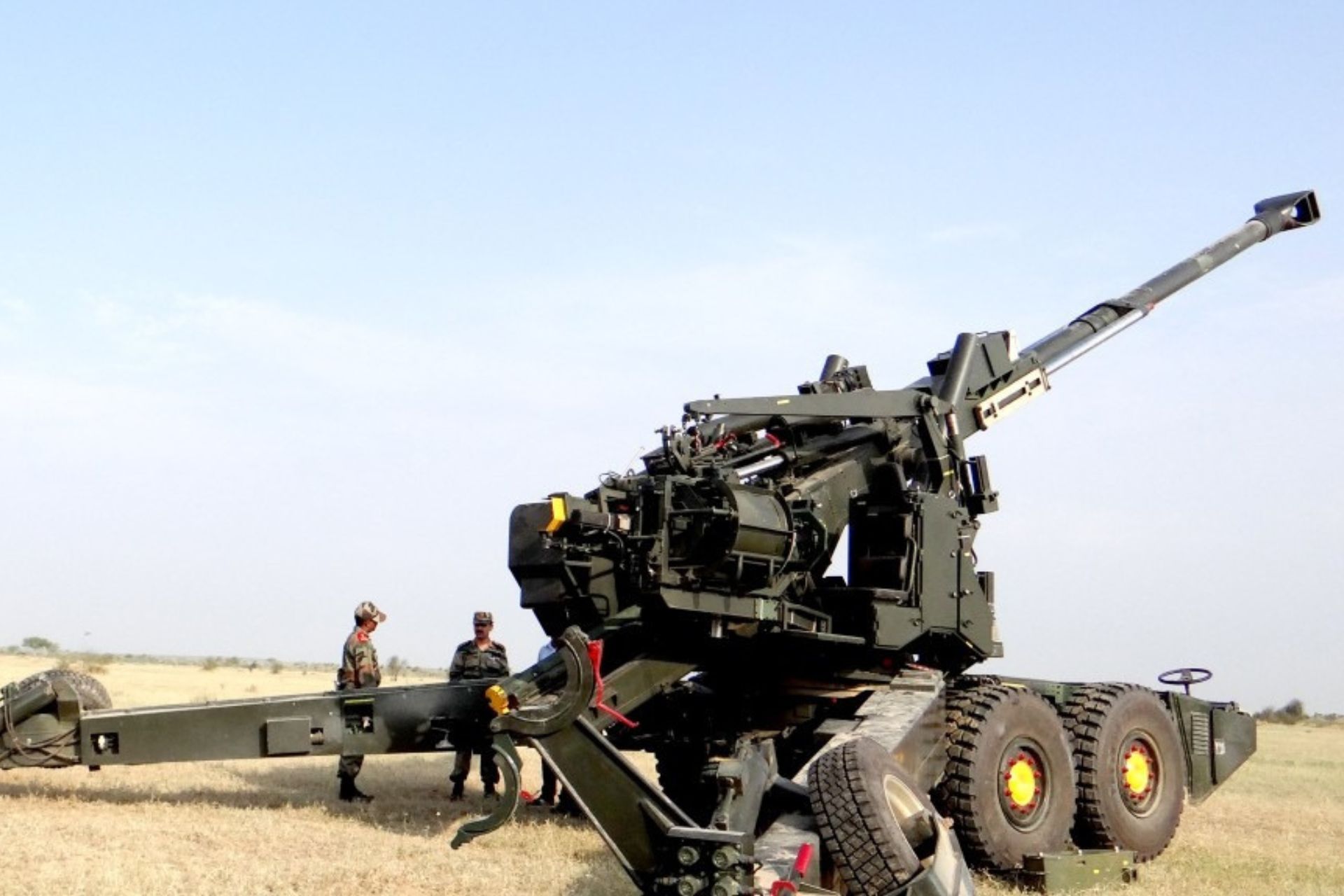
Armenia has recently confirmed its plan to purchase an additional 84 Advanced Towed Artillery Gun Systems (ATAGS) of 155 mm/52 caliber from India, aiming to strengthen its defense capabilities as reported by IDRW. This move is part of Armenia's broader effort to modernize its military arsenal amid heightened regional tensions. In 2023, Armenia had already acquired six units of the same system from India, which recently completed successful operational tests across various Armenian locations.
Follow Army Recognition on Google News at this link
Designed to meet the current requirements of ground forces, the ATAGS has a maximum firing range of 48 km and can fire up to three rounds within 15 seconds (Picture source: Tata Advanced System)
These tests were essential to validate the weapons’ effectiveness under local conditions, affirming the Advanced Towed Artillery Gun Systems (ATAGS) suitability for the specific needs of the Armenian Armed Forces and clearing the way for the additional purchase of 84 units.
Developed by the Defence Research and Development Organisation (DRDO) in collaboration with Indian private companies, the ATAGS system represents a notable advancement in modern artillery technology. Designed to meet the current requirements of ground forces, the ATAGS has a maximum firing range of 48 km and can fire up to three rounds within 15 seconds. The system’s capability to operate at high altitudes makes it particularly well-suited to Armenia's terrain.
Additionally, it is customizable in multiple languages, a feature modified to Armenian upon request by the Armenian military. Specific adjustments have also been made to meet Armenia’s operational requirements, thus enhancing the system’s effectiveness in regional defense.
This acquisition comes as Armenia continues to face security challenges, particularly with ongoing tensions with Azerbaijan over the Nagorno-Karabakh region. The ATAGS will add significant firepower to Armenia’s artillery arsenal, boosting its defensive capabilities. This upgrade is crucial for securing borders and maintaining stability within the territory. Alongside the ATAGS systems, Armenia has recently signed additional agreements with Indian firms for other equipment, including MArG 155 wheeled self-propelled howitzers and the Akash air defense system, further strengthening its military cooperation with India. Armenia has also recently expressed interest in procuring K2 tanks from South Korea.
This new transaction highlights India’s growing role as a key defense supplier on the global stage. Armenia's acquisition of the ATAGS could set an example for other countries considering Indian military equipment. India is positioning itself as an alternative arms provider to major exporters, offering equipment that, while potentially less advanced technologically, can nonetheless prove effective in combat.
Furthermore, this defense partnership between India and Armenia reflects an increasingly strong bilateral cooperation, marking a significant step in the strategic relationship between the two nations.
- Details
- Written by: Administrator
- Category: 2024
- Hits: 2776
On October 4, 2024, the "Liberty Times Net" reported that the United States plans to send a specialized team to Taiwan to explore the possibility of producing American-made Stinger surface-to-air missiles locally. This development highlights Taiwan’s ongoing efforts to strengthen its defense capabilities amid rising regional threats, particularly from China.
Follow Army Recognition on Google News at this link
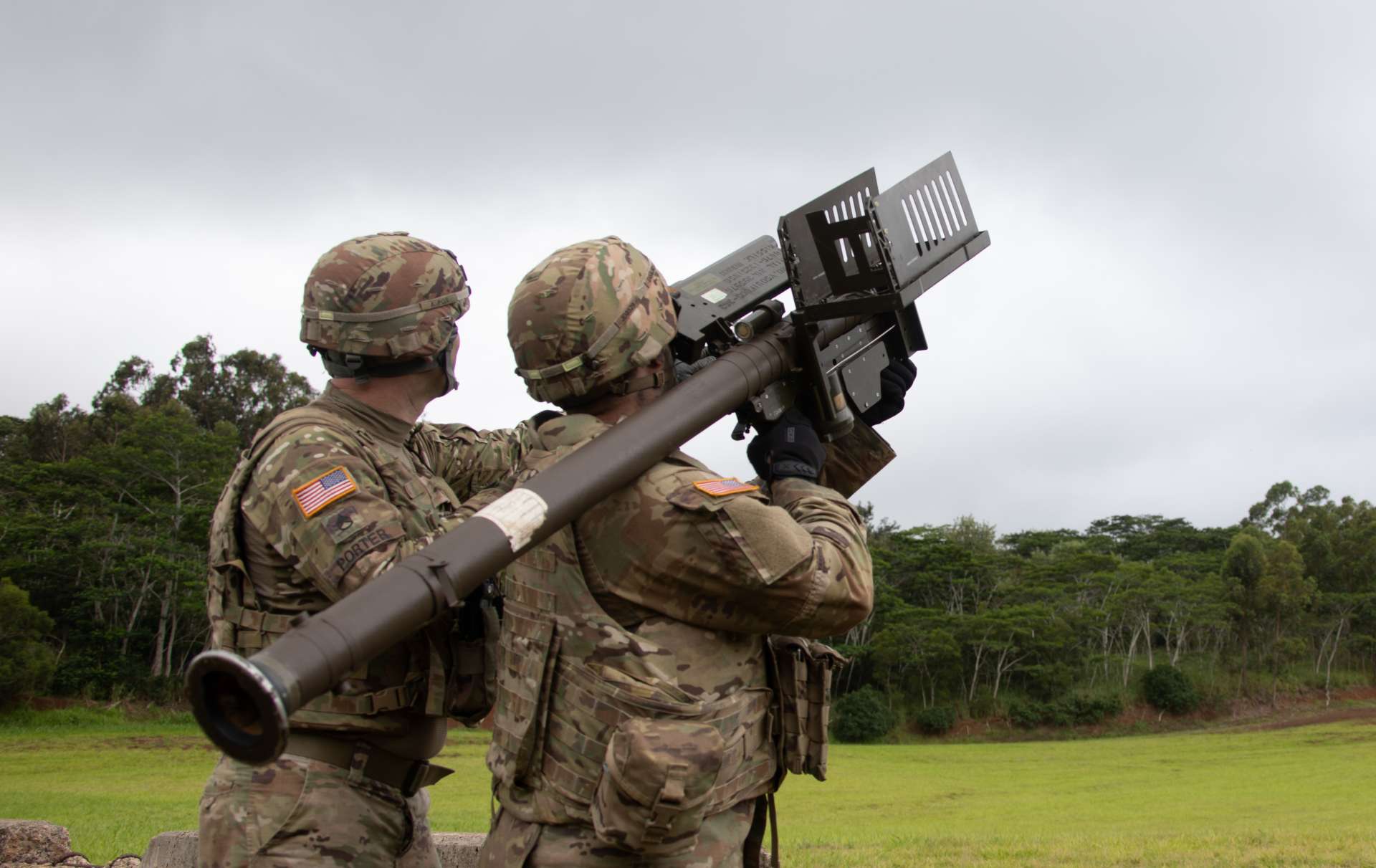
U.S. Army Soldiers from the 25th Infantry Division practice target acquisition on notional targets during stinger qualification, on Schofield Barracks, Hawaii, April 19, 2024. (Picture source: U.S. DoD)
Taiwan's Army and Navy had previously ordered 250 Stinger surface-to-air missiles each in 2019 and 2015, respectively, with delivery expected to be completed by 2025. However, the growing urgency for more effective countermeasures has led Taiwan's Army to order an additional 1,985 Stinger missiles from the U.S. The total value of this deal is estimated at approximately US$1.73 billion. According to the Taiwanese Ministry of National Defense’s 2025 budget report, the Army will also procure 549 launch systems and 549 identification, friend or foe (IFF) systems. Deliveries of these systems are projected to continue through 2031, bolstering Taiwan’s air defense network.
The Stinger missile, also known as the FIM-92 Stinger, is a highly advanced man-portable air-defense system (MANPADS) developed by Raytheon Missiles & Defense. It is designed to engage low-altitude aerial threats such as helicopters, drones, and low-flying aircraft. The Stinger is equipped with a passive infrared homing system, enabling it to lock onto the heat signatures of aircraft engines. This feature makes it highly effective in combat scenarios. The missile has an operational range of about 4.8 kilometers (3 miles) and can reach speeds of up to Mach 2.2, allowing it to strike fast-moving targets with precision.
The missile carries a 3-kilogram high-explosive warhead with a proximity fuse, designed to detonate upon or near impact with the target. Weighing approximately 15 kilograms (33 lbs) with its launcher, the Stinger is highly portable, making it ideal for quick deployment in a wide range of combat environments. Additionally, the missile’s dual-mode infrared/ultraviolet seeker allows it to track both heat signatures and distinguish between targets and countermeasures, such as flares, making it a formidable air defense weapon.
For Taiwan, acquiring more Stinger missiles is a critical part of its asymmetric defense strategy. With increasing pressure from Chinese military aircraft and drones near its airspace, these systems offer an affordable yet highly effective solution for Taiwan’s air defense. The addition of IFF systems ensures better coordination among various units and reduces the risk of friendly fire. Establishing local production would mark a significant step in Taiwan’s defense strategy, enhancing the island’s military industrial base and offering greater autonomy in replenishing and maintaining its missile systems.
Raytheon Missiles & Defense, the manufacturer of the Stinger, is a key player in global defense and has provided this system to numerous countries over the years. As Taiwan continues to deepen its defense relationship with the U.S., Raytheon’s role in strengthening Taiwan’s air defense capabilities remains pivotal. With the geopolitical landscape in the Asia-Pacific region evolving rapidly, Taiwan’s procurement of additional Stinger missiles and the potential for local production underscore its commitment to enhancing its self-defense capabilities and maintaining peace through deterrence.
- Details
- Written by: Vandenbosch
- Category: 2024
- Hits: 5125
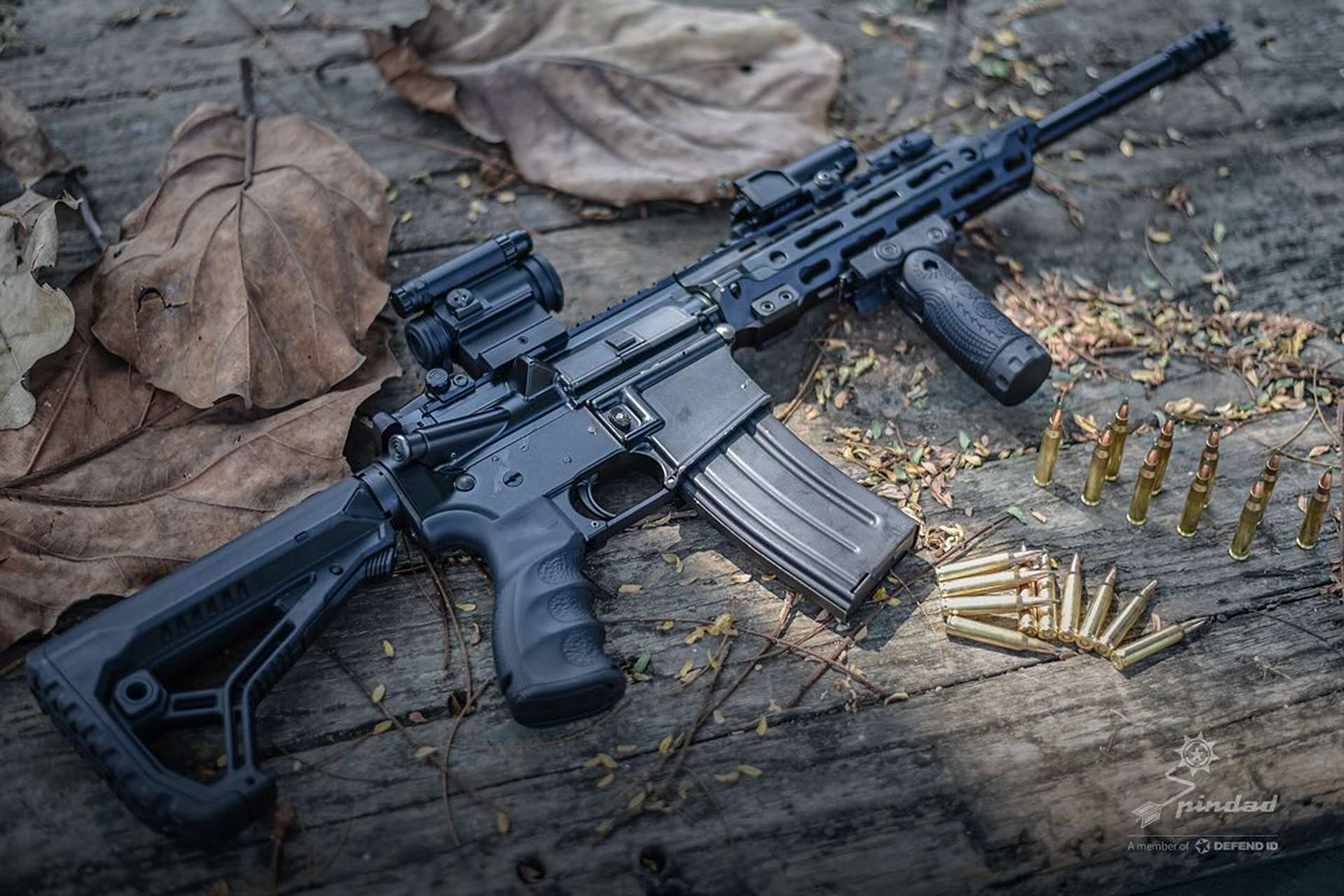
The Pindad AM-1, an assault rifle manufactured by Indonesia’s PT Pindad, has garnered international attention since its launch in 2022. Unlike the Pindad SS2 model, this rifle incorporates design elements similar to M4 and AR-15 carbines, featuring a lighter structure that appeals to a wide range of users.
The AM-1 is an assault rifle manufactured in Indonesia. (Picture source: Pindad)
In a recent interview, PT Pindad's CEO, Abraham Mose, highlighted the growing interest from foreign markets, particularly from the United States and several Southeast Asian nations. The AM-1 has been showcased at various international exhibitions, generating considerable demand, according to the CEO. “We have received inquiries from several countries, including the United States, due to its simplicity and reliability. ASEAN countries have also shown interest,” Mose stated during a public demonstration at Lapangan Silang Monas in Jakarta on October 2, 2024.
The AM-1 is currently used as a standard weapon for the Indonesian National Armed Forces (TNI) and has successfully passed rigorous testing and certification processes.
According to PT Pindad’s official website, the AM-1 received positive feedback at international defense exhibitions, such as the recent ADAS 2024 (Asian Defence, Security and Crisis Management Exhibition and Conference) held in the Philippines from September 25 to 27. Organized by the Philippine Department of National Defense, this event spotlighted the AM-1, a 5.56 x 45 mm NATO caliber rifle with a 14.5-inch barrel and an adjustable telescopic stock. When fully extended, the rifle measures 881 mm, compared to 797 mm in its compact version.
The Indonesian Army’s elite Kopassus unit conducted performance tests on the AM-1, evaluating its accuracy at distances of 100, 200, 300, and 400 meters. The rifle meets stringent requirements for structural integrity, firing capability, and ergonomics, with the ASEAN Armies Rifle Meet (AARM) team confirming its accuracy at various ranges.
As the successor to the SS2, the AM-1 has also been field-tested by senior Indonesian military officials, including the Commander of Kopassus and the Commander of the Marine Corps. PT Pindad, leveraging its experienced staff and modernized production facilities, aims to establish the AM-1 as a symbol of national pride and a reliable asset to enhance Indonesia’s defense capabilities.
Read more: Indonesian AM-1 Assault Rifle Attracts Interest from United States and ASEAN Countries
- Details
- Written by: Administrator
- Category: 2024
- Hits: 4441
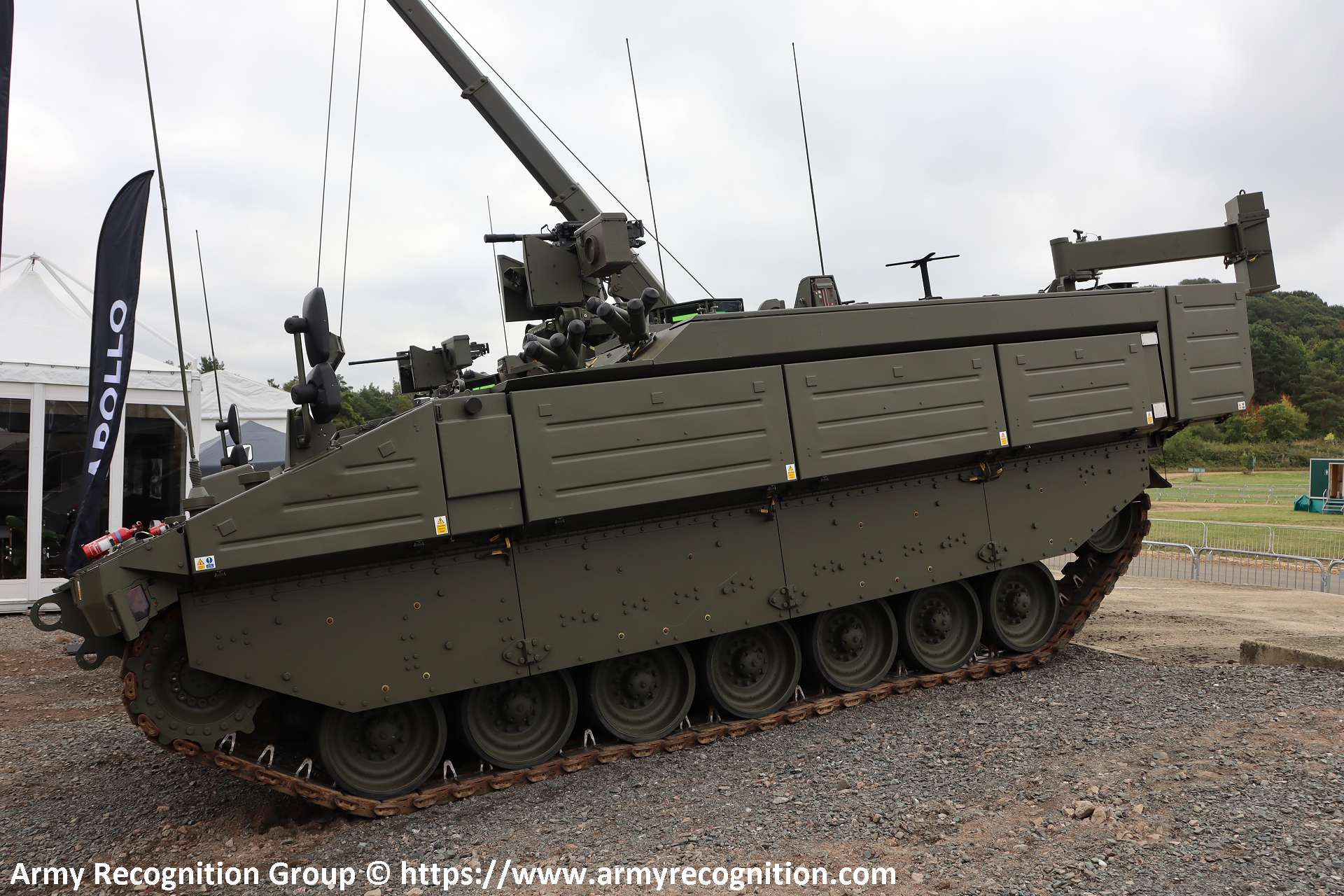
The Argus is a specialized variant in the Ajax family of armored vehicles, developed by General Dynamics UK for the British Army. Based on the Ares variant, the Argus is designed to provide combined arms and engineering commanders with accurate and timely information about both natural and man-made environments. Its primary role includes gathering crucial data on terrain, obstacles, and enemy engineering activities, allowing commanders to make informed decisions without compromising safety.
Follow Army Recognition on Google News at this link
Argus Engineer Armored Vehicle from the Ajax Family: A highly durable and versatile armored vehicle designed for battlefield engineering tasks, equipped with advanced technology for defense, mobility, and obstacle-clearing operations. (Picture source: Army Recognition Group)
Equipped with a range of advanced technologies, the Argus allows its crew to perform critical tasks such as gap and slope measurement, route marking, and obstacle assessment while staying protected inside the vehicle. A remote weapon system armed with one 40mm automatic grenade launcher or 12.7mm machine gun offers additional firepower for defense, and the under-armor demolition detonation capability ensures that engineers can carry out demolition tasks from within the vehicle. Additionally, the jettisonable dozer blade allows the Argus to clear paths and remove obstacles, further enhancing its effectiveness in challenging operational environments.
One of the key strengths of the Argus is its ability to perform these complex engineering tasks without forcing the crew to leave the vehicle's protection. The platform is also equipped with advanced tools such as the MAKE FAST Battlefield Information System Application (BISA), ensuring the Royal Engineers have cutting-edge tools to manage counter-mobility tasks. The high-performance power pack and advanced torsion bar system ensure that the Argus can easily handle rough terrain, while its modular armor can be customized to specific mission threats.
With a crew of two and the capacity to transport four additional dismounts, the Argus offers flexibility in its operations, making it a vital asset for modern engineering reconnaissance missions. Its ability to collect, assess, and act upon critical terrain and enemy information while providing robust protection makes it an indispensable vehicle for the British Army
All platforms in the Ajax family are designed to offer exceptional mobility, enabling them to perform effectively across varied terrains. Each vehicle is equipped with a high-performance power pack that supports a top speed of up to 70 km/h (43 mph), providing the agility necessary for both off-road and urban operations. This speed is complemented by an advanced torsion bar suspension system that ensures stability and comfort even over challenging landscapes. Additionally, the tracked configuration further enhances their ability to traverse uneven terrain while maintaining a high level of maneuverability. In terms of range, the Ajax family can cover up to 500 kilometers (311 miles) on a single fuel load, offering the endurance required for extended operations without the need for frequent refueling, making them ideal for long reconnaissance missions.
In terms of protection, the Ajax vehicles are equipped with modular armor that can be adapted for different mission needs, ensuring protection against a variety of threats. This armor is complemented by a suite of advanced defensive systems, including laser warning receivers, acoustic detection systems, and electronic countermeasures, which provide the crew with early warnings of incoming threats. Furthermore, the Ajax platforms feature an integrated Remote Weapon System that enables the crew to engage targets without exposing themselves to danger. Future upgrades, such as active protection systems, are also planned to enhance survivability against modern threats. Combined with their robust mobility, these protection systems ensure that the Ajax family remains one of the most secure and capable armored platforms in use.
Read more: Ajax Family Series Report 4: British Army ARGUS Engineer Reconnaissance Armored Vehicle

- Details
- Written by: Vandenbosch
- Category: 2024
- Hits: 9658
The JSC Concern Kalashnikov has announced its plan to begin serial production of the AM-17, a compact 5.45 mm assault rifle, in 2025. This new weapon, refined after combat evaluations in the Ukraine conflict, was initially developed at Kalashnikov’s design and technology center with a strong focus on meeting modern automatic weapon standards.
The AM-17 is a compact 5.45 mm assault rifle. (Picture source: Kalashnikov)
The AM-17 is designed to replace the AKS74U, which has been in service since 1979. A major innovation in the AM-17 design is the extensive use of high-strength polymer materials, including in the receiver housing. This approach allows the weapon to meet contemporary standards without exceeding the weight and dimensions of its predecessor. The AM-17 features a folding telescopic stock, an ambidextrous fire selector, a Picatinny rail mounted directly to the barrel, and a reversible charging handle.
The rifle's construction includes a receiver housing that holds the barrel, stock, and locking mechanism, as well as a trigger box containing the pistol grip and magazine well, and a handguard integrating the front sight and a screen to reduce overheating during firing. The receiver and trigger box are connected by transverse locks, allowing for easy disassembly of the weapon.
The AM-17 is a compact 5.45 mm assault rifle designed to meet modern needs for light automatic firearms. This model uses 5.45x39 mm cartridges, a caliber widely used in the Russian army, ensuring compatibility and interchangeability of ammunition with other standard-issue weapons. Capable of holding a 30-round magazine, the AM-17 offers sustained firepower with a rate of 850 rounds per minute, making it particularly effective for close and intensive combat situations like those in Ukraine.
Weighing just 2.5 kg without a magazine, the AM-17 remains lightweight, allowing users to handle it easily both in motion and in static positions. The weapon's length is also advantageous: in the transport position, it measures 490 mm, which facilitates carrying and deployment in confined spaces. In the firing position, the rifle extends to 750 mm, providing enhanced stability and accuracy during engagements.
Once production of the AM-17 begins, Kalashnikov plans to expand this platform to include combat and hunting models, with variants suited to different calibers.
Read more: Kalashnikov to Launch Serial Production of AM-17 Assault Rifle in 2025
- Details
- Written by: Jérôme Brahy
- Category: 2024
- Hits: 6557
According to Doureios on October 10, 2024, Greece plans to acquire 592 units of Switchblade 300 Block 20 and Switchblade 600 loitering munitions from the United States. The Hellenic Parliament’s Special Permanent Committee on Armaments and Contracts approved this procurement on September 17, 2024, as part of a broader defense enhancement initiative.
Follow Army Recognition on Google News at this link
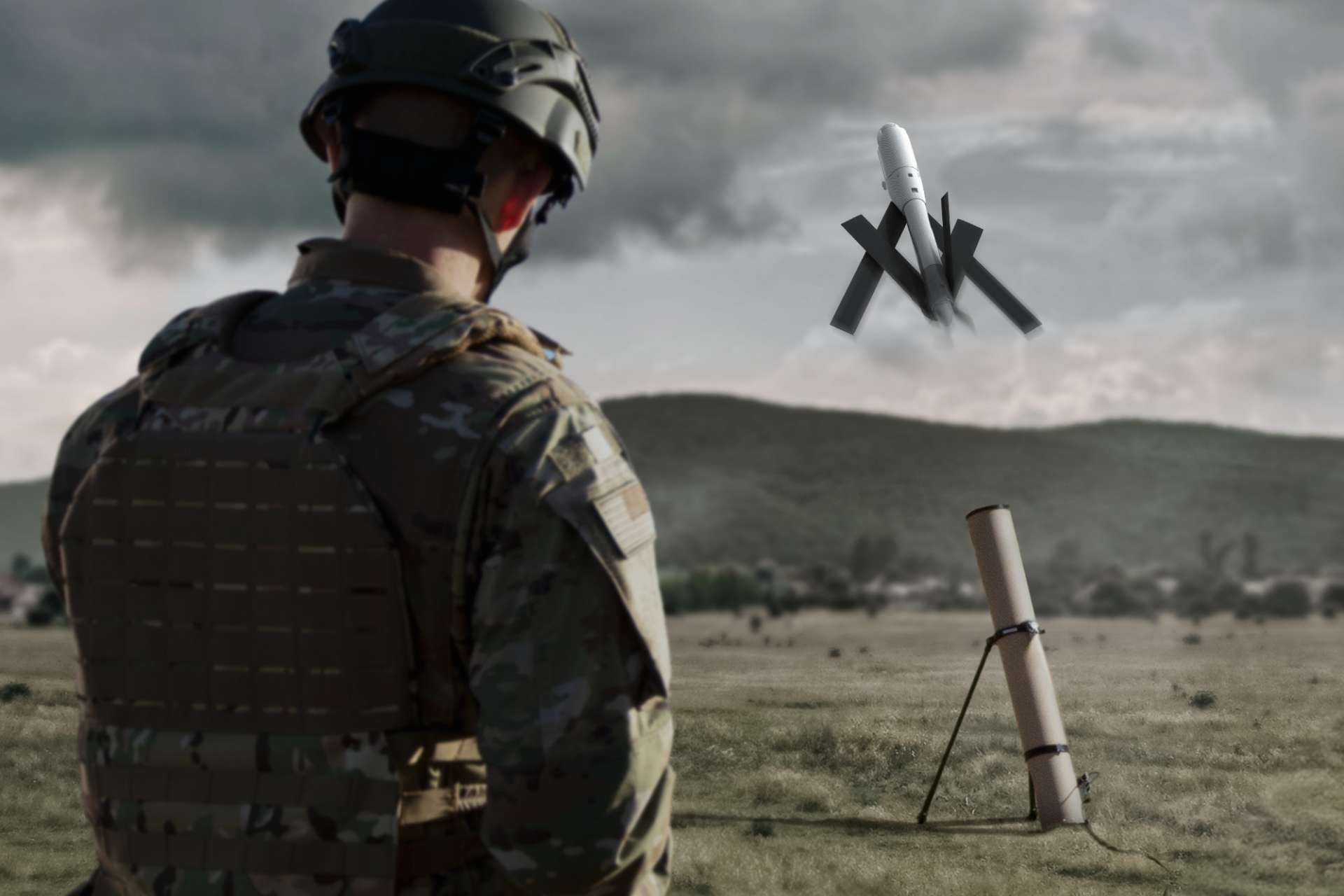
Most of these Switchblade loitering munitions will be allocated to Greek Special Operations and Special Forces units, with a smaller portion assigned to infantry units for operational familiarization. (Picture source: AeroVironment)
Greece's decision follows a series of strategic evaluations that began in December 2023, when the Hellenic National Defense General Staff (GEETHA) approved a related study for the acquisition, upgrade, and modernization of military equipment. Initial considerations involved two companies: the Israeli firm Aeronautics, which offered the Orbiter 1K, and the American company AeroVironment, which manufactures the Switchblade.
However, in late 2023, Greece opted solely for the Switchblade, a choice influenced by a shift in funding priorities. The initial plan to procure used AAV7A1 amphibious armored vehicles from the United States was “frozen,” with the allocated funds redirected to the loitering munitions program. Specifically, $25 million in Foreign Military Financing (FMF) credits, provided under the U.S. European Recapitalization Incentive Program (ERIP), were repurposed to cover part of the Switchblade procurement costs. This funding was initially available to support Greece's transition away from its BMP-1 armored vehicles of Soviet origin.
Additionally, Greece received a further $30 million in FMF credits as part of U.S. assistance for Greece’s support of Ukraine. Combined, these credits amount to approximately two-thirds of the €75.2 million total cost of the loitering munitions procurement, reducing Greece’s direct financial outlay. The acquisition involves both the Switchblade 300 and Switchblade 600 models, which together total 592 units. Most of these loitering munitions will be allocated to Greek Special Operations and Special Forces units, with a smaller portion assigned to infantry units for operational familiarization.
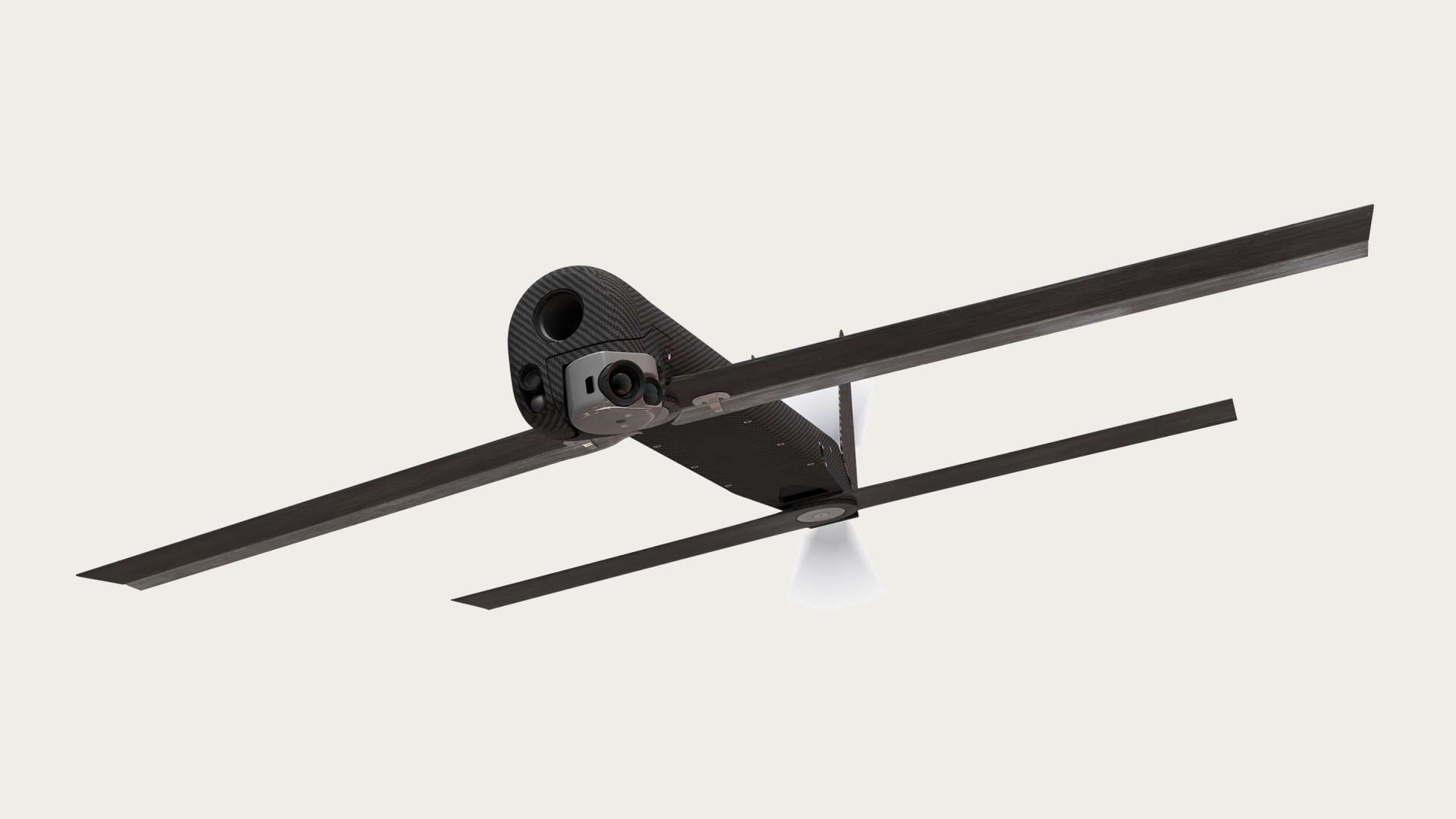
The Switchblade 300 Block 20 variant extends the 300 model's operational capabilities, increasing flight time to 20 minutes and adding a panning EO/IR camera suite for continuous target identification. (Picture source: AeroVironment)
The Switchblade 300 is a small, expendable loitering munition designed to provide platoon-sized infantry units with precision strike capabilities. This UAV assists units under enemy fire by engaging long-range targets, following a pre-programmed path, and allowing operators to redirect its course en route. It has been deployed to destroy light-armored vehicles and personnel, and it can detonate mid-flight if necessary. Utilizing a Ground Control Station (GCS) compatible with other AeroVironment UAVs, such as the Wasp, RQ-11 Raven, and RQ-20 Puma, the Switchblade 300 can be coordinated with other drones to locate and attack targets.
Its forward-firing warhead minimizes collateral damage, with an option to adjust detonation height mid-flight. The system is considered a loitering munition rather than a UAV, as it is not recoverable and is controlled by a fly-by-radio frequency signal. Additionally, it has been paired with SRC Inc.’s software and counter-drone technologies, enhancing its capability to intercept hostile UAVs.
The Switchblade 300 Block 20 variant extends the 300 model's operational capabilities, increasing flight time to 20 minutes and adding a panning EO/IR camera suite for continuous target identification. With a gross weight of around 8 pounds, it supports land, sea, and mobile platforms, allowing rapid deployment in under two minutes. The Block 20 also features an improved Digital Data Link (DDL) for secure, encrypted communication, reducing signal interception risks, enabling concurrent operations of multiple Switchblade systems, and supporting extended range operations through additional UAVs.
The Block 20 includes a Multi-Pack Launcher (MPL), which can remotely launch several units in configurations from 2 to 20 rounds, with reloading times of under 30 seconds per round. This configuration supports base defense and facilitates "sensor-to-shooter" operations by transmitting mission plans from other AeroVironment UAVs.
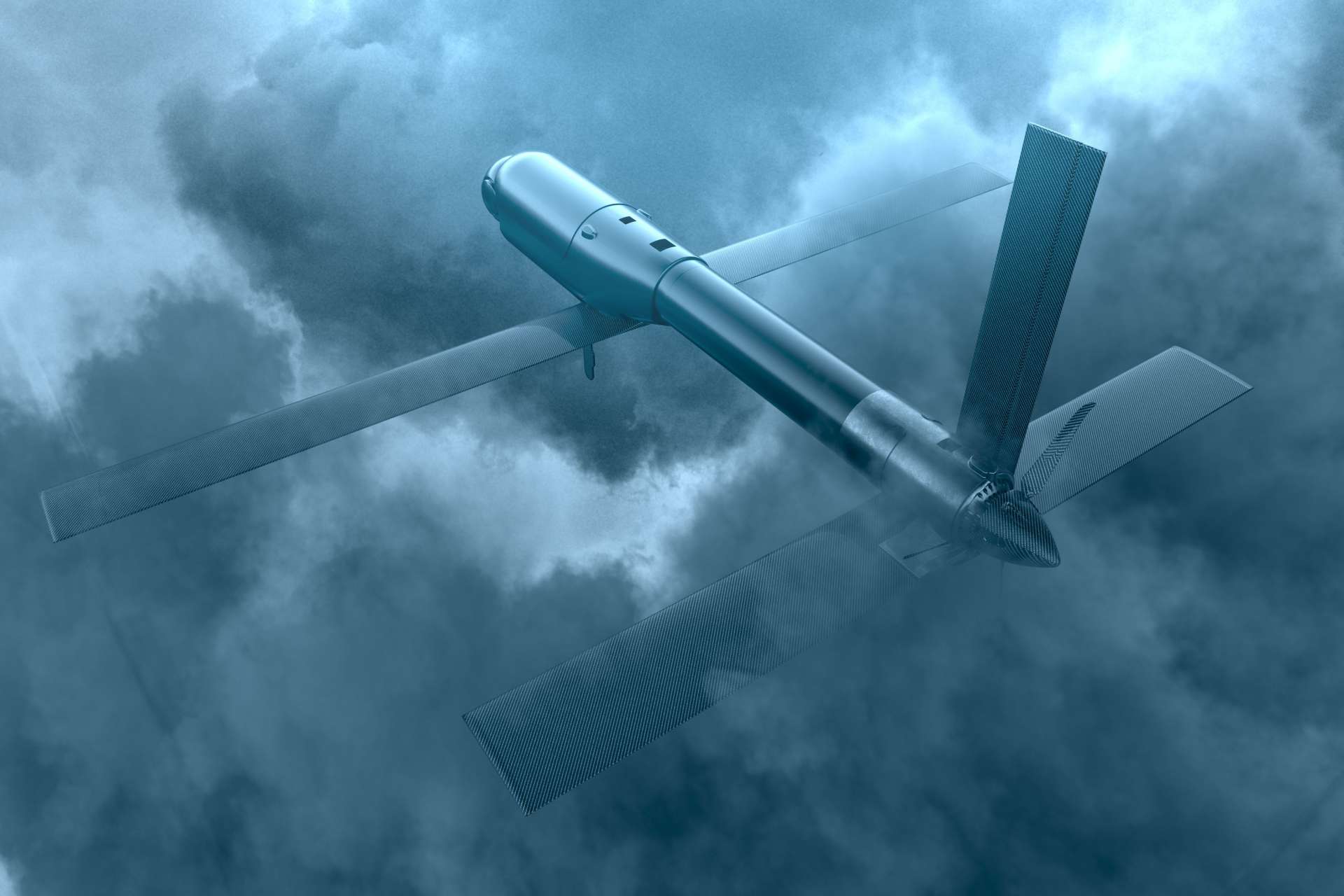
The Switchblade 600 is a larger loitering munition intended for anti-armor missions, weighing 54.5 kilograms when loaded in the tube with the fire control system. (Picture source: AeroVironment)
The Switchblade 600 is a larger loitering munition intended for anti-armor missions, weighing 54.5 kilograms when loaded in the tube with the fire control system. It can travel up to 40 kilometers in 20 minutes, then loiter for another 20 minutes, giving it a total range of 80 kilometers. Its warhead is based on the Javelin anti-tank missile, and it operates at a speed of 185 kilometers per hour during the terminal phase of its flight.
The Switchblade 600 is controlled through a tablet-based system with autonomous and manual modes, secured by encrypted data links and anti-spoofing GPS. It is also compatible with a pocket DDL module for longer-range engagements. As part of the Army's Single Multi-Mission Attack Missile development program, AeroVironment has been able to scale production to manufacture up to 6,000 Switchblade 600 units annually. This model can also be configured for a six-pack vehicle-mounted launcher or air-launch options, broadening its potential deployment scenarios.

The agreement, valued at 3.47 billion euros, includes the procurement of 20 F-35A Lightning II aircraft, with an option to order an additional 20 fighters. (Picture source: US DoD)
Greece’s procurement of these munitions is part of its larger ten-year defense spending strategy, which includes plans to acquire 20 F-35A Lightning II aircraft, with an option to order an additional 20 fighters, from the United States and a fourth Belharra frigate from France. The Switchblades are also intended to complement other weapons systems in Greece’s inventory, such as the Spike anti-tank missiles recently purchased from Israel, which will be stationed on Greek islands in the Aegean Sea. In addition, Greece is developing its own drone and anti-drone technologies as part of a broader focus on modernizing its defense capabilities.
The choice to procure Switchblade munitions directly from the United States rather than through domestic production has raised questions regarding the Greek defense industry’s capacity for developing similar technologies. While some efforts have been made to advance indigenous loitering munition projects, these remain at the initial design or early development stages. The Greek Armed Forces' reliance on foreign partners reflects current operational requirements that domestic capabilities have not yet met.
This loitering munitions acquisition aligns with ongoing U.S.-Greece defense cooperation and has received approval from Greece's top foreign and defense decision-making body, the Government Council for Foreign Affairs and Defense (KYSEA). The decision situates Greece’s defense procurement within the context of its relations with NATO allies and broader strategic objectives, as well as ongoing regional tensions with Turkey over maritime boundaries, airspace, and resource rights in the Aegean Sea.

- Details
- Written by: Halna du Fretay
- Category: 2024
- Hits: 11420
On October 7, 2024, the Indian Army marked a key milestone in modernizing its defense capabilities with the rollout of its first fully upgraded T-90 Bhishma Mk-3 tank. This development underscores significant progress in ensuring the operational readiness of its armored units and highlights the strengthening of local capabilities to maintain and upgrade essential defense equipment. The Chief of Army Staff, General Upendra Dwivedi, attended the tank’s unveiling, emphasizing the importance of this initiative within the ongoing transformation of India’s ground forces.
India’s T-90 modernization effort is part of a long-standing collaboration with Russia (Picture source: Indian MoD)
The T-90 Bhishma Mk-3, recognized for its powerful armament and advanced armor protection, represents a substantial enhancement of the Indian Army’s combat readiness. This upgraded Mk-3 version integrates advanced targeting systems, improved survivability features, and enhanced mobility. Notably, the T-90 Bhishma Mk-3 features a high level of indigenous content, achieving 83% locally sourced components, with a fully indigenous engine. This effort reflects India’s commitment to reducing reliance on foreign defense imports and strengthening self-sufficiency in military technology.
The T-90 Bhishma Mk-3 is powered by a V12 diesel engine generating 1,130 horsepower, allowing a maximum speed of 60 km/h and a range of 550 km. Weighing 50.7 tons, the tank is designed to be both durable and agile on the battlefield. Its armament includes a 125 mm 2A46M-5 main gun with an automatic loader, a 7.62 mm coaxial machine gun, and an optional remotely controlled 7.62 mm anti-aircraft machine gun. It can carry 42 rounds of 125 mm ammunition and 3,000 rounds of 7.62 mm ammunition, and features 12 smoke grenade launchers on the turret for concealment.
Equipped with a thermal sighting system developed by DRDO and Bharat Electronics Limited, the tank can detect targets up to 8 km away, day or night. Its laser rangefinder has a range of up to 5 km. The fire control system includes a digital ballistic computer for enhanced accuracy under varying environmental conditions, while an automatic target tracking system allows faster and more precise target acquisition.
For protection and survivability, the T-90 Bhishma Mk-3 utilizes Kontakt-5 explosive reactive armor (ERA), providing reinforced defense against projectiles and anti-tank missiles. It also features the Saab LEDS-150 active protection system (APS), enhancing survivability against modern threats, as well as protective systems against chemical, biological, radiological, and nuclear (CBRN) threats.
The upgrade process, carried out at the 505 Army Base Workshop in Delhi Cantonment, involved the complete dismantling of the tank, with each component meticulously examined, rebuilt, and tested. Over 200 assemblies and sub-assemblies were disassembled and reassembled using precision techniques and specialized equipment from the original Russian manufacturer. This process leveraged the technical expertise of the Corps of Electronics and Mechanical Engineers (EME), ensuring the T-90’s operational readiness across diverse terrains.
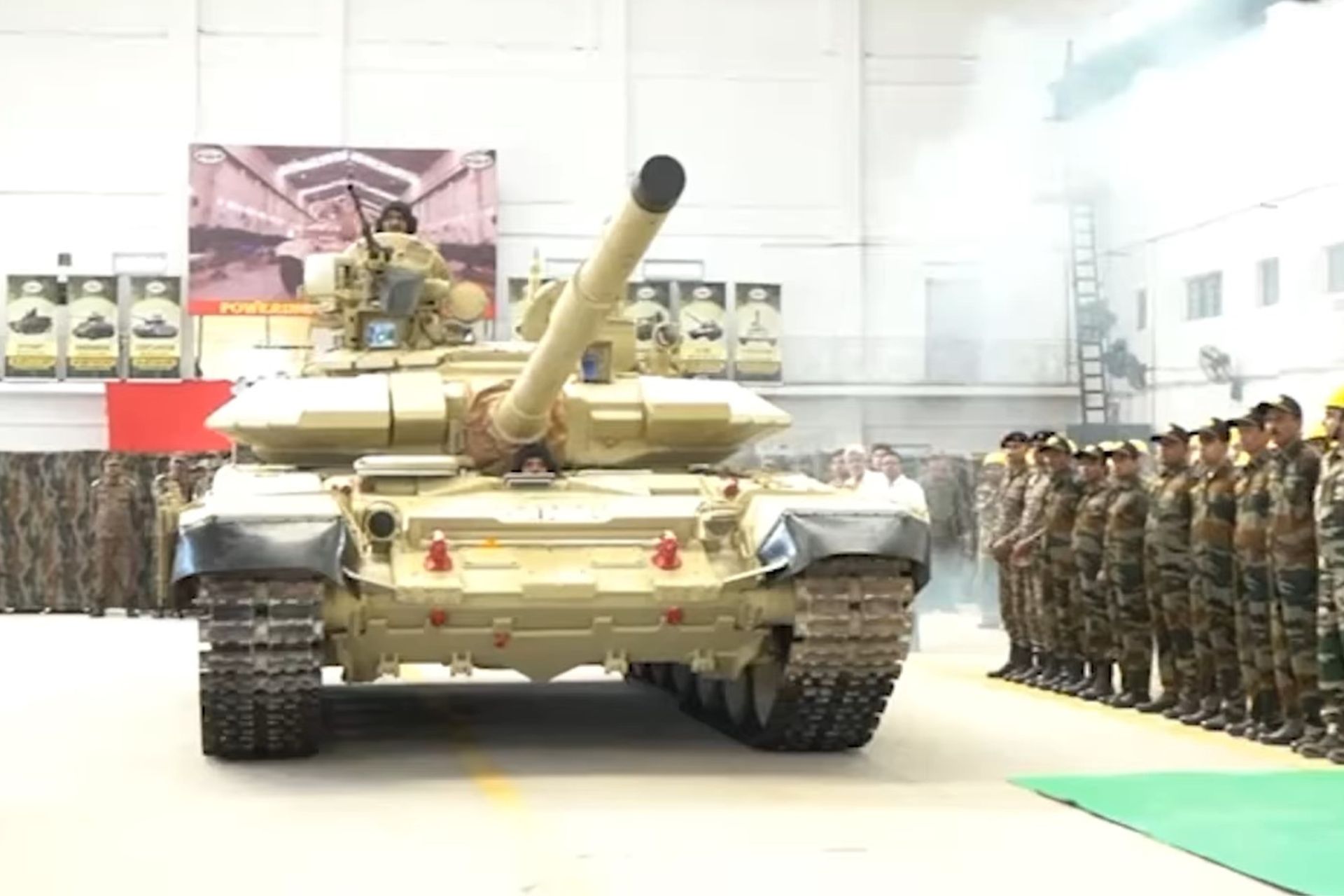
The upgrade process, carried out at the 505 Army Base Workshop in Delhi Cantonment, involved the complete dismantling of the tank, with each component meticulously examined, rebuilt, and tested (Picture source: Indian Army)
India’s T-90 modernization effort is part of a long-standing collaboration with Russia. Built under license and manufactured at the Heavy Vehicles Factory (HVF) in Avadi near Chennai, T-90 Bhishma tanks are a vital component of India’s armored forces. Since the initial acquisition of 1,657 units, about 1,300 T-90s are currently in active service. The overhaul program, starting with the initial batches, aims to extend the lifespan of these tanks while enhancing India’s operational independence in their maintenance.
During the ceremony, General Dwivedi commended the EME technicians and officers for their skill and dedication in revitalizing these tanks, highlighting the critical role of ongoing training and innovation. This overhaul effort aligns with the Army’s “Decade of Transformation” initiative, which seeks to reinforce operational capabilities using local solutions and expertise. This strategy underscores India’s intent to maintain technological superiority and secure the sustainability of its combat platforms without routinely relying on foreign support for maintenance and upgrades.
Alongside this significant upgrade, the Indian Army is also developing new equipment, including the Zorawar light tank. Designed for rapid deployment in mountainous regions, the Zorawar recently underwent testing at the Mahajan firing range near Bikaner. This 25-ton tank, developed in two years by the Defence Research and Development Organisation (DRDO) in collaboration with Larsen & Toubro under Project Zorawar, is intended to meet the Army’s requirements for high-mobility operations in high-altitude areas, with an initial series of 354 units planned. Trials, including missile firings, will continue until January 2025 before extensive army evaluation, with induction expected by 2027.
In summary, the successful upgrade of the T-90 Bhishma Mk-3 and the development of the Zorawar light tank highlight the Indian Army’s ongoing efforts to enhance and modernize its defense capabilities. These initiatives demonstrate a commitment to strengthening self-reliance in defense maintenance and technology, while preparing for diverse operational challenges.
Read more: Indian Army’s First Upgraded T-90 Bhishma Mk-3 Tank Enters Service
- Details
- Written by: Halna du Fretay
- Category: 2024
- Hits: 5534
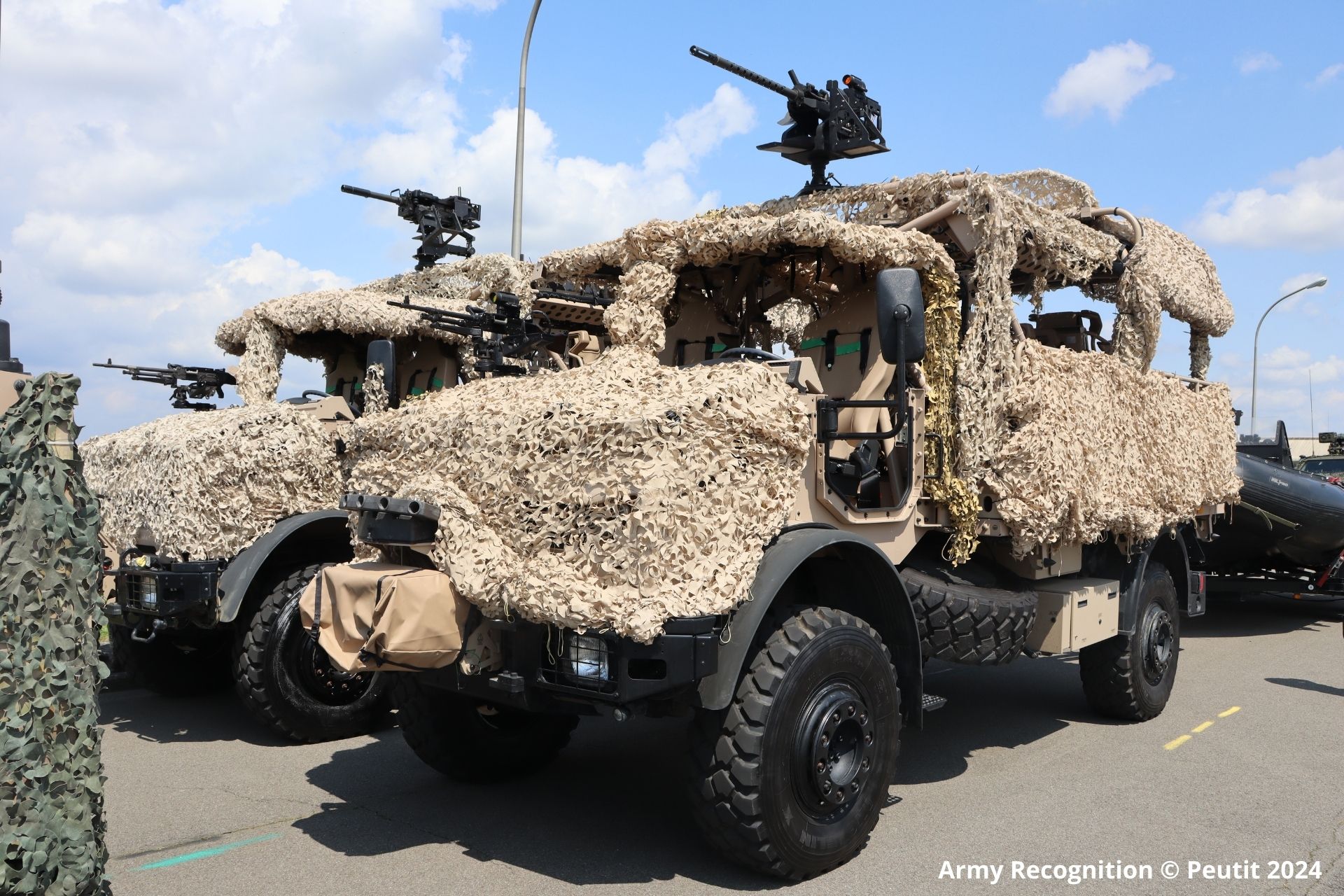
On October 1, 2024, the Belgian Defense Ministry announced that the production of Wolf-type armored trucks could soon resume, with the delivery of all 199 vehicles expected by 2025. This announcement marks a step forward in a project that recently faced challenges due to financial difficulties encountered by Jankel Armouring Limited, the British supplier of the Fox and Wolf wheeled vehicles used by the Belgian army.
The LTTV, known as "Wolf," is designed to carry eight fully equipped soldiers in its rear compartment, alongside a driver and vehicle commander (Picture source: ArmyRecognition)
The LTTV, known as "Wolf," is designed to carry eight fully equipped soldiers in its rear compartment, alongside a driver and vehicle commander. With an empty weight of 9.2 tons, the vehicle can reach up to 10.8 tons in service configuration for paratrooper units.
The transmission typically operates in automatic mode but can switch to manual for specialized off-road conditions or in case of an automatic mode failure, providing versatile operational capabilities. The LTTV also boasts a theoretical range of 1,200 km, making it suitable for long-duration missions.
Earlier this year, Jankel, which also manufactures the Fox RRV (Rapid Reaction Vehicle) used by the Belgian Special Operations Group, faced critical financial issues, initiating a judicial restructuring process on March 8 to resolve its financial situation.
This raised concerns about the company’s ability to fulfill its 2018 commitment to the Belgian army, involving a €67 million contract for 199 light troop transport vehicles (LTTV) under the "Wolf" designation. These vehicles are intended to replace aging Unimog models, contributing to enhanced transport and logistical capabilities within the Belgian armed forces. After securing a 2015 contract to supply the Belgian Ministry of Defense with over 100 Fox Rapid Reaction Vehicles (RRVs), Jankel obtained a second major contract to deliver a new fleet of specialized tactical vehicles under the LTTV program.
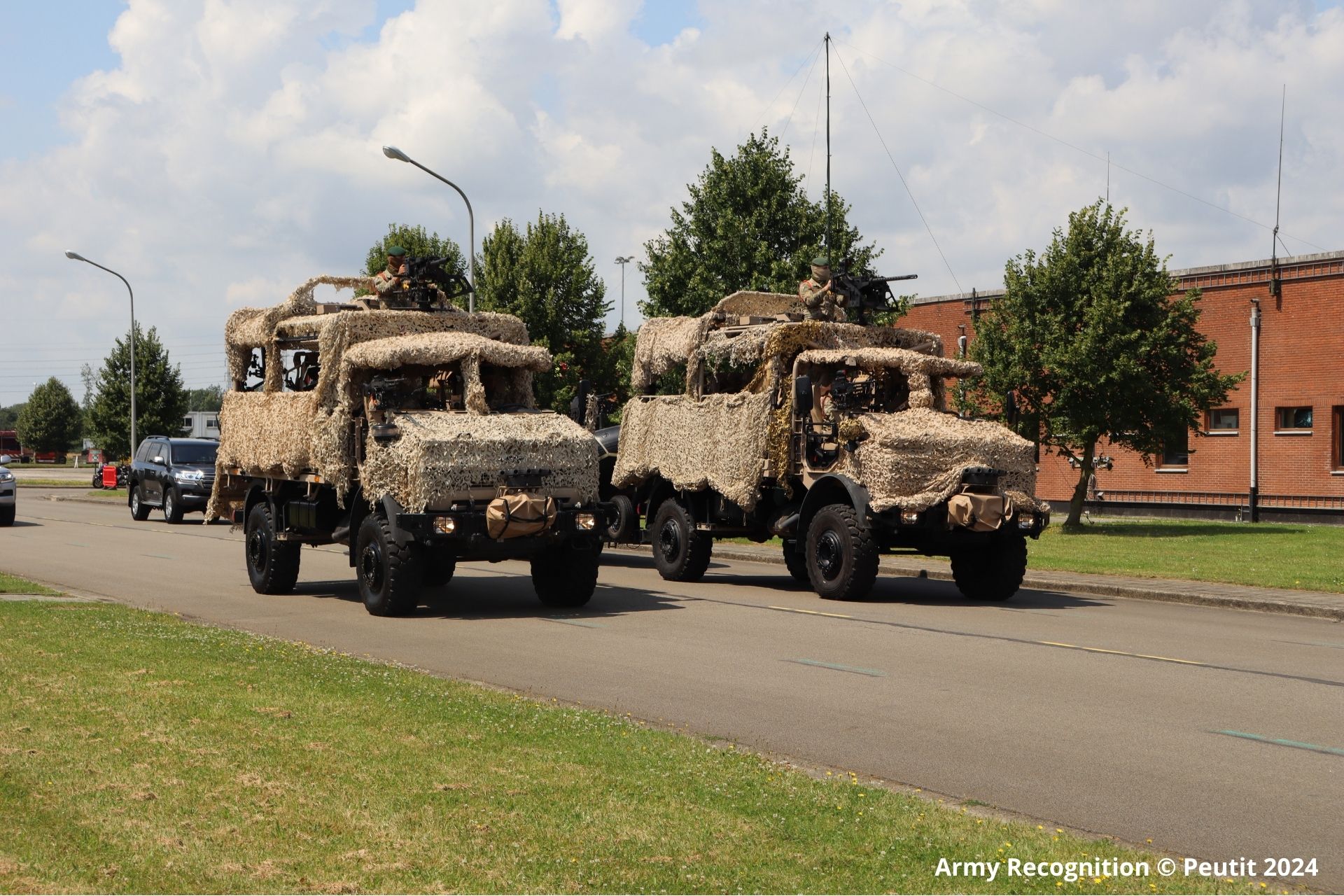
Jankel’s engineers developed the LTTV to offer modular, mission-adaptable functionality through interchangeable mission modules that allow configuration changes based on operational needs (Picture source: Army Recognition)
Jankel’s engineers developed the LTTV to offer modular, mission-adaptable functionality through interchangeable mission modules that allow configuration changes based on operational needs. The platform is equipped with various military subsystems, including a removable ballistic protection kit, a roll-over protection system (ROPS), weapon mounts, and communications setups. This modular design ensures full interoperability with the Fox RRV fleet, enhancing compatibility across the Belgian army’s vehicle inventory. In terms of protection, the LTTV includes an armored floor, bullet-resistant front windshields with independent panels, and additional removable protection kits (RPK) available for cabin doors and the cargo area, offering enhanced security depending on mission requirements.
A key turning point occurred on June 30, 2017, when the Belgian Defense Ministry approved the tender process for equipping special operations forces with 199 new armored LTTVs, intended not only for the Special Operations Group but also for paratrooper units. These vehicles will replace the Unimog 1350L models that have been in service since the mid-1990s, with the contract itself contributing to the continued commercial viability of the Unimog model.
In June 2024, another significant step was taken when NP Aerospace (NPA), a Canadian-based company, partially acquired Jankel’s activities, ensuring the continuity of its contracts. This acquisition, effective since June 4 following several financial and security audits, allowed NP Aerospace to integrate the production and support operations for the Fox and Wolf vehicles. On September 19, the Belgian Defense Ministry confirmed that the contracts for the Fox and Wolf models had been officially transferred to NP Aerospace, ensuring that the vehicle delivery program would proceed for completion by 2025.
Read more: Delivery of Wolf Armored Trucks to Belgian Army on Track for 2025
- Bundeswehr’s New Reconnaissance Vehicle Korsak Would Be Based on Piranha 6×6
- France Tests New Anti-Air Shield with Aster 30 B1NT to Strengthen Future SAMP/T-NG Defense System
- South Korea Commissions Cheongwang Its Most Modern Laser System to Counter Aerial Threats
- Bulgaria purchases German IRIS-T SLM air defense system