
- Details
- Written by: Vandenbosch
- Category: 2024
- Hits: 8977




Breaking news






Imco Industries announced on May 6, 2024, a contract worth 377 million NIS with the Israeli Ministry of Defense. The multi-year contract entrusts Imco with the task of developing and providing electrical systems and subsystems for the armored vehicles of the Israel Defense Forces (IDF), including the Merkava tank and the Namer and Eitan armored personnel carriers.
Follow Army Recognition on Google News at this link
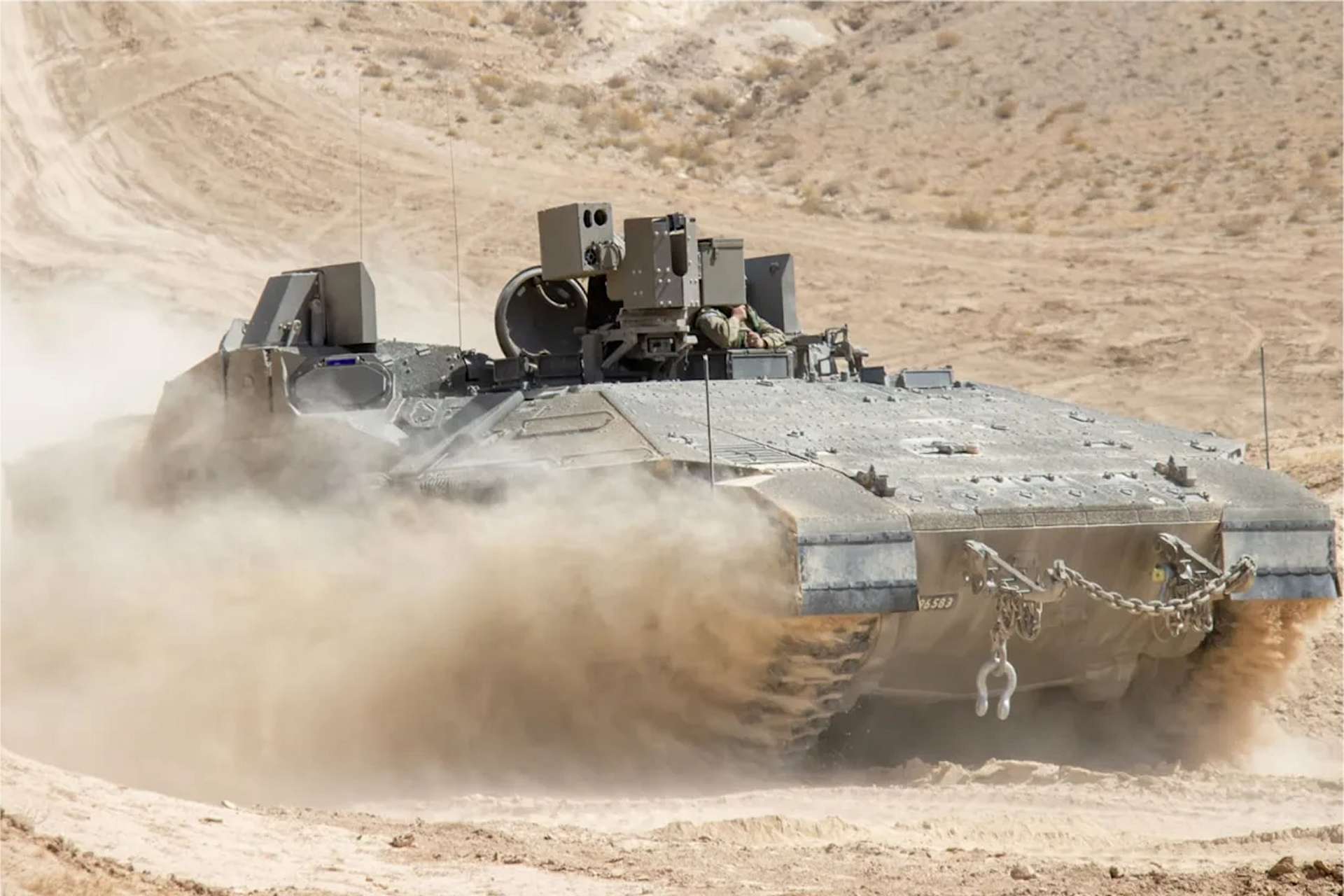
The Namer is an Israeli armored personnel carrier based on a Merkava Mark IV tank chassis. (Picture source: Imco Industries)
The items to be provided under this contract include advanced video management and voltage systems as well as harnesses, with delivery scheduled between 2024 and 2030.
This new contract substantially increases Imco's order book, elevating it from 350 million NIS to 725 million NIS, more than doubling the previous figure. The announcement had a positive impact on Imco's stock performance, with a 19% increase in its share price today, adding to a 200% rise over the past year.
The Merkava tanks as well as the Namer and Eitan armored vehicles are essential to the IDF's ground maneuver capabilities. Under this contract, Imco will equip these vehicles with combat-proven advanced systems. This contract updates and replaces a previous agreement from 2020 involving the production and supply of similar electrical and control assemblies for these vehicles. For 2024 and 2025, Imco is poised to finalize production and supply under the existing contract and initiate deliveries for the new contract.
The Merkava tank, developed and produced by Israel Military Industries, is a series of main battle tanks that have been in service since 1979. The most recent version, the Merkava Mark 4 Barak, features advanced technologies including artificial intelligence, upgraded sensors, and virtual reality capabilities. Designed for maximum crew protection, the tank has its engine located at the front to absorb impacts and provide additional survival space for the crew. It also features a sophisticated fire control system capable of engaging moving targets, even under challenging conditions.
The Eitan is a wheeled armored personnel carrier developed by the Israeli Defense Ministry's Development Program. The Eitan is designed to provide enhanced protection against various threats while ensuring the rapid deployment of troops. It is equipped with an advanced active protection system and a remotely operated weapon station, ensuring it can fulfill various roles on the modern battlefield.
The Namer, a heavy armored personnel carrier, has been in service since 2008 and is utilized by the Israel Defense Forces. The Israeli APC is designed for maximum protection with a classified composite armor made from a ceramic-steel-nickel alloy and additional reactive armor. It accommodates a crew of three and can carry up to nine troops. Its main armament includes a Samson Remote Controlled Weapon Station equipped with a choice between a 12.7 mm M2 machine gun or a Mk 19 grenade launcher. Secondary armaments consist of a 7.62 mm machine gun and an external 60 mm mortar. The vehicle is powered by a 1200 hp turbocharged diesel engine, offering a significant power-to-weight ratio and a top speed of 85.2 km/h, making it both robust and rapid on the battlefield.
Founded in 1974, Imco Industries operates in Israel and the United States. The company, along with its subsidiaries such as Imco Projects, Nir Or, ADT (United States), Etna, and EMT, specializes in the design, development, manufacturing, and marketing of a wide range of electrical, electromechanical, and mechanical products. These products serve various platforms in air, land, and naval forces as well as industrial applications.
Read more: Israel Contracts Imco Industries to Modernise Armored Vehicles Including Merkava Tank
- Details
- Written by: Halna du Fretay
- Category: 2024
- Hits: 3487
Breaking news
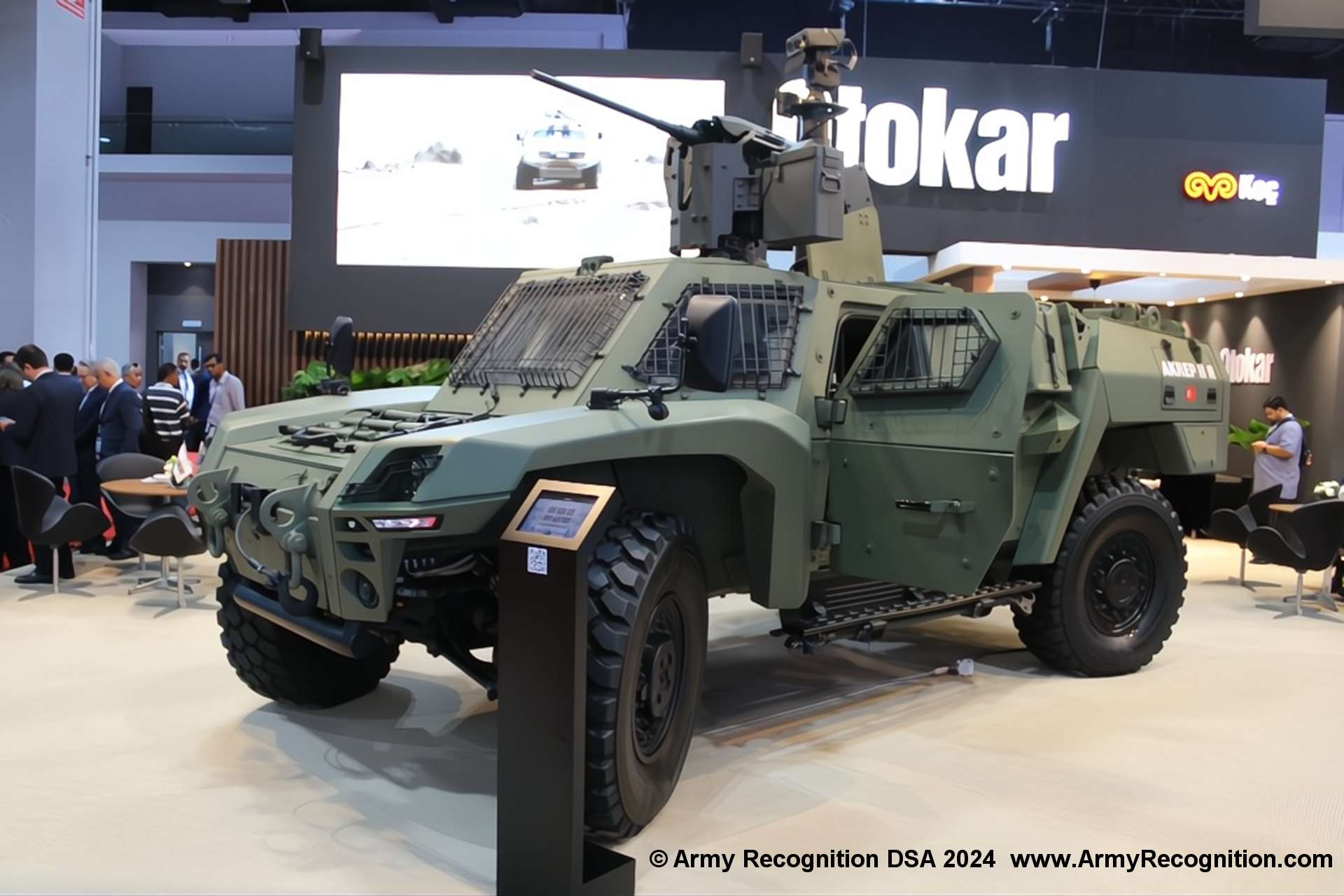
At the Defence Service Asia (DSA) 2024 in Malaysia, the Turkish company Otokar introduced the Akrep II, an armored reconnaissance vehicle equipped with advanced weaponry systems. Designed for exceptional maneuverability, the Akrep II features a four-wheel-drive system and an optionally steerable rear axle, allowing it to easily navigate challenging terrains and overcome obstacles like deep mud, snow, or water.
The Akrep II presented at DSA 2024 is the Forward Observation Vehicle (Artillery or Air Force) version (Picture source: Army Recognition)
A notable feature of the Akrep II is its electric control over essential mechanical components such as steering, acceleration, and braking, which enables remote vehicle control or the integration of driving assistance systems and autonomous capabilities. The vehicle also boasts a reduced silhouette, enhancing its survivability while maintaining effective firepower. The Akrep II is available with various power options: diesel, hybrid, or electric, each minimizing the vehicle's thermal and acoustic signature.
As a multi-role vehicle, the Akrep II can be outfitted for a variety of missions including surveillance, armed reconnaissance, air defense, and forward observation for artillery or air forces. It can accommodate medium caliber turrets up to 90 mm, adapting to the specific needs of each mission.
In terms of technical specifications, the Akrep II can carry up to three personnel (driver, commander, and gunner) and has a maximum gross vehicle weight of 15,500 kg. The vehicle measures 5.9 meters in length, 2.5 meters in width, and has a hull height of 1.975 meters, with a ground clearance of 400 mm. It is powered by either a 360 horsepower diesel engine or a 2 x 180 kW electric system for hybrid and electric versions and features a 6-speed automatic transmission for the diesel variant.
Standard features include a central tire inflation system, radial tires with run-flat inserts, an anti-lock braking system (ABS), air conditioning and heating systems, five-point seat belts, and a driver's vision enhancement system. Optional equipment includes drive-by-wire technology, an NBC filtration system, self-recovery winch, 360° situational awareness system, and various other enhancements that boost the vehicle’s capabilities depending on the mission.
Based in Istanbul, Otokar is recognized in the defense sector for its continual innovation in armored vehicle technologies. The Akrep II exemplifies Otokar's expertise in designing vehicles that meet the evolving demands of modern battlefields. The widespread deployment of the Akrep II in various configurations demonstrates its versatility and ability to meet the complex challenges of global defense and security.

- Details
- Written by: Vandenbosch
- Category: 2024
- Hits: 5574
Breaking news
At the DSA 2024 exhibition currently underway in Malaysia, Deftech has unveiled its latest vehicle, the Armoured Heavy Recovery Vehicle (AHRV), a new addition to its specialized military vehicle lineup. This new model represents an advancement in terms of recovery capabilities and on-field support, illustrating Deftech's ongoing commitment to defense innovation and technology.
Follow Army Recognition on Google News at this link
The AHRV is a Malaysian recovery vehicle. (Picture source: Army Recognition)
The AHRV is powered by a Volvo D13A520 engine, designed to deliver optimal performance under extreme conditions. Its 315-liter fuel capacity allows for a range of 500 kilometers. With a maximum road speed of 100 km/h, the AHRV can move quickly to meet the demands of recovery missions.
This engine, which generates a maximum output of 382 kW, or about 520 horsepower, at a speed ranging from 1500 to 1800 revolutions per minute, is optimized to provide a robust torque of 2500 Nm in a range from 1050 to 1450 rpm. This ability to deliver high torque at low speeds is ideal for heavy applications such as vehicle recovery, where low-speed power is crucial.
Designed to operate efficiently in challenging environments, the AHRV features a parabolic leaf suspension, optimized to provide increased stability and mobility across various terrains. The vehicle can overcome obstacles with an integrated bulldozer blade, thus enhancing its ability to navigate through devastated or heavily damaged areas. Additionally, it has an approach angle of 29.5 degrees and a departure angle of 22.2 degrees.
The AHRV is also equipped to handle heavy recovery tasks, with a winch and a recovery crane that can lift to 30 tonnes each. These features make it indispensable for towing damaged or immobilized vehicles, as well as for lifting operations on the battlefield.
Safety and communication are key aspects of the AHRV, with equipment including VHF and HF communication systems, as well as an intercom for smooth coordination among team members, consisting of a driver, a commander, and two mechanics. In terms of armament, the vehicle is equipped with a 7.62 mm machine gun, ensuring the crew's protection during recovery operations.
It is interesting to see the presentation of an indigenous vehicle model at the DSA 2024 exhibition in Malaysia. The Armoured Heavy Recovery Vehicle presents interesting technical features that are likely to attract potential clients, now awaiting to see the real capabilities of this new Malaysian vehicle. Its first purchase could come from Malaysia itself, a smart move if the country wants to support its military industry.
Read more: DSA 2024: Deftech Unveils AHRV Armoured Heavy Recovery Vehicle in Malaysia
- Details
- Written by: Halna du Fretay
- Category: 2024
- Hits: 4473
Breaking news
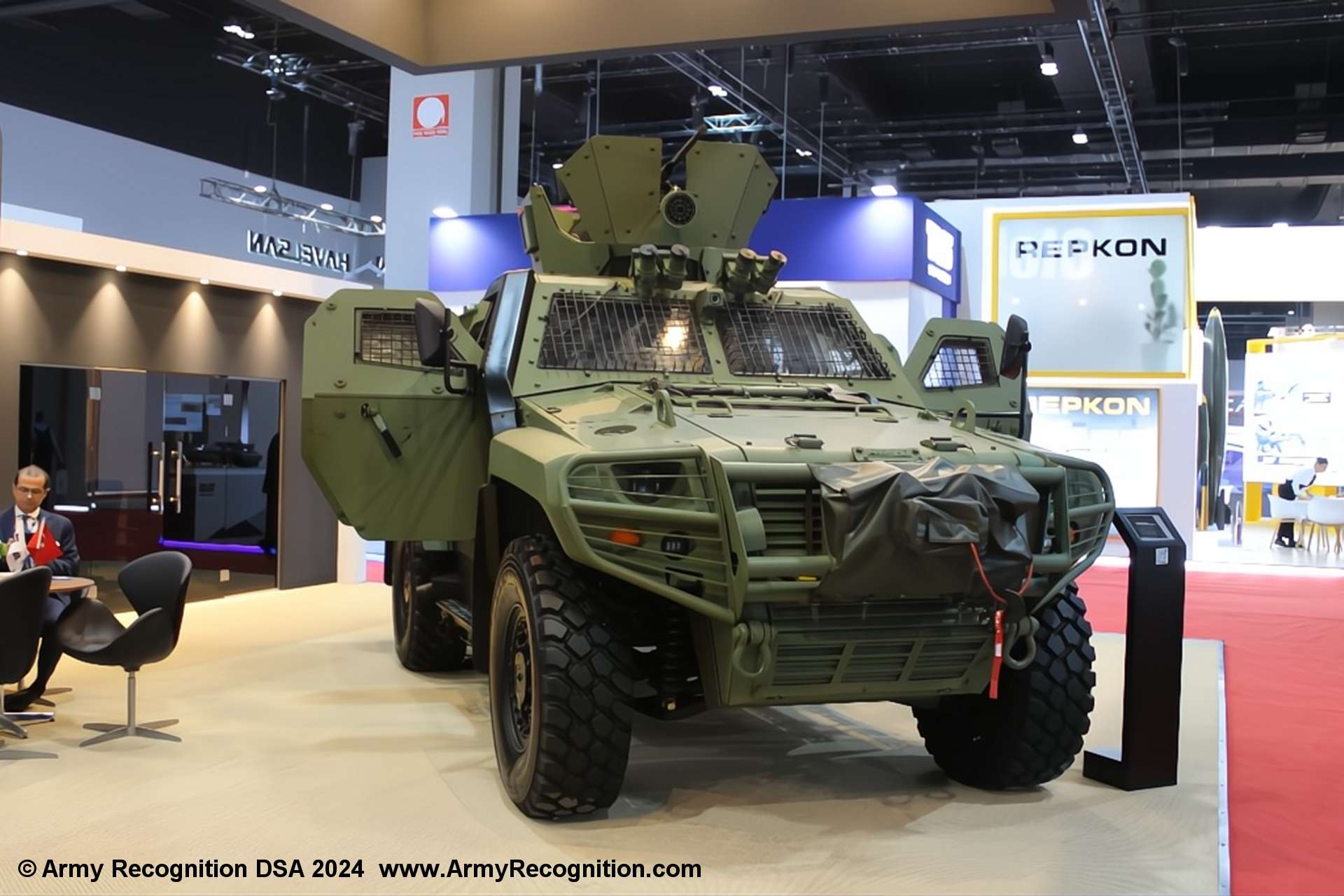
At the Defence Service Asia (DSA) 2024 in Malaysia, the Turkish defense company Otokar presented the Cobra II, a 4x4 tactical armored vehicle known for its superior technical and tactical features. The Cobra II is a modular platform that combines exceptional mobility with superior protection against bullets and mines, while also offering an increased payload capacity and spacious internal space.
The Cobra II Armored Vehicle at DSA 2024 (Picture source: Army Recognition)
This vehicle is equipped to support a wide range of weapon integrations and equipment for various types of missions, including urban operations and peacekeeping activities. It also delivers outstanding performance across a variety of challenging terrains and climatic conditions.
In terms of technical specifications, the Cobra II can accommodate up to 11 individuals, including the driver and commander. It is powered by a 360 horsepower turbo diesel engine, equipped with an automatic transmission, and features a two-speed transfer case with differential lock. The total weight of the vehicle can reach up to 14,500 kg, with a ground clearance of 400 mm.
Standard features include a central tire inflation system, radial tires with run-flat inserts, an anti-lock braking system (ABS), air conditioning and heating systems, five-point seat belts, and adjustable seats for the driver and commander. The vehicle is also fitted with roof hatches, gun ports, vision blocks, and towing hooks at the front and rear.
Available options include a winterization kit, an automatic self-recovery winch, a CBRN filtration system, an automatic fire extinguishing and explosion suppression system, a radio/intercom system, smoke grenade launchers, an auxiliary power unit, a situational awareness system, an integrated display for the commander, a navigation system (GPS/INS), a ramp door with an emergency exit, and a barricade remover.
Otokar, based in Istanbul, is recognized for its commitment to innovation in defense technologies. The development of the Cobra II exemplifies the company's expertise in creating solutions that meet the modern demands of the battlefield. The proliferation of this vehicle in various countries, including Azerbaijan, Bangladesh, Ecuador, Ghana, Ivory Coast, Rwanda, Senegal, Turkey, and Tunisia, demonstrates its successful adaptation to diverse operational environments and its functionality in various combat scenarios.
Recently, it was observed in Ukraine that widely circulated images on social media depict multiple Cobra II vehicles in service with the Russian Volunteer Corps (RVC), a paramilitary force fighting alongside Ukrainian forces.
- Details
- Written by: Triffaux
- Category: 2024
- Hits: 11496
Breaking news
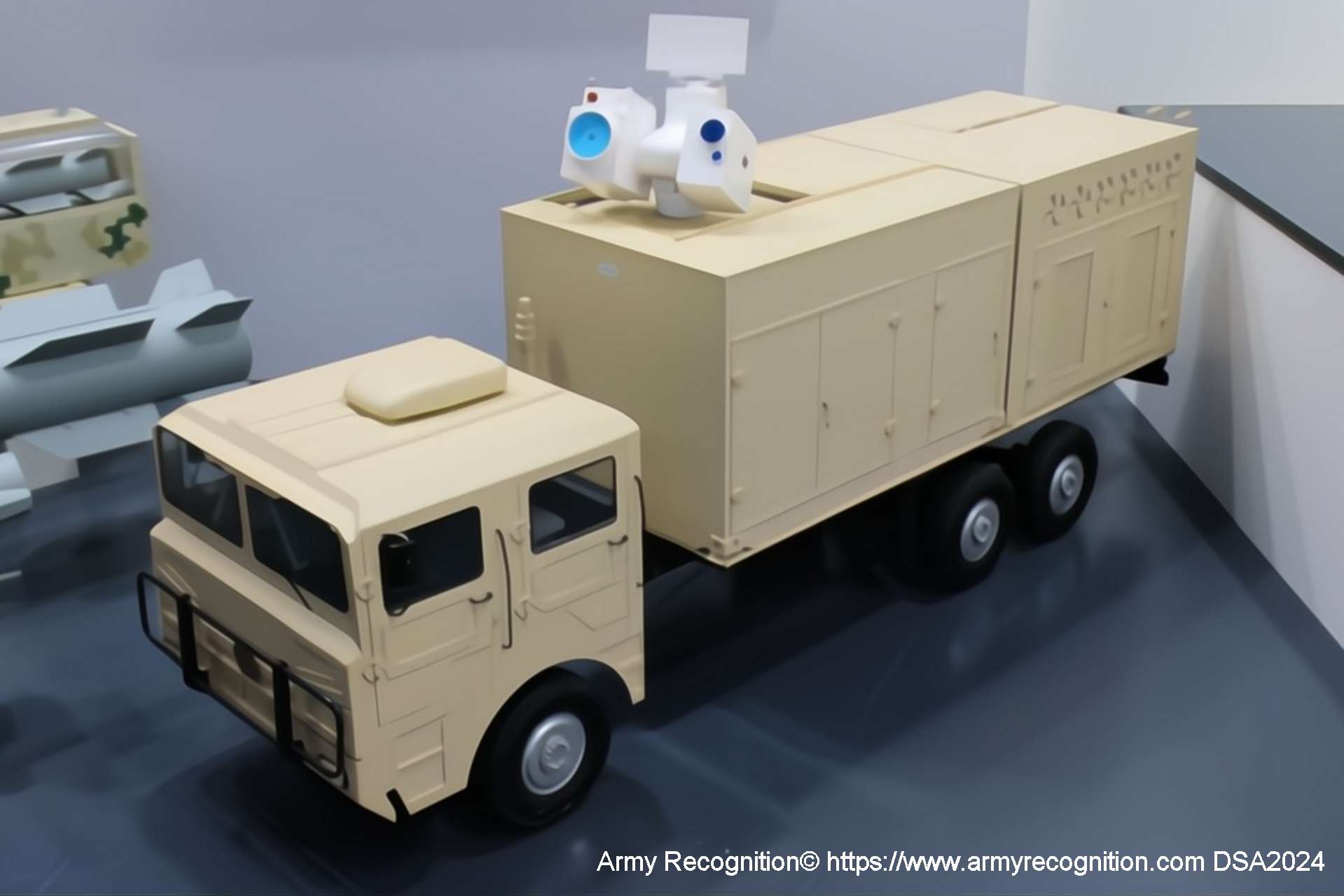
At DSA 2024, the Chinese company Poly Technologies showcased the Silent Hunter, a laser defense system mounted on a 6x6 truck. This system is an improved version of the 30-kilowatt Low-Altitude Laser Defense System (LASS) and is available in both fixed and mobile versions.
Follow Army Recognition on Google News at this link
Chinese Poly Technologies Silent Hunter Laser Defense System (Picture source: Army Recognition)
The Silent Hunter operates with an electrically powered fiber optic laser. At DSA 2024, three power ranges were displayed: from 200 to 2,000 meters at 10 kW, from 200 to 3,000 meters at 20 kW, and from 200 to 4,000 meters at 30 kW, with a target detection/capture range of up to 4 km.
Primarily designed to search, track, and destroy low-flying drones not exceeding a speed of 60 m/s at 200 meters, it is powerful enough to "ablate" or penetrate five 2-millimeter steel plates at a distance of 800 meters or a single 5-millimeter steel plate at 1,000 meters. Its considerable size makes its use on an aerial platform impractical.
A Poly official stated that the Silent Hunter was used to secure the G-20 Summit in Hangzhou, China, in September 2016, although this laser weapon was first unveiled at IDEX 2017. It was also displayed at the International Exhibition of Weapons Systems and Military Equipment (KADEX) in Kazakhstan in 2018.
More recently, at the World Defense Show in Riyadh on February 5, 2024, Poly Technologies announced the first successful neutralization of a Houthi attack drone by the Saudi military. Notably, Saudi Arabia is the only country besides China to have deployed this type of equipment. To date, eight of these systems have been deployed, working in synergy with truck-mounted 3D TWA radars, optimized for detecting low-flying drones. Additionally, the Silent Hunter was also utilized to secure the World Defense Show 2024 itself, alongside Patriot missile batteries.
Read more: DSA 2024: Chinese company Poly Technologies showcases Silent Hunter laser defense system
- Details
- Written by: Halna du Fretay
- Category: 2024
- Hits: 6278
Breaking news
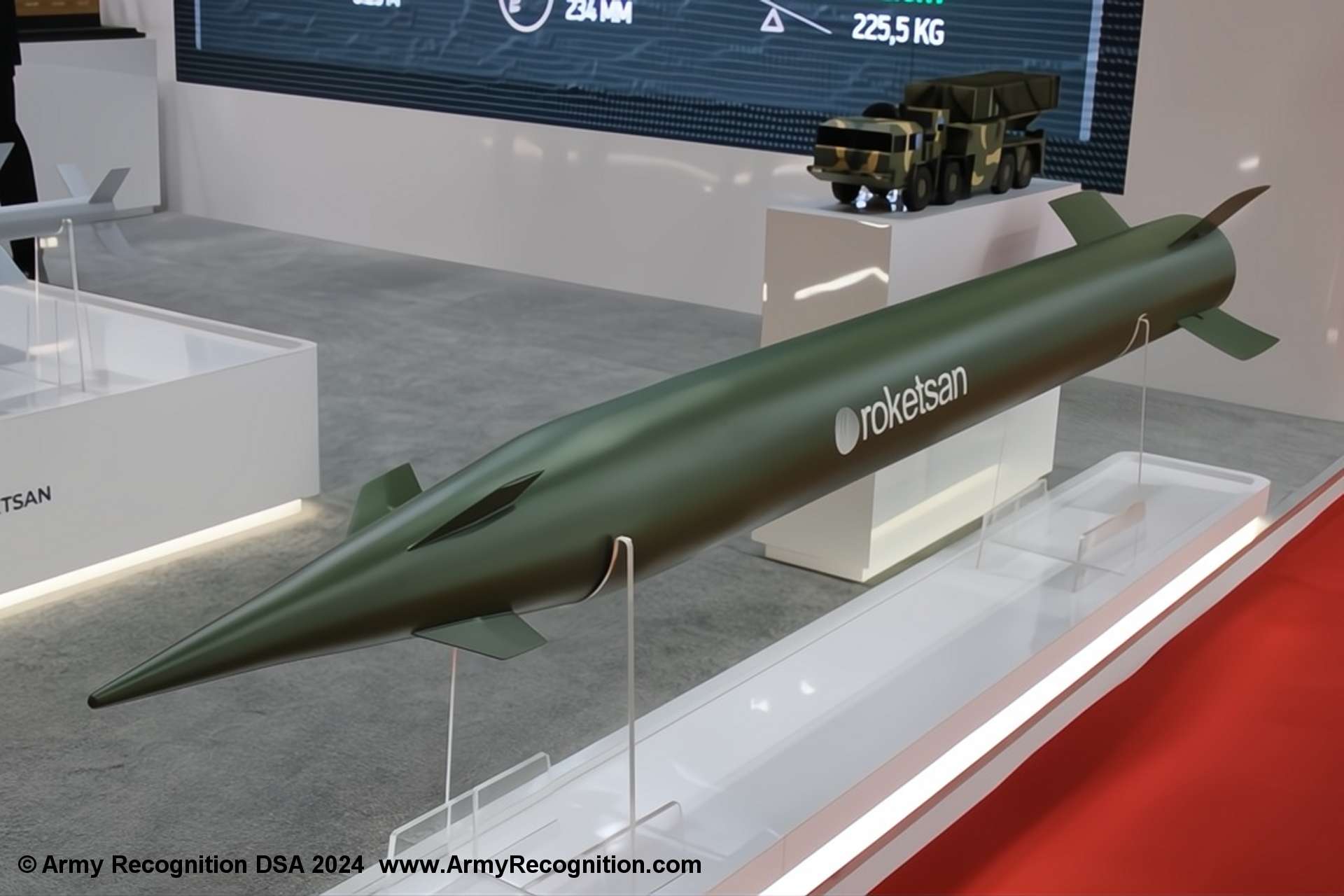
At the Defence Service Asia DSA 2024 in Malaysia, Turkish defense company Roketsan unveiled the TRLG-230, a precision-guided missile designed to effectively strike high-priority targets within ranges of 20 to 70 kilometers. This missile, which can be launched from the ROKETSAN MCL (Multi-Caliber Launcher) artillery system as well as other platforms with compatible interfaces, represents a significant development in modern armament.
The TRLG-230 is a precision-guided missile designed to effectively strike high-priority targets within ranges of 20 to 70 kilometers, at DSA 2024 (Picture source: Army Recognition)
The TRLG-230 missile, with a diameter of 230 mm and a weight of 210 kg, boasts an effective range of 20 to 70 km. Its accuracy is enhanced by the combined use of GPS, the GLONASS satellite navigation system, an inertial navigation system, and a laser seeker, achieving strike precision of less than 2 meters. Its readiness to fire in a short time makes it particularly suited for combat situations where quick response is crucial.
Designed to minimize collateral damage, the missile features precision strike capabilities. It is equipped with a high-explosive warhead, supplemented by steel balls, weighing a total of 42 kg, effective within a radius of more than 55 meters. The warhead can be fitted with either a point detonating or proximity fuse, providing additional flexibility in engagement types.
Potential targets for the TRLG-230 include artillery systems, air defense sites, radar sites, assembly areas, logistical facilities, and command, control, and communication (C3) infrastructures, highlighting its role in offensive operations against strategic enemy objectives.
Roketsan, based in Ankara, Turkey, is recognized for its commitment to defense technology innovation. The development of the TRLG-230 missile illustrates the company's expertise in creating solutions that meet the modern demands of the battlefield. With a shelf life of 10 years, this missile not only represents a technological advance but also a sound long-term investment for the armed forces.
In April 2023, the 49th Artillery Brigade of Ukraine posted photos on social media to announce the use of the TRLG-230 missile with a Multi-Barrel Rocket Launcher (MBRL). According to some sources, between 50 and 200 of these missiles were delivered, enhancing Ukraine's rapid response capability.
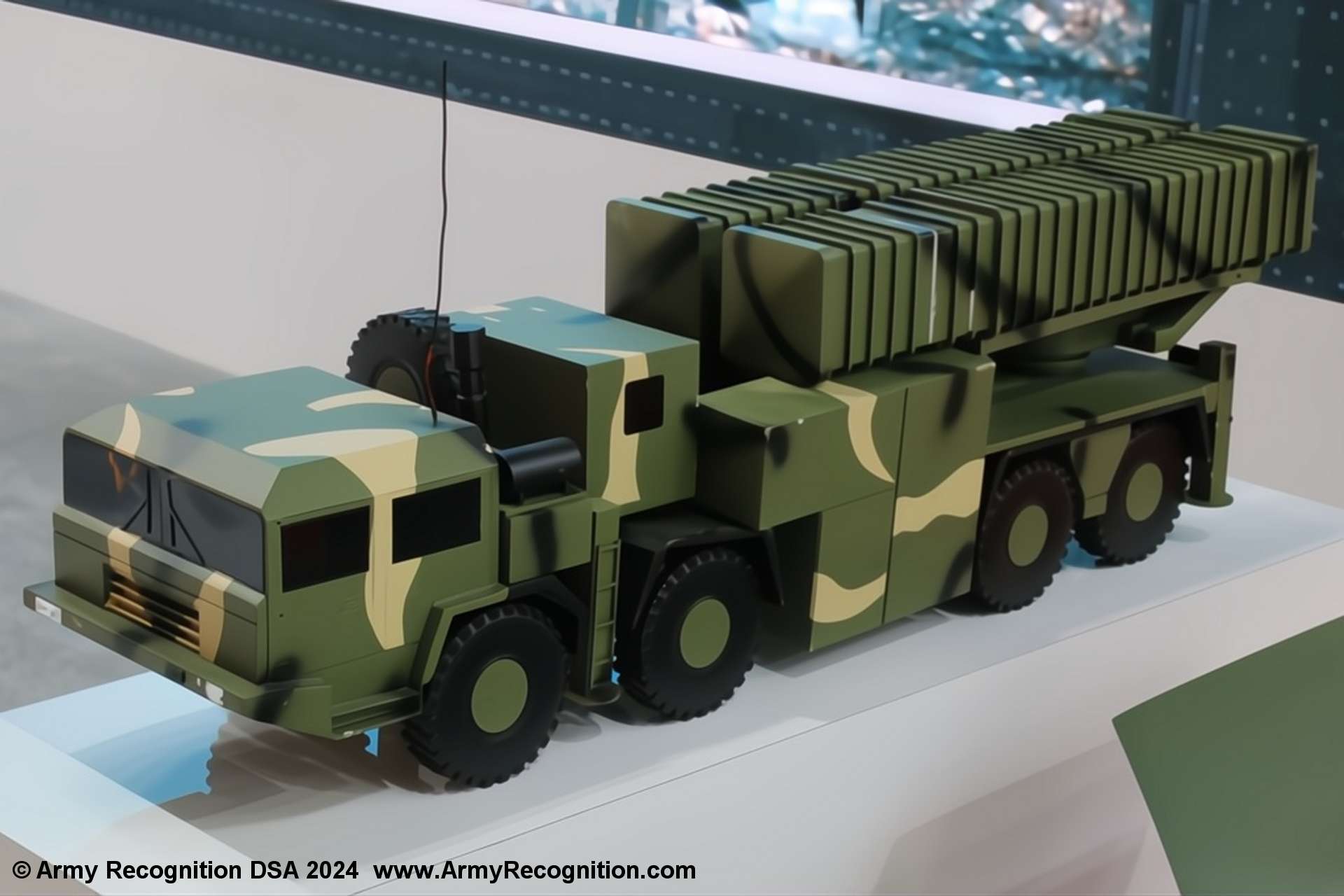
The TRLG-230 missile can be launched from the ROKETSAN MCL (Multi-Caliber Launcher) artillery system (Picture source: Army Recognition)
Read more: DSA 2024: Turkish Roketsan Showcases TRLG-230 Laser Guided Missile
- Details
- Written by: Vandenbosch
- Category: 2024
- Hits: 10655
Breaking news
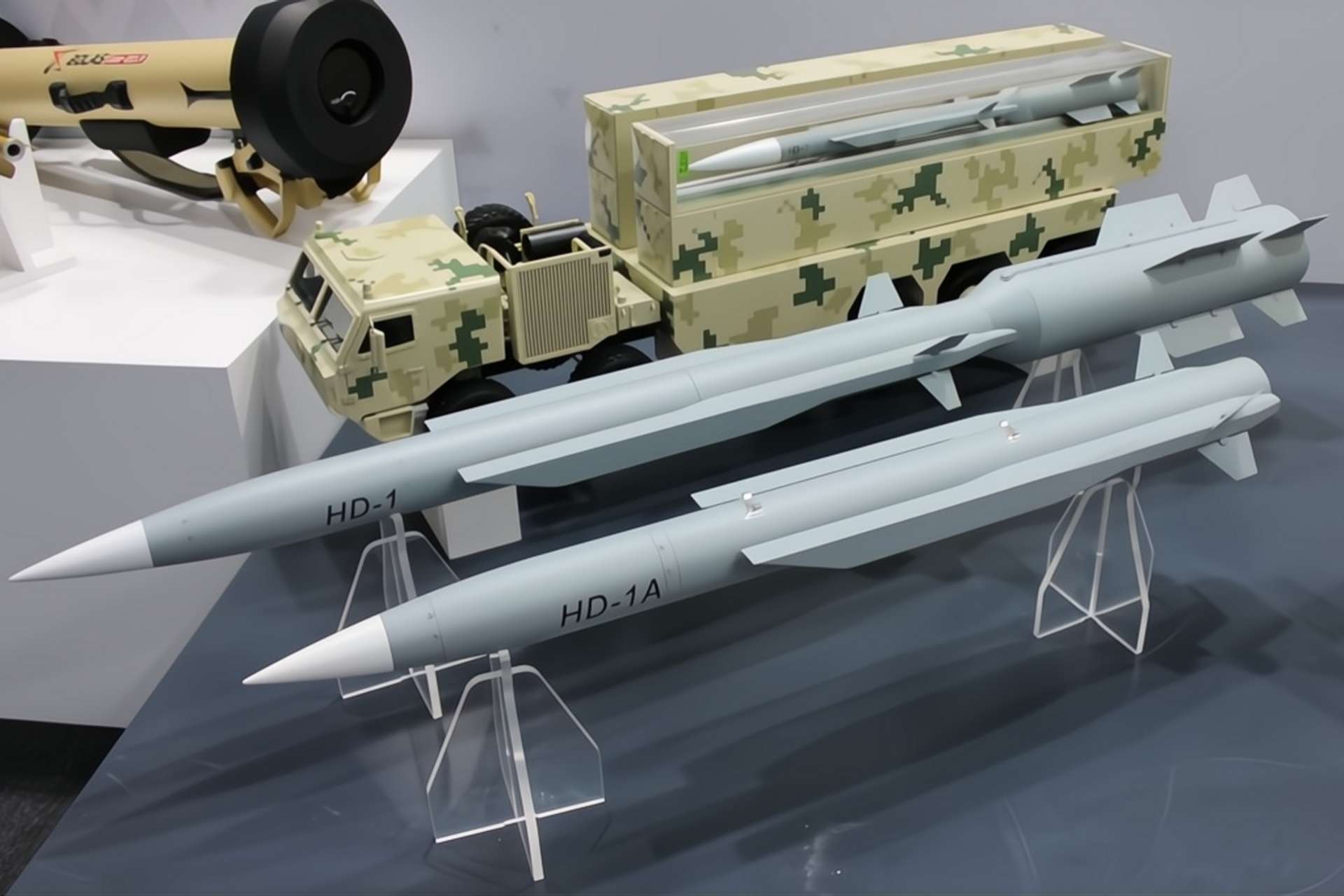
At the Defense Services Asia (DSA) 2024 expo in Malaysia, Chinese defense contractor Poly Technologies showcased two models from its HD-1 supersonic missile family, highlighting a missile designed for coastal defense, the HD-1A.
Follow Army Recognition on Google News at this link
The HD-1 is an anti-ship and land-attack cruise missile developed by the People's Republic of China. (Picture source: Army Recognition)
The HD-1 is an anti-ship and land-attack cruise missile developed by the People's Republic of China. This missile is used by the People's Liberation Army Navy. Introduced at DSA 2024, the HD-1 combines advanced capabilities, particularly in terms of speed and range, to meet various military needs.
This missile has a launch mass of 2,200 kg and measures 8.3 meters in length with a body diameter of 0.375 meters. It is capable of carrying a payload ranging from 240 to 400 kg, including options for unitary or cluster munitions. The HD-1 is powered by an integrated ramjet engine with a solid rocket booster, enabling it to achieve impressive speeds between Mach 2.5 and 3.5, which is approximately 2,716 to 4,321 km/h.
The operational range of the HD-1 is 290 km, with the ability to fly at a cruise altitude of 15 km and descend to between 5 and 10 meters above the ground or sea during an attack, thus increasing its stealth and survival capabilities against enemy defenses. The missile utilizes an inertial navigation system coupled with satellite guidance for navigation, and it is equipped with radar and infrared guidance for terminal guidance, significantly enhancing the accuracy of the attack.
Finally, the HD-1 can be launched from various platforms, including aircraft and ships, thus offering considerable flexibility in deployment options and use according to tactical requirements. This versatility makes the HD-1 a valuable tool for Chinese maritime and terrestrial military operations.
The HD-1A, primarily for aerial deployment, is equipped with an infrared imaging sensor and an inertial navigation system with GPS update, achieving an approach accuracy of 20 meters, reduced to 10 meters when using its infrared seeker (IIR). The HD-1C variant, suited for anti-ship operations, features an active radar seeker that improves the probability of a single-hit kill against moving naval targets to 75%.
The showcase at DSA 2024 not only highlighted the missile's specifications but also emphasized its modular design, allowing for various launcher configurations. This flexibility makes the HD-1 adaptable to multiple platforms and mission requirements.
Read more: DSA 2024: China Displays HD-1 and HD-1A Supersonic Missile in Malaysia
- Details
- Written by: V.Saint
- Category: 2024
- Hits: 11502
Breaking news
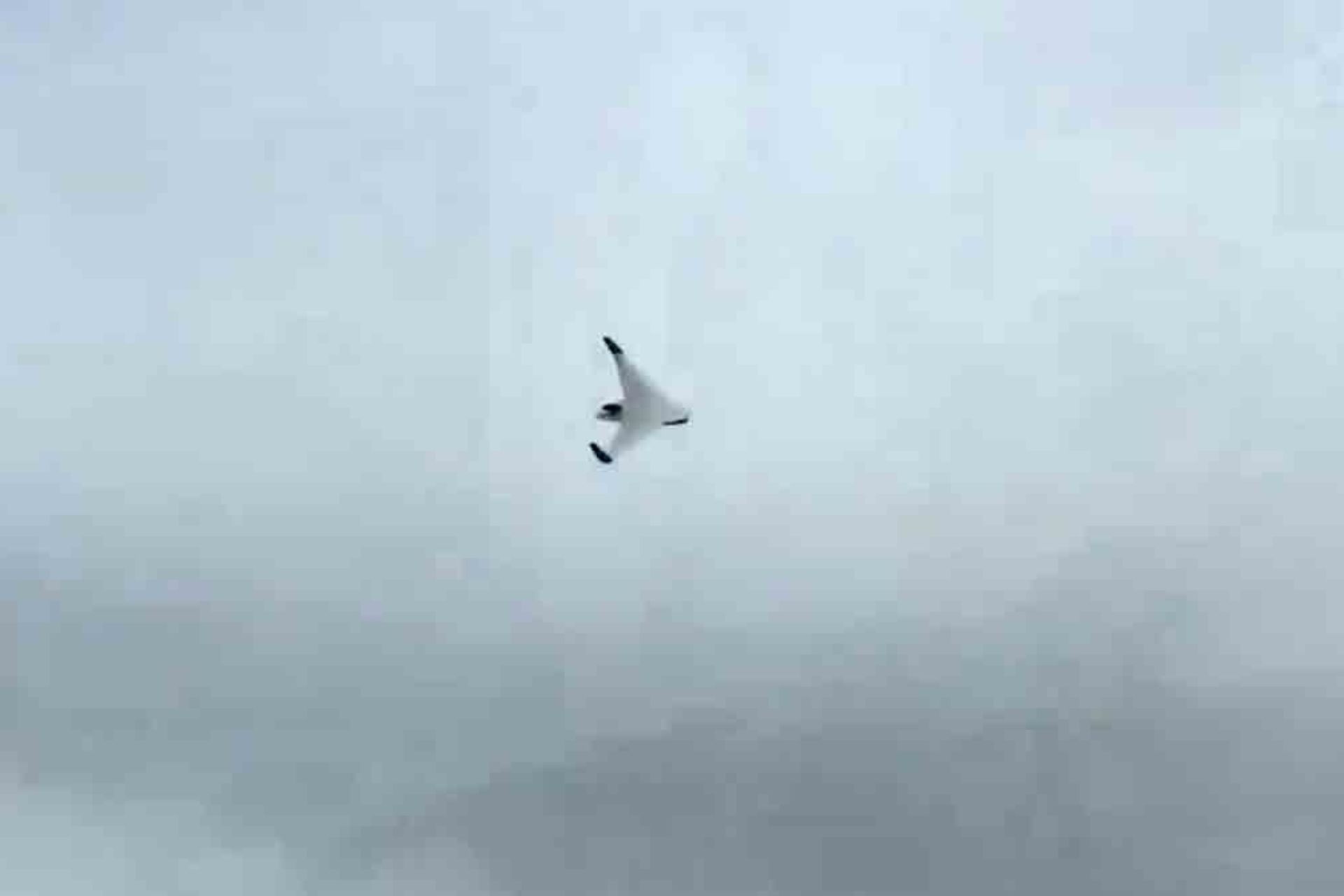
The "Veloce 330," a kamikaze drone powered by a jet engine and designed and manufactured at the facilities of EOS Technologie in France, has completed a third phase of flight testing. First Images are published by manufactured on a video released on May 2, 2024. It is heavily inspired by the brand-new Shahed 238 introduced by Iran in November 2023.
Follow Army Recognition on Google News at this link
Veloce 330 presentation video capture by EOS (Picture source: Eos technology )
With several peaks exceeding 400 km/h and covering 50 km in just 16 minutes (using half the tank), the aerodynamic design and manufacturing processes have now been validated for this mini French Shahed 238.
The drone will be equipped with a cumulative armor-piercing warhead, in addition to innovative technology that will ensure the defeat of active protection systems.
As part of the Larinae project, the French armed forces are considering purchasing drones suitable for combating armored or protected targets at a distance of 50 km and with a flight time of 60 minutes.
The specifications set by the AID required the creation of a drone that can do more than a remotely operated munition. In addition to being able to penetrate the armor of an armored vehicle with a piercing charge, this device will also have to carry out reconnaissance or observation missions without being detected and certainly not stopped thanks to jamming-resistant technology. After such a mission, the Veloce must be able to return to its base by performing a vertical landing.
"Most drone attacks have been stopped by cyber jamming technologies. This drone will be able to fly through jammers. It will be capable of reaching a target without GPS," Jean-Marc Zuliani, CEO of EOS Technologie, explained last year at the Paris Air Show.
The three companies had 18 months to present a "passive" demonstrator, that is, one without an explosive load. This has now been achieved. If this prototype is validated by the DGA (Directorate General of Armament), they will have about 12 months to develop a version equipped with an explosive charge of 2 to 3 kilograms that will be projected onto the target with "metric precision."
These attacks will be piloted by an operator based at least 80 km away, with a three-hour autonomy. An optronic system must also be able to detect a moving vehicle at 15 km during the day and at 3 km at night. Finally, a last requirement was given. The cost of a drone must not exceed 200,000 euros.
This French drone is inspired by the Iranian drone Shahed 238, an evolution of the Shahed 136. The main difference is the jet propulsion that equips the 238. This propulsion increases its range and speed while allowing for a greater payload capacity. The Shahed 238 was uses for the first time during the Iranian attack of Israel in April 2024.
Compared to the propeller-driven Shahed-136, which has a speed of about 180 km/h, the Shahed-238, powered by the Toloue-10 micro-turbojet engine 896, can reach speeds of 500 km/h. In terms of guidance, the Shahed 238 is equipped with three types of guidance: basic satellite navigation/INS for reaching fixed targets, a radar seeker head, and an electro-optical/infrared sensor. The radar seeker head can be used to search for the electromagnetic radiation of radars to perform suppression or destruction of enemy air defenses or be an active search to strike moving targets. The EO/IR sensor could be used to autonomously focus on heat sources or allow direct control of the drone by an operator. Therefore, it is highly likely that the Veloce 330 will be equipped with similar systems.
Read more: France unveils home made kamikaze drone Veloce 330 based on Iranian Shahed 238

- Details
- Written by: Jérôme Brahy
- Category: 2024
- Hits: 6966
Breaking news
On May 5, 2024, Elbit Systems received a contract from General Dynamics Ordnance and Tactical Systems, valued at approximately $37 million, to supply an unspecified number of Iron Fist active protection systems for the US Army's Bradley M2A4E1 program. The contract is scheduled for completion within 24 months.
Follow Army Recognition on Google News at this link
The US Army has allocated funds to procure a Bradley M2A4E1 for each Bradley previously provided to Ukraine, totaling around 200 vehicles to date. (Picture source: PEO GCS)
This contract follows the April 30, 2024 announcement by the US Program Executive Office Ground Combat Systems about the unveiling of the M2A4E1 Bradley infantry fighting vehicle in Saco, Maine. Additionally, the US Army has funded the procurement of a Bradley M2A4E1 for each of the approximately 200 vehicles previously supplied to Ukraine.
The M2A4E1, which is an enhanced version of the Bradley M2A4 designed to rectify limitations of earlier models, will integrate the Iron Fist Active Protection System, an upgraded High Definition Forward Looking Infrared Gunner’s Sight, and an Environmental Control Unit.
These modifications added weight and reduced the vehicle's operational capabilities. To address these issues, Engineering Change Proposals (ECPs) were implemented. ECP1 focuses on restoring mobility by installing lighter tracks, new shock absorbers, a revised suspension support system, and heavy-weight torsion bars, aiming to better manage the increased weight while maintaining sufficient ground clearance for rough terrains and reducing vulnerability to improvised explosive devices (IEDs).
Following this, ECP2 aims to enhance automotive power through a larger engine, a new transmission, and a smart power management system intended to improve electrical power distribution, facilitating the integration of advanced networked tactical radios and battle command systems. Vehicles receiving both ECP1 and ECP2 upgrades are designated as M2A4, with the initial ECP1 upgrades fielded in mid-2015 and ECP2 upgrades starting in 2018.
In terms of production, the M2A4 is built on existing frames from Bradley variants such as the M2A3, M7A3, and M2A2 ODS-SA. In June 2018, BAE Systems Land and Armaments received a contract to produce up to 164 M2A4 and M7A4 Bradley Fighting Vehicles. The M2A4 includes improvements such as an enhanced drivetrain and a more powerful engine, alongside new digitized electronics that support modern military operations. Additional features include a new fire suppression system and an IED jammer to improve crew safety in conflict zones. The first units of the M2A4 were deployed in April 2022.
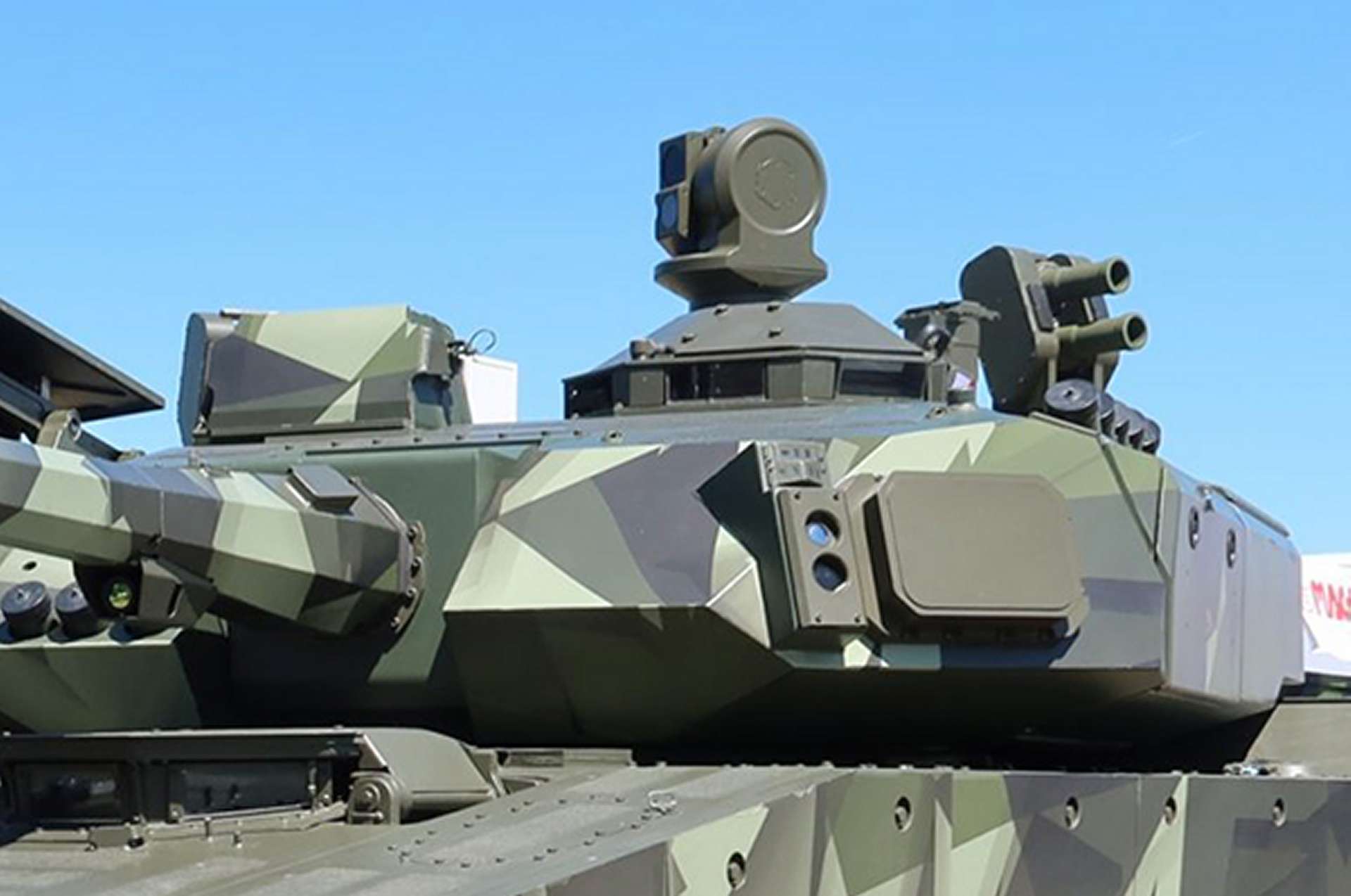
Elbit Systems' active protection system (APS), the Iron Fist, can be found on many vehicles, including the CV90 infantry fighting vehicle. (Picture source: Elbit Systems)
A key feature of the M2A4E1 is the Iron Fist Active Protection System (APS), developed through a collaboration between General Dynamics and Elbit Systems. This advanced defense mechanism, installed on armored vehicles to counter threats like rocket-propelled grenades and anti-tank guided missiles (ATGMs), operates on a "hard-kill" basis, meaning it actively intercepts and neutralizes incoming threats before they can impact the vehicle. It is equipped with sensors and radars that continuously monitor the surroundings for potential threats. Upon detection of a threat, the system computes the necessary parameters to launch a counter-munition at a precisely calculated moment. This interceptor, a small explosive device, is detonated near the threat, disabling it through the release of shrapnel and a shock wave, thereby preventing damage to the target vehicle.
The Iron Fist is characterized by its adaptability across various military vehicle platforms, ranging from light armored vehicles to more heavily armored tanks. The system includes optical and radar sensors that provide a comprehensive 360-degree defensive coverage. Its modular design allows for integration onto different types of vehicles with minimal modifications. Despite the complexity and capabilities of the system, it has been designed to be relatively lightweight and to maintain a low profile on the vehicle, ensuring that it does not significantly alter the vehicle's operational capabilities or physical profile.
The Bradley M2A4E1 also incorporates a High Definition Forward Looking Infrared Gunner’s Sight (HD FLIR Gunner’s Sight) utilizes third-generation forward-looking infrared (FLIR) technology, primarily integrated into military vehicles like the M1A2 Abrams tanks. This system allows operators to detect heat emissions from objects, converting them into thermal images for display. This capability is critical for identifying and engaging targets over long distances, effectively operating regardless of the environmental conditions, including through smoke, fog, and complete darkness. The FLIR system thereby supports both detection and engagement activities by providing clear thermal imaging regardless of environmental conditions.
Additionally, the Environmental Control Unit (ECU) integrated into the M2A4E1 Bradley is a system designed to regulate the internal conditions of the vehicle, controlling temperature, humidity, and air quality to maintain a stable environment for the occupants. ECUs are typically essential in military vehicles to ensure the internal atmosphere remains conducive to crew performance across various environmental conditions. The inclusion of such systems generally supports other enhancements to improve the survivability and functionality of military vehicles, such as better power generation and enhanced electronic systems.
- Details
- Written by: Administrator
- Category: 2024
- Hits: 5203
Breaking news
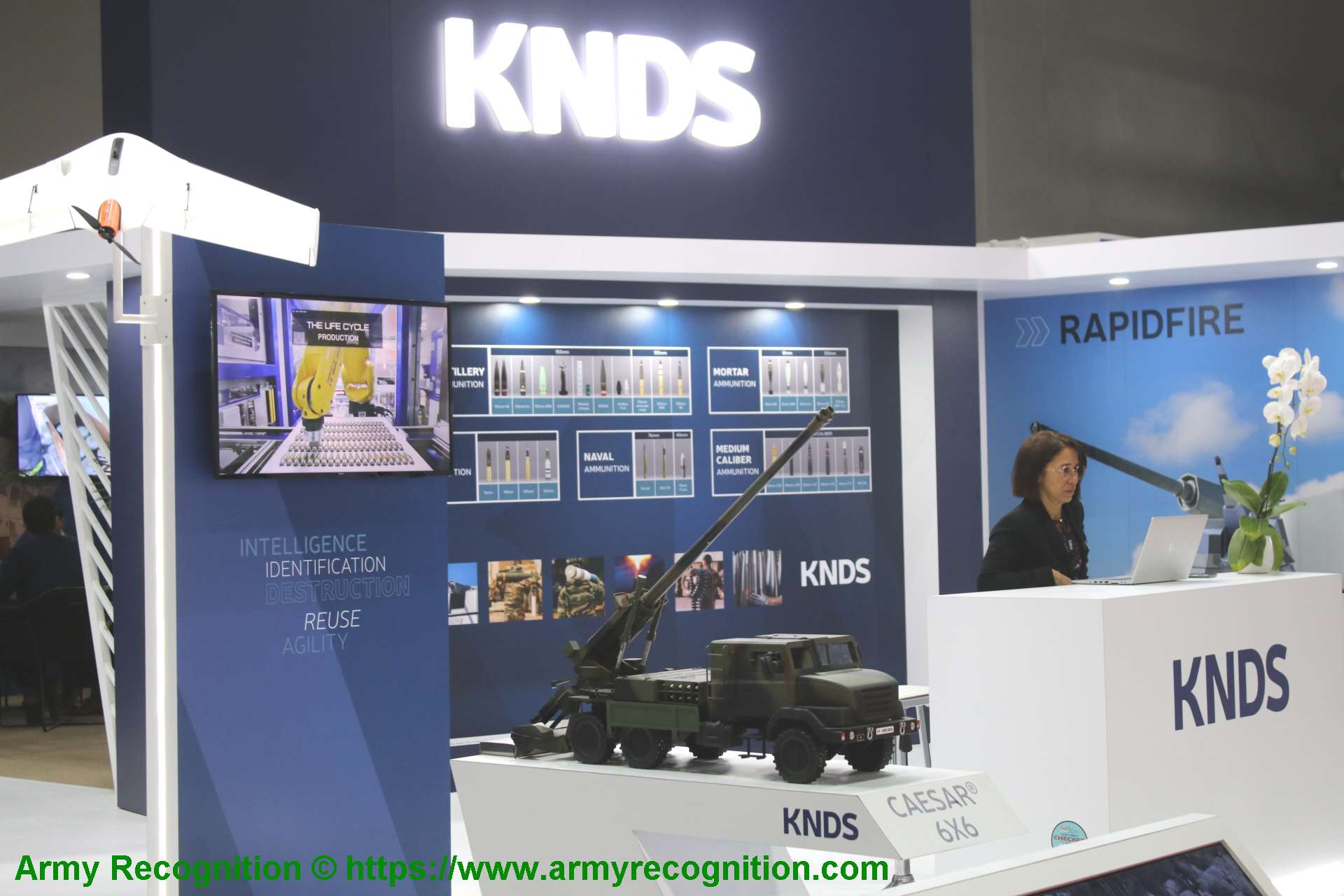
Kuala Lumpur, Malaysia, May 6, 2024 – In a significant move to bolster the artillery capabilities of the Malaysian Army, KNDS France has proposed its combat-proven CAESAR 6x6 artillery systems. The announcement was made at the Defense Services Asia (DSA) 2024 exhibition, highlighting the company's commitment to supporting Malaysia's military modernization efforts.
Follow Army Recognition on Google News at this link
At DSA 2024, KNDS France displays a scale model of its CAESAR 6x6 self-propelled howitzer. (Picture source Army Recognition Group)
The CAESAR 6x6, known for its mobility, reliability, and precision, is designed to meet the stringent requirements of modern warfare. It offers a unique blend of firepower and tactical flexibility, making it an ideal choice for the diverse geographical terrains of Malaysia. With its rapid deployment features and high rate of fire, the CAESAR system is expected to significantly enhance the operational effectiveness of the Malaysian artillery units.
The Malaysian Army is currently in the process of upgrading its artillery units as part of its broader defense modernization strategy. The addition of the CAESAR 6x6 systems would not only improve the army's combat readiness but also ensure greater strategic flexibility in managing regional security challenges.
The proposal by KNDS France is now under review by the Malaysian Ministry of Defense, which will assess the suitability of the CAESAR 6x6 systems in meeting the operational demands and integration requirements of the Malaysian Army.
If approved, this deal would mark a significant milestone in the military collaboration between Malaysia and France, potentially paving the way for future defense engagements and technology transfers.
The CAESAR howitzer, developed by French defense manufacturer Nexter, is a self-propelled 155mm artillery system mounted on a truck chassis, either in a 6x6 or an 8x8 configuration. This setup enhances the mobility of the artillery, allowing it to be deployed quickly in various terrain types, which is crucial for modern military operations where speed and flexibility are paramount. The CAESAR can fire standard NATO 155mm ammunition up to 42 kilometers, and with extended range shells, it can reach approximately 55 kilometers. This long-range capability allows forces to engage targets from a safe distance, minimizing the risk to the unit.
One of the key features of the CAESAR system is its ability to quickly relocate after firing. This "shoot-and-scoot" tactic significantly reduces the risk of enemy counter-battery fire, enhancing the survival rate of the unit in hostile environments. The combination of its strategic mobility, high firepower, and rapid deployment capability has made the CAESAR a preferred choice in several national armies.
In recent years, the CAESAR howitzer has seen deployment in various combat scenarios. It has been actively used by the French Army in conflicts such as in Afghanistan and the Sahel region of Africa, demonstrating its effectiveness in actual combat situations. The system's performance in these engagements has highlighted its reliability and effectiveness, reinforcing its reputation as a top-tier artillery system in modern warfare.
The CAESAR howitzer also has been a significant artillery system for the Ukrainian army in its conflict with Russian forces. Introduced as part of military aid from France, these mobile artillery units have provided Ukraine with enhanced long-range firepower, crucial for counter-battery operations and striking distant targets. The CAESAR's capability to quickly relocate after firing has been particularly valuable, enabling Ukrainian forces to minimize the risk from enemy return fire. This mobility, combined with the system's accuracy and powerful impact, has played a pivotal role in various operations, contributing to the strategic artillery strength of Ukraine in defending its territories and conducting counter-offensives. The deployment of CAESAR howitzers underscores the international support Ukraine has received and highlights the system's adaptability and effectiveness in intense and dynamic combat environments.
- Details
- Written by: Triffaux
- Category: 2024
- Hits: 11798
Breaking news
On May 2, 2024, the German Air Force announced that its Heron TP Unmanned Aircraft Systems (UAS) from Israel Aerospace Industries (IAI), leased since 2018, are ready for operations in Germany and globally, with flights set to begin in mid-May.
Follow Army Recognition on Google News at this link
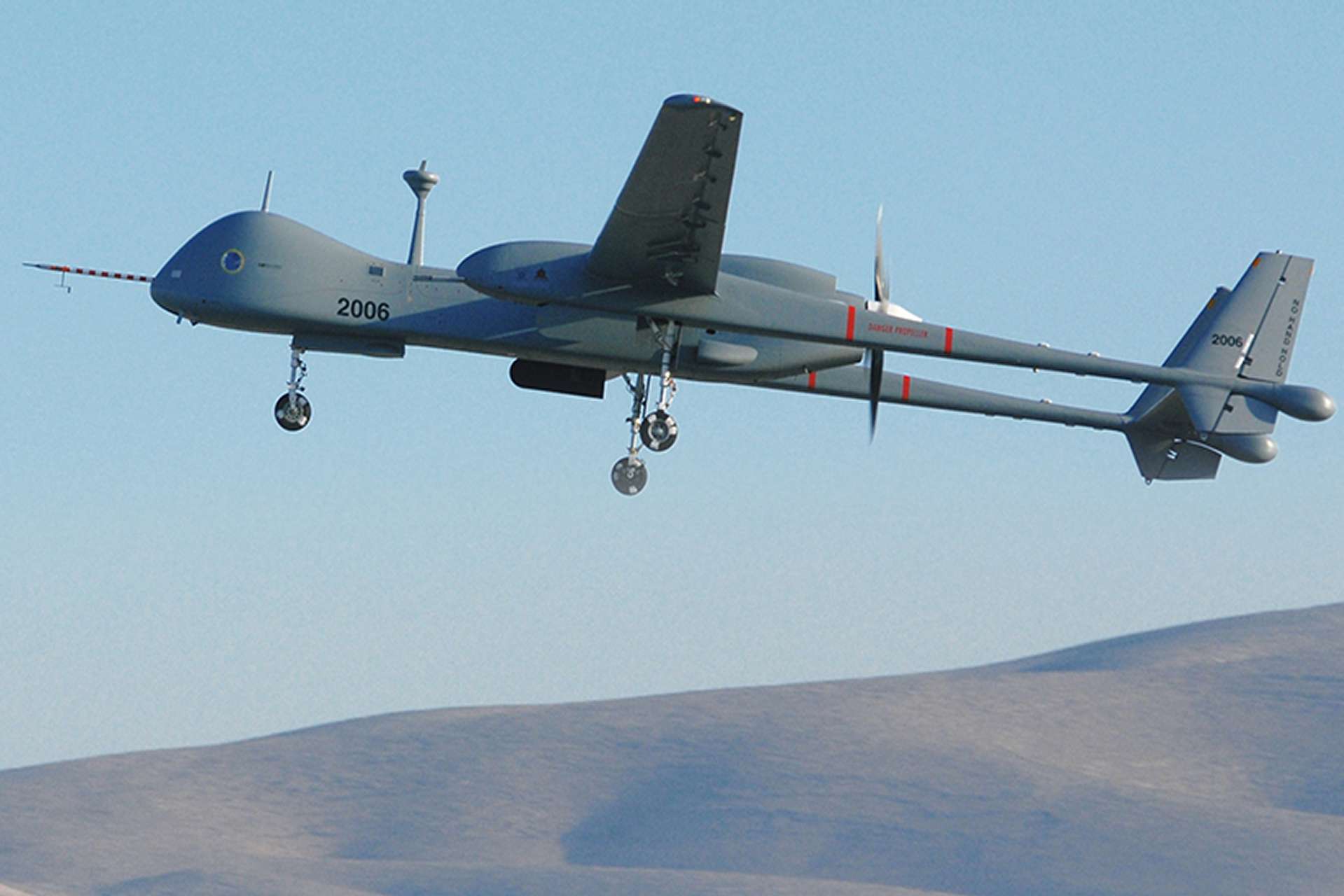
Israel Aerospace Industries Heron TP Unmanned Aircraft Systems (UAS) entered active duty with German Air Force (Picture source: Israel Aerospace Industries)
This announcement follows the granting of a type certificate by the German Military Aviation Authority at the end of 2022, at a time when the Heron TP was being operated from an undisclosed location in Israel.
The primary task of the Heron TP is to support German soldiers and those of allied forces on the ground. For example, these UAVs can accompany convoys to timely detect dangers and thus warn ground troops in real time. Depending on the configuration, the German Heron TP can stay airborne for up to 27 hours. By operating two reconnaissance drones in parallel, an operational area could be continuously monitored for several days.
Furthermore, the Heron TP is intended to bridge the gap between the retirement of the earlier Heron 1 UAS and the introduction of the new European medium-altitude long-endurance UAS known as Eurodrone, with Airbus Defence and Space operating five air vehicles out to 2027.
The Heron TP is configured with electro-optic/infrared (EO/IR) sensors and imaging radar systems to support intelligence, surveillance, and reconnaissance (ISR) tasks. Specifically, the aircraft has been cleared to carry the IAI (Tamam) M-19HD EO sensor turret, which includes zoom and spotter high-definition (HD) day cameras, an HD IR zoom camera, laser designator, laser rangefinder, laser pointer, near-IR laser illuminator, electron-multiplying charge-coupled device camera, and short-wave IR camera. Satellite communications and Bundeswehr data/voice encryption systems are also part of the mission fit.
The Heron TP UAV, a derivative of the Israeli Eitan UAV in use by the Israeli armed forces for over a decade, is the result of a collaborative program led by the UAV Executive Office within the Directorate of Defense Research and Development (DDR&D) of the Israel Ministry of Defense (IMoD), Israel Aerospace Industries (IAI), and Airbus DS Airborne Solutions, a subsidiary of Airbus Group. An agreement to this effect was signed in June 2018, encompassing the leasing of several UAVs, along with maintenance and training services. Consequently, German Air Force personnel have engaged in joint training initiatives alongside their Israeli counterparts at an Israeli Air Force base.
The Heron TP, developed by the Malat (UAV) division of Israel Aerospace Industries (IAI), is classified as a Medium Altitude Long Endurance (MALE) Unmanned Aerial System (UAS). Its design specifically caters to strategic missions, excelling at operations conducted at medium altitudes over extended durations. This feature makes it well-suited for various mission profiles across air, land, and naval domains, and it is currently in service with the Israeli Air Force.
One of the defining characteristics of the Heron TP is its adaptability as a multi-role platform, capable of accommodating a range of mission types. This includes intelligence gathering, surveillance, target acquisition, and reconnaissance, with the ability to switch payloads to suit various mission requirements.
The Heron TP offers flexibility in terms of payload integration and can be equipped with a diverse array of payloads, including an HD Electro-Optical Payload, Synthetic Aperture Radar (SAR), Communications Intelligence (COMINT), Electronic Support Measures (ESM), and more. The drone features an Automatic Taxi-Takeoff and Landing (ATOL) system, the inclusion of triple redundant avionics, satellite communication (SATCOM) for extended operational range, and supports data links for both Line-of-Sight (LOS) and Beyond Line-of-Sight (BLOS) missions.
The Heron TP is powered by a 1,200 hp PT6 Turbo Prop engine, offering the capability to remain airborne for over 30 hours. Operating at altitudes exceeding 45,000 ft and covering distances beyond 1,000 km due to its Beyond Line of Sight (BLOS) capabilities, it is ideal for missions spanning large areas and can reach a maximum speed of 407 km/h. The Heron TP is characterized by its maximum take-off weight of 5,670 kg, a maximum payload weight of 2,700 kg, an overall length of 14 m, and a wingspan of 26 m.
On April 6, 2022, the German government overcame a two-year-long debate to acquire and arm Heron-TP drones, in response to the invasion of Ukraine and the massive use of drones in the conflict. The new German coalition decided to budget 152 million euros for the purchase of 140 missiles intended to equip these drones, leased from Israel Aerospace Industries (IAI). Simultaneously, members of the lower house of parliament's defense committee approved the leasing and arming of the Israeli MALE drones, with an order comprising 60 training missiles and 80 missiles for potential combat use. The delivery of these armed drones was already planned for the year 2024.
This decision marks a significant turnaround, as the previous German government had approved the leasing of three Heron-TP drones in 2018, under an agreement valued at 1 billion euros, but was blocked by the refusal to arm these drones by the Social Democratic Party SPD. The German volte-face is clearly linked to the invasion of Ukraine by Russia, and it could also be in line with French interests concerning the MALE RPAS program. In theory, the Eurodrone, launched in February, is supposed to replace the armed French Reapers as well as the future German Heron-TPs, thereby strengthening European defense cooperation.
It is important to remember that before April 2022, as attested by the Military Balance 2022, Germany had only six Heron 1 unmanned aerial vehicles for heavy intelligence, surveillance, and reconnaissance (ISR) missions, leased since 2010 from Israel Aerospace Industries (IAI).
Read more: Israeli Heron TP Drones Enter Active Duty with German Air Force

- Details
- Written by: V.Saint
- Category: 2024
- Hits: 3482
Breaking news
The German arms manufacturer Rheinmetall plans to supply Ukraine with "hundreds of thousands" of projectiles in 2024, including prototypes of artillery shells capable of reaching a distance of 100 kilometers, according to Rheinmetall CEO Armin Papperger, as reported by the German newspaper Handelsblatt.
Follow Army Recognition on Google News at this link
Ukrainian artillery firing on Russian position near Kherson ( November 5, 2022) (Picture source: Metin Aktas/Anadolu)
Read more: Several thousand Artillery shell promised by Rheinmetall CEO to Ukraine