
- Details
- Written by: V.Saint
- Category: 2024
- Hits: 3147




Breaking news






France and the United Kingdom have authorized Ukraine to strike Russian military installations in Russia with long-range Scalp/Storm Shadow cruise missiles, thus enabling it to target airfields in border regions such as Kursk and Belgorod. However, there are some conditions present that do not allow full utilization of these capabilities.
Follow Army Recognition on Google News at this link
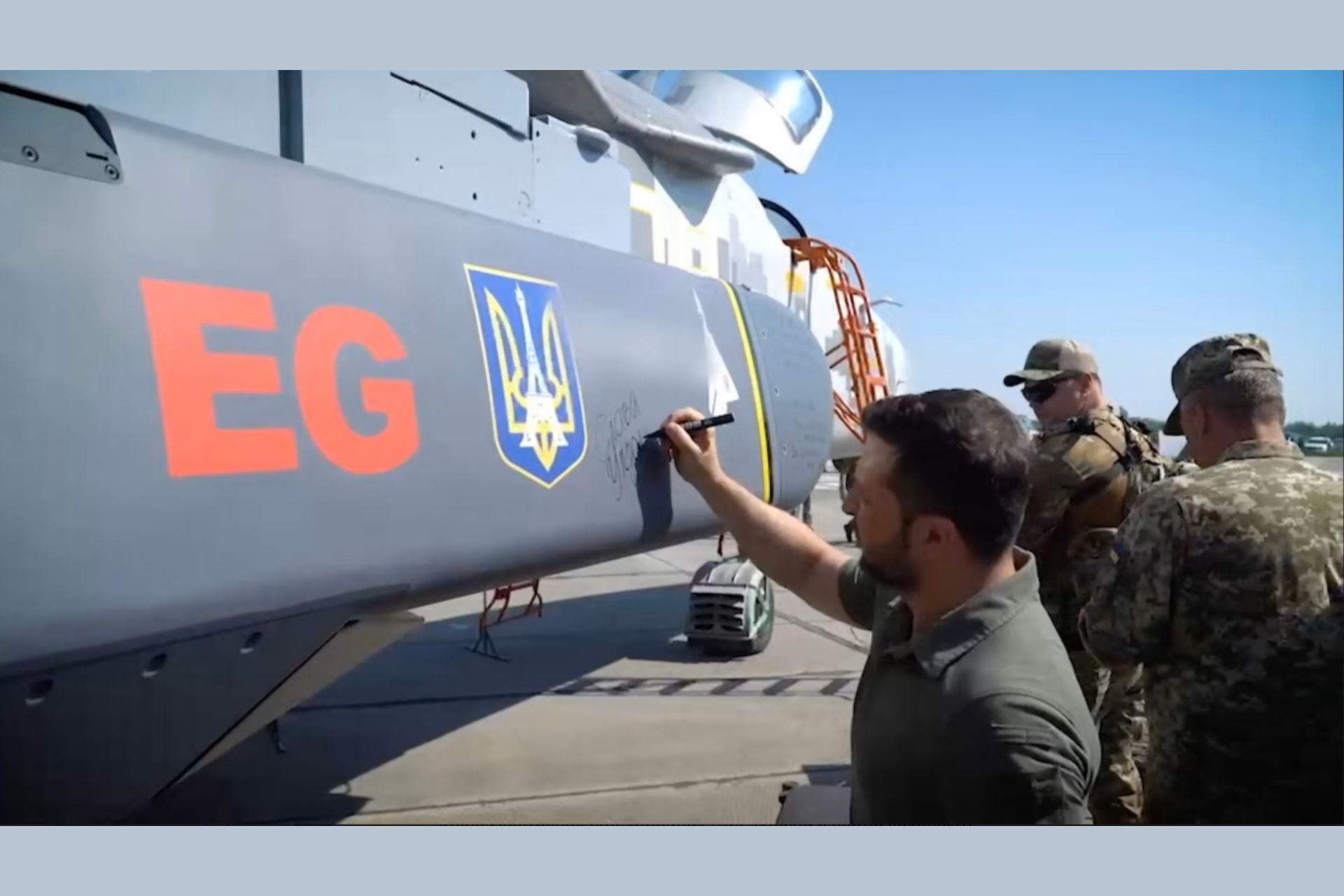
Ukrainian President Zelensky signs a displayed Storm shadow missile on a Su-24, August 2023 (Picture source: Ukraine MoD)
The United Kingdom and France, which supply Ukraine with Storm Shadow/Scalp cruise missiles, have not directly restricted their use. Their range can reach up to 250 km, as stated by an anonymous French military aviation officer, reported by BBC News, according to UNN.
The French President has declared that we must allow Ukraine to neutralize the military installations from which missiles are launched and, indeed, the military installations from which Ukraine is attacked. According to the military aviation officer, Ukraine can now target airfields in the Kursk and Belgorod regions bordering Ukraine.
However, as noted by BBC journalists, such operations will be limited in terms of results.
Ukrainian Su-24s equipped with these cruise missiles will need to approach the Russian border to launch them, making them vulnerable to Russian air defense systems. The F-16 planes, expected by the end of this year, are better equipped for such tasks. But President Zelensky admits that it is still unclear whether Ukraine's partners will allow these planes to reach targets in Russia.
Earlier, it was reported that the Joe Biden administration had relaxed its longstanding policy, which prohibited Ukraine from using American weapons against targets in Russia. This is reported by The Guardian. In particular, the United States has authorized strikes with American weapons, but only in areas bordering the Kharkiv region. As noted by the press secretary of the Ukrainian president, Sergiy Nikiforov, such a decision by the Biden administration will significantly strengthen Ukraine's ability to resist Russian attempts to mass at the border.
Subsequently, US Secretary of State Antony Blinken officially announced for the first time that President Joe Biden had authorized Ukraine to strike military targets on Russian territory with weapons received from the United States.
Read more: With high conditions Ukraine is allowed to use Scalp/Storm shadow on Belgorod Airfield
- Details
- Written by: Triffaux
- Category: 2024
- Hits: 3458
Breaking news
On June 3, 2024, Kongsberg Defence & Aerospace announced it had finalized an undefinitized contract action (UCA) with the United States Air Force (USAF) to deliver Joint Strike Missiles (JSM) for their F-35A aircraft. The contract is capped at $141 million and will see initial deliveries starting in 2026.
Follow Army Recognition on Google News at this link
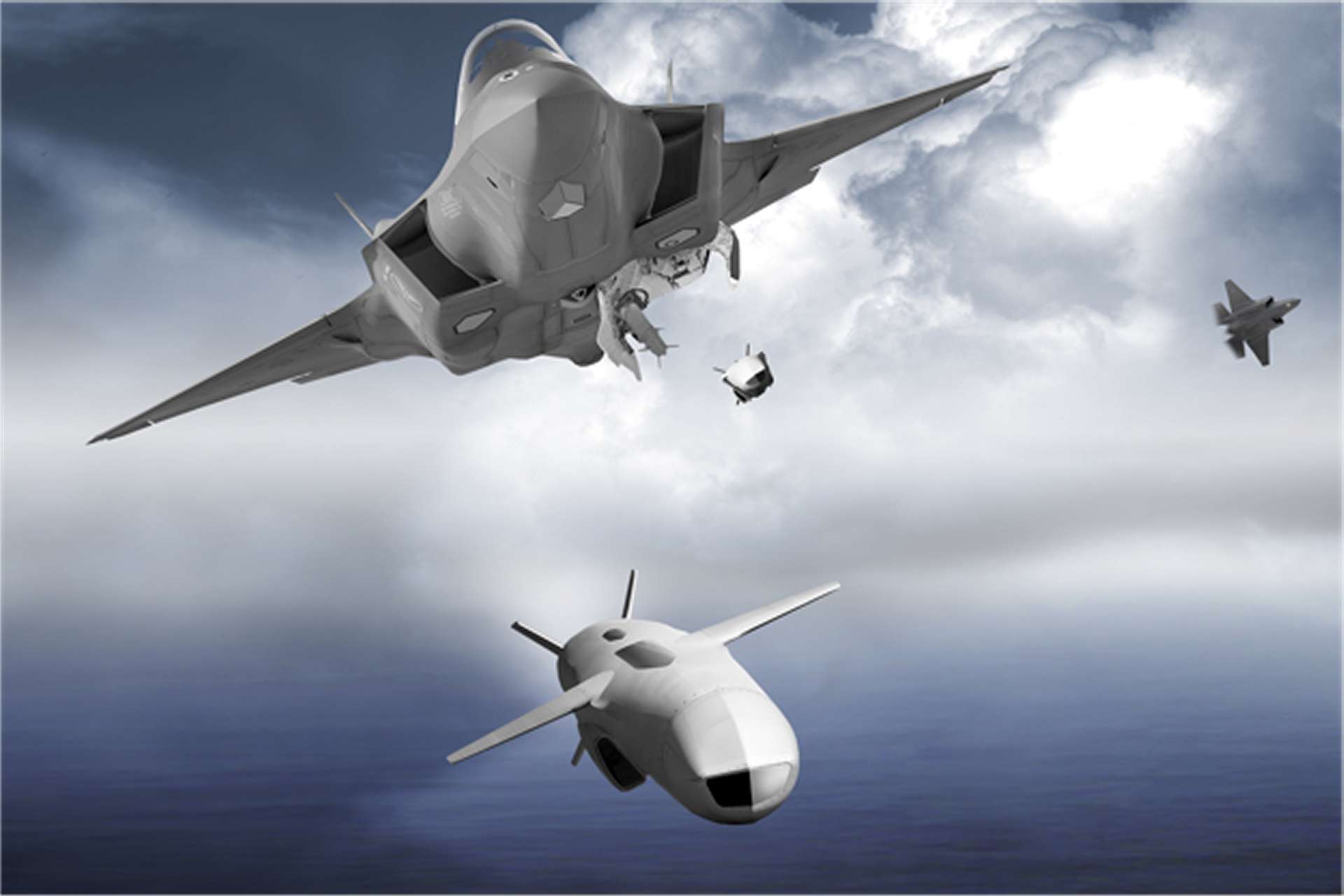
Kongsberg Joint Strike Air-to-Ground Missiles (Picture source: Kongsberg Defence & Aerospace)
The JSM is an air-to-ground strike missile designed to fit into the internal weapons bay of the F-35A and is specifically tailored for anti-surface warfare (ASuW) and land attack missions. It primarily targets highly protected and high-value assets at sea, in coastal waters, or on land.
Eirik Lie, President of Kongsberg Defence & Aerospace, commented on the contract, "We are very pleased that the USAF, the principal operator of the F-35A Lightning II, has chosen the JSM to enhance the offensive capabilities of their aircraft." He added, "The selection of JSM by both the USAF and the Royal Norwegian Air Force strongly supports NATO's vision for equipment interchangeability among allied nations."
The development of the JSM was overseen by the Norwegian Defence Materiel Agency (NDMA), highlighting Norway's role in advancing defense technologies. The missile is equipped with flexible mission planning capabilities, which allow for the engagement of targets according to a predefined set of Rules of Engagement.
Listed on the OSE under the ticker KOG, Kongsberg is an international company specializing in high-technology systems for the defense, security, maritime, energy, aerospace, climate mapping, and subsea technology sectors. Employing over 13,500 people across 39 countries, Kongsberg generated a total turnover of 40.6 billion NOK in 2023, affirming its commitment to innovation and international cooperation.
The development of the JSM KR at Kongsberg began 20 years ago, as an adapted version of the NSM (Naval Strike Missile) class "ship-to-surface" for the F-35. Tellingly, four years remained before the first flight of the F-35. Currently, the project is being carried out by the Norwegian-American consortium Raytheon-Kongsberg, and JSM is the only type of long-range air-to-surface weapon that can be placed in the internal weapons bay of the F-35A/C with a launch weight of 416 kg, length 4.0 m, width with folded / open wings 0.48 / 1.35 m.
At the same time, the missile is made using low visibility technologies, and an intelligent dual-band optoelectronic guidance system with target image storage, an inertial satellite correction unit, a weather sensor, a laser altimeter allow hitting ground and sea targets with high accuracy at ranges up to 200 km along a low-altitude flight profile and up to 550 km combined. It is possible to correct the route and retarget the missile in flight from the carrier via a closed two-way data transmission channel in the Link 16 radio network. The armor-piercing high-explosive warhead weighing 226 kg consists of a 120-kg titanium case with a 100-kg explosive charge and a programmable fuse.
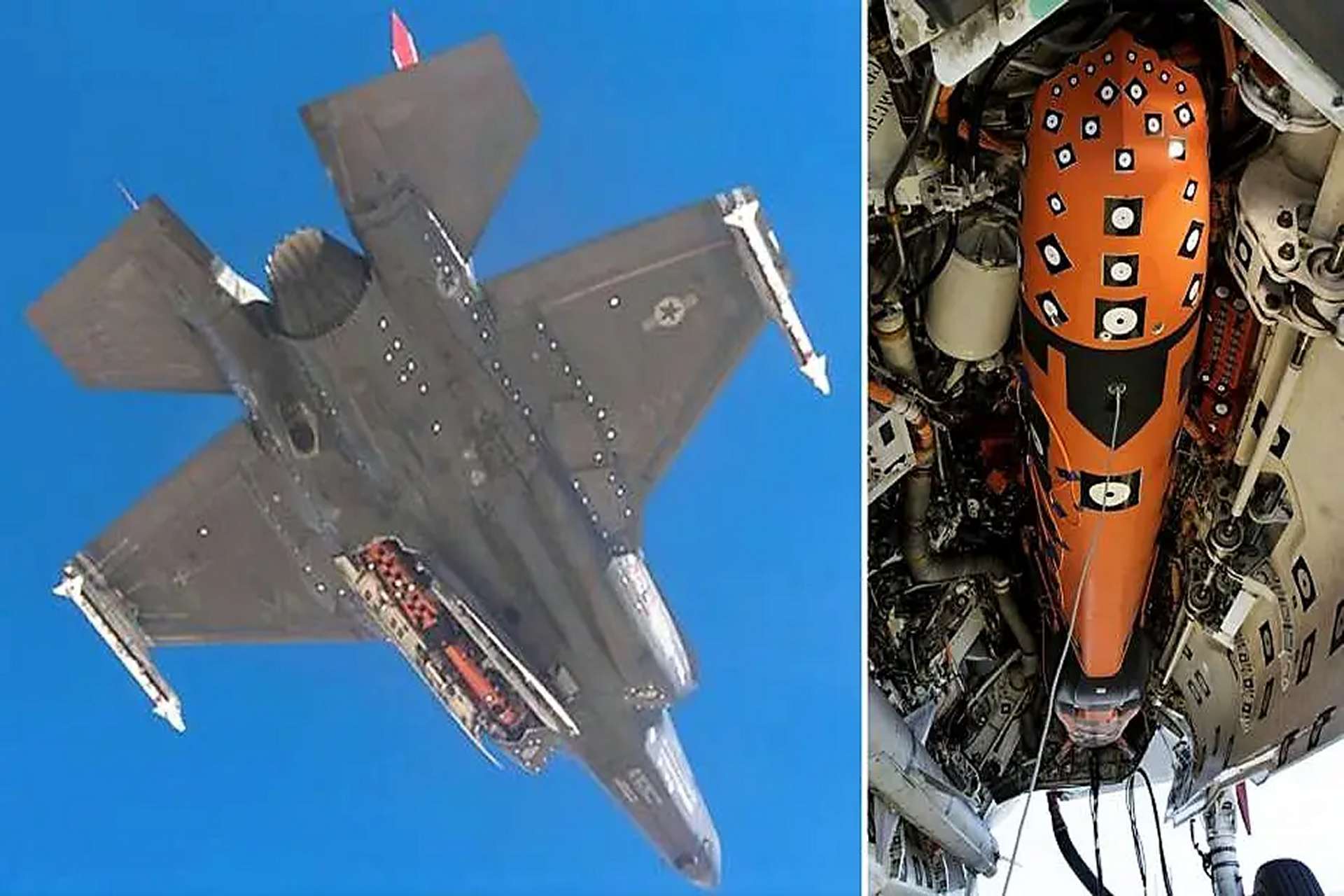
Left: first JSM drop test with a US Air Force F-35A in February 2021. Right: the JSM test missile in its weapon bay (Picture source: FMA)
Read more: Kongsberg Secures Major Contract to Supply Joint Strike Missiles to US Air Force
- Details
- Written by: Vandenbosch
- Category: 2024
- Hits: 7167
Breaking news
On May 29, 2024, the U.S. Army's Joint Program Executive Office for Armaments and Ammunition held an inauguration ceremony for the new Universal Artillery Projectile Lines (UAPL) facility in Mesquite, Texas. This modular metal parts facility marks an important step in the Army's efforts to modernize its production capabilities.
Follow Army Recognition on Google News at this link
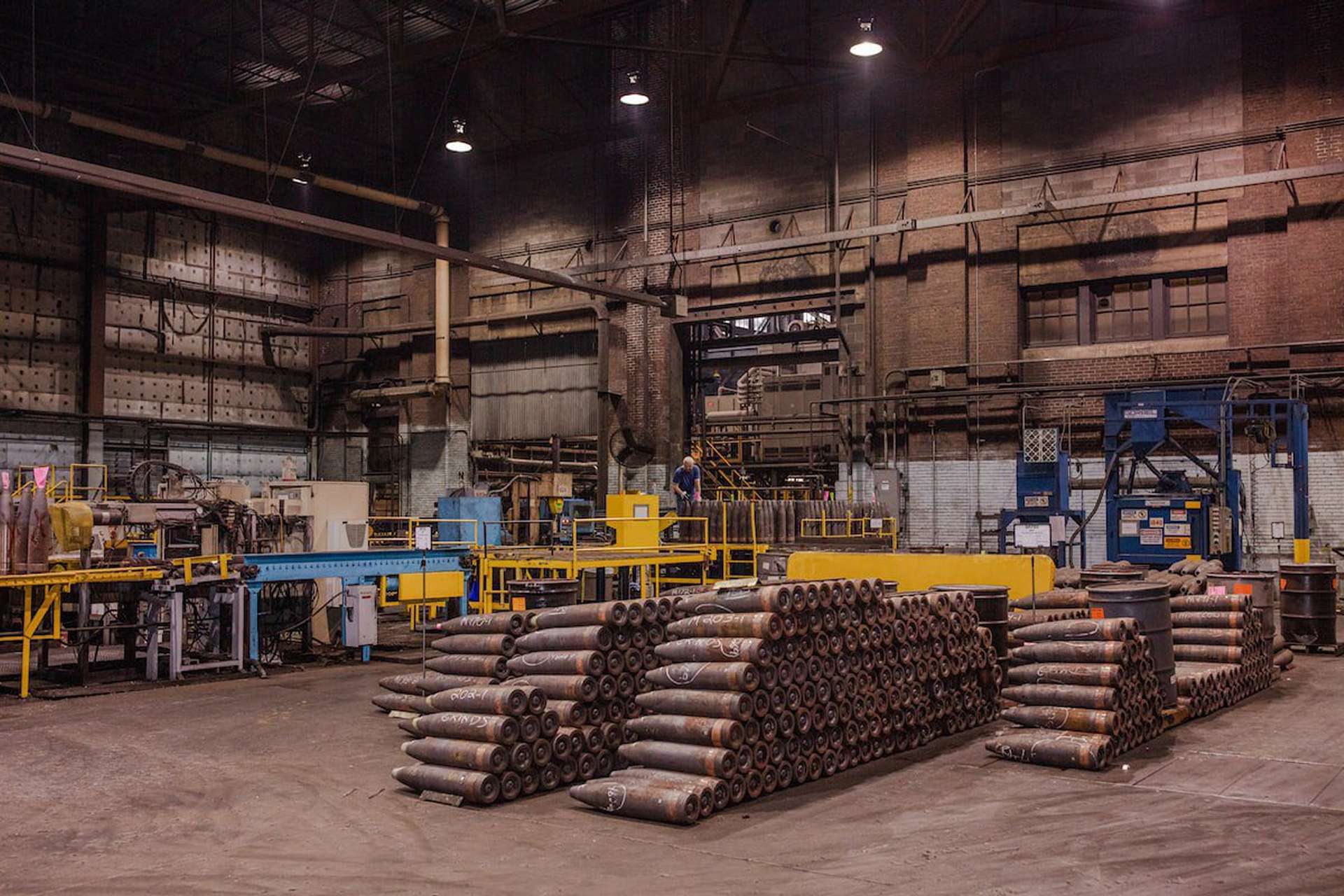
A US factory producing 155 mm artillery ammunition. (Picture source: US DoD)
"This plant is a crucial part of our strategy to modernize our World War II-era industrial base," said Secretary of the Army Christine Wormuth. "With an annual investment of over a billion dollars, we are enhancing production lines nationwide and expanding contracts with existing facilities to boost their efficiency and output. The skilled expertise of American workers in these facilities is indispensable. Their dedication, patriotism, and pride are evident in every plant I visit, and I expect no less here in Mesquite. The work done here is vital to our national defense."
Operated by General Dynamics Ordnance and Tactical Systems (GD-OTS), the UAPL will have high-volume production capabilities for large-caliber metal parts, equipped with advanced long-stroke, high-tonnage forging machinery. The facility’s 155 mm metal parts production lines align with the Army's modernization goals by integrating high levels of automation, contemporary manufacturing practices, and digital data capture capabilities. It is designed to flexibly produce a range of metal parts from 60 mm to 155 mm with minimal changeover requirements.
The UAPL is a key element of the Army's broader modernization initiative aimed at bringing the industrial base into the 21st century. This modernization includes adopting new technologies, advanced manufacturing equipment and processes, and enhanced surge capabilities for scalable production. These improvements are set to significantly bolster U.S. munitions production capabilities, acting as a powerful deterrent to potential adversaries.
Funding for the UAPL was provided by the fiscal 2022 and 2023 congressional supplementals and reprogramming within the Defense Department. The Army awarded GD-OTS a $576 million contract to design and build the facility, covering procurement, transportation, installation, and commissioning. Upon completion, the Army will own the capital equipment and lease it back to GD-OTS through a government-furnished material agreement. This arrangement underscores the commitment of both the Army and industry to strengthen the defense industrial base and ensure the readiness of the armed forces.
There is a significant imbalance in ammunition production capabilities between Ukraine and Russia. Russia can produce up to 3 million artillery rounds per year, while the U.S. and Europe can only produce about 1.2 million rounds combined. This gap places Ukraine at a disadvantage, requiring increased efforts from its allies to bridge this deficit.
To meet this growing demand, the U.S. and European nations have ramped up their ammunition production efforts, as evidenced by the construction of this new facility. The European Union has allocated $2.2 billion for the procurement and delivery of additional artillery ammunition to Ukraine while boosting the production capacity of the European defense industry. However, these efforts take time to implement.
The high rate of ammunition usage in Ukraine has significantly depleted Western nations' stockpiles, creating an urgent need to replenish these reserves while continuing to supply Ukraine. This necessitates substantial increases in production and long-term investments in production capacities.
The demand for artillery ammunition is critical to maintaining the effectiveness of military operations in Ukraine and ensuring that Western allies have sufficient reserves for their own defense needs. The construction of a new facility is therefore good news for the United States and its allies.
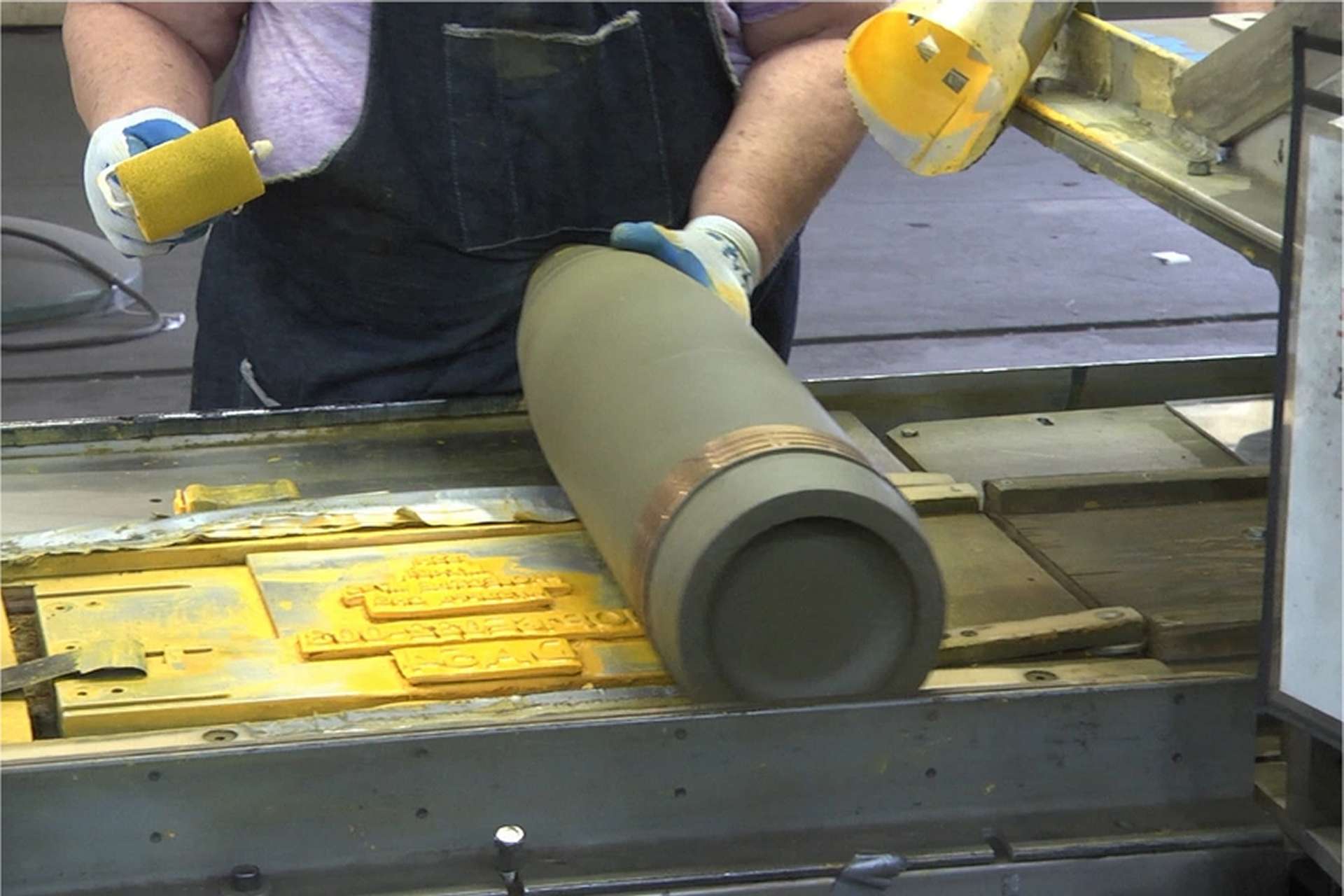
Image of 155 mm shell production. ( Picture Source: US DoD)
Read more: US Inaugurates Universal Artillery Ammunition Production Facility
- Details
- Written by: Jérôme Brahy
- Category: 2024
- Hits: 25117
Breaking news
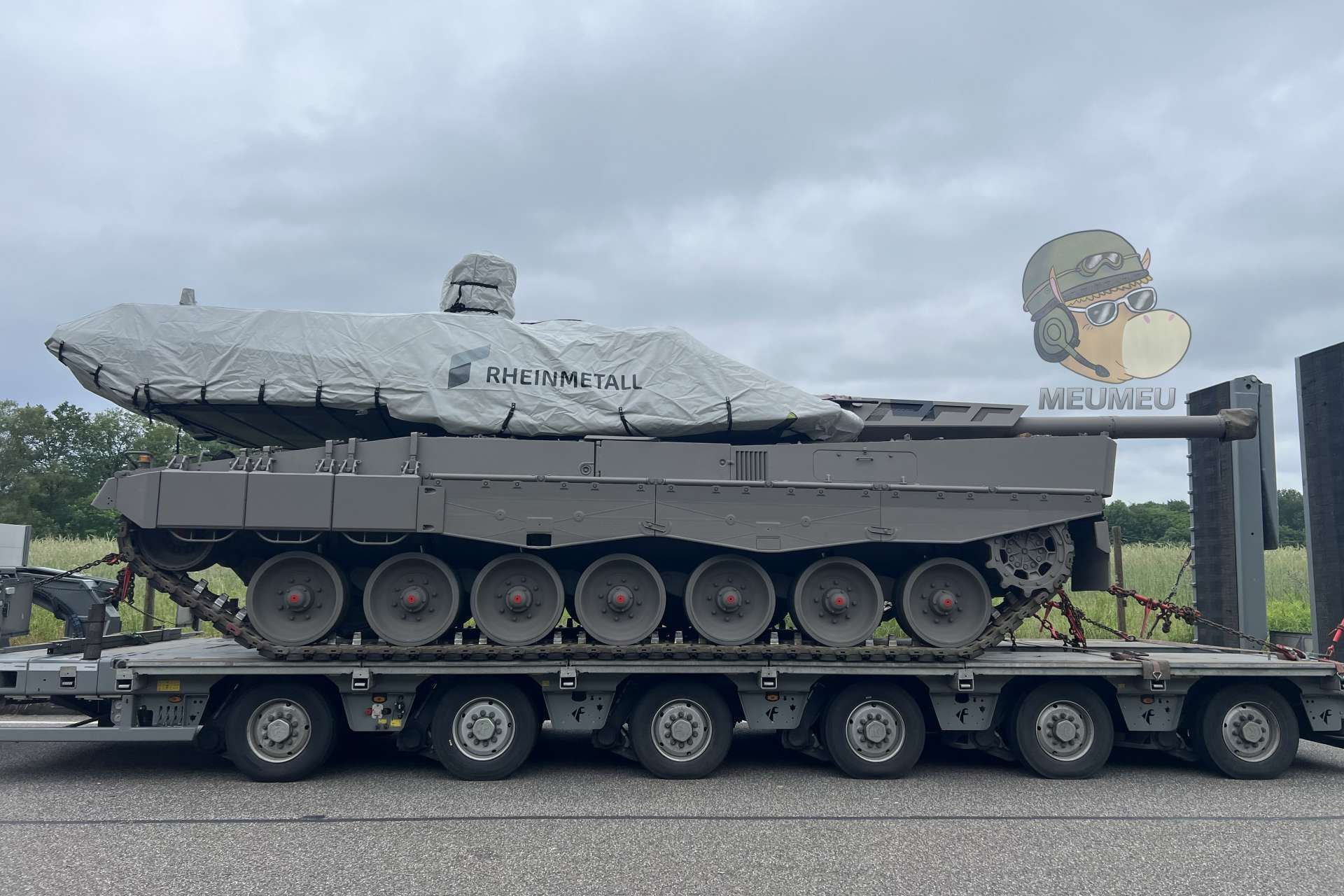
As reported by the Twitter account Meumeu on June 2, 2024, Rheinmetall's latest military vehicles were seen heading to the Eurosatory 2024 exhibition in France. Among these vehicles is a new hybrid tank model that combines the chassis of the Leopard 2A4 with the turret of the KF51 Panther, featuring a 130mm gun. There are several possible explanations for this hybrid tank: it could be a demonstrator for the future Leopard 2AX, a solution for upgrading existing Leopard 2 fleets, or a competitor to the MGCS and E-MBT.
Follow Army Recognition on Google News at this link
Rheinmetall's latest military vehicles were seen heading to the Eurosatory 2024 exhibition in France, including a new hybrid tank model that combines the chassis of the Leopard 2A4 with the turret of the KF51 Panther, featuring a 130mm gun. (Picture source: Twitter/Meumeu)
One hypothesis is that the integration of the KF51's turret on the Leopard 2A4 chassis is part of Rheinmetall's strategy to offer an upgrade path for countries operating Leopard 2A4 tanks, similar to other projects around the world. For instance, Türkiye has integrated the Altay tank turret and indigenous armor into its Leopard 2A4s. Canada's Leopard 2A4M CAN includes additional composite and slat armor, a modernized fire control system, and advanced thermal imagers. Chile’s upgrades, managed by Aselsan, feature advanced optoelectronic systems, a new fire control system, and defensive enhancements including laser warning systems and potential active protection systems. Austria is also enhancing its Leopard 2A4s with improved protection and electronic systems.
Another hypothesis is that this hybrid tank represents a new evolutionary step in the Leopard 2 series, potentially leading to a model referred to as the Leopard 2AX, an upcoming variant of the Leopard 2 series, designed to follow the Leopard 2A8. This future model is anticipated to include a hybrid power plant and advanced protection systems, building on the technology of its predecessors. The Leopard 2AX is intended to serve as a transitional platform towards more advanced main battle tank concepts. This new prototype could suggest that Rheinmetall is combining proven elements of the Leopard 2 series with technologies from the KF-51 Panther to offer improved lethality, targeting systems, and operational flexibility for the future Leopard tank, potentially creating the future Leopard 2A9.
A further hypothesis is that the introduction of this hybrid model is a strategic move to position Rheinmetall's products as competitive alternatives to the Enhanced Main Battle Tank (E-MBT), which is also a hybrid design combining elements of two existing tanks, namely the German Leopard 2A7 and the French Leclerc. Similar to the KF51 Panther, the E-MBT features a two-man turret and an autoloader, which reduces crew size and increases efficiency. Furthermore, the advanced features and modular design of the KF51 Panther turret could be intended to offer capabilities comparable to these next-generation tanks, including the Franco-German Main Ground Combat System (MGCS), allowing countries to modernize their Leopard 2 fleets more quickly and cost-effectively.
Additionally, the hybrid tank may be designed to maintain interoperability with NATO and allied forces that use the Leopard 2 series, leveraging shared logistics, maintenance, and operational procedures. Lastly, Rheinmetall's broader technological approach is evident in this design, focusing on integrating digital systems, advanced armaments like the 130mm Rheinmetall Future Gun System, and enhanced multi-layered protection with the Leopard 2A4 chassis, therefore benefiting from proven mobility and robustness.
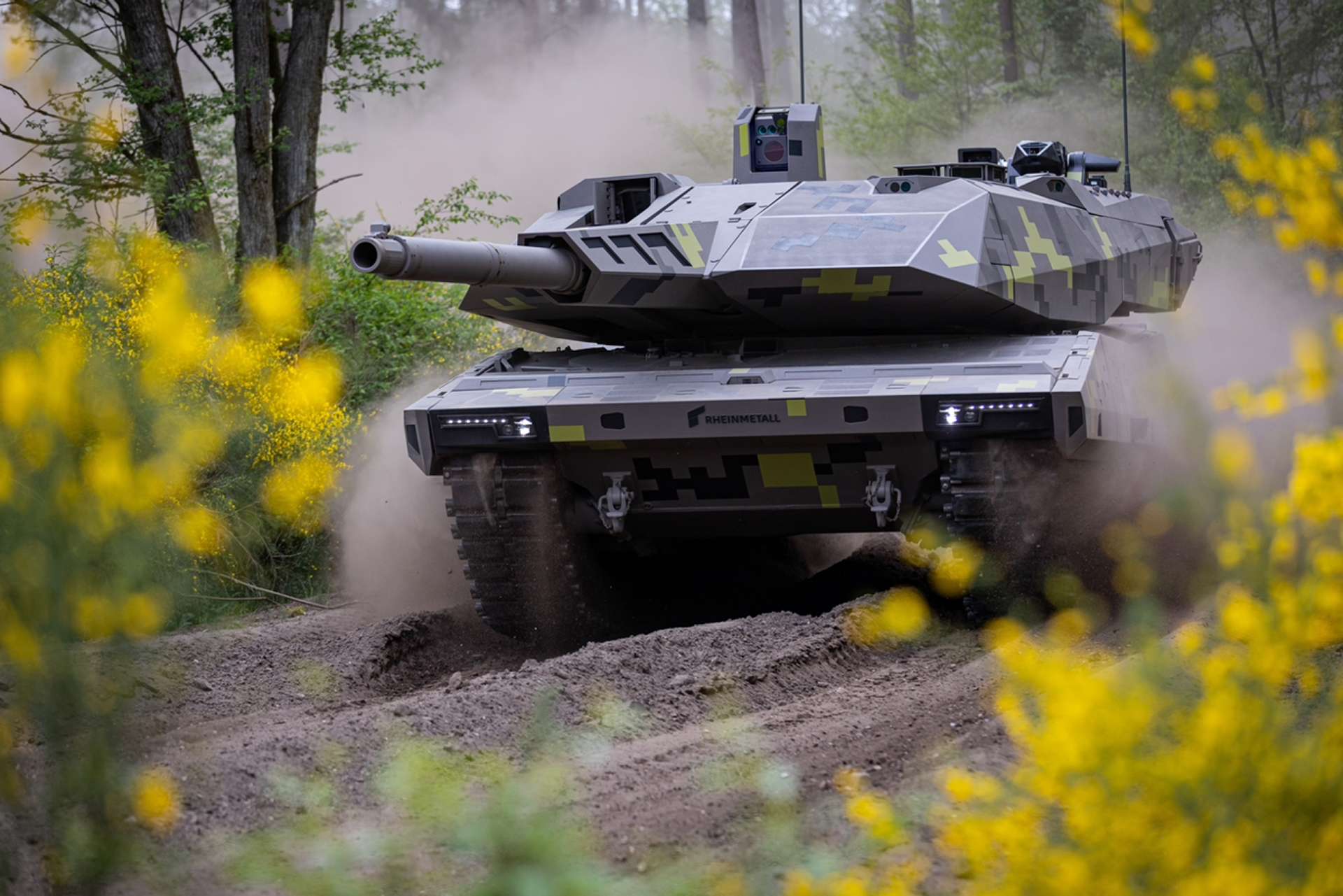
Rheinmetall's KF51 Panther main battle tank offers a wide range of weaponry, including a 130mm gun coupled with an autoloader, a 12.7mm coaxial machine gun, optional Remote Controlled Weapon Stations (RCWS), and loitering munitions. (Picture source: Rheinmetall)
The turret of the KF51 Panther offers a wide range of weaponry: its primary weapon, the 130mm Rheinmetall Future Gun System (FGS), is said to surpass the standard 120mm NATO guns. The FGS offers a 50% longer effective range, suggesting engagement distances potentially exceeding 4 kilometers. The gun is equipped with an autoloader that facilitates a rate of fire of approximately 11.25 rounds per minute, thanks to its conveyor-based magazines holding ten rounds each. During testing, the autoloader demonstrated the ability to fire three rounds in 16 seconds. The FGS can fire a variety of munitions, including Kinetic Energy (KE) rounds such as Armor-Piercing Fin-Stabilized Discarding Sabot (APFSDS) for penetrating enemy armor, Programmable Airburst Ammunition effective against infantry and light vehicles with programmable fuses for optimal detonation, and Practice Projectiles for training purposes. These features ensure the Panther can engage a wide range of threats on the battlefield.
Supporting the primary armament is a 12.7mm coaxial machine gun, designed for engaging infantry, light vehicles, and other soft targets. This machine gun is coaxially mounted, meaning it is aligned with the main gun and integrated into the same targeting systems. This integration allows the crew to switch between the main and secondary armaments, enhancing the tank's versatility and responsiveness in combat situations. The 12.7mm machine gun provides additional firepower for situations where the use of the main gun is unnecessary or impractical, ensuring comprehensive engagement capabilities against a variety of targets.
The KF51 Panther offers options for Remote Controlled Weapon Stations (RCWS), including configurations like the Rheinmetall Natter RCWS armed with a 7.62mm machine gun. These systems are designed for close-in defense and anti-drone operations, providing a critical layer of protection against emerging threats. The Natter RCWS is capable of elevating from -15° to +85°, allowing for a wide range of targeting angles, including the engagement of aerial threats. This flexibility ensures that the Panther can defend itself against various close-range and airborne threats, enhancing its overall survivability on the battlefield.
The KF51 Panther is equipped with HERO 120 loitering munitions, enhancing its strike capabilities. These munitions extend the tank's ability to engage targets beyond direct line-of-sight, offering precision strikes at extended ranges. The HERO 120 can be launched from the tank to hit high-value targets, providing indirect fire support and complementing the direct fire capabilities of the main gun. This integration of loitering munitions allows the Panther to engage a broader range of targets, including those hidden or situated at a distance, thereby increasing its operational effectiveness and versatility in various combat scenarios.
Read more: Will Rheinmetall's Leopard 2A4-KF51 Panther hybrid tank be the star of Eurosatory 2024?
- Details
- Written by: V.Saint
- Category: 2024
- Hits: 68073
Breaking news
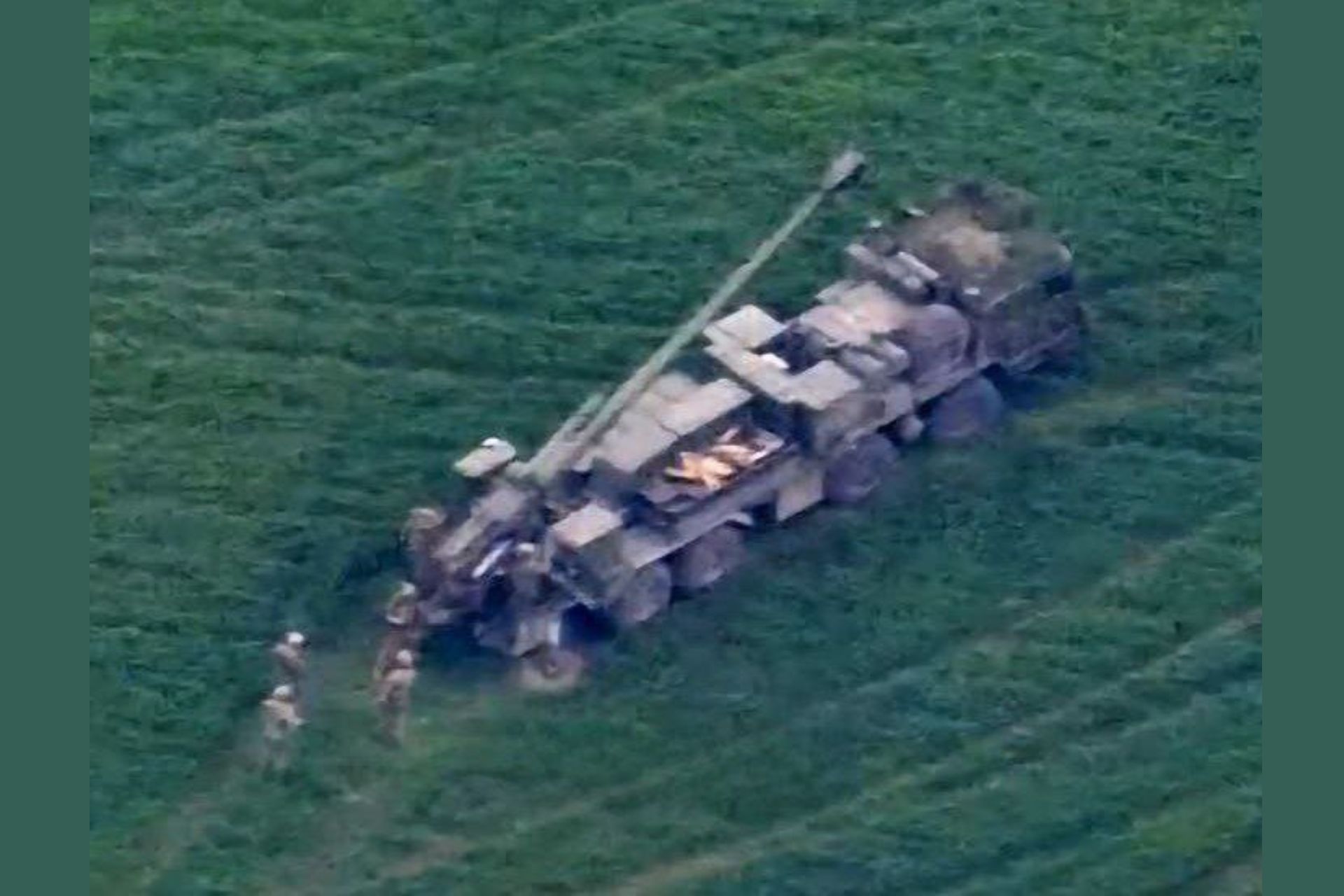
A Ukrainian observation drone has spotted the Russian self-propelled artillery system 2S43 Malva in the Belgorod region. The Malva came out of development in 2023, created by TsNII "Burevestnik" and manufactured by Uraltransmash, a subsidiary of Uralvagonzavod, a company known for its armored vehicles. Thus, the 2S43 system is modern and appears to be effective on the front, however, little data is available to date.
Follow Army Recognition on Google News at this link
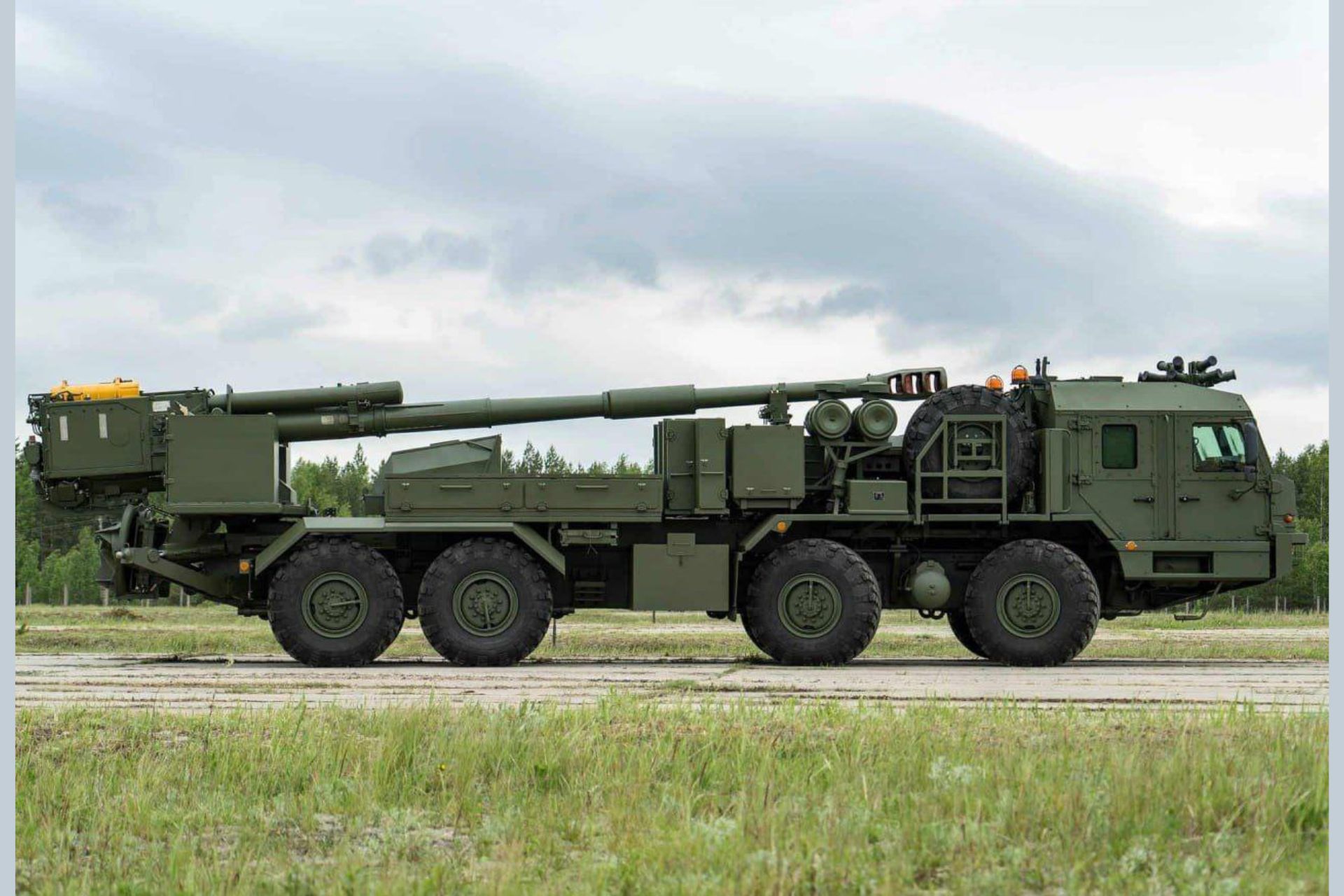
2S43 Malva during presentation to Russian Armed forces (Picture source: Russian Armed Forces )
The 2S43 "Malva" possesses a 152 mm 2A64 cannon, with a 30 rounds ammunitions stowage. It has an effective range of 24.5 km, a gun elevation of +70°, depression of -3° and azimuth of
±30°. Other reports say that the 2S43 could be equipped with the 2A88 cannon which is used by the 2S35 Koalitsiya-SV. It has cabin armor to be protected against small arms and shrapnel. With an operational mass of 32 tons, the 2S43 is much more mobile than other self-propelled guns like the 42-ton 2S19 Msta or other tracked self-propelled artillery.
Currently, the 2S43 Malva is being used to support ground operations and for counter-battery fire. In other words, this cannon is utilized to destroy Ukrainian positions from a certain distance, and after Ukrainian fire, to accurately target Ukrainian artillery batteries. The 2S43 Malva has been deployed since January 2024 in the Ukrainian theater of operations and plays a predominant role in the continuation of Russian operations. The 2S43 is equipped with digital targeting systems, allowing for high precision in targeting and objective determination.
2S43 Malva spotted near the Ukrainian border, Belgorod Region (Picture source: Ukrainian Armed Forces )
It is known that the 2S43 Malva is similar to the French Caesar 8x8 and the Ukrainian Bogdana system. Like these self-propelled howitzers, it features an automatic system, which allows for a particularly high rate of fire. The Russians have announced that this system is capable of firing nuclear projectiles, which again raises the risk of nuclear escalation in response to Western actions. The development of nuclear artillery began during the Cold War.
The use of such a recently developed vehicle demonstrates Russia's capability in research and development, and its readiness for ongoing conflict. Currently, the impact cannot be truly quantified, as few images and data are available regarding this system.
Read more: Ukrainian UAV spotted first appearance of 2S43 Malva new Russian Self-propelled Howitzer

- Details
- Written by: Vandenbosch
- Category: 2024
- Hits: 3633
Breaking news
The American startup Ultra Intelligence & Communications has successfully demonstrated its advanced mobile command post solution for the Canadian Armed Forces. The system was presented during the Hermes Forge field exercise, highlighting its speed, resilience, and reliability to support various military missions, as of May 28, 2024.
Follow Army Recognition on Google News at this link
Ultra has demonstrated its mobile command post solution for Canada. (Picture source: Ultra)
One of the key elements of the demonstration was the new Orion X510 tactical radios, which proved interoperable with the existing X500 communication system and the Trellisware tactical wideband waveform. Additionally, the command post was equipped with an ultra-light satellite communication terminal, positioned as an alternative to the Orion line-of-sight systems, ensuring robust communications at the tactical edge.
“By validating these technologies during the exercise, we underscored our role as a proven partner to provide interoperable capabilities on the ground in Europe and truly enable expeditionary missions with our coalition partners,” stated Faith Rhodes, Vice President of Ultra I&C.
The results of this demonstration will help the Canadian Armed Forces determine if this solution is ready for deployment in Latvia, supporting on-the-move missions. The development of the mobile command post by Ultra I&C addresses the growing threat posed by drones and long-range precision fires, which endanger traditional command post operations.
In an armed conflict, command posts are prime targets for enemy attacks. This necessity drove the Canadian military to collaborate with industrial partners to ensure resilient communication solutions while also improving mobility. In two years of partnership with the armed forces, Ultra developed vehicular-mast-mounted line-of-sight systems that are quickly deployable and essential for on-the-move operations.
Founded in 1987, Ultra I&C is headquartered in Austin, Texas, and operates several locations worldwide, including key offices in the United States, Canada, Australia, and the United Kingdom. Ultra I&C is known for its comprehensive range of products, from manpack solutions that can be deployed quickly in the field to more substantial troposcatter systems for secure communications. The company's technologies are widely used by defense organizations, including the U.S. Department of Defense, the UK Ministry of Defence, and the Canadian Department of National Defence.
The company is part of the larger Ultra group, which includes other business units focused on maritime defense, precision control systems, and energy solutions. This diverse portfolio allows Ultra to address various mission-critical requirements across different sectors.
“Ultra I&C has unique expertise and an advantage in deploying SATCOM, LOS, and troposcatter communication bearers in an integrated manner, providing the diversity of communication options our soldiers need to be successful,” emphasized Keith Blanchet, an official from Ultra I&C.
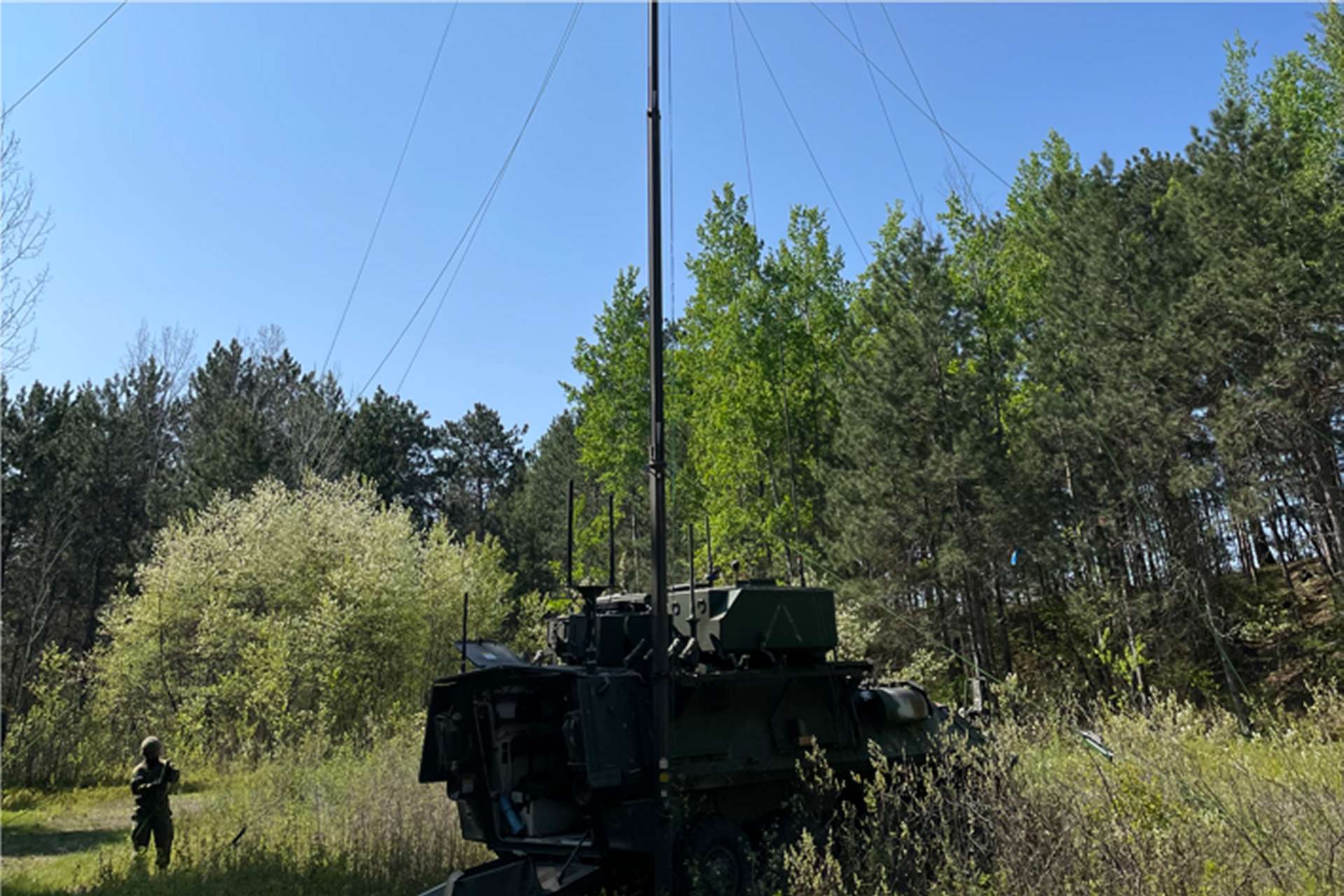
Ultra Intelligence & Communications announced the successful demonstration of its capabilities across multiple tactical bearers during HERMES FORGE, a major field exercise with the Canadian Armed Forces. ( Picture Source: Ultra)
Read more: Ultra Demonstrates Advanced Mobile Command Post for Canada

- Details
- Written by: Administrator
- Category: 2024
- Hits: 36799
Breaking news
Underlining the pressing need for advanced missile defense systems in the Middle East, Iraq has urgently sought eight batteries of the M-SAM-II air and ballistic missile defense system from South Korea. This significant request, valued at approximately $2.56 billion, was made public on June 1, 2024, through a Tweet by @mason_8718.
Follow Army Recognition on Google News at this link
A TEL Transporter Erector Launcher truck of M-SAM-II battery was displayed during the South Korean AirShow in Seoul in September 2023. (Picture source: Army Recognition Group)
The M-SAM-II, also known as Cheongung II, is celebrated for its advanced capabilities and reliability in modern combat scenarios. Developed by the Agency for Defense Development (ADD) and manufactured by LIG Nex1, the M-SAM-II offers robust defense against various aerial threats, including aircraft, cruise missiles, and ballistic missiles. One of its standout features is its advanced radar system, which can simultaneously detect and track multiple targets. This multi-function radar ensures high target identification and engagement accuracy, making the M-SAM-II a formidable defense asset.
Additionally, the M-SAM-II employs hit-to-kill technology in its interceptor missiles, designed to neutralize incoming threats through kinetic energy. This technology significantly enhances the probability of a successful interception while minimizing the risk of collateral damage.
The M-SAM-II has emerged as one of the most sought-after surface-to-air missile systems on the global stage. Recent contracts, including a $3.2 billion deal with Saudi Arabia and a $3.5 billion contract with the United Arab Emirates, attest to its popularity. Coupled with Iraq's recent request, these contracts amount to a staggering $9.2 billion within just one to two years, solidifying the M-SAM-II's position as Korea's most successful defense product alongside the K9 artillery system.
Furthermore, South Korea is advancing its missile defense capabilities by developing the M-SAM-III, a dedicated medium-range hypersonic missile interceptor system, and the L-SAM-II, a high-altitude, long-range hypersonic missile interceptor system. LIG Nex1, the manufacturer of the M-SAM-II, is also actively participating in air defense system acquisition programs in Malaysia and Romania, indicating its expanding footprint in the global defense market.
Playing a pivotal role in the region's defense dynamics, Saudi Arabia and the United Arab Emirates (UAE) have significantly bolstered Iraq's defense infrastructure through military equipment and strategic cooperation. Both nations are enhancing their geopolitical influence in the region by leveraging their substantial military budgets and advanced defense industries.
Saudi Arabia, for instance, has been focused on strengthening its defense ties with Iraq as part of broader regional security efforts. This involves providing military equipment and engaging in joint military exercises and training programs aimed at improving the interoperability and effectiveness of Iraqi forces. Saudi Arabia's significant investment in modernizing its military capabilities, including advanced air defense systems and armored vehicles, positions it as a key player in bolstering Iraq's defense infrastructure.
Conversely, the UAE has been active in supporting Iraq through various military and security initiatives. The UAE's defense strategy includes supplying advanced weaponry and technology to allied countries, including Iraq. This support is part of a larger effort to counter regional threats and ensure stability. The UAE has also trained Iraqi military personnel, enhancing their operational capabilities and readiness.
Saudi Arabia and the UAE's involvement in Iraq reflects their broader defense strategies, including developing indigenous defense industries to reduce reliance on Western arms suppliers. Saudi Arabia's Vision 2030 and the UAE's defense initiatives focus on building domestic production capabilities for military equipment, which could further increase their capacity to support Iraq and other regional allies with advanced military technologies in the future.
Undoubtedly, Saudi Arabia's and the UAE's strategic military support for Iraq is a pivotal component of their efforts to maintain regional security and counterbalance influences from neighboring powers. This collaboration not only strengthens Iraq's defense capabilities but also reinforces Saudi Arabia and the UAE's geopolitical standing in the Middle East, underscoring the strategic importance of their actions.
- Details
- Written by: Administrator
- Category: 2024
- Hits: 31602
Breaking news
According to information published by the "Defense News" website on May 31, 2024, the U.S. Army has awarded General Dynamics Land Systems (GDLS) a contract to begin the preliminary design of the next-generation M1 Abrams tank, designated as the M1E3.
Follow Army Recognition on Google News at this link
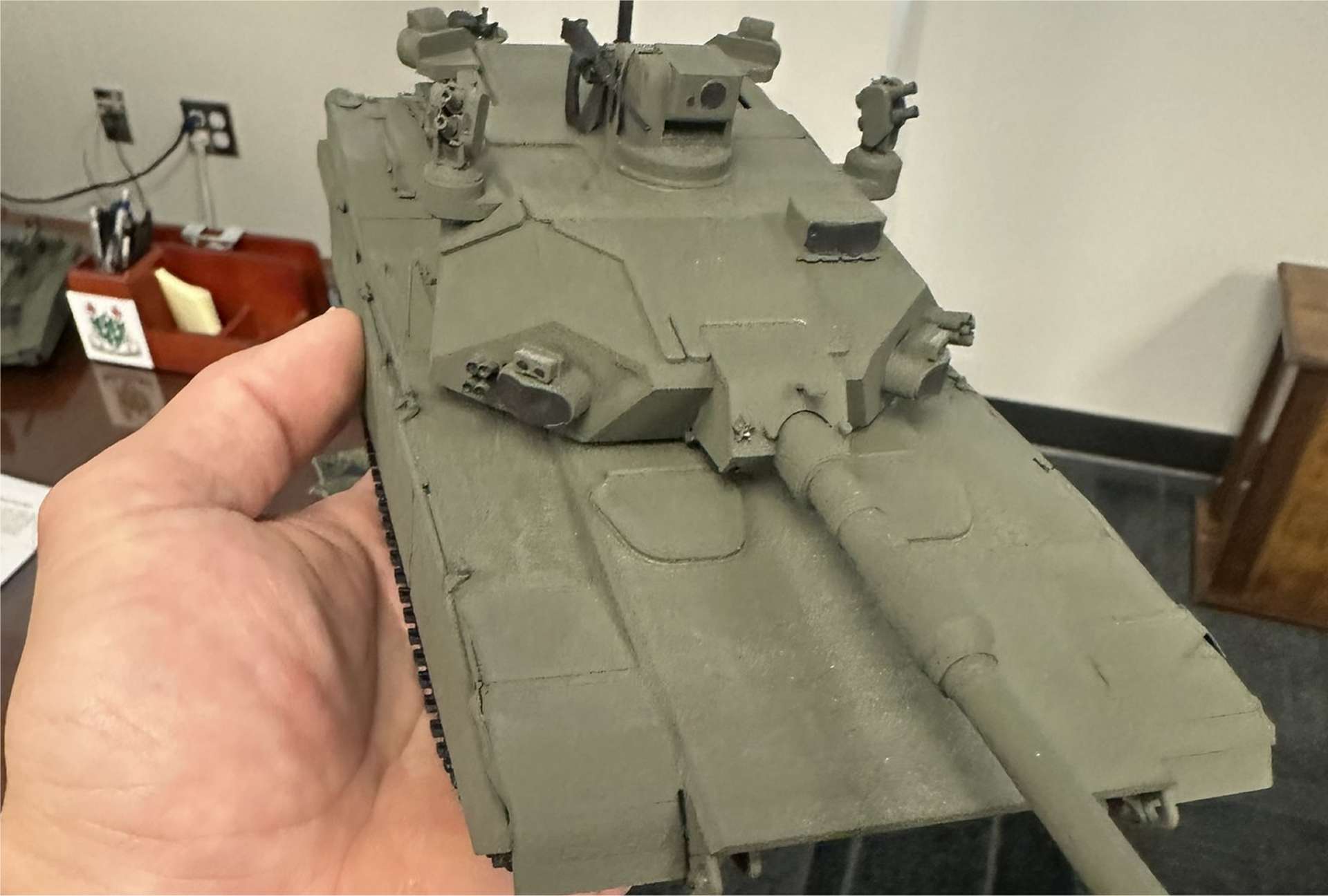
A few months ago, a possible M1E3 tank design scale model was released on social media. (Picture source: Social Media)
The schedule for the M1E3’s preliminary design and subsequent phases is currently under review within the Army’s acquisition branch. In the interim, the U.S. Army and GDLS are collaborating closely. This partnership aims to meticulously determine the new Abrams variant's desired features and achievable capabilities, ensuring a comprehensive and effective design.
On September 6, 2023, the U.S. Army made a significant announcement, deciding to "close out the M1A2 SEPv4 effort and develop the M1E3 Abrams." This decision, explained by Major General Glenn Dean, Program Executive Officer for Ground Combat Systems, marks a crucial turning point for the Abrams tank. He emphasized that the tank's capabilities can no longer be enhanced without adding weight, necessitating a reduction in its logistical footprint. The war in Ukraine has underscored the urgent need for integrated protections for soldiers, built from within instead of being added on.
The U.S. Army announcement further detailed that the new platform will incorporate the best features of the M1A2 SEPv4 while adhering to the latest modular open systems architecture standards. This will facilitate quicker technology upgrades and require fewer resources. The goal is to design a more survivable and lighter tank that will be more effective on the battlefield at initial fielding and easier to upgrade in the future.
While the U.S. Army has not yet revealed the specific requirements for the M1E3, a 2019 Army Science Board study on future tanks has reportedly influenced the establishment of the M-1E3 program. This study proposed a $2.9 billion, seven-year program to develop a "fifth-generation combat vehicle" with a host of advanced capabilities. These include a hybrid electric drive, an autoloader and new main gun, advanced munitions such as maneuvering hypersonic and gun-launched anti-tank guided missiles, integrated armor protection, improved command, control, and networking capabilities, artificial intelligence (AI) applications, the ability to pair with robotic vehicles, and masking capabilities to reduce the vehicle’s thermal and electromagnetic signatures. These cutting-edge features promise to revolutionize the capabilities of the M1E3 Abrams tank.
Although formal M1E3 program requirements have not been articulated, the U.S. Army reportedly prioritizes weight reduction and a hybrid electric power drive to reduce logistical demands. In October 2022, GDLS unveiled the AbramsX Technology Demonstrator, featuring reduced weight (10 tons less than the current M-1 Abrams), a hybrid electric diesel engine that is 50% more fuel-efficient than the current Abrams, an unmanned turret reducing the crew from four to three soldiers, enhanced armor to protect against drone-dropped bombs, communication capabilities with unmanned aerial vehicles, and an onboard AI system to alert the crew to long-range threats and prioritize fires against multiple threats.
While the AbramsX may not fulfill all the Army’s eventual requirements for the M1E3, it showcases current tank design capabilities and serves as a benchmark for future development.
Read more: US Army Awards General Dynamics Contract for Next-Generation M1E3 Abrams Tank Design
- Details
- Written by: Halna du Fretay
- Category: 2024
- Hits: 8971
Breaking news
The Malaysian Special Forces Regiment has recently added the SF-21X to its fleet, a new all-terrain vehicle designed to bolster its operational capabilities. As a Special Operations Vehicle (SOV), the SF-21X is primarily used for deep reconnaissance missions in enemy territory, though it is also capable of supporting direct action operations.
Follow Army Recognition on Google News at this link
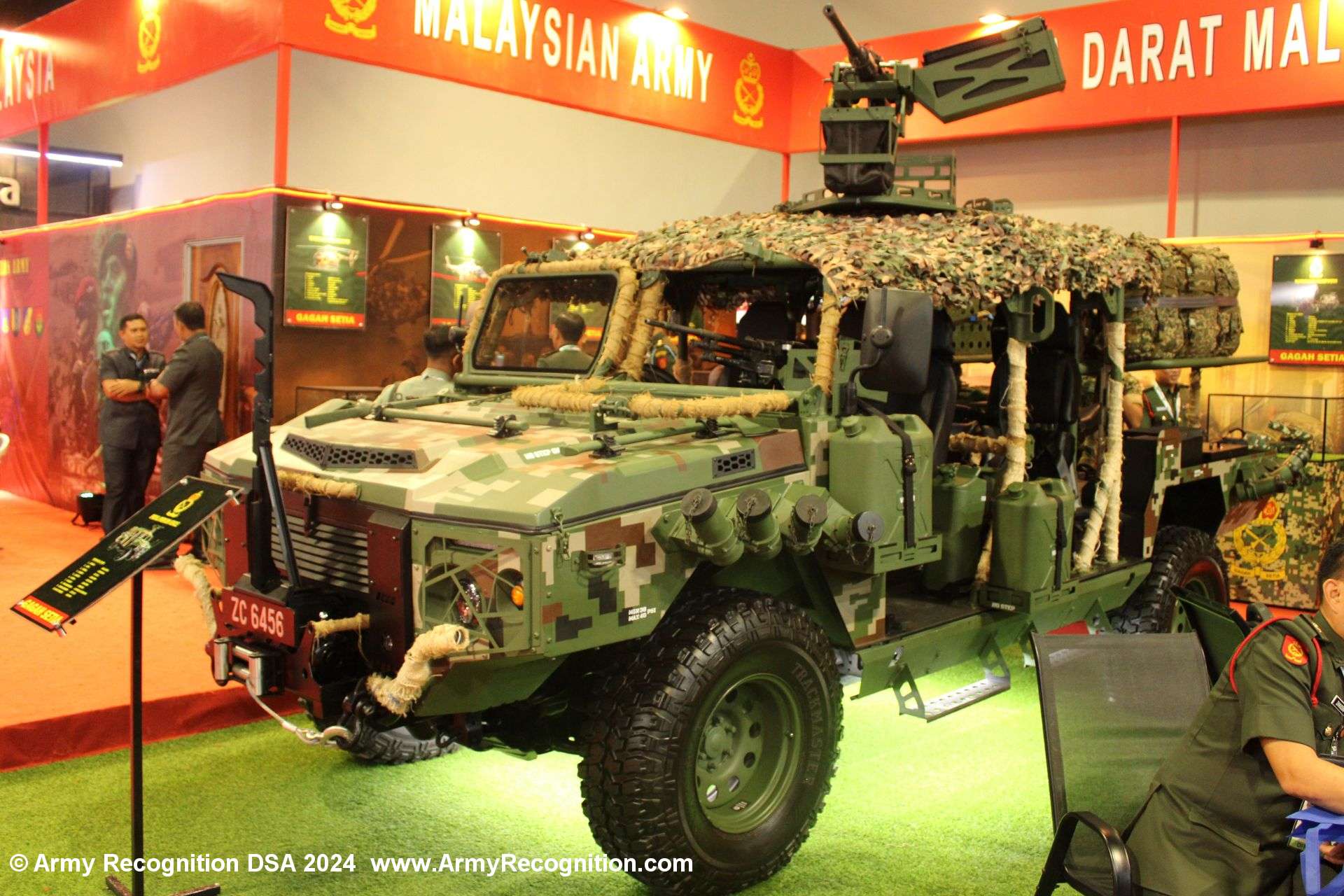
The SF-21X is equipped with four triple mounts for launching projectiles and grenades, enhancing its firepower (Picture source: ArmyRecognition)
Contracted in 2022 for an initial batch of 16 units, the SF-21X has undergone rigorous testing against three competitors to prove its effectiveness. This light and highly mobile vehicle is equipped for extended patrols and includes six additional fuel packs to increase its operational range.
Produced by Cendana, which operates multiple manufacturing facilities in Malaysia, the SF-21X is built on a robust transmission platform powered by a 2,755 cc engine coupled with a six-speed automatic gearbox. The vehicle measures 4.75 meters in length and 2.05 meters in width, and it weighs nearly four tons. It has the capacity to transport a team of six soldiers along with their equipment, making it an invaluable asset for special forces operations.
Key features of the SF-21X include a front towing winch and a cable cutter, along with mounts on the hood for tools such as a shovel and a pickaxe. The driver's seat is on the right side, following the British model, and is protected by a windshield that shields against minor impacts and splashes. A companion seat next to the driver allows for the operation of one of the vehicle's three mounted machine guns.
Additionally, the SF-21X is equipped with four triple mounts for launching projectiles and grenades, enhancing its firepower. It carries up to six fuel packs, which enable an estimated operational range of 650 kilometers. The vehicle also features a robust tubular structure that covers a significant part of the transport area, with support for a primary weapon that can be aimed 360 degrees, and two supporting machine guns—one at the back for the co-pilot and another covering the rear.
In performance terms, the SF-21X can handle longitudinal slopes of 70% and lateral slopes of 35%. It can also ford water up to 75 centimeters deep without any preparation, meeting the demanding requirements of special operations.
Read more: Malaysian Special Forces Deploy New All-Terrain Vehicle SF-21X
- Details
- Written by: Jérôme Brahy
- Category: 2024
- Hits: 10599
Breaking news
According to information from Europe 1 on May 30, 2024, France will send a total of 16 Centaure armored vehicles from the gendarmerie to New Caledonia. Six of these vehicles will arrive next week, with the remaining ten being deployed progressively over the following weeks. This deployment follows recent unrest in New Caledonia after the adoption of a local electoral body reform, which triggered riots on the archipelago. These disturbances have resulted in seven deaths, including two gendarmes.
Follow Army Recognition on Google News at this link
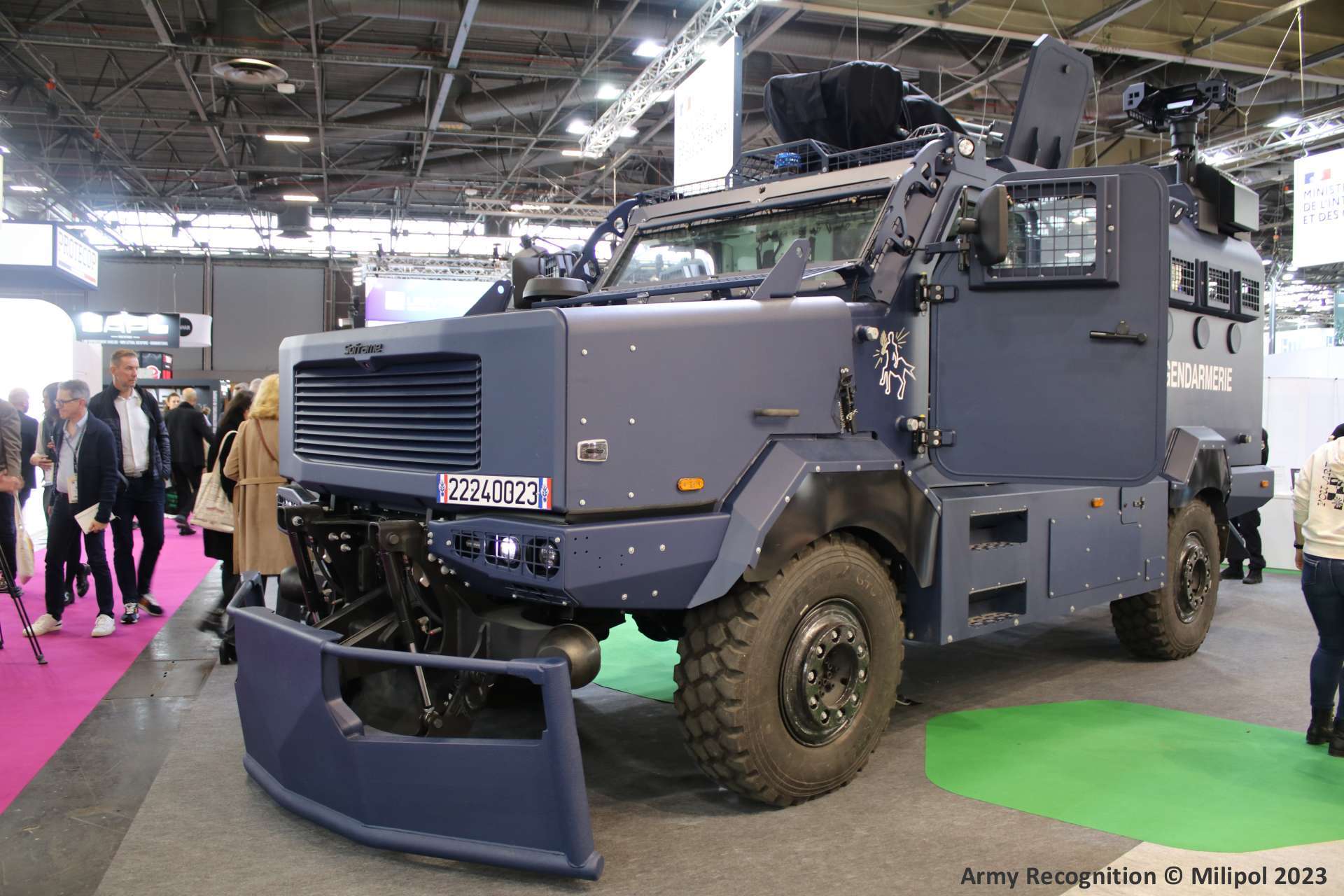
The French Gendarmerie's acquisition program involved the purchase of 80 vehicles, costing between 65-70 million euros, to enhance crowd control and public security operations. (Picture source: Army Recognition)
As of May 2024, New Caledonia is experiencing significant unrest following a controversial electoral reform imposed by France. This reform allows French residents who have lived in New Caledonia for ten years to vote in provincial elections. Indigenous Kanak leaders are concerned that this change will reduce their political influence, leading to violent protests and clashes.
The unrest has resulted in multiple deaths and injuries. In response, France declared a state of emergency and increased police and military presence in the territory. President Emmanuel Macron visited New Caledonia to address the situation and emphasized the need to restore calm and security. He met with local officials to discuss economic reconstruction and the political future of the territory.
Neighboring Pacific nations, including Australia, New Zealand, and Vanuatu, have called for peaceful dialogue and expressed concerns over the regional impact of the riots. Measures taken by the French government, such as deploying additional forces and banning TikTok to limit the spread of unrest, have been points of contention. To date, approximately 3,500 security personnel have already been deployed to the archipelago, and the Centaure armored vehicles are expected to support the French security forces in better managing the current situation and helping to restore calm.
The Centaure, the new armored vehicle of the French National Gendarmerie, was acquired as part of an economic recovery plan initiated in December 2020 related to the COVID-19 pandemic. The acquisition involved the purchase of 80 vehicles, costing between 65-70 million euros, to enhance crowd control and public security operations. This program was accelerated with the deployment of Centaure vehicles during urban riots in June 2023. The French Court of Auditors has scrutinized this acquisition, particularly highlighting the rapid specification of requirements which led to initial gaps in technical needs, especially in vehicle maintenance. These gaps were later addressed by adding a maintenance plan to the technical specifications.
Manufactured by Soframe, the Centaure, also known as the Armored Infantry Vehicle (ARIVE), is a 4x4 armored vehicle weighing 14.5 tons, heavier than its predecessor, the VBRG. It measures 6.2 meters in length, 2.45 meters in width, and 2.5 meters in height. Key features include blades mounted on pneumatic cylinders for pushing and clearance, modern optronic equipment, and capabilities for remote-controlled firing and grenade launching. Designed as a Mine Resistant Ambush Protected (MRAP) vehicle, the Centaure can carry a combat infantry group and is protected against explosive devices and small arms fire.
Despite these capabilities, the French Court of Auditors questioned the overall relevance and integration of the Centaure into existing law enforcement operations, noting that other security forces, like the National Police, showed limited interest. The Ministry of the Interior defended the acquisition as a strategic project, acknowledging the need for further adaptation to the national mobility support scheme.
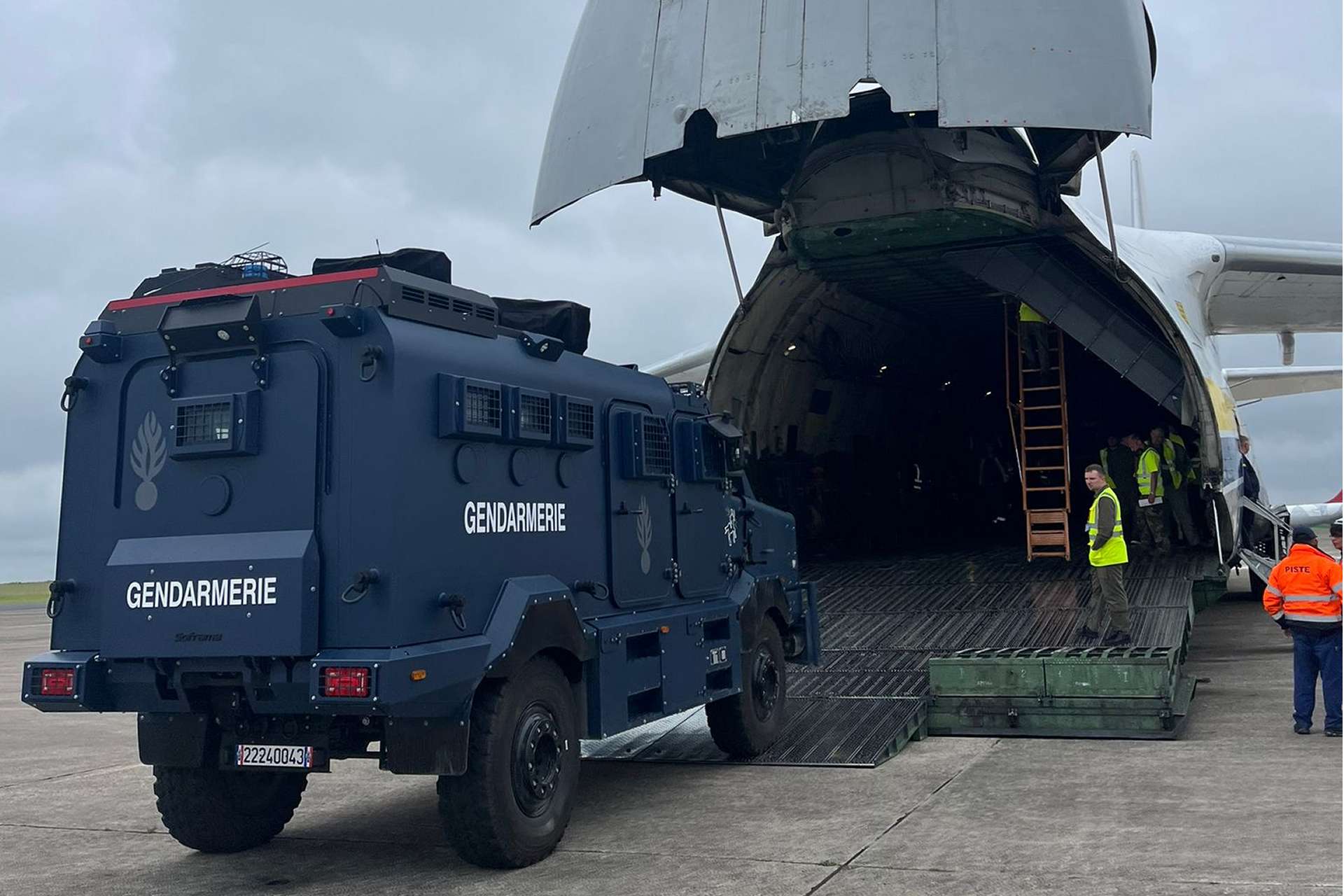
The Centaure armored vehicles were transferred to New Caledonia using Antonov 124 transport aircraft. (Picture source: Gendarmerie Nationale)
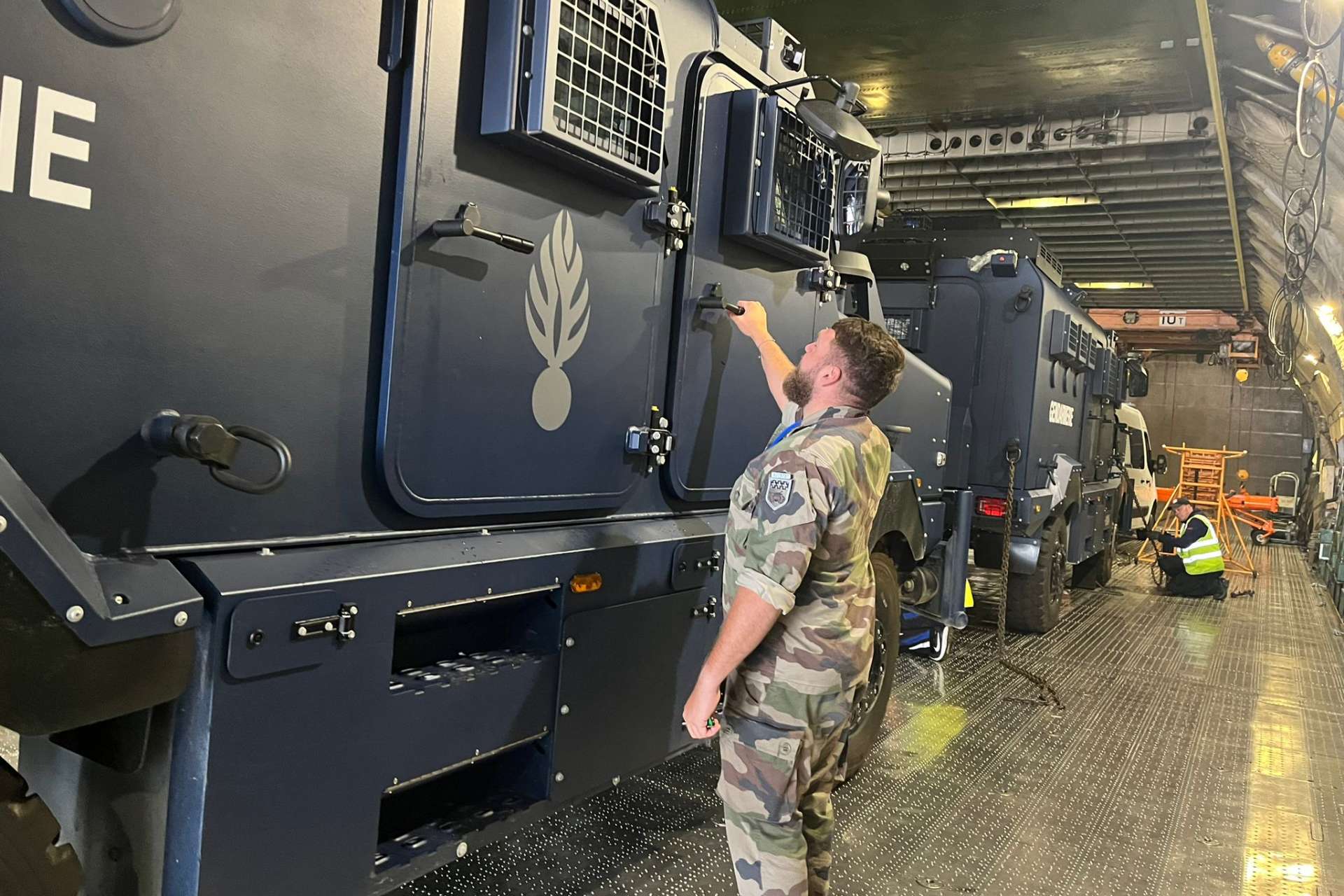
Weighing 14.5 tons, the Centaure measures 6.2 meters in length, 2.45 meters in width, and 2.5 meters in height. (Picture source: Gendarmerie Nationale)
- Details
- Written by: V.Saint
- Category: 2024
- Hits: 5315
Breaking news
As part of the Russian maritime exercise Kumzha-2024, Russia announced that it would conduct naval artillery fire in an area only 4 nautical miles (8 km) away, putting Norwegian forces on high alert near observation post 247, located opposite the firing zone.
Follow Army Recognition on Google News at this link
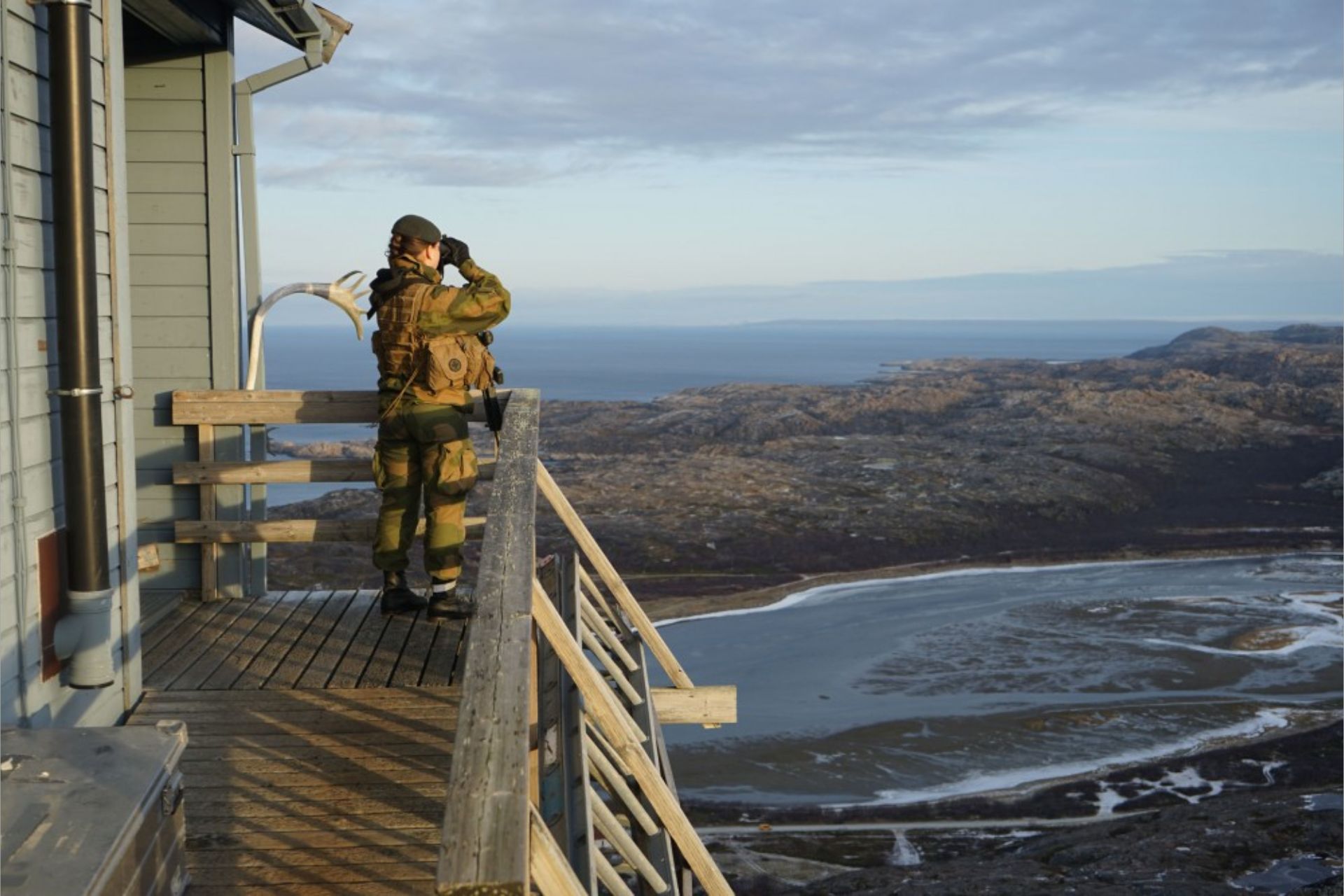
Norway's northernmost military Observation Post (No. 247) on the coast to the Barents Sea. Sredny Peninsula visible in the horizon. Russia's artillery shooting will take place in the waters in between Grense Jakobselv and Sredny. (Picture source: Thomas Nilsen)
This year, Kumzha included five training scenarios, among which were the fight against fast-moving enemy motorboats, the search and attack of enemy submarines, and air defense exercises, according to the Northern Fleet.
A video of the exercise shows sailors firing machine guns at three approaching motorboats, resembling a Ukrainian maritime drone attack against Russian ships in the Black Sea.
The training also included escorting two minesweepers from the base by two large warships and a rescue operation for distressed sailors.
The exercises took place shortly after a major search and rescue exercise in Motovsky Bay, waters located west of the Rybachy Peninsula on the coast of the Barents Sea. The Barents exercise was led by the Murmansk Maritime Rescue Service in cooperation with FSB border guards and the Northern Fleet. Previously, the Barents exercise was organized in cooperation with Norwegian authorities.
The coastal warning (PRIP) announced by the Northwest Russia Port Administration in Murmansk is valid from June 4 to 6 and is titled "Varanger Fjord" and detailed as "artillery fire." Here, the maritime border was agreed upon in 2007 (Varanger Fjord Agreement) and further north, the 2010 Barents Sea and Arctic Ocean delimitation agreement (effective from 2011).
The artillery fire begins on Tuesday, June 4, close to the shore and only 4 nautical miles (about 8 km) from Grense Jakobselv.
Neither the NOTAM (Notice to Airmen) nor the coastal warnings specify whether the artillery fire will be conducted by Northern Fleet warships or FSB coast guard vessels. The latter has frequently sailed in recent years near the Norwegian coast, outside Grense Jakobselv.
Sredny, within the Fishermen’s Peninsula, is a well-known training area for Northern Fleet coastal forces. Pechenga hosts both the 200th Motor Rifle Brigade and the 61st Naval Infantry Brigade.
The Northern Fleet currently has five other areas north of the Kola Peninsula with live fire exercises from this weekend to next week. On Friday, the airspace over Kola Bay, from northern Severomorsk to the Barents Sea, is also closed. The same goes for two large land areas, from the town of Kola to the Russian border with Finnish Lapland. Currently, the Northern Fleet is deploying eleven surface ships, submarines, and support vessels.
Read more: Russia announces conducting live fire less than 4 miles of Norwegian coast
- Details
- Written by: Administrator
- Category: 2024
- Hits: 21878
Breaking news
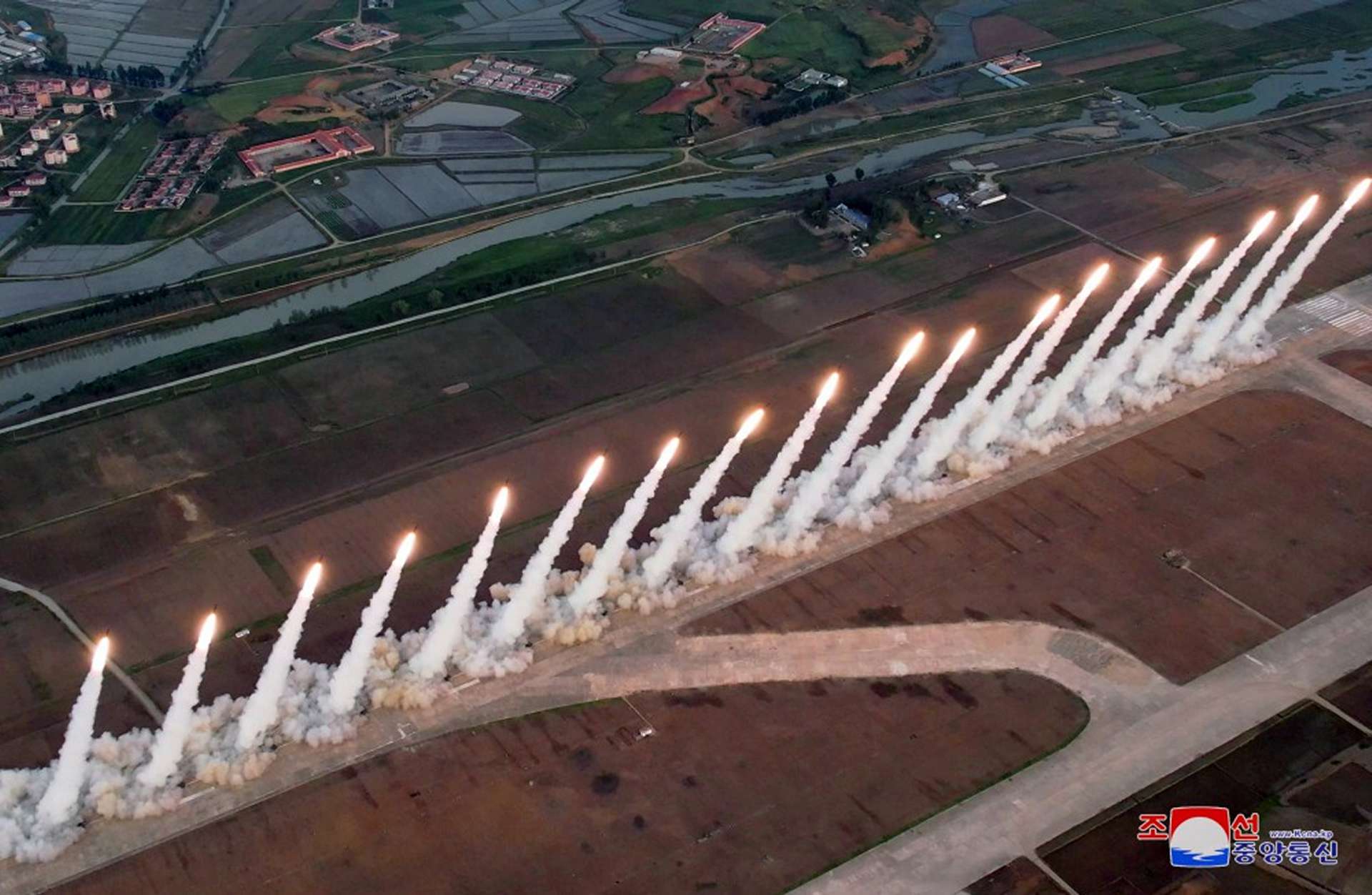
On May 30, 2024, North Korean leader Kim Jong Un personally supervised the launch of 18 KN-25 ballistic missiles, demonstrating the country's advancing military capabilities amid escalating global tensions. The KN-25, a short-range ballistic missile with a range of 380 kilometers, has become a significant component of North Korea's expanding arsenal.
Follow Army Recognition on Google News at this link
North Korea's KN-25 600mm rocket/missile launcher system in action during a test fire, showcasing its formidable power and advanced capabilities. (Picture source: KCNA)
In a move that has raised international alarm, North Korea has transferred hundreds of these missiles to Russia. Reports indicate that these weapons have been used in recent bombardments of Ukrainian cities, further complicating the ongoing conflict in Eastern Europe. This transfer underscores the deepening military cooperation between Pyongyang and Moscow, which face heavy sanctions and international isolation.
Recently, North Korea introduced a new heavy artillery rocket system, provisionally named the KN-25, though its actual designation may differ. It is a 600 mm guided artillery rocket system and is the most potent multiple launch rocket system fielded by North Korea at its introduction. Test launches in 2019 and 2020, along with its demonstration during a military parade in 2020, indicate the system's production in significant quantities and its active service within the North Korean military. The KN-25 can be classified as a short-range ballistic missile system, with rockets demonstrating a range of 240 km during tests and potentially reaching up to 400 km.
The KN-25 system uses giant guided artillery rockets, among the largest of their type fielded by any country. These rockets are guided by inertial and satellite navigation systems and are believed to be capable of carrying low-yield nuclear warheads. The system is mounted on a modified Tatra chassis, featuring an 8x8 configuration, independent suspension, and a central tire inflation system, allowing for off-road travel. With an armored cab for crew protection, the launcher vehicle carries four rockets in sealed containers and can launch them at intervals of up to 20 seconds. This advanced artillery system enhances North Korea's military capabilities and poses a significant threat to regional stability.
The recent launch and subsequent transfer of the KN-25 missiles to Russia come amid ongoing diplomatic efforts to denuclearize the Korean Peninsula. Despite multiple rounds of negotiations, North Korea has shown little willingness to curb its missile development activities. Instead, the regime prioritizes military advancements, citing the need to defend against perceived threats from the United States and its allies.
The international community, particularly the United States, South Korea, and Japan, has expressed grave concerns over North Korea's missile tests and arms transfers. These actions destabilize the region and pose a significant threat to global security. In response, there have been calls for increased sanctions and more vital diplomatic efforts to curtail North Korea's missile program.
As North Korea continues to enhance its missile capabilities and forge closer military ties with Russia, the prospect of a peaceful resolution to the Korean Peninsula's security issues seems increasingly distant.
Read more: North Korea Demonstrates World's Most Powerful 600mm Rocket Missile Launcher System KN-25