
- Details
- Written by: V.Saint
- Category: 2024
- Hits: 1636




Breaking news






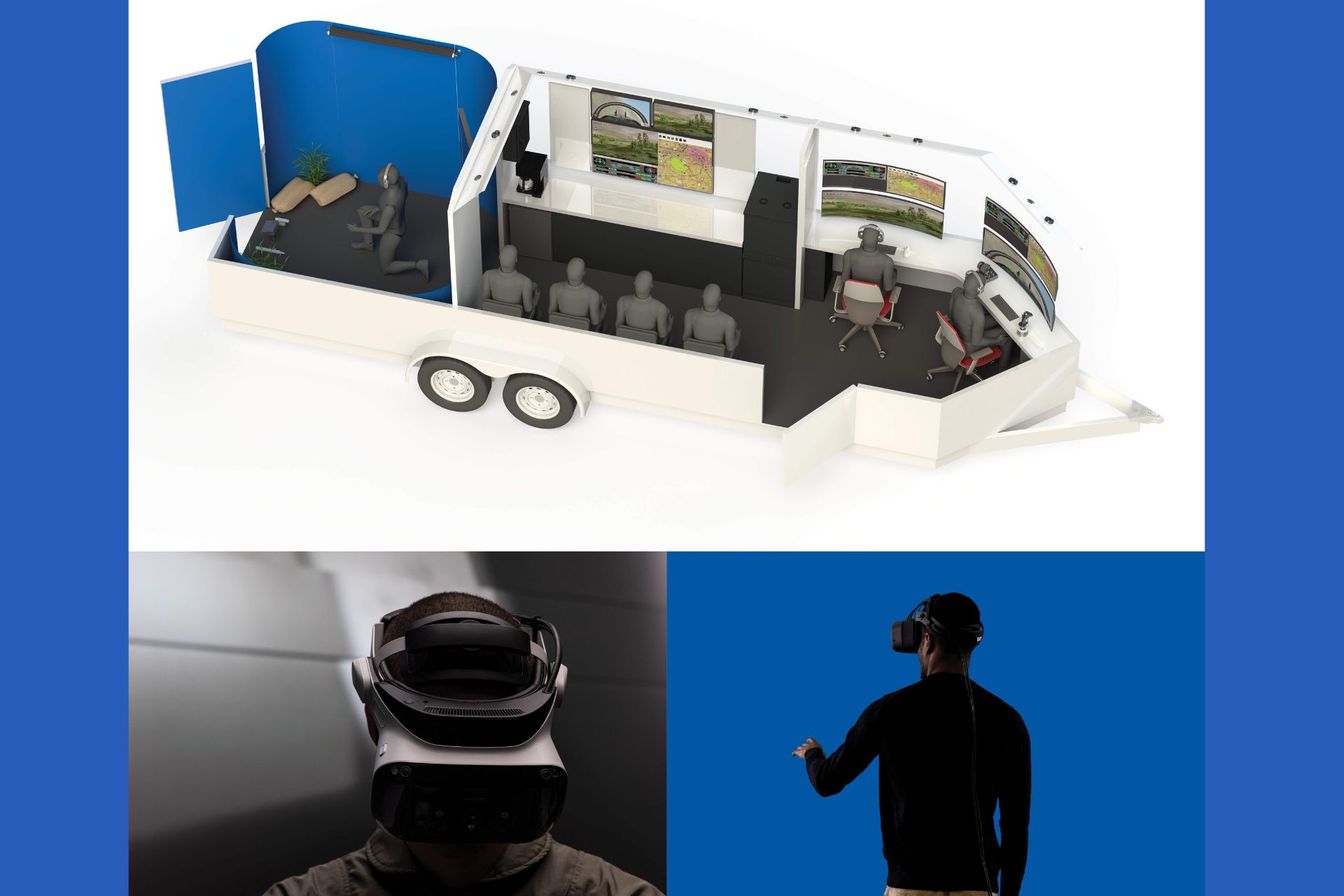
Allen-Vanguard, best known for providing customised technology solutions for defeating Radio Frequency (RF) based terrorist and extremist threats, has partnered with Hyperion, experts in developing innovative technology-based defence solutions, to deliver a world class mixed reality Joint Terminal Attack Controller (JTAC) trainer for a Middle Eastern customer. Allen Vanguard will be at Eurosatory, in Paris, in Hall 5a Stand E365 to discuss this and all their RF defeat solutions.
Follow Army Recognition on Google News at this link
Allen-vanguard and Hyperion presents Jtac trainer (Picture source: Allen-vanguard)
Allen-Vanguard has vast experience in creating successful partnerships to drive forward complex technology integrations to deliver novel capability and they also have a wealth of experience in the Middle East.
Hyperion has deep expertise in Joint Fires support and training, simulation and the establishment and delivery of modern training solutions for defence organisations. Together, they have developed a cutting edge accreditable JTAC training solution that provides a fully immersive mixed reality training environment to efficiently and effectively deliver complex joint fires training for JTAC students.
The solution is a mobile, trailer-based system, incorporating Varjo’s XR-4 Focal Edition headset allowing the trainee to be fully immersed in the virtual environment, whilst being able to interact with their real equipment. This innovative system provides a more effective training solution, than live or dry controls alone. The system aims to be amongst the first to achieve Joint Fires Support Executive Steering Committee (JFS ESC) accreditation for a Battlespace Simulations Inc. (BSI) Modern Air Combat Environment (MACE) and Augmented Reality Mission Observation and Rehearsal (ARMOR) software combination. This new joint Allen-Vanguard/Hyperion JTAC training solution is truly revolutionary in both the technology used and training methodology applied.
Bobby Strawbridge, Director Business Development for Allen-Vanguard said, “We at Allen-Vanguard are increasingly finding ourselves working alongside other sector experts to help deliver the best possible in-theatre capabilities to meet the needs of our customers. Whether defeating the RF threat or countering other capabilities, maximizing the benefits of rapidly advancing technology is vital to maintain the battle winning edge. We are extremely pleased to be working with Hyperion on this project and very impressed with the JTAC training capability we have produced together.”
Chris Derbyshire, Co-Founder and Director at Hyperion said, “Working with Allen-Vanguard has been an excellent experience and collectively we have produced a supremely flexible mobile training facility which using ARMOR software allows instructors and students to draw upon accurate worldwide data to generate terrain for anywhere on earth in minutes; thus providing the user with the greatest possible flexibility to train where and when they want in all possible scenarios.”
allen-Vanguard is a leader in providing customized solutions for defeating Radio Frequency (RF) based terrorist and extremist threats, these include the continued global threat posed by Radio Controlled IEDs (RCIEDs) and the increasing prevalence of Drones (Unmanned Aerial Systems (UAS)) used for both nuisance and more lethal means. Defence Forces, Public Safety & Security agencies around the world trust our capability solutions to provide integrated capabilities to help save lives every day.
Hyperion are experts in developing innovative technology-based defence and security solutions that support their clients in meeting the demanding needs of all current and future operating environments. With deep expertise in Joint Fires Support and Training Development, the founders of Hyperion Defence Solutions have unrivalled experience in the establishment, delivery and management of Joint Close Air Support programmes built on a foundation of successful careers in the British Army.
Read more: Allen-vanguard and Hyperion to deliver Mixed Reality JTAC Trainer
- Details
- Written by: Administrator
- Category: 2024
- Hits: 17031
Breaking news
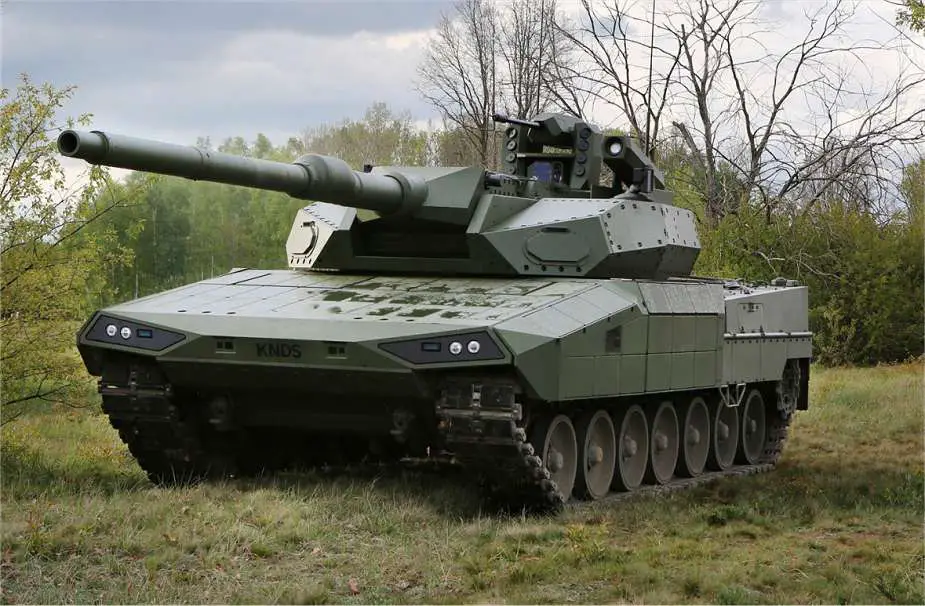
On June 12, 2024, a brochure released on the X account of Jeff2146 showcased the latest development by the French-German defense company KNDS: the Leopard 2A-RC 3.0, a new Main Battle Tank (MBT). This advanced tank is based on the Leopard 2's tracked chassis and features a revolutionary unmanned turret.
Follow Army Recognition on Google News at this link
French-German defense company KNDS has developed the Leopard 2A-RC 3.0 Main Battle Tank based on Leopard 2 three-men tracked chassis and a new unmanned turret. (Picture source: KNDS)
The Leopard 2A-RC 3.0 is built on a three-man chassis, housing the commander, gunner, and driver, with an unmanned turret that eliminates turret intrusion into the chassis. This innovative design incorporates a revolutionary gun-laying system and boasts an extremely flat turret, enhancing the tank’s stealth profile and reducing its targetable area by 30%.
Key features include improved crew protection with a lower crew arrangement in a compact compartment, adaptable turret for various main calibers, and a modular autoloader capable of firing three rounds in ten seconds. The armament set is configurable for both direct line-of-sight (3DLOS) and non-line-of-sight (NLOS) engagements.
The tank is equipped with an advanced sensor suite for improved tactical and situational awareness, including Unmanned Aerial Vehicle (UxV) control. It also features a digital mission-control system and a 4D fire-control system utilizing X-by-Wire technology.
In terms of technical specifications, the Leopard 2A-RC 3.0 weighs less than 60 tonnes, depending on the configuration. It measures 7.95 meters in length, extending to 11.17 meters with the gun, 3.77 meters in width, and 2.44 meters in height to the turret roof, extending to 2.84 meters to the top of the PERI system. Powered by a 1,100 kW (1,500 HP) engine, the tank can reach speeds exceeding 65 km/h with a road range of 460 km. It also has a ground clearance of 500 mm.
The sensor suite includes optronics and multiple detection systems such as laser warning, optics detection, and drone detection, ensuring heightened situational awareness and battlefield effectiveness. This new tank model represents a significant leap forward in military vehicle technology, combining powerful performance with advanced detection capabilities to meet the demands of modern warfare.
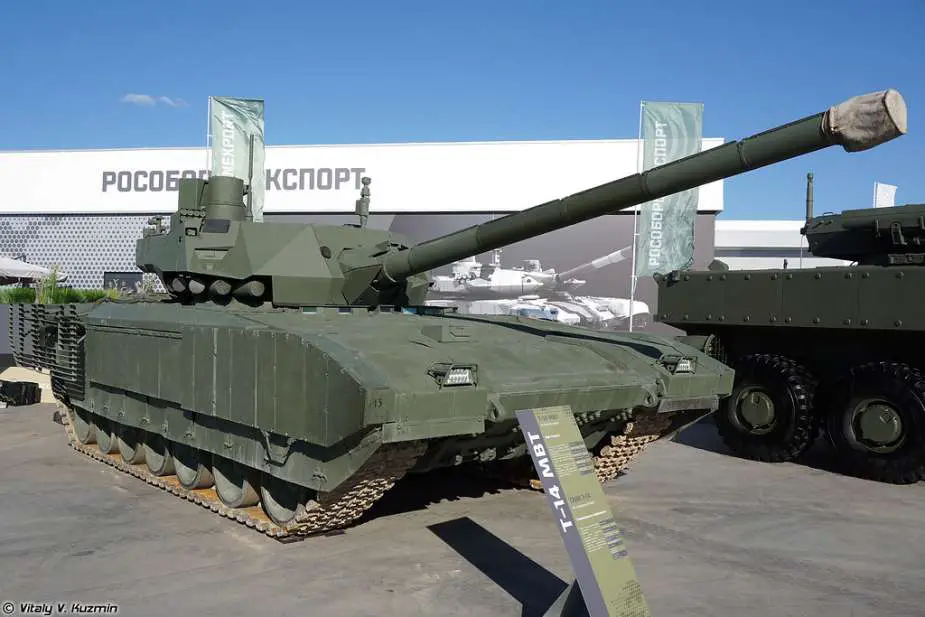
The Russian T-14 Armata was the first fifth-generation tank featuring a crew housed entirely within the hull and an innovative unmanned turret. (Picture source Vitaly Kuzmin)
The development of next-generation main battle tanks (MBTs) featuring unmanned turrets marks a significant evolution in armored vehicle technology, aiming to enhance battlefield efficiency, crew protection, and operational versatility. Leading examples of this technological advancement include the Russian T-14 Armata and the American tank demonstrator AbramsX.
The Russian T-14 Armata, developed by Uralvagonzavod, represents a pioneering effort in the field of unmanned turret technology. Officially unveiled in 2015, the T-14 is part of the Armata Universal Combat Platform, which aims to standardize Russian armored vehicles. The tank’s turret is entirely unmanned, allowing the crew to operate from a heavily armored capsule located in the front of the hull. This design significantly enhances crew safety by isolating them from the turret's ammunition and weapon systems. The T-14 features advanced armor protection, active protection systems, and a 125 mm smoothbore cannon capable of firing a variety of ammunition types, including guided missiles. Its modular design allows for future upgrades, ensuring it remains at the forefront of tank technology.
Similarly, the American tank demonstrator AbramsX, developed by General Dynamics, showcases the United States' approach to incorporating unmanned turret technology. The AbramsX is an advanced prototype designed to demonstrate the capabilities of a next-generation MBT that leverages modern technologies to maintain battlefield superiority. The unmanned turret in the AbramsX allows for a reduced crew size and enhanced survivability. By relocating the crew to a more protected part of the vehicle, the tank reduces the risk to personnel. The AbramsX integrates state-of-the-art sensors, artificial intelligence for target acquisition and engagement, and a hybrid electric powertrain to improve fuel efficiency and reduce thermal and acoustic signatures. These innovations contribute to a more versatile and survivable combat vehicle.
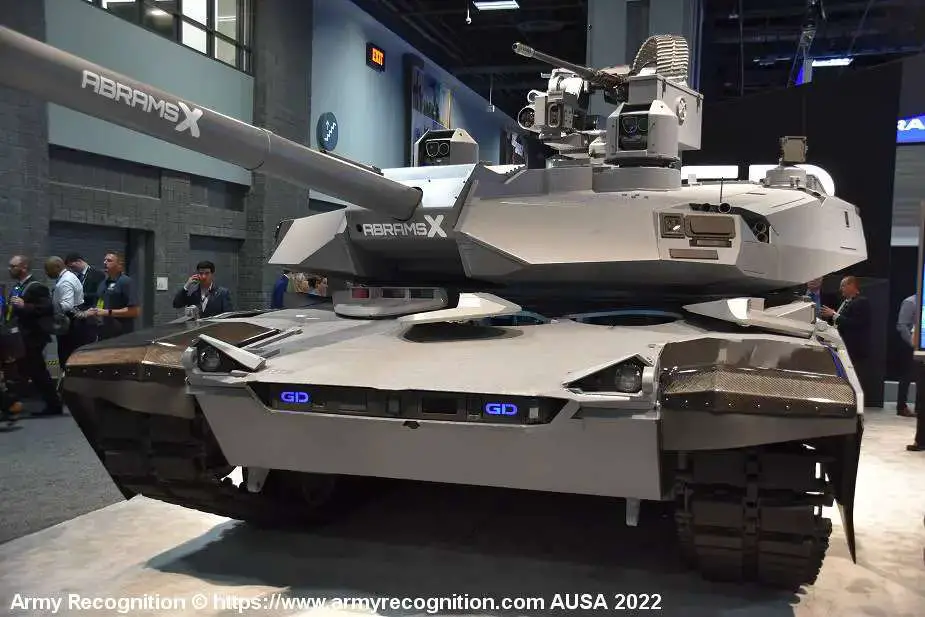
The AbramsX is an advanced American tank demonstrator featuring an unmanned turret and cutting-edge technology. (Picture source Army Recognition group)
Both the T-14 Armata and AbramsX reflect a broader trend in military technology towards increased automation and crew protection. Unmanned turrets reduce the risk to crew members, improve situational awareness through advanced sensors and optics, and allow for more flexible and adaptive combat strategies. As these technologies continue to evolve, they promise to redefine the capabilities and roles of main battle tanks in modern warfare, ensuring they remain a crucial component of military operations well into the future.
The development of new-generation main battle tanks (MBTs) with unmanned turrets, including the Russian T-14 Armata, the American AbramsX, and the recently unveiled German Leopard 2A-RC 3.0, represents a significant leap forward in tank technology. These advancements are driven by the need for enhanced crew protection, increased battlefield efficiency, and greater operational versatility.
The T-14 Armata's unmanned turret and heavily armored crew capsule set a new standard for crew safety, while its advanced weaponry and modular design ensure it remains a formidable force on the battlefield. The AbramsX, with its integration of artificial intelligence, advanced sensors, and hybrid electric powertrain, showcases how modern technology can be leveraged to create a more efficient and survivable combat vehicle. Meanwhile, the Leopard 2A-RC 3.0 continues this trend with its revolutionary gun-laying system, extremely flat turret design, and comprehensive sensor suite, providing improved tactical and situational awareness.
These innovations signify a shift towards automation and enhanced protection in military vehicle design. Unmanned turrets not only reduce the risks to crew members by isolating them from ammunition and weapon systems but also enable more flexible and adaptive combat strategies through the use of advanced sensors and control systems. As these technologies continue to evolve, they promise to redefine the capabilities and roles of MBTs in modern warfare, ensuring they remain indispensable assets on the battlefield for years to come.
Read more: Exclusive: German-French Company KNDS Unveils Cutting-Edge Leopard 2A-RC 3.0 Tank with...
- Details
- Written by: Jérôme Brahy
- Category: 2024
- Hits: 14184
Breaking news
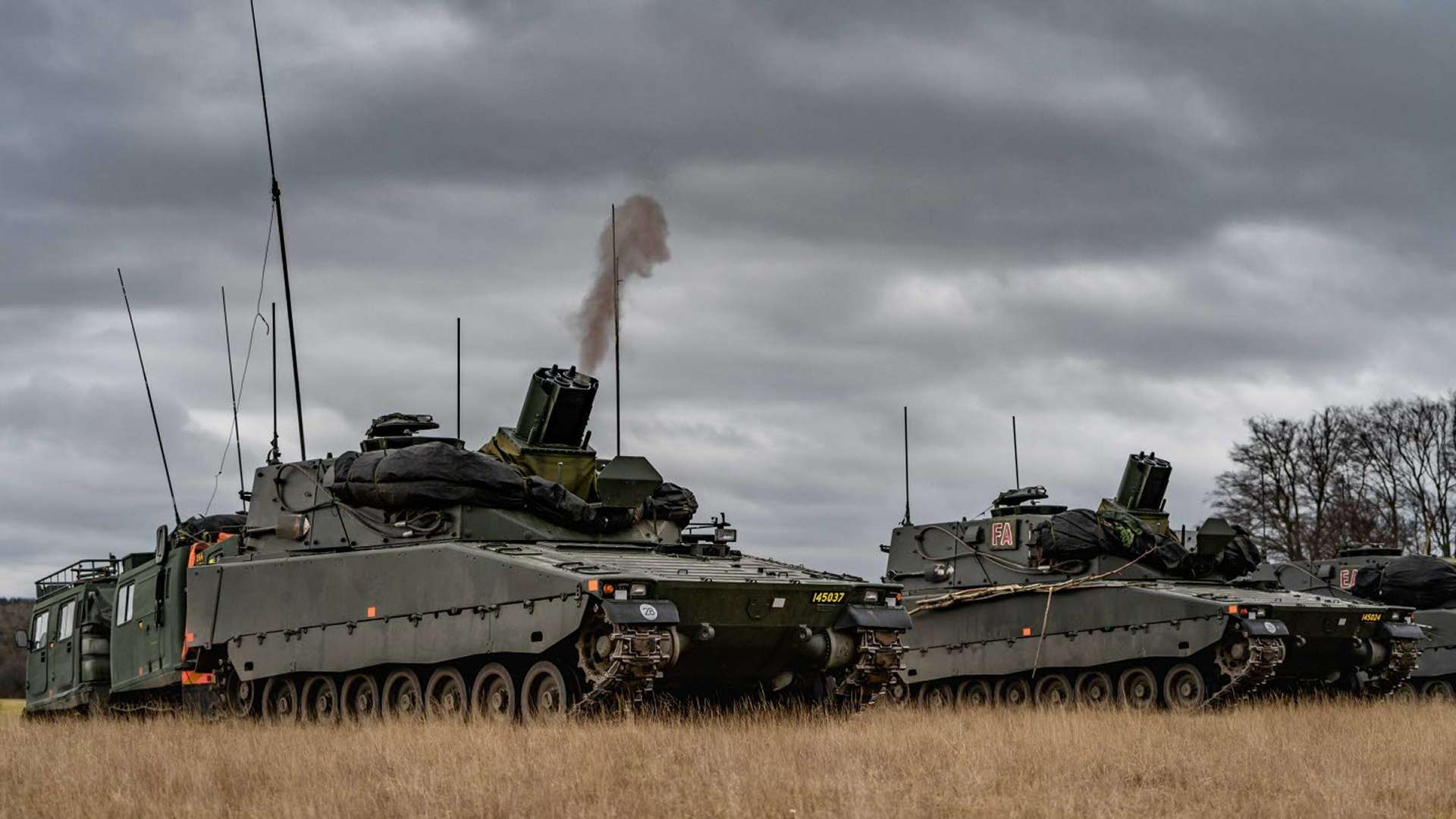
On June 11, 2024, the Dutch Ministry of Defense announced the procurement of Mjölner 120mm self-propelled mortars based on the CV90 infantry fighting vehicle (IFV). The introduction of these systems, manufactured by the Swedish company BAE Hägglunds, is intended to create a layered ground-based fire support system to support the armored infantry units, engaging enemy light armored units and dismounted infantry, thereby contributing to the operational capabilities of the mechanized infantry units both currently and in the future.
Follow Army Recognition on Google News at this link
The Mjölner 120mm self-propelled mortars are expected to create a layered ground-based fire support system to support the Dutch armored infantry units, engaging enemy light armored units and dismounted infantry (Picture source: Swedish MoD)
Intended for the Dutch mechanized units, the initial delivery of these Mjölner 120mm self-propelled mortar systems is expected in 2028. Currently, the mechanized units of the Dutch army possess a total of 83 L16/M1 81mm mortars, which are effective only at short ranges. In contrast, the new 120mm mortars have a range of 7-12 kilometers compared to the 5,650 m range of the 81mm mortars and a higher rate of fire. The new system's efficiency is supported by modern C4I (command, control, communications, and intelligence) systems, and its accuracy will be enhanced with GPS-guided ammunition.
The 81mm mortars currently in use are transported in Fennek reconnaissance vehicles and must be assembled outside the vehicle. The new 120mm mortars will be mounted on the chassis of the larger and more robust CV90, offering better protection for the soldiers due to its stronger armor. Additionally, the soldiers will not need to leave the vehicle to operate the weapons, providing more space for personnel, ammunition, and equipment.
Nearly all CV90s in the Dutch military will receive a midlife upgrade (MLU) from now until 2026, conducted by the Dutch industry. Post-upgrade, these vehicles will remain operationally relevant until the end of their service life in 2039. Following the MLU, the CV90s will be equipped with the new mortar systems, a process expected to be completed by 2028. Ammunition procurement will be handled through a separate project. Some CV90s from the logistical reserve will also undergo an MLU for their chassis, with these vehicles being equipped with a different turret to accommodate the mortars.
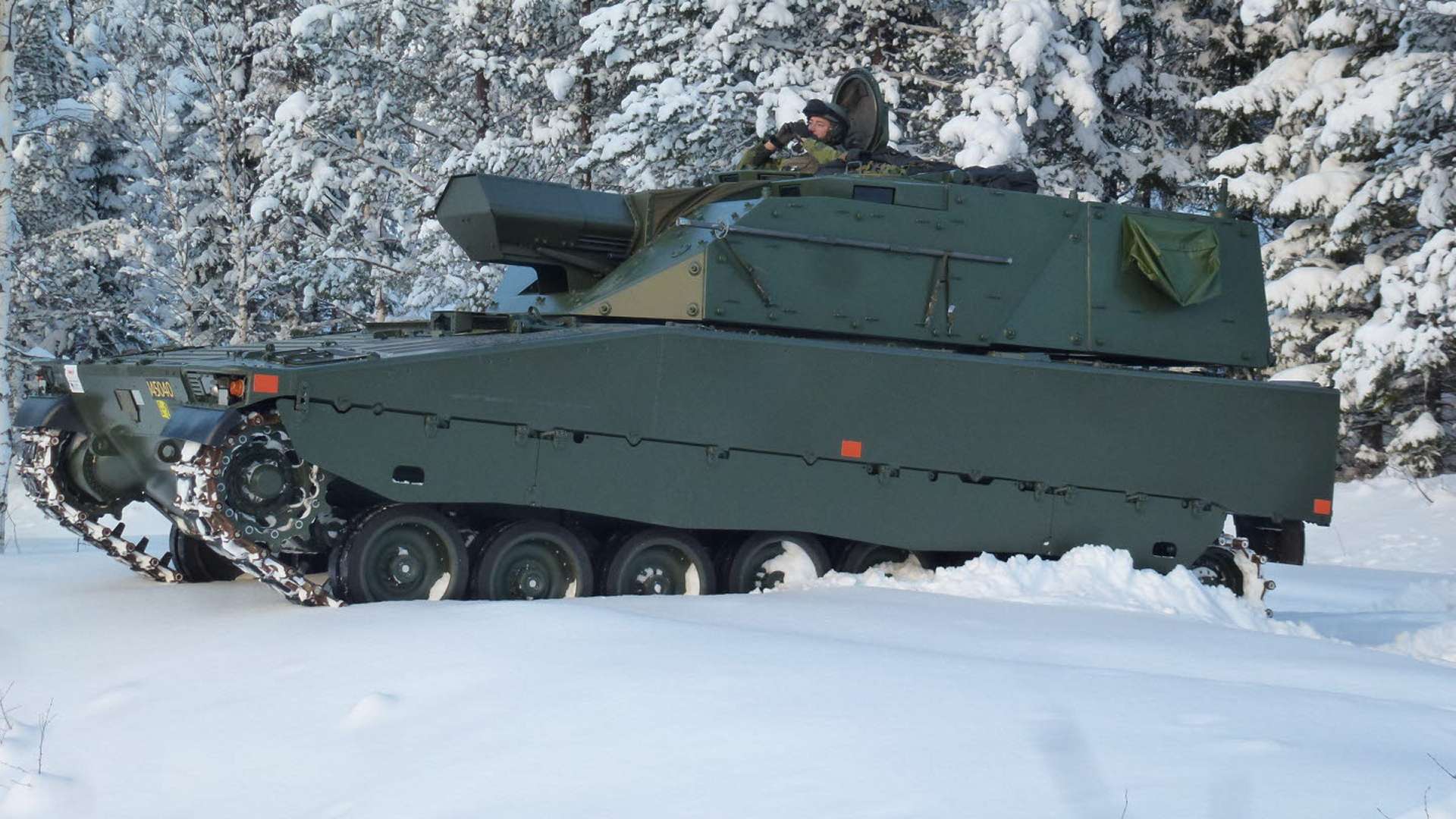
The Netherlands is not the only NATO country to adopt the Mjölner 120mm system; Sweden, which recently joined NATO, also uses this system, under the name Granatkastarpansarbandvagn 90 (Grkpbv90). (Picture source: Swedish MoD)
The Netherlands is not the only NATO country to adopt the Mjölner 120mm system; Sweden, which recently joined NATO, also uses this system, under the name Granatkastarpansarbandvagn 90 (Grkpbv90). Compared to dismounted mortar systems, the Mjölner offers significant improvements. The time required to set up, commence firing, and relocate is considerably reduced. After firing, the system can quickly change position, minimizing the risk of counter-fire from the enemy. According to BAE Systems, the mortar can be ready to fire within two minutes and can move out within one minute after the last shot. This mobility and operational speed facilitate quicker engagement and provide additional protection for the four-man crew, which includes a driver, commander, and gunner-loaders, by reducing the risk of enemy counter-fire.
The Mjölner system, developed and produced by BAE Systems Hägglunds, is designed to enhance the indirect fire capability of suitable vehicles, whether wheeled or tracked. This turret solution includes two smoothbore 120mm gun barrels mounted on the vehicle. The system employs a mechanical loading mechanism, ensuring rapid and reliable reloads in various combat conditions. The turret provides 60 degrees of slew in azimuth without requiring a power-assisted solution, and it offers an elevation range from 45 to 85 degrees, enabling the engagement of targets over a wide range of distances.
The Mjölner system is designed to maximize space within the vehicle through a basket-less design, optimizing ergonomics for the crew. Ammunition storage in the turret bustle allows for rapid and easy access during loading, firing, and resupply operations, accommodating up to 56 grenades. The system's scalability includes the potential for integrating advanced automated fire-control systems and compatibility with various 120mm mortar ammunition types, including Strix. The Mjölner has a maximum rate of fire of 16 rounds per minute and a sustained rate of six rounds per minute, with a range of up to 13 kilometers using standard range ammunition.
- Details
- Written by: Vandenbosch
- Category: 2024
- Hits: 4138
Breaking news
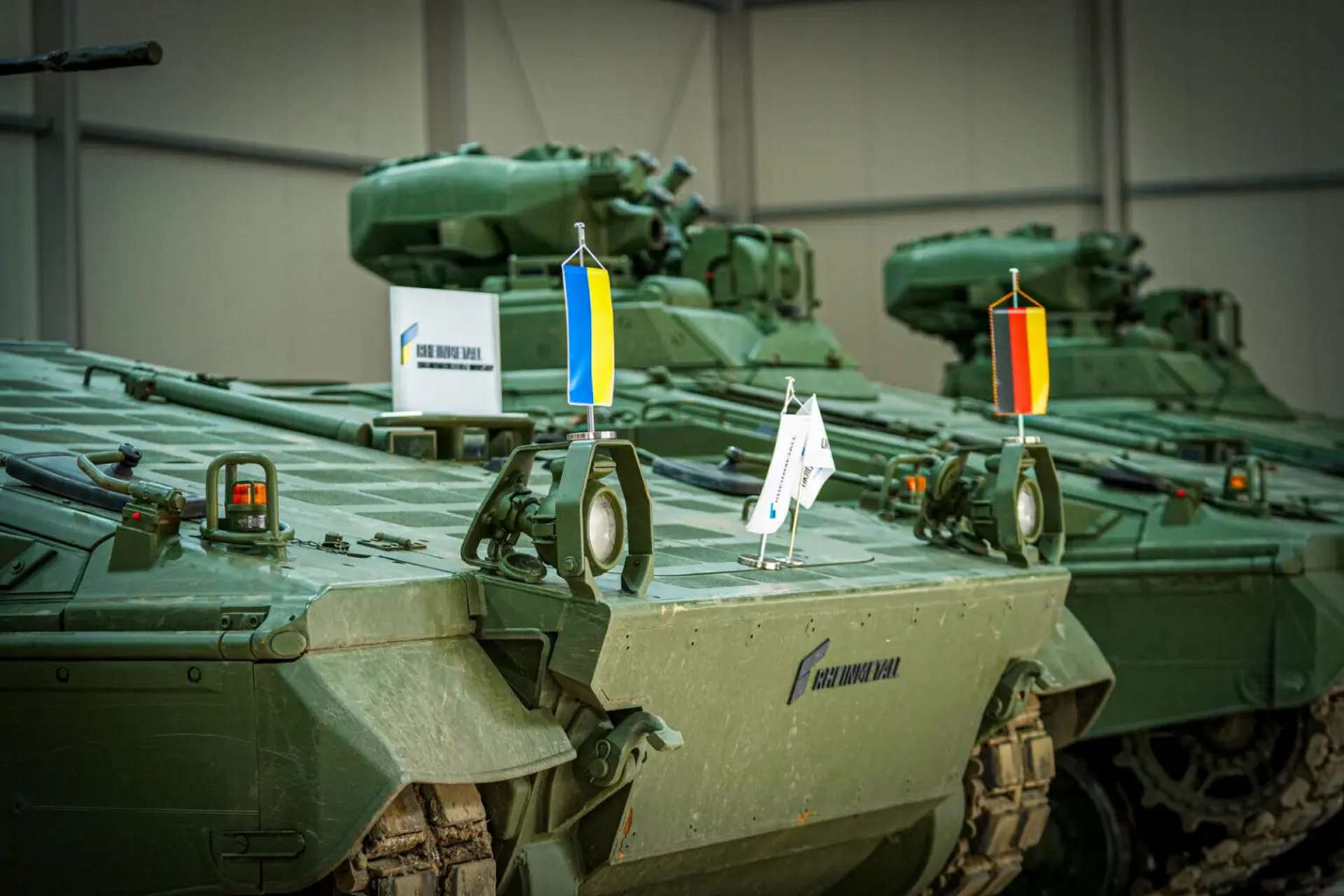
On June 10, 2024, Rheinmetall Ukrainian Defense Industry LLC celebrated the political opening of its new maintenance and repair center in western Ukraine. This significant event was highlighted by the visit of the Ukrainian Minister of Strategic Industries, Oleksandr Kamyshin.
Follow Army Recognition on Google News at this link
Rheinmetall Ukrainian Defense Industry LLC celebrated the opening of its new maintenance and repair center in Ukraine. (Picture source: Rheinmetall)
"We strive to develop our production capabilities with our allies and believe that the Ukrainian defense industry is part of the European defense industry, which strengthens the collective security system of the European Union. Therefore, the opening of a joint service center with Rheinmetall is not only a step towards Ukraine's Victory but also an important stage in building the arsenal of the Free World," Kamyshin stated during the visit.
Currently, the center is servicing and overhauling Marder infantry fighting vehicles. Plans are in place to extend these services to include Leopard 1 and Leopard 2 main battle tanks, as well as other German-made systems at additional sites throughout Ukraine.
Armin Papperger, CEO of Rheinmetall AG, emphasized the company's commitment to supporting Ukraine: "It is a matter close to our hearts to provide Ukraine with effective and reliable support. Our top priority is to maximize availability and ensure rapid replenishment of spare parts. To achieve this, we utilize existing channels via original manufacturers, process materials ourselves and with partners. We are also reactivating original supply chains and integrating local production in Ukraine."
Dmytro Klimenkov, Deputy Minister of Defence of Ukraine, highlighted the strategic importance of the new facility: "The opening of the first joint service center with Rheinmetall in Ukraine is crucial for strengthening our defense capabilities. This facility will allow us to ensure quick repairs and maintenance of German equipment directly on Ukrainian soil, significantly enhancing the efficiency of our Armed Forces. We are grateful to our German partners for their trust and support, which enable us to confidently move towards victory and integrate into the European collective security system."
Rheinmetall has equipped the center with special tools, spare parts, and other necessary equipment, leveraging existing local infrastructure. Last year, Ukrainian specialists underwent training at Rheinmetall sites in Germany, gaining expertise in the repair of combat vehicles, including industrial mechanics and mechatronics engineering. These trained personnel have since returned to Ukraine to work on the maintenance and repair of these systems.
The joint venture, Rheinmetall Ukrainian Defense Industry LLC, was established in October 2023. The announcement was made at the German-Ukrainian Economic Forum in Berlin, attended by German Chancellor Olaf Scholz and Ukrainian Prime Minister Denys Shmyhal.
This new center marks a significant step in bolstering Ukraine's defense infrastructure, reinforcing the collaborative efforts between Ukraine and its European allies.
Read more: Rheinmetall Announces Opening of Maintenance and Repair Facility in Ukraine
- Details
- Written by: V.Saint
- Category: 2024
- Hits: 5474
Breaking news
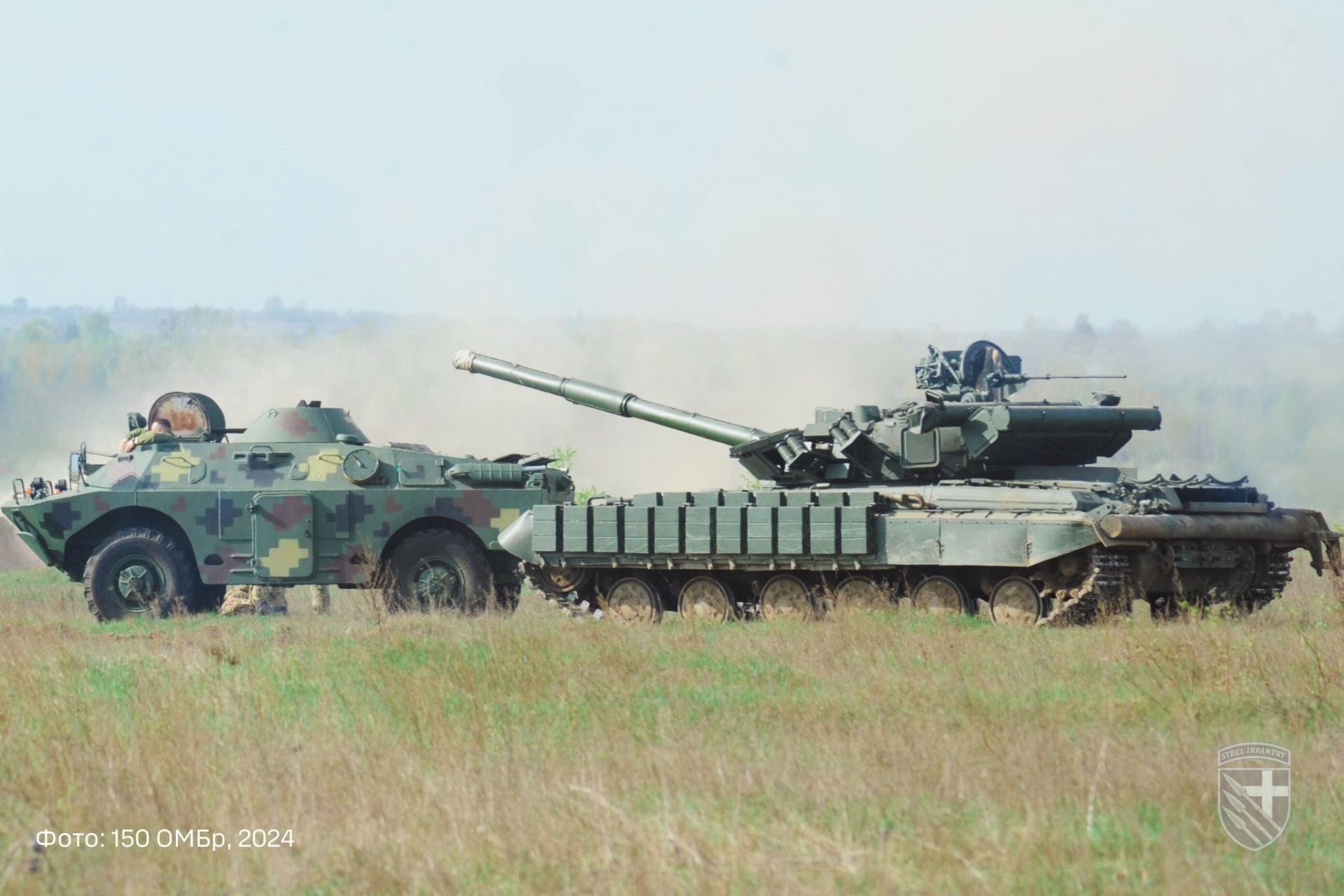
The soldiers of the newly launched 150th Mechanized Brigade showcased the heavy armored vehicles transferred to their military formation. The press service of the 150th Mechanized Brigade published the photo. The new Ukrainian brigade, formed at the beginning of 2024, has become mechanized and received a mix of modernized Soviet and Ukrainian armored vehicles.
Follow Army Recognition on Google News at this link
BRDM2 and T64 BV just arrived to equip 150th mechanised brigade of Ukrainian armed forces(Picture source: 150th Mechanized Brigade )
The press service of the Brigade, displaying the equipment used in exercises, reports that the soldiers of the 150th Brigade are improving their combat vehicle driving skills. Regular training allows our military to overcome obstacles as efficiently as possible on any terrain. In particular, the published images show the now-rare BMP-2 infantry fighting vehicles equipped with a 30 mm 2A42 automatic cannon. Judging by the photo, the vehicles were overhauled before being handed over to the military.
In addition to the BMP-2, the unit also has at least one modernized Ukrainian BMP-1TS, which received a new Spear-Sintez remote weapon station instead of the old 73 mm cannon. The Spear-Sintez remote weapon station is equipped with thermal imaging optics, a powerful stabilizer, and carries a 30 mm ZTM-1 cannon, a KBA-117 automatic grenade launcher, and a Stugna ATGM.
The unit's tracked armor was also supplemented by T-64BV tanks. They underwent major repairs and were upgraded to the mod.2017 variant, judging by the new reactive armor installation scheme and the absence of the Loona IR projector.
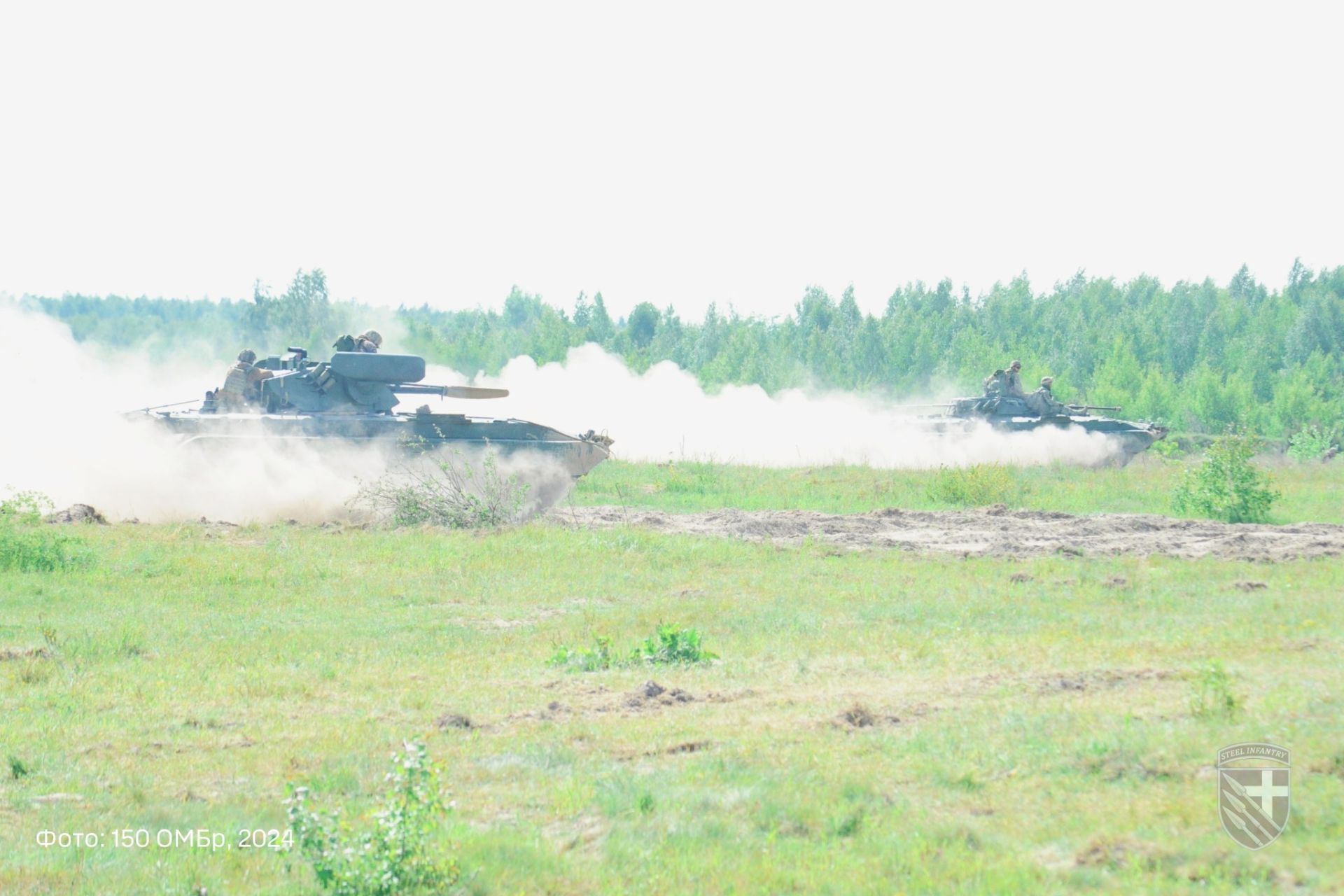
Modernized Ukrainian BMP-1TS in service with the soldiers of the 150th brigade, June 2024 (Picture source: 150th Mechanized Brigade )
The T-64 BVM tank received new sights for the commander and gunner. The sights are equipped with a thermal imaging channel. Additionally, the upgrade package includes a new digital radio and a satellite navigation system.
The unit also has BRDM-2 reconnaissance armored vehicles armed with a 14.5 mm KPVT heavy machine gun and a PKT coaxial machine gun. Images from the unit from January to February 2024 show BRDM-2 armored vehicles in Polish camouflage, indicating their origin.
In addition to armored vehicles, the soldiers of the 150th Brigade also partially showcased other weaponry of the brigade. Notably, the air defense units received several ZU-23-2 anti-aircraft guns transported by a KrAZ truck.
This reflects Ukraine's commitment to continue recycling previously combat-linked armored vehicles and improving them with Western support. The 150th Ukrainian Brigade is very young and thus equipped with the most modern equipment. Composed mainly of recruits, the combat effectiveness of this equipment is not yet certain, also due to the crews' experience and their ability to make the right decisions at the right time.
Read more: Ukraine's newly launched 150th Mechanized Brigade receive full upgraded combat vehicules

- Details
- Written by: Vandenbosch
- Category: 2024
- Hits: 5353
Breaking news
ARX Robotics, a pioneer in autonomous and modular robotic solutions, announced on June 10, 2024, the successful completion of a €9 million seed funding round. This milestone represents the largest seed funding round ever achieved by a European DefenceTech company. The funding round was led by the NATO Innovation Fund, with contributions from Discovery Ventures and Project A Ventures.
Follow Army Recognition on Google News at this link
ARX Robotics announced the successful completion of a €9 million seed funding round. (Picture source: ARX Robotics)
ARX Robotics specializes in the development of scalable robotic systems designed for mass deployment in both defense and commercial sectors. The company aims to address a critical shortage of mass autonomous unmanned systems within European and Western Allied armed forces. These systems are essential for future-proofing military capabilities in an era of rapidly evolving technology.
At the core of ARX’s innovation is the GEREON unmanned ground vehicle (UGV) series. These modular vehicles can be adapted for various defense applications, such as live fire training, transport, medical evacuation, and specialized reconnaissance missions. This flexibility is achieved through a modular design that allows for quick adjustments with add-on and payload solutions.
Marc Wietfeld, CEO and Co-Founder of ARX Robotics emphasized the strategic importance of their technology: “The armies of Western democracies are not prepared for robotic warfare. An interconnected critical mass of autonomous unmanned ground systems is needed to enhance our armed forces' capabilities. ARX is committed to contributing to European technological sovereignty by scaling up production, generating software-defined systems, and developing adaptive hardware to meet the demand for robust and autonomous unmanned systems.”
The GEREON robotic platform is already operational and tested by several European armies, including those of Germany, Austria, Switzerland, Hungary, and Ukraine. In training scenarios, these robots have significantly improved situational awareness for soldiers, with battlefield experiences continuously informing their development.
Beyond military applications, ARX robots are versatile enough for various commercial and humanitarian uses. They can autonomously surveil critical infrastructure, transport equipment in disaster areas, and navigate rough terrains, thus enhancing workforce safety and efficiency.
ARX Robotics combines durable hardware with a modular design and advanced software. This synergy allows the company to rapidly develop cost-effective unmanned ground systems for single or multi-use purposes. The platforms can be configured in the field within minutes without tools, while software updates are delivered over the air, integrating artificial intelligence with off-the-shelf hardware components.
The seed funding will be utilized to expand ARX's team and scale up production capabilities across Europe. With the NATO Innovation Fund as the lead investor, supported by Project A Ventures and Discovery Ventures, ARX is poised to strengthen European tech resilience and sovereignty.
Chris O’Connor of the NATO Innovation Fund stated, “We are honored to support ARX and help them scale production across Europe. As the need for unmanned warfare continues to grow, ARX's cost-effective, modular ground system stands out as a leading solution for defense and humanitarian applications.”
Uwe Horstmann from Project A Ventures added, “We believed in ARX's potential from the start. Their ability to develop robust and modular ground robots for both government and civil customers is truly remarkable.”
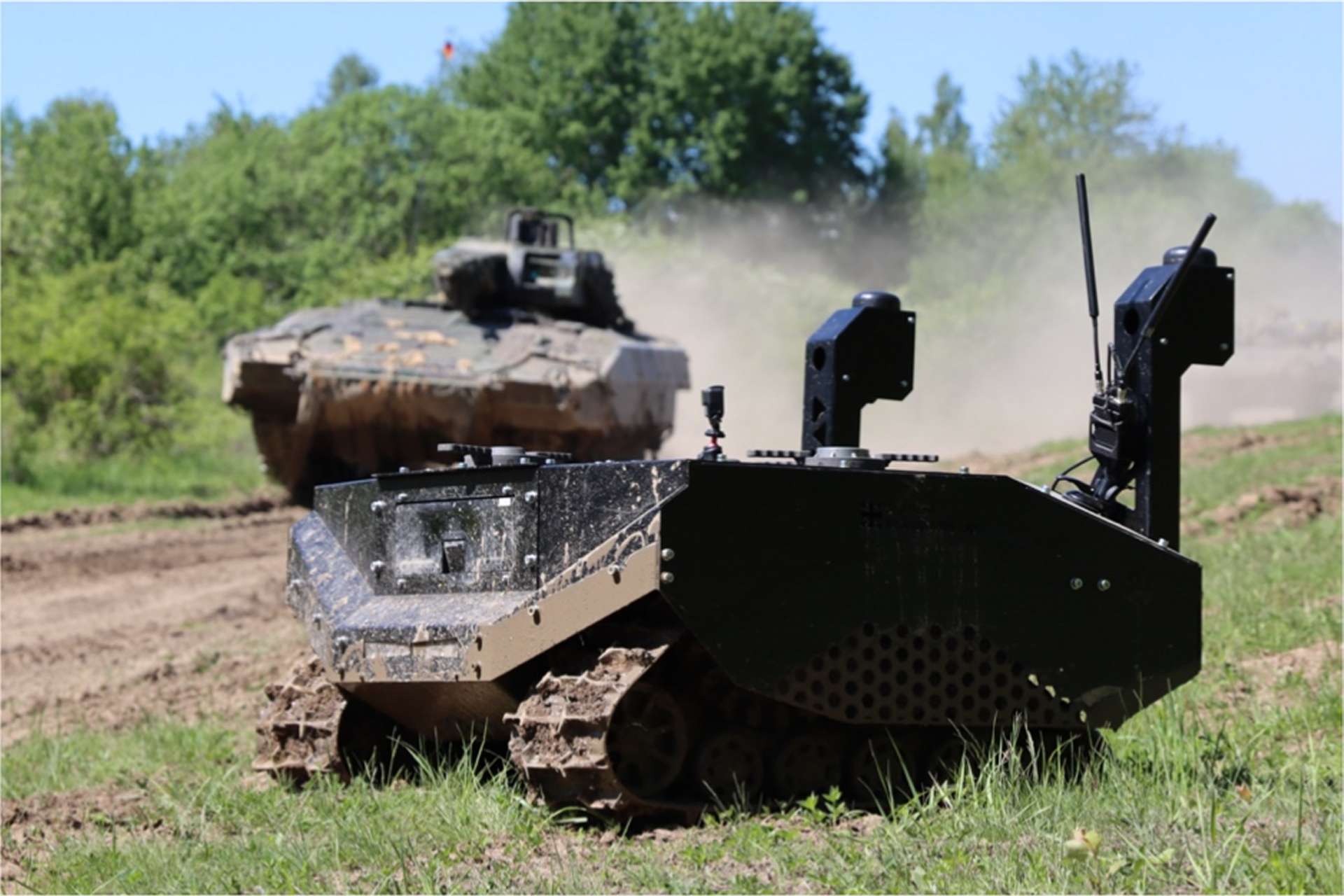
The GEREON robotic platform is already operational and tested by several European armies. ( Picture Source: Bundeswehr )
Read more: ARX Robotics Secures Record Funding to Bridge NATO's Robotics Gap
- Details
- Written by: Halna du Fretay
- Category: 2024
- Hits: 4959
Breaking news
On June 11, 2024, Ukraine announced the creation of the first autonomous branch of the military dedicated to drone systems, known as the Unmanned Systems Forces. This initiative responds to technological advancements observed in the ongoing conflict with Russia, highlighting Ukraine's commitment to incorporating advanced technologies into its defense strategy.
Follow Army Recognition on Google News at this link
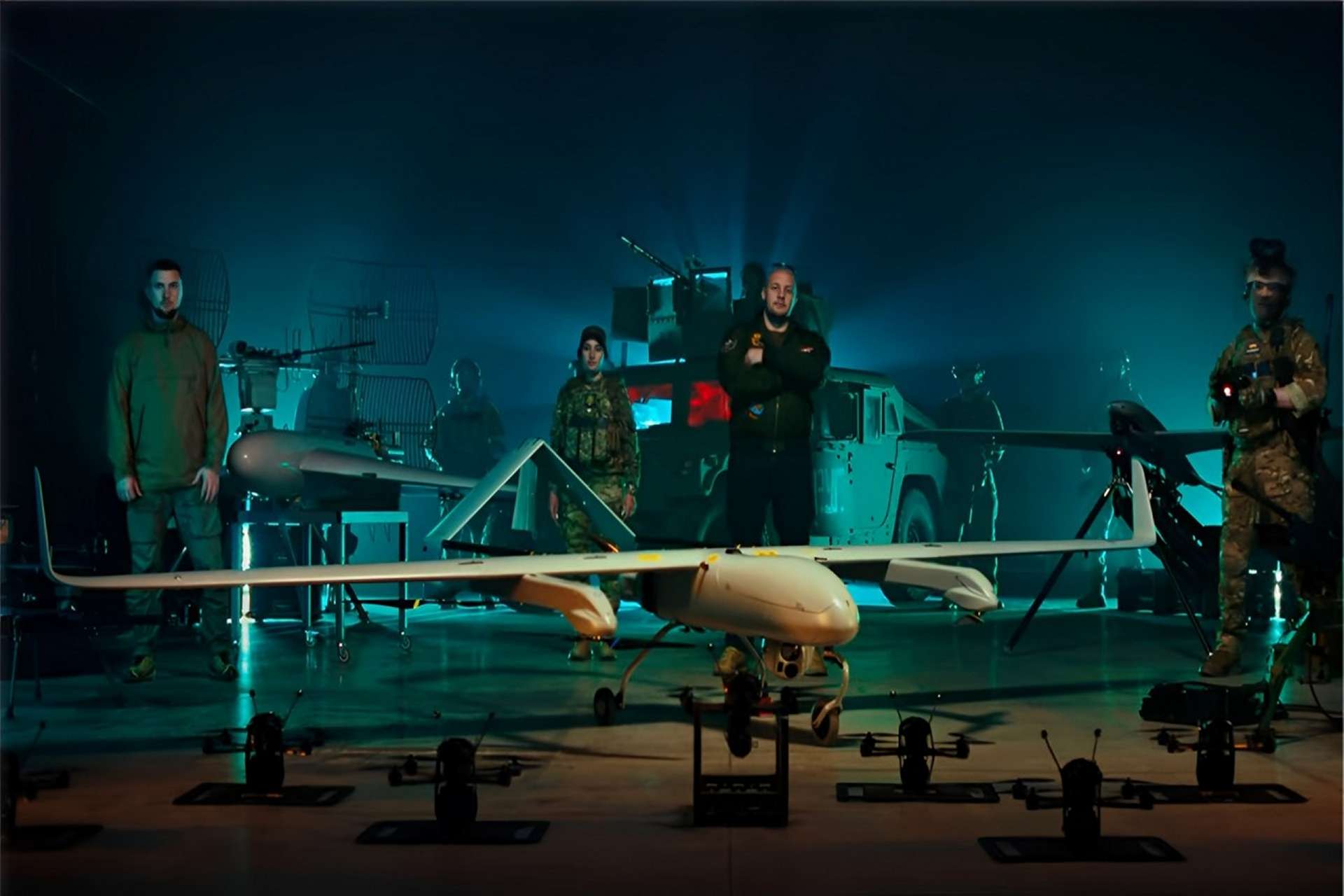
Screenshot from the presentation video of the Ukrainian Unmanned Systems Forces also featuring a Kamikaze drone (Picture source: Ukrainian MoD)
During the official presentation, First Deputy Defense Minister Ivan Havryliuk emphasized the strategic importance of this development. He stated that Ukraine has strong prospects for victory in the war against Russia, achievable through intelligence, perseverance, and measures to protect the lives and health of servicemen by increasingly using robots and unmanned systems in the air, on the ground, and at sea. Havryliuk also explained that this new military branch would enable Ukraine to strike the enemy across the full depth of the battlefield, from the front lines to the Ural Mountains, noting that Ukraine is the only country close to completing such a military branch.
Commander of the Drone Forces, Vadym Sukharevskyi, highlighted that Ukraine is learning from modern warfare and rapidly implementing changes. He mentioned that Ukraine has moved away from a conservative approach and created a precedent, thus being ready to dictate the rules of this war for future successes. The symbol of this new military branch, a swallow designed by a neural network, was unveiled during the presentation. The swallow is a revered symbol in Ukrainian culture, signifying news of victory. The Drone Forces were established on May 7, following the Cabinet of Ministers' approval of the Presidential Decree to create this new military branch.
In addition to the formation of the Drone Forces, Ukraine unveiled a new type of one-way attack drone, commonly known as a suicide drone, in a recent promotional video. This drone, featuring a delta wing design, resembles the Iranian Shahed-series but is developed locally by Ukrainian forces. Currently, detailed information about this new drone remains scarce, but its introduction marks a notable addition to Ukraine's military arsenal.
Commander Sukharevskyi also emphasized the healthy competition among drone manufacturers in Ukraine and suggested the possibility of future standardization of drones. He pointed out that the number of manufacturers signifies healthy competition, allowing the military to have more products to choose from and better understand and apply the best options. According to the Ministry of Defense, contracts have been signed, and products are being procured from over 125 manufacturers, ensuring that the Ukrainian military can select the most effective tools for their operational needs.
This initiative underscores Ukraine's commitment to enhancing its military capabilities through the use of drones and unmanned systems, reflecting a strategic shift towards technology-driven modern warfare.
Read more: Ukraine Focuses on Drone Warfare with Creation of Unmanned Systems Forces

- Details
- Written by: Jérôme Brahy
- Category: 2024
- Hits: 9713
Breaking news
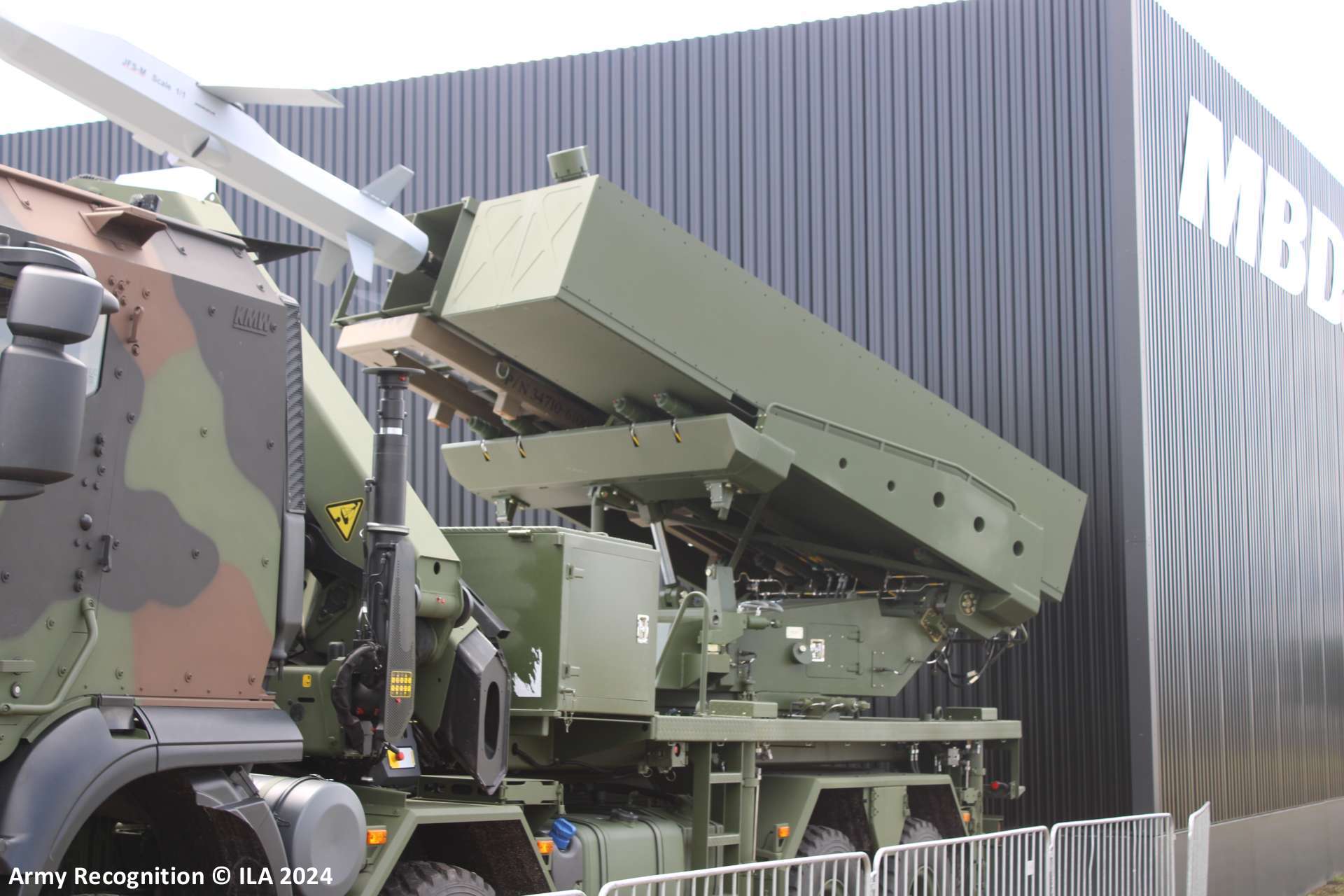
At the International Aviation Exhibition (ILA) 2024 in Berlin, MBDA Deutschland introduced several concepts of offensive and defensive weapon systems. A key presentation was the prototype of the EuroPULS multiple launch rocket system in its German configuration, mounted on an Iveco Trakker GTF3 8×8 truck. This prototype highlighted the potential for the EuroPULS to integrate the Joint Fire Support Missile (JFS-M) cruise missile, which has a range of nearly 500 kilometers.
Follow Army Recognition on Google News at this link
The prototype of the EuroPULS multiple launch rocket system, mounted on an Iveco Trakker GTF3 8×8 truck, highlighted the potential for this MLRS to integrate the Joint Fire Support Missile (JFS-M) cruise missile, which has a range of nearly 500 kilometers. (Picture source: Army Recognition)
The EuroPULS artillery system, developed by KNDS and Elbit Systems through a partnership established at the DSEI 2023 exhibition, is designed for scalability and flexibility, addressing various operational needs, as evidenced by the conflict in Ukraine. Unlike traditional multiple launch rocket systems (MLRS) that use proprietary ammunition, the EuroPULS system can utilize a broad spectrum of munitions from different suppliers, making it adaptable to diverse mission requirements. This feature aims to alleviate ammunition shortages and allows the system to keep pace with technological advancements.
Manufacturing of the EuroPULS will take place in Germany, with KNDS responsible for system integration. The system's design supports integration into various chassis types to meet different operational needs. For the German Bundeswehr, it is mounted on the Iveco Trakker GTF3 8×8, a configuration displayed during the ILA 2024 exhibition. The system is also compatible with other platforms such as the Scania Gryphus 8×8, Rheinmetall HX, Tatra 6×6, and potentially BAE Systems tracked platforms.
The EuroPULS features autonomous reloading capabilities, minimizing the need for additional support vehicles and enhancing operational flexibility. The Fire Control System (FCS) of the EuroPULS incorporates elements from the Boxer RCH155 self-propelled howitzer and is ITAR-free, facilitating connection to any fire direction center.
An ITAR-free system offers several practical benefits. It avoids the strict export controls of the International Traffic in Arms Regulations, providing greater export flexibility and reducing bureaucratic hurdles. This simplifies the approval process for international sales, reducing delays and administrative burdens. Additionally, ITAR-free systems can access a wider market, including countries with restrictive import policies against ITAR-regulated items, lowering compliance costs. These factors contribute to more competitive pricing and faster delivery times, making such systems more appealing to international buyers and defense contractors.
Strategically, the EuroPULS is intended to replace older systems like the M270 MLRS, known in Germany as MARS 2 and in France as LRU, aligning with broader efforts to modernize military capabilities across Europe. The first EuroPULS demonstrator was presented in 2023, with prototypes expected to be ready by Q3 2024. Firing tests are scheduled before the end of the year, with full operational availability anticipated by 2027, contingent on orders.
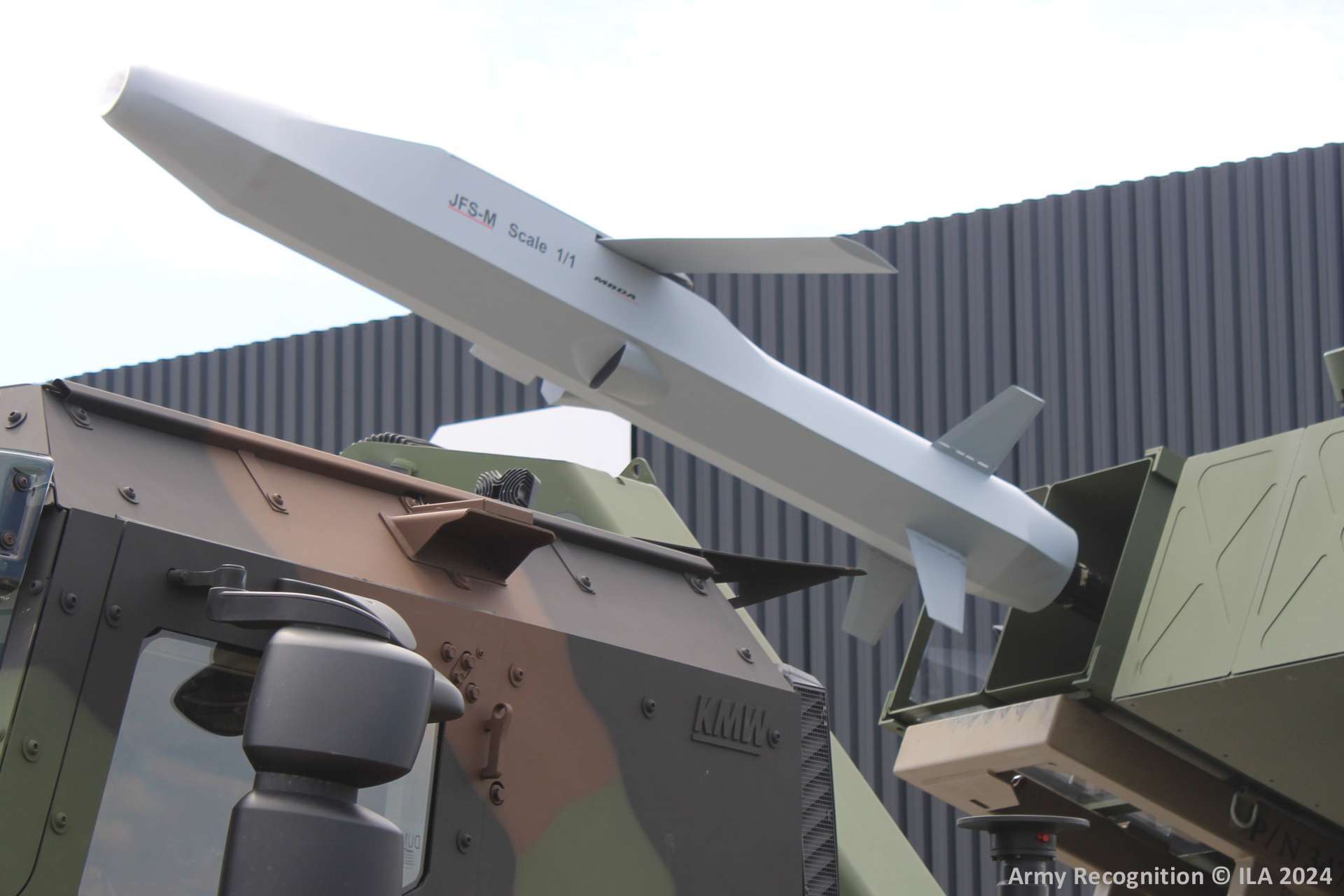
The Joint Fire Support Missile (JFSM) ground-launched cruise missile features an image-based and GPS navigation system, enabling precise 3D flight path planning and time-over-target coordination. (Picture source: Army Recognition)
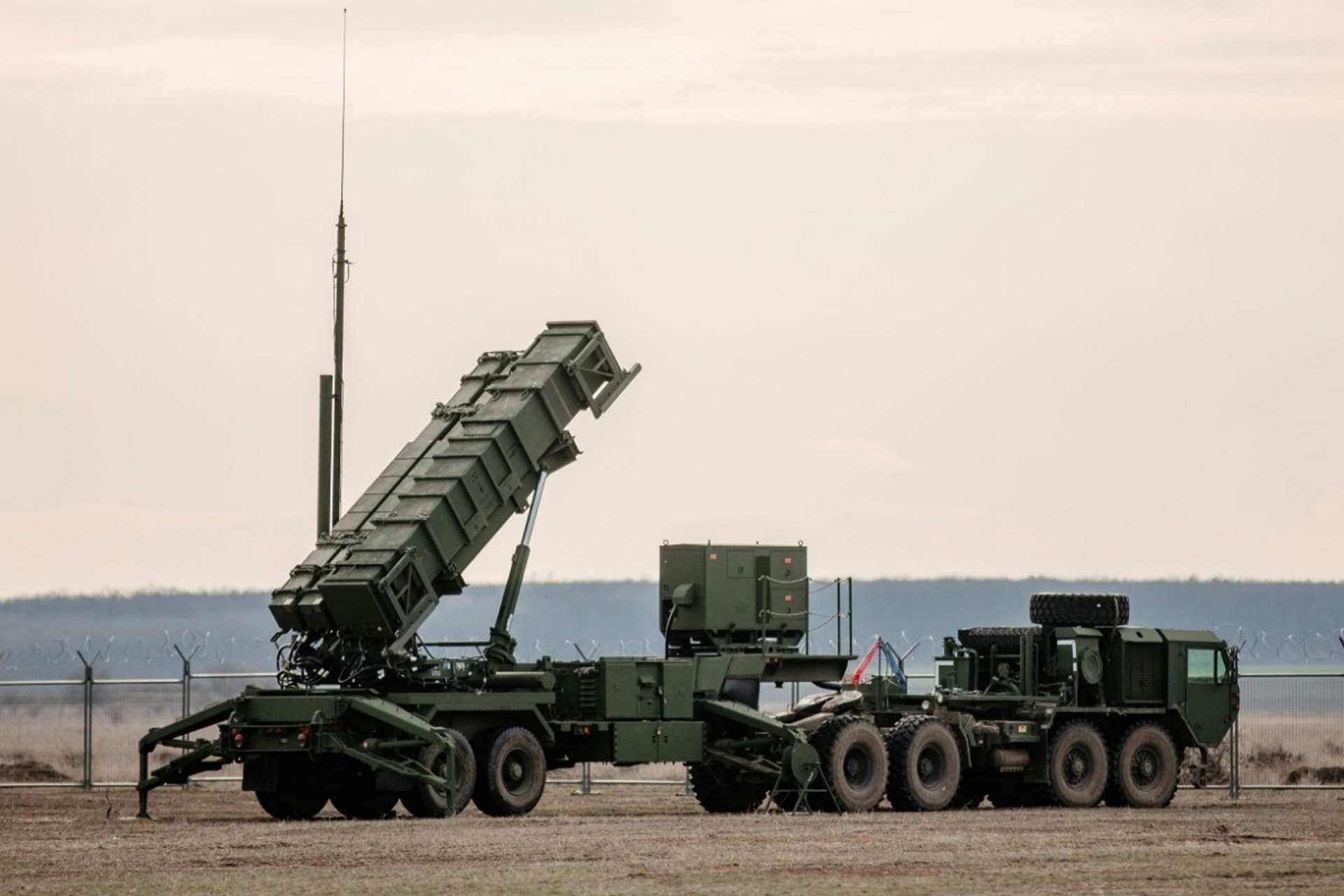
The EuroPULS system includes two launcher pods that can be loaded with various types of ammunition, ensuring flexibility at the single-launcher level. These munitions include short-range Accular 122 and 160 mm guided rockets with ranges of 35 km and 40 km, respectively, and medium-range EXTRA rockets with a range of 150 km. It can also deploy Predator Hawk rockets for precision strikes up to 300 km, SkyStriker loitering munitions reaching 100 km, and Saab's Ground Launched Small Diameter Bomb (GLSDB) with a 150 km range. Additionally, it can fire Kongsberg's Naval Strike Missile (NSM) with a range exceeding 250 km, and MBDA’s Joint Fire Support Missile (JFSM) and 3SM Tyrfing missiles with ranges of up to 500 km.
Development of the JFS-M ground-launched cruise missile has been ongoing since at least March 2021. In November 2022, MBDA Deutschland signed a memorandum of understanding with ESG and Krauss-Maffei Wegmann to offer the JFS-M for the Bundeswehr's Future Long-Range Indirect Fire System project. This missile, first unveiled at the ILA 2022 show in Berlin, is based on the RC100 small remote carrier, a design that MBDA is developing as part of the Future Combat Air System project involving France, Germany, and Spain.
The JFS-M measures 2.6 meters in length, has a wingspan of 1.5 meters, and weighs approximately 300 kilograms. It uses a booster and turbojet engine for propulsion, achieving speeds between Mach 0.4 and Mach 0.9, reaching targets up to 499 km. The missile is equipped with an 80-kilogram multi-effector or scalable high-explosive warhead.
The JFS-M can be configured for various roles including active weapon use, reconnaissance, electronic warfare (both active and passive), and training. It features robust image-based and GPS navigation, enabling precise 3D flight path planning and time-over-target coordination. The missile's low-signature hull and ability to fly low and follow terrain contours enhance its ability to evade detection and engagement by enemy forces.
Recent conflicts, such as the one in Ukraine, have highlighted the limitations of current artillery systems when facing modern air defense suppression and electromagnetic spectrum techniques. Artificial intelligence is utilized in the JFS-M for automatic target detection and identification, supporting the engagement process and improving target acquisition accuracy. The missile allows for flexible mission planning, including navigation around occupied airspace to avoid friendly forces, enhancing operational safety and efficiency.
The EuroPULS system includes two launcher pods that can be loaded with various types of ammunition, ensuring flexibility at the single-launcher level for short, medium, and long ranges. (Picture source: Army Recognition)
- Details
- Written by: Triffaux
- Category: 2024
- Hits: 3292
Breaking news
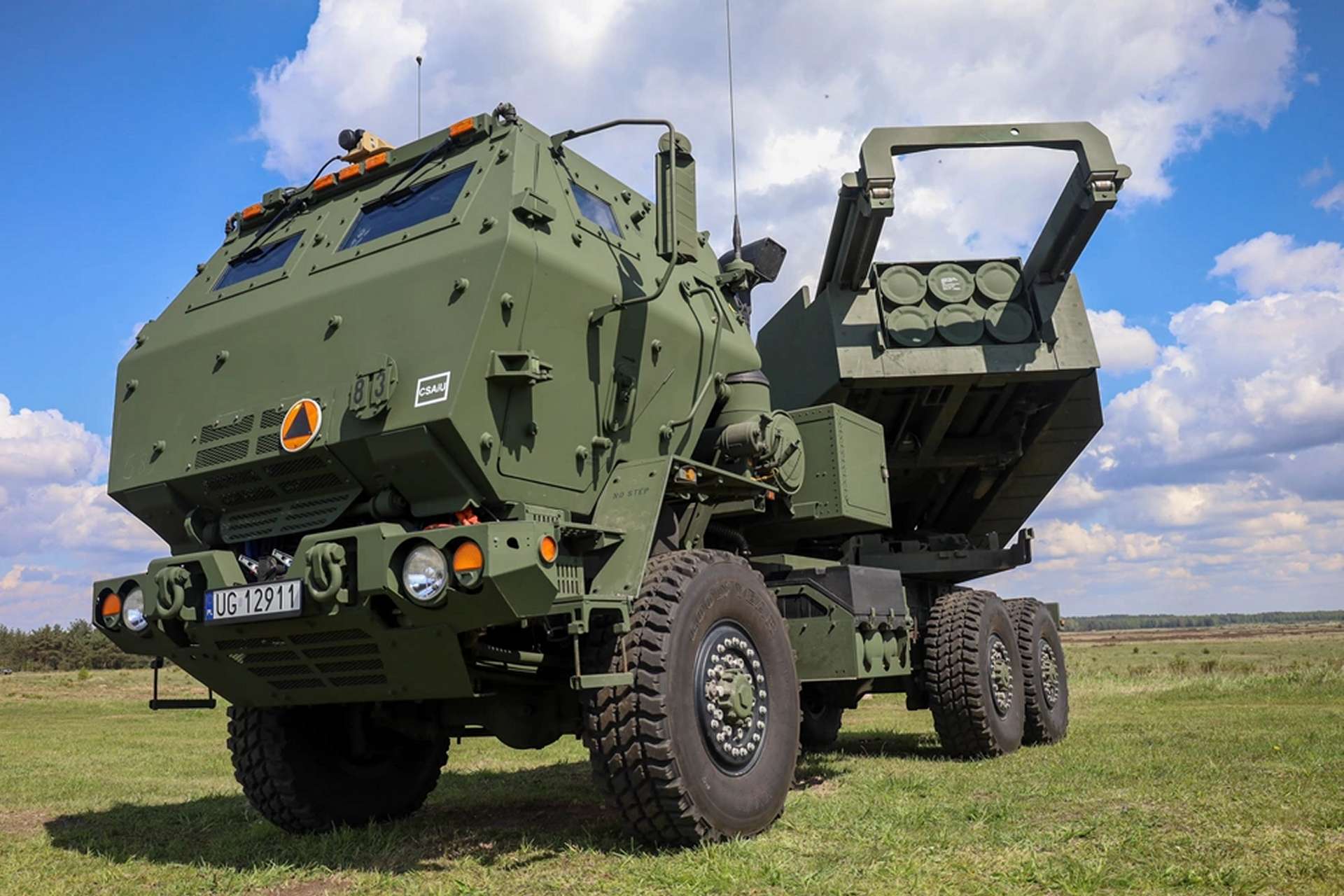
On June 11, 2024, Romanian President Klaus Iohannis announced at the B9 summit in Riga that a crucial meeting of the Supreme Council of National Defense (CSAT) would be convened next week to discuss the possibility of ceding a Patriot air defense system to Ukraine. This announcement comes as Romania weighs its defense options amid growing threats from Russia.
Follow Army Recognition on Google News at this link
Romania Patriot Air Defense System (Picture source: NATO)
According to President Iohannis, the issue of ceding the Patriot system is "current" and deserves thorough discussion at the next CSAT meeting scheduled for next Thursday. "This issue will probably be discussed," he stated, highlighting the importance of this matter for Romania's national security.
At the end of March 2024, Ukrainian President Volodymyr Zelensky stated that at least twenty-five Patriot air defense systems, each equipped with six to eight launchers, would be needed to protect Ukraine from Russian missiles and drones.
In response, Germany launched an initiative to find the Patriot systems requested by Kyiv and set an example by announcing the delivery of a third Patriot battery taken from the Bundeswehr's stockpile. Spain also announced that it would join this effort by supplying interceptor missiles.
Regarding Romania, sources from Antena 3 CNN indicate that a recent analysis by the Ministry of Defense concluded that Romania can
not currently afford to give up any element of its air defense. Romania currently possesses seven Patriot systems, ordered in 2017 for a total of $3.9 billion, of which four have been delivered and only one was declared fully operational in November 2023.
The total cost of these systems amounts to approximately $4 billion, representing the most expensive acquisition in Romania's defense history. This expenditure underscores Romania's level of commitment to defense and the strategic value of the Patriot systems in its military arsenal.
However, President Iohannis remains cautious, emphasizing that the decision to cede a Patriot system must be made after rigorous consultation with military experts and within the CSAT. He also dismissed the idea of a broad public debate on this issue, considering the sensitive and specialized nature of national security.
From a strictly military perspective, there are multiple arguments against sending a Patriot system to Ukraine from Romania. Firstly, each Patriot system is crucial for Romanian air defense, especially in a context where only one of the four delivered systems is currently operational. Ceding one of these systems would significantly reduce Romania's capacity to protect itself against aerial and ballistic missile threats. Secondly, Romania's integrated and interoperable air defense capacity would be compromised, weakening its contribution to NATO's collective defense on its eastern flank, a region already under strain due to Russian aggression in Ukraine. Thirdly, Romania must maintain a credible and robust deterrence posture against any potential aggression, and a reduction in its defense assets would weaken this deterrent posture. Finally, the Patriot systems play a vital role in Romania's multi-layered air defense network, and their absence could create vulnerabilities exploitable by adversaries, endangering national security and regional stability.
Nonetheless, Romania is not entirely lacking in air defense: it hosts an AEGIS Ashore site, which is one of the components of NATO's missile defense "shield," and it hosts a French SAMP/T system, deployed in Capu Midia by the Air and Space Force [AAE] since May 2022. This system is connected and integrated, via a tactical data link, with the Romanian defense system as well as NATO's.
Read more: Romania Considers Providing Patriot Air Defense System to Ukraine
- Details
- Written by: Vandenbosch
- Category: 2024
- Hits: 4318
Breaking news
Lockheed Martin has invited Poland’s defense industry to participate in producing guided multiple-launch rocket systems (GMLRS), a key component in Ukraine’s defense against Russian forces. This was reported by Defense News on June 11, 2024, following a briefing in Warsaw.
Follow Army Recognition on Google News at this link
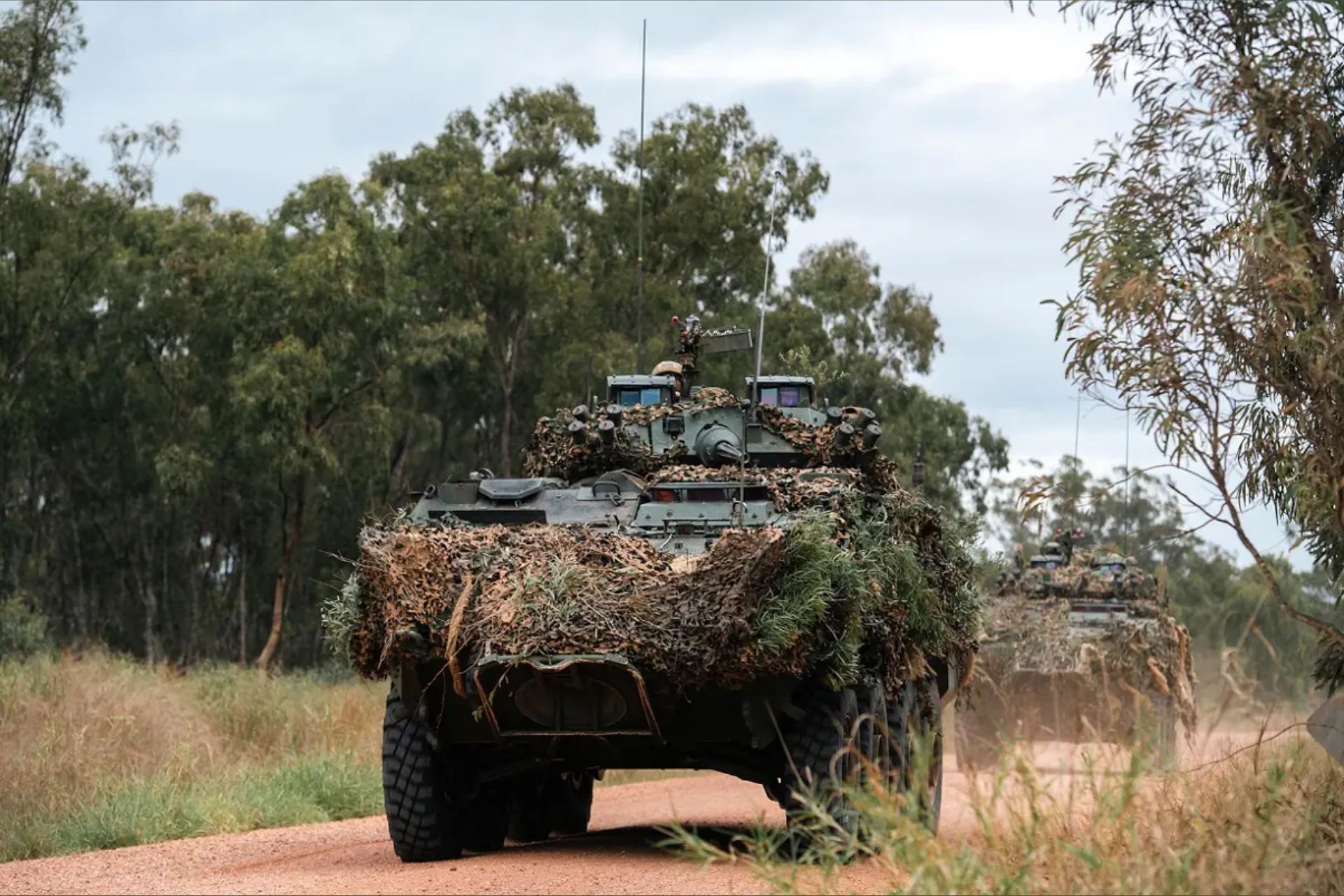
HIMARS Multiple Launch Rocket System in Poland. (Picture source: US DoD)
This offer comes as Poland considers purchasing up to 486 launchers and launcher-loader module kits and related equipment for its M142 High Mobility Artillery Rocket Systems (HIMARS), produced by Lockheed Martin.
During a conference in Warsaw, a Lockheed Martin spokesperson revealed that missile production could take place at Mesko, a subsidiary of the national defense giant PGZ. The American company is currently in discussions with Polish officials.
“As part of the Homar-A program, we plan to establish GMLRS ammunition production in Poland, initially introducing two GMLRS variants to meet the needs of the Polish Armed Forces. Initial production, likely from kits supplied by the United States, could begin in 2026,” said the spokesperson, who spoke anonymously to discuss the negotiations.
The HIMARS, or High Mobility Artillery Rocket System, is a mobile artillery system designed to launch rockets and tactical missiles with great precision. Armed with six rockets from the MLRS series or a single ATACMS tactical missile, it offers considerable firing flexibility on the battlefield. Used by many countries such as Australia, Canada, Estonia, Finland, Jordan, Latvia, Lithuania, Poland, Romania, Singapore, Ukraine, the United Arab Emirates, and the United States, this weapon system has proven its effectiveness and reliability.
Developed by the United States, the HIMARS is equipped for combat with a heater, an NBC (nuclear, biological, and chemical) protection system, and a white searchlight. Operated by a crew of three, it offers protection against small arms fire and shell splinters.
The HIMARS vehicle weighs 10,886 kg and can reach a maximum speed of 85 km/h on the road. In terms of firing range, it can reach up to 45 km with an ER-MLRS rocket, 70 km with a new extended-range guided rocket GMLRS, and 300 km with a tactical missile. The dimensions of the HIMARS are as follows: a length of 5.046 meters, a width of 2.16 meters, and a height of 2.251 meters. These characteristics make the HIMARS a highly effective weapon system, capable of moving quickly and striking long-distance targets with exceptional precision.
In September 2023, then-Defense Minister Mariusz Błaszczak signed a framework agreement for the purchase of up to 486 HIMARS units. This agreement followed the U.S. State Department’s approval of Poland’s request to acquire advanced rockets and rocket launchers worth approximately $10 billion, granted more than seven months earlier.
However, a new centrist government was formed in Poland three months later, and since then, no executive deal has been signed. Previously, in February 2019, Poland had acquired 20 HIMARS launchers under a $414 million contract.
Read more: Lockheed Martin Invites Polish Industry to Participate in HIMARS Missile Production
- Details
- Written by: V.Saint
- Category: 2024
- Hits: 2757
Breaking news
The project to integrate the future wheeled armored combat vehicle (VCBR) for the Argentine army is one of the main high-priority projects currently being carried out by the Ministry of Defense. Although in recent years negotiations for the VCBR from the Iveco Guaraní family have been a step above the other candidates, with the new administration, the LAV III Stryker family of armored vehicles is once again under consideration, alongside other competitors.
Follow Army Recognition on Google News at this link
The New Zealand Army is participating in the Talisman Sabre exercise (TS23) throughout Australia in 2023. (Picture source: NZDF)
Initially, the plan involves the purchase of 8 armored vehicles to conduct tests and establish a doctrine for the use of forces. Following this, the investment would be renewed to expand the fleet to 40 vehicles.
Regarding the LAV III, it is a model on which the Stryker was developed, serving in the Canadian Army. Additionally, this model was exported to New Zealand under the designation NZLAV.
The first NZLAVs were exported in 2003 to replace the New Zealand M113. They incorporated specific systems such as a new tactical navigation system, a laser rangefinder, and additional equipment, including laser warning receivers and GID-3 chemical agent detection kits, among others.
New Zealand acquired 105 LAV III vehicles, of which 102 were in the Infantry Fighting Vehicle (IFV) variant, armed with a 25mm Bushmaster cannon, and three recovery vehicles. With an initial service life of 25 years, the original fleet was reduced to 74 vehicles after the destruction of an NZLAV in Afghanistan, 22 were sold to the Chilean Navy, and 8 armored vehicles are still available for sale, which coincides with the number indicated for Argentina.
It is noteworthy that this plan benefits from considerable funding and support from the United States. The idea is to advance a systemic plan similar to the one that led to the acquisition of the F-16 by the Argentine Air Force.
Read more: Argentina may buy LAV III Stryker to improve cavalry doctrine
- Details
- Written by: Halna du Fretay
- Category: 2024
- Hits: 4218
Breaking news
General Dynamics European Land Systems - Santa Bárbara Sistemas (GDELS-SBS) announced on June 11, 2024, the reactivation of its large-caliber cannon manufacturing capabilities at its Trubia site in the Asturias region, northwest Spain. This move responds to the increased demand for modern and efficient artillery, particularly in Europe due to the ongoing conflict in Ukraine.
Follow Army Recognition on Google News at this link
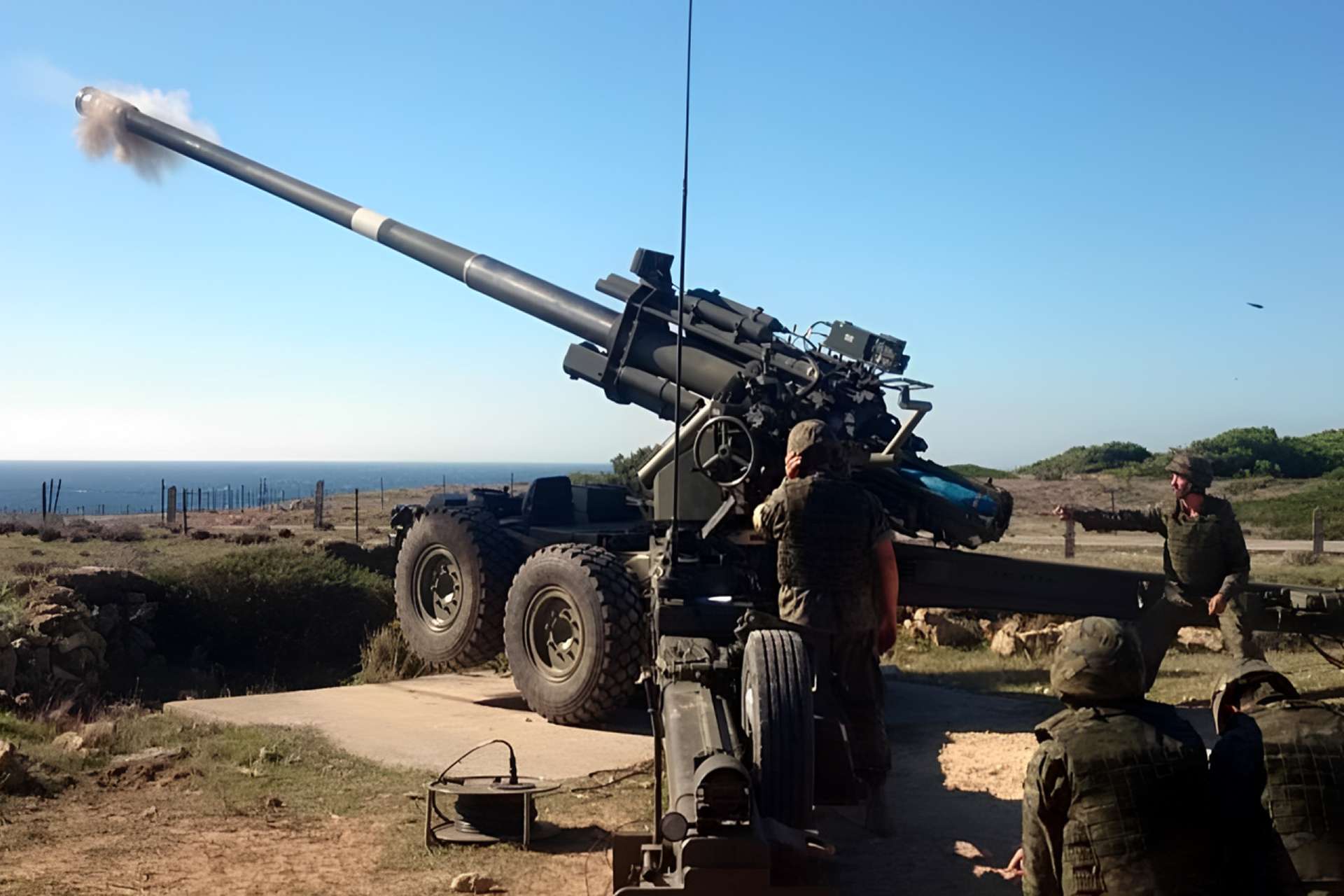
In recent years, GDELS-SBS has produced over two hundred 120mm gun barrels for the Spanish Army's Leopard 2E main battle tanks, and more than one hundred barrels for its SIAC 155/52 howitzers. (Picture source: Ejército de Tierra)
Founded over 200 years ago, the Trubia factory has a long-standing tradition and extensive expertise in artillery system manufacturing. It has recently produced a wide range of large-caliber cannons, including 120mm, 105mm, and 155mm cannons for main battle tanks and artillery systems.
Juan A. Escriña, General Director of GDELS-SBS, highlighted the renewed importance of artillery and main battle tanks based on operational experience from current military confrontations. He also noted that GDELS-SBS is one of the few European companies that have retained the knowledge and capabilities necessary to manufacture highly demanded calibers for both weapon systems.
In recent years, GDELS-SBS has produced over two hundred 120mm gun barrels for the Spanish Army's Leopard 2E main battle tanks, more than one hundred barrels for its SIAC 155/52 howitzers used in both field and coastal artillery, and dozens of barrels for the 105mm Light Guns, models L118 and L119.
GDELS-SBS is the only Spanish company and one of the few globally capable of manufacturing, maintaining, and modernizing artillery systems to meet today's stringent standards. The company's long history, continuous innovation, and deep knowledge of artillery systems and armored vehicles ensure ongoing compliance with the evolving demands of the battlefield and position GDELS-SBS as a benchmark for effectively meeting legitimate customer expectations in terms of quality and operational performance.
Additionally, the SIAC towed howitzer, a 155/52 caliber piece, is equipped with self-propelled capabilities thanks to its integrated Auxiliary Power Unit (APU). This advanced design meets the stringent requirements of modern field artillery and coastal defense. It features rapid deployability, excellent first-round hit probability, and a quick "shoot and scoot" capability for enhanced survivability.
The SIAC incorporates an Automatic Gun Laying System (AGLS), a Digital Navigation Aiming and Pointing System (DINAPS), and a Fully Automatic Ramming System (FIRS), optimizing battlefield performance. The system also integrates with other indirect weapon systems and is compatible with all NATO-compatible ammunition, offering ranges up to 60 km.
Read more: European Re-armament: GDELS-SBS Reactivates Artillery Cannon Manufacturing Capabilities
- Germany to provide additional Patriot Air Defense Missiles to Ukraine
- ST Engineering to demonstrate battle-proven Bronco 3 and ExtremV all-terrain vehicles at Eurosatory 2024
- Netherlands to Supply Additional Patriot Air Defense Radar and Missile Launcher Units to Ukraine
- Ukraine Destroys Russian UR-77 Demining Vehicle in a Night Attack