
- Details
- Written by: Halna du Fretay
- Category: 2024
- Hits: 2981










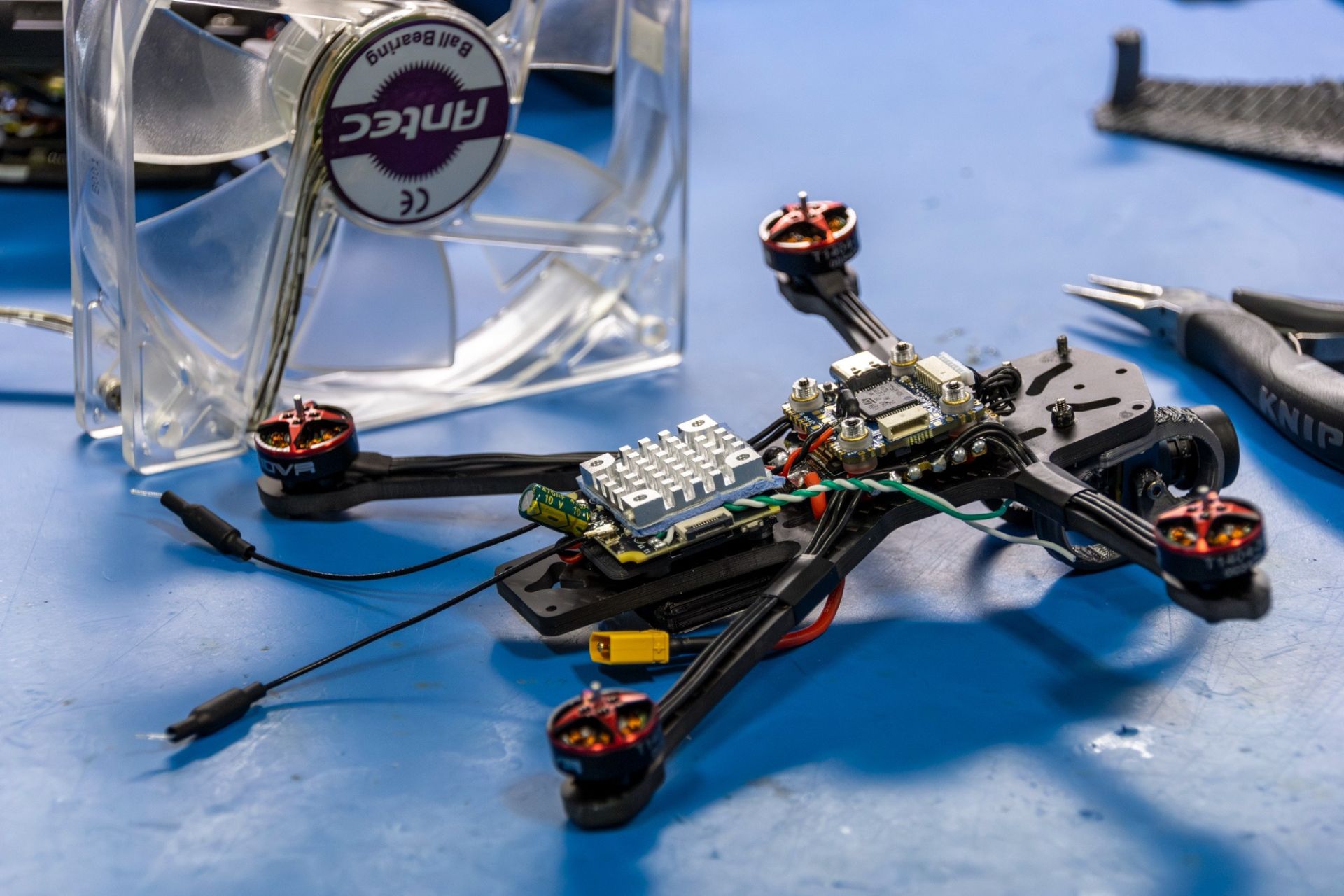
At the end of July 2024, an innovative initiative emerged at the Peutie barracks: the development of miniature drones. In the facilities of the Centre for Competence in Flying Material and Communication and Information Systems (CCV&C), a team of Belgian military personnel spent a week developing these low-cost drones. The purpose of this initiative is to provide affordable drones to assess needs without incurring significant expenses.
Follow Army Recognition on Google News at this link
Military drones can easily cost thousands of euros, which represents a significant expense for testing their potential utility (Picture source: Belgium MoD)
"The idea is to have low-cost drones to determine our needs without spending too much," explains Major Koen Ceulemans, head of innovation at the Land Component. Military drones can easily cost thousands of euros, which represents a significant expense for testing their potential utility.
Currently, the Defense possesses a wide range of drones. Some, at the brigade level, are large and heavy, like the PUMA LE. Others, smaller but still costly, are used at the platoon level, such as the Parrot ANAFI. The ongoing project aims to evaluate the use of palm-sized drones at the section level, that is, groups of fewer than ten people.
Modernizing defense capabilities is crucial, especially in response to the rapid evolution of modern conflicts, as recently illustrated by the use of drones in Ukraine. The annual report of the General Intelligence and Security Service (SGRS) underscores the importance of understanding technology to define needs.
The objective is to test the idea of section-level drones to determine their relevance and usefulness in the field. At the same time, this initiative allows military personnel to develop new skills with portable drones. "We use open-source software and test different materials, both analog and digital, using carbon frames and 3D-printed parts,"
Major Ceulemans notes. However, the Defense does not plan to develop its own drone industry. "A second question would be whether an industry in Belgium could produce what we need once these requirements are defined," he adds.
The project currently benefits from the support of the Defense Innovation Program, which funds innovative military ideas to improve and modernize the capabilities of the armed forces. We look forward to the end of the year to examine this project more closely and share feedback on the use of these pocket-sized drones in the field.
Read more: Belgian Defense Innovates with Development of Miniature Drones
- Details
- Written by: Jérôme Brahy
- Category: 2024
- Hits: 5713
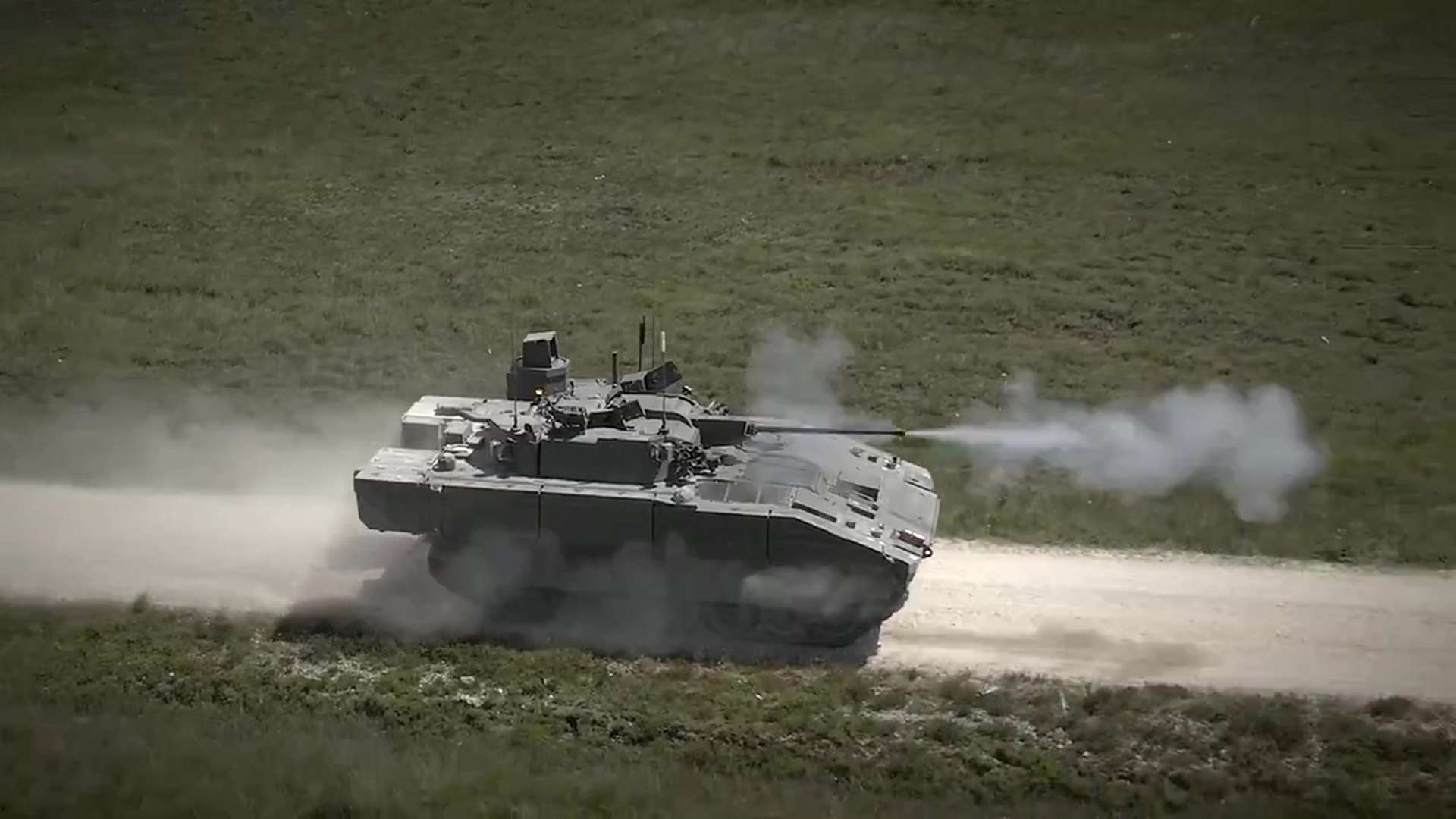
On August 6, 2024, the British Army reported the completion of the latest trials for the Ajax armored fighting vehicle. Following cold weather trials in Sweden, military crews in the UK successfully conducted the first firing-on-the-move exercise. As of early 2024, over 150 Ajax vehicles have been produced, with ongoing efforts to rectify earlier issues and accelerate delivery. The British Army plans to deploy operationally ready Ajax vehicles within its units by the end of the year, starting with the Household Cavalry Regiment.
Follow Army Recognition on Google News at this link
Following cold weather trials in Sweden, military crews in the UK successfully conducted the first firing-on-the-move exercise with the Ajax armored fighting vehicle. (Picture source: British Army)
The Ajax, formerly known as the Scout SV (Specialist Vehicle), is a group of six armored fighting vehicles being developed by General Dynamics UK for the British Army. It is intended to be the Army's first fully digitized platform. The core Ajax variant serves as a reconnaissance and strike vehicle, featuring a CT40 40mm cannon and advanced ISTAR capabilities. The Ares variant is a troop-carrying reconnaissance vehicle designed to transport specialist troops, providing overwatch and support for dismounted operations.
The Athena variant functions as a command and control vehicle, equipped with communication and information processing systems for battlefield management. Apollo is an equipment support variant for battlefield repairs, while Atlas is dedicated to recovering damaged or disabled vehicles. The Argus variant focuses on engineering reconnaissance, assessing battlefield environments to aid in planning and executing engineering tasks.
Derived from the ASCOD armored fighting vehicles used by the Spanish and Austrian Armed Forces, the Ajax was originally developed in the early 1990s by Steyr-Daimler-Puch Spezialfahrzeug and Santa Bárbara Sistemas. These companies were later acquired by General Dynamics in the early 2000s. In 2010, General Dynamics UK won the Future Rapid Effect System contract, beating BAE Systems' CV90 proposal. The contract aimed to replace the British Army's Combat Vehicle Reconnaissance (Tracked) family, which had been in service since 1971.
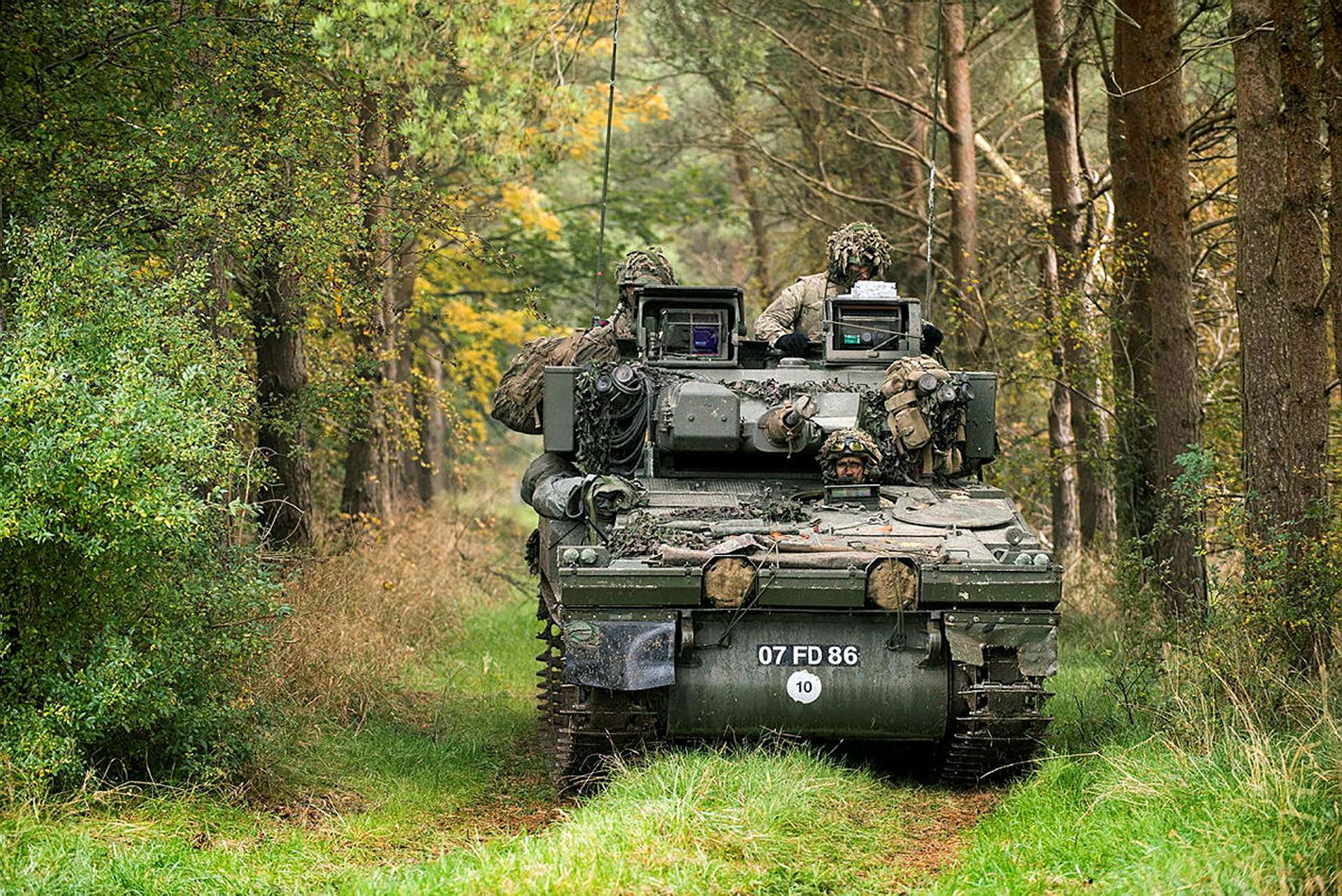
The AJAX program aims to replace the British Army's Combat Vehicle Reconnaissance (Tracked) family, which had been in service since 1971. (Picture source: British MoD)
Development milestones for the Ajax included passing the Preliminary Design Review in December 2012 and the Common Base Platform Critical Design Review in late 2013. By June 2014, the Protected Mobility Reconnaissance Support (PMRS) variant had completed its Critical Design Review. A "Mobile Test Rig" underwent rigorous testing, including cold weather and operational and tactical mobility trials. In 2014, the first pre-production prototype of the PMRS variant was unveiled at General Dynamics' facilities in Spain.
Initially, the Ajax was to be procured in multiple blocks totaling 1,010 vehicles, with Block 1 covering Scout Reconnaissance, PMRS APC, and Repair and Recovery variants. However, by September 2014, the Ministry of Defence dropped plans for Block 3 and had no plans for Block 2. On September 3, 2014, the British Government ordered 589 Scout SV vehicles at a cost of £3.5 billion, excluding VAT. The ordered variants included 245 turreted Ajax variants, 256 PMRS variants, and several other configurations designed for different operational roles.
Manufacturing and design work for the Ajax involves General Dynamics UK, General Dynamics Santa Bárbara Sistemas, and Lockheed Martin UK, which designs and manufactures the new turret and fire control system for the Reconnaissance variant. The turret ring, with a diameter of 1.7 meters, provides ample workspace, and the vehicle is equipped with an advanced ISTAR package for enhanced surveillance and targeting capabilities.
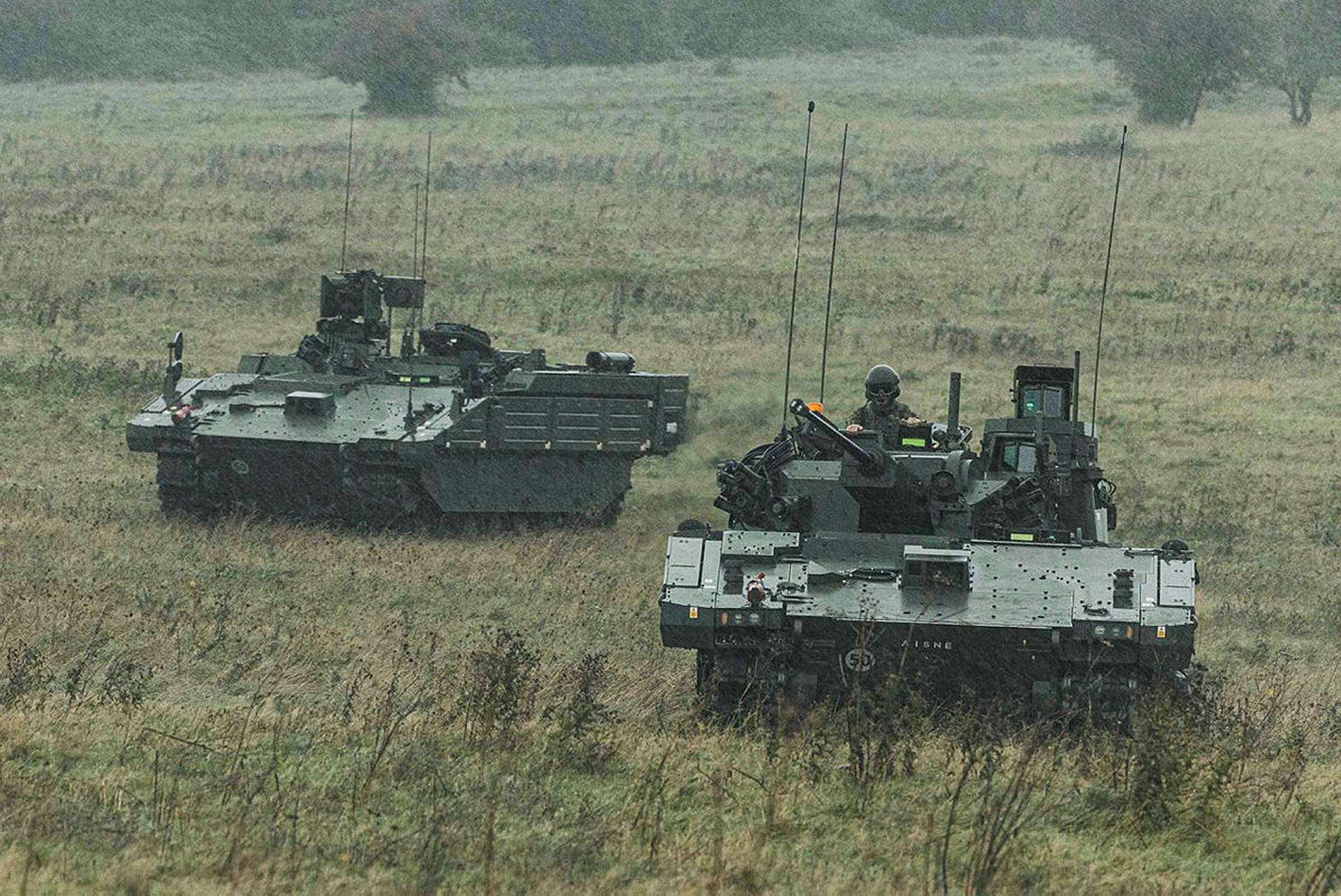
This family of armored fighting vehicles consists of six variants: the Ajax infantry fighting vehicle, the Arex armored personnel carrier, the Athena command and control vehicle, the Apollo support vehicle, the Atlas recovery vehicle, and the Argus engineering vehicle. (Picture source: British MoD)
The Ajax family project supports 400 jobs at General Dynamics UK's facilities in South Wales and an estimated 4,000 jobs in the British supply chain. Despite initial plans for delivery in 2017, delays have impacted the project. Trials were halted in November 2020 due to excessive noise and vibration, leading to a suspension of dynamic testing and training in September 2021.
Limited trials resumed in October 2022, with extended trials potentially lasting until early 2025. The Ministry of Defence stated in March 2023 that full operating capability is expected between October 2028 and September 2029, contingent on the army's training and conversion to the new vehicles.
The development of the Ajax has encountered numerous setbacks, including design and testing issues, and problems with noise and vibration that affected the health of test crews. These issues led to significant delays and cost overruns, with the project now costing around £5.5 billion. In response to these challenges, the Ministry of Defence commissioned a senior legal figure to review the program's flaws and ensure all lessons are learned.
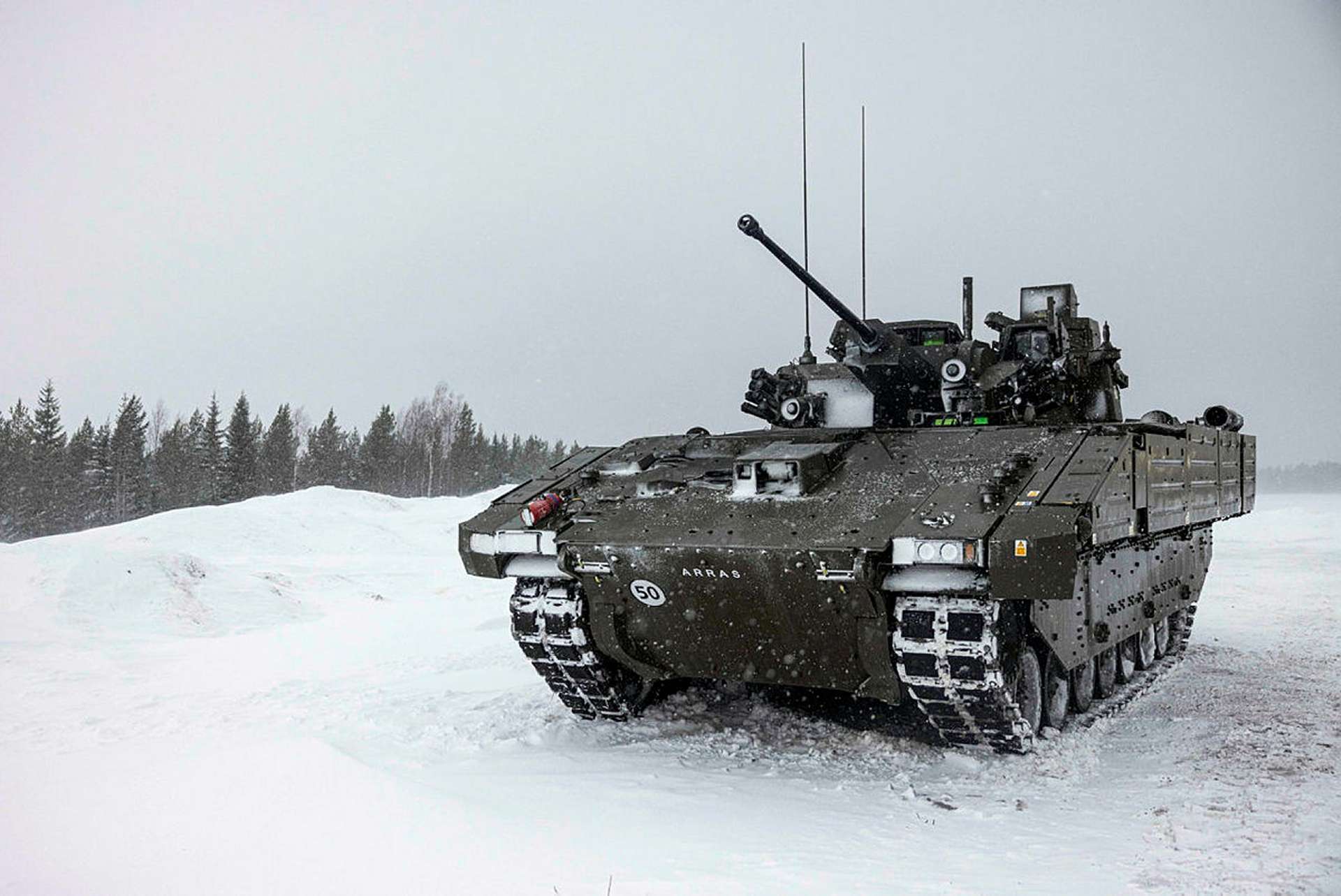
The British Ministry of Defence stated in March 2023 that full operating capability is expected between October 2028 and September 2029, contingent on the army's training and conversion to the new vehicles. (Picture source: British MoD)
In early 2021, the Defence Select Committee issued a critical report on the state of the Army's armored vehicle program, including the Ajax, which had spent hundreds of millions of pounds with limited progress. Some defense experts questioned whether Ajax would ever enter service. In June 2022, a report by the UK Parliament's Public Accounts Committee found a "litany of failures" causing delays and advised that the Ministry of Defence needed to resolve the issues or scrap the project to prevent compromising national security.
Despite these challenges, there have been recent indications of progress. In February 2023, Defence Secretary Ben Wallace described the program as having "turned a corner" and being "back on track." The Ministry of Defence resumed payments to General Dynamics Land Systems UK, which had been halted for over two years, and assured that the program remains within its originally approved budget level. Additionally, Tankfest 2024 at The Tank Museum in Bovington, Dorset, provided the first public demonstration of the new Ajax and Ares armored fighting vehicles. This event also highlighted the Ajax program's aim to modernize the British Army's fleet with a new family of armored fighting vehicles.
Read more: British Army achieves first firing-on-the-move test with Ajax infantry fighting vehicle

- Details
- Written by: Jérôme Brahy
- Category: 2024
- Hits: 12594
On August 6, 2024, the Bundeswehr Procurement Office (BAAINBw) accepted the first fire unit of the IRIS-T SLM air defense system from the manufacturer Diehl Defence as planned. This procurement was completed in an unusually short timeframe for a project of this magnitude. Approximately a year prior, the Budget Committee of the German Bundestag approved the acquisition of six IRIS-T SLM fire units, funded by the Bundeswehr's special fund, with around 950 million euros allocated for these systems.
Follow Army Recognition on Google News at this link
On June 6, 2023, the German Federal Office of Bundeswehr Equipment, Information Technology and In-Service Support (BAAINBw) signed a contract with Diehl Defence for the procurement of six IRIS-T SLM air defense systems, for a value of around €950 million. (Picture source: Army Recognition)
On June 6, 2023, the German Federal Office of Bundeswehr Equipment, Information Technology and In-Service Support (BAAINBw), responsible for the procurement of military equipment for the German Army, signed a contract with Diehl Defence for the procurement of six IRIS-T SLM air defense systems, for a value of around €950 million, with deliveries expected to begin in 2025 and completion by 2027. Following the acceptance by the procurement office, these units will undergo qualification and operational testing, aiming to make the system available to the Luftwaffe by the end of 2025.
Germany, which is paradoxically a new user of the IRIS-T SLM air defense system, plans to integrate the system into its air defense network by the end of 2025. As the manufacturer adapted the system to various NATO interfaces, the German units will join the European Sky Shield Initiative, alongside other air defense systems like the MIM-104 Patriot and Arrow 3, to form a comprehensive European missile defense shield.
Current international customers of the IRIS-T SLM air defense system include Ukraine, Egypt, Bulgaria, Estonia, Latvia, Lithuania, Austria, and Slovenia. Initially, the German Army (the Bundeswehr) planned to purchase eight systems, but this number was revised to six. Designed to counter aerial threats such as drones, airplanes, helicopters, and cruise missiles, each battery of the IRIS-T SLM comprises a medium-range radar with a detection range of up to 250 km and three launchers, each with eight guided missiles that have a range of 40 km. These components are controlled remotely from a single command post, allowing for operation with minimal personnel.
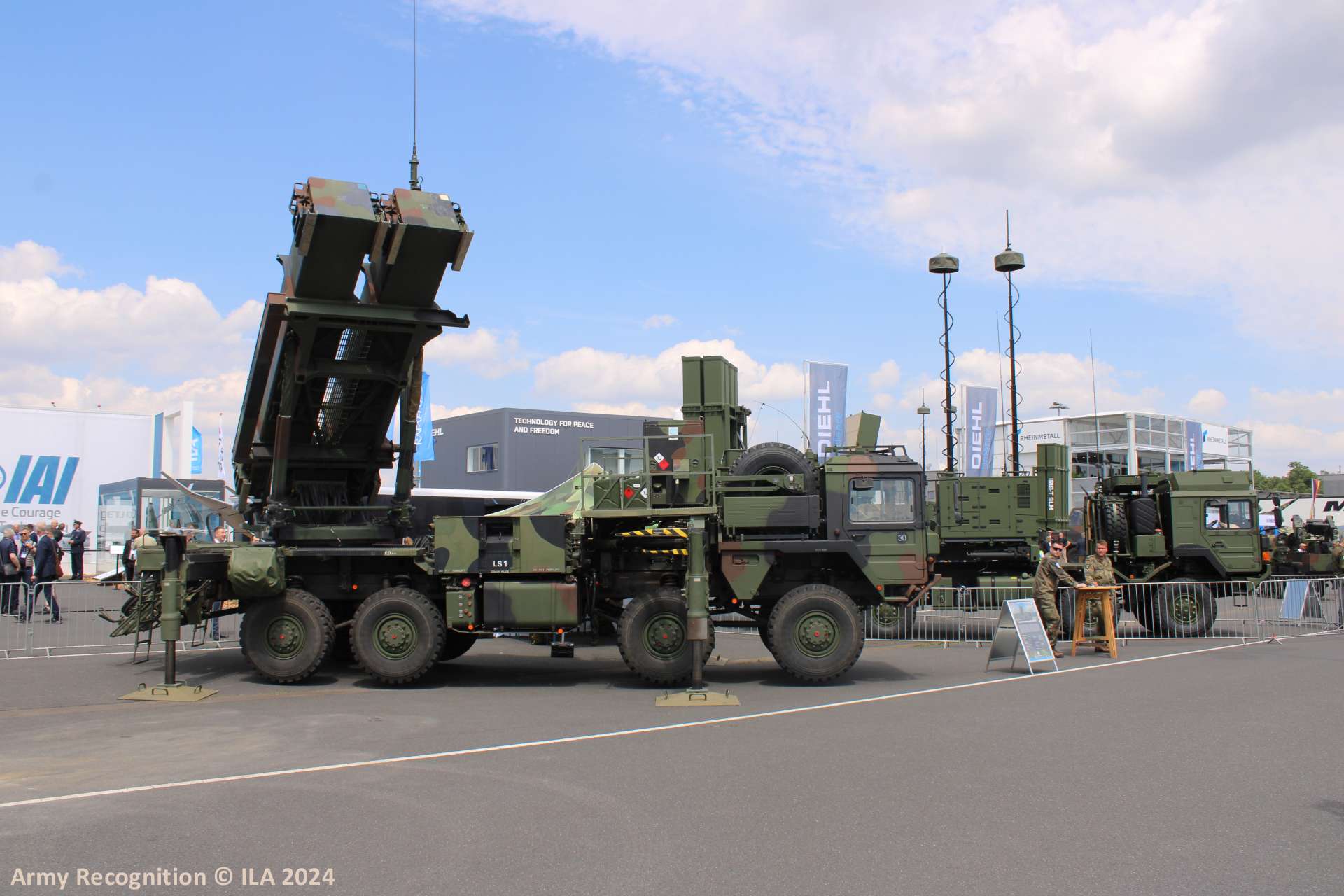
As Diehl Defence adapted the system to various NATO interfaces, the German units will join the European Sky Shield Initiative, alongside other air defense systems like the MIM-104 Patriot and Arrow 3, to form a comprehensive European missile defense shield. (Picture source: Army Recognition)
The system has demonstrated its capabilities under real combat conditions in Ukraine, where it has been deployed to protect against air attacks on civilian and infrastructure targets. The IRIS-T SLM's deployment to Ukraine began in October 2022, and, according to the Ukrainian Ministry of Defense, this system achieved a success rate of around 90%, justifying subsequent deliveries in 2023 and 2024.
The development of the IRIS-T SLM began in 2007 as a multinational project led by Diehl Defence, involving partners from Norway, Sweden, Greece, and Italy. The first unguided test flight took place in October 2009, followed by successful tests of the complete prototype from May 2012. By 2022, the system was ready for deployment. In 2023, Diehl Defence and the Bundeswehr established a training center in Todendorf, Schleswig-Holstein, where other nations can train their personnel on the IRIS-T air defense system.
Technically, the IRIS-T SLM is an all-weather, tactical air defense missile system designed to counter helicopters, aircraft, unmanned aerial vehicles, cruise missiles, and short-range ballistic missiles. Its main components include a Tactical Operations Center (TOC), radar, and multiple launchers. All components are mounted on 20-foot ISO container frames, enabling transportation by various means, including trucks, ships, railways, and aircraft such as the C-130 and A400M.
The TOC is the central command post, where operators conduct fire control operations, receiving instructions from higher command centers. The radar, the primary sensor of the fire unit, is used for airspace surveillance, target acquisition, and tracking. The current configuration includes the TRML-4D multifunction radar from Hensoldt, equipped with an Active Electronically Scanned Array (AESA) antenna. This radar can detect and track various types of aerial targets, including small, fast, and low-flying objects, with a range of 250 km and a maximum operational altitude of 30 km.
The launchers, unmanned and equipped with eight IRIS-T SLM missiles each, are deployed and operational within ten minutes. The missiles, an adapted version of the IRIS-T air-to-air missile, feature an improved guidance system, GPS, and a two-way data link. The system’s modular design allows for a swift reloading process, taking about 15 minutes.
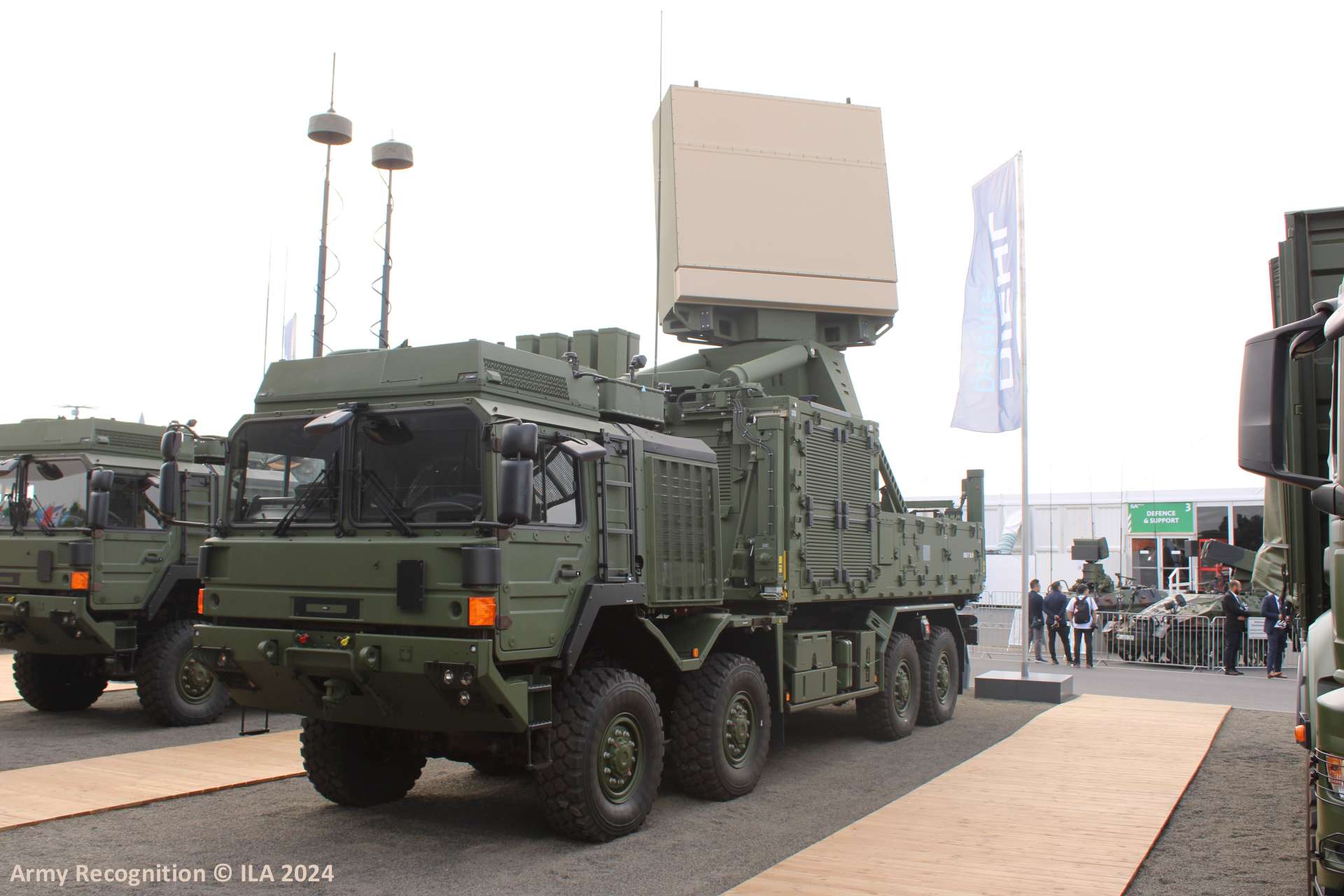
The current configuration includes the TRML-4D multifunction radar from Hensoldt, which can detect and track various types of aerial targets, including small, fast, and low-flying objects, with a range of 250 km and a maximum operational altitude of 30 km. (Picture source: Army Recognition)
Read more: Diehl Defence delivers first IRIS-T SLM air defense system to German Army

- Details
- Written by: Triffaux
- Category: 2024
- Hits: 10779
On August 6, 2024, the Israeli Ministry of Defense officially launched a tender for the supply of 20,000 M4 assault rifles, fully designed and manufactured in Israel for the Israel Defense Forces (IDF). This tender is split into two lots, with the first comprising 14,000 rifles and the second 6,000, thus allowing two different manufacturers to each secure a part of the contract.
Follow Army Recognition on Google News at this link
IWI Arad Multi Caliber Assault Rifle (Picture source: IWI)
The anticipated participants in this contract include three major players in Israel's small arms industry: Israel Weapons Industries (IWI) with its Arad rifle, Emtan Karmiel with the MZ-4, and Silver Shadow with the Gilboa model. Testing and evaluation of the proposed prototypes have not yet started, but they are scheduled before the end of the year, when a final decision is expected.
The Arad rifle from IWI, adopted by the national counter-terror unit YAMAM, is based on the AR-15 platform and offers caliber options of either 5.56×45mm NATO or .300 AAC Blackout. It features the capability for rapid caliber change via an interchangeable barrel system and is designed to operate effectively even after complete immersion.
The MZ-4 from Emtan utilizes a piston-operated gas system, which enhances reliability over the direct gas impingement system typical of the M4/M16. It is available in several barrel lengths to suit the varied tactical needs of IDF units.
The Gilboa from Silver Shadow is equipped with a dual-barrel option, allowing for simultaneous firing, and is designed for versatility through the use of Picatinny rails for accessory attachments. It is available in multiple calibers, thus meeting various operational needs.
This tender reflects the Ministry of Defense's commitment to modernizing the IDF's equipment and promoting strategic autonomy and technological innovation within the Israeli defense industry.
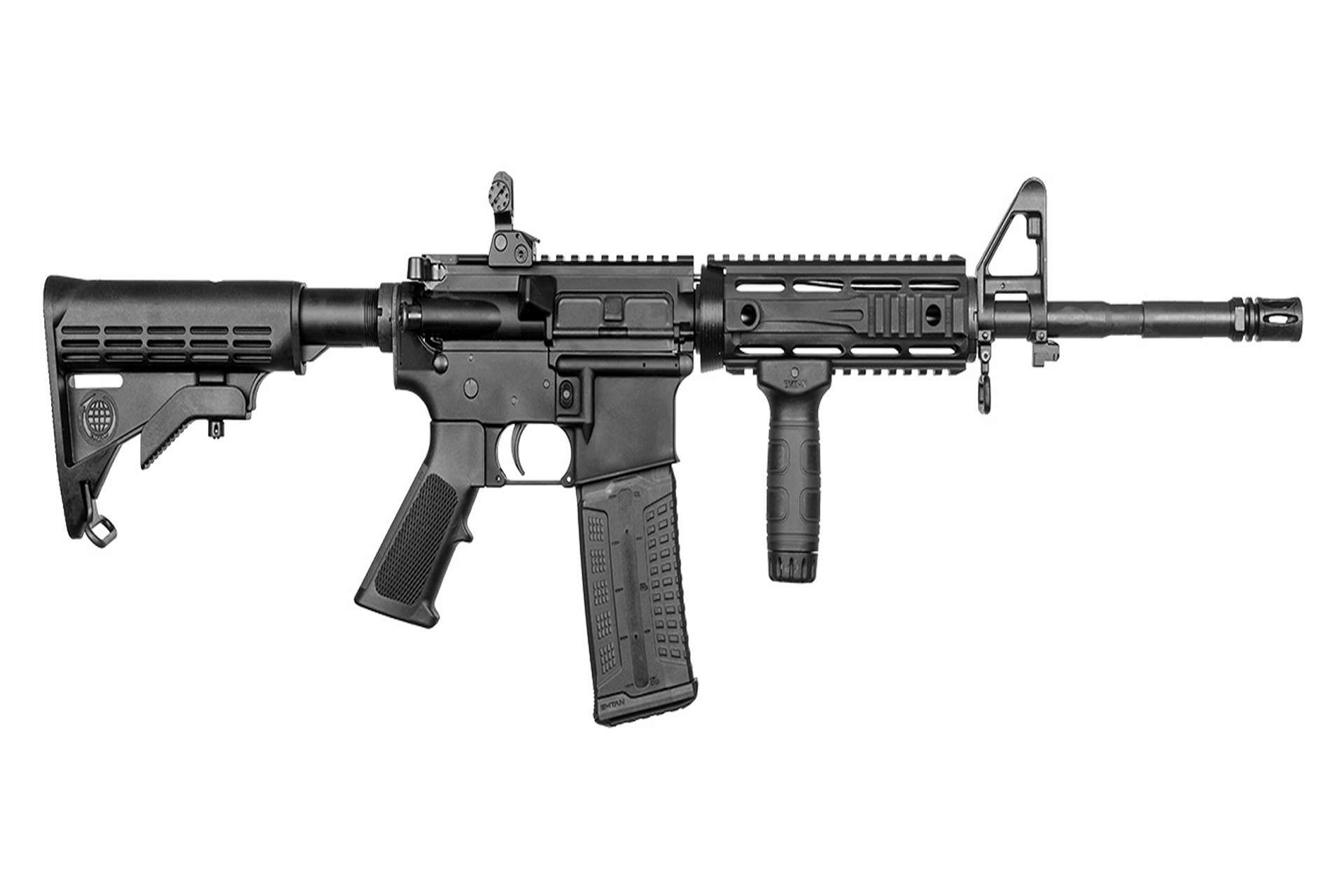
EMTAN MZ-4 Assault Rifle (Picture source: EMTAN)
Read more: Israeli Army Launches Major Tender for 20,000 Locally Made M4 Assault Rifles
- Details
- Written by: Halna du Fretay
- Category: 2024
- Hits: 2336
On August 4, 2024, U.S. Defense Secretary Lloyd Austin ordered an increase in military presence in the region as officials worry about escalating violence in the Middle East following the recent assassinations of key Hezbollah figures in Lebanon and Hamas leaders in Iran. About a dozen F/A-18 fighters from the USS Theodore Roosevelt have been deployed to a military base in the Middle East to help defend Israel against potential attacks from Iran and its allies and to protect U.S. troops.
Follow Army Recognition on Google News at this link
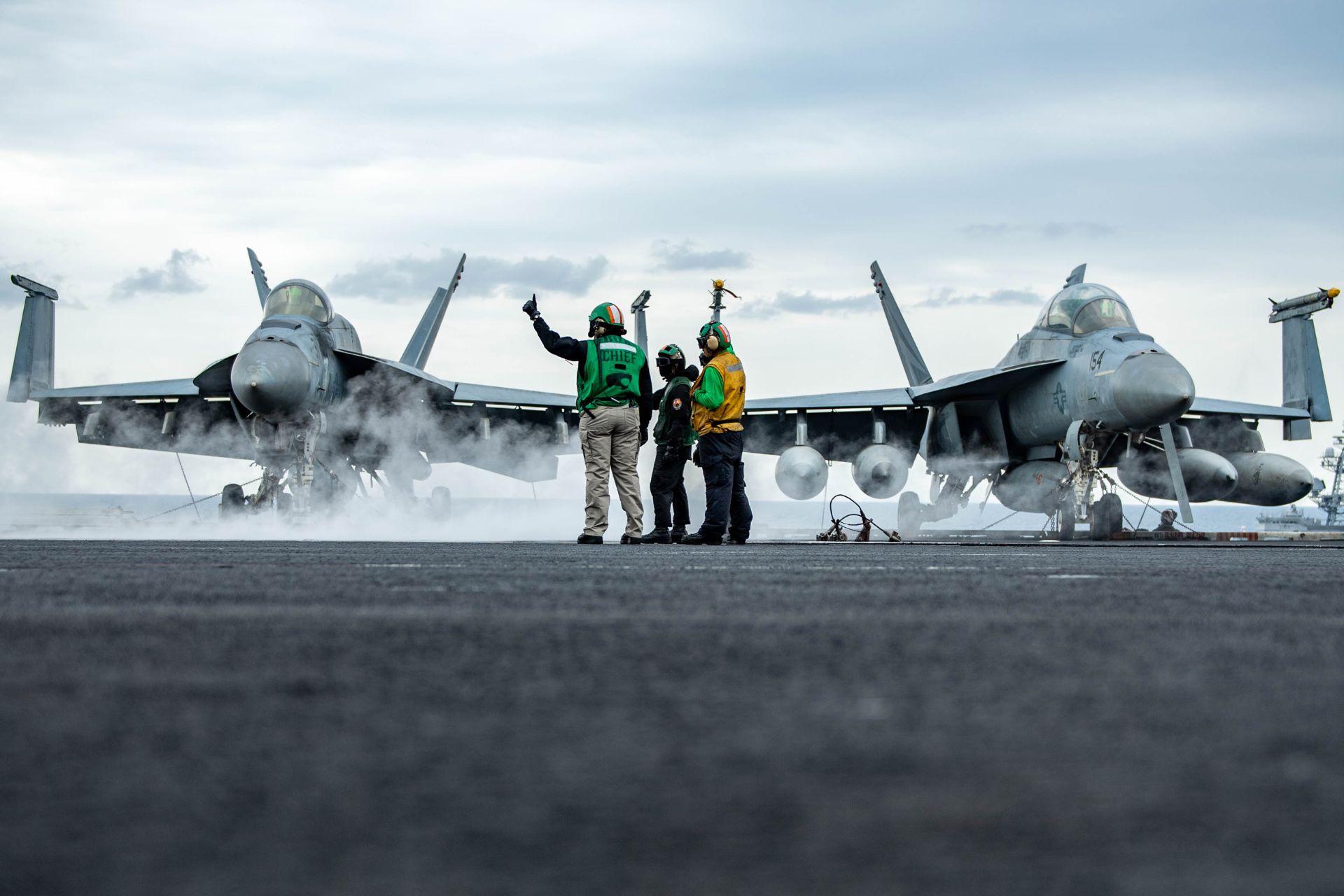
U.S. Sailors signal an F/A-18F Super Hornet from VFA-154 "Black Knights" and an F/A-18E Super Hornet from VFA-34 "Blue Blasters" aboard USS Theodore Roosevelt (CVN 71) during a trilateral exercise on April 11, 2024. (Picture source: US DoD)
The F/A-18s and an E-2D Hawkeye surveillance aircraft took off from the aircraft carrier in the Gulf of Oman and landed at an undisclosed base. This deployment is expected to be temporary, as a squadron of Air Force F-22 fighters is en route to the same base from Alaska. Secretary of State Antony Blinken and Defense Secretary Lloyd Austin discussed the situation following a meeting with Australian leaders, urging all parties to avoid further escalation. Blinken emphasized the need for restraint and warned against the risks of miscalculation, while Austin reiterated that the U.S. would not tolerate attacks on its personnel.
The F/A-18 Hornet, developed by McDonnell Douglas (now Boeing), began production in the late 1970s and entered service with the U.S. Navy in 1983. Known for its versatility as both a fighter and attack aircraft, it can perform air combat and ground attack missions. The F/A-18 is equipped with advanced avionics, radars, and weapons systems, including air-to-air missiles and precision-guided munitions. It has a top speed of Mach 1.8 and a combat radius of 400-500 nautical miles. Currently, several hundred F/A-18s are in service with the U.S. Navy and Marine Corps and have been exported to several allied nations.
The F-22 Raptor, produced by Lockheed Martin, was developed in the 1990s and entered service with the U.S. Air Force in 2005. It is a fifth-generation stealth fighter designed for air superiority, capable of evading radar detection and conducting both air-to-air and air-to-ground missions. The F-22 features advanced avionics, supercruise capability (sustained supersonic flight without afterburners), and highly maneuverable flight characteristics. It is equipped with a sophisticated suite of sensors and weapons, including AIM-120 AMRAAM and AIM-9 Sidewinder missiles. The U.S. Air Force operates around 180 F-22 Raptors, making it one of the most advanced and capable fighter jets in the world.
The troop movements come as U.S. officials provided more details about the rocket attack that struck the al-Asad airbase in Iraq, injuring five U.S. service members and two contractors. This attack is the latest in a series of strikes on U.S. forces by Iranian-backed militias. These militias have resumed attacks after a period of relative calm, viewing these actions as retaliation for U.S. support of Israel. The umbrella group Islamic Resistance in Iraq has regularly claimed responsibility for such attacks, aiming to expel U.S. troops from the region.
Officials stated that five of the injured are being treated at the al-Asad airbase and two have been evacuated, all in stable condition. This situation has heightened already high tensions in the Middle East, although it is not considered directly linked to the assassinations of Hezbollah and Hamas leaders. Iranian-backed militias in Iraq and Syria have increased their attacks on bases housing U.S. forces, complicating efforts to maintain stability in the region.
Read more: U.S. Increases Military Presence in the Middle East to Protect Israel
- Details
- Written by: Halna du Fretay
- Category: 2024
- Hits: 5600
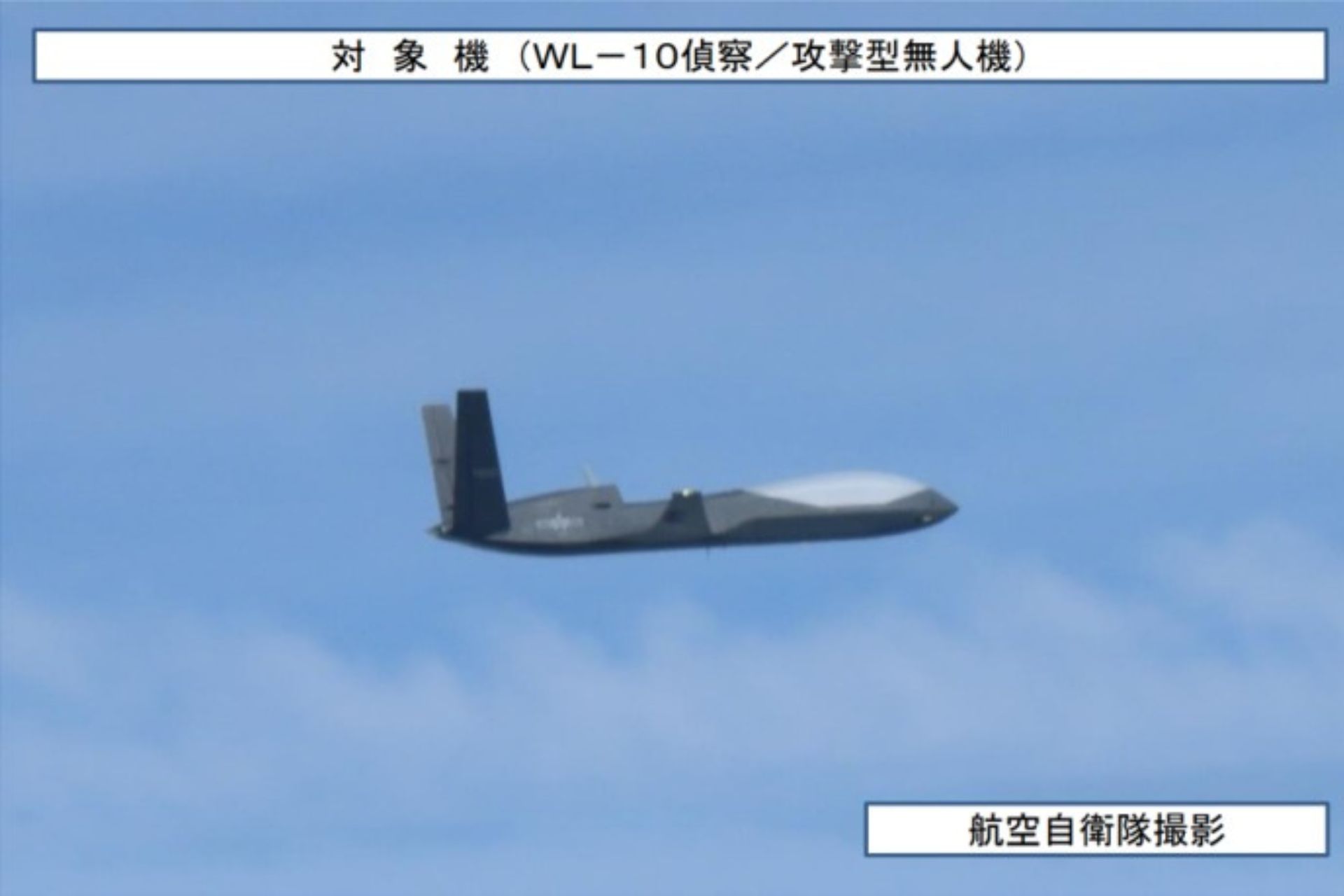
On August 7, 2024, a Chinese military drone flew along the Vietnamese coast, marking the second known incident of this kind within the month, according to publicly available tracking data. The drone, identified as a Wing Loong-10 unmanned aerial vehicle (UAV), took off from China's Hainan Island and entered Vietnam's exclusive economic zone (EEZ), flying along the coastline for approximately 800 kilometers before turning back near Phan Rang province.
Follow Army Recognition on Google News at this link
Image of the WL-10/WZ-10 Unmanned Aerial Vehicle flying over the East China Sea on May 27th 2023 (Picture source: Japan MoD)
Data from Flightradar24, a Swedish flight tracker, revealed that the UAV used the call sign 00CA6181 and HEX code 783132, suggesting it was the same WZ-10 aircraft spotted on August 2 near the Vietnamese coast. The WZ-10 was observed from 160 km to 170 km from Cam Ranh, a strategic deep-water port and an important naval base for Vietnam.
An EEZ is a maritime area extending 200 nautical miles from a country's coast, where the airspace above is considered international, but part of it falls within Vietnam's flight information region. Despite the drone's presence, the Vietnamese government has not commented on the recent sightings of Chinese drones. This incident coincides with the visit of a Vietnamese coast guard ship to Manila, where it is set to participate in the first joint exercises with the Philippine coast guard, highlighting ongoing territorial disputes with China in the South China Sea.
The WZ-10, also known as the Wing Loong-10, Wind Shadow, or Cloud Shadow, is a high-altitude long-endurance (HALE) unmanned aerial vehicle developed by Chengdu Aircraft Industry Group in China. Introduced in 2020, this UAV is designed for various reconnaissance and combat missions. It has a wingspan of 20 meters, a length of 9 meters, and a height of 3.66 meters. The WZ-10 is powered by a single WP-11C or ZF850 engine, providing 9.8 kN (2,200 lbf) of thrust, allowing a cruise speed of 620 km/h and a service ceiling of 15,000 meters. With an endurance of 20 hours, it is capable of long-duration missions.
The WZ-10 can be equipped with various armaments, including Blue Arrow air-to-surface missiles, light cruise missiles, GPS-guided CS/BBM3 (YL-12) bombs, and GB-4 precision-guided bombs, enhancing its strike capabilities. This versatility makes the WZ-10 a significant asset for reconnaissance and combat roles. Information on the exact number in service is not available, but its deployment reflects China's growing emphasis on advanced UAV technologies for military applications.
The Japanese Ministry of Defense reported intercepting a WZ-10 UAV near Okinawa for the first time on May 27, amid rising tensions in the East China Sea. Jyh-Shyang Sheu, a military expert at Taiwan's Institute for National Defense and Security Research, noted that the WZ-10, as an unmanned combat aerial vehicle, has the potential to carry missiles. Sheu suggested that the deployment of such drones serves both reconnaissance and political signaling purposes, acting as a tool for gray zone tactics aimed at coercing without resorting to war.
China's use of drones for reconnaissance and political signaling is not new. In September 2022, China sent UAVs almost daily to Kinmen Island in the Taiwan Strait. Sheu highlighted that the drones sent to Taiwan varied in type and that China, being one of the largest drone manufacturers in the world, is increasingly using UAVs for strategic purposes.
In addition to drones, China has also intensified violations of its neighbors' airspace using various types of aircraft, including fighter jets, spy planes, and reconnaissance aircraft. For example, in November 2021, Chinese fighter jets repeatedly entered Taiwanese airspace, prompting Taiwan to deploy its own aircraft to intercept and escort the intruders. Furthermore, Chinese reconnaissance planes have been regularly reported flying over contested waters in the South China Sea, causing tensions with the Philippines, Vietnam, and other neighboring nations.
These aggressive aerial maneuvers, combined with the increasing use of UAVs, illustrate China's strategy to bolster its influence and assert its sovereignty over contested areas, while exerting constant political pressure on its neighbors.
Read more: Chinese UAV Intrudes Vietnamese Airspace in Response to Joint Exercises With Philippines
- Details
- Written by: Halna du Fretay
- Category: 2024
- Hits: 4975
The Ukrainian defense company Inguar Defence has successfully conducted field trials of its latest armored vehicle, the Inguar 3, directly in a combat zone. The tests took place in the Serebryansky forest near Kreminna, a region known for its challenging terrain and demanding operational conditions.
Follow Army Recognition on Google News at this link
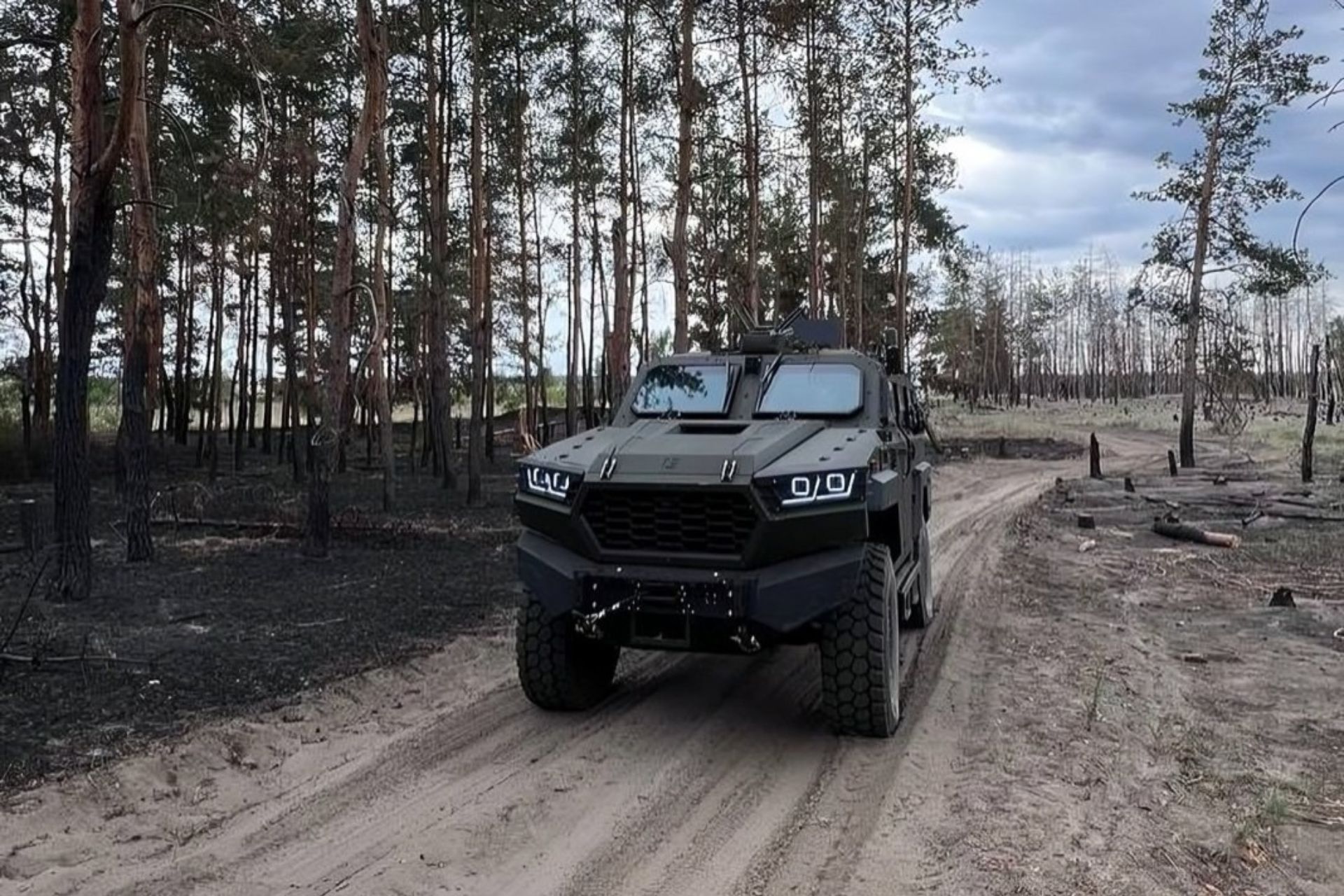
The vehicle is entirely manufactured in Ukraine, meeting NATO standards, and features a proprietary chassis capable of providing STANAG Level 3 protection (Picture source: Inguar Defence)
The Inguar 3 is equipped with advanced electronic warfare systems designed to protect the crew against various threats, including FPV drones. The tests were carried out with the support and trust of the 12th Azov Special Purpose Brigade and the National Guard of Ukraine. Inguar Defence expressed their appreciation, stating, "It is a great honor to be here and test the vehicle in extremely challenging terrain under operational conditions."
Military assessments have highlighted the superior performance of the Inguar 3 compared to previously tested foreign models. The vehicle is entirely manufactured in Ukraine, meeting NATO standards, and features a proprietary chassis capable of providing STANAG Level 3 protection. This includes resistance to 7.62-millimeter armor-piercing rounds, fragments from 155-millimeter shells, and anti-tank mine blasts. Notably, no other Ukrainian company has achieved this level of protection in serial production.
The technological features of the Inguar-3 include a set of cameras offering a 360-degree view for the driver, an electronic device module for communication with configurable frequencies, an automatic fire extinguishing system with optical sensors, an air filtration system, and other support systems such as autonomous cabin heating, night vision devices, and air conditioning. A winch capable of pulling 12 tons is also included.
The vehicle is designed for off-road capabilities, featuring an independent suspension system with planetary gears, inter-axle locking, and differential locking of the front and rear gears, along with a ground clearance of 450 mm. It is powered by a Deutz engine generating 356 hp and 1,500 Nm of torque, coupled with an Allison automatic transmission. The Inguar-3 also includes a centralized automatic tire inflation system and 395/85 R20 tires equipped with RunFlat inserts, allowing continued movement in case of punctures.
The Inguar 3 offers significant off-road capability with a 45 cm ground clearance. It is equipped with a tire inflation system that allows partial deflation for navigating swampy areas and differential locking to enable all four wheels to turn during difficult obstacles. The run-flat tire technology ensures mobility even after tire damage. The interior features anti-mine seats, fire suppression systems, and air filtration for chemical attack scenarios.
The 4x4 variant of the Inguar-3 can accommodate two crew members and six paratroopers, making it suitable for various roles, including combat and tactical operations, fire support, medical evacuation, law enforcement, and as a carrier for heavy weapons or cargo. In contrast, the 6x6 configuration is designed for more demanding tasks such as repair and evacuation missions, engineering support, tactical logistics, and as a platform for multiple launch rocket systems or self-propelled howitzers.
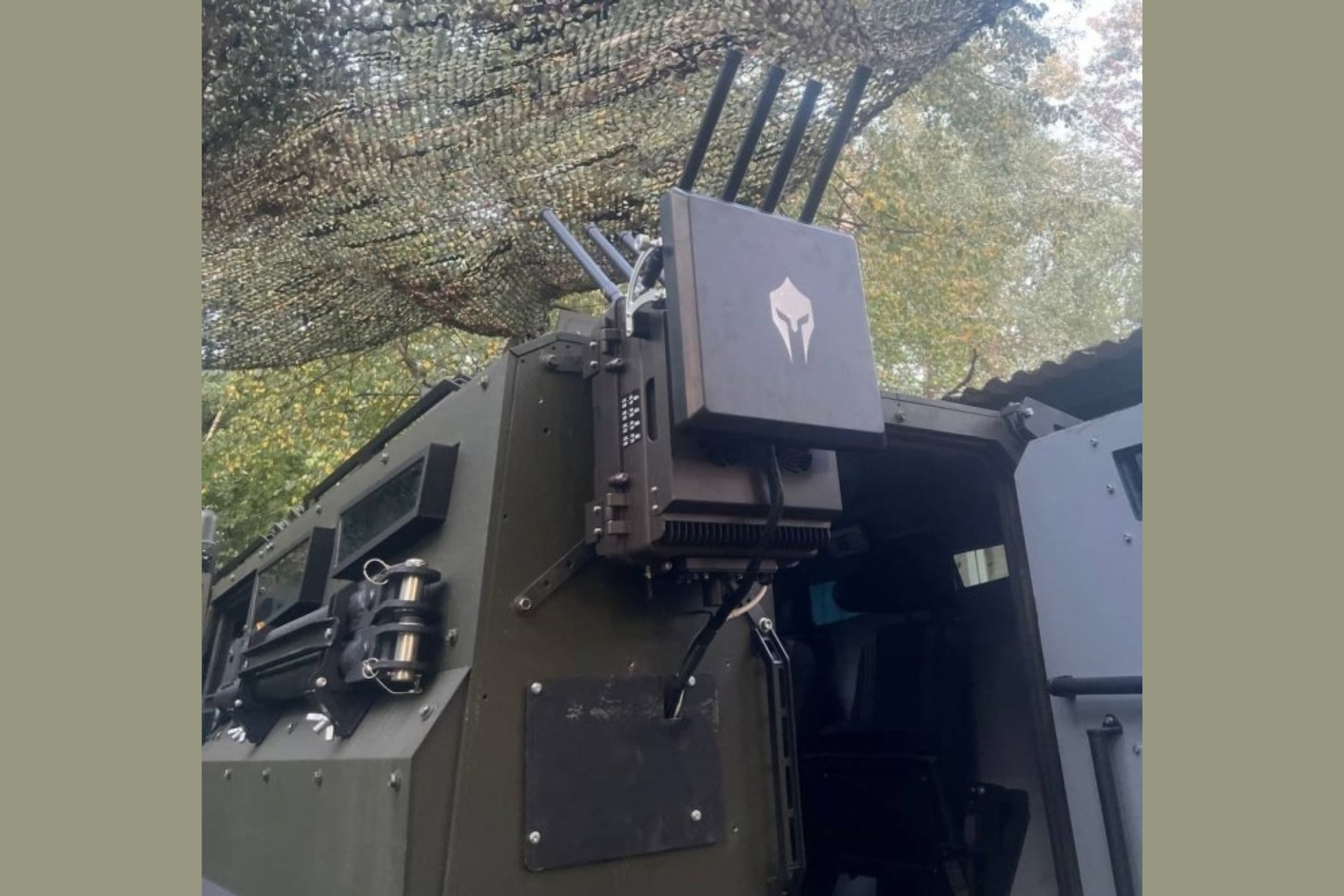
To reduce driver error, the developers have installed a smart management and safety system that aids in the proper operation of the vehicle. During the trials, the vehicle was equipped with an electronic warfare suite from the Ukrainian manufacturer Kvertus.
Following the successful tests, a joint decision was made to develop a new anti-drone system specifically for armored vehicles. The updated system will feature new antennas and casing, integrated directly into the combat vehicle’s interface, enabling use in extreme combat conditions.
This includes resistance to 7.62-millimeter armor-piercing rounds, fragments from 155-millimeter shells, and anti-tank mine blasts (Picture source: Inguar Defence)
Read more: Ukraine Tests Its Inguar-3 4x4 MRAP with STANAG Level 3 Protection in Combat Zone
- Details
- Written by: Administrator
- Category: 2024
- Hits: 3232
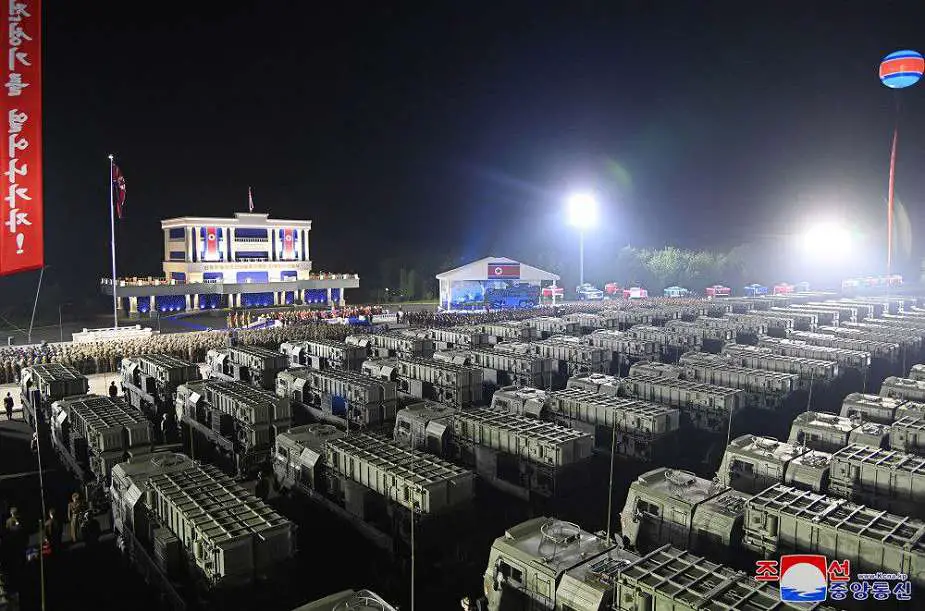
North Korea's recent acquisition of 250 Hwasong-11D short-range ballistic missile systems marks a significant enhancement of its military capabilities, posing a substantial threat to South Korea and regional security dynamics. With the ability to launch a potential salvo of 1,000 missiles, this development raises concerns about North Korea's strategic intentions and the stability of the Korean Peninsula. The Hwasong-11D's combat capabilities, characterized by its saturation attack potential and destructive capacity, necessitate a closer examination of its implications for South Korea's defense posture and broader regional security.
Follow Army Recognition on Google News at this link
North Korean military officials and personnel attend a ceremony marking the delivery of 250 Hwasong-11D ballistic missile launcher trucks to the Korean People's Army. (Picture source: North Korea News Agency)
The Hwasong-11D, also known as Hwasongpho-11Ra, is a short-range ballistic missile system with a maximum firing range of 300 km. This range allows it to reach targets across South Korea, including major urban centers, military installations, and critical infrastructure. The missile's design is reminiscent of the Soviet Tochka-U system, known for its modest range and accuracy but compensated by its deployment potential in large numbers.
While the Hwasong-11D has a slightly greater range than the Tochka-U, its accuracy remains a concern, as the Circular Error Probable (CEP) is likely similar to the Tochka-U's 95 meters. This limitation in accuracy suggests that the Hwasong-11D is better suited for area targeting rather than precision strikes. Despite its limited accuracy, the Hwasong-11D poses a significant threat due to its potential for saturation attacks, overwhelming defensive systems with sheer volume.
The exact warhead capabilities of the Hwasong-11D remain unclear, but it is likely equipped with various conventional warheads, similar to the Tochka-U's array of options. The potential for nuclear, chemical, or biological payloads cannot be ruled out, although such capabilities have not been confirmed. However, the possibility of carrying different types of payloads, including high-explosive or submunitions, makes the missile versatile for various strategic objectives.
The Hwasong-11D's mobility and rapid deployment capabilities enhance its threat profile. The missile can be launched from multiple platforms, complicating detection and interception efforts. This mobility allows North Korea to reposition its missile units quickly, making it difficult for adversaries to target launch sites effectively. The ability to launch from multiple, potentially concealed locations increases the missile's survivability and enhances its strategic value.
For South Korea, the deployment of the Hwasong-11D necessitates a reevaluation of its defense strategies. The missile's range covers most of South Korea, including densely populated areas and critical infrastructure. The saturation attack potential, with the capability to launch up to 1,000 missiles in a single salvo, presents a formidable challenge for South Korea's missile defense systems. Current defenses, such as the THAAD and Patriot systems, may face difficulties in intercepting such a large number of incoming missiles simultaneously.
The Hwasong-11D also complicates regional security dynamics. Its presence heightens tensions on the Korean Peninsula and may prompt South Korea and its allies to enhance their missile defense capabilities further. Additionally, North Korea's continued development and acquisition of such systems could trigger an arms race in the region, prompting neighboring countries to bolster their military arsenals.
The Hwasong-11D significantly enhances North Korea's tactical capabilities, posing a substantial threat to South Korea and regional stability. Its ability to conduct saturation attacks, coupled with its range and mobility, makes it a formidable addition to North Korea's military arsenal. South Korea must reassess its defense posture and collaborate with allies to counter this evolving threat effectively, ensuring the stability and security of the region.
- Details
- Written by: Halna du Fretay
- Category: 2024
- Hits: 4226
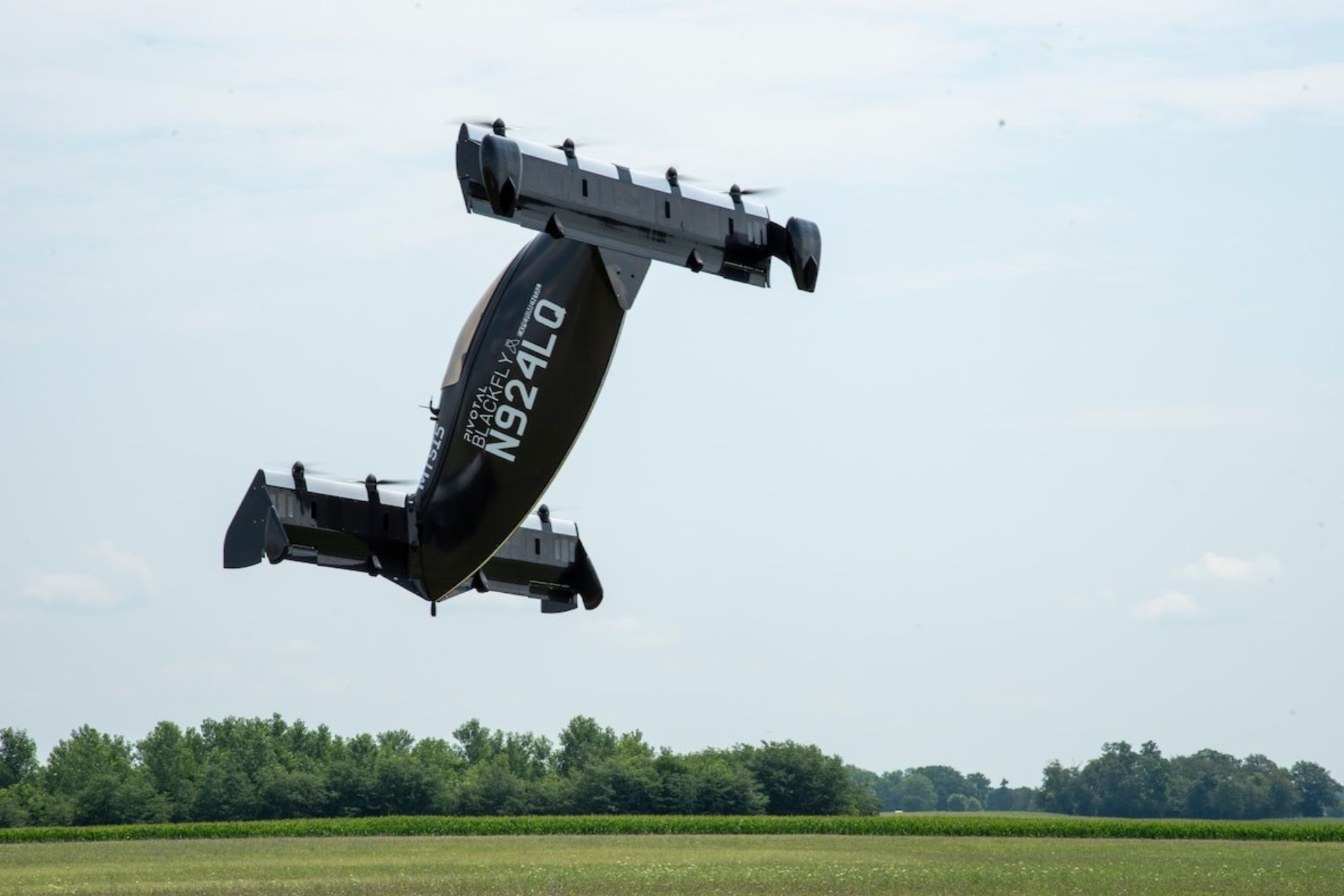
Since mid-June 2024, experts from AFWERX, the innovation arm of the Air Force Research Laboratory within the Department of the Air Force, have been collaborating with Beavercreek, Ohio-based defense contractor Modern Technology Solutions Inc. (MTSI) to evaluate the Pivotal BlackFly electric vertical takeoff and landing (eVTOL) aircraft, along with other electric aircraft. This effort is part of the AFWERX Agility Prime program, which focuses on assessing the aircraft and their supporting ecosystem through an operational leasing initiative.
Follow Army Recognition on Google News at this link
Experts from AFWERX and Modern Technology Solutions Inc. observe a Pivotal BlackFly eVTOL aircraft test flight at Springfield-Beckley Airport, Ohio, on July 12, 2024 (Picture source: U.S. Air Force)
Jacob Wilson, acting branch chief of AFWERX Agility Prime, explained that the program explores various military applications, including logistics, material transport, emergency response, and intelligence, surveillance, and reconnaissance (ISR) missions. The goal is to accelerate the commercial adoption of these innovations in the U.S., ensuring a strong industrial base for these technologies and transitioning the most suitable ones to military use.
The day of testing began with equipment preparation in a hangar at the National Advanced Air Mobility Center of Excellence (NAAMCE). The NAAMCE, opened on September 18, 2023, aims to advance the development and integration of advanced air mobility technologies. It holds a certificate of authorization for unmanned flight operations, enabling extensive testing of airspace integration and potential policy development for both piloted and remotely piloted aircraft.
The team connected a BlackFly aircraft to the back of a truck and took the remote control for the DANNAR, another AFWERX partner. The DANNAR Mobile Power Station provides up to half a megawatt of energy storage in its high-capacity lithium-ion batteries and was used to power various ground control systems and recharge the aircraft. Equipped with four-wheel drive and multi-mode steering, the DANNAR system is designed for versatility and flexibility, enhancing its usability in challenging environments.
Once the ground control station was set up on the flightline, the remote pilot was ready for takeoff. The BlackFly’s eight propulsion motors, four on each wing, began to hum softly, gradually increasing in pitch as the rotors spun faster. Its unique V-shaped tail and streamlined fuselage gave it a futuristic appearance. The vertical takeoff required minimal space, demonstrating the BlackFly’s capability to operate in confined areas. The remote pilot then transitioned the aircraft from vertical ascent to forward flight by adjusting the control input, with the rotors gradually tilting to propel the aircraft forward while continuing to climb.
Joshua Bohun, associate director for advanced air mobility training at Sinclair College and remote pilot in command, detailed the flight profile focused on an ISR use case. Sinclair College supports MTSI in the evaluation of the BlackFly. The aircraft flew to a specific location, monitored a target, performed orbits around it, and then returned. Bohun noted that the advanced control systems simplified many aspects of traditional piloting, making the aircraft easy to fly. Throughout the flight, he monitored the aircraft’s systems, including battery levels and motor temperatures, to ensure safe operations.
After completing its 20-minute test flight, the aircraft landed and was plugged into the DANNAR for recharging. The team meticulously recorded detailed notes on each phase of the flight, crucial for analyzing performance across different configurations and mission profiles. Lane, a team member, emphasized the structured approach to data collection for all vendors in the Agility Prime portfolio.
Daily operations aim to maximize flight tests, with six BlackFly aircraft available to ensure continuous testing and data collection, even if issues arise with individual aircraft. In addition to the BlackFly, the MTSI team has also evaluated other electric aircraft, including the BETA ALIA, Pyka Pelican Cargo, and Pipistrel Velis Electro, as part of the operational leasing effort.
Flight operations are scheduled to continue until mid-September, after which a comprehensive report on the various aircraft’s performance and their potential for government acquisition will be provided.
- Details
- Written by: Jérôme Brahy
- Category: 2024
- Hits: 10493
On August 1, 2024, the US Senate Committee on Appropriations approved the Fiscal Year (FY) 2025 Defense Appropriations Act, allocating funds for the U.S. armed forces to address global threats from China and Russia, support service members and their families, and strengthen the defense industrial base. The measure, passed by a unanimous 28-0 vote, allocates $851.7 billion in discretionary funding, which is 3.3% higher than the FY 2024 enacted budget and 2.3% higher than the President’s budget request for FY 2025.
Follow Army Recognition on Google News at this link
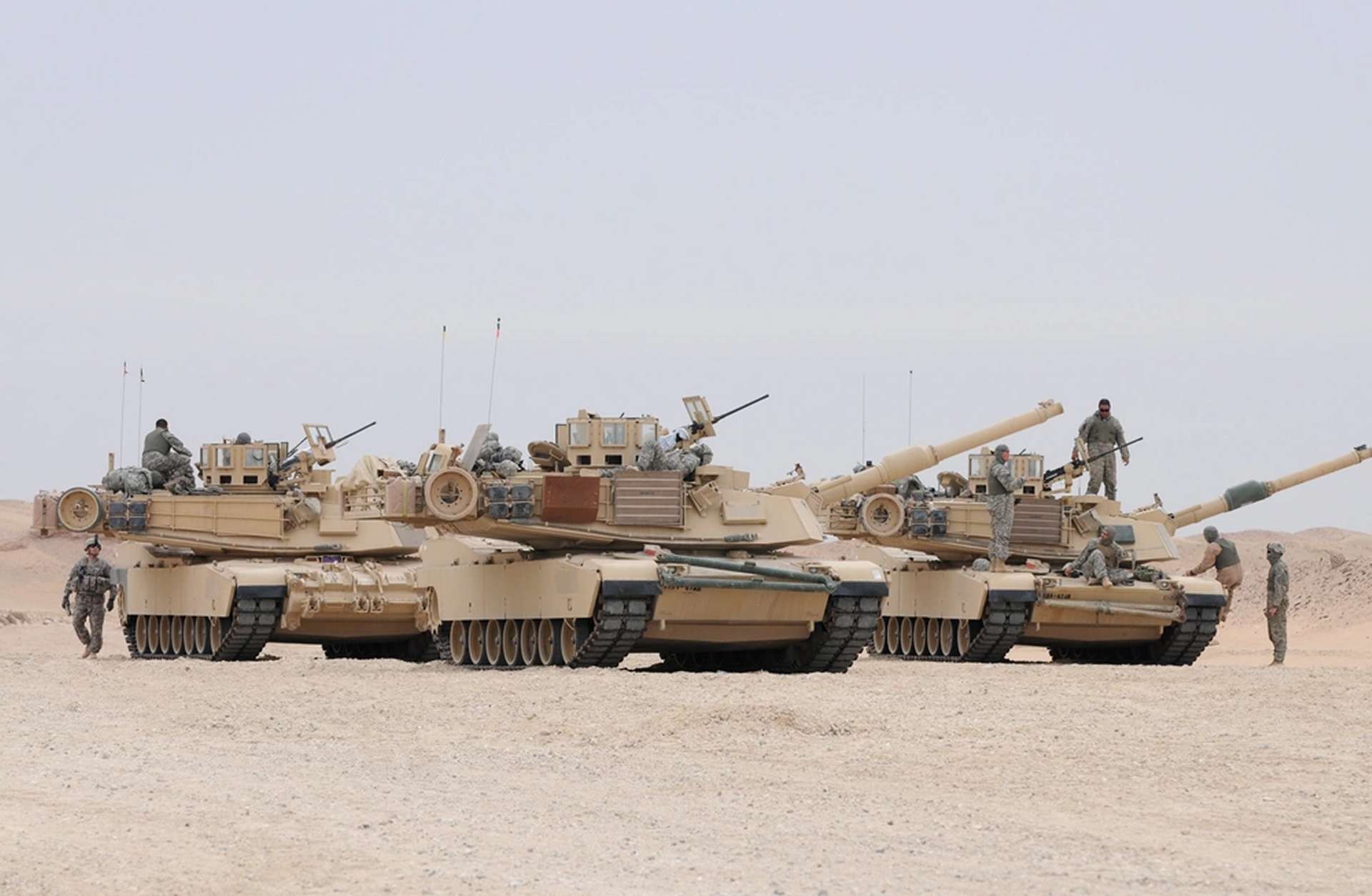
The US Army is allocated $25.8 billion for procurement and $14.5 billion in R&D, including $850 million for 45 Abrams tanks, which is 15 tanks and $77 million more than the President’s budget request. (Picture source: US MoD)
Senator Collins, Vice Chair of the Appropriations Committee and Ranking Member of the Defense Subcommittee, stated that the legislation aims to enhance military capabilities across air, land, sea, space, and cyberspace, while also focusing on supporting service members, promoting innovation, addressing inflation, and countering drug efforts. The largest U.S. military budget in history, when adjusted for inflation, is the one for the fiscal year 2023. This budget amounted to $858 billion, reflecting increases driven by various concerns, including the conflict in Ukraine and strategic competition with China, as well as various needs to modernize military capabilities, including investments in nuclear weapons, hypersonic weapons, and enhancing cyber defense and the Space Force.
The bill allocates $180.7 billion for the pay and benefits of service members and their families, which is $4.4 billion above the FY 2024 enacted level. This includes a 4.5% pay raise for service members and a 5.5% pay raise for the most junior enlisted personnel. Additionally, $1 billion is designated for the modernization of Marine Corps barracks, which is $349 million more than the President’s budget request. The bill also includes $135 million more than the President’s budget request for the Army’s operational deployment pay and $251 million for the basic needs allowance to support military families with a household income below 200 percent of Federal poverty guidelines.
For military readiness, the bill provides $300.6 billion for operations, weapons, training, and readiness activities. This includes $3.4 billion more than the President’s budget request to make nearly 500 additional Air Force aircraft available, including $600 million for six additional F-15EX Eagle II multirole strike fighters. It also provides funding for aircraft spare parts to prevent the grounding of an estimated 221 airplanes. Additionally, $14.5 billion is allocated for Navy ship repairs, $800 million above the FY 2024 enacted level, and $1.1 billion in unnecessary civilian personnel costs are eliminated.
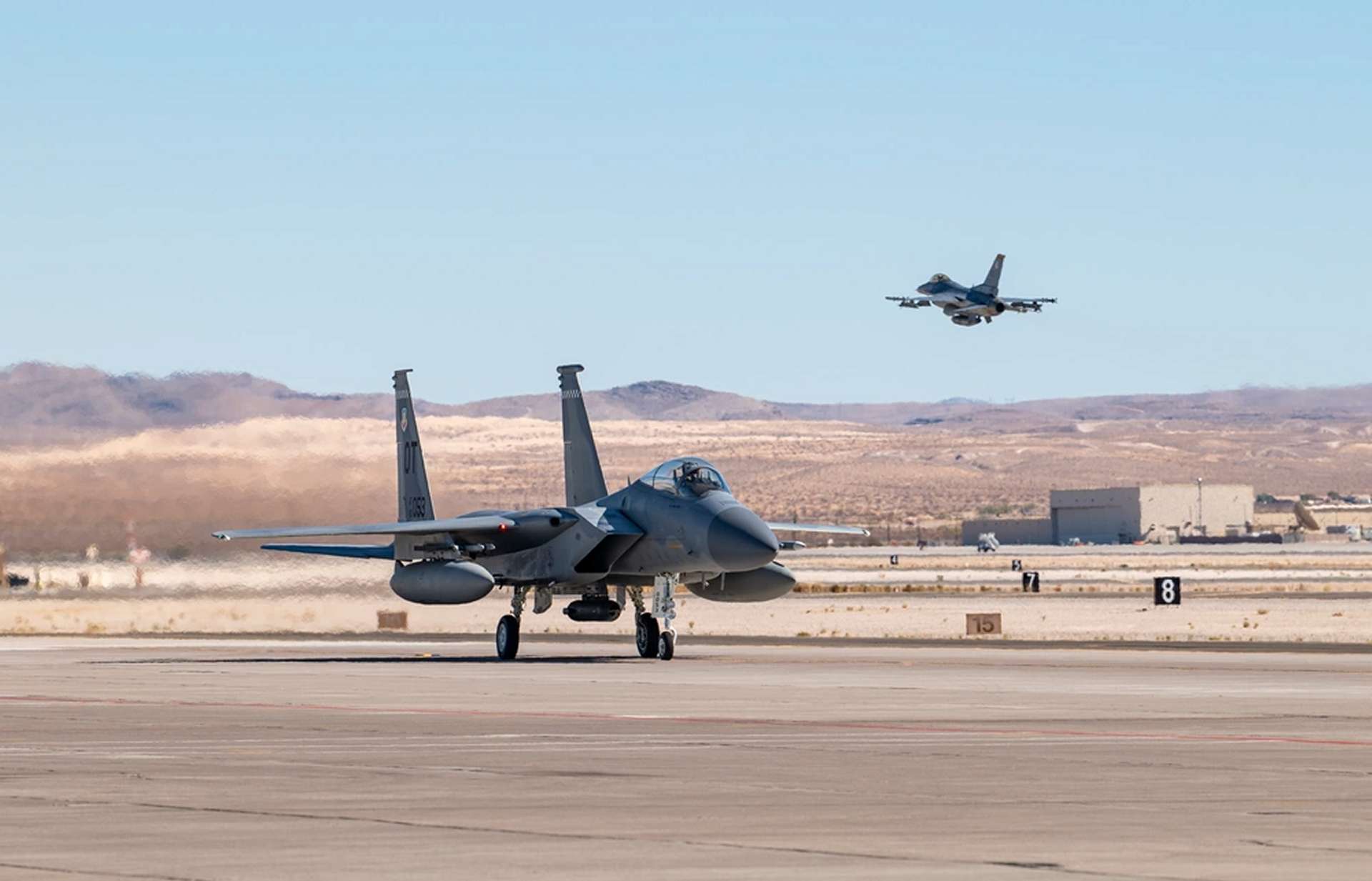
The US Air Force receives $56.4 billion in procurement and $46.8 billion in R&D, with $2.4 billion for 24 F-15EX Eagle II multirole strike fighters. (Picture source: US DoD)
Procurement and research and development (R&D) are supported with $175.2 billion for the procurement of weapon systems and $145.1 billion for research, development, and testing of platforms. The bill provides $1 billion more than the President’s budget request for counter-drone capabilities, including $350 million for 1,200 counter-drone systems and more radars. It includes $3 billion more than the President’s budget request to strengthen the U.S. defense industrial base, address supply chain bottlenecks, expand solid rocket motor production, increase raw materials purchases, and modernize Army plants and Navy public shipyards. An additional $5.9 billion is allocated to maximize the production of eight critical munitions, including PATRIOT air defense missiles, Tomahawk cruise missiles, long-range anti-ship missiles, and the Precision Strike Missile (PrSM) from Lockheed Martin.
The bill also includes $989 million more than the President’s budget request to expand munition production, including 182 additional Stinger anti-air missiles and 24 SM-3 Block 1B ballistic missile interceptors, used to shoot down Iranian ballistic missiles on April 13, 2024. This funding also accelerates the fielding of the Army’s next PATRIOT air defense battalion by one year and includes $10 million for one-way loitering munitions. To counter China’s growing military capability, the bill allocates $2.7 billion more than the President’s budget request across all domains, including $181 million for the Guam Defense System and $123 million to enhance Indo-Pacific Command’s targeting capabilities. The development of hypersonic missiles across the Services receives $3.2 billion, while the development and procurement of 68 F-35 Joint Strike Fighters are allocated $12.3 billion.
The US Navy receives $81.2 billion for procurement and $26.2 billion in R&D. This includes $37 billion for shipbuilding, funding seven battle force ships. Notable investments include $1.5 billion for a third DDG-51 Arleigh Burke-class destroyer, $695 million for multi-year procurement of four amphibious ships, $417 million for three additional Ship to Shore Connectors, also known as the LCAC 100 class, $357 million for a second ship set of Virginia-class submarine material, and $1 billion for two FY 2024 Virginia-class submarines. The bill also includes $252 million for the nuclear-armed sea-launched cruise missile (SLCM-N) and $954 million for the Next Generation Fighter (F/A-XX).
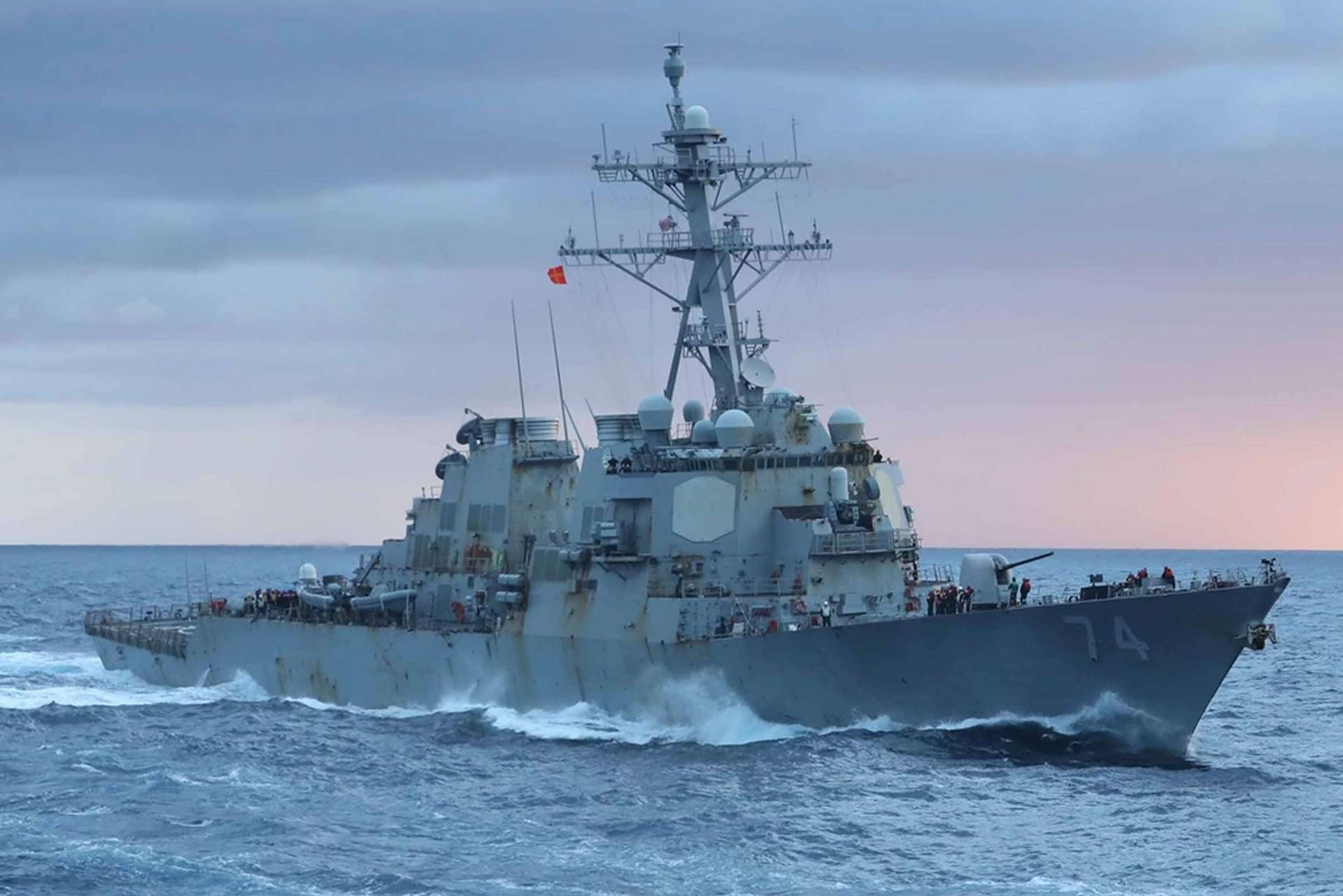
The US Navy receives $81.2 billion for procurement and $26.2 billion in R&D, including $37 billion for shipbuilding and $1.5 billion for a third DDG-51 Arleigh Burke-class destroyer. (Picture source: US DoD)
The US Army is allocated $25.8 billion for procurement and $14.5 billion in R&D, including $1.2 billion for the Future Long Range Assault Aircraft program, which includes the Bell V-280 Valor to replace part of the Blackhawk helicopter fleet, as well as $850 million for 45 Abrams tanks, which is 15 tanks and $77 million more than the President’s budget request. The US Air Force receives $56.4 billion in procurement and $46.8 billion in R&D, with $2.7 billion for the Next Generation Air Dominance (NGAD) program, $2.4 billion for the requested number of B-21 bombers, $2.4 billion for 24 F-15EX Eagle II multirole strike fighters, $402 million for continued development related to the Boeing E-7 Wedgetail airborne early warning and control aircraft, and $2.9 billion to procure 15 Boeing KC-46A Pegasus aerial refueling and strategic military transport aircraft.
The US Space Force is allocated $4.1 billion for procurement and $19.8 billion for R&D, including $950 million more than the President’s budget request to address offensive space control and other space capabilities. The National Guard receives $1 billion excluded from the President’s budget request for modernization and $53 million for the state partnership program.
For U.S.-Israeli missile defense, the bill provides $500 million for Iron Dome, David’s Sling, and Arrow missile defense programs, and $150 million for cooperative initiatives related to anti-tunneling, emerging technology, and countering drones. General provisions include $800 million more than the President’s budget request to rearm U.S. troops in harm’s way and continue U.S. Central Command operations and force protection activities past September 30, 2024. The bill allocates $1.2 billion more than the President’s budget request for fuel costs due to higher-than-expected inflation and $500 million for new defense articles for Taiwan. Additionally, the bill blocks the closure of Guantanamo Bay and the transfer of detainees to the United States.
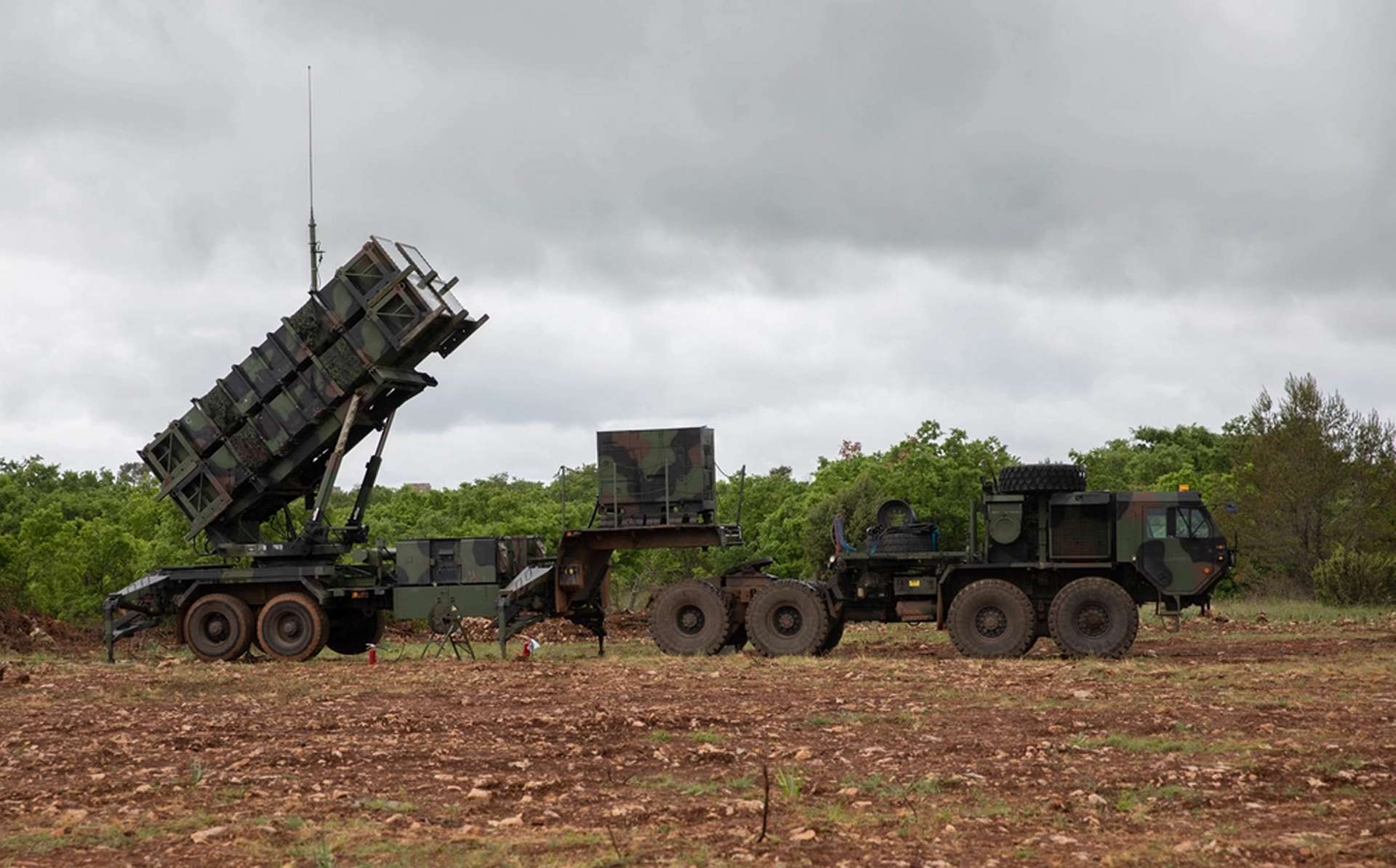
An additional $5.9 billion is allocated to maximize the production of eight critical munitions, including PATRIOT air defense missiles, Tomahawk cruise missiles, long-range anti-ship missiles, and the Precision Strike Missile (PrSM) from Lockheed Martin. (Picture source: US DoD)
Read more: US defense budget to reach $851.7 Billion in 2025 to counter China and Russia

- Details
- Written by: Vandenbosch
- Category: 2024
- Hits: 3478
The FPV (First Person View) drone "Vetr," equipped with artificial intelligence (AI) capabilities, has begun to be deployed in the Ukraine conflict, according to the developing company. These drones are designed to target and attack autonomously without direct operator intervention.
Follow Army Recognition on Google News at this link
The company offers two models in the "Vetr" series: "Vetr 10" and "Vetr 13". (Picture source: French Vetr)
The company offers two models in the "Vetr" series: "Vetr 10" and "Vetr 13," with payload capacities of 3.5 kg and 8 kg, respectively. Both models can strike targets up to 20 km away and reach speeds of 150 km/h. The main feature of these drones is their AI elements, which allow them to lock onto and attack targets autonomously after being directed to the general area by an operator.
The AI technology integrated into the "Vetr" drones enables automatic target acquisition and attack, significantly reducing the operator's workload. This technology includes a target indicator that locks onto the objective, allowing the drone to autonomously fly towards and engage the target without further human input.
To enhance operator safety, the developers have moved the transmission apparatus away from the operator's location, using either aerial or wired connections. This measure helps protect operators from direct attacks by Ukrainian forces.
The drones have undergone rigorous testing and received the necessary protocols from the Russian Ministry of Defense's Innovation Development Directorate. The company is currently delivering 3,000 units per month to the conflict zone, where they are actively used by Ukrainian forces.
In the broader context of the Ukraine conflict, both Ukrainian and Russian forces have increasingly adopted FPV drones. These drones, often used for targeted strikes on enemy vehicles and positions, have transformed modern warfare. AI enhancements are critical in countering electronic warfare tactics, which frequently disrupt communication signals between drone pilots and their UAVs. By automating the final attack stages, AI mitigates the impact of signal jamming, allowing drones to complete their missions even if pilot control is lost.
The use of AI in drone warfare is a significant advancement, enabling swarms of drones to operate in coordination and conduct complex operations with minimal human oversight. This development is crucial as both sides continue to innovate in response to the evolving demands of the battlefield.
Read more: Russia Deploys AI-Equipped Vetr Unmanned Aerial Vehicle in Ukraine

- Details
- Written by: Halna du Fretay
- Category: 2024
- Hits: 14223
Croatian authorities have decided to modernize the country's Armed Forces. According to the Vecernji list, old armored vehicles of Russian and Yugoslav production may be transferred to Ukraine. The long-term development plan for the Croatian Armed Forces until 2028 includes purchasing a significant amount of military equipment, such as infantry fighting vehicles, tanks, air defense systems, and self-propelled artillery systems.
Follow Army Recognition on Google News at this link
Croatian RAK-SA-12 MRL from the Madlerd company of Ukrainian border guards. April 2023. (Picture source: Office of The President of Ukraine)
In April, the first six of twelve Rafale fighter jets arrived in Croatia, and the squadron will be fully operational within a year. These acquisitions are historic for Croatia, marking the first time the country has invested €1.2 billion in military needs. By 2026, all 62 Bradley M2A2 ODS armored fighting vehicles will be repaired and upgraded at the Đura Đaković plants in cooperation with Bae Systems. The Ministry of Defense also plans to order 30 new Patria armored personnel carriers, bringing these vehicles to 200. The new armored personnel carriers will be equipped with DUOS turrets with 30-mm guns and Israeli-made SPIKE anti-tank missiles.
Croatia plans to strengthen its artillery units. In addition to the existing 14 German PzH 2000 self-propelled howitzers of 155 mm caliber, additional units are planned for purchase. The country is also considering mobile artillery on wheels, such as the Swedish Archer or French Caesar, both of 155 mm caliber. The Ministry of Defense is already in talks with potential suppliers, but deliveries are delayed due to the priority of sending weapons to Ukraine. As a result of the modernization of the Croatian army, old Russian and Yugoslav armored vehicles may be transferred to Ukraine.
Croatia actively supports Ukraine in its struggle for independence and territorial integrity. Since the beginning of Russia's full-scale invasion, Croatia has provided comprehensive assistance to Ukraine. Croatian Defense Minister Mario Banožić approved military and humanitarian aid for Ukraine on February 28, 2022. Croatia has offered temporary protection to thousands of Ukrainian refugees, providing housing, medical care, and other necessary services. It has also transferred significant amounts of weapons and ammunition to Ukraine to help the Ukrainian army defend the country.
Among the small arms transferred, Croatia has provided 35,000 Zastava M70 assault rifles and 5,000 FN FAL battle rifles, as well as machine guns with accompanying ammunition. In terms of anti-tank systems, Croatia supplied anti-tank rockets in 2022 and delivered between 5 and 6 shipments of Strela-2 and Igla MAPADS since February or March 2022.
For vehicles, Croatia plans to transfer two An-32B military transport aircraft to the State Emergency Service of Ukraine in June and July 2024, as well as 14 Mi-8 helicopters, including Mi-8MTV-1 variants, with nine delivered in May 2023 and five more in June 2023. Croatia also provided towed artillery systems, including 15 M-46 field guns (M-46H1 variant) delivered on August 13, 2022, and 40 D-30 howitzers delivered before March 2023. In April 2023, 128 mm RAK-SA-12 multiple rocket launchers were delivered.
In addition to weapons and vehicles, Croatia has transferred tens of millions of rounds of small arms ammunition since February 2022, as well as thousands of grenades the same year. Furthermore, Croatia has procured 155 mm ammunition through the European Defense Agency, with delivery expected. Miscellaneous equipment includes protective gear, such as helmets, ballistic vests, and uniforms, provided in February 2022. Previously, it was reported that Croatia would allocate a new military aid package to Ukraine worth €30 million.
The decision to modernize the Croatian Armed Forces' weaponry and potentially transfer old equipment to Kyiv further strengthens military ties between the two nations. These efforts illustrate Croatia's continued support for Ukraine in its struggle for independence and territorial integrity.
Read more: Croatia Plans to Modernize Military Equipment and May Transfer Old Gear to Ukraine