
- Details
- Written by: Halna du Fretay
- Category: 2024
- Hits: 2981










The Czech government has taken a significant step in modernizing its military capabilities by approving the acquisition of 246 CV90 MkIV infantry fighting vehicles (IFVs). A crucial aspect of this procurement is the involvement of the Czech defense sector in the production process. Among the local companies participating in the program is EVPÚ Defence, a specialist in electro-optical systems for military and civil applications. Follow Army Recognition on Google News at this link
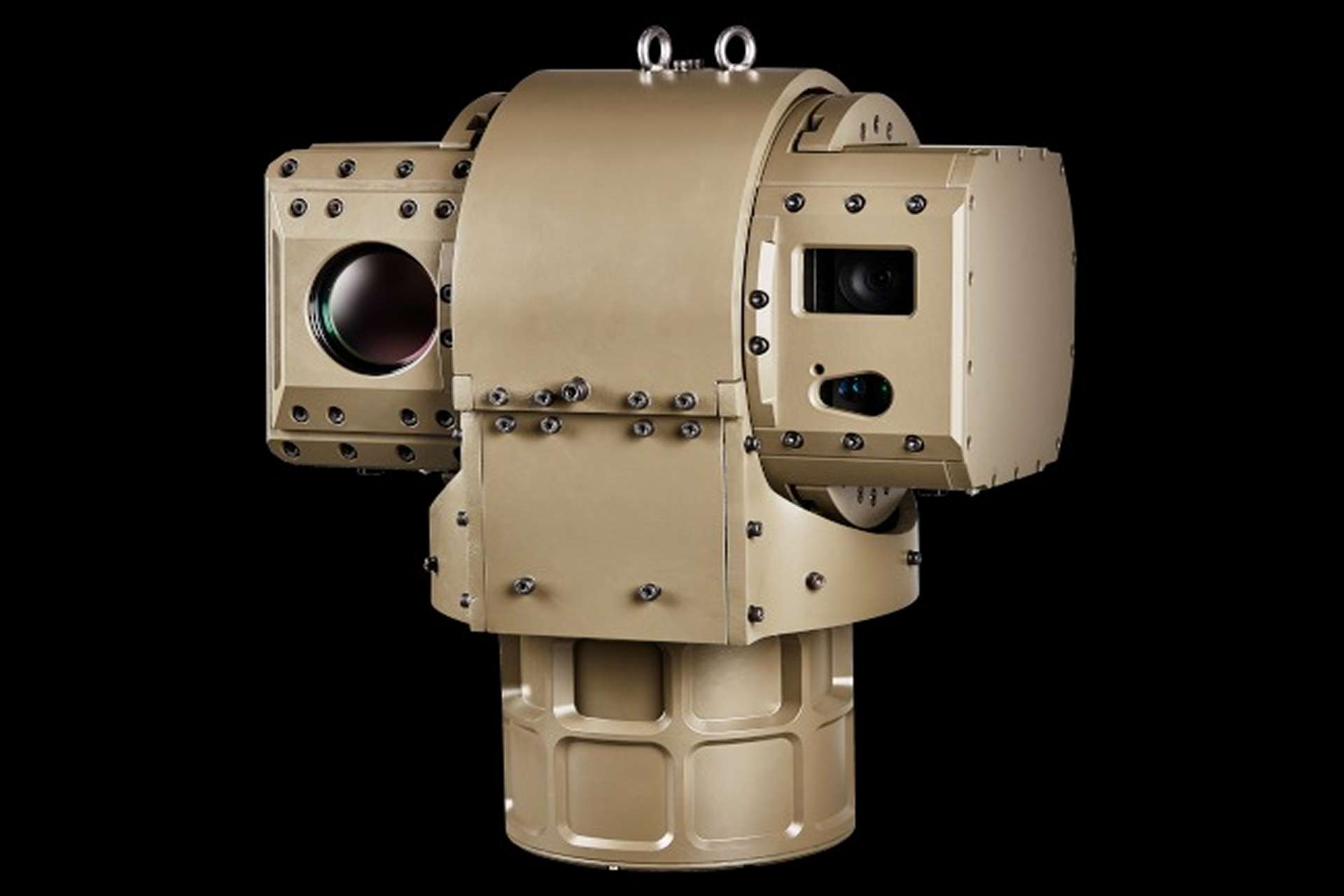
The CMS-1 commander’s sight from EVPU Defence is a multi-sensor electro-optical system developed as a stabilized panoramic sight for various weapon stations on wheeled or tracked armored vehicles and infantry fighting vehicles (Picture source: EVPU Defence)
EVPÚ Defence will equip the CV90 IFVs with a state-of-the-art commander’s sight. This advanced system enables vehicle commanders to conduct observation, reconnaissance, and target acquisition effectively. It integrates a day zoom camera, a cooled thermal imaging camera, and a laser rangefinder, allowing the commander to operate efficiently in all light and weather conditions, both day and night.
The commander’s sight is designed to withstand harsh conditions, with a ruggedized body resistant to shocks and vibrations. It also features ballistic protection to prevent damage from indirect hits. This system is a critical component of the vehicle's equipment, providing a comprehensive overview of the battlefield, accelerating response times to threats, and enhancing decision-making efficiency during operations.
This collaboration is not the first between EVPÚ Defence and the Czech Land Forces. The company has previously supplied remote-controlled weapon stations for machine guns up to 12.7 mm caliber, gunner’s sights, and a modular situational awareness system to the Czech military. Additionally, EVPÚ Defence offers a range of other military systems, including laser and radar warning systems and remote-controlled weapon stations for machine guns up to 7.62 mm caliber. The company's expertise and focus on export markets have made its defense and security solutions well-regarded and utilized worldwide.
EVPÚ Defence specializes in producing advanced electro-optical systems for military and civil applications. Among its flagship products is the CMS-1 commander’s sight, a stabilized multi-sensor system designed for use on wheeled and tracked armored vehicles as well as infantry fighting vehicles (IFVs). This sight integrates a color and black/white zoom camera for daytime, a cooled thermal camera for nighttime, and an eye-safe laser rangefinder, ensuring precise and continuous observation in all lighting and weather conditions.
Furthermore, EVPÚ Defence develops remote-controlled weapon stations equipped with sights for machine guns up to 12.7 mm and 7.62 mm, providing high shooting accuracy and enhanced protection for operators. The company also offers laser and radar warning systems and a modular situational awareness system that improves battlefield situational awareness. All these systems are designed to withstand harsh environments, with reinforced housings and ballistic protection compliant with international standards, making EVPÚ Defence a recognized player in defense and security solutions.
Read more: Czech Army Enhances CV90s with Electro-Optics from EVPU Defence
- Details
- Written by: Vandenbosch
- Category: 2024
- Hits: 5827
General Dynamics Corp.'s (GD) Land Systems Division has secured a $323 million contract from the U.S. Army through the Army Contracting Command at Detroit Arsenal, MI. This contract is for the low-rate initial production (LRIP) of the M10 Booker combat vehicle and is expected to be completed by October 20, 2026. The U.S. Department of Defense announced this on June 27, 2024.
Follow Army Recognition on Google News at this link
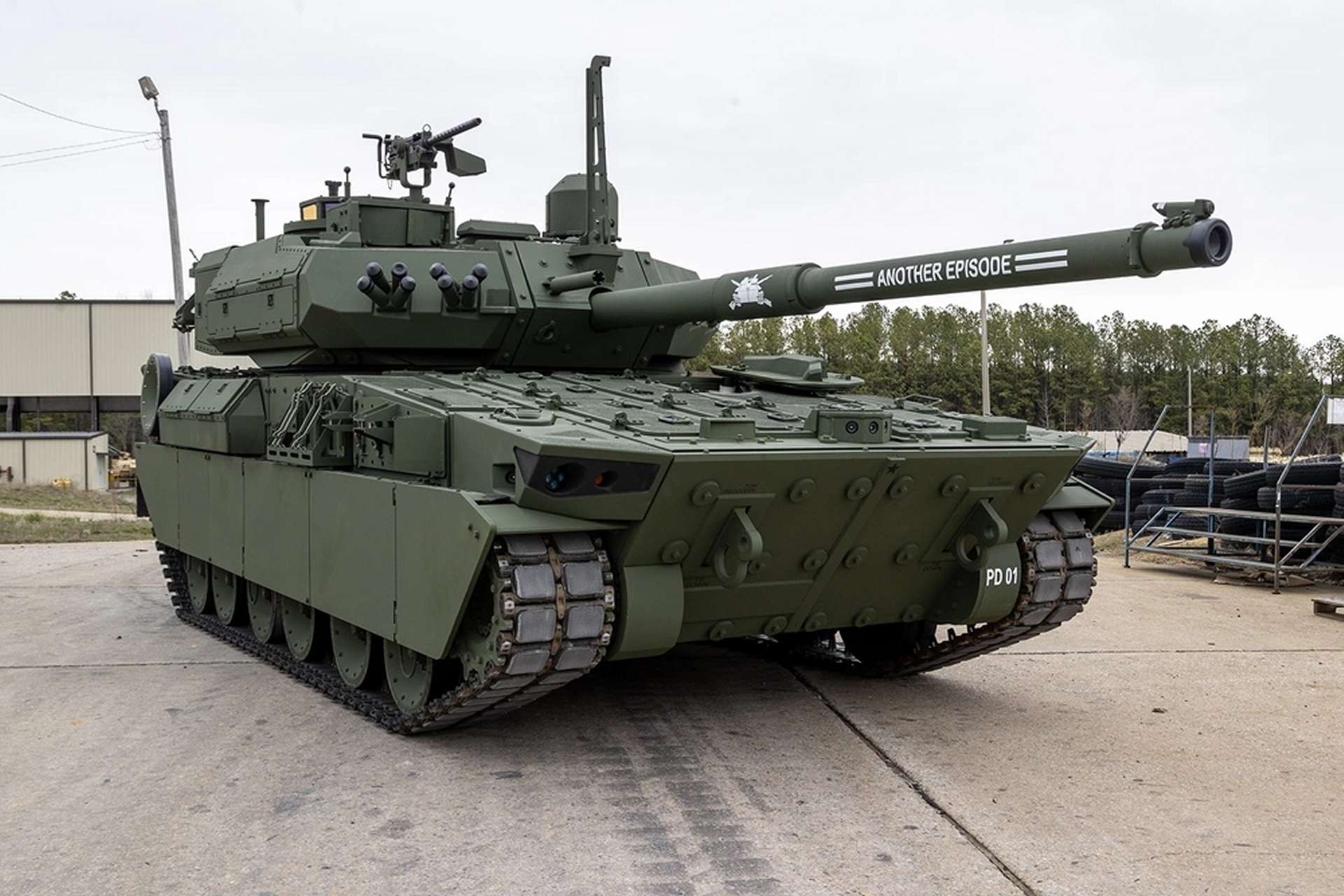
M10 Booker MPF Mobile Protective Firepower 105mm armored vehicle Light Tank (Picture source: US DoD)
In the current era of modern warfare, the need for advanced ground combat vehicles is driven by territorial disputes and urban conflicts, necessitating increased investment in these technologies. General Dynamics, a leader in armored vehicle manufacturing, is benefiting from this trend, as evidenced by its steady stream of contracts.
In May 2024, General Dynamics delivered the first M10 Booker vehicle to the U.S. Army. Additionally, in July 2023, the company secured a contract for the second phase of LRIP, involving the delivery of 26 more Booker vehicles to the U.S. Army. These developments and the latest contract reinforce the expectation that General Dynamics will continue to supply Booker vehicles, thereby improving the revenue prospects for its Land Systems unit.
The M10 Booker is a combat vehicle designed to be both powerful and versatile on the modern battlefield. It is equipped with impressive armament, including a 105mm cannon, a 7.62mm coaxial machine gun, and a 12.7mm machine gun, effectively engaging various targets, including enemy armored vehicles and fortifications. The protection of the M10 Booker is also robust, offering defense against small arms fire, artillery shell splinters, and improvised explosive devices (IEDs), ensuring the crew's safety in challenging combat conditions.
The M10 Booker is primarily used by the United States and was designed in the same country. Weighing 38,000 kg, this vehicle can reach a maximum speed of 65 km/h, providing significant mobility over various terrains. Its range of 305 km offers extensive operational reach, increasing its flexibility in the field.
For combat operations, the M10 Booker is equipped with a computerized firing control system, panoramic sight, day and night vision capabilities, allowing it to identify and address threats in all conditions. Additionally, it features an NBC (nuclear, biological, chemical) protection system, ensuring the survival of its four-person crew in contaminated environments. Its compact dimensions and sophisticated equipment make it a strategic asset for the U.S. armed forces, capable of meeting the demands of modern conflicts with efficiency and resilience.
The details of the contract and its specific objectives remain to be seen. The U.S. Army likely aims to test this new armored vehicle, potentially leading to a larger order from the manufacturer in the future.
Read more: General Dynamics Wins US Contract for M10 Booker Combat Vehicle
- Details
- Written by: Halna du Fretay
- Category: 2024
- Hits: 4296
Lithuania is set to enhance its military capabilities by purchasing tracked combat vehicles as part of the second phase of its infantry fighting vehicle (IFV) procurement initiative. Defence Minister Laurynas Kasčiūnas announced last week that the decision had been made to acquire these vehicles, aiming to form a tank battalion. Speaking in Alytus, Kasčiūnas explained that the tank battalion would be formed gradually, creating one company at a time. The first tanks are expected to arrive in Lithuania by 2027.
Follow Army Recognition on Google News at this link
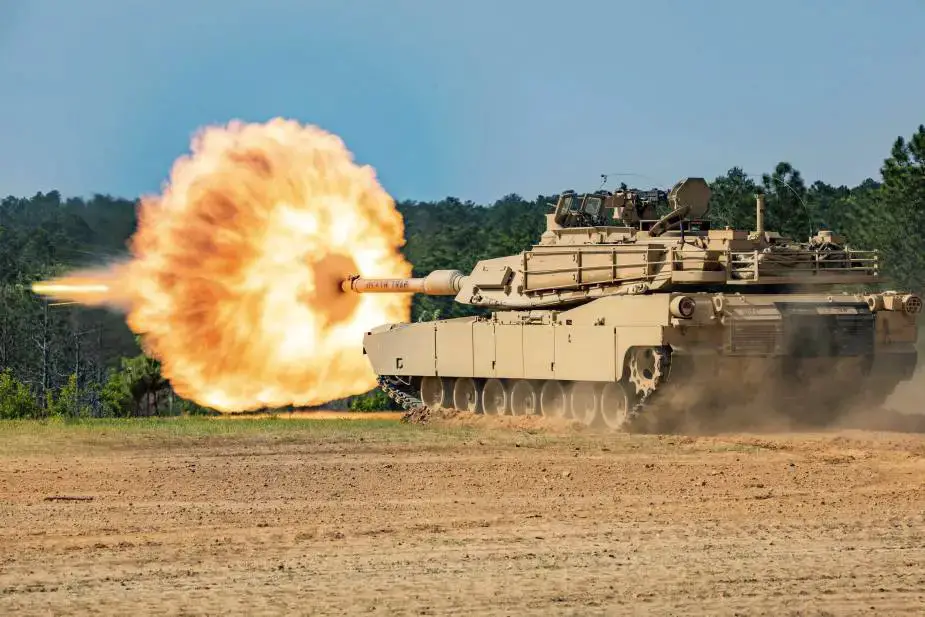
Originally, a variant of the M1A2 Abrams was at the top of the list of competitors for the supply of 54 tanks to the Lithuanian army (Image source: U.S. DoD)
The minister emphasized that the decision would be finalized if conditions and price were favorable, with the approval of the State Defence Council expected in the autumn. The phased approach remains the strategic framework for the acquisition of the tank battalion.
In January 2024, the Lithuanian National Security Council tasked the Ministry of Defence to open negotiations with Germany to acquire enough Leopard 2 tanks to form a battalion, totaling at least 54 units. However, in light of the experience from Ukraine, Defence Minister Laurynas Kasčiūnas considered canceling the additional purchase of Boxer IFVs in favor of acquiring tracked IFVs like the Rheinmetall KF-41 Lynx. Regarding the Leopard 2 tanks, Kasčiūnas recommended acquiring only enough to form a squadron, around a dozen, to free up funds for strengthening Lithuania's air defense capabilities. It seems that Lithuania has now decided to revert to acquiring tracked combat vehicles.
Kasčiūnas emphasized the critical importance of having tracked infantry fighting vehicles, noting that the goal is to create one or two battalions depending on budget constraints. The Ministry of Defence is currently in the analysis and negotiation phase regarding the acquisition of these vehicles. In 2016, Lithuania signed a contract for 88 Boxer IFVs, with plans announced two years ago to purchase an additional 120 units. The Lithuanian government is also allocating funds for medium and short-range air defense systems as part of the defense enhancement plan.
This year, the government approved an additional €136 million for defense funding, including €51 million for advance payments on medium-range air defense systems, €45 million for mobile short-range air defense systems, and €40 million for IFVs. These investments align with the government's plan to increase military spending to 3% of GDP, with contracts expected to be concluded by the end of the year. Vilnius primarily relies on NATO to bolster its air defense, with the Netherlands announcing the upcoming deployment of a Patriot battery in Lithuania. To further strengthen its air defense, Lithuania could acquire more NASAMS batteries or collaborate with Estonia and Latvia under NATO's European missile shield project, which includes the purchase of German IRIS-T SLM systems.
Read more: Lithuania Advances with Acquisition of Tracked Combat Vehicles
- Details
- Written by: Halna du Fretay
- Category: 2024
- Hits: 3873
On July 1, 2024, Thales inaugurated a new assembly line at its Herstal site in Belgium, aimed at increasing the production of 70mm laser-guided rockets. This expansion is part of a research and development program supported by the Walloon Region. This initiative marks a significant step in a €20 million investment plan launched in 2023, backed by the Belgian government and the European Union's "Act in Support of Ammunition Production" (ASAP) plan.
Follow Army Recognition on Google News at this link
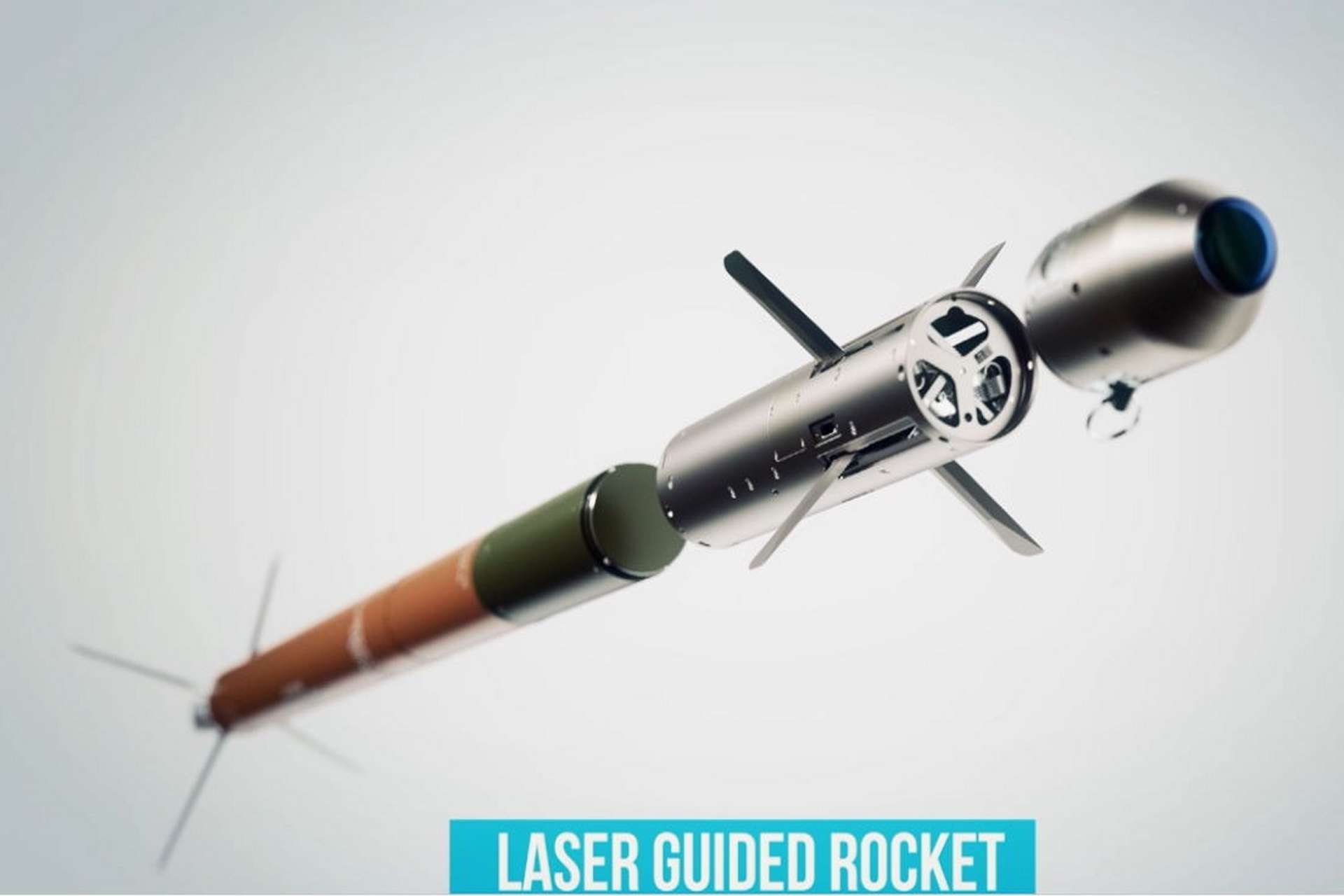
Thales is a market leader in 2.75"/70mm rocket systems, launchers, and firing control systems, offering both unguided and laser-guided 70mm rockets (Picture source: Thales)
Thales Belgium, the European leader in 70mm rocket systems, has significantly increased its production capacity to meet the growing ammunition needs of European armed forces. This decision follows a letter of intent from Minister Dedonder, expressing her support for ramping up Thales's munitions production activities. The increased production capacity will enable a faster response to the demands of the armed forces. The rockets produced are NATO-standard 70mm (2.75 inch) calibre, currently used in Ukraine.
In less than a year, Thales Belgium has laid the groundwork to increase the production of these rockets from 1,000 to 5,000 units by 2025. The company is the only manufacturer of these munitions in Europe and has hired over 50 new employees, strengthened its supply chain, and vertically integrated several additional activities to boost production.
Thales is a market leader in 2.75"/70mm rocket systems, launchers, and firing control systems, offering both unguided and laser-guided 70mm rockets. These solutions are designed for direct and indirect fire support from airborne and surface platforms.
Thales' 2.75"/70mm unguided rockets provide a high level of interoperability and have been successfully integrated on multiple platforms, including US launchers, airborne and ground-combat platforms, as well as remote weapon stations. These rockets are used for area saturation in symmetric warfare and provide direct and indirect fire support.
Thales' 2.75"/70mm laser-guided rockets enable precise targeting through laser guidance, ensuring resistance to jamming and high accuracy. These rockets are designed for multiple missions, offering precision strikes on both mobile and fixed targets.
Nearly 70 armed forces worldwide use Thales' rocket solutions, with 8 million rockets delivered globally, equipping 500 platforms. Minister Dedonder emphasized that the expansion of the production line responds to the growing international demand and defense needs in the current global security situation.
She noted that this initiative helps strengthen Belgium’s strategic autonomy and ensures peace and security in Europe. She also highlighted that the choice of Belgium for this expansion underscores the exceptional skills of Walloon workers in precision technologies.
Willy Borsus, Vice-President of Wallonia and Minister of Economy, Research, and Innovation, underscored the importance of Thales Belgium's involvement in meeting the needs of European armed forces. He highlighted Wallonia's potential in the defense sector and called for increased collaboration between the federal government and Wallonia to effectively position Walloon industry in defense markets and European and NATO programs.
Hervé Dammann, Executive Vice President of Land and Air Systems at Thales, stated that the new production line at the Herstal site demonstrates the Group's commitment to constant innovation and investment in strategic production capacities for Europe. Supported by the Belgian government and the European Commission under the ASAP plan, Thales Belgium continues to provide its expertise as a European leader in 70mm rocket systems to the continent's armed forces.
Read more: Thales Increases Rocket Production in Belgium to Strengthen European Defense
- Details
- Written by: Vandenbosch
- Category: 2024
- Hits: 5308
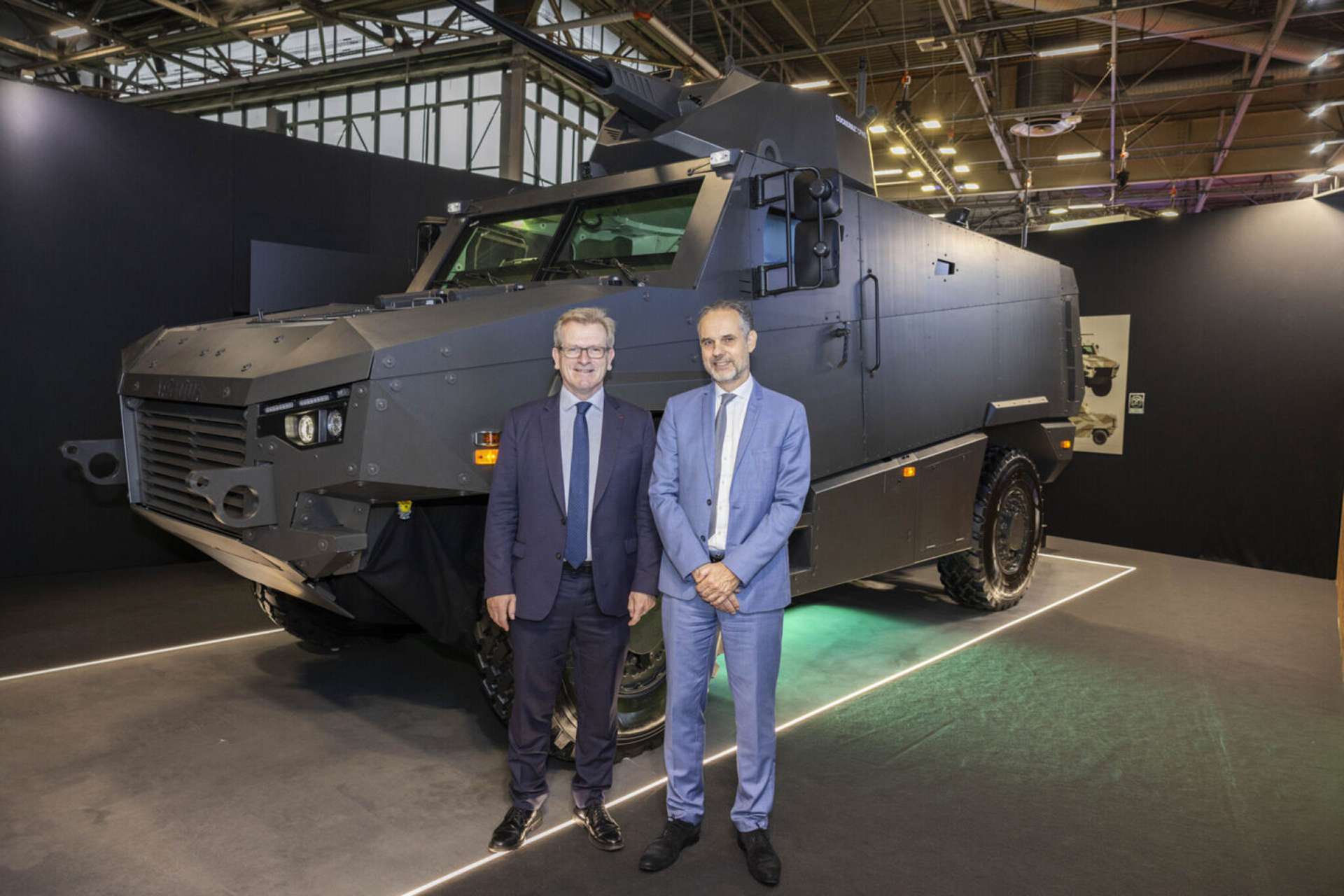
John Cockerill has successfully finalized the acquisition of Arquus, the leading French supplier of military vehicles, a process that began in January with the Volvo Group. This announcement was made on July 2, 2024, by the Belgian company.
Follow Army Recognition on Google News at this link
Emmanuel Levacher (Arquus) and Thierry Renaudin (John Cockerill Defense) in front of Arquus' new vehicle MAV'RX equipped with a Cockerill CPWS turret. (Picture source: John Cockerill)
This acquisition follows the recent Memorandum of Understanding signed by France and Belgium to support and oversee this strategic alliance. As part of this agreement, both countries have each acquired a 10% stake in John Cockerill Defense.
Arquus, a subsidiary of the Volvo Group, is a major player in land defense in France. Founded in 1898, the company specializes in manufacturing military vehicles, including logistics and tactical trucks, as well as armored vehicles. With more than 25,000 vehicles in service in the French Army, Arquus has built a solid reputation with iconic models such as the VAB, Sherpa, and the ARMIS range. These vehicles, designed to meet the most rigorous operational requirements, are deployed in more than 60 countries worldwide, ensuring the mobility and protection of armed forces in various conditions.
John Cockerill, based in Belgium, is a historic engineering company founded in 1817. The company's defense division, John Cockerill Defense, is renowned for its weapon systems, including light tank turrets and shooting simulation systems. John Cockerill has established itself as a key supplier of advanced military technologies, with a global presence and strategic operational bases in Belgium, France, Italy, India, and Saudi Arabia. The company is committed to continuous innovation to meet the needs of modern armed forces and aims to achieve an annual turnover of one billion euros by 2026.
This acquisition will enable John Cockerill Defense to offer integrated solutions, combining Arquus vehicles with Cockerill's weapon systems, including light tank turrets. This will enhance their capability to serve ground forces worldwide. The company aims for an annual turnover of one billion euros and plans to employ 2,000 professionals by 2026, with key operational bases in Belgium, France, Italy, India, and Saudi Arabia.
The acquisition of Arquus by John Cockerill presents several other strategic advantages. Firstly, it allows John Cockerill to expand its product portfolio by integrating Arquus' armored vehicles and military trucks with its own weapon systems. This synergy offers comprehensive and integrated solutions to armed forces, combining mobility and firepower. Additionally, the acquisition strengthens John Cockerill's presence in the European defense market, benefiting from Arquus' established expertise and network. Finally, by integrating Arquus' production capabilities and technological innovations, John Cockerill can enhance its offerings and increase its competitiveness internationally, thus meeting the growing needs of armed forces for mobility and protection.
The transaction was advised and financed by Crédit Agricole CIB, with financial support from BNP Paribas Fortis and Société Générale Corporate and Investment Banking. At Army Recognition, we are very curious to see what this acquisition will bring in the future, so stay tuned for updates!
Read more: Belgian Company John Cockerill Finalizes Acquisition of French Company Arquus
- Details
- Written by: Vandenbosch
- Category: 2024
- Hits: 5250
Sweden has acquired a THeMIS unmanned ground vehicle (UGV) from Milrem Robotics for evaluation. The Swedish Defence Materiel Administration, the Swedish Defence Research Agency, and the Swedish Armed Forces will jointly conduct trials on the Cargo variant of the THeMIS.
Follow Army Recognition on Google News at this link
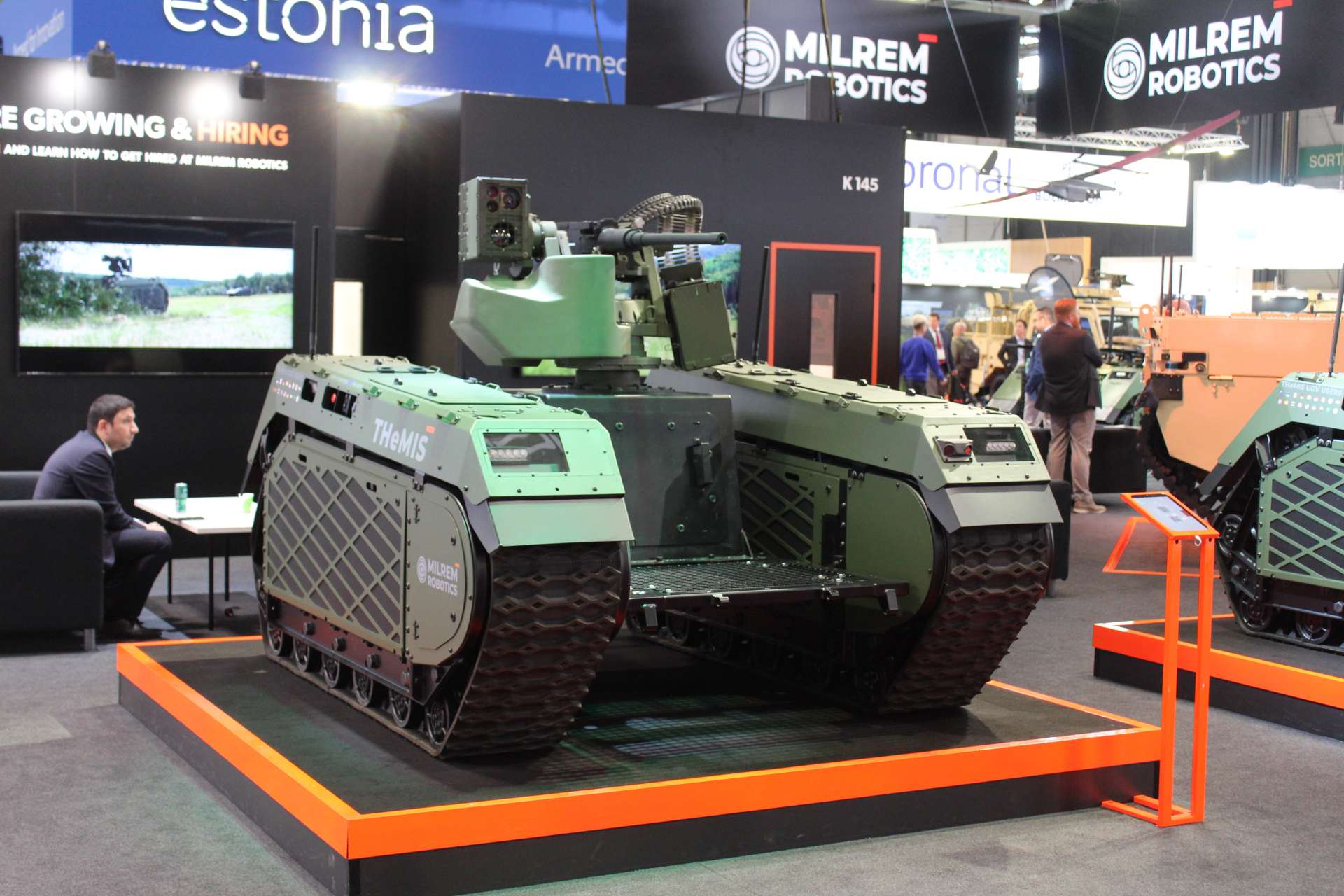
The THeMIS UGV is a multi-role unmanned ground vehicle designed to reduce the number of troops on the battlefield. (Picture source: Army Recognition)
The cargo version of the THeMIS is equipped with Milrem’s intelligent functions kit (MIFIK), which facilitates autonomous mobility. This modular system can be adapted for various roles beyond logistics, such as casualty evacuation, reconnaissance, and combat missions, by integrating third-party technology modules.
Operators will undergo extensive training to ensure seamless integration and maintenance of the vehicle. Milrem Robotics will also provide continuous support and updates to maintain the platform's advanced capabilities.
“We are proud to welcome Sweden as the latest user of the THeMIS UGV,” said Sverker Svardby, Managing Director of Milrem Robotics Sweden. “Our collaboration will ensure that the Swedish forces are equipped with the most advanced robotic systems available, enhancing their operational effectiveness.”
The THeMIS UGV is a multi-role unmanned ground vehicle designed to reduce the number of troops on the battlefield. Thanks to its open architecture, the THeMIS can be rapidly configured for transport functions, be weaponized, perform ordnance disposal, or support intelligence operations depending on the mission. To date, the THeMIS has been acquired by 16 countries, including 8 NATO members such as Estonia, France, Germany, the Netherlands, Norway, Spain, the UK, and the US.
The THeMIS features a hybrid diesel-electric propulsion system, which provides multi-mission capabilities and rapid reconfiguration. Its unique modular design and open architecture make it a robust and reliable system with a low or zero noise signature. The vehicle can carry a payload of 750 kg (1650 pounds) and has high stability due to its low center of gravity.
In terms of logistics and combat, transporting supplies and equipment in conflict zones is often challenging for foot units. Soldiers' physical limitations frequently restrict the amount of equipment and heavy weapons they can carry. The THeMIS Cargo is designed to reduce the cognitive load on soldiers by allowing them to transport and utilize additional gear and firepower. This enhances the mobility and effectiveness of foot units against adversaries. Additionally, the THeMIS can support on-base logistical activities and last-mile resupply.
The THeMIS Cargo can be equipped with various tie-downs and restraints to prevent load shifting. One version of the THeMIS Cargo, the mortar carrier, is adjusted to accommodate a mortar up to 81 mm. It features a specially designed suspension system for safe transportation and use of the mortar, extra equipment, and ammunition, making it rapidly deployable on harsh terrain. The main purpose of this system is to provide logistical support and indirect fire for maneuver forces.
The THeMIS measures 247 x 204 x 117 cm and can reach a maximum speed of 20 km/h. It weighs 1630 kg and can carry up to 1200 kg of payload. It is capable of climbing grades up to 60% and side slopes up to 30%, with a ground clearance of 60 cm. It can cross gaps of 90 cm and achieve a towing speed of up to 80 km/h. In hybrid mode, it has a runtime of up to 15 hours, which is reduced to 1.5 hours in electric mode. It is controllable within a line-of-sight range of up to 1.5 km and offers multiple power options, including a diesel engine and electric generator, as well as lead-acid or lithium-ion batteries. Designed according to STANAG 3542 standards, it is air transportable and equipped with LiDAR sensors, 1080p cameras, LED and IR lights. Available colors are military green and military desert.
Read more: Swedish Military Acquires THeMIS Cargo Unmanned Ground Vehicle for Trials
- Details
- Written by: Vandenbosch
- Category: 2024
- Hits: 3846
On June 21, 2024, the Brazilian Army issued Ordinance EME/C Ex. No. 1.338/2024, which authorizes the launch of the Medium/High Altitude Air Defense Artillery System Project (Pjt Sis AAAe Me Altu/G Altu). This initiative is part of the Army's Strategic Program for Air Defense (Prg EE DAAe).
Follow Army Recognition on Google News at this link
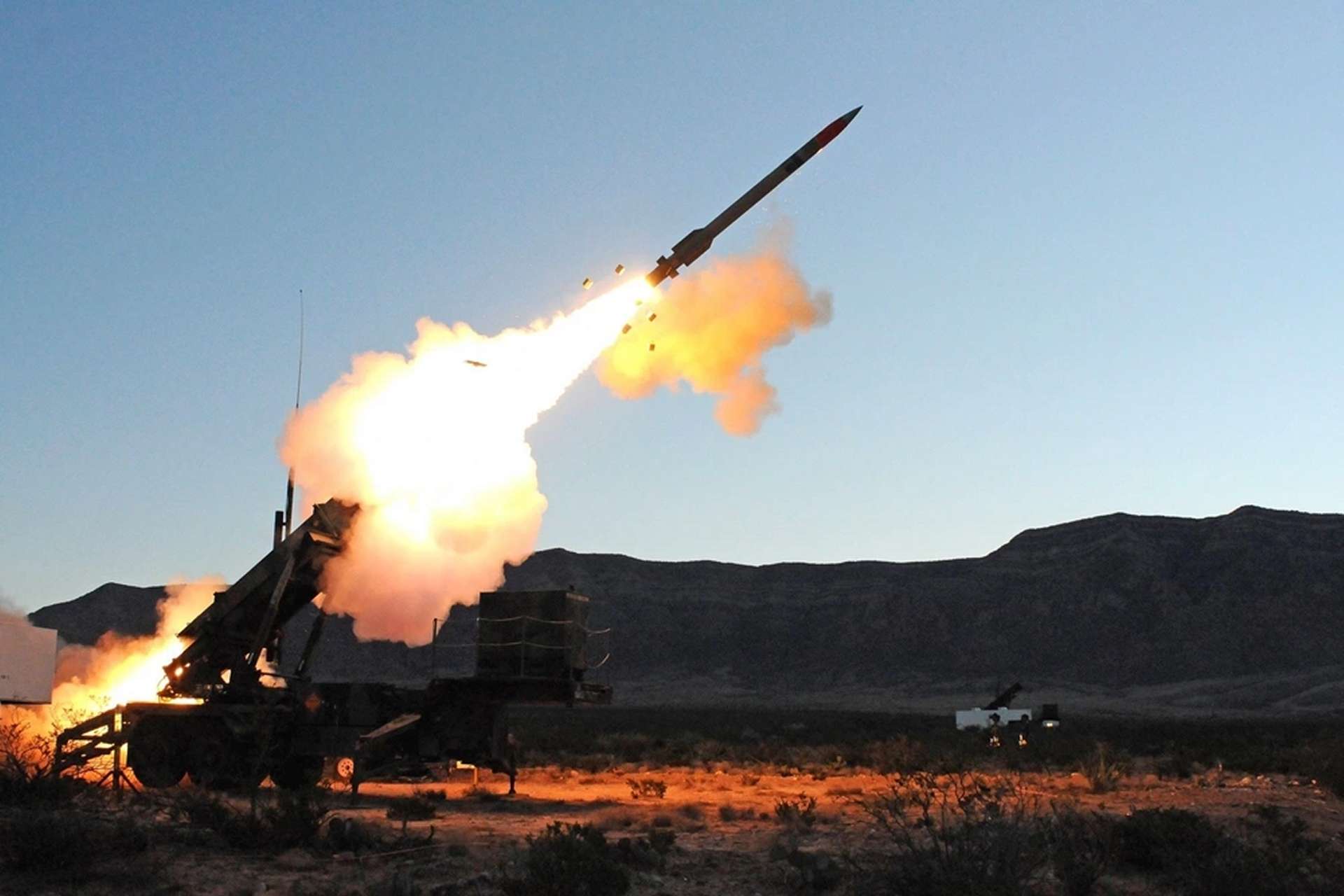
U.S. Patriot surface-to-air missile system. (Picture source: US DoD)
This announcement surprised the Brazilian defense market. Until now, it was assumed that the Brazilian Air Force (FAB) would be responsible for high-altitude air defense systems, with the Army focusing only on short and medium-range defense projects.
A Feasibility Study (EV) for the project must be presented to the Chief of Staff of the Army (EME), General Richard Fernandez Nunes, within 90 days. Article 2 of the Ordinance specifies the team responsible for conducting the study, including representatives from the Army Staff (EME), the Logistics Command (COLOG), the Land Operations Command (COTER), the Department of Science and Technology (DCT), the Department of Engineering and Construction (DEC), the Department of Education and Culture of the Army (DECEx), and the Southeast Military Command (CMSE).
In November 2023, the Brazilian Army issued a Request for Quote (RFQ) to investigate the prices of medium-altitude air defense systems available in national and international markets. A second RFQ was published in February 2024 to gather additional information.
During a public hearing of the Commission on Foreign Relations and National Defense (CREDN) at the Chamber of Deputies in April, Army Commander General Tomás Miguel Paiva expressed concern about the lack of medium and high-altitude air defense systems in the country.
In his initial remarks to the CREDN, he stated that Brazil is "relatively protected" up to 3,000 meters but lacks more advanced technologies to protect the national territory. He then suggested to the deputies that he planned to propose to the Ministry of Defense a government-to-government agreement with India for the acquisition of the medium-range Akash anti-aircraft missile.
Next month, the Army Commander will undertake a ten-day official visit to China to assess the capabilities of the local defense industry and explore opportunities for bilateral cooperation within the framework of the Army's strategic programs. An Army delegation visited China in the second half of last year. During this visit, the group attended a live-fire demonstration of the DK-10 medium-altitude surface-to-air missile system—also known as the Sky Dragon 50 or Tianlong-50—and the SH15 self-propelled howitzer, both manufactured by the state-owned China North Industries Corporation.
In a recent interview, General Tomás Miguel Paiva, who also officially visited India in the past, advocated for a strategic and pragmatic approach to Brazil's engagement with BRICS countries, arguing that the nation should not "be influenced by ideological polarization."
Read more: Brazilian Army Considers Acquiring High-Altitude Air Defense Systems

- Details
- Written by: V.Saint
- Category: 2024
- Hits: 3818
The inauguration of the new 70 mm rocket production line at Thales Belgium comes a few months after Belgian Defense Minister Ludivine Dedonder signed a letter of intent expressing her support for an increase in Thales' ammunition production activities.According to a Thales press release dated July 1, the higher production rates "will allow for a quicker response to the ammunition needs of armed forces," with the 70 mm NATO standard rocket currently being used in Ukraine.
Follow Army Recognition on Google News at this link
Ukrainian Crew loading 70mm rockets in rocket pod on a MI-24 (Picture source: Ukraine Armed Froces)
Thales manufactures the 70 mm NATO standard rocket, whose production power will be multiplied by five. Credit: Thales
As the sole manufacturer of the 70 mm rocket in Europe, Thales Belgium has hired additional personnel and restructured elements of its supply chain to increase its production capacity from 1,000 to 5,000 units by 2025.
“The expansion of the 70 mm rocket production line responds to rapidly growing international demand, as well as defense needs, due to a concerning global security situation,” Dedonder said.
Thales is not the only European defense group increasing its ammunition production in 2024, with MBDA announcing in March that it would accelerate the manufacture of its Enforcer missile under the ASAP program.
Europe seeks to boost its defense industrial production
Given the type of ammunition expenditures observed in the ongoing war between Ukraine and Russia, it has become evident that European armies are ill-equipped to conduct such operations, particularly due to a lack of ammunition stocks.
In March, the European Commission allocated 500 million euros under ASAP to help the continent's defense industry increase its ammunition production, with the goal of producing two million artillery shells per year by the end of 2025. Combined with additional programs, this represents a total funding of 2 billion euros for military munitions.
When determining the funding structure, the European Commission stated that ASAP projects covered five areas: explosives, powder, shells, missiles, and certification of testing and refurbishment. According to the European Commission, the annual European production capacity of 155 mm shells reached one million per year in January 2024.
In December 2023, European Commission President Ursula von der Leyen boasted that European countries had provided nearly 500,000 artillery rounds to Ukraine since 2022, but this represented less than 50% of the one million 155 mm artillery shells promised to Ukraine by March 2024.
European Commission President Ursula von der Leyen calls on EU member states to rearm and strengthen their defense production. Credit: European Commission
Ammunition expenditures in high-intensity conflicts, a geopolitical state that many in the West mistakenly believed was consigned to history books, are forcing countries to rearm and bolster their stocks.
According to GlobalData's analysis in its report "Thematic Intelligence: Scaling Rearmament (2024)," Russia, at the height of its offensive operations, is expected to fire between 40,000 and 60,000 munitions per day on the front lines in Ukraine.
Initially considered a last-minute concern, defense industrial capabilities and ammunition replenishment have become the determining factor of contemporary operations, a situation in which Europe is still struggling to catch up.
Read more: Thales increases its production of 70 mm missiles as Europe attempts to rearm
- Details
- Written by: V.Saint
- Category: 2024
- Hits: 3455
North Korea successfully conducted a test launch of a new tactical ballistic missile equipped with a warhead, according to a report from the Korean Central News Agency (KCNA) on July 2nd. This marks the fourth missile launch in less than three weeks.
Follow Army Recognition on Google News at this link
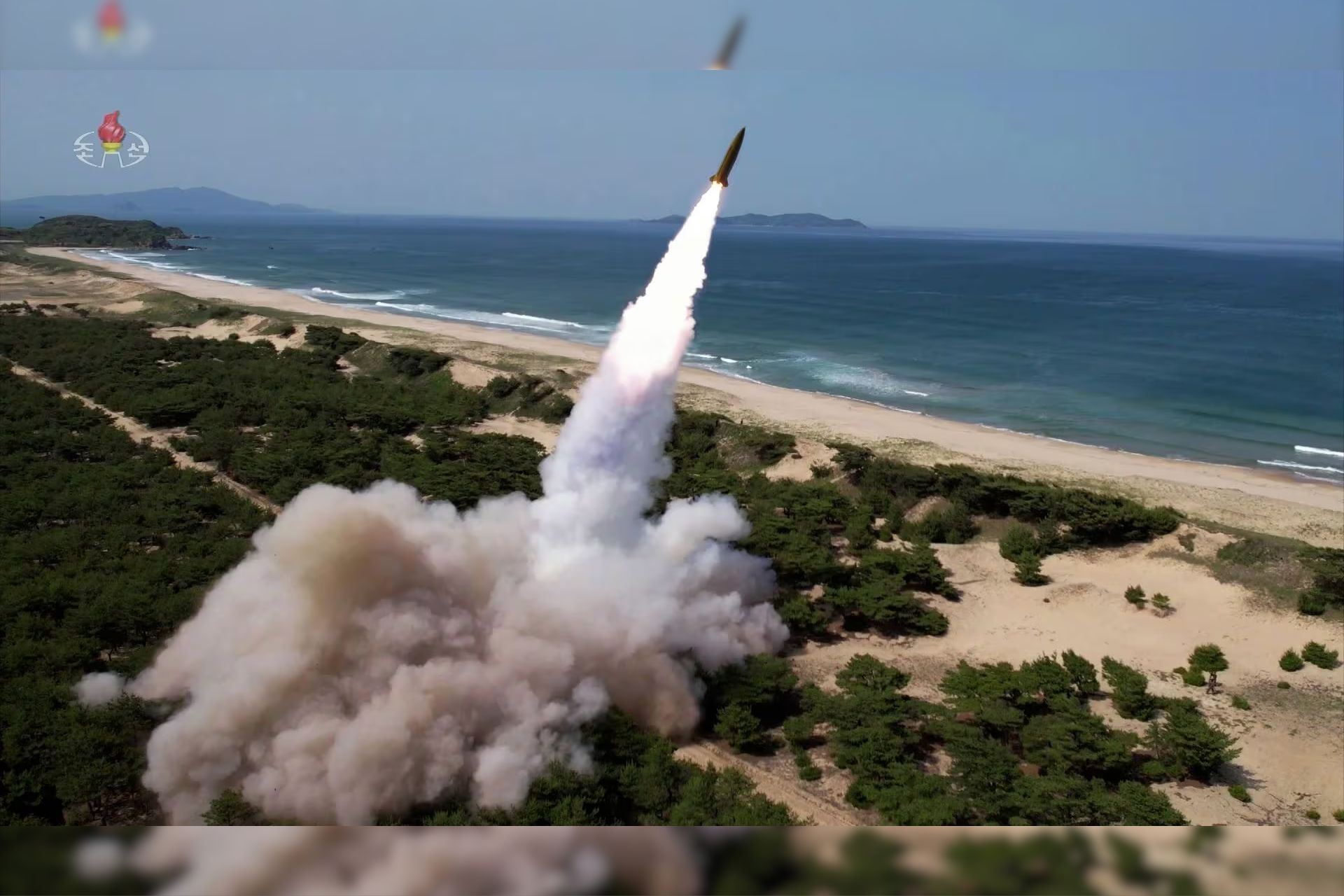
North Korean Heavy warhead test (Picture source: KCNA)
The missile, named "Hwasong-11Da-4.5," is fitted with a super-large warhead weighing 4.5 tons and was launched by the General Missile Bureau of the Pyongyang regime.
KCNA, the North Korean news agency, stated that the purpose of the test was to verify the flight stability and strike accuracy at a maximum range of 500 kilometers and a minimum range of 90 kilometers. This is the first time North Korea has publicly disclosed the launch of a tactical ballistic missile with such a significant military payload.
What do we know?
Pyongyang stated that the test, named Hwasongpho-11 Da-4.5, was conducted with a simulated heavy warhead to verify flight stability and accuracy. The report did not specify the nature of the simulated warhead.
This event occurred a day after South Korea reported the launch of two ballistic missiles by Pyongyang, adding that the second missile exploded above land shortly after launch.
Ballistic missiles, depending on their design, can carry conventional explosives as well as chemical, biological, or nuclear munitions.
The UN prohibits North Korea from testing ballistic missiles, and North Korea faces several sanctions for enhancing its nuclear capabilities. The North Korean military is expected to conduct another launch of the same type of missile in July to test the "explosive power" of the very large warhead, KCNA reported. This is a rare disclosure of a planned missile launch.
How did South Korea react?
The North Korean report on the missile test was likely "deceptive," said Colonel Lee Sung-jun, spokesperson for the Joint Chiefs of Staff in Seoul, during a briefing.
"It is extremely rare to conduct a test launch inland, and it is highly likely that the success of the launch is falsely claimed," he stated.
The South Korean military conducted artillery exercises less than 5 kilometers from the military demarcation line in the demilitarized zone along its border with the North, a military official said during the briefing.
These exercises resumed after the North launched hundreds of balloons carrying waste into South Korea, leading to the suspension of a military pact signed with Pyongyang. South Korea is increasingly concerned about the warming relations between North Korea and Russia.
Additionally, North Korea is suspected of supplying ballistic missiles and artillery shells to Russia—an allegation both countries deny despite their promises of military cooperation and a mutual military support pact.
Read more: North Korea tests again ICBM with differents warheads and ranges

- Details
- Written by: Halna du Fretay
- Category: 2024
- Hits: 4004
According to reports from Il Sole 24 Ore on July 2, 2024, the Italian defense group is in advanced talks with the German company Rheinmetall to form a joint venture focused on producing armored vehicles for the Italian military. This strategic alliance is set to handle future contracts for the production of 280 tanks derived from the Panther model and over a thousand infantry fighting vehicles based on the Lynx model.
Follow Army Recognition on Google News at this link
The Panther KF51 is a German main battle tank produced by Rheinmetall (Picture source: Rheinmetall)
The estimated value of this agreement is around 20 billion euros, spread over 10 years. Sources indicate that a preliminary agreement (memorandum of understanding) between the two companies is expected to be signed on Wednesday, July 3, 2024. The partnership aims to position Leonardo on the international stage for the development of the Main Ground Combat System (MGCS), a future European heavy tank project led by France and Germany.
Analysts view this potential alliance positively, noting that it would resolve the stalemate that emerged after the announcement on June 11 of halted negotiations with KNDS. In December of last year, KNDS and Leonardo had signed an agreement to form a "strategic alliance" with the goal of "creating a true European defense group" and "cooperating more closely in the field of land defense electronics." This rapprochement aimed to facilitate the "implementation of cooperative programs between European nations," such as the Franco-German Main Ground Combat System (MGCS) project and the Armored Infantry Combat System (AICS) program launched by Rome.
A month earlier, Germany and Italy had strengthened their partnership in land armament, expressing their intention to jointly explore "new areas of cooperation" in projects like MGCS, AICS, future long-range artillery, and collaborative combat. Additionally, the German branch of KNDS and Leonardo had signed a memorandum of understanding for the "joint implementation of the combat tank acquisition program based on the Leopard 2A8 solution."
However, negotiations were terminated on June 11, 2024, without any precise details on the reasons for the break being officially communicated. It is speculated that differences over the terms of the agreement and strategic objectives contributed to this decision. This rupture occurred despite the Italian government's planned investment of over 8 billion euros to acquire 132 Leopard 2A8 tanks, as well as 140 other derived vehicles (engineering, recovery, etc.). Italy hoped to obtain significant industrial offsets, highlighting the importance of this partnership between Leonardo and KNDS Deutschland.
As a result, Leonardo explored other partnership options, notably with Rheinmetall, which now seems to be nearing conclusion, to strengthen its position in the European military vehicle market and participate in large-scale defense projects such as MGCS. This new direction could allow Leonardo to overcome the impasse created by the break with KNDS and continue to play a key role in the European defense industry. This would enable Leonardo to participate in the European MGCS project, thus strengthening its position in a highly fragmented sector.
- Details
- Written by: Halna du Fretay
- Category: 2024
- Hits: 5749
On July 1, 2024, Ukrainian armored vehicle manufacturer NVO Praktyka unveiled its latest lightweight tactical armored vehicle, the Djura. This vehicle was presented during initial factory trials attended by representatives of Ukrainian security forces. The construction of lightweight tactical armored vehicles is crucial for Ukraine in its war against Russia, as they offer essential mobility and protection for soldiers on the ground. Follow Army Recognition on Google News at this link
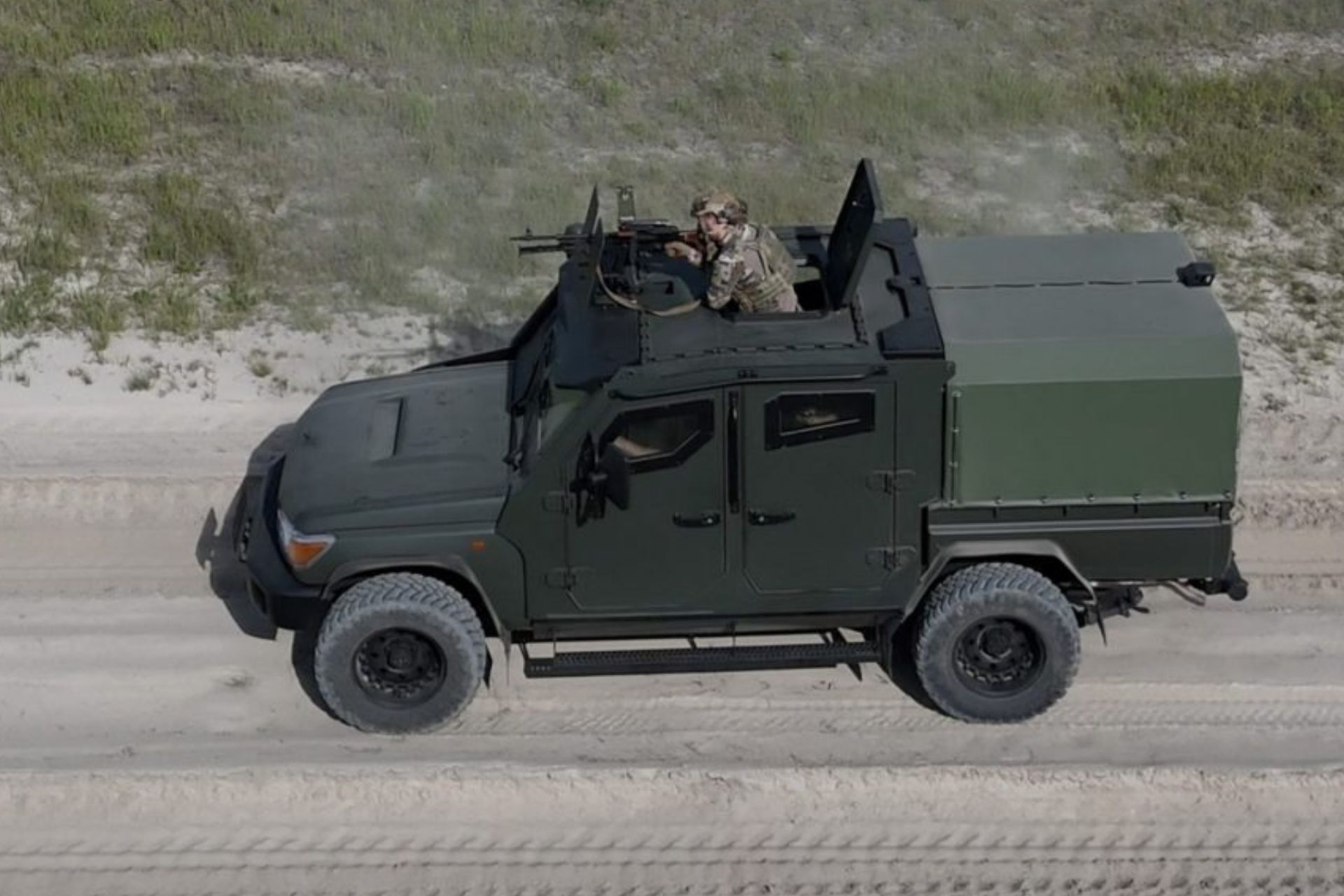
The Djura can be used to transfer small combat groups and equipment to combat mission areas, as well as perform fire support tasks by installing machine guns, anti-tank systems, air defense systems, or jammers (Picture source: Militarnyi.ua)
The Djura is built on the chassis of a Toyota Land Cruiser 70, a model known for its simplicity and reliability. Engineers modified the original chassis by reinforcing the suspension and improving the braking system to support the increased weight. The vehicle features an armored capsule providing protection equivalent to NATO STANAG 4569 level 1, capable of withstanding 5.45 mm caliber bullets and protecting against multiple grenade explosions under the wheels or floor. The armor is made from special ballistic steel, combining ultra-high hardness and high plasticity, and the multilayer bulletproof glass includes a polycarbonate anti-shatter layer to protect against secondary splinters.
Designed as a mobile armored wheeled platform, the Djura is primarily intended for low-risk tactical missions, mainly for police units and special operations forces. It allows for the rapid movement of command personnel and their protection in tactical and operational depth. In addition to its main function of protecting and transporting command personnel, the Djura can also be used to transfer small combat groups and equipment to combat mission areas, as well as perform fire support tasks by installing machine guns, anti-tank systems, air defense systems, or jammers.
Weighing 5 tons, it is powered by a robust 200-horsepower diesel engine with 430 Nm of torque. The vehicle can be equipped with automatic, semi-automatic, or manual transmissions based on customer requirements and can reach a road speed of 120 km/h. It also has a fuel capacity of 130 to 180 liters, giving it a range of 1300 km.
The Djura is equipped with numerous features to improve crew ergonomics and comfort, including special interior lighting, a driving camera with infrared mode for night driving, rearview and parking cameras, an electric winch, 12V/5V sockets, an electric heating system for the windshield and front door windows, a navigation system, and preparation for the installation of additional equipment like radios. It can also be equipped with an optional searchlight. Available in a pickup version or with a two-compartment capsule, the Djura can transport up to four people and is equipped with an open turret for a 7.62 mm machine gun with a small armor shield, designed to maintain a low center of gravity and reduce the risk of rollovers during sharp turns.
NVO Praktyka is a Ukrainian company specializing in the design and manufacture of armored vehicles for military and security use. Founded in the 1990s, Praktyka has become a major player in the Ukrainian defense industry, known for its innovations and product quality. Among the notable vehicles they produce is the Kozak, a versatile armored vehicle used by the Ukrainian armed forces and law enforcement. The Kozak is designed to offer high protection against ballistic and explosive threats while being capable of traversing difficult terrain. In addition to its utility armored vehicles, Praktyka develops infantry fighting vehicles (IFVs) like the Otaman, a modern IFV equipped with advanced weapon systems and offering enhanced mobility and protection for troops on the battlefield.
These vehicles, like the Djura, developed by NVO Praktyka, enable discreet and rapid operations, reducing troop exposure to enemy fire and ambushes. Their ability to be equipped with various weapon and defense systems, such as machine guns, anti-tank systems, and jammers, enhances the Ukrainian army's ability to conduct effective tactical missions while minimizing human losses. Additionally, the domestic production of these vehicles allows for a rapid response to the specific needs of the Ukrainian theater of operations.
In response to the Russian invasion, Ukraine is actively developing its defense industrial base by forming partnerships with foreign companies and conglomerates. For instance, the partnership with the Turkish company Baykar for the production of Bayraktar TB2 drones has significantly boosted the Ukrainian army's surveillance and strike capabilities.
Similarly, collaboration with Western manufacturers, such as acquiring air defense systems and light armored vehicles from various NATO countries, enables Ukraine to improve its defensive capabilities. These international collaborations not only enhance the operational effectiveness of the Ukrainian army but also contribute to the growth and modernization of the national defense industry by integrating advanced technologies and promoting skill transfers.
Read more: Ukraine Unveils New Djura Tactical Armored Vehicle for Battlefield Mobility
- Details
- Written by: Triffaux
- Category: 2024
- Hits: 8715
In June 2024, the armed forces of Burkina Faso significantly enhanced their military capabilities with the receipt of new defensive equipment from China. This latest shipment includes an array of MRAP (Mine-Resistant Ambush Protected) armored vehicles, specifically the all-terrain light armored Norinco VP11 and CS/VP14 models, alongside Caterpillar excavators. These vehicles, designed for troop transport, also offer capabilities for medical evacuation, providing critical support in the face of persistent terrorist threats.
Follow Army Recognition on Google News at this link
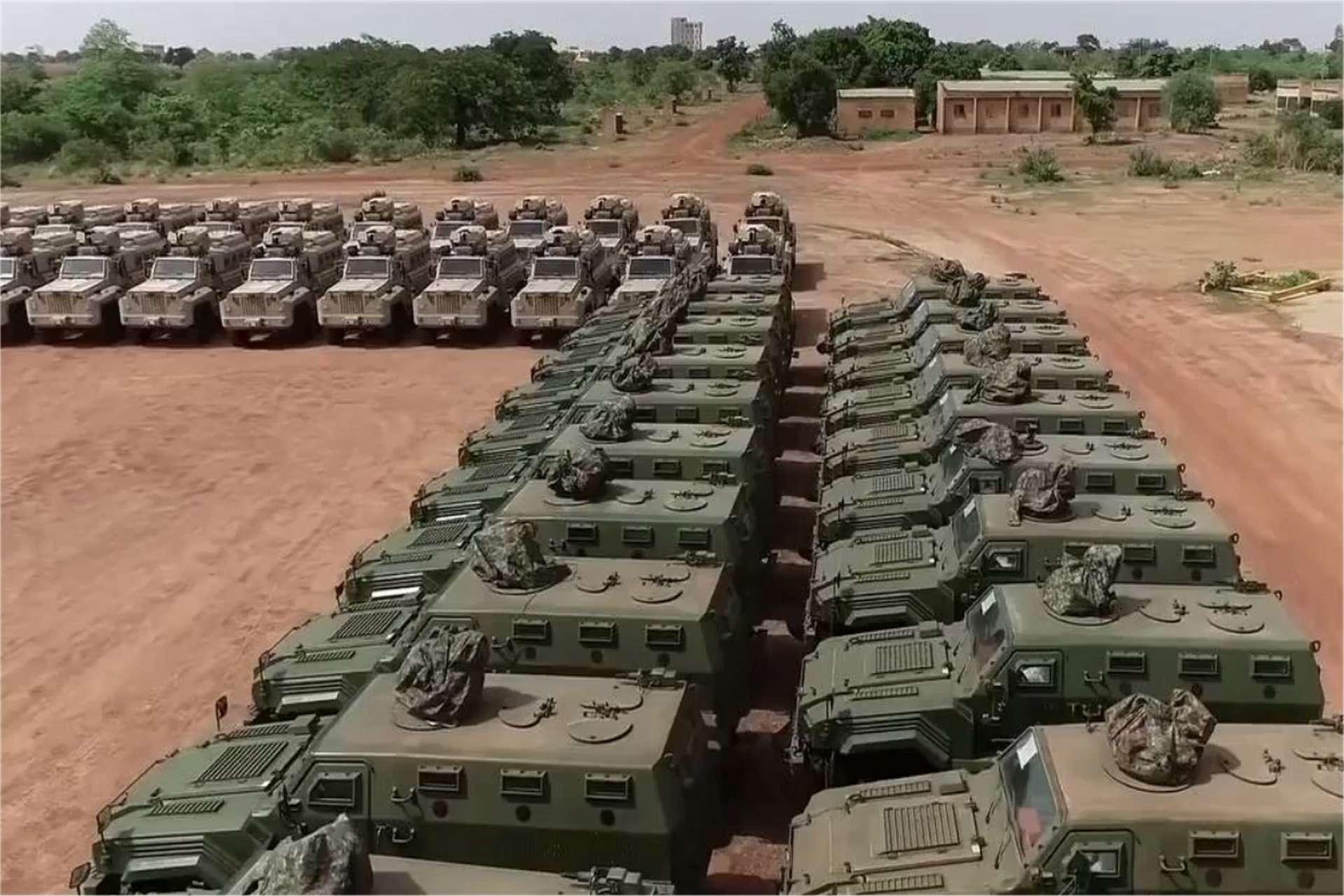
China 4x4 CS/VP14 and VP11 MRAP Vehicles (Picture source: Burkina Faso MoD)
President Captain Ibrahim Traoré officially received this order on June 6, which notably includes all-terrain light armored vehicles, the Norinco VP11 and CS/VP14, as well as Caterpillar excavators. These vehicles are specifically designed for troop transport and the possibility of medical evacuation if needed.
The Norinco VP11 is an MRAP (Mine-Resistant Ambush Protected) vehicle designed to offer effective protection against explosions and ambushes. Weighing 12 tons, it can transport a team of 12 people. It reaches a maximum speed of 120 km/h and has a range of 800 km. With dimensions of 5300 mm in length, 2500 mm in width, and 2400 mm in height, the VP11 offers excellent off-road mobility thanks to its all-wheel drive and can navigate slopes up to 60% and water trenches up to 0.8 meters. It is designed to operate in extreme temperatures ranging from -25°C to 50°C.
The CS/VP14 is a recently developed high-mobility MRAP. This 4x4 is designed to offer advanced protection against grenades and mines, meeting NATO protection standards STANAG 4569-4a. It can withstand the explosion of a 10 kg anti-tank mine under any wheel and resist 7.62×51 mm ammunition fired from 30 meters. The CS/VP14 is equipped with a Cummins ISDe285 30 engine delivering 210 KW, allowing it to climb slopes up to 60° and reach a maximum speed of 120 km/h. Its dimensions are 6600 mm in length, 2600 mm in width, and 2650 mm in height, with a total combat weight of 9000 kg.
These vehicles complement an already well-equipped arsenal. In January, the army also received Dongfeng CS/SM1 4×4 mortar carriers, Norinco WZ551 6×6 wheeled armored combat vehicles in command post version, and WMA301 tank destroyers.
Brigadier General Coulibaly confirmed that these acquisitions are only the beginning, with four more batches of equipment expected, emphasizing Burkina Faso's ongoing commitment to strengthening its defense capabilities to address an increasingly unstable security environment.
The military collaboration between China and Burkina Faso is part of a broader dynamic of strengthening ties between China and African countries, where it seeks to extend its influence through significant investments in infrastructure and defense. This strategic partnership enables Burkina Faso to improve its defense capabilities and respond more effectively to internal security threats, particularly terrorist attacks destabilizing the region.
For China, the objective is twofold: to strengthen its presence in Africa as a reliable partner in the defense sector and to expand its export market for military equipment. In doing so, China consolidates its strategic alliances and increases its geopolitical influence on the African continent while supporting its own defense industries.
The provided vehicles, such as the Norinco VP11 and CS/VP14, are particularly suited to the needs of the Burkinabé armed forces. Their MRAP design makes them ideal for operations in environments where the risks of mine attacks and ambushes are high. These vehicles offer increased mobility on varied and difficult terrains, essential for anti-terrorist operations. Moreover, their ability to transport troops and carry out medical evacuations quickly and safely is crucial for maintaining operational efficiency and the responsiveness of the forces in a context of guerrilla warfare and sporadic attacks.
Read more: Burkina Faso Receives New 4x4 CS/VP14 and VP11 MRAP Vehicles from China