
- Details
- Written by: Triffaux
- Category: 2024
- Hits: 3735










On July 8, 2024, Oshkosh Corporation, through its subsidiary Oshkosh Defense, enhanced its leading position in the defense sector by securing a significant $231.9 million contract with the U.S. Army. This contract focuses on the modernization of heavy tactical vehicles and the provision of kits and installation services.
Follow Army Recognition on Google News at this link
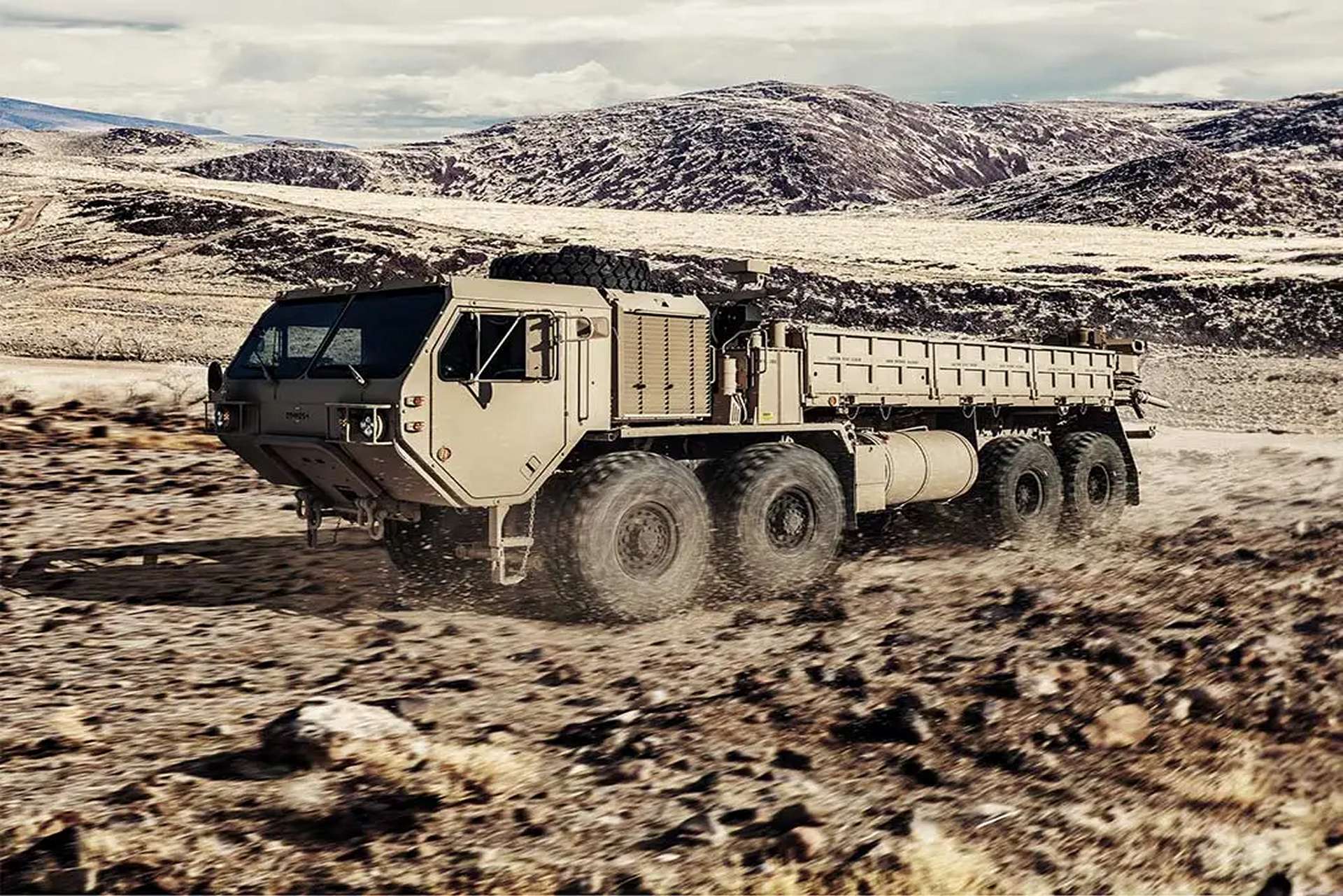
Oshkosh HEMTT M977A4 CARGO TRUCK (Picture source: Oshkosh Defense)
According to information released in a recent press statement, this ambitious contract will enable the production of new vehicles from the Heavy Expanded Mobility Tactical Truck A4 series, including tankers, cargo trucks, wreckers, and load handling systems. The contract also encompasses Common Bridge Transports and Palletized Load System A1s.
Beyond vehicle production, Oshkosh Defense is tasked with integrating advanced capabilities into the Palletized Load System A1 (PLS A1) fleet, a strategic upgrade highlighting the U.S. Army's renewed confidence in Oshkosh's solutions.
Pat Williams, the Chief Programs Officer at Oshkosh Defense, expressed his pride and commitment: "We are extremely honored that the U.S. Army continues to rely on Oshkosh to provide our soldiers with the only heavy tactical vehicles proven to be robust and flexible enough to meet the demands of logistics in contested environments."
This new contract follows shortly after another significant deal, a $27.3 million contract for the production of 57 Medium Equipment Trailers, further affirming Oshkosh's critical role in enhancing the U.S. Army's logistical capabilities.
The company's reputation was further solidified with the disclosure last November of a $208 million order for Joint Light Tactical Vehicles, trailers, and associated kits, marking a particularly successful year for Oshkosh.
The longstanding partnership between Oshkosh and the U.S. Army is strengthened through strategic contracts aimed at modernizing and enhancing the military vehicle fleet's capabilities, with cost-effective and targeted upgrades.
This series of contracts not only consolidates Oshkosh Defense's position as a key supplier for the U.S. Army but also demonstrates the company's ongoing commitment to supporting national defense operations with advanced technologies and high-performance vehicles.
Read more: US Army Awards Oshkosh Defense Major Contract for Heavy Tactical Vehicles
- Details
- Written by: Vandenbosch
- Category: 2024
- Hits: 2333
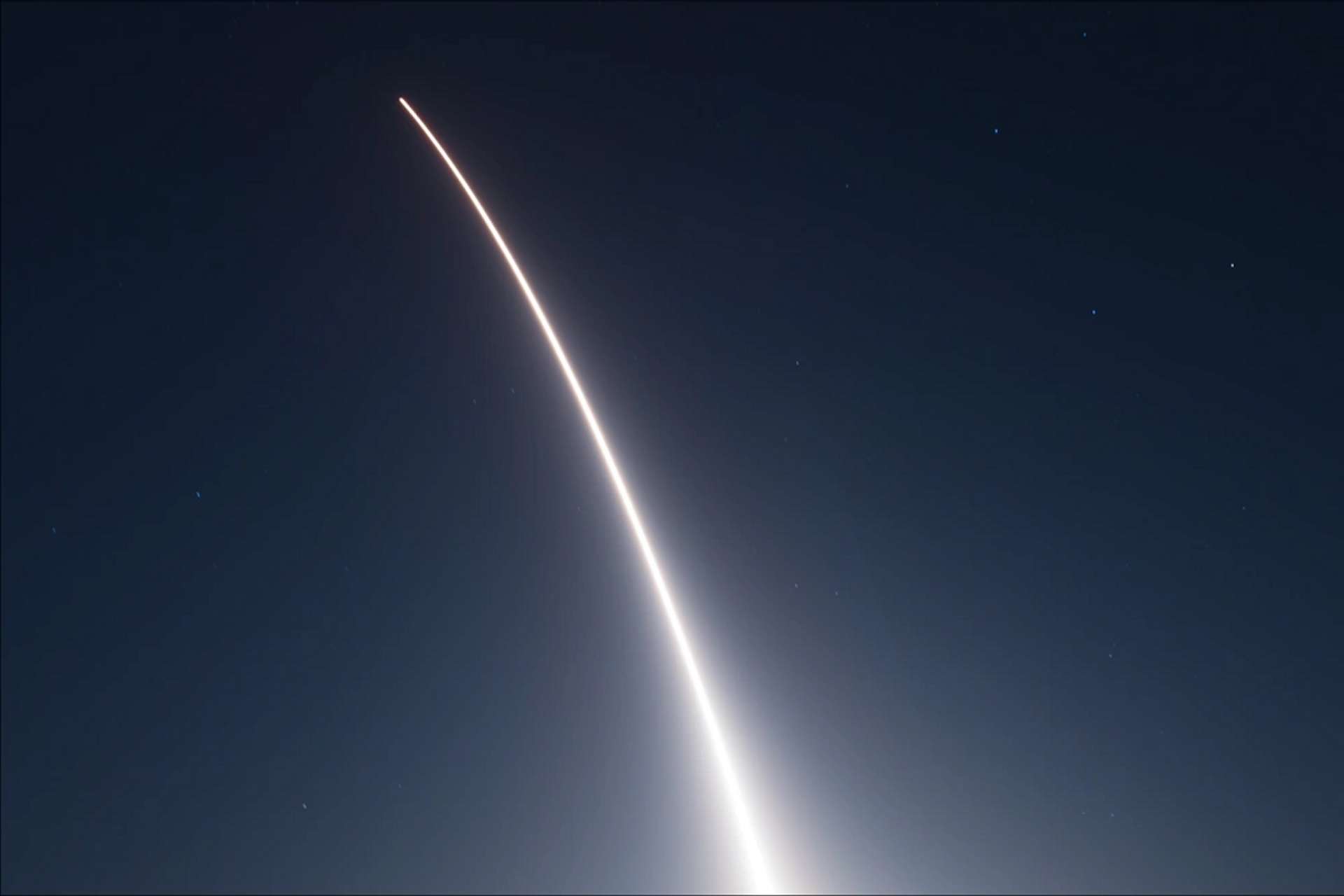
On June 17, 2024, at 11:01 PM, Vandenberg Space Force Base in California witnessed the successful launch of a Minotaur I rocket carrying an unarmed Mk21A reentry vehicle. This launch marks a crucial milestone in the development of the United States' strategic defense capabilities.
Follow Army Recognition on Google News at this link
Successful launch of a Minotaur I rocket carrying an unarmed Mk21A reentry vehicle. (Picture source: US DoD)
The Mk21A reentry vehicle, currently in its initial development phase, is overseen by the Air Force Nuclear Weapons Center. Once it achieves full operational capability, the Mk21A will be integrated into the nation’s intercontinental ballistic missile (ICBM) weapon system. This integration aims to bolster nuclear deterrence and modernize the US strategic arsenal in response to contemporary threats.
The Minotaur I, a rocket developed to launch lightweight payloads into low Earth orbit, lifted off without incident, demonstrating its reliability and efficiency. Although carrying an unarmed payload, this specific launch is part of the necessary tests and validations before the Mk21A's operational deployment.
The Mk21A program is crucial to the national defense strategy, providing significant technological improvements over previous reentry vehicles. These enhancements include increased accuracy, better resistance to adversarial countermeasures, and enhanced reliability.
The success of this launch reflects the ongoing commitment of the US armed forces to maintain and improve their nuclear deterrence posture. Colonel Robert Long, commander of Space Launch Delta 30, praised the collective effort of all involved teams, emphasizing the importance of these tests for national security.
"This launch represents an important step in our mission to provide safe and reliable space capabilities," said Colonel Long. "The development and deployment of the Mk21A will strengthen our ability to deter threats and protect our nation."
With this successful launch, the Mk21A program moves closer to its final goal. Future tests will continue to validate the system's performance, ensuring it meets the rigorous requirements of the Air Force and the Department of Defense.
Vandenberg Space Force Base, located on California's central coast, plays a central role in the United States' military and civilian space launches. Its strategic geographic location allows for efficient launches to a variety of orbits, contributing to national security and technological advancements.
Read more: US Launches Minotaur I Rocket Equipped with Mk21A Reentry Vehicle
- Details
- Written by: Jérôme Brahy
- Category: 2024
- Hits: 5477
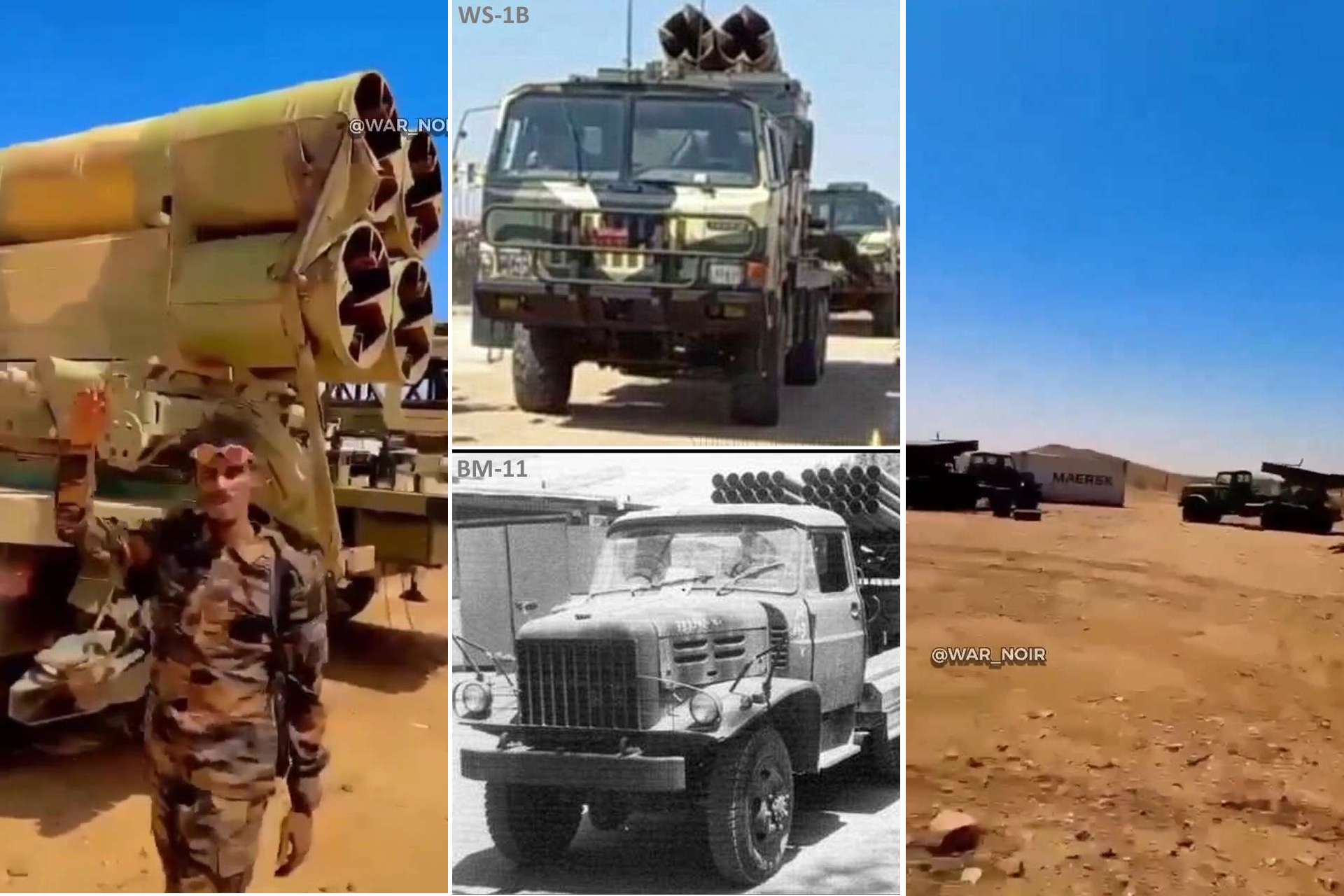
On July 8, 2024, War Noir reported that the Sudanese Rapid Support Forces (RSF) released a video showcasing captured vehicles and rocket launchers from the Sudanese Armed Forces (SAF). Among the captured equipment were at least one Chinese 302mm Weishi WS-1B multiple launch rocket system (MLRS) and three North Korean BM-11 122mm MLRS units.
Follow Army Recognition on Google News at this link
Among the captured equipment were at least one Chinese 302mm Weishi WS-1B multiple launch rocket system (MLRS) and three North Korean BM-11 122mm MLRS units. (Picture source: Twitter/War Noir and Twitter/KPA_bot)
The Rapid Support Forces (RSF), a significant paramilitary group in Sudan, originated from the Janjaweed militias active during the Darfur conflict in the early 2000s. Officially established in 2013 to combat insurgents in Darfur, the RSF has grown considerably in strength and influence to become a key player in Sudanese politics and military affairs. It operates under the command of Mohamed Hamdan Dagalo, commonly known as Hemedti, and its leadership during the Darfur conflict was instrumental in the RSF's rise to prominence.
The group has been utilized by the Sudanese government to suppress uprisings and political dissent, including the 2019 crackdown on pro-democracy protests, and has faced numerous accusations of human rights abuses, including genocide, war crimes, and crimes against humanity. Despite efforts to bring the RSF under full military control, it maintained considerable autonomy and continued to be a significant force in Sudan until a full-scale civil war began on April 15, 2023, between the Sudanese Armed Forces (SAF), led by General Abdel Fattah al-Burhan, and the RSF, under the command of Hemedti.
The war started with an RSF attack on government sites, leading to intense fighting, particularly in Khartoum and the Darfur region. Both sides have been accused of committing atrocities, including widespread use of sexual violence, recruitment of children, and extensive torture. Despite various international attempts at mediation, including the Jeddah Declaration, the conflict continues unabated, resulting in a severe humanitarian crisis. More than 14,000 people have been killed, and around 8.6 million have been displaced, with millions facing acute food insecurity and potential famine. The conflict has severely disrupted Sudan’s economy, leading to an 18.3% projected contraction in 2024, and has devastated livelihoods, education, and healthcare infrastructure.
On May 18, 2019, Sudanese news reported that the Sudanese government forces used the China-made WS-1B long-range rocket launcher for the first time to bombard Sudanese rebels. Sudan acquired the WS-1B production line through the Sudan Military Industrial Corporation, and it is assembled locally. The introduction of this weaponry in one of the several Sudanese civil wars marked the first use of Chinese-made long-range rocket launchers in Africa.

The Sudanese government forces used the China-made WS-1B long-range rocket launcher for the first time in 2019 to bombard rebels, marking the first use of Chinese-made long-range rocket launchers in Africa. (Picture source: Twitter/War Noir)
The WS-1B, a 302 mm MLRS, is part of the WeiShi family of rockets developed by the Chinese company Sichuan Aerospace Industry Corporation (SCAIC). Development of this family began in the 1980s, focusing on enhancing long-range artillery capabilities. The original WS-1 system underwent trials in 1990, and its modernized version, the WS-1B, was first demonstrated in 1993. The WS-1B is designed to target critical enemy assets deep within their defenses, including military bases, troop concentrations, missile launchers, airports, transportation hubs, and industrial centers. Although not adopted by the Chinese People's Liberation Army (PLA), the WS-1B was marketed internationally by China National Precision Machinery Corporation (CPMIEC). In 1996, a contract was signed with Turkey, leading to the supply of WS-1 systems and local production of upgraded versions, known as "Kasirga" and "Jaguar."
The WS-1B system consists of the HF-4B launcher, mounted on a Tiema XC2200 6x6 truck chassis, the QY-4B (QY-88B) transport and charging machine, and the DZ-88B command post. The launcher includes four cylindrical cross-shaped guides capable of vertical and azimuthal adjustments, allowing for deployment within 20 minutes. The DZ-88B command post is equipped with communication systems, GPS, meteorological instruments, and a digital firing control system, operated by a crew of five. An alternative configuration includes a six-guide launcher on an 8x8 chassis.
The WS-1B rockets use the FG-43 solid fuel engine, reaching a maximum range of up to 180 km and a flight speed of 5.2M. The system's munitions include the ZDB-2 fragmentation warhead and the SZB-1 cluster munition. The ZDB-2 warhead contains a 70 kg explosive charge with 26,000 fragments, while the SZB-1 includes 466 cumulative shrapnel elements. Both warheads are designed for effectiveness, with the rockets achieving a circular probable deviation (CEP) of 1-1.25%. The WS-1B's battery configuration includes a DZ-88B command post, 6-9 HF-4 launchers, and an equal number of QY-88B transport and charging machines, each carrying 20 rounds of ammunition.
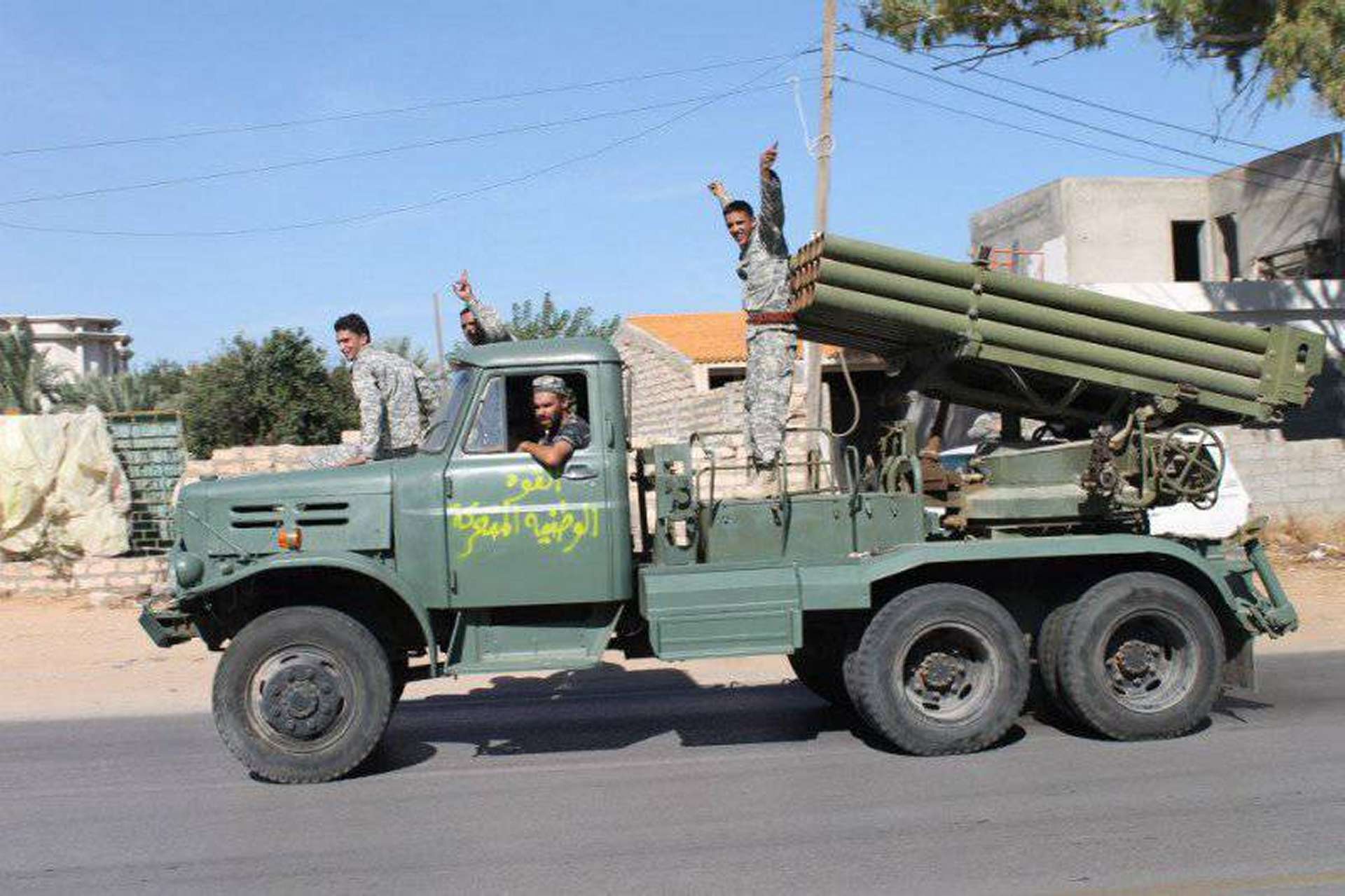
The BM-11 is mounted on various 6x6 all-terrain vehicle chassis, including the Soviet ZIS-151, a Chinese copy of the ZIL-157 known as the FAW Jiefang CA-30, and domestically produced copies of the Japanese Isuzu HTW 11 truck. (Picture source: Twitter/KPA_bot)
The other MLRS captured by the Rapid Support Forces (RSF), the BM-11, was introduced in 1963 as a North Korean adaptation of the Russian BM-21 MLRS. This modified version features a reduced number of rocket guides, with 30 tubes instead of the original 40, making it a lighter variant of its predecessor. The BM-11 is mounted on various 6x6 all-terrain vehicle chassis, including the Soviet ZIS-151, a Chinese copy of the ZIL-157 known as the FAW Jiefang CA-30, and domestically produced copies of the Japanese Isuzu HTW 11 truck. BM-11 units have been observed in countries such as Libya, Sudan, and Iran.
The BM-11 operates with a crew of five and has displacement and emplacement times of three and two minutes, respectively. The system lacks armor. As a multiple rocket launcher, the BM-11 uses a turntable mount and can fire a range of 122mm rockets, compatible with standard Russian, Chinese, and North Korean munitions. Its maximum firing range is estimated at 20,500 meters, with a rate of fire of two rounds per second, capable of delivering a full salvo in 15 seconds. Reloading the system takes approximately 8 to 9 minutes.
The chassis configuration of the BM-11 is primarily 6x6, supporting off-road capability for varied terrain in military operations. This design allows the BM-11 to be deployed from various platforms, contributing to its operational flexibility. Despite the lack of armor, the BM-11's rapid deployment and firing capabilities offer substantial firepower support in a compact and mobile package. Its design and adaptations reflect North Korea's approach to modifying or copying existing military technology to meet its defense needs.
- Details
- Written by: Halna du Fretay
- Category: 2024
- Hits: 5817
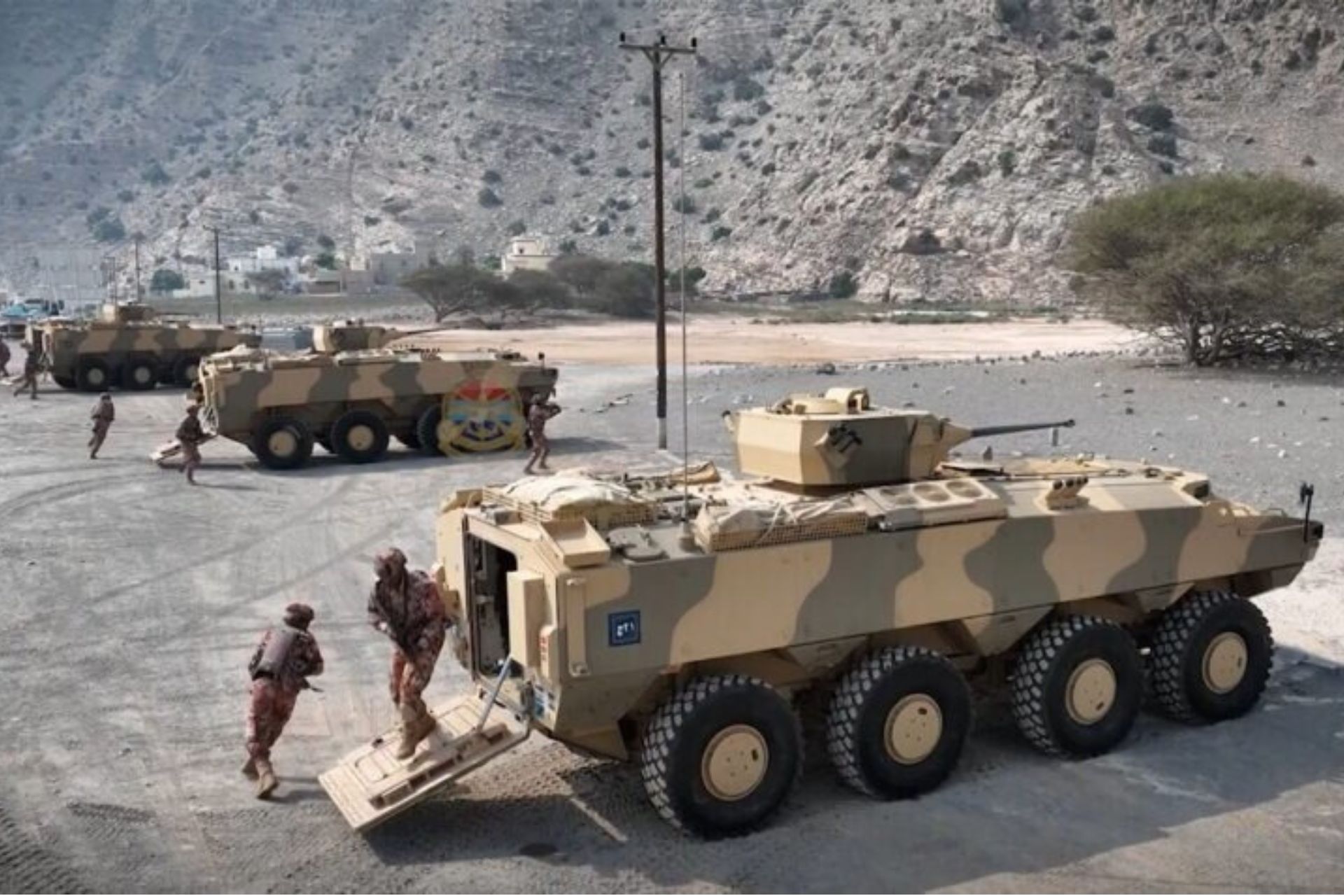
On July 4, 2024, the Omani Armed Forces conducted a joint military exercise incorporating various internal security components, marking the debut deployment of the PARS III 8x8 armored combat vehicles. These vehicles, manufactured by the Turkish defense company FNSS, played a central role in an amphibious landing operation led by the Royal Navy of Oman. The exercise also saw active involvement from the Royal Army of Oman, the Royal Oman Air Force, and the Royal Oman Police.
Follow Army Recognition on Google News at this link
The FNSS and the Royal Army of Oman signed an armored vehicle supply contract on September 20, 2015, delivering 172 vehicles in 13 configurations, including 145 PARS III 8x8 in eight variants and 27 PARS III 6x6 in five variants (Picture source: Oman MoD)
During the maneuvers, the PARS III 8x8 vehicles, which are part of the Royal Army of Oman’s inventory, demonstrated their operational capabilities by successfully completing assigned missions. These accomplishments were highlighted in footage released through the official communication channels of the Royal Army of Oman, showcasing the vehicles' effectiveness in joint military operations.
The armored vehicle supply contract between FNSS and the Royal Army of Oman was signed on September 20, 2015. Under the terms of this agreement, FNSS delivered a total of 172 vehicles in 13 different configurations, including 145 PARS III 8x8 vehicles in eight configurations and 27 PARS III 6x6 vehicles in five configurations. The initial delivery of the 8x8 armored vehicles began in July 2017.
Furthermore, FNSS secured a 20-year logistics support contract for these vehicles under a separate agreement. In July 2022, FNSS expanded its role by signing a contract to establish a Factory Level Maintenance and Repair Center, aimed at providing comprehensive maintenance services throughout the operational lifespan of the vehicles.
The PARS III 8x8 armored vehicle, developed by FNSS Defense Systems, was introduced into service with a primary aim to meet the modern operational requirements of various armed forces. The PARS III 8x8 made its debut at the International Defence Industry Fair (IDEF) in 2017 and the first units were delivered to the Royal Army of Oman shortly thereafter, marking its entry into active service.
This vehicle is available in several configurations, with the 8x8 variant being particularly noted for its advanced capabilities and flexibility. It can house up to 12 personnel, including the driver, commander, and troops, and is designed to support multiple military roles, including as an infantry fighting vehicle, command post, or an armored medical evacuation vehicle. The PARS III 8x8 is designed for high mobility in various battlefield conditions, powered by a robust diesel engine that enables speeds of up to 100 km/h and has an operational range exceeding 800 km. Its advanced modular armor provides protection against ballistic threats and mine blasts, enhancing crew survivability in hostile environments.
The vehicle's armament options include various machine guns and grenade launchers, depending on the specific needs of the mission. It also features a high level of technological integration, including advanced driving and vision systems, which ensures high operational effectiveness and safety for the crew.
Read more: Oman Deploys Turkish PARS III 8X8 Armored Vehicles in Military Drill for the First Time
- Details
- Written by: Triffaux
- Category: 2024
- Hits: 4564
Since June 2024, South Korea has been studying the possibility of buying Warmate loitering munitions from Poland to strengthen its defense capabilities. A South Korean delegation is scheduled to visit Warsaw to inspect these Polish-made unmanned aerial vehicles (UAVs) and assess their suitability for operations on the Korean peninsula.
Follow Army Recognition on Google News at this link
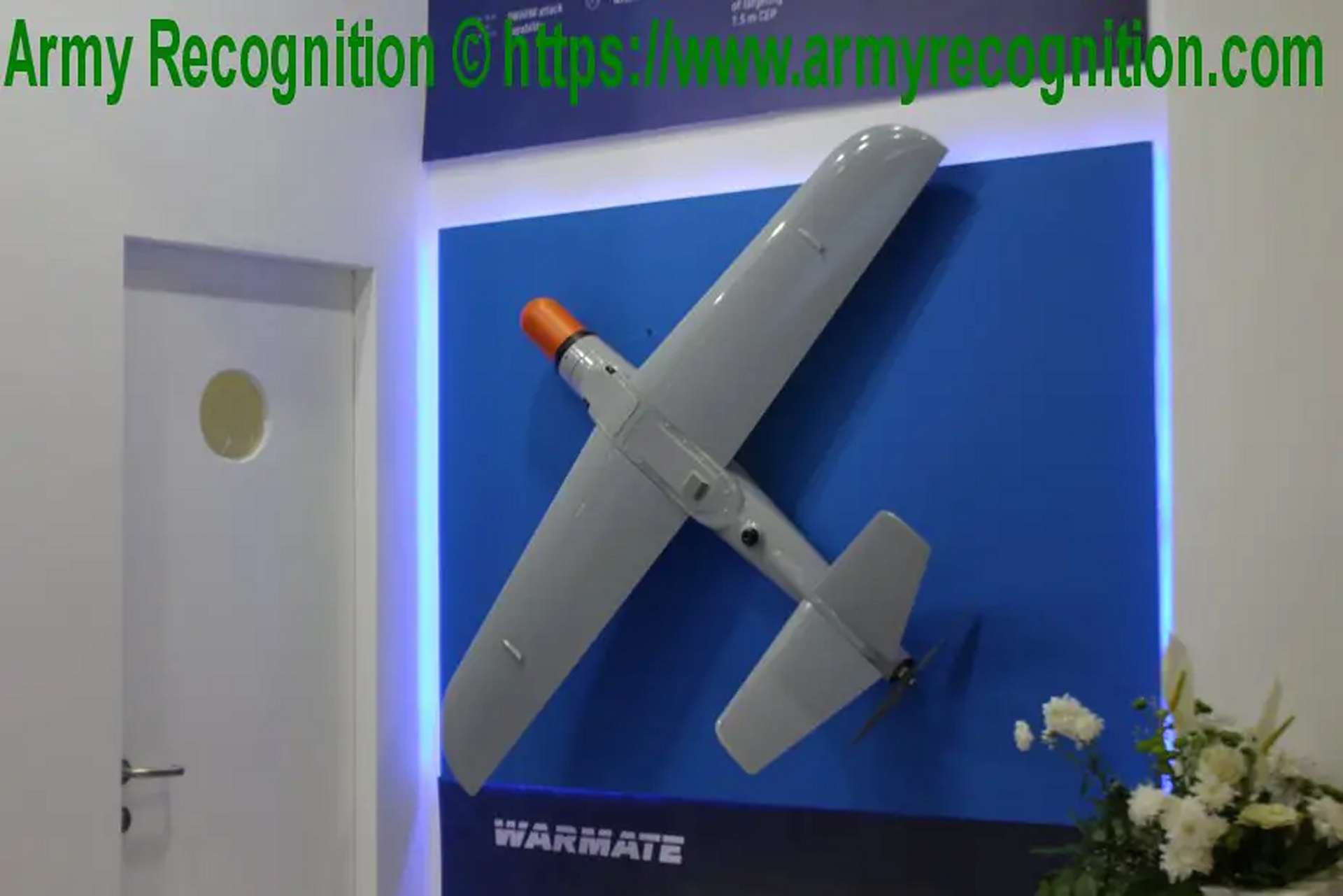
Polish WB Group Warmate loitering munition (Picture source: Army Recognition)
This initiative follows the visit of South Korean Defense Minister Shin Won Sik to Poland last month, during which Warsaw requested Seoul to purchase their weapons systems. The South Korean military has shown particular interest in the Warmate drones, which have demonstrated their combat effectiveness in Ukraine. "Since Polish drones are currently being used in real combat operations, we will review whether there are areas that can be used by our military," said a spokesperson for the South Korean Ministry of Defense.
This potential acquisition is part of a growing defense cooperation between South Korea and Poland. In 2022, Poland signed agreements with South Korean defense companies to purchase various weapons systems, including FA-50 fighter jets, K2 tanks, K9 self-propelled howitzers, and Chunmoo rocket artillery systems.
"The demand for small unmanned aerial vehicles in our army has increased, and Poland has bought many of our weapons," added a South Korean official. "If our military wants a type of drone, it will be a good match."
The Warmate is a kamikaze drone developed by WB Electronics. Designed for reconnaissance, surveillance, and target engagement missions, it can carry different types of warheads, including multiple-explosive and high-explosive, allowing it to effectively destroy armored vehicles and other targets. With a range of up to 30 km and a flight time of 60 minutes, the Warmate offers manual and automatic control capabilities and quick launch preparation, making it particularly effective on the battlefield.
South Korea's decision to potentially integrate Warmate drones into its military arsenal highlights the growing importance of UAVs in modern defense strategies. If this acquisition goes through, it could mark a new chapter in defense cooperation between South Korea and Poland, enhancing the military capabilities of both nations.
The Warmate loitering munition measures 1 meter in length, has a 1.4-meter wingspan, and weighs 5 kilograms. It is easily transportable by a single soldier using a backpack and features foldable main wings and V-shaped tail fins.
Warmate can be employed for reconnaissance in various combat scenarios, with the option to carry different types of payloads or explosive warheads.
This versatile system can function as a standalone unit, be transported by land forces, or accompany special operations units. Its design allows for installation on various vehicles, including cars and APCs, and integrates seamlessly with onboard systems through the Ground Control Station and Ground Data Terminal.
Unlike traditional anti-tank guided missiles, Warmate offers a significantly larger operational radius, allowing for extended target detection and observation over an extended period, with a flight time of approximately 70 minutes. Additionally, it can be equipped with a laser-seeking warhead.
Read more: South Korea eyes Polish Warmate loitering munition used in Ukraine
- Details
- Written by: Vandenbosch
- Category: 2024
- Hits: 5782
Belgium announced its official participation in the French Combat Engineering Vehicle (Engin du Génie de Combat EGC) project at Eurosatory on June 19, 2024, forming a new partnership within the framework of the CaMo project. This partnership was formalized by the chiefs of the land forces of both nations.
Follow Army Recognition on Google News at this link
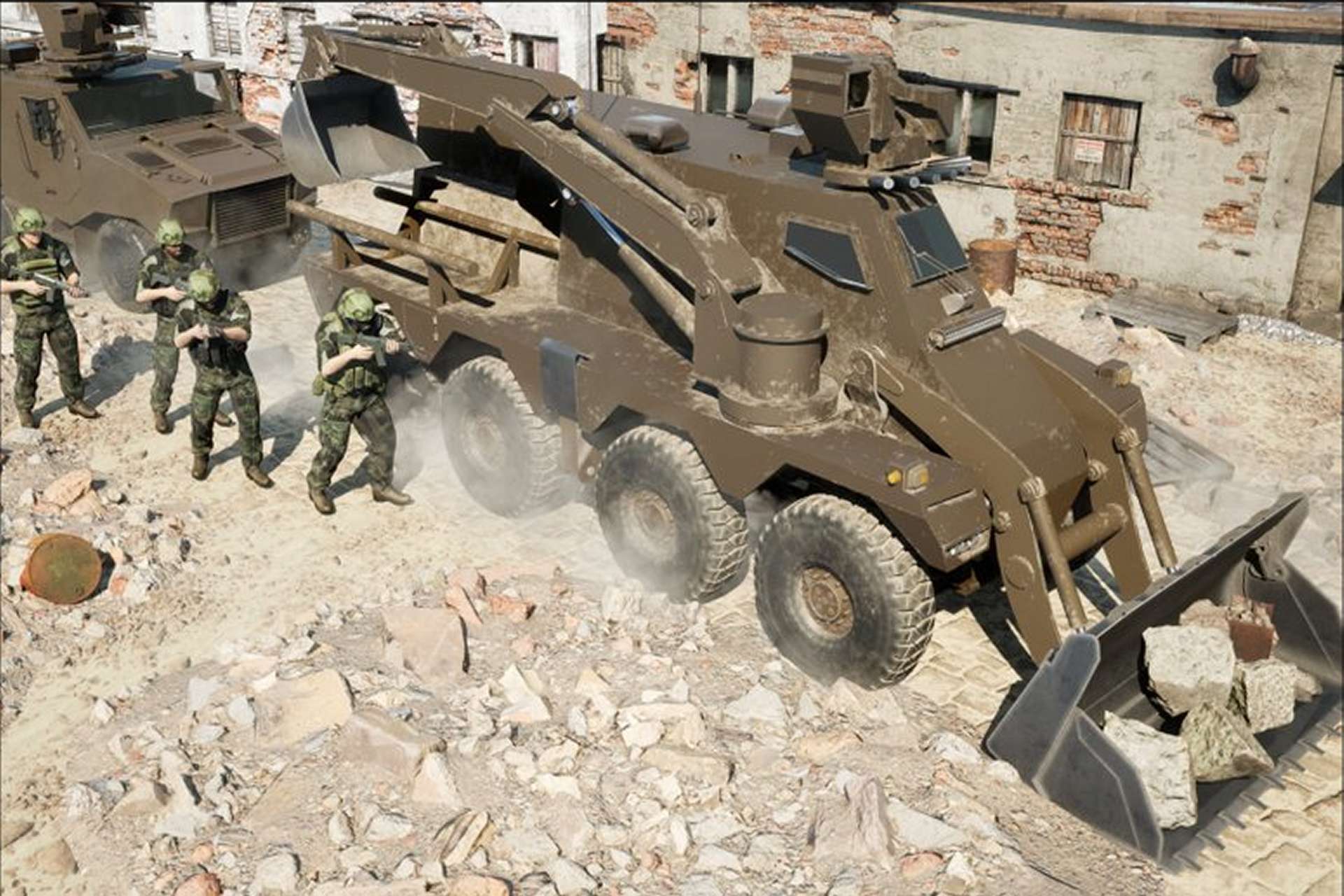
A consortium including CNIM Systèmes Industriels, KNDS France, and Texelis has already positioned itself to respond to a potential call for tenders, they propose the Auroch.(Picture source: CNIM)
The Franco-Belgian CaMo partnership now includes the engineering branch through the joint acquisition of the EGC. This partnership was sealed on June 19 in Paris by General Pierre Schill, Chief of Staff of the French Army, and his Belgian counterpart, General Jean-Pol Baugnée, with the signing of a "Chief of Staff Objective" (OEM). The ceremony was attended by the leaders of KNDS France, Thales Belgium, and FN Herstal.
The first deliveries of these vehicles are scheduled for 2030, according to the Belgian Land Component. Although the precise Belgian requirement is not yet detailed, it is estimated to be around thirty units. For France, the targets are set in the 2024-2030 military programming law, with five units in service by the end of the decade and a total of 125 by 2035.
The next step is to launch a joint development program, potentially led by the Organisation for Joint Armament Cooperation (OCCAR), which already oversees the Franco-Belgian Armored Engagement Support Vehicle (VBAE) program.
A consortium including CNIM Systèmes Industriels, KNDS France, and Texelis has already positioned itself to respond to a potential call for tenders. They propose the Auroch, a 28.6-ton armored vehicle based on an 8x8 platform, with the integration of Belgian equipment under study.
The EGC is equipped with a front bucket and a side arm that can be fitted with various tools, such as an excavator bucket, to perform clearing, earthmoving, and rapid fortification construction tasks.
The vehicle is armored and armed, thus ensuring the protection of the three-person crew. The EGC can integrate various modern equipment, such as a remotely operated turret, an acoustic shot detection system, and an IED jammer, making it suitable for operations in urban or high-intensity environments.
This project aims to replace older engineering armored vehicles, some of which are over 30 years old, and to provide increased capacity for complex missions such as building defensive positions, clearing obstacles, and protecting maneuver units. The EGC program is currently in the development phase, with prototypes and concepts being evaluated to meet the future needs of the French and Belgian armed forces.
Intended to partially replace the pioneer tanks, this EGC represents "excellent news for the engineering troops," according to the Belgian Land Component. These engineering units thus strengthen their ties with their French counterparts, such as the 4th and 11th Belgian engineering battalions, which have recently concluded partnerships with the 1st Foreign Engineer Regiment and the 6th French Engineer Regiment.
Read more: Belgium Officially Joins French Combat Engineering Vehicle Project
- Details
- Written by: Administrator
- Category: 2024
- Hits: 4635
Recently, the Russian Ministry of Defense announced that its forces have recovered debris from an American ATACMS missile. This recovery aims to aid Russian engineers in studying the missile's design to develop effective countermeasures. The Russian news outlet Sputnik provided detailed insights into the examination and analysis of the ATACMS missile's components, particularly focusing on its M74 cluster submunitions.
Follow Army Recognition on Google News at this link
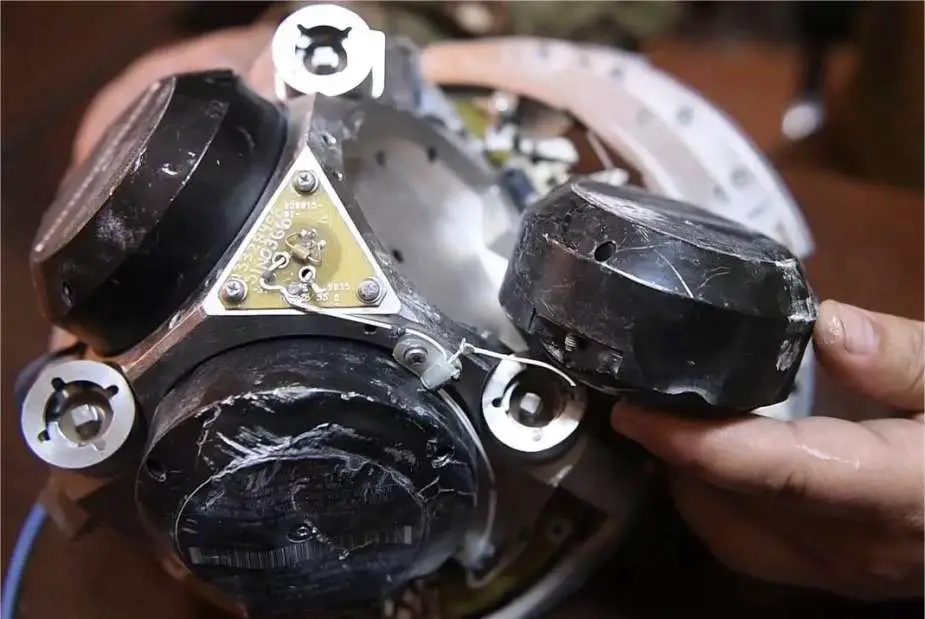
Russian engineers study American ATACMS missile technology thanks to debris recovered in Ukraine. (Picture source: Russia MoD)
The ATACMS (Army Tactical Missile System) is a surface-to-surface missile developed by the United States, designed to deliver precision strikes at long ranges. It is a tactical ballistic missile system with a range of up to 300 kilometers, providing the U.S. Army with deep-strike capabilities. The ATACMS uses an advanced guidance system that incorporates GPS and inertial navigation to ensure high accuracy in hitting designated targets. This precision allows it to effectively engage and destroy high-value targets such as enemy command centers, air defense systems, and logistics hubs, making it a crucial asset in modern warfare.
The ATACMS missile can be equipped with various types of warheads to suit different mission requirements. The primary types include unitary warheads and cluster munitions. The unitary warhead is designed for precision strikes, delivering a high-explosive payload to a single target point. In contrast, the cluster munition warhead consists of M74 cluster munitions, which disperse multiple smaller submunitions over a wide area. This makes the ATACMS effective against dispersed or area targets such as enemy troops, vehicles, and equipment. This versatility in warhead types enhances the ATACMS's utility in a wide range of combat scenarios, providing flexibility and effectiveness in achieving mission objectives.
The M74 cluster munition, used within the ATACMS missile's cluster munition warhead, is designed to maximize damage over a broad area. Each M74 submunition is a green, spherical object about the size of a tennis ball, equipped with protrusions that induce spin upon release. This spinning activates centrifugal stoppers, arming the submunition for detonation upon impact. Containing a tungsten alloy casing, the M74 generates high-velocity fragments that can penetrate targets up to 50 meters away. With up to 275 submunitions dispersed from one missile, the M74 effectively neutralizes dispersed targets such as enemy troops and light vehicles, providing both precision and wide-area impact.
The analysis conducted by Russian military experts reveals the intricate design and operational mechanics of the M74 cluster submunitions within the ATACMS missile. Each ATACMS missile contains 275 of these submunitions, which are designed to disperse approximately 200 meters above the ground. The submunitions are green, spherical objects similar in size to a tennis ball, featuring protrusions that induce rotation during descent. This rotation activates centrifugal stoppers, allowing the internal engine to engage and position the primer/detonator opposite the striker, leading to detonation upon impact.
A critical aspect highlighted by the specialists is the sensitivity and danger posed by unexploded submunitions. These devices, if they fail to detonate on impact, remain highly volatile. The striker remains cocked, making any movement potentially lethal. Civilians encountering such devices are advised to exercise extreme caution.
The M74 submunitions are constructed using a stamped outer coating and an inner casing made of tungsten alloy, known for its durability and ability to increase fragment speed upon explosion. This design is compared to the RGO hand grenade, although with tungsten instead of steel. The tungsten casing contributes to the submunition's lethality by enhancing the fragmentation effect, resulting in a higher velocity and penetration capability of the fragments.
The effective fragmentation radius of these submunitions is around 20 meters, but some fragments can remain dangerous up to 50 meters, capable of penetrating metal doors. The coverage area of a single missile's submunitions is substantial, with fragments potentially affecting a 400 by 400 meter area, posing a significant risk to both military personnel and civilians.
The recovery and detailed study of the ATACMS missile debris underscore a strategic effort by Russia to enhance its defensive and counter-offensive capabilities. By understanding the intricate mechanics and vulnerabilities of the ATACMS submunitions, Russian military engineers can potentially develop countermeasures to mitigate the missile's effectiveness. This analysis might also influence Russia's own missile development programs, integrating learned features and avoiding identified weaknesses.
The Russian Ministry of Defense's recovery and examination of the ATACMS missile debris represents a significant step in the ongoing technological arms race between global powers. The detailed insights provided by Sputnik highlight the sophisticated nature of modern missile technology and the continuous efforts to counteract it. As the analysis progresses, it will be crucial to monitor how this newfound knowledge influences military strategies and the development of advanced countermeasures.
- Details
- Written by: Administrator
- Category: 2024
- Hits: 5184
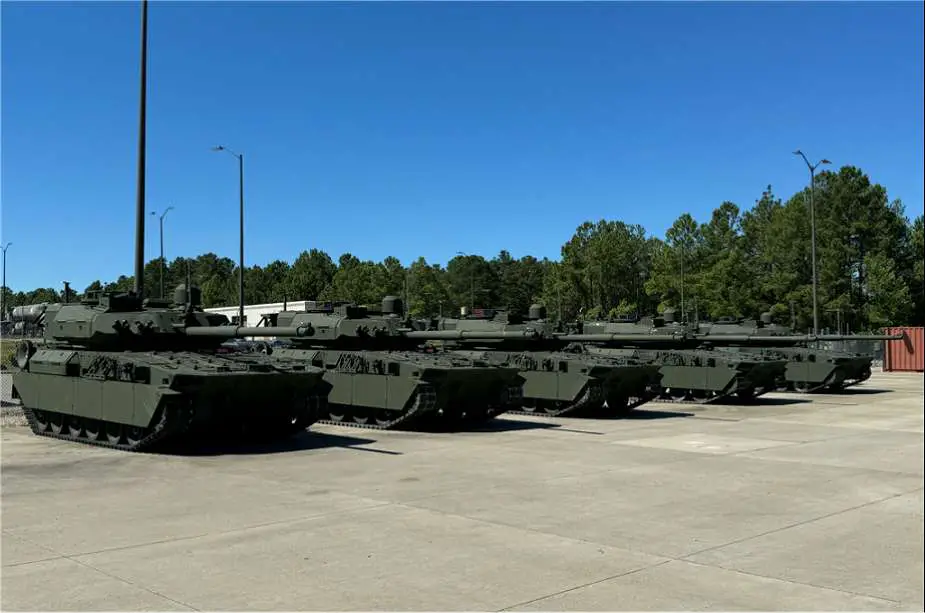
On July 9, 2024, the U.S. Army's 82nd Airborne Division started military operational testing and evaluation of the M10 Booker, a new 105mm tracked combat vehicle. This vehicle, previously known as the Mobile Protective Firepower (MPF), represents a critical addition to the Army's arsenal, designed to enhance the firepower and maneuverability of airborne and light infantry units.
Follow Army Recognition on Google News at this link
The M10 Booker is the new fire support combat vehicle for the U.S. Army airborne units. (Picture source: X Social Network)
The operational testing, which began today, marks a crucial phase in the integration of the M10 Booker into active service. The tests encompass a comprehensive range of activities, including familiarization with new equipment, live-fire exercises, and tactical maneuvers involving paratroopers. These activities aim to validate the vehicle's performance, reliability, and suitability for various combat scenarios.
The M10 Booker is engineered to provide immediate, direct fire support to infantry units engaged in combat. Its primary mission is to destroy or neutralize enemy bunkers, machine gun nests, light armored vehicles, and other fortified positions that pose a threat to ground troops. The vehicle's 105mm main gun offers significant firepower, enabling it to deliver precise and powerful strikes. Additionally, its mobility allows it to keep pace with fast-moving airborne and light infantry forces, ensuring continuous support during rapid advances or defensive operations.
The M10 Booker boasts several advanced technical features designed to enhance its combat effectiveness and survivability. Equipped with a 105mm M35 cannon, the M10 Booker can engage a variety of targets with high-explosive, armor-piercing, and multi-purpose rounds. The vehicle's fire control system ensures accuracy and rapid target acquisition. Built on a tracked chassis, the M10 Booker offers excellent off-road capability, allowing it to traverse rough terrain and keep pace with infantry units. Its compact size and agility are particularly advantageous in urban and complex environments.
The vehicle's armor provides robust protection against small arms fire, shell splinters, and improvised explosive devices (IEDs). Additionally, the M10 Booker features advanced countermeasure systems to detect and neutralize threats such as anti-tank guided missiles. The vehicle is operated by a crew of four, including a commander, gunner, loader, and driver. The crew compartment is designed for optimal efficiency and situational awareness, with modern communication and navigation systems to coordinate with other units.
As a part of the 82nd Airborne Division, the M10 Booker is designed to be rapidly deployable. It can be airlifted by C-130 and C-17 aircraft, enabling swift insertion into conflict zones.
The introduction of the M10 Booker marks a pivotal enhancement in the U.S. Army's operational capabilities. By providing a versatile, highly mobile, and powerful support vehicle, the M10 Booker addresses a critical gap in the firepower available to airborne and light infantry units. The ongoing testing and evaluation by the 82nd Airborne Division will provide valuable insights and feedback, ensuring that the vehicle meets the rigorous demands of modern warfare.
As the U.S. Army continues to adapt to evolving threats and operational requirements, the successful integration of the M10 Booker will be instrumental in maintaining its tactical edge and ensuring the effectiveness of its ground forces in diverse combat scenarios.
- Details
- Written by: Triffaux
- Category: 2024
- Hits: 4889
The Spanish newspaper Defensa.com reported on July 9, 2024, that the ÇAKIR cruise missile, developed by the Turkish company Roketsan, has begun mass production, marking a new step in the country's defense industry. This development follows successful tests in 2022, and Roketsan is now ready to present and market the missile to potential clients, both domestic and international.
Follow Army Recognition on Google News at this link
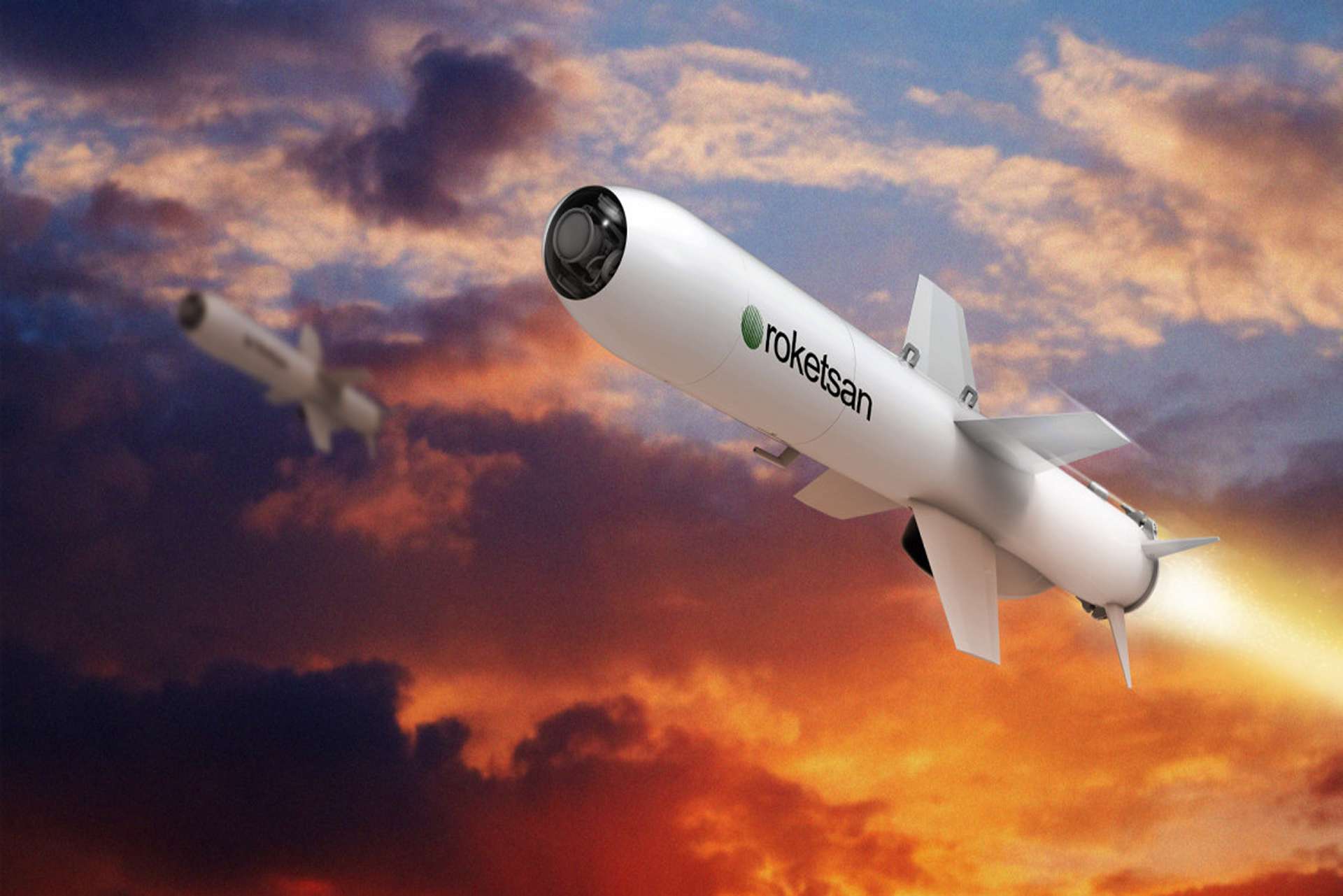
Turkish Roketsan's Nex-Gen ÇAKIR Cruise Missile (Picture source: Roketsan)
The ÇAKIR is a cruise missile distinguished by its compact and optimized design, weighing 270 kilograms, measuring 3.3 meters in length, and having a fuselage diameter of only 27 centimeters. Its performance is enhanced by the Turkish KTJ-1750 turbine from Kale Arge, which allows it to reach targets over 150 kilometers away thanks to its effective air intake system located at the bottom of the weapon.
This missile incorporates a unique modular approach that allows it to be launched from a variety of platforms, including ground installations, ships, aircraft, and unmanned aerial systems, significantly broadening its versatility and applicability in different combat scenarios.
Moreover, the ÇAKIR is equipped with a powerful 70-kilogram thermobaric explosive charge and utilizes an advanced guidance system combining infrared imaging and radio frequency, enhancing its accuracy and effectiveness against a wide range of targets, from infrastructure to fortifications in complex terrains such as caves.
One of the most remarkable features of the ÇAKIR is its fuselage made from radar-absorbing materials, making it difficult to detect. It also has guidance systems that can receive additional data in flight, ensuring superior performance in adverse weather conditions. The missile incorporates GNSS technology resistant to interference, as well as radar and barometric altimeters for precise navigation.
With a weapons strategy that reflects a deep understanding of the modern battlefield's needs, Turkey, through Roketsan, not only demonstrates its commitment to defense innovation but also positions itself as a key player in the global arms market. The ÇAKIR cruise missile is poised to transform the operational capabilities of modern armed forces, offering effective solutions for long-range and high-precision missions.
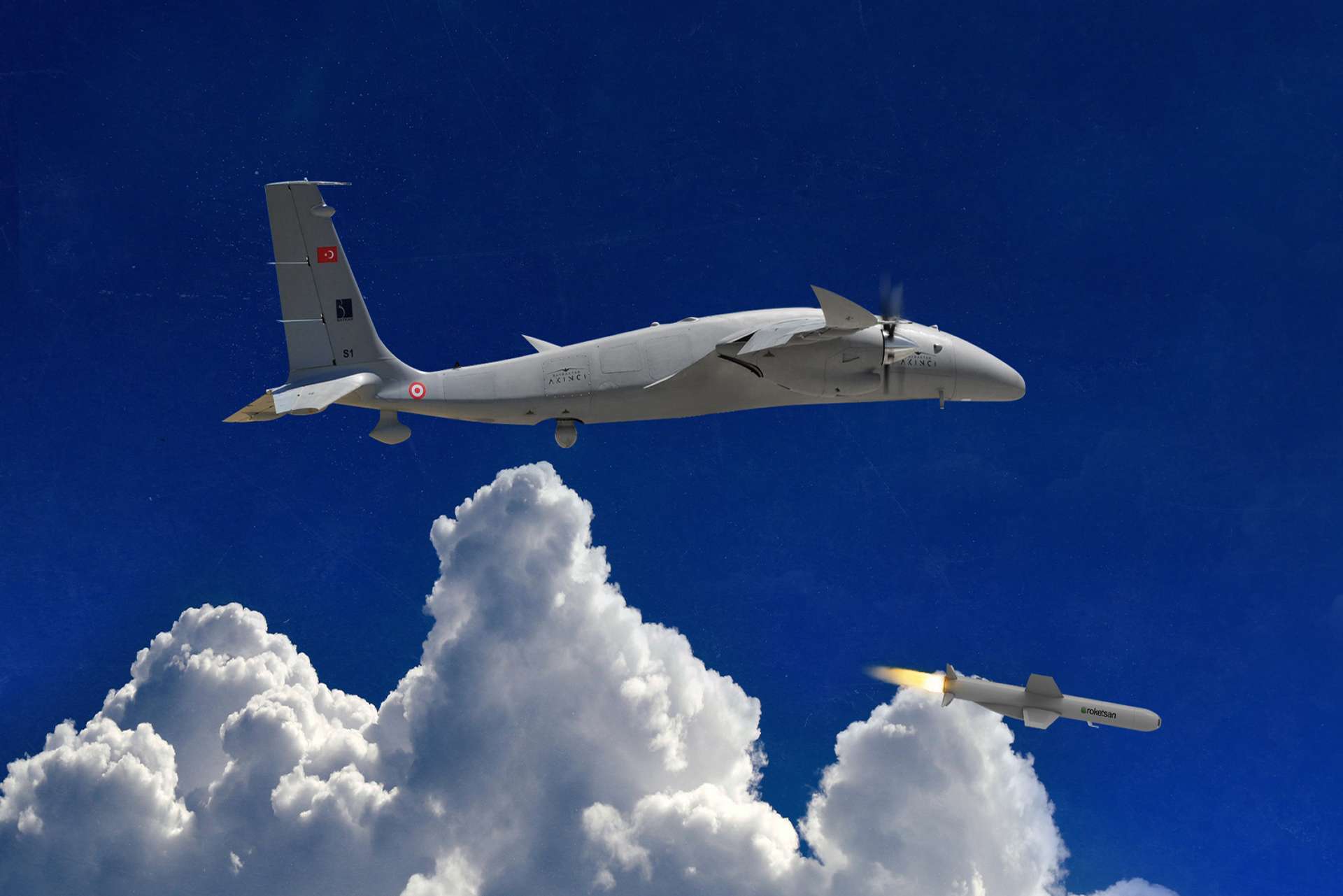
Turkish Roketsan's Nex-Gen ÇAKIR Cruise Missile can be launched from a variety of platforms, including Baykar Akinçi UAS (Picture source: Roketsan)
Read more: Turkish Roketsan's Nex-Gen ÇAKIR Cruise Missile Enters Mass Production

- Details
- Written by: Vandenbosch
- Category: 2024
- Hits: 6090
During a congress of right-wing forces in Latin America, held in Brazil, a representative of the Argentine government announced this major decision. "We must support countries that defend their freedom and democracy," declared Argentine Defense Minister Luis Alfonso Petri. This statement marks a clear break from Argentina's past alliances, notably with Venezuela, Cuba, and Iran. Now, the focus is on supporting nations such as Ukraine and Israel, which Argentina perceives as bastions of freedom fighting for their survival.
Follow Army Recognition on Google News at this link
Last December, the argentine government announced the transfer of two Russian-made Mi-17E transport helicopters to Ukraine. (Picture source: Argentine MoD)
Argentina has already begun providing concrete military aid to Ukraine. Last December, the government announced the transfer of two Russian-made Mi-17E transport helicopters to Ukraine. These helicopters, previously used for logistical support missions in Antarctica, were acquired from Russia but faced operational challenges due to international sanctions limiting access to spare parts.
These helicopters are equipped with VK-2500-03 engines, capable of operating at a continuous maximum power of 1,300 kilowatts and a takeoff power of 1,800 kilowatts, even at extremely low temperatures of -58 degrees Celsius. Their transfer to Ukraine strengthens the country's aerial capabilities, crucial for transporting troops and supplies.
Minister Petri also announced Argentina's participation in the Kyiv peace summit. This participation underscores Argentina's commitment to playing an active role in seeking diplomatic solutions to the Ukrainian conflict.
Minister Petri emphasized that "we cannot remain neutral in this situation. It is imperative that we support those who defend freedom and democracy." This statement reflects a deep conviction that neutrality is no longer a viable option in the current context of international polarization.
Argentina's decision has been welcomed by Western allies. Ukrainian President Volodymyr Zelenskyy expressed his gratitude for Argentina's support, highlighting the importance of such alliances for Ukraine's survival and resilience against Russian aggression. Similarly, the United States has praised this initiative, considering it a reinforcement of international efforts to support Ukraine.
However, this decision is not without controversy. Some analysts believe that Argentina's increased involvement in international conflicts could have repercussions on its domestic policy and regional position. It remains to be seen how this new strategic direction will affect Argentina's relationships with its Latin American neighbors and former allies.
By deciding to send weapons to Ukraine and become more involved in international affairs, Argentina marks a turning point in its foreign policy. As the conflict in Ukraine continues to rage, Argentine support could play a role in shaping the future direction of the Russo-Ukrainian conflict.
Read more: Argentina Expresses Support for Ukraine and Prepares to Send Weapons
- Details
- Written by: Administrator
- Category: 2024
- Hits: 8611
On July 9, 2024, South Korean Defense Company Hanwha Systems, led by CEO Sung-Chul Eoh, announced a significant contract to supply Multi-Function Radar (MFR) for the Middle-range Surface-to-Air Defense System MSAM-II, also named Cheongung-II to Saudi Arabia. Valued at approximately USD 867 million, this agreement marks Hanwha Systems' second international export of the Cheongung-II MFR, following a successful deal with the United Arab Emirates (UAE) in 2022.
Follow Army Recognition on Google News at this link
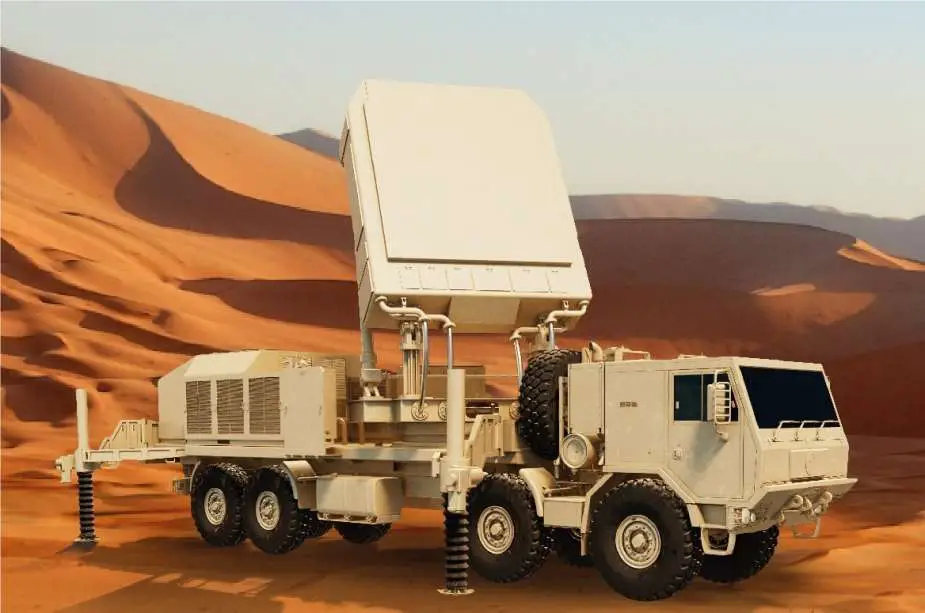
The MFR radar serves as the core sensor of the MSAM-II air defense missile system, providing the first three-dimensional phased-array radar capabilities. (Picture source: Hanwha)
In November 2023, Saudi Arabia signed a significant contract with South Korea to procure 10 batteries of the KM-SAM Block II medium-range surface-to-air defense missile system. The deal, valued at approximately $3.2 billion, was officially announced in February 2024 during the World Defense Show in Riyadh. This contract follows a similar $3.5 billion deal South Korea secured with the UAE in January 2022 for the same missile system.
The MSAM-II, or Middle-range Surface-to-Air Missile-II, known as Cheongung-II in Korea, is an advanced missile defense system designed to intercept enemy missiles. It is a key component of the Korean Missile Defense (KAMD) system, providing a crucial layer of defense against both aircraft and ballistic missile threats.
The Cheongung-II Multi-Function Radar (MFR) plays a crucial role within the MSAM-II (Middle-range Surface-to-Air Missile-II) battery, which is an advanced missile defense system designed to intercept enemy aircraft and ballistic missiles. The MFR serves as the core sensor of the Cheongung system, providing Korea's first three-dimensional phased-array radar capabilities. It performs multiple complex missions simultaneously, including detection, tracking, friend or foe identification, missile guidance, and intercept confirmation.
By integrating these various functions into one radar system, the Cheongung-II MFR enhances the efficiency and effectiveness of the MSAM-II battery. It acts as the central coordination unit, ensuring all components work together seamlessly to detect, track, and neutralize threats. The MFR enables the battery to engage multiple targets at once, providing robust defense against a wide range of aerial threats. Its advanced detection and tracking capabilities offer detailed situational awareness, allowing operators to make quick, informed decisions. Furthermore, by guiding missiles with precision and confirming intercepts, the MFR improves the overall accuracy and reliability of the MSAM-II system. In summary, the Cheongung-II MFR is an essential component of the MSAM-II battery, providing the technological backbone necessary to support complex air defense missions and enhance South Korea's missile defense capabilities.
Hanwha Systems' prior export to the UAE, valued at around USD 1.1 billion, highlighted the radar's superior performance and adaptability to harsh desert environments. The latest deal with Saudi Arabia reaffirms the competitive edge of HSC's MFR, which integrates multiple radar functions into a single system, enhancing its capability to handle diverse air threats.
The Cheongung-II system's export package, totaling USD 3.2 billion, includes a multi-function radar, vertical launcher, and Engagement Control Station (ECS). Hanwha Systems will provide the radar, while Hanwha Aerospace will supply the launcher. This strategic collaboration ensures the delivery of a comprehensive missile defense solution.
Hyuk Park, head of HSC's Surveillance & Reconnaissance Business Division, emphasized the importance of radar technology in the defense sector, noting that radar systems account for a significant portion of weapon system budgets and maintenance operations. He highlighted HSC's commitment to developing advanced radar solutions to address evolving air threats.
CEO Sung Chul Eoh expressed Hanwha Systems' vision to expand its presence in the global defense market by introducing state-of-the-art radars and future weapon systems. He stated, "We will continue to build a stronger presence in the global defense market by expanding our export items to include future weapon systems with new technologies such as lightweight AESA radars and unmanned naval systems for customers in various regions such as the Middle East, Europe, and Southeast Asia."
This latest achievement underscores Hanwha Systems' role in advancing South Korea's defense capabilities and solidifying its position in the global defense industry.
Read more: Hanwha Systems from South Korea to Supply MFR Advanced Air Defense Radar to Saudi Arabia
- Details
- Written by: Jérôme Brahy
- Category: 2024
- Hits: 12781
On July 3, 2024, BAE Systems was awarded a $579 million contract to produce M109A7 self-propelled howitzers and M992A3 resupply vehicles. This follows a $58 million contract awarded on May 17, 2024, for additional production of these models. These contracts align with the US Army's proposed upgrades for the M109 Family of Vehicles (FOV) and the Paladin Integrated Management (PIM) program, as outlined in the Fiscal Year 2025 budget, to ensure the M109 FOV remains integral to US armored and fire brigades.
Follow Army Recognition on Google News at this link
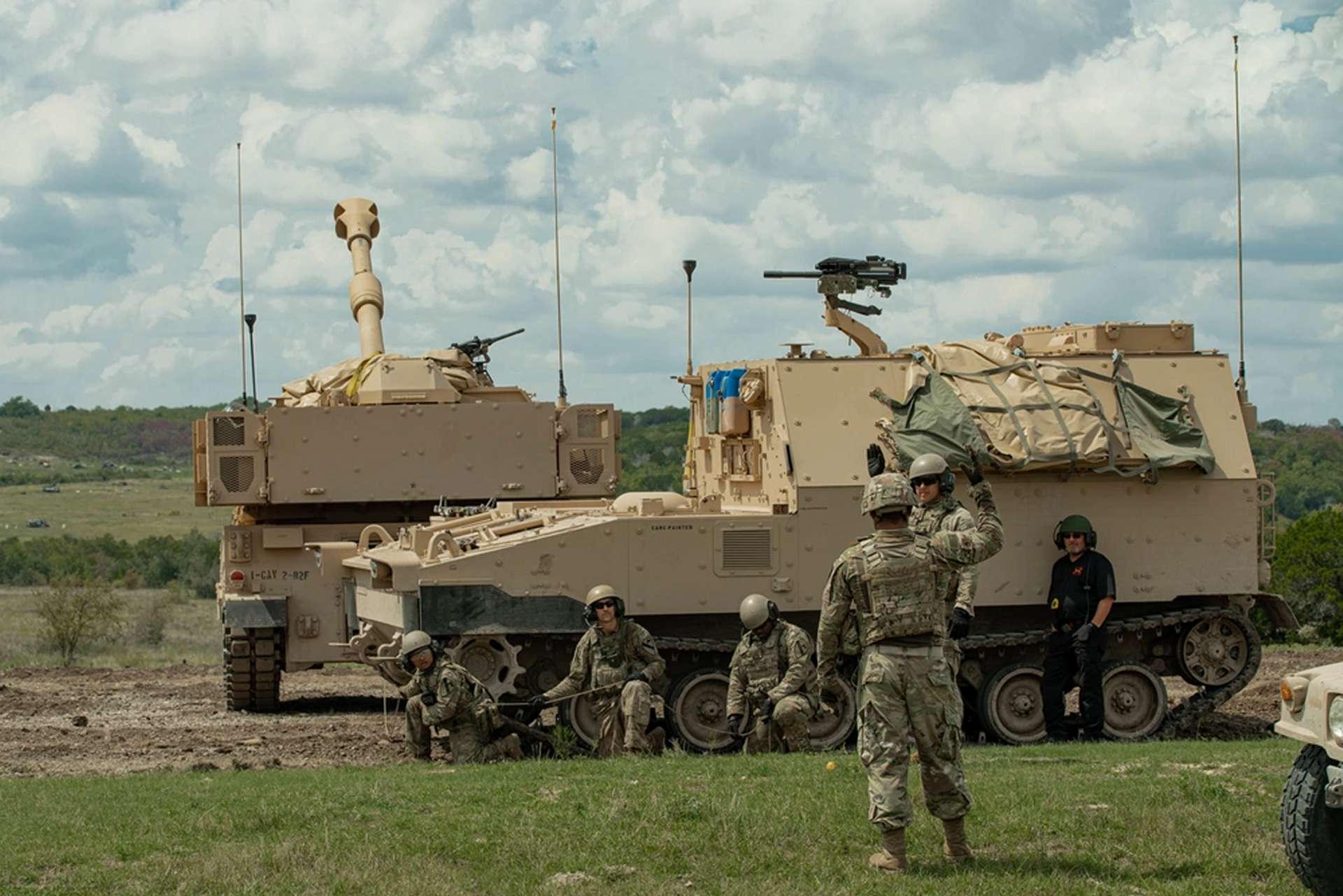
The PIM system includes two vehicles: the M109A7 self-propelled howitzer, which incorporates new system characteristics, and the M992A3 Carrier Ammunition Tracked (CAT), which shares components with the M109A7 but excludes those directly related to the cannon system. (Picture source: US DoD)
On July 3, 2024, BAE Systems Land and Armaments received a contract from the US Army valued at $579,309,813 for the production and delivery of M109A7 155mm self-propelled howitzers and M992A3 Carrier Ammunition Tracked (CAT) vehicles, along with fielding kits. The contract was awarded following an online solicitation process that yielded a single bid. The work is set to be performed at various locations within the United States, with completion expected by January 31, 2029. At the time of the award, $265,807,177 from fiscal years 2023 and 2024 Army funds for weapons and tracked combat vehicle procurement were obligated.
Earlier, on May 17, 2024, BAE Systems received a $57,585,343 contract modification to an existing contract from the US Army for additional production and delivery of these M109A7 and M992A3 vehicles. Funds from fiscal year 2023’s defense-wide operation and maintenance, along with weapons and tracked combat vehicle procurement, were fully obligated at the time of the award.
These two contracts align with the US Army’s proposed upgrades to the M109 Family of Vehicles (FOV) as part of its Fiscal Year 2025 budget. These modifications are part of the Paladin Integrated Management (PIM) program. The projected costs for these enhancements are $2,381.612 million for the M109 FOV modifications and $10,771.787 million for the PIM program. The purpose of these programs is to enhance the operational readiness, safety, and performance of the M109 FOV fleet and address various capability gaps and obsolescence issues.
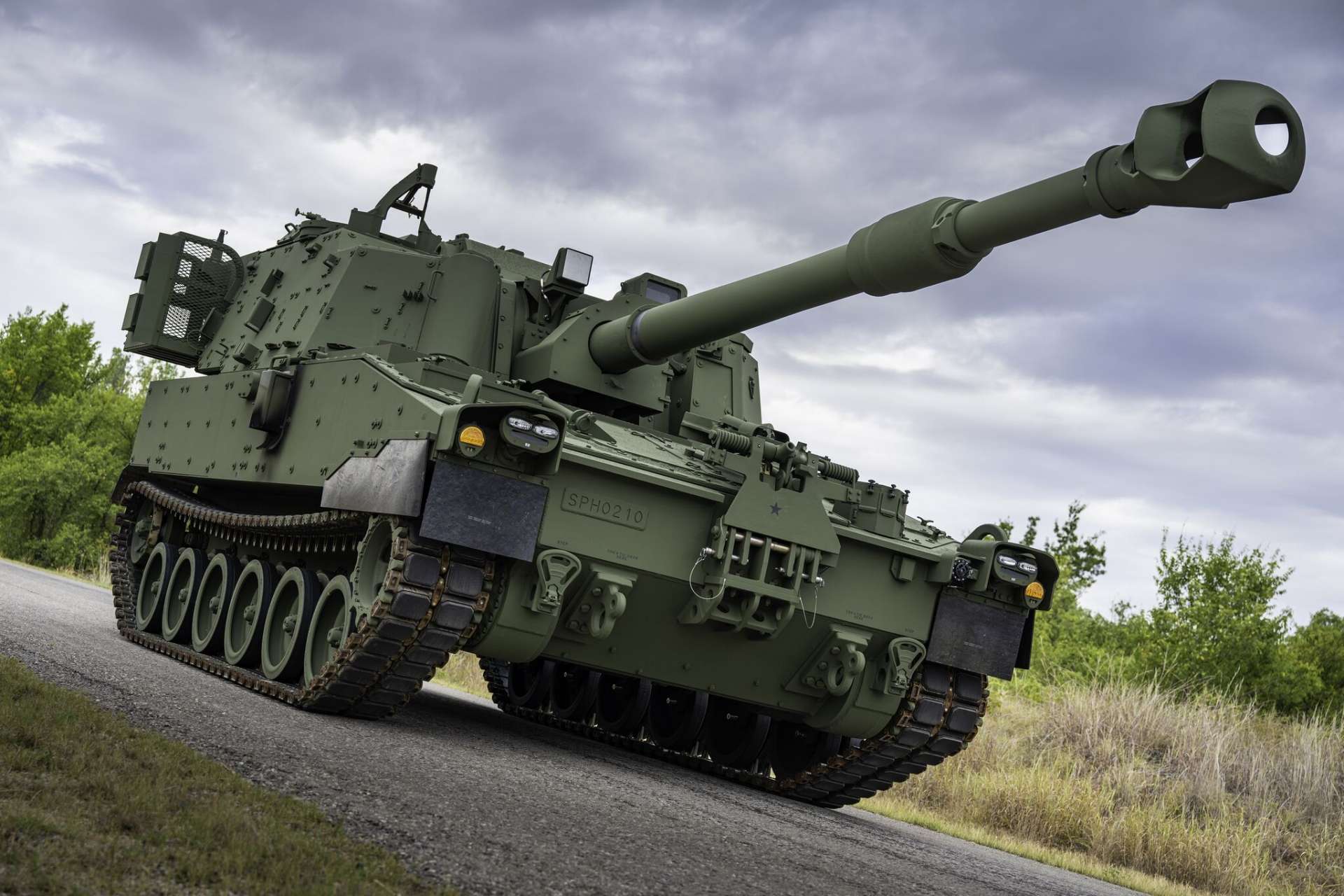
The M109A7, also known as the Paladin Integrated Management (PIM) upgrade, features several improvements over its predecessor, the M109A6, including a new chassis, engine, transmission, and suspension system. (Picture source: BAE Systems)
The first program includes several modifications aimed at improving the M109 Family of Vehicles, specifically the M109A6 and M109A7 Self-Propelled Howitzers and the M992A2 and M992A3 Field Artillery Ammunition Supply Vehicles. These changes align with the US Army’s Long-Range Precision Fires modernization priorities. The modifications include engineering design, testing, hardware procurement, and application to resolve field-identified issues, aiming to maintain operational readiness rates, enhance safety, and integrate new equipment.
Program management will extend across various units and facilities, including 16 Active Duty Army and National Guard Battalions, 10 Army Fires Brigades, three Rotational unit sets, four Army Prepositioned Stock sets, two Institutional Training Sites, two Combat Training Centers, and other associated facilities. Planned improvements include the Interior Blast Mitigation Retrofit for the M109A7, which involves installing improved floor mats and ammunition restraints to prevent secondary projectiles during underbody blasts. The Chief of Section Protection modification introduces ballistic risers and transparent armor to enhance situational awareness and personnel survivability. Additionally, the Ventilation System Dust Cover modification incorporates a pre-filtration design to prevent system clogs, and the SPH Crew Compartment Automated Fire Extinguishing System Retrofit extends fire suppression coverage to the entire crew compartment.
Other modifications involve redesigning the driver’s seatbelt and hatch to improve restraint reliability and reduce leaks, enhancing vehicle safety and usability. The Universal Mounting Bracket hardware modification supports current and future inertial navigation units, and the AFES Control Electronics Panel modification updates software and firmware for enhanced compatibility. Funding will also support hardware procurement necessary for executing these Modification Work Orders and ensuring equipment readiness, with program management overseeing configuration management, field data analysis, and developing strategies to address supply base shrinkage.
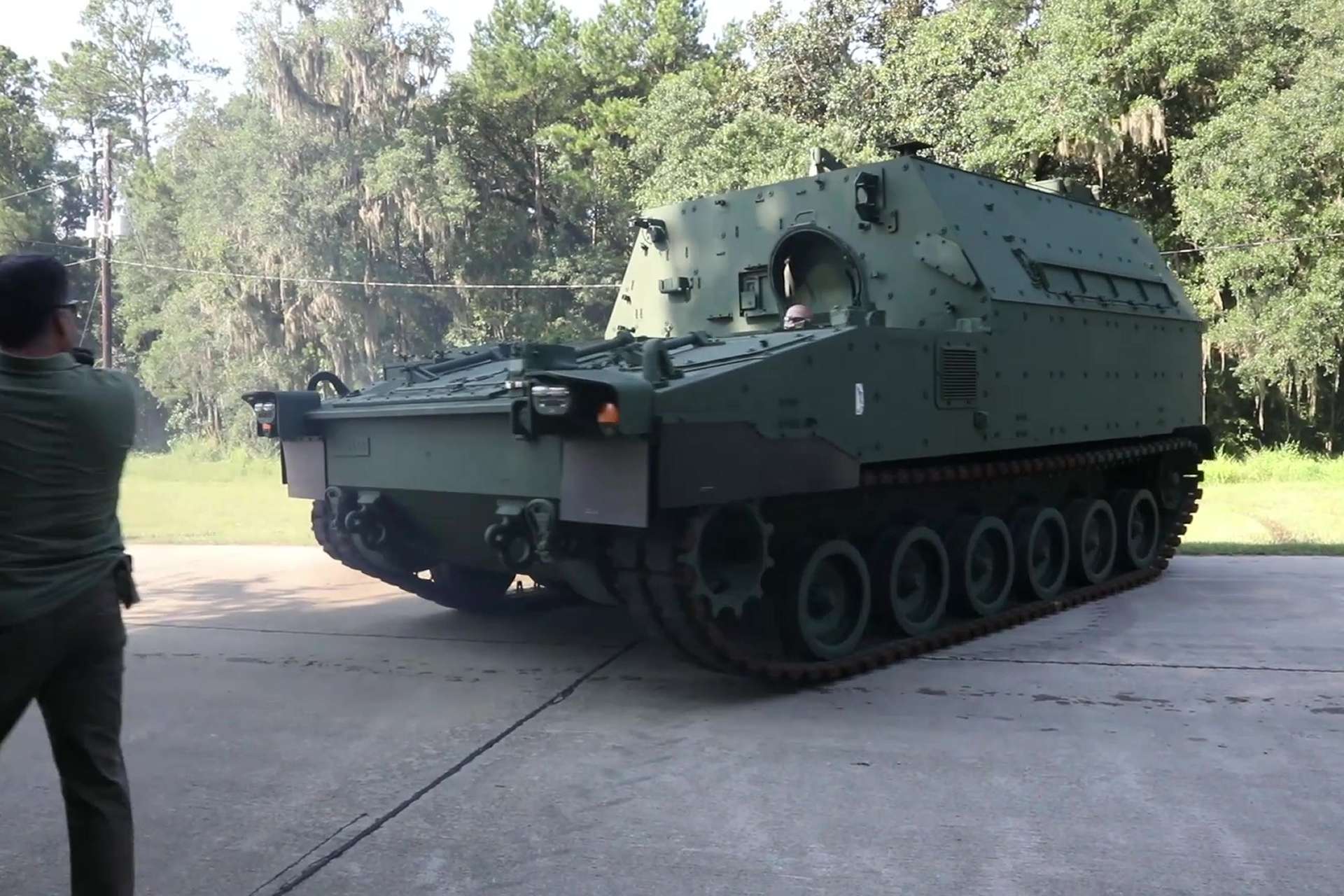
The M992A3, the latest variant of the FAASV, includes a new powertrain, an improved suspension system, advanced digital systems for inventory management, and improved ergonomics for the crew, allowing it to carry 93 rounds of 155 mm ammunition. (Picture source: US DoD)
These modifications to the M109 FOV are part of the US Army’s broader effort to modernize its fleet of self-propelled howitzers and associated resupply vehicles. The Paladin Integrated Management (PIM) program, designated as an Acquisition Category IC Major Defense Acquisition Program, aims to ensure the M109 FOV remains integral to armored and fires brigades. The PIM program involves replacing the current M109 Family of Vehicles, specifically the M109A6 and M992A2, with the newer M109A7 and M992A3 models.
The PIM system includes two vehicles: the M109A7 SPH, which incorporates new system characteristics, and the M992A3 CAT, which shares components with the M109A7 but excludes those directly related to the cannon system. These vehicles will replace the existing M109 FOV on a one-for-one basis within cannon fire battalions in the Armored Brigade Combat Team formations and in Echelons Above Brigade. Fielding will continue until the Army Acquisition Objective of 689 sets is achieved.
The PIM program addresses capability gaps left by the termination of the Non-Line of Sight Cannon program in June 2009. It resolves obsolescence and issues related to size, weight, and power in the current M109 FOV fleet. The vehicles under the PIM program integrate the suspension and drivetrain of the Bradley Fighting Vehicle, electric gun drive systems from the Future Combat Systems program, and current armament systems into a new chassis. This integration provides improvements in force protection, survivability, and mobility over the M109A6 and M992A2 models.
The FY 2025 budget justification documents outline procurement quantities and costs from previous years through FY 2029. The procurement summary indicates that 349 units were procured in prior years at a cost of $4,312.275 million. In FY 2023, 46 units were procured at a total cost of $1,009.489 million. For FY 2024, 24 units are planned, budgeted at $469.152 million, and for FY 2025, 20 units are planned with a budget of $417.741 million. The total program cost through FY 2029 is projected to be $10,771.787 million for 679 units.
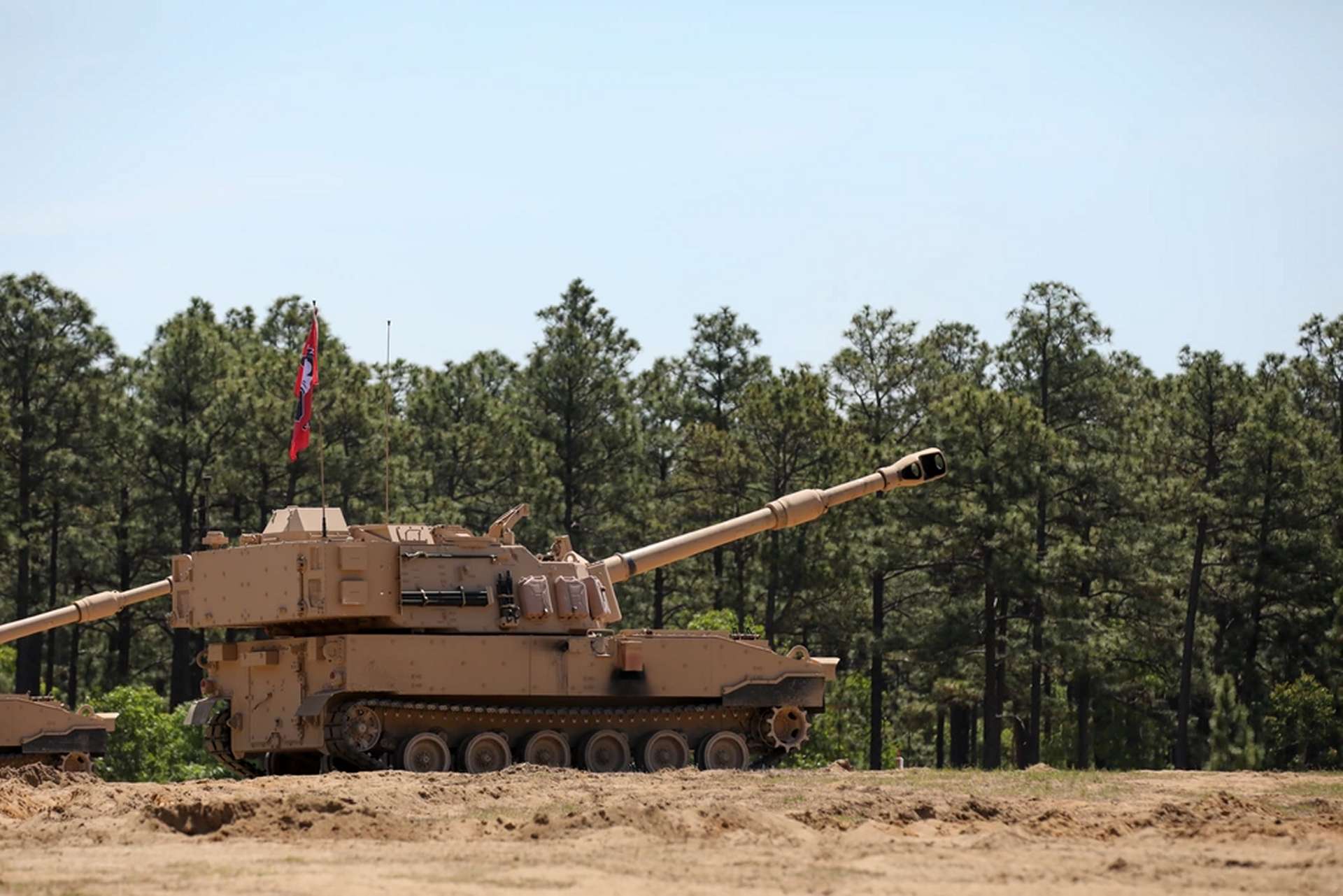
The North Carolina National Guard’s 1st Battalion, 113th Field Artillery Regiment was the first National Guard unit to receive the M109A7 self-propelled howitzer in 2021. (Picture source: US DoD)
The M109 Paladin is an American 155 mm self-propelled howitzer that was introduced in the early 1960s to replace the M44. Developed by the Ground Systems Division of United Defense (now part of BAE Systems), the M109 has become a standard Western indirect-fire support weapon for maneuver brigades of armored and mechanized infantry divisions. The initial model featured a 23-caliber barrel and was capable of firing various types of 155 mm ammunition. The M109 series has undergone multiple upgrades, enhancing its range, firepower, and operational capabilities. It has seen deployment in conflicts such as the Vietnam War, the Yom Kippur War, the Iran-Iraq War, the Gulf War, and the Iraq War.
The M109A7, also known as the Paladin Integrated Management (PIM) upgrade, is the latest version of the M109 series. It features several improvements over its predecessor, the M109A6, including a new chassis, engine, transmission, and suspension system. The M109A7 is powered by a Cummins V903 engine producing 503 kW, compared to the 328 kW engine in the M109A6. It also includes an upgraded electric ramming system and advanced digital fire control systems, enhancing its rate of fire and accuracy. The M109A7 has an operational range of approximately 300 kilometers and a top speed of 61 km/h.
The M992 Field Artillery Ammunition Support Vehicle (FAASV) was developed to support the M109 howitzer by transporting ammunition. Introduced in the early 1980s, the M992 was designed to improve the efficiency of artillery units by ensuring a steady supply of ammunition directly to the front lines. The M992 is built on the same chassis as the M109, ensuring compatibility and ease of maintenance. The vehicle includes storage racks for ammunition, a conveyor system for rapid resupply, and a crane for handling heavy projectiles.
The M992A3 is the latest variant of the FAASV, featuring several upgrades over its predecessors. It includes a new powertrain and improved suspension system, enhancing its mobility and reliability in various terrains. The M992A3 also incorporates advanced digital systems for inventory management and improved ergonomics for the crew. It can carry 93 rounds of 155 mm ammunition and efficiently resupply the M109 howitzer under combat conditions. These enhancements ensure the M992A3's role in maintaining sustained firepower and operational effectiveness in modern artillery units.
- Ukrainian Marines Unveil Rocket-Armed Humvees in Action
- John Cockerill Defense Provides Cutting-Edge Agueris Training Simulators for Military Forces
- Turkish STM Announces First Export of BOYGA Autonomous Multi-Rotor Combat Drone to African Market
- GDELS develops a new Piranha Stratcom 8x8 vehicle with a 15-meter mast for the Swiss Army