
- Details
- Written by: Jérôme Brahy
- Category: 2024
- Hits: 6981










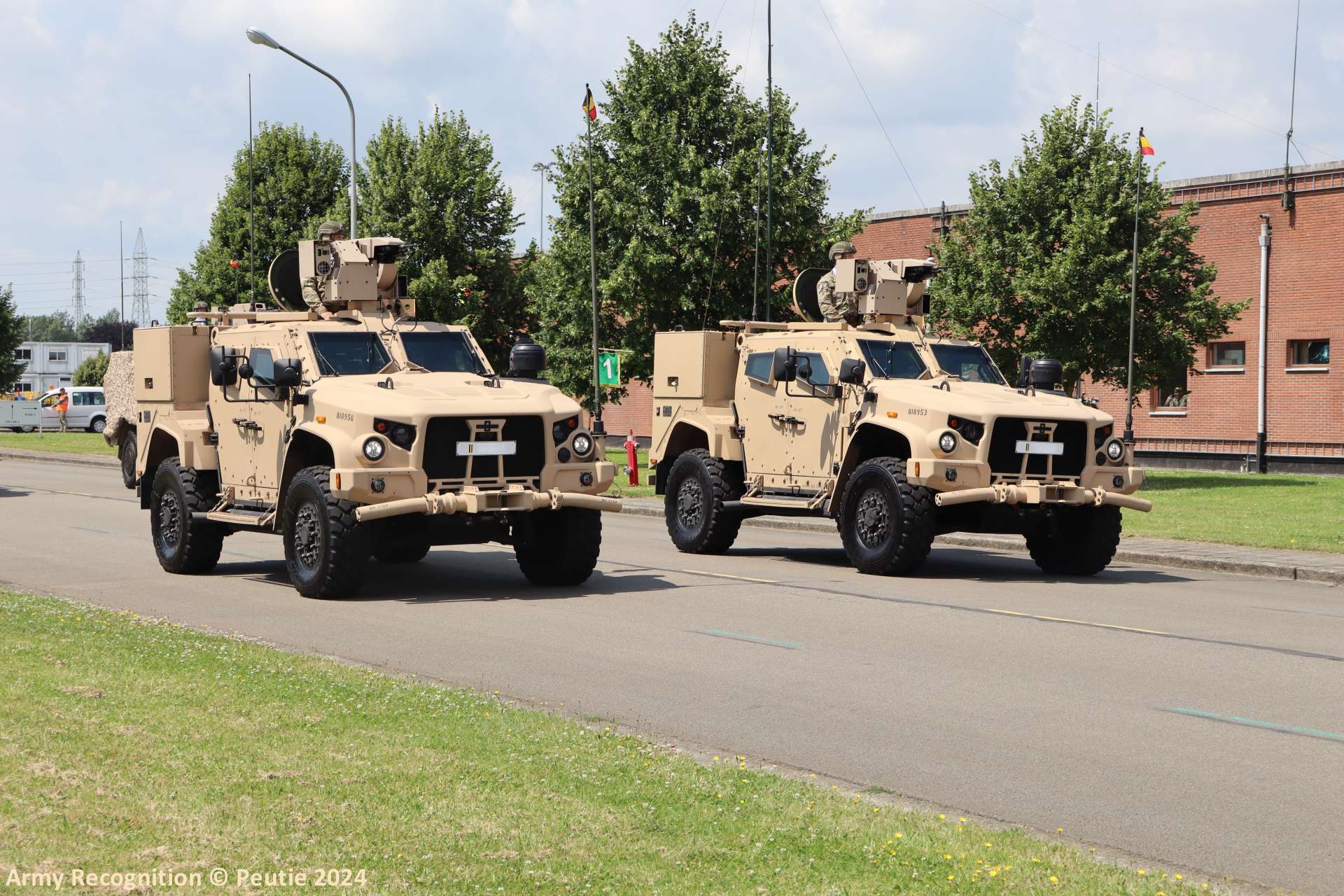
On July 17, 2024, the Belgian Army conducted rehearsals for the motorized column scheduled for the July 21 parade at the Peutie military base. This event, open to the press, featured vehicles from various armies, including the French Army's Griffon, Jaguar, and CAESAr 6x6, as well as the Luxembourg Army's Dingo 2. Additionally, it marked the first public appearance of the Belgian version of the Joint Light Tactical Vehicle (JLTV), known as the Falcon or Command and Liaison Vehicle (CLV), in various configurations.
Follow Army Recognition on Google News at this link
A total of 322 JLTVs, designated as CLV Falcon in the Belgian Army, will replace the 437 IVECO LMV Lynx armored vehicles currently in service. (Picture source: Army Recognition)
On January 19, 2024, the Bataljon Jagers te Paard - Bataillon de Chasseurs à Cheval, a cavalry unit of the Belgian Army, announced on Facebook that it had received its first batch of new JLTVs from Oshkosh Defense. These vehicles are intended to replace the IVECO Lynx (LMV) vehicles currently in service. The sand color of these vehicles, noted during the announcement, raised questions about whether they would receive removable camouflage stickers similar to those used by the French Army.
A tweet from the Directorate General Material Resources (DGMR) of the Belgian Army on September 11, 2020, indicated that Oshkosh Defense had secured the contract to supply 322 JLTVs designated as CLVs to replace the IVECO LMV Lynx armored vehicles. The DGMR's announcement specified that the Belgian Council of Ministers had approved the Ministry of Defense's acquisition of these vehicles, amounting to €134.7 million. This contract included a fourteen-day period for competitors to lodge appeals with the Council of State. The JLTVs were slated for delivery starting in 2023, ahead of the planned 2026 retirement of the current Lynx fleet.
These JLTV CLVs will replace the 437 Lynx vehicles currently in service, which were built in 2005 and entered service in 2007. The early retirement of these vehicles is due to structural issues, including cracks in the chassis and roof armor of the 120 SPS and RPK versions equipped with remote weapon stations (RWS) and additional armor, which significantly increased their weight beyond the manufacturer's original specifications.
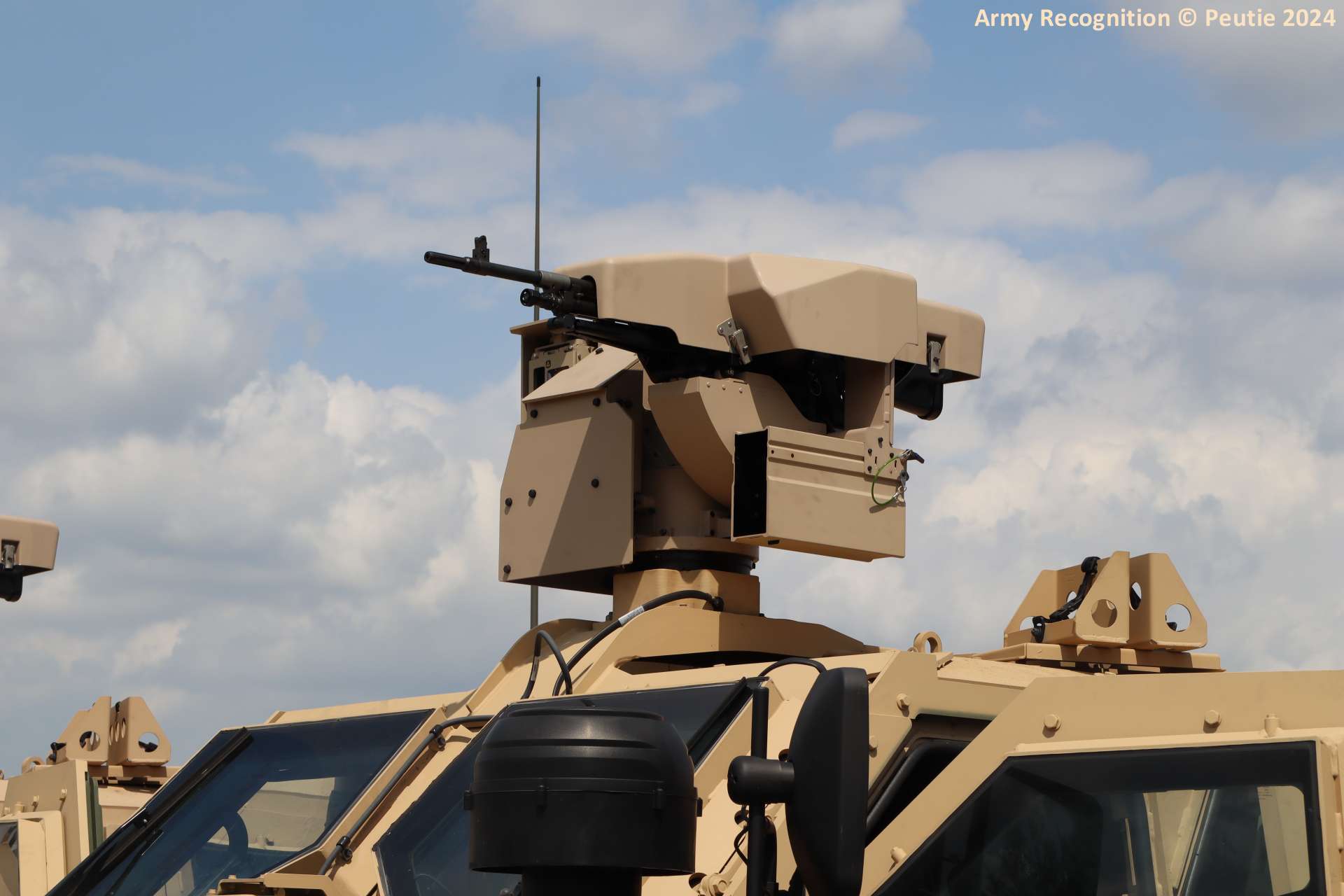
Of the 322 JLTVs, 135 will be equipped with a Belgian-made FN Herstal deFNder Light RWS armed with a 7.62mm machine gun. (Picture source: Army Recognition)
The Oshkosh contract also includes a €15.4 million agreement for technical assistance and logistical support for the new CLVs during their first four years of service. Of the 322 JLTVs, 135 will be equipped with an FN Herstal deFNder Light RWS armed with a 7.62mm machine gun. The Belgian Ministry of Defense sought an "off the shelf" solution to avoid development costs, opting for a mature vehicle already in use by partner countries, ensuring it met requirements for payload, tactical mobility, and occupant protection.
The JLTV CLV Falcons will be integrated with other vehicles under the "Motorized Capacity" (CaMo) program, which includes 382 VBMR Griffons and 60 EBRC Jaguar reconnaissance and combat armored vehicles, along with 19 CAESAr MkII self-propelled howitzers, all acquired through a partnership with France. This integration aligns with the Belgian Defense's strategic vision for 2016-2030, guiding defense policy, investments, operational evolution, and personnel management. This strategic vision, reflecting government agreements and contributions from defense specialists, the Defense Staff, Parliament, and academia, was first released on June 29, 2016, and updated in June 2021.
The JLTV is seeing increasing adoption across various military forces globally. Over 20,000 units have been produced by Oshkosh Defense as of June 2023. The vehicle is utilized by the U.S. Army, Marine Corps, Air Force, and Navy, as well as several NATO allies and other partner countries. Slovakia, for example, ordered 160 JLTVs in 2023, while Lithuania has an ongoing contract for 350 additional units beyond their initial order of 200.
In terms of performance, the JLTV features a GM Duramax V8 engine paired with an Allison 2500 transmission, offering significant power and reliability. It has the TAK-4i intelligent independent suspension system, which provides robust off-road mobility. The vehicle is designed to offer Mine-Resistant Ambush Protected (MRAP)-level defense against improvised explosive devices (IEDs) and other threats. It can be equipped with additional armor and various weaponry, such as the FN Herstal deFNder Light remote weapon station. The JLTV's adaptability includes future enhancements, like hybrid-electric variants, which offer silent drive and extended operational capabilities.
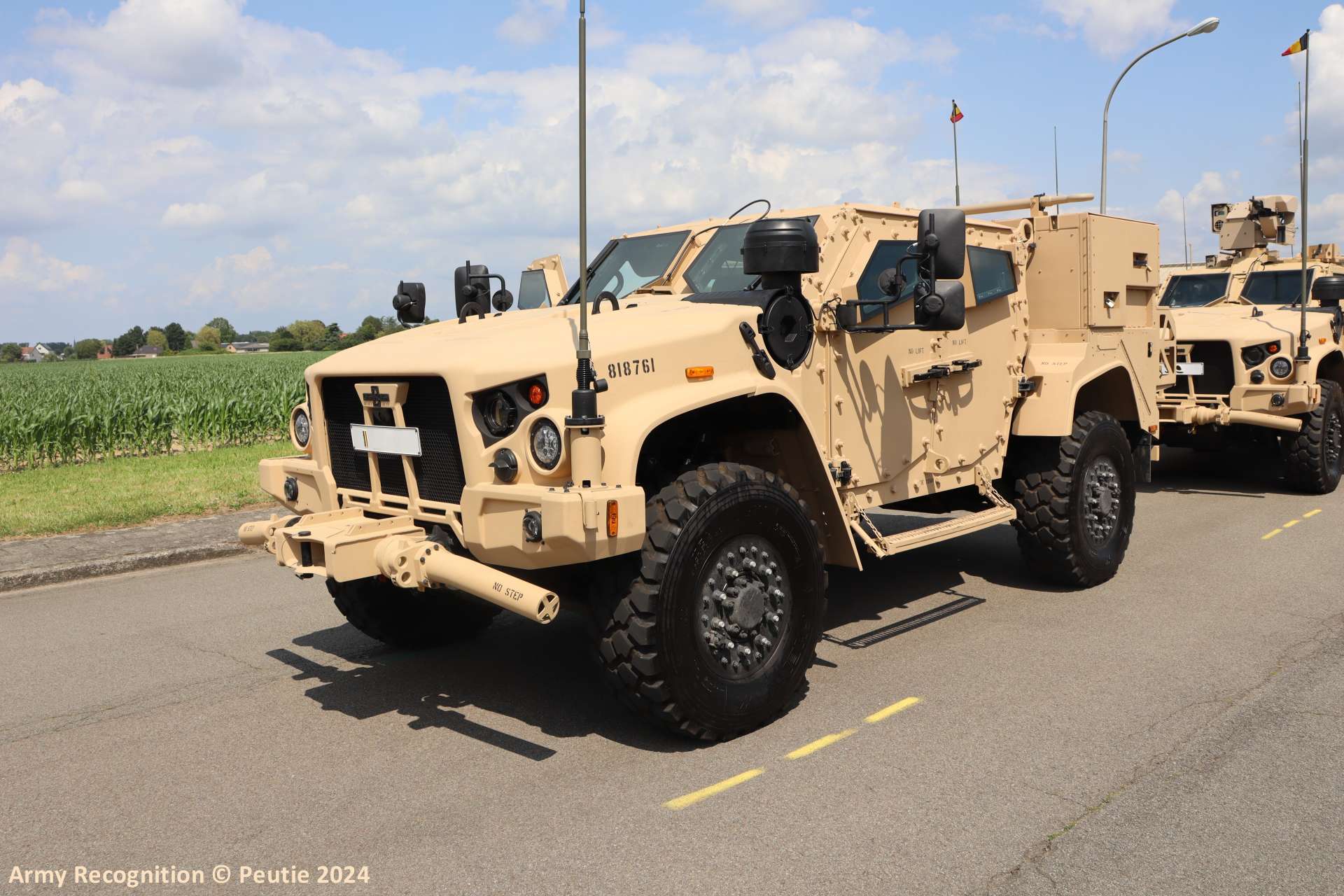
The JLTV is used by the U.S. Army, Marine Corps, Air Force, and Navy, as well as several NATO allies and other partner countries, such as Slovakia and Lithuania. (Picture source: Army Recognition)
France and Luxembourg's vehicles on display at Belgian Army rehearsal:
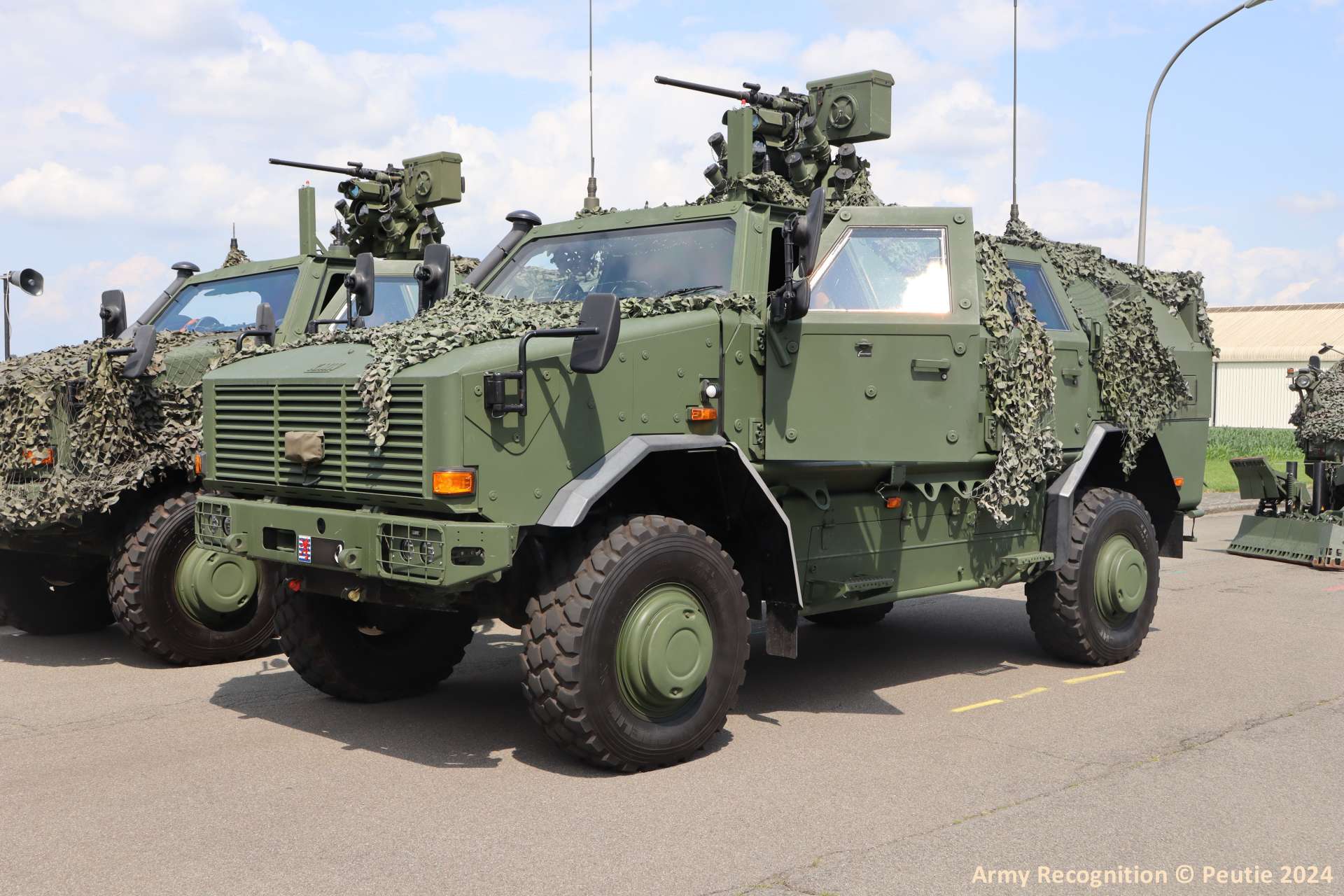
The Luxembourg Army has a fleet of 48 Dingo 2 armored vehicles, acquired to enhance the Luxembourg Army's protected mobility and reconnaissance capabilities. The Dingo 2 is known for its high level of protection against small arms, artillery shrapnel, anti-personnel, and anti-tank mines, as well as NBC (nuclear, biological, and chemical) threats. (Picture source: Army Recognition)
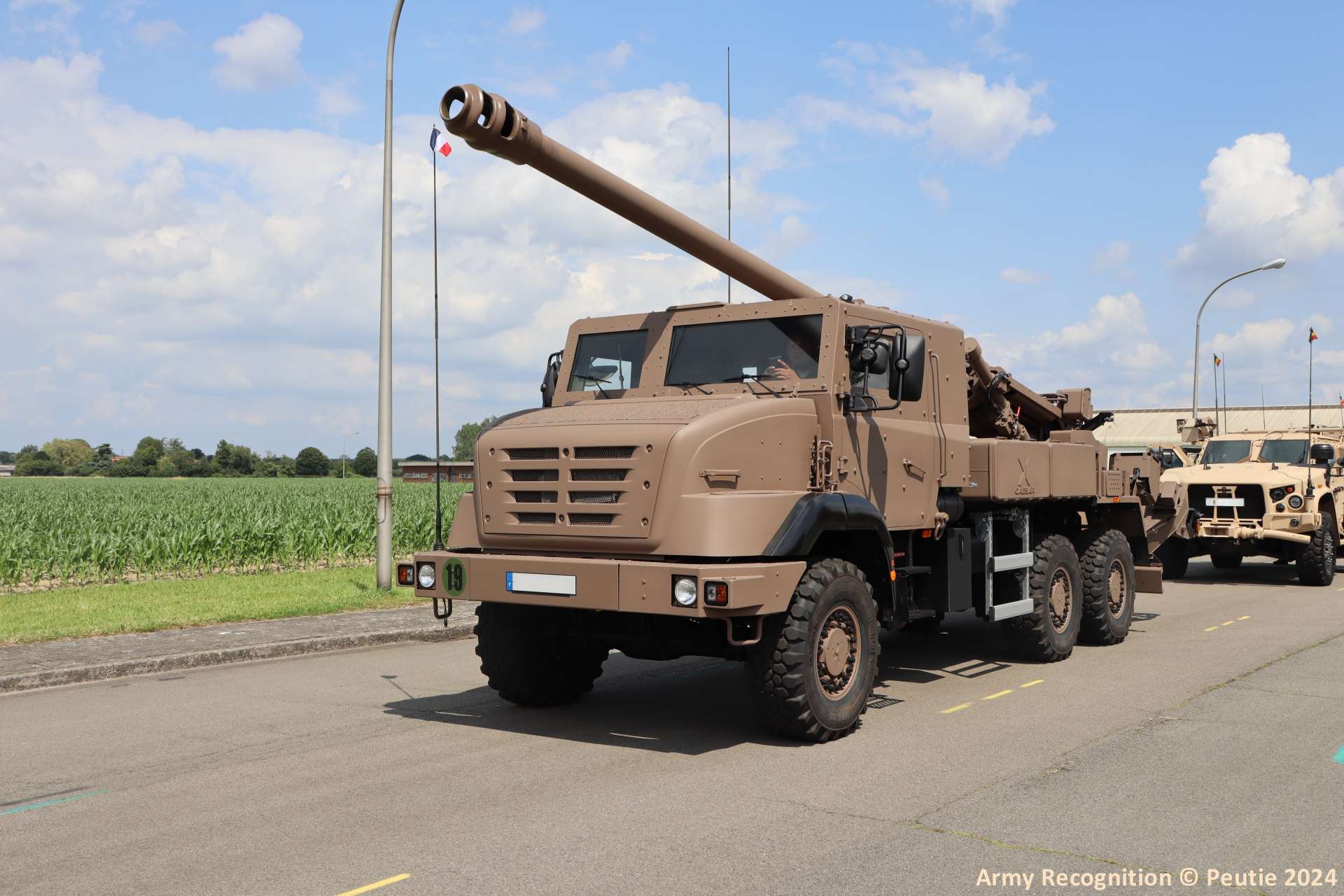
The CAESAR 6x6 155mm self-propelled howitzers are noted by Ukrainian forces for their mobility, precision, and range of up to 40 kilometers, particularly in counter-battery fire situations. (Picture source: Army Recognition)
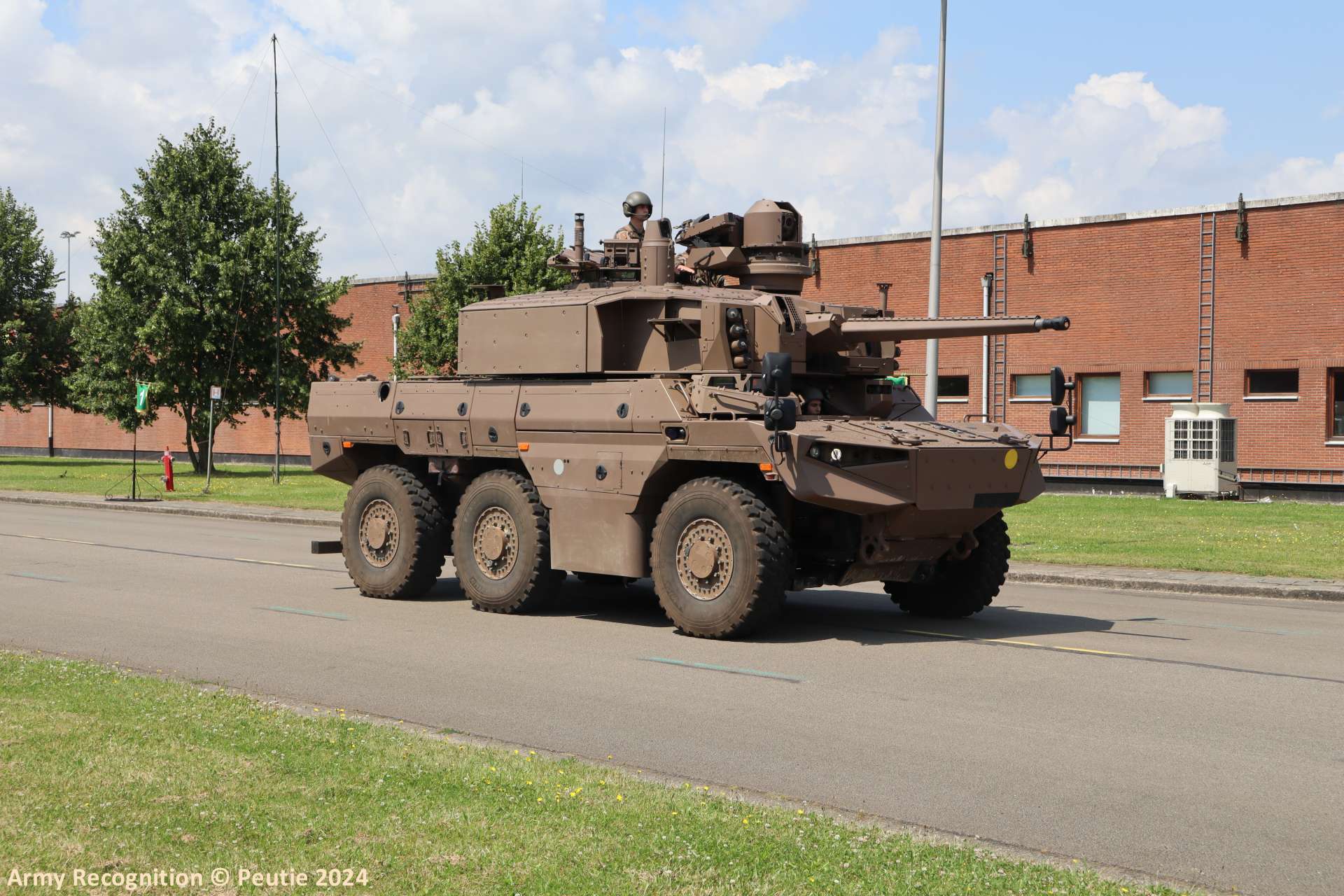
The Jaguar, an armored reconnaissance and combat vehicle developed by France in collaboration with the companies Nexter, Renault Trucks Defense (RTD), and Thales, is armed with a 40 mm cannon, a 7.62 mm machine gun, and medium-range anti-tank guided missiles. (Picture source: Army Recognition)
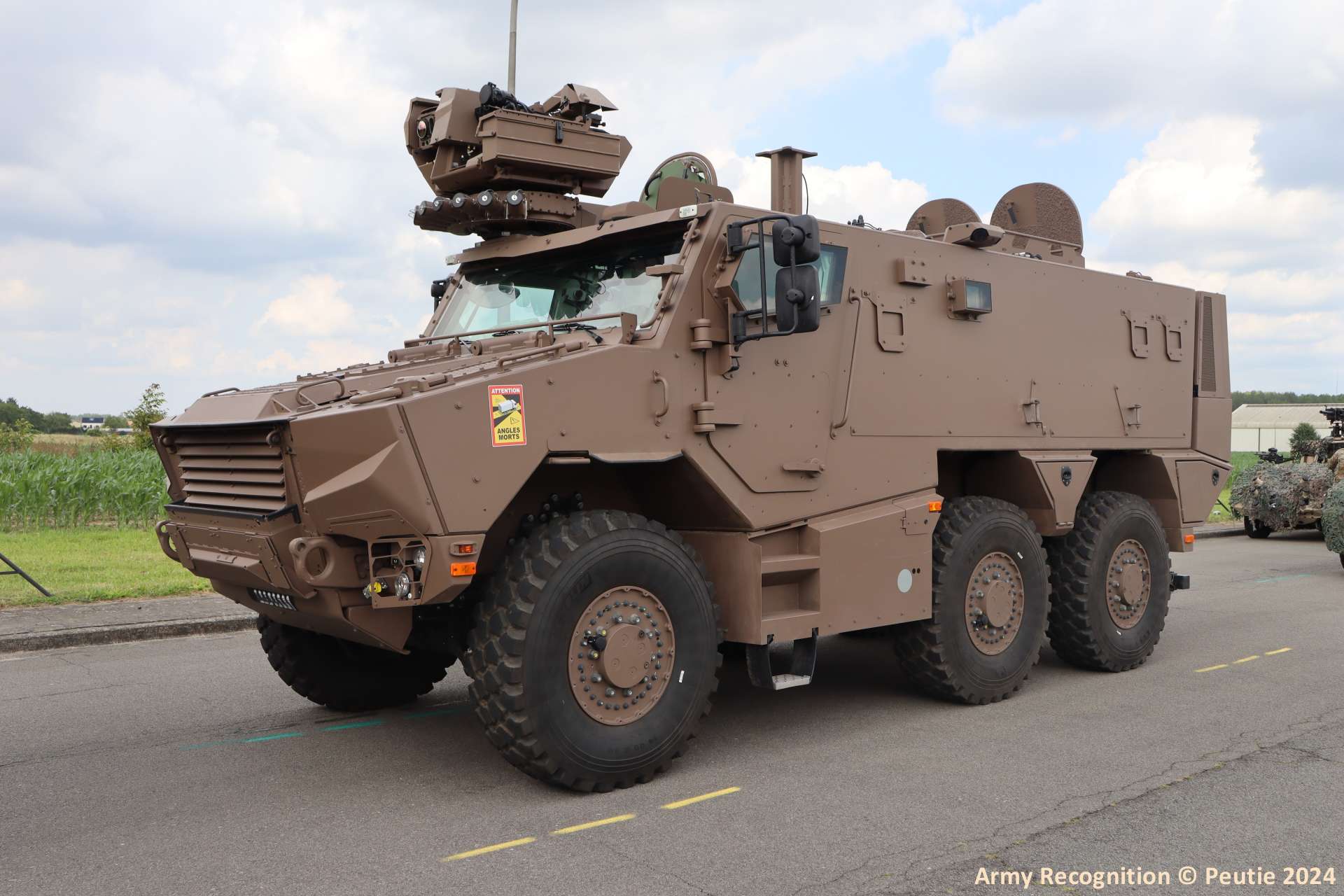
The Griffon, which began production in 2017 and entered service in 2019, is a multi-role armored vehicle designed to replace the older VAB (Véhicule de l'Avant Blindé) used by the French military since the 1970s. (Picture source: Army Recognition)
Read more: Belgian Army's JLTV Falcon makes grand entrance ahead of National Parade
- Details
- Written by: Halna du Fretay
- Category: 2024
- Hits: 3903
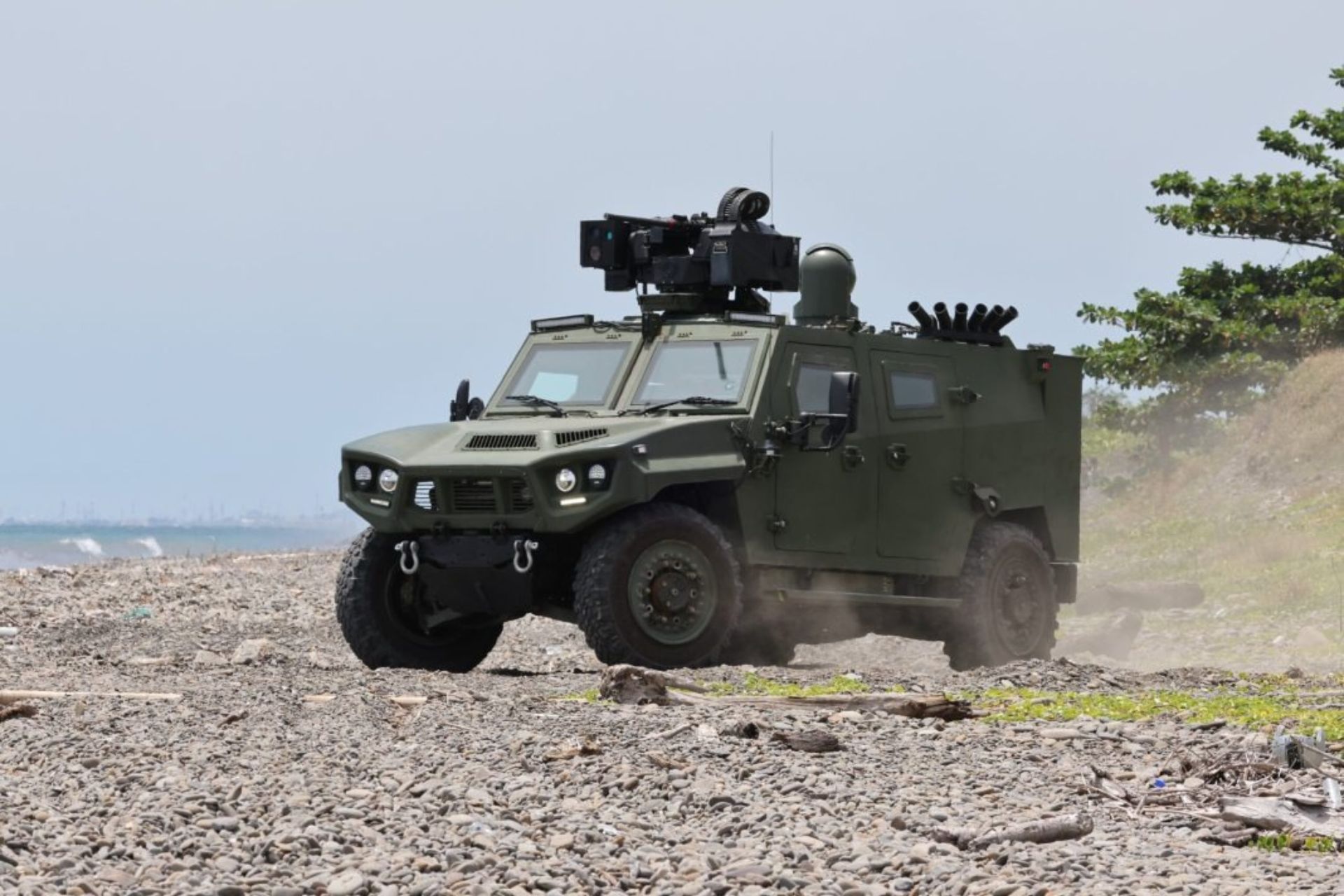
On July 17, 2024, two prototypes of new tactical reconnaissance vehicles were observed during tests at the Pingtung Jia Lu Tang defense training center in Taiwan, as reported by a Taiwanese defense-focused magazine on Facebook. These prototypes, labeled P3 and P4, are equipped with remote-controlled gun turrets and enhanced armor, representing a significant development over previous models.
Follow Army Recognition on Google News at this link
The ongoing tests on the P3 and P4 are part of an extensive tactical evaluation that includes trials across various terrains throughout the island.(Picture source: 尖端科技軍事雜誌 on Facebook)
Field tests were conducted on gravel beaches, where the vehicles showcased their ability to take down aerial targets. Using .50 caliber machine guns, the prototypes fired in single-shot, burst, and fully automatic modes, successfully hitting red balloon targets towed by drones. In addition to their firepower, the vehicles deployed smoke grenades and underwent testing on rugged terrain to assess their real-world performance.
This new generation of tactical vehicles follows the P2 prototype, which was displayed last September at the Taipei Aerospace & Defense Technology Exhibition. The P2 had exposed certain vulnerabilities, notably the external placement of battery packs and electro-optical reconnaissance systems. The P3 and P4 models have addressed these issues by reinforcing armor around critical components.
The ongoing tests on the P3 and P4 are part of an extensive tactical evaluation that includes trials across various terrains throughout the island. These evaluations are intended to ensure the vehicles meet the required performance standards for future deployment.
The Armaments Bureau of Taiwan is also advancing two major armored vehicle development projects: the "Cheetah Project" for 105mm wheeled tanks, which already has two prototypes, and the "Iron Cavalry Project" for wheeled tactical reconnaissance vehicles. The latter now has four prototypes in the testing phase since June. These initiatives demonstrate Taiwan’s ongoing commitment to enhancing its defense capabilities in response to complex security challenges.
Read more: New Tactical Vehicles with Machine Guns Tested in Taiwan
- Details
- Written by: Vandenbosch
- Category: 2024
- Hits: 4199
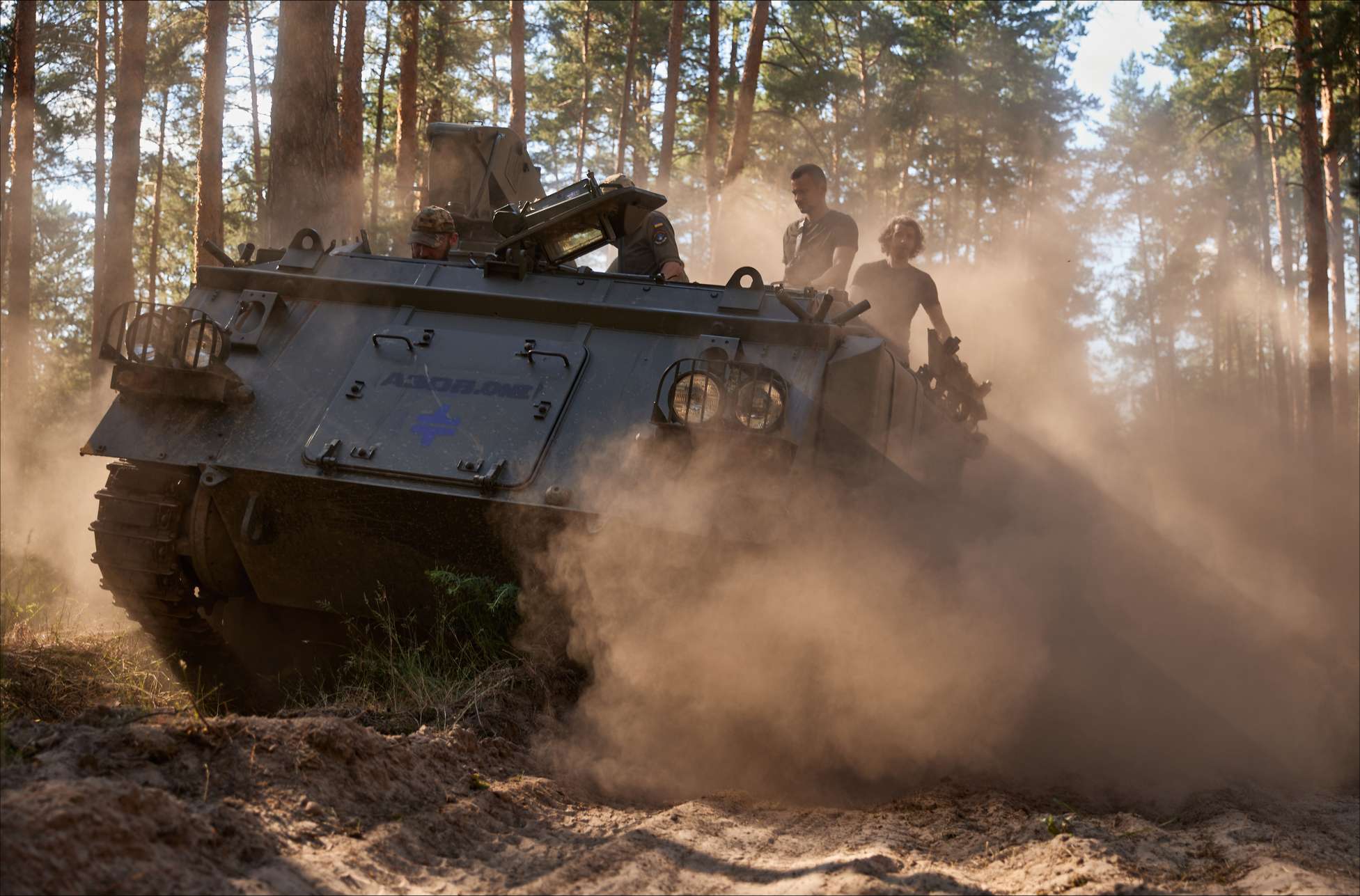
The public organization "Azov One" and the "Tyilovyky" project, with the support of the Prytula Foundation, have delivered a batch of armored vehicles to the 12th Special Forces Brigade "Azov." The donors provided 15 FV432 armored personnel carriers (APCs) and 2 FV434 armored repair and recovery vehicles, with a total value of 77 million hryvnias.
Follow Army Recognition on Google News at this link
The donors provided 15 FV432 APCs and 2 FV434 armored repair and recovery vehicles. (Picture source: Ukrainian MoD)
The funds were raised by the "Tyilovyky" project and the fundraising department of the "Azov One" brigade. With the support of specialists from the Prytula Foundation, the vehicles were purchased and transported from the United Kingdom to Ukraine.
"Azov One contacted us for help because we have expertise in purchasing armored vehicles. With the volunteers, we found the necessary equipment in British warehouses, obtained an export license, and brought it to Ukraine," said Prytula.
The FV432 is an armored personnel carrier (APC) in service since 1963, primarily used by the British Army. Manufactured by GKN Sankey, this vehicle has played an important role in various military operations, including Operation Granby, where it was used by the 7th Brigade Royal Scots.
The FV432 weighs 15 tons and measures 5.25 meters in length, 2.55 meters in width, and 2.28 meters in height. It is designed to transport a crew of two and can accommodate up to ten additional soldiers. The vehicle is armored with a maximum thickness of 12.7 mm, protecting against small arms fire and shrapnel.
For armament, the FV432 is equipped with a 7.62 mm L7 General Purpose Machine Gun as its main weapon, and it also features smoke dischargers for additional tactical capability. The vehicle is powered by a Rolls-Royce K60 multi-fuel engine that delivers 240 horsepower, giving it a power-to-weight ratio of 15.7 hp per tonne. The torsion-bar suspension system with five road wheels ensures that the FV432 can navigate various terrains effectively.
Operationally, the FV432 has a range of 580 kilometers and can reach a maximum speed of 52 km/h. These specifications make it a versatile and reliable vehicle for transporting troops and providing support on the battlefield.
The Prytula Foundation noted that their organization has imported and delivered 164 units of wheeled and tracked armored vehicles to Ukraine. Last month, the foundation prepared a batch of FV432s for the 114th Territorial Defense Brigade.
Read more: Delivery of FV 432 and FV 434 Armored Vehicles to Ukrainian Forces
- Details
- Written by: Halna du Fretay
- Category: 2024
- Hits: 23648
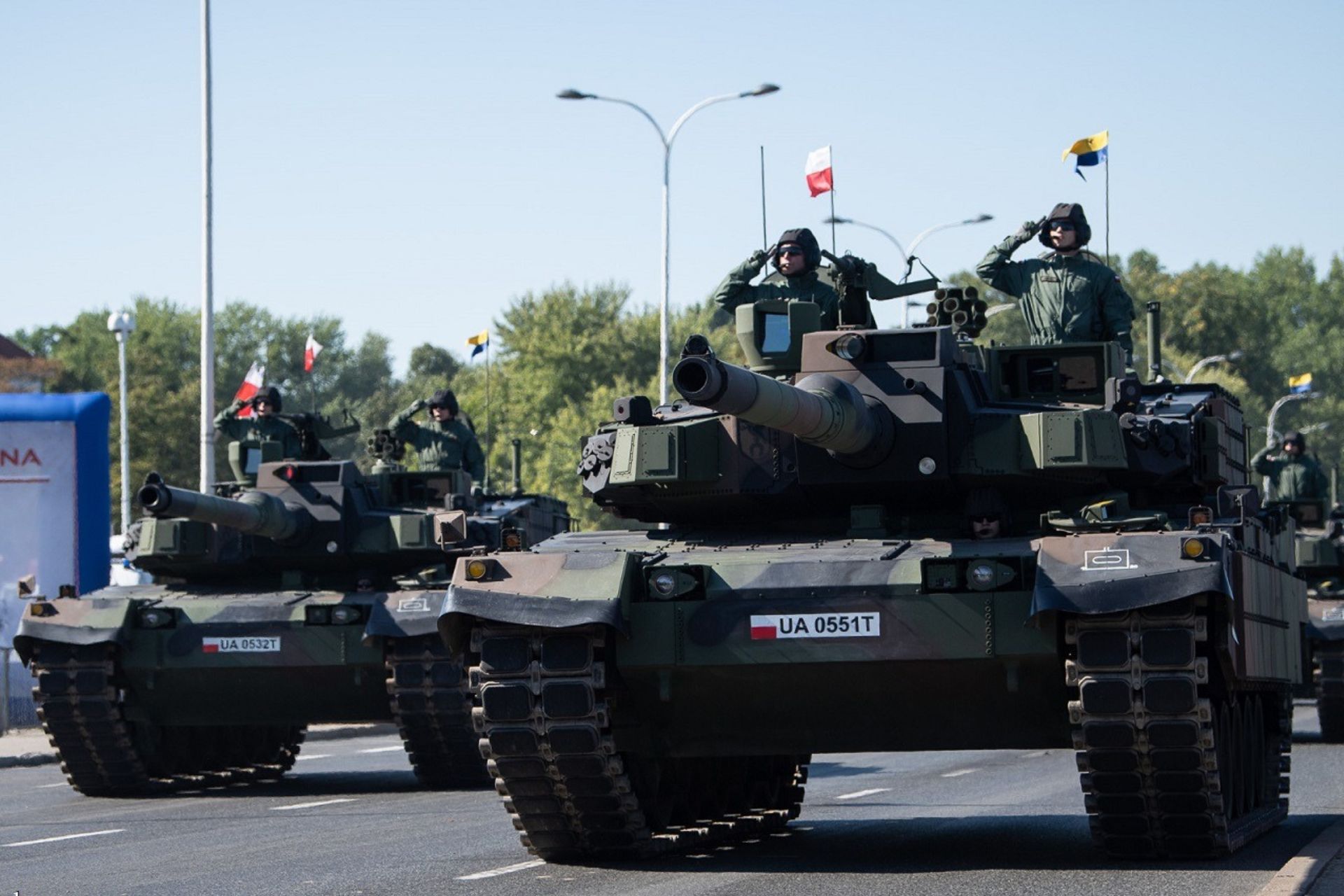
According to NATO's latest estimates for this year, the Polish military has now become the third-largest military force within the alliance and the largest in Europe, with a total of 216,100 personnel. This figure places Poland only behind the United States, which has 1.3 million personnel, and Turkey, with 481,000 members. Following Poland are the French armed forces with 204,700 personnel, Germany with 185,600, Italy with 171,400, and the United Kingdom with 138,100. Follow Army Recognition on Google News at this link
In 2024, the Polish military recorded the highest number of new recruits since the end of compulsory military service (Picture source: Polish MoD)
Over the last decade, the size of the Polish military has more than doubled. In 2014, it had only 99,000 personnel and was ranked ninth in NATO. This figure gradually increased over the years, reaching 116,200 in 2020, at which time it was still only the eighth largest in NATO. However, since then, the number of personnel has rapidly increased, surpassing all other NATO countries except the United States and Turkey. In March 2022, a new national defense law set a goal to double the size of Poland’s armed forces to 300,000 personnel, including 250,000 professional soldiers and 50,000 territorials. That year, the Polish military recorded the highest number of new recruits since the end of compulsory military service.
At that time, then-Defense Minister Mariusz Błaszczak stated that "the Polish army would become the most powerful land force in Europe" through the expansion of recruitment, procurement, and modernization. Today, Jacek Siewiera, head of Poland’s National Security Bureau (BBN), stated that new NATO data confirm that "Poland having the largest army in Europe has become a reality." He added that the increase in the size of the Polish military is "a factor that averts the specter of war."
Over the past ten years, Poland has significantly intensified its international armament partnerships as part of its military modernization strategy and national security strengthening. One of the most significant partnerships has been with the United States, marked by the purchase of Patriot missile defense systems in 2018, a multi-billion-dollar deal aimed at enhancing Polish air defense. More recently, in 2020, Poland concluded an agreement to acquire 32 F-35 Lightning II combat aircraft, thus bolstering its air defense capabilities with this cutting-edge technology.
Furthermore, cooperation with South Korea has become a major focus, culminating in the purchase of K2 Black Panther tanks and K9 Thunder howitzers in 2021, demonstrating the expansion of Poland's military cooperation beyond NATO borders.
In addition to increasing its military personnel, Poland has also taken significant steps to increase its defense spending. According to NATO's 'Defense Expenditure of NATO Countries (2014-2023)' report, Poland shows a defense spending rate estimated at 3.93% of its GDP for 2023, thus leading the NATO list, ahead of the United States at 3.24% and Greece at 3.05%. Since 2014, Poland is fourth in terms of defense spending growth with an increase of 190%, behind Latvia at 208.87%, Hungary at 213.26%, and Lithuania at 302.46%. These efforts reflect Poland's ongoing commitment to strengthening its defense posture within the alliance.
Read more: Polish Military Becomes NATO's Third Largest Force
- Details
- Written by: Administrator
- Category: 2024
- Hits: 6107
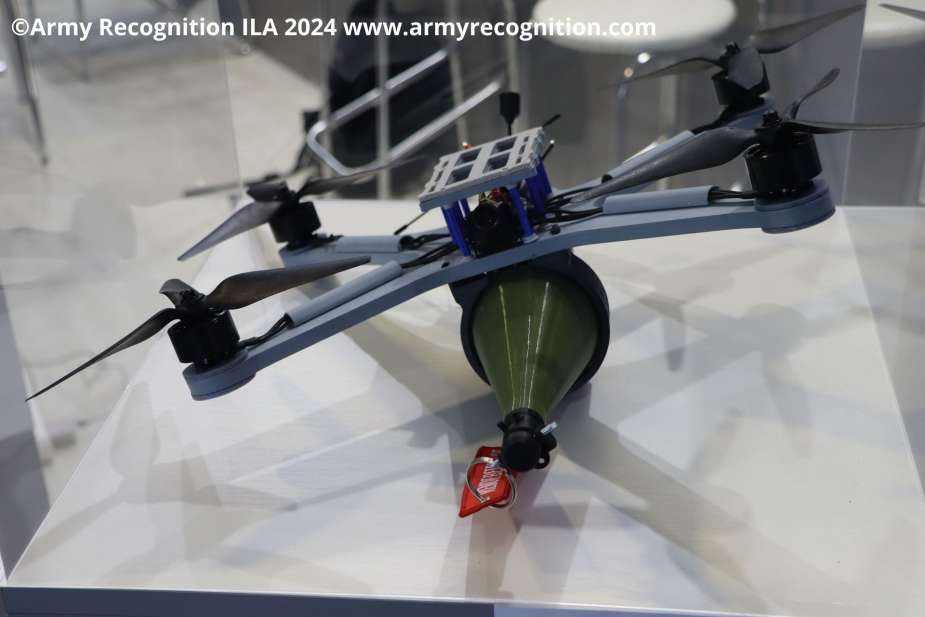
The German Ministry of Economics has officially granted approval for the arms company Donaustahl to manufacture and export FPV drones of the “Maus” type. The first customer for these advanced drones will be the Ukrainian drone unit Kraken. According to Donaustahl, the “Maus” system can be used for FPV kamikaze attacks with a warhead, for attacks against infantrymen, and in combat against tanks.
Follow Army Recognition on Google News at this link
The MAUS drone is a German-made modular loitering munition or kamikaze drone capable of precision attacks against infantry, tanks, and other targets, equipped with advanced IR and thermal imaging for day and night operations. (Picture source: Army Recognition Group)
The Kraken Regiment (Ukrainian: Спецпідрозділ «Kraken», romanized: Spetspidrozdil «Kraken») is a Ukrainian military volunteer unit, part of the Spetsnaz units of the Main Directorate of Intelligence of Ukraine (HUR). Formed in 2022 as a response to the Russian invasion of Ukraine, Kraken has become a key component in Ukraine's defense strategy.
The "Maus" drone system is recognized as the world's first adaptive loitering munition platform designed for both day and night operations, utilizing infrared and thermal imaging. This modular system is capable of performing a range of attack types. It can carry out FPV-kamikaze attacks using HEAT warheads, anti-infantry attacks with 30mm VOG, 40mm NATO, or 85mm Sonyashnyk munitions, and anti-material attacks with the Trench Cleaner. With an effective combat range of 5-7 km, a climb rate of 18-22 m/s, and a maximum payload of 2.7 kg, the "Maus" represents a versatile and effective solution for various combat scenarios.
The system also features a quick-click mechanism that allows it to switch between different effectors within seconds. Initial experiments integrating AI-supported recognition software are showing promising results, indicating further enhancements in the "Maus" system's operational capabilities.
Germany has significantly increased its military aid to Ukraine, reflecting its commitment to support Ukraine amid the ongoing conflict with Russia. In 2024, Germany has pledged to double its military aid to Ukraine, allocating €8 billion (approximately $8.5 billion) to this effort. This boost in aid comes in response to the rapid exhaustion of previously planned funds and aims to reinforce Ukraine's defense capabilities.
A substantial portion of this aid will be used to supply advanced military technology, including additional IRIS-T SLM air defense systems and artillery ammunition. Germany has also provided around €22 billion in total aid since the start of the conflict, encompassing humanitarian, financial, and military support.
The increased budget for military aid is part of Germany's broader strategy to meet NATO's defense spending targets and enhance its military contributions. This comprehensive support underscores Germany's role as one of Ukraine's principal backers in its struggle against Russian invasion.
Read more: Germany Approves Export of Maus Loitering Munition to Ukrainian Unit Kraken
- Details
- Written by: Vandenbosch
- Category: 2024
- Hits: 3560
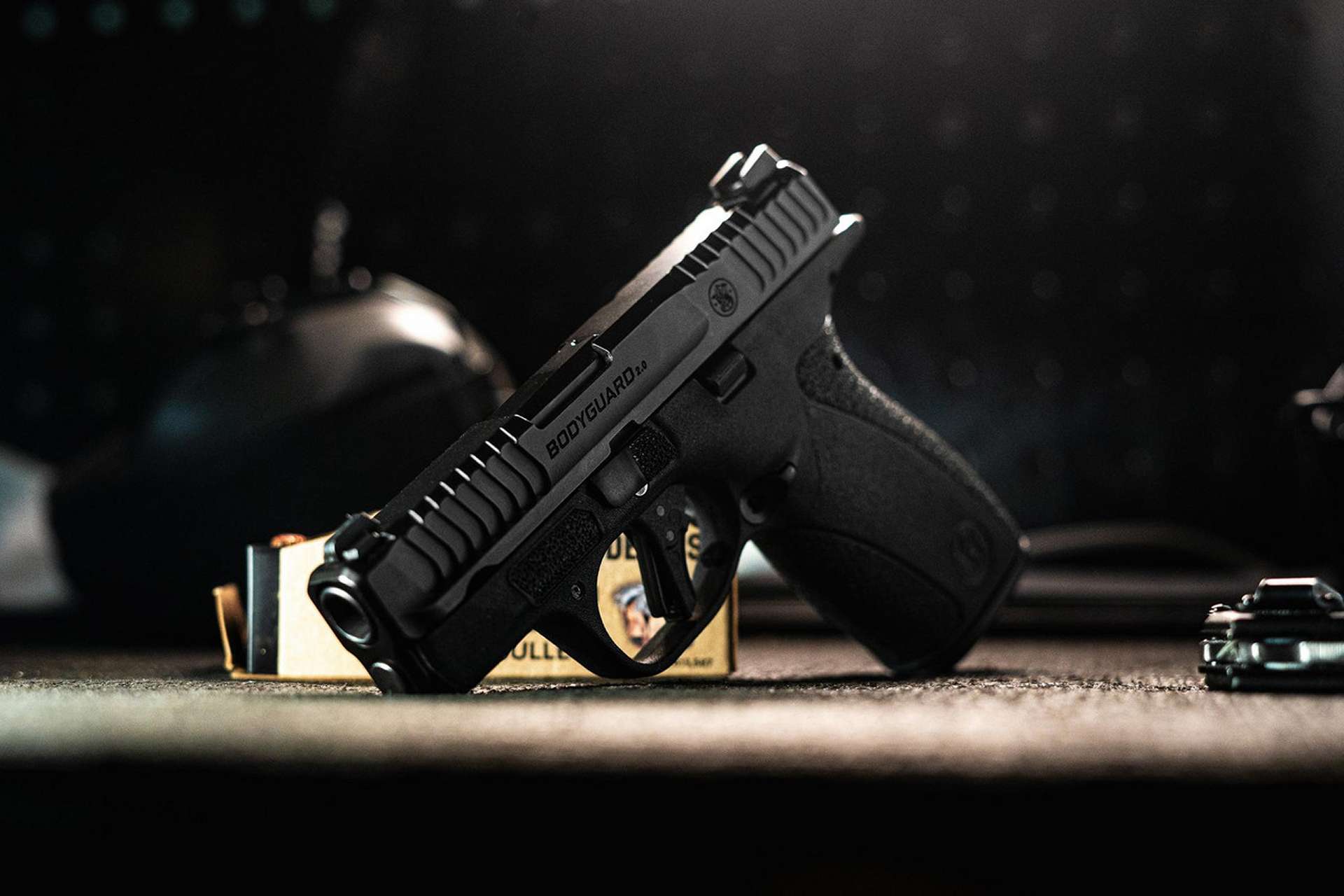
Smith & Wesson has set a new standard in the world of micro-compact pistols with the introduction of the Bodyguard 2.0. This latest model is designed to be lightweight and compact without compromising accuracy, functionality, or capacity.
Follow Army Recognition on Google News at this link
The Bodyguard 2.0 is designed to be lightweight and compact without compromising accuracy, functionality, or capacity. (Picture source: Smith & Wesson)
The Bodyguard 2.0 offers a 10+1 and 12+1 capacity, ensuring that users have enough ammunition for personal defense situations. One of the most remarkable features is the improved flat-faced trigger. By adopting a striker-fired system and a flat-faced design, Smith & Wesson has perfected the trigger mechanism, making it light and crisp. This design provides consistent feedback, aiding in more precise shooting and better finger placement.
The aggressive slide design incorporates more serrations, offering users multiple points of traction. This design feature ensures that the slide can be racked effectively, even in high-stress scenarios, enhancing the overall reliability of the pistol.
Ergonomics play a crucial role in the design of the Bodyguard 2.0. The ergonomic grip, complemented by stippling, provides excellent control and helps mitigate recoil. The grip angle is designed for a natural point of aim, making target acquisition quick and intuitive. This combination ensures that the pistol not only feels great in the hand but also performs exceptionally well when it matters most.
The development of the Bodyguard 2.0 was heavily influenced by consumer feedback. Smith & Wesson aimed to create a micro-compact pistol that did not sacrifice shootability for size. The result is a pistol that is small enough for deep concealment while still capable of delivering superior performance.
The Bodyguard 2.0, chambered in 380 AUTO, measures 10 cm in height, 14 cm in length, and 2.2 cm in width, and does not compromise shootability. With its enhanced ergonomic design and aggressive slide serrations, this micro-compact pistol perfectly balances performance and concealability.
Smith & Wesson continues to push the boundaries of what is possible with micro-compact pistols. The Bodyguard 2.0 is a testament to their commitment to innovation and consumer satisfaction. Whether you need a reliable concealed carry option or a high-performance micro-compact pistol, the Bodyguard 2.0 is designed to meet those needs.
Discover the new Smith & Wesson Bodyguard 2.0 and experience the next level of micro-compact pistol performance.
Read more: Smith & Wesson Introduces New Micro-Compact Pistol Bodyguard 2.0
- Details
- Written by: Jérôme Brahy
- Category: 2024
- Hits: 4508
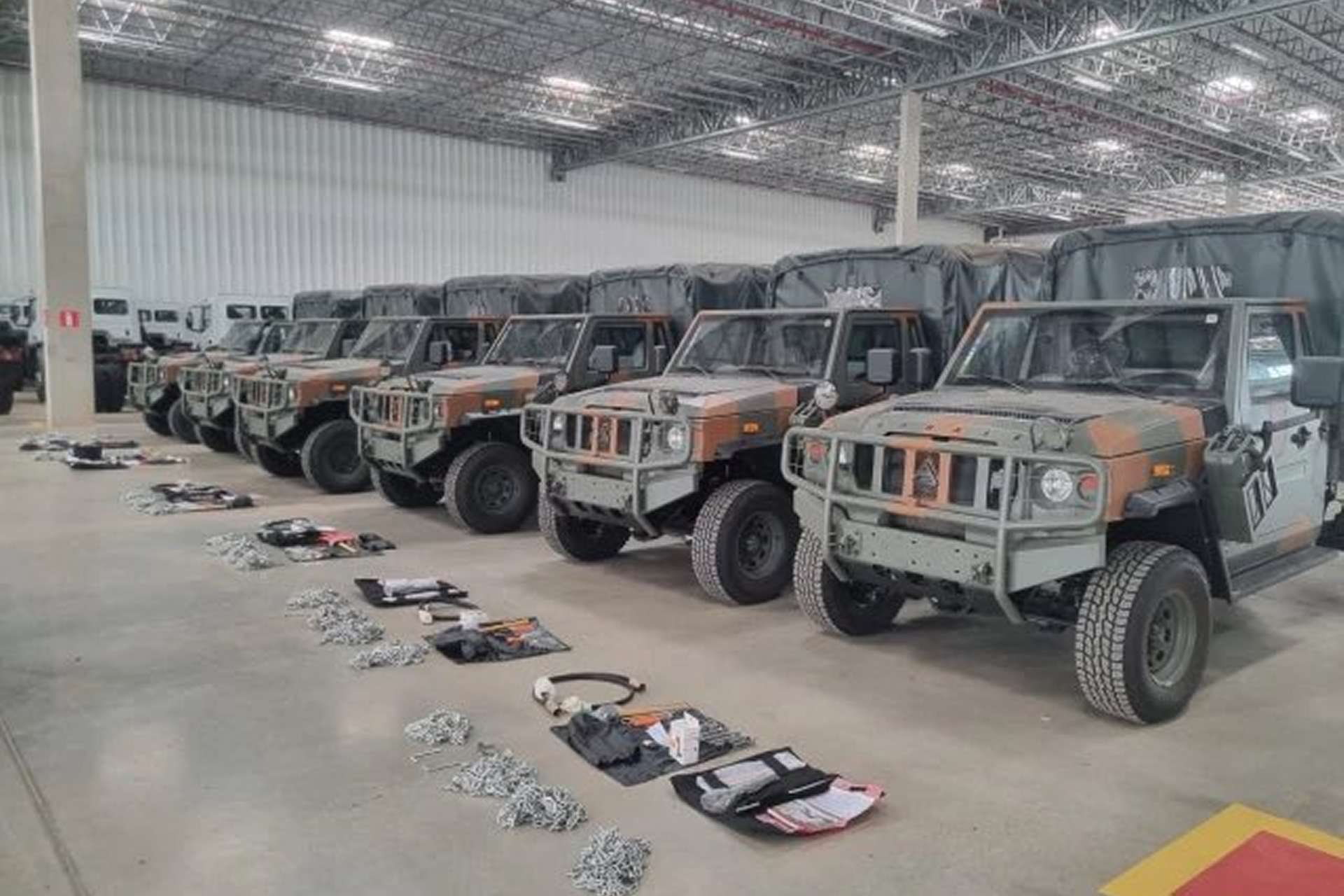
Between July 1 and July 4, 2024, the Brazilian SISFRON Program, part of the Federal Government's PAC, facilitated the delivery of eighteen Agrale Marruá 4x4 utility vehicles. These vehicles were delivered by the 2nd Military Region (2nd RM) and the São Paulo War Arsenal (AGSP) to Embraer Defense and Security (EDS) for transformation into specialized communications vehicles. This delivery marks the completion of three stages in the contractual schedule established between the Army's Communications and Electronic Warfare Command and EDS.
Follow Army Recognition on Google News at this link
These vehicles were delivered by the 2nd Military Region (2nd RM) and the São Paulo War Arsenal (AGSP) to Embraer Defense and Security (EDS) for transformation into specialized communications vehicles. (Picture source: Brazilian MoD)
To strengthen Brazil's operational presence along its western border with Paraguay and Bolivia, the SISFRON Program has acquired a total of 109 Agrale Marruá 4x4 utility vehicles, currently stored at Cia Sup / 2º B Sup and AGSP. This acquisition is part of a broader strategy to modernize and equip the 13th Motorized Infantry Brigade and the 18th Border Infantry Brigade, along with their supporting units. Initially stored at the Supply Company of the 2nd Supply Battalion and the São Paulo War Arsenal, the vehicles are now being delivered to EDS for conversion into specialized communications vehicles.
The conversion is taking place at EDS's industrial facility in Campinas, which also manufactures radar systems like the SABER M60 2.0 and SABER M200. These radars are crucial to Brazil's defense capabilities, particularly in air surveillance and early warning systems. The SABER M60, a 3D radar operating in the S-band, can track up to 60 targets simultaneously within a 60-kilometer range and up to 16,400 feet in altitude. The upgraded SABER M60 2.0 version has recently been delivered to the Brazilian Army, enhancing its operational capabilities.
The SABER M200 Vigilante radar, designed for medium-range air surveillance, uses active phased array technology and can cover up to 200 kilometers. It offers a fully electronic azimuth sweep and identifies and tracks various aerial threats with precision. The M200 has been tested in diverse environments, including the Parintins Folkloric Festival in the Amazon. It meets both national defense requirements and international market demands.
These vehicles will undergo modifications by EDS subcontractors ITURRI and RFCOM, and once transformed, they will be integrated into the Command and Control Systems of the Western Military Command as part of the Decision Support and Sensing Project 2 (Prj SAD 2). Project SAD 2 involves several key military departments, including the Land Operations Command, the Logistics Command, the Department of Science and Technology, and others. Each department contributes to the project's implementation, aligning with strategic objectives along Brazil's borders.

To strengthen Brazil's operational presence along its western border with Paraguay and Bolivia, the SISFRON Program has acquired a total of 109 Agrale Marruá 4x4 utility vehicles. (Picture source: Brazilian MoD)
The Agrale Marruá, a 4x4 utility vehicle produced by the Brazilian company Agrale, is central to this initiative. It is designed for military applications but is also available in civilian models. The Marruá is used by the Brazilian Army and Marine Corps, as well as other Latin American militaries, including Argentina, Ecuador, and Paraguay. Known for its durability and off-road capabilities, the Marruá supports missions such as troop transport, reconnaissance, command and control, and electronic warfare.
The Marruá features a Cummins ISF engine with 2800 cm³ displacement, producing 150 hp and 36.7 kgfm of torque, and can reach a top speed of 134.2 km/h. The vehicle's design includes a heavy-duty drivetrain, high spring suspension, and a corrosion-resistant body, suitable for harsh environments. Its versatility includes configurations like ambulances and command vehicles, as well as civilian versions for mining and adventure use. The Marruá's performance on rugged terrains, with features like power steering, solid disc brakes, and water fording capability up to 80 cm deep, makes it a significant vehicle in both military and civilian sectors.
Launched in 2012, the SISFRON Program aims to enhance surveillance and security along Brazil's nearly 17,000 kilometers of land borders shared with 11 countries. It targets illegal activities such as drug trafficking and arms smuggling using advanced technologies like radar systems, sensors, communication networks, and drones. The program is managed by the Tepro consortium, which includes Savis Tecnologia e Sistemas and OrbiSat Indústria e Aerolevantamento, subsidiaries of Embraer Defesa e Segurança.
SISFRON promotes cooperation between military and law enforcement agencies, enhancing public safety and contributing to regional economic development. It is expected to create numerous jobs and facilitate inter-agency operations. The system's capabilities also extend to urban areas to address issues like drug trafficking affecting major cities. The initiative aligns with Brazil's National Defense Strategy, emphasizing technological innovation and national sovereignty, and represents a long-term investment in Brazil's security infrastructure, with a projected cost of $4.6 billion USD.

The Agrale Marruá, a 4x4 utility vehicle produced by the Brazilian company Agrale, is used by the Brazilian Army and Marine Corps, as well as other Latin American militaries, including Argentina, Ecuador, and Paraguay. (Picture source: Agrale)
Read more: Brazilian Army to modify 18 Agrale Marruá 4x4 vehicles for strategic border missions
- Details
- Written by: Halna du Fretay
- Category: 2024
- Hits: 6891
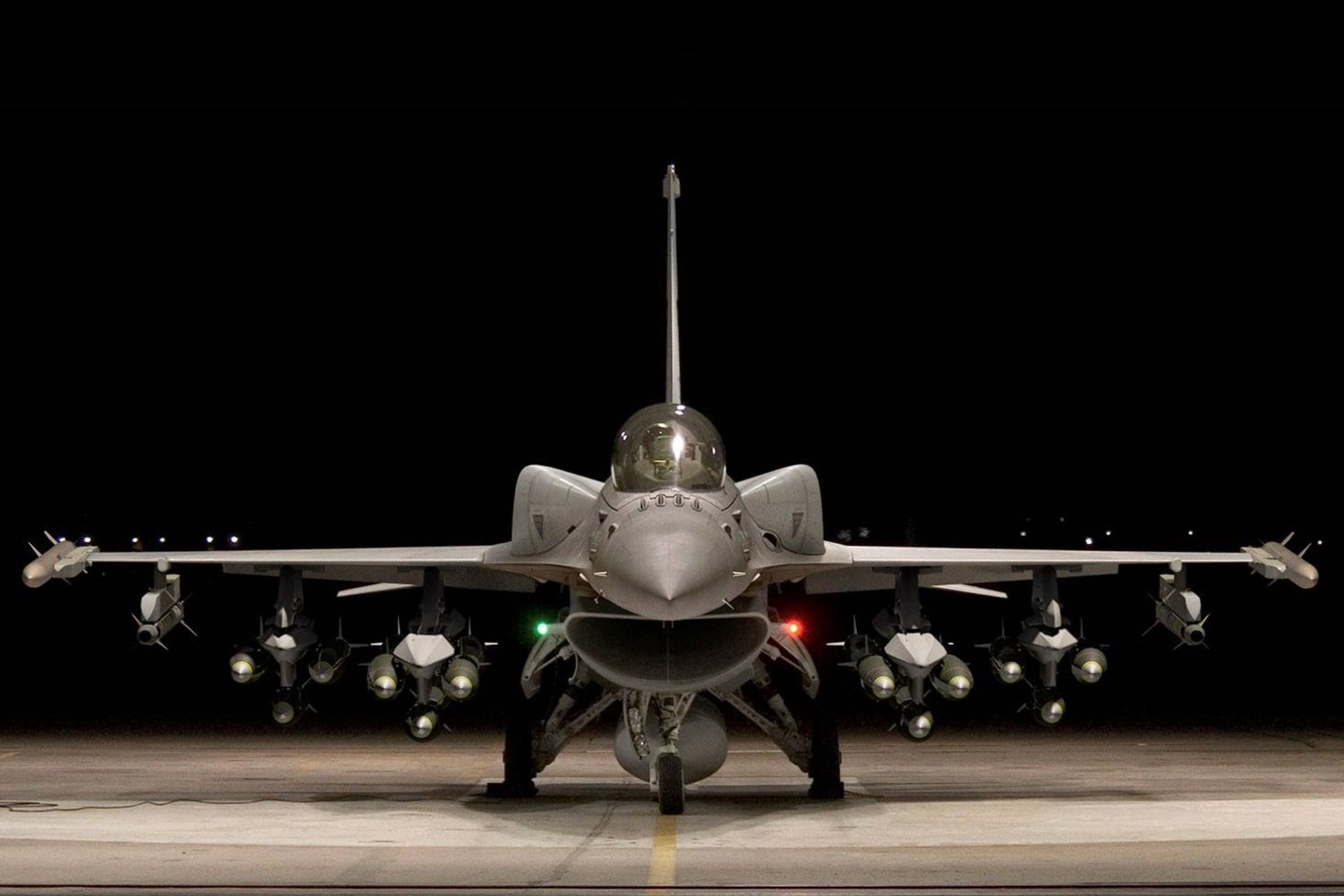
Taiwan is on track to receive 66 F-16V fighter jets by the end of 2026, following the resolution of previous technical and software integration issues. This optimistic forecast comes after a series of delays caused by specific development challenges related to Taiwan's desired configurations and external factors such as prioritizing arms deliveries to Ukraine.
Follow Army Recognition on Google News at this link
The F-16V is equipped with advanced avionics and weapons systems, enabling it to conduct a variety of missions, including air-to-air combat, ground attack, and multi-role engagements (Picture source: US DoD)
The F-16V, an upgraded variant of the venerable F-16 Fighting Falcon, represents the latest evolution of a long line of battle-proven fighter jets. Introduced by Lockheed Martin, the F-16V features significant advancements over its predecessors, including the AN/APG-83 Scalable Agile Beam Radar (SABR), an enhanced mission computer, and cockpit improvements that significantly enhance the aircraft's situational awareness, targeting capability, and electronic warfare capabilities.
The F-16V was officially unveiled in 2012, with the first units entering service in the mid-2010s. It was developed to modernize existing fleets and as an option for new production. Countries such as Taiwan and Greece have chosen to upgrade their existing F-16 fleets to the 'V' variant, while others, like Slovakia, have ordered newly built F-16Vs as part of their air force modernization programs. For instance, Taiwan began receiving new F-16Vs in 2020, aiming to bolster its defense capabilities amid regional tensions.
In terms of capabilities, the F-16V is equipped with advanced avionics and weapons systems, enabling it to conduct a variety of missions, including air-to-air combat, ground attack, and multi-role engagements. The aircraft can be armed with an array of weapons, including AIM-9 Sidewinder missiles, AIM-120 AMRAAMs, various air-to-ground munitions, and an internal cannon. These improvements ensure that the F-16V remains a formidable platform in modern aerial warfare, maintaining its relevance against evolving threats.
The Ministry of National Defense addressed these issues in response to an inquiry from KMT legislator Lo Chih-chiang, detailing the challenges and progress. The inquiry highlighted concerns about the delayed delivery of a $20 billion arms package from the United States, which also includes Harpoon coastal defense systems, High Mobility Artillery Rocket Systems (HIMARS), and Patriot air defense missile systems.
The production obstacles that plagued the F-16V jets, primarily around the integration of custom equipment for Taiwan, have been successfully overcome, with manufacturing now progressing according to the revised schedule. The ministry is working closely with the U.S. State Department and the U.S. Department of Defense to ensure adherence to the delivery timeline, emphasizing the strategic importance of these jets for Taiwan's defense capabilities amid rising regional tensions.
Compensation clauses in the contract will impose penalties on contractors failing to meet the delivery schedule for reasons within their control, protecting Taiwan's interests. Additionally, Wellington Koo, the Minister of National Defense, reported to the legislature's Foreign Affairs and National Defense Committee that Taiwan expects the delivery of two F-16V prototypes later this year for flight tests.
The acquisition of these advanced fighter jets is crucial for Taiwan, especially given the ongoing military threats from China. Chinese fighter jets frequently approach and sometimes violate Taiwan's airspace, increasing the urgency for modernized and capable defense systems. The timely upgrade of Taiwan's air force is not only a matter of national security but also a significant aspect of broader geopolitical stability in the region.
Read more: Taiwan to Receive 66 F-16V Fighter Jets by End of 2026
- Details
- Written by: Administrator
- Category: 2024
- Hits: 6452
As part of the Czech-Ukrainian intergovernmental consultations, significant advancements were made today in defense cooperation between the two nations. Two subsidiaries of Colt CZ Group, a manufacturer of small arms, Sellier & Bellot and Česká zbrojovka (CZ), finalized contracts with the “Ukrainian Defense Industry” (Ukroboronprom), marking a pivotal step in bolstering Ukraine's defense capabilities.
Follow Army Recognition on Google News at this link
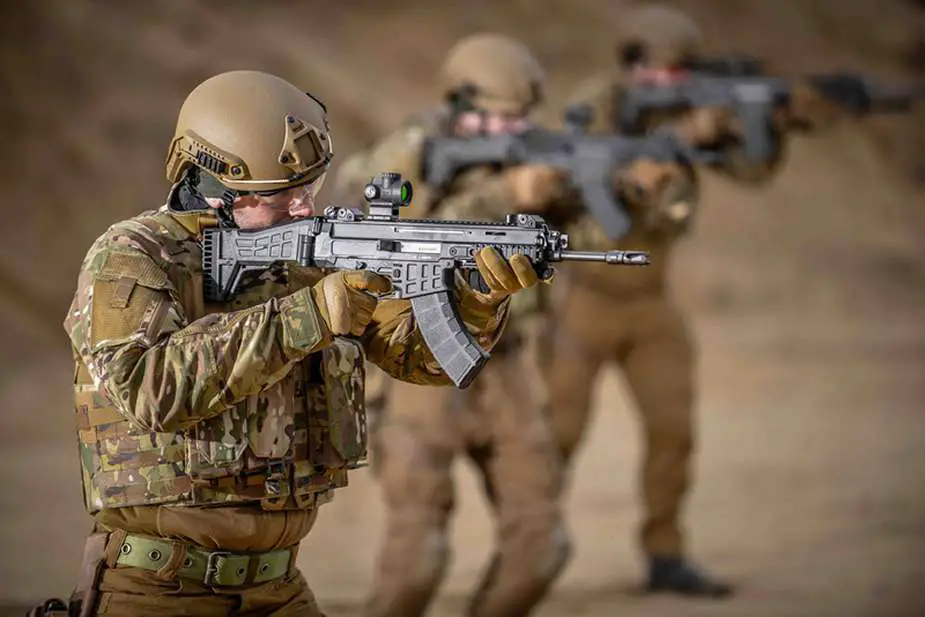
The CZ Bren 2 is an assault rifle fully designed and manufactured by the Czech-based company CZ Group. (Picture source: CZ Group)
Sellier & Bellot and Ukroboronprom have agreed to collaborate on the production of various types of small caliber ammunition within Ukraine. This partnership aims to enhance the local production capacity and ensure a steady supply of essential ammunition for Ukraine's defense forces.
In addition to this, Česká zbrojovka (CZ), building on an Agreement of Intent with Ukroboronprom signed in February, has now cemented a transfer of technology contract. This agreement will enable the production of CZ BREN 2 assault rifles in Ukraine, a move that underscores the deepening defense ties between the two countries.
The production of assault rifles by Česká zbrojovka is a critical component of this collaboration. As one of the leading manufacturers of firearms, CZ's commitment to transferring technology and setting up production lines in Ukraine will significantly boost the country's self-sufficiency in defense manufacturing. This initiative will create jobs, foster local expertise, and ensure a reliable supply of modern weaponry for Ukraine's armed forces.
The CZ BREN 2 rifle, which will be produced under this new agreement, is a modern, modular assault rifle renowned for its reliability, versatility, and performance in various conditions. It is used by numerous armed forces around the world and is highly regarded for its adaptability to different calibers and configurations. The production of the CZ BREN 2 in Ukraine will provide the Ukrainian military with a state-of-the-art weapon system, enhancing their operational capabilities in the face of ongoing security challenges.
The CZ BREN 2 is a cutting-edge assault rifle designed with modern combat requirements in mind. Its main technical features include a lightweight and durable aluminum upper receiver, a polymer lower receiver, and a modular design that allows for easy customization and maintenance. The rifle is chambered for multiple calibers, including 5.56x45mm NATO and 7.62x39mm, offering versatility for different operational needs. It features a short-stroke gas piston system, which ensures reliable operation in diverse environments and reduces recoil for improved accuracy. The CZ BREN 2 also boasts an adjustable folding stock, ambidextrous controls, and multiple Picatinny rails for mounting various accessories, making it a highly adaptable and user-friendly weapon for modern armed forces.
These agreements reflect the commitment of both the Czech Republic and Ukraine to enhance their defense cooperation and support Ukraine's defense industry amidst ongoing regional security challenges. The collaborations are expected to not only fortify Ukraine's military capabilities but also stimulate economic growth through the development of local production facilities.
Read more: CZ Group from Czech Republic Offers Ukraine Local Production of CZ BREN 2 Assault Rifles
- Details
- Written by: Jérôme Brahy
- Category: 2024
- Hits: 10038
On July 15, 2024, leaked documents revealed many details about Russia's Tor-M1 air defense system. This mobile, short-range system, known by its NATO reporting name SA-15 Gauntlet, is critically important for Russia to counter Ukrainian aerial threats, such as aircraft, helicopters, UAVs, and precision-guided munitions. Therefore, these leaks could offer Ukrainian soldiers an in-depth look into the capabilities and operational procedures of this significant defense asset, enabling them to counter it more effectively.
Follow Army Recognition on Google News at this link
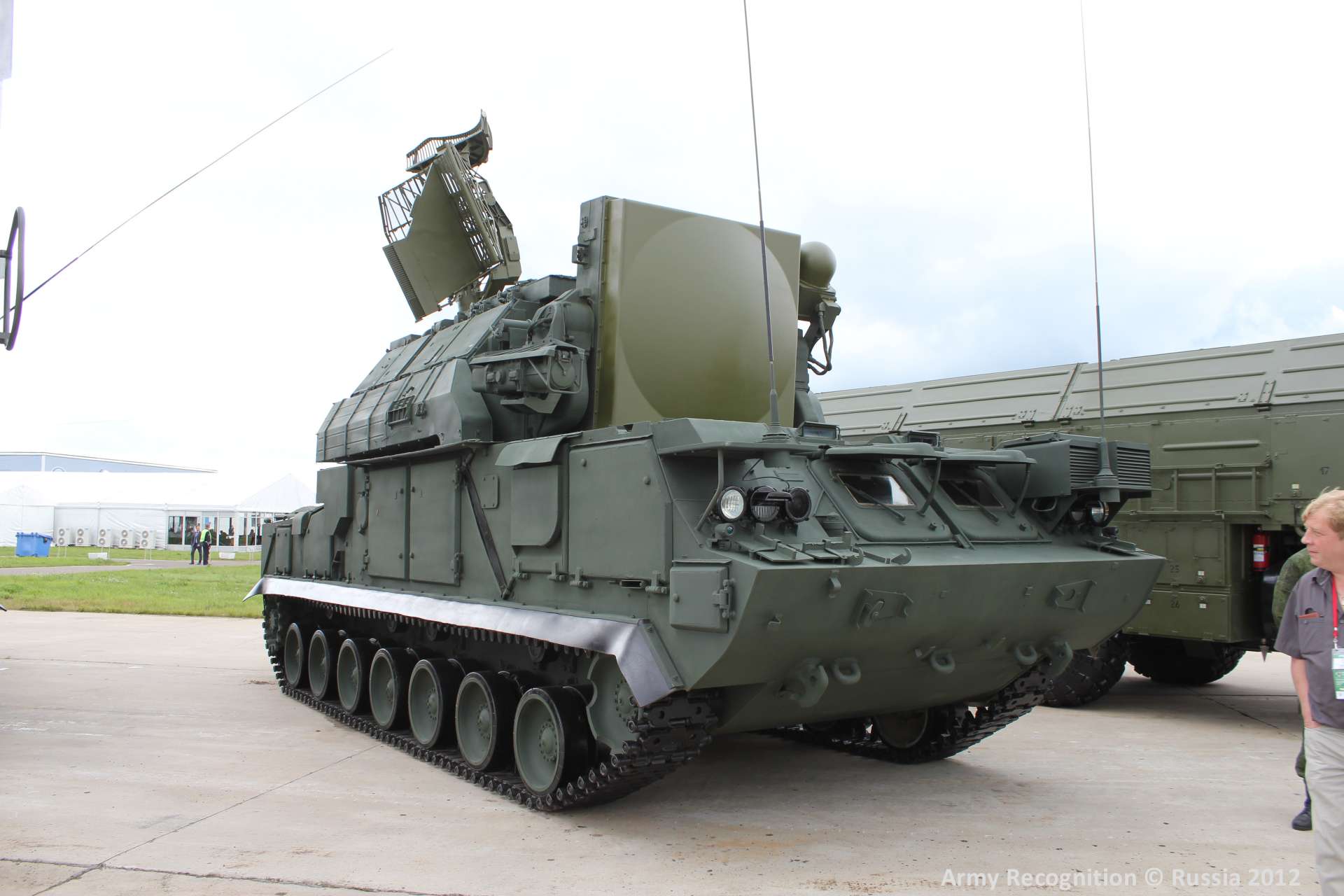
The Tor-M1 system includes several key components: the combat vehicle (9A331) serves as the core, housing all essential systems, while the missile module (9M334) contains four 9M331 missiles in a vertical transport-launch container (9Ya281). (Picture source: Army Recognition)
The Tor-M1 air defense missile system, designated as 9K331, is an autonomous, self-propelled anti-aircraft missile system designed to protect military units and critical infrastructure from modern and prospective air threats, including high-precision weapons, aircraft, helicopters, cruise missiles, guided bombs, and UAVs. The system integrates combat information systems, communication tools, and weapons on a single tracked chassis, forming a compact and functionally complete tactical unit.
The Tor-M1 system includes several key components, according to the leaked manual. The combat vehicle (9A331) serves as the core, housing all essential systems. The missile module (9M334) contains four 9M331 missiles in a vertical transport-launch container (9Ya281) and requires no maintenance throughout its service life. The system is supported by additional vehicles such as the transport-loading vehicle (9T244), the transport vehicle (9T245), technical service machines (9V887M and 9V888-1M), a set of rigging equipment (9F116), a group spare parts machine (9F399-1M1), and an autonomous electronic operator trainer (9F678).
Performance-wise, the Tor-M1 can detect up to 48 targets simultaneously and engage two at once. It has a detection range of up to 27 km, with a 360° detection azimuth and an elevation range of 0-32° or 32-64°. The system detects targets at altitudes up to 23 km and engages targets within ranges of 1-12 km and altitudes between 0.01 and 6 km, at speeds from 10 to 700 m/s. It can handle targets with a maximum transverse overload of 10 g and a minimum reflective surface of 0.1 m². The reaction time is 7.4 seconds from position and 9.7 seconds from a short stop after movement. Each combat vehicle is equipped with eight missiles, with a probability of kill per missile ranging from 0.45-0.8 for aircraft (F-15 type), 0.62-0.75 for helicopters, 0.93-0.97 for cruise missiles, and 0.75-0.9 for high-precision weapons.
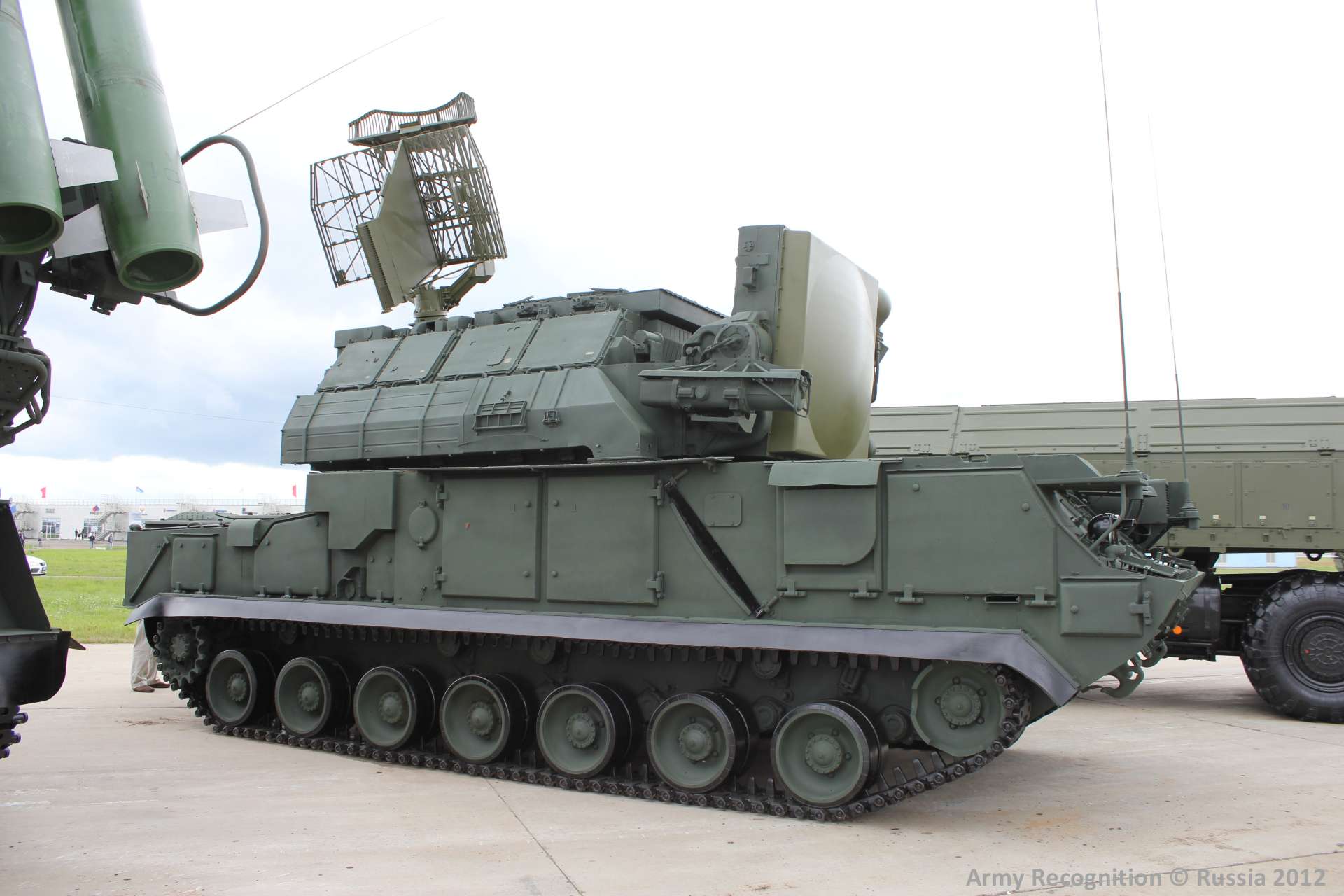
The Tor-M1 can detect up to 48 targets simultaneously and engage two at once. It has a detection range of up to 27 km, with a 360° detection azimuth and an elevation range of 0-32° or 32-64°. (Picture source: Army Recognition)
The 9M331 missile weighs 167 kg, measures 2898 mm in length, and has a diameter of 239 mm, a wingspan of 650 mm, and a control surface span of 530 mm. It carries a fragmentation-high explosive warhead weighing 14.8 kg. The missile's maximum speed ranges between 700 and 850 m/s, with a minimum maneuvering speed of 300 m/s and a maximum transverse overload capacity of 15-16 g. The catapult device weighs 9 kg.
The radar and guidance system of the Tor-M1 includes a coherent-pulse radar with a circular scan operating in the centimeter wave band, with a transmitter power of 1.5 kW. It offers a resolution of up to 2.0° in azimuth, 4° in elevation, and 200 m in range, with a scanning time of 1 second. It has a detection probability of at least 0.8 for aircraft like the F-15 at ranges of 25-27 km, at least 0.7 for UAVs at 9-15 km, and 0.6-0.8 for hovering helicopters at 13-20 km. It can also detect ground helicopters with spinning rotors at probabilities of 0.4-0.7 at ranges of 13-20 km. The guidance and tracking radar (SVR, SPK) is a coherent-pulse Doppler radar with a phased array antenna, capable of electronic beam steering for rapid target tracking, and has a probability of auto-tracking aircraft at 0.5 at 23 km, increasing with proximity. For backup, a television-optical sight is used for auto-tracking targets in angular coordinates.
The Tor-M1 system operates effectively in diverse environmental conditions. It can function at altitudes up to 3000 meters above sea level and within a temperature range of -50°C to +50°C, withstanding wind speeds up to 20 m/s and humidity levels up to 98% at 30±5°C. Its combat vehicle is capable of speeds up to 65 km/h on highways and 45 km/h on dirt roads. The vehicle weighs 37 tons and has a fuel range of 500 km with two hours of operational time. The crew consists of three personnel, including the driver-mechanic.
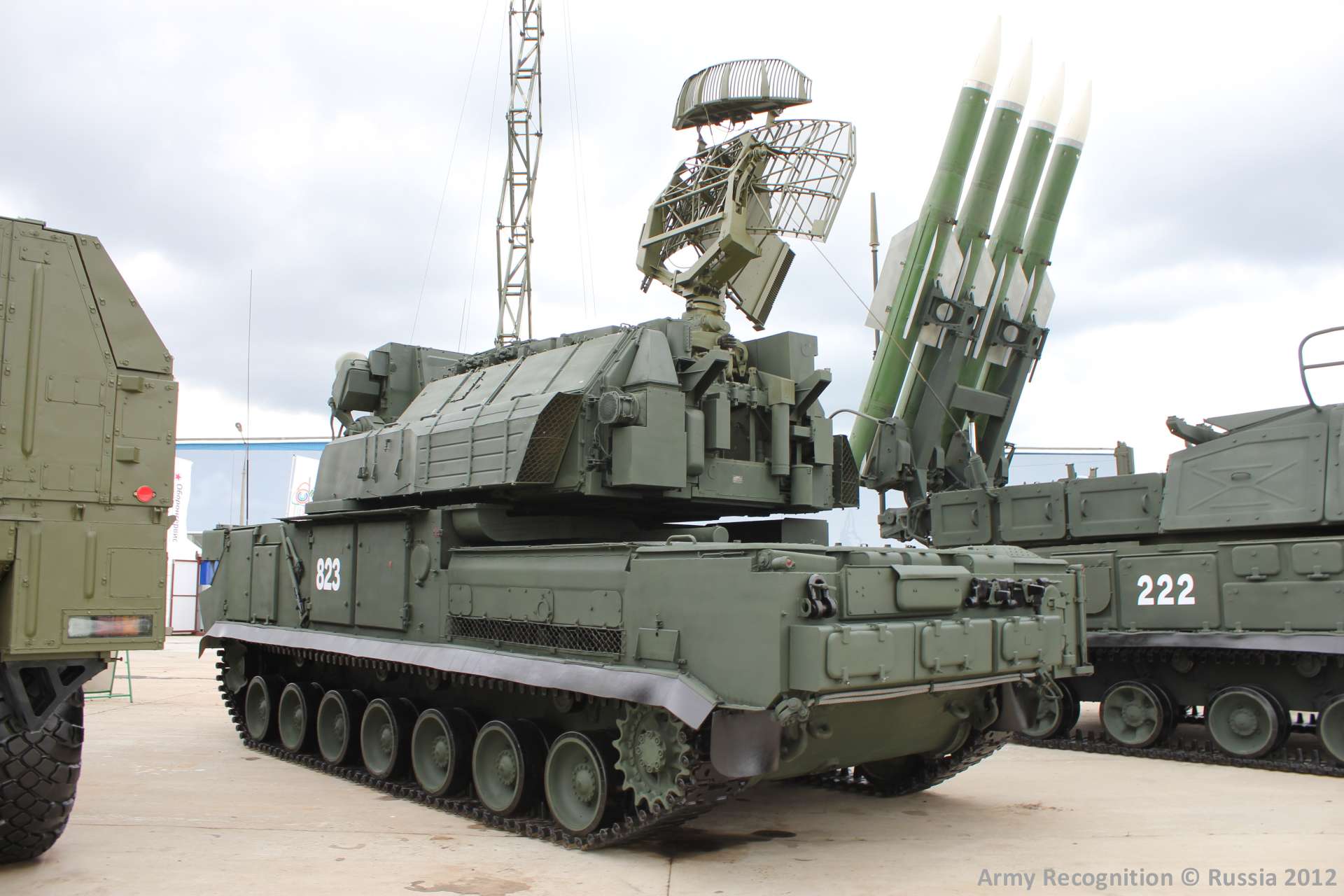
The radar and guidance system of the Tor-M1 includes a coherent-pulse radar with a circular scan operating in the centimeter wave band, with a scanning time of 1 second. (Picture source: Army Recognition)
Missile deployment involves using the transport-loading machine (TZM) to load the TPK into the combat vehicle in a vertical position, with preparation time for loading two modules being approximately 25 minutes. The missile launch and flight phases are managed by the start automation equipment on the combat vehicle, which initiates several checks and sequences, including the startup of electrical systems and gyro autopilot, verification of safety circuits, and readiness of pyrotechnic devices. The pyrotechnic device ignites, ejecting the missile from the container to an altitude of 15-20 meters. The in-flight dynamics involve initial guidance using gas-powered steering, transitioning to aerodynamic control surfaces as the missile reaches effective speeds, and continuous guidance adjustments based on radar input, with potential for self-destruction if the missile misses the target.
The Tor-M1 uses guidance methods such as the three-point guidance method, which keeps the missile on the line of sight to the target, and the half-straightening guidance method, which adjusts the missile trajectory towards an intercept point ahead of the target, reducing necessary maneuvering forces. For low-altitude engagement, a special three-point method avoids ground reflections. Throughout the flight, the autopilot stabilizes the missile relative to its axes based on sensor signals.
Finally, the Tor-M1 includes safety features such as a self-destruction mechanism activated if the missile misses the target, preventing unintended damage. Electro-mechanical safeguards prevent accidental launch and ensure controlled ignition sequences.
Read more: Russian leaks: Discover how Russia’s Tor-M1 air defense system counters Ukrainian drones

- Details
- Written by: Administrator
- Category: 2024
- Hits: 5015
Since the beginning of the war in Ukraine, the Czech Republic has supplied Ukraine with over 30,000 units of RPG-75M anti-tank self-propelled grenade launchers. Radoslav Moravec, executive director of ZEVETA Bojkovice, the leading manufacturer of these weapons, confirmed this substantial contribution.
Follow Army Recognition on Google News at this link
Ukrainian soldiers operate Czech-made RPG-75M rocket-propelled grenade launchers. (Picture source: X)
ZEVETA Bojkovice, a renowned defense company based in the Czech Republic, specializes in producing military equipment, including pyrotechnics, ammunition, and grenade launchers. With a history dating back to 1936, ZEVETA Bojkovice has established itself as a key player in the defense industry, providing advanced weaponry to various international clients.
The RPG-75M is a modernized version of the original RPG-75, designed for superior performance in anti-tank warfare. This lightweight, shoulder-fired weapon is highly effective against armored vehicles, fortifications, and other hardened targets. The RPG-75M features improved accuracy, increased penetration capabilities, and enhanced safety mechanisms, making it a formidable asset on the battlefield.
Since the onset of the war, the Czech Republic's contribution of these advanced grenade launchers has played a crucial role in strengthening Ukraine's defense. The RPG-75M's reliability and effectiveness have provided Ukrainian forces with a significant tactical advantage, enabling them to counter armored threats with greater efficiency.
The RPG-75M anti-tank grenade launcher has proven to be an invaluable asset in modern warfare, particularly in the context of the ongoing conflict in Ukraine. Its features and capabilities offer significant advantages to Ukrainian forces in their defense efforts.
One of the primary benefits of the RPG-75M is its portability and ease of use. This lightweight, shoulder-fired weapon allows individual soldiers to carry and deploy it with minimal effort. In the dynamic and often rapidly changing conditions of the modern battlefield, this mobility is crucial. Ukrainian troops can quickly reposition and adapt to various combat scenarios, whether they are fighting in urban environments, dense forests, or open fields.
The RPG-75M is also highly effective against armored vehicles and fortifications. Its warhead is designed to penetrate heavy armor, making it a formidable tool against tanks and other armored threats. In the context of the war in Ukraine, where armored vehicles are frequently used, the RPG-75M provides Ukrainian forces with a significant tactical advantage. The weapon’s improved accuracy and increased penetration capabilities enable soldiers to counter these threats effectively, even in challenging conditions.
Furthermore, the RPG-75M features enhanced safety mechanisms, reducing the risk of accidental detonation and ensuring the operator's safety. This reliability is essential for maintaining the effectiveness and morale of the troops using it.
The RPG-75M's portability, effectiveness against armor, and enhanced safety make it a critical component of Ukraine's defense strategy. Its deployment has given Ukrainian forces a reliable and powerful tool to combat armored threats, bolstering their ability to defend their territory and sovereignty amidst the ongoing conflict.
Read more: Czech Republic Delivers More Than 30,000 RPG-75M Rocket Launchers to Ukraine
- Details
- Written by: Vandenbosch
- Category: 2024
- Hits: 4712
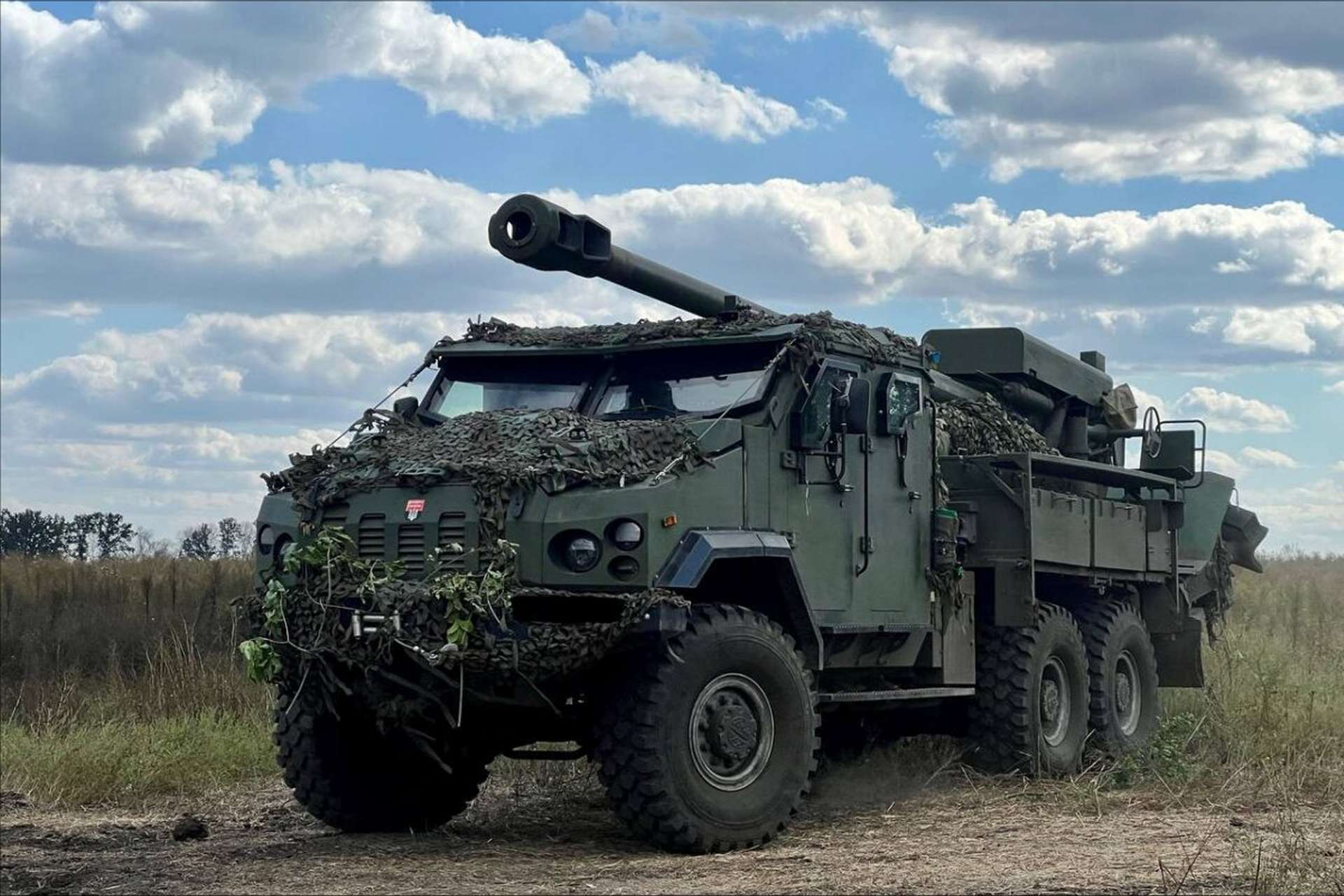
Ukraine has become the leading producer of self-propelled artillery units in Europe, according to President Volodymyr Zelenskyy. This significant milestone highlights the nation's growing strength in military manufacturing amidst ongoing conflicts with Russia.
Follow Army Recognition on Google News at this link
The Ukrainian Bohdana self-propelled artillery. (Picture source: Ukrainian MoD)
The Ukrainian company responsible for assembling the Bohdana self-propelled artillery units has set a new record in Europe for the number of units produced per month. This announcement was made by President Zelenskyy during a meeting with Ukrainian journalists in Kyiv on July 15.
“Today, we are producing a significant number of Bohdana self-propelled artillery units per month,” Zelenskyy stated, emphasizing the remarkable output of Ukrainian defense plants. This achievement not only underscores Ukraine's capacity to meet its own defense needs but also its ability to significantly contribute to the defense capabilities of its allies.
The unprecedented production levels of the Bohdana units are the result of strategic decisions made by the Ukrainian government to strengthen its defense industry. The government has successfully convinced Western allies to contract Ukrainian defense plants, ensuring a steady flow of military equipment for the Ukrainian armed forces.
This shift has been essential in strengthening Ukraine’s defense posture. By leveraging local manufacturing capabilities, Ukraine has reduced its reliance on foreign military supplies and has positioned itself as a key player in the European defense sector.
International support has been crucial in reaching this production milestone. Denmark, for example, has included the purchase of 18 Bohdana self-propelled artillery units in its defense package for Ukraine. This decision by Denmark is a testament to the reliability and quality of Ukrainian-manufactured military equipment.
In April, President Zelenskyy had announced that the Ukrainian defense industry would produce 10 Bohdana units for the first time. This target was not only met but exceeded, paving the way for further growth and development in the sector.
The Bohdana self-propelled artillery unit is a testament to Ukraine's technological advancements in military hardware. These units are equipped with state-of-the-art targeting systems, enhanced mobility, and superior firepower. They are designed to provide robust support in various combat scenarios, making them a valuable asset for Ukraine and its allies.
The successful production of these units demonstrates Ukraine's ability to innovate and adapt in the face of adversity. The Bohdana units have undergone rigorous testing to ensure they meet the highest standards of performance and reliability.
The surge in production has significant economic and strategic implications for Ukraine. Economically, it provides a boost to the local manufacturing sector, creating jobs and fostering technological development. Strategically, it enhances Ukraine's defense capabilities, enabling it to better protect its sovereignty and territorial integrity.
Moreover, by becoming the leading producer of self-propelled artillery units, Ukraine is solidifying its future position as a crucial partner in European security. This role is particularly important given the current geopolitical climate, where regional stability is constantly challenged.
Looking ahead, Ukraine faces both opportunities and challenges in maintaining and expanding its production capabilities. The ongoing conflict with Russia and the need for continuous modernization of military equipment require sustained investment and innovation.
Ukraine's achievement in producing the largest number of self-propelled artillery units per month in Europe marks a milestone in its defense industry. The country has demonstrated its ability to meet both domestic and international defense needs through strategic manufacturing and technological innovation.
Read more: Ukraine Produces Largest Number of Self-Propelled Artillery Units per Month in Europe