
- Details
- Written by: Halna du Fretay
- Category: 2024
- Hits: 2354










As the conflict in Ukraine persists with no clear advantage for either side, Newsweek reported that Russian companies have begun offering cash rewards for the destruction of F-16 Fighting Falcon jets. These Western aircraft, soon to be deployed in Ukrainian skies, have become prioritized targets through these initiatives. This information was first revealed on the Russian Ministry of Defense's Telegram channel on Tuesday, July 16, 2024.
Follow Army Recognition on Google News at this link
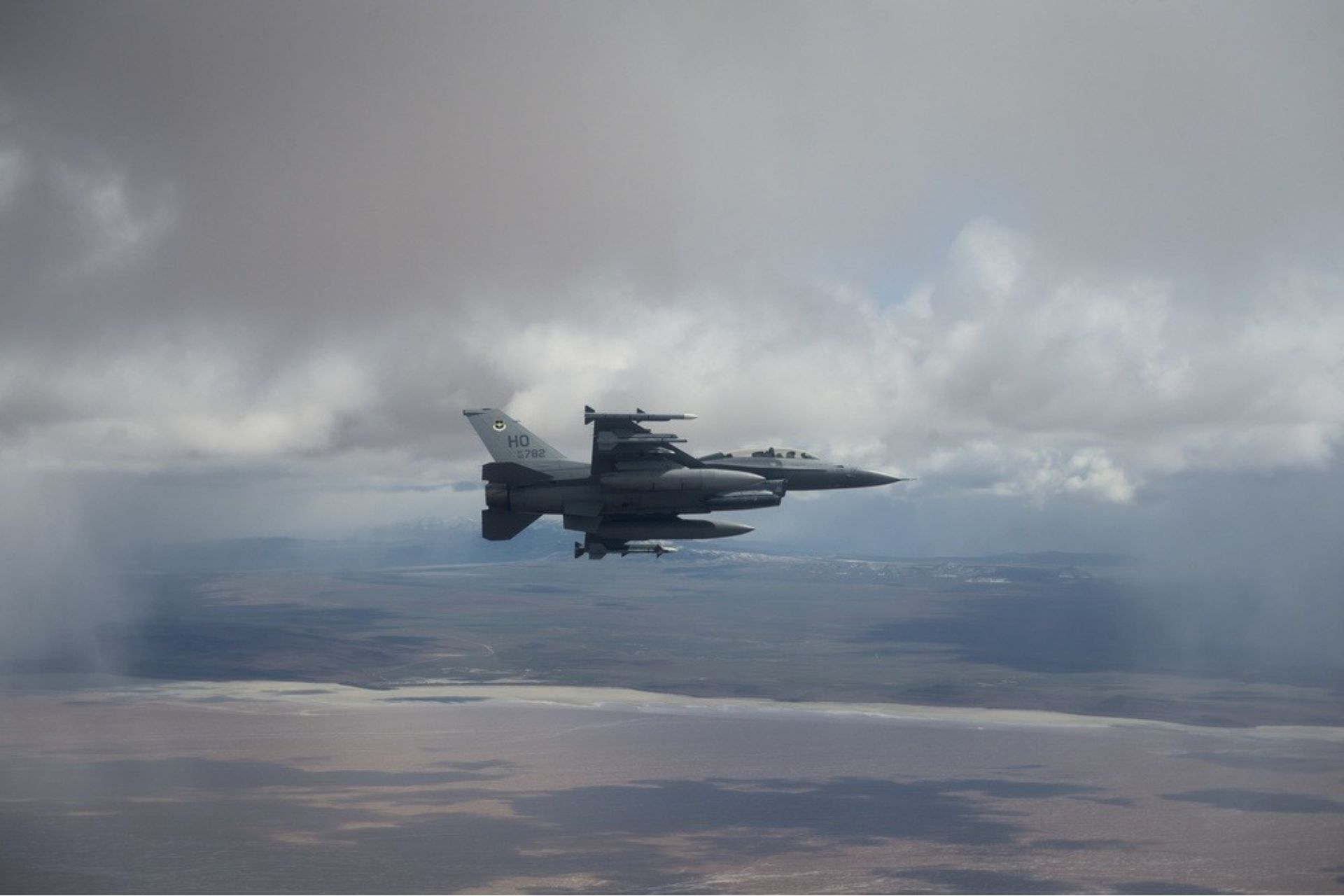
A U.S. Air Force F-16D Fighting Falcon conducts low surface attack tactics and low altitude navigation training over the Utah Test and Training Range on May 17, 2017 (Picture source: US DoD)
According to the Defense Ministry, monetary rewards of 500,000 rubles have also been offered for the destruction of NATO tanks in Avdiivka, a city in Ukraine's Donetsk Oblast. An attached video showed Russian servicemembers receiving these rewards and shaking hands with their superior officers, likely aiming to further motivate troops while highlighting Russian efforts to counter NATO's advanced military equipment in the region.
The delivery of F-16 jets to Ukraine has become a hot topic among defense observers and international policymakers. Ukraine has long expressed its desire to acquire F-16s to bolster its air capabilities against Russian aggression, a request dating back several years but gaining new urgency since Russia's invasion in February 2022.
It was not until early July 2024 that NATO countries, through U.S. Secretary of State Blinken, announced the imminent delivery of F-16s, a year after the start of Ukrainian pilot training. Denmark, the Netherlands, Norway, and Belgium have announced they will deliver fewer than a hundred F-16s to Ukraine over several years.
The F-16 Fighting Falcon is a multirole combat aircraft developed by General Dynamics for the United States Air Force. Having entered service in the 1980s, it has since been adopted by 25 other countries, with over 4,500 units built to date. The F-16 is known for its versatility, capable of performing both day and night missions under all weather conditions, including air-to-air and air-to-ground operations. It is equipped to carry a wide range of armaments, including AIM-9 Sidewinder air-to-air missiles, AGM-65 Maverick air-to-ground missiles, and laser-guided bombs, making it a valuable asset for air forces worldwide.
However, despite the impressive capabilities of the F-16, its potential impact on the conflict in Ukraine should not be overstated. The challenges Ukraine faces in its war against Russia extend beyond air power, and Russia's advanced defensive capabilities, particularly in air defense and electronic warfare, could limit the effectiveness of the F-16s. Moreover, Ukraine will need to be able to defend the bases where these aircraft are located.
Additionally, the maintenance and logistical support required for these advanced aircraft could pose additional challenges. Ultimately, while the introduction of F-16s may provide significant support to Ukraine, it will not radically transform the strategic landscape of the current conflict.
The destruction of Western military equipment by Russian forces carries a particularly strong symbolism in the current geopolitical context. It is not just about the physical act of destroying equipment; it is also a demonstration of power and a clear message that Russia can directly challenge NATO's technological superiority. By specifically targeting equipment such as F-16 jets and NATO tanks, Russia seeks to prove its ability to interfere with Western interests and defend its position on the international stage. This approach serves not only as a lever in the conflict in Ukraine but also aims to boost internal morale and show the international community that Russia remains a powerful actor capable of effectively opposing Western military advances.
This call for targeted actions against specific military equipment marks a significant escalation in warfare tactics, where financial incentives are used to encourage direct military actions against enemy equipment. This strategy reveals an additional dimension of the ongoing conflict, illustrating the increasing complexity of military engagements in the region and a willingness to push individual behavior to destroy these symbols representing Western aid to Ukraine.
Read more: Russian Companies Offer Cash Rewards for Destruction of F-16 Fighters Jets and NATO Tanks
- Details
- Written by: Vandenbosch
- Category: 2024
- Hits: 6562
After six months of deployment, the mission of the 131st Artillery Battalion in Lithuania under the eFP has concluded with great satisfaction. For the first time since World War II, the unit deployed its heavy equipment, including the self-propelled 152mm vz. 77 DANA howitzers, leaving a very good impression on their allies.
Follow Army Recognition on Google News at this link
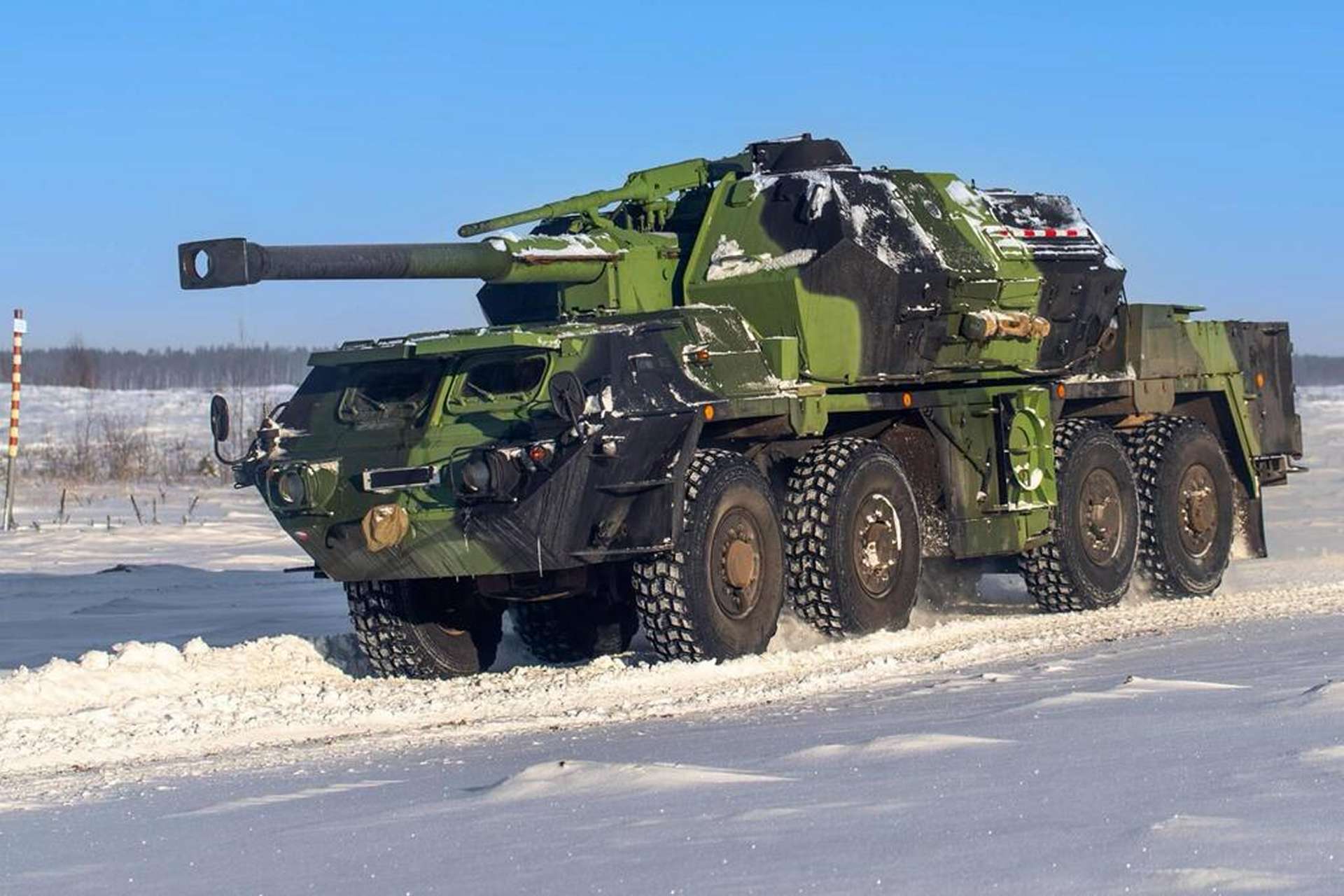
The DANA (Dělo Automobilní Nabíjené Automaticky) is a self-propelled artillery system designed and manufactured in the Czech Republic. (Picture source: Czech MoD)
The MKPP Titus vehicles also played a crucial role. "With these vehicles, we were able to fire on targets within the data network, which significantly accelerated our operations," explained Sergeant Aleš Studecký of the 13th Artillery Regiment.
The 3rd Task Force of the Czech Army, meticulously prepared for a year, was tasked with providing fire support to allies in Lithuania. "We were all thrilled to deploy our equipment abroad, demonstrating the skills we’ve honed over the years. We looked forward to working in an international setting, collaborating with foreign partners, and adapting to shooting in completely different conditions," said Master Sergeant Filip Baranec.
Corporal Tomáš Černý, a DANA howitzer driver, noted the terrain and environmental differences during their six-month deployment. "Lithuania is flat and sandy, which took some getting used to since we usually train on hilly, firm ground at home. Sand causes easier bogging, but it gave us plenty of practice in self-recovery," he recalled. Camouflaging the howitzers in sandy and coniferous environments was also a new challenge.
Along with several DANA howitzers, maintenance personnel brought spare parts to Lithuania. "We had to be prepared for potential repairs throughout the deployment. While the issues were similar to those we encounter during exercises at home, the weather was different. We arrived in January and faced extreme cold, requiring us to adjust our work. Fortunately, there were minimal breakdowns," said Corporal Daniel Mařan, an ordnance master in the repair squad. Despite only having a basic knowledge of foreign equipment, Czech soldiers and their international counterparts cooperated effectively: "We assisted each other with minor repairs and spare parts, despite not being familiar with each other’s equipment. Communication and willingness to help were excellent," Mařan added.
The 13th Artillery Regiment also brought their newest vehicles to Lithuania – the Titus fire support coordination vehicles, which had been introduced to the army in late 2023. "We had to configure them and train the crew before deployment. The vehicles performed exceptionally well, allowing us to fire on targets within the data network, which greatly facilitated and sped up our work," described Sergeant Studecký, a junior staff member in the communication and information systems team. According to Studecký, Titus vehicles are highly adaptable to the needs of the Czech Army and international standards. "Other countries often envied our equipment," he noted.
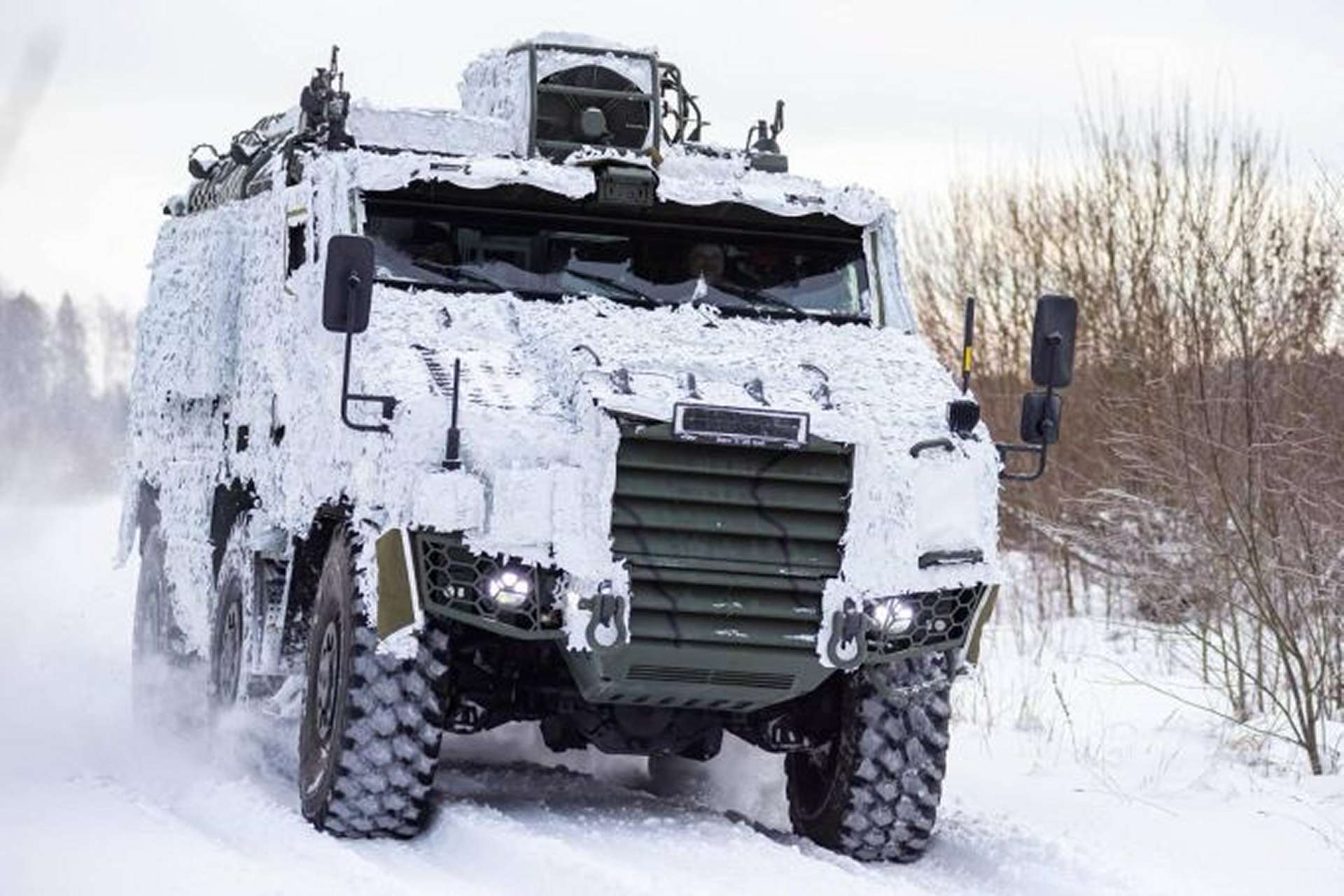
The Titus is a versatile armored personnel carrier (APC) developed by Nexter Systems of France and utilized by the Czech Republic. (Picture source: Czech MoD)
The DANA (Dělo Automobilní Nabíjené Automaticky) is a self-propelled artillery system designed and manufactured in the Czech Republic. Its primary armament is a powerful 152mm cannon, supplemented by a 12.7mm anti-aircraft machine gun for defense against aerial threats. This vehicle is employed by the armed forces of the Czech Republic, Libya, Poland, Slovakia, and Ukraine, demonstrating its broad utility and reliability across various military operations. The DANA is equipped with advanced combat systems, including an indirect fire control system and night vision capabilities, as well as a Nuclear, Biological, and Chemical (NBC) protection system, ensuring its operational effectiveness in diverse and challenging environments.
With a crew of five, the DANA is built to provide significant firepower while maintaining crew safety. Its armor offers protection against small arms fire and artillery shell splinters, enhancing survivability on the battlefield. Weighing 25,100 kg, the vehicle can achieve speeds of up to 80 km/h on roads and has a considerable operational range of 750 km, allowing for rapid deployment and sustained operations. Its dimensions, measuring 11.15 meters in length, 3.0 meters in width, and 2.85 meters in height, enable it to navigate a variety of terrains while delivering its formidable artillery capabilities.
The Titus is a versatile armored personnel carrier (APC) developed by Nexter Systems of France and utilized by the Czech Republic. It boasts a range of armaments in its APC configuration, including a 20mm automatic cannon, a 7.62mm coaxial machine gun, and two 5.56mm machine guns, providing substantial firepower to support infantry operations. The vehicle's design incorporates modular armor protection, with standard Level 1 protection at the front and Level 2 for the crew compartment, which can be upgraded with add-on armor to Level 3 and enhanced to withstand Level 4A/4B mines and IED blasts, ensuring the safety of its occupants in hostile environments.
With a weight of 27,000 kg, the Titus can reach impressive speeds of up to 110 km/h, offering both protection and mobility. It has an operational range of 700 km, making it suitable for extended missions. The vehicle is equipped with essential battlefield accessories, including an NBC protection system and a comprehensive Battlefield Management System, as well as four cameras to enhance situational awareness. The Titus can carry a crew of three plus twelve soldiers, providing substantial troop transport capacity. Its dimensions are 7.55 meters in length, 2.55 meters in width, and 2.73 meters in height, allowing it to maneuver effectively in a variety of combat scenarios.
Major Jaromír Evan, commander of the 3rd Task Force, positively assessed their six-month mission in the Baltics, where the 132nd Artillery Regiment is currently serving. "This deployment demonstrated that even with older equipment, we can complete all tasks and be a reliable partner in an international setting," Major Evan concluded.
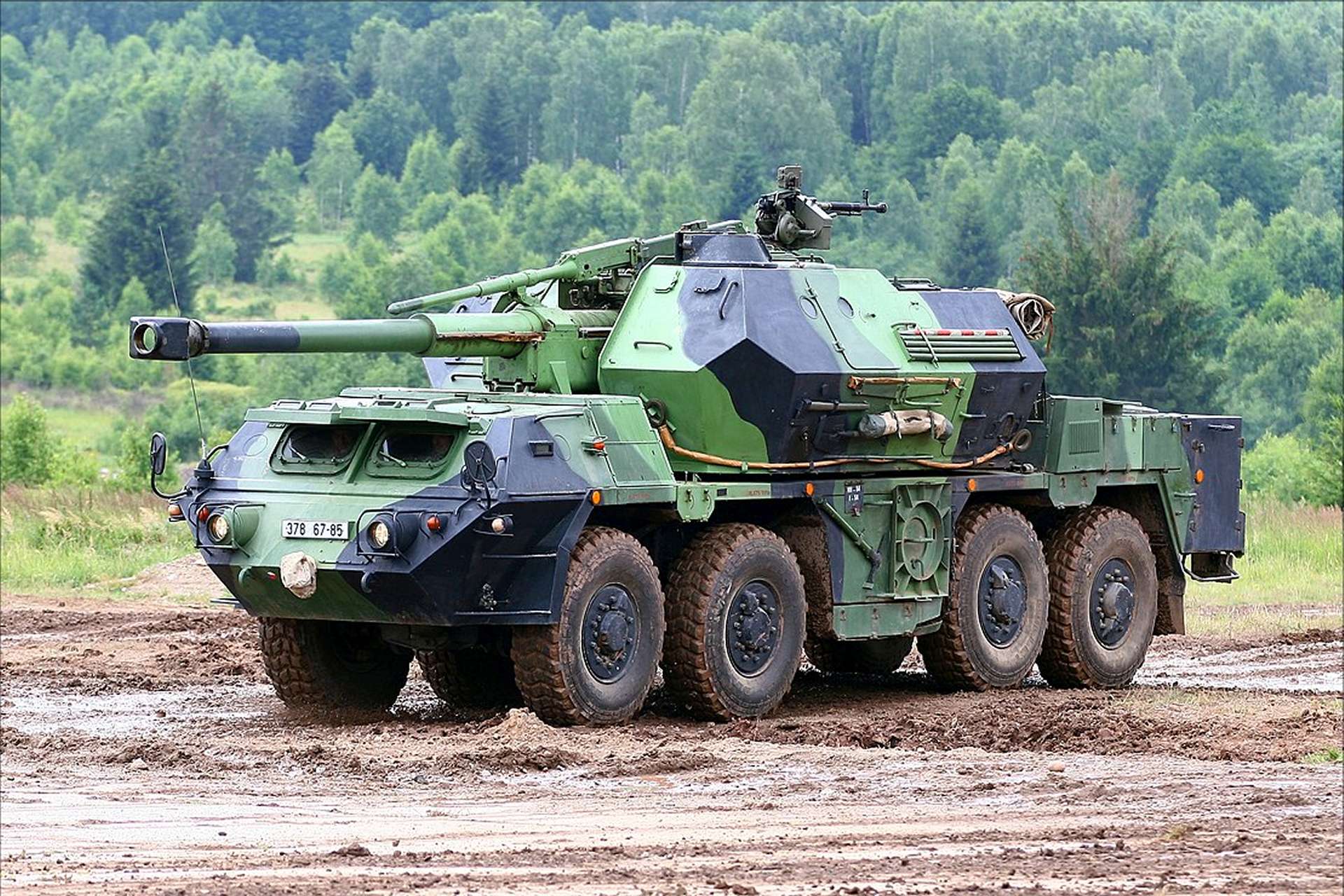
After six months of deployment, the mission of the 131st Artillery Battalion in Lithuania under the eFP has concluded with great satisfaction. (Picture source: Wikimedia)
Read more: DANA Howitzers and Titus Vehicles Prove Their Worth in Lithuania
- Details
- Written by: Jérôme Brahy
- Category: 2024
- Hits: 8161
On July 18, 2024, Galvion, known for its head protection systems and power and data management solutions, received a follow-on order from the Department of National Defence (DND) Canada for its Batlskin Caiman ballistic helmet systems. This order is part of the Canadian Dismounted Infantry Capability Enhancement (DICE) program, which initially awarded a contract in February 2023 for 2,100 helmets and 4,200 helmet covers. With all initial deliveries completed, the DND has now ordered an additional 8,400 helmets and 16,800 helmet covers, bringing the total to 10,500 helmets and 21,000 covers.
Follow Army Recognition on Google News at this link
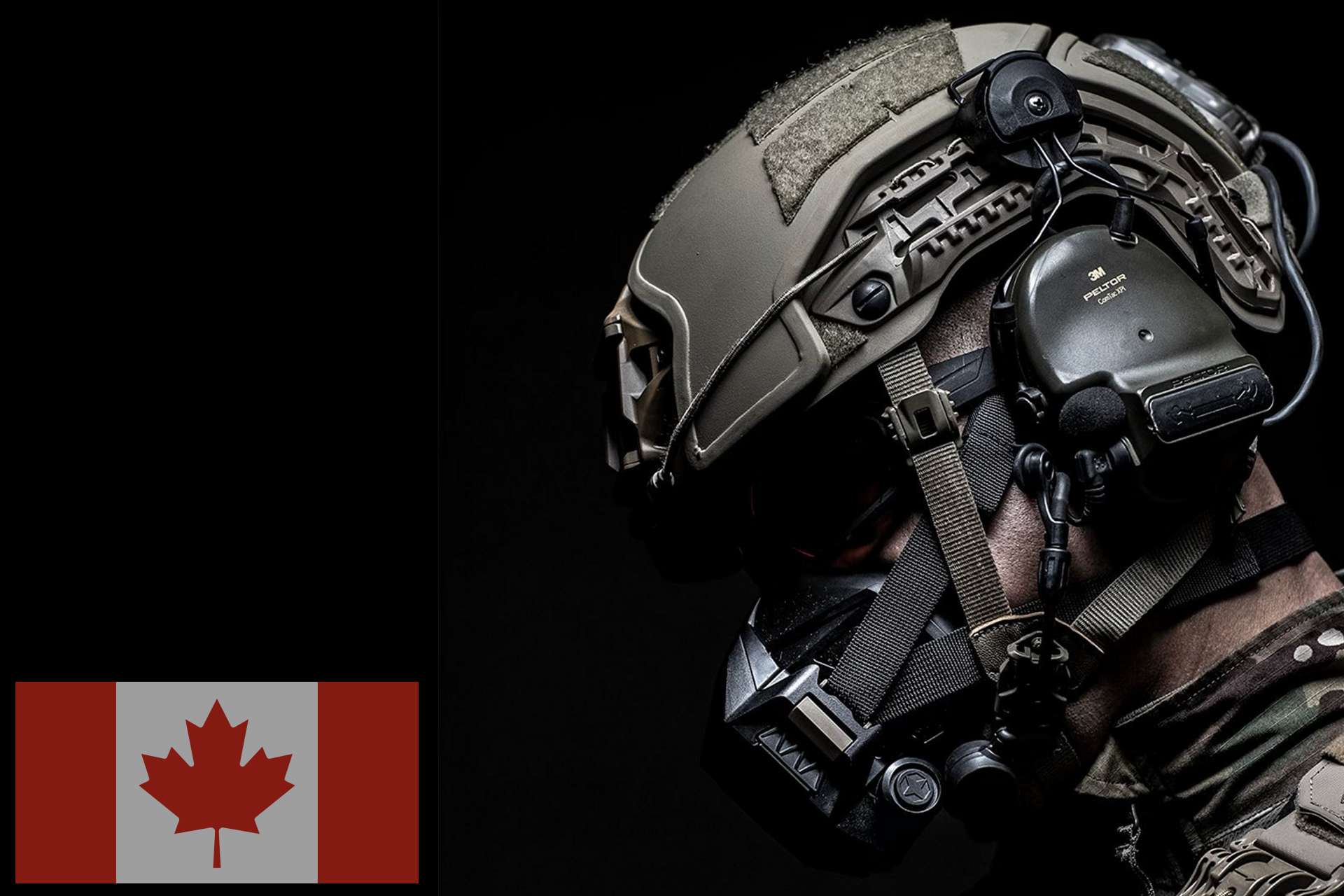
Galvion's Batlskin Caiman hybrid helmet is optimized for night vision goggles (NVG), chemical and biological (Chem/Bio) masks, and communication device integration. (Picture source: Galvion and Wikimedia)
The Caiman helmet system, developed in collaboration with the Special Operations Forces (SOF) community, has been tested in various operational conditions and is in service in multiple countries. It is designed to incorporate electronics, communication headsets, and other equipment, featuring Galvion's APEX lining system for an adjustable fit. Furthermore, this helmet is designed for blunt impact protection, reducing impact forces to below 150G, and performs under various environmental conditions such as extreme temperatures and immersion tests.
Trials for the DICE programme were conducted by members of the Canadian Light Infantry at the end of 2022, testing the integration of night vision goggles, gas masks, hearing protection, and cold-weather gear. The Caiman helmet received the highest rating and was selected through a phased bid process.
Todd Stirtzinger, CEO of Galvion, commented on the significance of the order from the Canadian DND and the positive feedback received. He noted that such orders indicate partner confidence and end-user satisfaction. Stirtzinger also mentioned ongoing orders from NATO countries through the NATO Support and Procurement Agency (NSPA) framework contract, indicating a growing international demand for the Caiman helmet.
Galvion, founded in 2002 as Revision Military, rebranded in 2019 after divesting its protective eyewear business. This shift marked a focus on active systems enhancing performance and survivability. Galvion’s products incorporate advanced materials and user insights, aiming to provide solutions beyond traditional protective measures.
The Batlskin Caiman ballistic helmet system features Ultra High Molecular Weight Polyethylene (UHMWPE) material in a high-cut design. Available in five sizes, the helmet offers customizable comfort through the APEX liner system. It provides scalable protection with visors and mandible guards and integrates with face shields, night vision goggles, chemical and biological masks, and communication devices. The helmet meets multiple performance standards, including modified and abbreviated NIJ 0106.01 / NIJ 0101.06 IIIA threats. Its physical characteristics include an areal density of 1.30 lbs/ft², a thickness of 0.24 inches, and a weight range from 1.47 to 1.92 lbs depending on the size. The system weight, including components like the NVG shroud and retention system, ranges from 2.33 to 2.89 lbs.
Read more: Canadian Army purchases 8,400 additional Batlskin Caiman ballistic helmets from Galvion
- Details
- Written by: Jérôme Brahy
- Category: 2024
- Hits: 4585
Aselsan, Türkiye’s leading defense contractor, will participate for the first time at the Farnborough International Airshow, an aerospace event taking place near London from July 22 to 26, 2024. The company will present a range of solutions, including air radar, communication, electro-optical, and electronic warfare systems.
Follow Army Recognition on Google News at this link
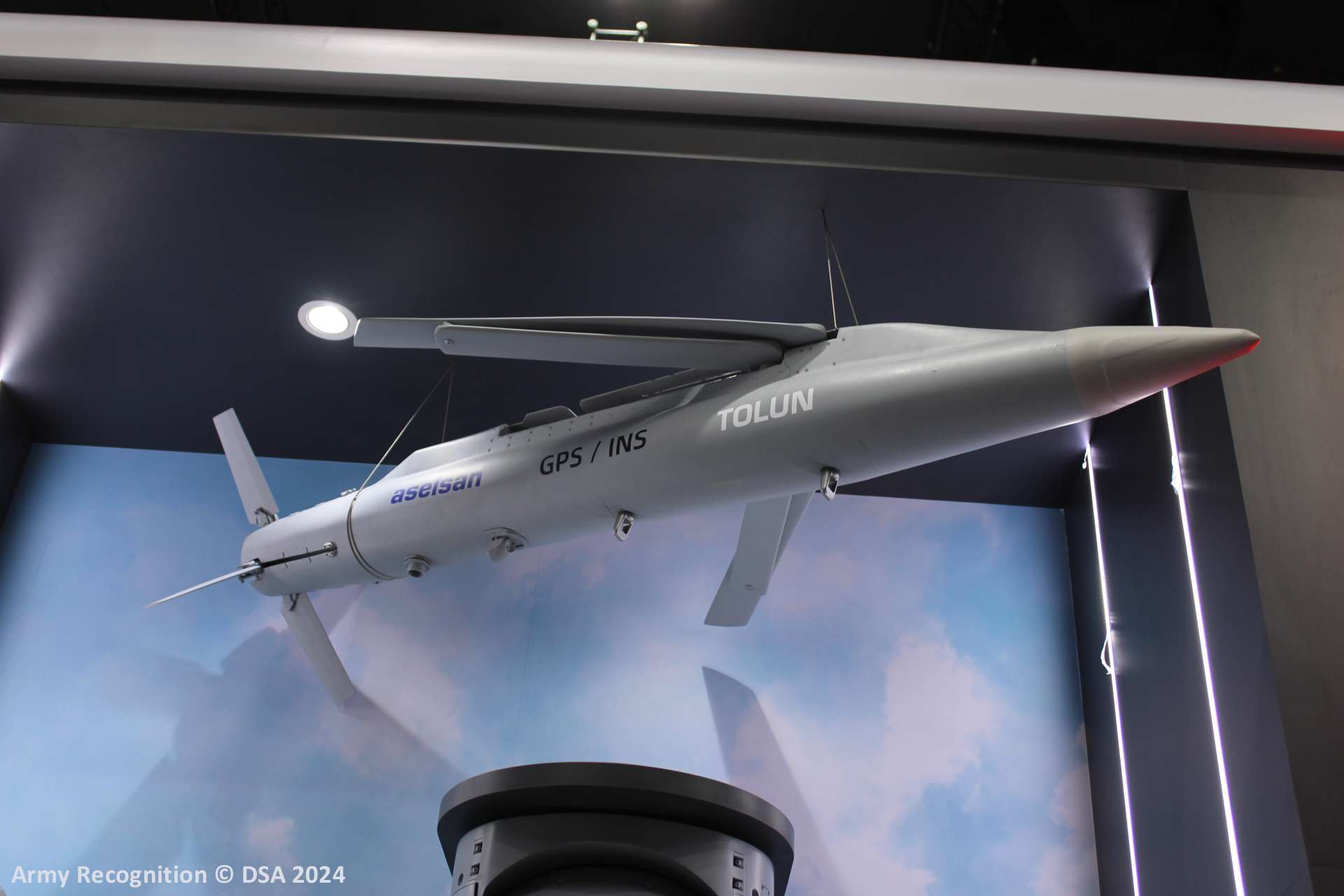
Aselsan will present the Tolun guided munition, capable of simultaneous strikes on multiple targets, along with the Skydome Air Defence System, which provides protection against airborne threats. (Picture source: Army Recognition)
Aselsan's presence at Farnborough will be marked by a display of its products at Booth No. 4924. Featured systems will include electro-optical reconnaissance, surveillance, and targeting systems, radar systems, guided munitions, integrated avionics systems, communication radios, and electronic warfare systems for both military and civilian air platforms.
The ASELFLIR-500 electro-optical reconnaissance, surveillance, and targeting system, known for its use in UAVs (Unmanned Aerial Vehicles) and UCAVs (Unmanned Combat Aerial Vehicles), will be highlighted. The ALP 300-G Early Warning Radar System, which enhances air defense capabilities with dual-axis AESA (Active Electronically Scanned Array) technology, and the Murad 110-A AESA nose radar, adaptable for F-16 and other platforms, will also be showcased.
Aselsan will present the Tolun guided munition, capable of simultaneous strikes on multiple targets, and the Skydome Air Defence System, which provides protection against airborne threats. For the first time abroad, the Toygun electro-optical sensor and targeting system will be displayed, offering advanced targeting solutions. The Karat infrared search, detection, and tracking system enhances detection and tracking capabilities. The IFF Mode 5 Combined Interrogator/Transponder ensures secure identification of friend or foe, while the IFF Mode 5 Man-Portable Interrogator solutions provide portable identification capabilities. The T-Link Terminals LOS-A and LOS-C support line-of-sight communication. The Yildirim-100 directed infrared countermeasure (DIRCM) system offers protection against infrared-guided threats.
Aselsan President & CEO Ahmet Akyol views the Farnborough International Airshow as an opportunity to introduce its latest avionic systems, air radars, anti-drone systems, guided munitions, air communication technologies, air defense systems, and airborne electro-optical solutions. The event is seen as a platform to form new partnerships and enhance existing collaborations while showcasing the company's capabilities in avionic technologies.
Aselsan, established in 1975 and based in Ankara, Türkiye, is a major defense electronics company under the Turkish Armed Forces Foundation. The company focuses on the research, development, and production of military electronics and defense systems. Aselsan's product range includes communication systems, radar technologies, electronic warfare solutions, and unmanned systems. Key projects encompass the Gürz Hybrid Gun-Missile Air Defense System and the Korkut 35mm self-propelled anti-aircraft gun. The company's activities aim to reduce reliance on imported technologies by developing indigenous solutions, which has led to notable savings and advancements in national defense capabilities.
In terms of financial performance and market presence, Aselsan reported a 42% increase in net profit for the first half of 2023, with total orders amounting to $8.4 billion. The company has shown significant growth in sales and has increased its competitive stance in both local and international markets. Ranked by Defense News as the 47th largest defense company in terms of defense turnover, Aselsan aims to maintain its growth by creating value in global markets with its workforce of over 10,000 employees.
Read more: Aselsan to premiere at Farnborough Airshow with a wide range of defense systems

- Details
- Written by: Jérôme Brahy
- Category: 2024
- Hits: 7185
On July 15, 2024, the US Army praised a notable achievement by Belgium's 20th Squadron Tactical Airlift of the 15th Wing, marking the first-ever A400M HIRAIN mission. This operation involved deploying the M142 HIMARS system from the 18th Field Artillery Brigade as part of the Winter Shield exercise, which included participation from American and Latvian military personnel. The mission highlighted Belgium's capability to coordinate and execute rapid military deployments within NATO frameworks, emphasizing interoperability among allied forces.
Follow Army Recognition on Google News at this link
The HIRAIN (HIMARS Rapid Infiltration) mission involves deploying M142 High Mobility Artillery Rocket Systems (HIMARS) using aircraft such as the A400M to transport them to strategic locations. (Picture source: Belgian Air Force)
The HIRAIN (HIMARS Rapid Infiltration) mission involves deploying High Mobility Artillery Rocket Systems (HIMARS) using aircraft such as C-130s or C-17s to transport them to strategic locations. Upon arrival, the HIMARS units are unloaded, conduct a fire mission, and are then reloaded onto the aircraft for redeployment. This method aims to enable rapid deployment and precision artillery strikes while minimizing detection and counter-attack risks. HIRAIN missions represent a collaborative effort between various military branches, including the U.S. Army, Marine Corps, and Air Force, to enhance joint interoperability and readiness for diverse combat scenarios.
The HIRAIN mission on December 5, 2023, represented the first successful A400M HIRAIN mission and the first A400M HIRAIN live-fire exercise. Conducted during the Winter Shield exercise, it involved soldiers from the US Army's Charlie Battery, 3rd Battalion, 27th Field Artillery Regiment, 18th Field Artillery Brigade, alongside Latvian, Luxembourgish, and NATO Enhanced Presence Battlegroup personnel. The mission required precise coordination and international planning.
The operation began at Ramstein Air Base, Germany, where an M142 HIMARS mobile rocket launch system, loaded with live training ammunition, along with a platoon operations center vehicle and their crews, was taken on board. Upon reaching the Latvian Lielvārdes Air Base, the system was unloaded, and the unit moved to the Ādaži Training Area. After launching three rockets at targets identified by Belgian Special Forces, they returned to Lielvārdes, and the aircraft took off again for Ramstein. This mission built upon a previous load test and validation conducted in November 2023 involving Germany, Belgium, Luxembourg, and the United States, demonstrating that NATO's A400M users can deploy these systems swiftly to defend NATO territories.
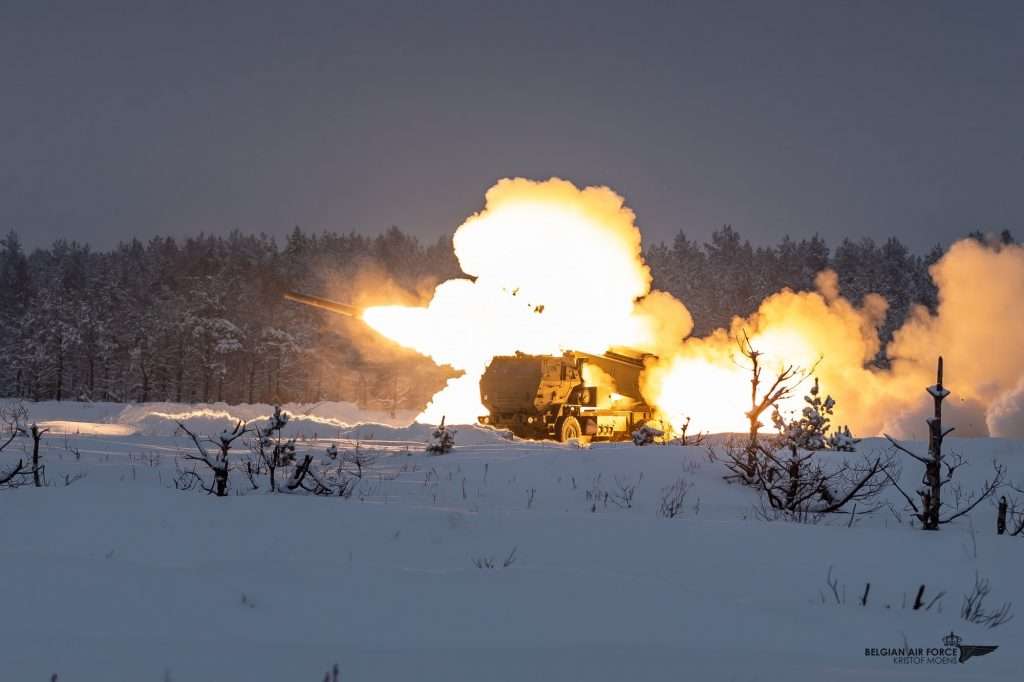
After launching three rockets at targets identified by Belgian Special Forces, the US Army's M142 HIMARS returned to Lielvārdes, and the A400M aircraft took off again for Ramstein. (Picture source: Belgian Air Force)
Capt. Andrew Shaughnessy, commander of Headquarters and Headquarters Battery, 3-27 FAR, noted that this multinational and joint operation validated new HIRAIN tactics, techniques, and procedures. He emphasized that with many A400Ms in the NATO fleet and the European Air Transport Command, this event increased the number of mobility aircraft capable of executing HIRAINs within NATO.
Following the 2023 load test, German 62 Air Transport Wing's loadmaster subject matter experts developed common load plans for all European Air Transport Command A400M nations for the HIMARS and the platoon operations center mounted on a Humvee. Despite significant coordination challenges and input requirements from USAF stakeholders, the Belgians executed the live validation successfully.
The 20th Squadron Tactical Airlift, 15th Wing Air Transport, stationed in Melsbroek, Belgium, performed the HIRAIN live validation with a mix of Belgian and Luxembourgish crew members. Belgian Maj. Nicholas Dhont, section chief air transport A3.4, noted that despite the unit's transitional phase from operating the C-130H to the A400M as its primary weapons system, the mission's success demonstrated Belgium's ability to execute specialized tasks swiftly and effectively. This achievement underscored Belgium's reliability as a NATO partner capable of projecting fires capabilities along Europe's eastern flank and highlighted the enhanced functionality of the A400M weapons system in supporting HIMARS operations.
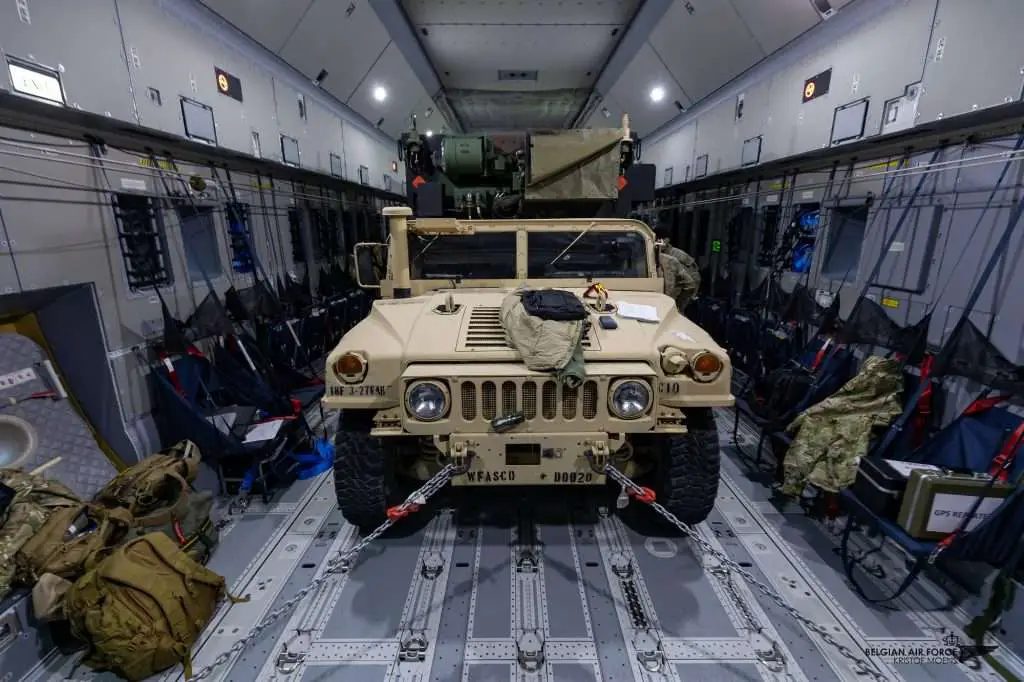
Following the 2023 load test, German 62 Air Transport Wing's loadmaster subject matter experts developed common load plans for all European Air Transport Command A400M nations for the HIMARS and the platoon operations center mounted on a Humvee. (Picture source: Belgian Air Force)
Luxembourg Capt. Ben Kauffman, the aircraft commander of the A400M during the mission and mission commander of the airlift operation, focused on the mission's operational and tactical requirements, aiming to enable tactical air-land operations. He noted that the successful mission opened new capabilities for NATO, illustrating effective interoperability between allied forces.
The mission's success validated the A400M's capabilities, proving it as a key transport asset within the European Union and strengthening collaboration among NATO partners. Kauffman remarked that flying to Latvia with a U.S. load demonstrated that any nation within Europe can expect support from NATO allies.
The mission's success during Latvia's Winter Shield exercise carries significant implications for future military operations. Capt. Rachelle Stewart, the commander of Charlie Battery, 3-27 FAR at the time, praised her soldiers for their rigorous training and performance, highlighting the mission's importance in demonstrating the ability to conduct cross-country, cross-platform operations with NATO allies.
Both Dhont and Stewart acknowledged the challenges of pre-coordination among participating nations but emphasized the resilience and determination that led to the mission's success. U.S. Army 1st Lt. Benjamin Jepko, a fire directions officer for Winter Shield, assigned to 3-27 FAR, expressed similar sentiments, valuing the collaboration with experts from different nations.
Since the introduction of HIMARS into the European theater, beginning with the 3rd Battalion, 321st Field Artillery Regiment, 18th Field Artillery Brigade in 2022, HIMARS battalions have significantly enhanced interoperability with NATO partners. Capt. Stewart concluded that HIMARS remains a relevant and effective weapon system, vital for NATO's strategic operations.
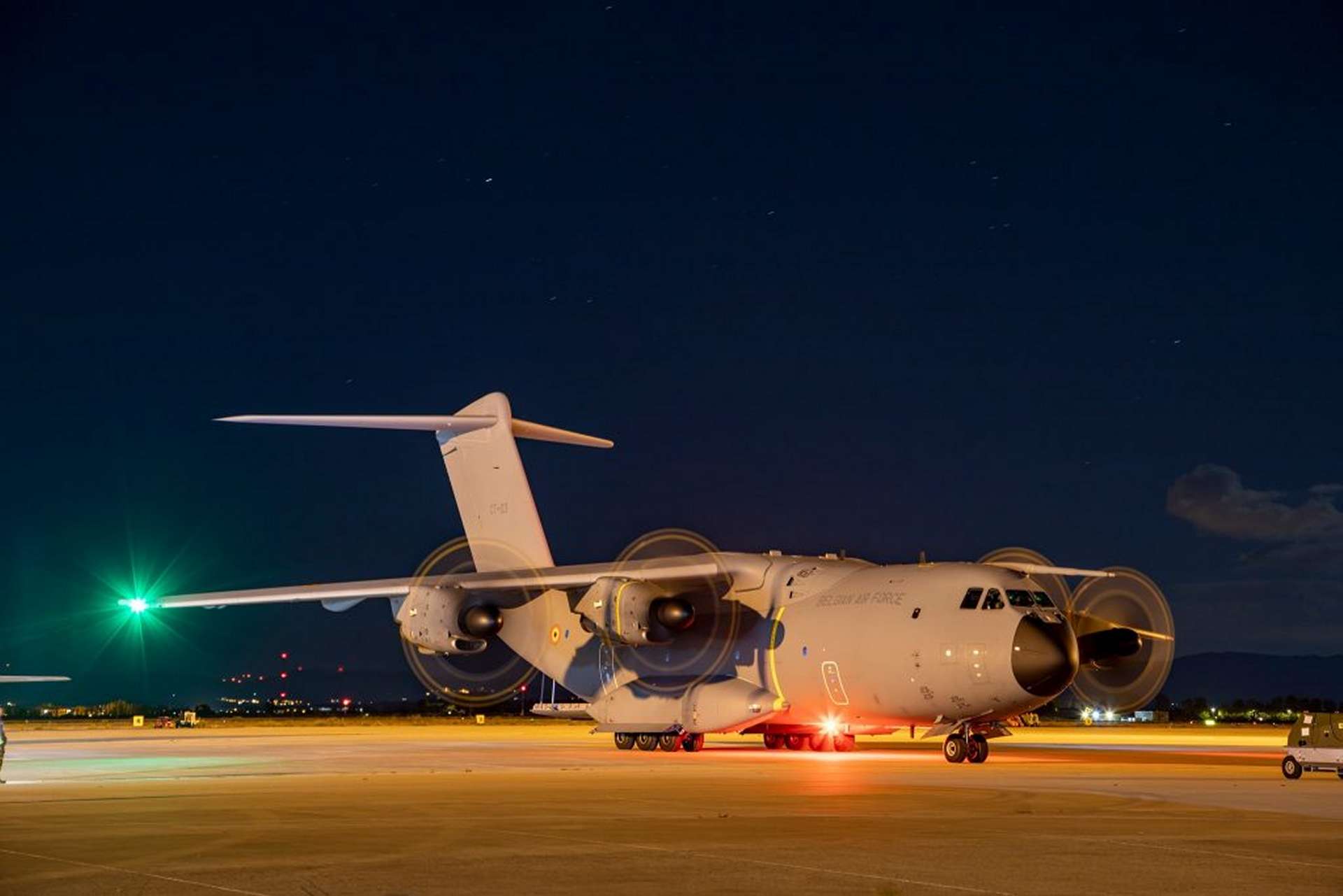
In October 2021, the Belgian Air Force deployed its A400M for its first international exercise during the Airlift Block Training (ABT) in Pisa, Italy. (Picture source: Belgian Air Force)
Read more: US Army praises Belgium's leading role in first-ever A400M HIRAIN mission
- Details
- Written by: Vandenbosch
- Category: 2024
- Hits: 2316
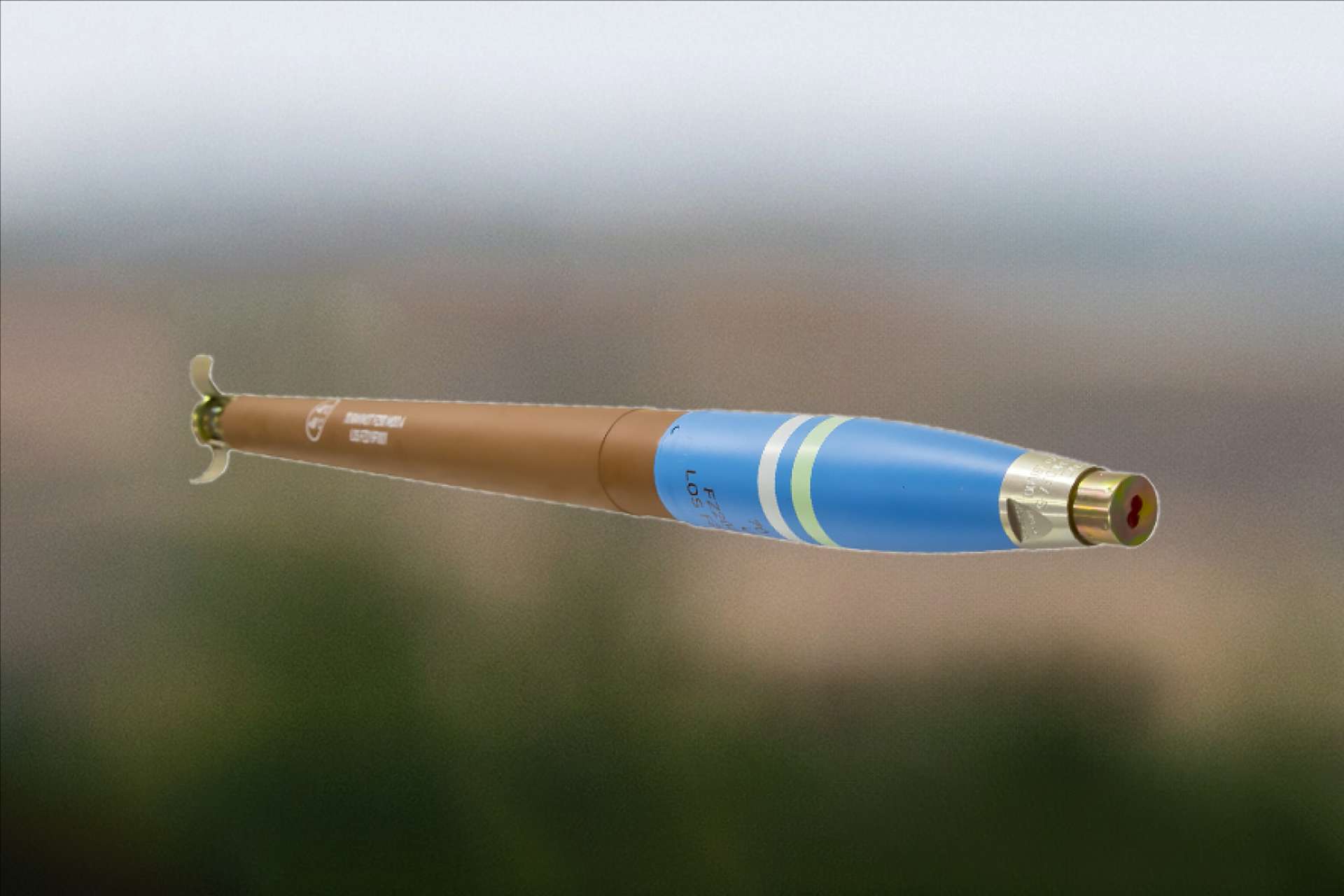
On July 17, 2024, Rheinmetall announced the signing of a framework contract with the Bundeswehr for the supply of 70mm training rockets for combat helicopters. This contract, with a potential value exceeding €100 million, highlights Rheinmetall's central role in the development and production of munitions in Europe.
Follow Army Recognition on Google News at this link
The 70mm training rockets for combat helicopters. (Picture source: Rheinmetall)
The contract starts with an initial order of several tens of millions of euros, placed in the second quarter of 2024. The delivery of the first lot is scheduled for the end of 2024. Following the acceptance of this delivery, full-scale production will extend from 2025 to 2029.
In collaboration with FZ, a Belgian subsidiary of the Thales Group, Rheinmetall is responsible for developing, qualifying, and producing these 70mm rockets. These rockets will be used with the Tiger combat helicopter, which is capable of firing these unguided rockets to engage infantry targets, positions, or lightly armored vehicles.
This contract once again demonstrates Rheinmetall's technological leadership in the munitions field. It also ensures that the Bundeswehr has a secure supply of munitions for the coming years, while providing realistic training conditions for combat helicopter crews.
Additionally, this contract is part of a broader context of Rheinmetall's increased munitions production capabilities. In February 2024, the company inaugurated a new factory in Unterluess, Lower Saxony, designed to produce up to 200,000 projectiles per year starting in 2025. This facility will help meet the growing demand for munitions, exacerbated by the conflict in Ukraine and the increased needs of European armed forces.
Beyond the 70mm rockets, Rheinmetall has recently secured other major contracts with the Bundeswehr, notably for the supply of 155mm artillery munitions. This framework contract, with a potential value of €1.2 billion, includes the delivery of hundreds of thousands of projectiles, fuses, and propellant charges, with deliveries starting in 2025. Part of these munitions will be aimed at supporting Ukraine in its defense campaign.
These agreements not only enhance the operational capability of the Bundeswehr but also reinforce Rheinmetall's position as a key munitions supplier for Germany and its NATO allies. Through these contracts, Rheinmetall ensures optimal utilization of its production capacities and long-term planning of its manufacturing processes, guaranteeing quick availability of munitions when needed.
The 70mm training rocket contract with the Bundeswehr represents a little milestone for Rheinmetall, confirming its crucial role in European defense and its ability to provide advanced technological solutions for armed forces.
Read more: Rheinmetall Secures €100 Million Contract for Bundeswehr Training Rockets
- Details
- Written by: Halna du Fretay
- Category: 2024
- Hits: 4602
In a significant move to modernize its artillery capabilities, the Spanish Ministry of Defence has announced its plans to replace its aging fleet of M109A5E howitzers with 145 new self-propelled guns. This strategic initiative involves the procurement of 109 tracked and 36 wheeled artillery systems, aiming to enhance Spain's artillery capabilities across various operational terrains and scenarios.
Follow Army Recognition on Google News at this link
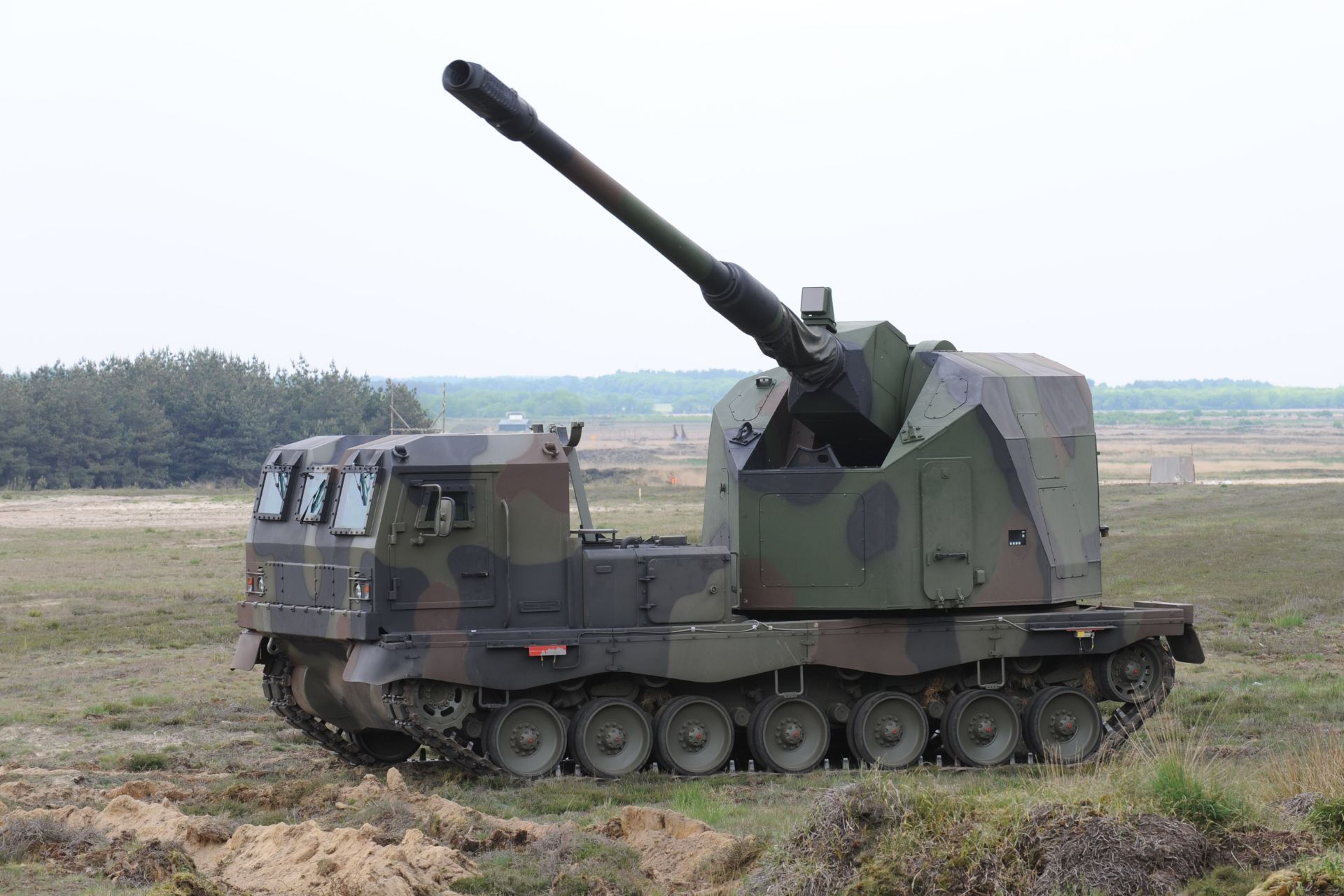
The Donar, which incorporates KNDS's AGM (Artillery Gun Module) on an ASCOD chassis, provides a tracked artillery solution (Picture source: KNDS)
Santa Barbara Sistemas, a leading entity in Spain's defense industry, has offered two cutting-edge systems for consideration. The first is the Donar, which incorporates KNDS's AGM (Artillery Gun Module) on an ASCOD chassis, providing a tracked artillery solution.
The second is the Piranha 4 10x10, a wheeled vehicle also equipped with the same AGM module. These systems are designed to meet the stringent demands of modern warfare, offering improved mobility and firepower.
The Donar system integrates advanced artillery technology with the AGM on an ASCOD 2 chassis. Developed to offer a flexible and mobile artillery solution, the Donar combines a 155mm/L52 gun's firepower with the maneuverability of a tracked vehicle.
Although relatively new in the global artillery market, the system has undergone various testing phases to demonstrate its capabilities. It features an automatic loading system and a modular design, aimed at quick deployment and survivability on the battlefield.
Similarly, the Piranha 4 10x10 represents a modern approach to artillery support, using a wheeled platform for strategic and tactical mobility. While specific production and service entry dates are not widely publicized, this vehicle is part of the broader Piranha family known for their adaptability and usage by various military forces globally.
The Piranha 4 10x10 offers advanced ballistic protection, mine resistance, and the capability to be airlifted by standard military transport, making it an ideal choice for expeditionary forces.
This modernization program is driven by the strategic necessity to upgrade Spain’s artillery in response to contemporary combat challenges, underscored by recent global conflicts such as the war in Ukraine.
The focus on both tracked and wheeled vehicles ensures adaptability and robustness, catering to diverse military needs. This procurement not only reflects Spain's proactive stance on defense preparedness but also marks a significant step in its ongoing military modernization efforts. The new platforms are expected to significantly enhance the operational effectiveness and reliability of the Spanish army, ensuring readiness for future challenges.
Read more: Spain Considers Upgrading Artillery with Donar and Piranha 4 Systems

- Details
- Written by: Jérôme Brahy
- Category: 2024
- Hits: 15166
On July 15, 2024, Uzbekistan's national broadcaster MTRK reported that the first domestically produced Arslon 8x8 armored personnel carrier (APC) and the modernized Tarlon-M 4x4 armored vehicle are undergoing field testing, with subsequent delivery planned for the Uzbek army. Additionally, the reports announced that the Uzbek army will receive a batch of this updated generation of the Tarlon armored vehicle.
Follow Army Recognition on Google News at this link
The Arslon's front protection is claimed to meet STANAG 4569 Level 6 (30mm APFSDS at a distance of 500m), with side and rear protection meeting Level 4 (14.5mm AP at 200m), and blast protection at Level 4a and 4b, equivalent to 10 kilograms of TNT under the wheel or belly. (Picture source: Uzbek MoD)
According to the MTRK report, the 'Arslon' (Uzbek for lion) is the outcome of extensive studies and analysis of foreign APCs and was produced through the cooperation of different organizations within the Uzbek Defense Industry Agency. The vehicle was assembled by Krantas, a Tashkent-based equipment and agricultural machinery manufacturer, that has previously participated in the development and production of the Tarlon and Qalqon 4x4 APCs. Assembly took place at the same plant where the Qalqon was built.
Depending on the configuration, the APC weighs between 32 and 35 tons, and follows a conventional layout, with the engine located in the front right and the crew next to it. The crew, composed of a driver, commander, and gunner, is seated one behind the other. The gunner accesses his station via the troop compartment at the rear of the APC, which contains seats for eight paratroopers and is accessible through a rear hydraulic ramp. For comfort, the vehicle includes an air conditioning unit.
According to Jan Kerdijk, the Arslon 8x8 is equipped with a Guardian 30 weapon station by the Spanish company Escribano Mechanical & Engineering. The weapon station is placed directly upon the Arslon's troop compartment. It is normally fitted with a MK 44 Bushmaster II, though Escribano M&E promotes the possibility of installing the Soviet 2A42 30mm autocannon. The Uzbek Army chose this option, given the presence of BMP-2s (with the same gun) and BTR-82As (with the related 2A72 using the same ammunition) in its arsenal. As a secondary armament, a 7.62mm machine gun is mounted coaxially to the main gun.
While other configurations of the Guardian 30 feature a panoramic sight, the weapon station acquired for the Arslon does not. The commander's station may include a screen mirroring the gunner's sight but is otherwise limited to the three periscopes in front of his hatch. Cameras at the front and back, supplemented by four additional sensors at the front, back, and sides of the APC, enhance the situational awareness of the driver, whose station is also highly digitized.
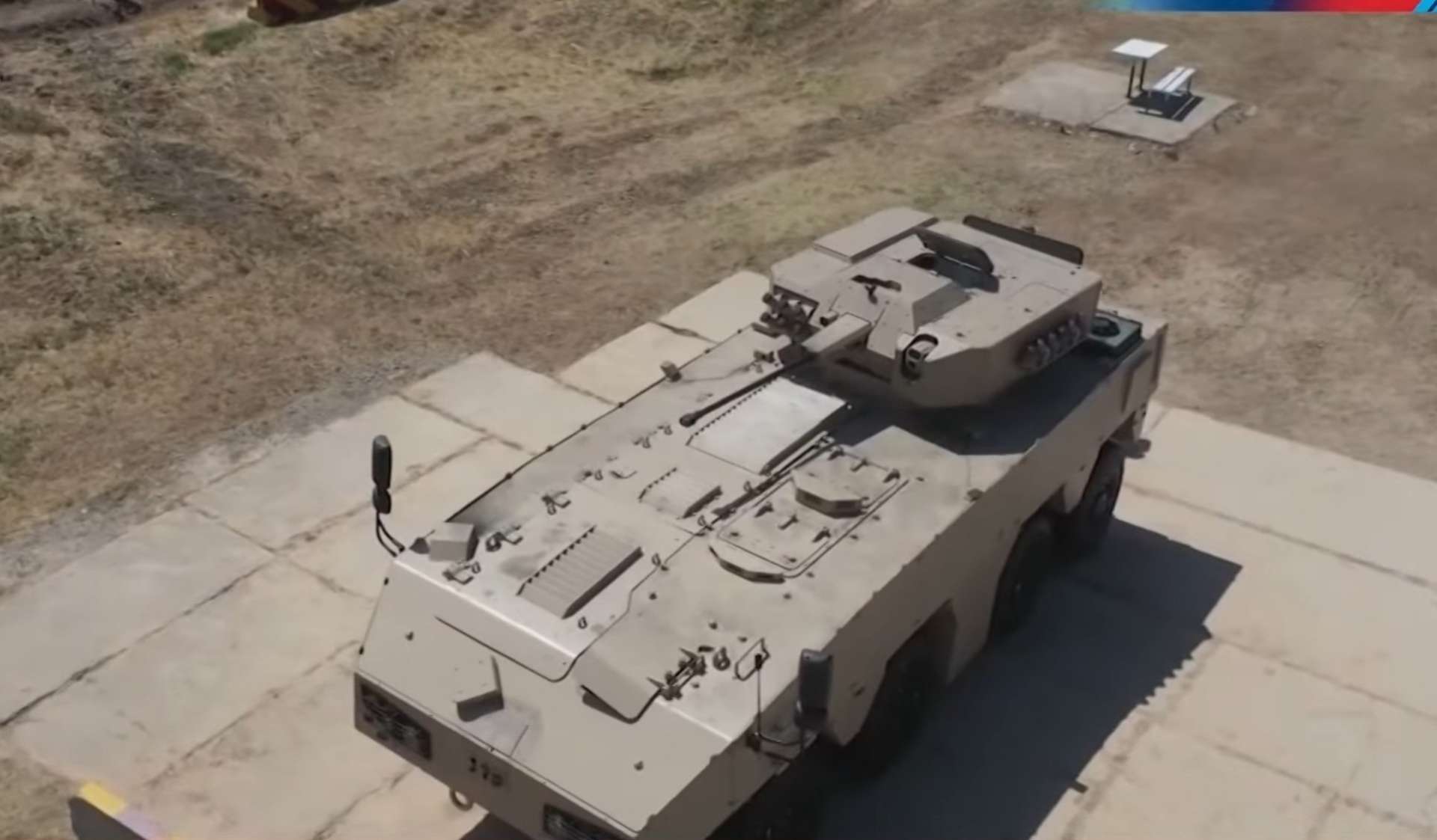
The Uzbek Army chose to use the Soviet 2A42 30mm autocannon, given the presence of BMP-2s (with the same gun) and BTR-82As (with the related 2A72 using the same ammunition) in its arsenal. (Picture source: Uzbek MoD)
The Arslon's front protection is claimed to meet STANAG 4569 Level 6 (30mm APFSDS at a distance of 500m), with side and rear protection meeting Level 4 (14.5mm AP at 200m), and blast protection at Level 4a and 4b, equivalent to 10 kilograms of TNT under the wheel or belly. The use of the NATO rating is noteworthy, as when the Tarlon 4×4 was first revealed in 2020, the Uzbek MoD stated its protection according to both the Russian GOST 34282-2017 and NATO STANAG 4569. Later promotional material for the Tarlon or Qalqon IMVs exclusively featured the Russian standard. For the Arslon, no GOST values are provided, aligning with MTRK's emphasis on the Arslon's compliance with NATO standards.
Another Western supplier is identified by the presence of a socket from Erich Jaeger GmbH + Co. KG, a German automotive electronics manufacturer, installed in the APC's front. This specific 12-pin 24V connector is designed for military users and has a NATO stock number. Additionally, the vehicle features a "Leitkreuz," a rear convoy guidance cross originating in the German Bundeswehr and adopted by several NATO armies. This accessory has not been used by the Uzbek Military before.
Uzbekistan's defense industry has utilized Western components before; for example, the Tarlon was fitted with a Cummins engine and an Allison transmission. Compliance with NATO standards was previously less emphasized compared to the Arslon. No information has been provided regarding the vehicle's engine and transmission, but it is likely that they were sourced from a Western supplier.
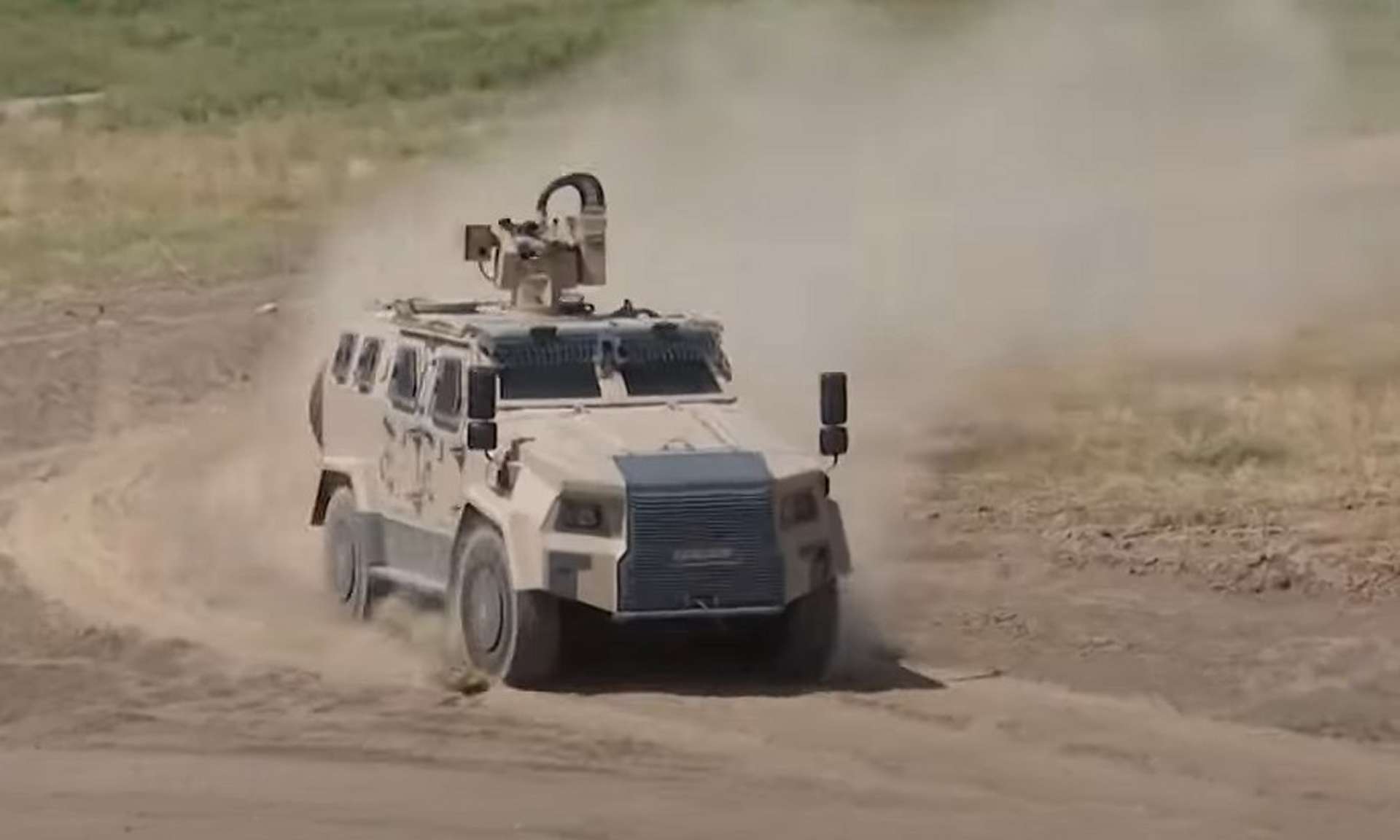
The 13.5 to 14.5-ton Tarlon-M 4x4 armored vehicle, now in its fourth version, features a hull made of composite materials with polymer armor. (Picture source: Uzbek MoD)
Adapted to various climatic conditions in Uzbekistan, the Arslon is intended for import substitution and might serve as an alternative to further purchases of the Russian BTR-82A, alongside which the Uzbek Tarlon-M APC was filmed at a firing range. Uzbekistan's armed forces have faced a lack of wheeled APCs, a problem inherited from the Soviet Army. The MoD has primarily purchased Russian BTR-82As and older BTR-80s. The Arslon could be a more modern and capable vehicle to address this gap.
Interestingly, the video about the Arslon was also shared by Uzbekistan's National Guard, which is unusual as the security force has not previously published material concerning domestic military equipment projects. While the Milliy Gvardiyasi operates some heavier equipment up to BTR-80s, nothing in its arsenal matches the Arslon in terms of weight and capability. The Arslon would represent a significant increase in capabilities for the institution.
On the other hand, the 13.5 to 14.5-ton Tarlon-M armored vehicle, now in its fourth version, features a hull made of composite materials with polymer armor. It is mounted on an all-wheel-drive 4x4 chassis, providing high cross-country capability. The vehicle measures 6,300 mm in length, 2,500 mm in width, and 2,650 mm in height. The Tarlon-M is equipped with a closed digital and satellite communication system and a combat module with a 14.5 mm cannon, developed by domestic engineers. The vehicle has an engine power of 155 hp, allowing it to reach a maximum speed of 105 km/h and a driving range of 750 km. This vehicle is designed for patrolling, performing special tasks in dangerous areas, protecting troops, and transporting landing forces and columns. It is used for fire support of mobile groups and checkpoints, combat patrols, and the security of troops and transport columns.
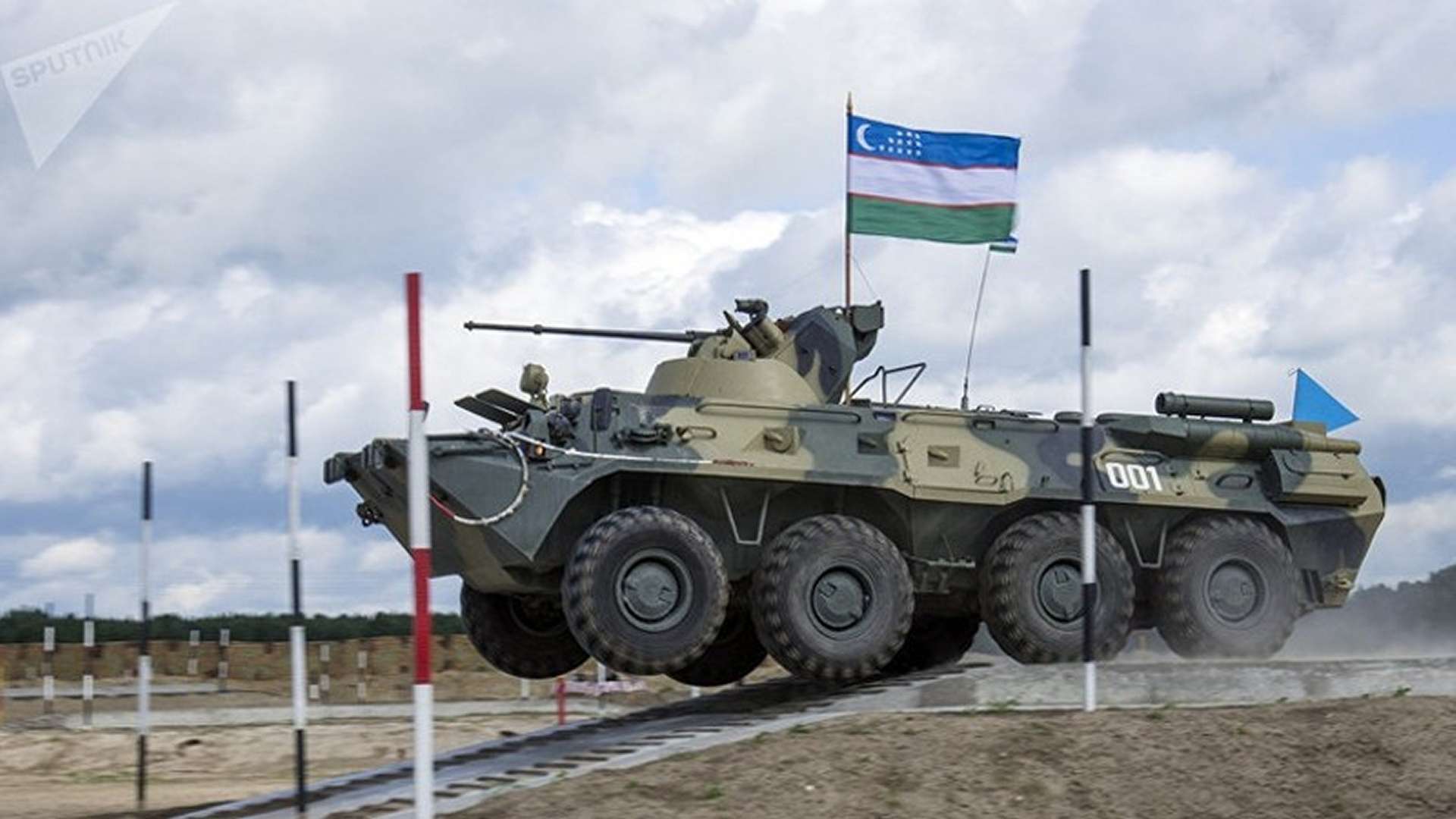
As of 2023, the Uzbek army's inventory of Infantry Fighting Vehicles (IFVs) comprised 270 BMP-2 vehicles and an estimated 100 BTR-82A vehicles. (Picture source: Sputnik)
As of 2023, the Uzbek army's inventory of armored fighting vehicles (AFVs) includes a Main Battle Tank (MBT) fleet consisting of 340 tanks, such as 70 T-72 tanks, 100 T-64B/MV tanks, and 170 T-62 tanks. The reconnaissance (RECCE) vehicles include 19 units, with 13 BRDM-2 and 6 BRM-1 vehicles. Infantry Fighting Vehicles (IFVs) are represented by a total of 370 units. The inventory comprises 270 BMP-2 vehicles and an estimated 100 BTR-82A vehicles.
The Armored Personnel Carriers (APCs) in service number 388, with a breakdown of tracked and wheeled variants. The tracked APCs include 50 BTR-Ds, while the wheeled APCs total 338 units, including 24 BTR-60, 25 BTR-70, and 210 BTR-80 vehicles. The Protected Patrol Vehicles (PPVs) inventory includes 79 units, featuring a mix of Cougar 4×4, 24 Ejder Yalcin, 50 MaxxPro, and 5 Typhoon-K 4×4 vehicles. Armored Battlefield Command Vehicles (ABCVs) include 129 units, with 120 BMD-1 and 9 BMD-2 vehicles. These ABCVs serve as mobile command posts, equipped with communication and control systems to coordinate battlefield operations. Additionally, the Uzbek army possesses a variety of Armored Utility Vehicles (AUVs), with a total of more than 11 units. This includes 7 Cougar vehicles, 4 M-ATVs, and an unspecified number of Tigr-M vehicles. These AUVs perform various support roles, from logistics to troop transport, enhancing operational flexibility.
- Details
- Written by: Vandenbosch
- Category: 2024
- Hits: 4584
The US Army's Long-Range Hypersonic Weapon (LRHW) Battery, part of the 1st Multi-Domain Task Force (MDTF), made history by participating in Exercise Resolute Hunter 24-2, held from June 25-27, 2024. This was the first time the Army's hypersonic capability was integrated into this bi-annual joint training exercise.
Follow Army Recognition on Google News at this link
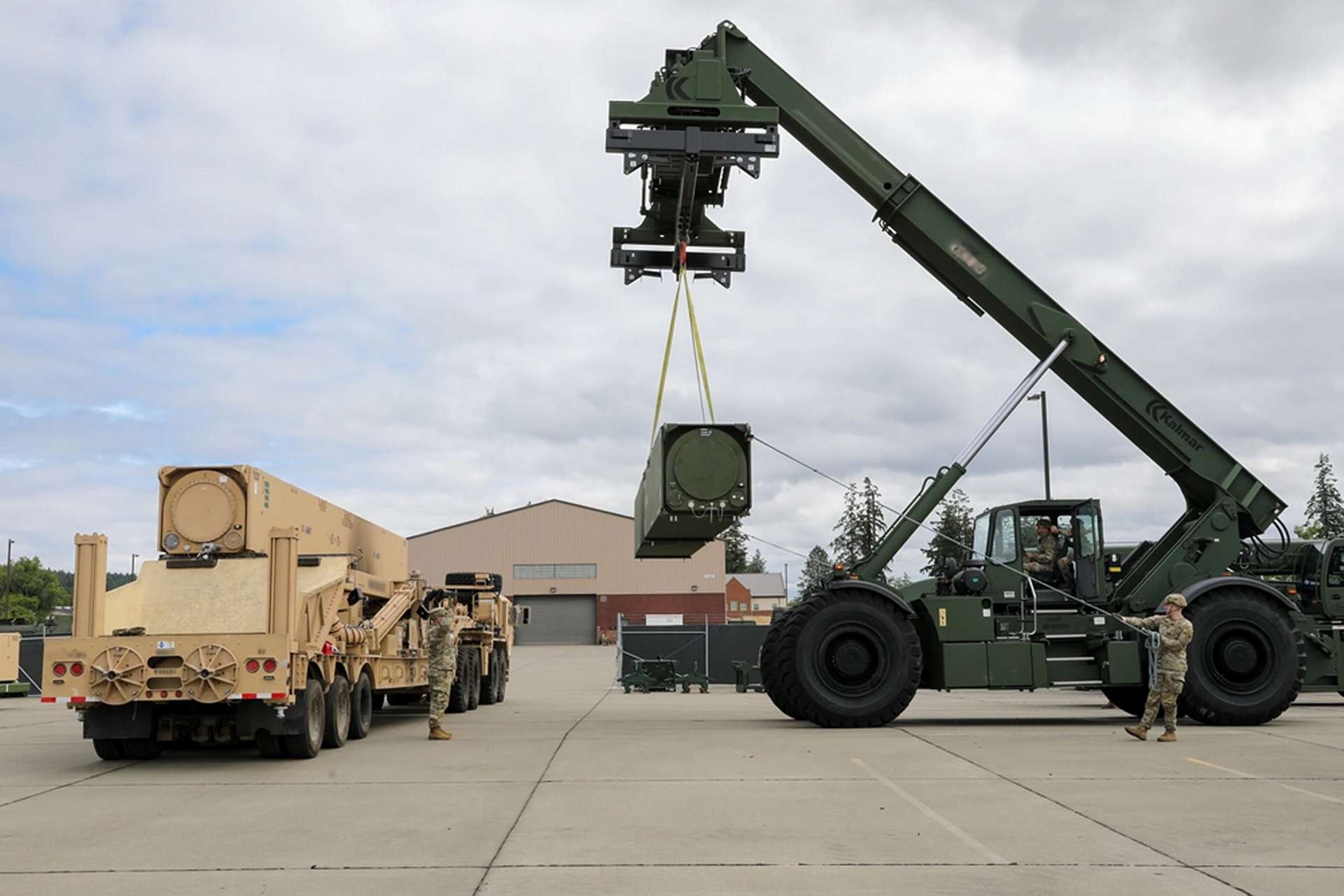
The exercise demonstrated the battery's ability to integrate with higher joint echelons and sustain operations over an extended period. (Picture source: US DoD)
Organized by the Naval Aviation Warfighting Development Center (NAWDC) at Naval Air Station Fallon, Nevada, Resolute Hunter 24-2 is the Department of Defense's only exercise dedicated to Battle Management, Command and Control, Intelligence, Surveillance, and Reconnaissance (BMC2ISR). The event brought together three nations and four joint services for an intensive three-week training period.
Colonel Charles Kean, commander of the 1st Multi-Domain Task Force, emphasized the importance of the exercise: "These scenarios provide invaluable sets and repetitions that build upon and reinforce the constant integration of MDTF capabilities in the broader Partnered All-Domain framework."
The exercise demonstrated the battery's ability to integrate with higher joint echelons and sustain operations over an extended period. Bravo Battery, 5th Battalion, 3rd Artillery (Long Range Fires Battalion), 1MDTF, successfully employed its force package for over 72 hours, showcasing the LRHW digital kill chain in collaboration with joint partners and providing real-time situational awareness to the joint command post.
Captain Jennifer Lee, commander of Bravo Battery, 5-3 FA (LRFB), 1MDTF, highlighted the significance of the exercise: "Exercise Resolute Hunter 24-2 demonstrated the crucial role of land power and the Army's indispensable contribution to joint operations. I am proud of our team's commitment to excellence and their ability to adapt and innovate in a complex and dynamic training scenario."
The development of the Army's long-range hypersonic weapon has been a long-term effort. Soldiers have been part of the prototyping process since 2019. After receiving the initial hardware in March 2021, the unit began New Equipment Training (NET) in September 2021, consisting of four three-week iterations. The deployment process was completed by the end of fiscal year 2023, allowing soldiers to train on the equipment, create doctrines, and develop new tactics, techniques, and procedures. In February 2023, the unit deployed the capability over 3,000 miles to Cape Canaveral, Florida, in the system’s longest recorded overland movement to date, as part of Exercise Thunderbolt Strike, demonstrating the Army's ability to rapidly deploy the hypersonic capability.
Since then, the unit has participated in several other named and joint exercises, with Resolute Hunter being the latest.
As a theater-level unit and Joint Force enabler assigned to the Indo-Pacific, the 1MDTF plays a crucial role in synchronizing long-range precision fires layered with long-range precision effects to create multiple dilemmas and neutralize adversary A2AD (anti-access and area denial) networks. The 1MDTF’s proven innovation, agility, and lethality have led the Army to direct five full MDTFs in strategically significant locations worldwide.
Read more: Debut of Operations for US Army's Long-Range Hypersonic Weapons Battery during Exercise
- Details
- Written by: Halna du Fretay
- Category: 2024
- Hits: 2733
On July 17, 2024, Spain officially became the sixteenth nation to join the group of countries enhancing their air defense capabilities through the acquisition of Patriot Advanced Capability-3 (PAC-3) Missile Segment Enhancement (MSE) missiles. This development was formalized through the signing of a Letter of Offer and Acceptance (LOA) with the U.S. Department of Defense. Follow Army Recognition on Google News at this link
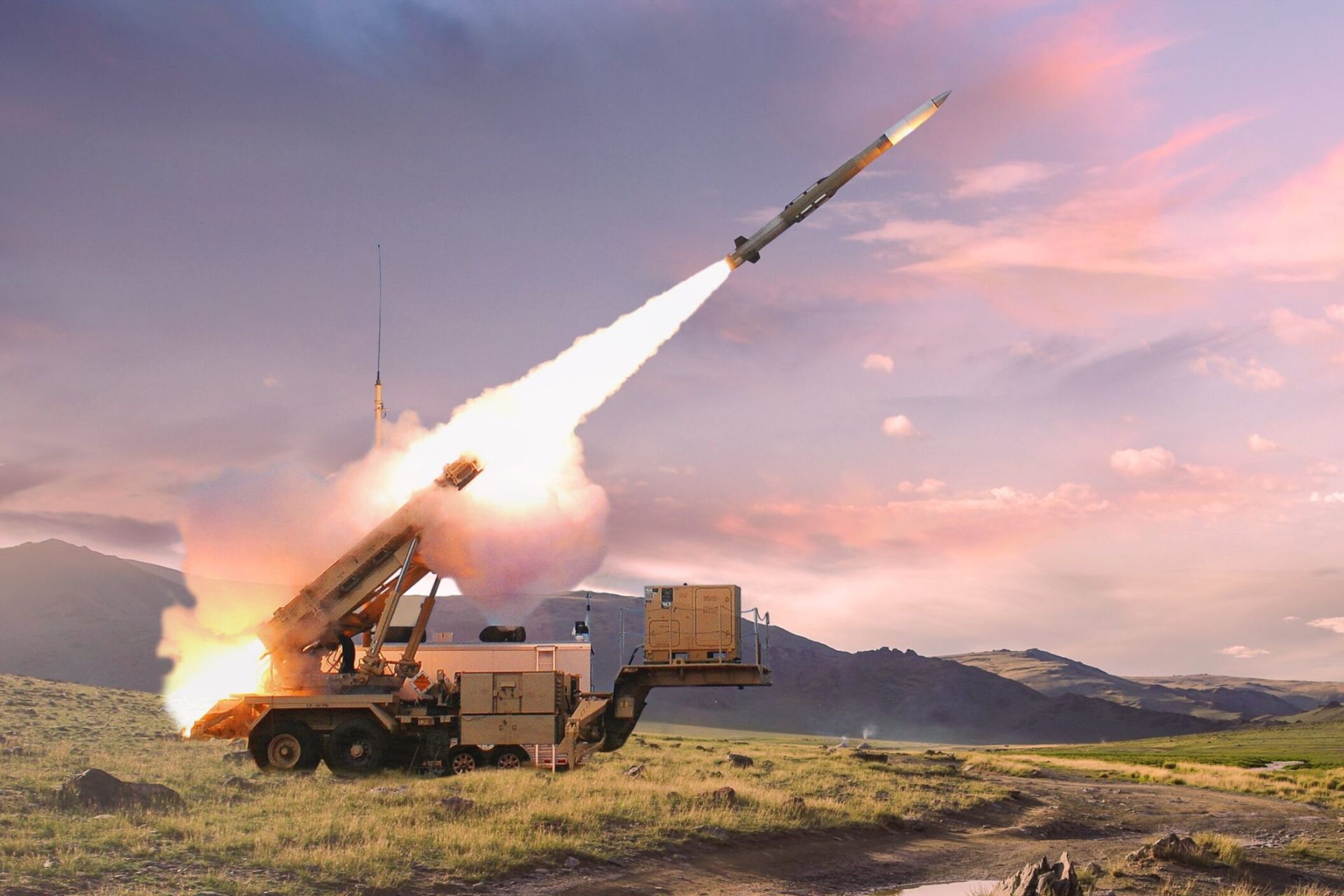
Lockheed Martin’s Patriot Advanced Capability 3 (PAC-3) Missile Segment Enhancement (MSE) guided missiles have been designed to intercept aircraft, tactical ballistic and cruise missiles (Picture source: Lockheed Martin)
The agreement entails the purchase of up to 51 PAC-3 MSE missiles as part of Spain's initiative to modernize its missile defense system. This move aims to bolster the nation's defenses against a variety of threats, including tactical ballistic missiles, cruise missiles, hypersonic weapons, and aircraft.
The PAC-3 MSE is an advanced version of the original PAC-3 missile, designed to counter a broad range of air and missile threats. Enhanced with a dual-pulse solid rocket motor, the PAC-3 MSE offers increased range and altitude, enabling it to defend against more complex threats.
Production of the PAC-3 MSE began in the early 2010s, with the missile entering service in the U.S. Army in 2014. To date, many units have been produced and are in service worldwide, forming an integral part of integrated air and missile defense systems. The PAC-3 MSE is favored by several nations due to its ability to engage multiple targets simultaneously with pinpoint accuracy, a crucial feature for modern air defense strategies that demand high precision and reliability.
Brian Kubik, Vice President of PAC-3 Programs at Lockheed Martin, highlighted the missile’s role in national defense strategies. "As the world's most advanced air defense missile, the PAC-3 will enhance Spain’s national defense capabilities and effectiveness in the 21st Century Security battlespace," stated Kubik.
Lockheed Martin has been a key defense partner to Spain for over two decades and plays a significant role in the broader scope of Joint All-Domain Operations (JADO). The company integrates various military assets to ensure effective defense operations. The PAC-3 MSE is compatible with major defense systems including the THAAD Weapon System and the U.S. Army’s Integrated Air and Missile Defense Battle Command System (IBCS).
This integration is crucial as it enhances real-time decision-making capabilities and supports the dynamic command and control needs of modern warfare. Lockheed Martin emphasizes the importance of network-centric warfare and is actively increasing production to meet global demand.
Spain's addition to the PAC-3 user community not only strengthens its own defense posture but also contributes to the collective security of allied nations facing increasingly sophisticated aerial threats.
Read more: Spain Strengthens Air Defense with Acquisition of PAC-3 Missiles

- Details
- Written by: Halna du Fretay
- Category: 2024
- Hits: 6133
In its ongoing commitment to Ukraine since the onset of the conflict with Russia in February 2022, France is set to deliver a substantial batch of military equipment. According to a reviewed document, this shipment will include 128 VAB troop transport vehicles, 18 Caesar artillery cannons, and 24 AMX-10 RC light tanks. Additionally, this consignment will be complemented by anti-tank missiles, trucks, and radars, aligning with the planned dispositions for 2024. Follow Army Recognition on Google News at this link
The AMX-10 RC armoured fighting vehicles(Picture source: Ukrainian Defense Forces)
The VAB, developed by French company Renault Trucks Defense, was introduced in the 1970s. Designed to transport troops into battle while offering protection from light firearms and shrapnel, the VAB has been extensively utilized by the French military and exported globally. Over 5,000 units have been produced to date. The vehicle, equipped with a machine gun, is versatile and can be adapted for various roles including observation, command and control, medical evacuation, and troop transportation.
The Caesar (CAmion Équipé d'un Système d'ARtillerie) is a mobile artillery system developed by French firm Nexter. First deployed in 2008, this self-propelled gun is mounted on a truck chassis, enhancing its mobility and ease of deployment. The Caesar can fire 155mm shells over 40 kilometers using standard munitions and up to 55 kilometers with rocket-assisted projectiles. Around 300 units are currently in service, valued for their precision and quick deployment capabilities, which are crucial for survival on the battlefield.
The AMX-10 RC, a light reconnaissance tank developed by GIAT Industries (now Nexter Systems), entered service in 1981. Designed specifically for reconnaissance, it is equipped with a 105 mm cannon that enables the engagement of targets at long distances. Characterized by its high mobility enabled by six-wheel drive, the AMX-10 RC can operate across various terrains. With over 240 units produced, it has been extensively used by the French army and has been exported as well. Its armor provides protection against light firearms and shrapnel, making it suitable for reconnaissance missions ahead of friendly lines.
This significant support is part of a long-term strategy where France aims to provide comprehensive capabilities including equipment with ammunition, necessary training, and equipment maintenance, while ensuring the safety of its own armed forces and managing conflict escalation. The Ministry of the Armed Forces has emphasized that these deliveries meticulously adhere to these three criteria.
Since the war's inception, France has allocated over 3.8 billion euros in military aid to Ukraine, which includes 2.615 billion euros in direct equipment deliveries and 1.2 billion euros through the European Peace Facility, covering the period from February 24, 2022, to December 31, 2023. This represents a significant financial and logistical support effort.
In addition to material aid, France has also implemented an intensive training program for Ukrainian soldiers. Nearly 10,000 soldiers have already benefited from this training in Poland and France since the conflict began. In 2023 alone, according to France 3 Nouvelle Aquitaine, several thousand Ukrainian soldiers were trained on French soil. These training sessions are tailored to the specific terrain and tactical needs, preparing soldiers for real combat scenarios, such as reconnaissance and securing strategic points.
This Franco-Ukrainian collaboration continues to strengthen, demonstrating a commitment to support Ukraine in facing security challenges in the region. The training techniques, adapted to each situation, ensure that the future combat units are well-prepared for the realities of the battlefield.
- Details
- Written by: Halna du Fretay
- Category: 2024
- Hits: 2865
According to a document reviewed by Franceinfo, France is preparing to welcome 2100 Ukrainian soldiers for two months of intensive training. Scheduled for late September 2024 in the Champagne training camps, this initiative continues France's support since the Russian invasion of Ukraine started.
Follow Army Recognition on Google News at this link
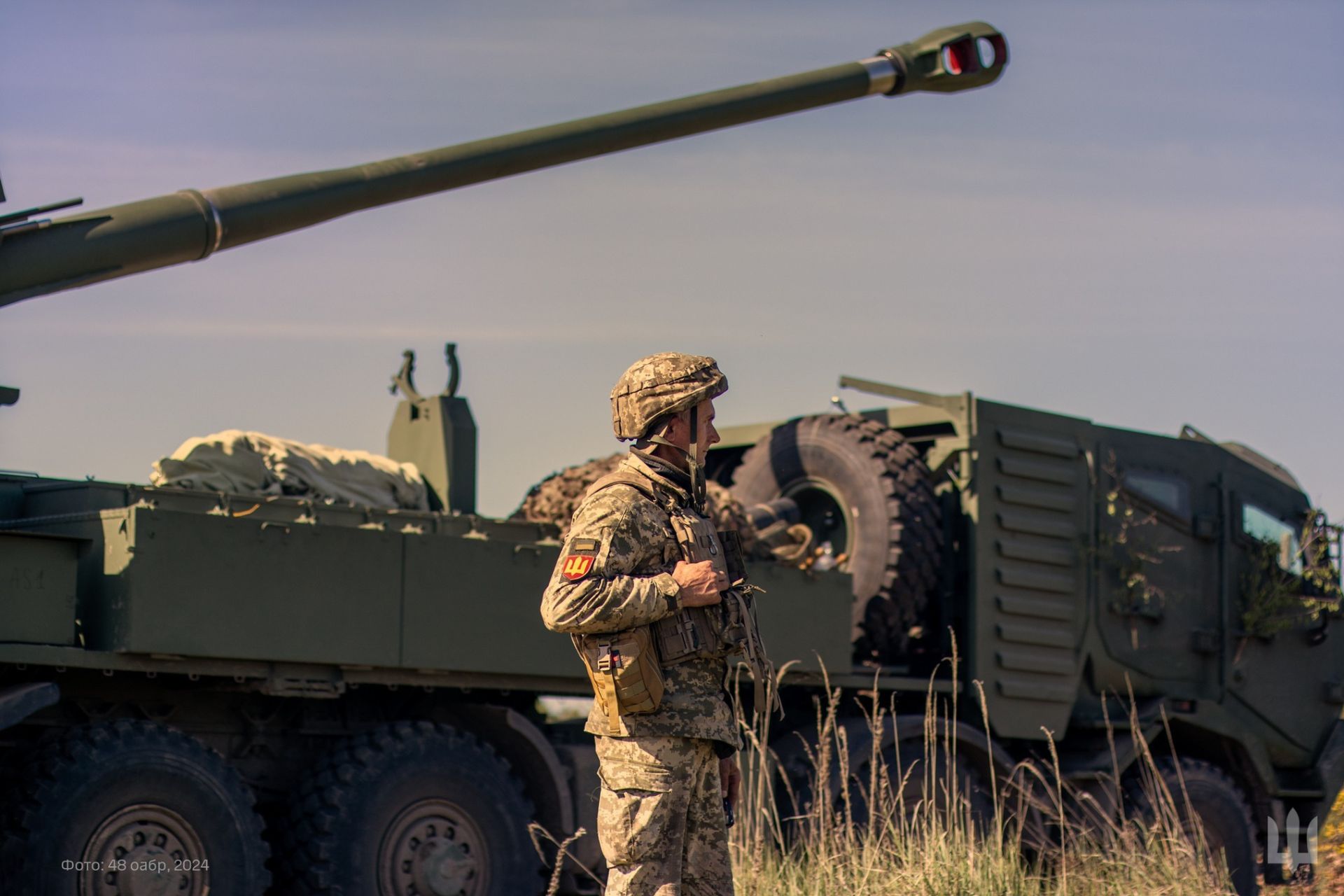
Equivalent to a French army brigade, these Ukrainian soldiers will be trained at the same centers that annually prepare French military personnel for international operations (Picture source: Ukrainian Defense forces)
At the end of 2024, France is set to host 2,100 Ukrainian soldiers in its military training camps for a two-month combat training program, according to information obtained by France 3 Champagne-Ardenne. This training mission represents a considerable effort by France in response to the ongoing Russian invasion of Ukraine, marking one of the largest such training initiatives undertaken in recent years. The soldiers, equivalent in number to a full brigade of the French army, will undergo training across various camps typically used for preparing French forces before deployment in external theaters of operation. While most of the training will take place in these camps, a portion will be specifically decentralized to provide specialized tank training.
Despite the scope of this mission, the French army has remained silent, with communication on this operation reportedly being "closed at the highest level." The goal is to form and equip a Ukrainian brigade by December 2024, offering both training and equipment support. This training mission will be complemented by a significant transfer of military equipment. The document reviewed by France 3 Champagne-Ardenne confirms that France will provide 128 armored troop transport vehicles (VAB), 18 Caesar artillery guns, 24 light tanks, as well as anti-tank missiles, trucks, and radar systems. This support represents an addition to the French military aid package planned for Ukraine in 2024.
Since the conflict's start in February 2022, France has been actively engaged in supporting Ukraine, providing military equipment and training adapted to the needs of the Ukrainian armed forces. The Ministry of the Armed Forces has emphasized that this aid adheres to three principles: delivering complete capabilities, including equipment, ammunition, training, and maintenance; ensuring these contributions do not weaken the capabilities of French forces; and maintaining control over escalation in the conflict.
The total value of France’s military equipment delivered to Ukraine amounted to €2.615 billion by March 2024, according to official documents. In addition, France has contributed €1.2 billion to the European Peace Facility (EFF), bringing the total support provided to over €3.8 billion between February 24, 2022, and December 31, 2023. Alongside material support, France has committed to training Ukrainian soldiers, with nearly 10,000 troops already trained in France and Poland since the start of the war.
Since early 2023, several thousand Ukrainian soldiers have undergone training by the French Army within France itself. This collaboration between the two countries has facilitated the training of approximately 7,000 Ukrainian soldiers this year alone, focusing on a range of skills tailored to combat conditions. The comprehensive training is designed to prepare these soldiers for a variety of terrains and situations, enhancing their ability to recognize and respond to threats, such as identifying and navigating strategic points like crossroads during combat scenarios.
Read more: Breaking News: France Prepares to Host 2100 Ukrainian Soldiers for Intensive Training